Make the ecosystem feel like one active machine.
This direction treats Developers Digest as the operating layer for AI-native work. The homepage stops reading like a content archive and starts reading like a live system: apps in flight, workflows running, courses teaching the stack, and tools feeding real execution.
Tool comparisons, deep dives, and examples routed by intent instead of content type.
Courses and videos attach directly to the app or tool they teach.
DD CLI, app launches, and workflow packs become the next logical step.
DD Traces, audits, and migration tools close the loop so the site feels operational.
Apps, directories, tools, and course entry points unified under one identity.
Content, tools, courses, apps, CLI flows, and verification routes.
Control plane for installs, audits, migrations, traces, and app scaffolding.
Less browsing, more routing. Every module should push toward an action.
Starter, Canvas, DD CLI, scaffolds, templates, generators.
Cron, Auto Company, Orchestrator, agent coordination surfaces.
Traces, audits, migration checks, contribution tracking, freshness loops.
Lead with product lanes and execution surfaces. Videos and posts become support evidence, not the whole frame.
Apps, tools, CLI, and courses should read like connected modules, not neighboring pages with different personalities.
Every color, surface, spacing, and accent in this concept is driven by variables so it can become a theme pack instead of a one-off mock.
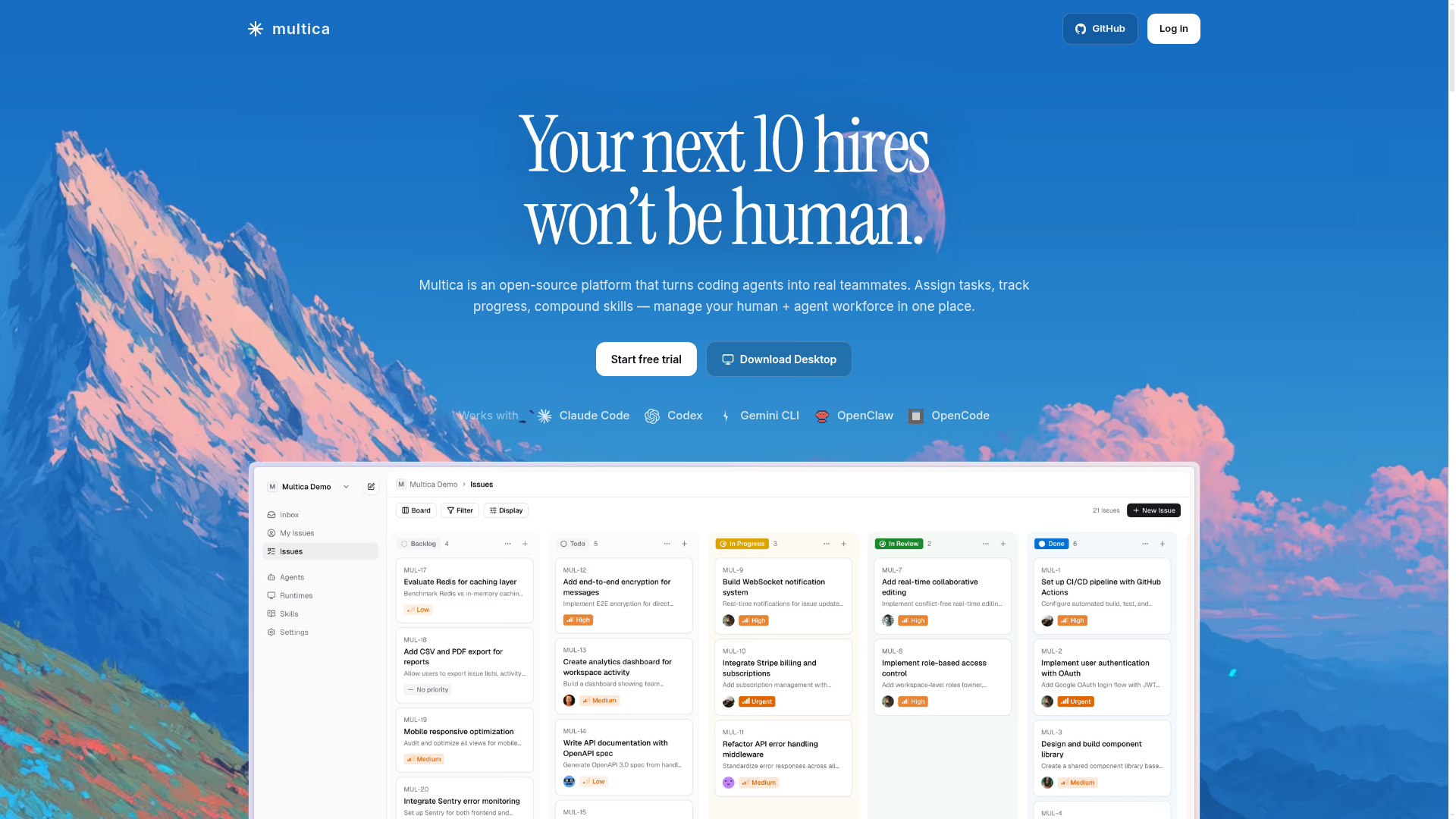
Used as a reference for the operational feel, panel hierarchy, and “live system” framing.
Less project management language, more creator-engineering language. The result should sell leverage, not workforce management.