Inference
Mixture of Experts (MoE)
A model architecture that routes each input to a small subset of specialized sub-networks ("experts") rather than activating the entire model.
In depth
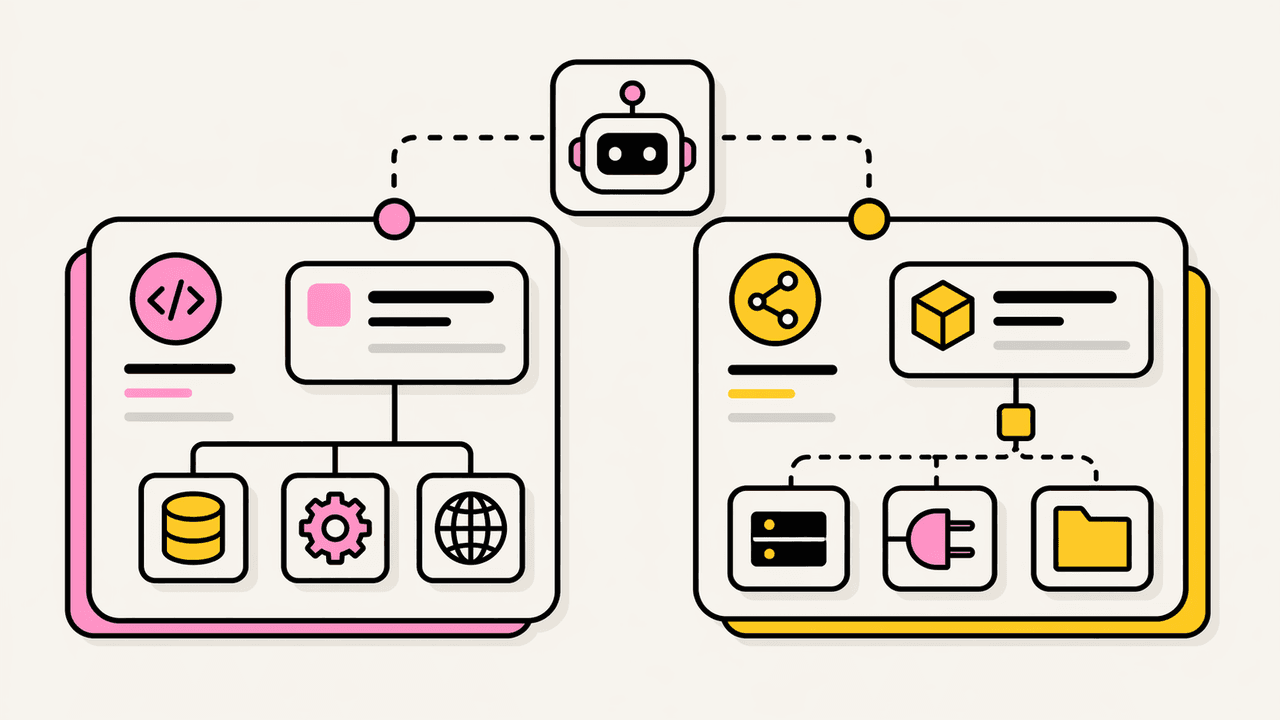
A model architecture that routes each input to a small subset of specialized sub-networks ("experts") rather than activating the entire model. A gating network decides which experts handle each token, so the model can have a massive total parameter count while only using a fraction of them per inference pass. MoE powers models like Mixtral and GPT-4, delivering strong performance at lower compute cost than dense models of equivalent size.
Example
MoE powers models like Mixtral and GPT-4, delivering strong performance at lower compute cost than dense models of equivalent size.
Go deeper at Developers Digest
Hands-on guides, comparisons, and tutorials that cover Inference.
FAQ
Common questions
What is Mixture of Experts (MoE)?
A model architecture that routes each input to a small subset of specialized sub-networks ("experts") rather than activating the entire model.
Why does Mixture of Experts (MoE) matter for AI developers?
Mixture of Experts (MoE) sits in the Inference part of the AI stack. Understanding it helps you make better decisions when building, debugging, and shipping AI features.
Where can I learn more about Mixture of Experts (MoE)?
Developers Digest publishes tutorials and videos that cover Inference topics including Mixture of Experts (MoE). Check the blog and YouTube channel for hands-on walkthroughs.
Related
Related terms
Inference
Active Parameters
The part of a model's parameters that is actually used to process each token.
Inference
Multi-Token Prediction (MTP)
A training objective where a language model learns to predict the next several tokens at each position instead of only the next one, using extra output heads on a shared model trunk.
Inference
Mamba
Mamba is a sequence model architecture built on selective state space layers, where the SSM parameters depend on the current token so the model can choose what to remember or forget.
Put this concept to work
Get Smarter About AI Dev
New tutorials, open-source projects, and deep dives on coding agents - delivered weekly.
One email per weekReal code, not theoryFree forever