GLM-5.2
Everything on Z.ai's open-weights GLM-5.2 coding model: how to access it free and cheap, what it costs to run, how it stacks up against DeepSeek, Qwen, and the frontier labs, and why an MIT-licensed model is beating closed ones on real benchmarks.
6 articles53 min total read time
6 of 6 posts published
01
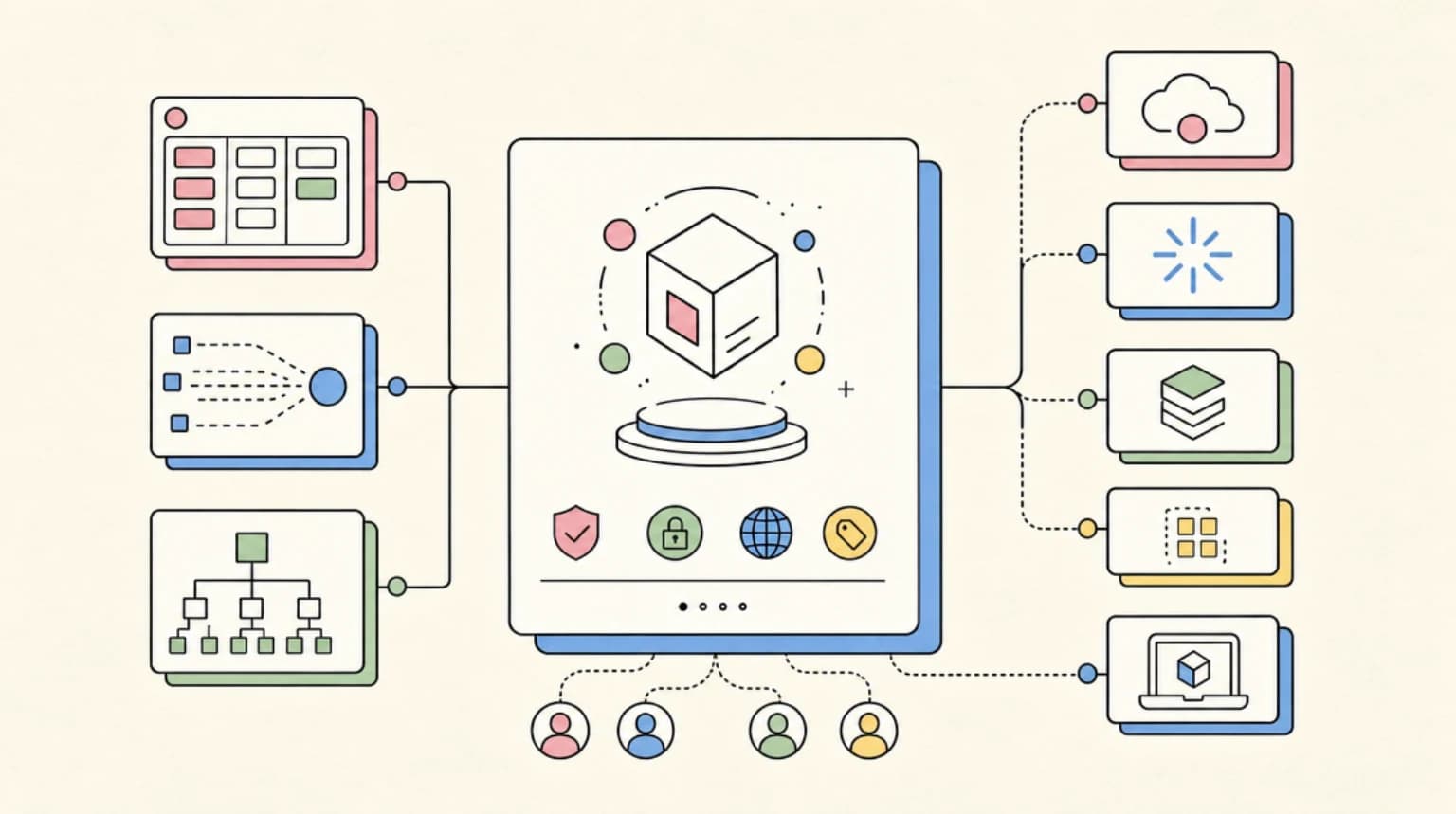
Where to Run GLM-5.2 Free and Cheap: Every Provider Compared (2026)
GLM-5.2 ships under an MIT license, so it is hosted everywhere - and a few places run it for free or nearly free right now. Here is every way to access Z.ai's open-weights coding model, from OpenCode Go referral credits and Devin to the cheapest per-token routes on OpenRouter, Fireworks, and DeepInfra, plus local Ollama.
10 min read|Read →
02
GLM-5.2 Cost Math: When Open-Weights Coding Models Actually Save You Money
Z.ai's GLM-5.2 lands as a 753B open-weights coding model that beats GPT-5.5 on SWE-bench Pro for roughly one-sixth the per-token cost. Here is the real cost math, a worked cost-per-task example, and a when-to-use-which decision guide.
9 min read|Read →
03
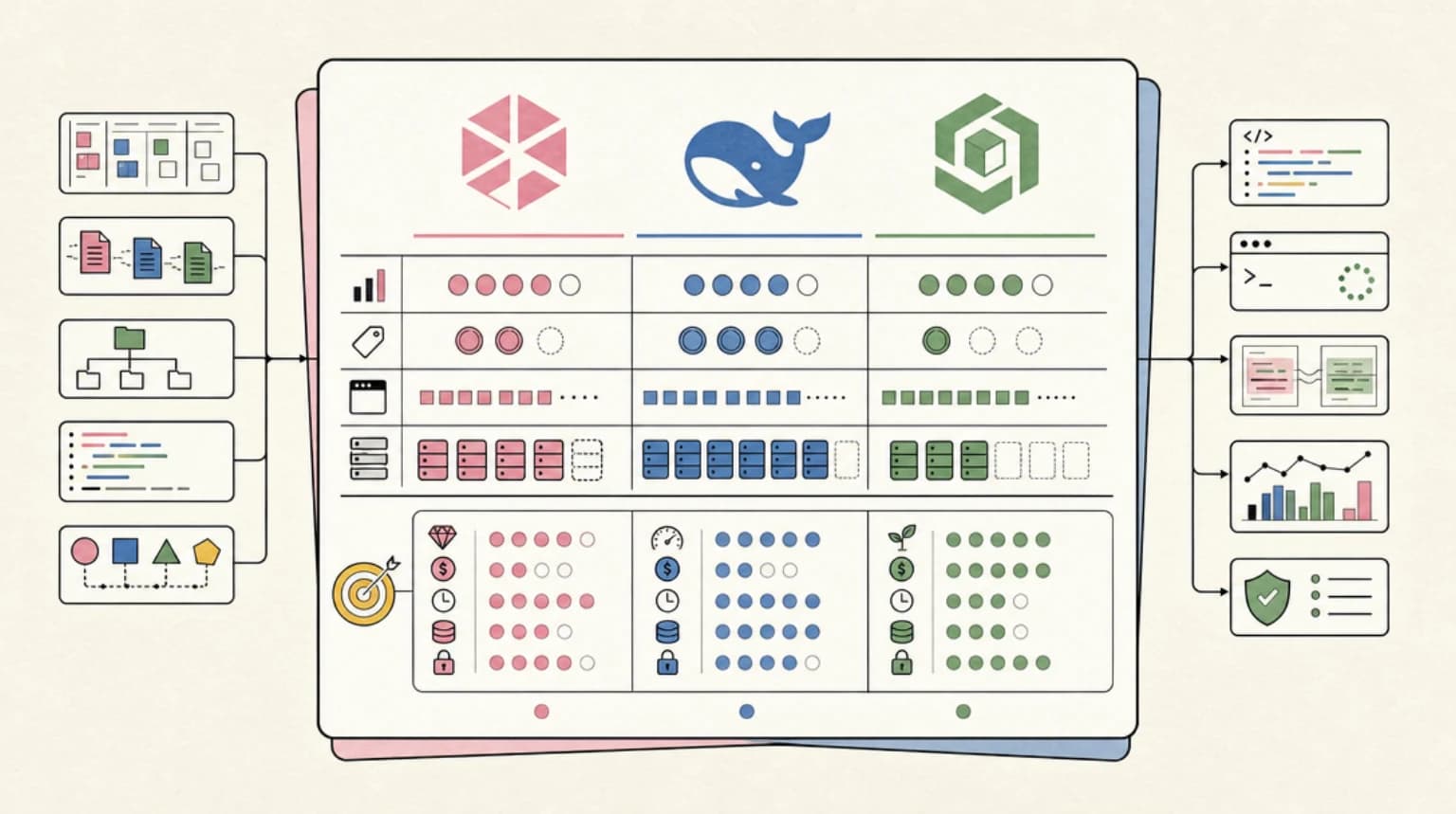
GLM-5.2 vs DeepSeek V4 vs Qwen3: The Open-Weights Coding Model Showdown (2026)
A data-rich, source-cited comparison of the open-weights coding models that matter in 2026: GLM-5.2, DeepSeek V4, Qwen3, and the new Kimi K3 frontier entrant. Benchmark table, per-token pricing, context windows, self-host footprint, and a clear pick-X-if decision matrix.
14 min read|Read →
04
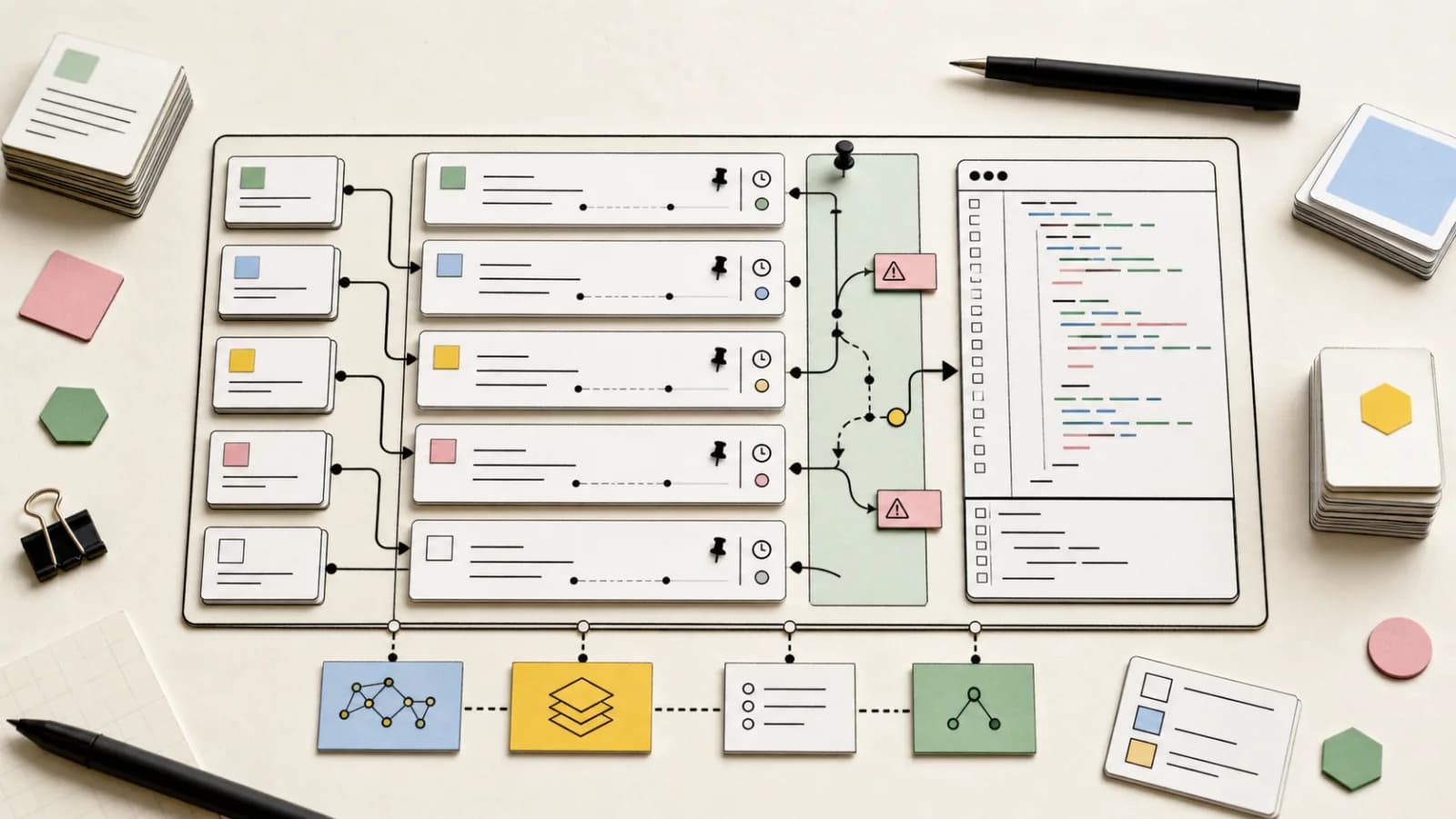
GPT-5.5 Has a 3x Higher Hallucination Rate Than MIT-Licensed GLM-5.2
New benchmark data shows GPT-5.5 hallucinates 86% of the time when it does not know the answer - versus 28% for the open-weights GLM-5.2. The numbers challenge the assumption that bigger models equal more reliable output.
6 min read|Read →
05
GLM-5.2 Local Deployment: Running Z.ai's 744B Model on Consumer Hardware
Unsloth's dynamic quantization makes GLM-5.2 runnable on a 256GB Mac or a 24GB GPU with CPU offloading. Here is the hardware math, the quantization tradeoffs, and what the HN community learned from actually running it.
7 min read|Read →
06
GLM 5.2 and the AI Margin Collapse Thesis
Martin Alderson's argument for why open-weights models like GLM 5.2 will compress frontier lab margins is sparking debate on HN. Here is what the thesis actually says, where HN agrees and disagrees, and why it matters for developers choosing models.
7 min read|Read →

Get Smarter About AI Dev
New tutorials, open-source projects, and deep dives on coding agents - delivered weekly.
One email per weekReal code, not theoryFree forever