Briefing · Wednesday, July 1, 2026
Fable 5 Redeploys Worldwide, Sonnet 5 Ships as the Cheap Agent Model
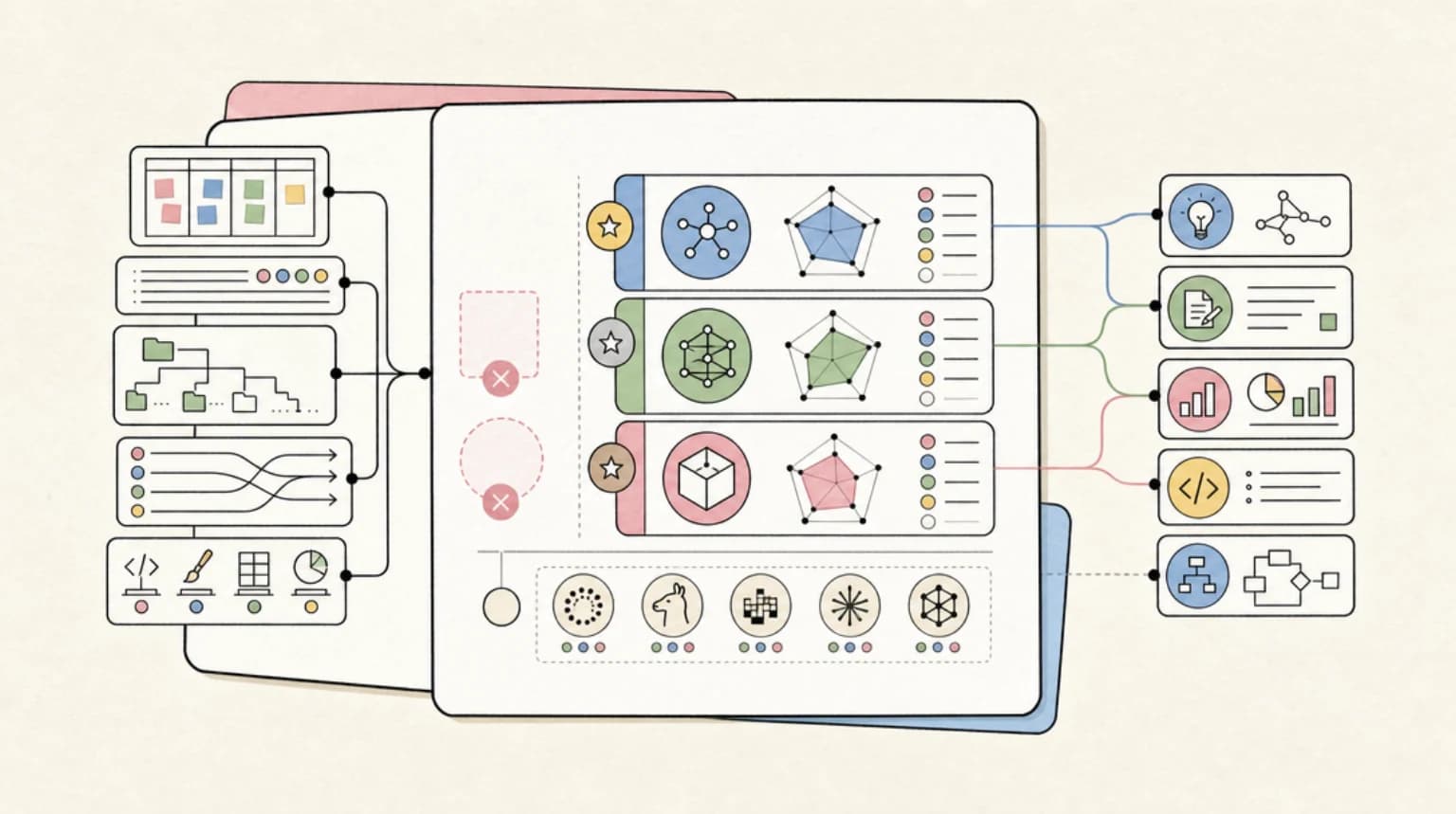
Good morning. It's Wednesday, July 1, and the model everyone lost access to three weeks ago is coming back online today, a cheaper agentic Sonnet just landed, and the Model Context Protocol is about to break its own session model.
Fable 5 launched June 9, got suspended June 12 under a US export-control directive, and starts redeploying globally today. If you build agents, the pricing and access math changed twice this week.
In today's brief:
- Fable 5 returns worldwide after the export-control suspension is lifted
- Claude Sonnet 5 ships as the cheaper way to run agents, with a tokenizer catch
- The next Model Context Protocol spec hits release candidate with breaking changes
THE BIG ONE
Fable 5 Is Back Online Worldwide
Anthropic is redeploying Fable 5, its most capable model, starting today across the Claude API, the Claude apps, and Claude Code. The model first launched June 9 and was suspended June 12 after a US export-control directive barred foreign-national access on national-security grounds, following a jailbreak report. TechCrunch reported that those restrictions were dropped June 30, clearing the path for the global redeploy.
What changed on the way back: a new safety classifier now blocks the specific reported technique at a rate above 99 percent. Anthropic notes the classifier produces more false positives on benign coding requests, and any blocked request falls back to Opus 4.8 rather than failing.
The specs for builders: model id claude-fable-5, 1M token context, priced at $10 per million input tokens and $50 per million output tokens, with always-on adaptive thinking. It requires 30-day retention, so there is no zero-data-retention option.
Why it matters: If you paused Fable 5 workloads three weeks ago, they can resume today. Budget for the Opus 4.8 fallback path on coding-heavy prompts, since the tightened classifier will route some benign requests there.
MODELS
Claude Sonnet 5 Ships as the Cheap Way to Run Agents
Anthropic launched Claude Sonnet 5 on June 30, calling it its "most agentic Sonnet yet" and positioning it near Opus 4.8 performance at Sonnet prices. It is now the default model on the Free and Pro plans. TechCrunch framed it as a cheaper way to run agents.
The model page lists claude-sonnet-5 with a 1M token context and introductory pricing of $2 per million input tokens and $10 per million output through August 31, rising to $3 and $15 after that. Opus 4.8 sits at $5 and $25. On benchmarks, Sonnet 5 scores 85.2 percent on SWE-bench Verified and jumps from 15.1 to 38.8 on FrontierCode against Sonnet 4.6.
The catch worth pricing in: Sonnet 5 uses a new tokenizer that produces roughly 30 percent more tokens for the same text. Equal per-token price is not equal per-task cost, so the real savings depend on your workload, not the sticker price.
Why it matters: For agent loops that run many calls, Sonnet 5 is the obvious default to test. Just measure cost per completed task, not cost per token, because the tokenizer change eats into the headline discount.
PROTOCOLS
MCP's July 28 Release Candidate Breaks the Session Model
The next Model Context Protocol spec is in release candidate now and ships July 28 with breaking changes. The headline shift is a stateless core: no session handshake, load-balancer-friendly request routing via an Mcp-Method header, and a cacheable tools/list with a ttlMs field.
The release also adds MCP Apps for server-rendered UIs and promotes Tasks to a first-class extension for long-running work. It hardens auth around OAuth and OIDC, and deprecates Roots, Sampling, and Logging.
Why it matters: If you maintain an MCP server, the stateless move is the one to plan for. Session-based handshakes and the deprecated Roots, Sampling, and Logging features have a four-week runway before the July 28 spec lands.
Every link above goes to a primary source. Tomorrow's brief lands when the news does - subscribe to get it by email.
Get the next one in your inbox
The daily brief, delivered. Free, unsubscribe anytime.