Briefing · Tuesday, June 30, 2026
California's Claude Deal, GPT-5.6 Preview, and Agent Sandboxes
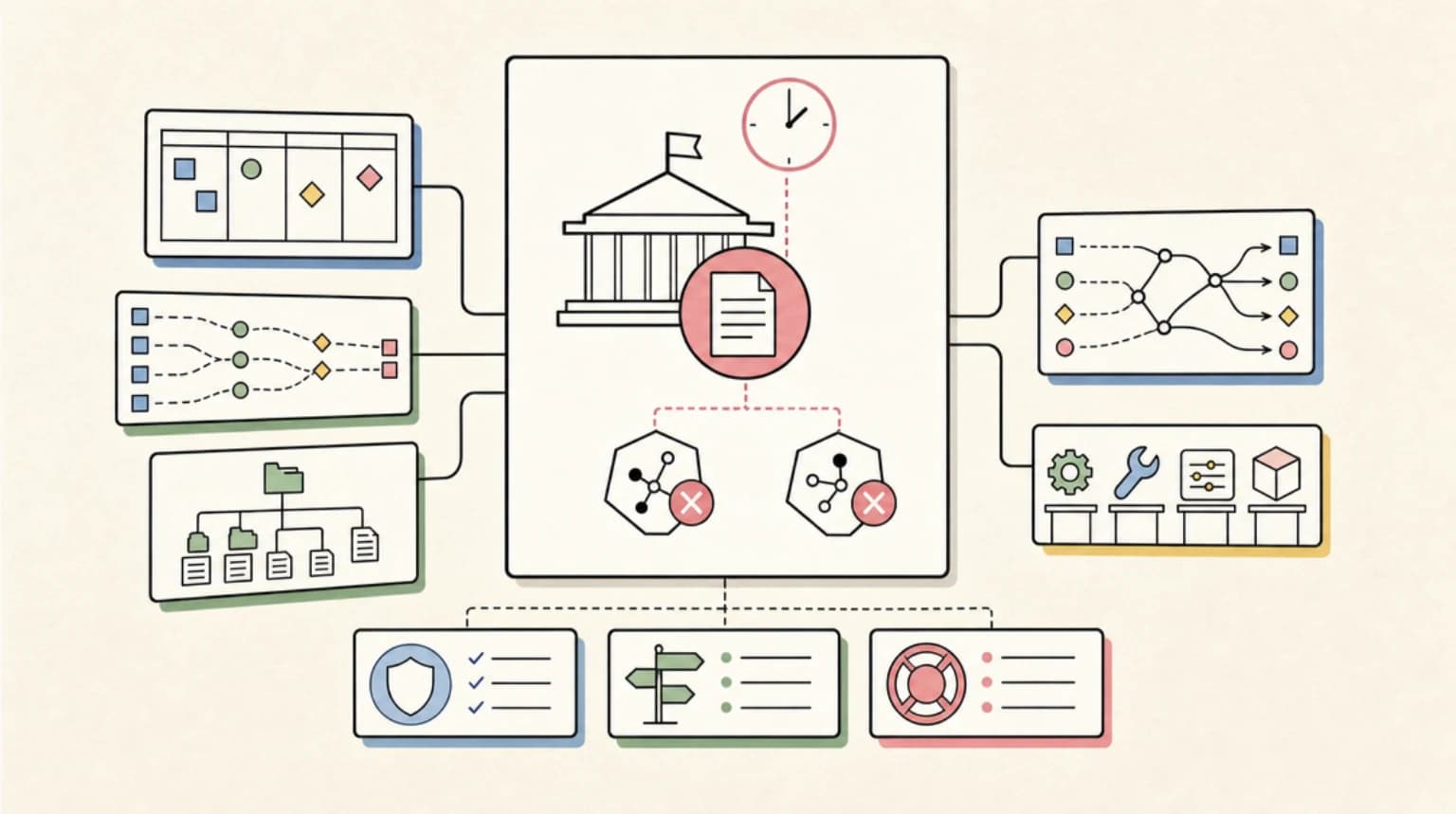
Good morning. It's Tuesday, June 30, and we're covering the largest government-level Claude deployment so far, a trio of new OpenAI models that almost nobody can touch yet, and the Anthropic infrastructure feature that puts agent sandboxes inside your own network.
OpenAI limited GPT-5.6 Sol to roughly 20 organizations worldwide - the most restricted frontier model launch either company has run.
In today's brief:
- California signs the first state-level Claude contract covering all agencies, cities, and counties at 50% off
- GPT-5.6 Sol, Terra, and Luna remain locked to a narrow preview while Mythos 5 returns to 100 approved partners
- Claude Managed Agents ships self-hosted sandboxes in public beta and MCP tunnels in research preview
- Codex Remote reaches general availability across all ChatGPT paid plans
THE BIG ONE
California Signs Claude for Every Agency, City, and County at Half Price
Governor Gavin Newsom announced on June 29 a first-of-its-kind agreement with Anthropic: all California state agencies, cities, and counties can access Claude at a 50% discount through the state's new SITeS portal, with free workforce training and Anthropic developer assistance included. Claude becomes the first AI productivity tool available to all state agencies through that portal.
The deal extends to local governments at the same terms - every city and county in the state qualifies, not just Sacramento-level departments. California already uses Claude in its Engaged California deliberative democracy platform. The state's political context matters here: the Trump administration canceled more than $200 million in federal contracts with Anthropic earlier this year after CEO Dario Amodei refused to let the Defense Department use Claude for autonomous weapons. Newsom's deal is a direct counter-signal that state government has its own Claude procurement path regardless of federal posture.
Why it matters: State government contracts are large, sticky, and visible - they give AI companies usage diversity, public credibility, and a template that other states will replicate. Anthropic landing California in this format before OpenAI or Google is a meaningful distribution milestone, and it will show up in the IPO prospectus.
GOVERNMENT
GPT-5.6 Stays at 20 Orgs While Mythos 5 Returns for 100
Two frontier model access stories resolved this week in opposite directions. OpenAI's GPT-5.6 series - Sol at $5/$30 per million tokens, Terra at $2.50/$15, Luna at $1/$6 - entered limited preview on June 26 capped at roughly 20 organizations, following the Trump executive order from June 2 requiring federal benchmark review before general availability. The sequencing is explicit: US government agencies evaluate the models before the developer public does.
Meanwhile, Anthropic's Mythos 5 - suspended on June 12 by a Commerce Department export-control directive over a jailbreak that exposed cybersecurity capabilities - came back online this week for approximately 100 approved companies and federal agencies after Anthropic addressed the vulnerability. Commerce Secretary Howard Lutnick confirmed the partial return. Both companies now operate inside a government-intermediated access tier that did not exist three months ago.
Why it matters: The US government has established itself as a gatekeeper for the most capable frontier models, deciding which organizations can access them and when. Developers building on these APIs now need to plan around a two-tier market - government-approved partners first, general availability weeks later.
Our coverage: why the US government pulled Fable 5 and what Claude Mythos 5 is and who it is for.
INFRASTRUCTURE
Claude Managed Agents Gets Self-Hosted Sandboxes and Private MCP Tunnels
Anthropic shipped two infrastructure features for Claude Managed Agents this week. Self-hosted sandboxes, now in public beta, move tool execution to an environment you configure - your own infrastructure or a managed provider like Cloudflare, Daytona, Modal, or Vercel - while the agent loop handling orchestration, context management, and error recovery stays on Anthropic's side. MCP tunnels, in research preview, let agents reach MCP servers inside your private network via a lightweight gateway that makes a single outbound connection: no inbound firewall rules, no public endpoints, traffic encrypted end to end.
The combination solves the enterprise blocker that has stalled Managed Agents evaluations: sensitive files, internal databases, and private APIs never leave the corporate network boundary but are still reachable by the agent loop. Both features were first shown at Anthropic's Code with Claude conference in London.
Why it matters: Regulated industries - finance, healthcare, defense contractors - now have a technically viable path to running Claude agents against internal tools without routing sensitive data through Anthropic's infrastructure.
Our coverage: agent sandbox design patterns and Claude Managed Agents as a backend job runtime.
TOOLS WORTH A LOOK
- Codex Remote - GA on all ChatGPT paid plans as of June 25; phone-based control of long-running agent coding sessions via QR-authenticated pairing. Included with Plus, Pro, Business, Enterprise, and Education subscriptions.
- DigitalOcean Codex Workspace Plugin - One-step provisioning of a DigitalOcean Droplet as a connected Codex remote workspace with SSH configured automatically. Pay-as-you-go DigitalOcean pricing.
- Claude on Azure AI Foundry - Claude Opus 4.8 and Haiku 4.5 now generally available on Azure with native identity, billing, governance, and optional US data zone. Billed via Azure credits.
WHAT ELSE IS HAPPENING
- Claude Mythos Preview retired today:
claude-mythos-previewis end-of-life as of June 30. Migrate toclaude-mythos-5, which is returning to the API on a rolling basis for approved partners. (2 min read) - Anthropic IPO, Q2 closes: Today ends Q2 2026 with Anthropic having filed its IPO prospectus on June 1 at a $965B valuation and $47B annualized revenue. The California deal and Mythos return are the narrative momentum a pre-IPO company builds before roadshow.
- Google Tenor GIF API shuts down today: June 30 marks the official end of the Tenor API. Any app still calling it needs a migration to Giphy or Tenor's web embed path today. (1 min action item)
- Engineering for Bounded Cognition: A piece on designing AI systems around LLMs' actual cognitive limits rather than idealized capacity reached 121 points on HN - useful framing for anyone building agent loops or eval harnesses. (15 min read)
- Codex goal mode hits GA and appshots ship on macOS: Goal mode is now generally available in the Codex app, IDE extension, and CLI. The new appshots hotkey lets you attach any macOS app window to a Codex thread for context. Free with existing subscriptions.
Every link above goes to a primary source or our sourced coverage. Tomorrow's brief lands when the news does - subscribe to get it by email.
Get the next one in your inbox
The daily brief, delivered. Free, unsubscribe anytime.