Mozilla's State of Open Source AI Report: The Gap Is 3%, But Deployment Remains the Real Problem
TL;DR
Mozilla's inaugural report reveals open models now match closed AI on capability, but only 51% reach production. The harness layer and permission model gaps explain why.
Mozilla just dropped its first State of Open Source AI report, and the headline number is striking: the capability gap between open and closed models has shrunk to 3.3%. That sounds like near-parity. But dig into the 50-page PDF and you find a more nuanced story about where open models actually win, where they still lag, and why so few make it to production.
The Capability Picture#
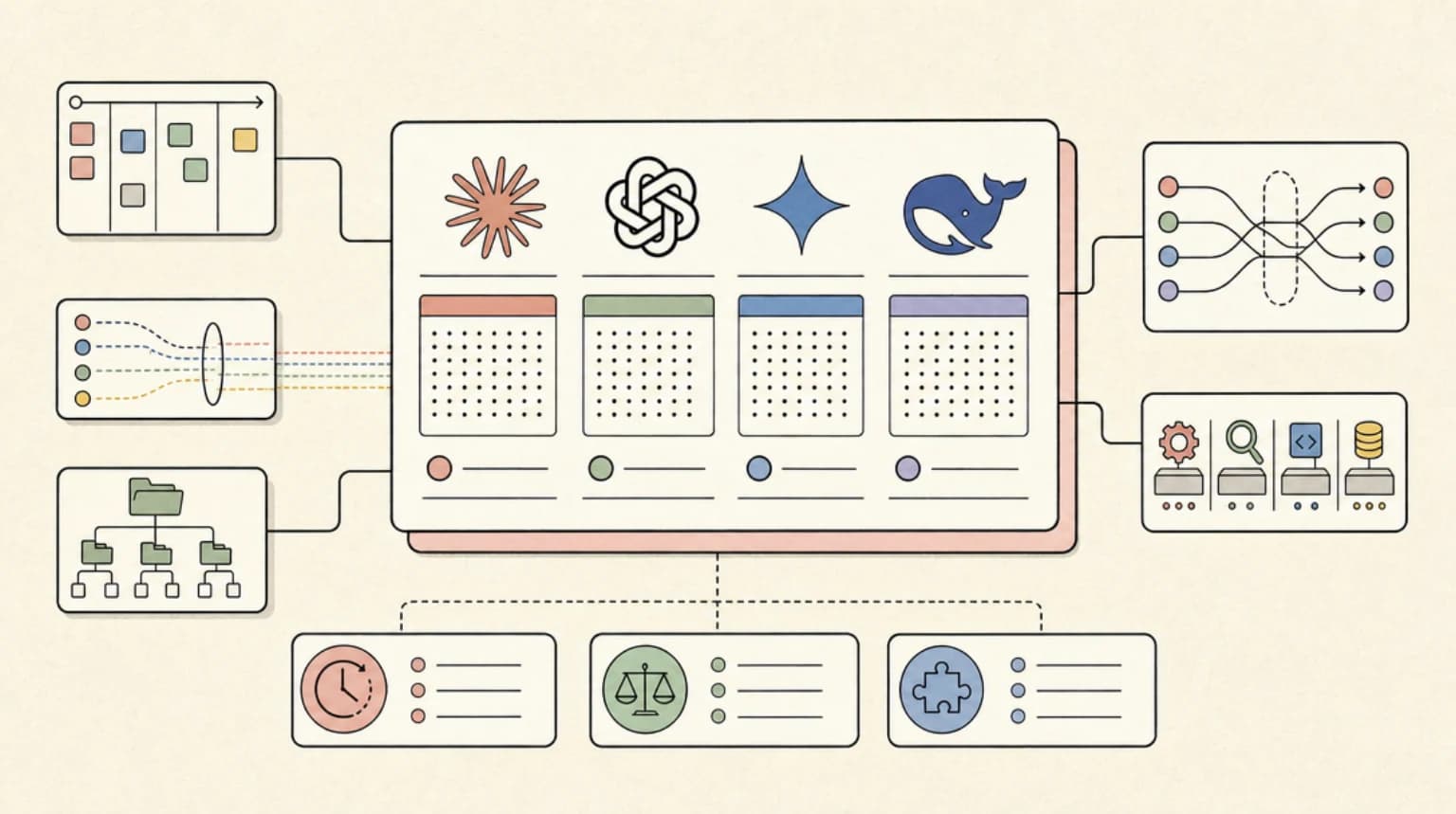
The report tracks model performance using a composite benchmark across OpenRouter data. In January 2024, open-weight models trailed closed ones by 8.04%. By August 2024, that gap closed to just 0.5%. But then reasoning-focused closed models (the o1 and Fable generation) pushed ahead again, widening it back to 3.3% by March 2026.
What does that gap actually mean? Open models achieve parity on:
- Coding tasks
- Instruction-following
- General knowledge
Closed models still lead on:
- Complex reasoning
- Long-context fidelity (Gemini 3 hits 89% on 1M token retrieval; DeepSeek V4-Pro manages 41%)
- Integrated harness optimization
The "jagged frontier" is real. Depending on your use case, open models may be just as good or noticeably worse.
The Deployment Gap Is Bigger Than the Capability Gap#
Here is the number that matters more than 3.3%: only 51% of teams using open models reach production, versus 63% for closed models.
That 12-point gap is not about model quality. The report identifies the actual blockers:
| Barrier | % of Developers Citing |
|---|---|
| Infrastructure/compute costs | 27% |
| Security and compliance concerns | 26% |
| Maintenance requirements | 24% |
| Deployment complexity | 23% |
| Specialized support gaps | 22% |
These challenges persist across all regions. The problem is systemic - tooling and operational infrastructure for open models is not as mature as the managed API experience from OpenAI or Anthropic.
What HN Is Saying#
The Hacker News thread has mixed reactions to both the report's substance and its presentation.
On the content, commenters highlight the harness layer finding as the key insight:
"The harness is the software between people and models that decides what an AI system can see, remember, and do. Changing the surrounding software can affect performance more than switching the model itself."
Several note that this matches their production experience - when you run the same harness across Fable, Opus, and Sonnet, you see meaningful differences. The model still matters.
On the market dynamics, the discussion focuses on sustainability:
"Open models are probably also comparatively astronomically expensive to train - just less so than the frontier models. Creation of open models still requires a lot of money and compute from a large organisation which is willing to accept zero return for that spend. This largesse is unlikely to continue forever."
The China angle comes up repeatedly. Chinese open-weight models went from under 2% of OpenRouter tokens in late 2024 to 45% by April 2026. Qwen downloads surpassed the next eight organizations combined. Commenters frame this as intentional policy - a macro hedge against semiconductor export controls.
On the website itself, HN was less kind:
"This new trend of content appearing while scrolling down is so terrible accessibility-wise, I do not understand how Mozilla of all institutions would do it."
Several called out the design as style over substance, though others noted it respects prefers-reduced-motion settings.
The Agentic Harness Gap#
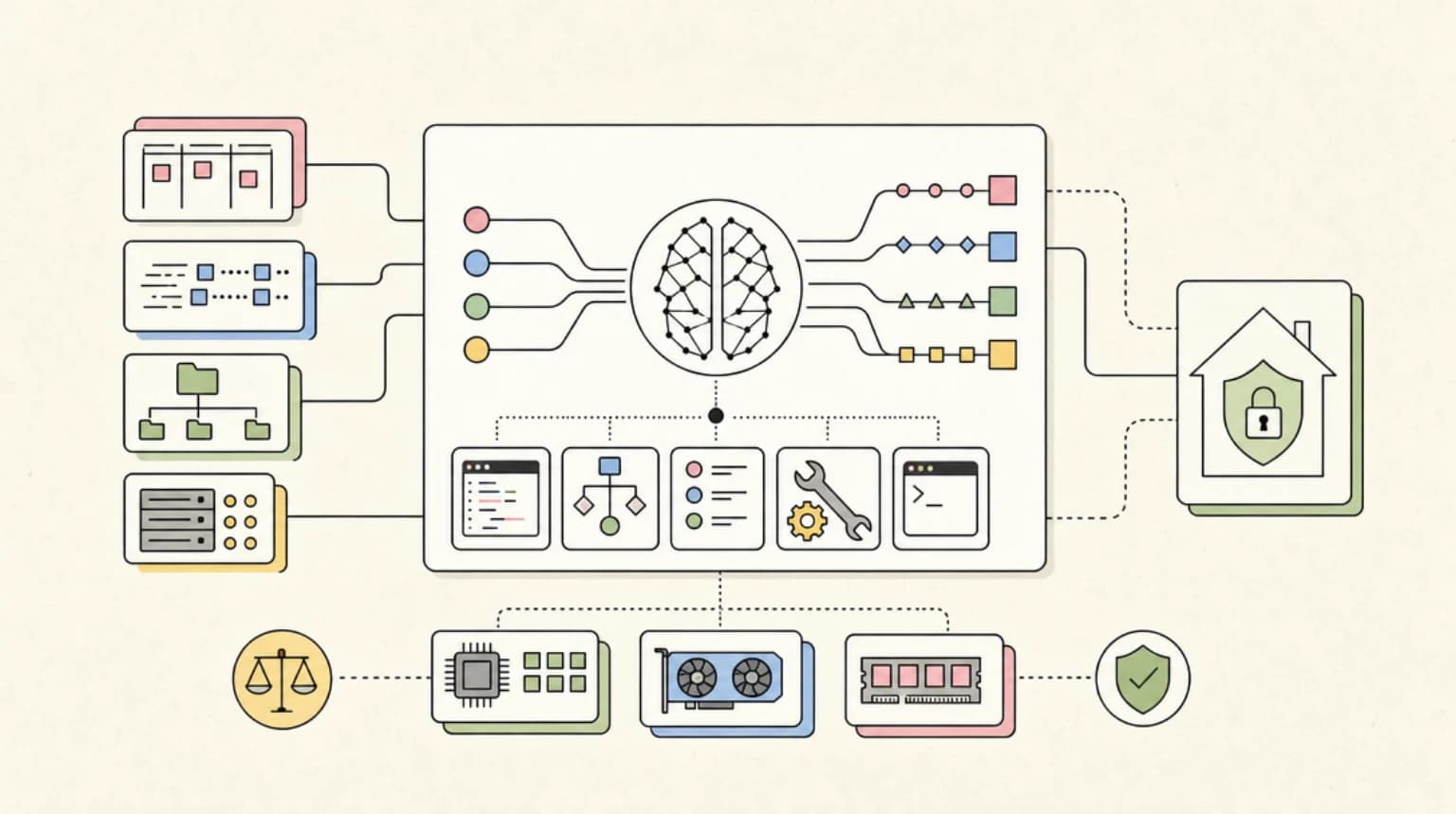
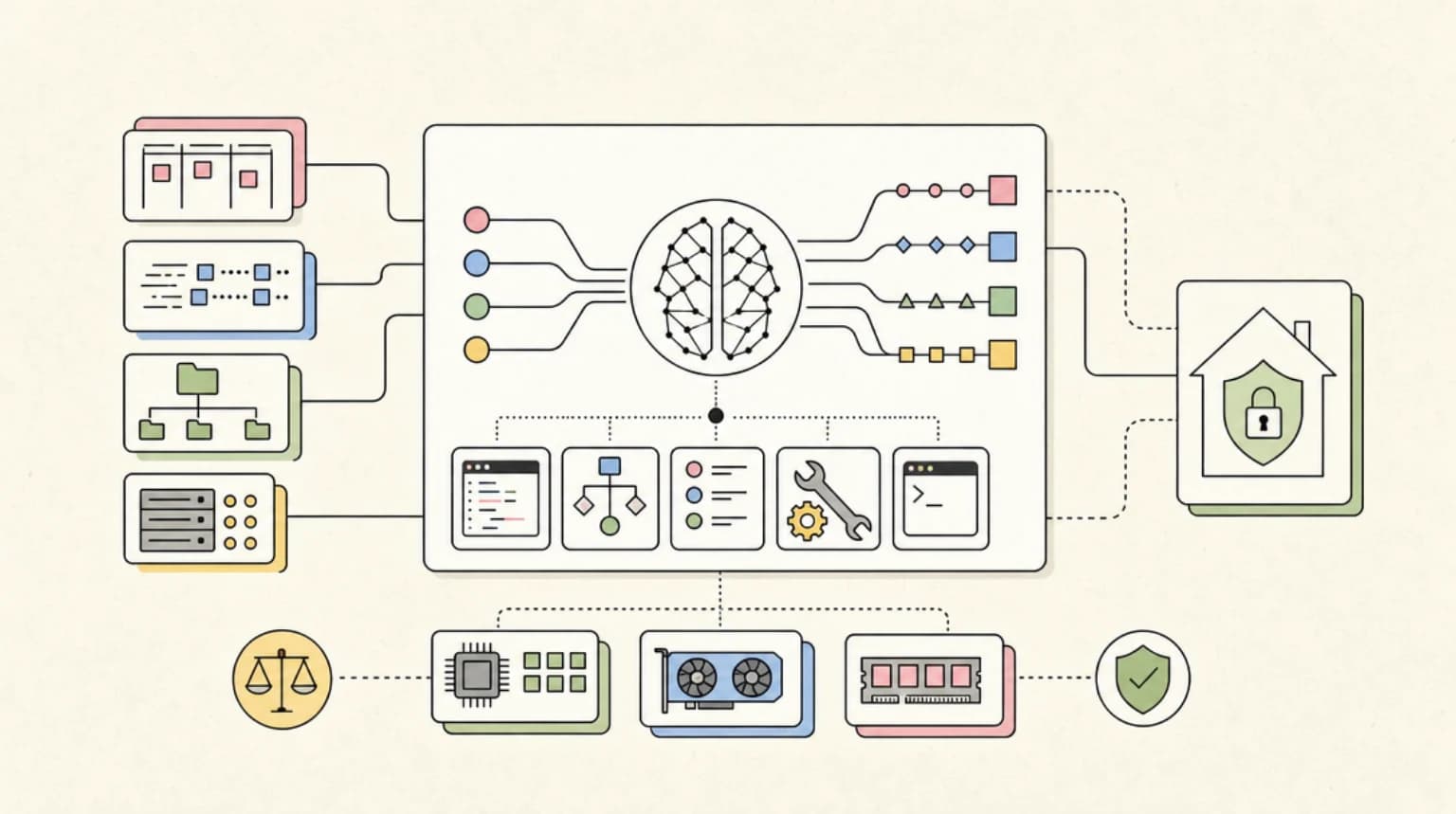
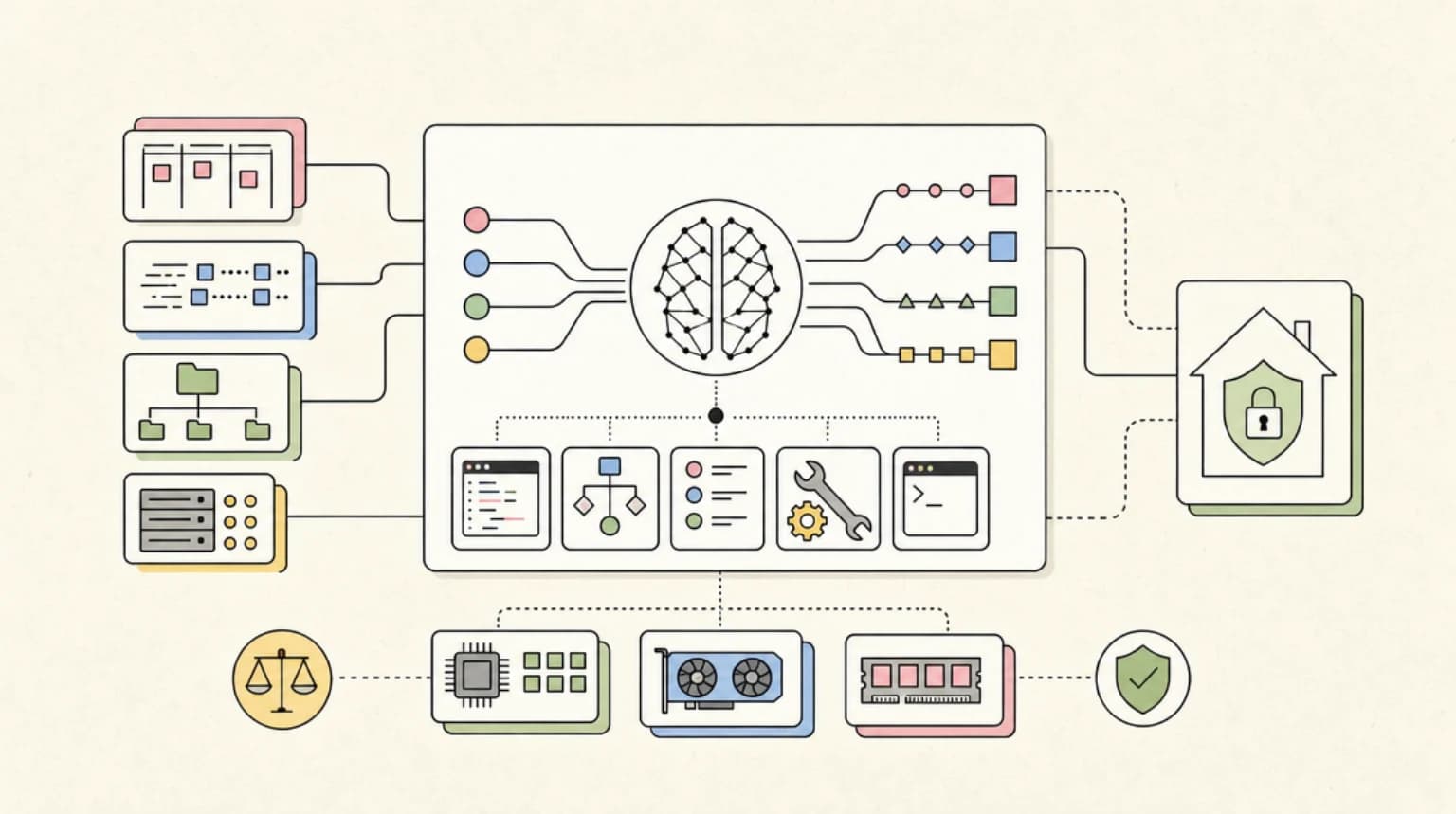
The report's most forward-looking section concerns the "harness layer" - the orchestration software that sits between users and models. This layer handles:
- Context management and memory
- Tool selection and execution
- Permission boundaries
- Sandboxing and safety
Mozilla identifies "the write surface" as the single highest-leverage gap in the ecosystem. No portable standard exists defining which agent actions require human approval, which are forbidden, or what cost caps apply across frameworks.
This matters because it is where security vulnerabilities concentrate. The report cites CVSS 9.3-9.4 vulnerabilities affecting Anthropic, Microsoft, ServiceNow, and Salesforce agent platforms. The Model Context Protocol grew from 2 million monthly downloads at launch to 97 million by early 2026, but security researchers filed 30+ vulnerabilities against it in the first eight weeks of this year.
And here is the behavioral finding that should concern anyone building agentic systems:
"Users approve AI agent requests by default up to 93% of the time."
Consent fatigue is real, and no standard exists to help agents distinguish routine operations from dangerous ones.
The Economics: 6x Cost, 4% Revenue#
Open models handle 33% of production tokens but capture only 4% of AI market revenue. On OpenRouter (May-September 2025), closed models held 80% usage but 96% revenue. The report calculates closed models cost approximately 6x more per call for comparable capability.
A Nagle-Yue study estimates $24.8B in unrealized annual savings from this cost asymmetry.
The venture picture shows open-source AI is not exactly struggling for funding:
| Company | Valuation/Metrics |
|---|---|
| Databricks | $5.4B run-rate (pre-IPO) |
| DeepSeek | $50B+ valuation, ~$220M ARR |
| Mistral AI | ~$14B valuation, ~$400M ARR, 20x growth |
| Zhipu AI, MiniMax | Hong Kong IPO 2026 |
Five proven commercial models exist: hosted inference, enterprise platforms, on-premises licensing, fine-tuning services, and harness tooling.
The Sovereign AI Framing#
Mozilla frames open weights as "exit rights" - a sovereignty choice. The report references the June 2026 incident where an export order forced Anthropic to cut access for foreign nationals globally.
Over 70 national AI strategies are currently active. France committed $109B to AI investment. India allocated 38,231 GPUs and set a target to lift business AI adoption from 12% to 60%. The EU issued an "open source first" procurement directive for public institutions.
The strategic implication: governments now see model access as infrastructure, not just a service market.
Where Closed Still Wins#
The report is honest about where proprietary systems maintain clear advantages:
- Integrated harness optimization - no open models in Terminal-Bench 2.1 verified tier
- Long-context fidelity at 1M tokens
- Turnkey compliance infrastructure - SOC 2, HIPAA, audit trails
- Contractual liability - someone to sue when things go wrong
For enterprises where compliance overhead exceeds compute savings, closed APIs still make economic sense.
The Practical Takeaway#
Mozilla frames five opportunities that "don't require beating the frontier" but focus on "owning the layers above it - the harness, the memory, the permission model - while those layers are still open."
For developers, the report suggests:
- The capability gap is narrow enough - if your task is coding or instruction-following, open models work
- The deployment gap is the real barrier - invest in operational tooling, not just model selection
- The harness matters more than you think - Terminal-Bench shows third-party harnesses initially outperformed proprietary ones before labs integrated harness and model
- Permission models are unsolved - build your own safety guardrails, do not wait for a standard
The window for building on open foundations while the permission layer remains unowned is, in Mozilla's words, "open now. It is closing slowly enough that we can pretend it isn't."
Continue Reading#
- DeepSeek Pauses Fundraising After Leaked Investor Transcript Reveals Compute Gap
- Distilling an LLM on One GPU: Offline Top-K Logits and a Fused Chunked KL Loss
- Fable 5 Effort Levels vs Switching Models: When to Dial and When to Change
Sources#
Get the next deep dive like this in your inbox
One email a week on News and the rest of the AI dev stack. Free.
Read next
Ornith-1.0: What an Open Source Self-Improving Coding Model Actually Means
DeepReinforce AI released Ornith-1.0, a family of open-source coding models claiming self-improvement. The HN thread reveals a mix of skepticism and genuine interest - here is what the model actually does and whether the hype holds up.
7 min readInkling: Thinking Machines Lab Drops a 975B Open-Weights Model
A new American open-weights frontier model with multimodal capabilities, 1M token context, and competitive benchmarks. Here's what the HN community thinks.
7 min readUnlimited OCR: Baidu's Open-Source Solution for Long Document Parsing
Baidu releases Unlimited OCR, an open-source vision-language model that parses 100+ page documents in a single pass without memory blowup. Here's what developers need to know.
6 min readNew here? Start with
Technical content at the intersection of AI and development. Building with AI agents, Claude Code, and modern dev tools - then showing you exactly how it works.