PostgreSQL 19 Beta: SQL/PGQ, Temporal Tables, and REPACK CONCURRENTLY
TL;DR
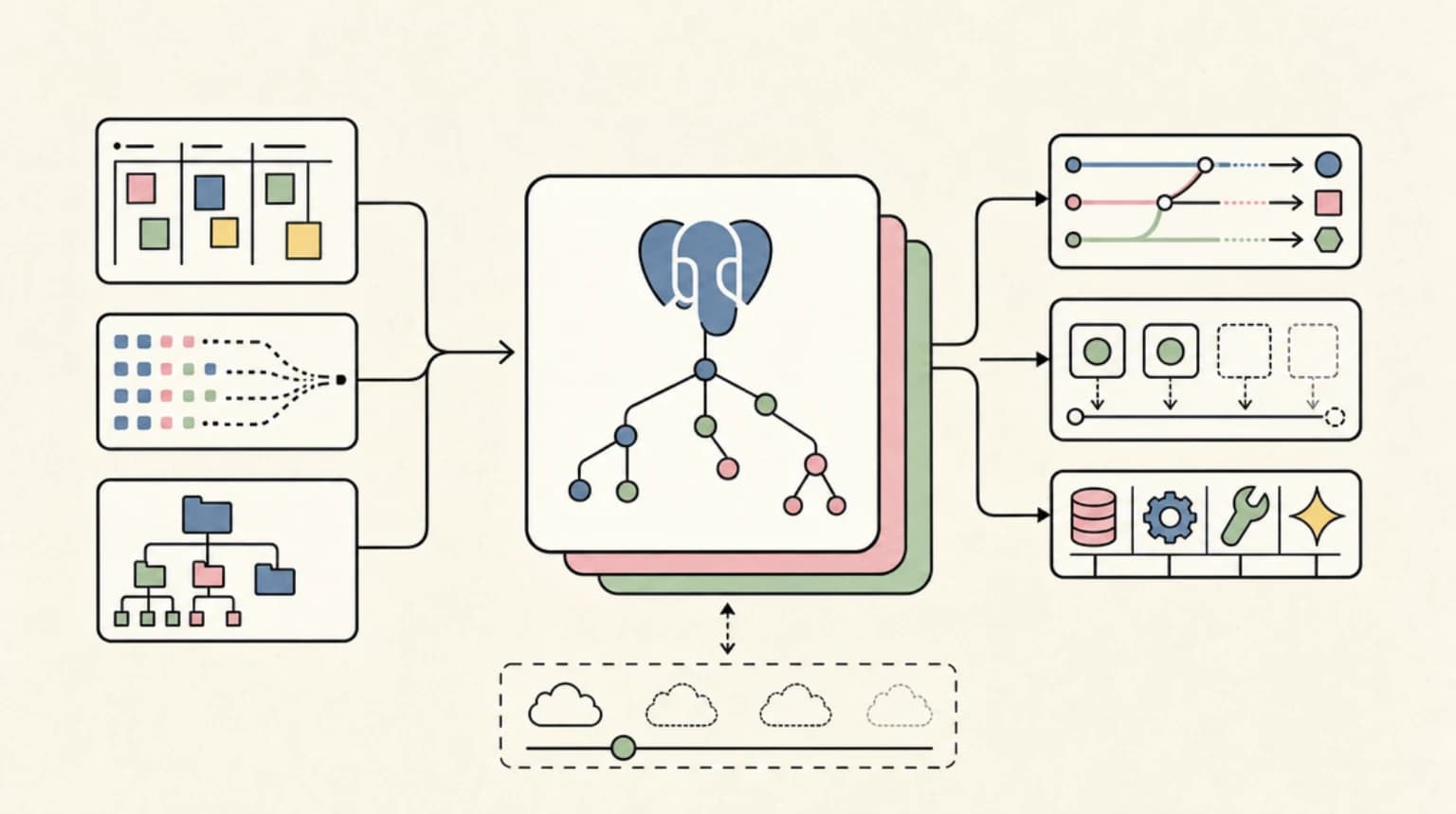
The PostgreSQL 19 beta brings native graph queries, SQL:2011 temporal tables, concurrent table reorganization, and logical replication improvements - all in a single release.
Last updated: June 30, 2026
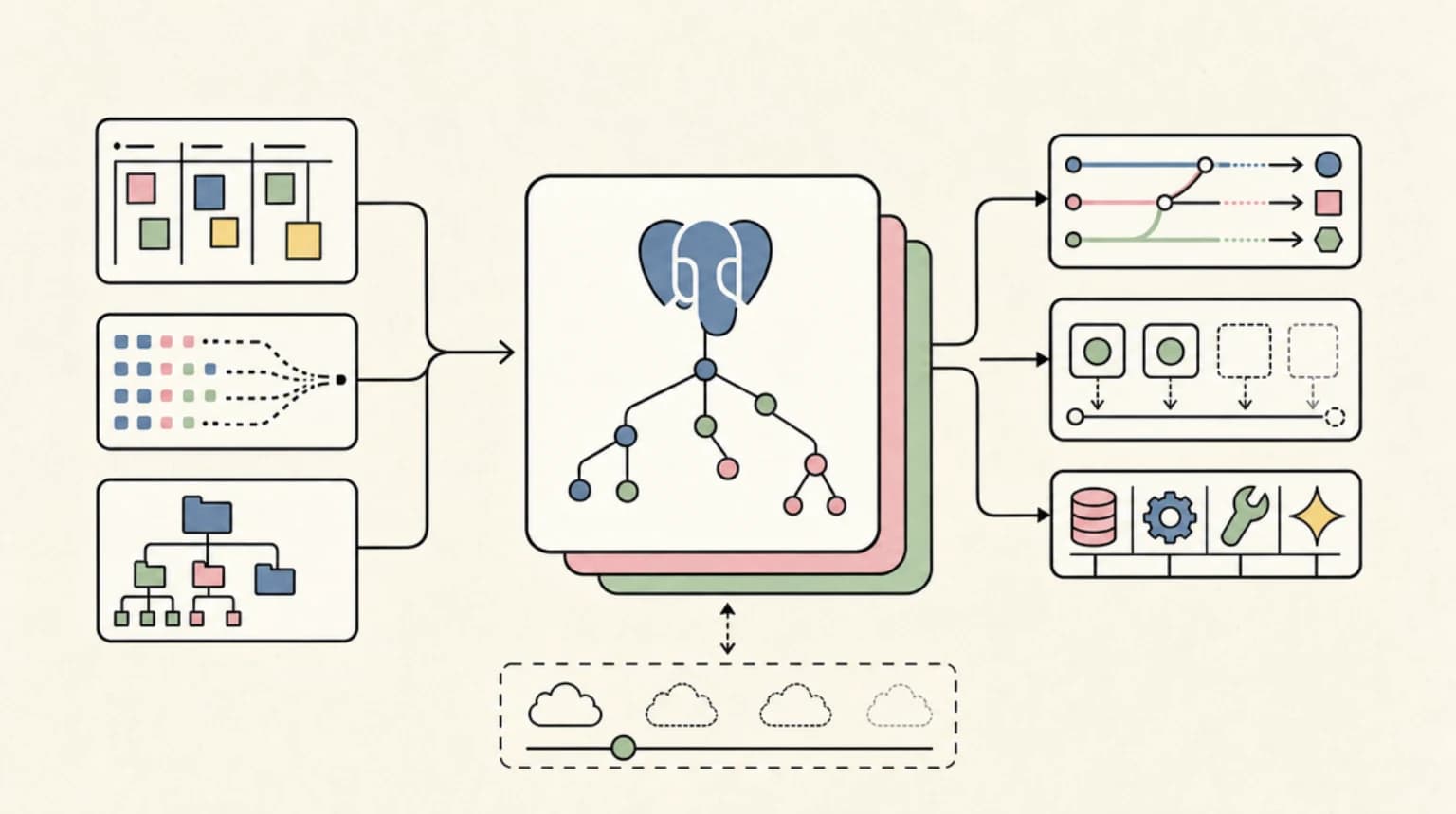
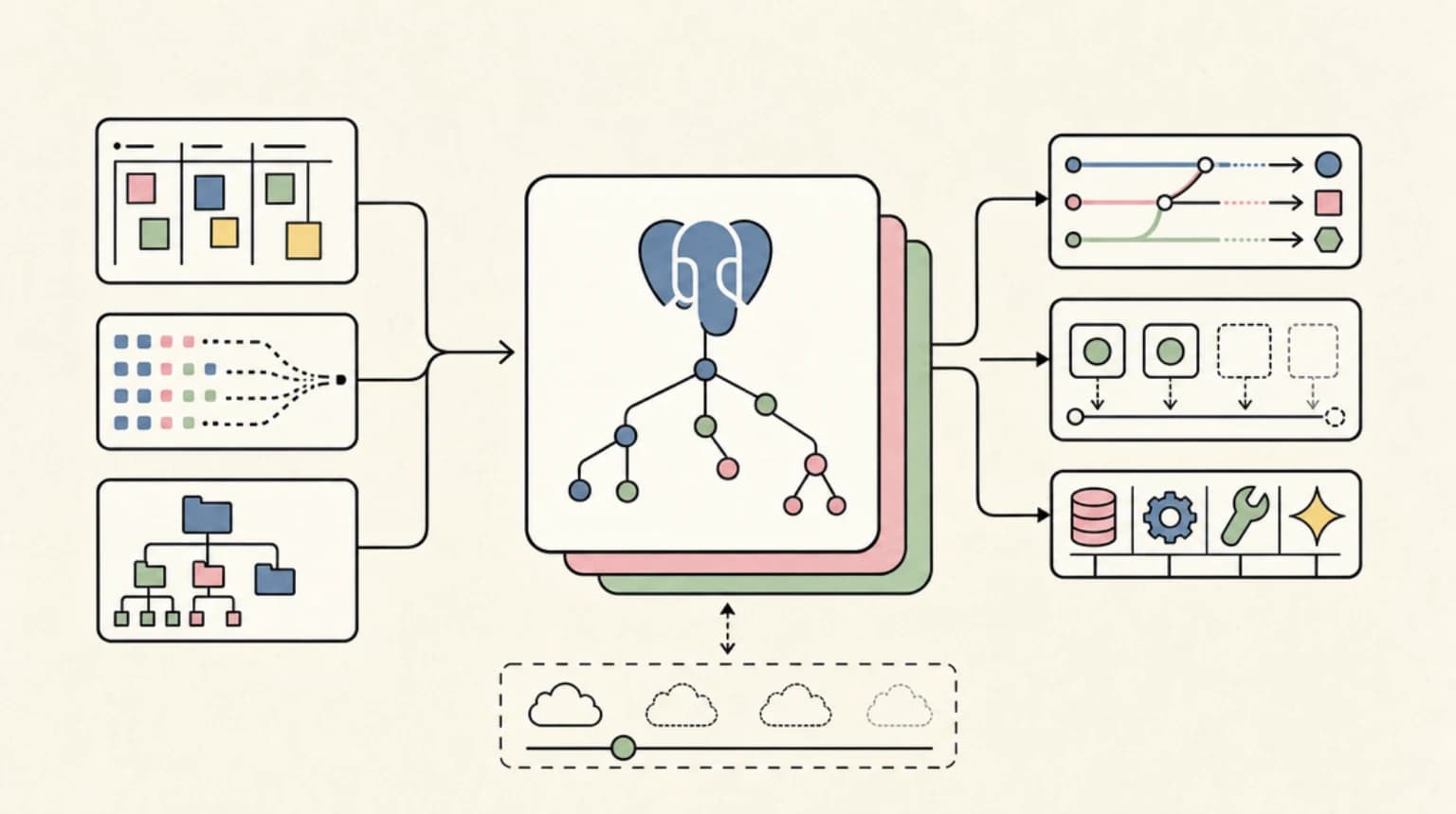
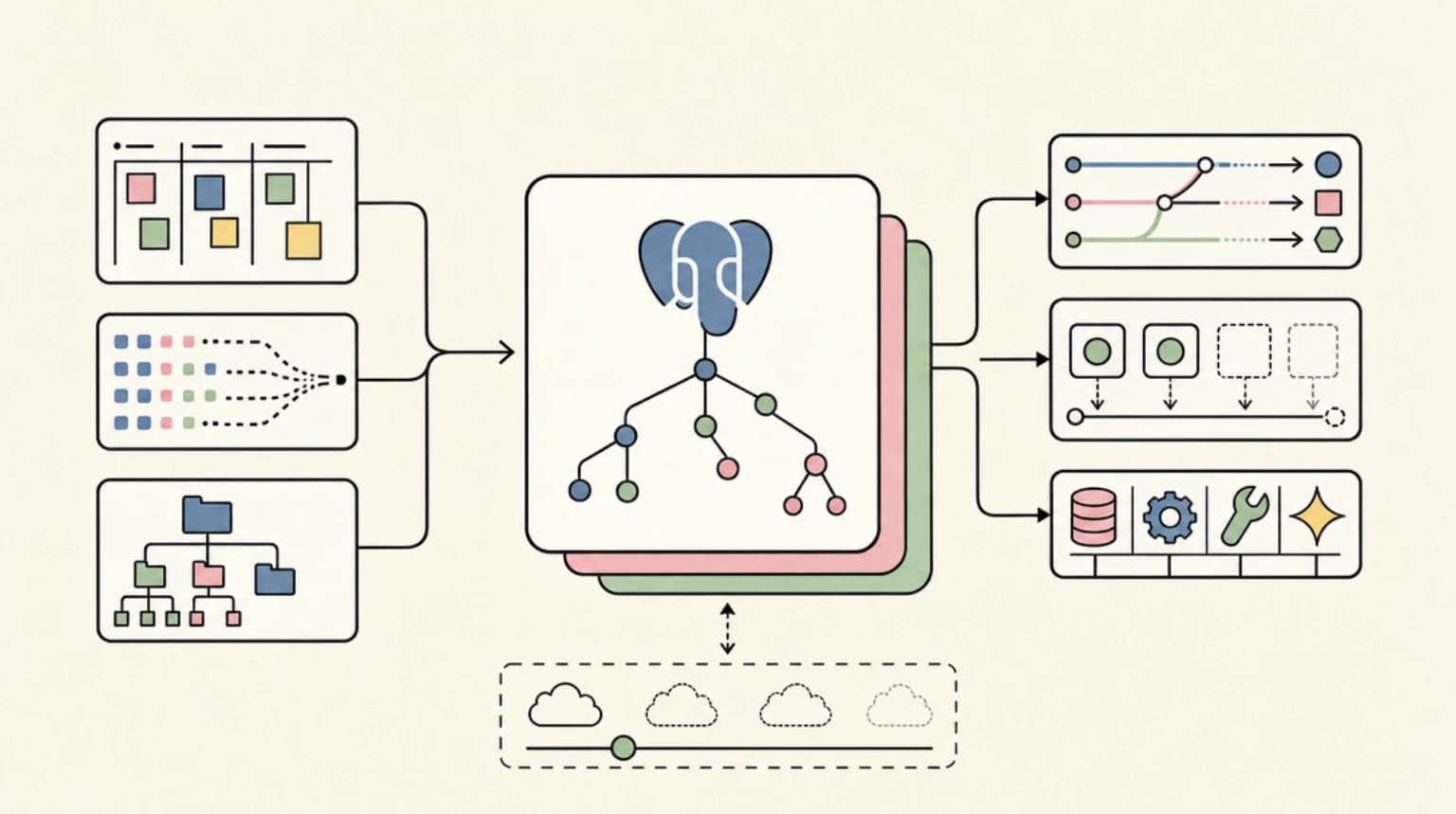
PostgreSQL 19 entered beta with a feature set that has the database community excited. The headline additions include SQL Property Graph Queries (SQL/PGQ) for graph-like traversals, native temporal table support based on SQL:2011, and built-in REPACK CONCURRENTLY for online table reorganization.
The Snowflake engineering blog published an overview (Snowflake acquired Crunchy Data and is now invested in the Postgres ecosystem), and the Hacker News discussion dove deep into the practical implications of each feature.
The Big Three Features#
1. SQL Property Graph Queries (SQL/PGQ)#
PostgreSQL 19 implements the SQL standard for property graph queries. This lets you define graph patterns over relational tables and traverse relationships using SQL syntax rather than external graph databases.
The practical upside: if your application has recursive relationships - org charts, social graphs, dependency trees, or knowledge graphs - you can now query them with standard SQL graph patterns instead of recursive CTEs or separate graph infrastructure.
HN discussion noted this is distinct from Neo4j-style graph databases. SQL/PGQ keeps your data in normal relational tables while adding a graph query layer. You do not need to migrate data or maintain a separate system.
2. Native Temporal Tables (SQL:2011)#
PostgreSQL 19 adds application-time temporal data support based on the SQL:2011 standard. This is for tracking "valid time" - when data was true in the real world, as opposed to "system time" (when data was recorded).
Depesz covered the implementation details: the new FOR PORTION OF syntax allows updates and deletes that automatically split or adjust temporal ranges.
The HN thread had experienced users chiming in:
"They're a cool feature but honestly a bit tricky to use well, IMHO. And be careful with PII lingering in a temporal void somewhere for a long time." - mickeyp
The warning is valid - temporal tables keep historical records by design, which can conflict with data retention policies. But for audit trails, compliance tracking, and versioned data, this is a significant addition.
3. REPACK CONCURRENTLY#
Table bloat is one of PostgreSQL's operational headaches. Over time, updated and deleted rows leave behind dead tuples that VACUUM removes but do not reclaim disk space. The traditional fix - pg_repack or CLUSTER - requires locking the table.
PostgreSQL 19 adds REPACK CONCURRENTLY, which reorganizes tables without blocking concurrent operations. This is similar to what pg_repack provides as an extension, but now it is built into core Postgres.
For production databases where you cannot afford maintenance windows, this is a major operational improvement.
What HN Is Saying#
The discussion at Hacker News touched on several angles.
The AI-generated content debate dominated early comments. Multiple users flagged the Snowflake blog post as having AI-generated hallmarks:
"I can't decide whether this person writes in the type of style that was apparently overrepresented in LLM training, or whether they heavily used AI to spruce up their writing. I'm leaning towards the latter." - breakingcups
One commenter noted that Snowflake laid off technical writers, citing AI as a replacement. The meta-discussion about content quality consumed a significant portion of the thread.
SQL Server comparisons came up frequently. Users migrating from MSSQL highlighted features they still miss in PostgreSQL:
- Indexed views with automatic incremental maintenance
- Query hints for optimizer guidance
- DateTimeOffset types that map cleanly to application types
- Plan caching behavior
One commenter summarized the migration tradeoff:
"I am currently fighting my way off SQL Server towards PostgreSQL. Windows Server is a real pain to operate and the SQL Server ecosystem expects you to run a lot of add-ons on the server alongside your database." - pbronez
Temporal table caveats got attention from developers who have used similar features:
"These things exist to eliminate the risk of ever serving stale information from a materialised view. I.e., their benefit is political/reputational as much as they are technical in the sense that they save you effort like remembering to invalidate a MV after an ingest operation." - mickeyp
The Snowflake/Crunchy acquisition context was noted. Craig Kerstiens, the post author, was at Crunchy Data before Snowflake acquired them. Snowflake and Databricks (which acquired Neon) are both investing in managed PostgreSQL - an interesting signal about where enterprise database infrastructure is heading.
Other Notable Features#
Beyond the headline additions, PostgreSQL 19 includes:
- Logical replication improvements - Better handling of schema changes and conflict resolution
- Query planner optimizations - Ongoing work on the optimizer
- Extension improvements - Continued investment in the extension ecosystem that makes Postgres so flexible
The full release notes are worth reading if you are a Postgres user. Each major version brings dozens of smaller improvements that compound over time.
When to Expect the Release#
PostgreSQL follows a predictable annual release cycle. The beta typically appears in May-June, with GA (General Availability) in September-October. If you are planning infrastructure upgrades, PostgreSQL 19 GA should arrive around Q4 2026.
For production workloads, waiting 1-2 minor releases after GA (e.g., 19.1 or 19.2) is the conservative approach. But the features in this release - particularly REPACK CONCURRENTLY - may justify earlier adoption for teams with specific operational pain points.
Why This Matters#
PostgreSQL's steady feature expansion continues to narrow the gap with commercial databases. SQL/PGQ gives you graph capabilities without Neo4j. Temporal tables provide compliance features that previously required Oracle or custom implementations. REPACK CONCURRENTLY reduces operational toil.
The ecosystem strength also matters. PostgreSQL extensions cover vector search (pgvector), geospatial (PostGIS), time-series (TimescaleDB), and more. Each core improvement compounds across this extension ecosystem.
For teams evaluating database infrastructure, PostgreSQL 19 reinforces why Postgres has become the default choice for new applications. The combination of relational reliability, extension flexibility, and steady feature improvement is hard to match.
Continue Reading#
- PGSimCity: A 3D Interactive City That Visualizes How PostgreSQL Works
- SQLite in Production: Lessons from Four Years of Running It
- The Startup's Postgres Survival Guide: What HN Is Saying About Hatchet's Battle-Tested Advice
Sources#
- PostgreSQL 19 Features Beta Deep Dive - Snowflake Engineering Blog
- Hacker News Discussion - Thread with 80+ comments
- Waiting for PostgreSQL 19: ADD UPDATE DELETE FOR PORTION OF - Depesz temporal tables analysis
Get the next deep dive like this in your inbox
One email a week on PostgreSQL and the rest of the AI dev stack. Free.
Read next
pgrust Passes 100% of Postgres Regression Tests: What the Rust Rewrite Actually Means
A Rust reimplementation of PostgreSQL now passes all 46,000+ queries in the Postgres regression suite. Here is what the project actually delivers, what it does not, and why the HN discussion reveals deeper questions about AI-assisted rewrites.
8 min readPGSimCity: A 3D Interactive City That Visualizes How PostgreSQL Works
PGSimCity is an explorable 3D city that models PostgreSQL internals - shared buffers, WAL, autovacuum, checkpoints, and replication. Built with three.js and TypeScript, it hit #1 on HN with 682 points.
9 min readThe Startup's Postgres Survival Guide: What HN Is Saying About Hatchet's Battle-Tested Advice
A practical look at the operational Postgres guide that hit the HN front page - what it gets right, what the community pushed back on, and what every startup should internalize about running Postgres in production.
5 min readNew here? Start with
Technical content at the intersection of AI and development. Building with AI agents, Claude Code, and modern dev tools - then showing you exactly how it works.