Cloudflare Adaptive Intelligence: Bot Scores That Retrain Weekly Instead of Quarterly
TL;DR
Cloudflare's new bot detection engine drops the keep-everyone-out wall for a continuously retraining model, disposable rules, and a memory of past attacks. The first component ships today as a toggle in Bot Management, and the design is an inversion of how every bot product has worked until now.
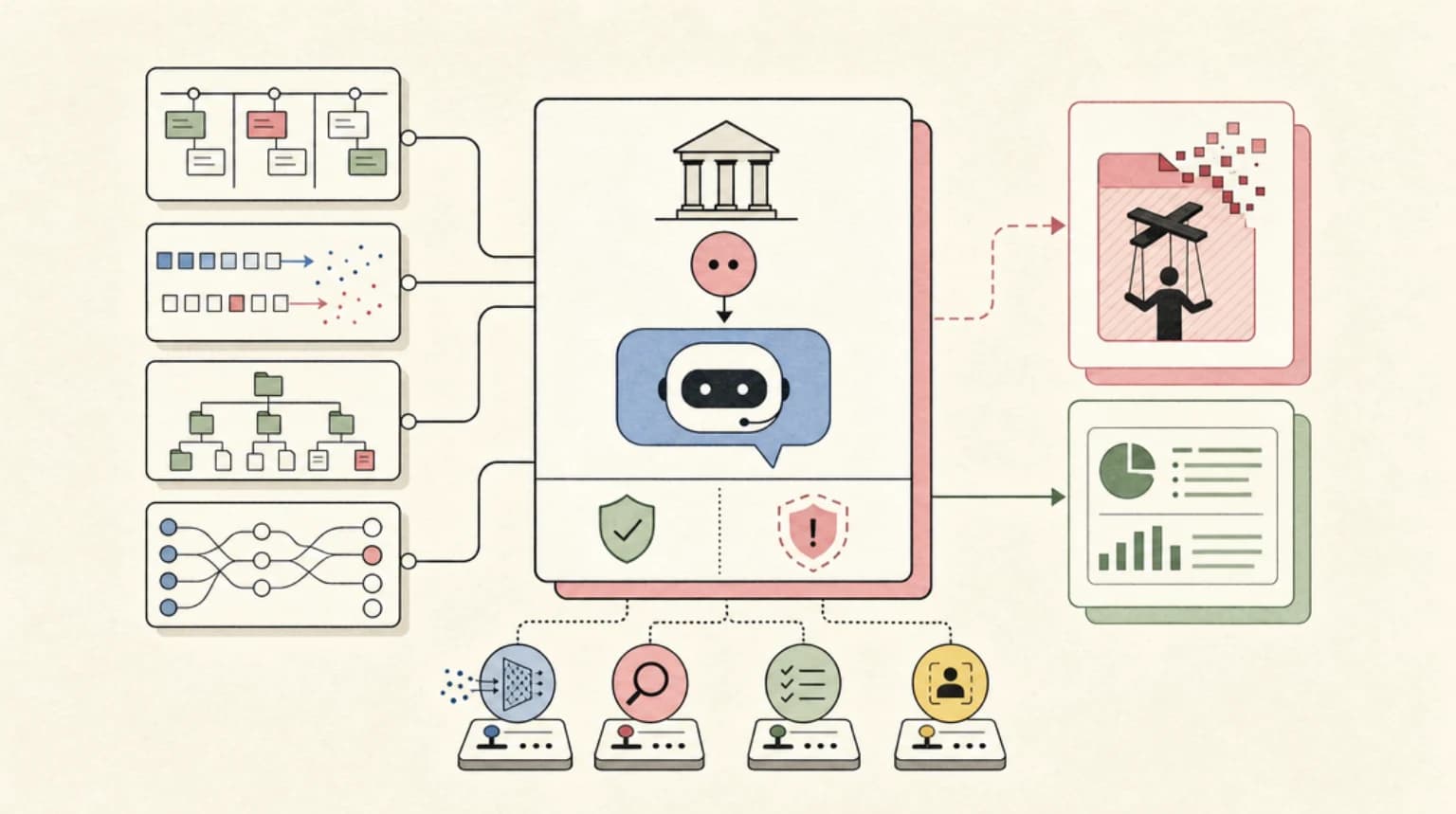
On August 31, Cloudflare launched Adaptive Intelligence, a new bot detection engine that abandons the core assumption every previous bot product was built on: that a good enough wall keeps attackers out. The engine assumes attackers will eventually get through and instead makes each attempt so slow and expensive that the attack stops being worth running. The first of its three components, continuous retraining of the machine learning model behind bot score, is live today as a toggle in the Bot Management dashboard.
It is the most honest statement of bot economics a vendor has shipped, and the retraining loop itself is worth studying even if you never touch Bot Management.
What shipped#
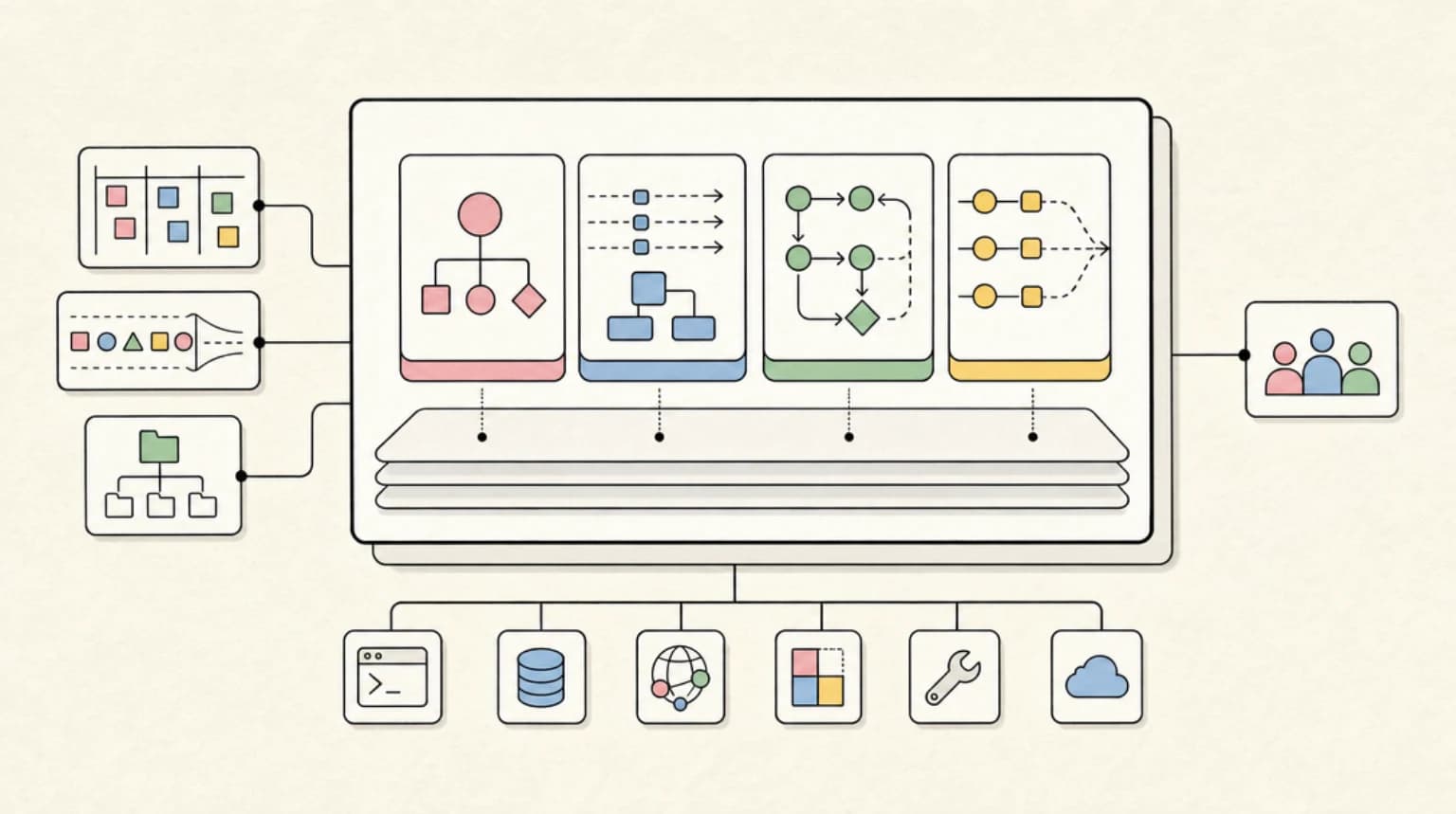
Adaptive Intelligence is a detection engine that sits behind the bot score Cloudflare already exposes. Three components are planned, with different launch timing:
1. Continuous retraining (live today). The ML model behind bot score previously shipped as fixed versions on a release schedule. Attackers iterate in days; the model waited months between updates, so the gap between what attackers did and what the model knew kept widening. Now the engine retrains continuously on live traffic. A bypass technique that shows up this week is folded into the model this week, with no scheduled release to wait for and no version to migrate. New weights roll out across the network automatically; the company says there is nothing to configure beyond switching the feature on.
2. Disposable rule generation (coming next). A disposable rule is one the engine expects attackers to reverse-engineer, deployed specifically to inject noise into the signal an attacker relies on to train against the defense. Rules are created for a specific attack, deployed and retired at random intervals, and never left in place long enough to become a fixed target. The point is not that any single rule is unbeatable, it is that the attacker never gets the steady yes-no feedback a static defense leaks, so its engineering effort expires.
3. Learning from the traffic it protects (coming next). When a customer flags a real visitor the engine scored incorrectly, or Cloudflare's own measurement catches a miss, that correction becomes a training signal. Over time the model tunes to the problems actual customers face, not a snapshot of an older threat landscape.
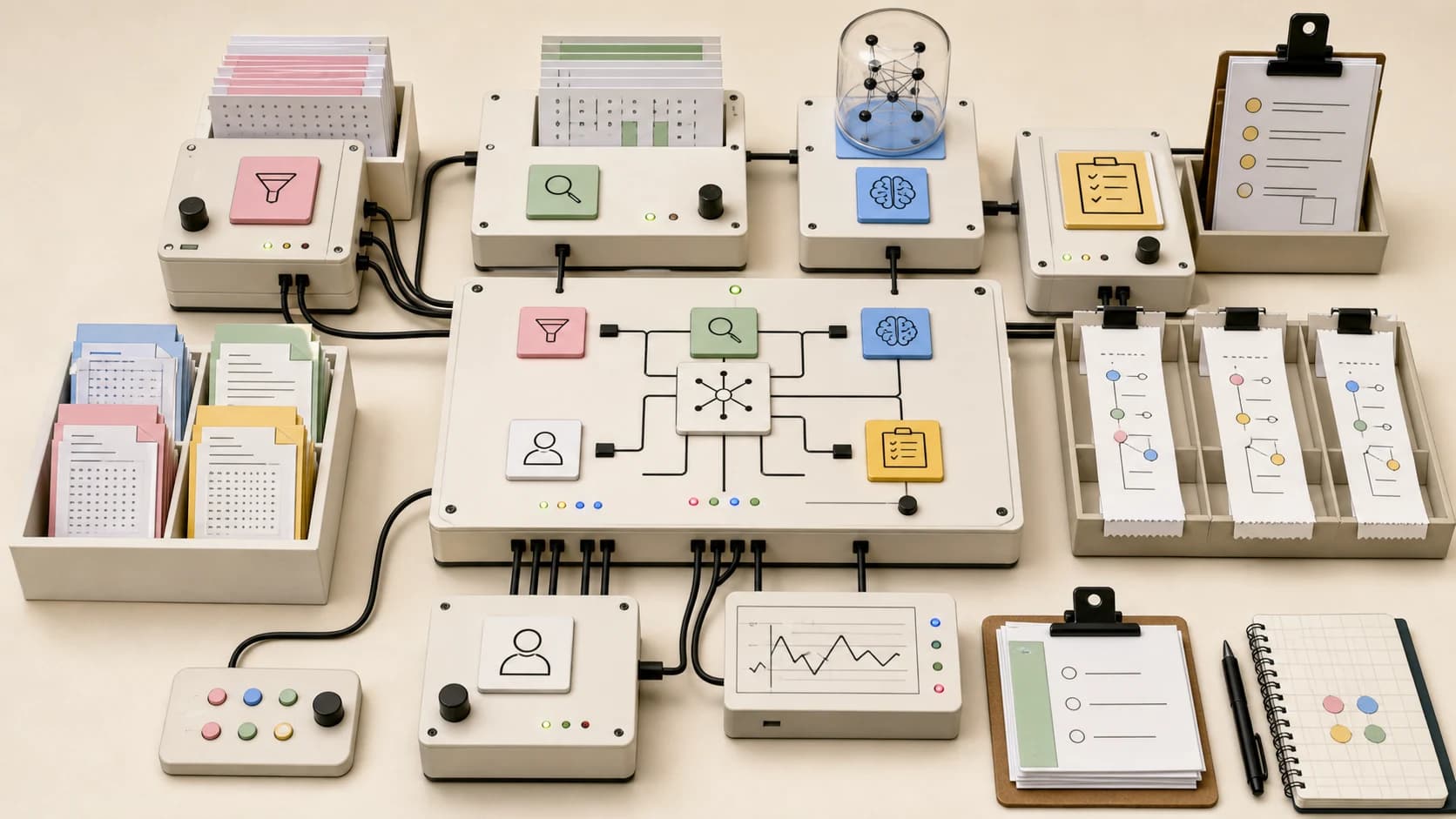
The deployment path is a loop Cloudflare describes as observe, train, deploy, validate. The engine aggregates network signals - JA4 TLS fingerprints, request structures, challenge outcomes, session behavior, network reputation - plus client-side telemetry from Turnstile and Precursor, its in-browser behavioral validation product from last month. Every candidate model runs in shadow mode first, scoring live traffic without affecting any visitor, and is compared against the current model on challenge solve rates before it can go live. Any update must prove it is at least as good on precision and recall as what it replaces.
Why the economics framing matters#
The strongest part of the announcement is the diagnosis of why bot detection keeps losing. Rule-based systems are deterministic: the same input always produces the same output. A deterministic defense hands attackers a stationary target that automated probing can map in days, and each probe returns clean yes or no feedback that teaches them exactly where the edges are. The defender's cost of adapting is real engineering; the attacker's cost of adaptation is mostly proxy inventory.
The inversion is to treat detection as a statistical judgment across many signals at once, so there is no single piece of logic to isolate and beat, and to change the defense often enough that anything an attacker learns stops being true. Cloudflare has run this automated detect, deploy, measure, retire loop against DDoS for years, as its own analysis notes; bots are the harder version because the signals are quieter and the story only shows over time. The H1 2026 threat report our team covered showed just how much of modern attack volume is automated and distributed, which is exactly the traffic shape a single request-level rule cannot see.
Two design details separate this from marketing. First, the engine evaluates traffic over several time windows at once: a short window catches a burst as it develops, a longer window ties scattered requests across thousands of addresses back to one source, which is how it catches a slow credential-stuffing campaign that stays under every rate limit. Second, the engine keeps a memory of past attack patterns even after their detections stop firing, so an attacker cannot escape by flipping between two profiles and betting the second looks new. Retired detections expire, the evidence does not.
What it means for developers#
If you build on bot score, the practical change is that the model becomes a moving target by design. There is no version to pin, no model ID to reference, and score semantics can drift as the engine tunes to current attacks. If your thresholds assume the model is static, revisit them after the retraining loop has been running for a while. Cloudflare's guidance to Enterprise customers is deliberately one action: turn on "Auto Update Machine Learning" in Bot Management. If you are not sure it is enabled, the post suggests checking, because the setting gates the whole feature.
If you run any automated abuse defense of your own, the shipping loop is the takeaway. Shadow-mode staging, precision and recall gates on every update, rollback before the whole network is affected, and corrections from real traffic flowing back into training: that is the pattern for auto-updating any security ML system, and it is the same safety discipline our coverage of Cloudflare's gateway and agent trust work keeps finding - detect, validate, then enforce.
The honest caveats: continuous retraining only works at Cloudflare's scale, roughly a trillion requests analyzed per day, so this is not a pattern open-source defense libraries can copy directly, and the disposable-rule component is not live yet. The two future components are promises, not shipped behavior. What is real today is the retraining loop and the correction pipeline, and the argument, stated plainly, that a defense that never changes teaches its attackers how to beat it.
Continue Reading#
- Cloudflare DDoS Threat Report H1 2026 - the automated attack numbers that motivated this
- Cloudflare Agent Trust: Behavioral Detection - the other half of detecting automation by behavior
- Cloudflare Client-Side Security Caught 4 Storefront Malware Campaigns - the same ML triage pattern applied to malicious JavaScript in the browser
- Cloudflare Gateway Detects MCP Traffic on the Wire - traffic detection at network scale, same team
- Cloudflare Identity-Aware AI Gateway - behavioral baselines applied to AI API traffic
- AI Agent Containment Needs a Capability Ledger - what automated enforcement has to track to stay safe
Sources#
- Cloudflare: Introducing Adaptive Intelligence: Undermining the economics of every bot attack (August 31, 2026)
- Cloudflare: Introducing Precursor - the browser-side behavioral validation engine Adaptive Intelligence feeds on
Get the next deep dive like this in your inbox
One email a week on News and the rest of the AI dev stack. Free.
Read next
Cloudflare DDoS Report H1 2026: 1 Tbps Attacks Soared as DNS Floods Became the Leading Vector
Cloudflare mitigated 935 network-layer attacks above 1 Tbps in H1 2026, a +519% quarter-over-quarter jump, while DNS floods grew from 25.7% to 40.0% of network-layer attacks. Here is what the numbers say about how attacks are changing and what it means for anyone running public infrastructure.
7 min readCloudflare Ships Behavioral Trust for the Agentic Internet: 206M Events, 73K Zones
Cloudflare's Web Integrity team published the framework behind its agent traffic posture: continuous behavioral trust instead of point-in-time bot scoring, Precursor telemetry from 206 million evaluation events a day across 73,438 zones, and a verified-bot taxonomy where agents earn access by declaring themselves honestly.
7 min readCloudflare Gateway Can Now Detect MCP Traffic on the Wire: Shadow MCP Gets a Network Boundary
Cloudflare Gateway now classifies MCP traffic by protocol headers instead of hostname heuristics, ships a shadow-MCP dashboard, and lets admins block any MCP connection that does not arrive through an approved portal. The 2026-07-28 stateless spec is what made it possible.
7 min readNew here? Start with
Technical content at the intersection of AI and development. Building with AI agents, Claude Code, and modern dev tools - then showing you exactly how it works.