Tencent WorkBuddy Explained: Pricing, Free Models, Verdict

TL;DR
Tencent WorkBuddy is a desktop AI agent for office work that runs on Hy3, DeepSeek and other models through TokenHub. What it is, what the free tokens and plans cost, and when a developer should skip it.
Tencent WorkBuddy is a desktop AI agent for office work - reports, spreadsheets, decks and file chores - not a coding agent, and its pull for developers is the model access that comes with it. Google Trends shows steady search interest in the name over the past month, above the level of "claude code skills" on the same chart. Here is what the product is, what the free tokens and plans actually cost on Tencent's own pages, and who should skip it.
Last updated: October 16, 2026
What Tencent says WorkBuddy is#
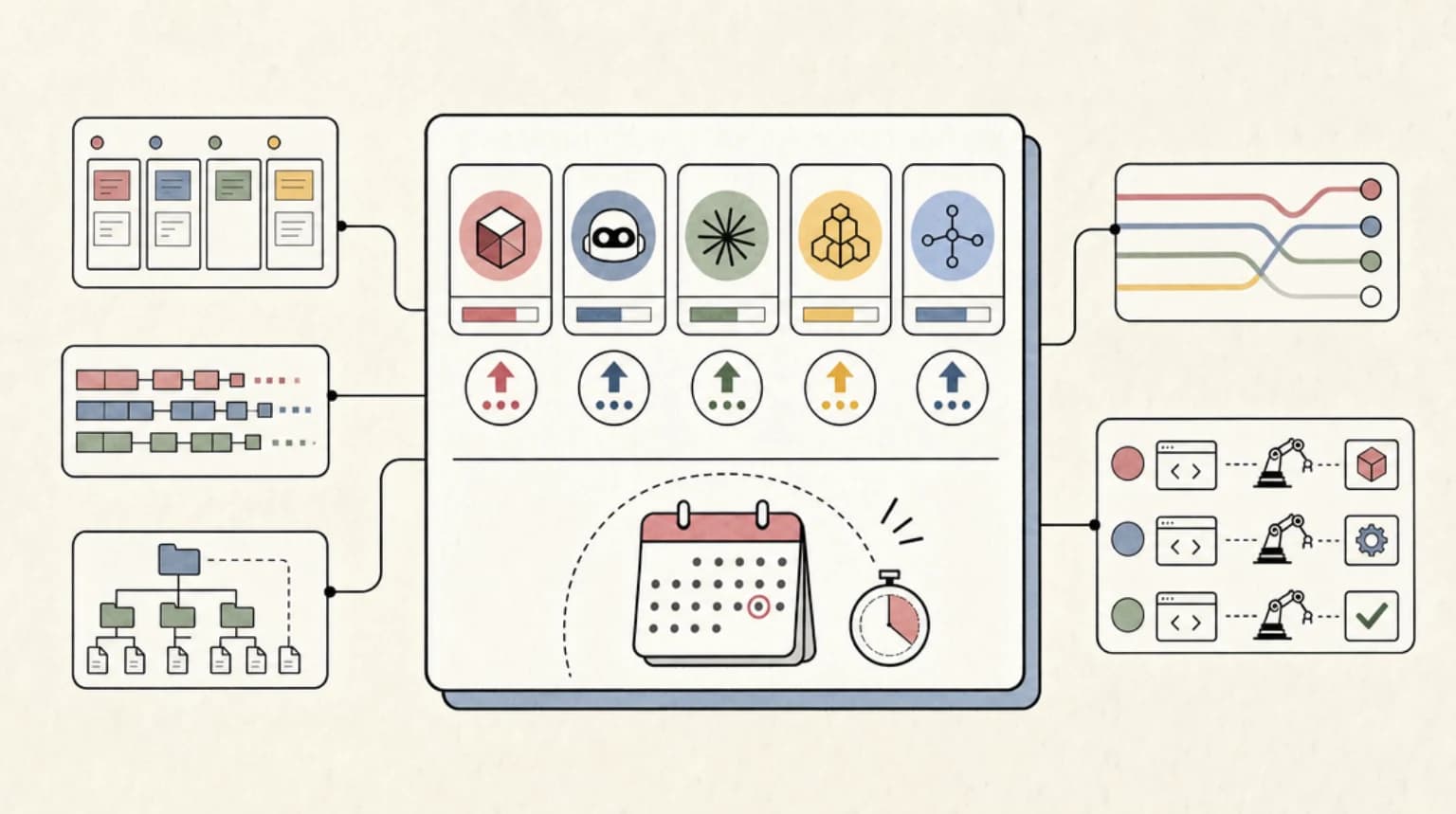
The WorkBuddy overview calls it a "full-scenario AI agent desktop workstation." The pitch is a task in one sentence: it breaks the task into steps, executes them, and hands back a document, sheet or deck rather than a chat reply. The docs list local file operations on folders you authorize, batch processing such as renaming and converting files, data analysis, and report generation.
It installs on macOS (Intel and Apple silicon) and Windows, and there is an in-browser version, per the WorkBuddy home page. The same page lists connections to Slack, Discord, Telegram, Google Workspace, Zoom and Microsoft 365, and says data is encrypted with TLS in transit and AES-256 at rest. It does not publish a plan table, only "start free."
Tencent's June 5 press release puts it in a "Buddy" family. WorkBuddy is the personal workspace; CodeBuddy is the coding agent, offered as plug-in, IDE and CLI. Tencent says WorkBuddy is one of China's most widely used productivity agent tools by daily active users. That is a vendor claim with no number attached. The same release says CodeBuddy supports more than 95% of Tencent engineers and cut overall coding time by 40%, and that its Hy3 Preview model improved WorkBuddy's first-response speed by 54% and cut average task time by 47%. All of these are vendor-reported.
The part developers should care about: TokenHub#
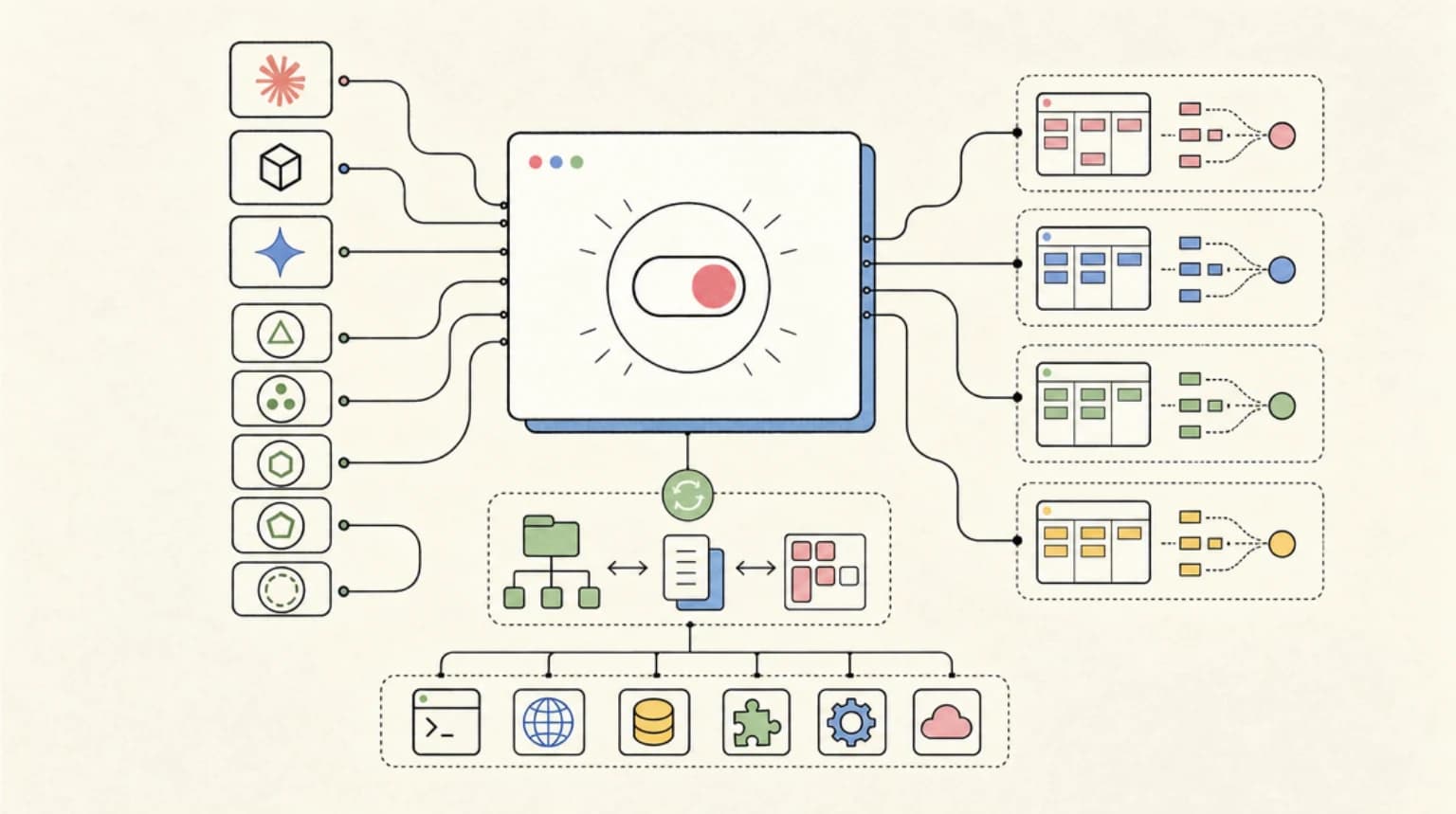
WorkBuddy is the front end. The model bill runs through Tencent Cloud TokenHub, a gateway with one OpenAI-compatible endpoint for Hunyuan, DeepSeek, GLM, Kimi, MiniMax and MiMo models. Its client list names WorkBuddy, but also Claude Code, OpenCode, Cline, Cursor, Roo Code and Hermes Agent. That makes it a cheap way to run open models in tools you already use.
What the page lists (Singapore region, checked October 16, 2026):
| Item | Listed value |
|---|---|
| New-account free tokens | 1 million per model, valid 90 days from claim, offer runs to December 31, 2026 |
| Lite / Standard / Pro / Max plans | $7 / $17 / $51 / $103 per month (1,000 to 15,900 credits) |
| Hunyuan Hy3 | $0.132 input, $0.528 output per 1M tokens |
| DeepSeek-V4-Flash (0731) | $0.14 input, $0.28 output per 1M tokens |
| Hunyuan Hy4 Preview | $0.834 input, $2.501 output per 1M tokens |
Two caveats from the same page. DeepSeek V4 models use peak and off-peak pricing since August 17, with peak hours 9:00-12:00 and 14:00-18:00 Beijing time, so the table shows one rate, not your bill. And each main account can claim each model's free quota once.
If you want the model details, we covered Hy4 Preview and the DeepSeek V4.1 Flash price comparison separately.
The angle: who this squeezes#
The strategic read is the bundle, not the agent. Anthropic and OpenAI sell their office agents as plan features tied to their own models, as our ChatGPT Work vs Claude Cowork comparison lays out. Tencent sells the agent as a free-to-start client and earns on tokens, and it lets you point the same gateway at other agents. For a buyer who mainly wants spreadsheet and deck chores done cheaply, that sets a price reference the US plans have to beat. For a developer, it means a second, low-cost route to Kimi, GLM and DeepSeek next to the usual aggregators.
The cost to you is trust and fit. This is an inference from the docs, not a tested result: a desktop agent that reads authorized folders and calls hosted models sends file content to a model API somewhere, so check Tencent's terms and the model region before pointing it at client or regulated data. Its documentation and pricing are also thinner in English than the Chinese-market material.
Monday morning: try the models, not the agent#
If you have a coding agent already, the useful experiment is the gateway. Per the TokenHub page, create an account, claim the free quota by making a first call, and use the OpenAI-compatible base URL it lists (https://tokenhub-intl.tencentcloudmaas.com/v1) with a model id. For terminal tools that read an OpenAI-style provider block, a tool like cc-switch can swap providers without editing config by hand. I have not run the gateway end to end here, so treat the URL as Tencent's documented value, and confirm the exact model ids in the console before you script anything.
Where it breaks: free quotas cover tokens, not agent loops. Agent runs re-send long context, so 1 million tokens goes faster than the "4 million characters" the page estimates for chat, as Tencent itself notes for code generation.
What people are actually saying#
- Free model access is the draw. On r/DeepSeek, a thread titled free use of DeepSeekV4.1Flash model on Tencent WorkBuddy and a related free harnesses thread point people to WorkBuddy as a no-cost way to run DeepSeek. Search-result snippets for these threads mention a free window extended to October 9 at least once, so check that any free period is still running before you rely on it.
- A paid-for-the-preview regret. An r/hermesagent thread, I paid $10 on WorkBuddy just to use a free Hy4 preview, is the counter-case, going by its title alone: someone paid for WorkBuddy to reach a model that was free.
- A practitioner test. An r/analytics post, I tested 3 AI agents on real reporting work, describes WorkBuddy in its snippet as a managed desktop application from Tencent rather than a self-hosted agent. The trade-off that implies is easier to start, less control.
- Not on Hacker News. A search of Hacker News found no discussion of Tencent's WorkBuddy at the time of writing.
I could only read titles and search snippets, not the full threads, so treat the above as pointers rather than findings.
Verdict#
Use WorkBuddy if your problem is office files and you want a free-to-start agent with a Mac and Windows client. Skip it if your problem is a repository: Claude Code vs Cowork is the right frame for that decision, and a terminal agent stays the better tool. Use the TokenHub gateway if you want cheap open-model access inside a coding agent you already trust.
Continue Reading#
- Claude Cowork vs Claude Code - when to use the desktop file agent and when to stay in the terminal
- ChatGPT Work vs Claude Cowork - plans, prices and models for the two US office agents
- Tencent Hy4 Preview - the 770B open MoE model behind Tencent's agent push
- Where to Run DeepSeek V4.1 Flash Free and Cheap - every route to the model WorkBuddy users are chasing
- cc-switch for Claude Code and Codex - swapping model providers without hand-editing config
Sources#
Get the next comparison like this in your inbox
One email a week on News and the rest of the AI dev stack. Free.
Read next on AI coding tools
Claude Cowork vs Claude Code (2026): Which One Should You Use, and What Does It Cost?
Claude Code is Anthropic's agent for software engineering; Claude Cowork is the same agent loop pointed at documents, spreadsheets, and research. Both come with every paid Claude plan from $17/month. Here is how to pick, with a verified September 2026 pricing table.
9 min readChatGPT Work vs Claude Cowork: Pricing, Models, Which to Use
Pick Cowork if you pay for Claude and want admin-gated Microsoft 365 writes; pick Work if your team is on ChatGPT. October 2026 prices and models.
8 min readTencent Hy4 Preview: 770B Open MoE, Agentic Benchmarks, and Where It Fits in 2026
Tencent's Hy4 preview ships 770B total parameters with 49B active under Apache 2.0 - a 1M-context text MoE with DeepSeek-style sparse attention, posted Terminal-Bench 85.4 and DeepSWE 64.3, and an OpenRouter price of $0.834/$2.501. Verified against the model card and the live OpenRouter page on August 31, 2026.
9 min readNew here? Start with
Technical content at the intersection of AI and development. Building with AI agents, Claude Code, and modern dev tools - then showing you exactly how it works.