Terminal Agents Are the New Developer Runtime
TL;DR
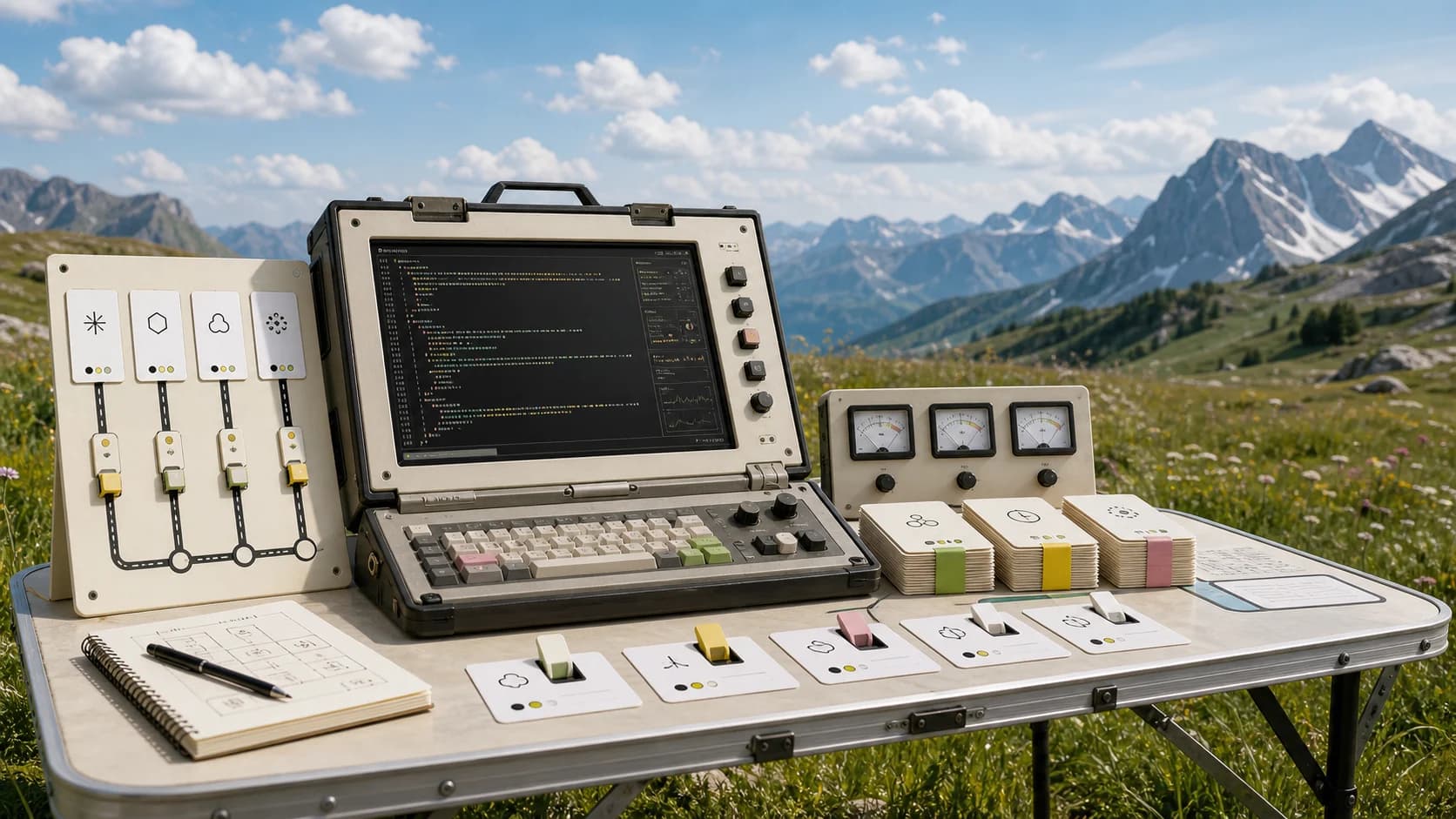
Terminal agents like Claude Code, Codex CLI, OpenCode, Copilot CLI, and DeepSeek-TUI are converging on the same runtime layer: permissions, sandboxing, rollback, diagnostics, subagents, receipts, and cost controls.
Last updated: June 24, 2026
The terminal is becoming the most important AI coding surface again.
That sounds backwards if you only watch the AI IDE market. Cursor, Zed, Windsurf, VS Code, and JetBrains are all racing to make agent work feel native inside the editor. That matters. But the fastest-moving control plane for serious agent work is not a chat sidebar. It is the terminal runtime around the agent.
That runtime now has a recognizable shape: scoped filesystem access, command execution, approvals, sandboxing, rollback, logs, diagnostics, subagents, model routing, MCP tools, headless execution, and cost visibility. The model still matters, but the product is increasingly the harness around the model.
That is why Claude Code, Codex CLI, OpenCode, GitHub Copilot CLI, Goose, Aider, Kimi CLI, Droid, DeepSeek-TUI, and newer local agents all feel like they are converging. Different vendors, different models, same operating question:
Can this agent touch my repo for more than five minutes without losing control, context, or receipts?
Google Trends Signal#
Direct Google Trends access has been rate-limited during this automation run, so I am treating Trends as a query-framing input rather than a source to cite. The demand cluster is still clear from search surfaces and current docs: developers are looking for "Claude Code", "Codex CLI", "OpenCode", "Copilot CLI", "terminal AI coding agent", "AI coding agent sandbox", and "AI coding agent permissions".
That should shape how we write about this category. The useful SEO angle is not "which terminal agent is newest." It is the decision-intent angle: which runtime gives a team the right permission model, rollback path, verification loop, and cost ceiling.
The Runtime Is the Product#
Early AI coding demos made the model look like the whole product. Ask for a React component, get a diff. Ask for a test, get a test. The benchmark was usually whether the model could write plausible code in one shot.
That is not how real agent work feels in a repo.
Real agent work is a loop:
- inspect the codebase
- form a plan
- edit files
- run commands
- read failures
- revise
- ask for approval before risky actions
- leave a transcript
- stop when blocked
- report exactly what changed
The agent runtime is the layer that makes that loop reliable. It decides what the model can read, what it can edit, when it must ask, which commands are sandboxed, how much network access is allowed, where logs live, how tests are captured, and how the user can recover from a bad turn.
That is the same argument behind long-running agents need harnesses. Once an agent can operate for twenty minutes, the chat transcript is no longer enough. You need a runtime contract.
What Claude Code Made Obvious#
Claude Code's breakout was not just model quality. It proved that developers wanted a local, repo-aware command surface with memory files, slash commands, hooks, MCP, permissions, subagents, and a workflow that felt closer to Unix tooling than SaaS chat.
That shape explains why Claude Code subagents became such a useful topic. The value is not that parallelism exists. The value is that the runtime can split work into bounded roles while keeping a human in charge of the final merge.
The same lesson shows up in Claude Code permissions and approval fatigue. If the permission system is too loose, the agent is risky. If every command interrupts the user, the agent becomes exhausting. The durable runtime has to find the middle: clear defaults, explicit boundaries, and visible escalation.
What Codex CLI Adds to the Pattern#
Codex CLI makes the runtime layer even more explicit. The official Codex docs separate sandboxing from approvals: the sandbox defines what Codex can do, while the approval policy defines when it must stop and ask. That distinction is the right mental model for all terminal agents.
For local work, this is not cosmetic. A sandbox answers technical questions:
- Which files can the agent modify?
- Can it access the network?
- Can it write outside the workspace?
- Are protected metadata paths isolated?
- What happens when a command crosses the configured boundary?
An approval policy answers workflow questions:
- Should the agent ask before installing packages?
- Should it ask before destructive shell commands?
- Should it ask before network access?
- Should it ask before editing files outside the current task?
- Can a trusted run continue without repeated prompts?
That separation is why Codex resource budgets and permissions, logs, and rollback are more important than another raw model comparison. Teams need to configure the operating envelope before they compare output quality.
From the archive
What Is Cline? The Open-Source AI Coding Tool That Runs in VS Code
May 7, 2026 • 9 min read
Claude Code Token Burn Is an Observability Problem
May 6, 2026 • 8 min read
How We Patched 100+ PRs Across Our App Empire in One Day
May 6, 2026 • 6 min read
219 PRs in One Day: A Parallel Agent Fan-Out Postmortem
May 6, 2026 • 8 min read
OpenCode and the Open Runtime Pressure#
OpenCode is interesting because it pushes the same runtime ideas into an open source, multi-surface agent. Its docs describe a terminal interface, desktop app, IDE extension, agents, tools, permission configuration, custom config directories, shareable sessions, and LSP-enabled workflows.
That matters because open runtimes change the buying pressure. A team may still use Claude Code or Codex for the main lane, but open agents set expectations for portability:
- Can the same repo rules work across tools?
- Can custom agents be stored as files?
- Can permissions be reviewed in config?
- Can sessions be shared for debugging?
- Can LSP diagnostics feed the next turn?
- Can a cheaper model do exploratory work without changing the team process?
That is why skills beat prompts for coding agents. The portable unit is no longer a clever one-off prompt. It is a small runtime artifact: a skill, agent file, permission profile, test harness, or workflow command that can be inspected and reused.
Copilot CLI Makes the Mainstream Case#
GitHub Copilot CLI is the mainstream version of the same shift. GitHub's docs frame it as a terminal-native assistant that can operate in a trusted folder, read and modify files, execute commands, and use custom agents. Copilot cloud agent handles asynchronous work on GitHub branches, while Copilot CLI brings agentic work into the local command line.
That distinction is useful for teams. Cloud agents are good when the unit of work is naturally a branch or pull request. Terminal agents are good when the agent needs local tools, local secrets, a running dev server, a debugger, a test database, or fast back-and-forth with the developer.
The best teams will use both. A cloud agent can draft a PR. A terminal agent can reproduce a bug locally, run the exact test suite, inspect the browser, and leave a tighter receipt.
The Six Runtime Questions#
If you are comparing terminal agents in 2026, start with these questions before arguing about model taste.
1. What is the permission model?#
The runtime should separate reading, editing, shell execution, package installs, network access, and destructive commands. "Trust me" is not a policy. "Ask for everything" is not a workflow.
Look for named modes, repo-level config, project overrides, and a clear answer for what happens when the agent hits a boundary.
2. What is the rollback model?#
Rollback cannot just mean "use git later." Agents modify generated files, lockfiles, databases, caches, browser state, and external services. A serious runtime should show the diff, the commands, the verification output, and what state it can actually restore.
This is why agent replays matter. A rollback without a replay is only partial recovery.
3. What is the diagnostics loop?#
The model should not wait for the developer to paste TypeScript, Rust, Go, or Python errors back into chat. The runtime should make diagnostics part of the turn loop: typecheck, lint, test, LSP, browser smoke, and targeted logs.
This is also the point of agent eval receipts. A final answer should include the checks that actually ran.
4. What is the cost and context story?#
Terminal agents can burn through long contexts quickly. A runtime should show model choice, session length, compaction, cached input when available, estimated cost, and where the agent spent time.
Without that, "use the cheaper model" is not a strategy. It is a hope. The better strategy is visible routing plus budgets, which is the same lane as Claude Code token burn observability and AI coding tools pricing.
5. Can it run headless?#
Interactive TUI work is only one mode. The same runtime should eventually support recurring work, CI review, scheduled checks, issue triage, and PR repair loops.
Headless mode is where the product becomes infrastructure. It is also where stop conditions become mandatory: retry limits, blocked-state detection, repeated-failure detection, and a final receipt.
6. Can the team inspect the operating rules?#
The best agent setups are file-backed. AGENTS.md, CLAUDE.md, .codex/config.toml, OpenCode agent files, Copilot custom agents, project commands, and test scripts are all better than private tribal memory.
That is the core idea behind agent workspaces need filesystem contracts. If the runtime rules live in files, they can be reviewed, versioned, copied, and improved.
The Clone Critique Is Too Shallow#
The easy criticism of every new terminal agent is that it looks like another Claude Code clone.
Sometimes that is fair. The category has plenty of shallow wrappers. A tool can have a slick TUI and still lack a serious sandbox, permission model, rollback path, or verification loop.
But the clone critique misses the useful market signal. Copying the surface is how a runtime pattern becomes table stakes. Developers now expect local file access, shell tools, approvals, model routing, custom agents, MCP integration, diagnostics, and receipts because multiple tools are making those primitives visible.
The right response is not "install every terminal agent." The right response is to raise the checklist.
My Take#
Terminal agents are becoming portable developer runtimes.
That does not mean every developer should abandon the IDE. It means the durable part of the AI coding stack is moving into a control plane that can survive model churn. Claude, GPT, Gemini, DeepSeek, Qwen, and local models will keep trading places. The team rules should not have to change every time the model leaderboard changes.
The winners in this category will not just write code. They will make agent work governable:
- bounded permissions
- real sandboxing
- readable config
- clean rollback
- diagnostics in the loop
- subagent isolation
- source-aware memory
- model routing with receipts
- cost and context controls
- headless execution with stop conditions
That is the runtime developers should be buying.
FAQ#
What is a terminal AI coding agent?#
A terminal AI coding agent is a command-line tool that can inspect a local codebase, edit files, run commands, read failures, and iterate with the developer. Examples include Claude Code, Codex CLI, OpenCode, Copilot CLI, Aider, Goose, Kimi CLI, Droid, and DeepSeek-TUI.
Why are terminal agents becoming popular?#
Terminal agents fit the way developers already work. They can run local commands, use real test suites, inspect logs, work inside existing repos, and leave concrete receipts. They also make permissions, sandboxing, and automation easier to reason about than a generic chat window.
What should I compare before choosing a terminal agent?#
Compare permission modes, sandbox behavior, rollback, diagnostics, headless execution, subagents, MCP support, session logs, model routing, pricing, and whether runtime rules can be stored in reviewable files. Model quality matters, but the runtime decides whether the agent is safe enough for real work.
Is Claude Code still the default terminal agent?#
Claude Code is still one of the strongest references for repo-aware terminal agent workflows, especially because of memory, hooks, MCP, skills, subagents, and a large ecosystem of patterns. But Codex CLI, OpenCode, Copilot CLI, Goose, Aider, and other tools are pushing the category toward portable runtime primitives rather than one permanent winner.
How is Codex CLI different from Claude Code?#
Codex CLI emphasizes OpenAI's local terminal agent with explicit sandboxing, approvals, permission profiles, configuration, and integration with Codex surfaces. Claude Code emphasizes Anthropic's terminal workflow with memory, slash commands, hooks, MCP, skills, and subagents. The practical difference is less about one feature and more about which runtime contract, model, ecosystem, and workflow fit your team.
Do terminal agents replace IDE agents?#
No. IDE agents are great for inline edits, navigation, code review, and developer ergonomics. Terminal agents are better when the work depends on local commands, scripts, tests, servers, logs, and automation. Most serious teams will use both.
Sources#
- Claude Code overview
- Claude Code settings
- Claude Code hooks
- Claude Code subagents
- Codex CLI docs
- Codex sandboxing
- Codex agent approvals and security
- Codex command line reference
- OpenCode docs
- OpenCode agents
- OpenCode CLI
- GitHub Copilot CLI overview
- GitHub Copilot CLI best practices
- GitHub Copilot cloud agent
Read next
Long-Running Agents Need Harnesses, Not Hope
A long-running coding agent is only useful if the environment around it can queue tasks, capture logs, checkpoint state, verify behavior, limit cost, and recover from failure.
9 min readPermissions, Logs, and Rollback for AI Coding Agents
AI coding agents become safer when permissions, logs, and rollback are designed as one system. Here is the operating loop I would put around any agent that can edit code, run tools, or open pull requests.
9 min readCodex CLI Needs Resource Budgets, Not Just Token Budgets
A trending Codex SQLite WAL bug is a useful warning for every local coding agent: logs, disks, background processes, and telemetry paths need budgets too.
8 min readShare
Developers Digest
Technical content at the intersection of AI and development. Building with AI agents, Claude Code, and modern dev tools - then showing you exactly how it works.
300+ videos30K+ GitHub stars850+ articles
Related Tools
AI CodingDaily Driver

Claude Code
Anthropic's agentic coding CLI. Runs in your terminal, edits files autonomously, spawns sub-agents, and maintains memory...
View ToolAI CodingAgent

OpenAI Codex
OpenAI's coding agent for terminal, cloud, IDE, GitHub, Slack, and Linear workflows. Reads repos, edits files, runs comm...
View ToolAI CodingOpen source

DeepSeek-TUI
Open-source terminal agent runtime with approval modes, rollback snapshots, MCP servers, LSP diagnostics, and a headless...
View ToolAI Coding
C
Conductor
Mac app for running parallel Claude Code, Codex, and Cursor agents in isolated workspaces. Watch every agent work at onc...
View ToolApps from Developers Digest
Developer Tools
Agent Hub
Every coding agent in one window. Stop alt-tabbing between Claude, Codex, and Cursor.
View AppDeveloper ToolsIn Progress
Subagent Studio
Design subagents visually instead of editing YAML by hand.
View AppDeveloper ToolsIn Progress
Agent Benchmark Lab
Compare AI coding agents on reproducible tasks with scored, shareable runs.
View AppRelated Guides
Guide
Terminal CLI - Claude Code
The primary command-line entry point for Claude Code sessions.
Claude CodeGuide
Claude Code Setup Guide
Configure Claude Code for maximum productivity -- CLAUDE.md, sub-agents, MCP servers, and autonomous workflows.
AI AgentsGuide
AI Agent Frameworks Compared: LangGraph vs CrewAI vs Mastra vs CopilotKit
Deep comparison of the top AI agent frameworks - LangGraph, CrewAI, Mastra, CopilotKit, AutoGen, and Claude Code.
AI AgentsRelated Videos

Generate Videos in Codex + Claude Code with This...
Check out HeyGen! https://heygen.1stcollab.com/developersdigest The video introduces HeyGen, an AI video generation platform with a rich API and a CLI that lets developers create, fetch, and manipula...
Video·

10x Design in Claude Code and Codex
Try Higgsfield: https://higgsfield.ai/s/higgsfield-general-campaign-developersdigest-juDMTi AI coding agents can build entire websites in minutes, but the default results often still look generic and...
Video·
Self Improving Applications with Claude Code & Codex
Build a Self‑Improving Next.js App: Supabase + Vercel Eve + GitHub Issues + Agent Loops Check out Supabase: https://supabase.plug.dev/1wWOTGS The video demonstrates how to build and deploy a self-im...
Video·
Related Posts
9 min read
AI Agents
Long-Running Agents Need Harnesses, Not Hope
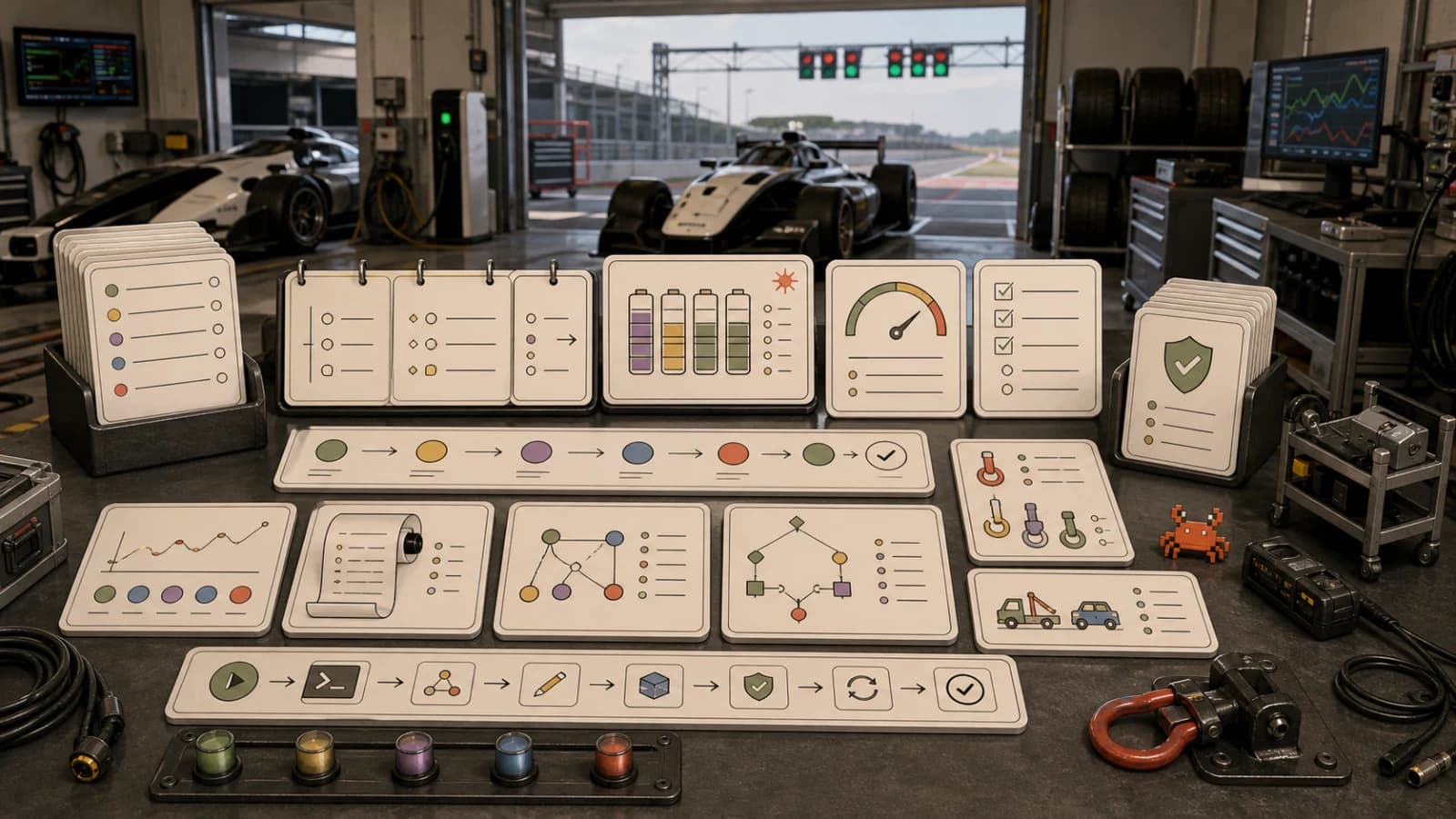
A long-running coding agent is only useful if the environment around it can queue tasks, capture logs, checkpoint state,...
9 min read
AI Security
Permissions, Logs, and Rollback for AI Coding Agents
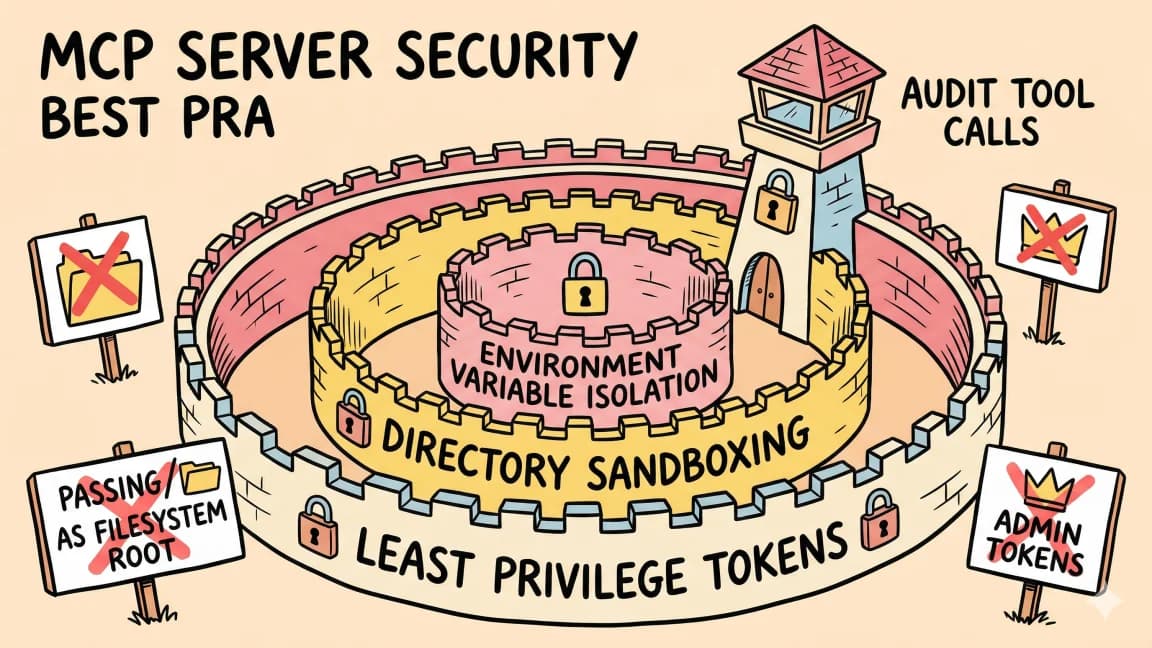
AI coding agents become safer when permissions, logs, and rollback are designed as one system. Here is the operating loo...
8 min read
Codex
Codex CLI Needs Resource Budgets, Not Just Token Budgets
A trending Codex SQLite WAL bug is a useful warning for every local coding agent: logs, disks, background processes, and...

8 min read
Claude Code
Claude Code Sub Agents: Parallel AI Development
Claude Code subagents let you split coding work across specialized assistants with their own context, tools, and instruc...
11 min read
opencode
OpenCode Developer Guide: The Open Source AI Coding Agent with 160K Stars
OpenCode is the fastest-growing open-source AI coding agent - 160K GitHub stars, 7.5M monthly users, 75+ model providers...
8 min read
GitHub Copilot
GitHub Copilot Coding Agent and CLI: Why GitHub Is Back in the Agent Race
GitHub Copilot is moving from autocomplete into asynchronous coding agents, terminal workflows, MCP, skills, and model c...
Build with the member tools

Get Smarter About AI Dev
New tutorials, open-source projects, and deep dives on coding agents - delivered weekly.
One email per weekReal code, not theoryFree forever