Fable 5 Agent Fleets
Anthropic's Fable 5 came back, and it changes how you run agent fleets. From what the model is, to the manager-model orchestration pattern, the cost math, refusal handling, long-horizon runs, production operations, and choosing your orchestrator.
7 articles56 min total read time
7 of 7 posts published
01
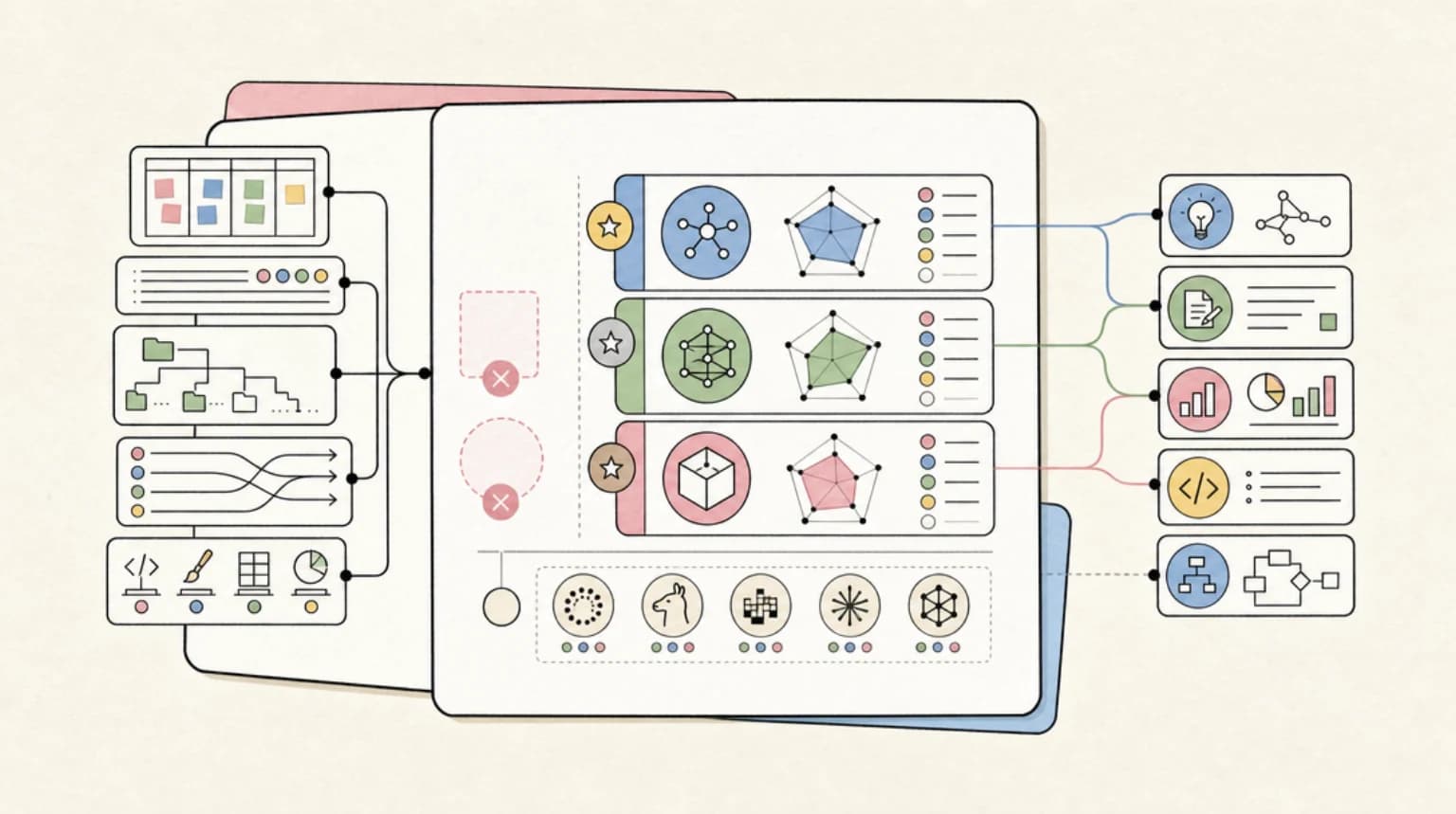
Fable 5 Is Back: The Anthropic Model the Government Switched Off
Anthropic's most capable model launched, got suspended by a US export-control order, and returned today. Here is what Fable 5 is, what changed on the way back, and whether builders should reach for it.
6 min read|Read →
02
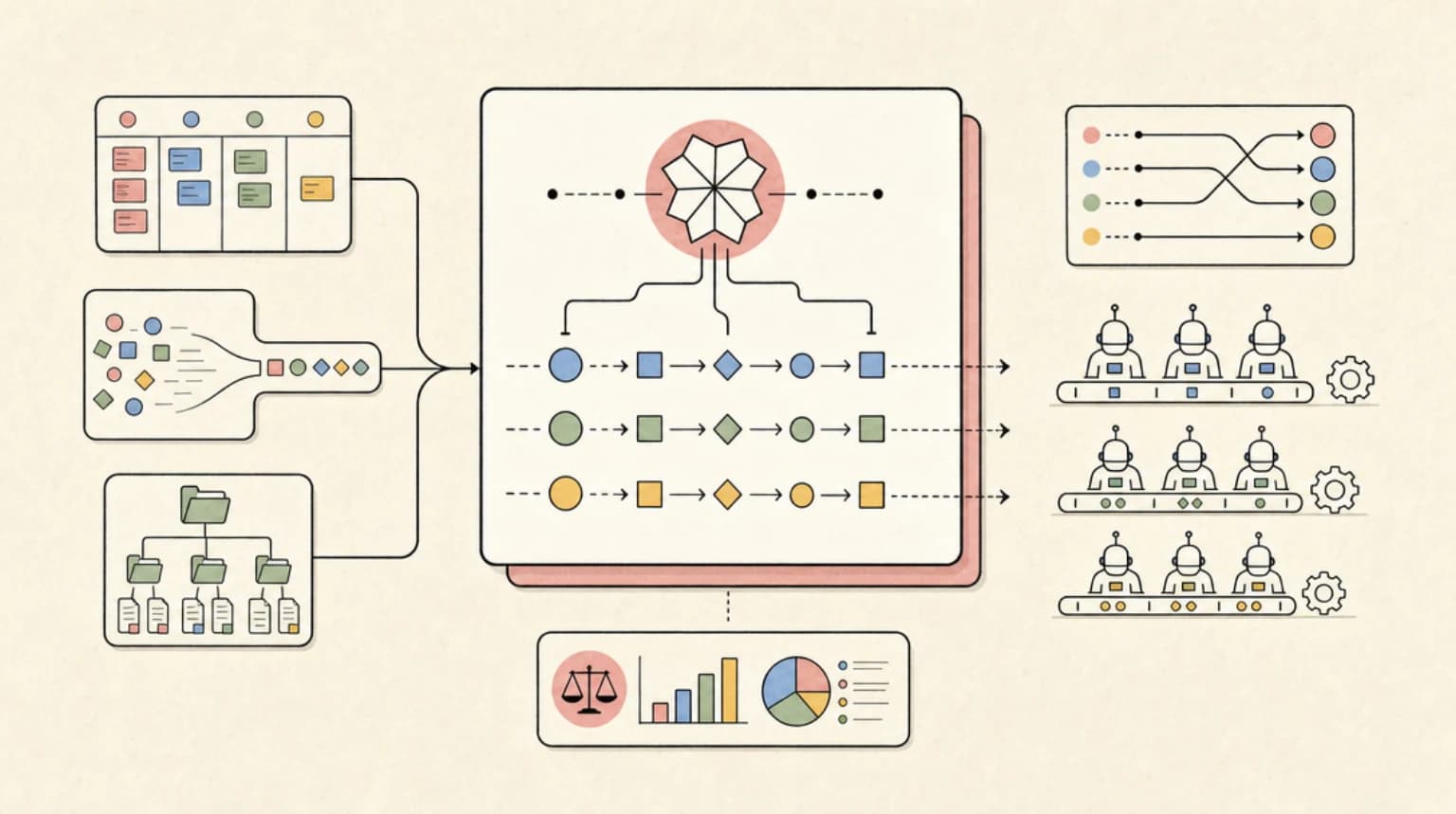
Orchestrating a Fleet of Agents with Fable 5
Fable 5 changes multi-agent orchestration because the orchestrator can now hold the whole project in one head. Here is the manager-model pattern: a 1M-context frontier model leading, delegating scoped work to cheaper workers, and verifying results.
8 min read|Read →
03
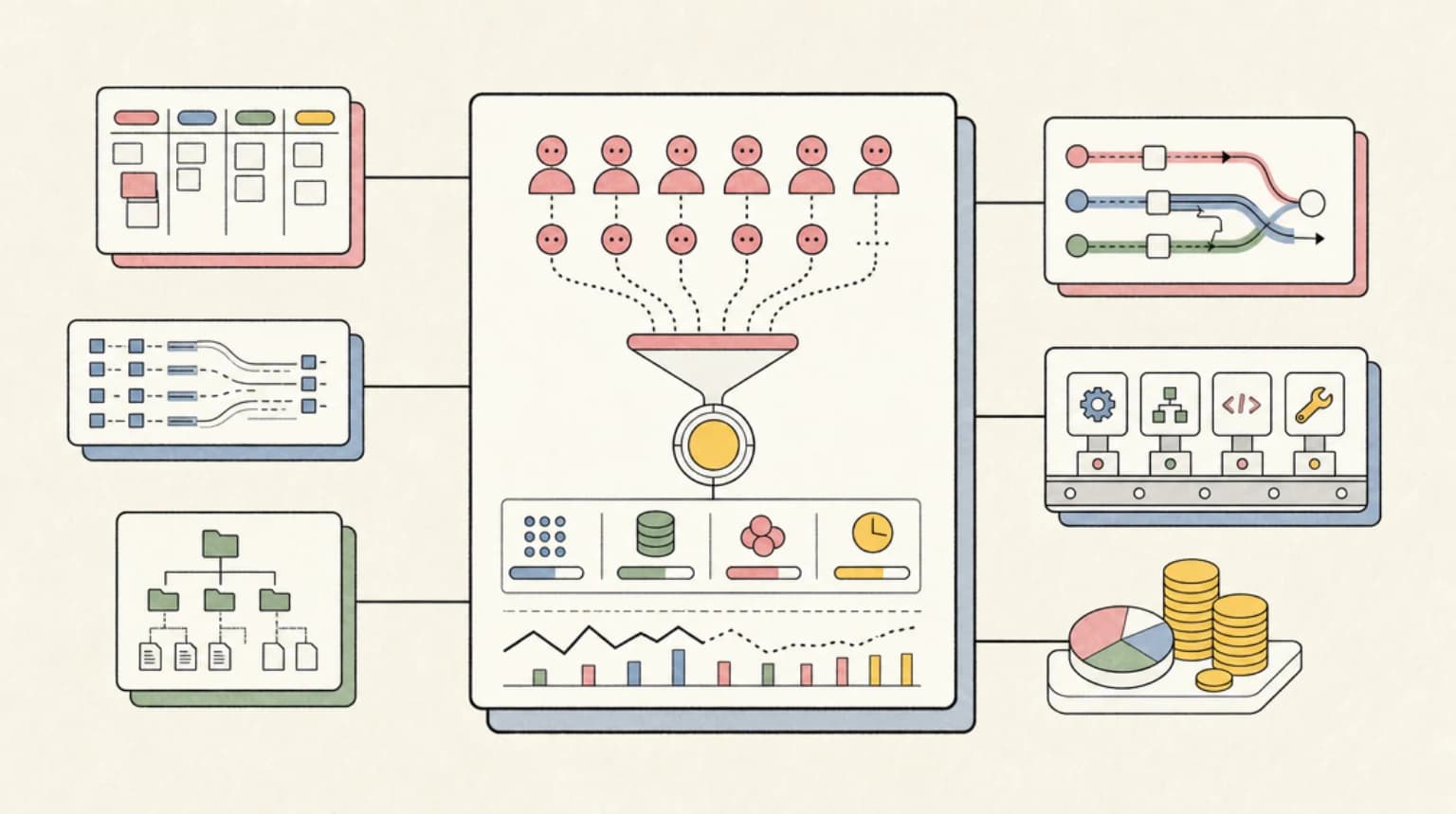
The Economics of Agent Fleets: Fable 5 Orchestrators, Sonnet 5 Workers
One expensive orchestrator plus many cheap workers beats an all-frontier fleet for most workloads. Here is the decision-intent cost math with verified Fable 5, Sonnet 5, and Opus 4.8 prices, plus the Sonnet 5 tokenizer caveat that changes worker cost.
8 min read|Read →
04
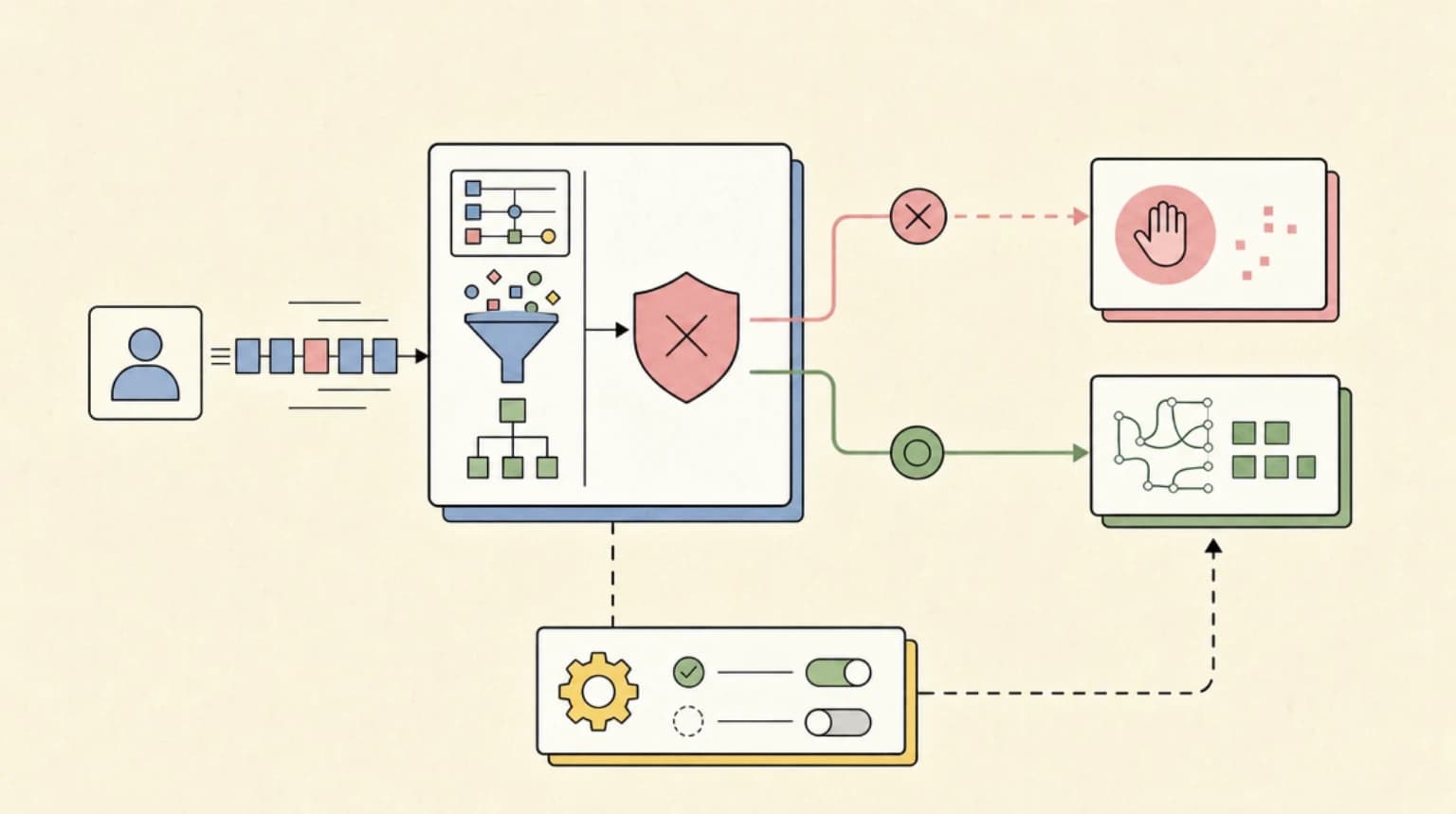
Refusals at Fleet Scale: Building Fable 5 Agents That Do Not Silently Fail
Fable 5 refusals come back as a 200 response, not an error. At fleet scale, that quietly corrupts entire runs. Here is how to detect, fall back, and treat refusal rate as a health metric.
9 min read|Read →
05
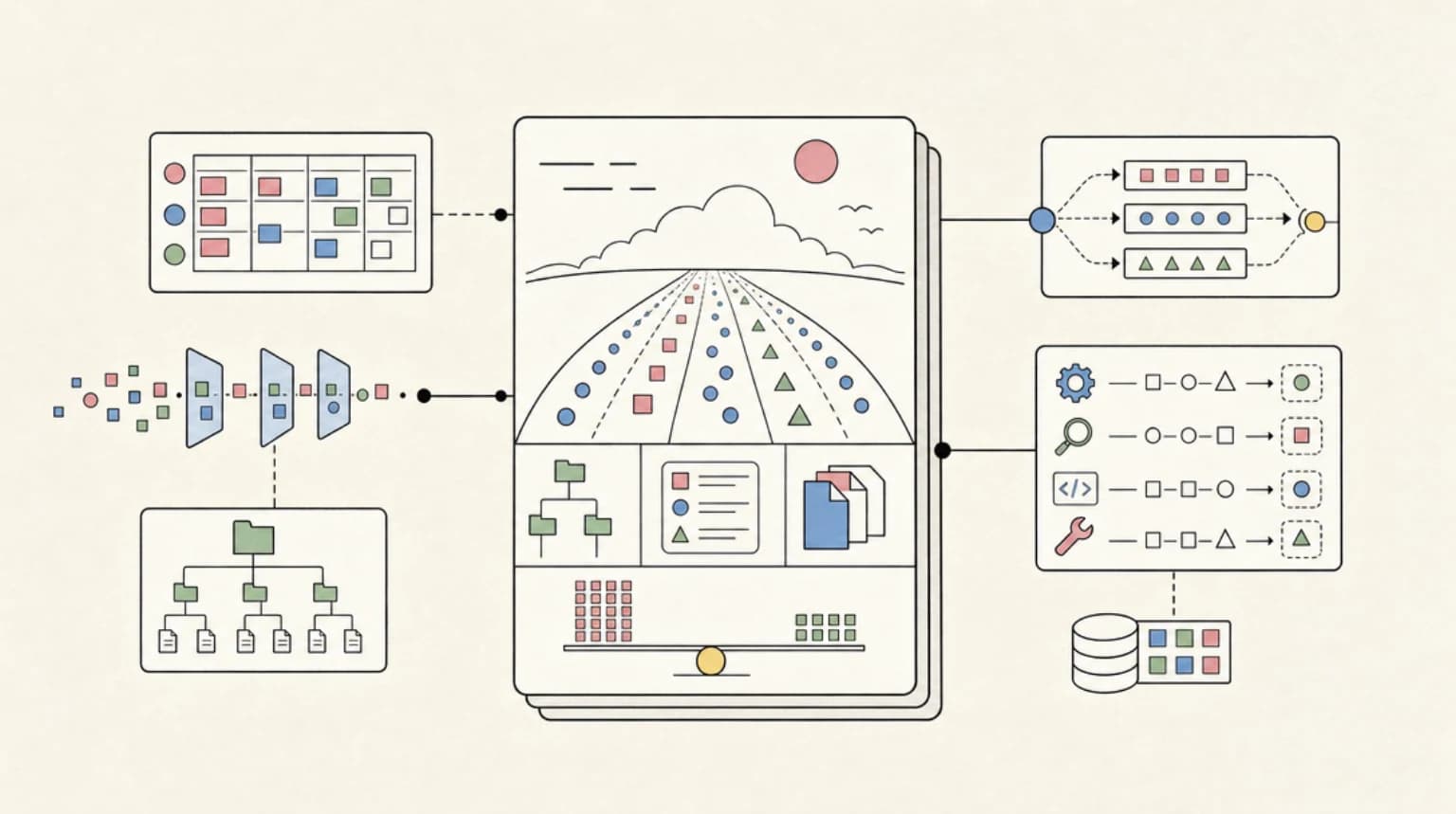
Long-Horizon Agents: What Fable 5's 1M Context and Memory Actually Unlock
1M context, 128K output, a memory tool, compaction, and task budgets change what a single agent run can cover. Here is what is verified, what is plausible, and six projects builders can try now.
9 min read|Read →
06
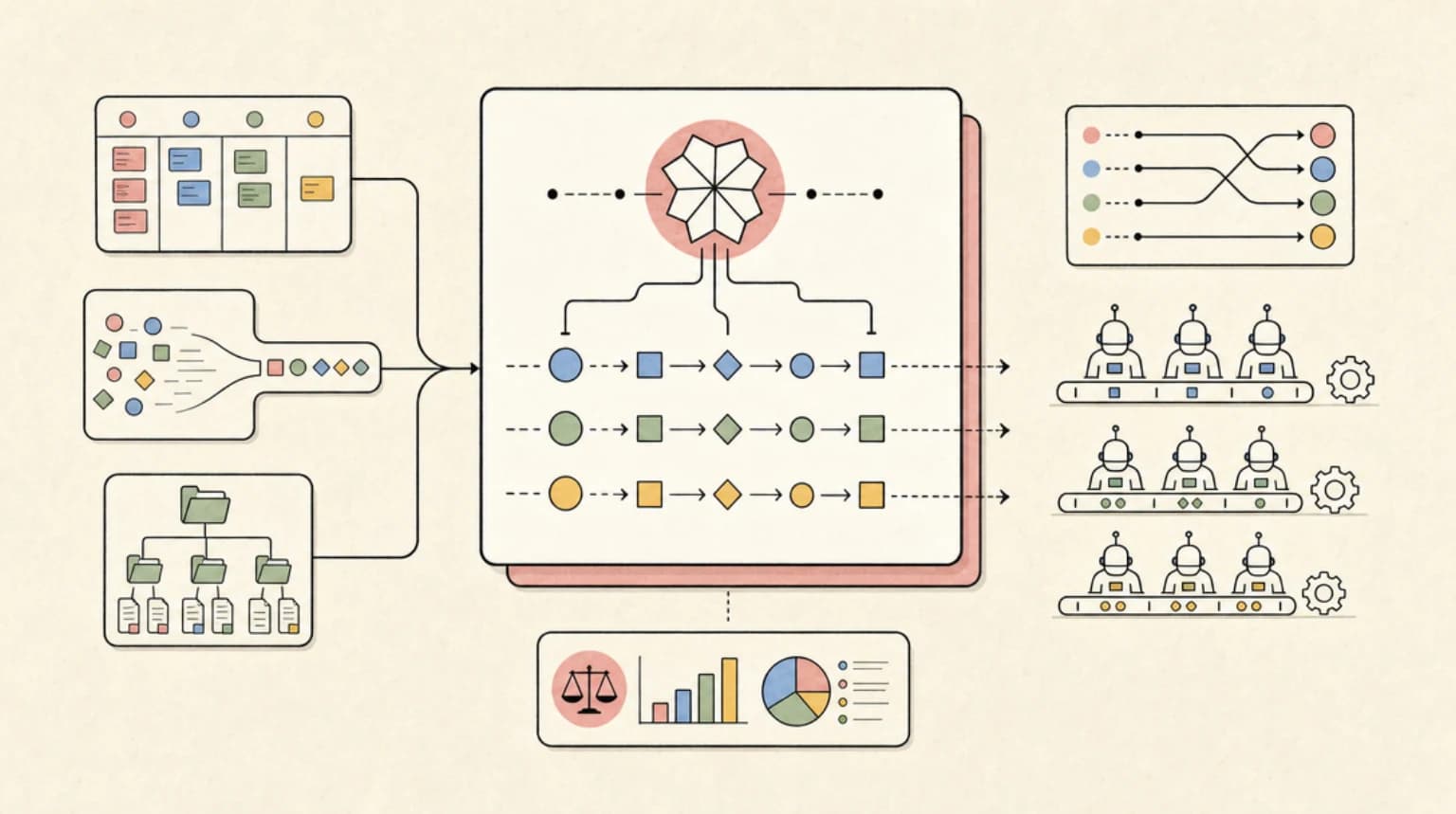
Running Fable 5 Agent Fleets in Production: The Operations Guide
Standing up a fleet of Fable 5 agents is the easy part. This is the operations layer - data retention rules, refusal-rate alerting, effort tuning, observability, and availability planning - that keeps the fleet running.
8 min read|Read →
07
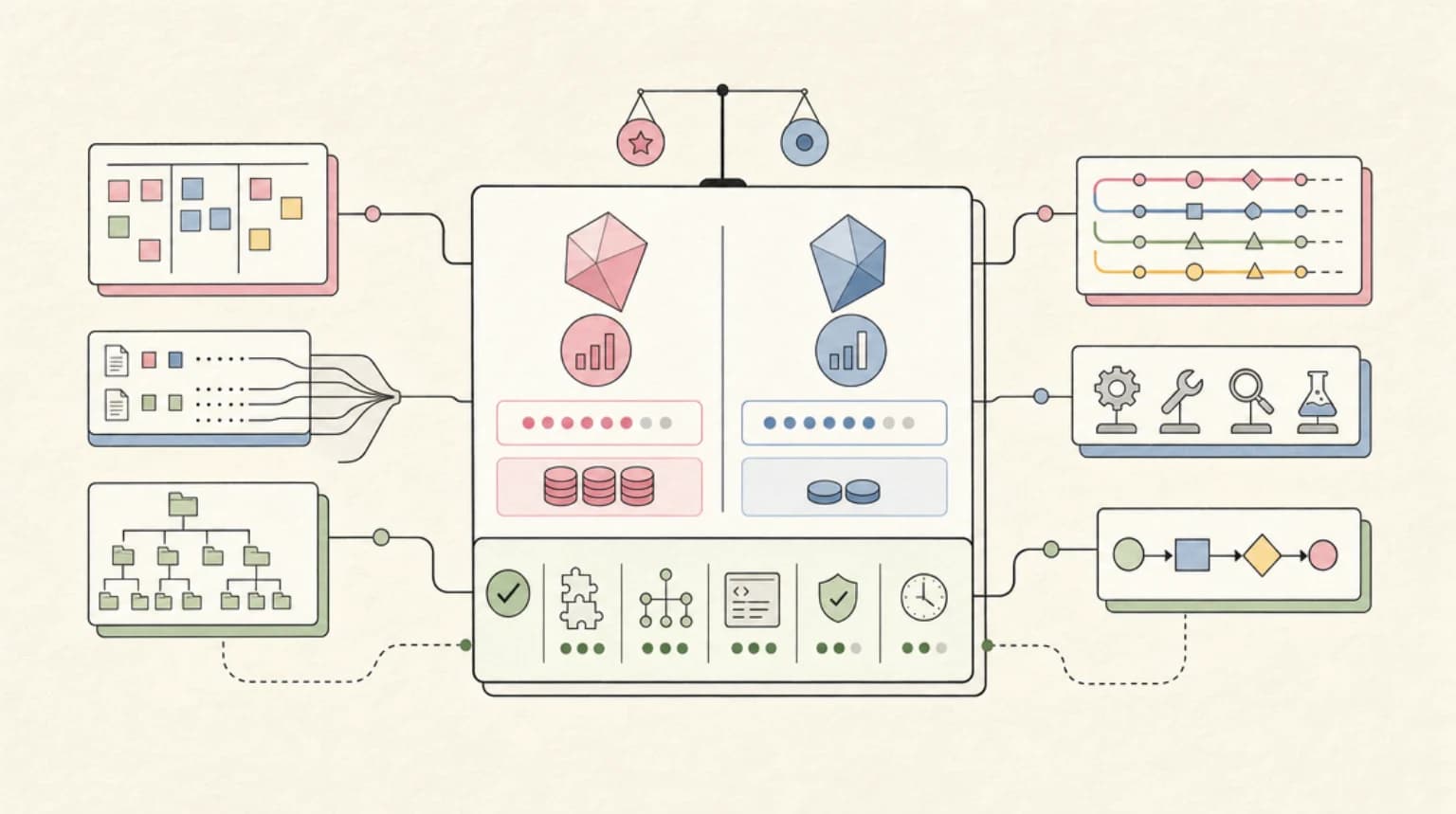
Fable 5 vs Opus 4.8: Which Should Orchestrate Your Agents?
The orchestrator is the most important model choice in an agent fleet. A fair head-to-head between Fable 5 and Opus 4.8 for that role, with a decision matrix by run length, budget, compliance, and refusal-handling tolerance.
8 min read|Read →

Get Smarter About AI Dev
New tutorials, open-source projects, and deep dives on coding agents - delivered weekly.
One email per weekReal code, not theoryFree forever