Fable 5 vs Opus 4.8: Which Should Orchestrate Your Agents?
Fable 5 Agent Fleets
7 parts- 1Fable 5 Is Back: The Anthropic Model the Government Switched Off
- 2Orchestrating a Fleet of Agents with Fable 5
- 3The Economics of Agent Fleets: Fable 5 Orchestrators, Sonnet 5 Workers
- 4Refusals at Fleet Scale: Building Fable 5 Agents That Do Not Silently Fail
- 5Long-Horizon Agents: What Fable 5's 1M Context and Memory Actually Unlock
- 6Running Fable 5 Agent Fleets in Production: The Operations Guide
- 7Fable 5 vs Opus 4.8: Which Should Orchestrate Your Agents?Current
TL;DR
The orchestrator is the most important model choice in an agent fleet. A fair head-to-head between Fable 5 and Opus 4.8 for that role, with a decision matrix by run length, budget, compliance, and refusal-handling tolerance.
Part 3 of the Fable 5 agent fleets series. Part 1, Fable 5 Is Back: The Anthropic Model the Government Switched Off, explained the model and its return. Part 2, Running Fable 5 Agent Fleets in Production: The Operations Guide, covered the operations layer. This post answers the choice that sits under both: for the orchestrator role, should you run Fable 5 or Opus 4.8?
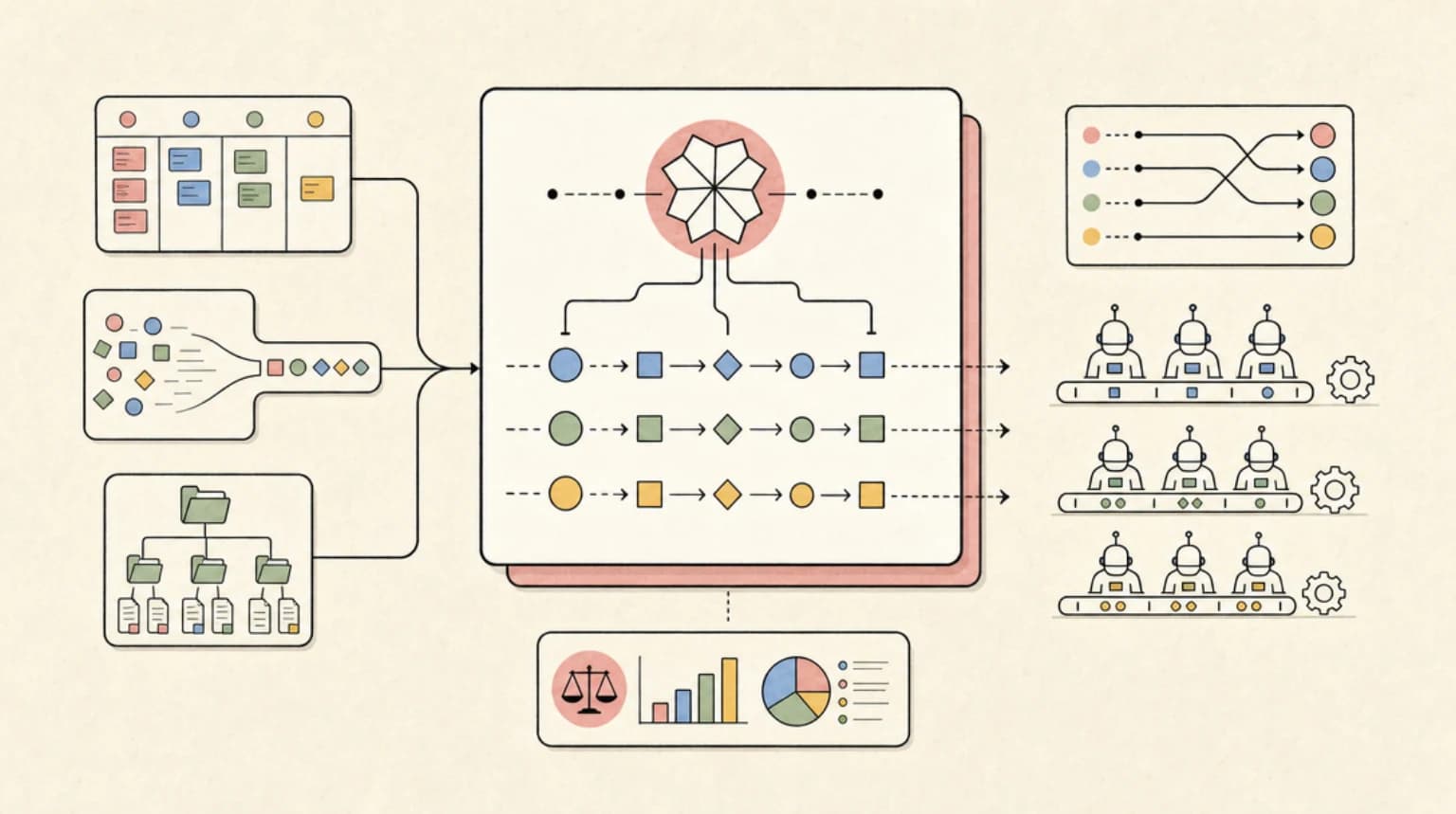
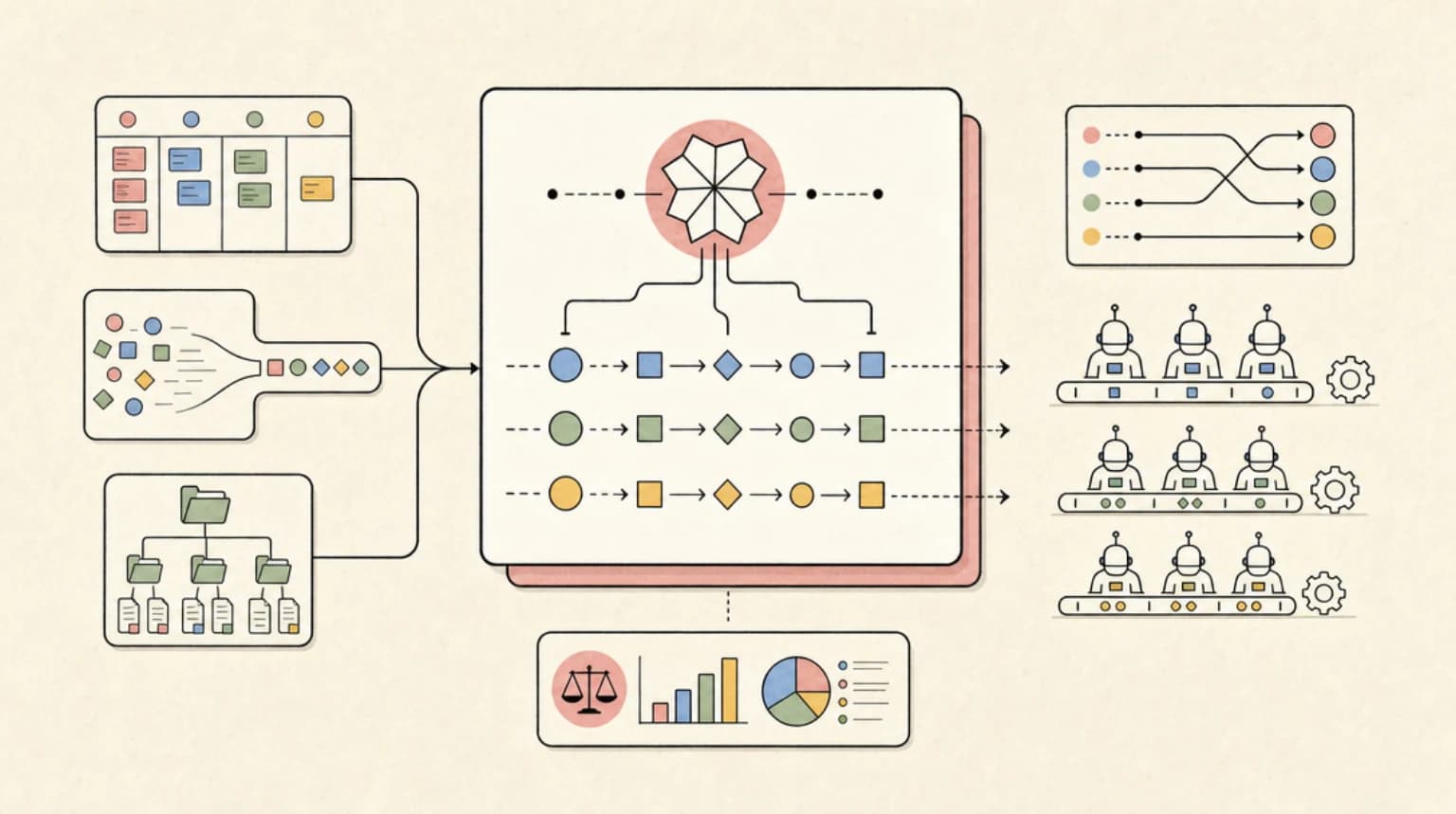
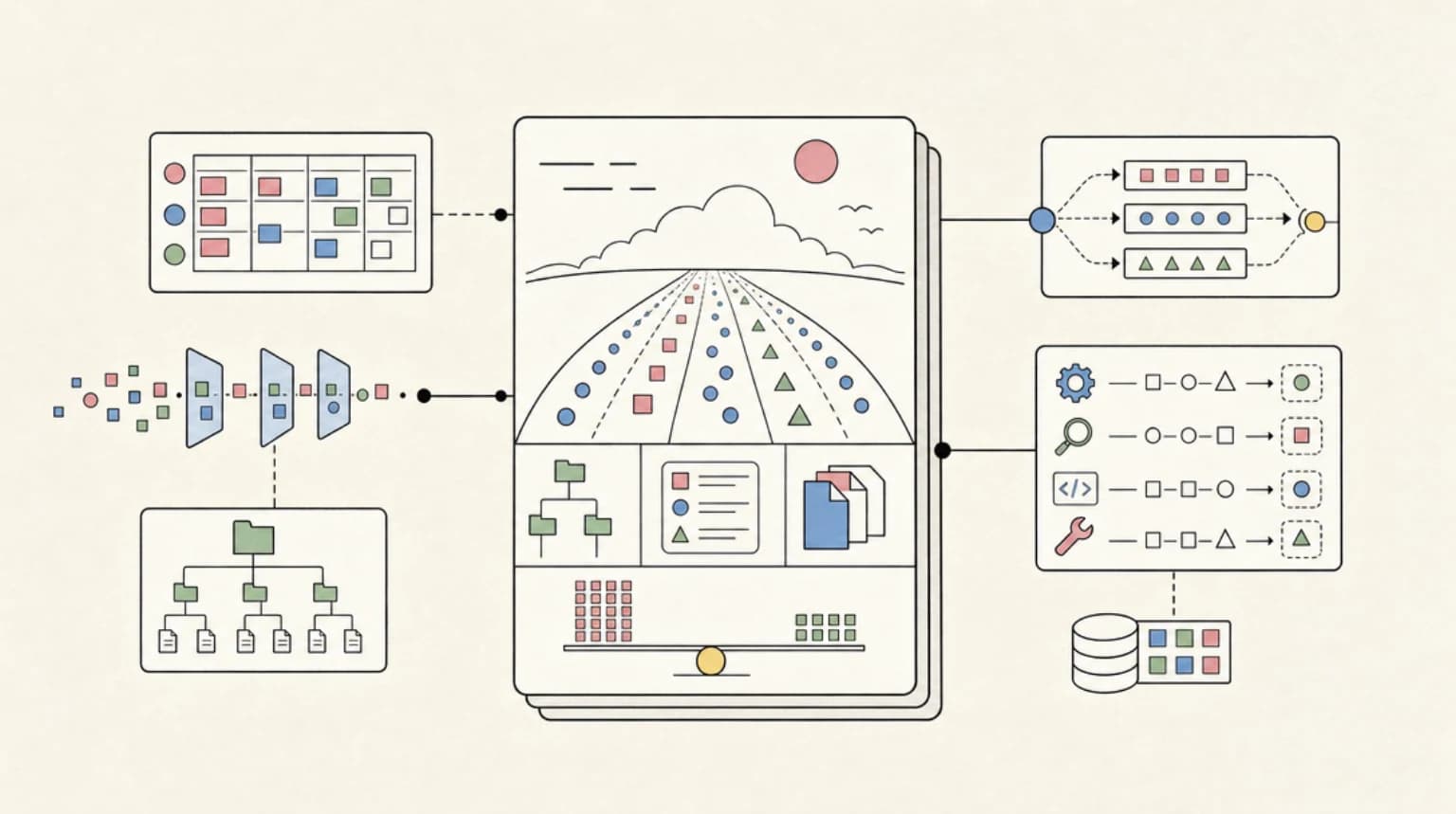
In a multi-agent fleet the orchestrator is the model that plans, delegates, tracks state across a long run, and decides when the work is done. It is the highest-leverage model choice you make, because a weak orchestrator produces a fleet that is busy but incoherent, and an expensive orchestrator sets the cost floor for everything below it. So this is the decision worth getting right. Here is a fair comparison for that specific role.
The two candidates, honestly#
Both are Anthropic models. Fable 5 sits above Opus 4.8 in capability. That does not automatically make it the better orchestrator for your fleet, because "better model" and "better fit for this role, budget, and compliance posture" are different questions.
Fable 5 (claude-fable-5)
- 1M token context, up to 128K tokens of output per request
- $10 per 1M input, $50 per 1M output
- Adaptive thinking always on; depth controlled by the
effortparameter - Vendor and partner reports point to its largest lead on long-horizon, agentic work - the longer and more complex the task, the bigger the reported edge
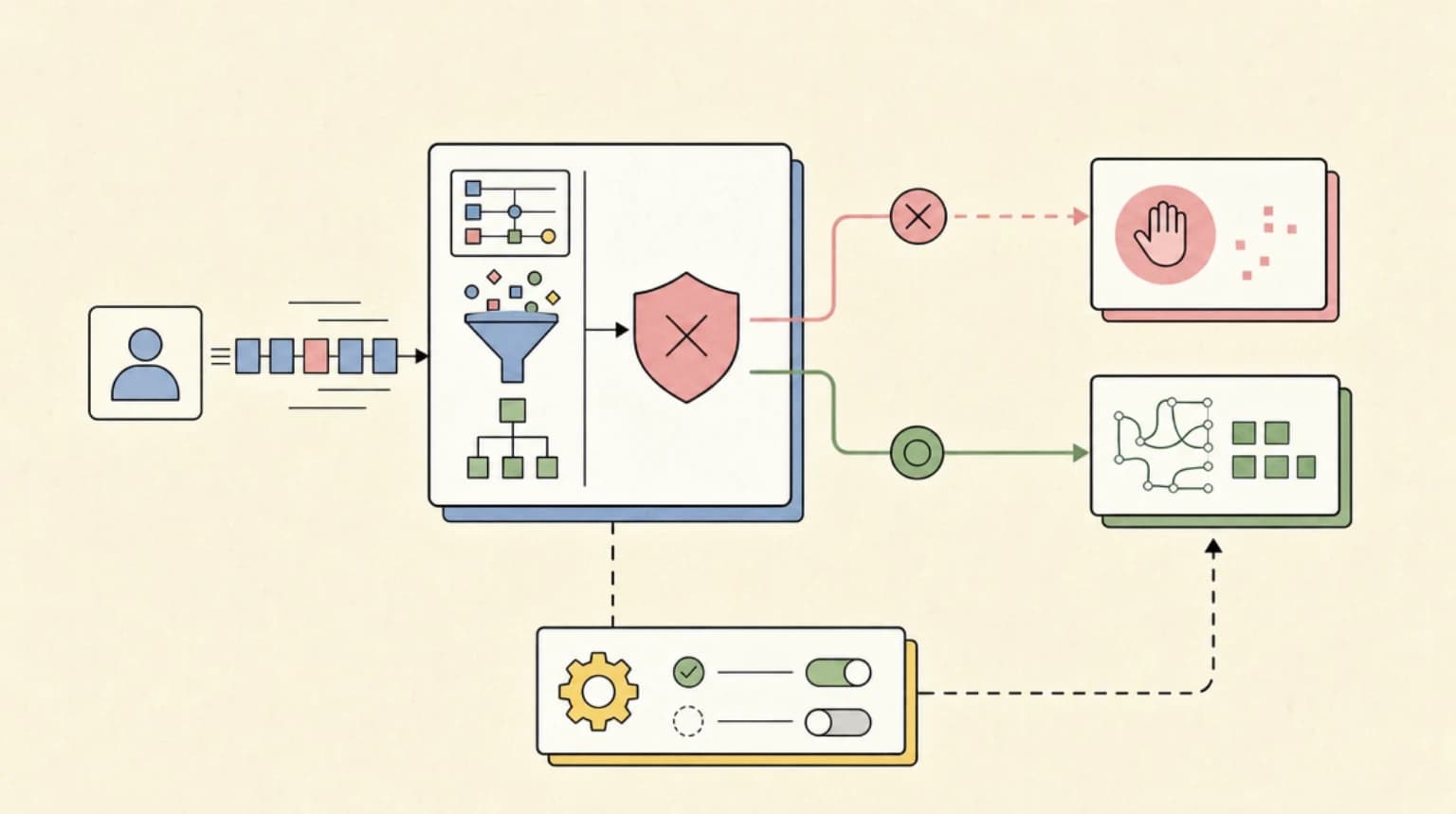
- Ships with a safety classifier that raises benign false-positive refusals on coding and debugging
- Requires 30-day data retention; not available to zero-data-retention organizations
Opus 4.8 (claude-opus-4-8)
- $5 per 1M input, $25 per 1M output - half the price on both sides
- No 30-day retention restriction; available to ZDR organizations
- Proven stability, including through the June window when Fable 5 was suspended
- The model Fable 5 itself falls back to on refusal, so a working Opus 4.8 path is a prerequisite for running Fable 5 at all
The honest framing: Fable 5 is the more capable model on paper, especially for long runs, but it is twice the price, carries a compliance gate, and adds refusal-handling complexity. Opus 4.8 is cheaper, unrestricted, stable, and already load-bearing in any Fable 5 deployment.
Decision matrix#
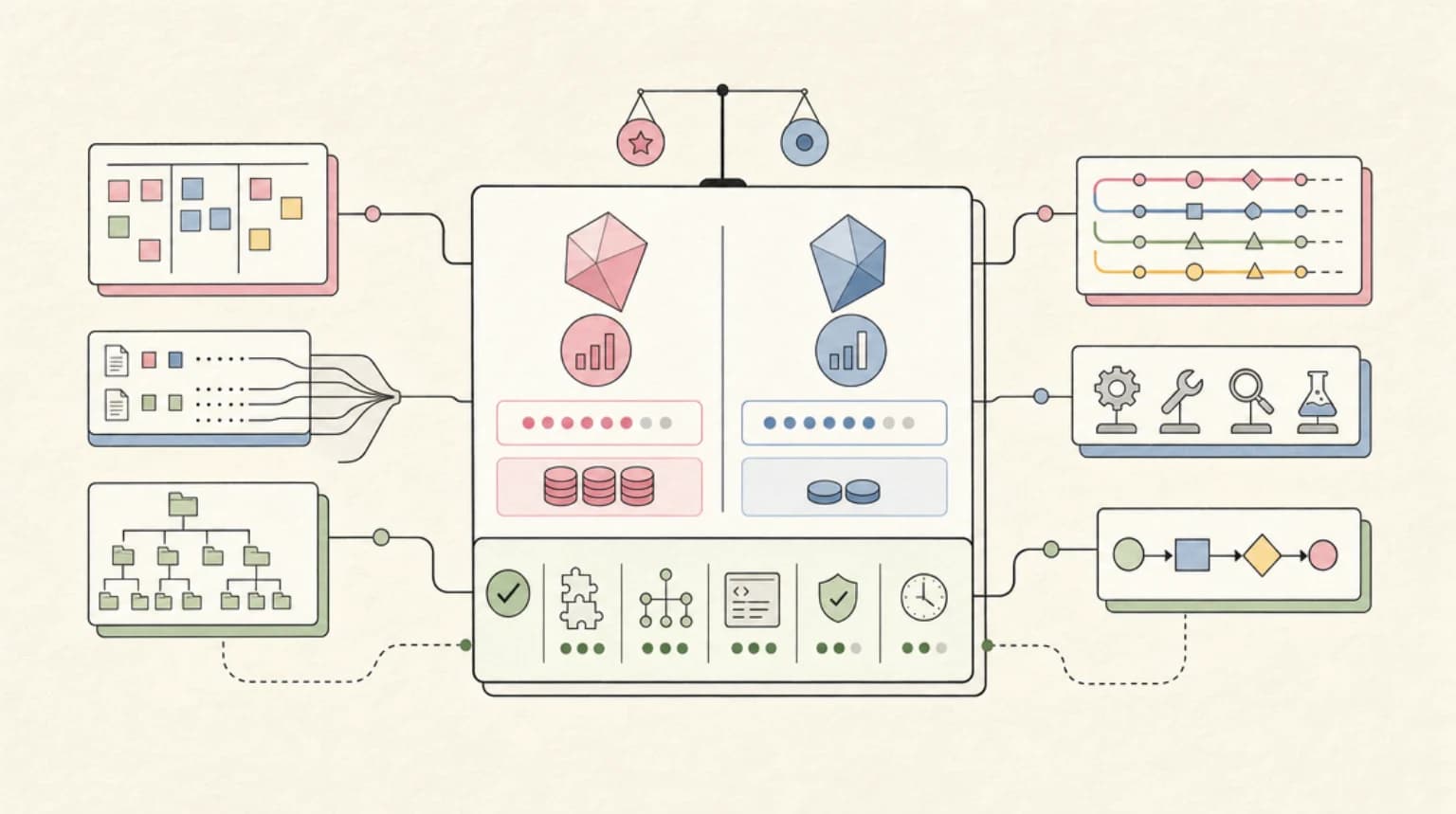
| Factor | Lean Fable 5 | Lean Opus 4.8 |
|---|---|---|
| Run length | Genuinely long-horizon: multi-step migrations, deep research, extended agent loops where the reported edge compounds | Short to medium runs where a top-tier model is already more than enough |
| Budget | The premium ($10/$50) is absorbed by the value of the outcome | Cost-sensitive workloads; $5/$25 halves the orchestrator cost floor |
| Compliance | 30-day retention is acceptable for the workload | Zero-data-retention required, which rules Fable 5 out entirely |
| Refusal tolerance | Your fleet already handles refusals and fallbacks cleanly | You want the fewest false-positive refusals on routine coding with less handling complexity |
| Availability posture | You have model-agnostic fallback wiring and can absorb a frontier model going dark | You want the most proven, stable default and minimal moving parts |
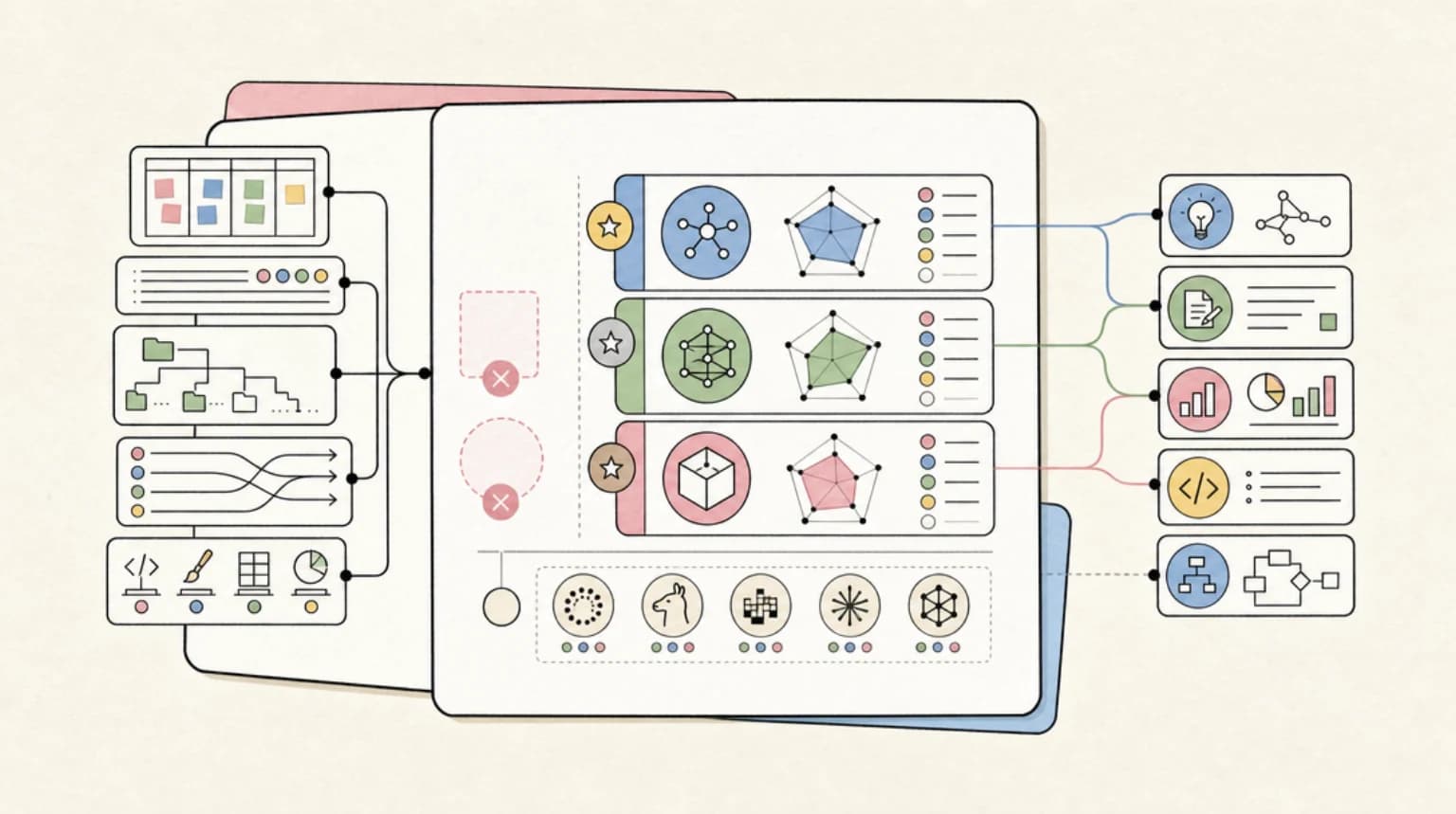
Read the matrix as a whole, not row by row. If most of your answers land in the right column, Opus 4.8 is your orchestrator. If your workload is genuinely long-horizon, the budget absorbs the premium, and you have already built refusal handling, Fable 5 earns its place.
When Fable 5 wins the orchestrator role#
Reach for Fable 5 as your orchestrator when all of these are true:
- The runs are genuinely long-horizon. This is the lane where the reported edge is largest. Partner reports (vendor-stated, not independently reproduced) include a codebase-wide migration across a 50M-line codebase at Stripe in about a day, top scores on Cognition's FrontierCode and Cursor's CursorBench, and long-task gains from the memory tool reported as roughly triple Opus 4.8's on some workloads. The directional claim - the edge grows with task length - is consistent across sources even before you trust the specific numbers.
- The 1M context is doing real work. If your orchestrator needs to hold a large corpus, a long history, or many delegated results in view at once, the larger context is a concrete advantage, not a spec-sheet number.
- The budget can carry $50 per 1M output. Long, deep runs generate a lot of output. At orchestrator scale that adds up fast, so the outcome has to justify it.
- Your fleet already handles refusals. You have the
fallbackspath, refusal-rate alerting, and an Opus 4.8 fallback wired and tested, as covered in Part 2.
If those conditions hold, Fable 5 is the stronger orchestrator and the premium buys real coherence across long runs.
When Opus 4.8 remains the right default#
Stay on Opus 4.8 as your orchestrator when any of these apply:
- You are cost-sensitive. The orchestrator sets the cost floor for the fleet. Half the price on input and output is a large, permanent saving at scale.
- You need zero-data-retention. This is decisive, not a preference. ZDR organizations cannot run Fable 5, so Opus 4.8 (or Sonnet) is the orchestrator by necessity.
- Your runs are short to medium. If the task does not stretch into the long-horizon regime, you are paying the Fable 5 premium for an edge you will not exploit. A top-tier model that is more than sufficient is the right tool.
- You want fewer false-positive refusals. Opus 4.8 does not carry Fable 5's coding-and-debugging refusal tradeoff, so routine engineering work flows with less handling overhead.
- You value stability and fewer moving parts. Opus 4.8 stayed available through the June suspension and adds no retention gate or classifier branch. For many fleets that predictability outweighs a capability edge they would rarely reach.
For a large share of production fleets, Opus 4.8 is not the compromise choice. It is the correct default.
The honest bottom line#
Opus 4.8 remains the right orchestrator for many fleets - probably most of them today. It is cheaper, unrestricted, stable, and already required as the fallback in any Fable 5 deployment, so building on it is never wasted work. Fable 5 wins the orchestrator role when the tasks are genuinely long-horizon, the budget absorbs the premium, and you have already built clean refusal and fallback handling.
Notice the asymmetry: choosing Fable 5 means you must also build the Opus 4.8 path, because that is where refusals and any future outage land. Choosing Opus 4.8 means you are done. So the practical order for most teams is to build a strong Opus 4.8 orchestrator first, instrument it, and promote specific long-horizon workloads to Fable 5 only where the edge is real and measured. Let the workload earn the upgrade rather than defaulting to the more powerful model because it exists.
Frequently Asked Questions#
Is Fable 5 always the better orchestrator because it is more capable?#
No. Fable 5 is the more capable model, but the best orchestrator depends on run length, budget, compliance, and how much refusal-handling complexity you can absorb. For short-to-medium runs, cost-sensitive fleets, or ZDR organizations, Opus 4.8 is the better fit despite being the less powerful model.
How much more expensive is Fable 5 than Opus 4.8?#
Fable 5 is $10 per 1M input and $50 per 1M output. Opus 4.8 is $5 per 1M input and $25 per 1M output - half the price on both sides. Since the orchestrator sets the fleet's cost floor, that difference compounds across a long run.
Can zero-data-retention organizations use Fable 5 as an orchestrator?#
No. Fable 5 requires 30-day data retention and is unavailable to zero-data-retention organizations. Those fleets must orchestrate with Opus 4.8 or Sonnet.
Do I need Opus 4.8 even if I choose Fable 5?#
Yes. Opus 4.8 is the model Fable 5 falls back to when its safety classifier refuses a request, so a working Opus 4.8 path is a prerequisite for running Fable 5 in production. Choosing Fable 5 means building both; choosing Opus 4.8 means building one.
Sources#
- Anthropic, Claude Fable 5 and Claude Mythos 5
- Anthropic, Redeploying Fable 5
- Anthropic Docs, Introducing Claude Fable 5 and Claude Mythos 5
Get the next comparison like this in your inbox
One email a week on Fable 5 and the rest of the AI dev stack. Free.
Read next on Claude Code
Running Fable 5 Agent Fleets in Production: The Operations Guide
Standing up a fleet of Fable 5 agents is the easy part. This is the operations layer - data retention rules, refusal-rate alerting, effort tuning, observability, and availability planning - that keeps the fleet running.
8 min readOrchestrating a Fleet of Agents with Fable 5
Fable 5 changes multi-agent orchestration because the orchestrator can now hold the whole project in one head. Here is the manager-model pattern: a 1M-context frontier model leading, delegating scoped work to cheaper workers, and verifying results.
8 min readFable 5 vs Opus 4.8: A Data-Driven Decision Guide for Engineering Teams
Fable 5 posts an 80.3% SWE-Bench Pro score and costs 2x Opus 4.8 - here is the task-profile scoring guide that tells you when the premium pays off.
7 min readTechnical content at the intersection of AI and development. Building with AI agents, Claude Code, and modern dev tools - then showing you exactly how it works.