Prompt Management Tools Compared: Langfuse vs PromptLayer vs More
TL;DR
A fair look at Langfuse, PromptLayer, Promptfoo, Helicone, Latitude, and Agenta for versioning, evals, and deploying LLM prompts.
Direct answer
Prompt Management Tools Compared: Langfuse vs PromptLayer vs More
A fair look at Langfuse, PromptLayer, Promptfoo, Helicone, Latitude, and Agenta for versioning, evals, and deploying LLM prompts.
Best for
Developers comparing real tool tradeoffs before choosing a stack.
Covers
Verdict, tradeoffs, pricing signals, workflow fit, and related alternatives.
Why prompt management became its own category#
Once an LLM feature ships past a demo, prompts stop being strings in code and start being an asset that needs history, review, and rollback - the same way a schema migration or a feature flag does. A bad edit to a system prompt can silently change output quality for every user, and without versioning there is no way to diff what changed or revert it.
A handful of tools have grown up around this problem. They overlap heavily but come from different starting points: some began as observability platforms and added prompt versioning, others began as eval frameworks and added prompt management, and a couple were built prompt-first from day one. This post compares six of the more established options - Langfuse, PromptLayer, Promptfoo, Helicone, Latitude, and Agenta - on versioning, evals, collaboration, and deployment.
The tools at a glance#
Langfuse Prompts#
Langfuse is an open-source LLM engineering platform (tracing, evals, datasets) with a prompt management module built on top of the same backend. Prompts are versioned objects with labels (e.g. production, latest) that you fetch by name from your app at runtime, and Langfuse caches them client-side to avoid adding latency to every request. Because tracing and prompts share one system, you can link a trace back to the exact prompt version that produced it. Self-hosting is supported via the Langfuse self-hosting docs, and there's a generous free tier on Langfuse Cloud per the pricing page.
PromptLayer#
PromptLayer treats prompt management as the core product: a visual prompt registry with git-style versioning, a side-by-side prompt comparison view (the "Prompt CMS"), and release labels for promoting a version to production without a code deploy. It also logs every LLM request that runs through its SDK wrapper, which gives you a request history tied to prompt versions. PromptLayer leans toward teams where non-engineers (PMs, prompt writers) need to edit and ship prompts directly - see the collaboration docs.
Promptfoo#
Promptfoo is primarily an eval and red-teaming framework, config-driven and CLI-first: you define prompts, providers, and test cases in a YAML file and run promptfoo eval to get pass/fail grading, model comparisons, and regression detection in CI. It also ships a red-teaming module for adversarial testing (jailbreaks, prompt injection) which none of the others in this list focus on directly. Prompt "versioning" here is really your git history of the config files - there's no hosted prompt registry with labels/rollback like Langfuse or PromptLayer, but that also means zero vendor lock-in since everything lives in your repo.
Helicone#
Helicone is an observability-first proxy/gateway for LLM calls (cost, latency, logging) that has added a lightweight prompt management feature for versioning prompt templates and tracking how changes affect the metrics it already collects. It's the leanest option here for teams whose main need is "see what our LLM calls cost and log them," with prompt versioning as a bonus rather than the headline feature.
Latitude#
Latitude is an open-source prompt engineering platform aimed at product/engineering collaboration: a prompt editor with version control, built-in evaluations (including LLM-as-judge), and a "prompt as an API endpoint" deployment model so a non-engineer can edit a prompt and publish it without a code change. It's a newer entrant relative to Langfuse and PromptLayer, and the GitHub repo is the place to check current feature maturity and self-hosting instructions.
Agenta#
Agenta is an open-source LLMOps platform combining a prompt playground, versioned prompt registry, evaluation pipelines, and observability. It emphasizes a no-code/low-code playground for iterating on prompts (including comparing multiple models side by side) and deploying versions to different environments (dev/staging/prod) similar to how you'd promote a build. Source and self-hosting details are on the Agenta GitHub repo.
From the archive
Self-Hosted vs Managed AI Gateways: A Decision Guide
Jul 9, 2026 • 11 min read
Vector Database Comparison for RAG and AI Agents
Jul 9, 2026 • 7 min read
vLLM vs TGI vs SGLang: Which Inference Server to Self-Host
Jul 9, 2026 • 7 min read
Cloudflare Meerkat: A New Approach to Global Consensus Without Leaders
Jul 8, 2026 • 7 min read
Comparing on the axes that matter#
Versioning model. Langfuse, PromptLayer, Latitude, and Agenta all give you a hosted prompt registry with commit-style history and named labels/environments you can promote between. Promptfoo and Helicone don't offer that same hosted registry - Promptfoo assumes your prompts live in version control already, and Helicone's prompt tracking is closer to a lightweight diff log alongside its logs.
Evals. Promptfoo is the strongest pure eval tool here, with a mature CLI, CI integration, and a large library of built-in assertion types. Langfuse and Latitude both bundle evals (including LLM-as-judge scoring) directly into the same platform as their prompt registry and traces, which is convenient if you want one dashboard. Agenta's evaluation pipelines cover similar ground. Helicone and PromptLayer have lighter eval surfaces and are more oriented toward logging/comparison than automated grading.
Collaboration. PromptLayer and Latitude are both explicitly designed so non-engineers can edit prompts through a UI and ship without a PR. Agenta's playground has a similar goal. Langfuse's prompt editor supports this too, but Langfuse's deeper strength is still the engineering side (tracing, datasets) rather than a PM-first editing experience. Helicone and Promptfoo are the most engineer-centric of the six.
Deployment. "Deployment" here means how a new prompt version reaches production. Langfuse, PromptLayer, Latitude, and Agenta all support fetching a prompt by label/environment at runtime, so promoting a version is a dashboard action, not a deploy. Promptfoo has no equivalent - you deploy prompts the same way you deploy any code, via your normal pipeline, which some teams prefer for audit and rollback consistency with the rest of their infra.
How to choose#
- If you already use Langfuse (or want) for tracing and evals and need prompt versioning attached to the same traces, Langfuse Prompts is the least-friction addition - see its prompt management docs.
- If prompt editing by non-engineers is the priority and you want a dedicated registry UI, PromptLayer or Latitude fit best; compare their editor and labeling models directly in the docs linked above.
- If your core need is regression testing and adversarial testing of prompts in CI, reach for Promptfoo and keep prompts in your repo.
- If you mainly need cost/latency observability and prompt versioning is secondary, Helicone is the lighter-weight pick.
- If you want a self-hosted, open-source, playground-first workflow with environment promotion, Agenta is worth a closer look.
None of these tools are mutually exclusive - it's common to see Promptfoo running in CI for regression checks while Langfuse or PromptLayer runs in production for versioning and tracing.
Continue Reading#
- Langfuse vs Braintrust vs Helicone: Choosing an LLM Observability Stack in 2026 - observability platforms that include prompt management
- AI Agent Eval Tools Compared: Braintrust vs Promptfoo vs DeepEval - eval tools that pair with prompt versioning
- Self-Hosted vs Managed AI Gateways: A Decision Guide - gateway decisions that affect prompt deployment
FAQ#
Is Promptfoo a replacement for a hosted prompt registry?#
No. Promptfoo is an eval/testing framework that runs against prompts defined in your own config files and version control - it doesn't provide a hosted UI for non-engineers to edit and promote prompts the way Langfuse, PromptLayer, Latitude, or Agenta do. Teams often pair Promptfoo for CI regression testing with one of the hosted registries for runtime versioning.
Which of these tools are open source and self-hostable?#
Langfuse, Promptfoo, Latitude, and Agenta are all open source with self-hosting documented on their respective GitHub repos and docs sites (linked above). PromptLayer and Helicone are primarily hosted SaaS products, though Helicone also publishes self-hosting instructions.
Do these tools add latency to production LLM calls?#
Prompt-fetch-at-runtime tools (Langfuse, PromptLayer, Latitude, Agenta) typically cache the prompt client-side after the first fetch specifically to avoid adding a network round-trip to every request - check each product's caching docs for the exact TTL and invalidation behavior before relying on it in a latency-sensitive path.
Can I use more than one of these tools together?#
Yes, and it's common. A frequent pattern is Promptfoo in CI for pre-merge regression testing on prompt changes, combined with a hosted registry (Langfuse, PromptLayer, Latitude, or Agenta) for versioning and promoting prompts in production, plus Helicone or a similar proxy for cost/latency observability on top.
Read next
Langfuse vs Braintrust vs Helicone: Choosing an LLM Observability Stack in 2026
A fair, sourced comparison of the three LLM observability platforms teams reach for once agents hit production: Langfuse's open-source tracing and prompt management, Braintrust's eval-first workflow for regressions, and Helicone's drop-in proxy for logging and cost control. Architecture, pricing model, self-hosting, and which to pick by workload.
10 min readAI Agent Eval Tools Compared: Braintrust vs Promptfoo vs DeepEval
A fair comparison of Braintrust, Langfuse evals, Promptfoo, DeepEval, Ragas, and OpenAI Evals: offline vs online evals, LLM-as-judge, CI integration, and dataset management for agent testing.
9 min readPrompt Engineering for AI Coding Tools
Prompt engineering for coding is less about clever wording and more about task specs, repo context, constraints, examples, verification, and reviewable receipts.
9 min readShare
Developers Digest
Technical content at the intersection of AI and development. Building with AI agents, Claude Code, and modern dev tools - then showing you exactly how it works.
300+ videos30K+ GitHub stars850+ articles
Try These Tools
Related Tools
InfrastructureOpen source

Langfuse
Open-source LLM engineering platform: tracing, evals, prompt management, and datasets. Self-hostable, OpenTelemetry-nati...
View ToolMCP Tools

MCP Hub
Centralized manager for MCP servers. Connect once to localhost:37373 and access all your servers through a single endpoi...
View ToolMCP Tools
FastMCP
Pythonic framework for building MCP servers. Decorators for tools, resources, and prompts. Officially incorporated into...
View ToolApps from Developers Digest
Developer ToolsIn Progress
Skill Builder
Turn a one-liner into a working Claude Code skill. From idea to installed in a minute.
View AppDeveloper ToolsIn Progress
PromptLock
Treat prompts like code. Lock versions, diff changes, roll back fast.
View AppDeveloper ToolsIn Progress
AI Model Router
Route prompts to the right model based on cost, latency, and priority rules.
View AppRelated Guides
Guide
AI Agent Frameworks Compared: LangGraph vs CrewAI vs Mastra vs CopilotKit
Deep comparison of the top AI agent frameworks - LangGraph, CrewAI, Mastra, CopilotKit, AutoGen, and Claude Code.
AI AgentsGuide
Skill Pre-Approval - Claude Code
Pre-approve tools before a skill executes so it runs without prompts.
Claude CodeGuide
Interactive Mode - Claude Code
Real-time prompt loop with history, completions, and multiline input.
Claude CodeRelated Videos
Related Posts
10 min read
LLM Observability
Langfuse vs Braintrust vs Helicone: Choosing an LLM Observability Stack in 2026
A fair, sourced comparison of the three LLM observability platforms teams reach for once agents hit production: Langfuse...

9 min read
Evals
AI Agent Eval Tools Compared: Braintrust vs Promptfoo vs DeepEval
A fair comparison of Braintrust, Langfuse evals, Promptfoo, DeepEval, Ragas, and OpenAI Evals: offline vs online evals,...
9 min read
Claude Code
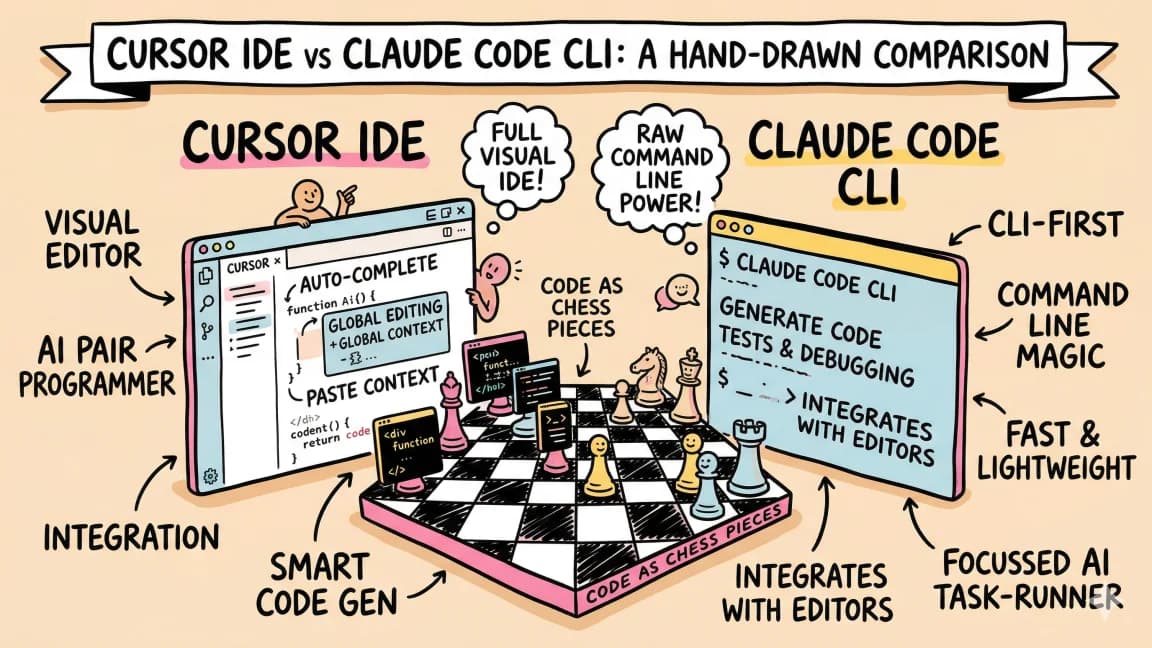
Cursor vs Claude Code in 2026 - Which Should You Use?
A detailed comparison of Cursor and Claude Code from someone who uses both daily. When to use each, how they differ, and...
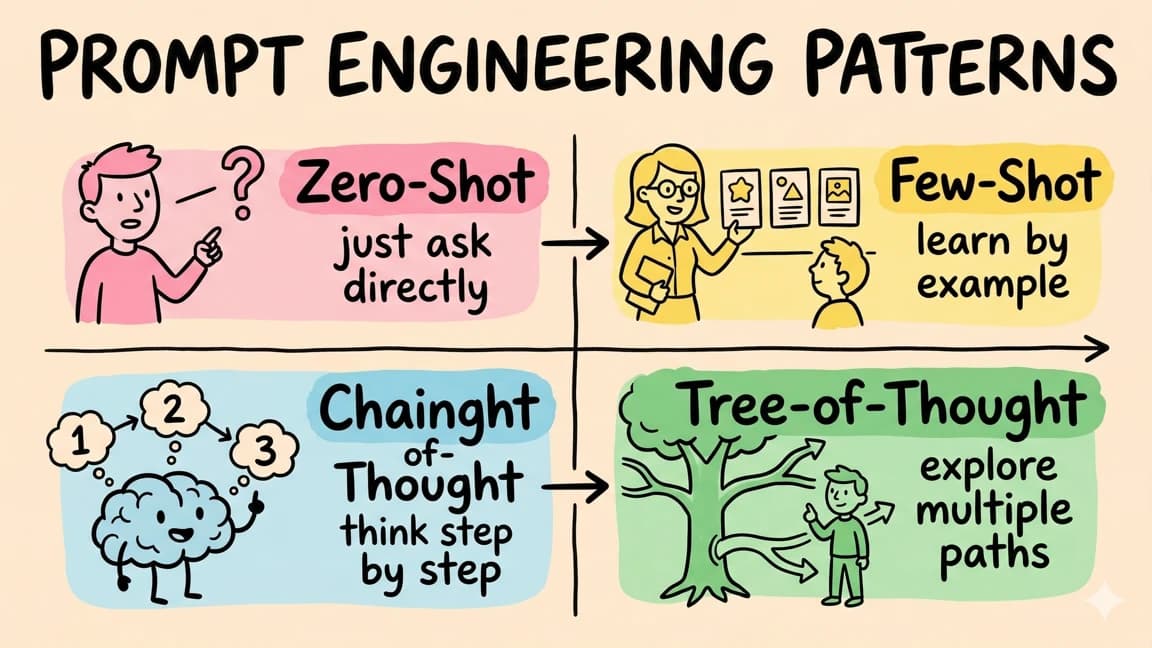
9 min read
Prompt Engineering
Prompt Engineering for AI Coding Tools
Prompt engineering for coding is less about clever wording and more about task specs, repo context, constraints, example...
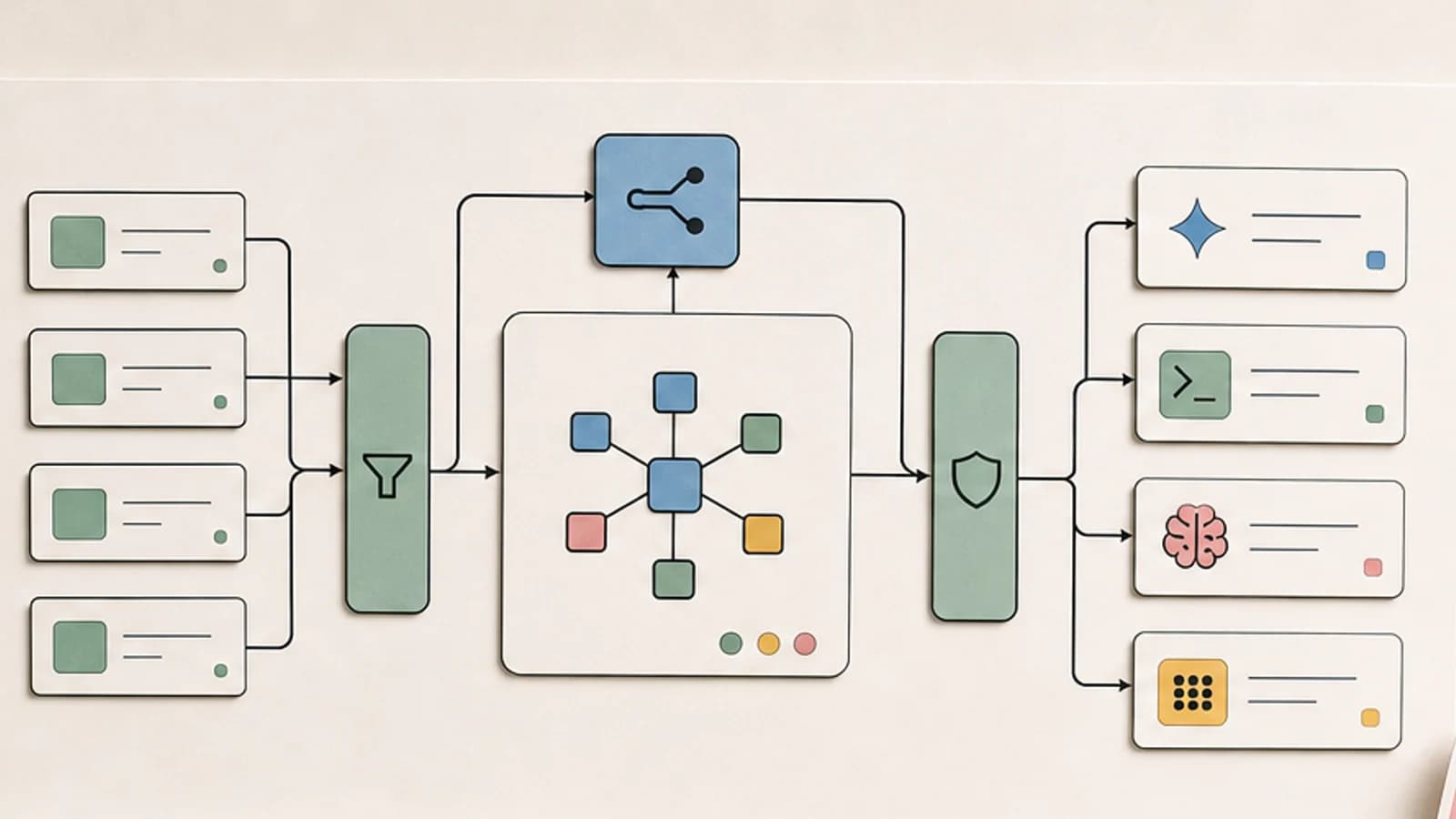
10 min read
Research
Your Agent Has a Five-Constraint Budget
Give an agent one instruction and it obeys. Give it eight and it obeys all of them about five percent of the time, no ma...
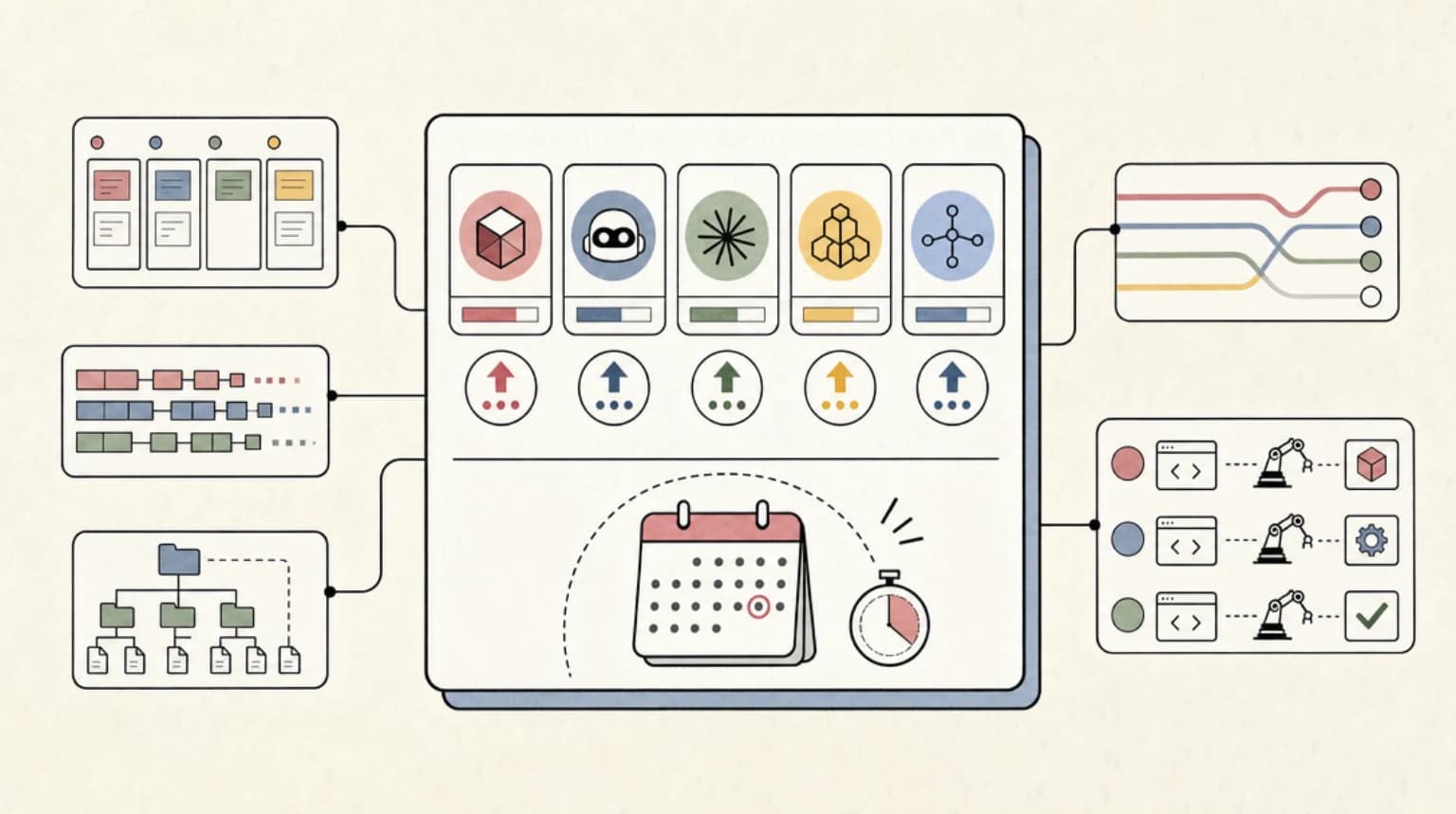
7 min read
News
Thinking in Python: Bruce Eckel Revives His 2008 Book With Claude in 2026
The Thinking in Java author abandoned a Python book in 2011 and used Claude to finish it in June 2026. The result is a f...
Build with the member tools

Get Smarter About AI Dev
New tutorials, open-source projects, and deep dives on coding agents - delivered weekly.
One email per weekReal code, not theoryFree forever