9 min read
Codex Automations: Where Scheduled AI Agents Actually Help
Codex automations are useful when recurring engineering work has clear inputs, reviewable outputs, and safe boundaries. Here is the practical playbook.
32 articles - page 3 of 3
Codex automations are useful when recurring engineering work has clear inputs, reviewable outputs, and safe boundaries. Here is the practical playbook.
OpenAI is turning Codex from a coding assistant into a broader agent workspace for files, apps, browser QA, images, automations, and repeatable knowledge work.
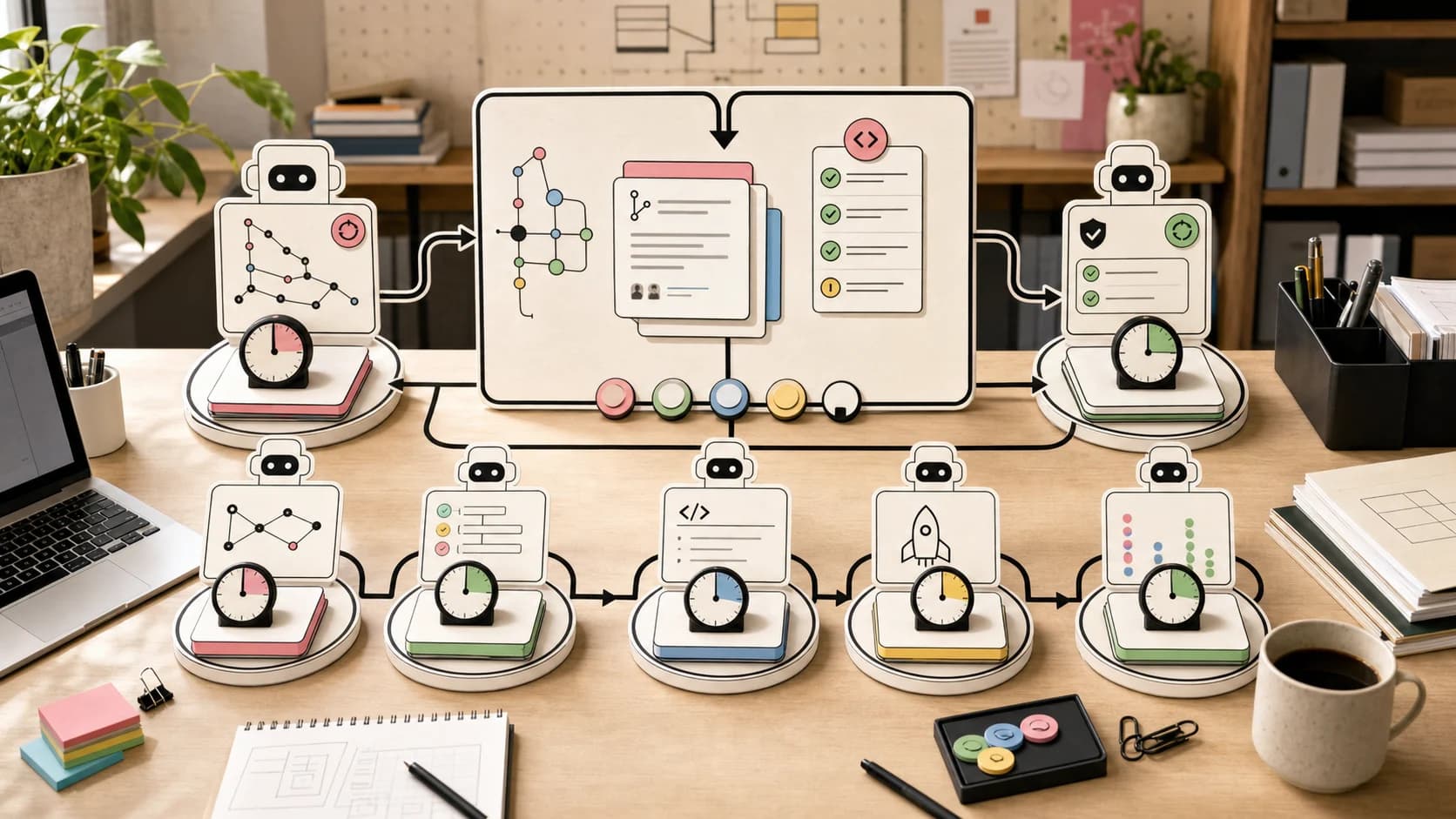
Boris Cherny's loop-heavy Claude Code workflow points at the next Codex content lane: recurring agents that babysit PRs, CI, deploys, and feedback streams.
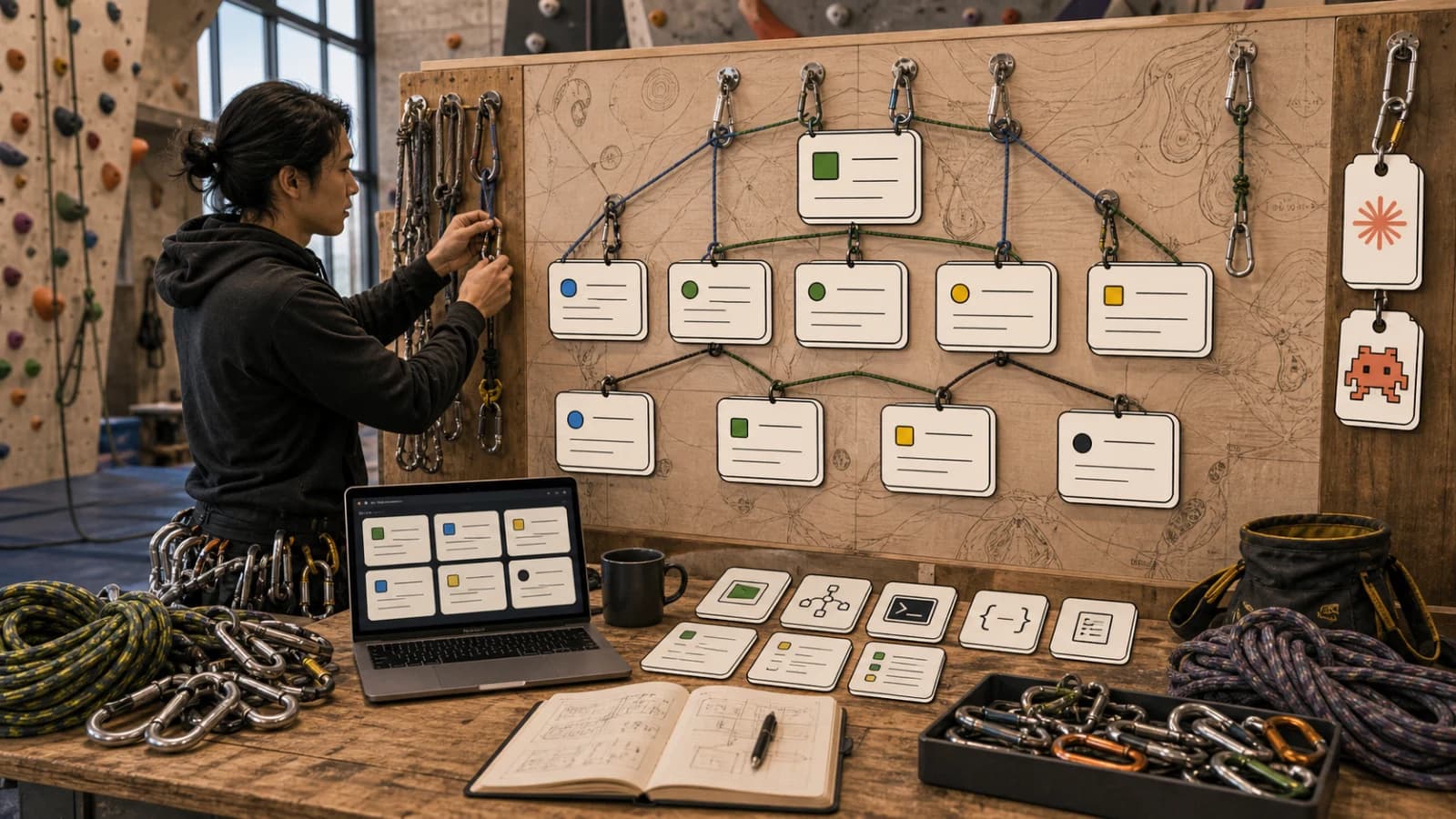
Claude Code hooks run shell commands at exact lifecycle points. Set up auto-format, dangerous-command blocking, tests before stopping and desktop notifications.
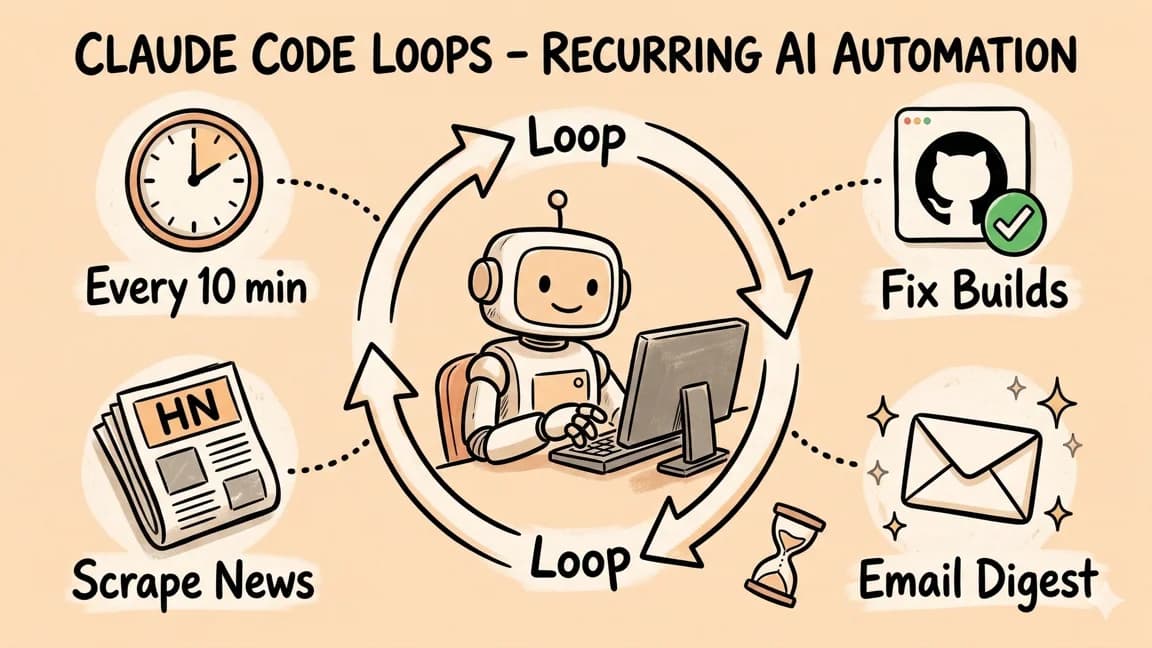
Claude Code /loop runs prompts on repeat in a session: fixed or self-paced intervals, seven-day expiry, jitter, and when Routines fit better.

Claude Code updates: remote control from your phone, Cowork scheduled tasks, new plugin repos, auto memory and 4% of public GitHub commits now from Claude Code.

The Ralph Loop uses Claude Code stop hooks to keep an agent working autonomously for hours. How stop hooks, completion promises and max iterations fit together.
Showing 25-31 of 31 articles
New tutorials, open-source projects, and deep dives on coding agents - delivered weekly.
Explore 840 topics
Browse All Topics