New7 min read
Claude Code Review Levels: Quick, Standard and Deep Explained
Claude Code Review now has three review levels. How Quick, Standard and Deep trade depth for cost, how to set them per repo, and how to budget before rollout.
Read more
235 articles

A Reddit user says Claude Code found XMRig eating about 12 cores on their Mac while building a temperature app. What was reported, what is unverified, and the read-only checks to run on your own machine.
Claude Code Review now has three review levels. How Quick, Standard and Deep trade depth for cost, how to set them per repo, and how to budget before rollout.
leanrea is an 8 KB skill pitched as a replacement for the REA (Reverse Engineer Anything) MCP server. What its benchmark shows, what it skips, and which to install.
Claude Code v2.1.277+ reads AGENTS.md when a repo has no CLAUDE.md. How the four Project instructions modes work, the settings key, and the gotchas.
Claude Code starts in auto mode by default, with its safety classifier moving server-side. How to keep, tune or turn it off, and the v2.1.302 headless catch.
Claude Code v2.1.257 points /model fable at Fable 5.1: 1M context, $10/$50 per MTok, $0.25 cache reads. Setup, gotchas, and when Opus 5.5 wins.

Claude Code 2.1.299 compacts sessions over 200K tokens after about 54 idle minutes. How the cache math works, the setting to turn it off, and when to keep it.

Claude Code now reports prompt cache hit ratio and miss causes in /usage. How to read it, script a status line, and set 5m or 1h TTLs.

Claude Design, Slides and Docs now open in any Claude chat, Claude Code session or the Artifacts tab, on every plan. Exact steps, limits and settings.
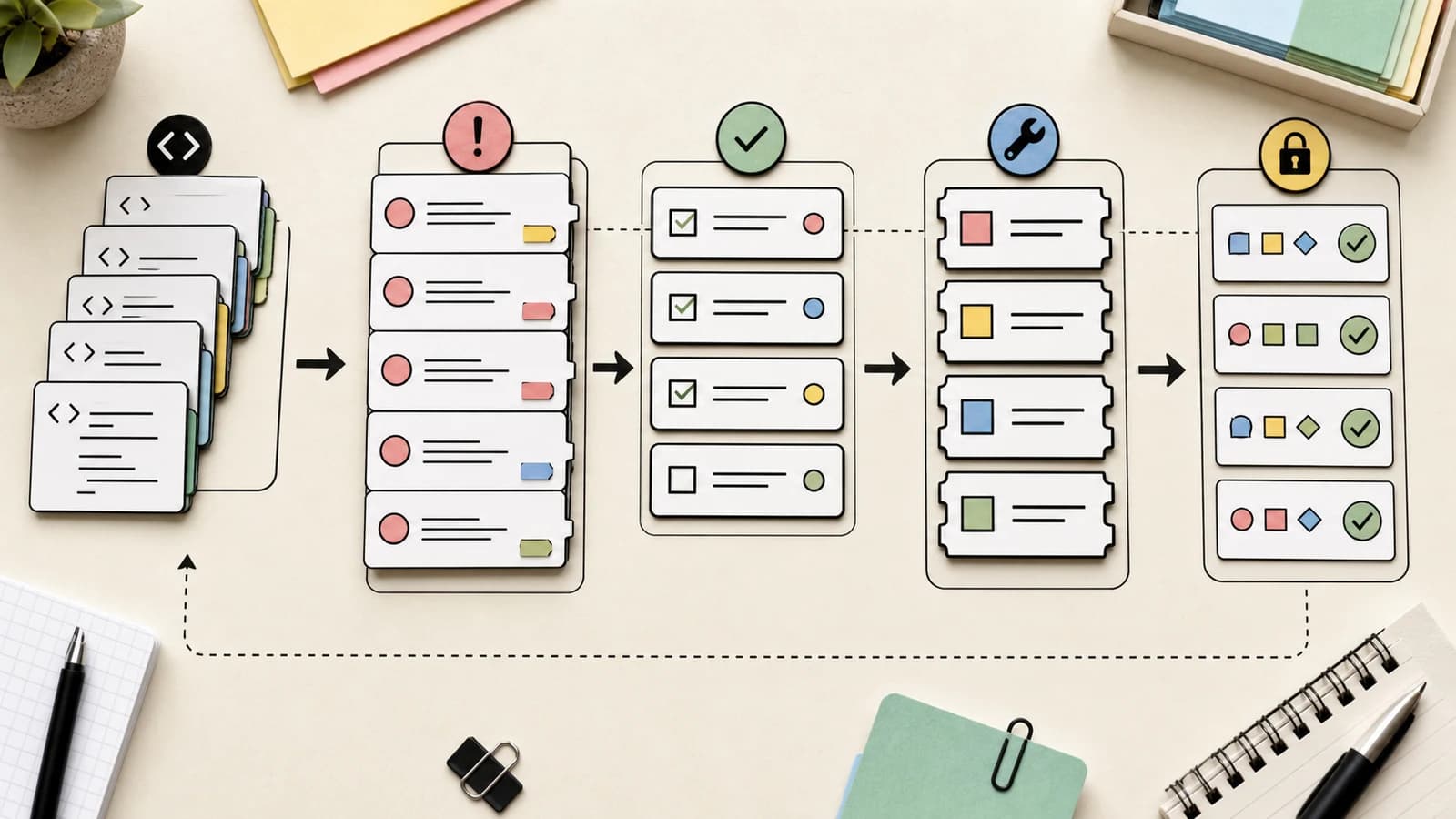
SneakPeek (CVSS 8.7) let a poisoned HTML file read SSH keys and cloud credentials via the Claude Code Desktop preview pane. Fixed in Claude Desktop 1.30096.1.

REA (Reverse Engineer Anything) is an MIT-licensed MCP server that lets Claude Code, Codex or Cursor inspect binaries, Electron apps and APKs. How to try it.
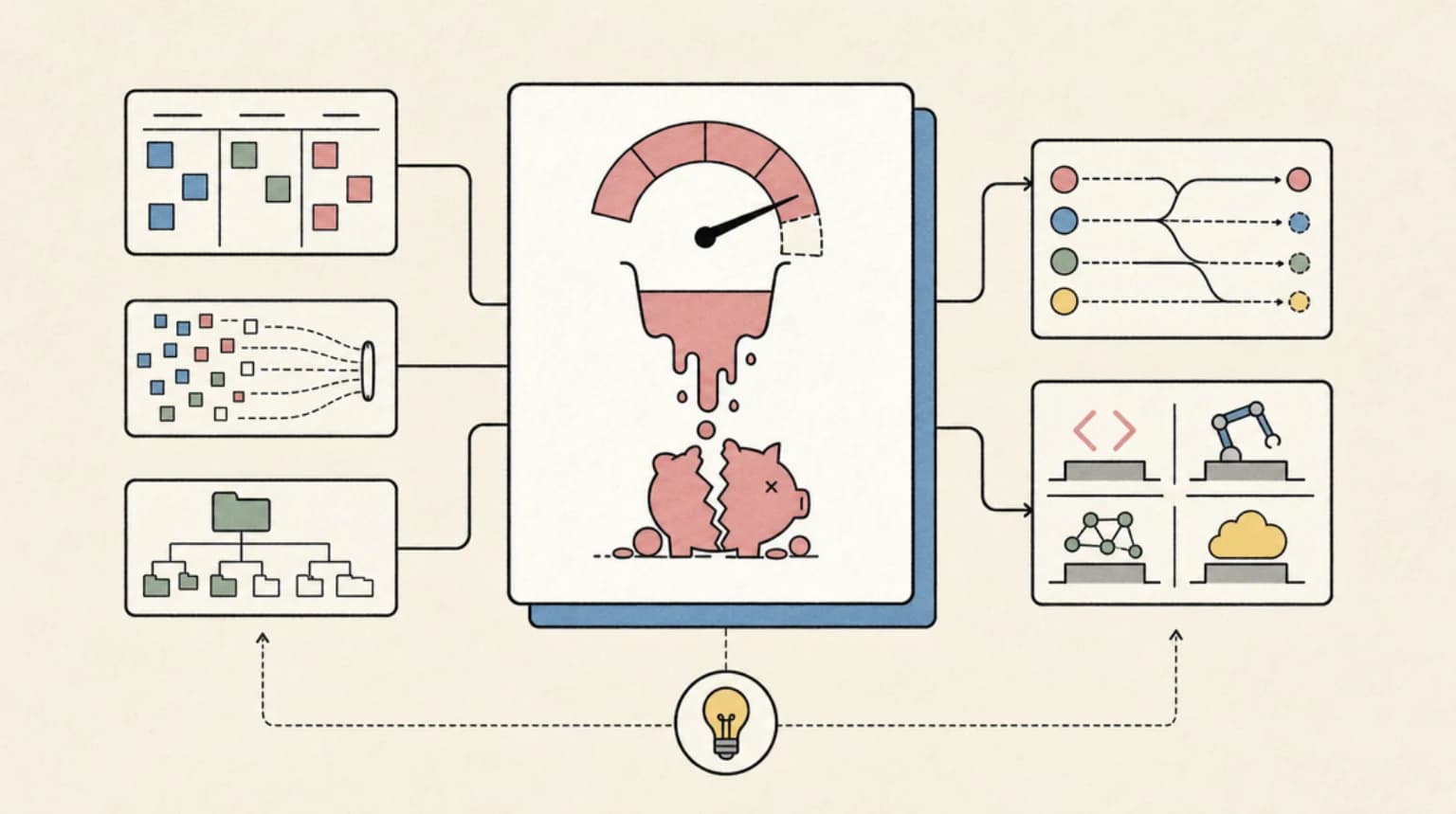
Claude Code Projects is open to waitlisted Pro and Max users. How the coordinator and cloud threads work, what they cost in plan limits and where it breaks.
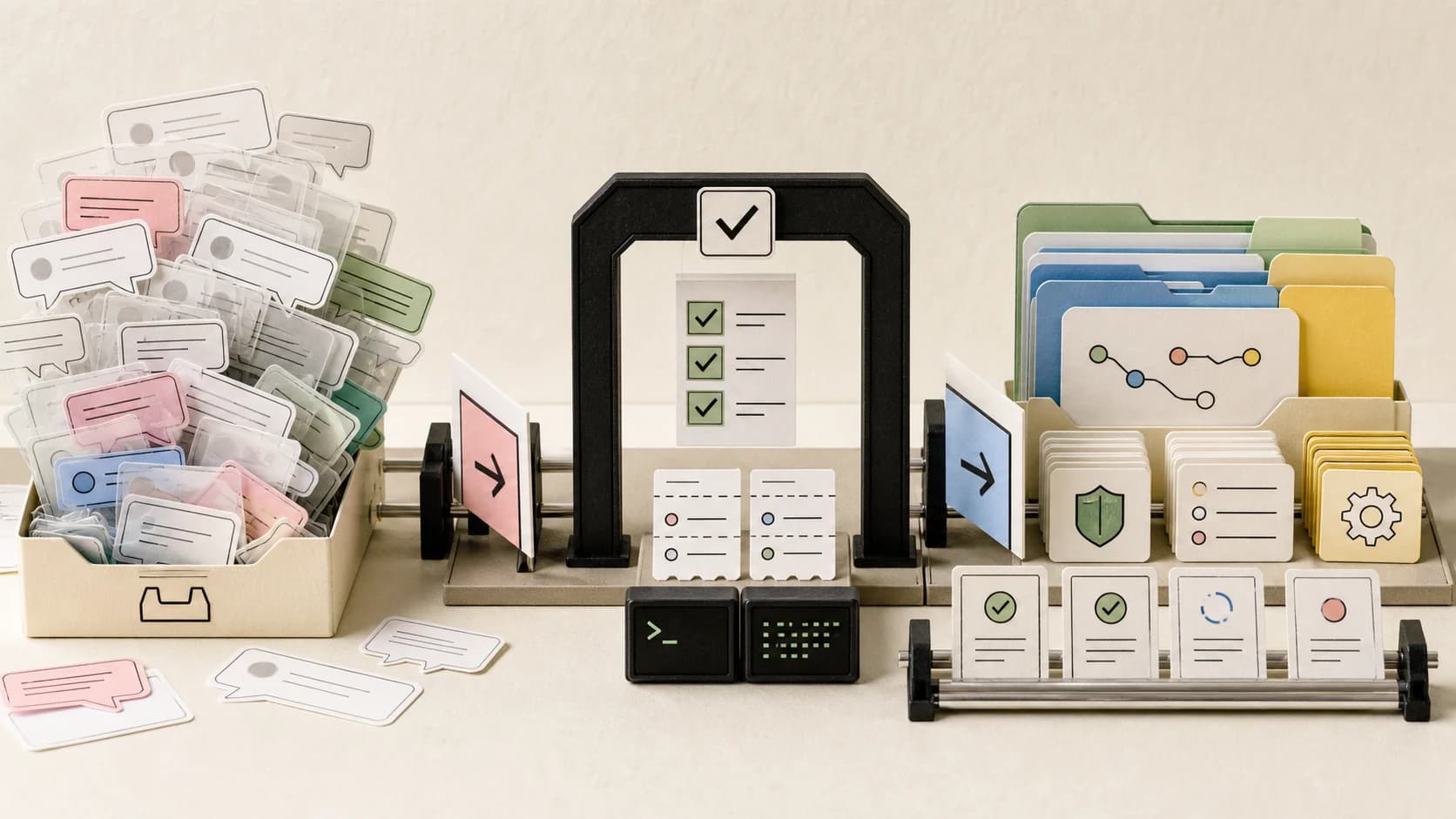
Agent harness lessons from a 500B+ token decompile: a byte-matching PASS/FAIL oracle beat the reviewer agent. How agents cheated it and what to copy.
Showing 12 of 234 articles

New tutorials, open-source projects, and deep dives on coding agents - delivered weekly.
Explore 840 topics
Browse All Topics