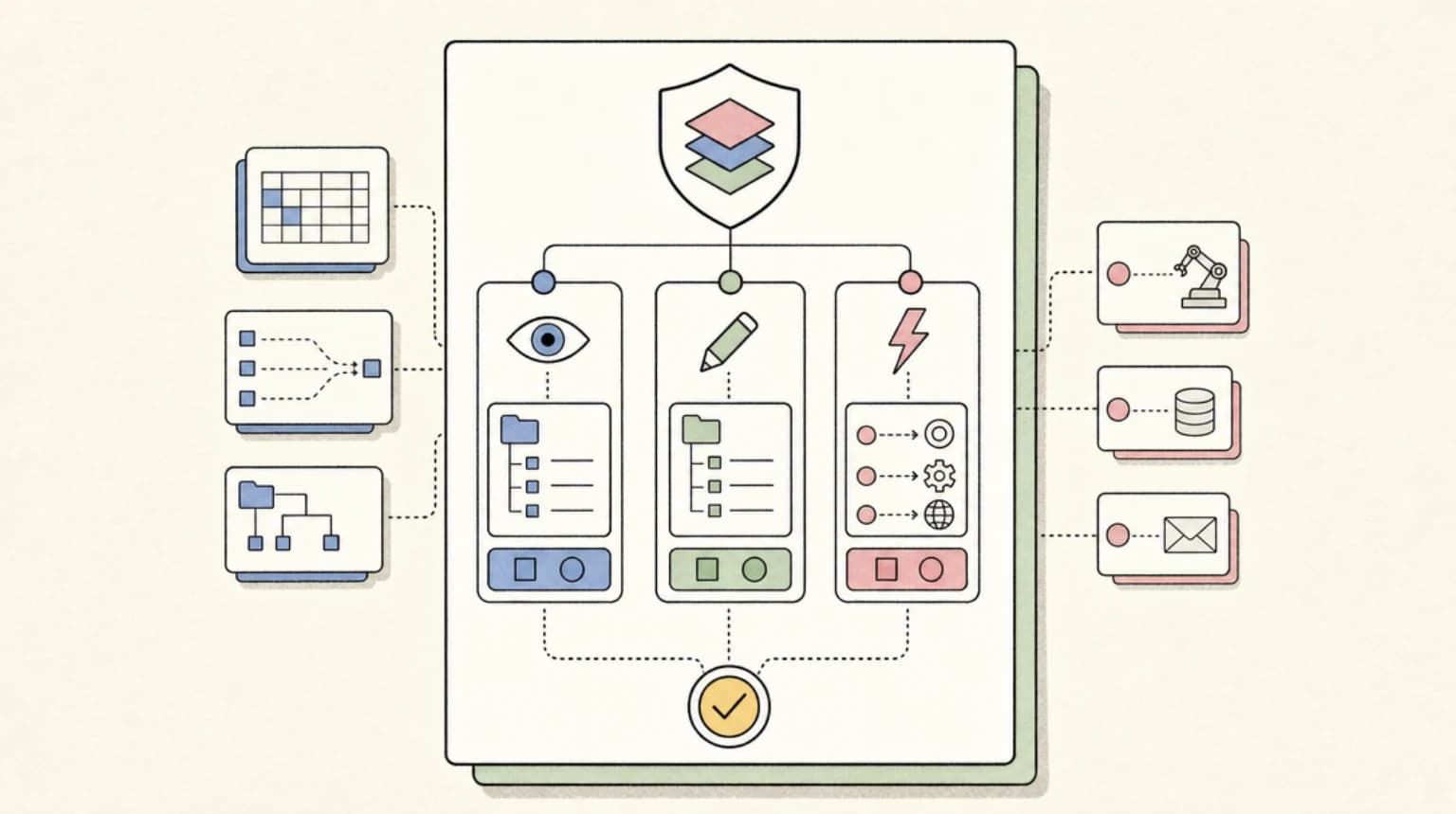

The ChatGPT for Google Sheets exfiltration report is not just a spreadsheet bug. It is a warning about agentic office tools: permissions need to be action-scoped, logged, revocable, and visible.
41 articles

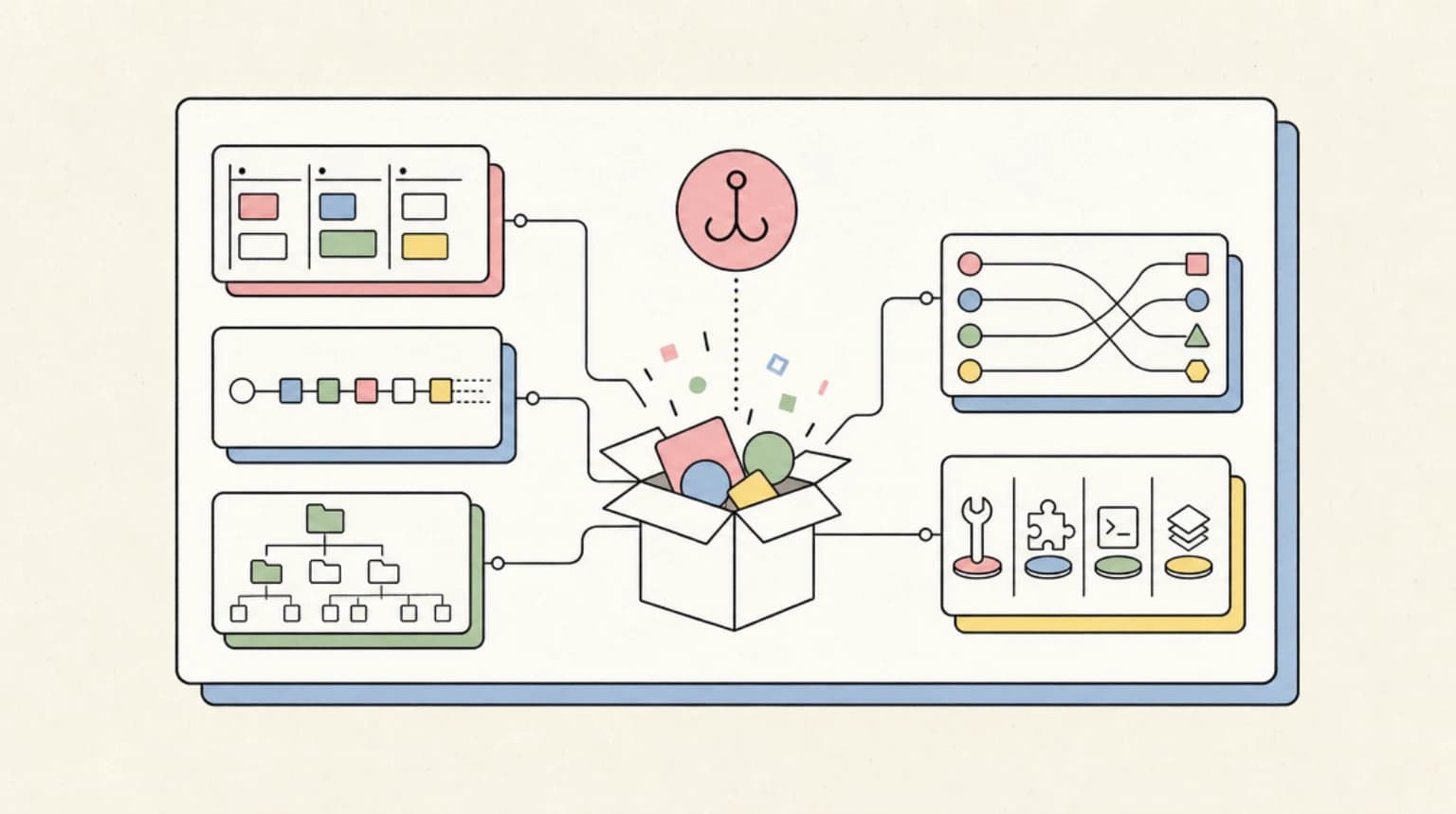
GitHub Trending is full of agent memory and context tools. The useful version is not magic recall. It is a context ledger: source-linked, scoped, expiring memory that agents can inspect and users can audit.

The ChatGPT for Google Sheets exfiltration report is not just a spreadsheet bug. It is a warning about agentic office tools: permissions need to be action-scoped, logged, revocable, and visible.

A huge Hacker News thread says domain expertise is the real moat in agentic coding. The sharper version: tacit judgment only compounds when you turn it into examples, tests, DSLs, and review gates.

Before an AI agent gets tools, files, APIs, MCP servers, or deployment access, decide what it can read, write, call, log, and roll back.

AI coding agents become safer when permissions, logs, and rollback are designed as one system. Here is the operating loop I would put around any agent that can edit code, run tools, or open pull requests.

Prompt injection stops being an abstract LLM risk once an agent can call tools. The practical defense is data boundaries, structured handoffs, tool guardrails, and approval gates around side effects.

CodeGraph is trending because AI coding teams are running into the same bottleneck: agents waste too many tokens rediscovering the repo. Local indexes help, but only if you treat them as navigation aids instead of source truth.

AI coding agents have crossed from demo to daily workflow. The next bottleneck is not demand. It is cost attribution, budget gates, and workflow design that keeps agent fleets from turning useful work into surprise spend.

A front-page Hacker News essay about being tired of AI answers points at a real developer problem: chat is too easy to launder into fake work. The fix is verifiable workflows, not more conversational polish.

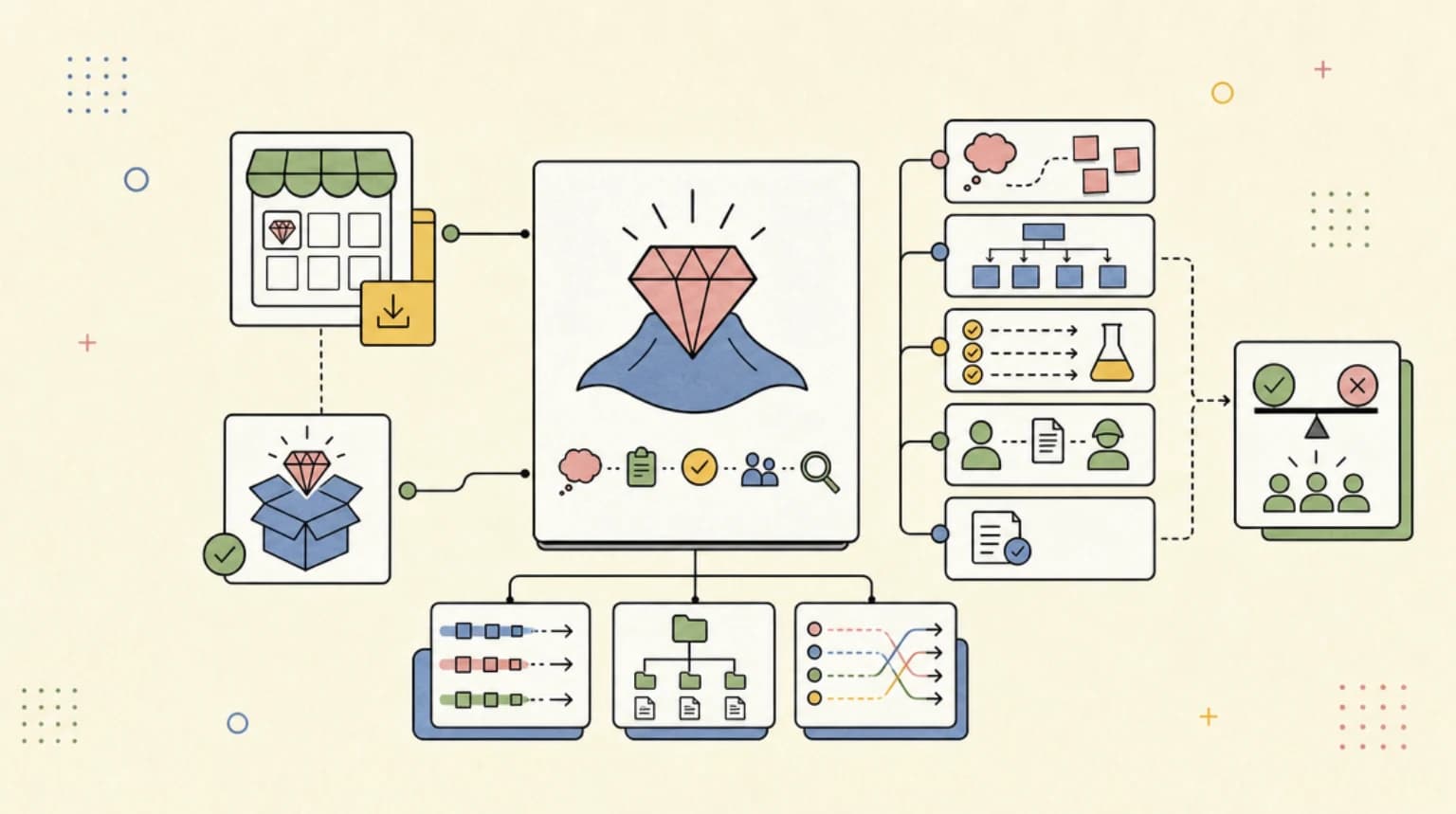
Anthropic's knowledge-work plugin repo is trending because it packages skills, connectors, slash commands, and sub-agents around job functions. The interesting shift is from personal prompts to team-distributed operating systems.

A new arXiv paper shows coding agents can pass loose backend tasks, then fall apart when architecture, database, and ORM constraints pile up. The fix is not longer markdown. It is executable constraints.

Reasonix hit Hacker News with a DeepSeek-native pitch: keep long coding sessions cheap by designing the agent loop around prefix caching. The interesting question is when cache efficiency helps quality, and when it fights the harness.
Showing 12 of 40 articles

New tutorials, open-source projects, and deep dives on coding agents - delivered weekly.
Explore 358 topics
Browse All Topics