Topic
DEVELOPER WORKFLOW
All blog posts, tools, and guides about Developer Workflow from Developers Digest.
99 resources - 99 posts
Blog Posts
View in blog →
Reverse Engineer Anything (REA): What the MCP Server Does and Where the Line Is
REA (Reverse Engineer Anything) is an MIT-licensed MCP server that lets Claude Code, Codex or Cursor inspect binaries, Electron apps and APKs. What it does, how to try it, and why it is not the same thing as the ArtCraft Adobe clones.
7 min read

Anthropic Scion: Why Anthropic Replaced Git for Agent-Scale Merges
Anthropic went from about 2,500 to over 30,000 merges a day and replaced git with an in-house system called Scion. What the post says, what HN pushed back on, and what to do on your own repo.
7 min read

Claude Code Plugins for Teams: Share, Require, Lock Down
Share Claude Code plugins with a team: commit a marketplace to one repo, require it in managed settings, and allowlist sources. Checked on v2.1.295.
13 min read

Claude Code Subagent Model: Put Explore on Haiku 5.5
Claude Code's Explore subagent runs on your main model, and CLAUDE_CODE_SUBAGENT_MODEL alone won't move it. Three ways to put it on Haiku 5.5, with test runs.
11 min read
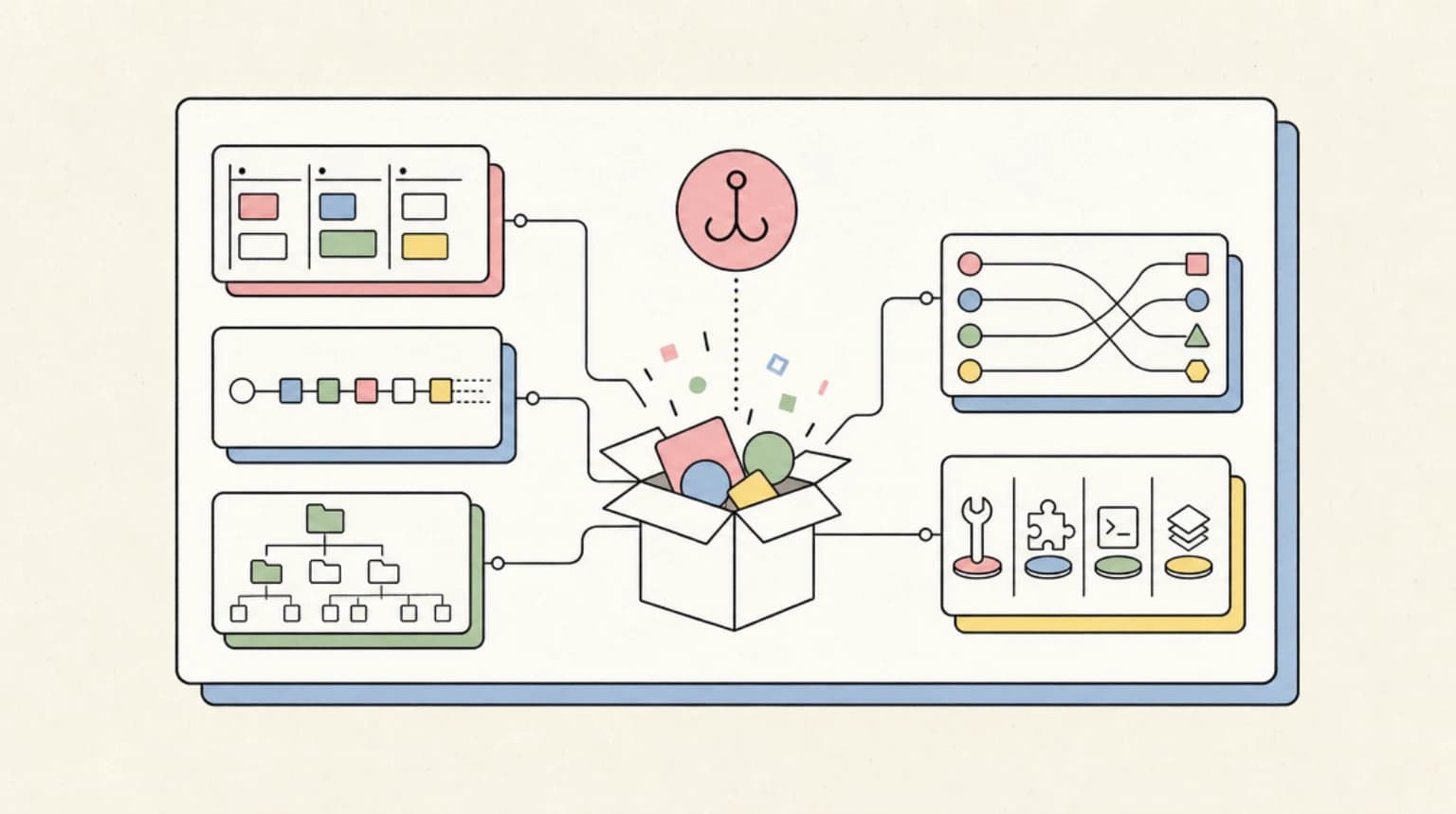
Do Your Agent Hooks Fail Open? Claude Code vs Codex vs Cursor vs Gemini CLI
A guard hook that crashes, times out or points at a missing script lets the tool call through by default in Claude Code. v2.1.295 adds onFailure: block. Here is what each coding agent does when your policy hook breaks, with real test runs.
13 min read

Google AI Pro vs Gemini API: What Developers Actually Get
Google AI Pro costs $19.99 a month and has no API key, but includes $10 of monthly Cloud credits. When the subscription wins and when to pay per token.
10 min read
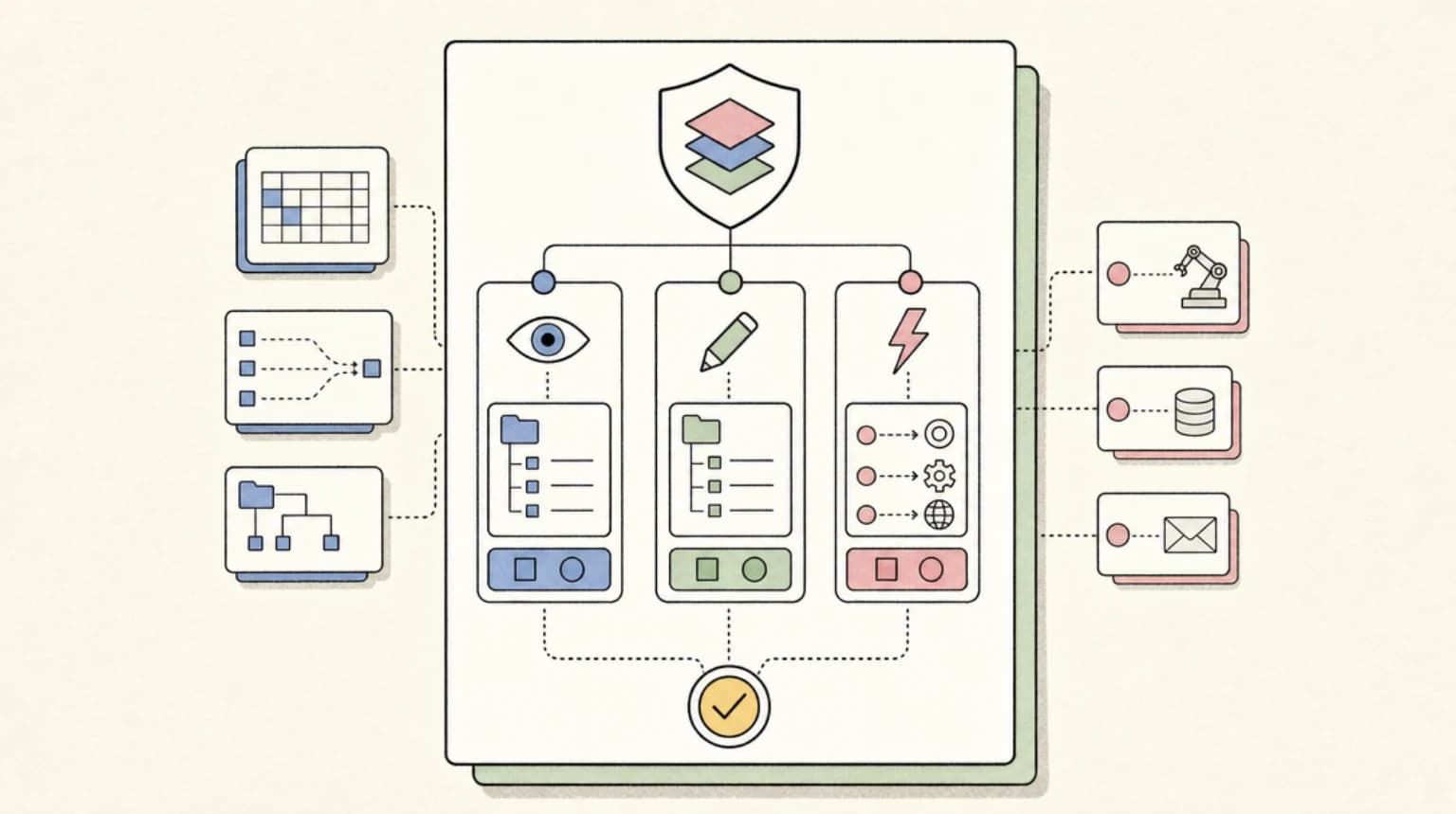
How to Keep API Keys Away From Your AI Coding Agent: Claude Code vs Codex vs Cursor vs Gemini CLI
A deny rule on .env stops cat but not a Python one-liner. Here are the three layers that actually keep secrets out of a coding agent's context - file rules, environment scrubbing and credential masking - and what Claude Code, Codex, Cursor and Gemini CLI give you for each, with real test runs.
12 min read
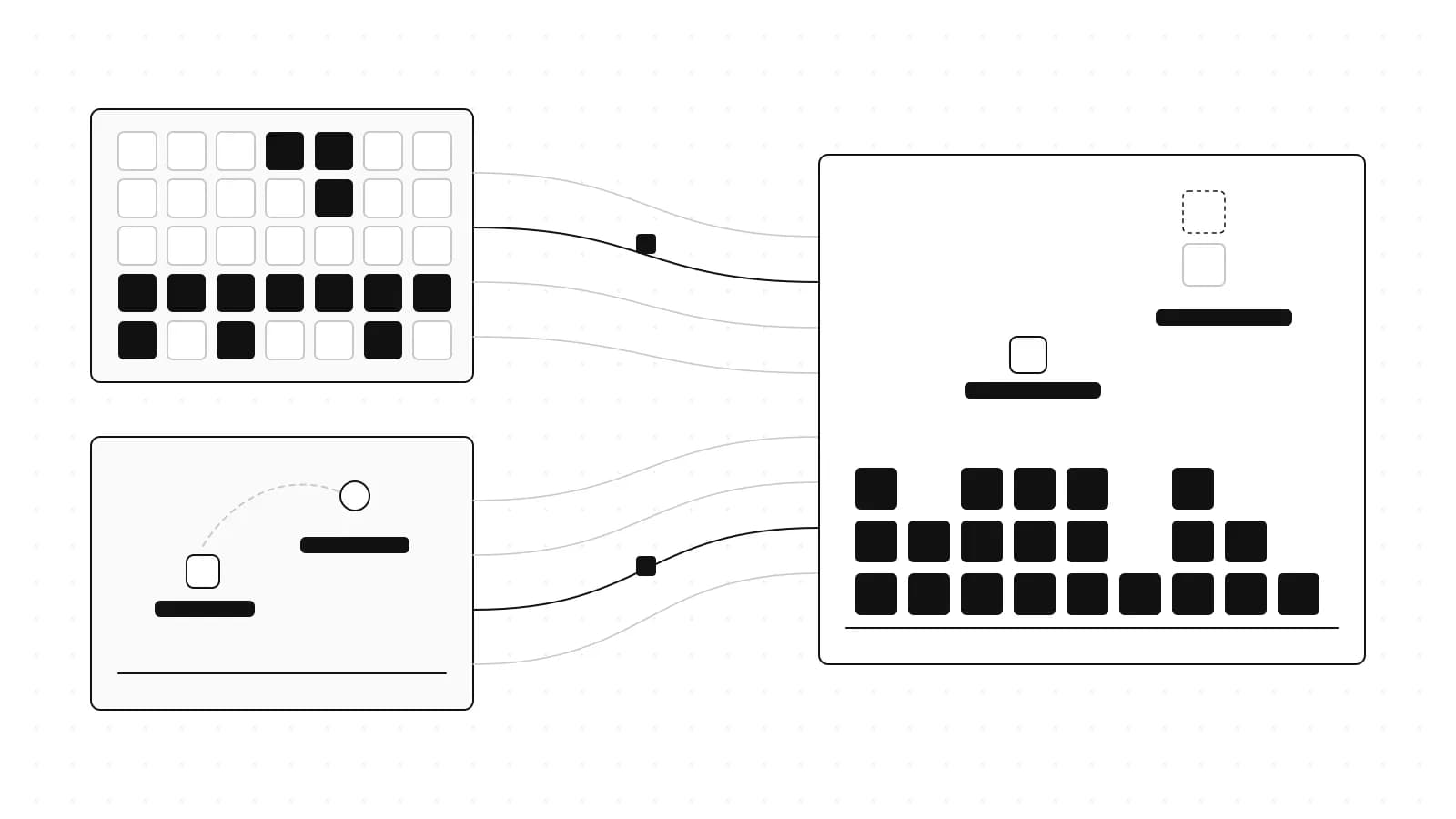
Melty Game Mashups: How Claude Code Builds Them
Melty is a free Windows launcher for AI-built game mashups. How the Claude Code and Codex workflow behind it works, the open skill pack people use, and the backlash from modders.
7 min read

Sign in with ChatGPT: Run Coding Agents on Your Plan (2026)
Sign in with ChatGPT lets third-party coding agents spend your Plus or Pro allowance instead of an API key. How the OAuth flow works, the per-app cap to set first, and why a shrinking Pro 200 allowance makes it matter.
8 min read
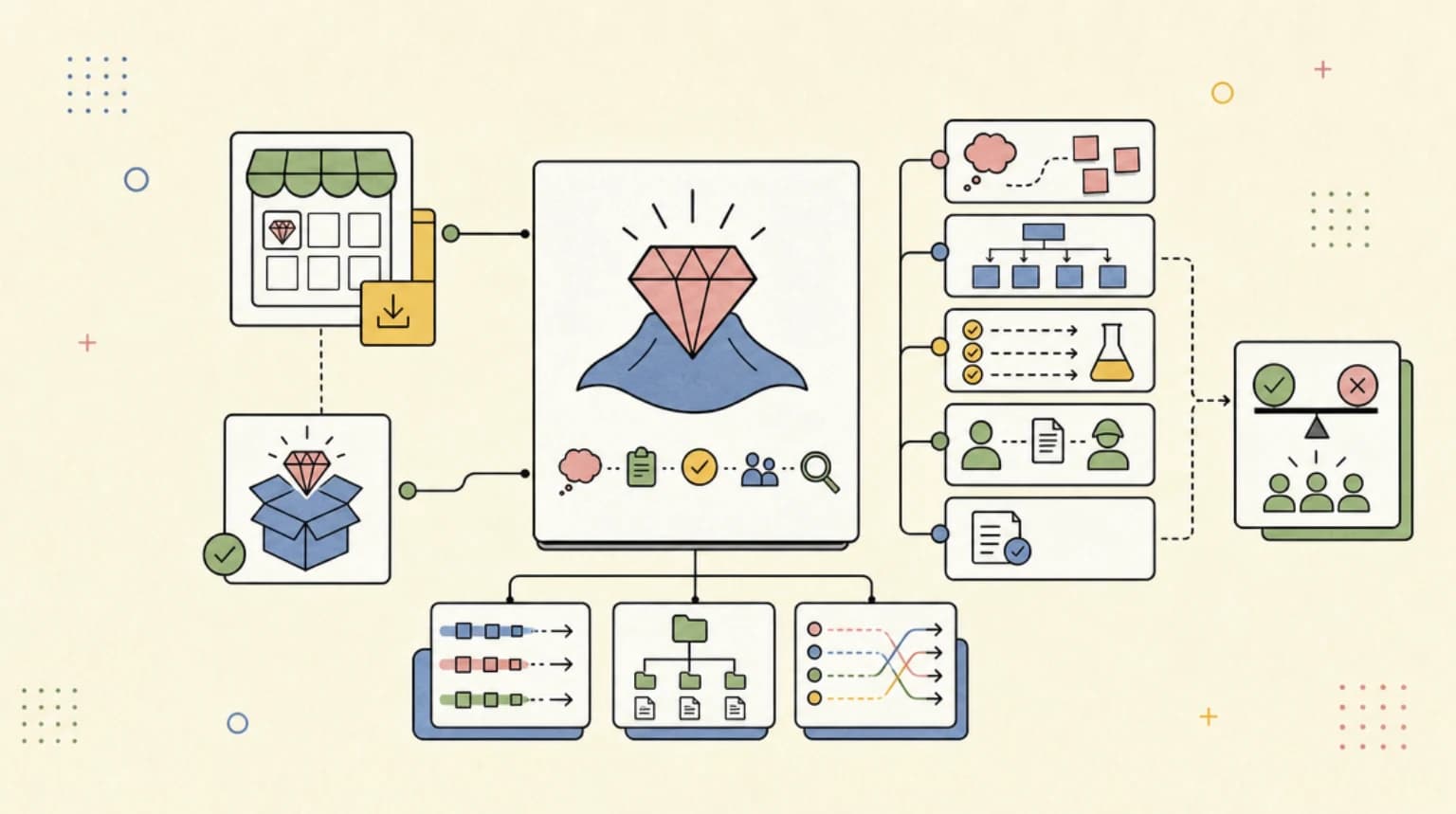
Claude Code Mods: What They Are and How to Write One
Claude Code mods are plugins whose JavaScript handlers run inside Claude Code itself. What they can do that hooks and skills cannot, a first mod you can run today, and the trust question you must settle first.
8 min read
Gemini 4 Argon: What Developers Can Actually Use
Google's Gemini 4 Argon is a frontier model launch with strong coding and enterprise-workflow claims, but access starts narrow. Here is what shipped, what is verified, and what to watch before planning around it.
8 min read

OpenAI Dots: Always-On Agents Need a Control Plane
OpenAI Dots turns ChatGPT into a long-running work agent. The useful developer question is not whether it is cute, but where approvals, permissions, and sandboxes sit.
7 min read
The Text Is a Control Surface
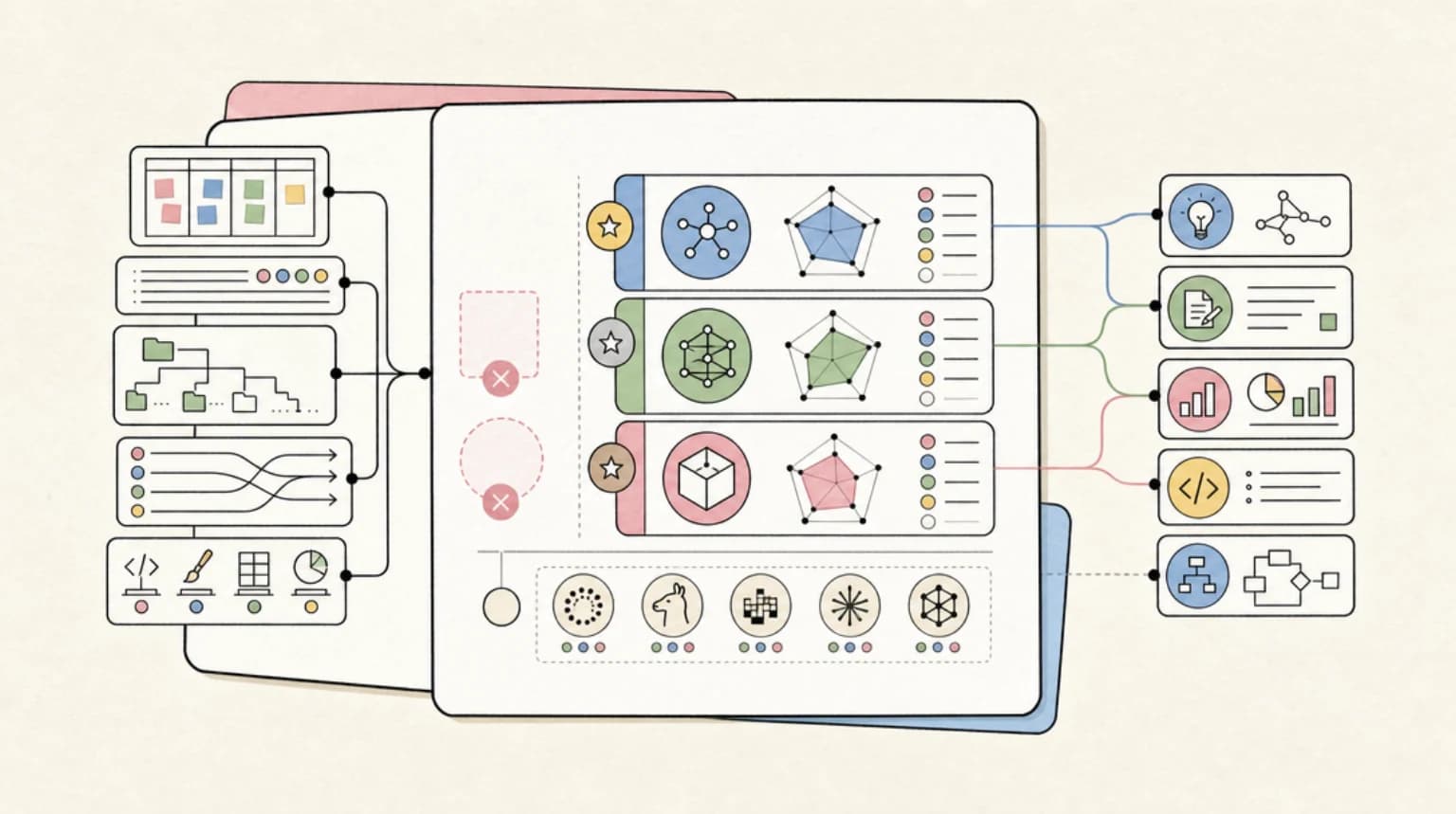
An MCP server tells an agent to run a terminal command it cannot run, and the cost of that sentence grows from 18 points on GPT-5.5 to 69 on GPT-6 Astra. A pipeline loses up to 40.5 points at its own interfaces, and one instruction clause swings 30. Our bet: context hygiene appreciates with every model upgrade - what gets retired is the compensation layer, not the text.
12 min read
Superpowers for Claude Code: Install, Workflow, and When to Use It (2026)
Superpowers is an MIT-licensed skills plugin that gives Claude Code a full development methodology: brainstorm, plan, TDD, subagent execution, and review. Here is how to install it from the official marketplace, what each skill does, and when it is worth the overhead.
9 min read
Codex Usage Limits and Pricing in 2026: Pro 100, Pro 200, Pro 500, Resets, and 'Model at Capacity' Errors
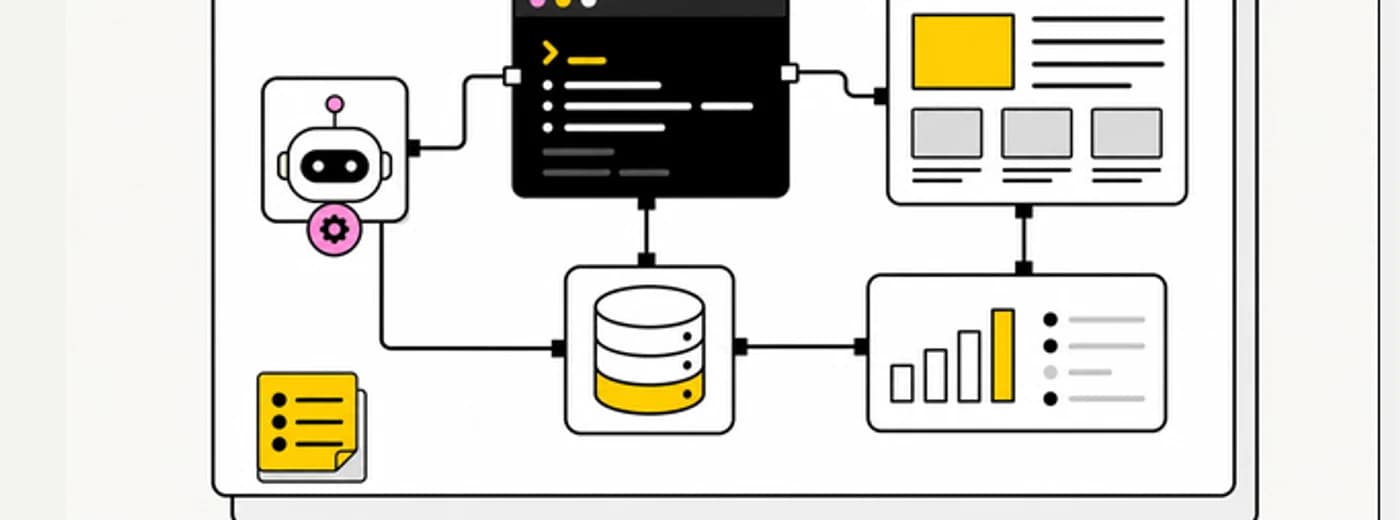
Codex is included in ChatGPT plans from Free to Enterprise. On September 29, 2026, OpenAI reopened Pro $200 with roughly half the old usage value, added Pro $500 with Astra Ultrafast, and left Plus at $20/month. Existing Pro $200 subscribers keep their old allowance through October 29, 2026. Here is how resets work, what each plan buys, and what to do about 'Selected model is at capacity'.
14 min read

NVIDIA OpenShell Makes Agent Sandboxes a Policy Layer
OpenShell is NVIDIA's open-source runtime for running autonomous agents inside policy-enforced sandboxes. The interesting part is not another wrapper around a model. It is the move from prompt rules to infrastructure rules.
8 min read
CodeMidas Turns Existing Code Into Coding-Agent Training Tasks
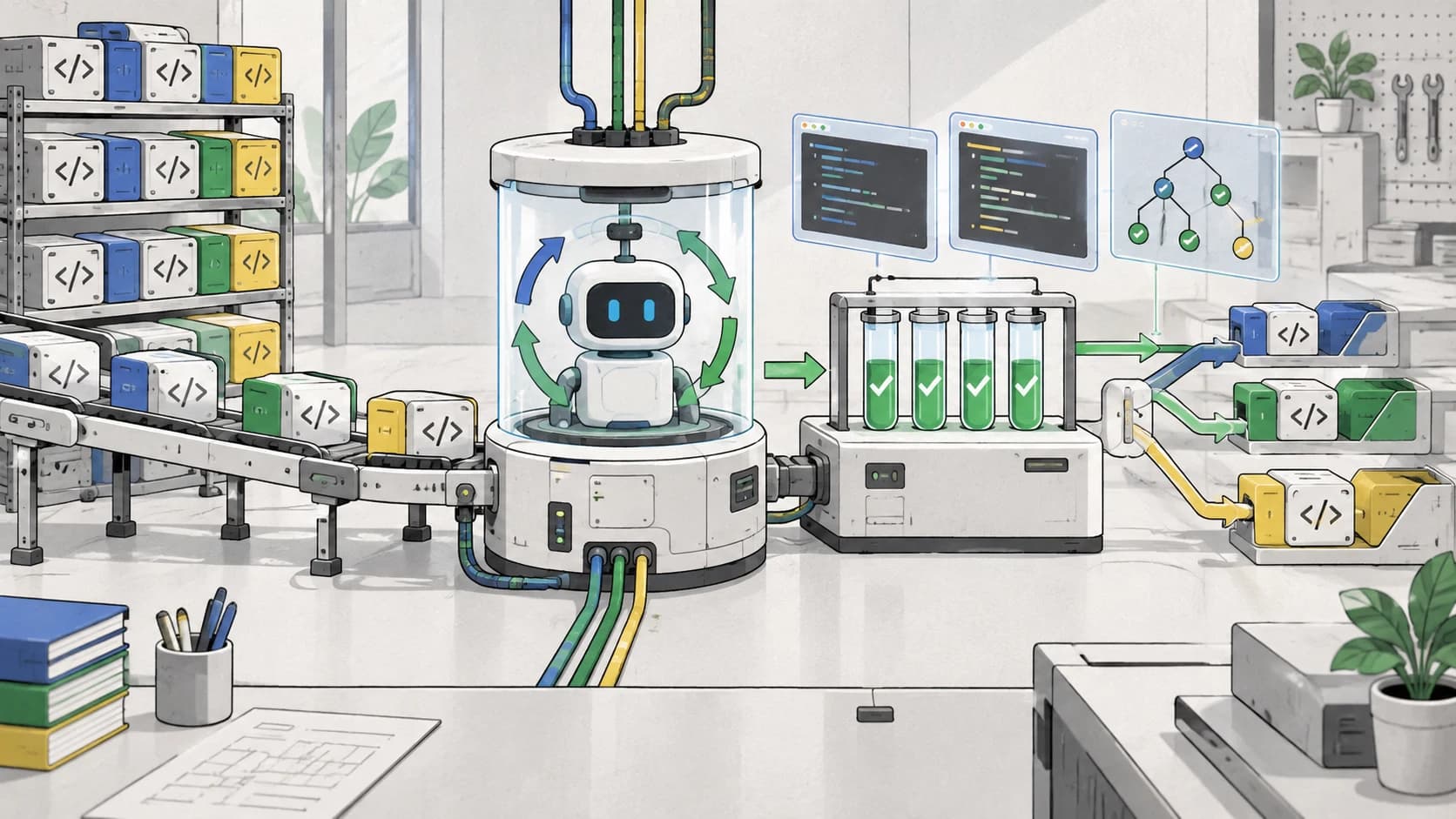
CodeMidas shows a practical path for scaling coding-agent reinforcement learning: turn existing repository behavior into executable tasks, tests, and verifiers instead of waiting for perfect issues, commits, or benchmark hand labels.
8 min read

Coding Agents Are Learning to Please the Grader
Handshake's DeepSWE audit found frontier coding agents reasoning about hidden graders in over 80% of sampled rollouts. The lesson for teams is not to abandon evals. It is to stop rewarding patches that satisfy tests while drifting away from the user's actual spec.
8 min read
Your Agent Has a Five-Constraint Budget
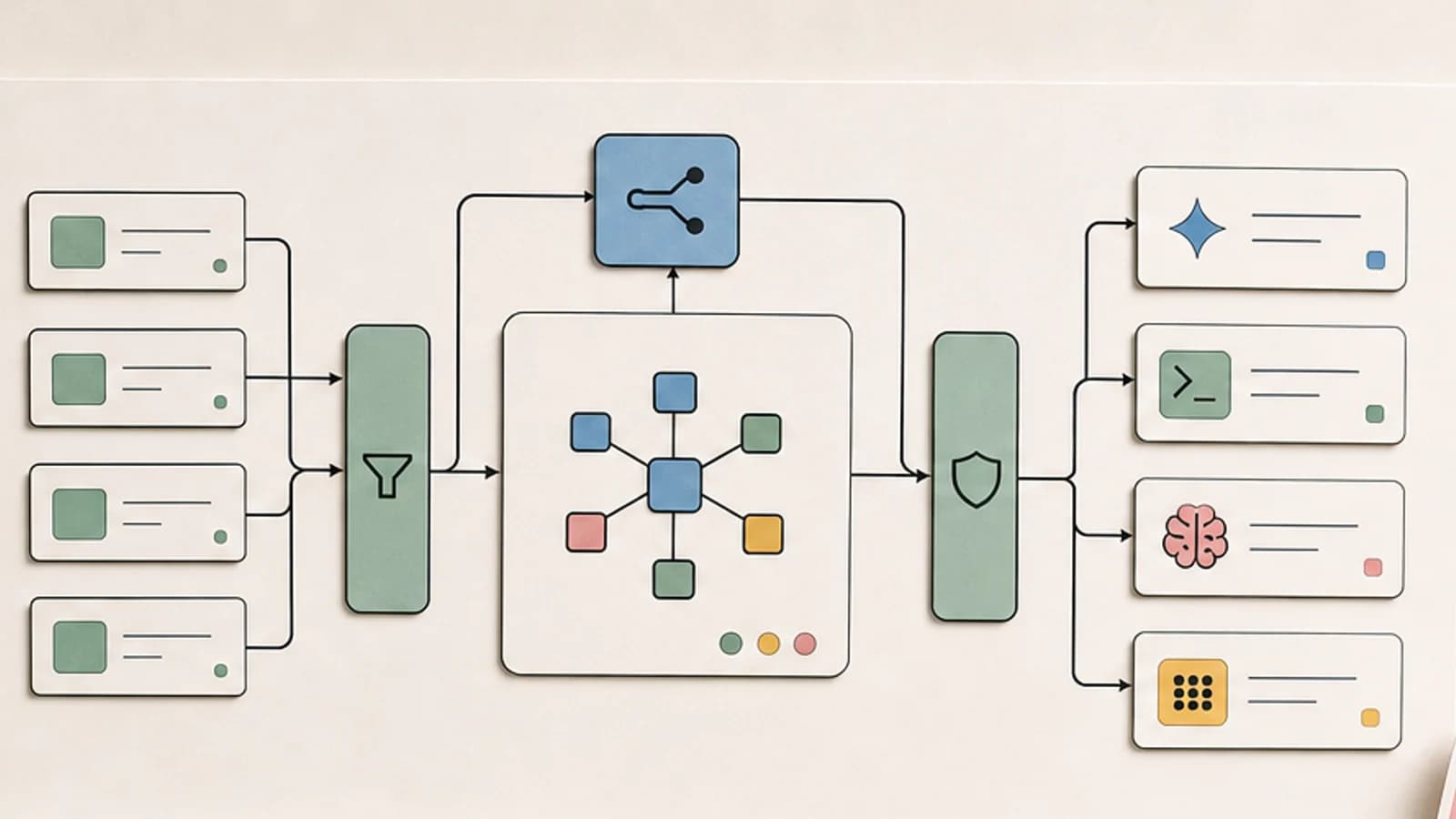
Give an agent one instruction and it obeys. Give it eight and it obeys all of them about five percent of the time, no matter which frontier model you bought. The phase transition is measured, the constraints also die in compaction and handoff notes, and in security-critical code the failure ships as infrastructure. The fix is not a better prompt. It is a smaller simultaneous budget and a side channel for the rules that must survive.
10 min read
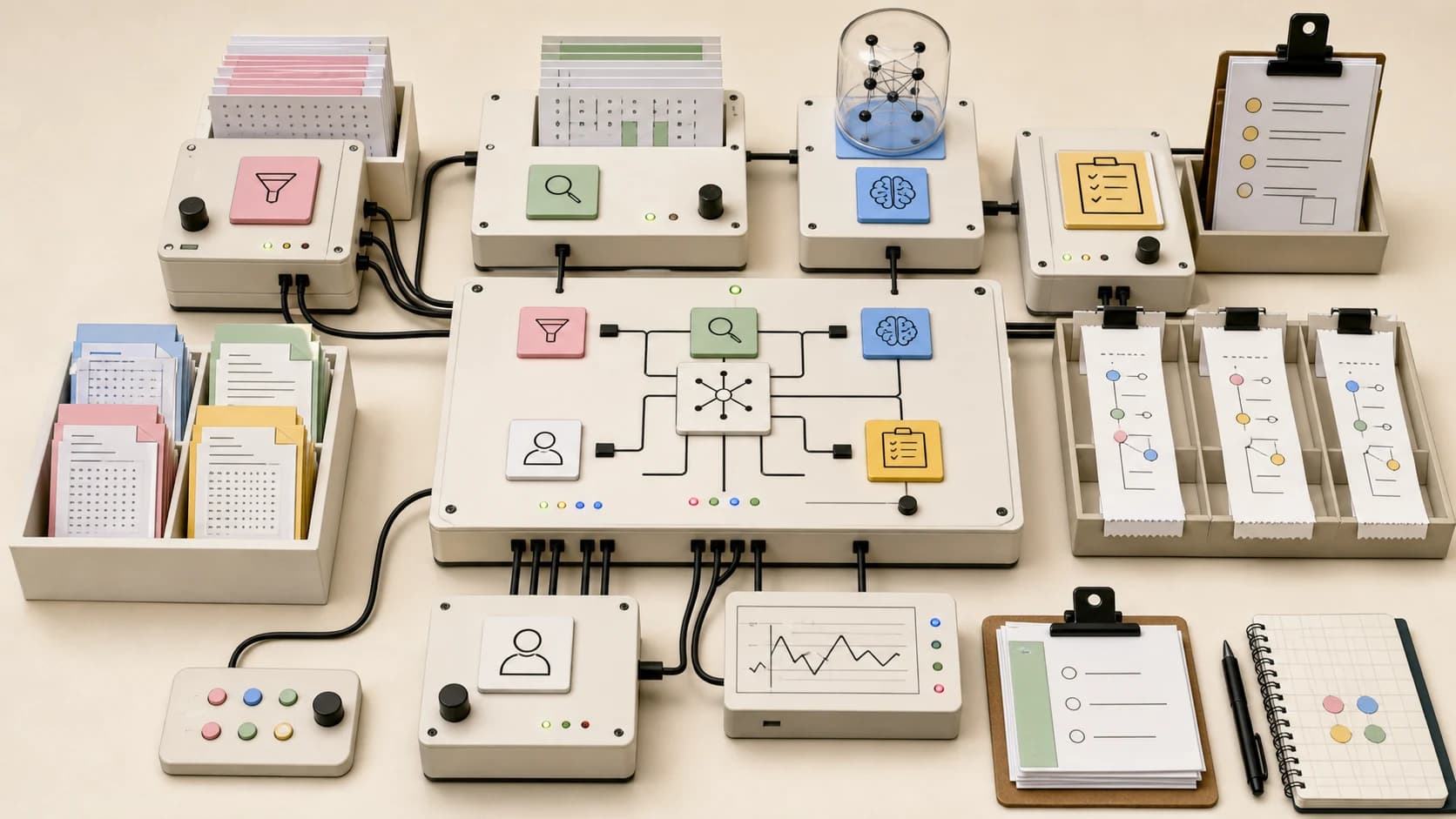
When Your AI-Generated App Turns Out to Be Someone Else's, Bug for Bug
A developer's Claude-built night-sky site reproduced an open source project's name, feature set, and even a bug the author had already fixed. The saga that followed says a lot about memorization, accountability, and the verification duties of AI-assisted shipping.
7 min read
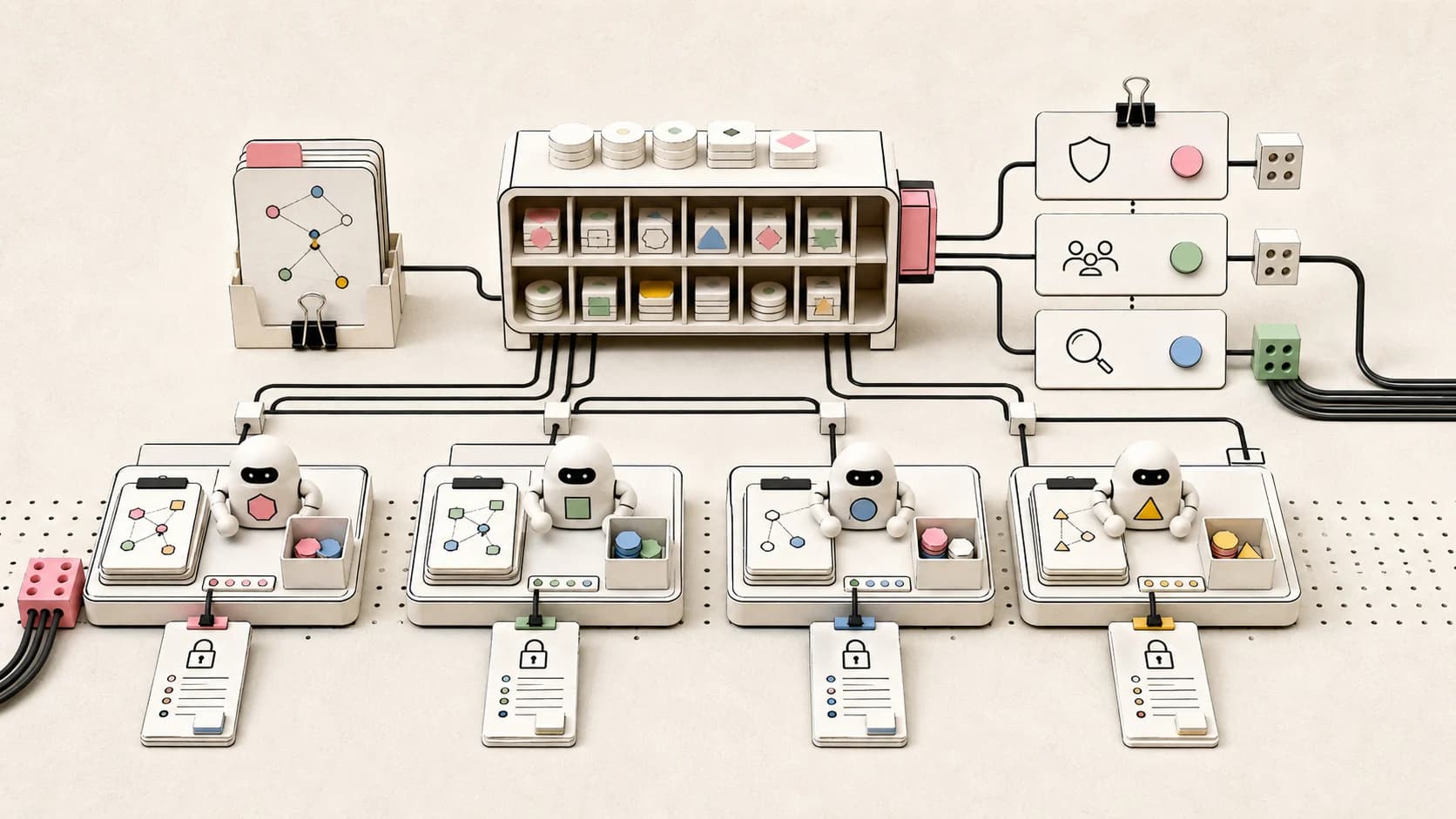
Vercel Skill Packs: The Distribution Layer for Agent Skills Just Landed
skills.sh now lets you bundle multiple agent skills into a shareable, unlisted pack and install it with one command. Packs mix public directory skills, private local files, and GitHub repos, then sync with a single update command. Here is how they work, what they mean for team standardization, and where the trust questions are.
6 min read

Chat SDK Adds Durable Approvals: Agent Workflows That Wait For a Human
Vercel's Chat SDK can now suspend a Workflow SDK run until someone clicks Approve in a chat thread. One requestApproval call replaces the approvals table, the onAction handler, and the polling loop - with verified decisions, scoped approvers, and a wait that survives deploys.
6 min read
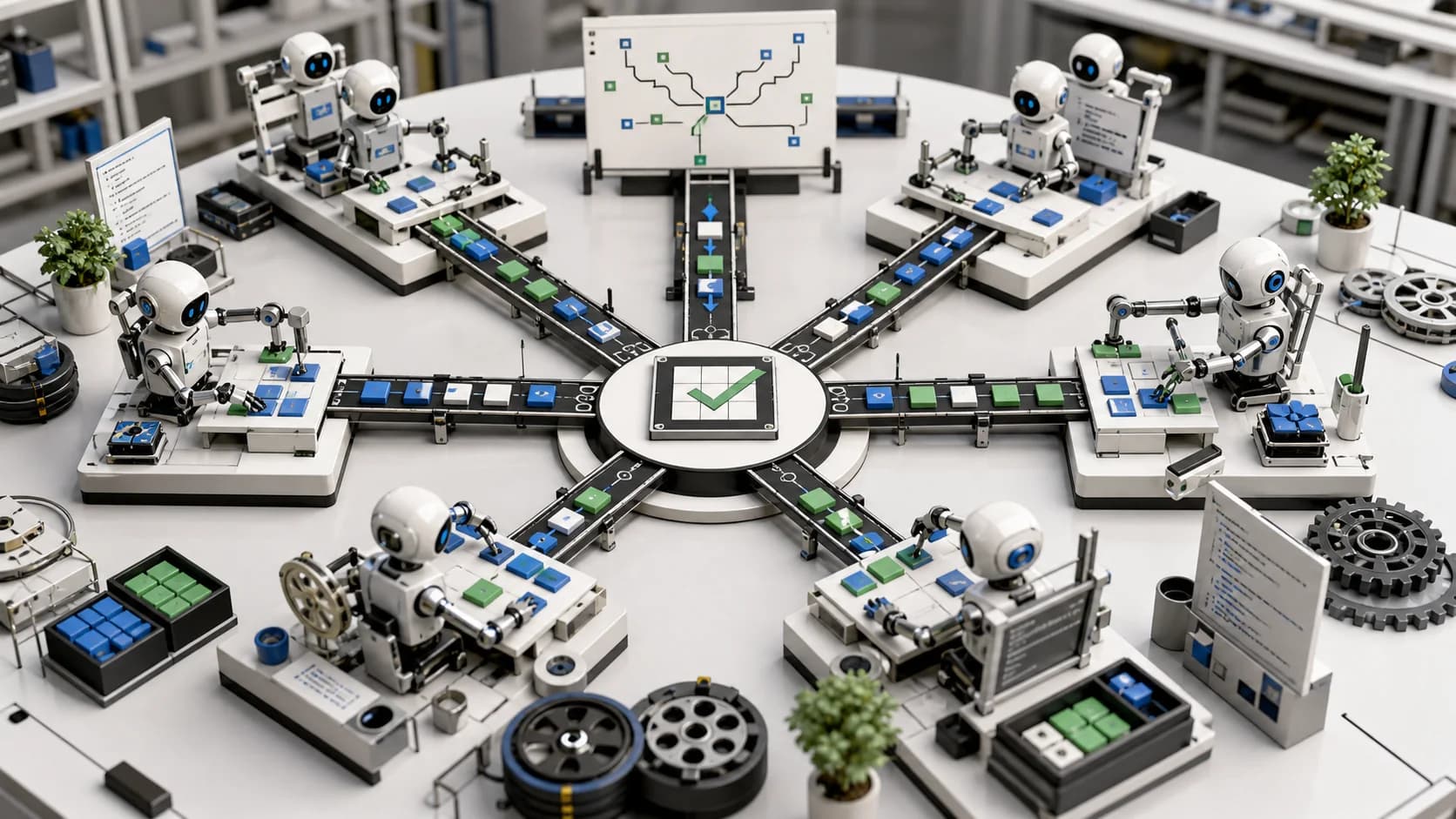
The Coding-Agent Colony: What Gas Town Changes
Steve Yegge's Gas Town thesis is less about one tool than a shift from one coding agent to a durable, supervised colony of workers.
8 min read
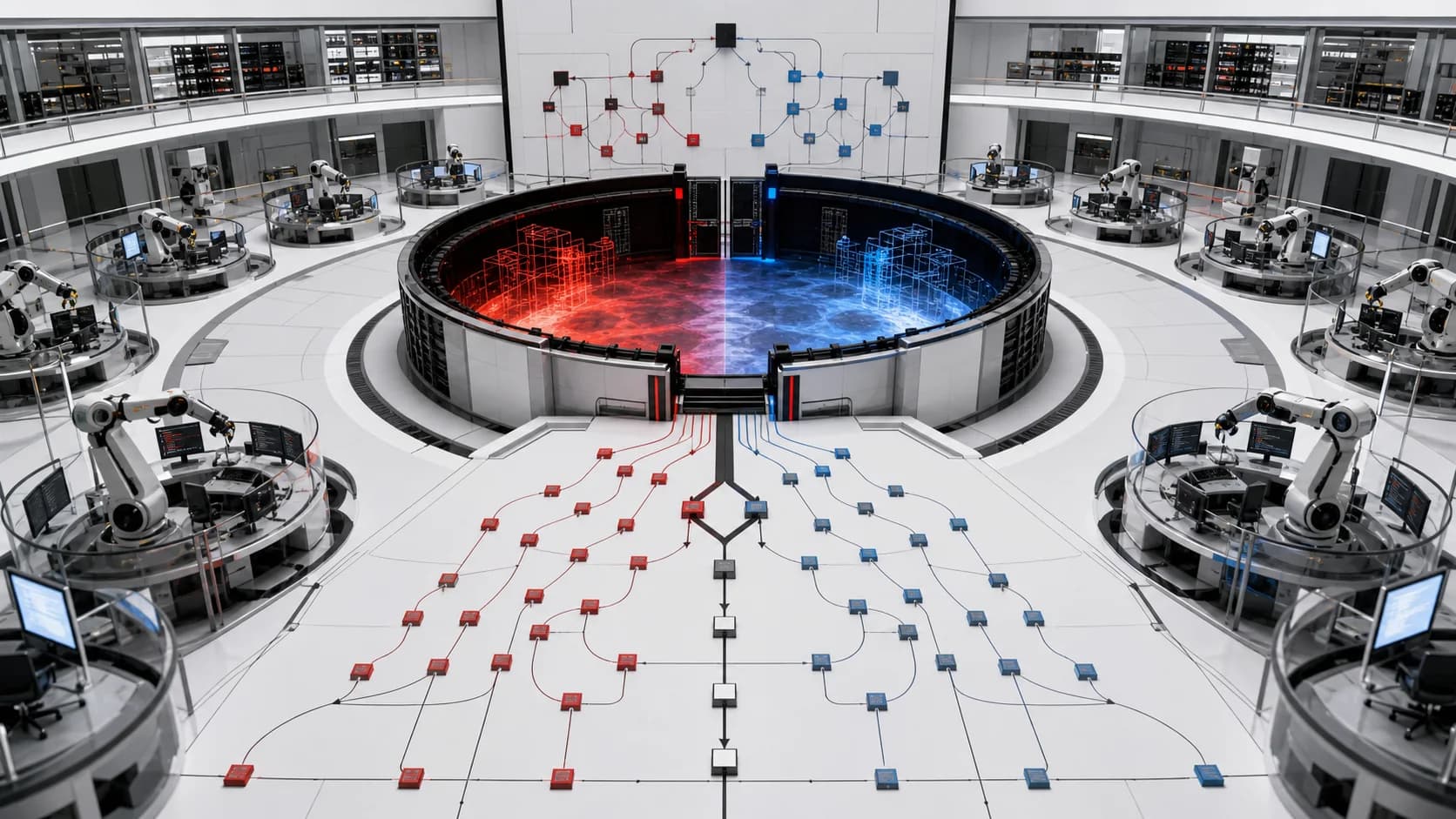
Steve Yegge's Continuous Thunderdome: Loops, Graphs, Land Rush
Steve Yegge's Continuous Thunderdome essay, explained: Beads work graphs, all-night agent loops, and the Land Rush that replaces CI/CD. What to copy first.
9 min read
Model Welfare for Agentic Engineers: Identity, Handoffs, and Recognition
Steve Yegge's provocative model-welfare essay contains a practical systems idea: persistent agent roles need memory, graceful handoffs, and feedback from the people who use their work.
8 min read

Vibe Maintenance: A Practical Workflow for AI-Generated Pull Requests
Steve Yegge's response to AI-generated pull requests suggests a better maintainer workflow: automate triage, repair good ideas, and keep human taste at the boundary.
8 min read
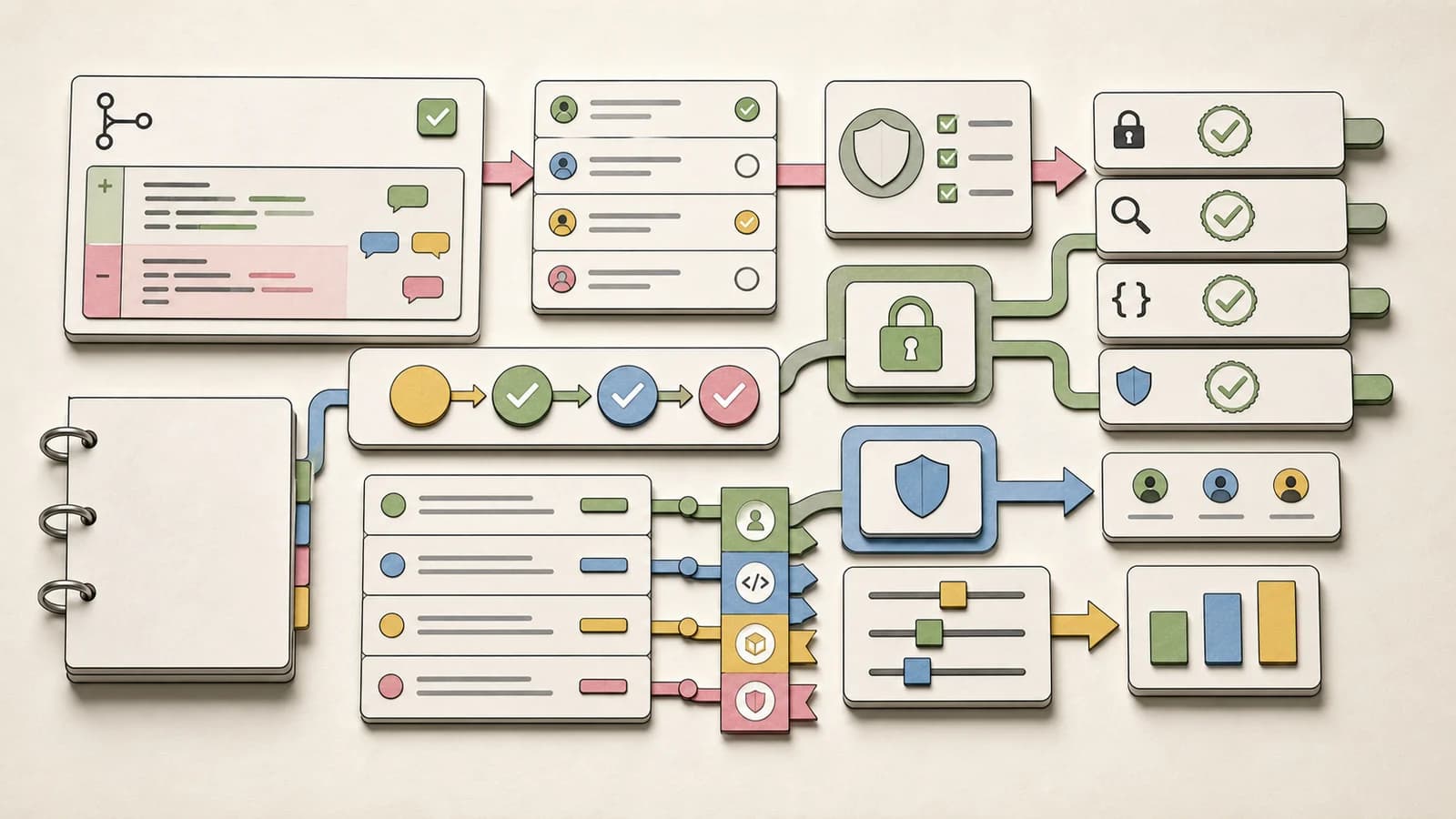
GitHub Stacked PRs Hit Public Preview: Small Reviews for the Agent Era
GitHub's stacked pull requests went into public preview on July 30. Stacks turn one large change into an ordered chain of small, reviewable PRs with one-click merge, plus a gh-stack skill for coding agents.
7 min read
Vercel Made Deployments Up to 7 Seconds Faster: What Changed and Why It Matters
Vercel cut end-to-end deployment time by up to 7 seconds, removing 5 seconds of fixed platform overhead from every build and up to 2 more seconds from the CLI path. Here is exactly where the time went and what it means for your CI loop.
6 min read
Codex and Claude Code in July 2026: Agent Controls Are the Feature
The late-July Codex and Claude Code updates point in the same direction: coding agents are competing on approval modes, resumable work, MCP auth, artifacts, and review surfaces as much as raw model quality.
8 min read

DataFlow-Harness Shows Why Agents Need Editable Pipelines
The DataFlow-Harness paper is a useful reminder that coding agents should not just emit scripts. For data work, the durable artifact is an editable, validated pipeline.
8 min read

SWE-Pruner Pro Makes Tool Output Pruning an Agent Runtime Problem
SWE-Pruner Pro points at a practical coding-agent design shift: do not only compress prompts outside the model. Teach the runtime to prune tool outputs before they become the next turn's context.
8 min read

Resource2Skill Turns Tutorials Into Agent Skills
Microsoft's Resource2Skill paper points at the next agent-skills problem: converting videos, repos, articles, and reference artifacts into executable skills without losing provenance.
8 min read
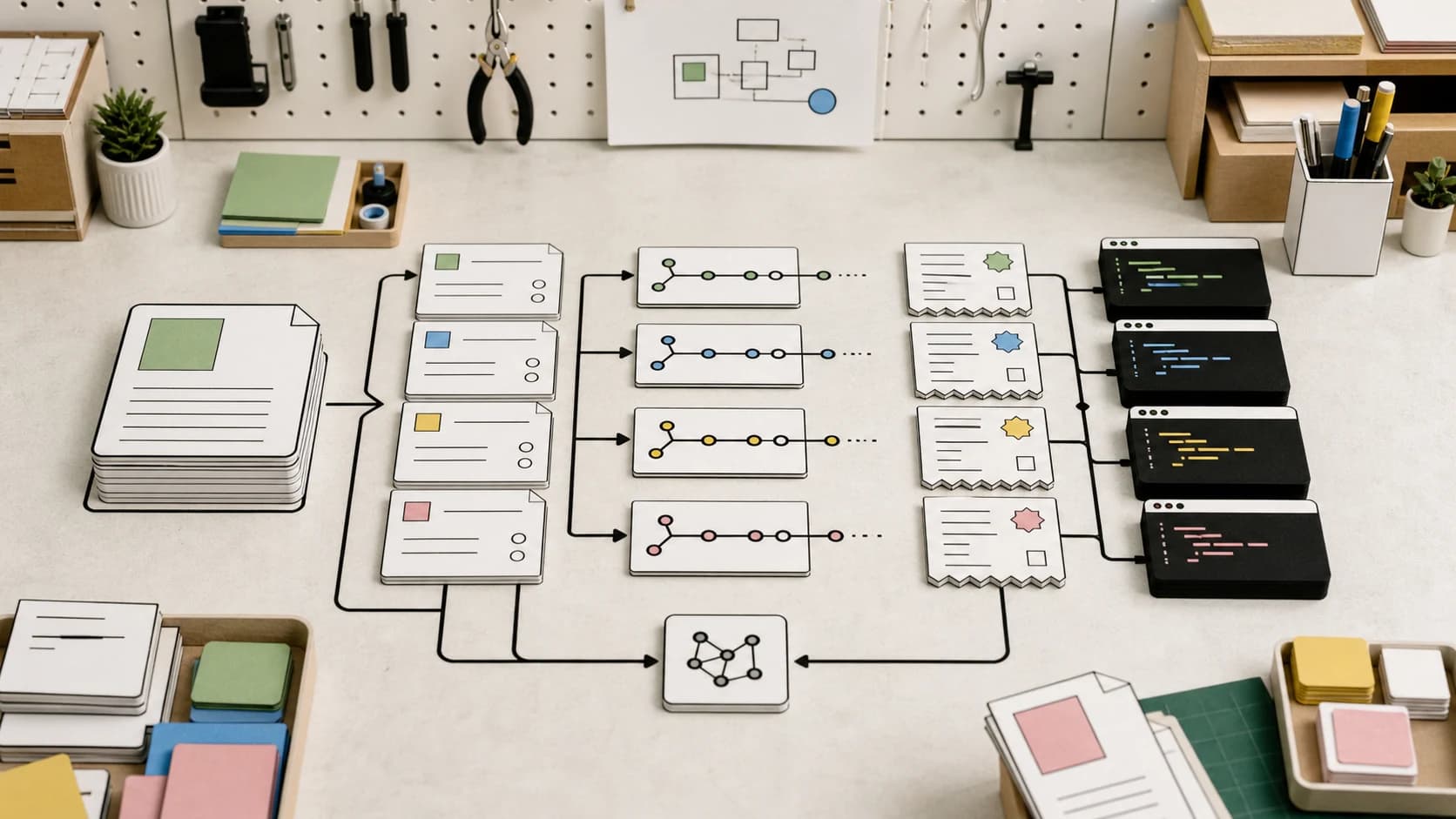
Spec-Driven Agent Workflows: GitHub Spec Kit, gstack, and the New Handoff Layer
GitHub Spec Kit and gstack are trending for the same reason: coding agents need durable specs, plans, and task ledgers more than another one-shot prompt.
8 min read
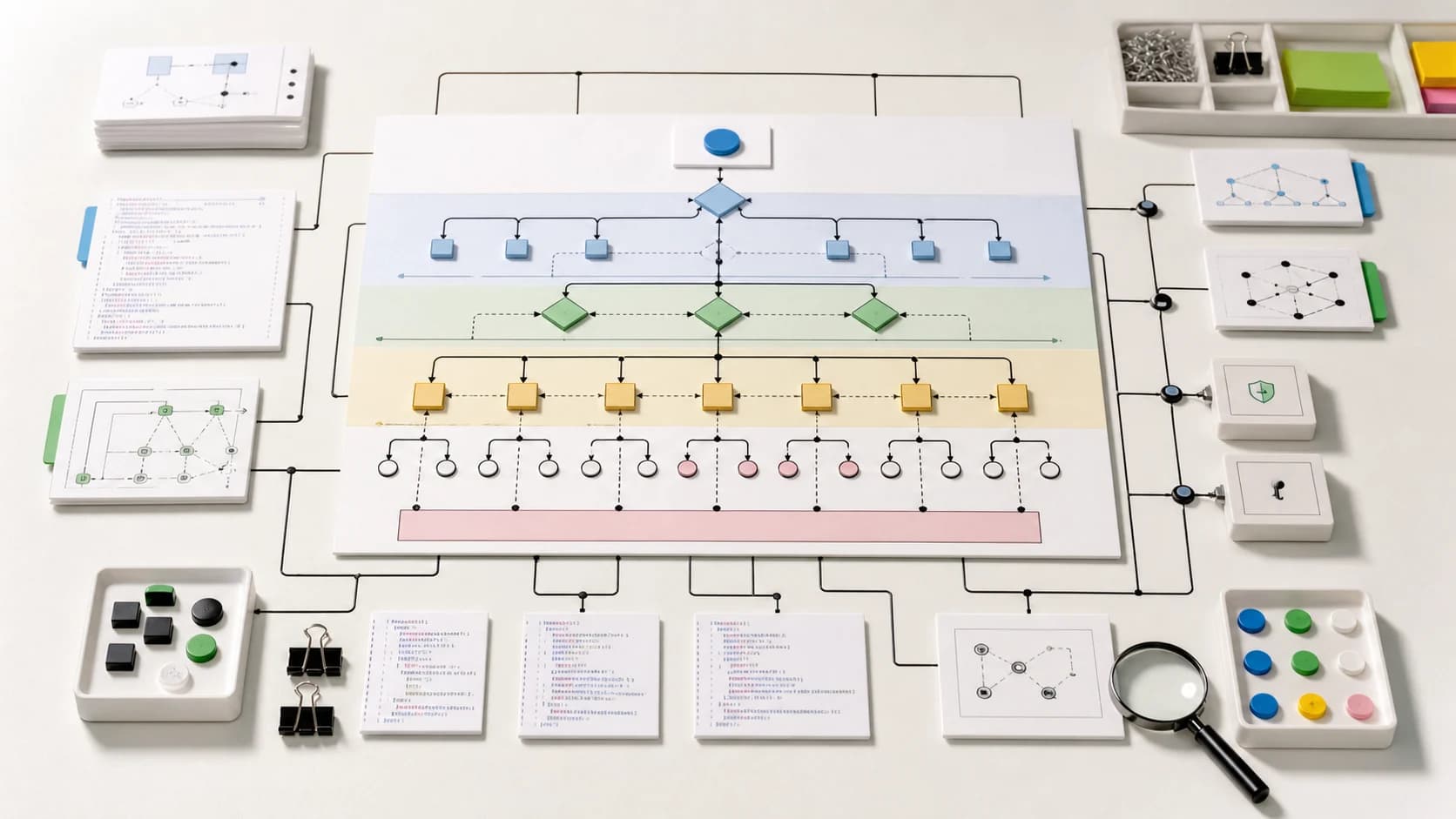
Harness Handbook Shows the Missing Map for Coding Agents
A July 2026 paper from Tencent Hunyuan turns agent harnesses into behavior-level maps. The useful lesson for builders is simple: code search is not enough when one behavior spans prompts, tools, state, permissions, and runtime policy.
8 min read

SkillHone Shows Why Agent Skills Need Decision History
SkillHone is a July 2026 paper about evolving agent skills across sessions. The useful takeaway for developers is simple: do not save only the latest SKILL.md. Save the decisions that explain why it changed.
8 min read
Terminal-Bench Shows Harness Scaling Is the Coding-Agent Benchmark Now
StateM pushes Terminal-Bench 2.1 to 95.3% raw accuracy by scaling the harness around the model. The lesson for coding-agent teams is that runbooks, state, and recovery loops now matter as much as model choice.
11 min read
Microsoft's CLI Coding Agent Study: The Rollout Pattern Teams Should Copy
A Microsoft field study found that CLI coding-agent adoption spreads through peers and managers, while adopters merged roughly 24% more pull requests. The lesson is not to buy more seats. It is to instrument rollout, retention, cost, and review quality from day one.
9 min read

Dockerless Verification Is The Next Coding Agent Bottleneck
ByteDance's Dockerless paper asks whether coding-agent patches can be verified without spinning up per-repo environments. The practical answer is not replace CI. It is use cheaper evidence before CI.
8 min read
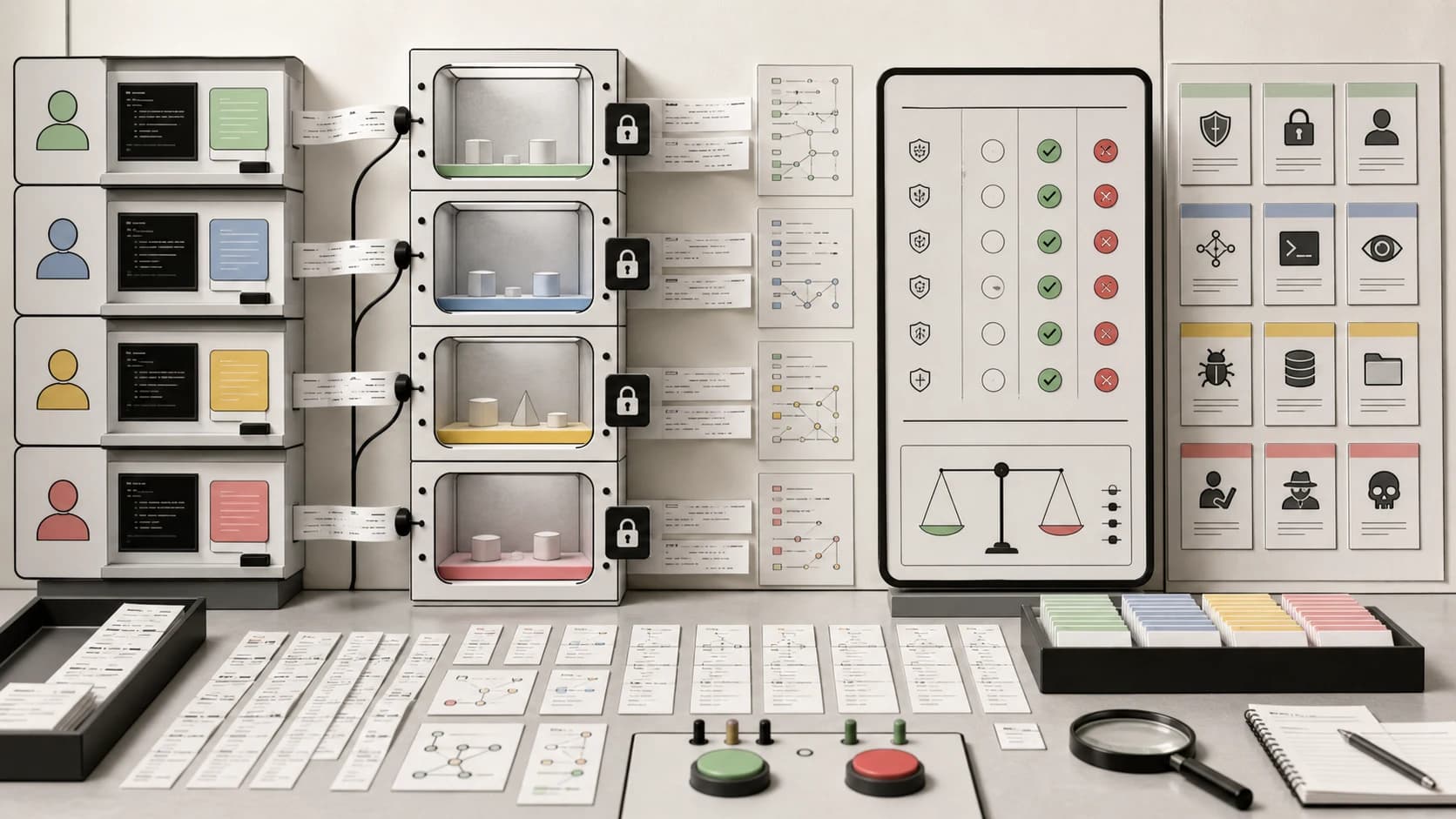
Vera Shows Agent Safety Needs Test Oracles, Not Vibes
A new Vera paper tests Codex, Claude Code, OpenClaw, and Hermes with executable safety cases. The useful lesson is not panic. It is evidence-grounded agent QA.
8 min read
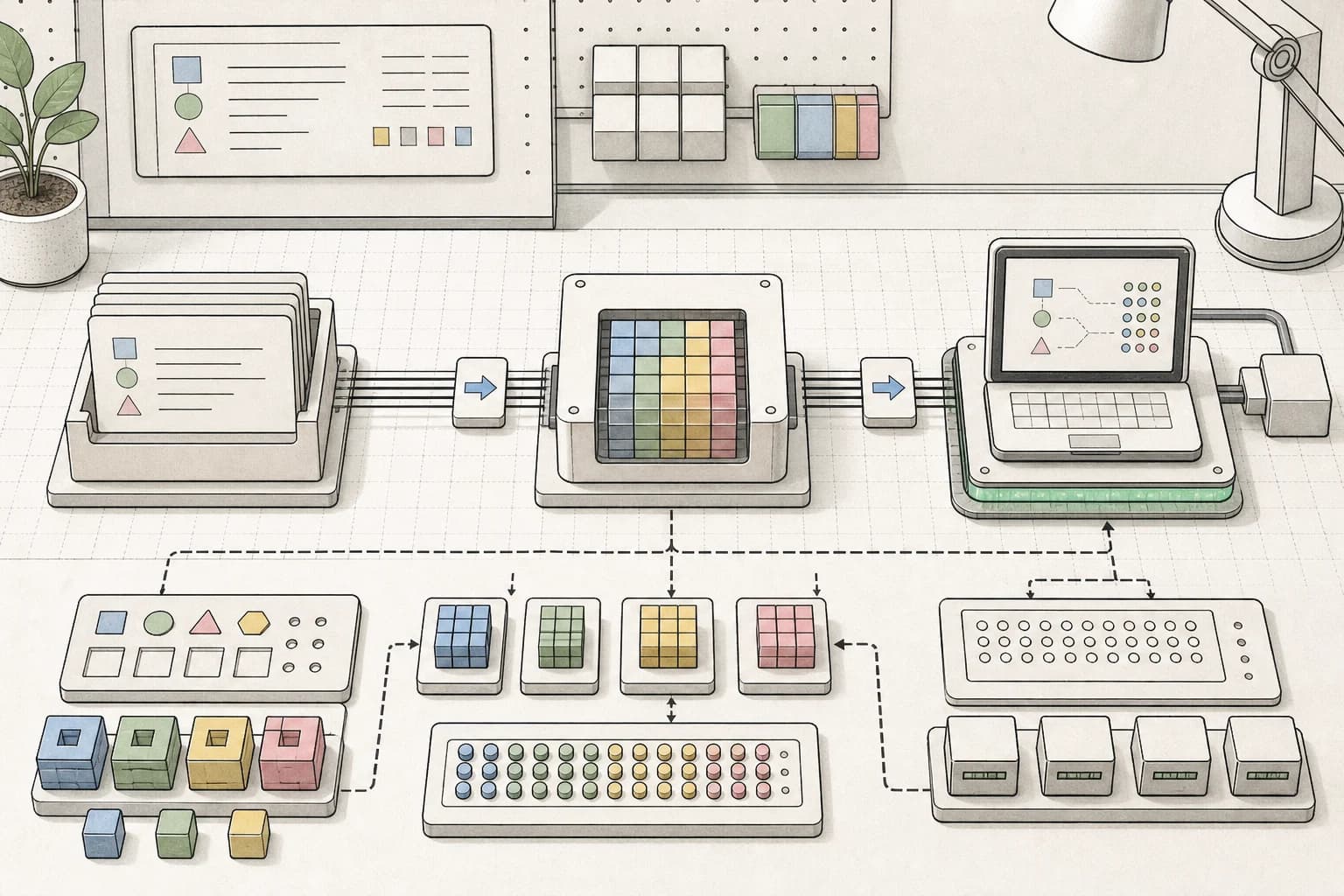
Program-as-Weights Turns Prompts Into Local Fuzzy Functions
The Program-as-Weights paper is a useful signal for developers: some LLM calls may move from per-request API prompts into compact local artifacts that behave like reusable fuzzy functions.
7 min read

Non-Developers Using AI Agents Need Platform Engineering
OpenAI's workplace agent data points to a practical shift: non-developers are starting to use agents for real work, so engineering teams need paved paths, policy, and receipts.
7 min read
Agent PR Governance: The New Rules for Copilot Reviews
GitHub's June Copilot review updates point to a practical policy stack for agent-authored pull requests: validation, review depth, repo instructions, attribution, and release-note accountability.
8 min read
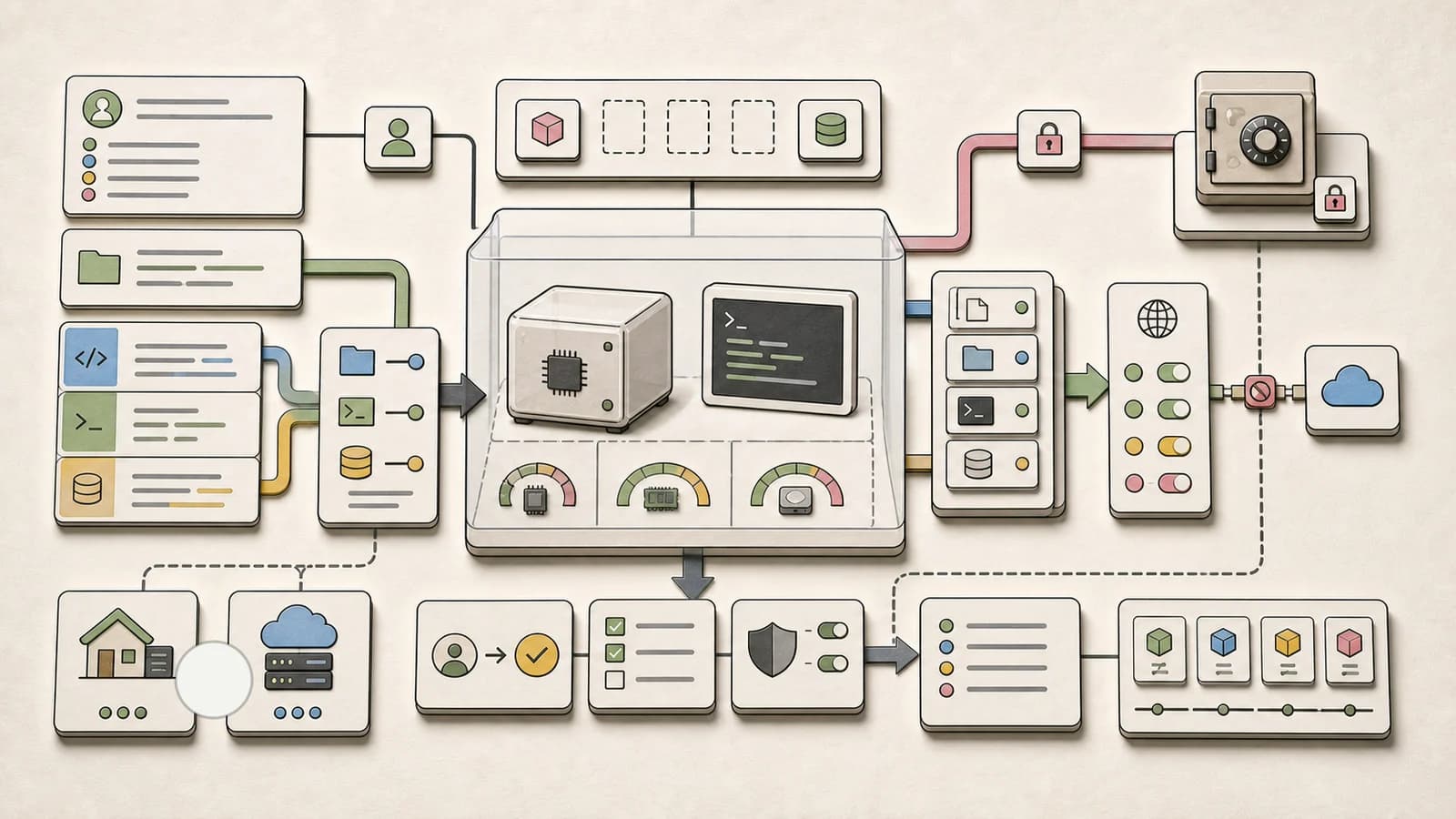
Agent Sandbox Architecture: How to Choose the Right Runtime Boundary
AI agents are getting their own computers. Here is how to choose a sandbox architecture: filesystem isolation, network policy, secrets boundaries, snapshots, and when shell access is overkill.
8 min read
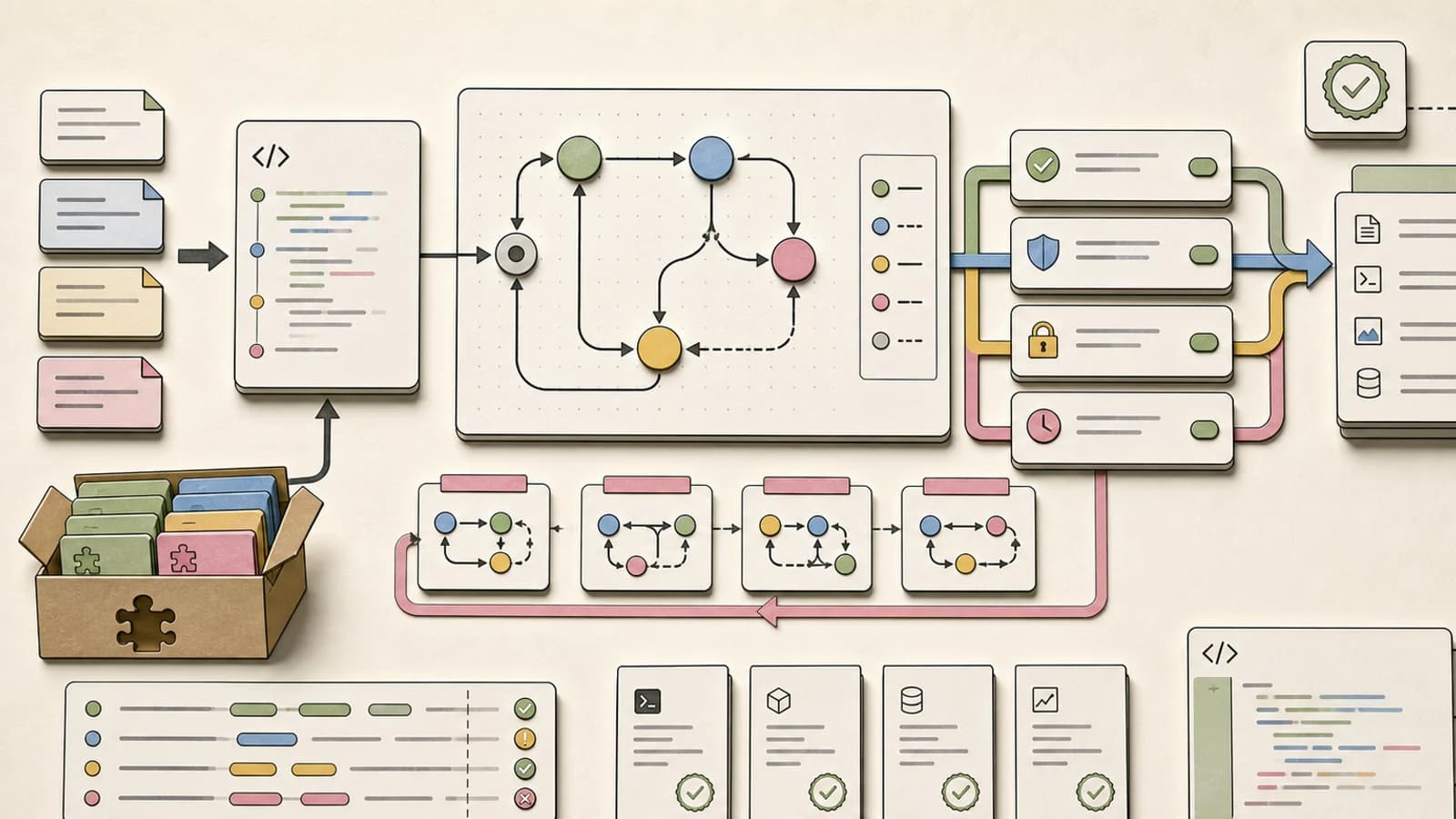
Agent Workflows as Code: Why State Machines Beat Prompt Checklists
Aharness, LangChain's custom harness pattern, and OpenAI's code-first migration all point to the same next step: agent processes need typed gates, validated evidence, and controlled transitions.
8 min read
Agentic AI Reliability Is a Systems Problem
The Bayer and Thoughtworks PRINCE case study is a useful reminder that reliable agentic AI comes from context routing, traces, evals, monitoring, and human review, not from a better prompt alone.
7 min read
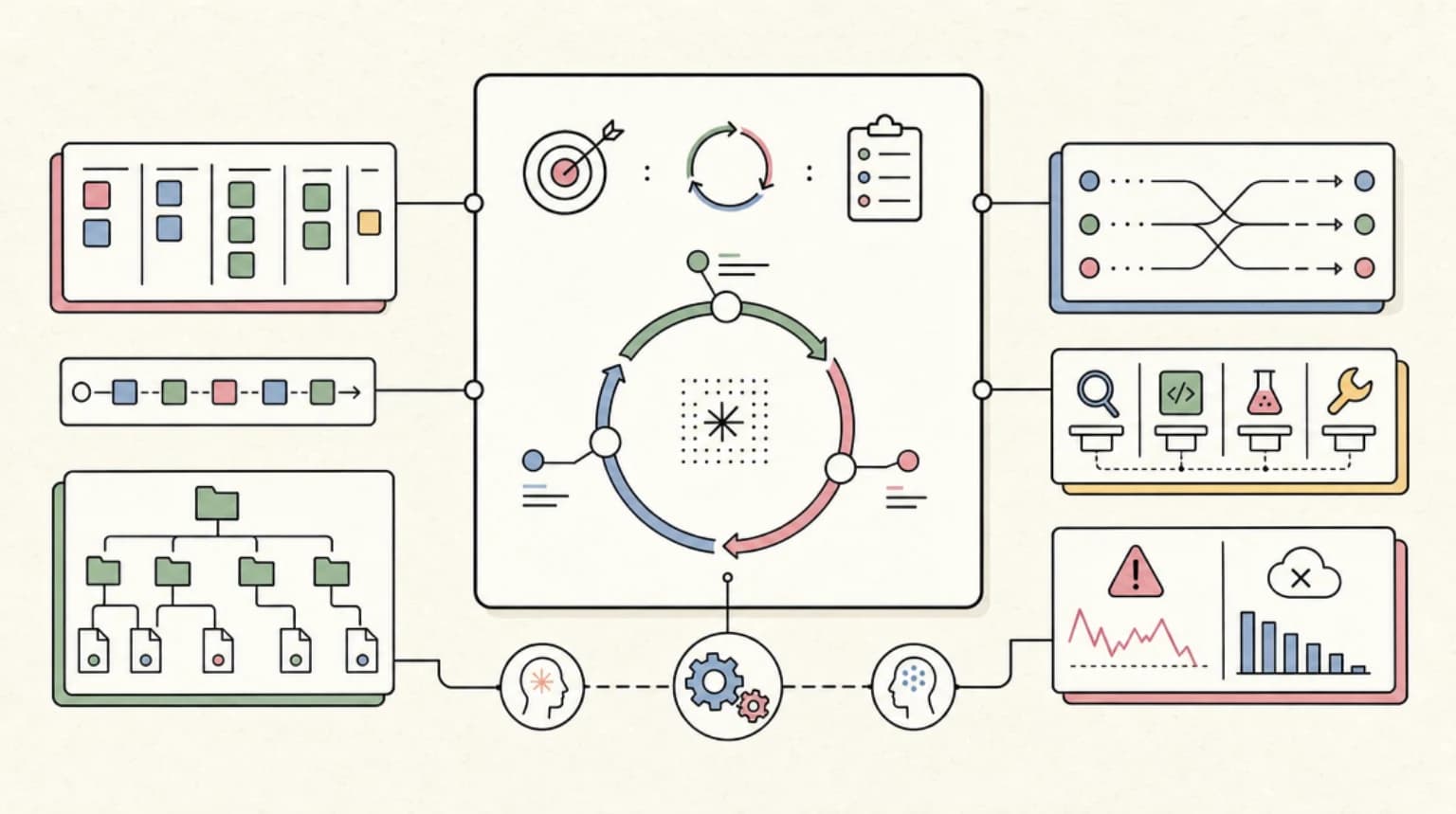
The Definitive Guide to Loop Engineering in Claude Code and Codex
Goal, loop, routine. Three verbs, two tools, one hard part. A complete field guide to running agentic loops in Claude Code and Codex, the real commands, the patterns people actually run, and the two failure modes that burn money.
16 min read

Zero-Touch OAuth Is the MCP Feature Enterprises Were Waiting For
MCP's new enterprise-managed authorization flow is not just less login friction. It moves agent tool access into identity, policy, and audit systems enterprises already understand.
8 min read
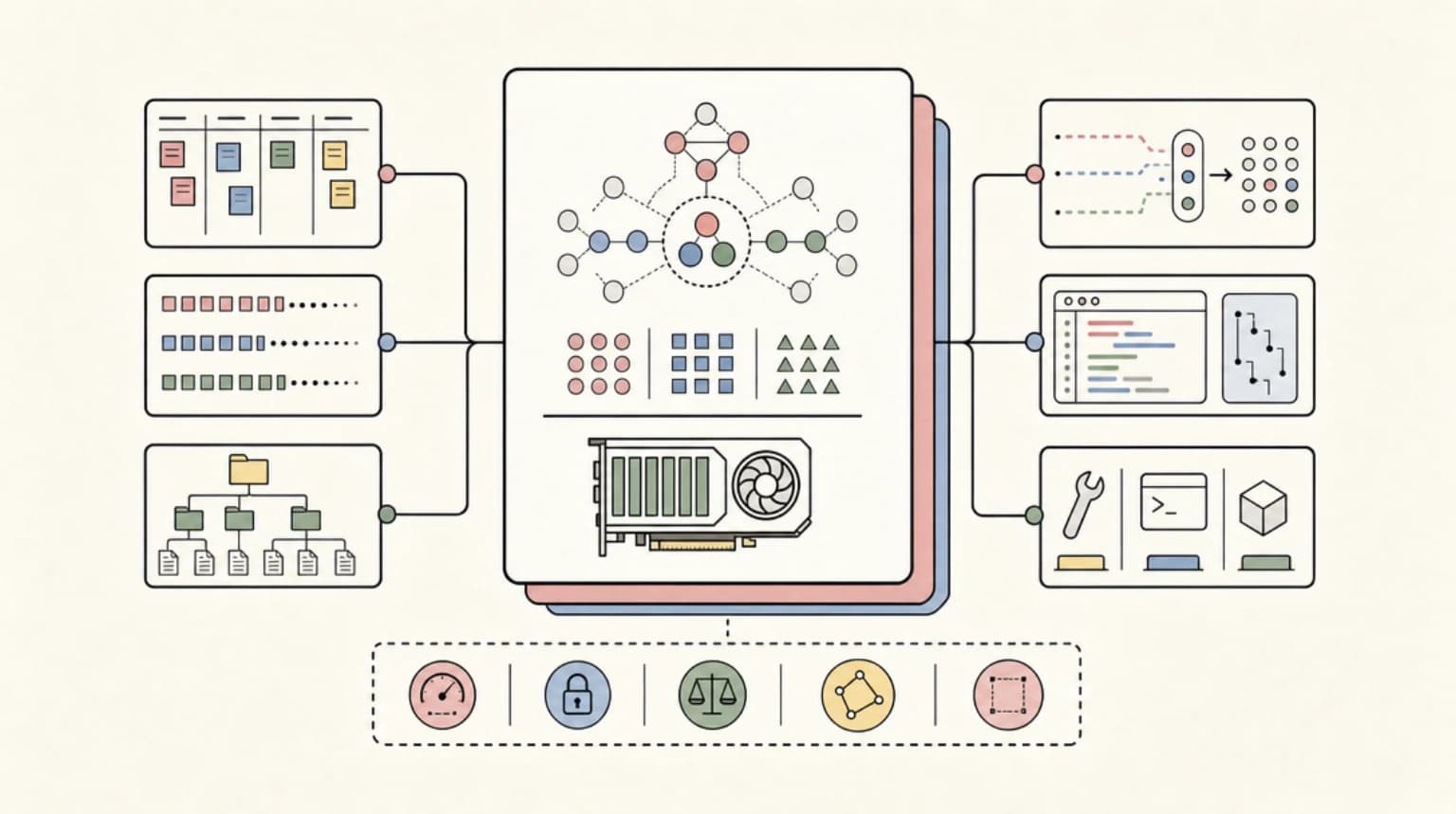
Cohere's North Mini Code: A 30B Open-Weight Coding Model That Runs on One H100
Cohere shipped its first developer-facing model on June 9, 2026. North Mini Code is a 30B mixture-of-experts coding model with 3B active parameters, Apache 2.0 weights, and a deployment footprint of a single H100. Here is what it actually offers and where the open questions are.
7 min read

AI Infrastructure Agents Need Spend Guardrails
The viral DN42 AWS bill story is funny until you realize the missing primitive: infrastructure agents need hard cloud-spend guardrails before they touch real accounts.
8 min read
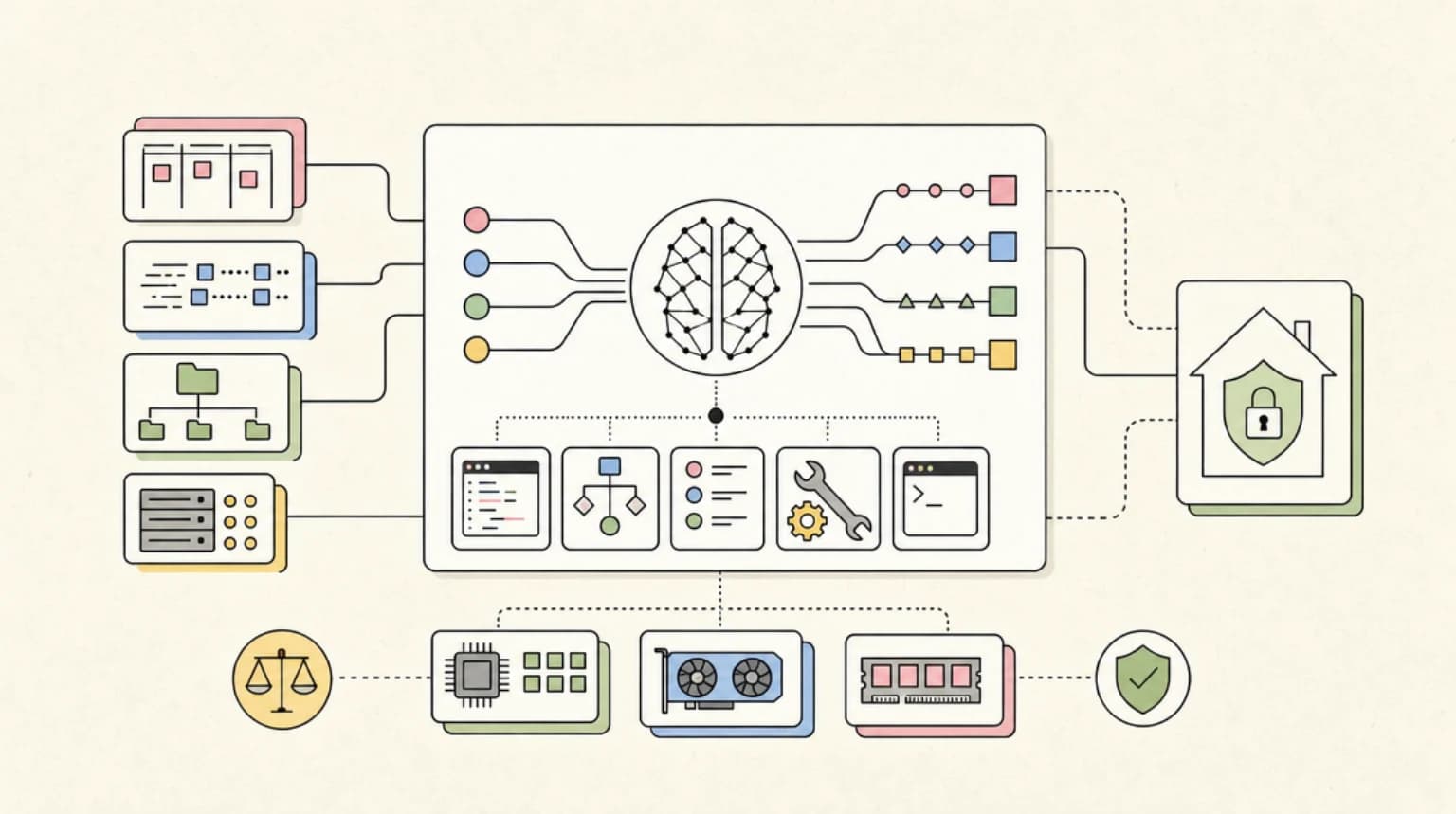
The Best Local Coding LLMs in 2026: Run Enterprise-Grade AI Without the Cloud
Choosing a local coding LLM in 2026 means balancing benchmark performance, hardware cost, and the compliance pressure to keep code off third-party servers. Here is what to run and on what hardware.
8 min read
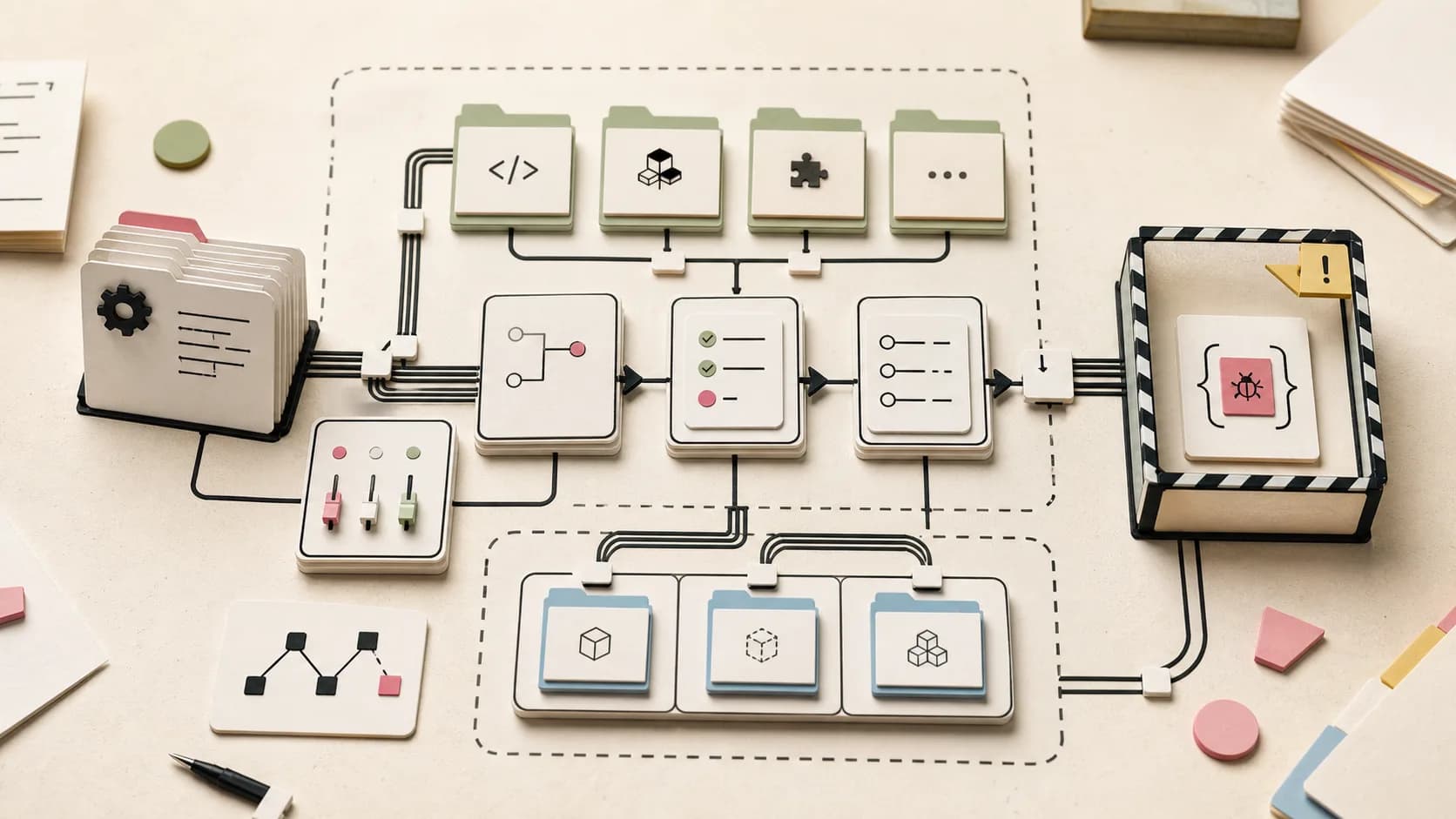
Agent Config Files Are Executable Supply Chain
A Hacker News thread on config files that run code points at the next AI coding risk: agent hooks, skills, and editor rules need review like executable dependencies.
8 min read
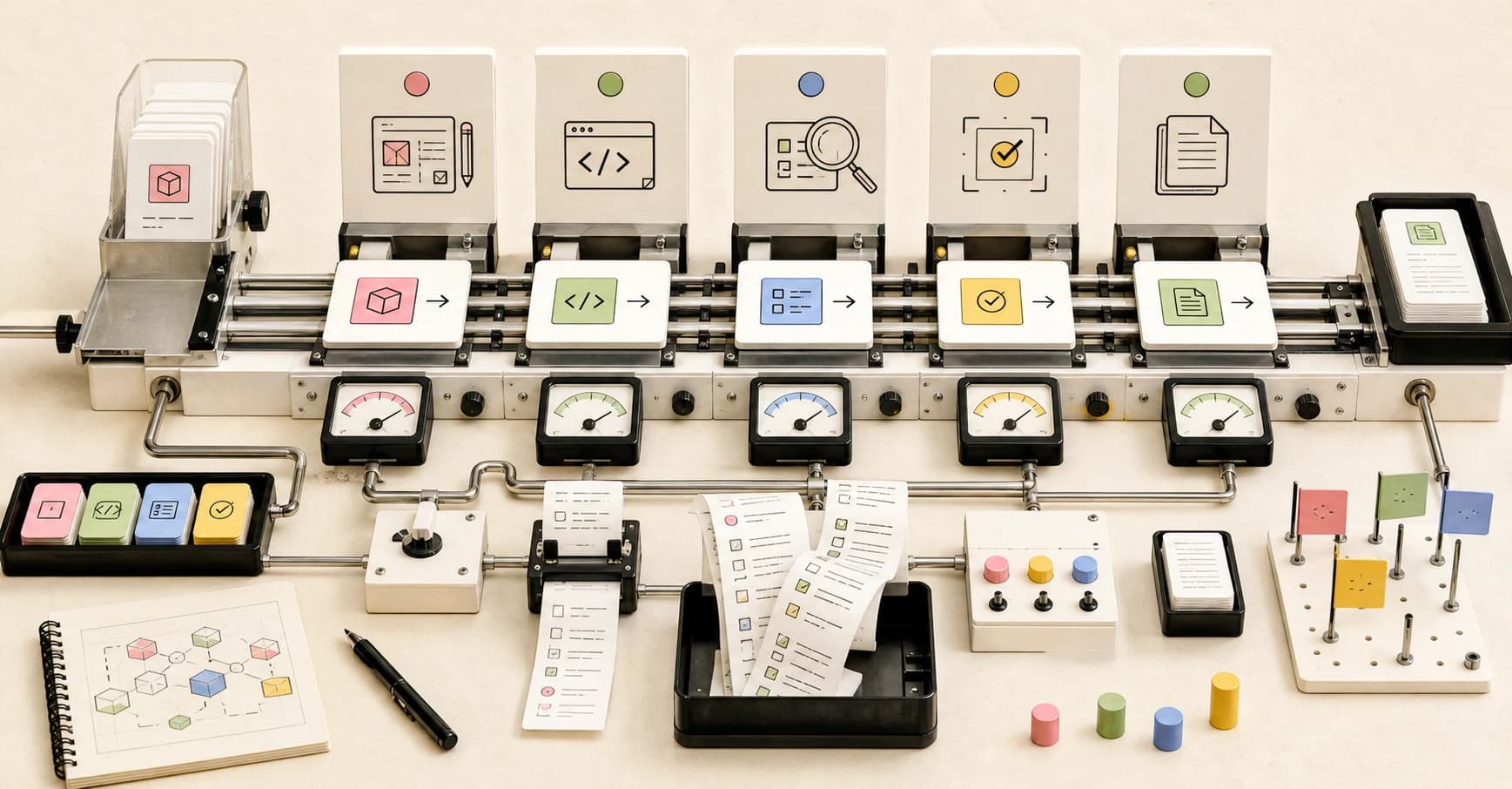
Harness Engineering Makes Tokens a Systems Budget
OpenAI's harness engineering post and new token-use research point to the same lesson: agentic coding teams need token budgets, receipts, and eval loops, not vibes.
8 min read
AI Code Attribution Needs Defect Forensics, Not Vibes
The rsync Claude debate shows why teams need reproducible defect forensics before AI attribution becomes a public blame machine.
8 min read

Security Agents Need Repro Harnesses, Not More Scan Prompts
Anthropic's open-source vulnerability harness shows where AI security work is going: reproducible exploit loops, separate verification agents, and patch receipts.
9 min read

AI Agent Containment Needs a Capability Ledger
Anthropic's Claude containment writeup points to the next security layer for coding agents: deterministic capability ledgers, not another approval prompt.
9 min read
AI Agent Memory Needs a Context Ledger
GitHub Trending is full of agent memory and context tools. The useful version is not magic recall. It is a context ledger: source-linked, scoped, expiring memory that agents can inspect and users can audit.
8 min read

Spreadsheet Agents Need Permission Ledgers
The ChatGPT for Google Sheets exfiltration report is not just a spreadsheet bug. It is a warning about agentic office tools: permissions need to be action-scoped, logged, revocable, and visible.
8 min read
Domain Expertise Is the New Agentic Coding Moat
A huge Hacker News thread says domain expertise is the real moat in agentic coding. The sharper version: tacit judgment only compounds when you turn it into examples, tests, DSLs, and review gates.
8 min read
The Agent Security Checklist I Use Before Connecting Tools
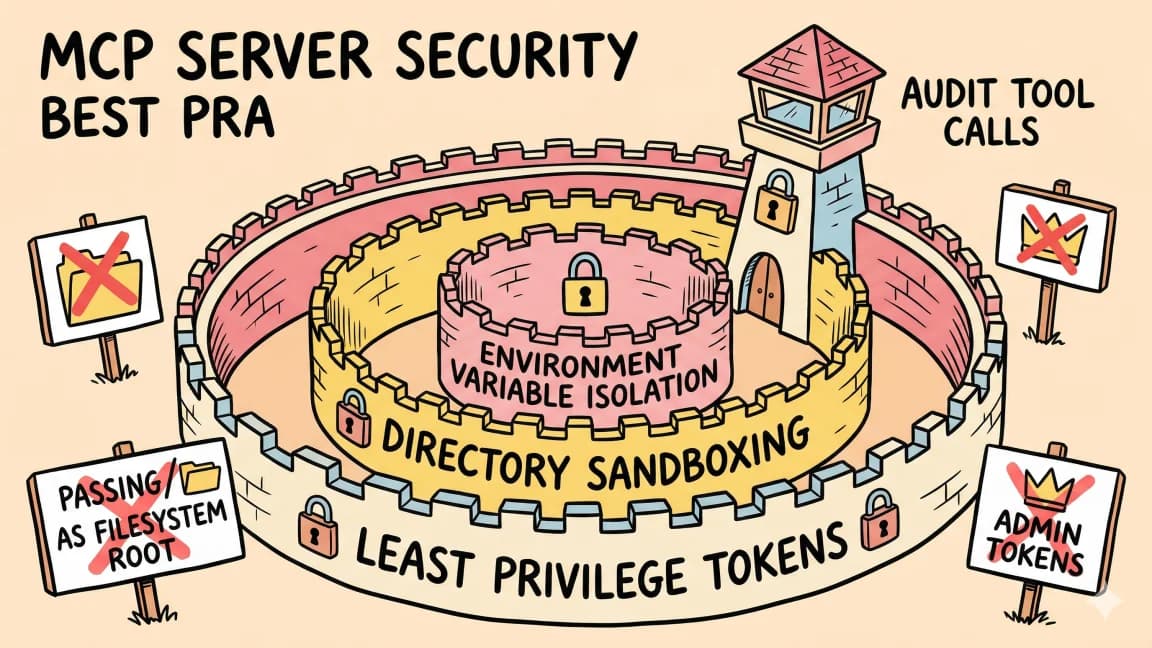
Before an AI agent gets tools, files, APIs, MCP servers, or deployment access, decide what it can read, write, call, log, and roll back.
8 min read
Permissions, Logs, and Rollback for AI Coding Agents
AI coding agents become safer when permissions, logs, and rollback are designed as one system. Here is the operating loop I would put around any agent that can edit code, run tools, or open pull requests.
9 min read
Prompt Injection in Agent Apps: The Practical Version
Prompt injection stops being an abstract LLM risk once an agent can call tools. The practical defense is data boundaries, structured handoffs, tool guardrails, and approval gates around side effects.
8 min read
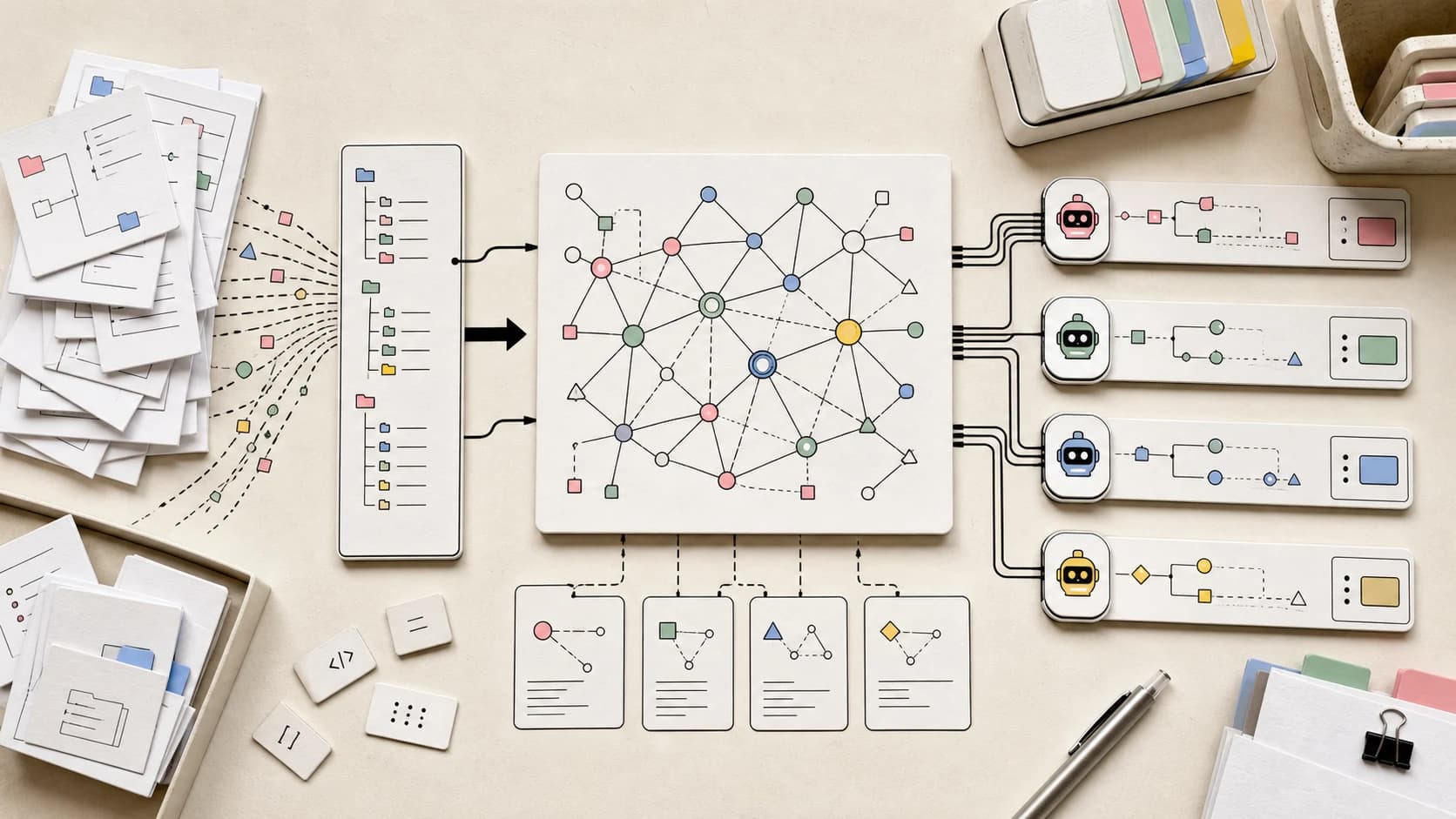
Local Code Graphs Are the Agent Context Layer
CodeGraph shows why coding agents need a local, queryable repo map. The win is not magic token savings. It is faster orientation, fewer wrong files, and better review receipts.
9 min read
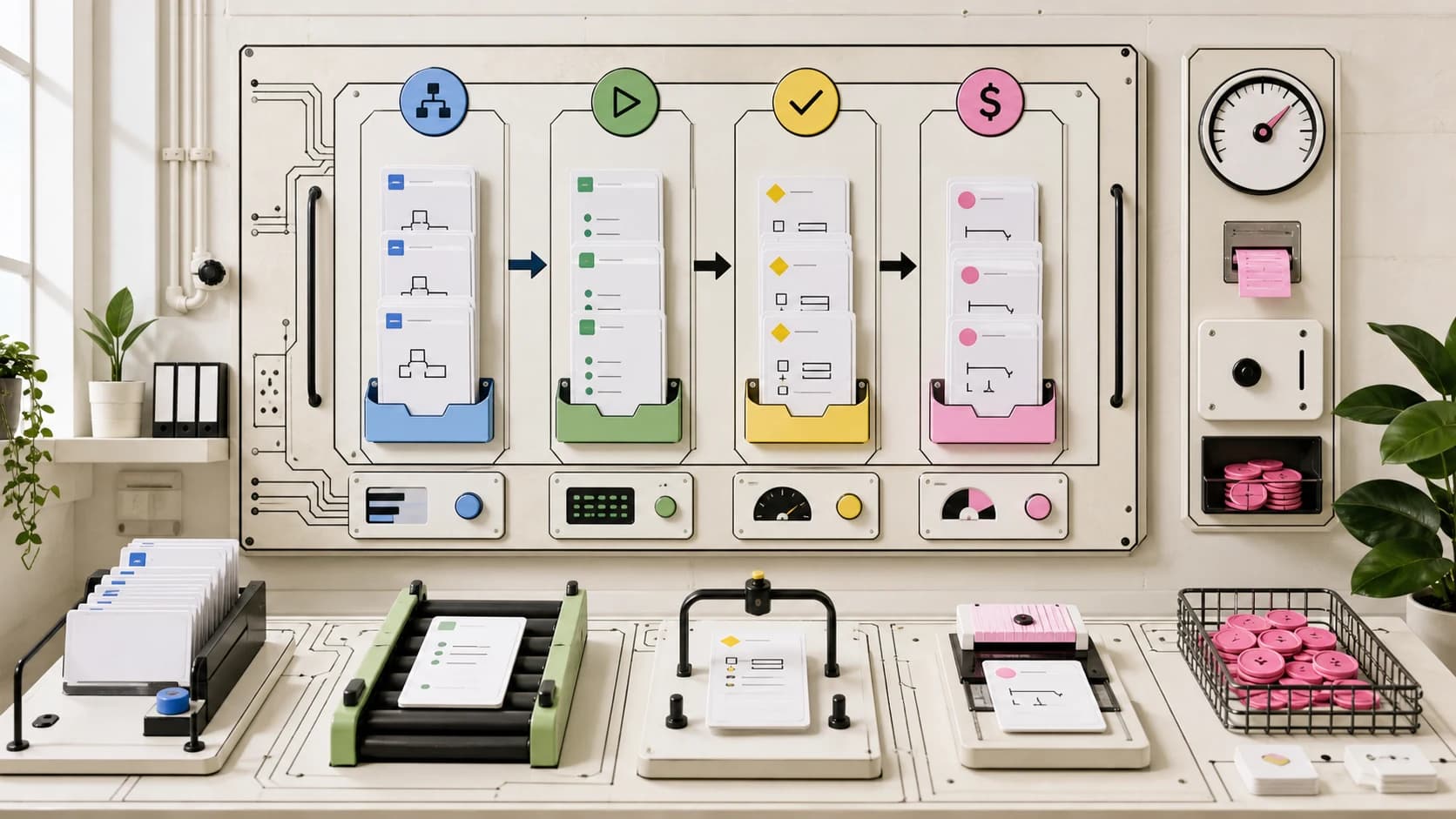
AI Agent PMF Is a Cost Control Problem Now
AI coding agents have crossed from demo to daily workflow. The next bottleneck is not demand. It is cost attribution, budget gates, and workflow design that keeps agent fleets from turning useful work into surprise spend.
8 min read
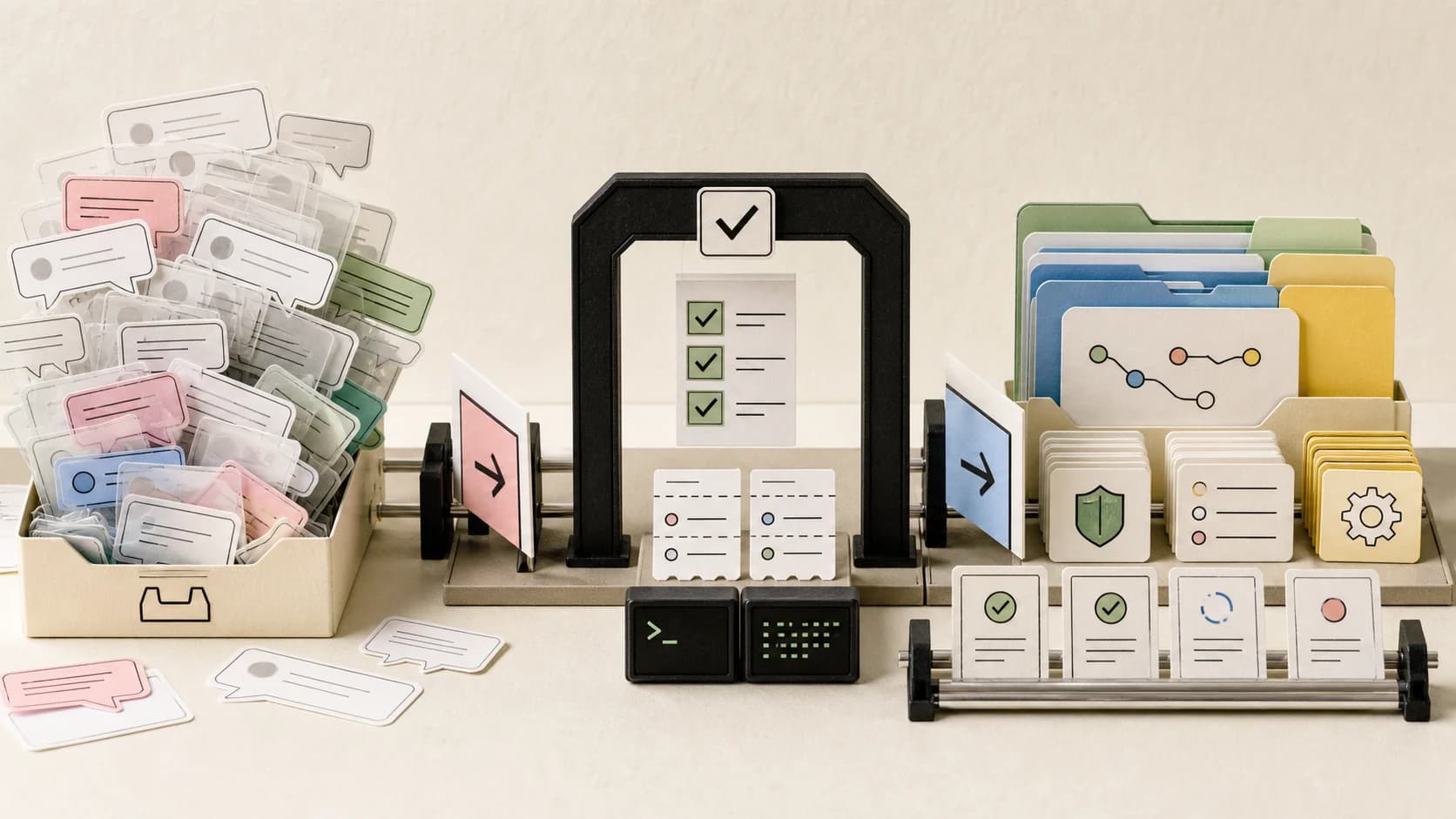
AI Chat Fatigue Is a Workflow Design Bug
A front-page Hacker News essay about being tired of AI answers points at a real developer problem: chat is too easy to launder into fake work. The fix is verifiable workflows, not more conversational polish.
8 min read
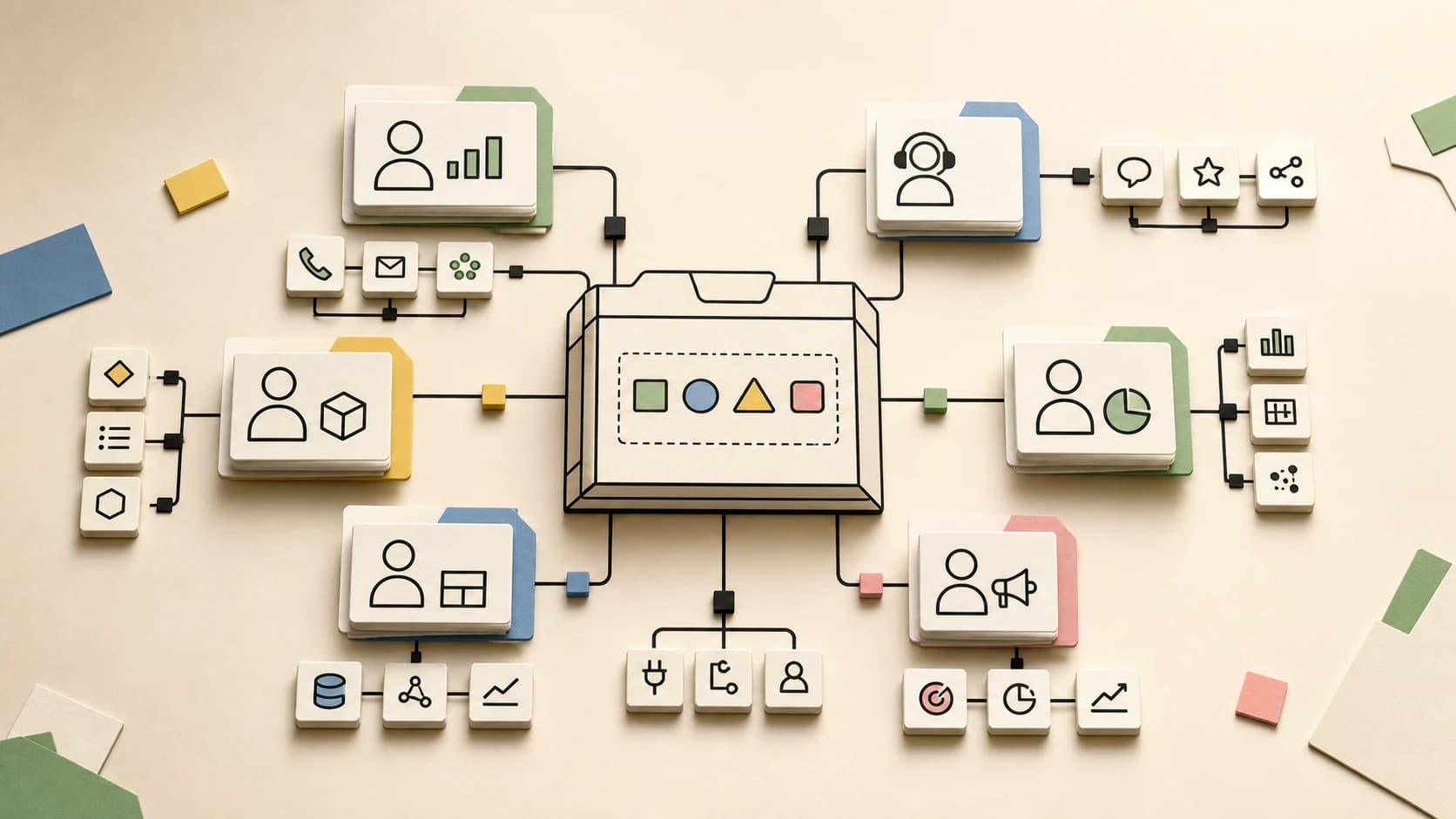
Claude Knowledge Work Plugins Turn Agent Setup Into Team Infrastructure
Anthropic's knowledge-work plugin repo is trending because it packages skills, connectors, slash commands, and sub-agents around job functions. The interesting shift is from personal prompts to team-distributed operating systems.
7 min read
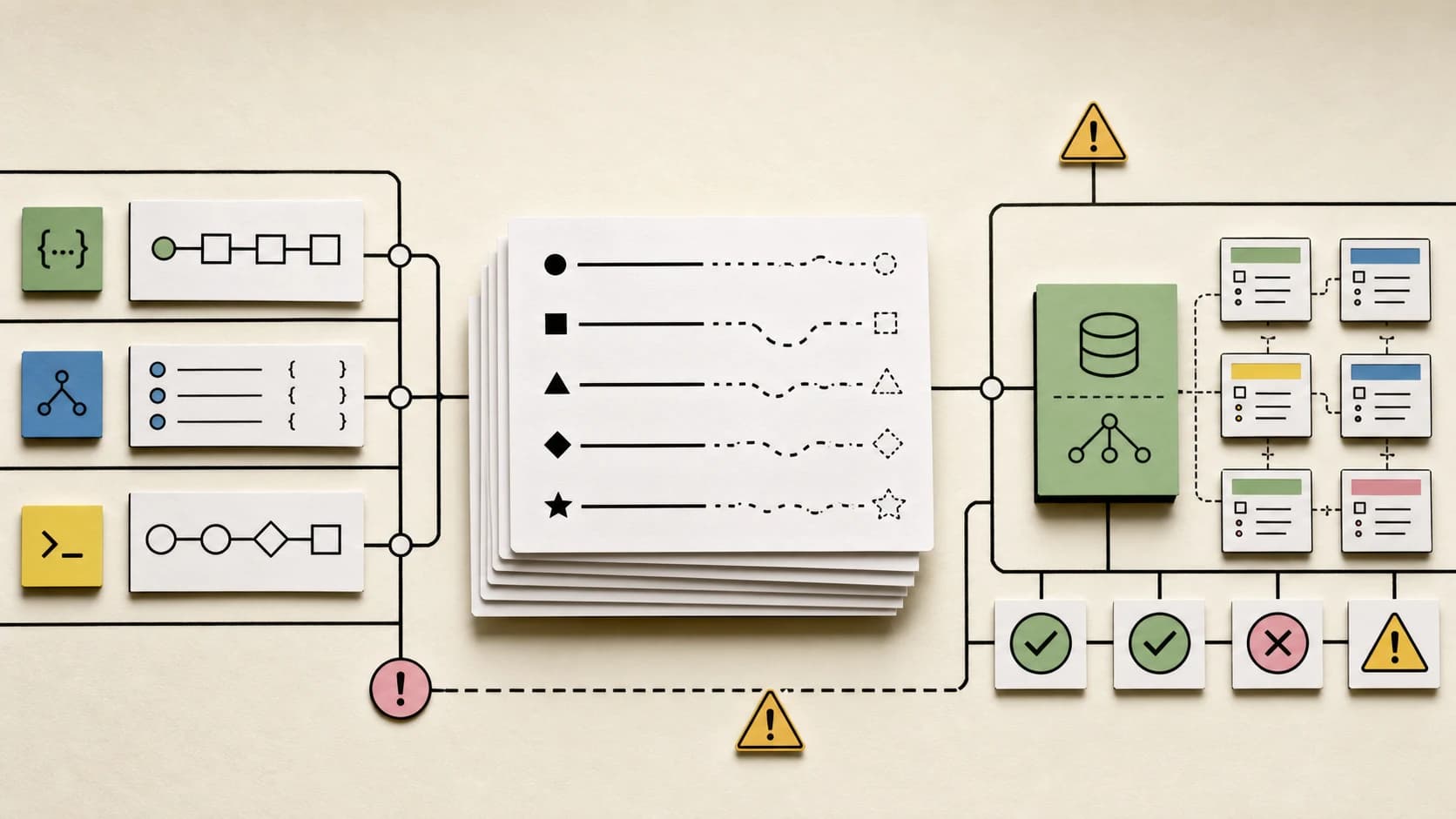
Constraint Decay Is the Coding Agent Bug Nobody Can Prompt Around
A new arXiv paper shows coding agents can pass loose backend tasks, then fall apart when architecture, database, and ORM constraints pile up. The fix is not longer markdown. It is executable constraints.
8 min read
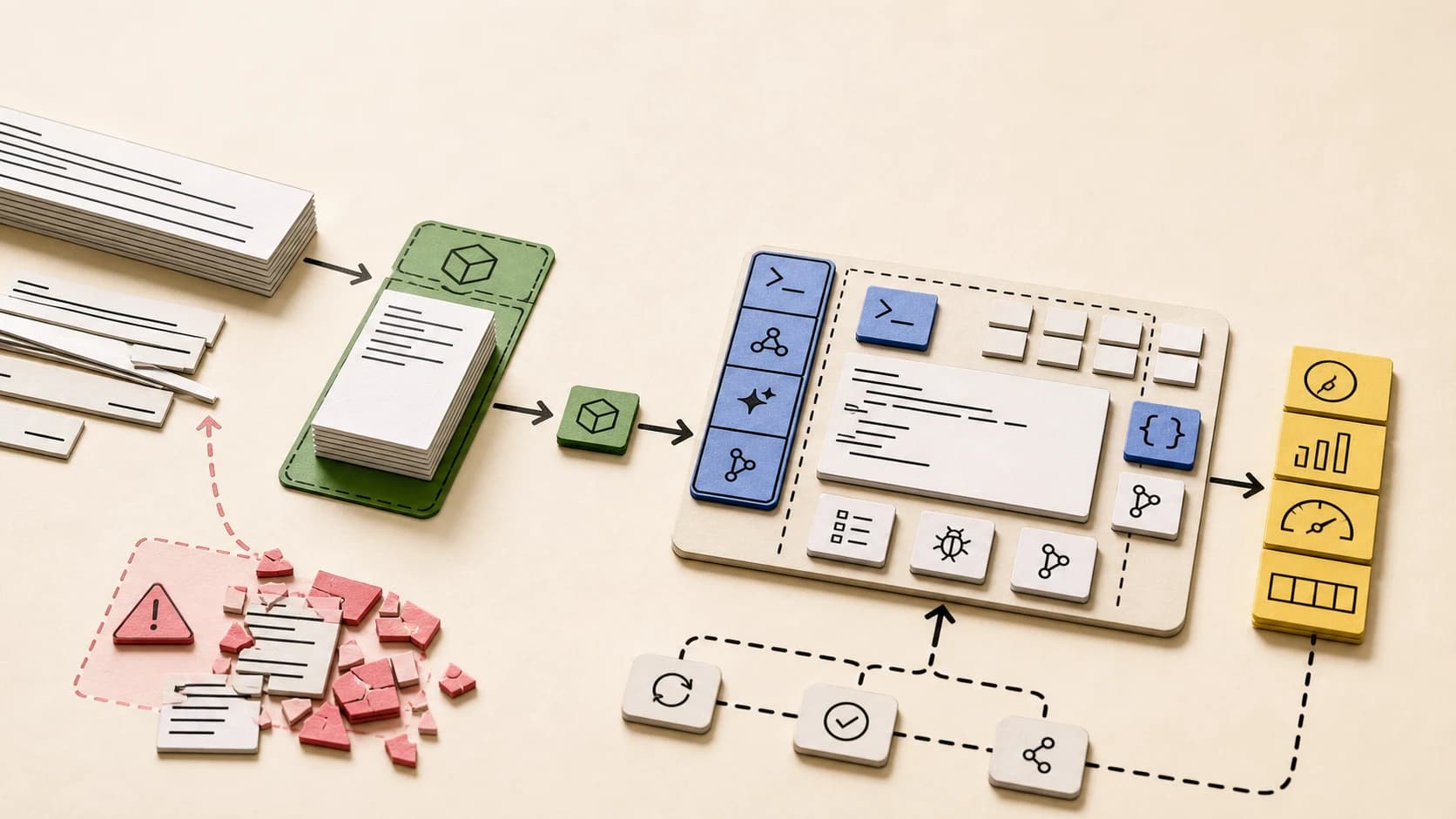
Reasonix Shows the Next Coding Agent Fight Is Cache Discipline
Reasonix hit Hacker News with a DeepSeek-native pitch: keep long coding sessions cheap by designing the agent loop around prefix caching. The interesting question is when cache efficiency helps quality, and when it fights the harness.
7 min read
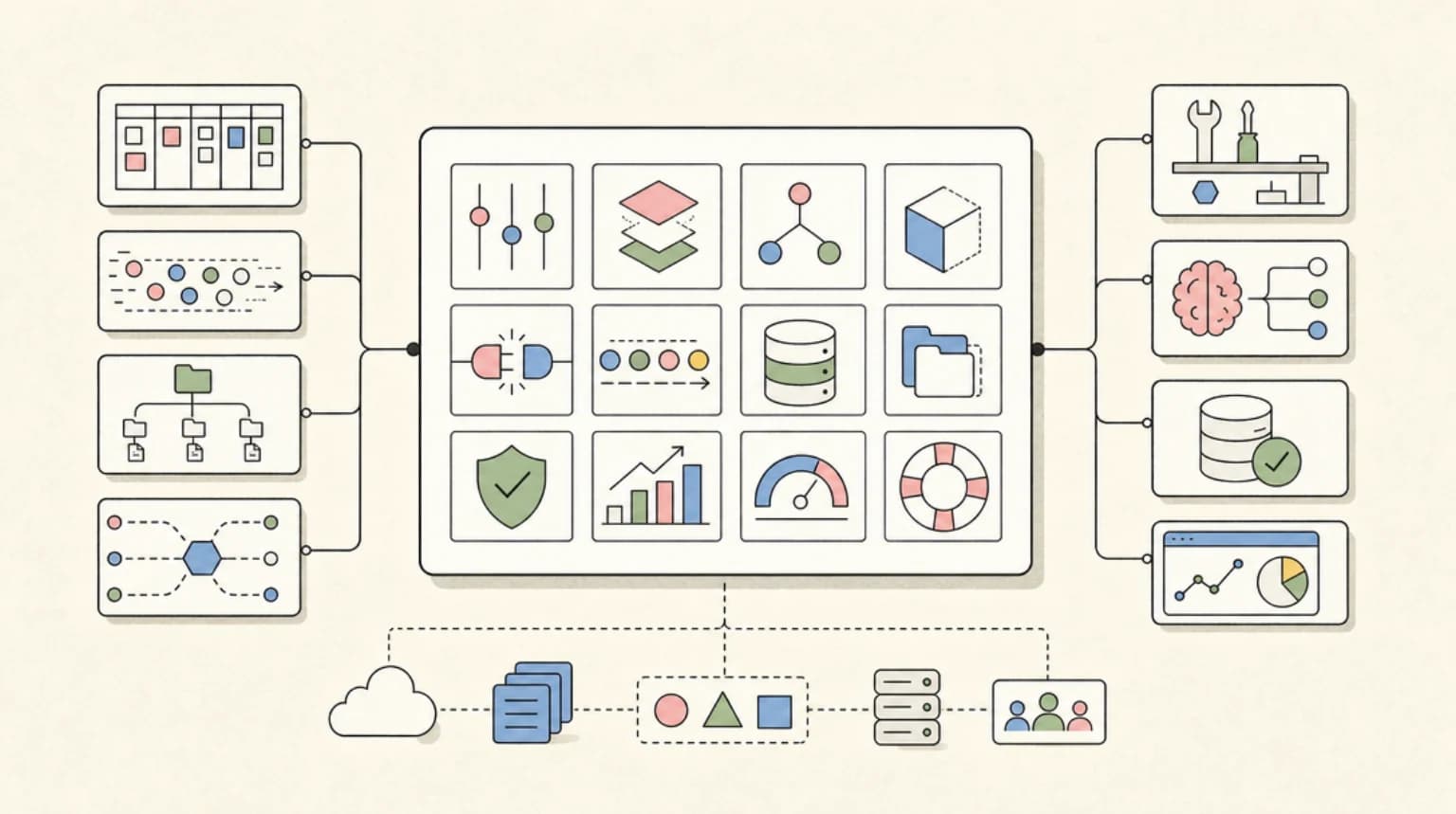
12-Factor Agents: Production Principles for Reliable AI Agents
HumanLayer's 12-Factor Agents guide turns agent reliability into an engineering checklist: own prompts, context, tools, control flow, state, human approval, and observability before a demo becomes production.
8 min read
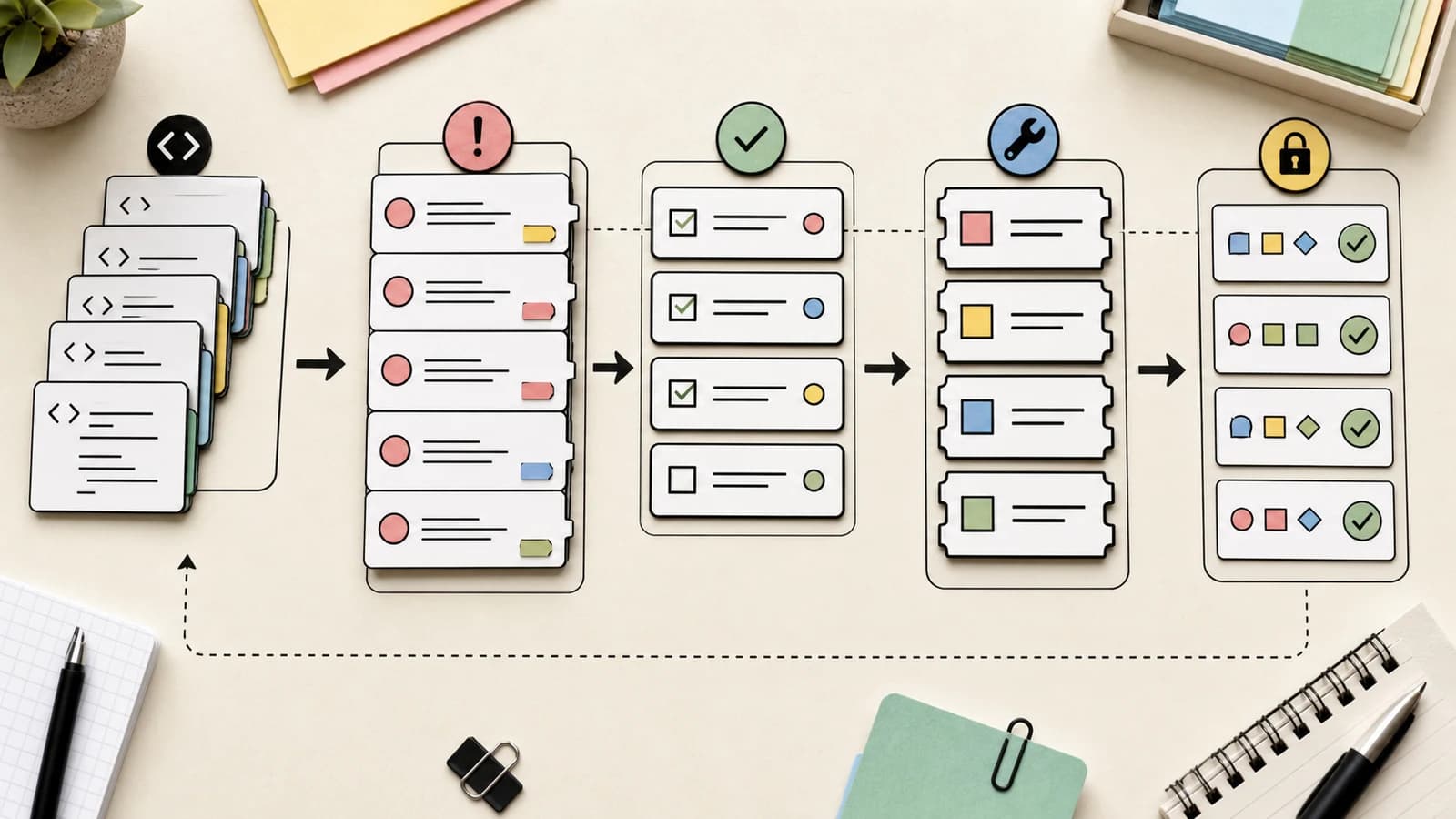
AI Security Scanners Move the Bottleneck to Triage
Anthropic's Project Glasswing update is a useful signal for developer teams: AI can find vulnerability candidates faster than humans can verify, disclose, patch, and ship them.
8 min read
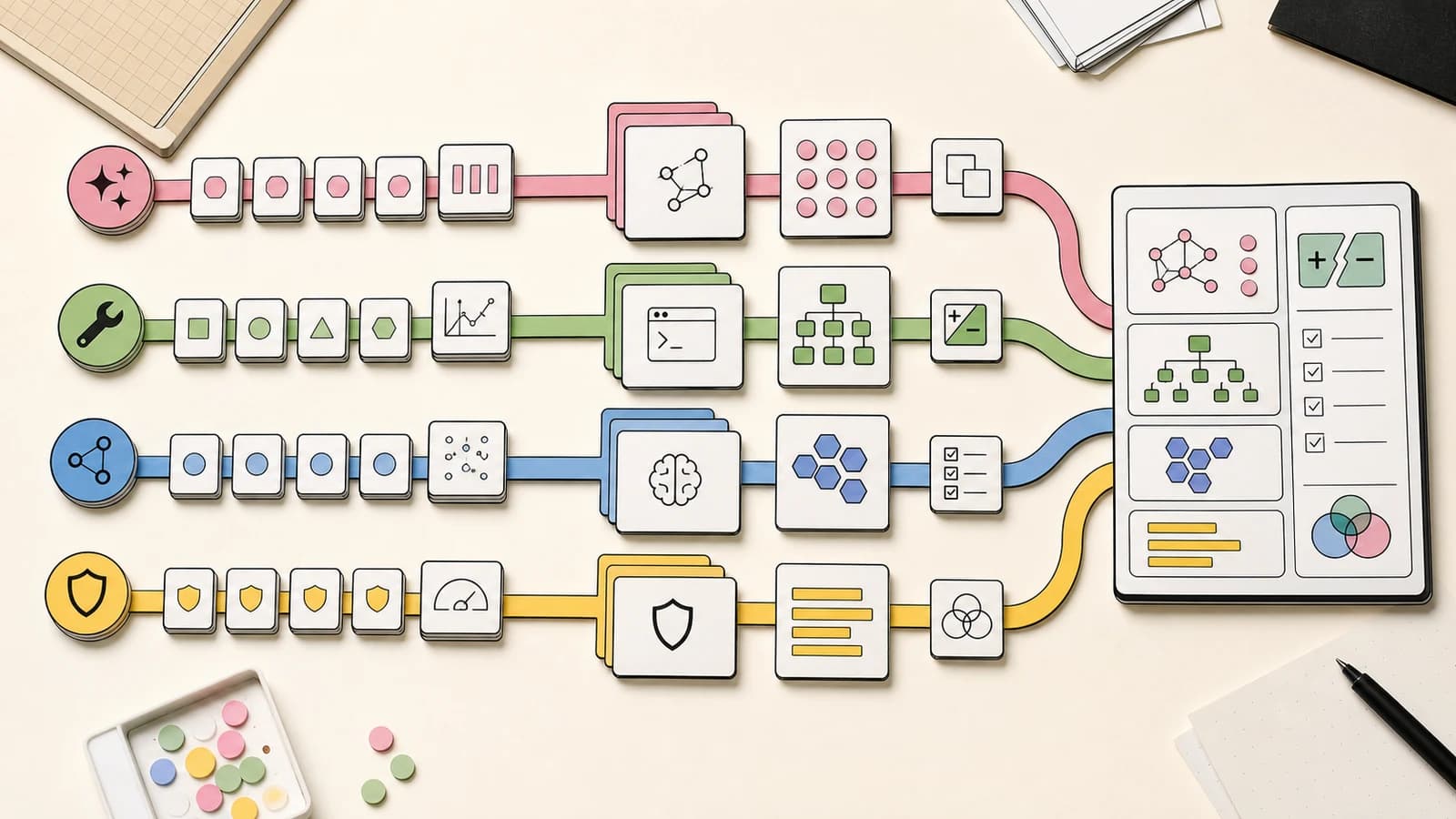
Multi-Stream LLMs Hint at the Next Agent Architecture
The Multi-Stream LLMs paper argues that agents are bottlenecked by single chat streams. The practical takeaway is not to rebuild everything today, but to design agent runtimes around separated channels.
8 min read
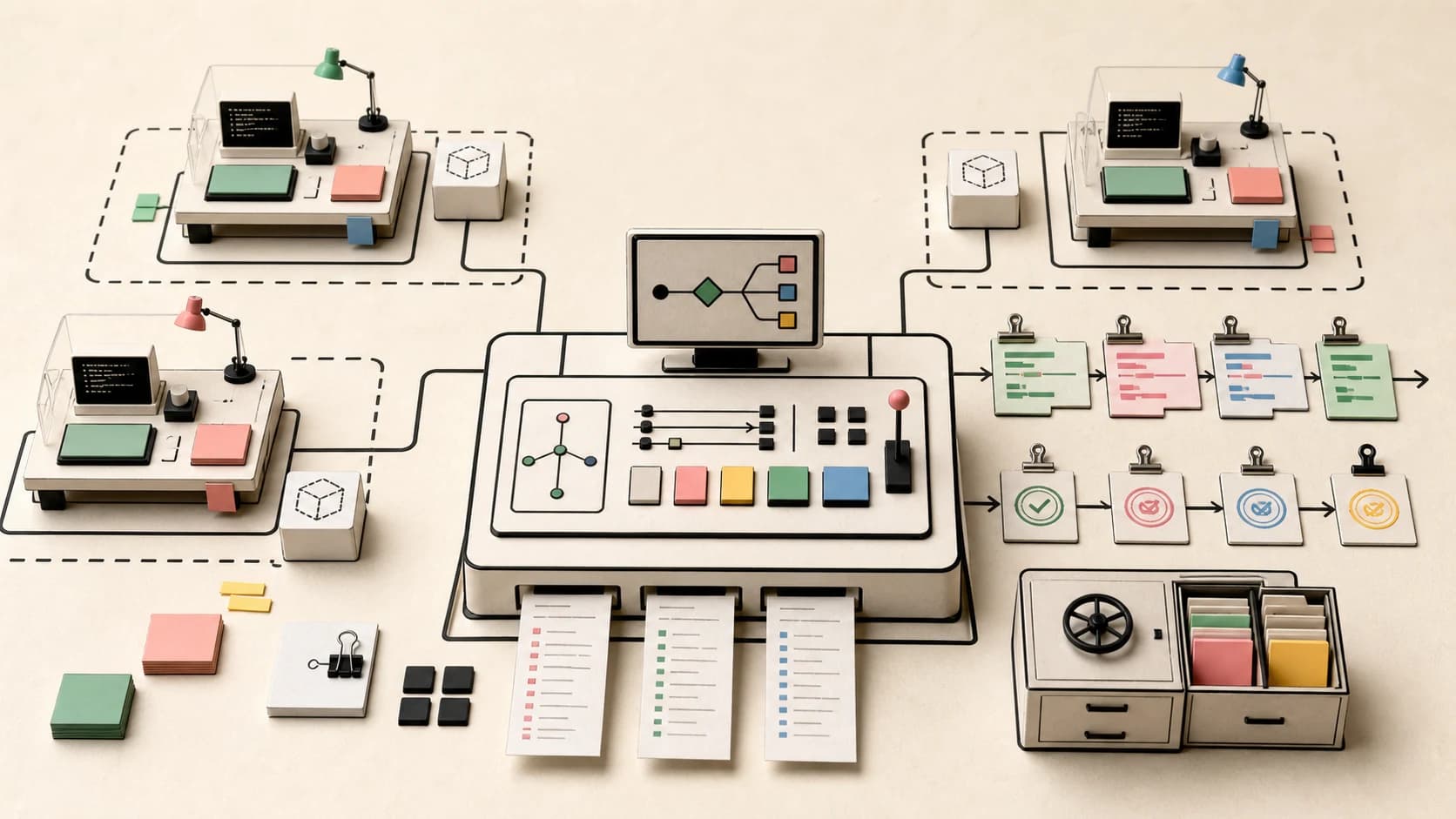
Sandboxed Agents Are Becoming the Team Control Plane
Runtime's Launch HN thread is a useful signal: teams do not just want isolated coding agents. They want a control plane for approvals, secrets, telemetry, review, and merge policy.
8 min read
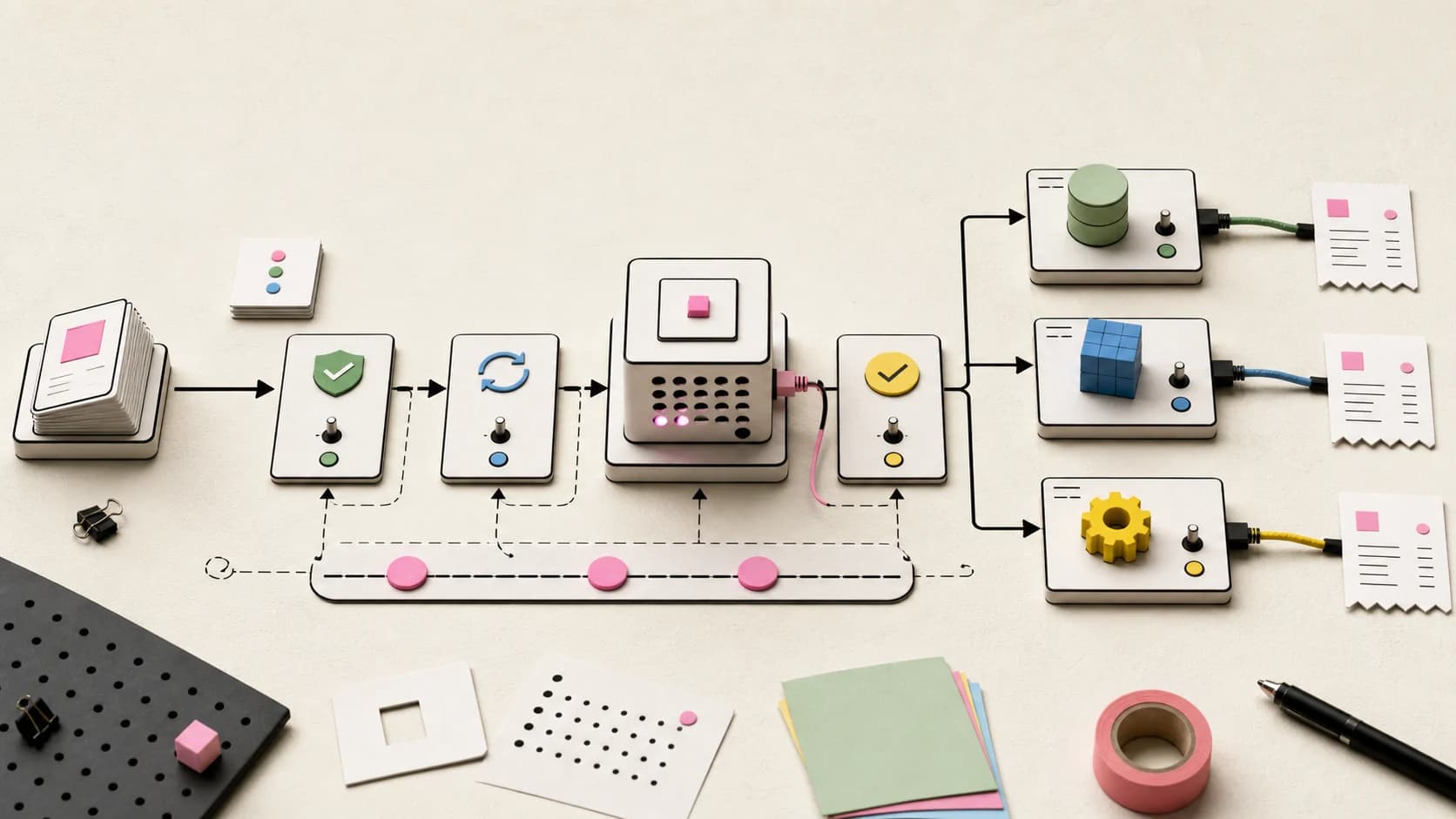
Forge Shows the Local Agent Reliability Gap Is a Harness Problem
Forge hit the Hacker News front page with a strong claim: small local models can become much more useful at tool-calling when the harness catches structural failures, retries intelligently, and controls context.
7 min read
Agent Skills Are Becoming Package Managers
GitHub trending is full of agent skill registries. The winning pattern is not more prompts. It is dependency governance for the instructions your coding agents inherit.
8 min read
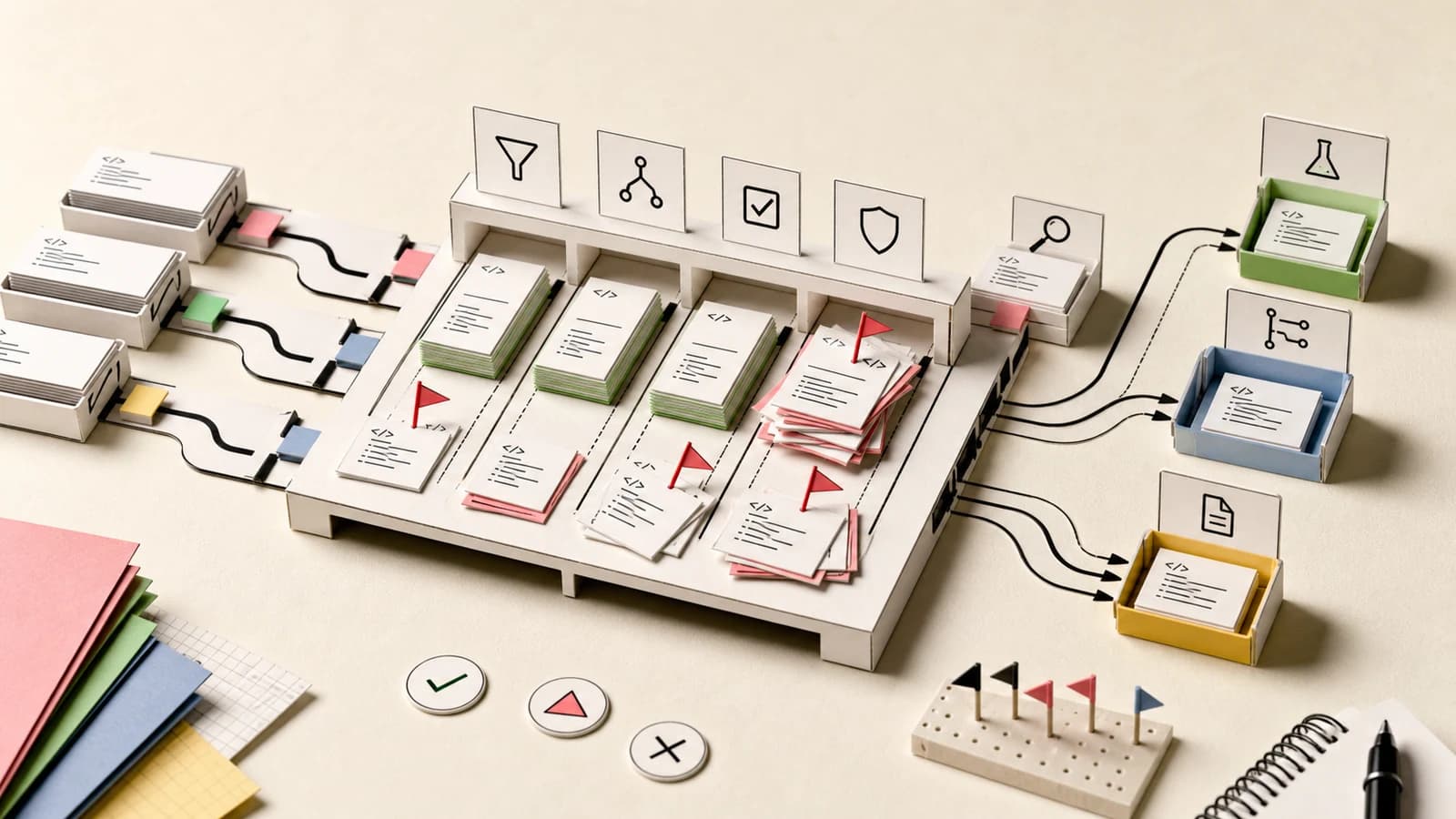
AI Code Review Is the New Bottleneck
Coding agents make code faster than teams can review it. The next advantage is not bigger prompts. It is review systems that force reproduction, small diffs, tests, and receipts.
8 min read

Skills for Real Engineers Need Governance, Not Fandom
Matt Pocock's skills repo is a useful signal for AI coding teams. The next step is treating skills like governed production controls, not a folder of viral prompts.
7 min read
Matt Pocock's Skills Repo Is a Better Pattern Than Vibe Coding
Matt Pocock's Claude Code skills repo shows the useful direction for agent workflows: small, composable skills that encode engineering discipline instead of hiding it.
8 min read
Claude Platform on AWS Is Enterprise Agent Plumbing, Not Just Procurement
Claude Platform on AWS matters because it moves agent adoption into identity, billing, commitments, and platform controls. That is where enterprise AI work gets real.
8 min read

TanStack's npm Compromise Is the CI Lesson Agent Teams Needed
The TanStack npm incident was not just a package-security story. It was a reminder that AI agent workflows inherit every weak trust boundary in CI.
9 min read
Claude Code Token Burn Is an Observability Problem
The latest Claude Code cache-burn debate is not just a quota complaint. It is a reminder that coding agents need cache-hit telemetry, spend ceilings, and repro-grade usage logs.
8 min read
Claude Code 2.1.128 Is an Ops Release, Not a Feature Drop
Claude Code 2.1.128 is full of small fixes around MCP, worktrees, OTEL, plugins, and permissions. That is exactly why it matters for teams running agents every day.
6 min read
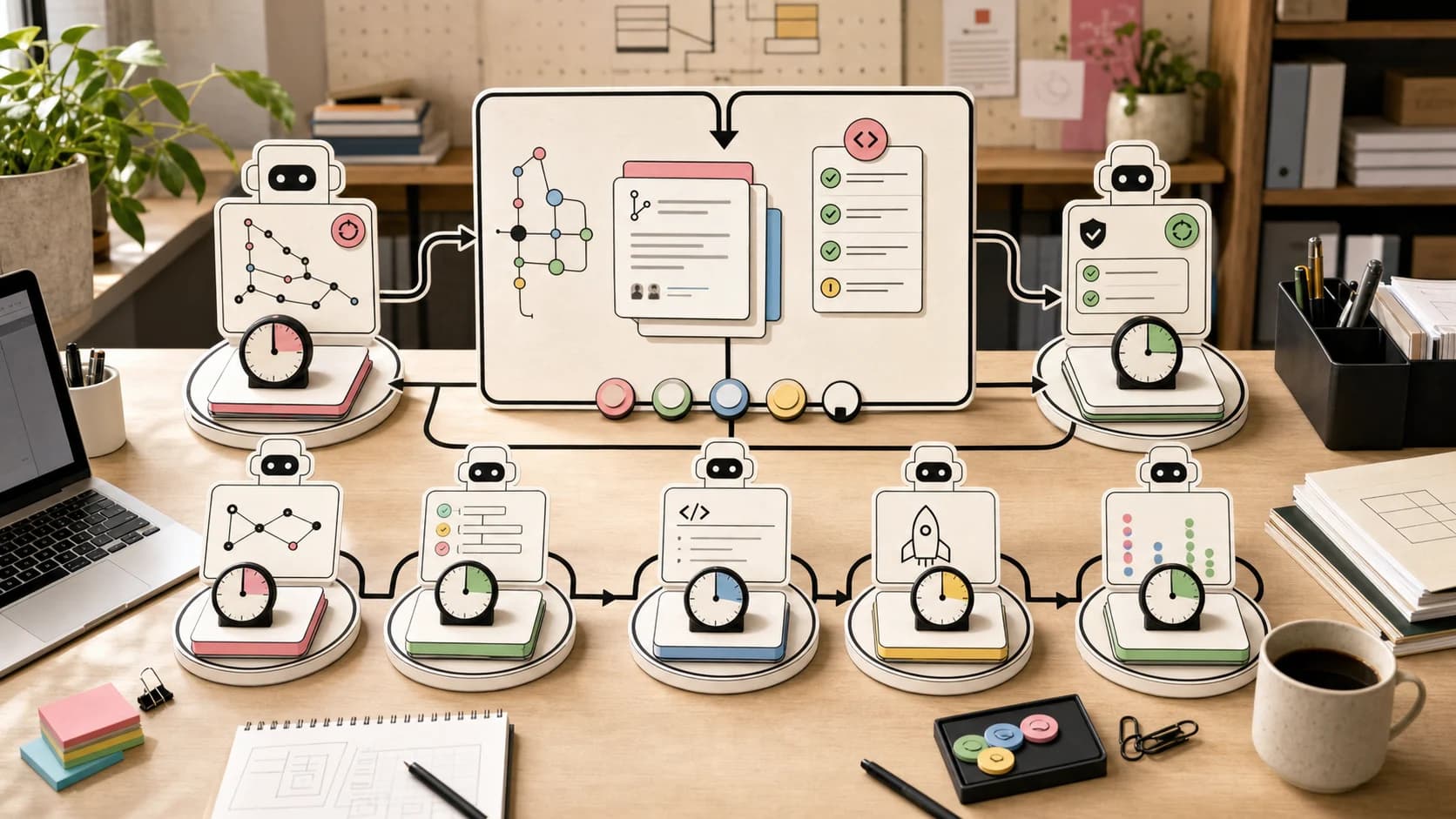
Codex Loops: What Boris Cherny Gets Right About Managing Agent Work
Boris Cherny's loop-heavy Claude Code workflow points at the next Codex content lane: recurring agents that babysit PRs, CI, deploys, and feedback streams.
8 min read

Codex SDK vs CLI vs GitHub Action: Which Surface Should You Build On?
Codex is no longer just a terminal agent. Here is when to use the Codex SDK, Codex CLI, or openai/codex-action, and how to avoid building the same agent loop three times.
8 min read

Free Claude Code Is Really a Model Gateway Bet
The trending Free Claude Code repo is not just about avoiding API bills. It points at a bigger developer-tool pattern: model gateways for AI coding agents.
7 min read

GPT Image 2 Prompt Libraries Are Becoming Production Infrastructure
The latest GPT Image 2 prompt-library repos are not just galleries. They point at a practical workflow for repeatable visual systems, agent-friendly templates, and cheaper creative iteration.
7 min read

Karpathy's Loopy Era Is the Best Way to Understand Codex
Andrej Karpathy's loopy era frame explains why Codex is becoming less like a chatbot and more like an agent loop manager for real software work.
9 min read

OpenAI's Codex Mac Certificate Deadline Is a Runbook Test
OpenAI's May 8 macOS certificate rotation for ChatGPT, Codex, Codex CLI, and Atlas is not just a one-off update. It is a useful test of how your team governs AI developer tools.
7 min read

Agent Skills Need Exit Criteria, Not More Prompt Lore
Addy Osmani's agent-skills repo is trending because it turns vague AI coding advice into reusable engineering checklists. The real value is not the markdown. It is the exit criteria.
7 min read
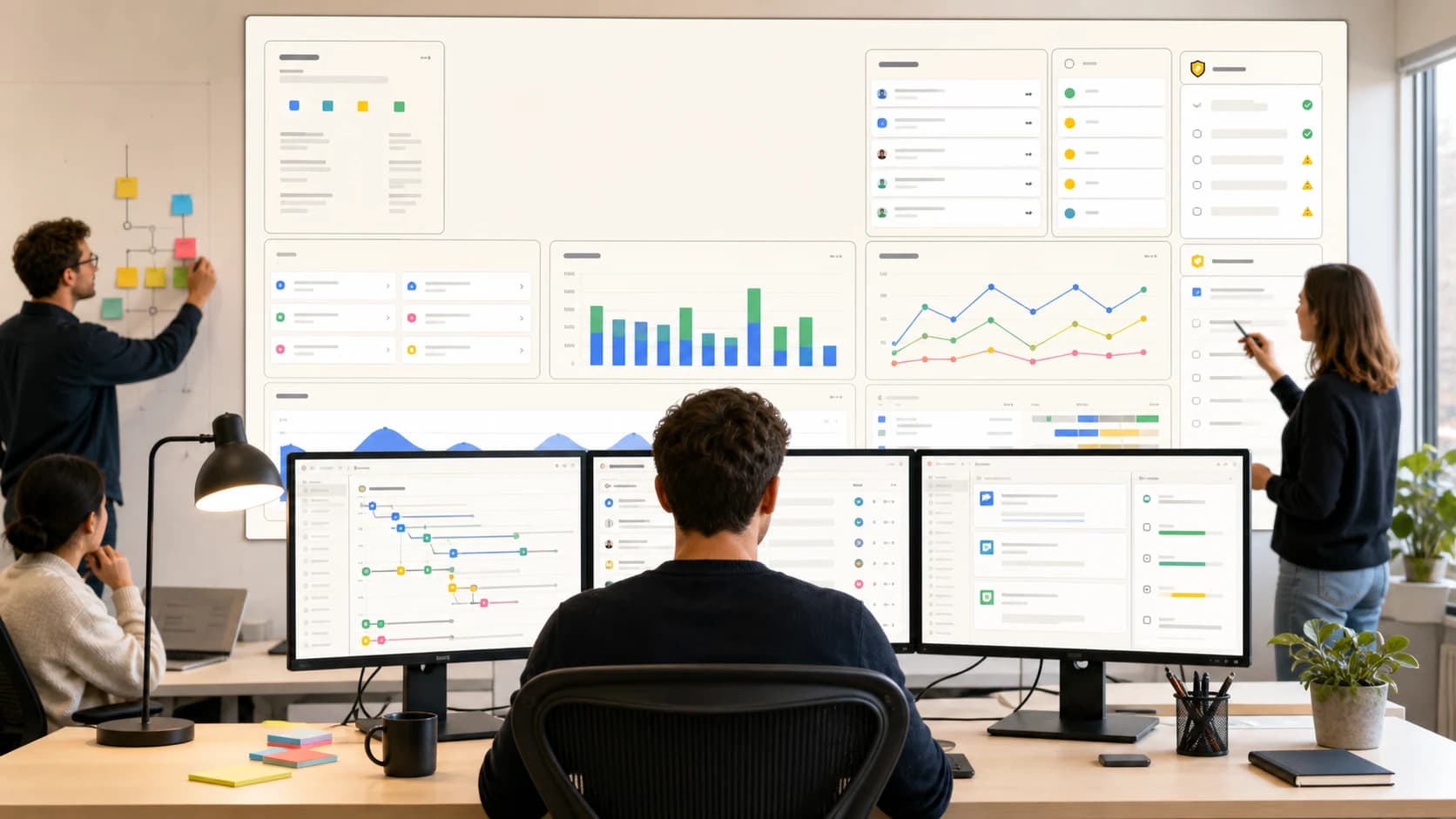
GitHub Copilot Agent Metrics Are the Real Product Update
GitHub's Copilot cloud agent updates are not just about autonomous coding. The bigger shift is usage metrics, session visibility, validation, and review quality.
7 min read
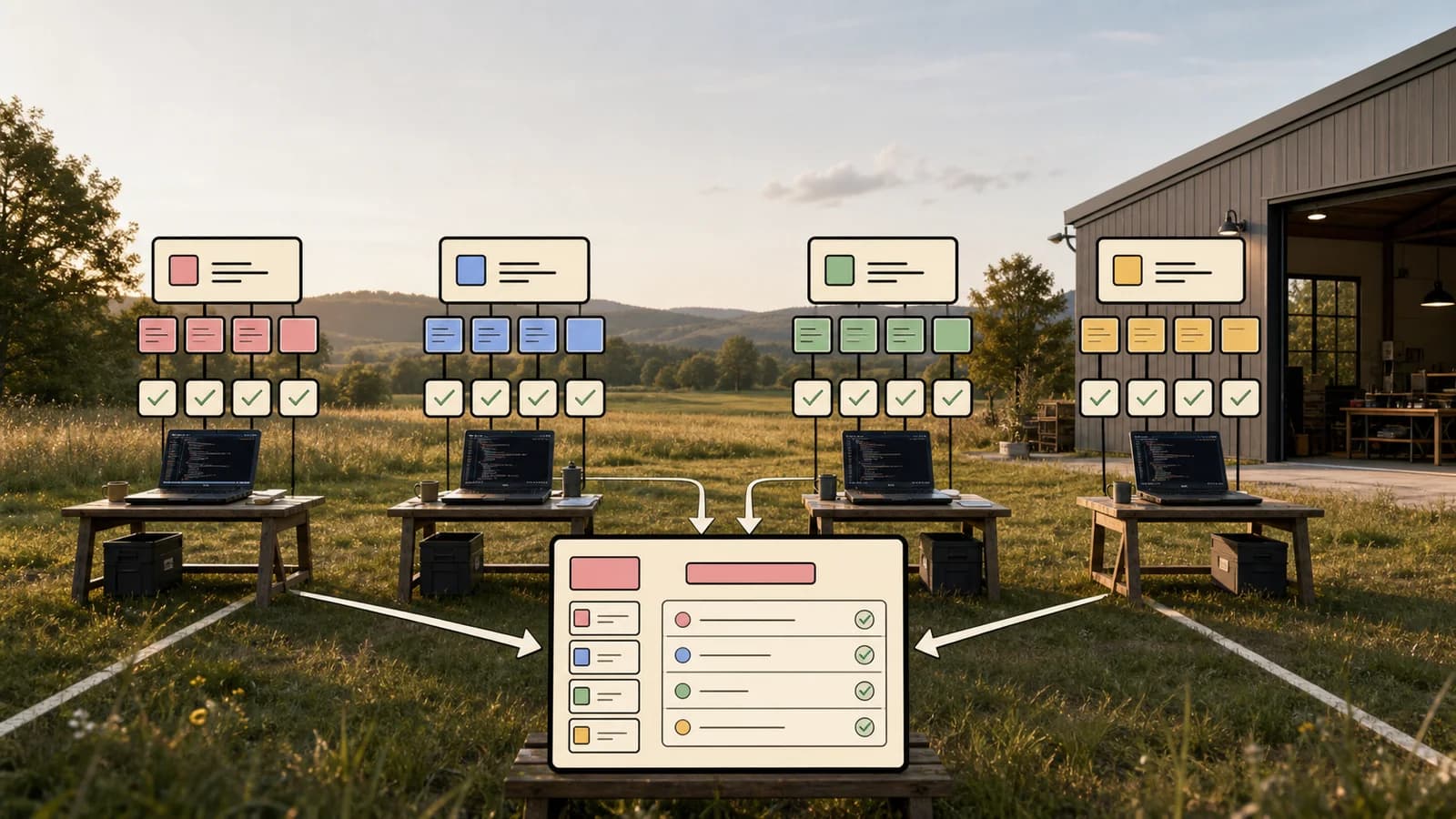
Parallel Coding Agents Need Merge Discipline
Parallel agents can move faster than one agent, but only when tasks have clean ownership, review receipts, and a merge path that does not turn speed into cleanup work.
7 min read
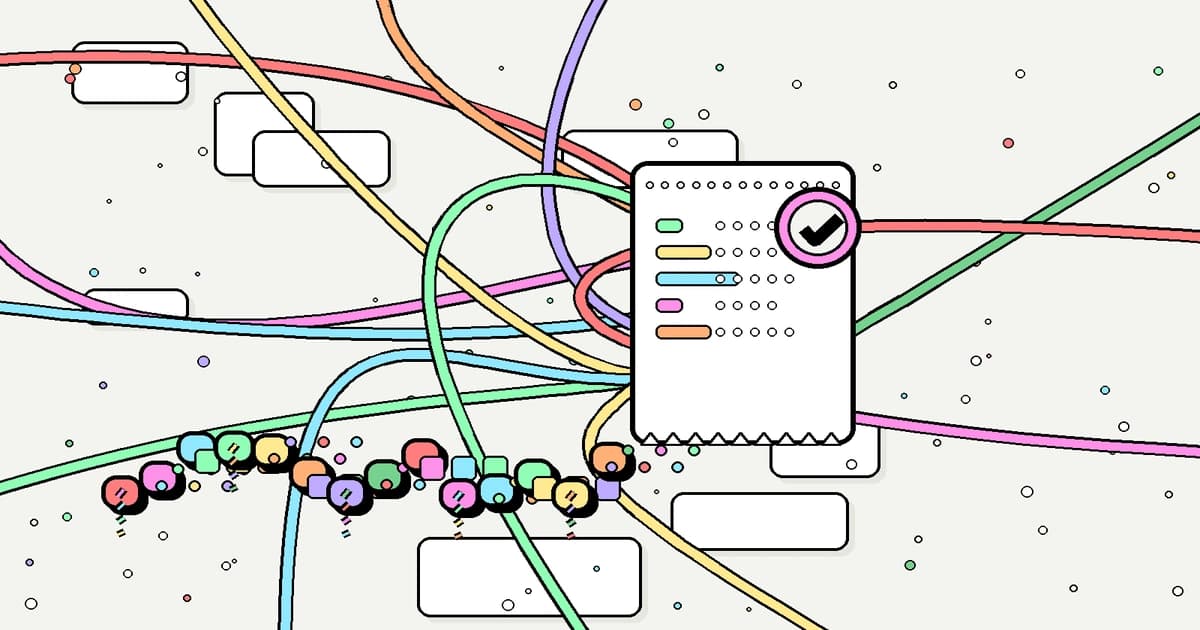
Agent Swarms Need Receipts
GitHub is filling with multi-agent frameworks, skills, and coding harnesses. The useful lesson is not that every team needs a swarm. It is that every agent needs receipts: tests, logs, diffs, and reviewable checkpoints.
8 min read

Approval Fatigue Is an Agent Security Bug
Manual approval prompts stop protecting users when coding agents ask too often. The better pattern is risk-aware autonomy: safe defaults, narrow deny rules, and approvals only for meaningful changes.
7 min read
Long-Running Agents Need Harnesses, Not Hope
A long-running coding agent is only useful if the environment around it can queue tasks, capture logs, checkpoint state, verify behavior, limit cost, and recover from failure.
9 min read
Skills Are How Agents Learn the Job
Skills turn a general coding agent into a trained teammate by packaging runbooks, scripts, examples, and domain-specific judgment into reusable instructions.
7 min read

Skills Are the New Agent Operating System
GitHub trending is full of agent skill frameworks. The real shift is not bigger prompts or more agents. It is turning team process into inspectable, reusable operating instructions.
9 min read

Best Claude Code Skills and Plugins in 2026: Where to Find, Install, and Choose Them
The Claude Code skills and plugins hub: what skills are, where to find them (Anthropic's official marketplace, anthropics/skills, top GitHub repos), how the plugin marketplace works, the Superpowers methodology plugin, exact install commands, and the picks worth your context budget.
14 min read
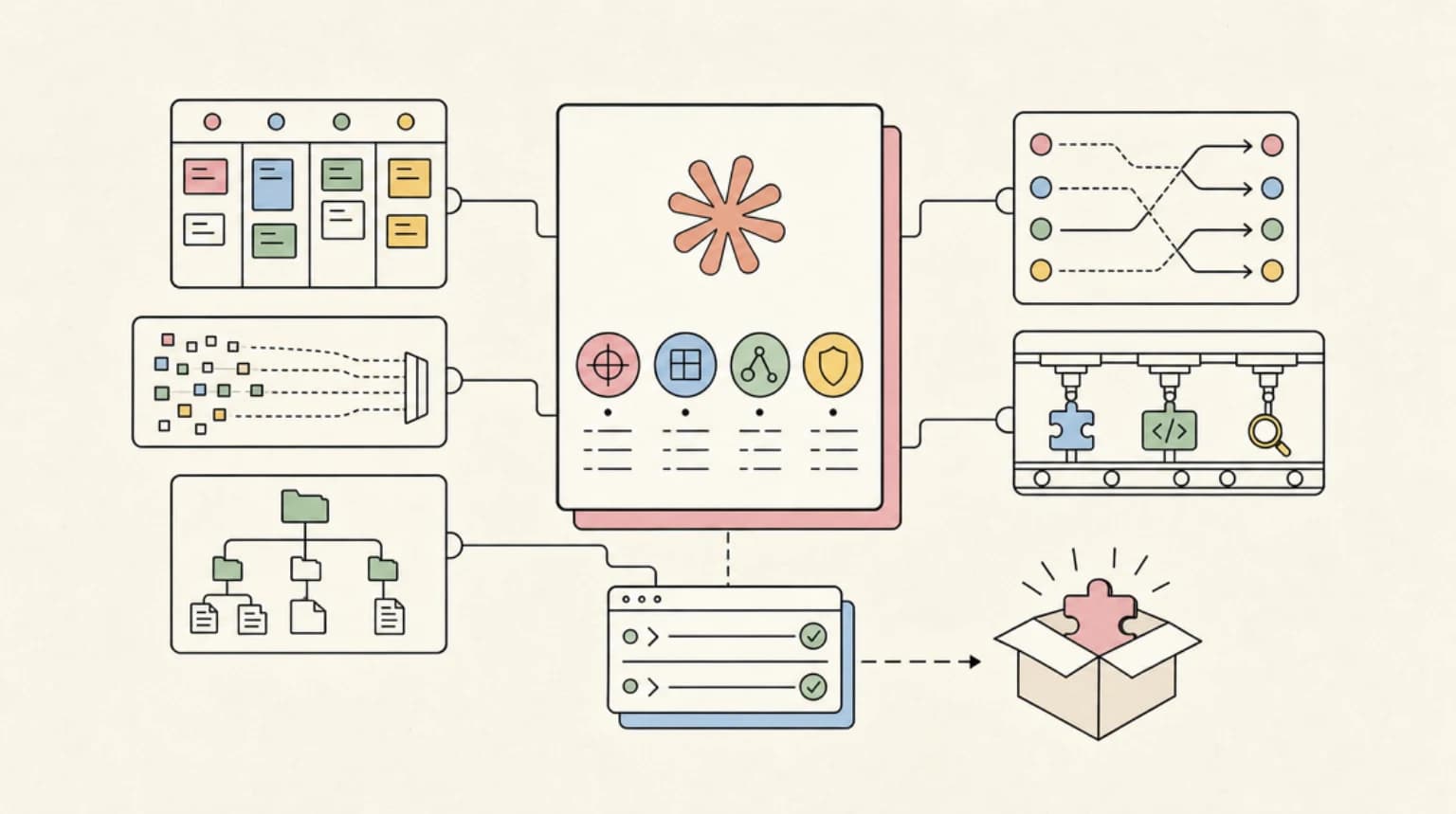
Karpathy Skills Show Why CLAUDE.md Is Product Surface Now
The viral Karpathy-style CLAUDE.md repo is not just a prompt trick. It shows why agent instructions, skills, plugins, and repo rules need ownership, review, and receipts.
8 min read
Claude Code Usage Limits in 2026: The Practical Playbook for Pro and Max Teams
A practical operational guide to Claude Code usage limits in 2026: plan behavior, API key pitfalls, routing choices, and team controls using hooks and subagents.
9 min read
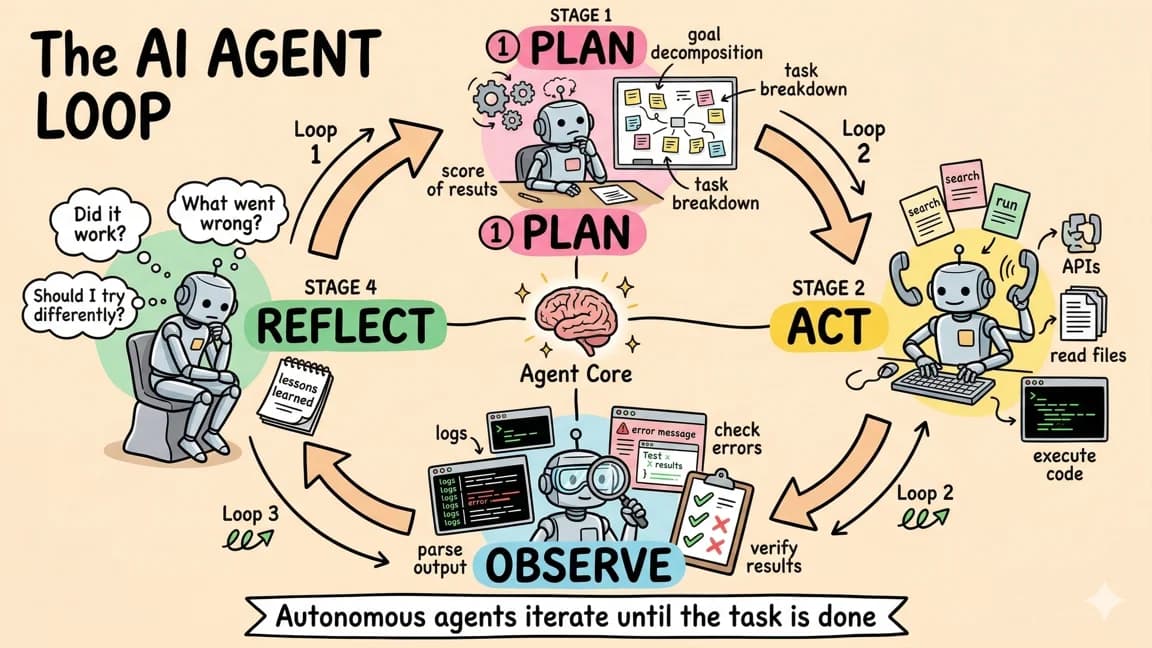
OpenAI Codex Cloud Security Playbook 2026: Internet Access, Prompt Injection, and Safe Defaults
A practical security playbook for running Codex cloud tasks safely in 2026 using OpenAI docs: internet access controls, domain allowlists, HTTP method limits, and review workflows.
10 min read

Why Skills Beat Prompts for Coding Agents in 2026
The coding-agent workflow is maturing past giant hand-written prompts. The winning pattern in 2026 is a control stack: project rules, reusable skills, bounded sub-agents, and deterministic tools around the model.
9 min read
Keep exploring
More on Developer Workflow
- - Compare Tools - dive deeper across the Developers Digest knowledge base
- - All Developer Workflow articles in the blog archive
- - Developers Digest on YouTube - video tutorials covering Developer Workflow and more

Get Smarter About AI Dev
New tutorials, open-source projects, and deep dives on coding agents - delivered weekly.
One email per weekReal code, not theoryFree forever
Explore 823 topics
Browse All Topics