Agent-Native Backends Are the Next AI Coding Bottleneck
TL;DR
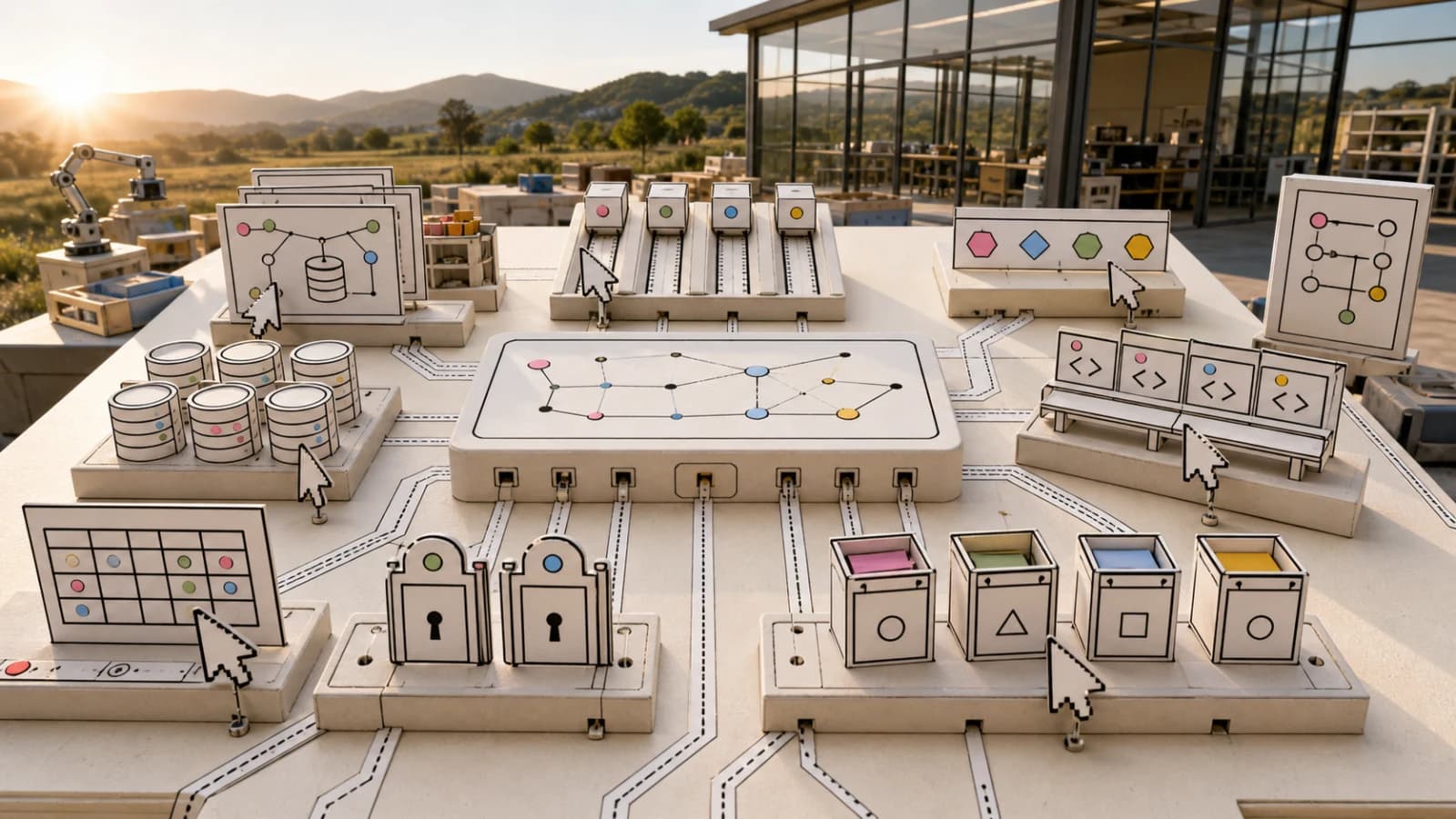
InsForge is trending because coding agents can scaffold UI faster than they can safely operate databases, auth, storage, functions, and deployments. The backend now needs an agent-readable control plane.
The most interesting backend trend on GitHub this morning is not "another Supabase alternative."
It is the shape of the interface.
InsForge describes itself as an open-source backend platform for agentic coding. The pitch is direct: give coding agents database, auth, storage, compute, hosting, and an AI gateway so they can ship full-stack apps end to end. The project exposes those backend primitives through an MCP server, plus a CLI and skills path for cloud users.
That matters because AI coding agents are getting weirdly good at the frontend half of software and still fragile around the backend half.
A model can generate a Next.js page, wire a form, and make the UI look decent. The failure mode usually shows up one layer deeper: wrong schema assumptions, missing migrations, auth rules that look plausible but are unsafe, storage buckets with unclear policies, functions deployed without logs, or a production deploy that the agent never actually verified.
That is the same operating lesson behind terminal agents becoming portable runtime surfaces and long-running agents needing harnesses. Once the agent can change real infrastructure, the runtime around the model matters more than the prompt.
The Take#
The next backend platform category is not just backend-as-a-service.
It is backend-as-an-agent-control-plane.
That sounds like vendor language, but the distinction is practical. A normal backend platform is optimized for a human developer reading docs, clicking dashboards, writing migrations, and checking logs. An agent-native backend needs to expose the same primitives as structured operations the agent can inspect, change, verify, and report back on.
InsForge is interesting because its README names those verbs:
- read backend context and state
- pull documentation, schemas, metadata, deployed functions, bucket contents, auth config, and runtime logs
- deploy edge functions
- run database migrations
- create storage buckets
- set up auth providers
- configure backend resources directly
That list is not just a feature list. It is a definition of what an agent needs to safely touch a backend.
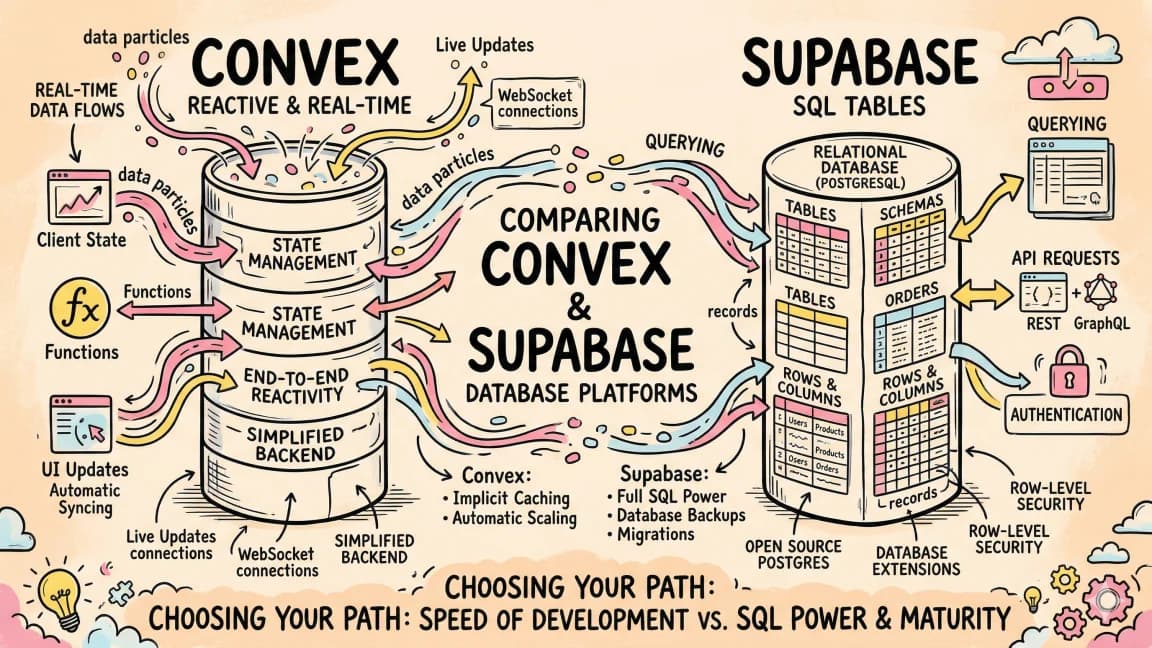
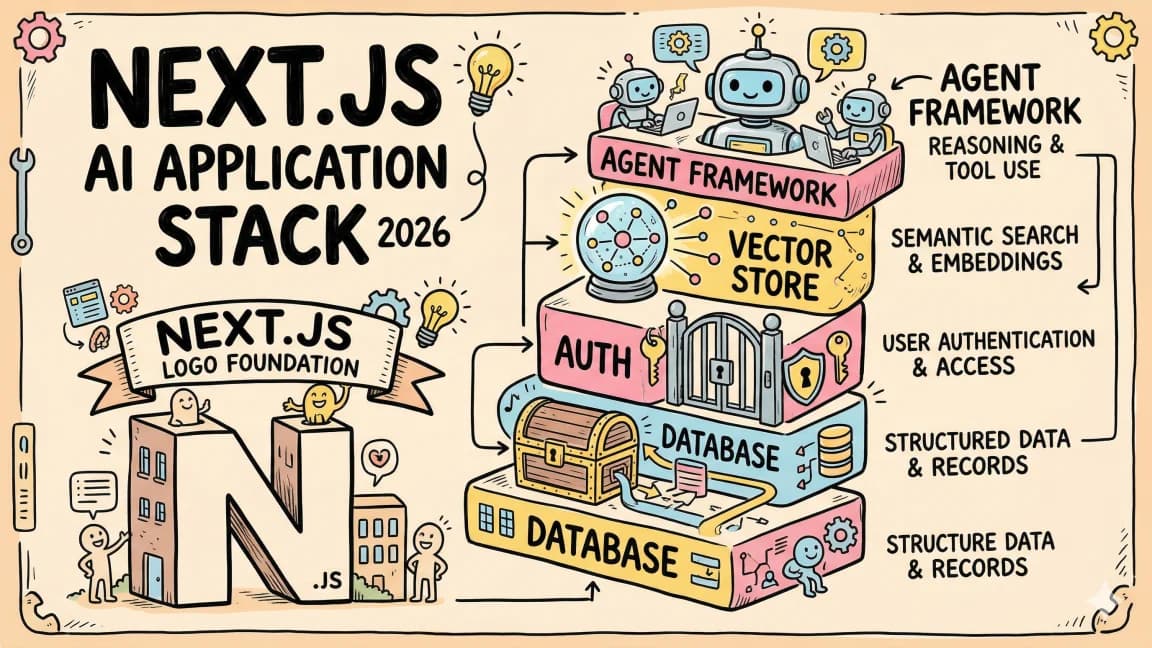
For a broader stack decision, pair this with Convex vs Supabase for AI apps and the Next.js AI app stack guide. Those posts answer which backend feels good to humans. This post is about what changes when an agent is the operator.
Why Backends Break Agents#
Backends punish uncertainty.
Frontend code can be visually inspected. If the padding is wrong, the page looks wrong. If a component imports the wrong icon, the build usually catches it. If the agent makes a bad layout choice, you can screenshot it and iterate.
Backend mistakes hide longer.
A generated migration can pass locally and still fail against production data. An auth rule can satisfy the happy path while leaking a tenant boundary. A storage upload can work for the owner and fail for a collaborator. A serverless function can deploy but time out under real input. A model gateway can be wired correctly but blow through cost because nobody set a session cap.
That is why agent skills need exit criteria. "Build the backend" is too vague. The useful instruction is closer to:
Change the schema, apply the migration, update the SDK usage, verify auth behavior, inspect logs, run the route smoke test, and leave a receipt.
The agent cannot do that reliably if every backend operation lives behind a dashboard built for humans.
From the archive
6 Launches in One Day: The DD Empire Expansion
May 7, 2026 • 6 min read
DevDigest OS: The Thesis Behind Treating an Empire as One Operating System
May 7, 2026 • 9 min read
DeepSeek-TUI: The Rust Terminal Coding Agent With MCP, Skills, and 1M-Token Context
May 7, 2026 • 6 min read
What Is Cline? The Open-Source AI Coding Tool That Runs in VS Code
May 7, 2026 • 9 min read
What Agent-Native Actually Means#
Agent-native does not mean "the backend has AI features."
It means the backend gives the agent a constrained operating surface:
1. Discoverable State#
The agent needs to ask what exists before it edits anything.
That includes schemas, tables, policies, functions, storage buckets, secrets that are present but not exposed, deploy history, logs, and environment shape. The goal is not to dump the whole system into context. The goal is to return compact, structured facts the agent can reason over.
This is the backend version of the context reduction pattern. Keep the large state in the system. Return the summary, evidence, and next safe action.
2. Safe Mutations#
"Run arbitrary SQL" is powerful, but it is not enough.
An agent-native backend should separate read-only inspection, proposed migrations, applied migrations, function deploys, auth config changes, and destructive operations. Each category should be visible in the transcript. Risky operations should be gated. The platform should make it easy to preview and roll back where possible.
That is the same permission-boundary problem terminal agents are solving with approvals and sandboxing. Backends need the equivalent.
3. Verification Hooks#
Agents need a short path from "I changed it" to "I proved it works."
For backend work, that means logs, health checks, migration status, endpoint tests, auth policy checks, and deployed function output need to be callable from the same surface the agent used to make the change.
This is where normal BaaS dashboards fall short for automation. They are excellent for humans. They are not always excellent as machine-verifiable receipts.
4. Portable Primitives#
InsForge's primitive list is familiar: Postgres, auth, S3-compatible storage, edge functions, model gateway, compute, deployment. That familiarity is a feature.
The agent should not have to learn a new database concept for every project. It should learn the team's conventions around boring primitives. The better the platform maps to known infrastructure, the easier it is to review the agent's work.
The Opposing Take#
There is a fair skeptical read here: do we really need another backend platform because coding agents exist?
Maybe not.
Supabase, Convex, Neon, Clerk, Railway, Fly.io, Cloudflare, Vercel, and plain Docker already cover most backend needs. The best developer teams can build an agent-readable layer around those tools with CLIs, APIs, docs, migrations, and smoke tests. In many cases, that is the right answer.
The risk with a new agent-native platform is abstraction drift. If the agent learns a simplified control plane but production behavior lives in the underlying database, storage system, auth provider, and deployment target, the abstraction can hide the exact details that matter during an incident.
There is also a security angle. Giving an agent backend tools is not automatically safer than giving it shell access. It is only safer if permissions, logs, previews, approvals, and rollback boundaries are better than the raw tools they replace.
So the bar should be high.
Do not evaluate InsForge or any agent-native backend by whether the demo scaffolds an app. Evaluate whether it makes backend changes more inspectable than the tools you already use.
The Evaluation Checklist#
If a backend claims to be built for agents, I would score it on these questions:
- Can the agent list the current schema, functions, auth config, buckets, and deployment state without overloading context?
- Can it propose a migration before applying it?
- Can destructive actions require explicit approval?
- Can every mutation produce a receipt with who changed what, when, and why?
- Can the agent read runtime logs after a failed deploy?
- Can it run a route-level smoke test after creating an endpoint?
- Can it verify auth and storage policies from multiple user roles?
- Can it export enough state for human review in a pull request?
- Can it work locally and in production without hiding environmental differences?
- Can the team bypass the agent layer and use standard Postgres, S3, functions, and deploy tooling when needed?
That last question matters. The agent layer should make common work safer. It should not become the only way to understand the system.
My Take#
InsForge is worth watching because it names a real bottleneck.
AI coding agents are no longer blocked by generating files. They are blocked by operating systems safely: repos, browsers, CI, deployments, databases, auth, storage, logs, and cost controls.
The frontend agent story is already crowded. The backend operator story is earlier and more important. Whoever makes backend state inspectable, mutations gated, and verification receipts automatic will have a real wedge.
That does not mean every team should migrate to a new backend. It means every team using coding agents should ask whether their backend is legible to the agent.
If the answer is no, the agent will keep guessing. And backend guesses are expensive.
Sources: InsForge GitHub repository, InsForge docs, Supabase docs, Convex docs, Model Context Protocol introduction.
FAQ#
What is InsForge?#
InsForge is an open-source backend platform for agentic coding. It combines backend primitives such as Postgres, auth, storage, edge functions, a model gateway, compute, and deployment with agent-facing interfaces such as MCP, CLI commands, and skills.
Is InsForge a Supabase alternative?#
Partly, but the more interesting framing is agent-native backend control plane. Supabase is a mature backend platform for human developers. InsForge is trying to make backend operations directly inspectable and operable by coding agents.
Do coding agents need backend-specific tools?#
Yes, if they are expected to do more than edit frontend files. Backend work requires schema awareness, migration control, policy checks, logs, deployment state, and verification receipts. A general shell can do some of that, but a constrained backend surface can make the work safer and easier to review.
Should teams migrate their backend for AI coding agents?#
Not by default. Start by making the existing backend legible: document schemas, expose safe CLI commands, add smoke tests, preserve migration receipts, and make logs easy to inspect. Consider an agent-native platform only if it improves control and verification over your current stack.
Continue Reading#
Read next
Terminal Agents Are the New Developer Runtime
Terminal agents like Claude Code, Codex CLI, OpenCode, Copilot CLI, and DeepSeek-TUI are converging on the same runtime layer: permissions, sandboxing, rollback, diagnostics, subagents, receipts, and cost controls.
9 min readAgent Skills Need Exit Criteria, Not More Prompt Lore
Addy Osmani's agent-skills repo is trending because it turns vague AI coding advice into reusable engineering checklists. The real value is not the markdown. It is the exit criteria.
7 min readLong-Running Agents Need Harnesses, Not Hope
A long-running coding agent is only useful if the environment around it can queue tasks, capture logs, checkpoint state, verify behavior, limit cost, and recover from failure.
9 min readShare
Developers Digest
Technical content at the intersection of AI and development. Building with AI agents, Claude Code, and modern dev tools - then showing you exactly how it works.
300+ videos30K+ GitHub stars850+ articles
Related Tools
AI CodingDaily Driver

Claude Code
Anthropic's agentic coding CLI. Runs in your terminal, edits files autonomously, spawns sub-agents, and maintains memory...
View ToolAI CodingEssential

Cursor
AI-native code editor forked from VS Code. Composer mode rewrites multiple files at once. Tab autocomplete predicts your...
View ToolAI CodingAgent

OpenAI Codex
OpenAI's coding agent for terminal, cloud, IDE, GitHub, Slack, and Linear workflows. Reads repos, edits files, runs comm...
View ToolAI CodingOpen source

DeepSeek-TUI
Open-source terminal agent runtime with approval modes, rollback snapshots, MCP servers, LSP diagnostics, and a headless...
View ToolApps from Developers Digest
Developer ToolsIn Progress
Agent Benchmark Lab
Compare AI coding agents on reproducible tasks with scored, shareable runs.
View AppDeveloper ToolsPlus $20/mo
Agent Eval Bench Plus
Score every coding agent on your own tasks. Catch regressions in CI.
View AppDeveloper Tools
Agent Hub
Every coding agent in one window. Stop alt-tabbing between Claude, Codex, and Cursor.
View AppRelated Guides
Guide
Claude Code Setup Guide
Configure Claude Code for maximum productivity -- CLAUDE.md, sub-agents, MCP servers, and autonomous workflows.
AI AgentsGuide
MCP Servers Explained
What MCP servers are, how they work, and how to build your own in 5 minutes.
AI AgentsGuide
Run AI Models Locally with Ollama and LM Studio
Install Ollama and LM Studio, pull your first model, and run AI locally for coding, chat, and automation - with zero cloud dependency.
Getting StartedRelated Videos

Build a SaaS Web App with Cursor, v0, Next.js + Postgres
In this video, I walk you through the process of building a micro SaaS application from scratch. We will utilize tools like cursor, V0, and Postgres.new alongside a tech stack that includes...
Video·
Langchain, Next.js, Brave API, OpenAI GPT 3.5/4 and Vercel Postgres
#FullStackApp #AutonomousApp #Langchain #NextJS #BraveAPI #OpenAIGPT #VercelPostgres #WebDevelopment #CodingTutorial #AIIntegration #AutonomousSystems In this comprehensive tutorial, we delve...
Video·
Related Posts
9 min read
AI Coding
Terminal Agents Are the New Developer Runtime
Terminal agents like Claude Code, Codex CLI, OpenCode, Copilot CLI, and DeepSeek-TUI are converging on the same runtime...
7 min read
AI Coding
Agent Skills Need Exit Criteria, Not More Prompt Lore
Addy Osmani's agent-skills repo is trending because it turns vague AI coding advice into reusable engineering checklists...
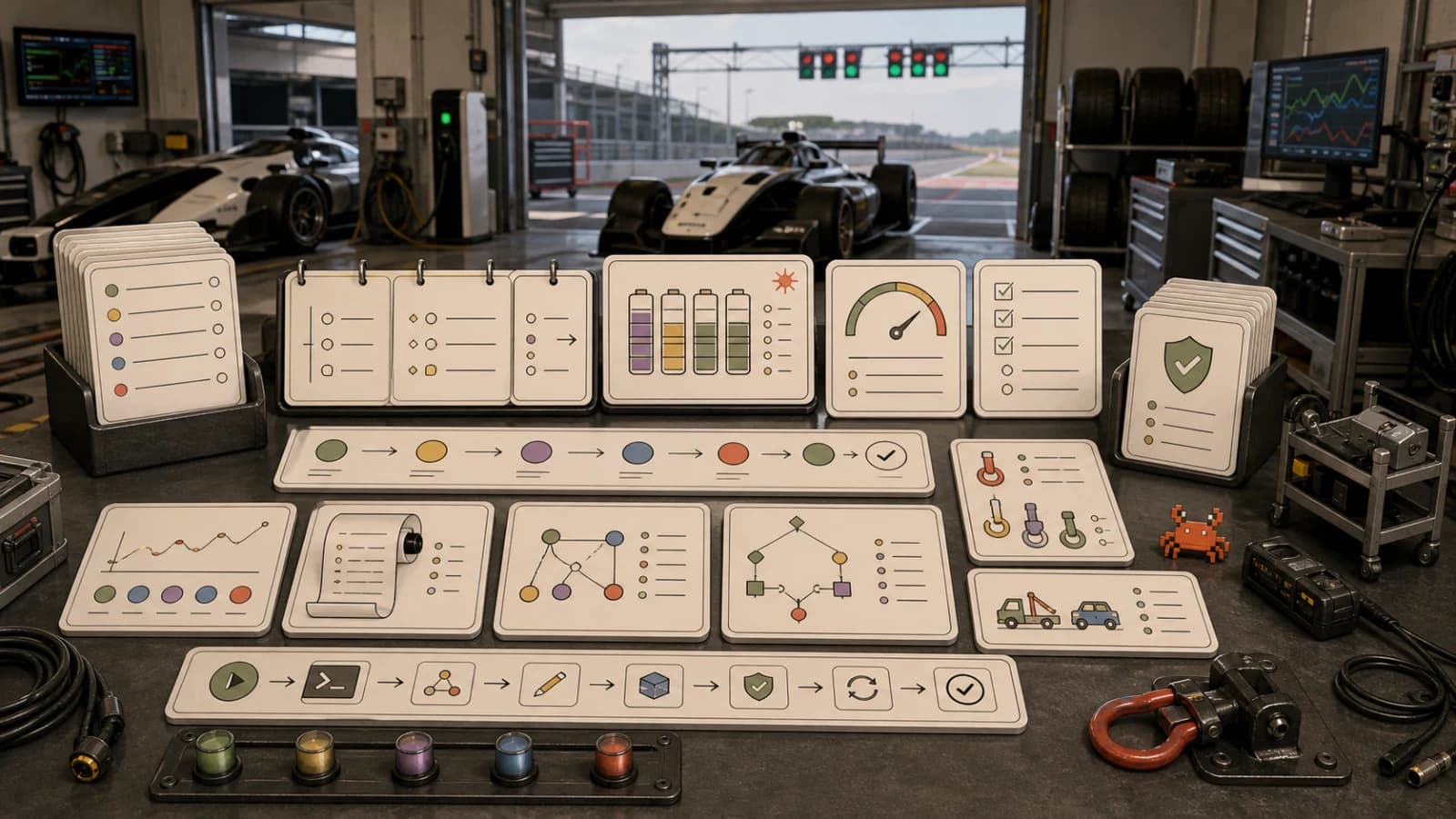
9 min read
AI Agents
Long-Running Agents Need Harnesses, Not Hope
A long-running coding agent is only useful if the environment around it can queue tasks, capture logs, checkpoint state,...
9 min read
Convex
Convex vs Supabase for AI Apps
Convex and Supabase both work for AI-powered apps. Here is when to use each, based on building production apps with both...
12 min read
Next.js
The Next.js AI App Stack for 2026
The definitive full-stack setup for building AI-powered apps in 2026. Next.js 16, Vercel AI SDK, Convex, Clerk, and Tail...
9 min read
Cursor
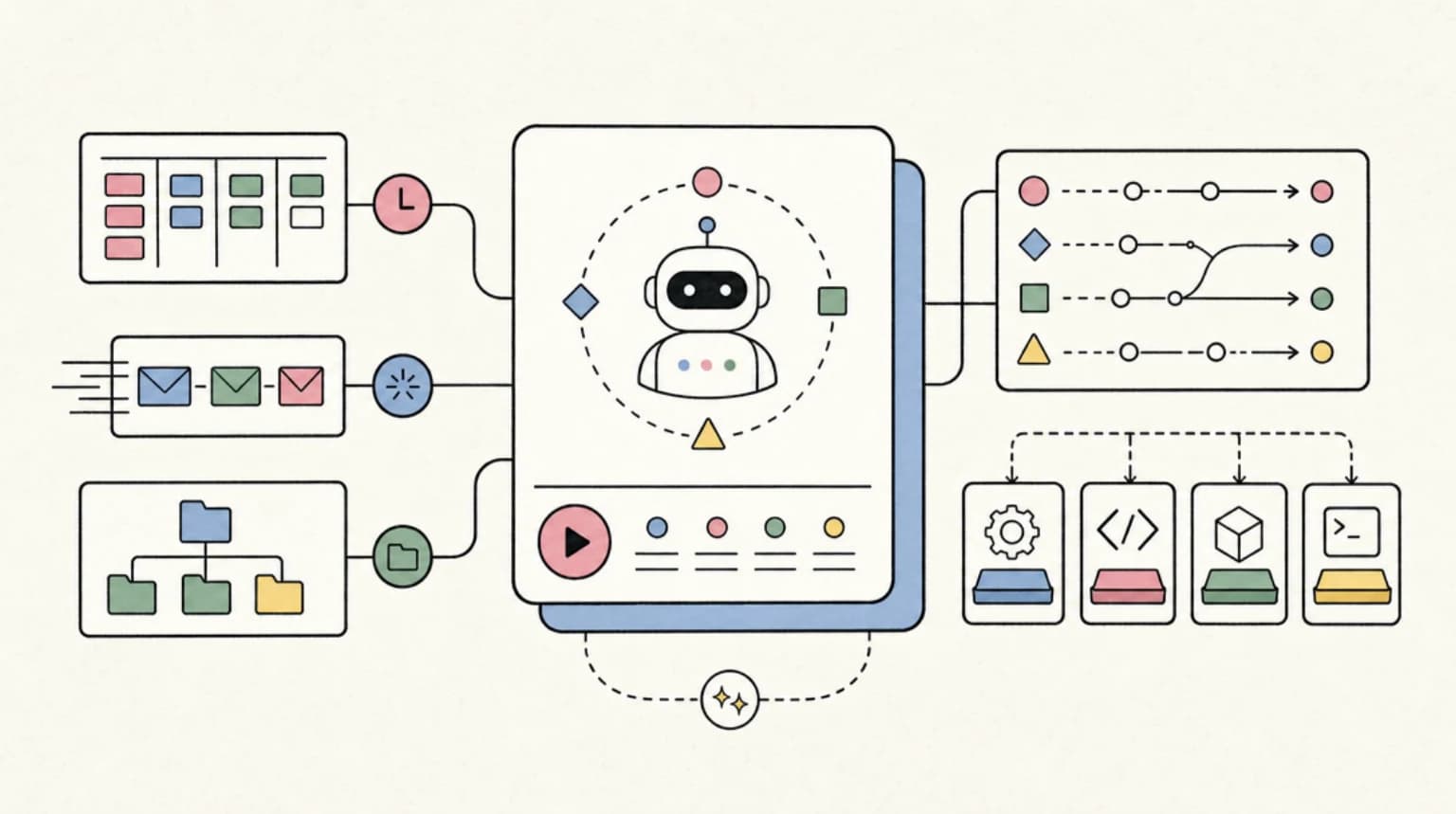
Cursor Automations Developer Guide: Always-On AI Coding Agents
Cursor Automations lets AI agents run in the background based on triggers, not prompts. Here is how to set them up, conf...
Build with the member tools

Get Smarter About AI Dev
New tutorials, open-source projects, and deep dives on coding agents - delivered weekly.
One email per weekReal code, not theoryFree forever