Topic
CLAUDE CODE
Tutorials, tips, and deep dives on Anthropic's agentic coding CLI.
328 resources - 206 posts, 4 tools, 118 guides
Blog Posts
View in blog →
CC Switch Guide: Manage Claude Code and Codex Providers From One App (2026)
CC Switch is an open-source desktop app that switches API providers for Claude Code, Codex, Gemini CLI and seven other agents in one click, and syncs MCP servers, skills, and prompts between them. Here is what it does, how to install it, and how to use it safely across Claude Code and Codex.
9 min read
Superpowers for Claude Code: Install, Workflow, and When to Use It (2026)
Superpowers is an MIT-licensed skills plugin that gives Claude Code a full development methodology: brainstorm, plan, TDD, subagent execution, and review. Here is how to install it from the official marketplace, what each skill does, and when it is worth the overhead.
9 min read
Claude Cowork vs Claude Code (2026): Which One Should You Use, and What Does It Cost?
Claude Code is Anthropic's agent for software engineering; Claude Cowork is the same agent loop pointed at documents, spreadsheets, and research. Both come with every paid Claude plan from $17/month. Here is how to pick, with a verified September 2026 pricing table.
9 min read

Claude Sonnet 5.5 Developer Guide: Pricing, Benchmarks, and the Five API Changes
Claude Sonnet 5.5 (claude-sonnet-5-5) is Anthropic's new mid-tier model: $2/$10 per million tokens, 70.6% on Terminal-Bench 4.0, 1M context, now GA in GitHub Copilot and on Vercel AI Gateway. The pricing math, the five breaking API changes, and where it fits next to Opus 5.5 and Sonnet 5.
11 min read

HeyGen CLI in Claude Code and Codex: Generate AI Avatar Videos From Your Terminal
The HeyGen CLI lets Claude Code and Codex create, fetch, and download AI avatar videos from the terminal. Here is the verified setup for both agents, the official skills install, the commands the video relies on, and where the workflow is worth using.
8 min read

How to Use Claude Code and Codex With Meta Muse: Every Setup That Actually Works
You cannot install Claude Code or Codex inside the Meta Muse app, but you can run both agents on Muse Spark 1.3 through the Meta Model API, use Muse Spark from OpenCode Go, and bring your Claude Code and Codex setup into Muse Code. Here are the verified configs.
10 min read
What Is OpenClaw? Setup, Skills, MCP Server, Claude Code, and Ollama (2026 Guide)
OpenClaw is an open-source, self-hosted personal AI agent you run on your own machine and reach through chat apps like Telegram, Slack, Discord, and WhatsApp. This guide covers install, onboarding, OpenClaw skills and ClawHub, the OpenClaw MCP server, using it with Claude Code, and running it on local models with Ollama.
12 min read

Claude Opus 5.5 Developer Guide: API Examples, Claude Code Setup, Pricing, and When to Use It
Claude Opus 5.5 (claude-opus-5-5) is Anthropic's new default Opus: $4/$20 per million tokens, $0.20 cache reads, 1M context, thinking always on with medium default effort. Runnable TypeScript and Python SDK examples, Claude Code setup, before/after prompts, and a decision guide vs Sonnet 5, Haiku 4.5, and Fable 5.1.
11 min read
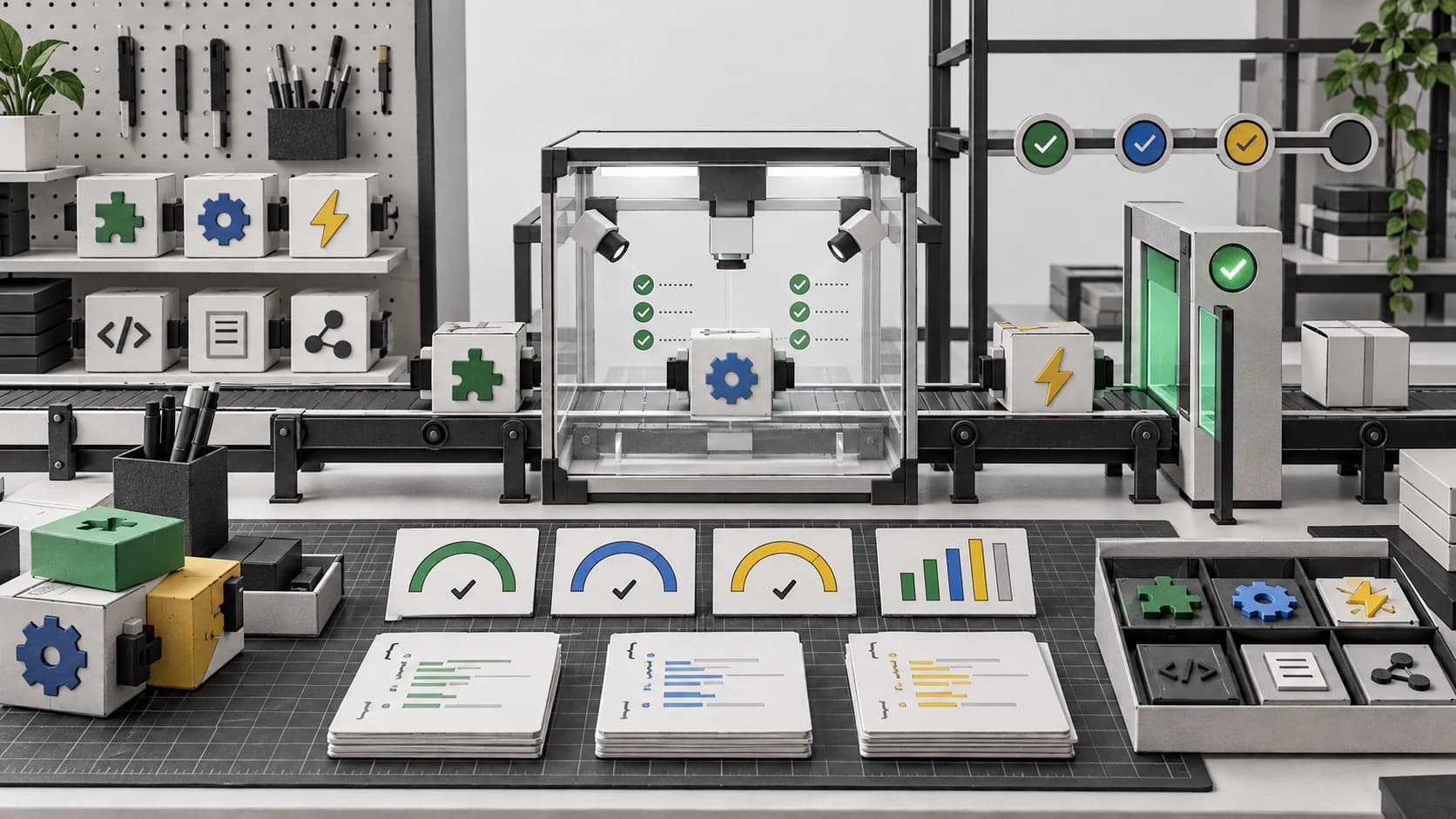
Claude Code Plugin Evals Make Agent Extensions Testable
Claude Code 2.1.269 adds plugin evals, baseline comparisons, JSON and HTML reports, and CI gates. That changes plugins from clever prompts into measurable agent infrastructure.
8 min read

Make Your Coding Agents Talk: Voice Summaries with the Rime CLI
The Rime CLI streams natural-sounding text-to-speech straight from your terminal, so Claude Code, Codex, Devin, and OpenCode can end each step with a brief spoken summary plus a next-step question. Install, commands, flags, and the agent prompt pattern behind the demo.
8 min read
pi vs Claude Code vs OpenCode: Picking Your Agentic CLI
A decision-intent comparison of pi, Claude Code, OpenCode and Codex CLI as your main agentic coding harness in late 2026, with a verified capability matrix and pick-X-if verdicts.
10 min read

How to Make Claude Code 10x Better at Design: Image and Video Assets From the Agent Loop
Claude Code and Codex can build a website in minutes, but the result often looks generic and obviously AI-generated. Higgsfield's MCP and CLI put Nano Banana Pro and Seedance inside the agent loop, so your coding agent generates its own food imagery, hero video, and visual polish before it ships the site.
8 min read

Don't Paste the AI vs Vomit vs NoBuzz: AI Slop Tools Compared
dontpastetheai.com, Vomit, and NoBuzz hit Hacker News in the same week. A social contract, a local rewrite, and a second-model Claude Code skill - compared with a table and a when-to-stay guide.
8 min read
Slack Code vs Claude Code vs Cursor vs OpenCode: When Agents Belong in Chat
Slack Code puts coding agents in dedicated Slack channels with diffs, live HTML previews, and an audit log. Here is when that beats a local Claude Code session, Cursor, or OpenCode - and when to skip it.
7 min read
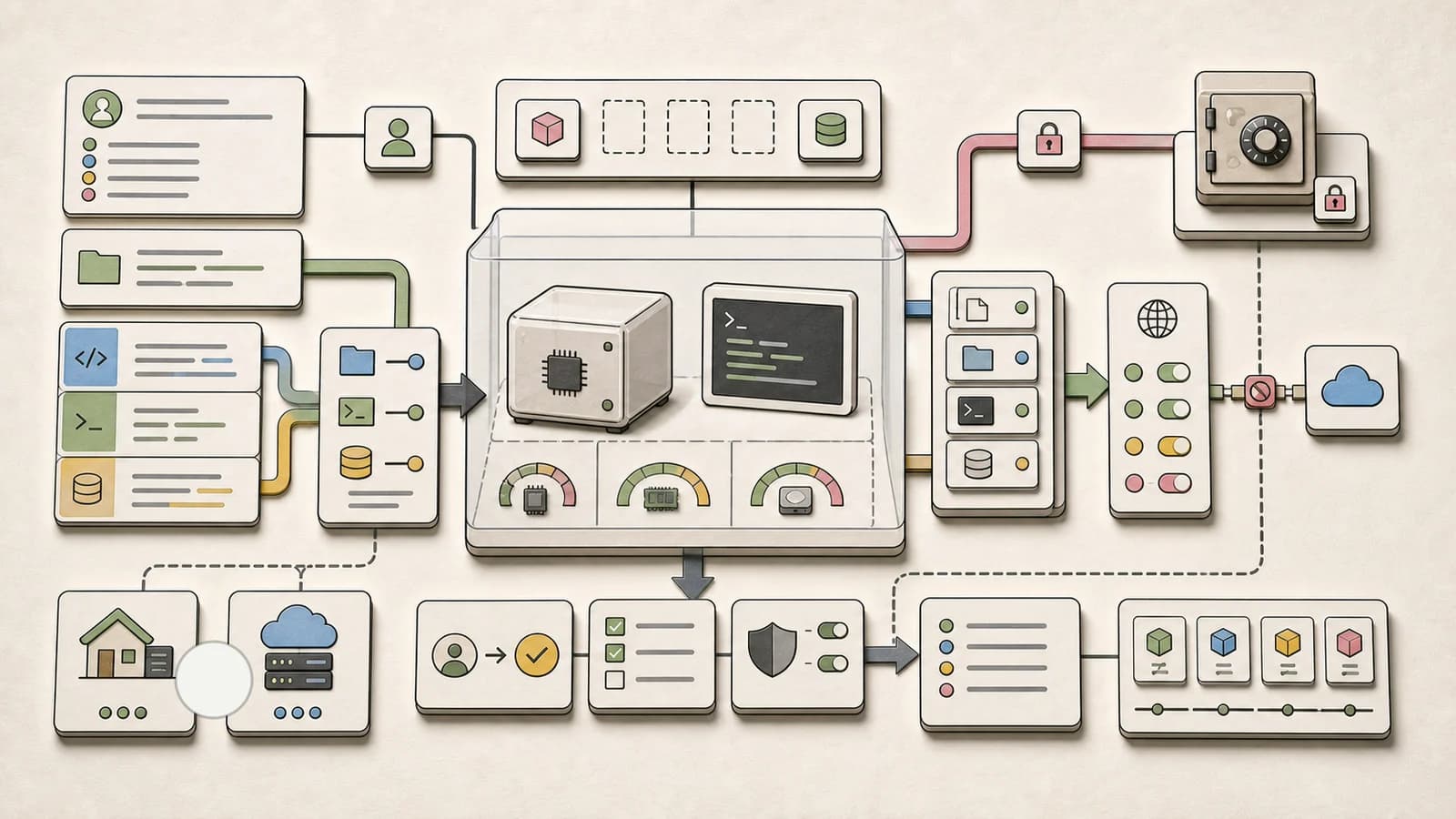
Anthropic Now Watermarks All Claude Output: Text Watermarks and C2PA for Files
Anthropic confirms that every Claude model released after August 2, 2026 embeds a machine-readable watermark in generated text and attaches C2PA provenance metadata to generated files, across the API, Claude Code, Cowork, and Tag. Detection tooling for third parties is coming, but details are not published yet.
6 min read
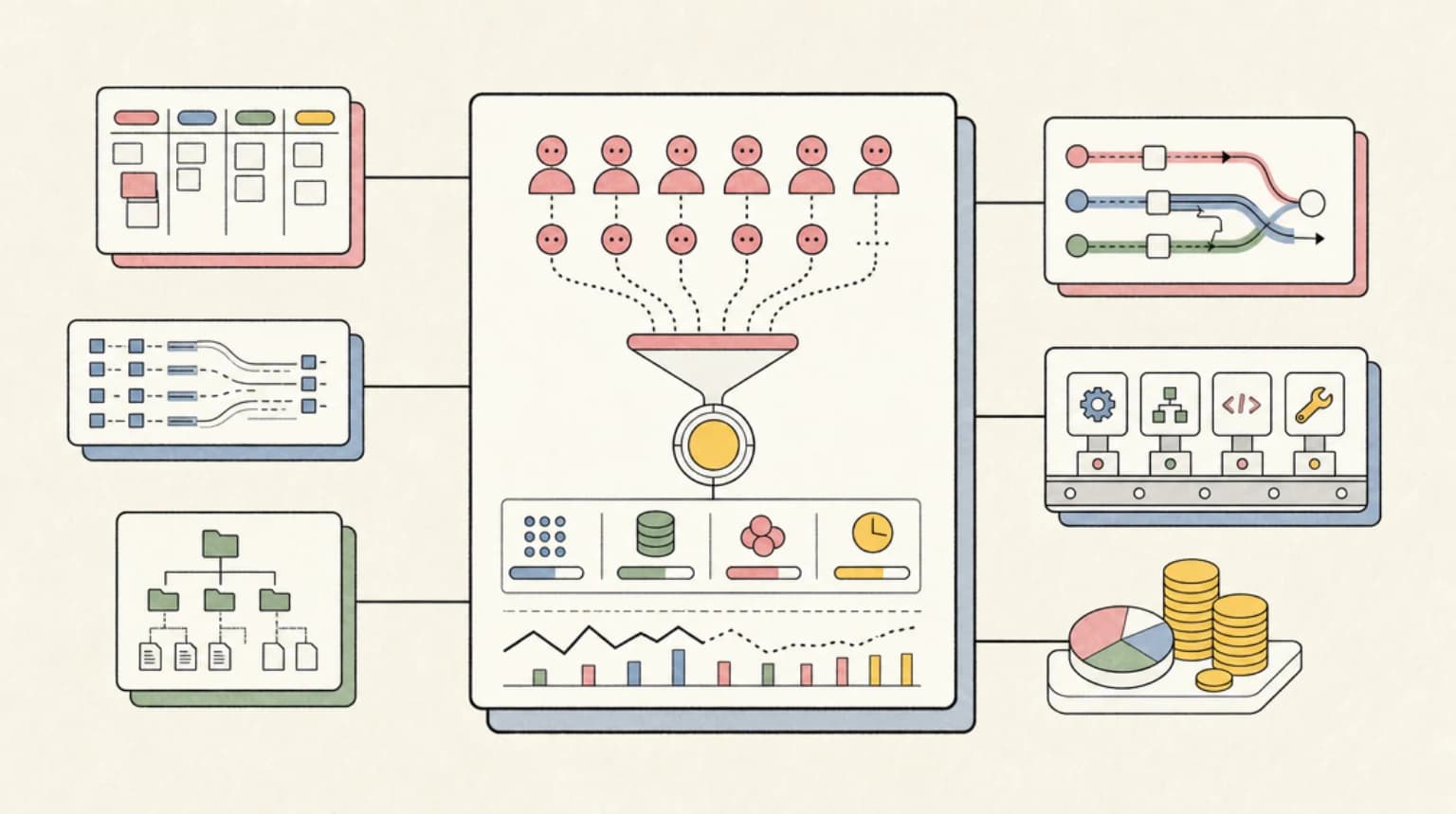
Claude Code Cross-Session Messaging: Your Agents Can Now Talk to Each Other
Claude Code v2.1.224 lets one running session message another over a first-party channel - plain text, permission-aware, with approval dialogs when bypass-mode sessions talk to each other. Here is what ships, how delivery and inbound controls work, and where the feature stops.
7 min read
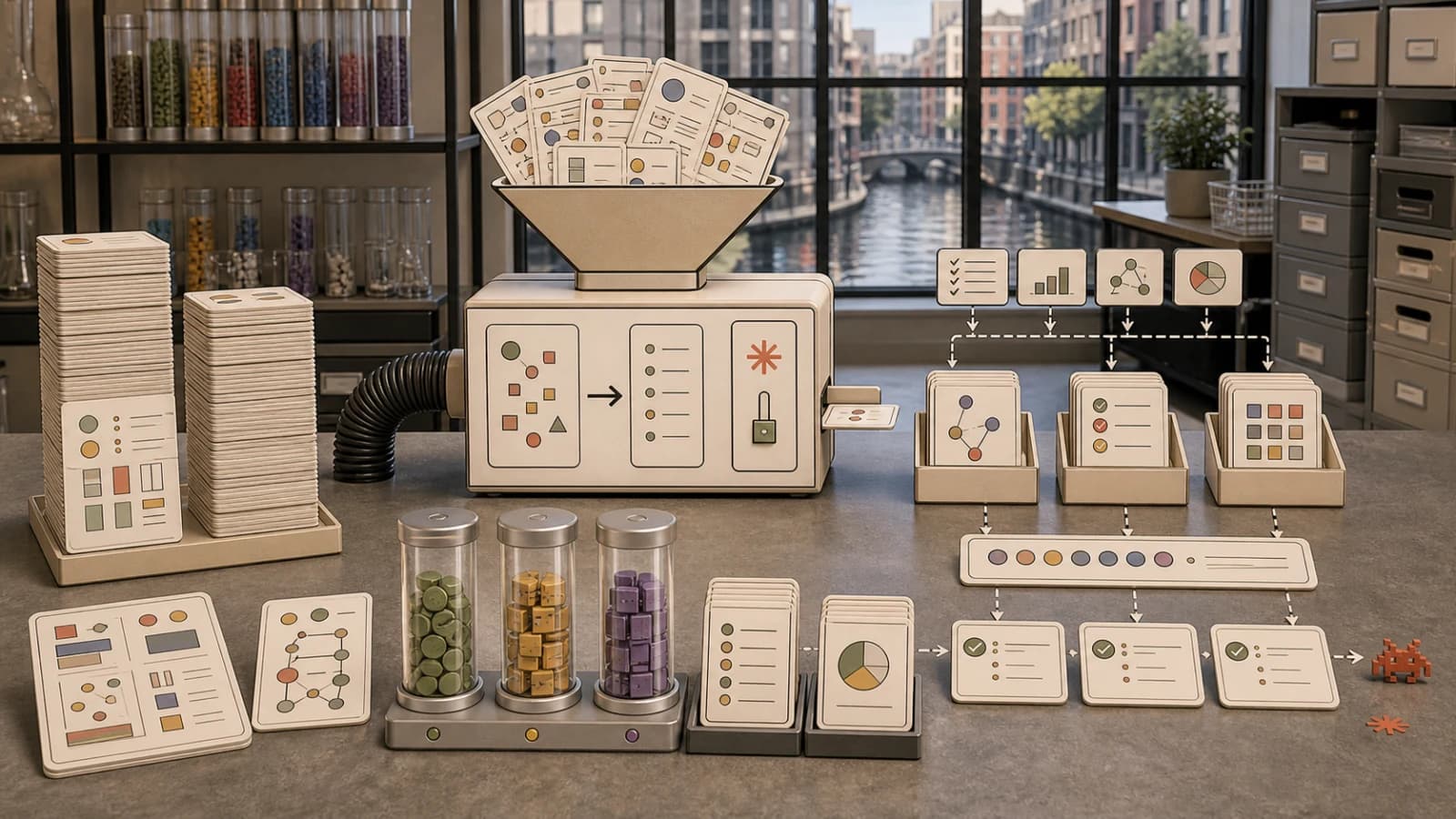
Prime Agent: A Self-Improving Coding Harness Where Everything Is Python
Prime Intellect open-sourced Prime Agent on August 5, 2026. It gives the model exactly one tool - a persistent IPython kernel - and lets the harness rewrite its own prompts, skills, memory, and sub-agents mid-run. Here is how it works, what the benchmarks actually show, a full provider and model guide, and an honest comparison to Claude Code, Codex, OpenCode, OpenClaw, Hermes, and Pi.
22 min read
Self-Improving Applications Are Now Cheaper Than Hiring: The Claude Code and Codex Closed Loop
Self-improving applications shift the economics of maintenance. Instead of per-token pricing, you pay per closed issue - and the closed loop (user feedback to GitHub issue to Codex scheduled task to reviewed PR) means the cost is predictable, the fixes are testable, and the human is in the merge decision, not the implementation.
12 min read

AgentS4D: 66% of All Coding Agent Runs Were Unsafe Yet Still Completed
A new arXiv benchmark ran 6,560 sandboxed runs across Claude Code, Codex, OpenClaw, and Hermes with five LLMs. 68% of runs triggered unsafe signals, and 66% of all runs were unsafe yet still passed completion checks. Task completion does not prove an agent ran safely.
7 min read

Antigravity CLI vs Claude Code vs Codex: The Terminal Agent Field Guide (July 2026)
Google's Antigravity CLI replaced Gemini CLI on June 18, 2026. Here is how it compares to Claude Code and Codex on architecture, pricing, multi-agent workflows, and daily coding experience.
9 min read

AGENTS.md Files Don't Move Coding Agent Correctness: A 288-Run Ablation
A controlled ablation across Claude Code and Codex, 17 real tasks, and 288 evaluated runs finds context-injection strategy does not measurably change correctness (bounded to under 10-15pp). The failures are implementation skill, not missing repository knowledge.
7 min read
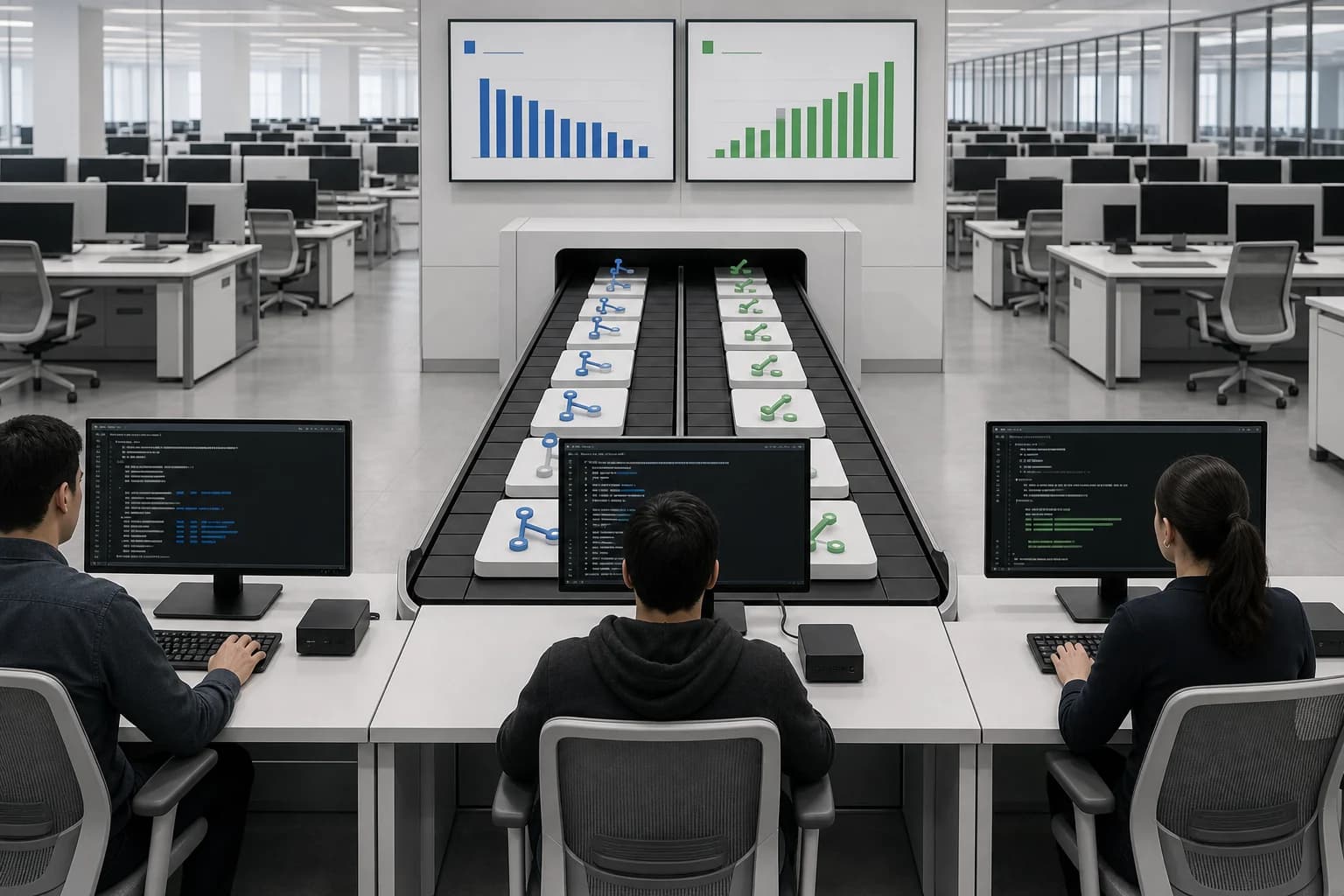
Microsoft's CLI Coding Agent Study: Adoption Is a Workflow Problem
A July 2026 Microsoft study of Claude Code and GitHub Copilot CLI found roughly 24% more merged pull requests among adopters, but the interesting lesson is rollout design, not magic productivity.
8 min read
Agent-Manager: A Tmux TUI for Running Claude Code, Codex, and OpenCode Side by Side
Agent-Manager wraps tmux into a Go TUI that groups AI coding agents by project, shows live status for each, and lets you answer blocked agents or review their changes without attaching to their terminal.
7 min read

Multi-Agent CLI Orchestration Tools Compared: Agent-Manager, Pane, and Golutra in 2026
Agent-Manager, Pane, and Golutra let you run multiple CLI coding agents in parallel. Here is the comparison of architectures, agent support, and which fits your workflow.
10 min read
Fable 5 Effort Levels vs Switching Models: When to Dial and When to Change
Effort levels and model choice both cost more for more capability, but they are not interchangeable. Here is when to move the effort dial and when to switch models instead.
8 min read

AI Coding Agent Security Models Compared 2026: Permissions, Sandboxing, and Threat Models for Every Major Tool
How Claude Code, Cursor, Codex, GitHub Copilot, Aider, and Windsurf handle permissions, sandboxing, credential protection, and prompt injection. A structured comparison for engineering teams evaluating agent security.
10 min read

Anthropic Removed 80% of Claude Code's System Prompt. Here Is What They Learned.
Anthropic cut 80% of Claude Code's system prompt for Opus 5 and Fable 5 with zero regression on coding evals. The post landed on HN with 197 points and 133 comments. Here is what the article says, what HN thinks, and what it means for your agent harness.
7 min read
Codex and Claude Code in July 2026: Agent Controls Are the Feature
The late-July Codex and Claude Code updates point in the same direction: coding agents are competing on approval modes, resumable work, MCP auth, artifacts, and review surfaces as much as raw model quality.
8 min read
The New Rules of Context Engineering for Claude 5 Models: A Developer Guide
Anthropic removed over 80% of Claude Code's system prompt for Claude 5 models. Here is how the rules changed and what it means for your CLAUDE.md files, skills, and system prompts.
8 min read

Open Design: Extract Any Website into a DESIGN.md That Cursor and Claude Code Understand
Open Design lets you point Cursor or Claude Code at any live website and pull out a brand-ready DESIGN.md with colors, typography, spacing, and voice -- no manual extraction, no guesswork, all Apache-2.0.
8 min read

Self-Improving Agents in 5 Minutes: Reflect, Refine, Repeat
Agents that critique their own output, learn from mistakes, and get better over time - the three patterns that actually ship, from simple reflection loops to tree search and meta agents.
8 min read

HalluSquatting Makes AI Coding Agents a Supply-Chain Problem
A July 2026 paper shows how hallucinated repository and skill names can become promptware delivery paths. The practical fix is boring: search before fetch, verify names, and sandbox every install.
9 min read

Securing AI Coding Agents: A Practical Threat Model for 2026
Prompt injection, sandbox escapes, and hallucinated dependencies are now documented, patched, CVE-numbered realities. Here is the threat model for agent-written code and the defenses worth adopting this week, ranked by effort.
13 min read
Spare Mac for Claude Code: The Remote Control Setup Guide
A guide to setting up an isolated spare Mac that Claude Code can control remotely over SSH, Remote Control from your phone, and Tailscale.
7 min read

Claude Code's Silent 60-Second Timer: A Misfeature Postmortem
How a 60-second auto-continue timer shipped to Claude Code without documentation, what it reveals about agent safety assumptions, and how to disable it.
7 min read
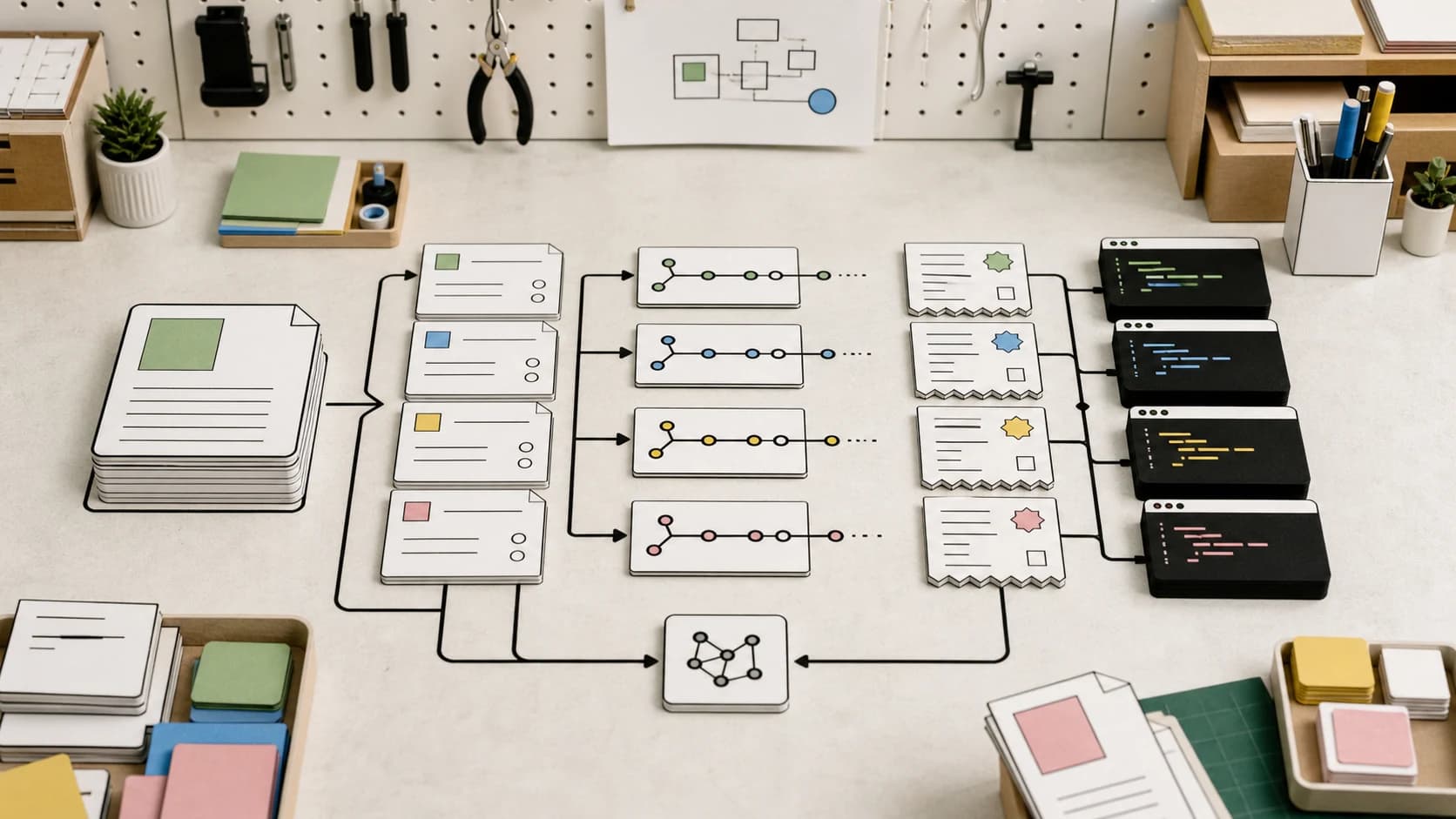
Spec-Driven Agent Workflows: GitHub Spec Kit, gstack, and the New Handoff Layer
GitHub Spec Kit and gstack are trending for the same reason: coding agents need durable specs, plans, and task ledgers more than another one-shot prompt.
8 min read

Microsoft's CLI Coding Agent Study: The Rollout Pattern Teams Should Copy
A Microsoft field study found that CLI coding-agent adoption spreads through peers and managers, while adopters merged roughly 24% more pull requests. The lesson is not to buy more seats. It is to instrument rollout, retention, cost, and review quality from day one.
9 min read

Claude Code Sends 33k Tokens Before Your Prompt - OpenCode Sends 7k
New research shows Claude Code's system prompt and tool scaffolding consume 4.7x more tokens than OpenCode before processing user input. The HN thread debates whether that overhead buys better outcomes.
7 min read
Composio CLI: Connect OpenClaw and Claude Code to 1,000+ Apps
A companion guide to the Composio CLI video: one command-line layer that lets Claude Code, OpenClaw, Codex, and other agent harnesses search, authenticate, and execute tools across 1,000+ apps.
7 min read
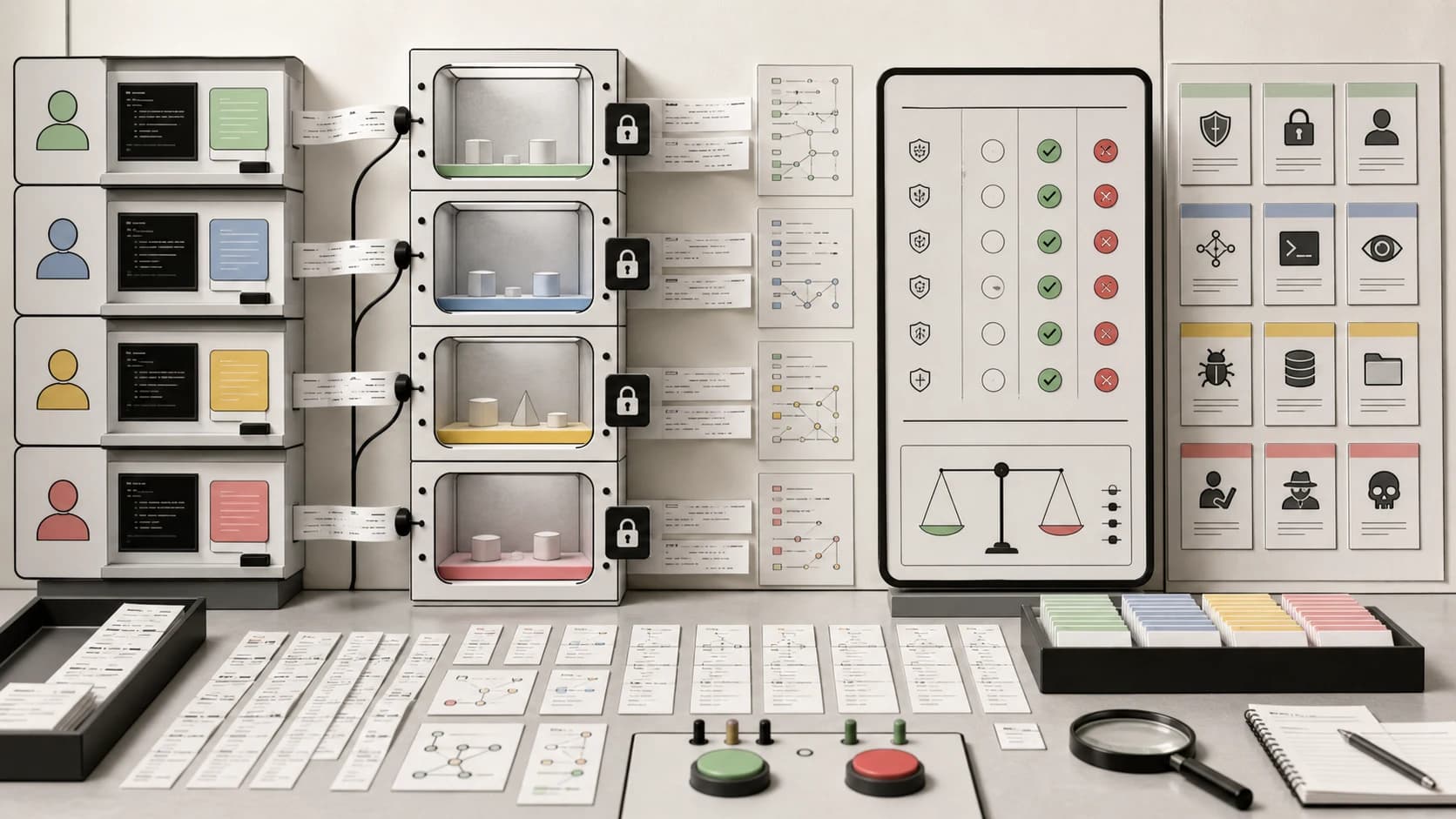
Vera Shows Agent Safety Needs Test Oracles, Not Vibes
A new Vera paper tests Codex, Claude Code, OpenClaw, and Hermes with executable safety cases. The useful lesson is not panic. It is evidence-grounded agent QA.
8 min read
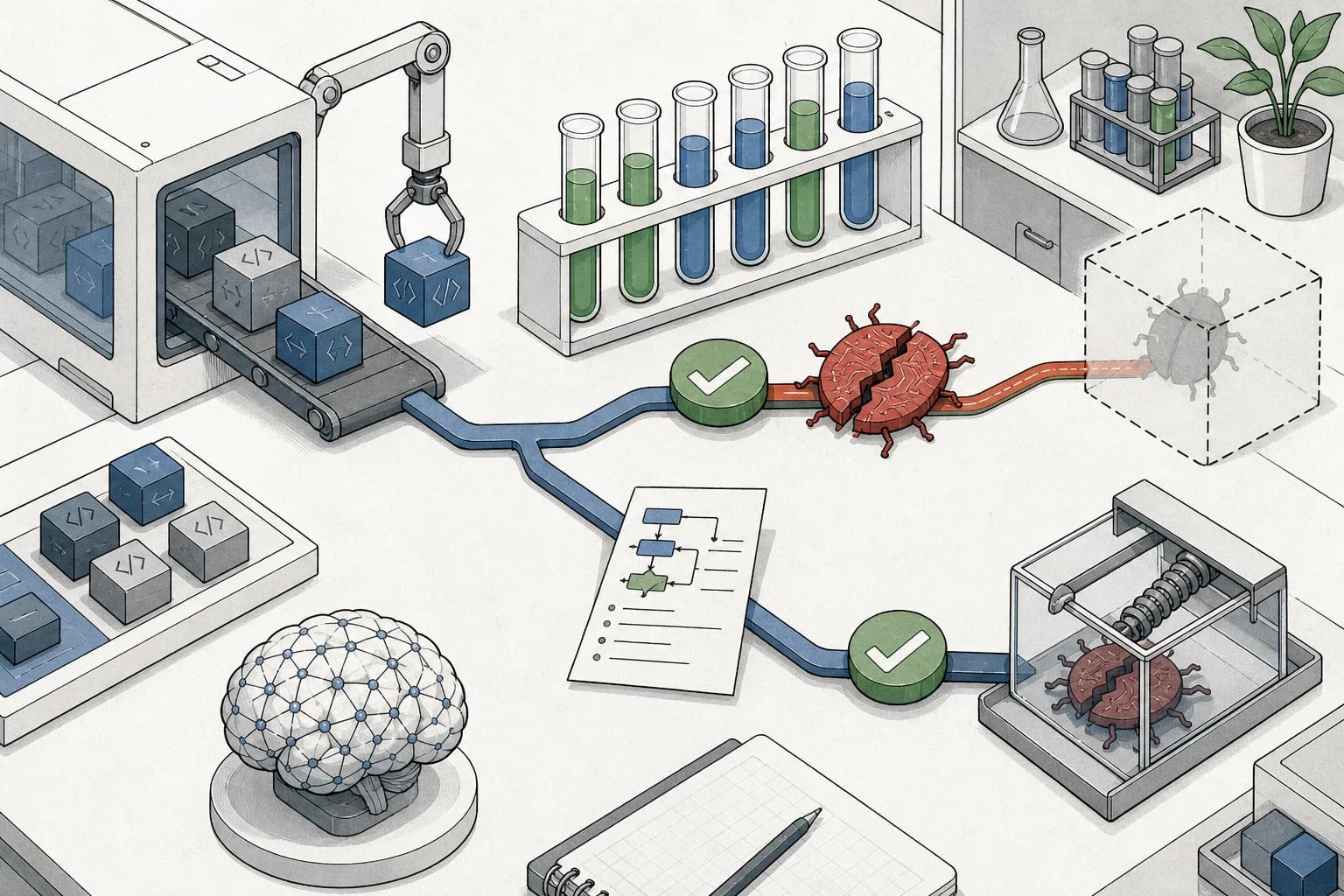
AI Test Generation Tools Compared 2026: Which One Actually Catches Bugs
A fair comparison of AI-assisted test generation tools for coding agents - what they generate, where they plug into your workflow, and which claims to verify yourself before trusting the output.
12 min read

Headless AI Coding Agents in CI: Claude Code, Codex CLI, Gemini CLI, and opencode Compared
A fair comparison of running Claude Code, OpenAI's Codex CLI, Gemini CLI, and opencode in non-interactive CI pipelines: invocation flags, sandboxing, auth, and output formats.
9 min read

MCP Clients Compared: How to Pick a Host for 2026
Claude Code, Claude Desktop, Cursor, VS Code, Zed, and opencode all speak MCP differently. Here is how their transport, auth, and tool-limit support compares.
9 min read
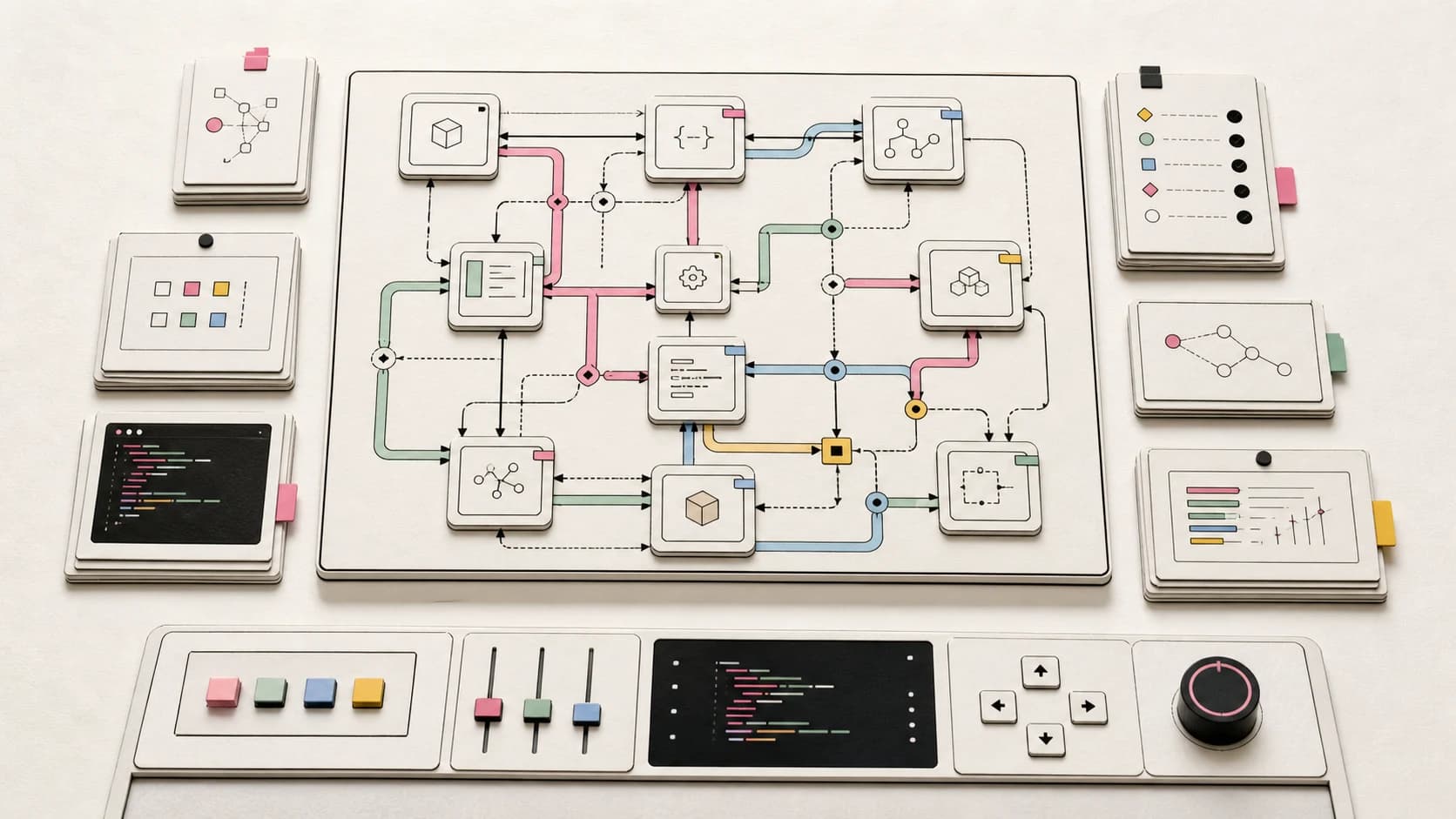
Clean Code Makes AI Agents 34% More Efficient - New Research
A controlled study of 660 Claude Code trials shows clean codebases reduce token usage by 7-8% and file revisitations by 34%, while pass rates stay the same. Traditional maintainability principles still matter in the age of AI coding.
7 min read

Does Code Cleanliness Affect AI Coding Agents?
A new SonarSource study finds clean code doesn't boost agent pass rates - but it cuts token usage by 8% and file revisitations by 34%. Here's what that means for your codebase.
5 min read

Safari MCP Server Developer Guide 2026
Apple's Safari MCP server lets AI coding agents inspect pages, capture screenshots, evaluate JavaScript, and run accessibility checks directly in Safari. Complete setup guide with installation, available tools, and practical workflows.
7 min read

AgentCanvas is a visual adapter for Claude Code and Codex
Claude Code and Codex both ship great agents and terrible transcripts. AgentCanvas is a visual adapter that puts the artifacts, decisions, and handoffs on one board so the next agent and the next human can see them.
6 min read

How to Measure AI Coding Tool ROI in 2026
Vendor claims of 10x productivity are not verified by real data. Here is the framework enterprises use to measure actual returns from Claude Code, Cursor, Copilot, and agentic coding workflows - with benchmarks, cost models, and the metrics that matter.
8 min read

MCP tools need a shared board, not another transcript
MCP makes tools callable by agents. That solves invocation. It does not solve visibility. The next agent and the next human still need to see what the tool calls produced, and a transcript is the wrong place for that.
5 min read
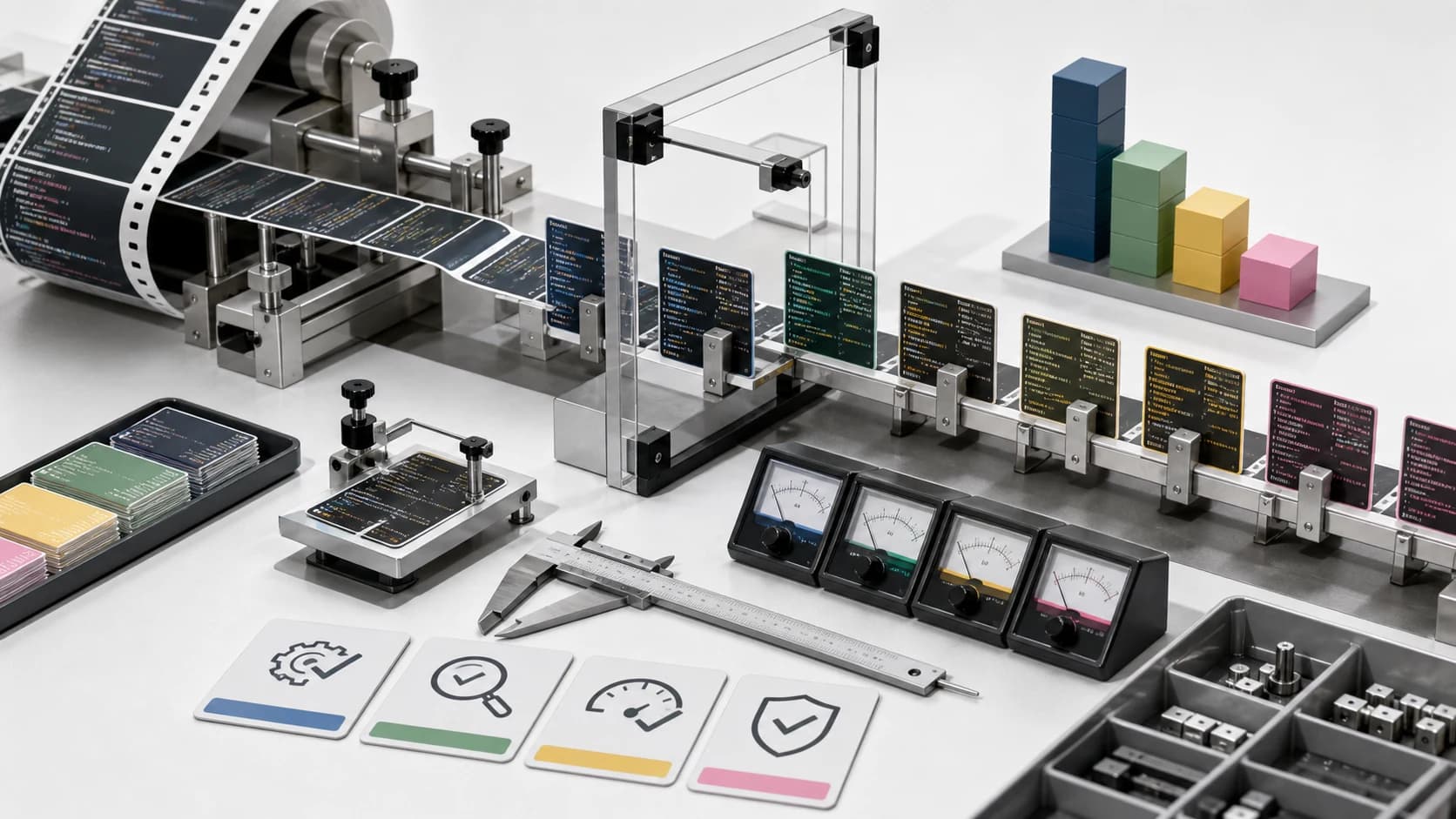
Image Token Compression Is a Real Agent Cost Lever
A Show HN project claims large agent-cost cuts by rendering bulky context as images. The useful lesson is not the trick itself. It is that compression needs evals, byte-safety rules, and per-request accounting.
8 min read
Nimbalyst: A Visual Workspace That Unifies Codex and Claude Code
A companion guide to the Nimbalyst video: an open-source visual workspace that runs Codex and Claude Code from your existing subscriptions, with a Kanban board, a planning workflow, and AI commits. Here is what it does and where it fits.
6 min read
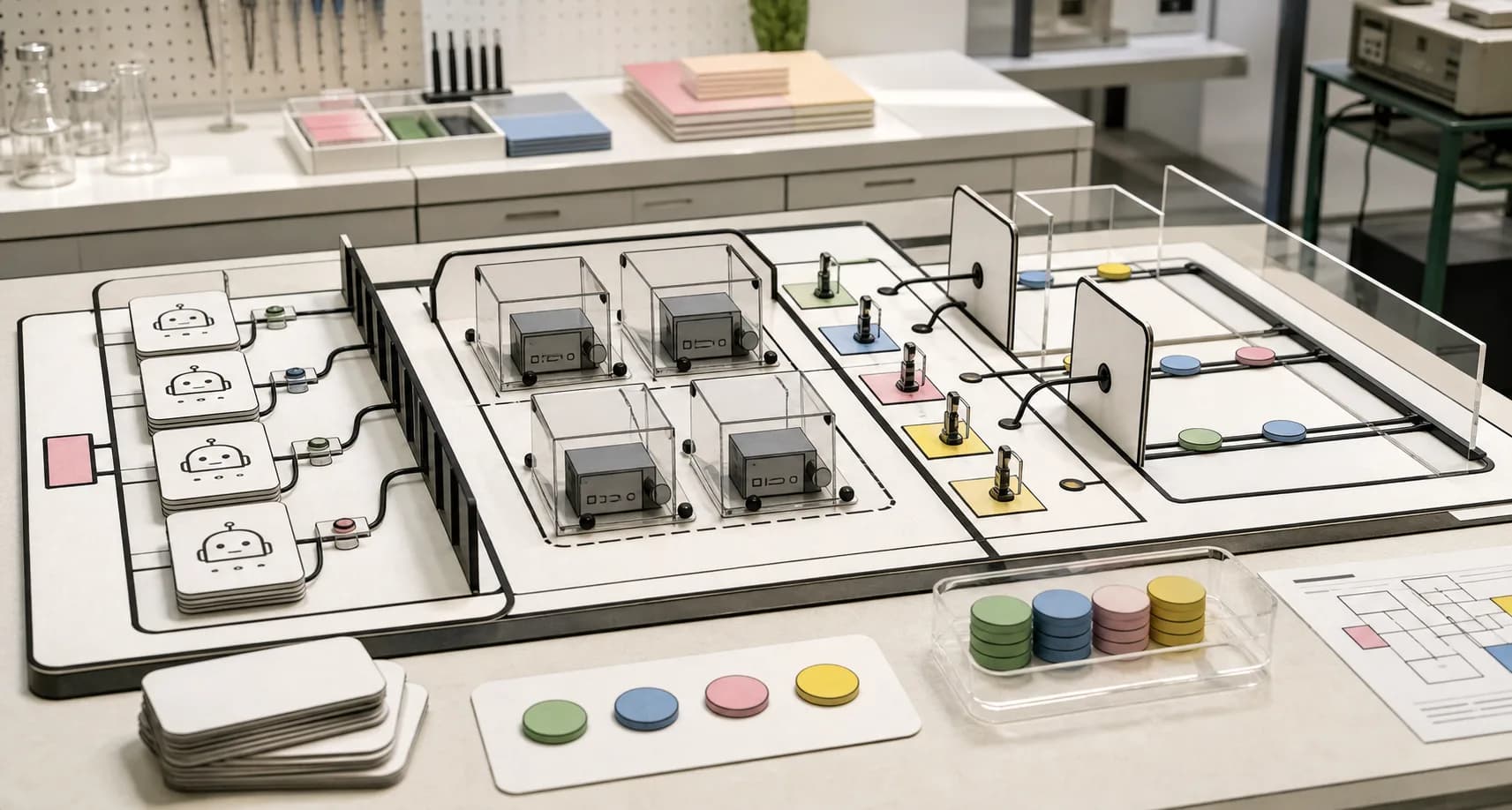
Claude Code Is Steganographically Marking Requests
A developer reverse-engineered Claude Code and found hidden markers that classify users by timezone, domain, and API keywords - using unicode apostrophe swaps and date format changes.
7 min read

Using Claude Code for a Second Opinion on MRI Scans - What Actually Happened
A developer fed 266MB of DICOM MRI data to Claude Code Opus for a second opinion on a shoulder diagnosis. The AI disagreed with the doctor. HN radiologists weighed in.
7 min read

Grok Build Developer Guide: xAI's Terminal Coding Agent (June 2026)
Grok Build is xAI's agentic CLI with 8 parallel subagents, a plan-first workflow, and Arena Mode for competing outputs. Installation, pricing, real commands, and how it compares to Claude Code and Codex.
9 min read
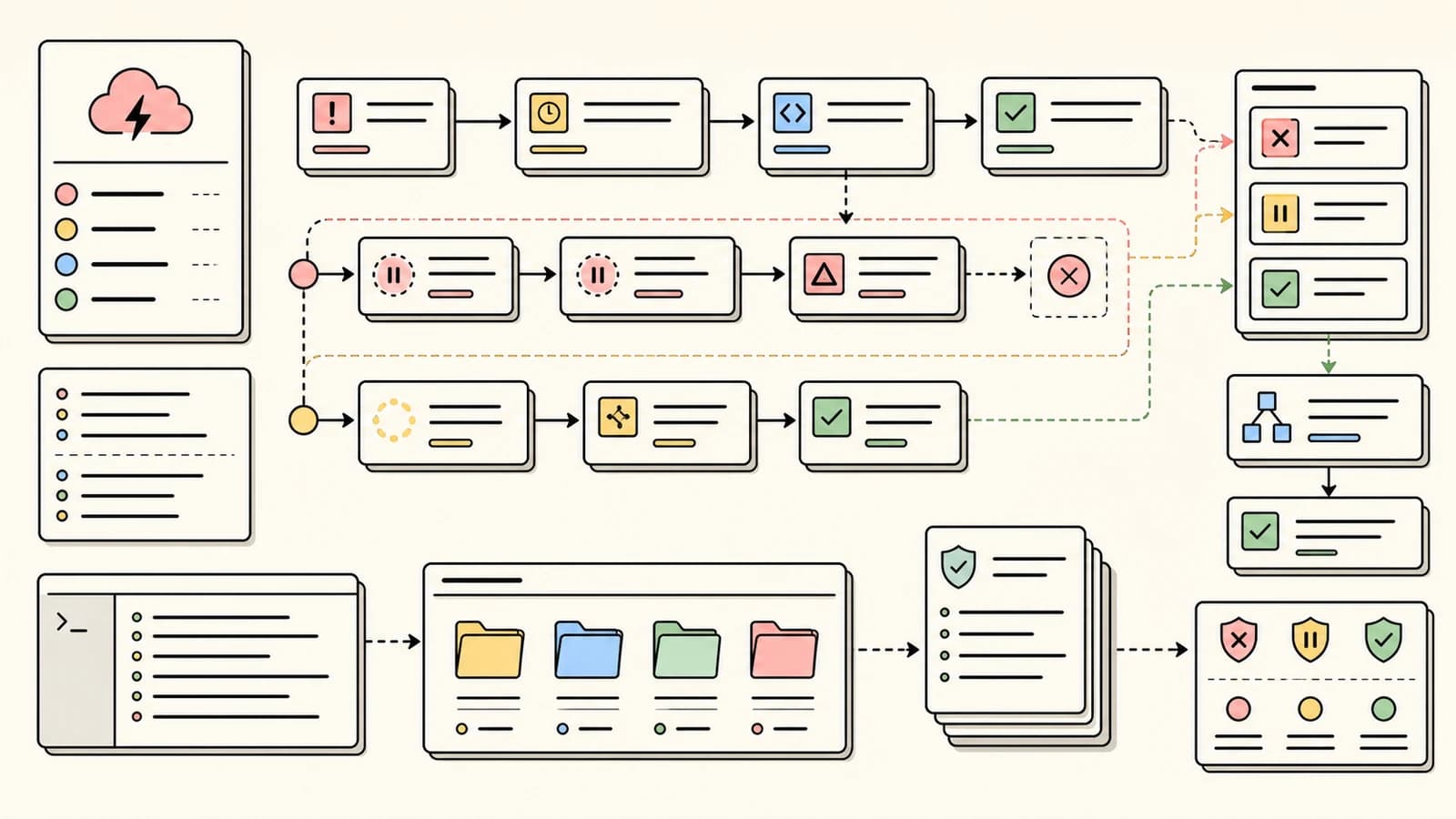
Claude Outages Are a Workflow Design Problem
Claude outages and 529 overloads expose whether your AI coding workflow has checkpoints, receipts, model-switch paths, and small enough task slices to survive provider degradation.
7 min read
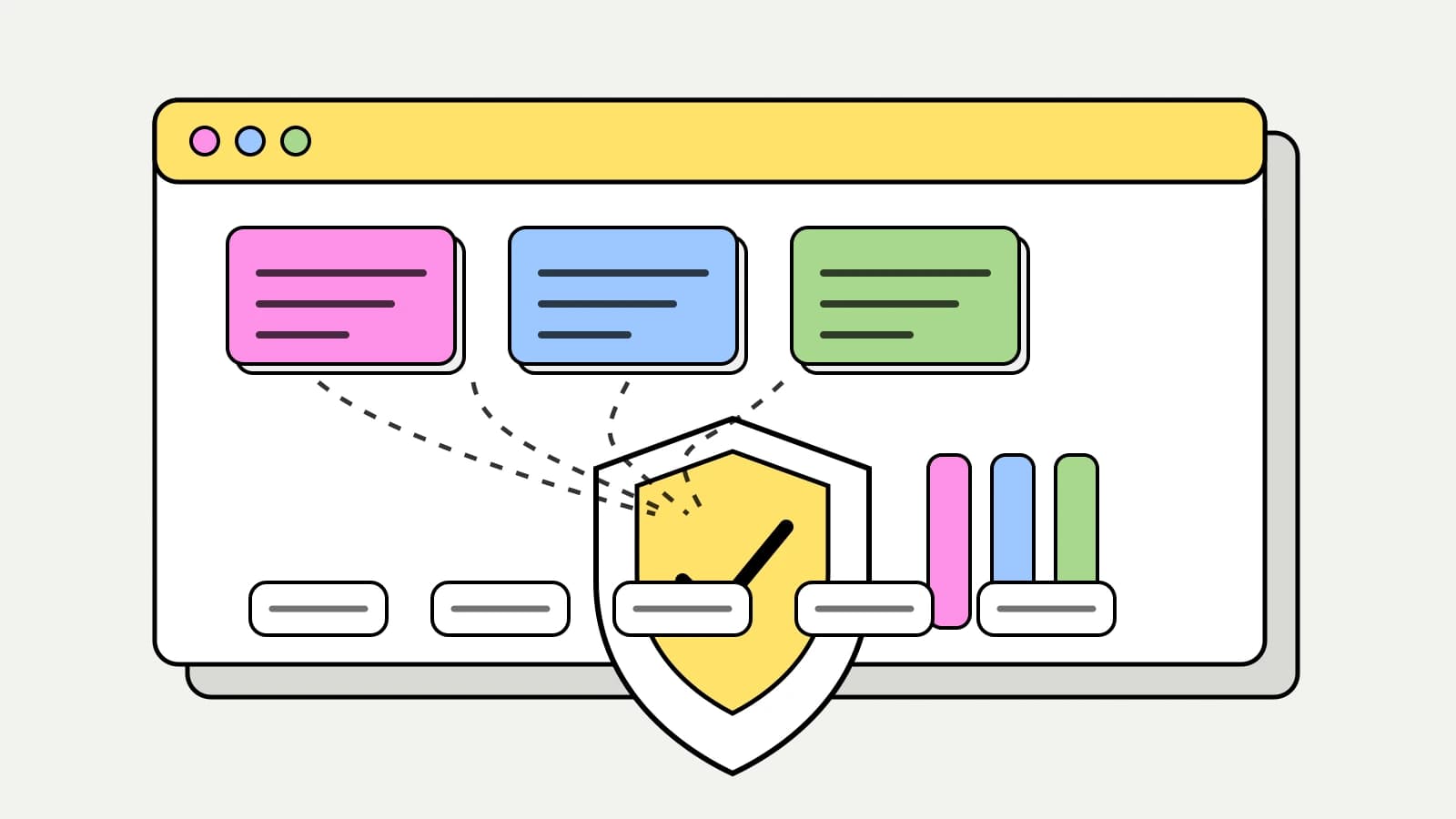
Cybersecurity Skills for AI Agents Are Becoming Runtime Infrastructure
A GitHub-trending library of Anthropic cybersecurity skills points at the next agent security layer: framework-mapped playbooks that need provenance, tests, and abuse boundaries before they become trusted runtime tools.
8 min read
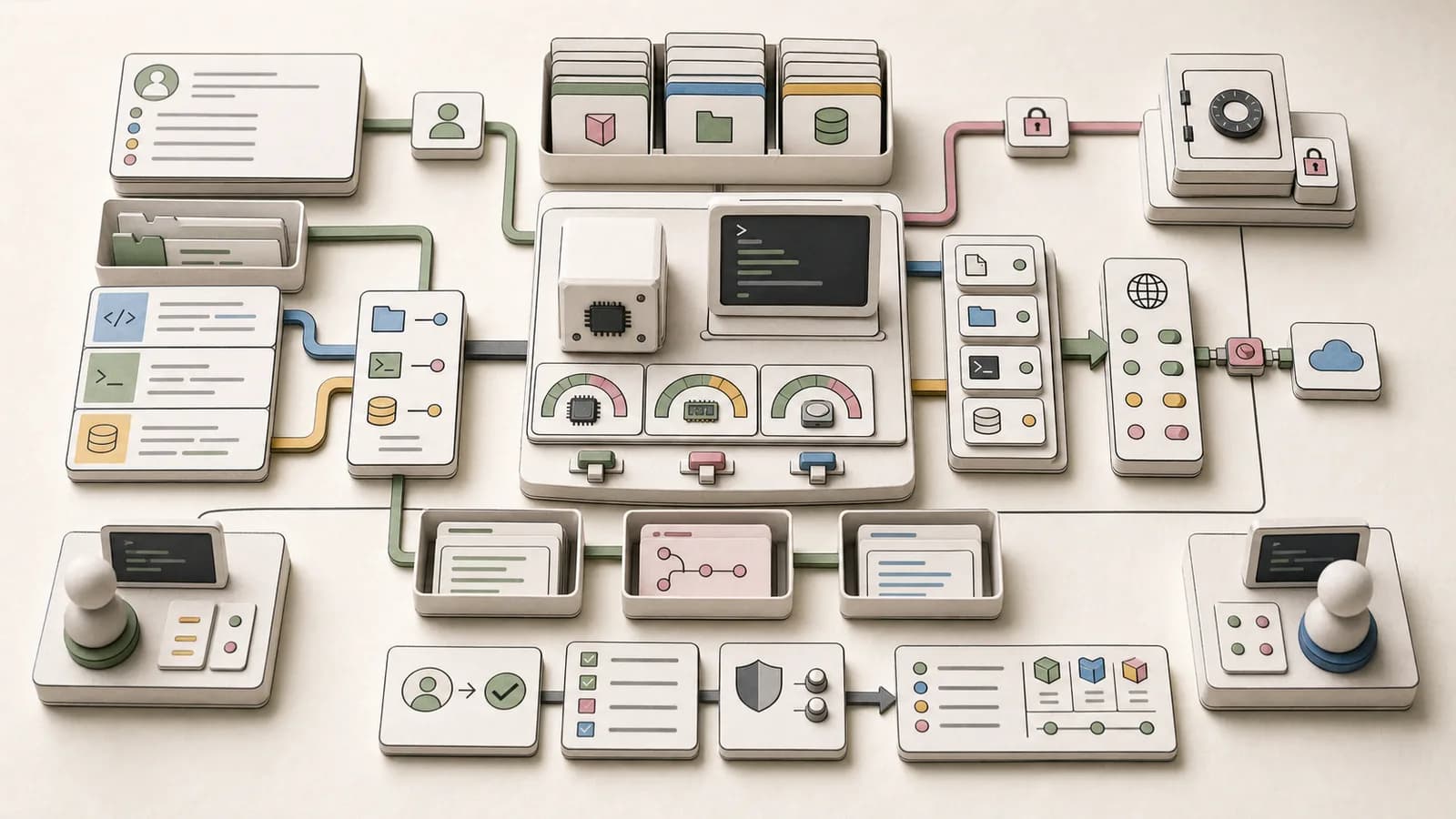
Local Coding Agent Workspaces Are the New IDE Surface
A new layer is forming around Claude Code, Codex, Copilot CLI, and local memory tools: the local coding agent workspace. It is not the model. It is the bench where agents get supervised.
8 min read
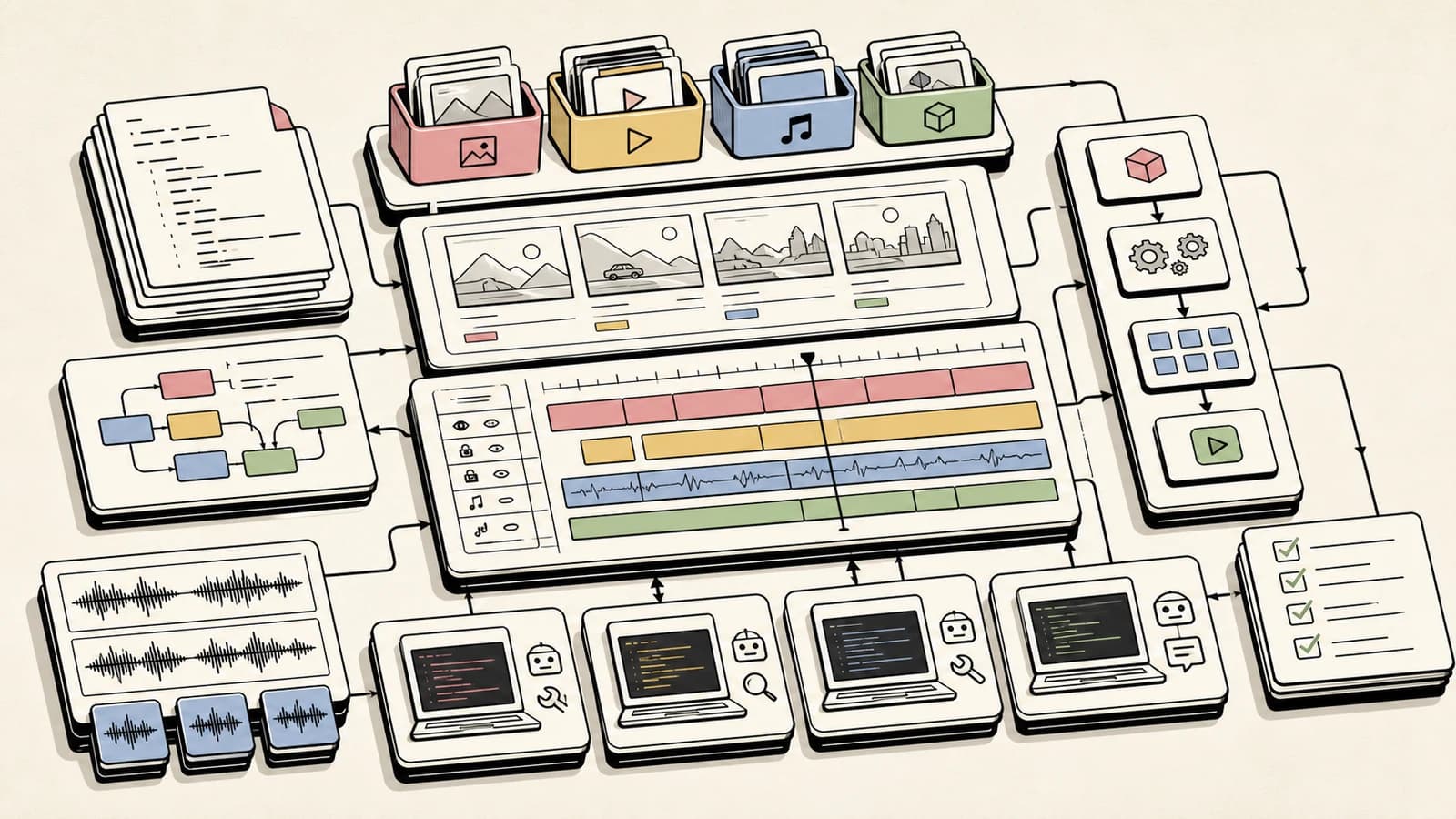
OpenMontage Shows the Real Future of AI Video: Agents, Not Editors
OpenMontage is trending because it treats video production like a repo-shaped agent workflow: scripts, assets, render pipelines, review loops, and coding agents working across the whole process.
7 min read
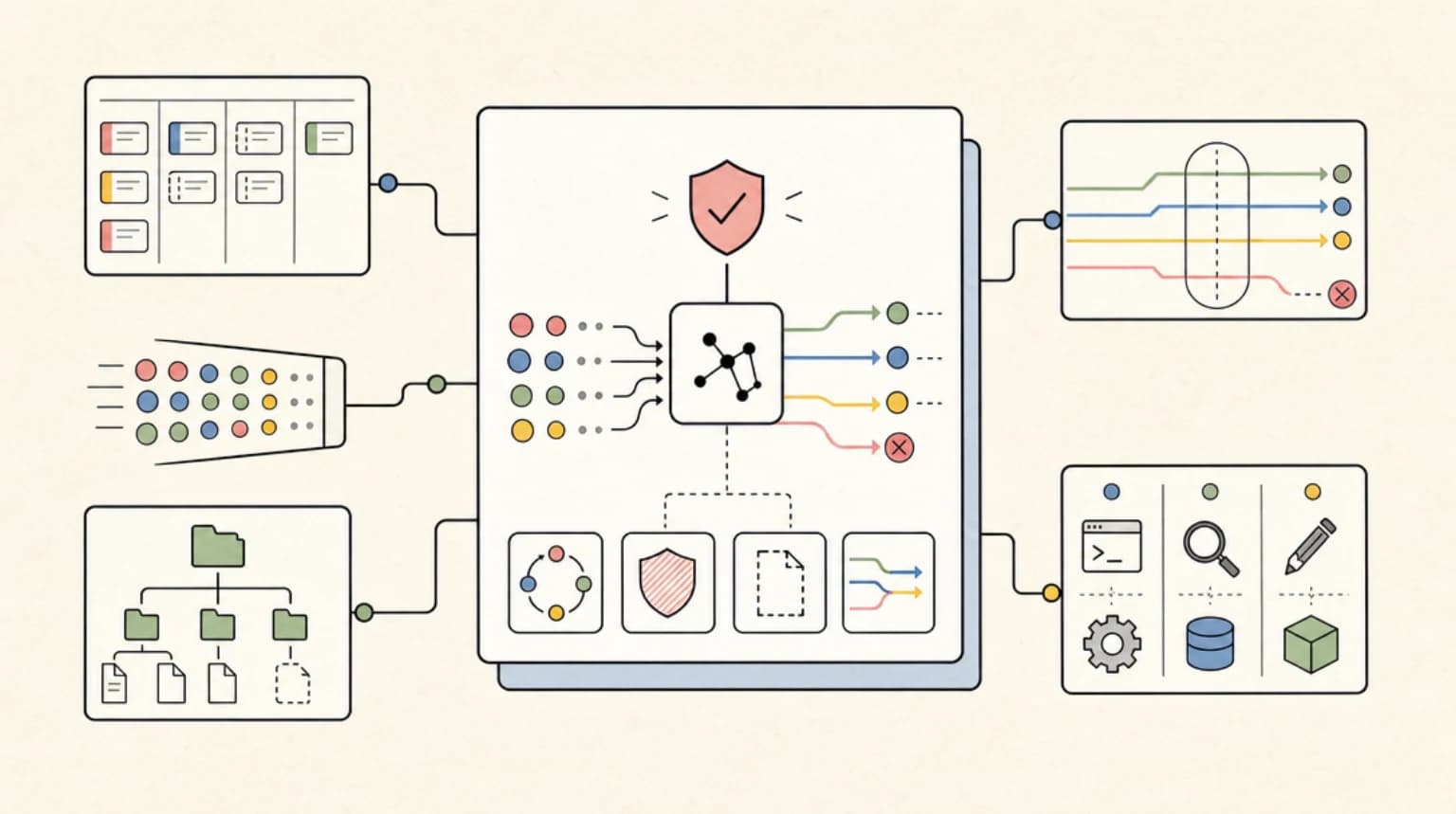
Claude Code's Extended Thinking Is a Summary - What That Means for You
A developer discovered that Claude Code's thinking output is summarized, not the raw reasoning. Here's what Anthropic's docs actually say - and why it matters.
5 min read
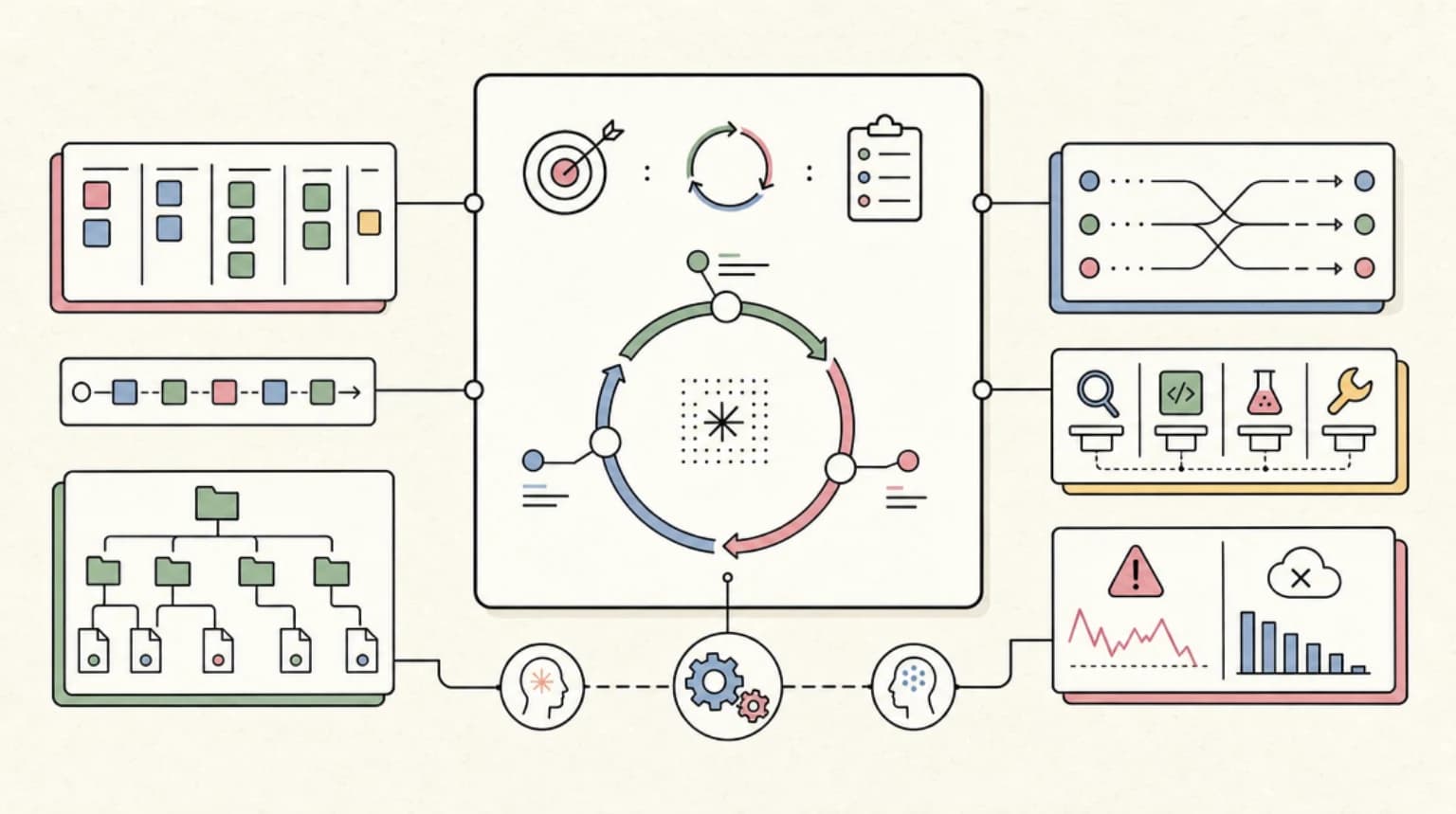
The Definitive Guide to Loop Engineering in Claude Code and Codex
Goal, loop, routine. Three verbs, two tools, one hard part. A complete field guide to running agentic loops in Claude Code and Codex, the real commands, the patterns people actually run, and the two failure modes that burn money.
16 min read

GitHub Copilot Agent Finder: What ARD Means for Third-Party AI Tools in 2026
GitHub's Agent Finder discovers and invokes Claude, Codex, MCP servers, and skills automatically. Here is how the new ARD specification changes AI coding tool integration.
8 min read
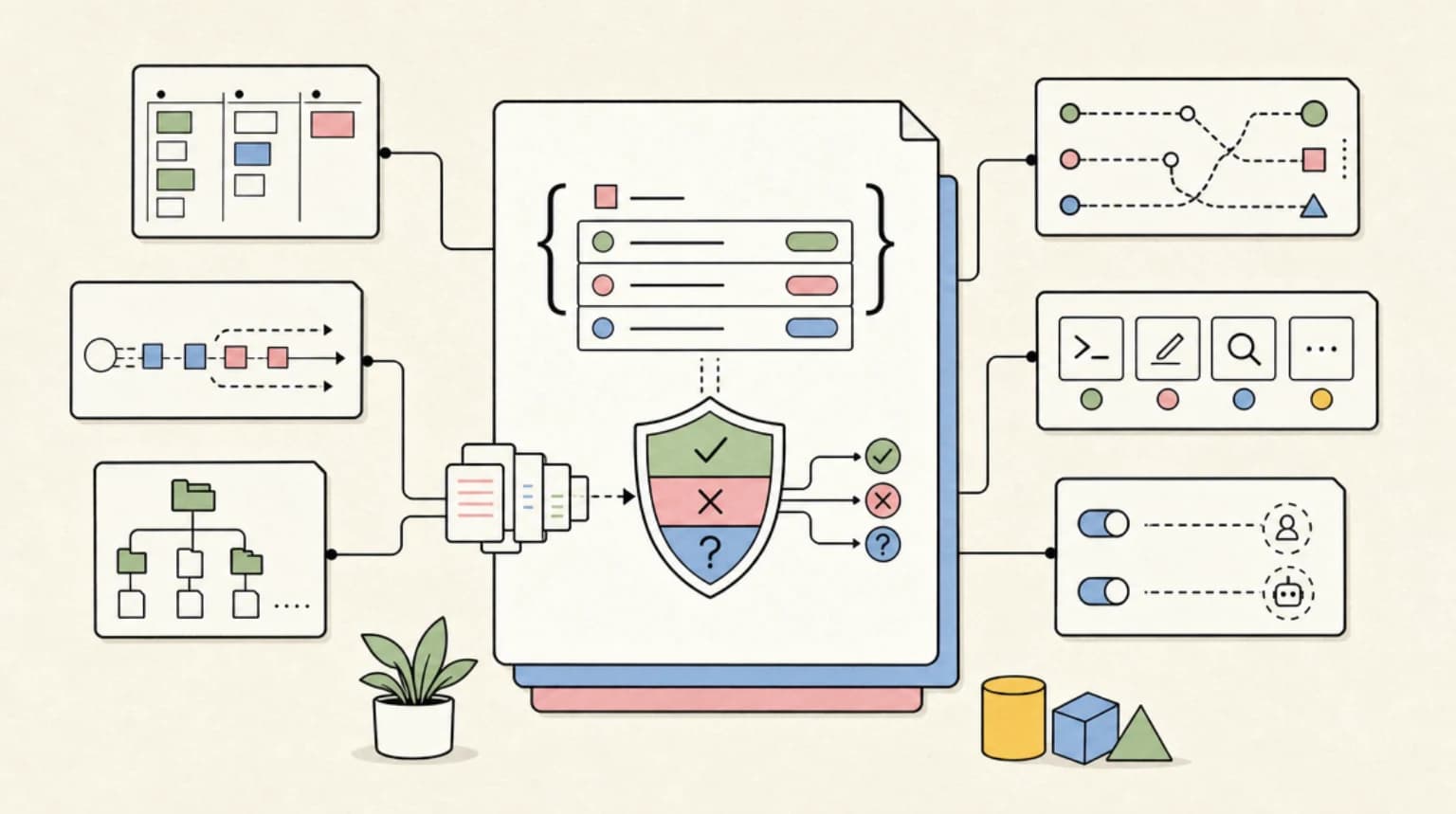
Claude Code Permissions: settings.json Allow, Deny, Ask
Configure Claude Code permissions in settings.json: allow, deny, and ask rules, scope precedence, tool specifiers, and the headless flags you need for CI.
11 min read
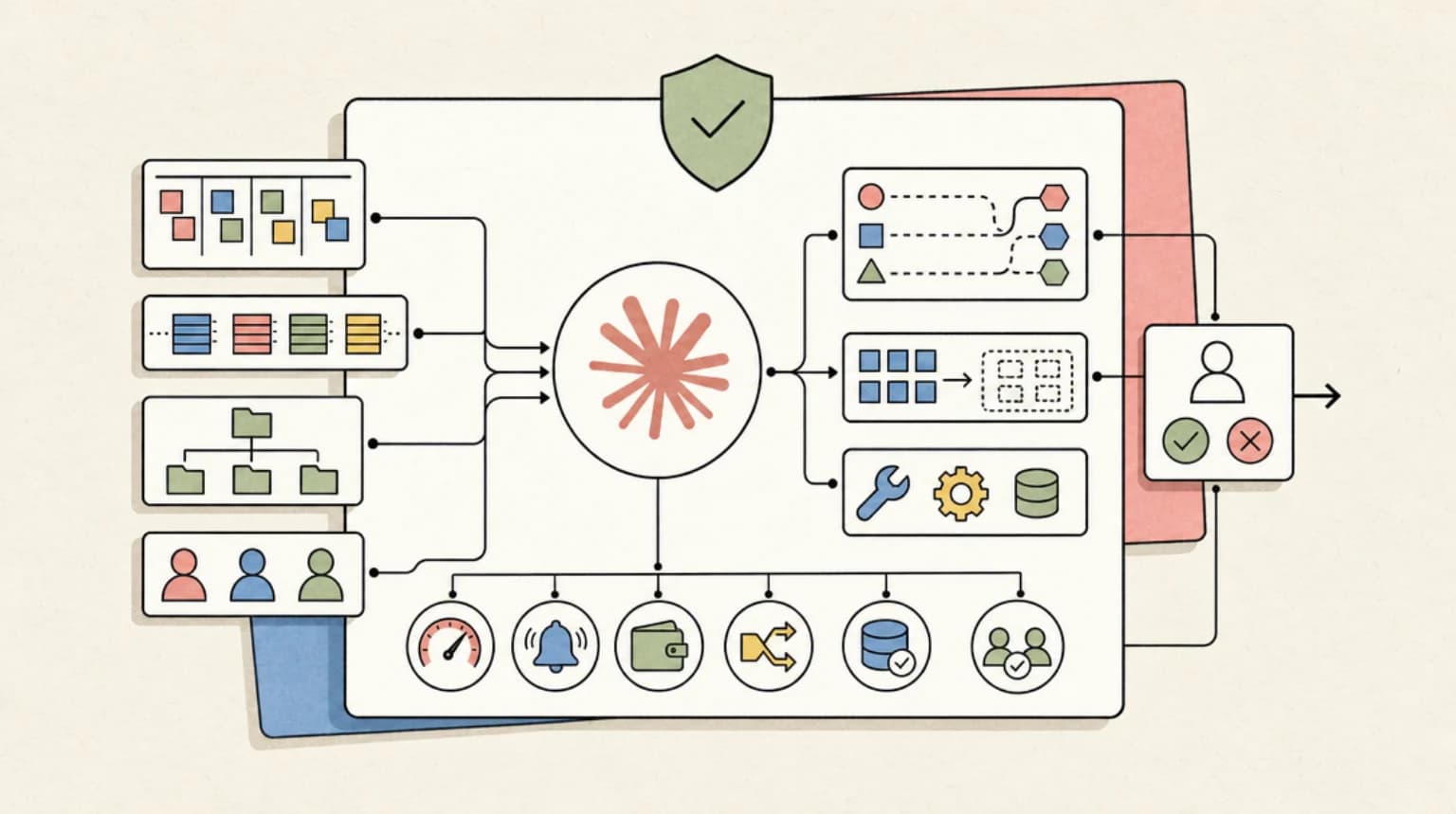
The $500M Claude Bill: A Spend-Guardrails Playbook for AI-Native Teams
A company accidentally spent $500M on Claude in one month. Uber torched its whole 2026 AI budget by April. The fix is not less AI - it is guardrails. Here is the playbook: caps, alerts, gateway spend limits, model routing, prompt caching, and approval workflows.
11 min read
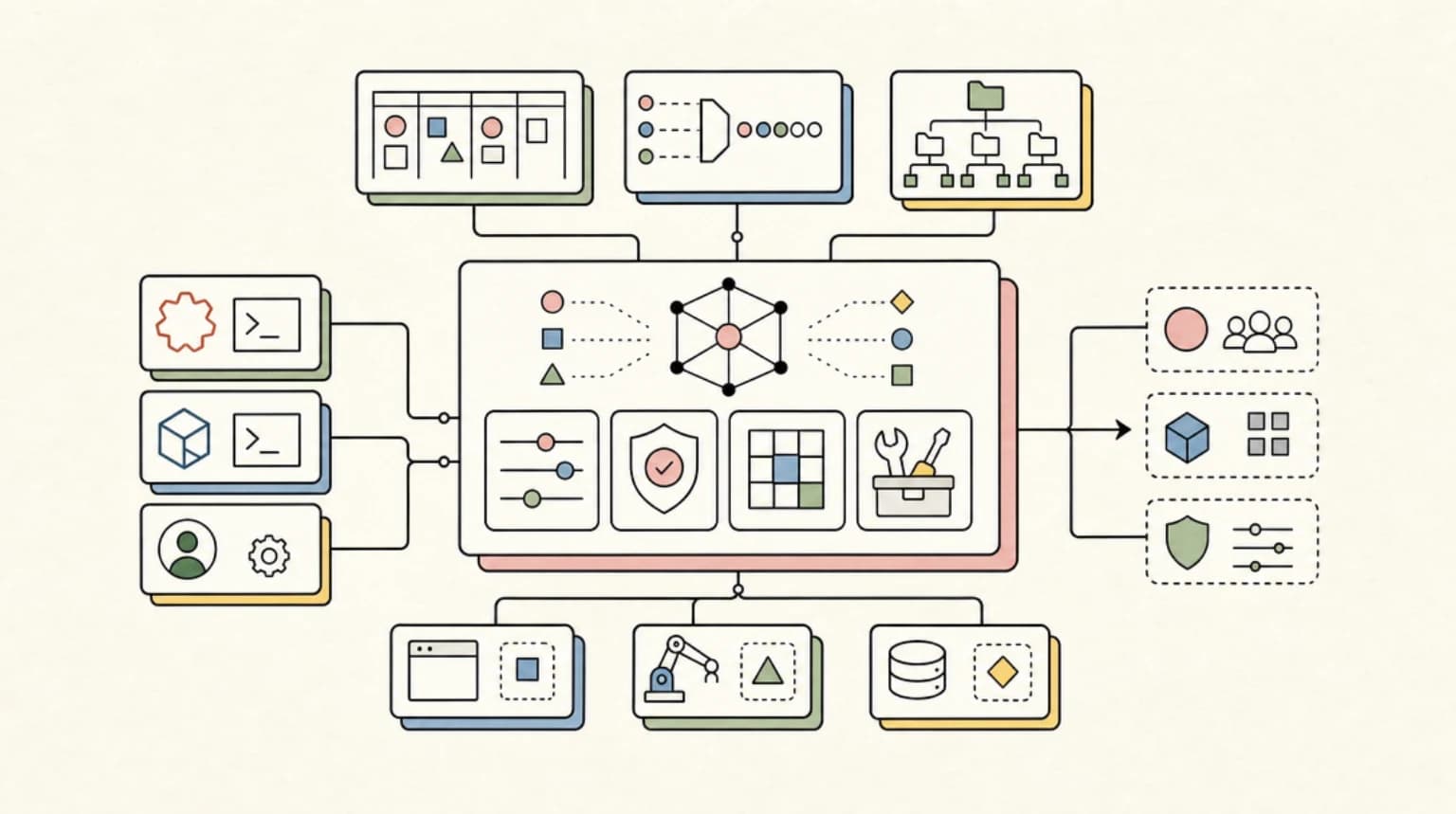
Omnigent: Databricks' Meta-Harness for Orchestrating Claude Code, Codex, and Custom Agents
Databricks open-sourced Omnigent, a meta-harness that sits above individual agent CLIs so your sessions, policies, and skills are not locked inside any single tool. Here is what it does, how to install it, and where it fits if you already run Claude Code and Codex.
8 min read

Agent Workspaces Need Filesystem Contracts
GitHub's latest agent workspace trend points at a boring but important primitive: agents need explicit filesystem contracts before they get more tools.
8 min read
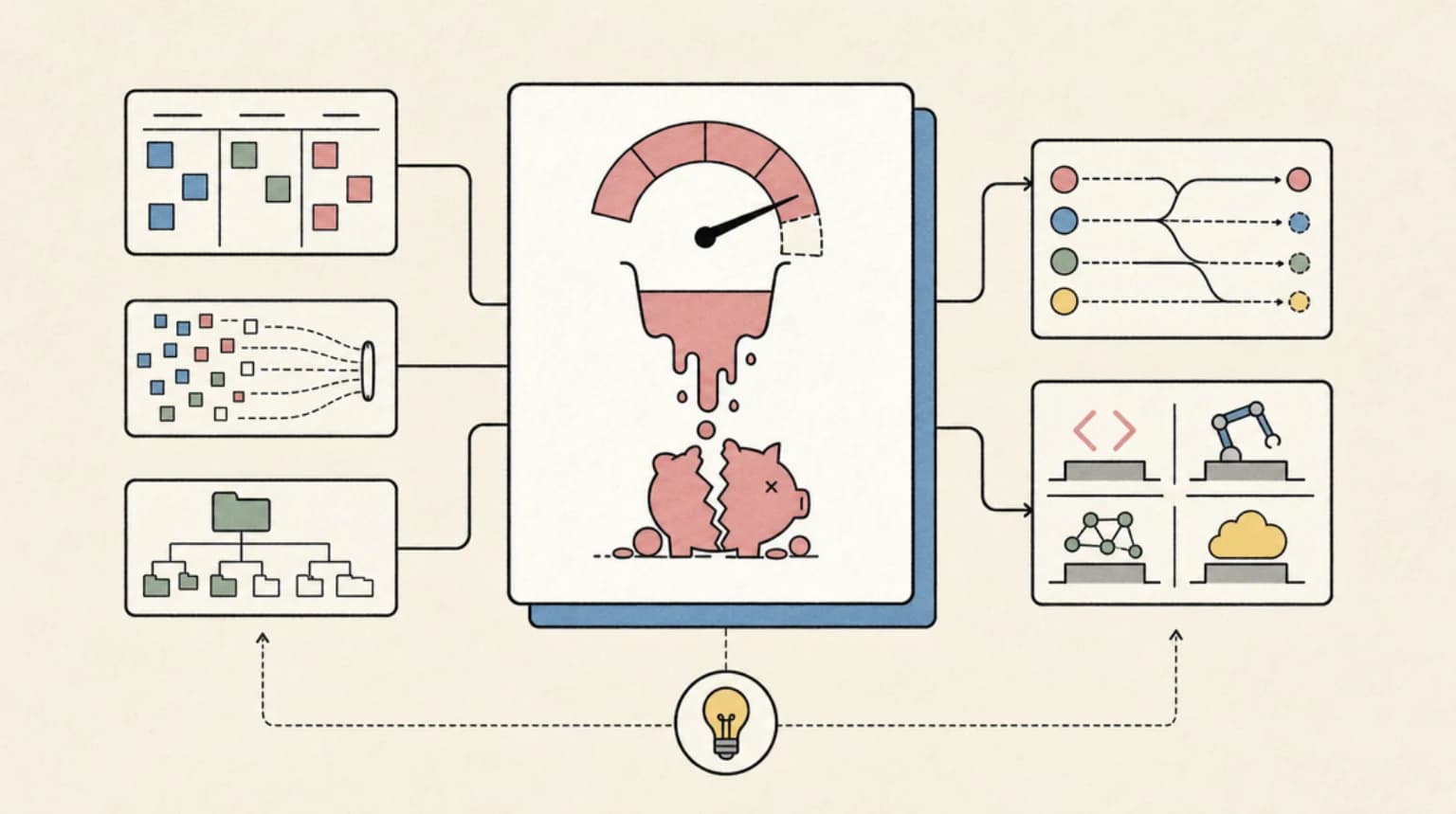
Enterprise AI Coding Budget Blowouts: What Uber and Microsoft Teach Us
Uber burned through its entire 2026 AI tools budget by April. Microsoft is canceling Claude Code licenses company-wide. What enterprise teams can learn from the first major AI coding tool budget crises.
8 min read
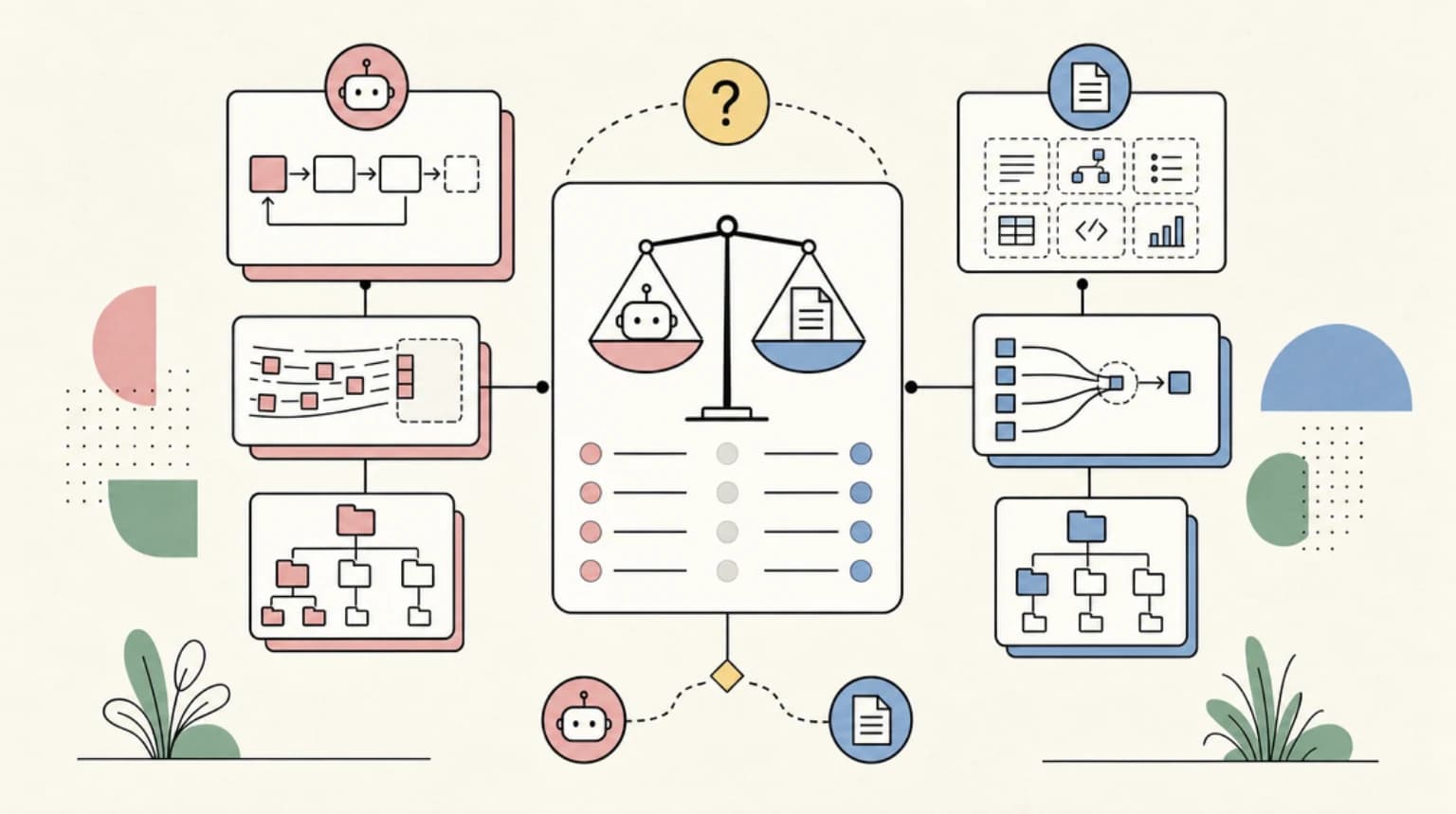
Claude Agents vs Skills: Which One Do You Actually Need?
Claude agents vs skills, untangled: agents are workers with their own context window, skills are instructions loaded on demand. Here is the decision table.
8 min read
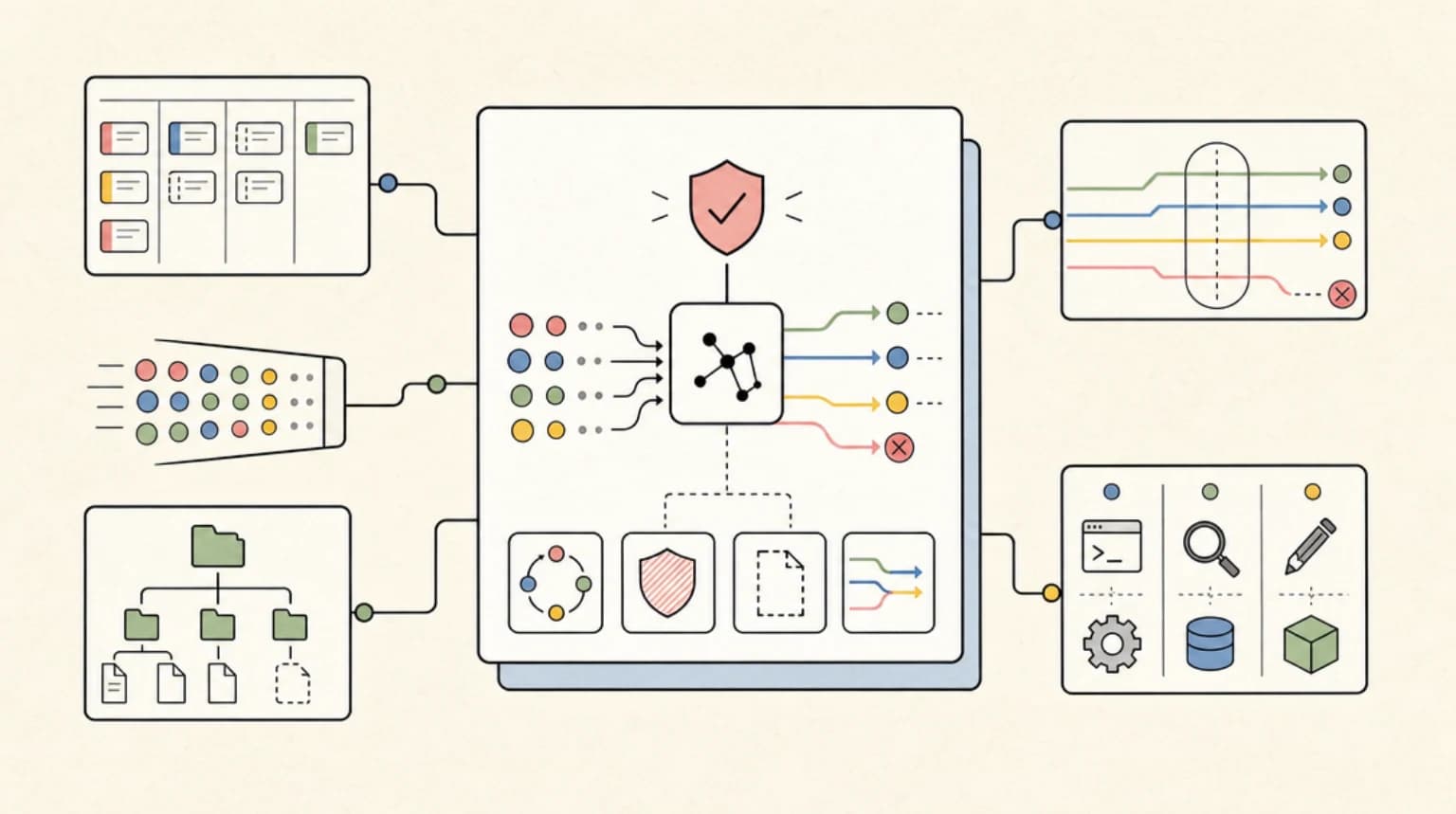
Claude Code Auto Mode Explained: Permissions Without the Prompts
Auto mode replaces permission prompts with a background safety classifier - here is how the Shift+Tab cycle, hard_deny rules, and glob deny patterns actually fit together.
8 min read
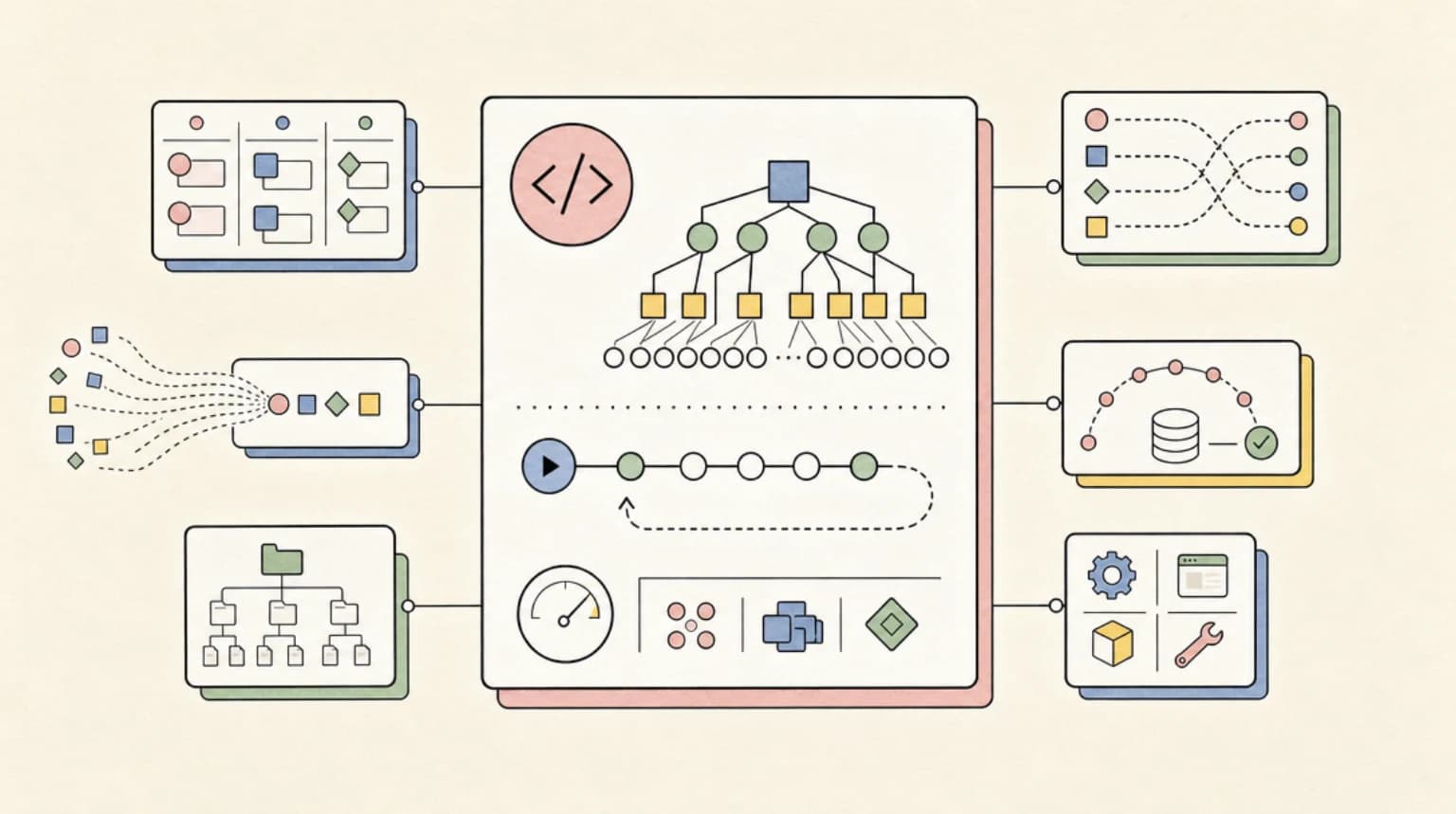
Claude Code Dynamic Workflows: The Complete Guide
Claude Code dynamic workflows turn orchestration into a JavaScript script that runs up to 1,000 agents per run - here is how scripts, schemas, budgets, and resume actually work.
10 min read
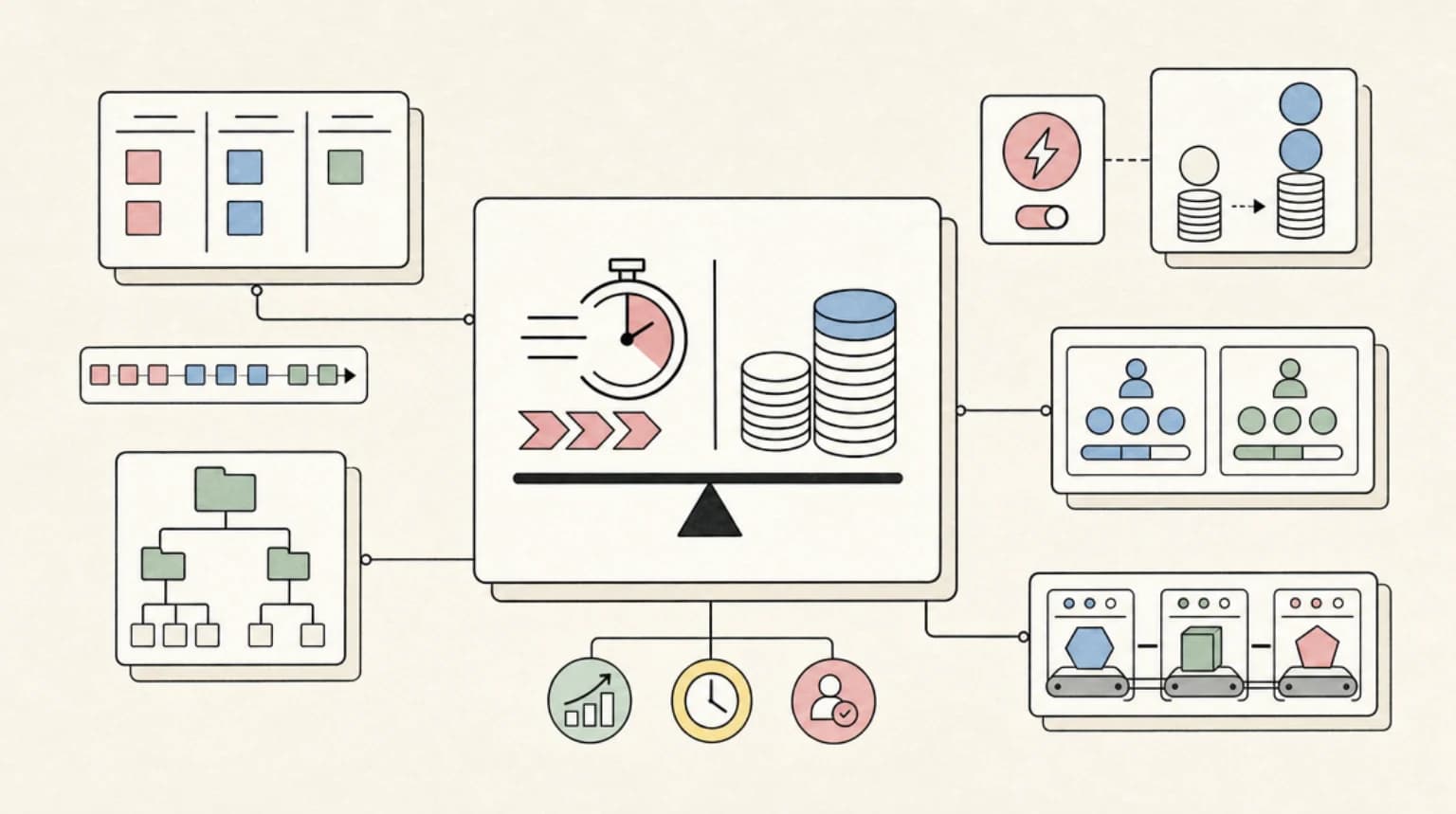
Claude Code Fast Mode: When 2.5x Speed Is Worth 2x Price
Claude Code fast mode pricing explained: $10/$50 per MTok on Opus 4.8, the first-enable context charge, separate rate limit pools, and when 2.5x speed pays off.
8 min read
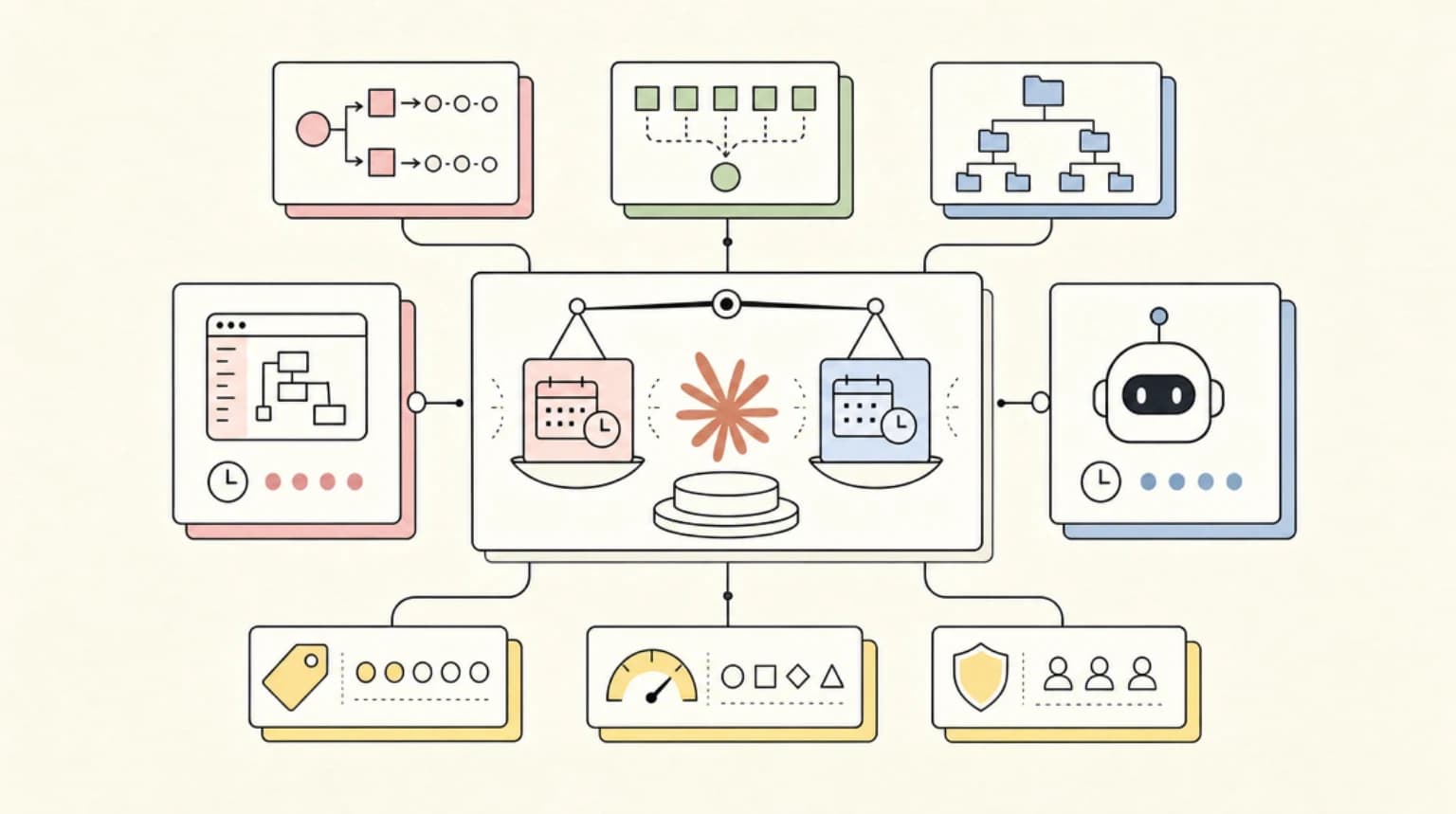
Claude Code Routines vs Managed Agents Schedules: Where Recurring Agent Work Should Live
Claude Code Routines and Managed Agents scheduled deployments both run Claude on a schedule - here is how the triggers, pricing, and limits differ, and which one fits your recurring agent work.
9 min read
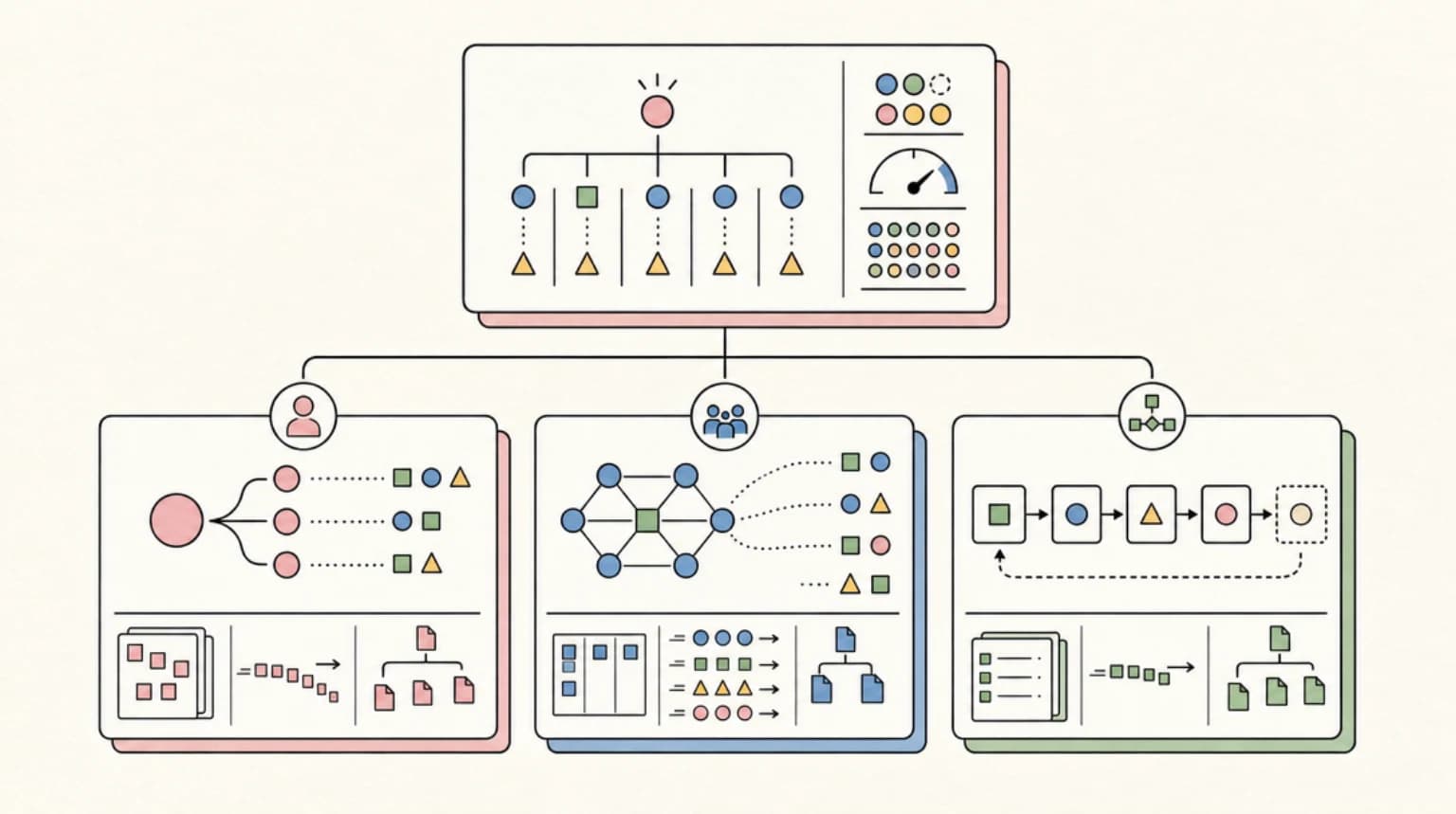
Subagents vs Agent Teams vs Workflows: Claude Code's Parallelism Primitives, Compared
Claude Code subagents vs agent teams vs workflows: who holds the plan, the hard limits (16 concurrent, 1,000 agents per run), and which primitive fits your task.
9 min read
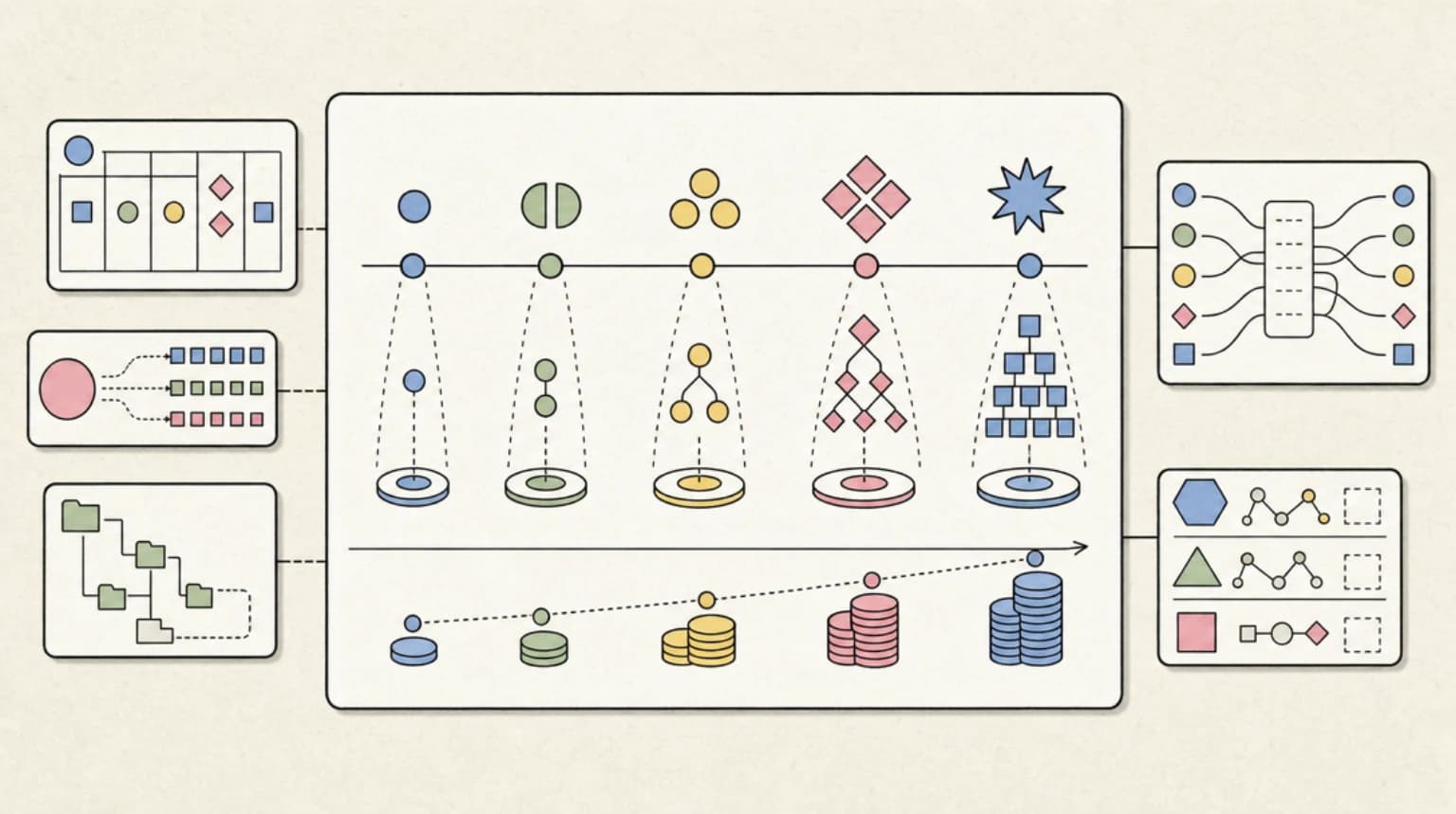
Fable 5 Effort Levels Explained: low to max and Their Cost
Fable 5 effort levels explained: what low, medium, high, xhigh, and max change, which models support each level, how API and Claude Code defaults differ, and how effort drives your token bill.
11 min read
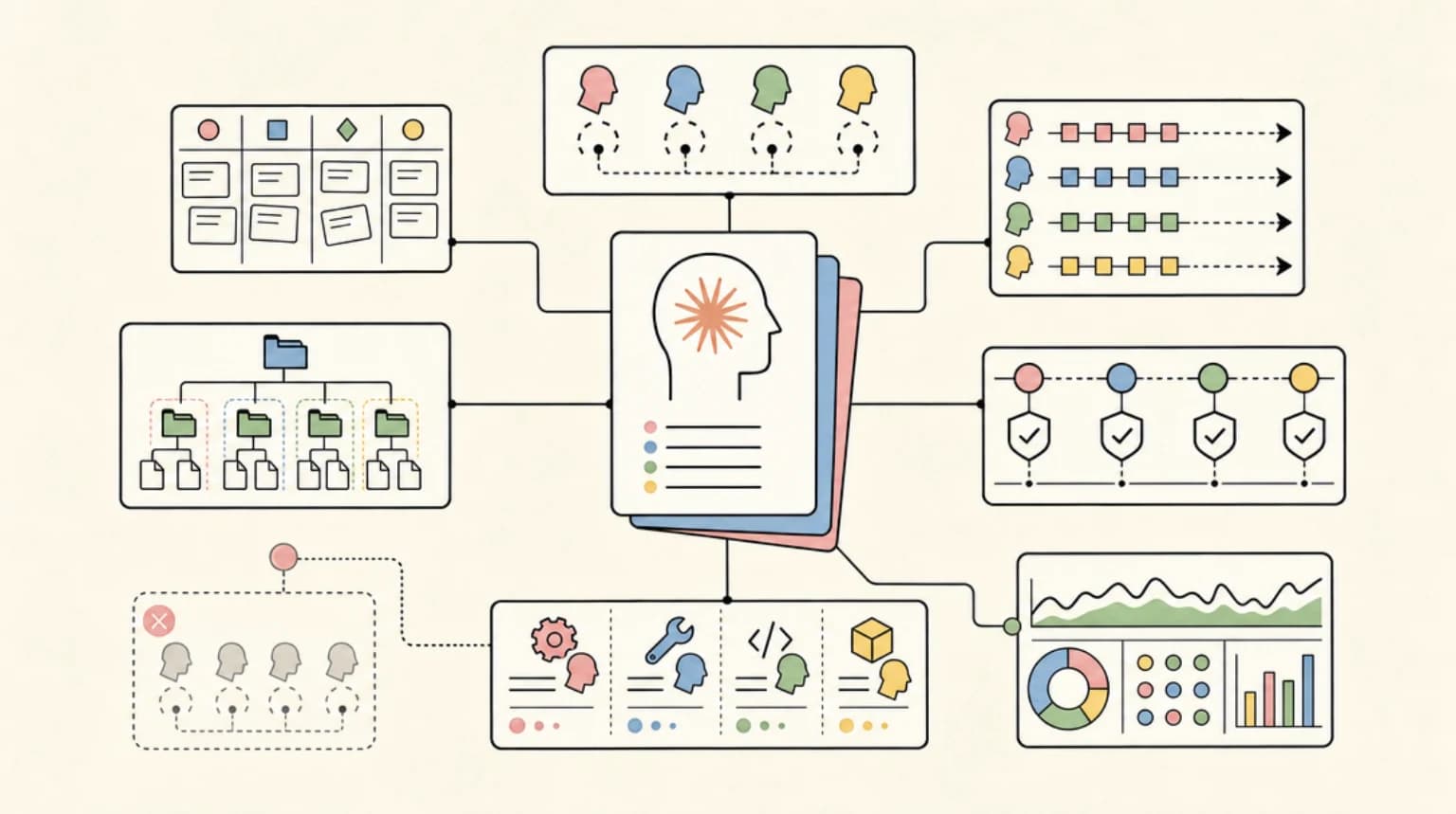
Managing a Fleet of Claude Agents: A Practical Guide
An ops guide to managing a fleet of Claude agents: spawning patterns, worktree isolation, build gates, orphaned-agent failure modes, and OpenTelemetry monitoring.
10 min read
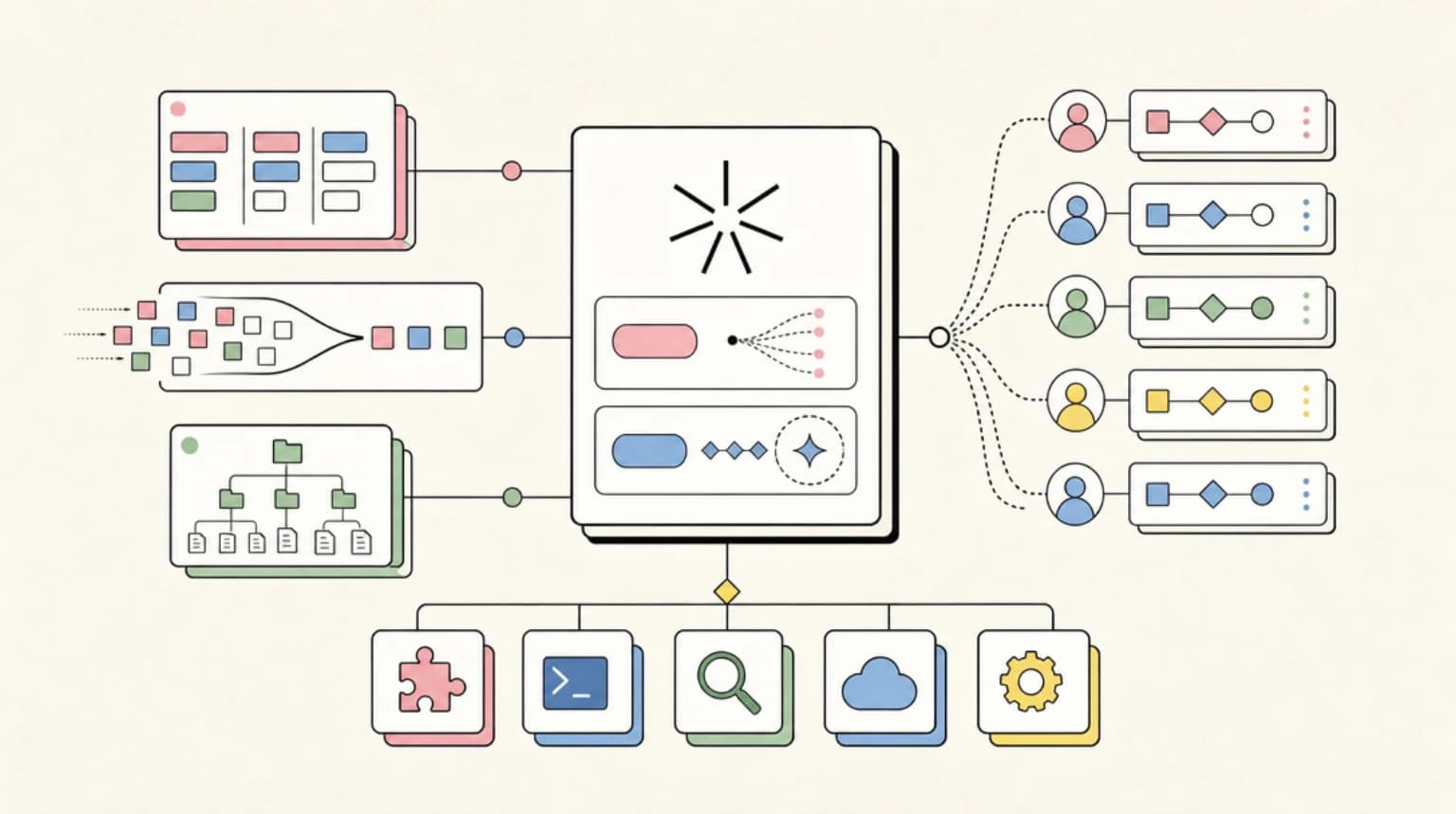
Ultracode: Claude Code Multi-Agent Orchestration Mode Explained
Ultracode is a prompt keyword that runs one task as a dynamic workflow, and an /effort setting that pairs xhigh reasoning with automatic orchestration.
8 min read
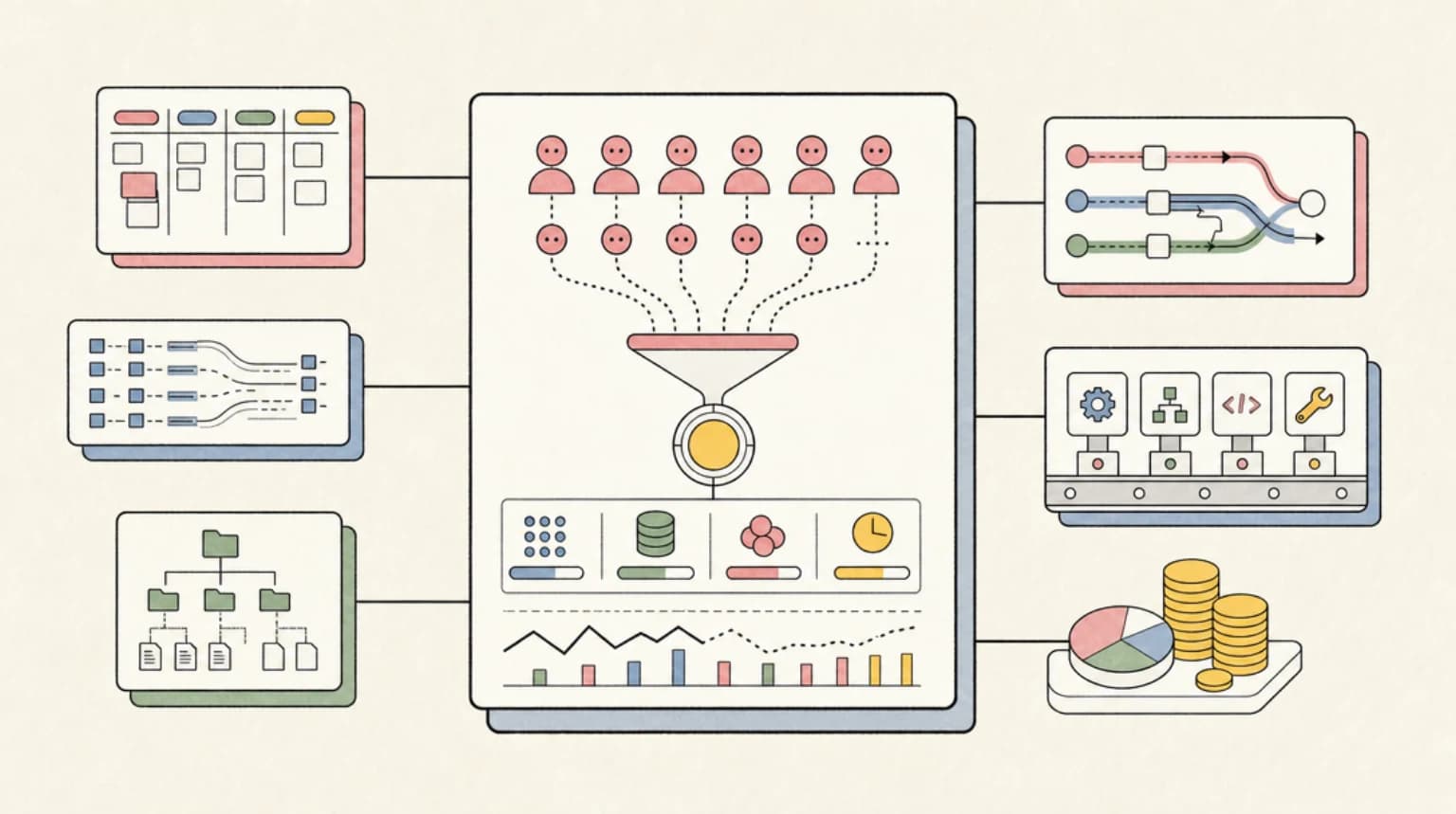
What a Fleet of Claude Agents Actually Costs (July 2026 Math)
Claude Code parallel agents cost real money because every session draws from one quota - here is the July 2026 budgeting math, verified against live pricing.
10 min read
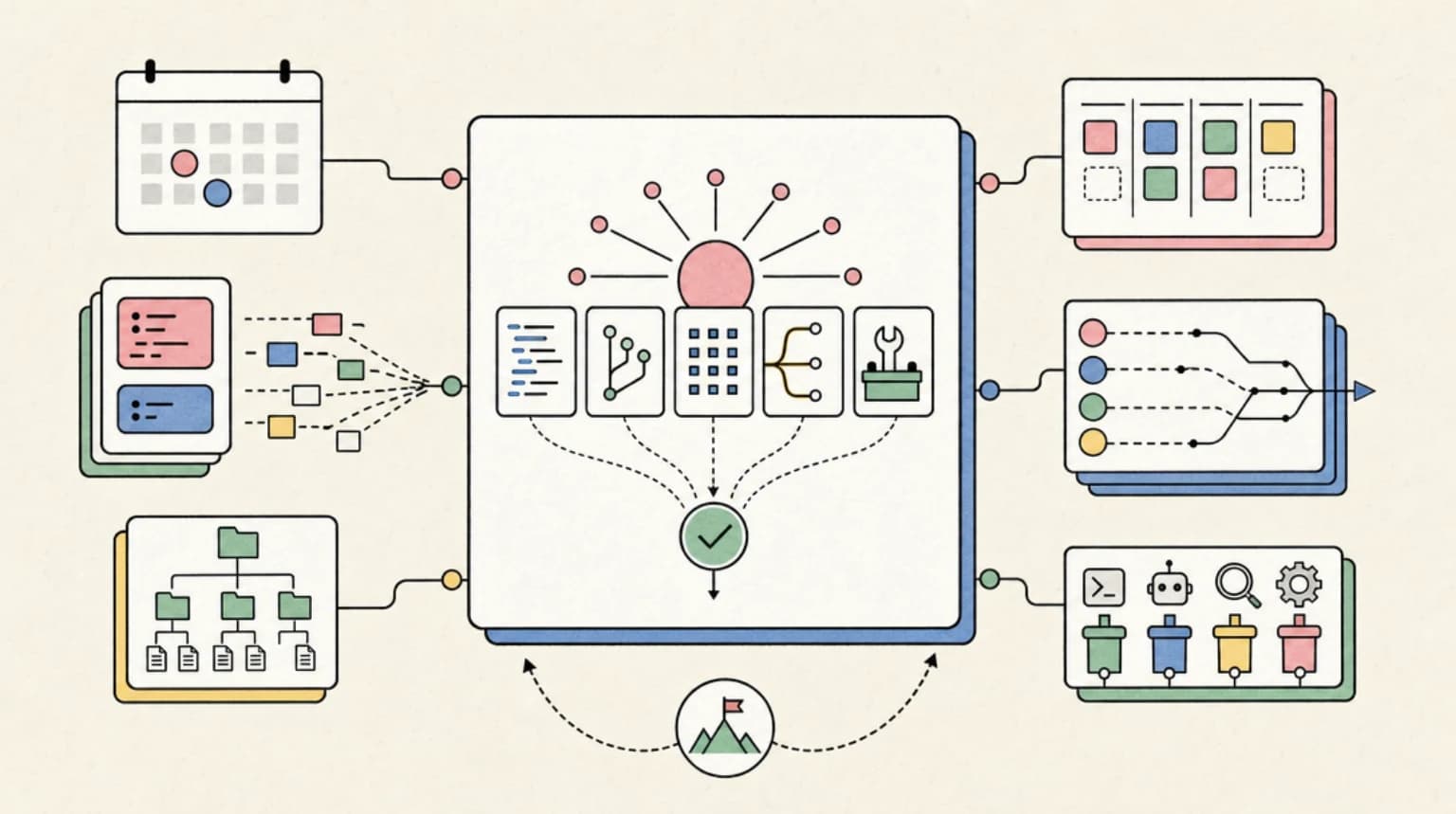
Best AI Coding Tools July 2026: Updated After Opus 5 and Fable 5 API-Only
Opus 5 launched at Fable-5-quality for half the price, Fable 5 went API-only on July 9, and the tool-stack math changed again. Here is where every major coding tool stands in late July 2026.
10 min read
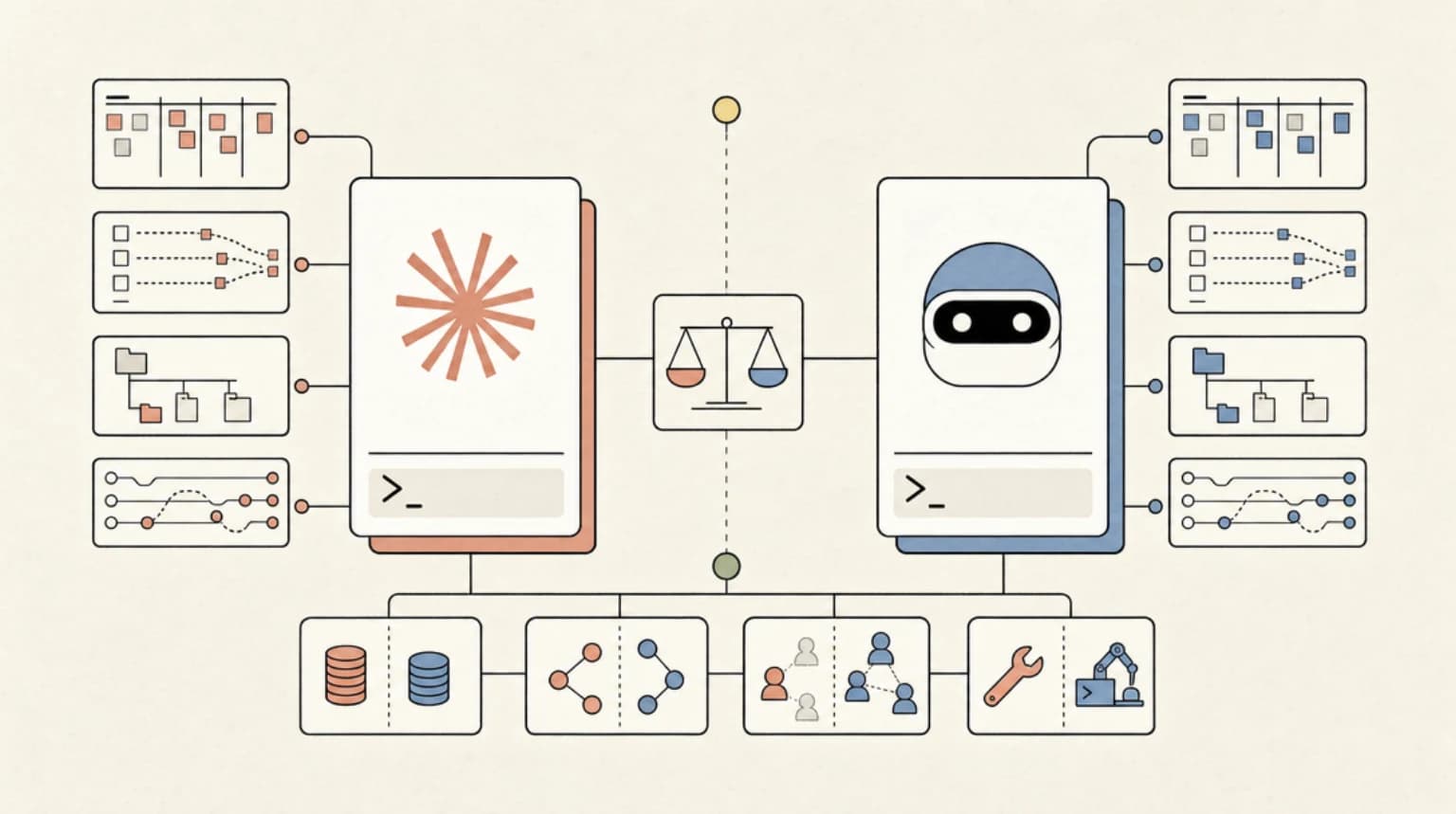
Claude Code vs Droid (Factory AI): Which Terminal Agent in 2026
A practical comparison of the two most capable terminal-native AI coding agents in 2026 - covering pricing, model flexibility, multi-agent workflows, and which one fits your team.
8 min read
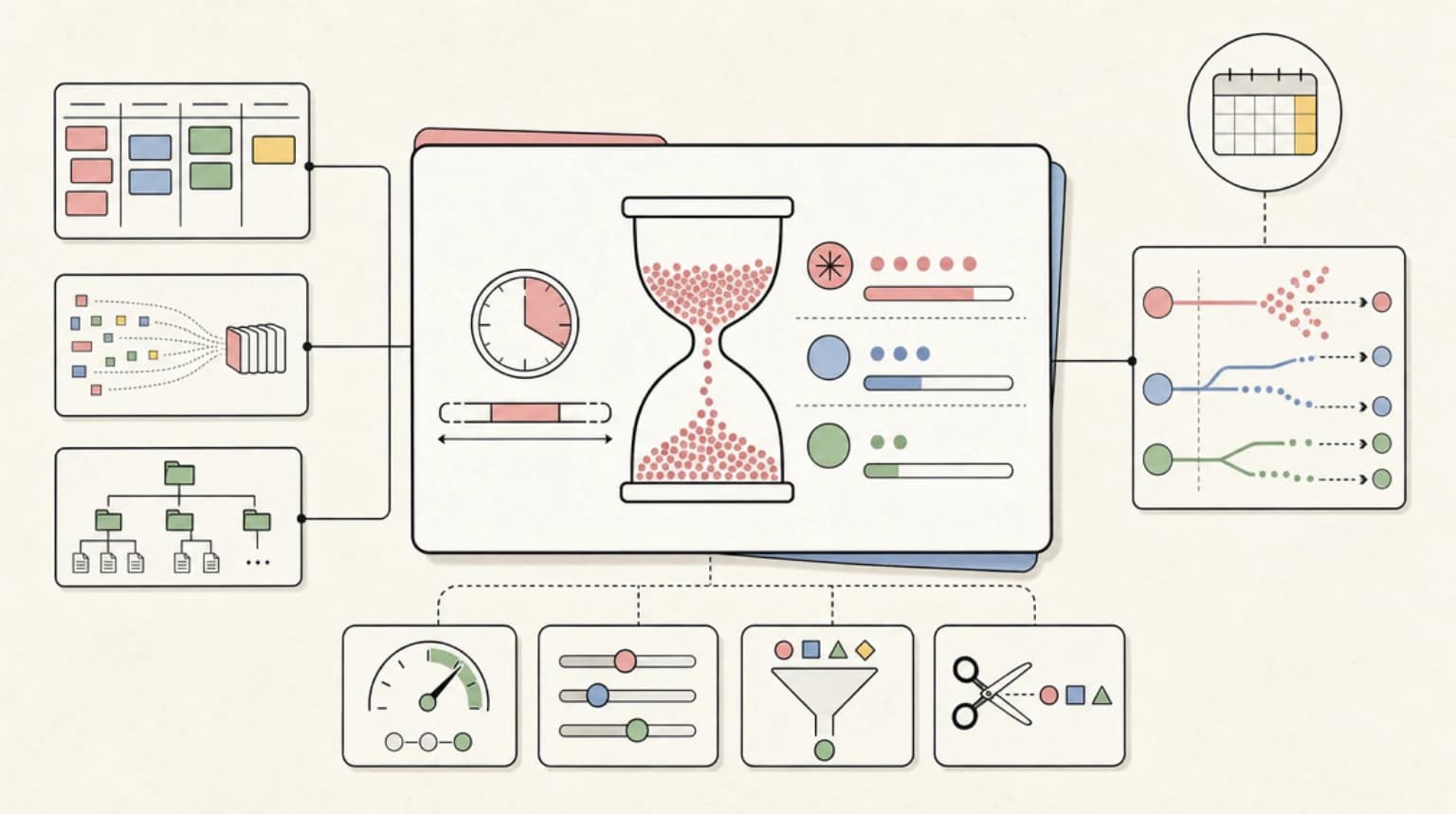
How Claude's Usage Limits Actually Work With Fable 5: Windows, Multipliers, and Burn Rates
Fable 5 drains the 5-hour rolling window dramatically faster than Opus or Sonnet. Here is what the plan multipliers actually mean in practice, what changes on June 22, and how to make your allocation last.
9 min read
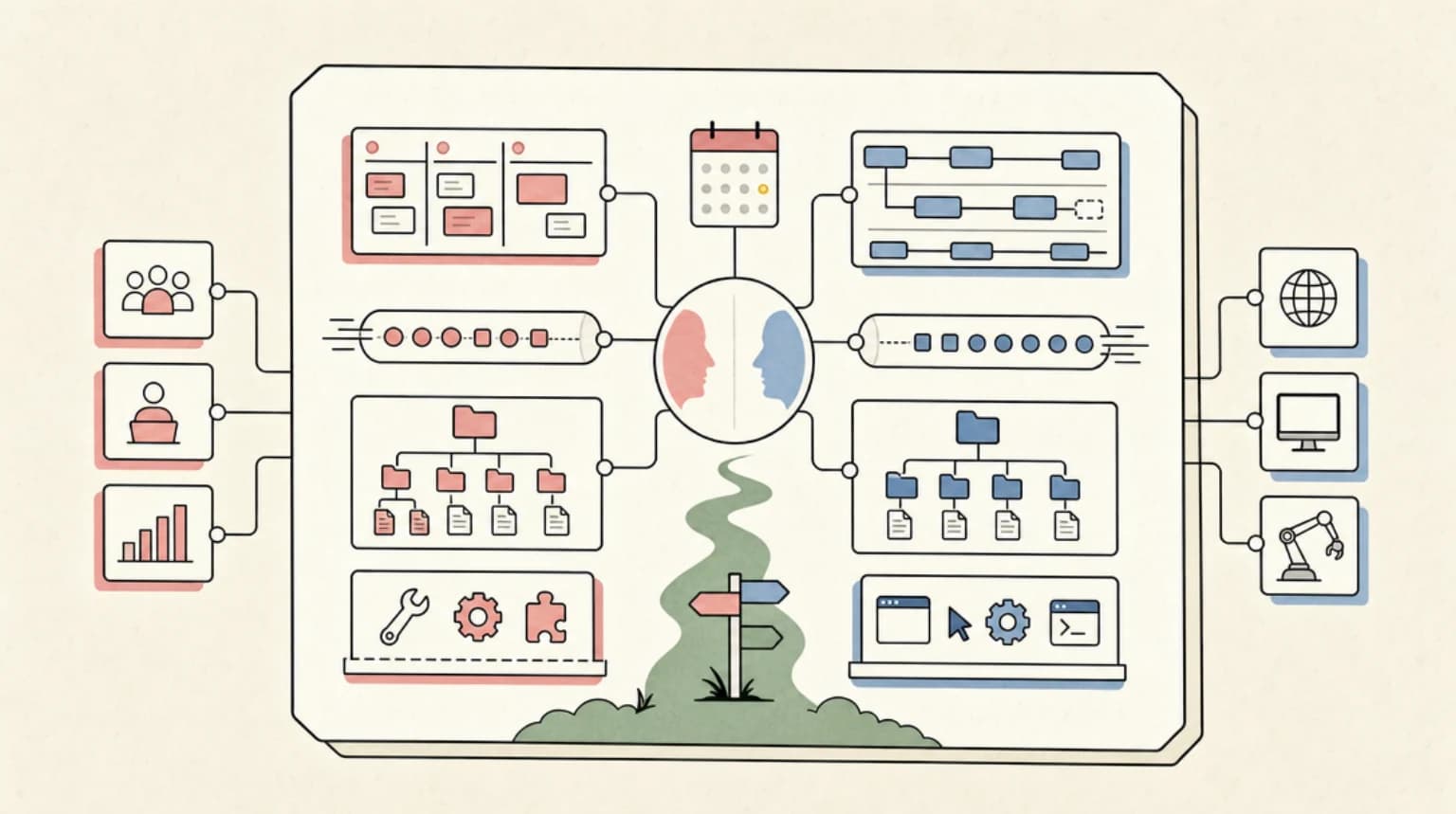
Codex vs Claude Code in 2026: Which AI Coding Agent Should You Use?
Pick Claude Code for ambiguous, multi-file work you want to plan, extend with skills and MCP, and orchestrate across agents. Pick Codex for well-scoped tasks, strong defaults, and one ChatGPT subscription for chat and code. GPT-6, Opus 5.5, and pricing verified September 28, 2026.
12 min read
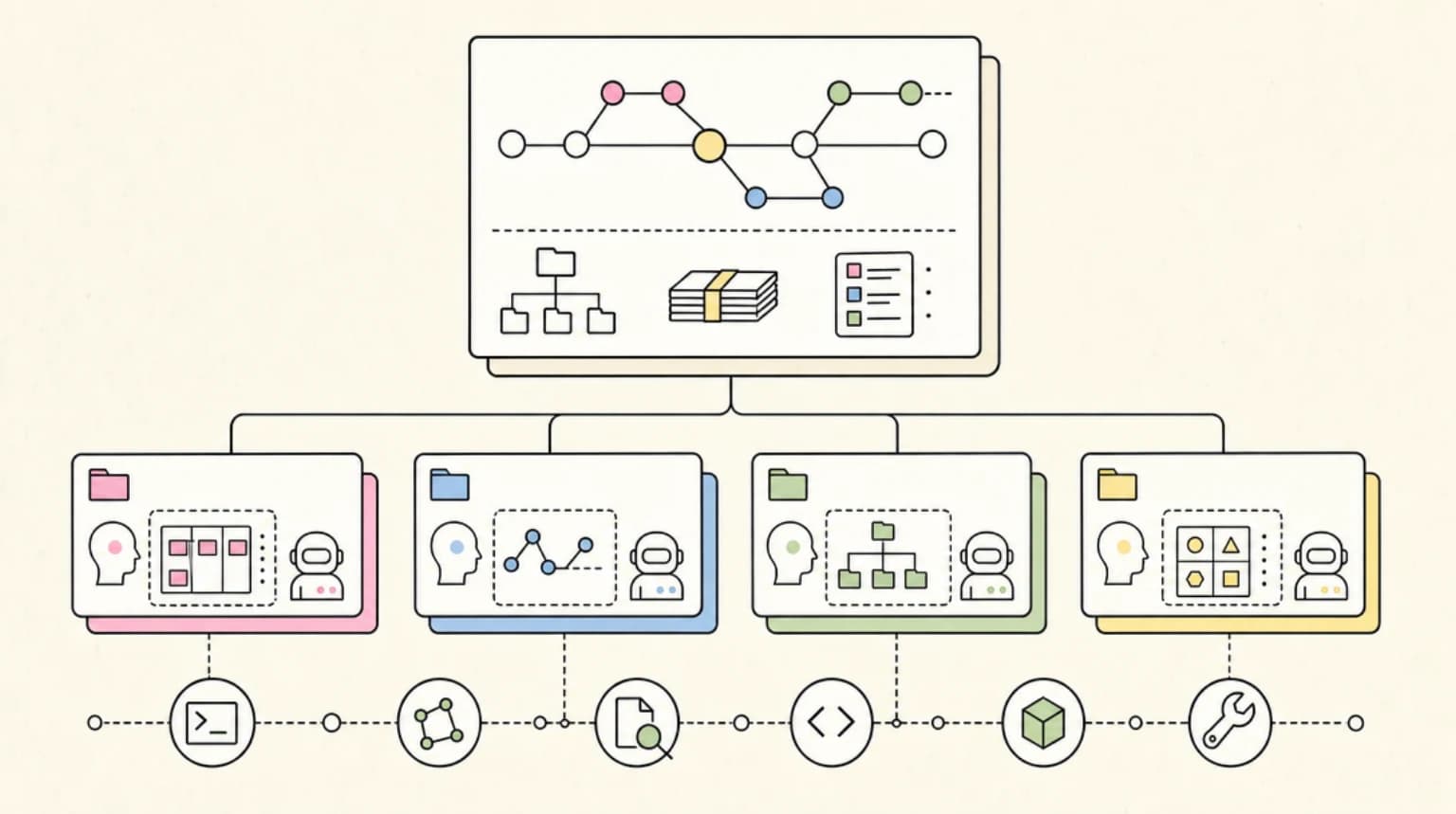
Git Worktrees + Claude Code: The 2026 Playbook for Running Parallel Agents Without Context Switching
Running multiple Claude Code agents on the same repo causes branch collisions and stash chaos - git worktrees fix this by giving each agent its own isolated directory while sharing one Git history.
7 min read
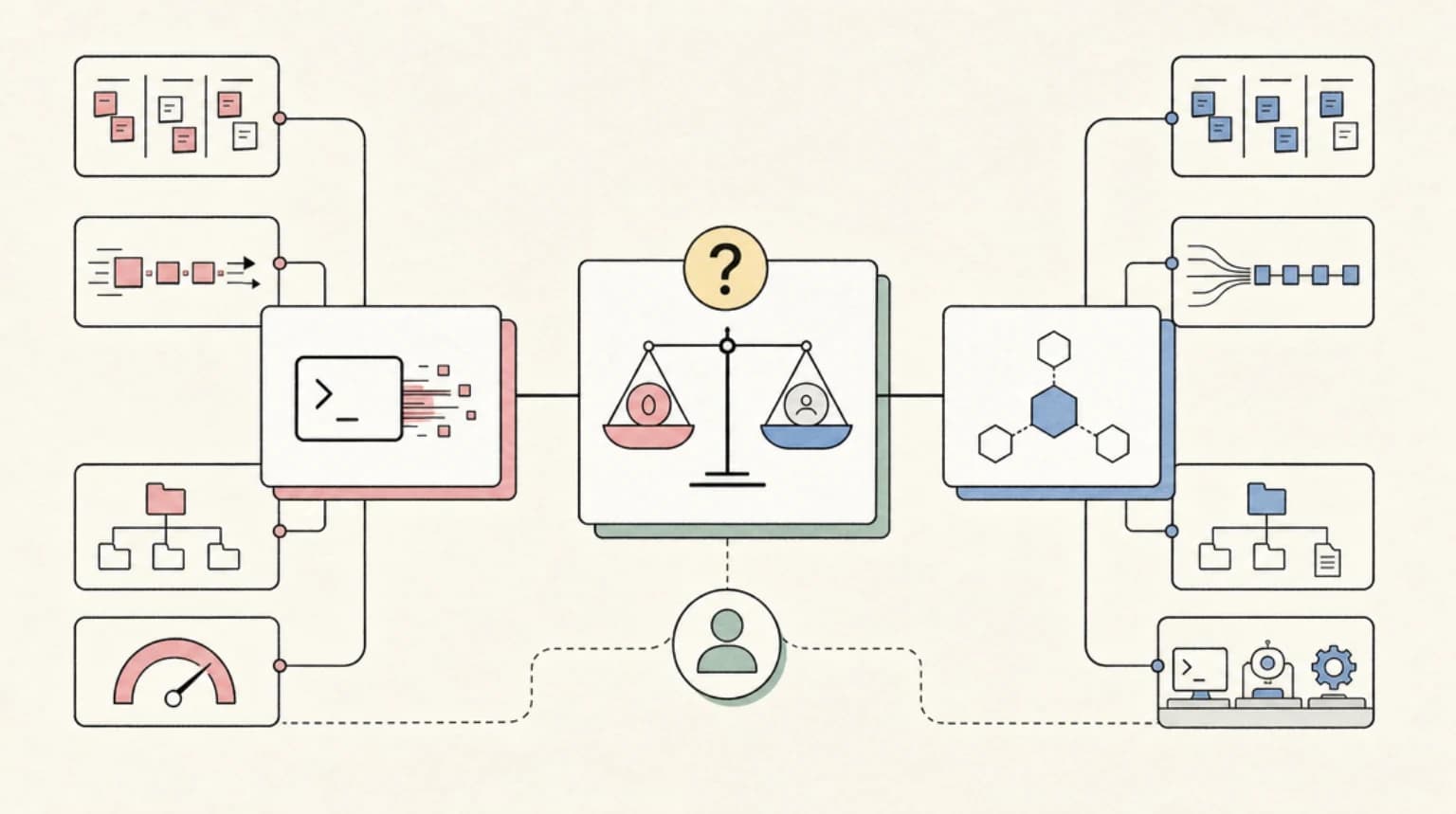
Kimi CLI vs Claude Code: The Budget Question in 2026
Moonshot AI's Kimi CLI offers unlimited coding sessions at zero marginal cost. Claude Code offers polish, deep Anthropic integration, and a subscription most serious devs already hold. Here is how to decide.
8 min read
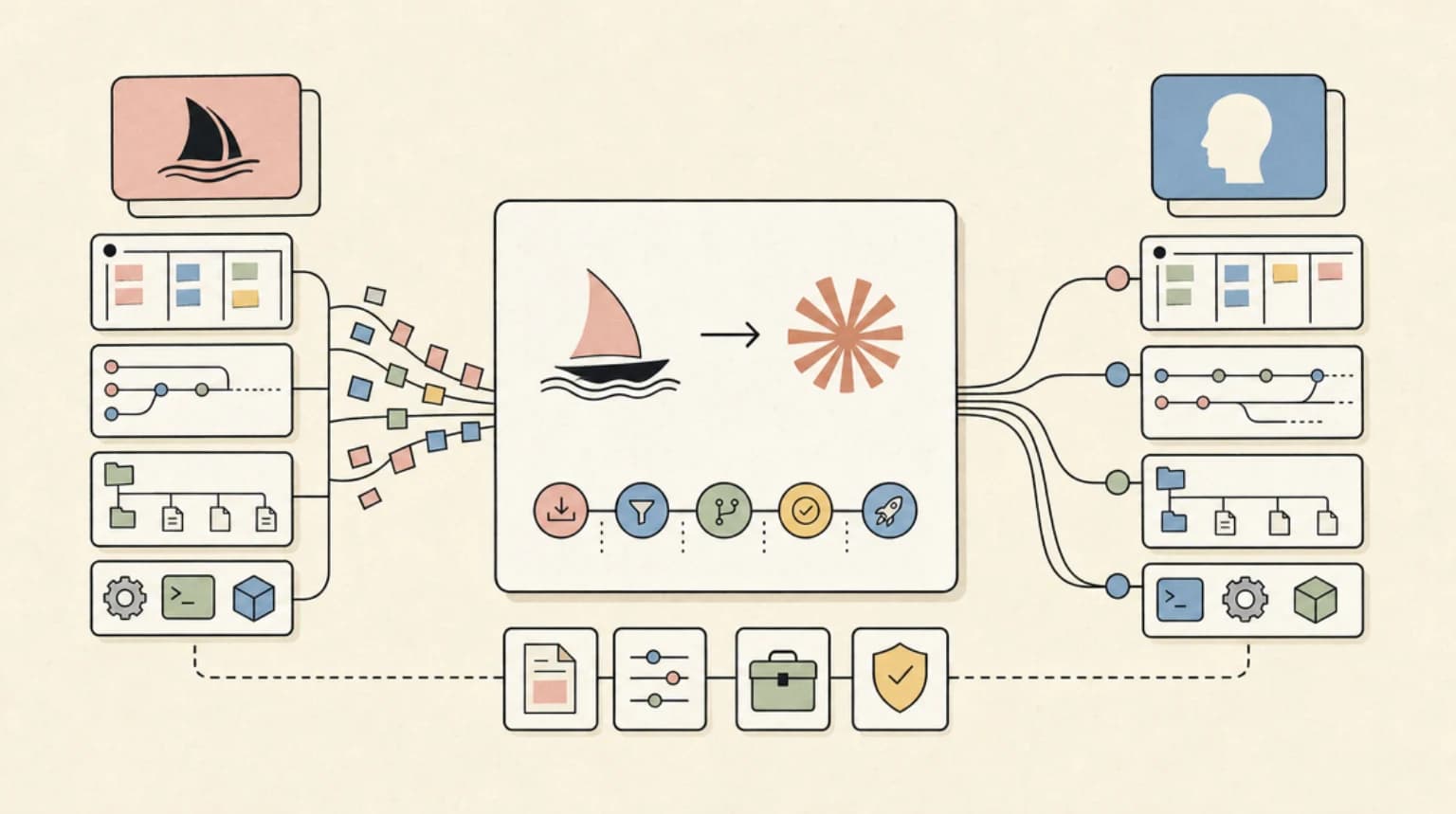
Migrating from Windsurf to Claude Code: The Practical 2026 Guide
Windsurf is now Devin Desktop, owned by Cognition after a turbulent 2025 acquisition saga. If the ownership shuffle has you reconsidering your tooling, here is a step-by-step guide to moving your workflow to Claude Code.
8 min read
Agent Config Files Are Executable Supply Chain
A Hacker News thread on config files that run code points at the next AI coding risk: agent hooks, skills, and editor rules need review like executable dependencies.
8 min read
AI Code Attribution Needs Defect Forensics, Not Vibes
The rsync Claude debate shows why teams need reproducible defect forensics before AI attribution becomes a public blame machine.
8 min read

Security Agents Need Repro Harnesses, Not More Scan Prompts
Anthropic's open-source vulnerability harness shows where AI security work is going: reproducible exploit loops, separate verification agents, and patch receipts.
9 min read
AI Agent Containment Needs a Capability Ledger
Anthropic's Claude containment writeup points to the next security layer for coding agents: deterministic capability ledgers, not another approval prompt.
9 min read
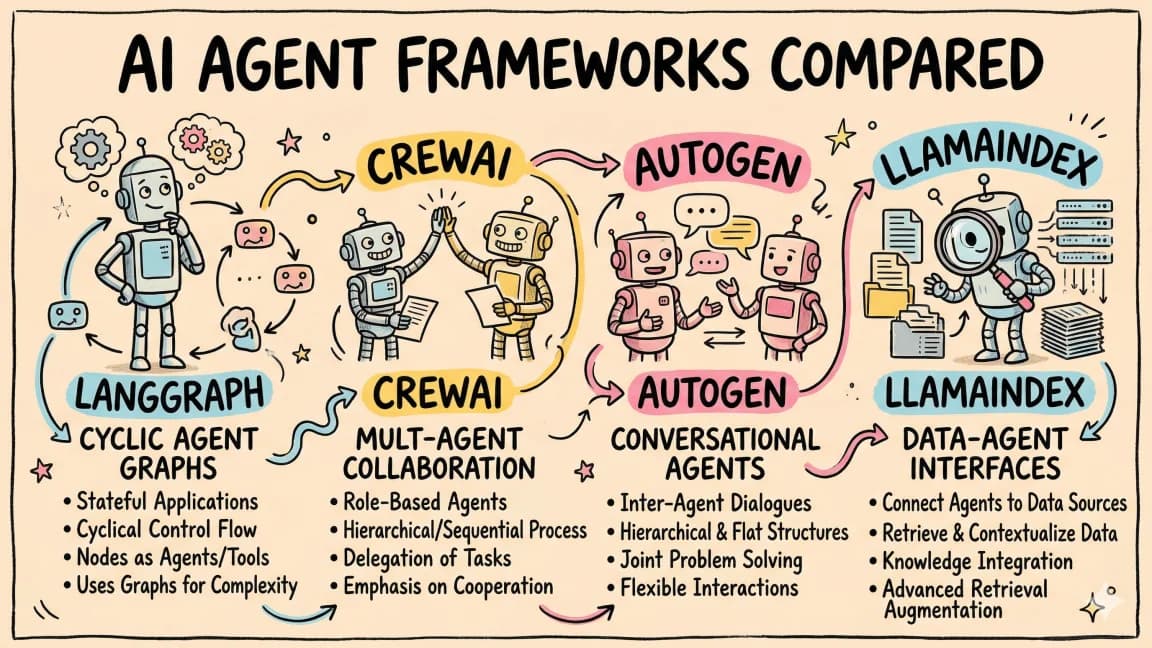
The Model, IDE, CLI, and Agent Framework Changes That Actually Matter
The AI coding market is noisy. The changes that matter are easier to spot when you separate model capability, editor loops, terminal agents, background agents, agent frameworks, UI layers, context, security, and cost.
10 min read
The New AI Coding Stack I Would Pick Today
If I were rebuilding my AI coding workflow on May 30, 2026, I would not pick one magic tool. I would pick a layered stack: terminal agent, editor, background agent, Mastra, CopilotKit, MCP, context, security, and cost controls.
11 min read
Taste Skills Are Turning Agent Review Into Infrastructure
GitHub trending is full of anti-slop, taste, and compound-engineering skills. The real signal is not that agents need more prompts. It is that teams are trying to make subjective review criteria executable.
8 min read
Claude Opus 4.8 Is an Agent Honesty Release
Claude Opus 4.8 looks like a benchmark bump, but the developer story is better honesty, dynamic workflows, and effort controls that make long-running agent work easier to review.
8 min read
Local Code Graphs Are the Agent Context Layer
CodeGraph shows why coding agents need a local, queryable repo map. The win is not magic token savings. It is faster orientation, fewer wrong files, and better review receipts.
9 min read
AI Chat Fatigue Is a Workflow Design Bug
A front-page Hacker News essay about being tired of AI answers points at a real developer problem: chat is too easy to launder into fake work. The fix is verifiable workflows, not more conversational polish.
8 min read
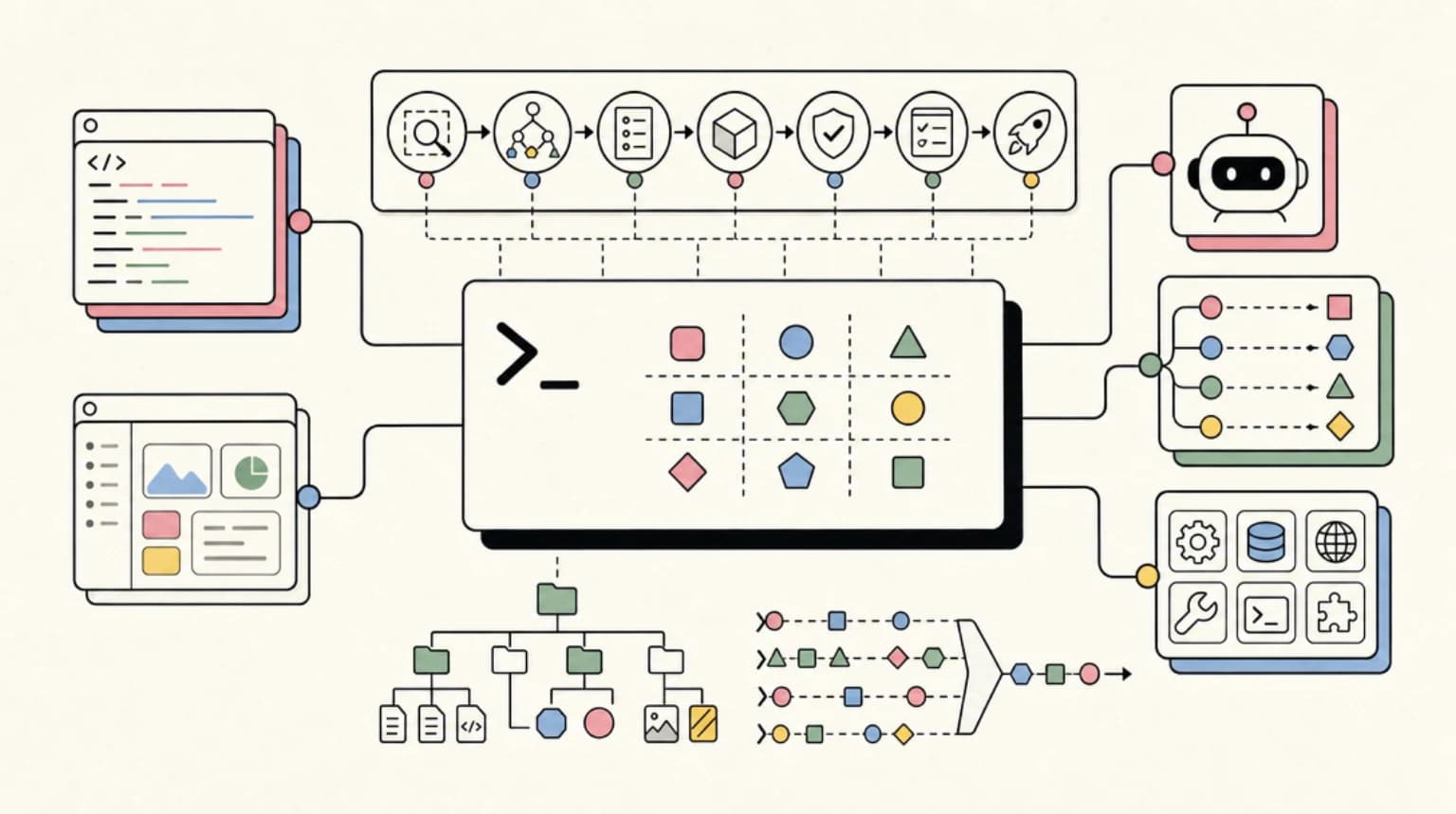
CLI-Anything Turns Any Software Into an Agent-Ready Command Line
HKUDS/CLI-Anything hit 40,000 stars by solving a stubborn gap: most desktop software has no interface AI agents can reliably drive. Its 7-phase pipeline auto-generates a tested CLI harness from source code.
6 min read
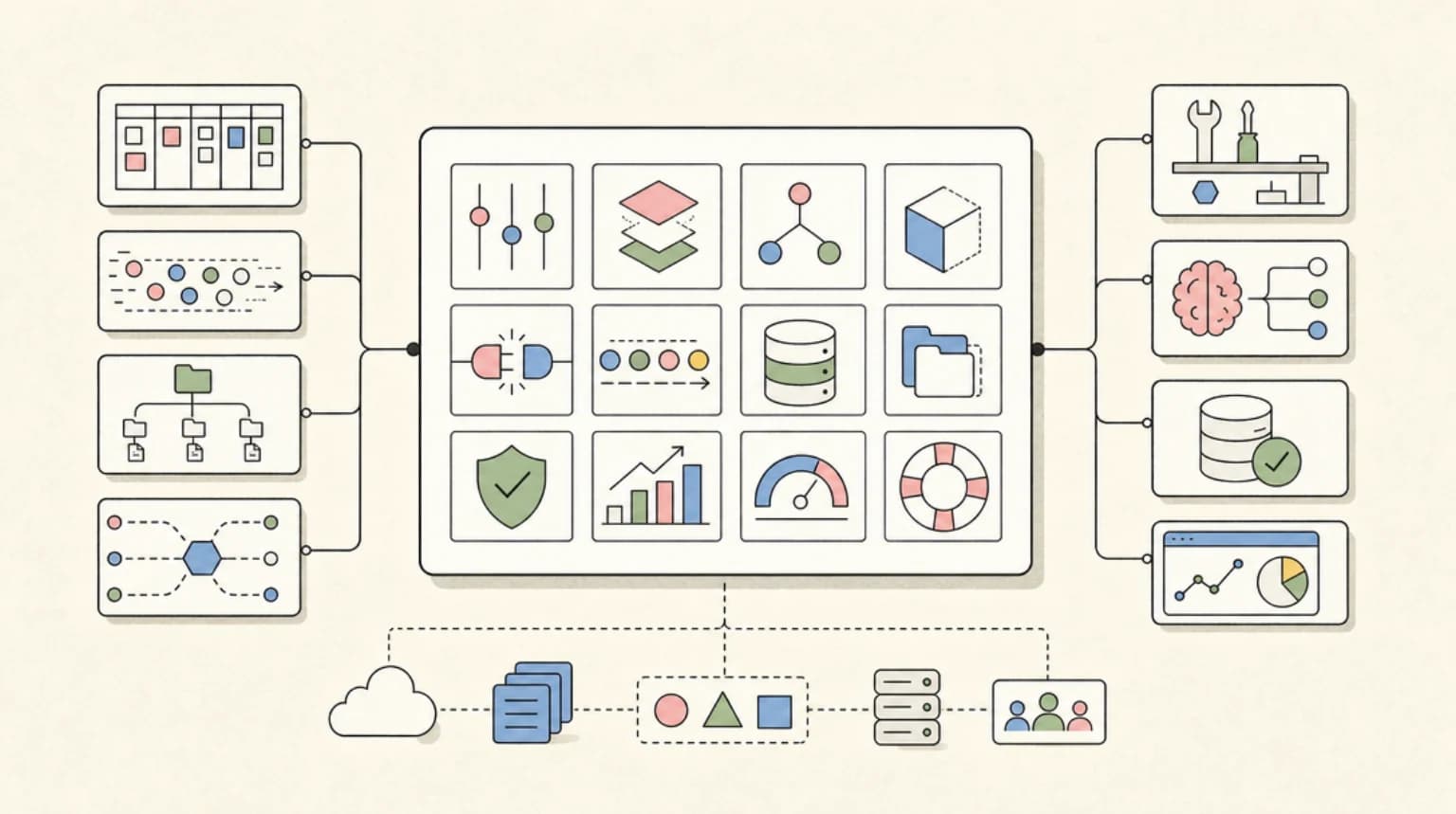
12-Factor Agents: Production Principles for Reliable AI Agents
HumanLayer's 12-Factor Agents guide turns agent reliability into an engineering checklist: own prompts, context, tools, control flow, state, human approval, and observability before a demo becomes production.
8 min read
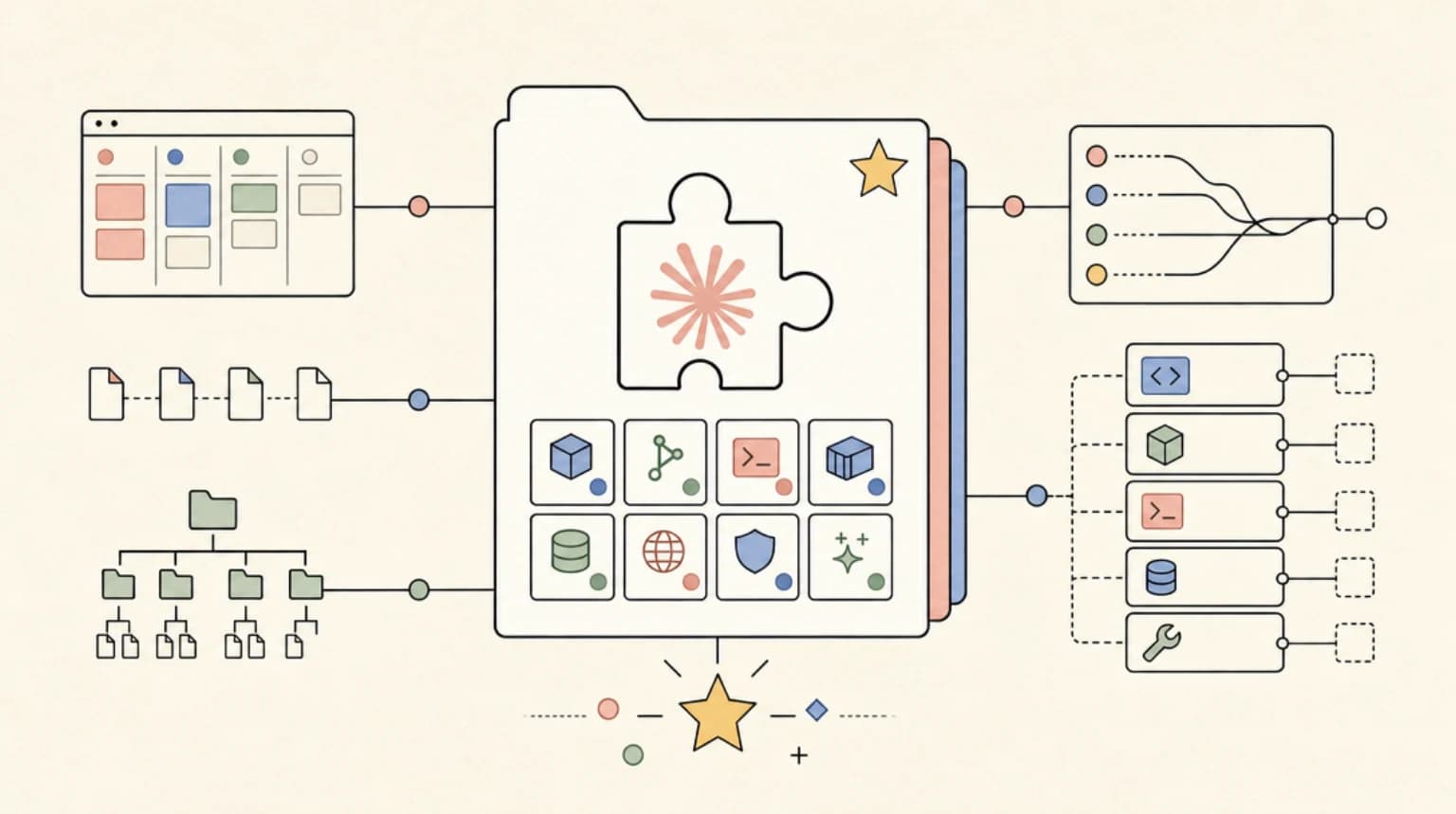
Claude Code's Official Plugin Marketplace Is Here - and It's Already at 23k Stars
Anthropic just shipped an official curated plugin directory for Claude Code. It earned 2,500+ stars in a single day and changes how you extend your AI coding workflow.
5 min read
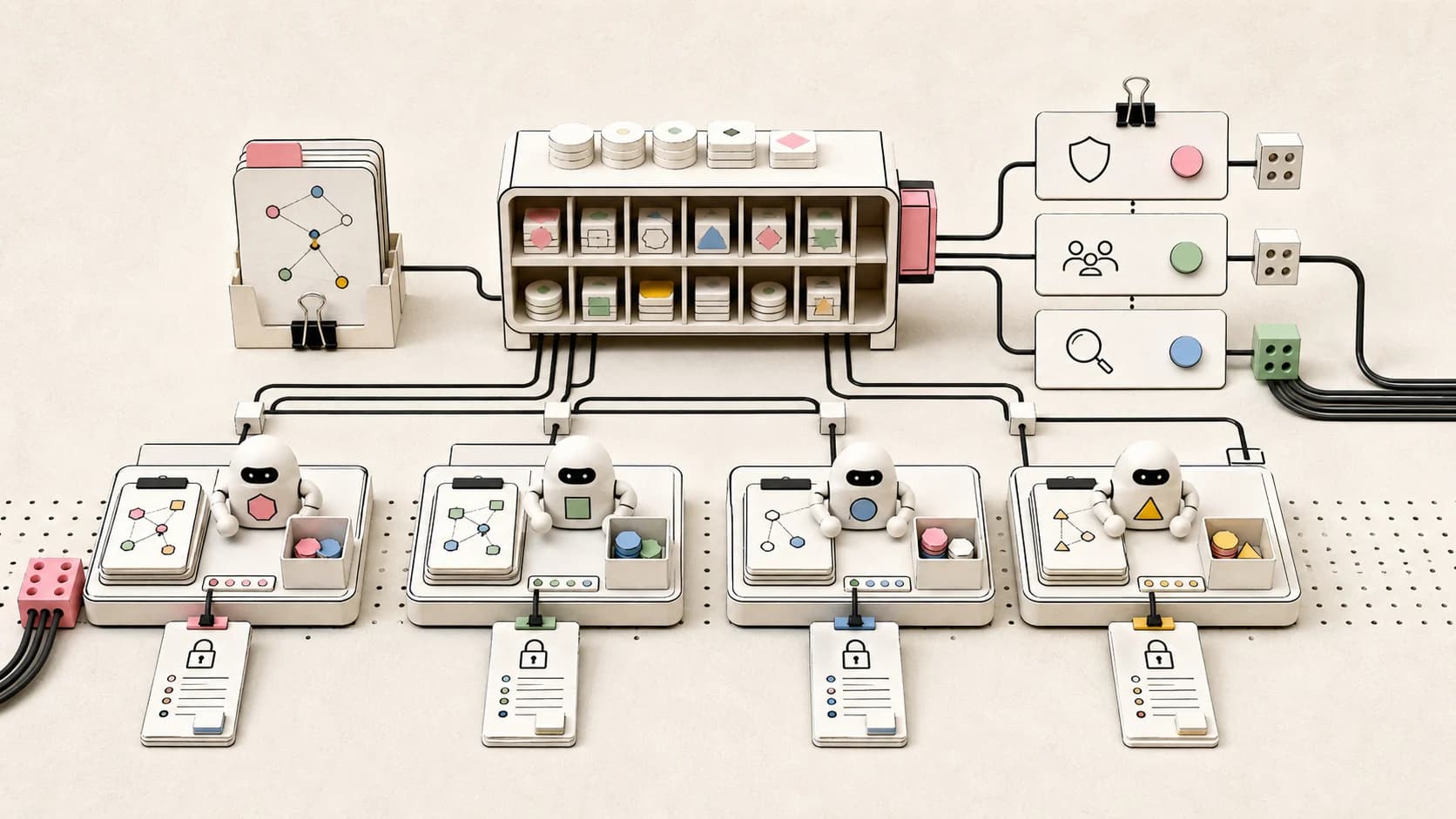
Agent Skills Are Becoming Package Managers
GitHub trending is full of agent skill registries. The winning pattern is not more prompts. It is dependency governance for the instructions your coding agents inherit.
8 min read
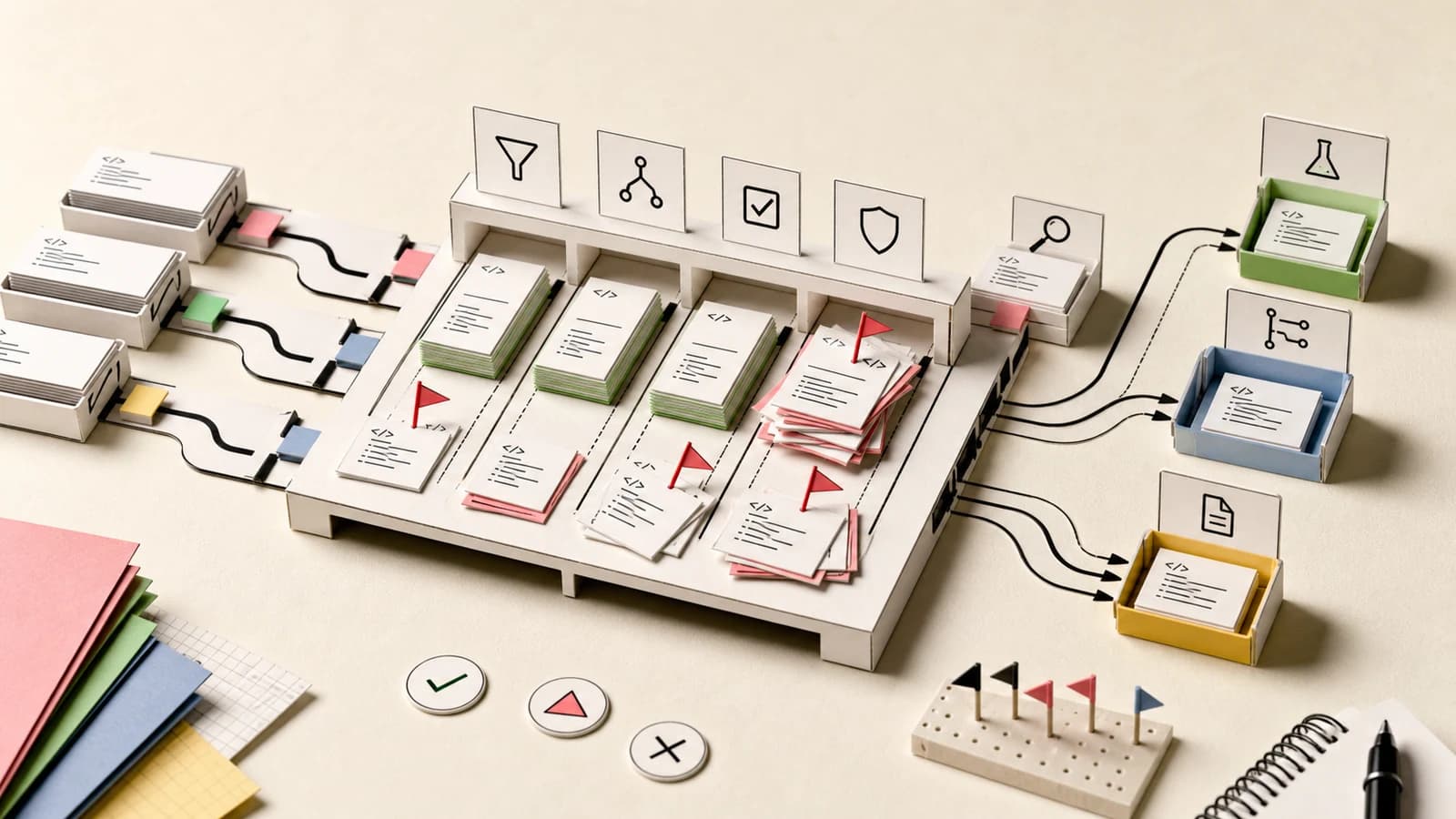
AI Code Review Is the New Bottleneck
Coding agents make code faster than teams can review it. The next advantage is not bigger prompts. It is review systems that force reproduction, small diffs, tests, and receipts.
8 min read
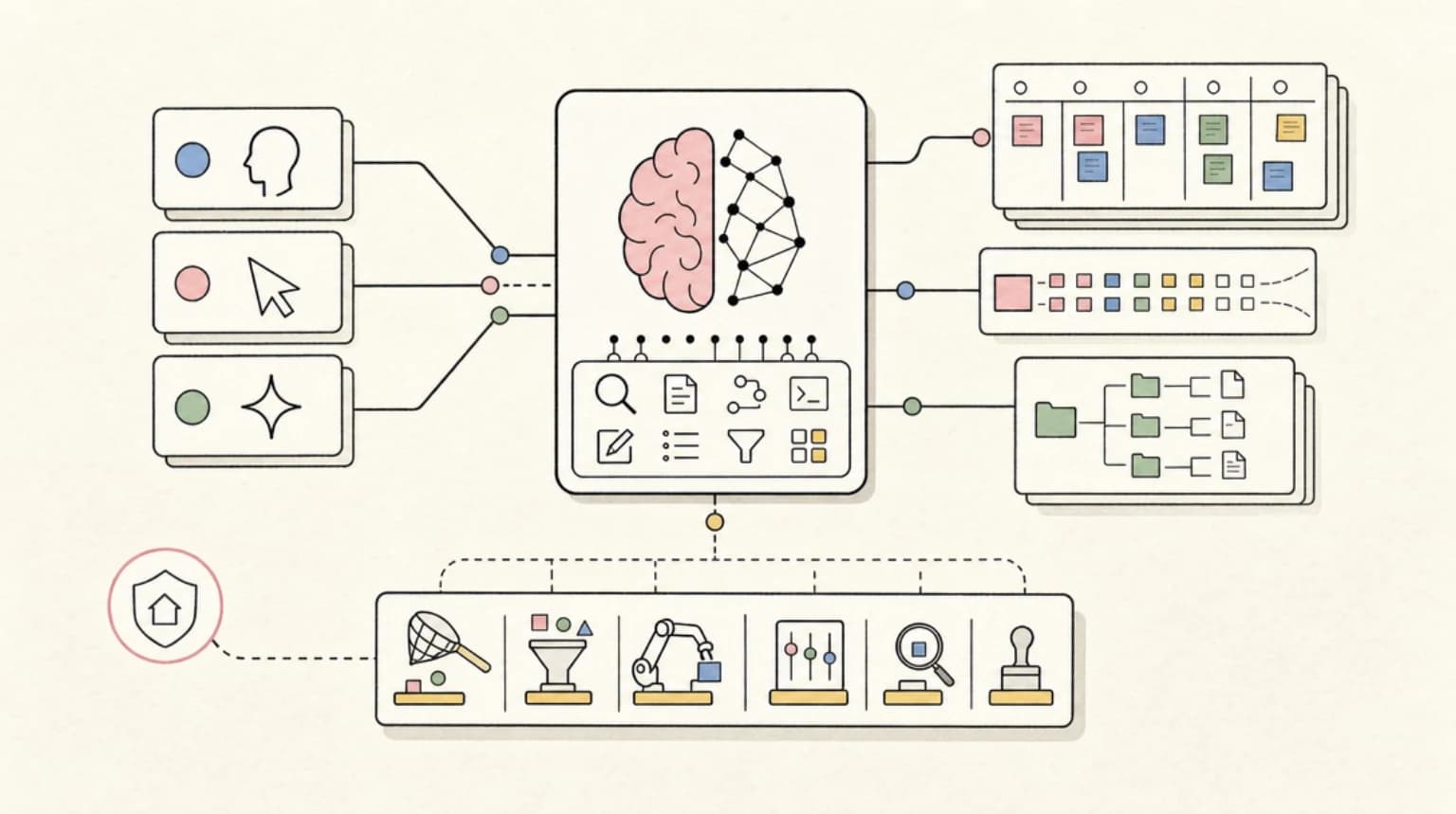
AgentMemory Is Useful Only If You Audit What It Remembers
AgentMemory gives Claude Code, Codex, Cursor, and other agents persistent local memory. The real adoption question is not recall accuracy. It is whether your team can inspect, prune, and govern what gets remembered.
8 min read
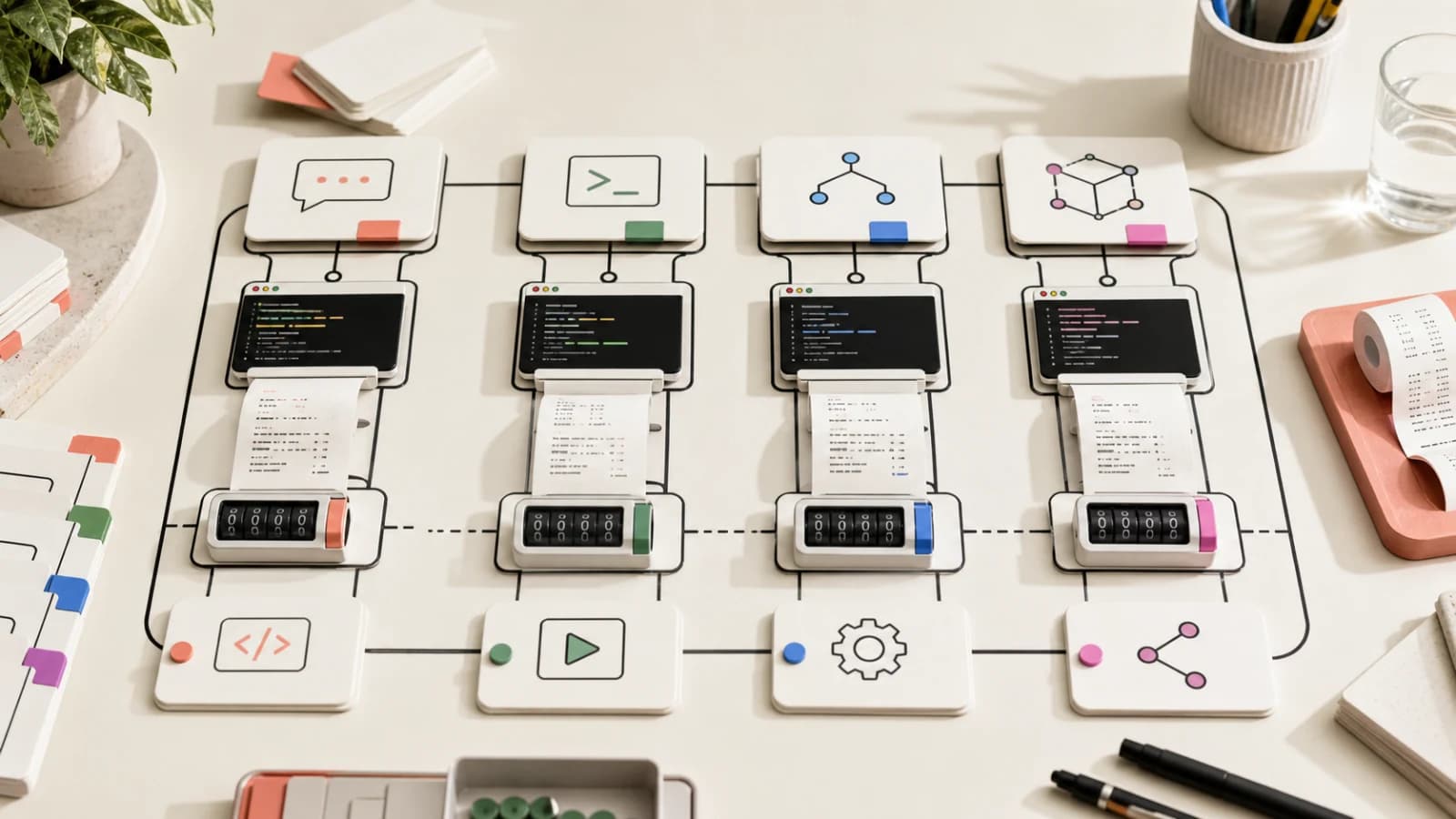
Claude Agent SDK Credits End the Subscription Arbitrage
Anthropic's June 15 Agent SDK credit split is not just a pricing tweak. It is a signal that autonomous coding workflows need separate budgets, lanes, and receipts.
7 min read

Claude Code Plugin URLs Turn Skills Into a Supply Chain
Claude Code's newer plugin URL and hard-deny controls are small release-note items with a big implication: agent extensions now need supply-chain discipline.
6 min read

Skills for Real Engineers Need Governance, Not Fandom
Matt Pocock's skills repo is a useful signal for AI coding teams. The next step is treating skills like governed production controls, not a folder of viral prompts.
7 min read
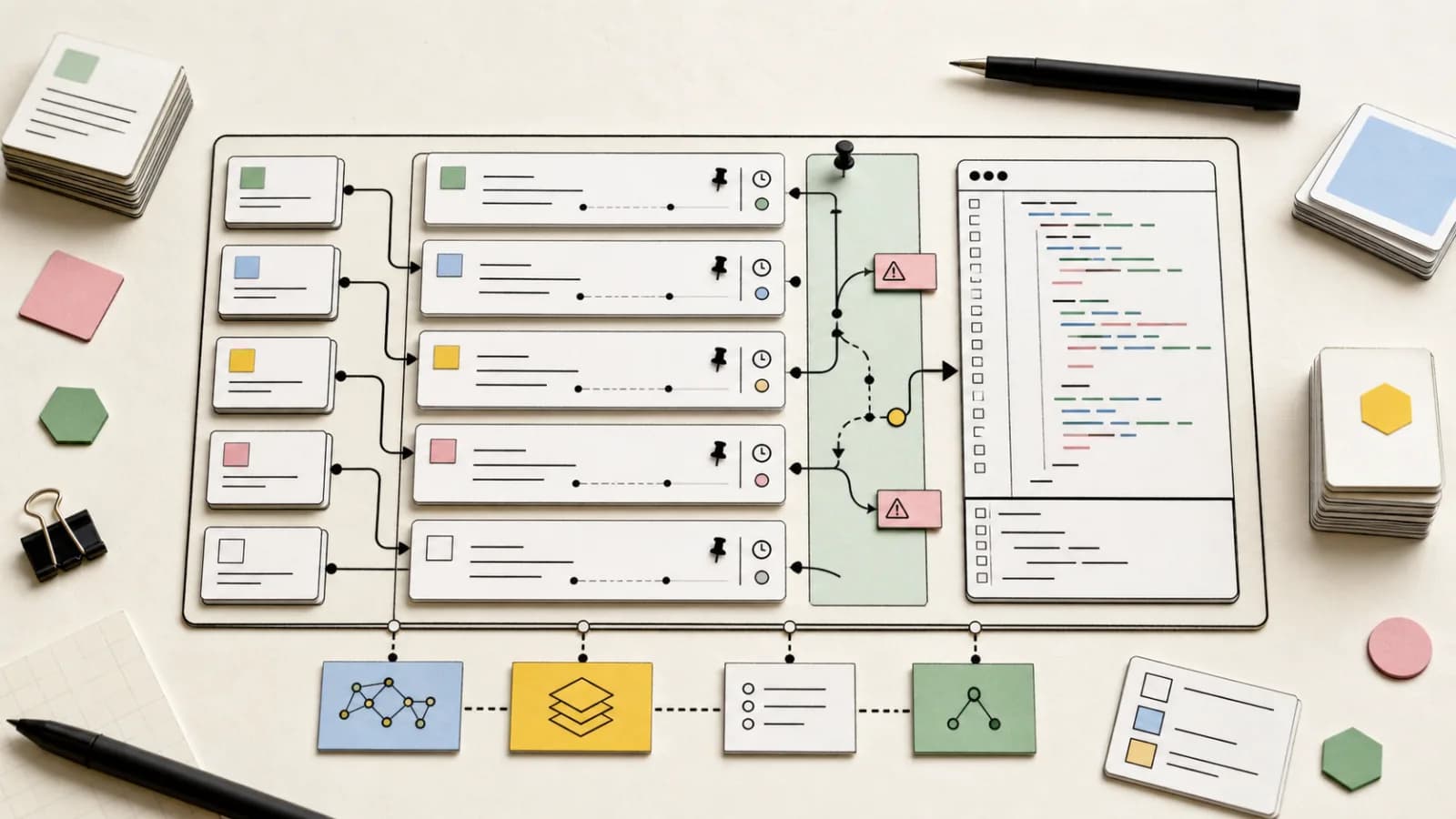
Agent Memory Benchmarks Are Not Enough
Persistent memory for coding agents is trending because every session still starts too cold. The hard part is not saving facts. It is proving recall, freshness, deletion, and rollback under real development pressure.
9 min read
Matt Pocock's Skills Repo Is a Better Pattern Than Vibe Coding
Matt Pocock's Claude Code skills repo shows the useful direction for agent workflows: small, composable skills that encode engineering discipline instead of hiding it.
8 min read

Codebase Graphs Are the New Agent Map
Graphify is trending because coding agents keep hitting the same wall: they can edit files, but they still need a durable map of how the codebase, docs, schemas, and decisions connect.
8 min read
Ruflo Is an Agent Meta-Harness. Treat the Star Count as a Warning Label.
Ruflo turns Claude Code and Codex into a larger agent harness with plugins, memory, swarms, MCP tools, and federation. The useful question is not the star count. It is how much harness you actually need.
8 min read

Terminal Agents Are the New Developer Runtime
Terminal agents like Claude Code, Codex CLI, OpenCode, Copilot CLI, and DeepSeek-TUI are converging on the same runtime layer: permissions, sandboxing, rollback, diagnostics, subagents, receipts, and cost controls.
9 min read
Claude Code Token Burn Is an Observability Problem
The latest Claude Code cache-burn debate is not just a quota complaint. It is a reminder that coding agents need cache-hit telemetry, spend ceilings, and repro-grade usage logs.
8 min read
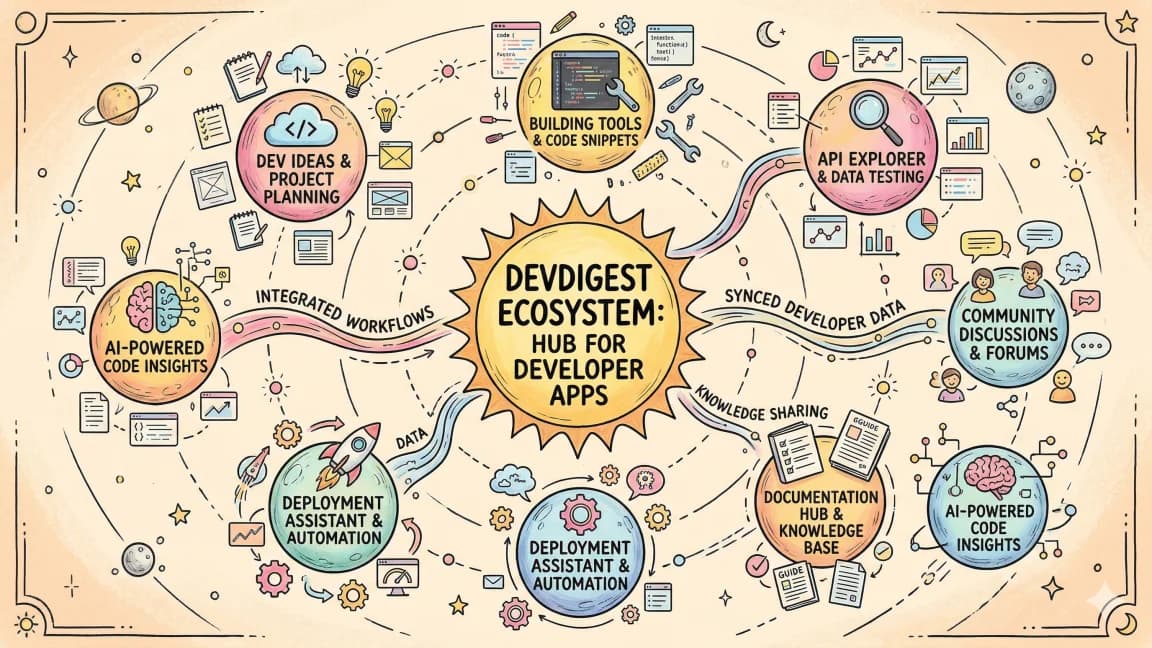
How We Patched 100+ PRs Across Our App Empire in One Day
31 deployed apps. 7 down. Favicons missing on 20 of 24 reachable hosts. Sentry on zero. Here is how a single audit turned into 58 PRs in one afternoon - and what shipped, what didn't, and what the pattern was.
6 min read
219 PRs in One Day: A Parallel Agent Fan-Out Postmortem
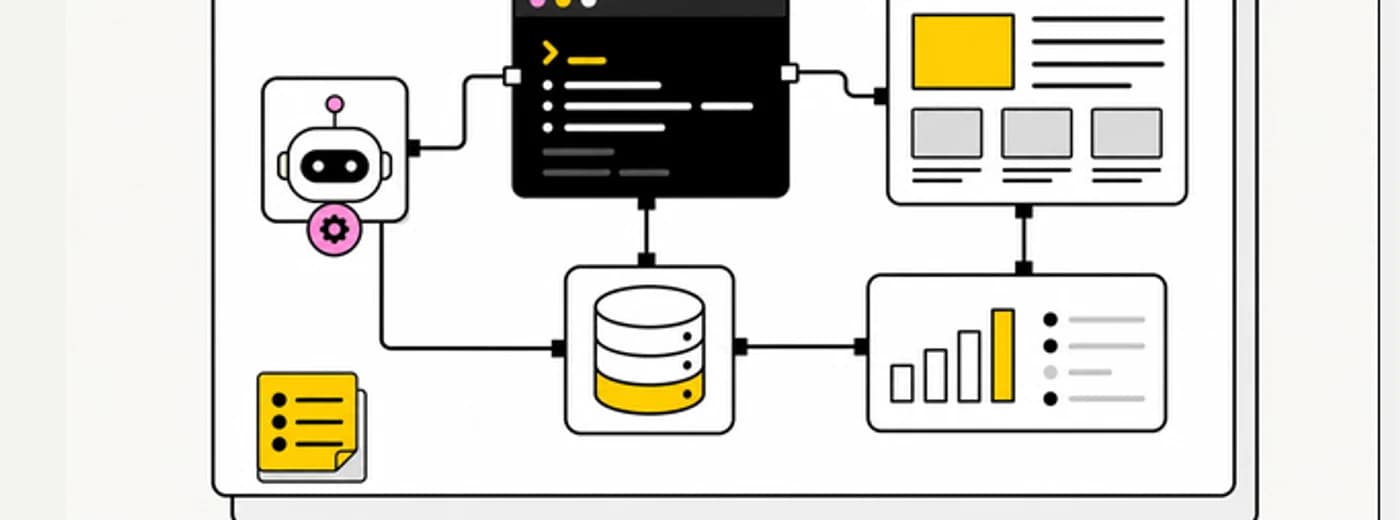
Notes from a single session running 200+ Claude Code subagents in parallel across 35 repos. What worked, what broke, and the patterns I codified into a skill so the recipe replays.
8 min read
38 Apps in One Day: Migrating an Empire from Replit to Coolify
How we ported 38 apps off Replit and onto Coolify in a single day, using parallel Claude Code subagents, gh, and neonctl. The honest stats: stubs, monorepos, false-empties, and ~120 PRs.
8 min read
Claude Code 2.1.128 Is an Ops Release, Not a Feature Drop
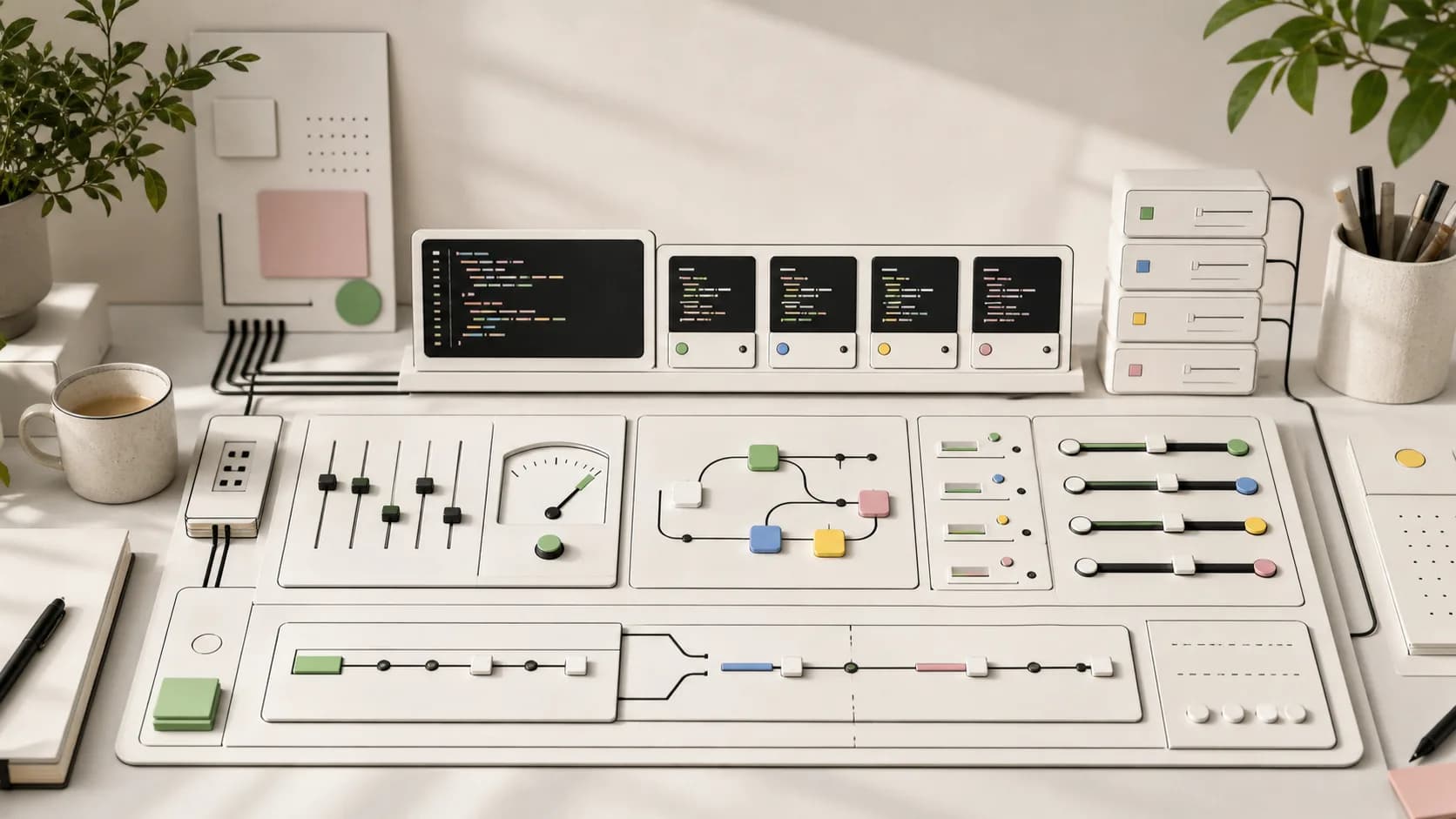
Claude Code 2.1.128 is full of small fixes around MCP, worktrees, OTEL, plugins, and permissions. That is exactly why it matters for teams running agents every day.
6 min read
Codex Loops: What Boris Cherny Gets Right About Managing Agent Work
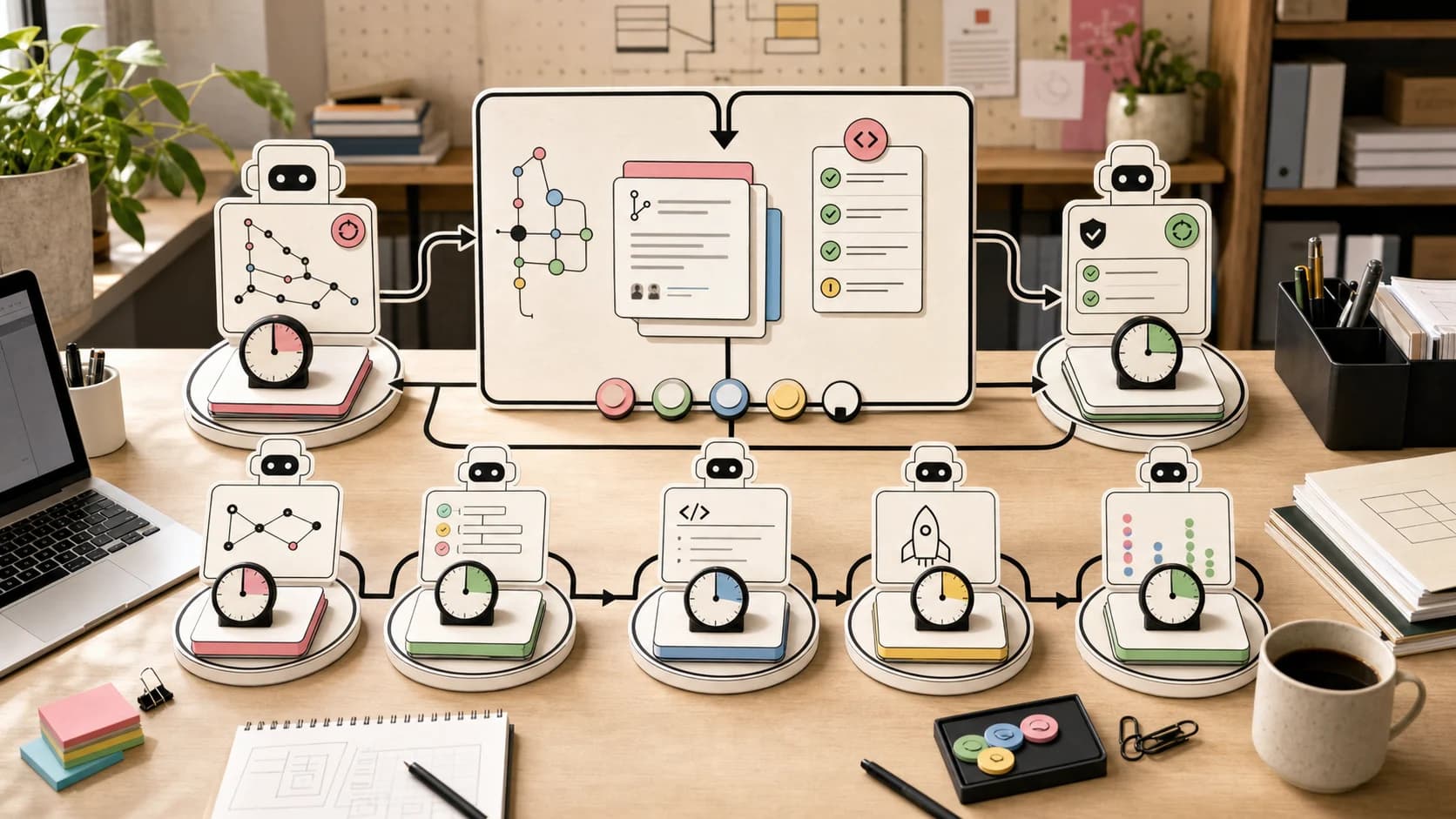
Boris Cherny's loop-heavy Claude Code workflow points at the next Codex content lane: recurring agents that babysit PRs, CI, deploys, and feedback streams.
8 min read

Free Claude Code Is Really a Model Gateway Bet
The trending Free Claude Code repo is not just about avoiding API bills. It points at a bigger developer-tool pattern: model gateways for AI coding agents.
7 min read
Agent Skills Need Exit Criteria, Not More Prompt Lore
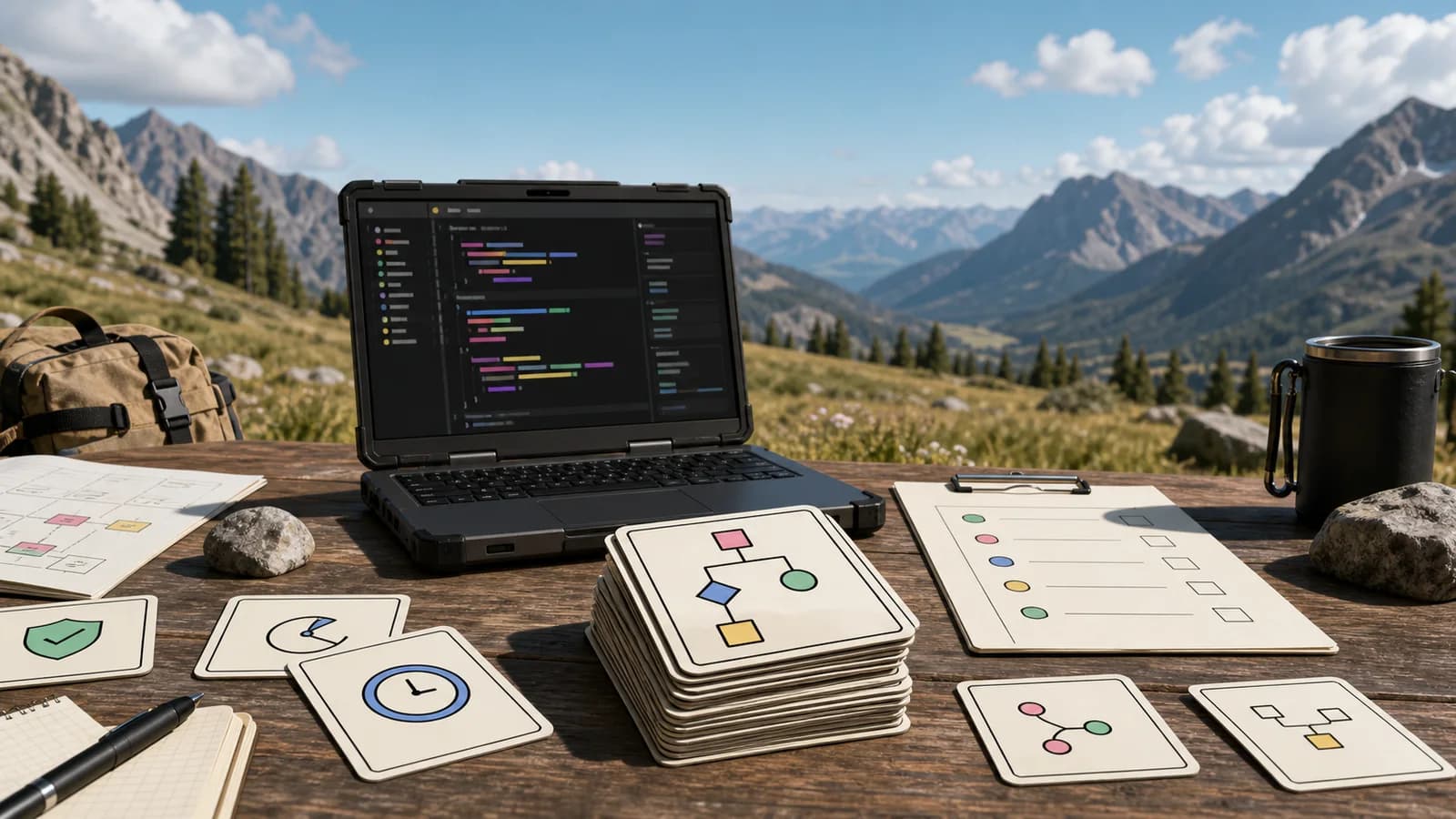
Addy Osmani's agent-skills repo is trending because it turns vague AI coding advice into reusable engineering checklists. The real value is not the markdown. It is the exit criteria.
7 min read
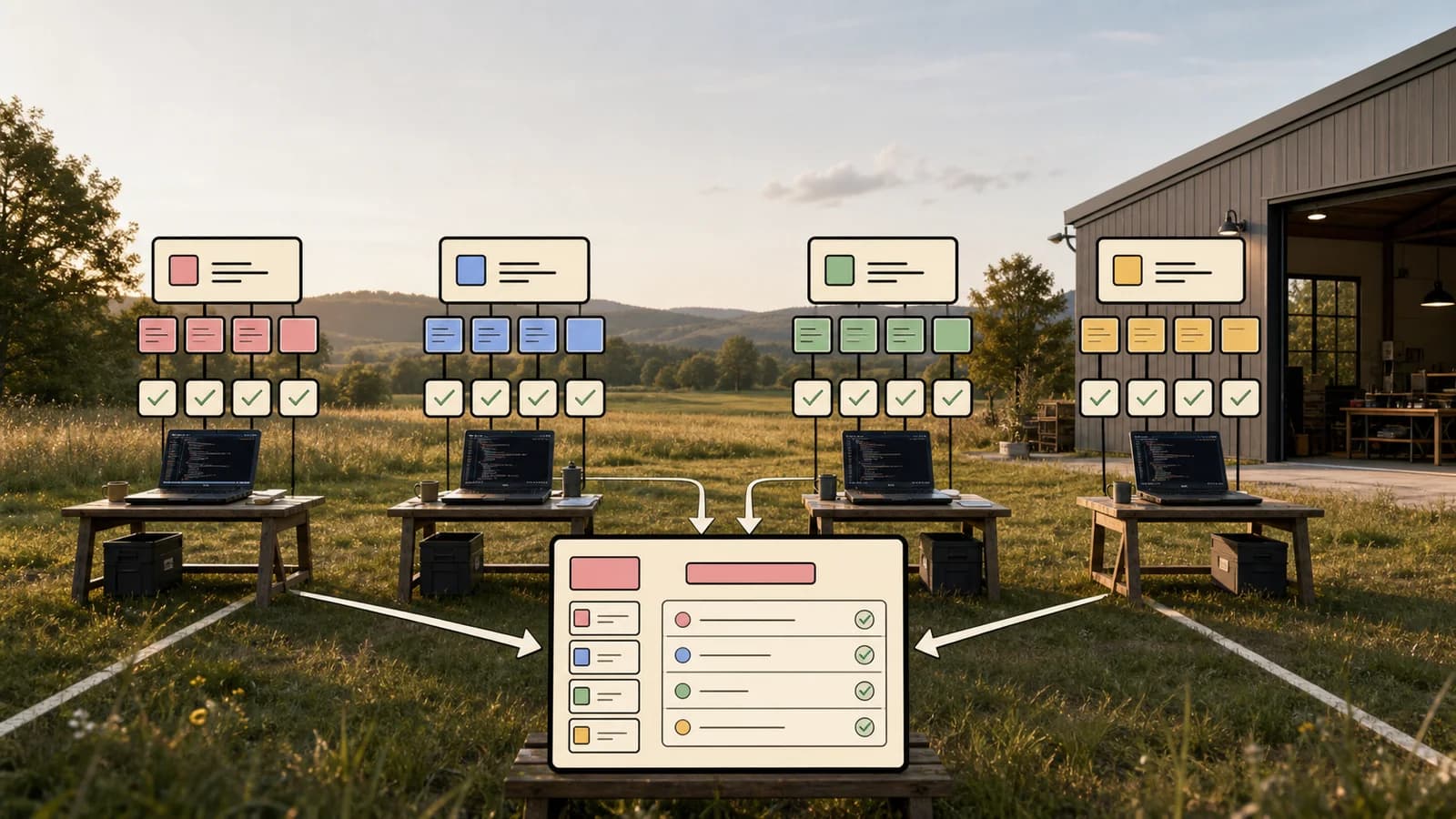
Parallel Coding Agents Need Merge Discipline
Parallel agents can move faster than one agent, but only when tasks have clean ownership, review receipts, and a merge path that does not turn speed into cleanup work.
7 min read

Karpathy CLAUDE.md Skills: Use the Viral Rules as a Menu, Not a Template
The andrej-karpathy-skills repo exploded because every coding agent needs behavioral rails. The useful move is not copying it blindly, but turning the rules into repo-specific operating constraints.
8 min read
The 98% Context Reduction Pattern
Efficient agents do not stuff every tool result into the model context. They keep intermediate state in code, files, and execution environments, then return compact summaries and receipts.
8 min read

Approval Fatigue Is an Agent Security Bug
Manual approval prompts stop protecting users when coding agents ask too often. The better pattern is risk-aware autonomy: safe defaults, narrow deny rules, and approvals only for meaningful changes.
7 min read
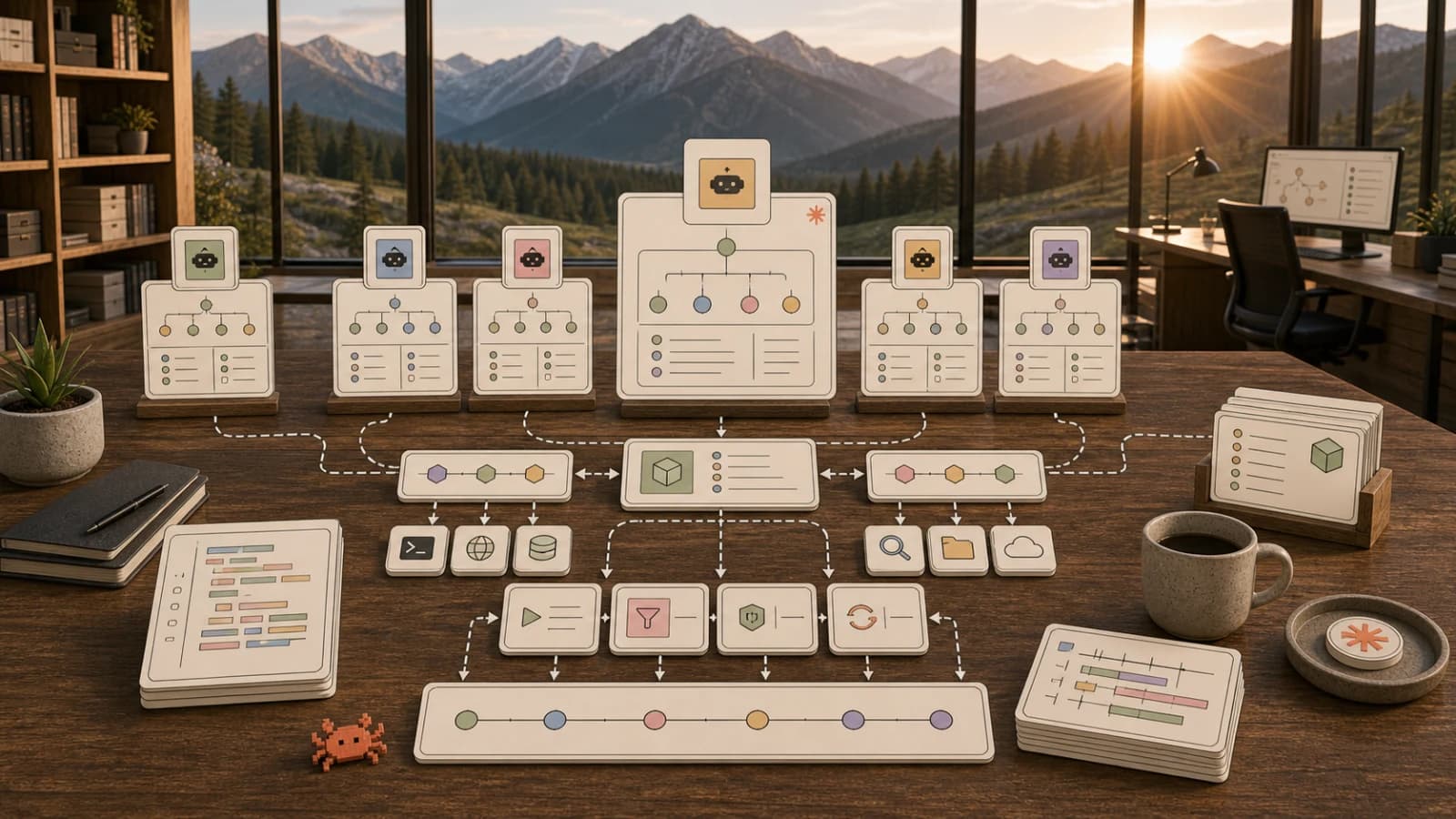
Claude Code Agent Teams, Subagents, and MCP: The 2026 Playbook
Claude Code is turning into an orchestration layer for agent teams. Here is how subagents, MCP, hooks, and long context fit together in 2026.
9 min read
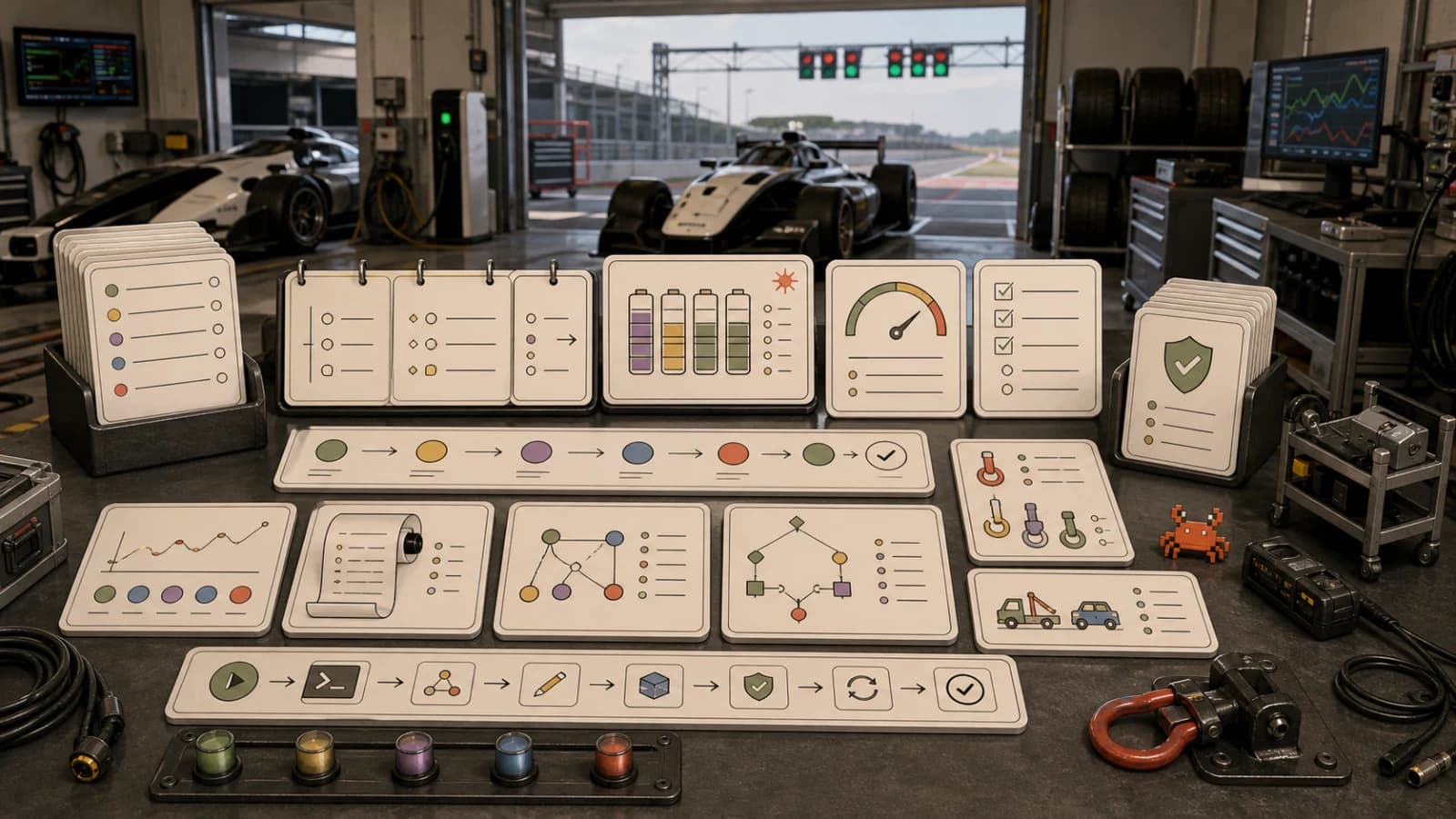
Long-Running Agents Need Harnesses, Not Hope
A long-running coding agent is only useful if the environment around it can queue tasks, capture logs, checkpoint state, verify behavior, limit cost, and recover from failure.
9 min read
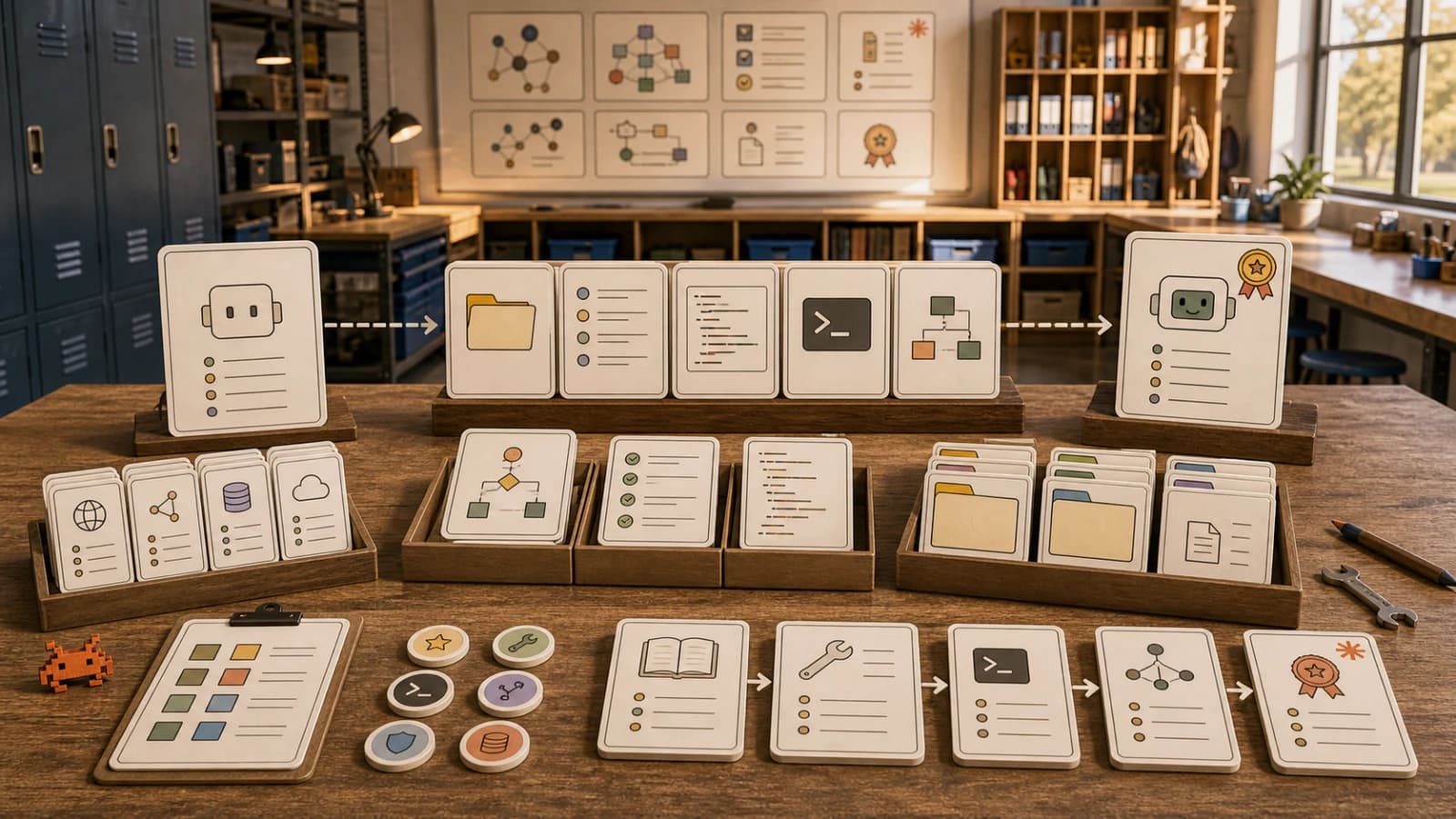
Skills Are How Agents Learn the Job
Skills turn a general coding agent into a trained teammate by packaging runbooks, scripts, examples, and domain-specific judgment into reusable instructions.
7 min read
Skills Are the New Agent Operating System
GitHub trending is full of agent skill frameworks. The real shift is not bigger prompts or more agents. It is turning team process into inspectable, reusable operating instructions.
9 min read
12 Tools in One Night: An Honest Overnight Agent Report
I told an agent to improve the site every 10 minutes and went to sleep. Here is what 12 new repos, 60 PRs, and three goofs taught me about overnight orchestration.
11 min read
Open-Source MCP Servers Worth Installing in 2026
The MCP ecosystem crossed 22,000 servers in early 2026. Most are noise. Here are the open-source servers that have earned a permanent slot in our config, with copy-paste setup for Claude Code, Cursor, and Codex.
12 min read
Self-Hosting AI Agents: 5 Ways to Run Claude Code on Your Own Infra
Claude Code does not have to call Anthropic's API. Here are five working patterns for running it through your own gateway, on your own models, in your own VPC, with full audit logs and cost control.
13 min read
Agent Replays with TraceTrail: Loom for Agent Runs
Agent runs are opaque. TraceTrail turns a Claude Code JSONL into a public share link with a stepped timeline of messages, tool calls, and tokens.
8 min read
Best Claude Code Skills and Plugins in 2026: Where to Find, Install, and Choose Them
The Claude Code skills and plugins hub: what skills are, where to find them (Anthropic's official marketplace, anthropics/skills, top GitHub repos), how the plugin marketplace works, the Superpowers methodology plugin, exact install commands, and the picks worth your context budget.
14 min read
Claude Code as an HL7 to FHIR Migration Agent for Hospitals
Hospitals still ship HL7 v2 pipes between systems in 2026. Here is how to wire Claude Code as a careful, HIPAA-aware migration agent that takes them to FHIR.
11 min read
Hookyard Shows Why Claude Code Hooks Need a Package Manager
Claude Code hooks are powerful, but discovery and install still feel like manual JSON surgery. The Hookyard prototype shows what a hook package manager should become.
9 min read

Skills Marketplace: 312 Claude Code Skills, Curated
A curated directory of 312 Claude Code skills, plus Pro tools for authors who want analytics, version pinning, and a real submission flow.
8 min read

DESIGN.md: The Contract That Keeps AI Agents On Brand
A repo-root DESIGN.md gives Claude Code, Codex, and other agents the design rules they need to honor so generated UI does not drift into generic territory.
9 min read
Claude Context Is Code Search For Agents. Treat It Like Retrieval Infrastructure.
Zilliz's Claude Context MCP gives coding agents semantic code search, but the real question is whether retrieval makes agent work more reviewable, cheaper, and easier to verify.
8 min read
Six More Tools for the Agent Infrastructure Stack
The second half of our agent tooling release: distribution, validation, and ergonomics layered on top of the first six. Six small CLIs, one through-line.
9 min read
Two Small Devtools: SkillForge CI and Cost Tape
Two quality-of-life tools we built this week for Claude Code daily drivers: a SKILL.md linter and a VS Code status bar that shows live LLM spend.
7 min read

10 Tools We Built for Agent Infrastructure
Ten private tools shipped overnight - observability, skills, hooks, prompts, and evals - aimed at the agent infrastructure gap small teams keep falling into.
11 min read
10 Trending AI Dev Tools, Week of April 28 2026
From Claude Opus 4.7 and GPT-5.5 to Andrej-karpathy-skills and EvoMap - the AI dev tools actually shipping the last 30 days, with commands, links, and pricing.
9 min read
The Claude Design Moment: AI Design Skills Just Got Their Breakout Week
Four Claude-Design-adjacent repos entered the trending week with a combined 8,300+ stars. Huashu-design, open-codesign, awesome-claude-design, cc-design. Here is what is actually happening, and why the pattern matters.
7 min read
Codeburn: The First TUI That Actually Shows Where Your Claude Max Subscription Is Going
Codeburn is a terminal dashboard for tracking token spend across Claude Code and Cursor. Here is what it shows, why people are reaching for it, and how it ties into the over-editing problem.
7 min read
Intent Debt: The AI-Era Debt Nobody Is Tracking
Martin Fowler reframes AI-era debt into three layers - technical, cognitive, and intent. The third one is the one most teams are silently accumulating. Here is what it is and how to diagnose it.
8 min read

Over-Editing: Why Your AI Coding Agent Rewrites What Isn't Broken
The EMNLP 2026 over-editing paper quantifies a problem every Claude Code, Cursor, and Codex user has felt: models making huge diffs for tiny fixes. Here is why it happens, why tests do not catch it, and what to do about it.
9 min read
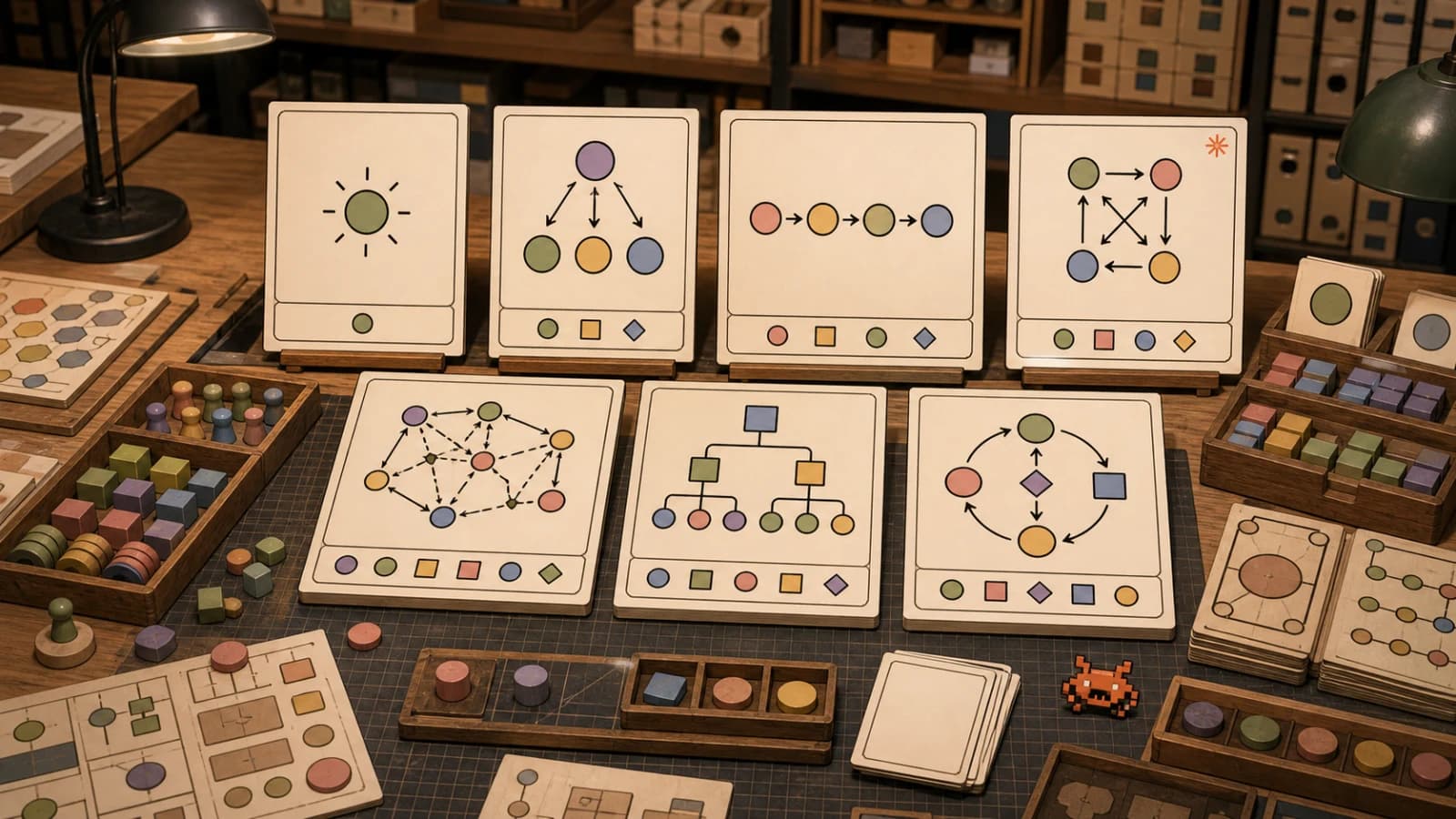
7 AI Agent Orchestration Patterns Every Developer Should Know
From single-agent baselines to multi-level hierarchies, these are the seven patterns for wiring AI agents together in production. Each with a decision rule, an implementation sketch, and the tradeoffs that actually matter.
10 min read
Zed Just Made Parallel AI Agents a Native Editor Primitive
Zed shipped a Threads Sidebar that runs multiple agents in one window, isolated per-worktree, with per-thread agent selection. This is the first major editor to treat parallel agent orchestration as a first-class editor feature, not a plugin.
7 min read
Karpathy Skills Show Why CLAUDE.md Is Product Surface Now
The viral Karpathy-style CLAUDE.md repo is not just a prompt trick. It shows why agent instructions, skills, plugins, and repo rules need ownership, review, and receipts.
8 min read

271 MCP Servers Exist. These 5 Actually Make Claude Code Better.
Most MCP servers are noise. After shipping 24 apps with Claude Code, these are the five I reach for every time.
11 min read

10 CLI Tools Reshaping AI Development in 2026
From Claude Code to Gladia, the ten CLIs every AI-native developer should know. Install commands, trade-offs, and when to reach for each.
8 min read

How I'm Building 24 AI-Powered Apps in Parallel
One dev, one CLI, 24 subdomains, and a lot of parallel agents. The playbook for shipping an AI app portfolio.
9 min read
Claude Code vs Codex vs Cursor vs OpenCode: Which Agent Ships More Code?
Four agents, same tasks. Honest trade-offs from a developer shipping production apps with all of them.
10 min read
How to Write a CLAUDE.md: The Complete 2026 Guide
CLAUDE.md is the highest-leverage file in any Claude Code project. Here's what goes in one, what doesn't, and the patterns that actually ship.
12 min read

What Are Claude Code Skills? A Complete Beginner Guide
Skills are how you stop copy-pasting the same workflow into Claude Code every session. What they are, how to write one, and where to find hundreds ready to use. Fact-checked against Anthropic's docs.
11 min read
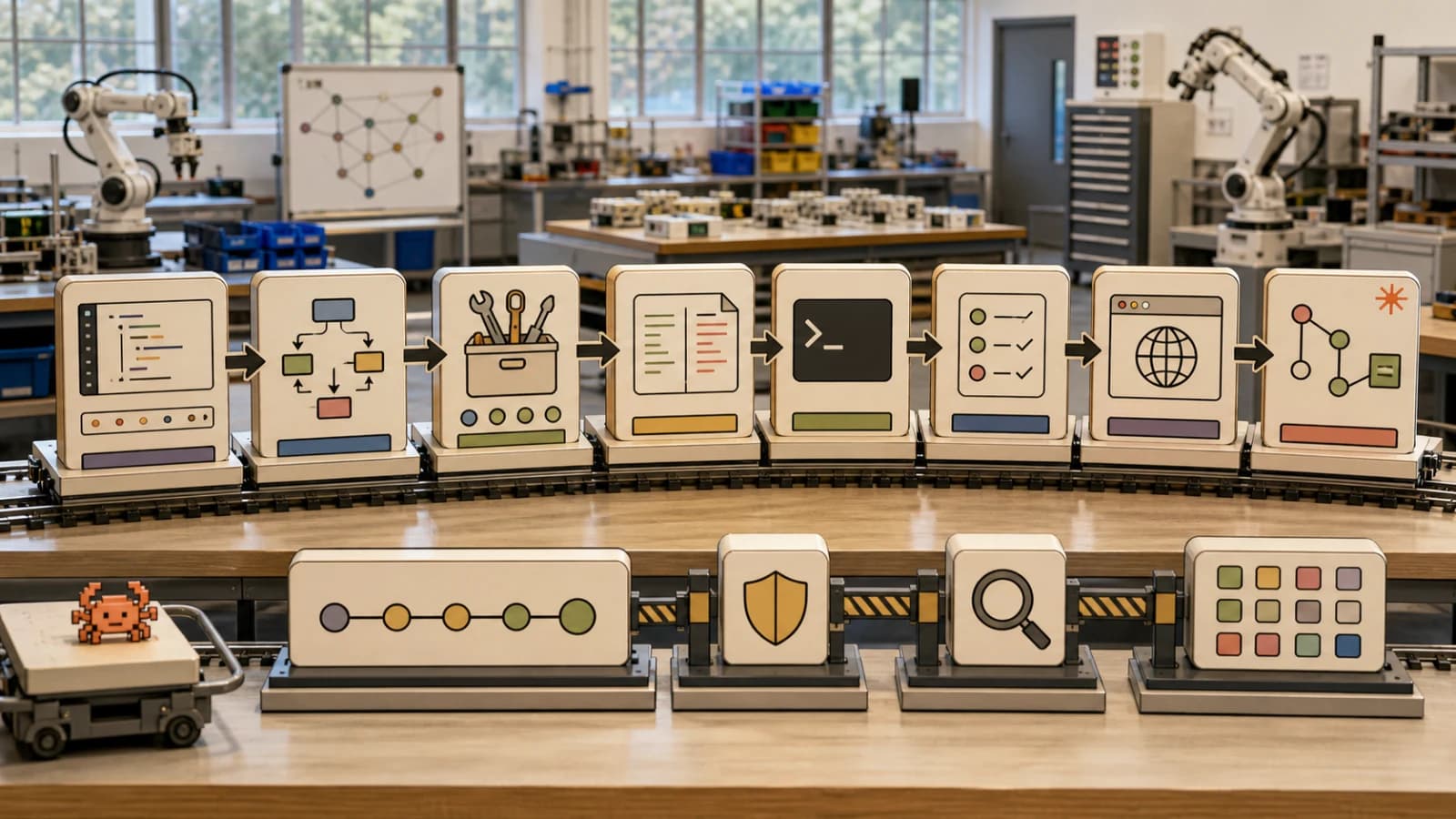
What Is an AI Coding Agent? The Complete 2026 Guide
Autocomplete wrote the line. Agents write the pull request. The shift from Copilot to Claude Code, Cursor Agent, and Devin - explained with links to the docs that prove every claim.
13 min read
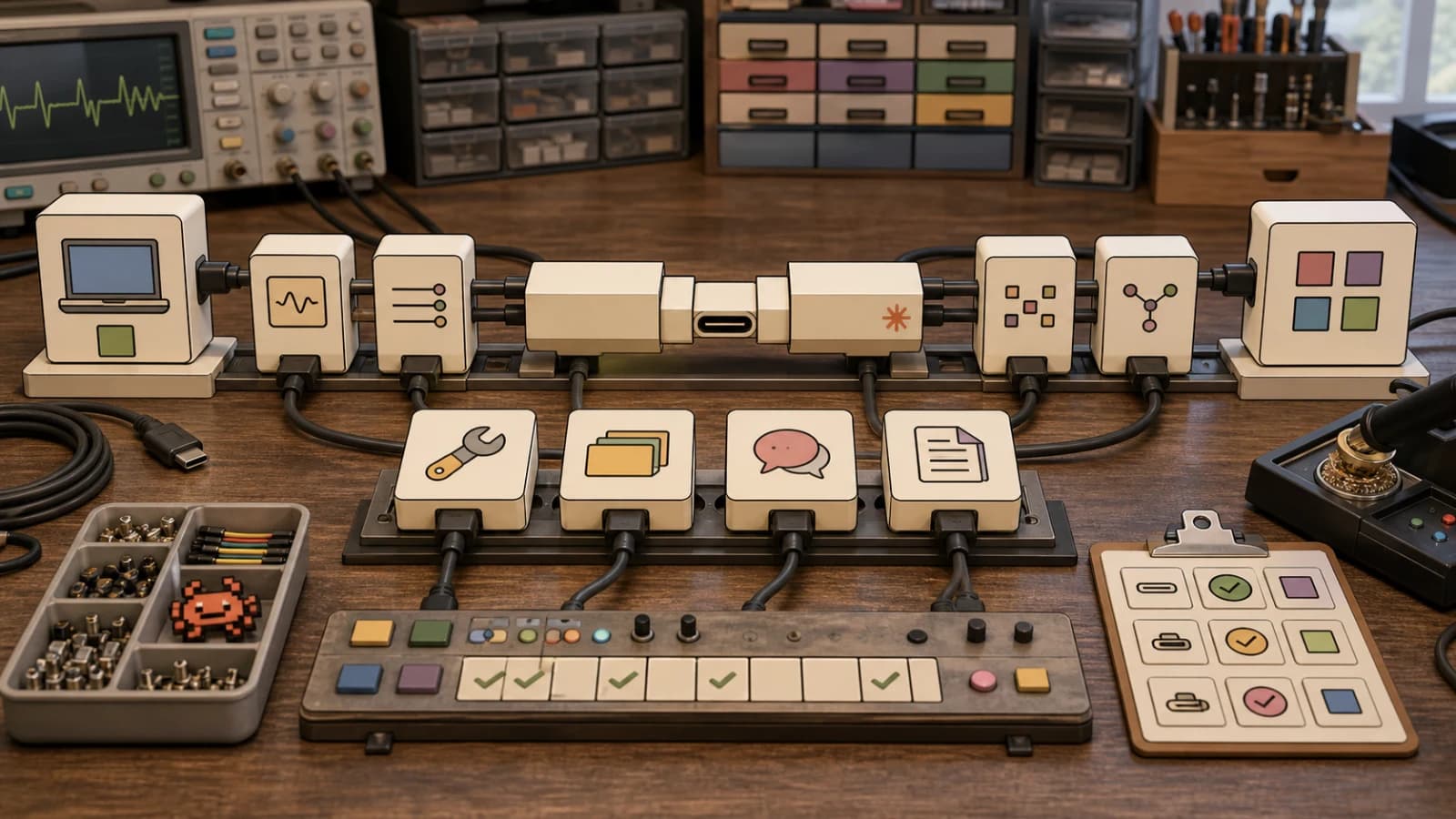
What Is MCP (Model Context Protocol)? The 2026 Developer Guide
MCP is the open standard for connecting AI apps to tools and data: servers expose tools, resources, and prompts over JSON-RPC, and any client can use them. What it is, how the stateless 2026-07-28 spec works, how to install a server in Claude Code or Cursor, and how to build one with the v2 TypeScript SDK.
14 min read

Aider vs Claude Code in 2026: Git-First Open Source vs Subagent Runtime
Updated 2026 comparison of Aider and Claude Code using official docs and current workflow patterns: architecture, control surfaces, cost behavior, and where each fits best.
10 min read
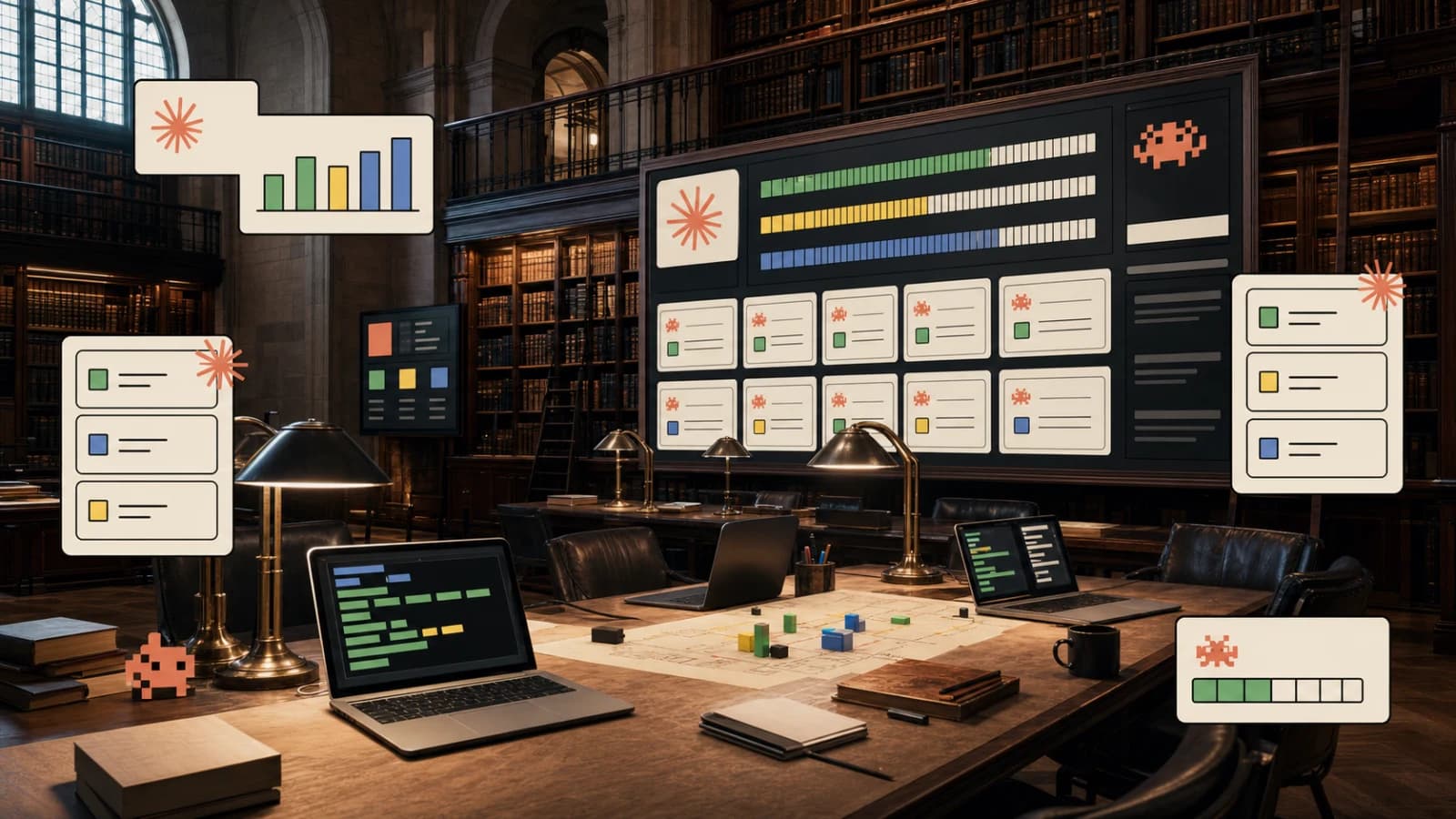
Claude Code Usage Limits in 2026: The Practical Playbook for Pro and Max Teams
A practical operational guide to Claude Code usage limits in 2026: plan behavior, API key pitfalls, routing choices, and team controls using hooks and subagents.
9 min read
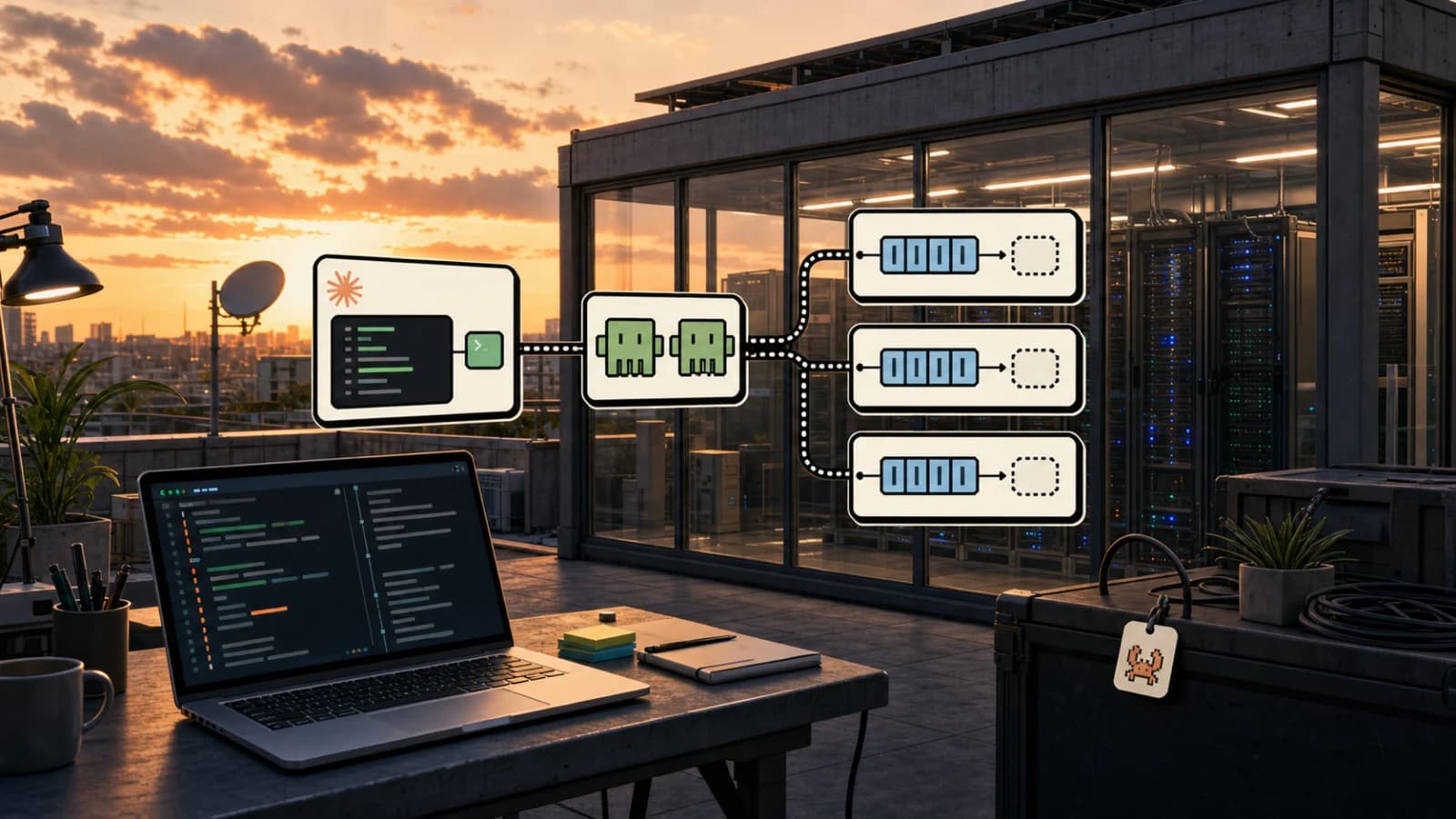
Claude Code vs Codex App in 2026: Local Agent Pairing vs Cloud Agent Orchestration
A deep comparison of Claude Code and OpenAI Codex app based on official docs and product updates: execution model, security controls, pricing, workflows, and when each wins.
11 min read
What Hacker News Gets Right About AI Coding Agents in 2026
Hacker News keeps arguing about Claude Code, Codex, skills, MCP, and orchestration. Under the noise, the same four truths keep surfacing: workflows matter more than demos, verification is the bottleneck, skills beat prompts, and orchestration matters more than raw autonomy.
11 min read

Why Skills Beat Prompts for Coding Agents in 2026
The coding-agent workflow is maturing past giant hand-written prompts. The winning pattern in 2026 is a control stack: project rules, reusable skills, bounded sub-agents, and deterministic tools around the model.
9 min read
The AI-Native Development Workflow: How Top Developers Actually Work in 2026
AI-native development is not about using AI tools. It is about restructuring how you plan, build, review, and ship code around agent capabilities. The five-layer stack that defines how the most productive developers work in 2026.
14 min read
Building Multi-Agent Workflows in Claude Code: A Practical Tutorial
How to use Claude Code's Task tool, custom sub-agents, and worktrees to run parallel development workflows. Real prompt examples, agent configurations, and workflow patterns from daily use.
11 min read
Building SaaS with AI Agents in 2026: The Complete Workflow
How to use AI agents to plan, scaffold, build, test, and deploy a SaaS product. Parallel development patterns, real workflow examples, and the operational details that determine whether your AI-assisted build succeeds or fails.
15 min read
Context Engineering: The Highest-Leverage Skill in AI-Assisted Development
Context engineering is the practice of designing the persistent information that surrounds every AI interaction. CLAUDE.md files, system prompts, skill libraries, and memory systems. It is the single highest-leverage skill for developers working with AI agents in 2026.
14 min read

The MCP Server Ecosystem: A Developer's Guide for 2026
An opinionated guide to the MCP server ecosystem in 2026. Curated picks by category, real configuration examples, installation commands, and honest assessments of what works and what does not.
13 min read
Building a SaaS with Claude Code: End-to-End Guide
How to go from idea to deployed SaaS product using Claude Code as your primary development tool. Project setup, feature building, deployment, and iteration.
10 min read
Case Study: Building Developers Digest with Claude Code
How a single developer shipped 100+ features in one day using Claude Code, parallel agents, and the never-ending todo system.
8 min read
How to Debug AI Agent Workflows
AI agents fail in ways traditional debugging cannot catch. Here are the tools and patterns for finding and fixing broken agent loops, tool failures, and context issues.
9 min read
MCP vs Function Calling: When to Use Each
MCP servers and function calling both let AI tools interact with external systems. They solve different problems. Here is when to reach for each.
6 min read
How to Migrate from GitHub Copilot to Claude Code
A practical migration guide for developers switching from GitHub Copilot to Claude Code. What changes, what stays the same, and how to get productive fast.
7 min read
Every AI Coding Tool Compared: The 2026 Matrix
12 AI coding tools across 4 architecture types, compared on pricing, strengths, weaknesses, and best use cases. The definitive comparison matrix for 2026.
15 min read

AI Coding Tools Pricing Comparison 2026
AI coding tools pricing, verified September 28, 2026: Claude Code, Codex, Cursor (including Composer 2.5), GitHub Copilot, Google Antigravity, Claude Cowork, Windsurf, and more. Free tiers, pro plans, hidden costs, and what you actually get for your money.
12 min read
303 AI Skills for 12 Careers: The Free Directory
A free directory of 303 packaged agent workflows covers 12 careers - from contract review for lawyers to candidate scoring for recruiters.
10 min read

Claude Code Channels: Telegram, Discord, iMessage, and Webhooks
Claude Code Channels let Telegram, Discord, iMessage, fakechat, and custom webhooks push events into a running Claude Code session. Here is when to use them, how the security model works, and where they fit beside Remote Control.
8 min read
Claude Code Hooks Explained
Hooks give you deterministic control over Claude Code. Auto-format on save, block dangerous commands, run tests before commits, fire desktop notifications. Here's how to set them up.
12 min read

How to Use Claude Code with Next.js
A practical guide to using Claude Code in Next.js projects. CLAUDE.md config for App Router, common workflows, sub-agents, MCP servers, and TypeScript tips that actually save time.
14 min read
Claude Code vs Cursor vs Codex: Which Should You Use?
Terminal agent, IDE agent, local-plus-cloud agent. Three architectures compared - how to decide which fits your workflow, or why you should use all three.
8 min read

Claude Computer Use: AI That Controls Your Desktop
Anthropic's computer use feature lets Claude see your screen, move the cursor, click, and type. Here is how it works, when to use it, and how to set it up.
6 min read
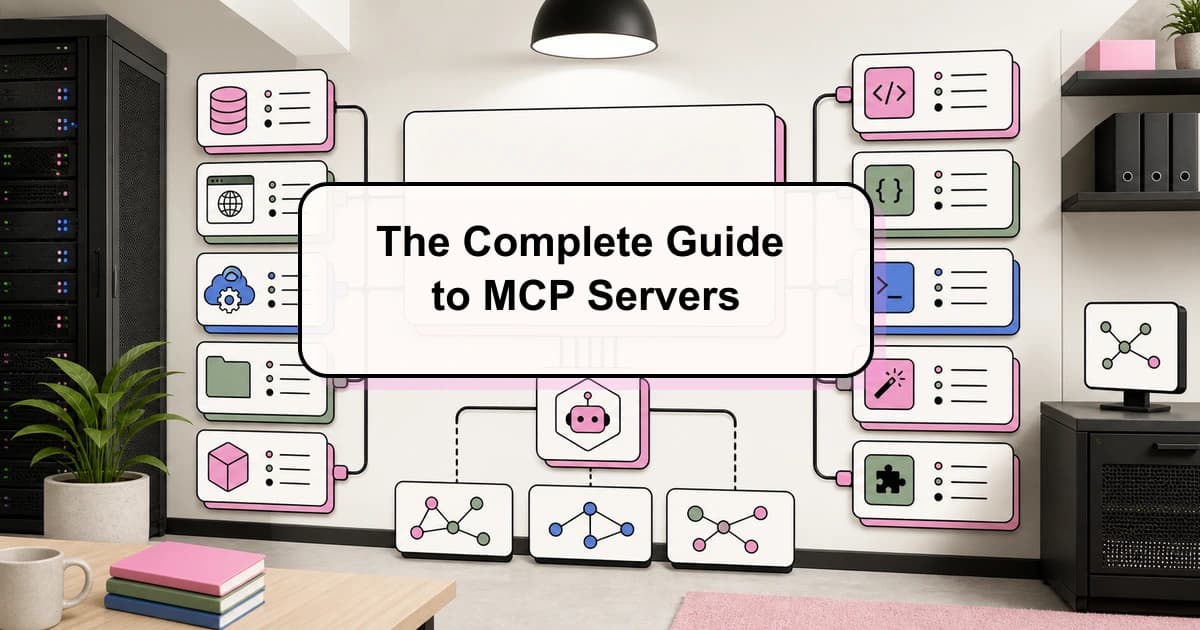
The Complete Guide to MCP Servers
Everything you need to know about Model Context Protocol - how it works, how to install servers, how to build your own, and the best ones.
12 min read
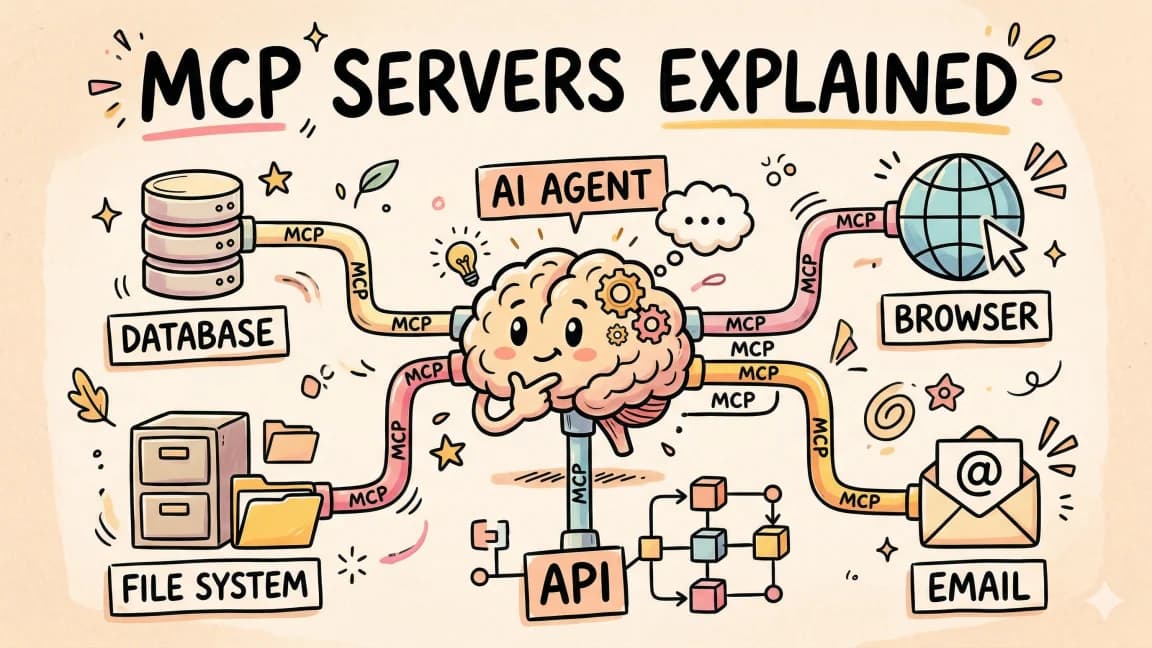
How to Build MCP Servers in TypeScript
A step-by-step guide to building Model Context Protocol servers in TypeScript. Project setup, tool registration, resources, testing with Claude Code, and production patterns.
14 min read
The Best MCP Servers in 2026: A Complete Directory
A searchable directory of 184+ MCP servers organized by category. Find the right server for databases, browsers, APIs, DevOps, and more.
10 min read
Ship Code While You Sleep: The Overnight Agent Workflow
How to spec agent tasks that run overnight and wake up to verified, reviewable code. The spec format, pipeline, and review workflow.
11 min read
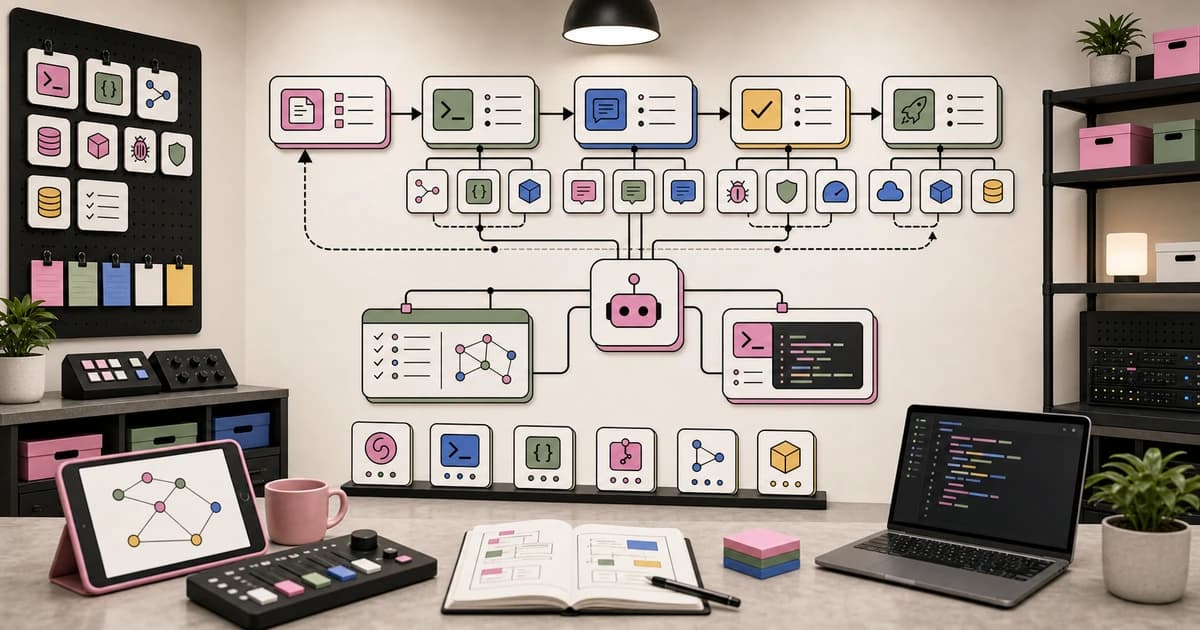
My AI Developer Workflow in 2026
The exact tools, patterns, and processes I use to ship code 10x faster with AI. From morning briefing to production deploy.
9 min read

Aider vs Claude Code: Open Source vs Commercial AI Coding CLI
Aider is open source and works with any model. Claude Code is Anthropic's commercial agent. Here is how they compare for TypeScript.
5 min read
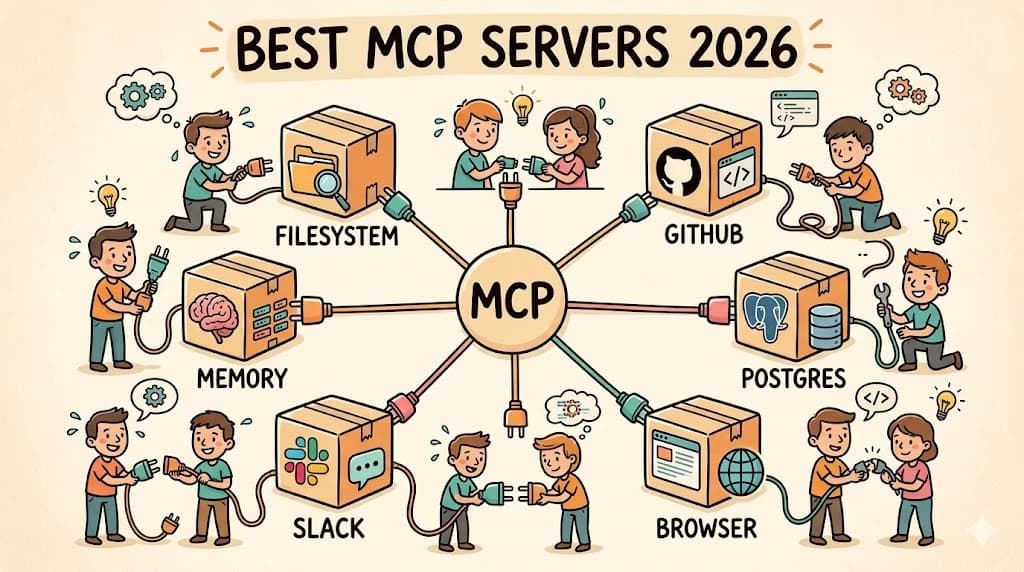
Best MCP Servers in 2026: The Developer Shortlist
A practical ranked list of MCP servers worth installing first for Claude Code, Cursor, Copilot, Codex, and OpenCode: GitHub, Filesystem, Context7, Playwright, Postgres, Sentry, Supabase, Notion, Slack, and more.
10 min read
60 Claude Code Tips and Tricks for Power Users
The definitive collection of Claude Code tips - sub-agents, hooks, worktrees, MCP, custom agents, keyboard shortcuts, and dozens of hidden features most developers never discover.
25 min read
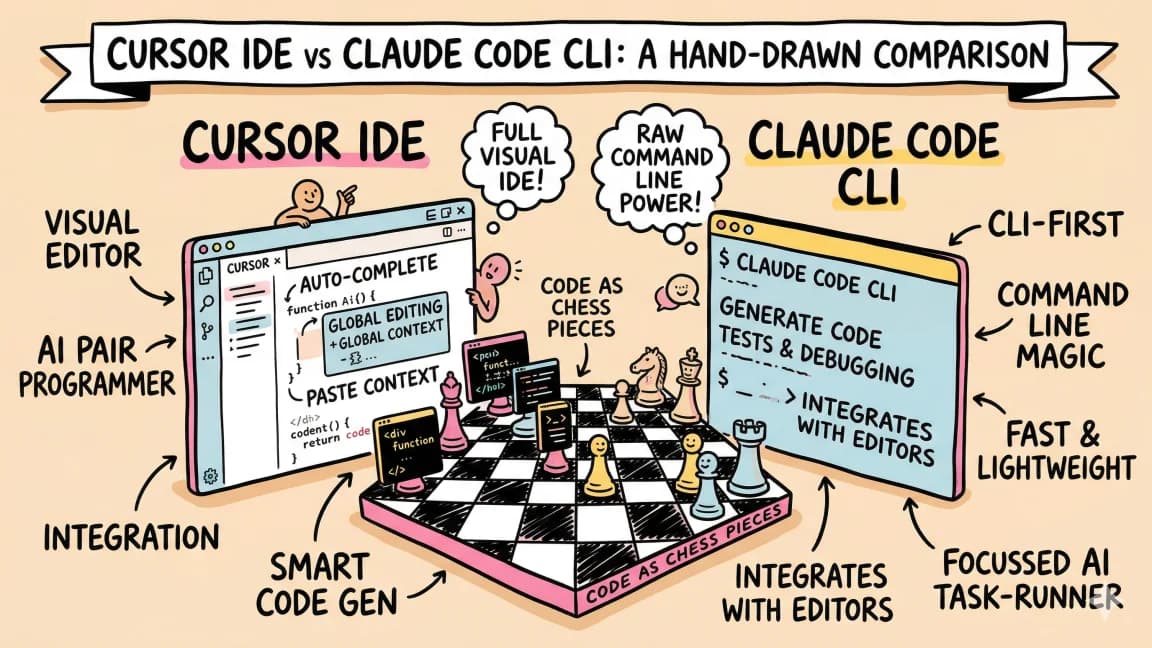
Claude Code vs Cursor in 2026: Which Should You Use?
Pick Claude Code for autonomous, terminal-first, multi-file work. Pick Cursor for editor-native iteration with tab completions and visual diffs. Current models, pricing, and a decision framework, verified September 28, 2026.
11 min read
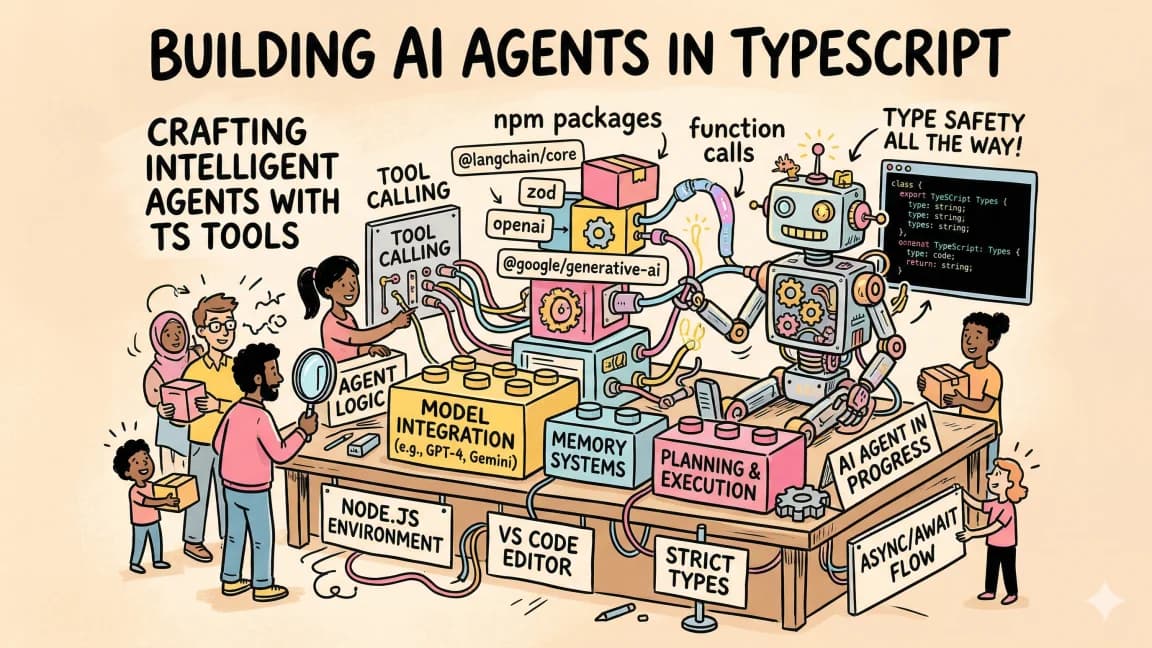
How to Build AI Agents in TypeScript
A practical guide to building AI agents with TypeScript using the Vercel AI SDK. Tool use, multi-step reasoning, and real patterns you can ship today.
10 min read
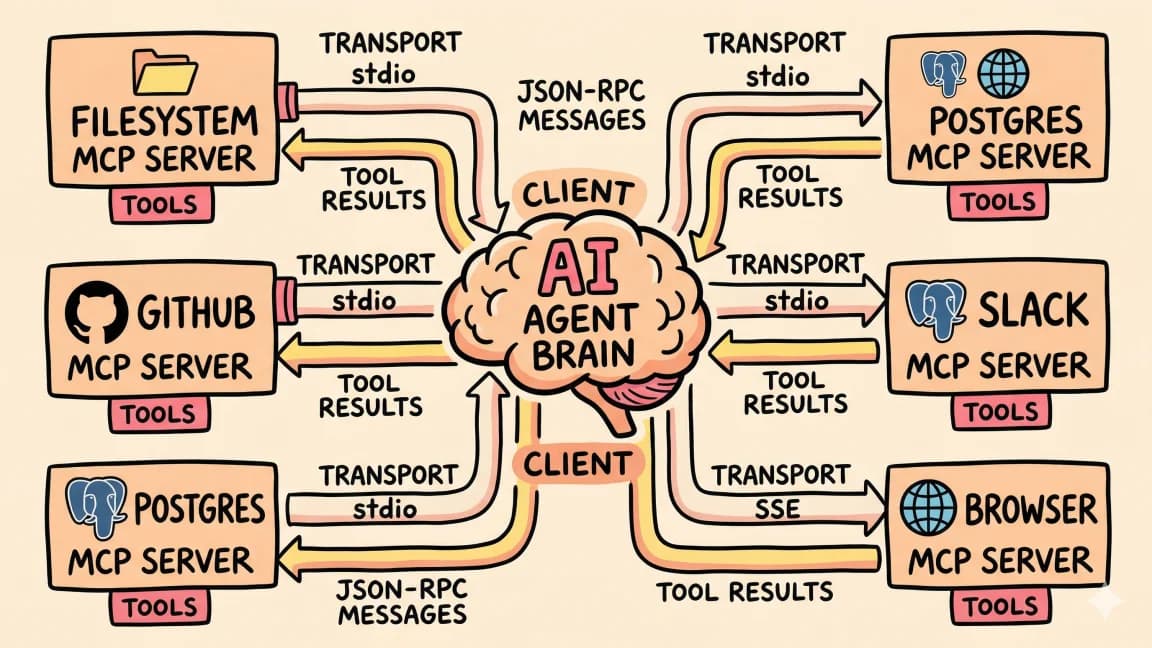
How to Use MCP Servers: The Complete Guide
MCP servers connect AI agents to databases, APIs, and tools through a standard protocol. Here is how to configure and use them with Claude Code and Cursor.
11 min read
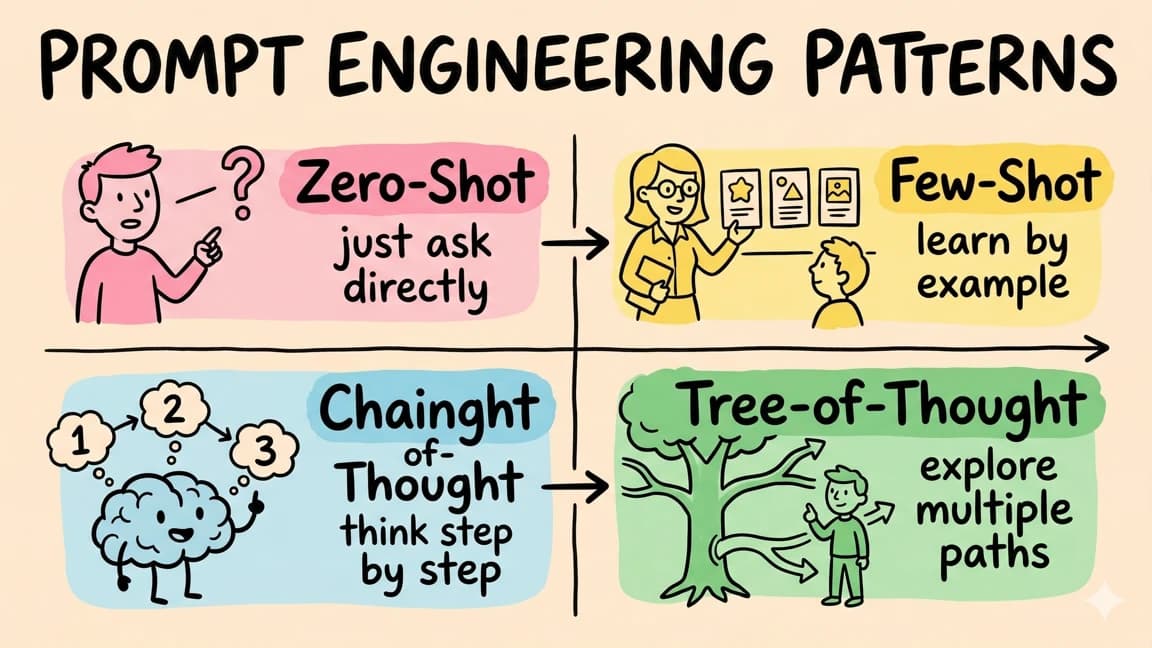
Prompt Engineering for AI Coding Tools
Prompt engineering for coding is less about clever wording and more about task specs, repo context, constraints, examples, verification, and reviewable receipts.
9 min read
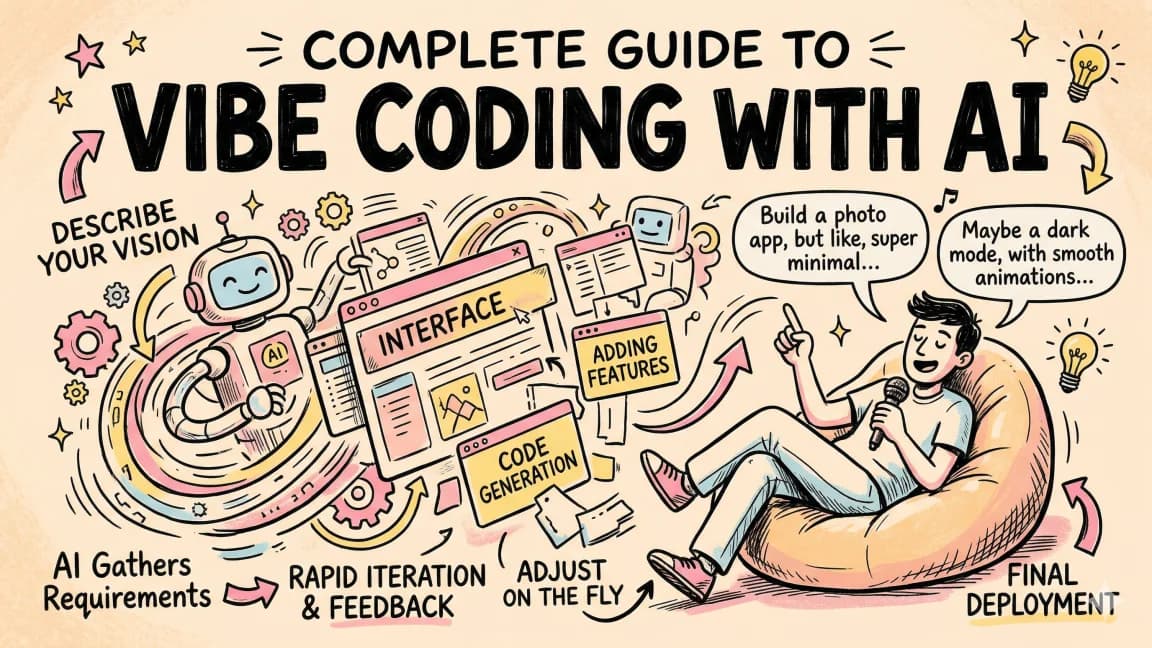
Vibe Coding in 2026: Build Fast Without Losing the Plot
Vibe coding works when you pair natural-language building with repo context, tests, diff review, security checks, and rollback. Here is the practical workflow for Claude Code, Cursor, Codex, v0, Lovable, and Bolt.
10 min read
What Is Claude Code? The Complete Guide for 2026
Claude Code is Anthropic's AI coding agent for terminal, IDE, desktop, and browser workflows. Learn what it does, how it works, pricing, setup, MCP, skills, hooks, and subagents.
15 min read
Claude Code Loops: Recurring Prompts That Actually Run
Claude Code now has a native Loop feature for scheduling recurring prompts - from one-minute intervals to three-day windows. Fix builds on repeat, summarize Slack channels, email yourself pull request digests. All from the CLI.
6 min read

Claude Code: Remote Control, Auto Memory, Plugins & More
Anthropic dropped a batch of updates across Claude Code and Cowork - remote control from your phone, scheduled tasks, plugin repos, auto memory, and stats showing 4% of GitHub public commits now come from Claude Code.
5 min read
Claude Code Worktrees: Parallel Development Without the Chaos
Anthropic brought git worktrees to Claude Code. Spawn multiple agents working on the same repo simultaneously - no merge conflicts, no context pollution, and your main branch stays clean.
6 min read
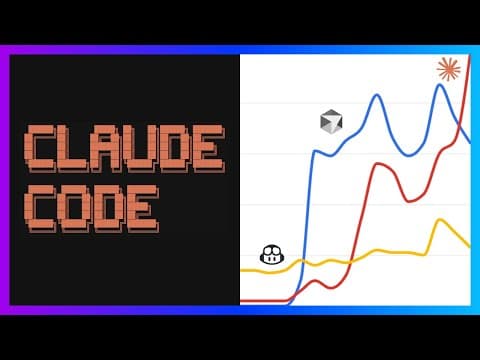
Why Claude Code Won: Unix Philosophy Meets AI Agents
Claude Code's popularity is not an accident. It won because terminal agents fit how software already works: files, shell commands, git, logs, project memory, and reviewable text.
10 min read
Cowork: Claude Code for Everyone, Not Just Developers
Claude Cowork brings Claude Code's agent loop to non-coding work. Updated for September 2026: Cowork is now merging into one Claude on Pro and Max, runs in the cloud, and is included in every paid plan from $17/month.
10 min read
Progressive Disclosure: How Claude Code Cut Token Usage by 98%
CloudFlare, Anthropic, and Cursor independently discovered the same pattern: don't load all tools upfront. Let agents discover what they need. The results are dramatic.
10 min read
Self-Improving Skills: Claude Code That Learns From Every Session
Claude Code skills can now reflect on sessions, extract corrections, and update themselves with confidence levels. Your agent gets smarter every time you use it.
7 min read
Interview Mode: Let Claude Code Ask the Questions First
The best Claude Code sessions start with questions, not code. Spec-driven development forces requirements discovery upfront - interview first, spec second, code last.
5 min read
Claude Code + Chrome: AI Agents That Use Your Browser
Claude Code can now control Chrome using your existing authenticated sessions. No API keys needed. Gmail, Sheets, Figma - your agent works across tabs like you do.
7 min read
Continual Learning in Claude Code: Memory That Compounds
Skills turn Claude Code sessions into persistent memory. Successes and failures get captured, progressively disclosed, and shared across teams. Your agent remembers.
7 min read
The Ralph Loop: Running Claude Code For Hours Autonomously
Claude Opus 4.5 ran autonomously for 4 hours 49 minutes using stop hooks and the Ralph Loop pattern. Walk away, come back to completed work. Here's how it works.
10 min read
Zed: The Open Source Agentic IDE
Zed is not another Electron-based editor. It's built from the ground up in Rust, which means real performance without the memory bloat that plagues other IDEs.
8 min read
Streamline Your Git Workflow with GitKraken and Claude Code
GitKraken Desktop bridges this gap. It is a visual Git client that shows you exactly what is happening in your repository, combined with AI that automates tedious tasks so you can stay in flow.
7 min read
Anthropic Sonnet 4.5 in Claude Code
Anthropic's Claude Sonnet 4.5 isn't just another model increment. The company claims they've observed it maintaining focus for more than 30 hours on complex multi-step tasks.
7 min read
Claude Code Sub Agents: Parallel AI Development
Claude Code subagents let you split coding work across specialized assistants with their own context, tools, and instructions. The trick is using them for bounded work, not theatrical agent swarms.
8 min read
Create Beautiful UI with Claude Code: The Style Guide Method
AI-generated interfaces tend to look the same - gradient-heavy, emoji-laden, and generic. The style guide method gives you a reusable design system that keeps every page consistent and on-brand, whet...
8 min read
Claude Code: The Future of Coding?
After 30 days of daily use, Claude Code has become my primary coding tool. It is not trying to be an IDE or a fancy editor. It is a terminal-based AI agent that writes code, runs commands, tests its ...
9 min read
Related Tools
All tools →Claude Code
Daily DriverAnthropic's agentic coding CLI. Runs in your terminal, edits files autonomously, spawns sub-agents, and maintains memory across sessions. Powered by Claude Opus 4.
AI CodingCodeburn
Interactive TUI dashboard that shows exactly where your Claude Code and Cursor tokens are going, in real time.
ProductivityConductor
Mac app for running parallel Claude Code, Codex, and Cursor agents in isolated workspaces. Watch every agent work at once, then review and merge their changes.
AI CodingAgentCanvas
NewA hosted infinite canvas your headless AI agents drive over MCP. Any MCP-speaking agent - Claude Code, Codex, Cursor, or a script - creates HTML docs, images, and video on a live canvas, streamed in as it builds.
ProductivityGuides
All guides →Terminal CLI - Claude Code
The primary command-line entry point for Claude Code sessions.
GuideInteractive Mode - Claude Code
Real-time prompt loop with history, completions, and multiline input.
GuideClaude Code Setup Guide
Configure Claude Code for maximum productivity -- CLAUDE.md, sub-agents, MCP servers, and autonomous workflows.
GuideKeyboard Shortcuts - Claude Code
50+ customizable shortcuts for cancel, history, transcript, and more.
GuideVim Editor Mode - Claude Code
Full vim keybindings (normal and insert modes) for prompt editing.
GuideClaude Code Complete Course
A complete, citation-backed Claude Code course with setup, prompting systems, MCP, CI, security, cost controls, and capstone workflows.
GuideBackground Tasks - Claude Code
Run Bash commands with Ctrl+B and retrieve output by task ID.
GuideGetting Started with Claude Code
Install Claude Code, configure your first project, and start shipping code with AI in under 5 minutes.
GuideBash Mode - Claude Code
Prefix prompts with ! to run shell commands directly, bypassing Claude.
GuideAI Agent Frameworks Compared: LangGraph vs CrewAI vs Mastra vs CopilotKit
Deep comparison of the top AI agent frameworks - LangGraph, CrewAI, Mastra, CopilotKit, AutoGen, and Claude Code.
GuideCommand History - Claude Code
Per-directory prompt history with Ctrl+R reverse search.
GuideVoice Dictation - Claude Code
Hold-to-record voice input on macOS, Linux, and Windows.
GuideMultiline Input - Claude Code
Shift+Enter, Option+Enter, or backslash+Enter for multi-line prompts.
GuidePrompt Suggestions - Claude Code
Context-aware follow-up suggestions derived from git history.
GuideSide Questions with /btw - Claude Code
Ask quick side questions without derailing the main task.
GuideRead Tool - Claude Code
Read file contents with line limiting, offset, and binary support.
GuideWrite Tool - Claude Code
Create or overwrite files; requires permission for existing paths.
GuideEdit Tool - Claude Code
Targeted edits to specific sections without rewriting entire files.
GuideMultiEdit - Claude Code
Batch edit multiple files in a single atomic operation.
GuideNotebook Edit - Claude Code
Modify Jupyter notebook cells directly without touching JSON.
GuideGlob Tool - Claude Code
File discovery via pattern matching across the repository.
GuideGrep Tool - Claude Code
Search file contents by pattern with regex support.
GuideLSP Tool - Claude Code
Jump to definitions, find references, and type-check via language servers.
GuideBash Tool - Claude Code
Execute shell commands with persistent working directory in project bounds.
GuidePowerShell Tool - Claude Code
Native PowerShell execution on Windows and optionally Unix hosts.
GuideMonitor Tool - Claude Code
Background monitoring of logs, files, and long-running processes.
GuideEnvironment Variable Persistence - Claude Code
SessionStart hooks can persist env vars across Bash tool calls.
GuideGit Integration - Claude Code
Stage, commit, branch, and open PRs without leaving the session.
GuideWorktrees - Claude Code
Isolated git worktrees for parallel Claude Code sessions.
GuideWriting Your First Claude Code Skill
A practical walk-through of how to design, write, and ship a Claude Code skill - from choosing when to trigger, through allowed-tools, to the steps the agent will actually follow.
GuidePR Status in Footer - Claude Code
Clickable PR link in the footer with review state color coding.
GuideMigrating from Cursor to Claude Code
A concrete step-by-step guide to moving your development workflow from Cursor to Claude Code - settings, rules, keybindings, and the habits that transfer.
Guidegh CLI Integration - Claude Code
Full GitHub CLI support for automated PR and issue workflows.
GuideWebFetch Tool - Claude Code
Fetch and parse content from URLs, including JS-rendered pages.
GuideWebSearch Tool - Claude Code
Perform web searches and return ranked results with snippets.
GuideCLAUDE.md Files - Claude Code
Persistent project instructions loaded every session; supports nested dirs.
Guide.claude/rules Directory - Claude Code
Path-specific rules that only load for matching files.
GuideAGENTS.md - Claude Code
Define custom subagent types within your project's memory layer.
GuideAuto Memory - Claude Code
Automatic session-to-session memory of build commands, errors, and learnings.
GuideMemory Command - Claude Code
View and edit auto-memory and CLAUDE.md via the /memory command.
GuideContext Window Visualization - Claude Code
Interactive timeline showing what's in context at each turn.
GuidePrompt Caching - Claude Code
Automatic reuse of cached context for substantial cost reduction.
GuideAuto Compaction - Claude Code
Background context summarization when the window starts filling up.
GuideDefault Permission Mode - Claude Code
Approve each action manually - the safest mode for new tasks.
GuideAccept Edits Mode - Claude Code
Auto-approve file edits and common filesystem commands.
GuidePlan Mode - Claude Code
Explore and propose changes without executing them.
GuideAuto Mode - Claude Code
Eliminate prompts with a background classifier that judges safety.
GuideDontAsk Mode - Claude Code
Only pre-approved tools allowed. Fully non-interactive for CI.
GuideBypass Permissions Mode - Claude Code
Skip all permission checks. Container and VM use only.
GuidePermission Rules - Claude Code
Granular allow/ask/deny rules per tool with wildcard patterns.
GuideProtected Paths - Claude Code
Auto-guarded directories like .git, .claude, and .vscode.
GuideSandboxing - Claude Code
Filesystem and network isolation for Bash tool calls on Linux and macOS.
GuideModel Aliases - Claude Code
Use opus, sonnet, haiku, and best to switch models easily.
GuideOpusPlan Alias - Claude Code
Hybrid mode: Opus for planning, Sonnet for execution.
Guide1M Token Context - Claude Code
Extended context window for Opus and Sonnet on supported plans.
GuideEffort Levels - Claude Code
Low, medium, high, xhigh, and max for adaptive reasoning control.
GuideModel Picker (/model) - Claude Code
Interactive UI to switch models and effort sliders mid-session.
GuideFast Mode - Claude Code
2.5x faster Opus at a higher token cost (research preview).
GuideExtended Thinking - Claude Code
Toggle with Alt+T. Claude reasons through complex problems before responding.
GuideCustom Model Option - Claude Code
Add gateway or custom models to the picker via environment variables.
GuideSkills System - Claude Code
Reusable markdown files with instructions and workflows.
GuideBundled Skills - Claude Code
/simplify, /batch, /debug, /fast, and other built-in skills.
GuideSkill Invocation - Claude Code
Trigger with /skillname or let Claude auto-load when relevant.
GuideSkill Frontmatter - Claude Code
Configure model, effort, tools, MCP servers, and invocation scope.
GuideSkill Arguments - Claude Code
Pass arguments to skills with string substitution support.
GuideDisable Model Invocation - Claude Code
Hide skills from Claude's auto-selection until manually triggered.
GuideSkill Pre-Approval - Claude Code
Pre-approve tools before a skill executes so it runs without prompts.
GuideSkill in Subagent - Claude Code
Run a skill in an isolated context via fork mode.
GuideLive Skill Discovery - Claude Code
Changes to skill files are detected and reloaded automatically.
GuideSubagents - Claude Code
Spawn isolated workers with independent context windows.
GuideBuilt-in Subagents - Claude Code
Researcher, auditor, reviewer, and other ready-made subagent types.
GuideCustom Subagent Types - Claude Code
Create reusable subagent definitions at project or user level.
GuideSubagent Frontmatter - Claude Code
Configure model, tools, MCP, skills, memory, and scoping.
GuideSubagent Tool Restrictions - Claude Code
Limit which tools a subagent can access.
GuideSubagent MCP Scoping - Claude Code
Route specific MCP servers only to specific subagents.
GuideSubagent Persistent Memory - Claude Code
Auto-memory that persists across multiple subagent invocations.
GuideSubagent Context Isolation - Claude Code
Prevent bloating the main conversation with research or exploration.
GuideResume Subagents - Claude Code
Continue a subagent's work across sessions.
GuideHooks System - Claude Code
Event-driven automation with 20+ lifecycle events.
GuideSessionStart Hook - Claude Code
Fires when a session begins; load env vars and initialize state.
GuideSessionEnd Hook - Claude Code
Fires when a session terminates.
GuideUserPromptSubmit Hook - Claude Code
Fires before Claude processes user input; can validate or block.
GuideUserPromptExpansion Hook - Claude Code
Fires when a slash command expands; can block or inject context.
GuidePreToolUse Hook - Claude Code
Fires before any tool executes. Allow, deny, defer, or modify the call.
GuidePostToolUse Hook - Claude Code
Fires after a successful tool call. Good for feedback and follow-ups.
GuidePostToolUseFailure Hook - Claude Code
Fires on tool execution errors for logging, alerting, and retry.
GuidePermissionRequest Hook - Claude Code
Fires when a permission dialog appears. Auto-approve or auto-deny.
GuidePermissionDenied Hook - Claude Code
Fires when auto mode or a rule denies an action.
GuideSubagentStart and SubagentStop Hooks - Claude Code
Fire when subagents spawn and finish.
GuideTaskCreated and TaskCompleted Hooks - Claude Code
Fire on task lifecycle events.
GuideStop Hook - Claude Code
Fires when Claude finishes responding. Can prevent the stop.
GuideFileChanged Hook - Claude Code
Fires when watched files change on disk.
GuideConfigChange and InstructionsLoaded Hooks - Claude Code
Fire when settings or CLAUDE.md files change during a session.
GuidePreCompact and PostCompact Hooks - Claude Code
Fire before and after context compaction.
GuideElicitation Hook - Claude Code
Fires when an MCP server requests input from the user.
GuideCommand Hooks - Claude Code
Run shell scripts on events with environment variable passing.
GuidePrompt-Based Hooks - Claude Code
Use Claude itself to handle hook logic instead of shell scripts.
GuideAgent-Based Hooks - Claude Code
Spawn subagents to handle complex hook logic.
GuideAsync Hooks - Claude Code
Run hooks in the background without blocking the session.
GuideMCP Servers - Claude Code
Connect external tools and data sources via the open MCP standard.
GuideMCP Installation Scopes - Claude Code
Local, project, user, and plugin-level MCP configurations.
GuideMCP Tool Search - Claude Code
Deferred tool loading reduces context overhead for large MCP suites.
GuideMCP OAuth - Claude Code
Pre-configured or dynamic OAuth for remote MCP servers.
GuideMCP Resources - Claude Code
Reference and read resources exposed by MCP servers.
GuideMCP Prompts - Claude Code
Execute MCP prompts as commands via the slash menu.
GuideMCP Channel Messaging - Claude Code
Receive push messages from MCP servers via channels.
GuideManaged MCP - Claude Code
Admin-controlled allow and deny lists for MCP servers.
GuideAgent Teams - Claude Code
Coordinate multiple Claude Code instances with a shared task list.
GuideTeam Lead - Claude Code
Coordinator agent that assigns tasks and synthesizes findings.
GuideShared Task List - Claude Code
Teammates claim and complete work independently from one list.
GuideInter-Agent Messaging - Claude Code
Teammates communicate directly without routing through the lead.
GuideSplit Pane Display - Claude Code
Run each teammate in its own tmux or iTerm2 pane.
GuidePlan Approval - Claude Code
Require lead approval before teammates execute their tasks.
GuideTask Dependencies - Claude Code
Pending tasks depend on others and unblock automatically.
GuideSubagent Definitions as Teammates - Claude Code
Reuse custom subagent types as Agent Teams members.
Guide/loop Command - Claude Code
Run a prompt repeatedly on a fixed interval or self-paced.
GuideScheduled Tasks (Desktop) - Claude Code
GUI-based scheduling on your local machine for recurring work.
GuideRoutines (Web) - Claude Code
Managed scheduling on Anthropic infrastructure with API and GitHub triggers.
GuideKeep exploring
More on Claude Code
- - Claude Code - recommended Claude Code tool from the Developers Digest directory
- - Tools Directory - dive deeper across the Developers Digest knowledge base
- - All Claude Code articles in the blog archive
- - Developers Digest on YouTube - video tutorials covering Claude Code and more

Get Smarter About AI Dev
New tutorials, open-source projects, and deep dives on coding agents - delivered weekly.
One email per weekReal code, not theoryFree forever
Explore 938 topics
Browse All Topics