Auto Compaction - Claude Code
Background context summarization when the window starts filling up.

Auto compaction is how Claude Code survives marathon sessions without losing the thread. When the window starts filling, Claude summarizes older turns in place.
What it does
As context approaches capacity, Claude runs a summarization pass on older turns - preserving key decisions, file paths, and state - while dropping verbose tool output and stale exchanges. The working memory shrinks without losing the important history. PreCompact and PostCompact hooks let you react around the event.
When to use it
- Long sessions that would otherwise hit the context ceiling.
- Any marathon where you want Claude to stay coherent across many turns.
- Working on tasks that need broad state but not full history.
- Pair with hooks when you want to snapshot, log, or replace compaction behavior.
Gotchas
- Compaction is lossy. Important details might get summarized away.
- Write critical decisions to disk (notes, TODO.md, commits) so compaction can't drop them.
- Custom compaction via hooks is powerful but easy to get wrong. Start conservative.
Official docs: https://code.claude.com/docs/en/how-claude-code-works.md#when-context-fills-up
Technical content at the intersection of AI and development. Building with AI agents, Claude Code, and modern dev tools - then showing you exactly how it works.
Was this helpful?
Related Guides
Related Tools

Claude Code
Anthropic's agentic coding CLI. Runs in your terminal, edits files autonomously, spawns sub-agents, and maintains memory...
View Tool
Claude Agent SDK
Anthropic's SDK for building agents on the same tools, agent loop, and context management that power Claude Code. Python...
View ToolCodeburn
Interactive TUI dashboard that shows exactly where your Claude Code and Cursor tokens are going, in real time.
View ToolConductor
Mac app for running parallel Claude Code, Codex, and Cursor agents in isolated workspaces. Watch every agent work at onc...
View ToolRelated Videos

Claude Code: NEW Remote Control, Auto Memory, Plugins & More
Anthropic's Big Claude Code & Cowork Update: Remote Control, Scheduled Tasks, Plugins, Auto Memory + New Simplify/Batch Skills The script recaps a consolidated update on new Anthropic releases across
Claude Code Can Now Automate Work in Chrome
In this video, learn to utilize Claude Code within Chrome to access new automation capabilities that were previously impossible. Leveraging your existing browser sessions, Claude Code enhances...
How to Run Claude Code For Hours Autonomously
Setting up Claude Code to Run Autonomously with Stop Hooks In this video, we dive into the setup and configuration of Claude Code to enable autonomous long-running scripts. We explore the...
Related Posts
Claude Fable 5.1 in Claude Code: How to Switch, Pin, and Pay Less
Claude Code v2.1.257 points /model fable at Fable 5.1: 1M context, $10/$50 per MTok, $0.25 cache reads. Setup, gotchas,...

Claude Design, Slides and Docs in Any Chat: How to Use Them
Claude Design, Slides and Docs now open in any Claude chat, Claude Code session or the Artifacts tab, on every plan. Exa...

Claude for Startups Offer Paused: What Founders Do Now
Claude for Startups paused its free Claude Team year and $1,000 API credit offer at capacity. What the program page says...
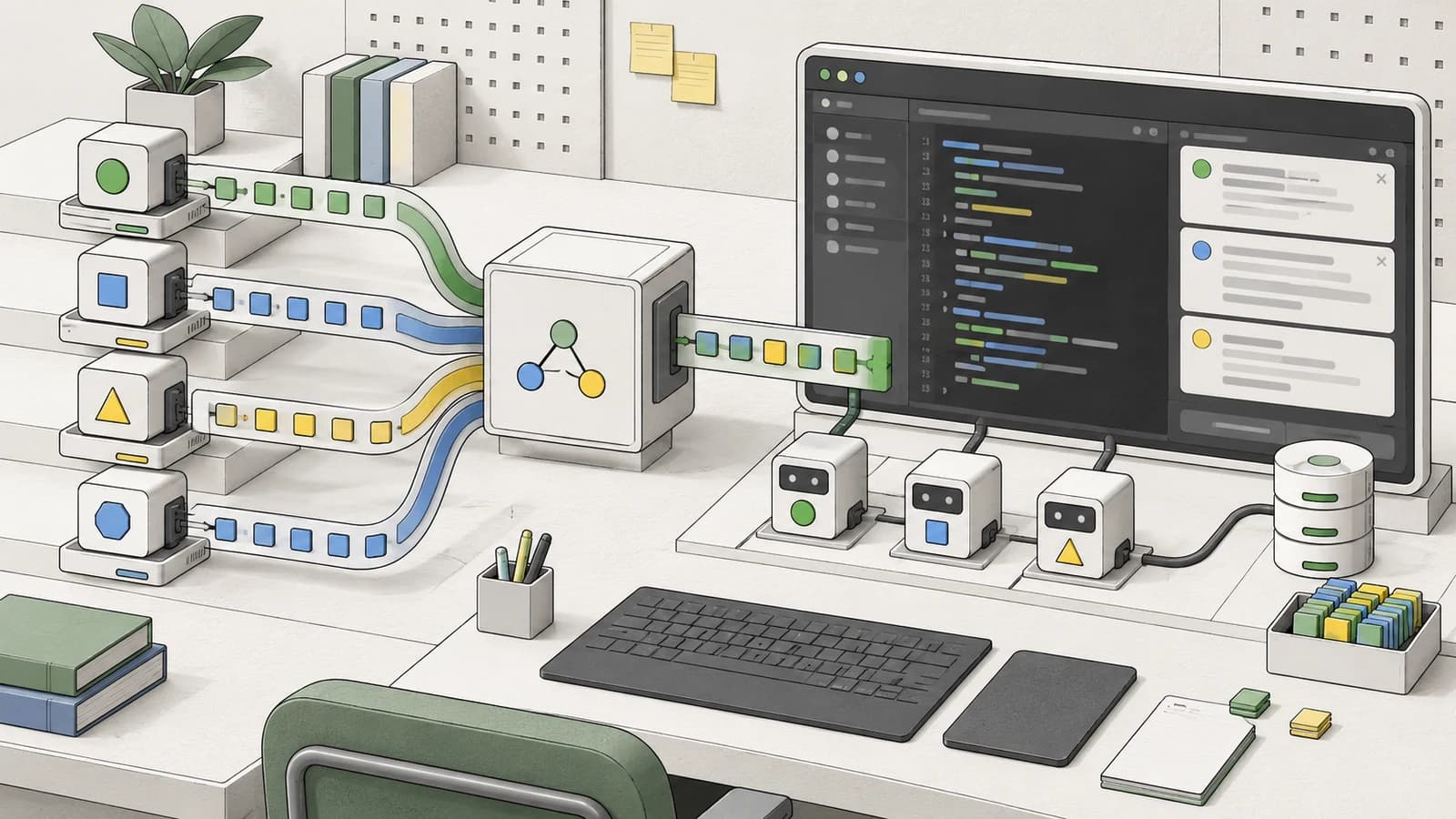
Claude Advisor Tool vs a Bigger Model: When the Pairing Pays
Anthropic's own runs: a Fable 5.1 advisor added 1.7 points to Opus 5.5 for 2.1x the cost. When the Claude advisor tool p...
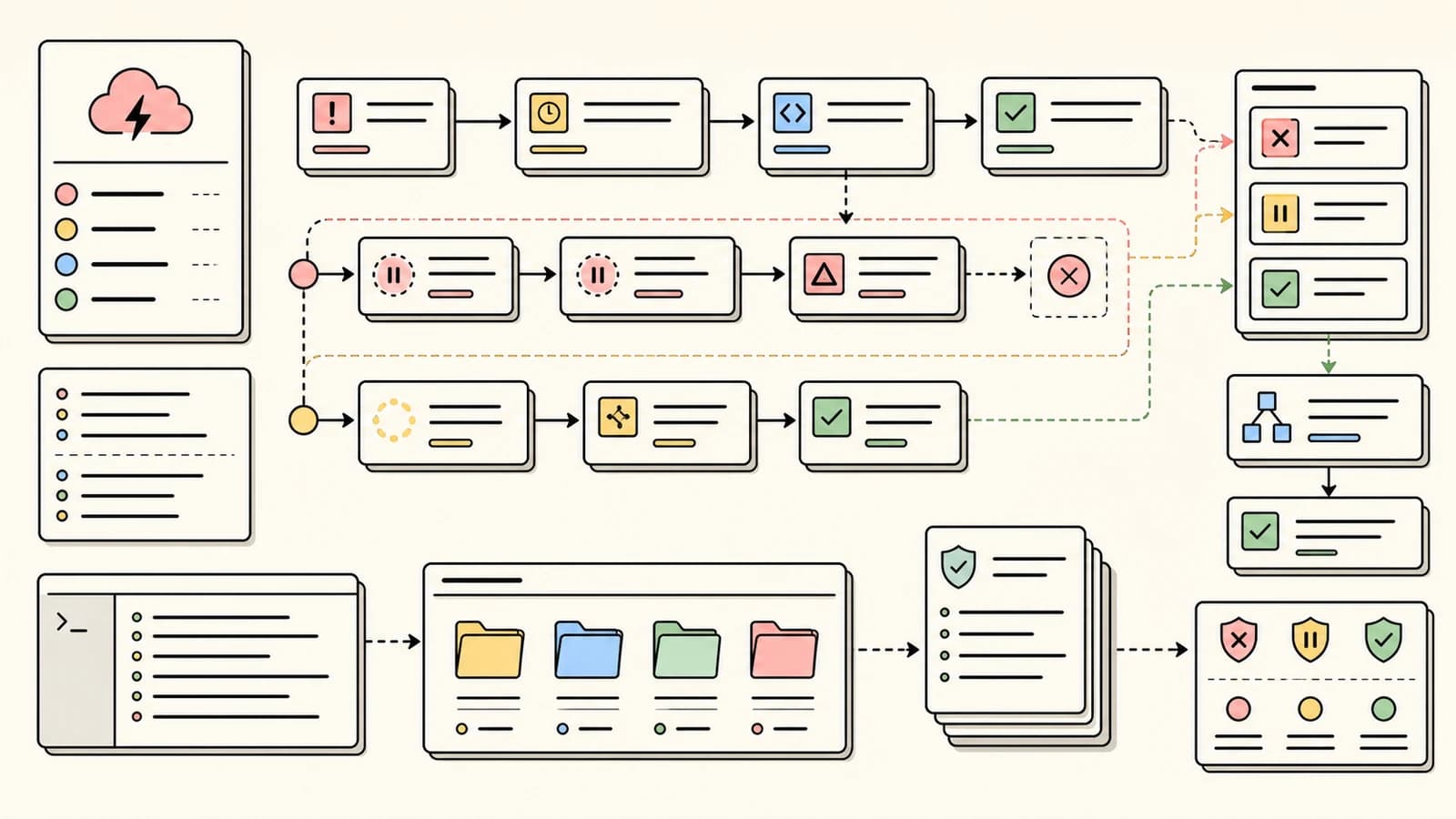
Claude Code Retry Watchdog: Keep Unattended Runs Alive
CLAUDE_CODE_RETRY_WATCHDOG=1 makes Claude Code wait out 429 and 529 errors instead of failing after 10 retries. When to...
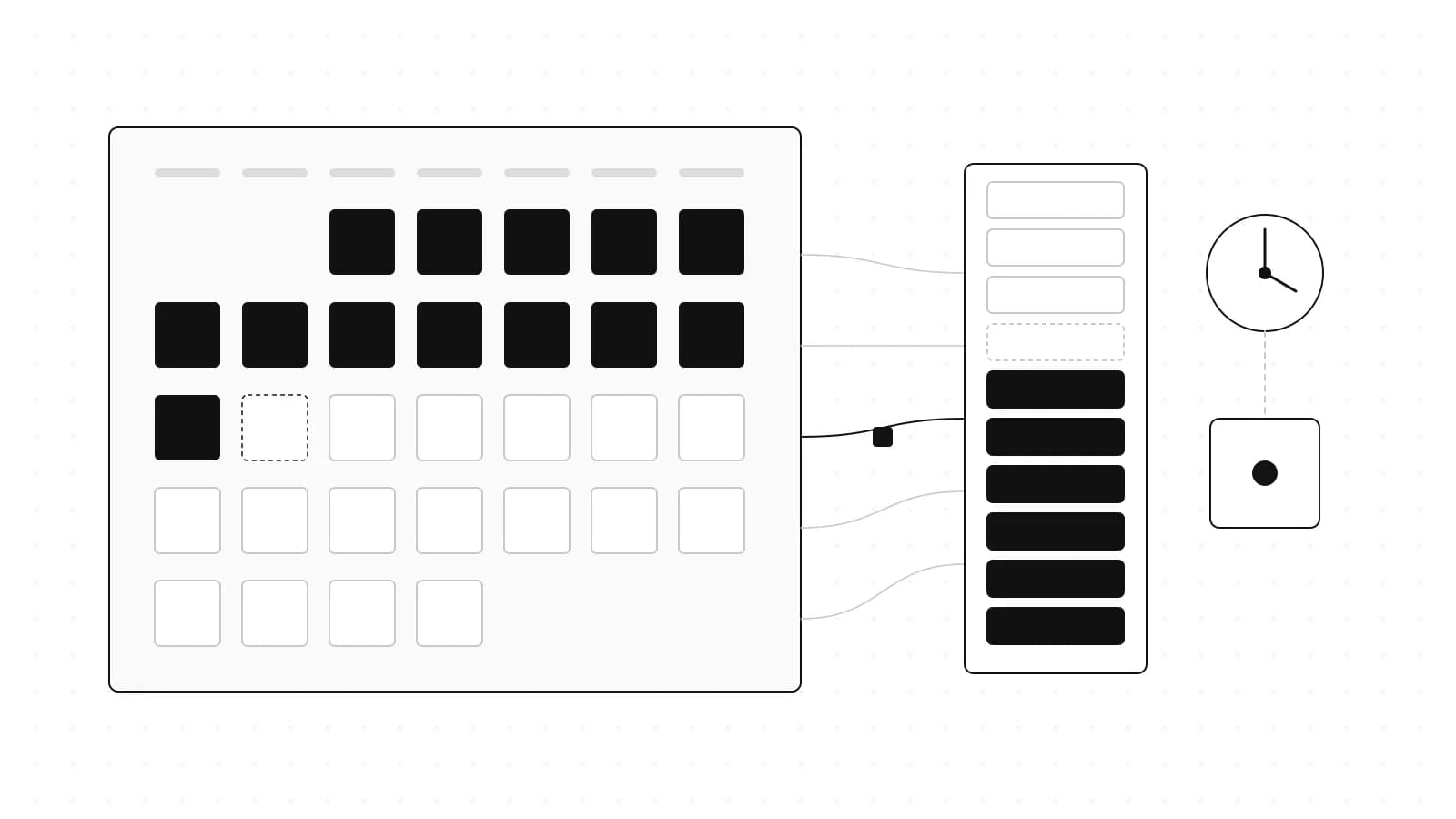
Claude Max API Credits: $100 a Month, What They Cover
Claude Max and Team plans now include a monthly Claude API credit, starting at $100 on Max 5x. What it covers, what it d...
