Auto Mode - Claude Code
Eliminate prompts with a background classifier that judges safety.

Auto mode replaces per-action prompts with a background safety classifier. The classifier judges each proposed action and only blocks or escalates the risky ones.
What it does
When auto mode is on, Claude keeps working without asking for routine tool calls. A lightweight model reviews each call and compares it against your permission rules and safety baselines. Unambiguously safe calls go through; ambiguous or dangerous ones surface as prompts or denials. This is how you get unattended runs without surrendering review.
When to use it
- Long autonomous tasks where constant prompts would stall you out.
- Background agents in a sandboxed or containerized environment.
- Well-understood repos where you've already tuned permission rules.
- Pairing with hooks that log or checkpoint for audit.
Gotchas
- Auto mode is a research preview. Behavior can change between releases.
- The classifier isn't perfect. Keep protected paths and critical deny rules in place.
- Prefer sandboxed environments for true unattended runs - auto mode is not the same as bypass mode.
Official docs: https://code.claude.com/docs/en/permission-modes.md#eliminate-prompts-with-auto-mode
Technical content at the intersection of AI and development. Building with AI agents, Claude Code, and modern dev tools - then showing you exactly how it works.
Was this helpful?
Related Guides
Related Tools

Claude Code
Anthropic's agentic coding CLI. Runs in your terminal, edits files autonomously, spawns sub-agents, and maintains memory...
View Tool
Cursor
AI-native code editor forked from VS Code, now sold as part of The X Subscription. Agent edits multiple files at once an...
View Tool
GitHub Copilot
GitHub's AI coding assistant. Inline completions, chat, and agent mode in VS Code and JetBrains, plus a coding agent tha...
View Tool
Aider
Open-source AI pair programming in your terminal. Works with any LLM - Claude, GPT, Gemini, local models. Git-aware ed...
View ToolRelated Videos

Claude Code: NEW Remote Control, Auto Memory, Plugins & More
Anthropic's Big Claude Code & Cowork Update: Remote Control, Scheduled Tasks, Plugins, Auto Memory + New Simplify/Batch Skills The script recaps a consolidated update on new Anthropic releases across

Claude Code 'Interview' Mode in 6 Minutes
Effortless Project Planning: Mastering Spec-Driven Development with Claude Code Kick off the new year with a fresh approach to project planning using Claude Code! In this video, learn how to achieve
Claude Code Can Now Automate Work in Chrome
In this video, learn to utilize Claude Code within Chrome to access new automation capabilities that were previously impossible. Leveraging your existing browser sessions, Claude Code enhances...
Related Posts
Claude Fable 5.1 in Claude Code: How to Switch, Pin, and Pay Less
Claude Code v2.1.257 points /model fable at Fable 5.1: 1M context, $10/$50 per MTok, $0.25 cache reads. Setup, gotchas,...

Claude Design, Slides and Docs in Any Chat: How to Use Them
Claude Design, Slides and Docs now open in any Claude chat, Claude Code session or the Artifacts tab, on every plan. Exa...

Claude for Startups Offer Paused: What Founders Do Now
Claude for Startups paused its free Claude Team year and $1,000 API credit offer at capacity. What the program page says...
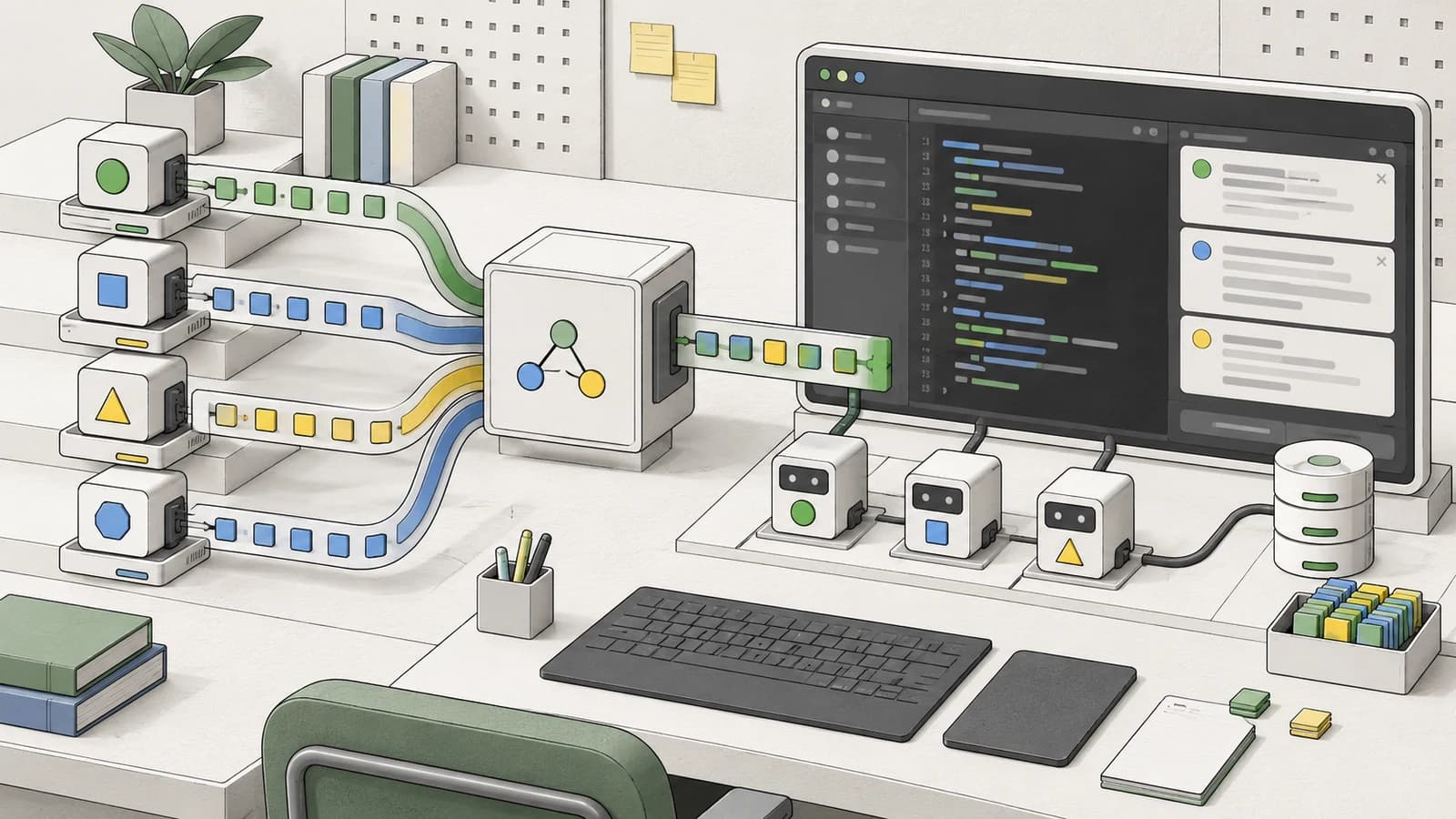
Claude Advisor Tool vs a Bigger Model: When the Pairing Pays
Anthropic's own runs: a Fable 5.1 advisor added 1.7 points to Opus 5.5 for 2.1x the cost. When the Claude advisor tool p...
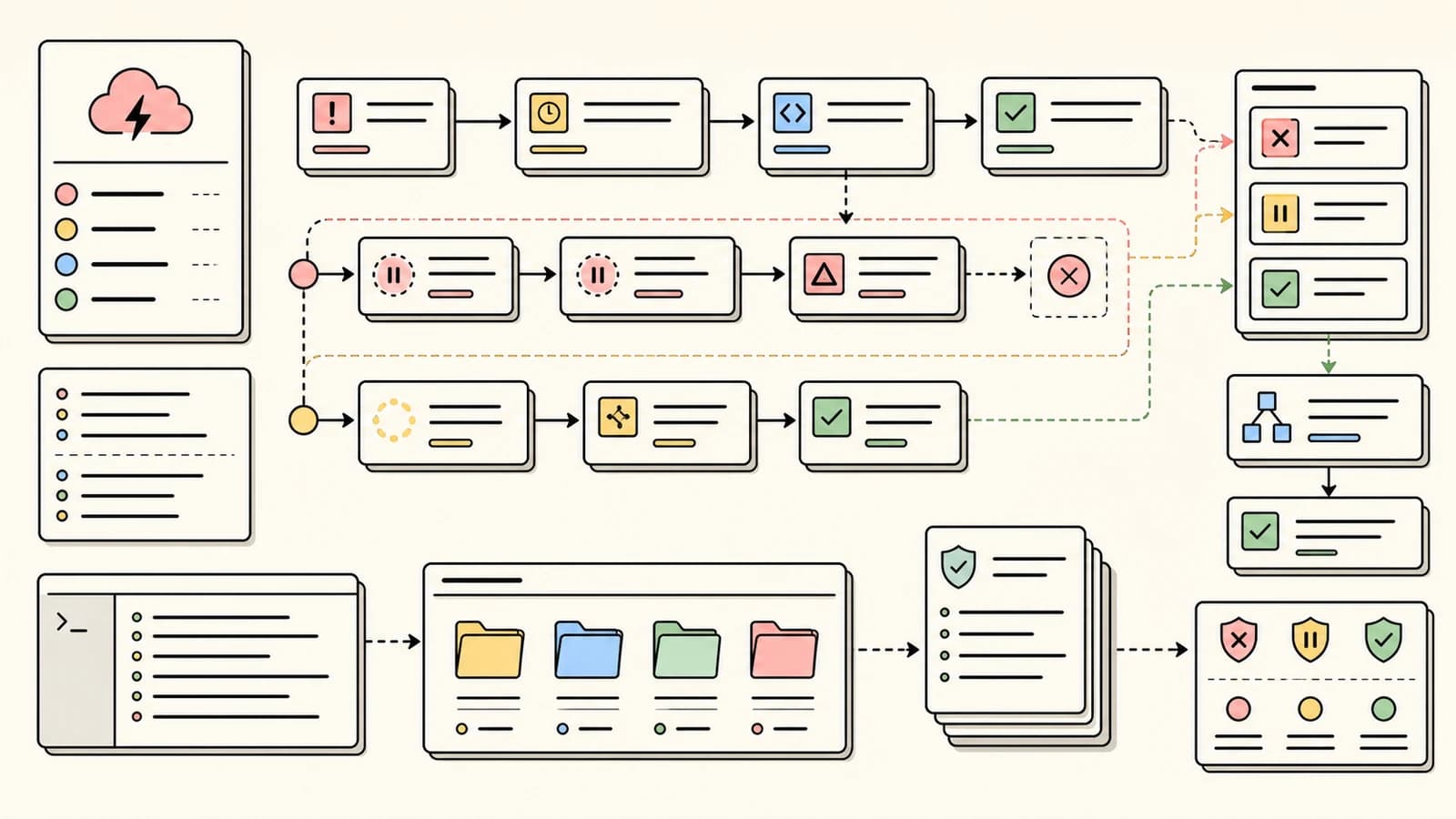
Claude Code Retry Watchdog: Keep Unattended Runs Alive
CLAUDE_CODE_RETRY_WATCHDOG=1 makes Claude Code wait out 429 and 529 errors instead of failing after 10 retries. When to...
Claude Max API Credits: $100 a Month, What They Cover
Claude Max and Team plans now include a monthly Claude API credit, starting at $100 on Max 5x. What it covers, what it d...
