Auto Memory - Claude Code
Automatic session-to-session memory of build commands, errors, and learnings.

Auto memory records the small facts Claude picks up during a session - how to run tests, which commands failed, what you corrected - and surfaces them on the next session.
What it does
Claude writes short notes to a per-project memory file when something seems worth remembering: "tests run with pnpm test --filter web", "the deploy script needs DATABASE_URL exported", "user prefers short commit messages". On the next session, Claude reads those notes into context automatically.
When to use it
- Projects where build or deploy steps are non-obvious.
- Long-running work that spans many sessions.
- Capturing user preferences without manually writing them into CLAUDE.md.
- Reducing the "what's the test command?" dance.
Gotchas
- The file grows over time. Review and prune periodically or you'll carry stale notes.
- Auto memory is local by default. Don't rely on it for team-wide context - use CLAUDE.md for that.
- Secrets may slip in if you're not careful. Scan the file before committing it anywhere.
Official docs: https://code.claude.com/docs/en/memory.md#auto-memory
Technical content at the intersection of AI and development. Building with AI agents, Claude Code, and modern dev tools - then showing you exactly how it works.
Was this helpful?
Related Guides
Related Tools

Claude Code
Anthropic's agentic coding CLI. Runs in your terminal, edits files autonomously, spawns sub-agents, and maintains memory...
View Tool
Claude Agent SDK
Anthropic's SDK for building agents on the same tools, agent loop, and context management that power Claude Code. Python...
View ToolCodeburn
Interactive TUI dashboard that shows exactly where your Claude Code and Cursor tokens are going, in real time.
View ToolConductor
Mac app for running parallel Claude Code, Codex, and Cursor agents in isolated workspaces. Watch every agent work at onc...
View ToolRelated Videos

Claude Code: NEW Remote Control, Auto Memory, Plugins & More
Anthropic's Big Claude Code & Cowork Update: Remote Control, Scheduled Tasks, Plugins, Auto Memory + New Simplify/Batch Skills The script recaps a consolidated update on new Anthropic releases across
Claude Code Can Now Automate Work in Chrome
In this video, learn to utilize Claude Code within Chrome to access new automation capabilities that were previously impossible. Leveraging your existing browser sessions, Claude Code enhances...

How to Run Claude Code For Hours Autonomously
Setting up Claude Code to Run Autonomously with Stop Hooks In this video, we dive into the setup and configuration of Claude Code to enable autonomous long-running scripts. We explore the...
Related Posts
Claude Fable 5.1 in Claude Code: How to Switch, Pin, and Pay Less
Claude Code v2.1.257 points /model fable at Fable 5.1: 1M context, $10/$50 per MTok, $0.25 cache reads. Setup, gotchas,...

Claude Design, Slides and Docs in Any Chat: How to Use Them
Claude Design, Slides and Docs now open in any Claude chat, Claude Code session or the Artifacts tab, on every plan. Exa...

Claude for Startups Offer Paused: What Founders Do Now
Claude for Startups paused its free Claude Team year and $1,000 API credit offer at capacity. What the program page says...
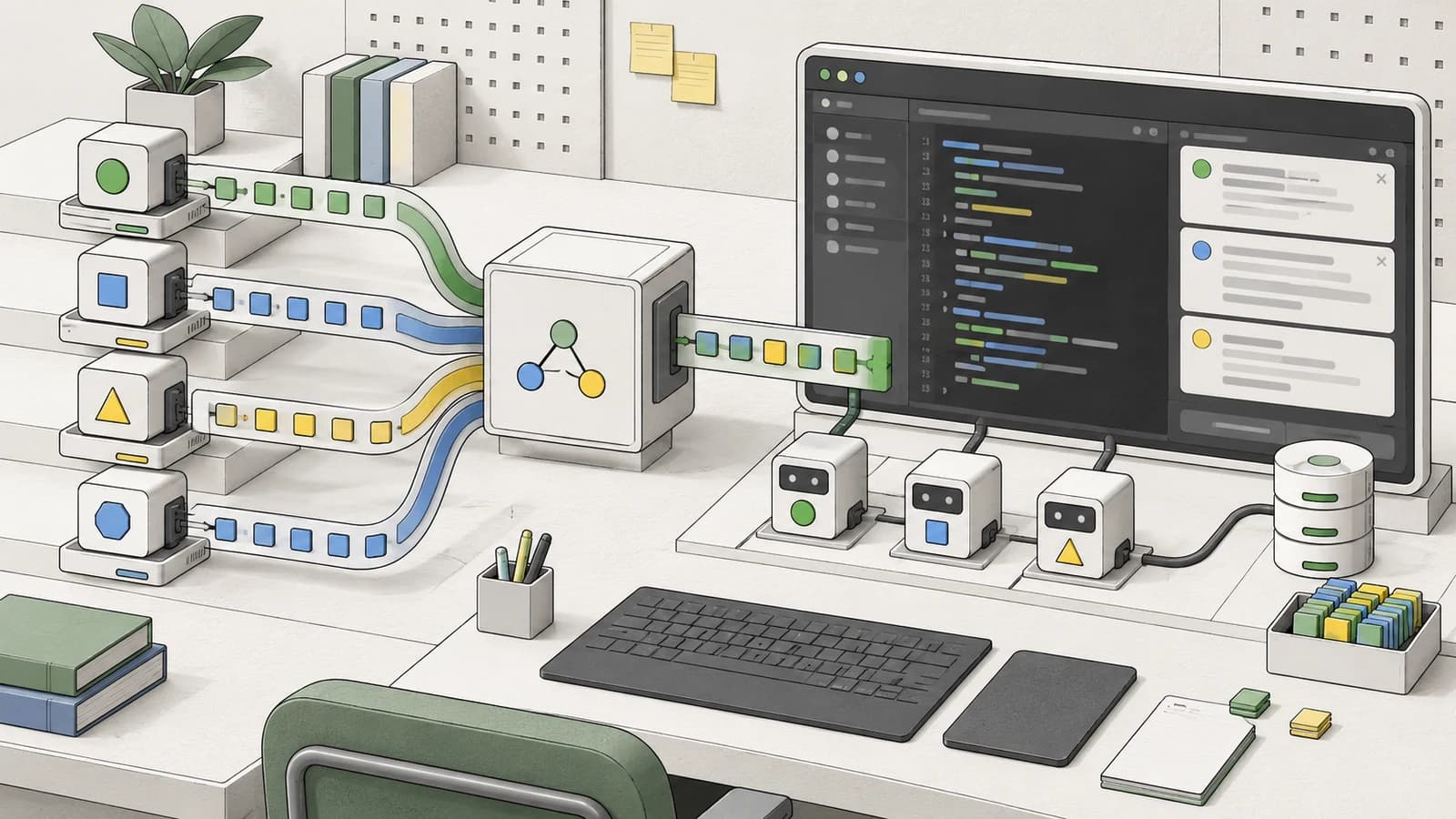
Claude Advisor Tool vs a Bigger Model: When the Pairing Pays
Anthropic's own runs: a Fable 5.1 advisor added 1.7 points to Opus 5.5 for 2.1x the cost. When the Claude advisor tool p...
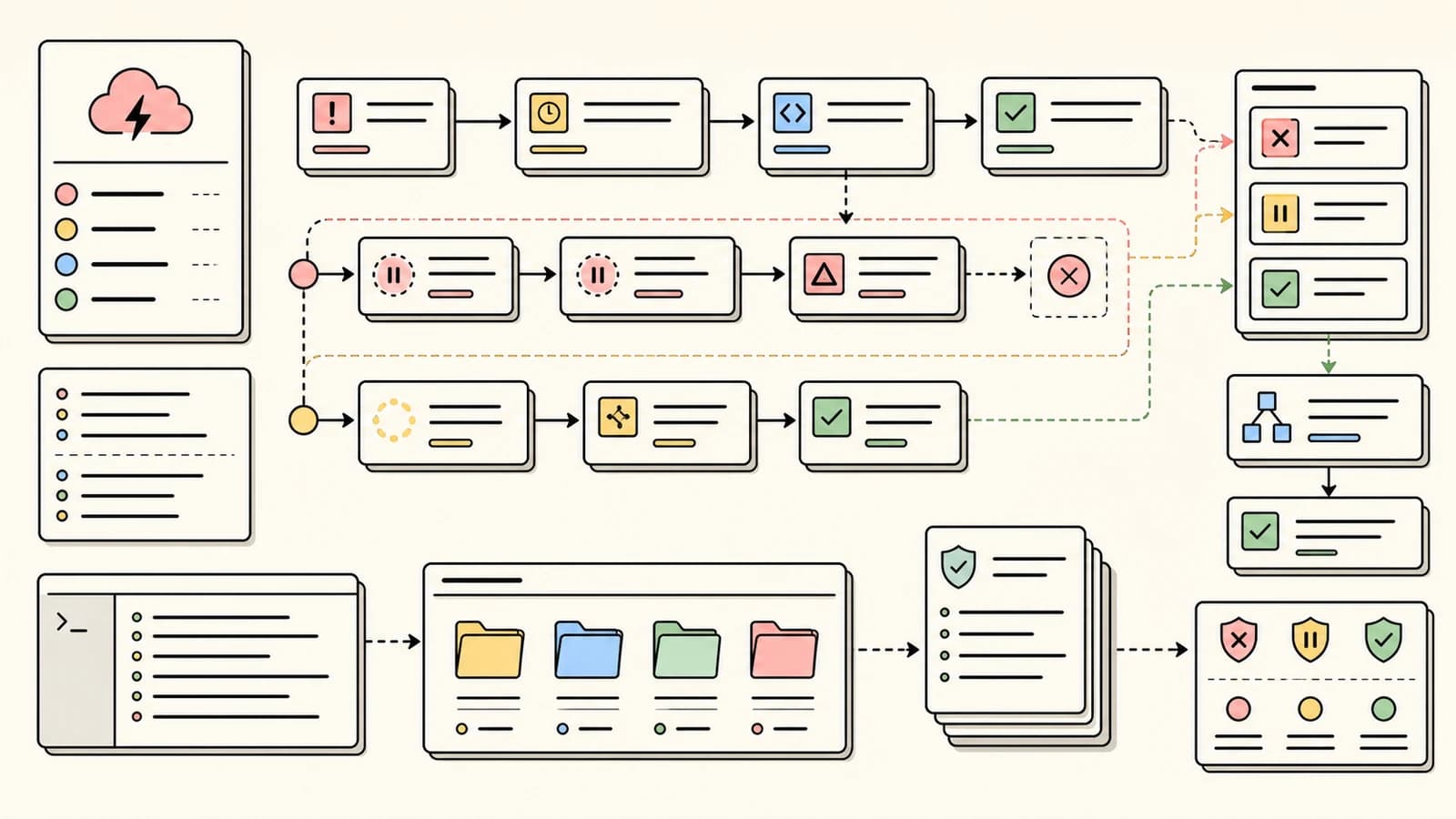
Claude Code Retry Watchdog: Keep Unattended Runs Alive
CLAUDE_CODE_RETRY_WATCHDOG=1 makes Claude Code wait out 429 and 529 errors instead of failing after 10 retries. When to...
Claude Max API Credits: $100 a Month, What They Cover
Claude Max and Team plans now include a monthly Claude API credit, starting at $100 on Max 5x. What it covers, what it d...
