Topic
MCP
Model Context Protocol - building MCP servers, integrations, and extending AI tools.
102 resources - 73 posts, 13 tools, 16 guides
Blog Posts
View in blog →
What Is OpenClaw? Setup, Skills, MCP Server, Claude Code, and Ollama (2026 Guide)
OpenClaw is an open-source, self-hosted personal AI agent you run on your own machine and reach through chat apps like Telegram, Slack, Discord, and WhatsApp. This guide covers install, onboarding, OpenClaw skills and ClawHub, the OpenClaw MCP server, using it with Claude Code, and running it on local models with Ollama.
12 min read
CodeNib Makes Repository Context a Data System
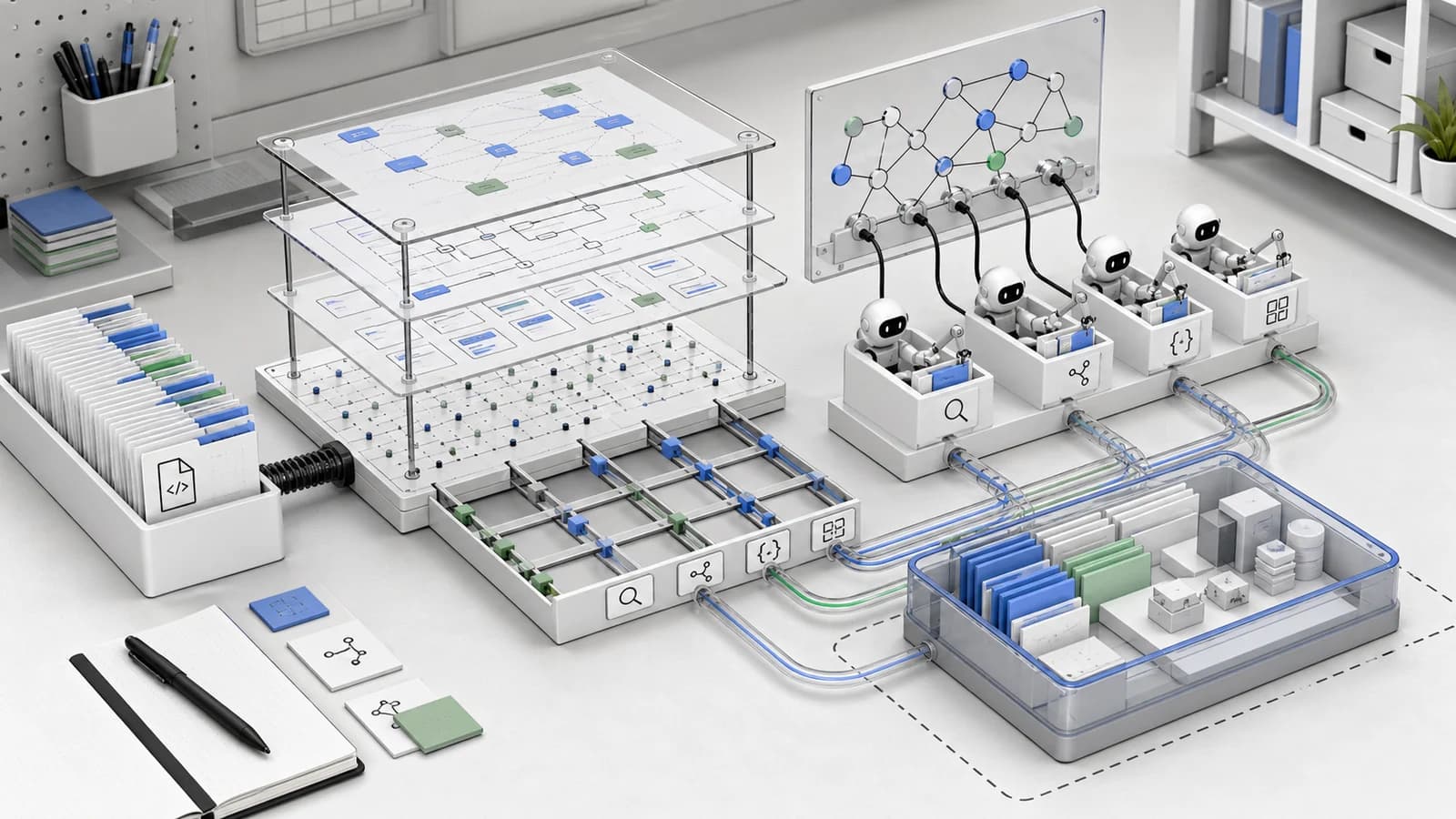
CodeNib's July paper argues that coding agents should stop rediscovering the same repo through grep and reads. Repository context is becoming compiled infrastructure.
8 min read
The New MCP Roadmap: Progressive Discovery and Agent Auth
The MCP maintainers published an updated roadmap on August 22, 2026 with five priority areas, including progressive discovery for tool catalogs and standardized agent identity. Here is what changes for developers building MCP servers and agent platforms.
7 min read

How to Make Claude Code 10x Better at Design: Image and Video Assets From the Agent Loop
Claude Code and Codex can build a website in minutes, but the result often looks generic and obviously AI-generated. Higgsfield's MCP and CLI put Nano Banana Pro and Seedance inside the agent loop, so your coding agent generates its own food imagery, hero video, and visual polish before it ships the site.
8 min read
Cloudflare Gateway Can Now Detect MCP Traffic on the Wire: Shadow MCP Gets a Network Boundary
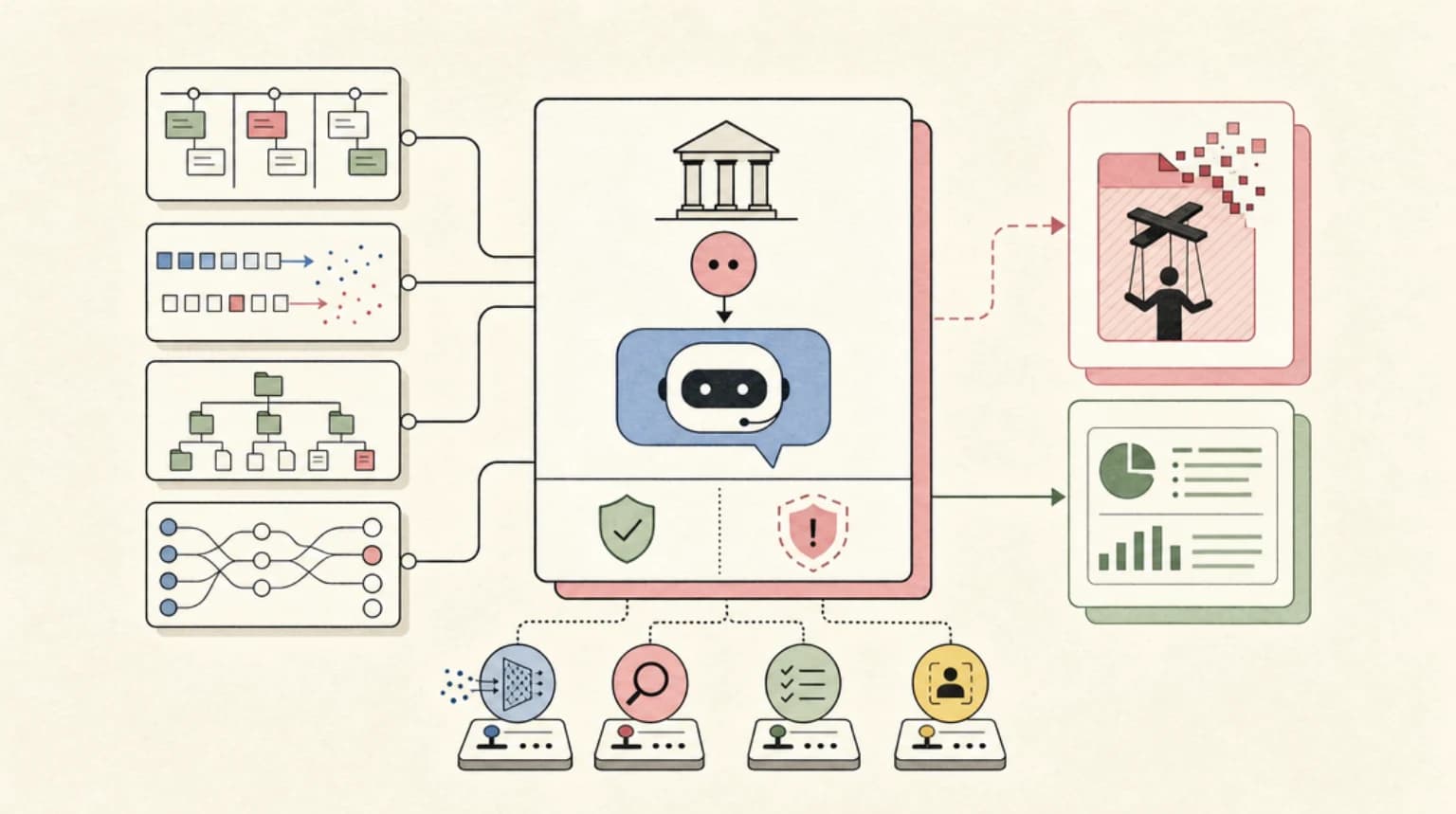
Cloudflare Gateway now classifies MCP traffic by protocol headers instead of hostname heuristics, ships a shadow-MCP dashboard, and lets admins block any MCP connection that does not arrive through an approved portal. The 2026-07-28 stateless spec is what made it possible.
7 min read
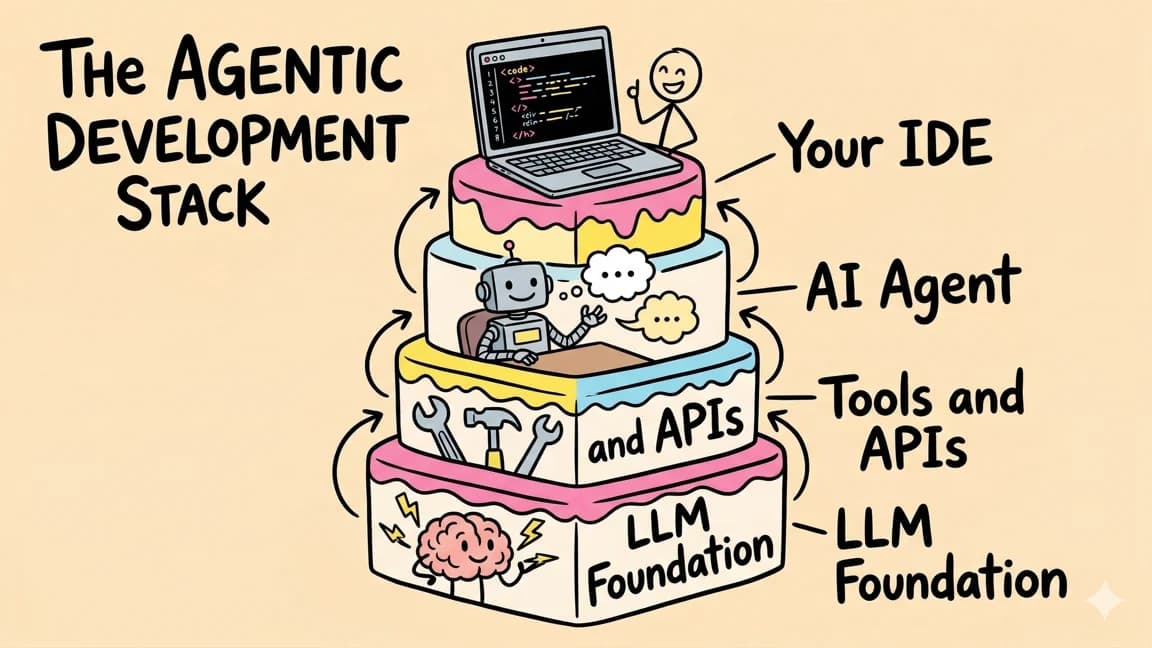
Deploy From Your Coding Agent: Wire Railway's MCP Server Into OpenCode
Your coding agent can write the code. With Railway's official MCP server it can ship it too: create the project, deploy the service, assign a domain, tweak variables, and read logs, all as tool calls. The complete one-hour build.
10 min read

Ship a Remote MCP Server: Give Your Coding Agent Cloud Tools in an Afternoon
MCP just became stateless, which means your own MCP server is now just an HTTP endpoint that deploys like any web service. Build one with an agent, deploy it on Railway, and point opencode or Claude Code at the public URL. The full build, start to finish.
10 min read
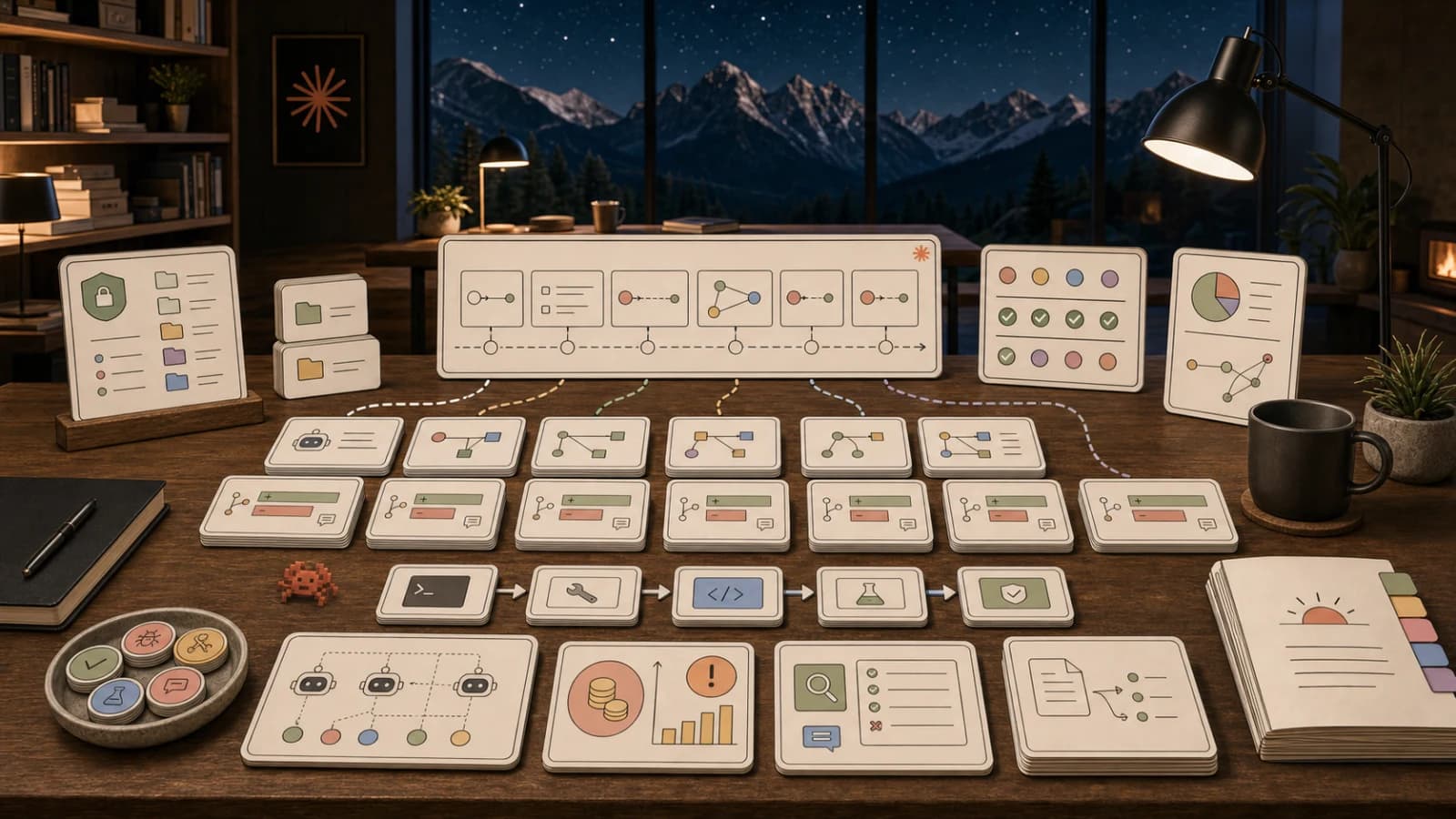
Cloudflare Radar Researcher: A Plain-Language Agent Over 500 Live API Endpoints
Cloudflare shipped Radar Researcher, a natural-language agent that answers questions about global internet traffic with real interactive charts. The architecture - MCP code mode, chart specs that never let the model touch raw numbers, and a three-model fallback chain - is the interesting part for developers.
7 min read
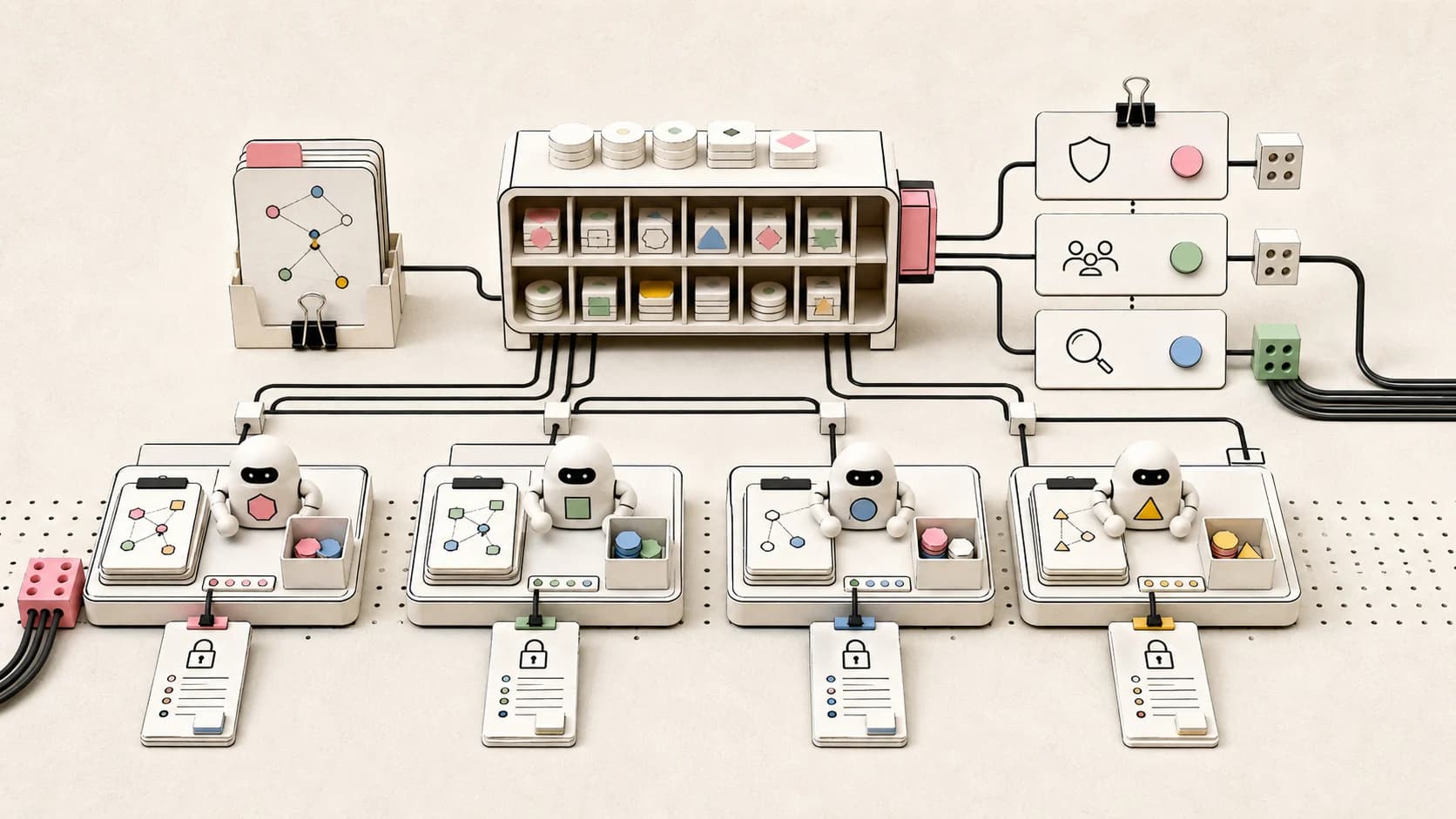
Agent Plugins 1.0.0: One Package Format for Agent Skills and MCP Servers
Vercel, OpenAI, GitHub, Microsoft, AWS, and Cursor collaborated on Agent Plugins 1.0.0, an open standard that packages Agent Skills and MCP servers into one portable plugin. ChatGPT, Codex, Cursor, GitHub Copilot, Kiro, and VS Code load the format on day one.
7 min read
Stateless MCP Is Here: What the 2026-07-28 Spec Changes and How to Host a Fleet of Servers on One Bun Process
MCP just dropped sessions entirely. Every request is now one self-contained POST. Here is what changed in the 2026-07-28 spec and a Bun + Hono pattern for hosting many MCP servers on a single process.
7 min read
Vercel MCP Ships the 2026-07-28 Spec: The MCP Migration Clock Starts
Vercel MCP now serves both the stateless 2026-07-28 protocol and the 2025 protocol from one endpoint, with mcp-handler 2.x handling the negotiation. The first major hosted MCP server has crossed over - here is what it means for server authors and clients.
7 min read
MCP Apps vs Tool Calling vs Standalone UIs: Interactive Interfaces for Agent Tools Compared
MCP Apps shipped with the 2026-07-28 final spec - sandboxed interactive UIs for MCP servers. How they compare to standard tool calling and standalone web UIs, and when to use each approach.
9 min read

MCP vs Agent Skills: When to Use Which (and Why You Need Both)
MCP gives an agent live access to tools and data. Agent Skills give it packaged procedure. They solve different halves of the same problem, and the MCP working group is now standardizing how skills ship over MCP. Here is the decision rule.
11 min read
Codex and Claude Code in July 2026: Agent Controls Are the Feature
The late-July Codex and Claude Code updates point in the same direction: coding agents are competing on approval modes, resumable work, MCP auth, artifacts, and review surfaces as much as raw model quality.
8 min read
AI Agent Auth Platforms Compared: Arcade vs Composio vs Nango vs Stytch
A practical comparison of the four authentication platforms developers reach for when connecting AI agents to third-party APIs: Arcade, Composio, Nango, and Stytch. OAuth 2.1, MCP support, integration counts, and which to pick by workload.
8 min read

DataFlow-Harness Shows Why Agents Need Editable Pipelines
The DataFlow-Harness paper is a useful reminder that coding agents should not just emit scripts. For data work, the durable artifact is an editable, validated pipeline.
8 min read

MCP Clients Compared: How to Pick a Host for 2026
Claude Code, Claude Desktop, Cursor, VS Code, Zed, and opencode all speak MCP differently. Here is how their transport, auth, and tool-limit support compares.
9 min read

Safari MCP Server Developer Guide 2026
Apple's Safari MCP server lets AI coding agents inspect pages, capture screenshots, evaluate JavaScript, and run accessibility checks directly in Safari. Complete setup guide with installation, available tools, and practical workflows.
7 min read

AgentCanvas is a visual adapter for Claude Code and Codex
Claude Code and Codex both ship great agents and terrible transcripts. AgentCanvas is a visual adapter that puts the artifacts, decisions, and handoffs on one board so the next agent and the next human can see them.
6 min read

MCP tools need a shared board, not another transcript
MCP makes tools callable by agents. That solves invocation. It does not solve visibility. The next agent and the next human still need to see what the tool calls produced, and a transcript is the wrong place for that.
5 min read
Agent Studio: Authoring the Roles, Not Just the Knowledge
Skills gave an agent what to know. The missing half is what role to play. Agent Studio lets you author subagents next to your skills in one place, serve both over the same MCP endpoint with the same progressive disclosure, browse them over REST and the dd CLI, and publish them to the community under a moderation loop. Here is the design and why the two belong in one studio.
9 min read

One Endpoint, Every Capability: A Reference Architecture for Progressive Disclosure
Skills, files, memory, and generation do not need four integrations. They need one MCP endpoint with tiered disclosure, one API key that scopes everything to its owner, and one credit balance. The same tools answer to an MCP client, an in-product chat, and a CLI. Here is the whole architecture, and why it is the shape that makes a fleet of agents coherent.
10 min read

MCP Servers vs Agent Skills: Which to Build in 2026
A decision framework for 2026: MCP servers give an agent access to a live system, Agent Skills teach it how to do a task. Here is when to build each, when to build both, and the criteria that actually decide it, grounded in the MCP spec and Anthropic's skills docs.
10 min read
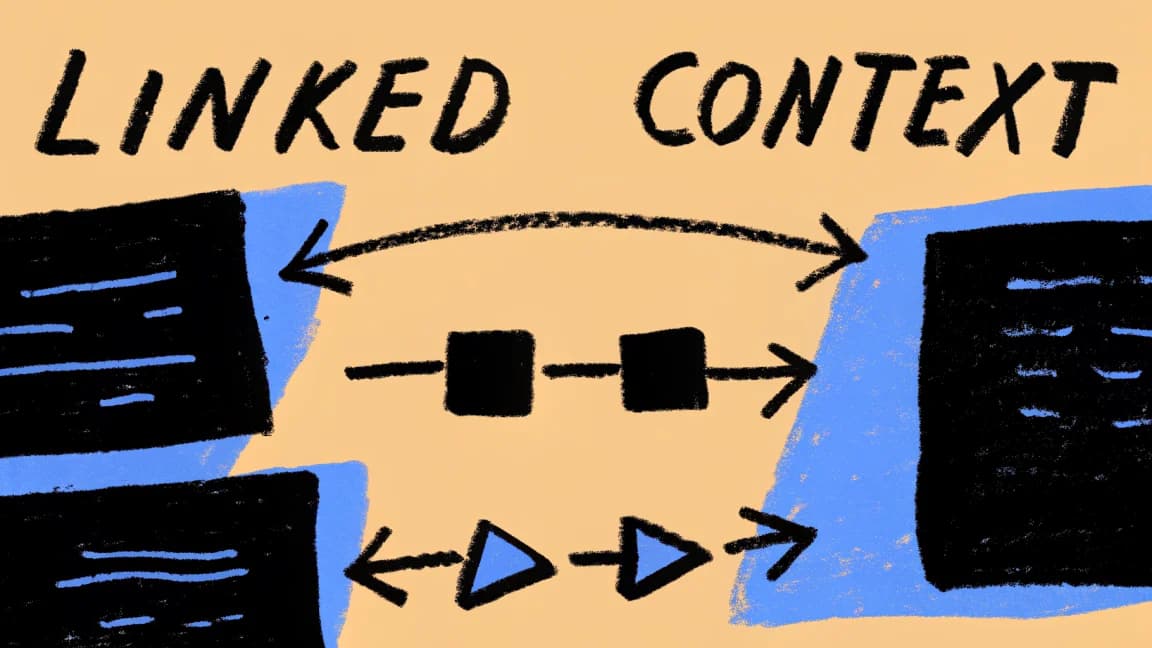
Linked Context: When a Skill Can Point at the Whole Web
The first version of skills-over-MCP served a fixed first-party catalog. Skill Studio extends it two ways: anyone can author skills that ride the same progressive-disclosure endpoint scoped to their own API key, and a skill file can be a link instead of a copy - a URL whose bytes are only fetched at the moment an agent decides it needs them. Progressive disclosure stops at the skill boundary no longer. It runs out to the open web.
10 min read
The MCP 2026-07-28 Rewrite: What Breaks and How to Migrate
The 2026-07-28 Model Context Protocol spec is the largest revision since launch: a stateless core, deprecated Roots/Sampling/Logging, MCP Apps, Tasks, and tougher OAuth. Here is what breaks, what to adopt, and a migration checklist for server authors and client integrators before the July 28 deadline.
11 min read
Point Your Agent at Developers Digest
developersdigest.tech now speaks MCP. Any MCP-capable harness can call the site's tools directly - generate media, pull vetted skills and agents on demand, persist memory across sessions, search the content, and count tokens. Here is what shipped and how to connect.
7 min read
Skills Delivered Over MCP: Why Progressive Disclosure Is the Missing Piece of Both Standards
SKILL.md solved knowledge packaging with progressive disclosure. MCP solved capability transport but ships flat, context-hungry tool lists. The next shape combines them - an MCP server whose tools are a skill directory, so an agent pays context only for what the task needs. Here is the argument and a working implementation.
9 min read

Perplexity Bumblebee: Developer Guide to the Open Source Supply Chain Scanner
Bumblebee is Perplexity's open source scanner for detecting compromised packages, extensions, and MCP configs on developer machines. A read-only Go binary that checks npm, PyPI, Go modules, and 10+ ecosystems against exposure catalogs - without running any install scripts. Here is how to set it up and use it.
7 min read

Arcade AI Agent Authorization: A Developer Guide
Arcade just raised $60M to become the secure action layer for production AI agents. Here is what their MCP runtime actually does, how it differs from rolling your own OAuth, and when to use it.
7 min read
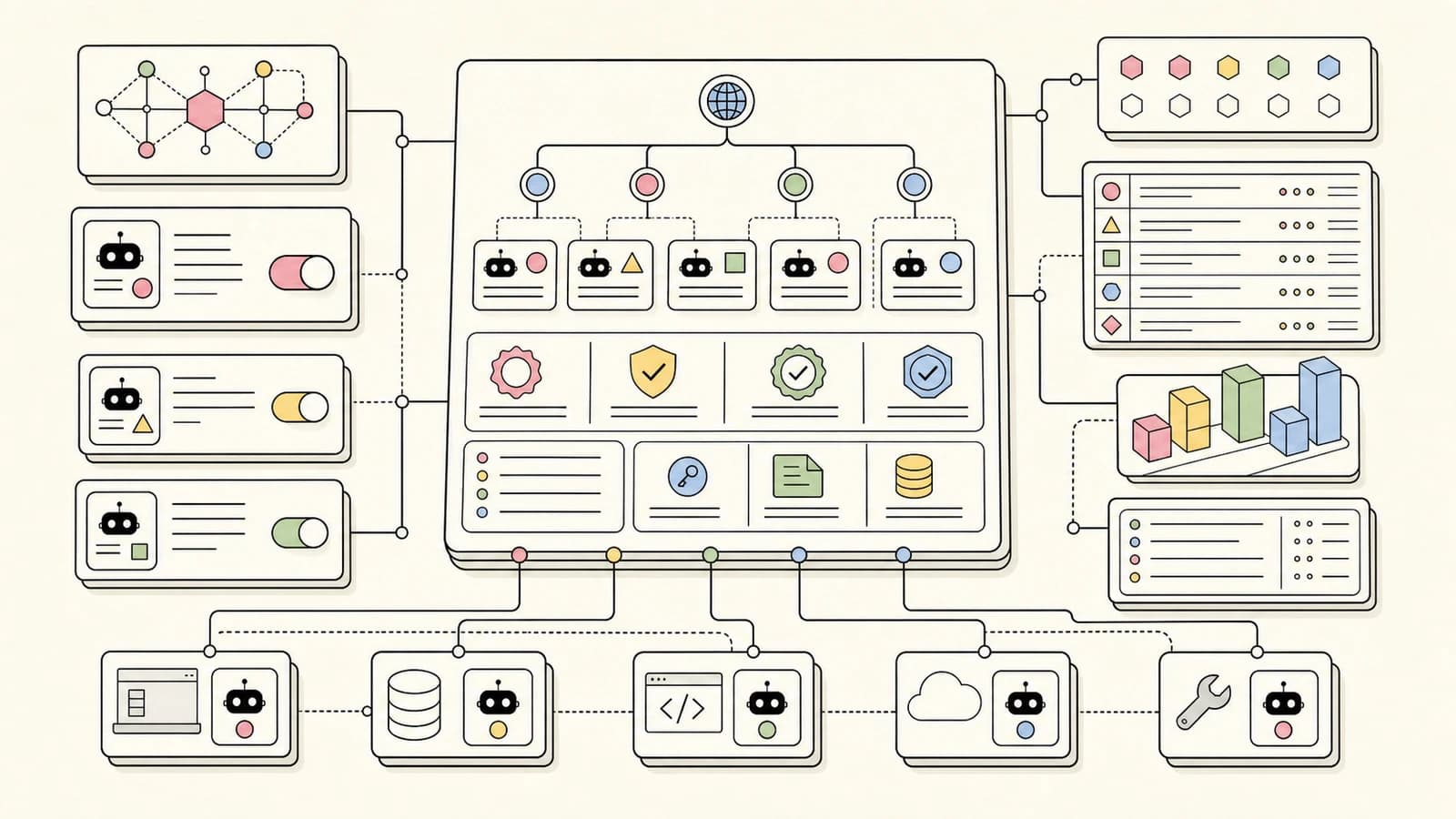
Agent Identity Is the Missing Security Layer for AI Workflows
The Linux Foundation's Agent Name Service proposal points at a real gap in AI agent infrastructure: agents need verifiable identity, scoped capabilities, revocation, and audit trails before they can safely act across tools.
7 min read

GitHub Copilot Agent Finder: What ARD Means for Third-Party AI Tools in 2026
GitHub's Agent Finder discovers and invokes Claude, Codex, MCP servers, and skills automatically. Here is how the new ARD specification changes AI coding tool integration.
8 min read

MCP Goes Stateless: The 2026-07-28 Migration Guide
The MCP 2026-07-28 final spec is here - sessions are gone, the protocol is stateless. Here is what changed, what broke, and how to finish migrating your MCP servers.
9 min read

Zero-Touch OAuth Is the MCP Feature Enterprises Were Waiting For
MCP's new enterprise-managed authorization flow is not just less login friction. It moves agent tool access into identity, policy, and audit systems enterprises already understand.
8 min read
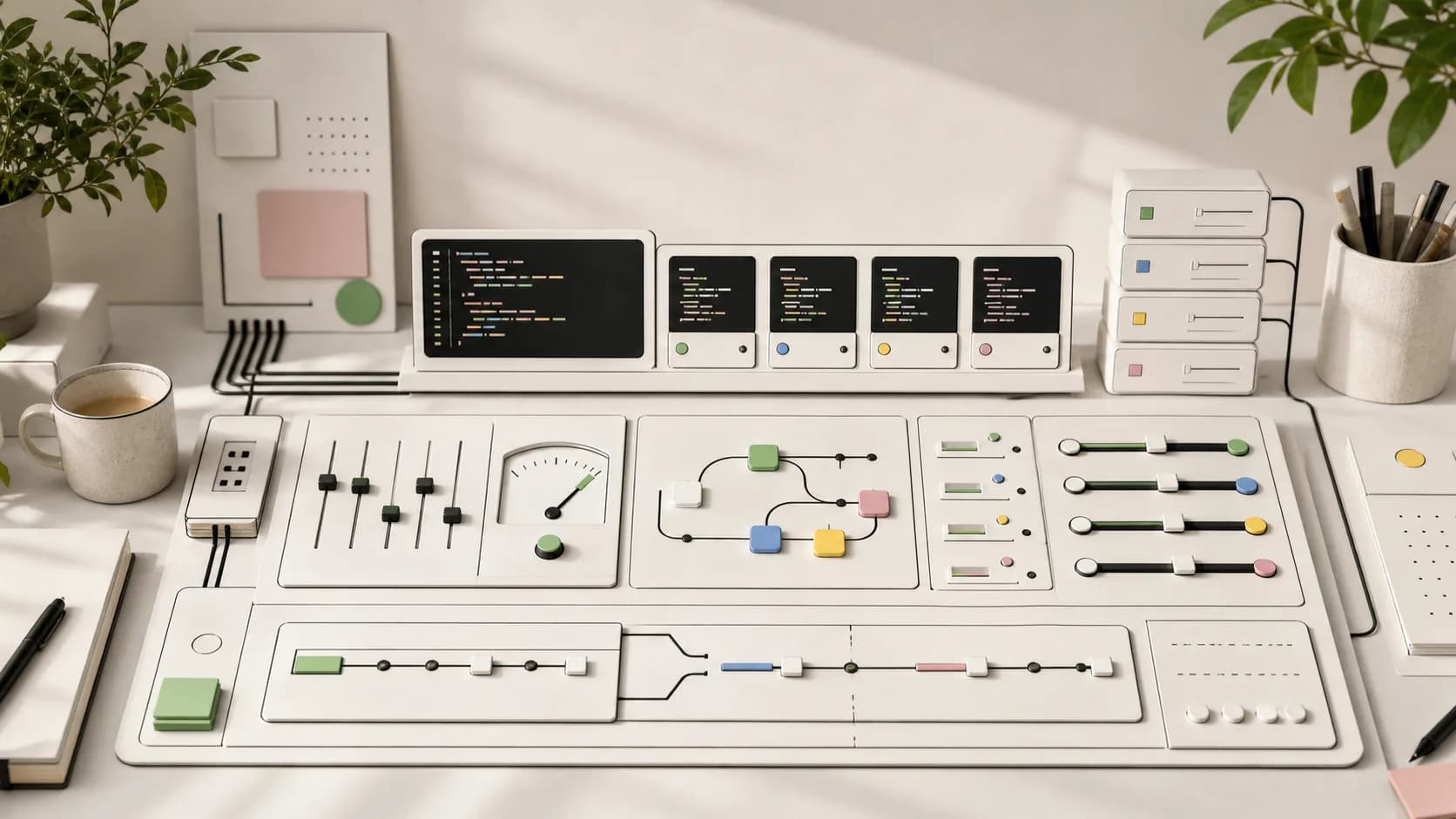
Zero-Touch OAuth for MCP: Enterprise Auth Gets Practical
MCP's new Enterprise-Managed Authorization removes per-user OAuth friction. Anthropic, Okta, Figma, and Linear ship centralized auth for AI agent tooling.
7 min read

Mellum2 Developer Guide: JetBrains' Open-Source Coding Model
JetBrains released Mellum2 on June 2, 2026 - a 12B MoE model with only 2.5B active parameters per token. Here is how to run it locally, when to use it, and where it fits in your AI coding stack.
7 min read
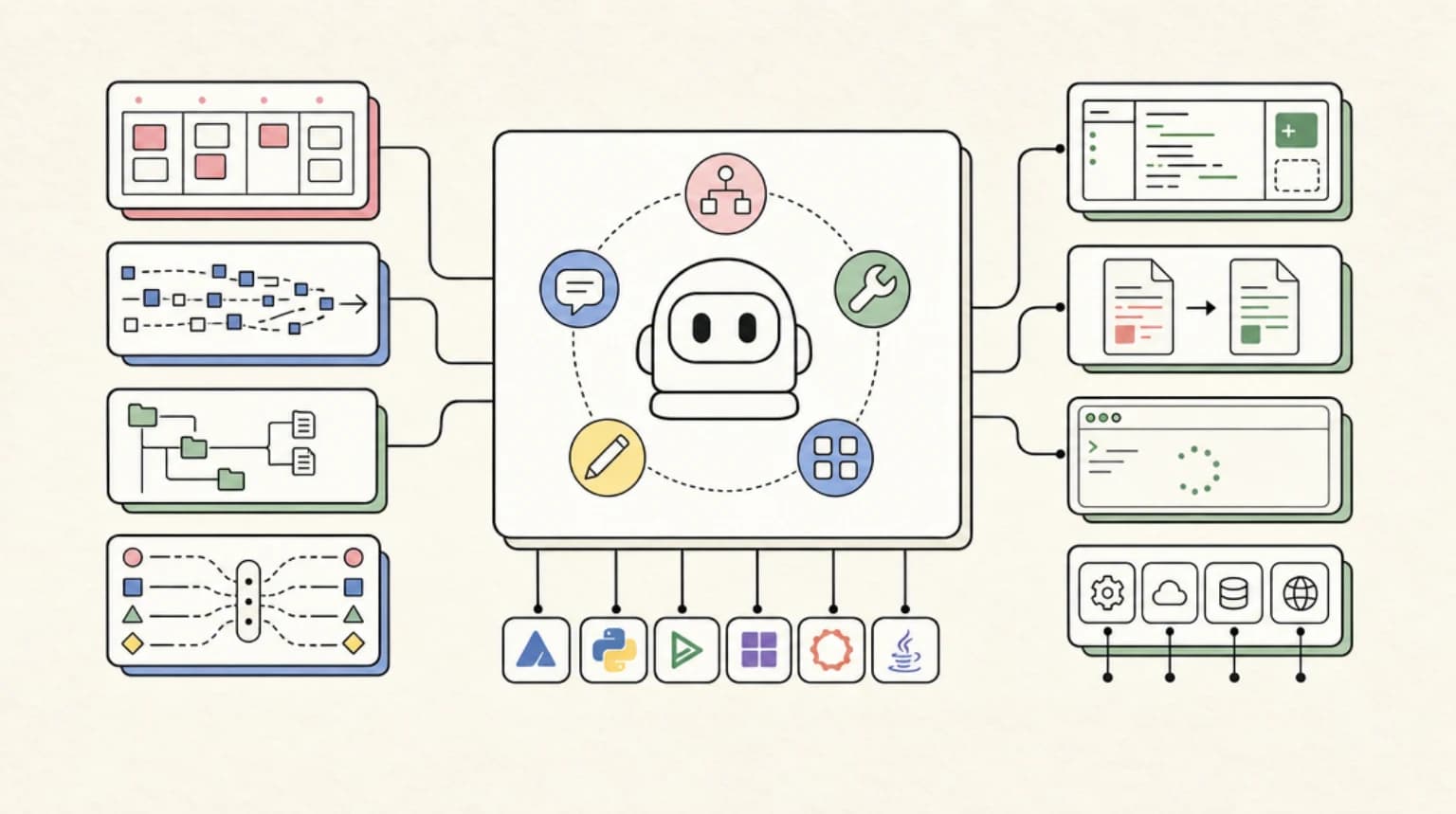
GitHub Copilot SDK Hits GA: Embed the Copilot Agent Runtime in Your Own Apps
On June 2, 2026, GitHub made the Copilot SDK generally available. It exposes the same agent runtime behind Copilot - planning, tool calls, file edits, streaming, MCP - across TypeScript, Python, Go, .NET, Rust, and Java. Here is what changed at GA and what it means for builders.
8 min read
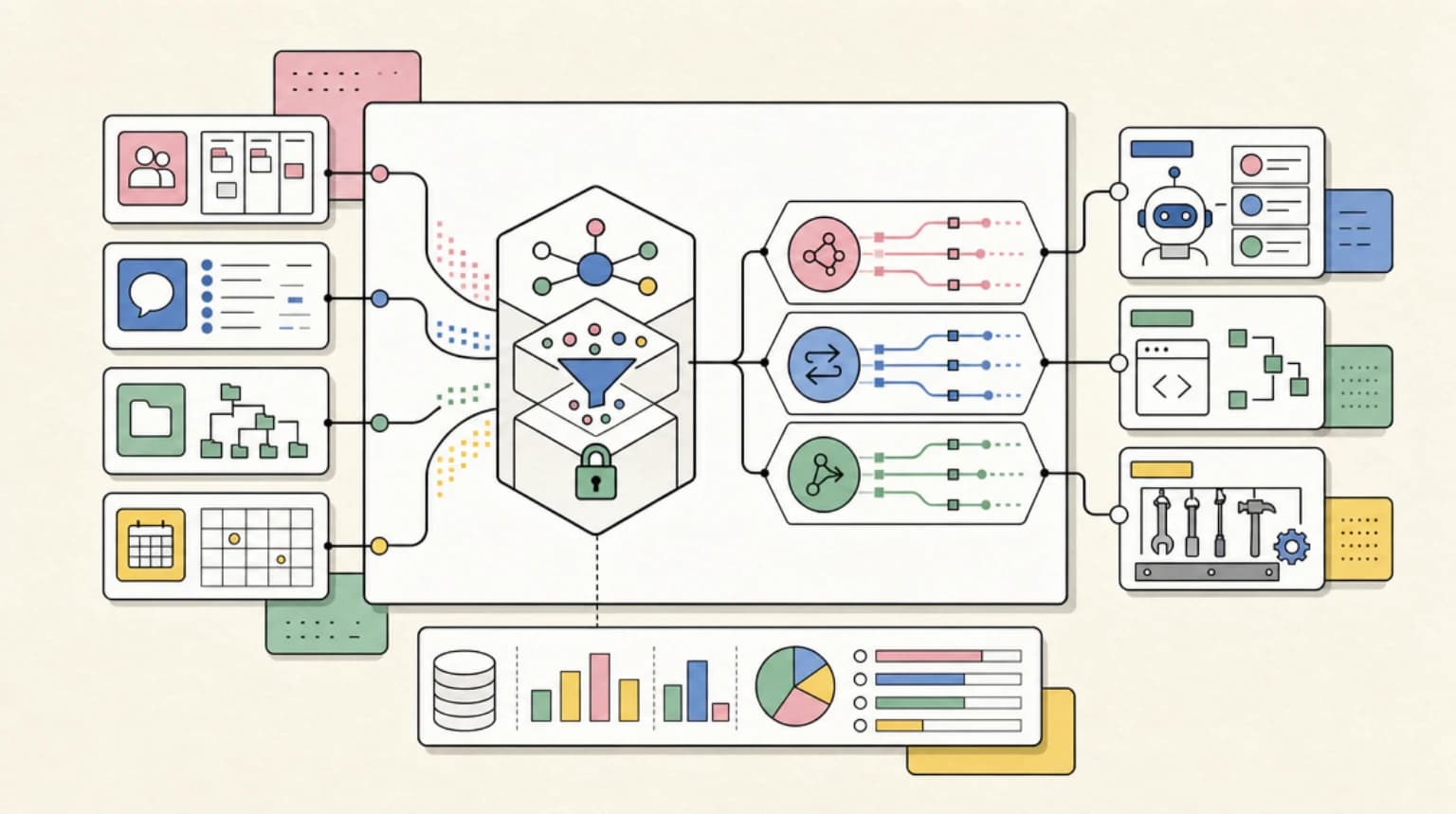
Microsoft's Work IQ APIs Hit GA: What Agent Builders Actually Get on June 16
On June 16, 2026, Microsoft's Work IQ APIs reach general availability - a workplace intelligence layer that hands agents pre-assembled, permission-trimmed Microsoft 365 context instead of raw Graph calls. Here is what the four domains, three protocols, and consumption pricing mean for developers building enterprise agents.
7 min read
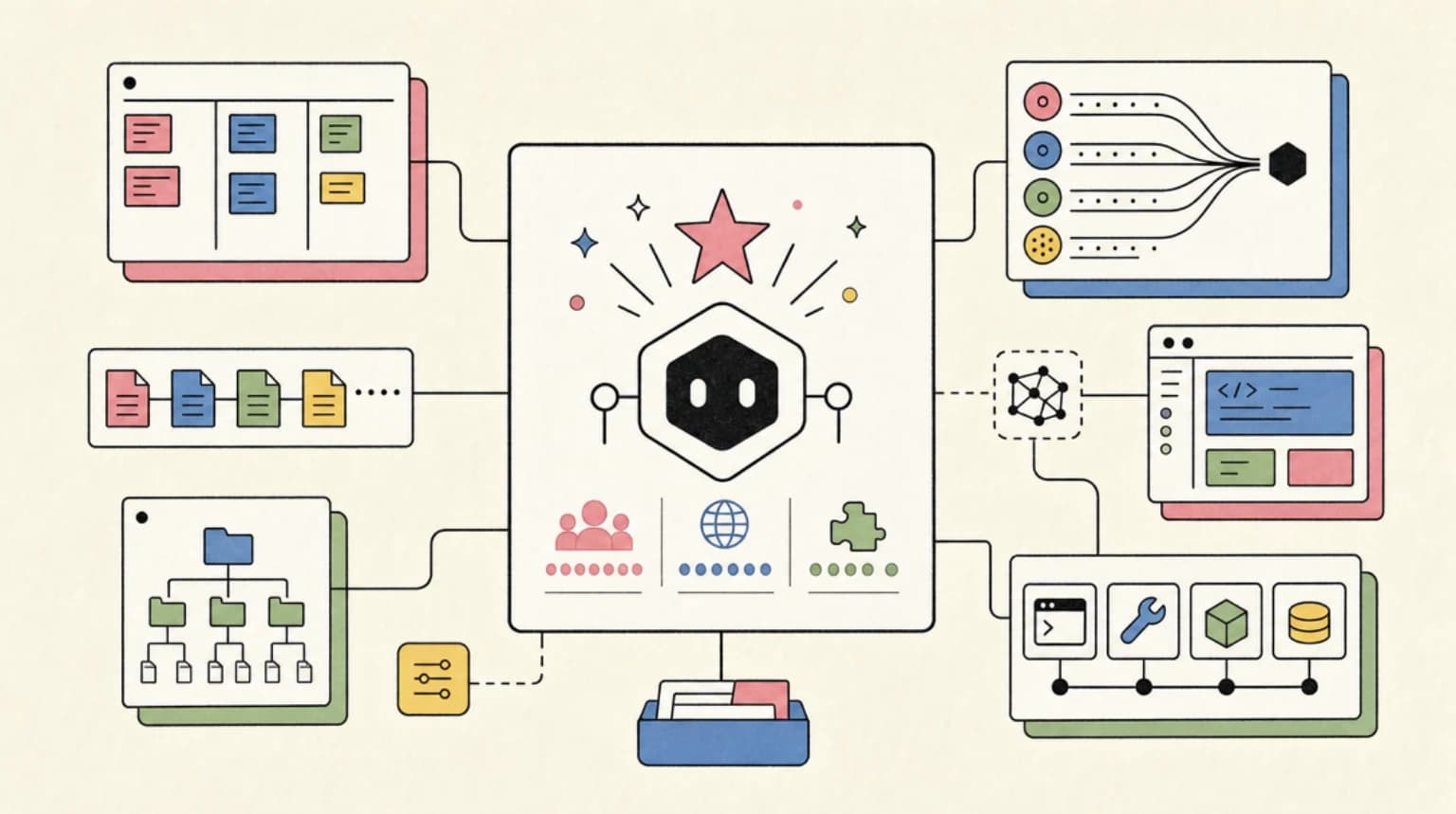
OpenCode Developer Guide: The Open Source AI Coding Agent with 160K Stars
OpenCode is the fastest-growing open-source AI coding agent - 160K GitHub stars, 7.5M monthly users, 75+ model providers. Here is how to set it up, configure models, and use it effectively in your workflow.
11 min read
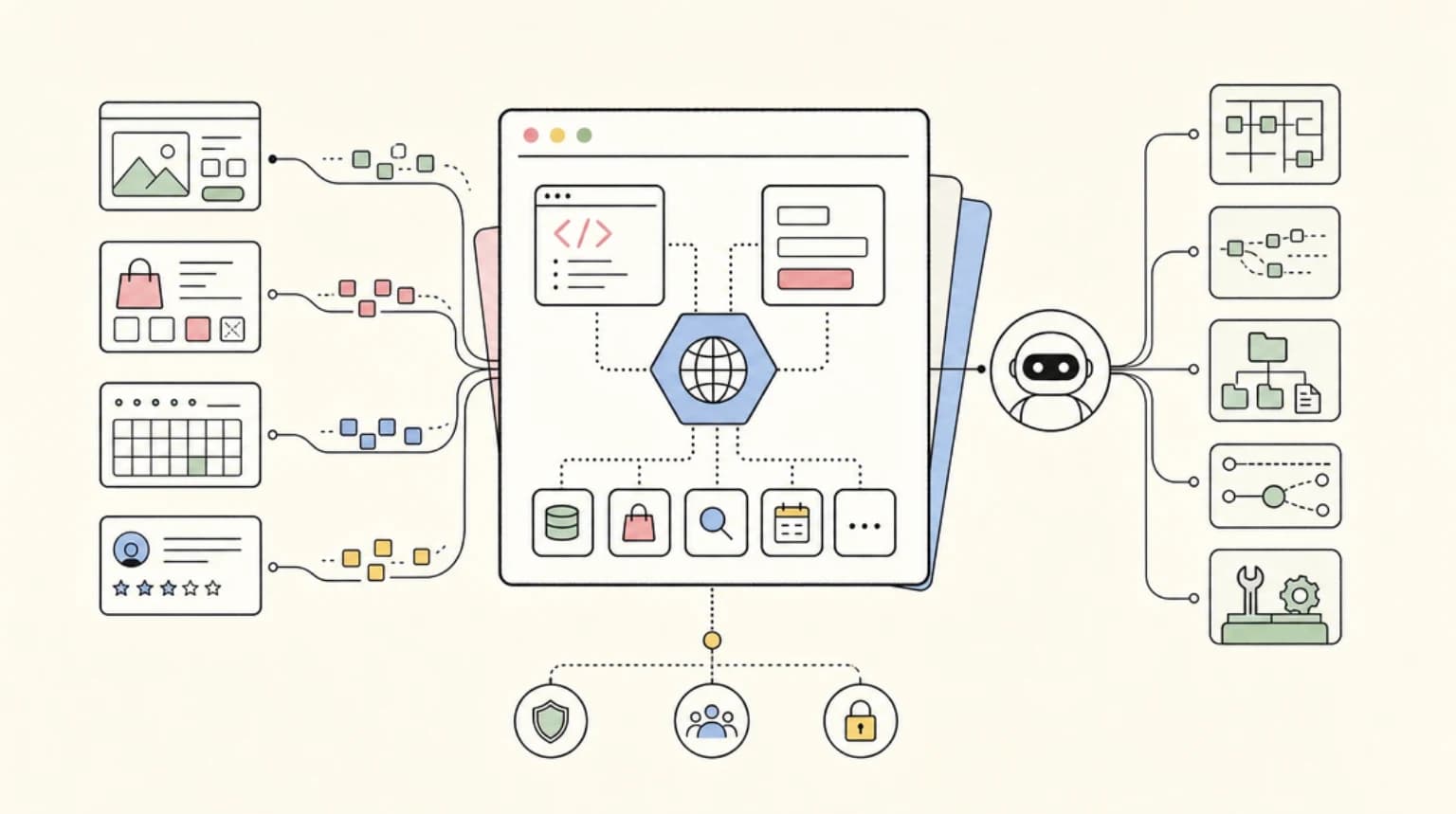
WebMCP: Google's Browser Standard That Lets AI Agents Use Websites as Tools
Chrome 149 ships an origin trial for WebMCP - a proposed web standard that lets developers expose JavaScript functions and HTML forms to AI agents. Here is what it does, how to implement it, and why it matters for the future of agentic browsing.
8 min read
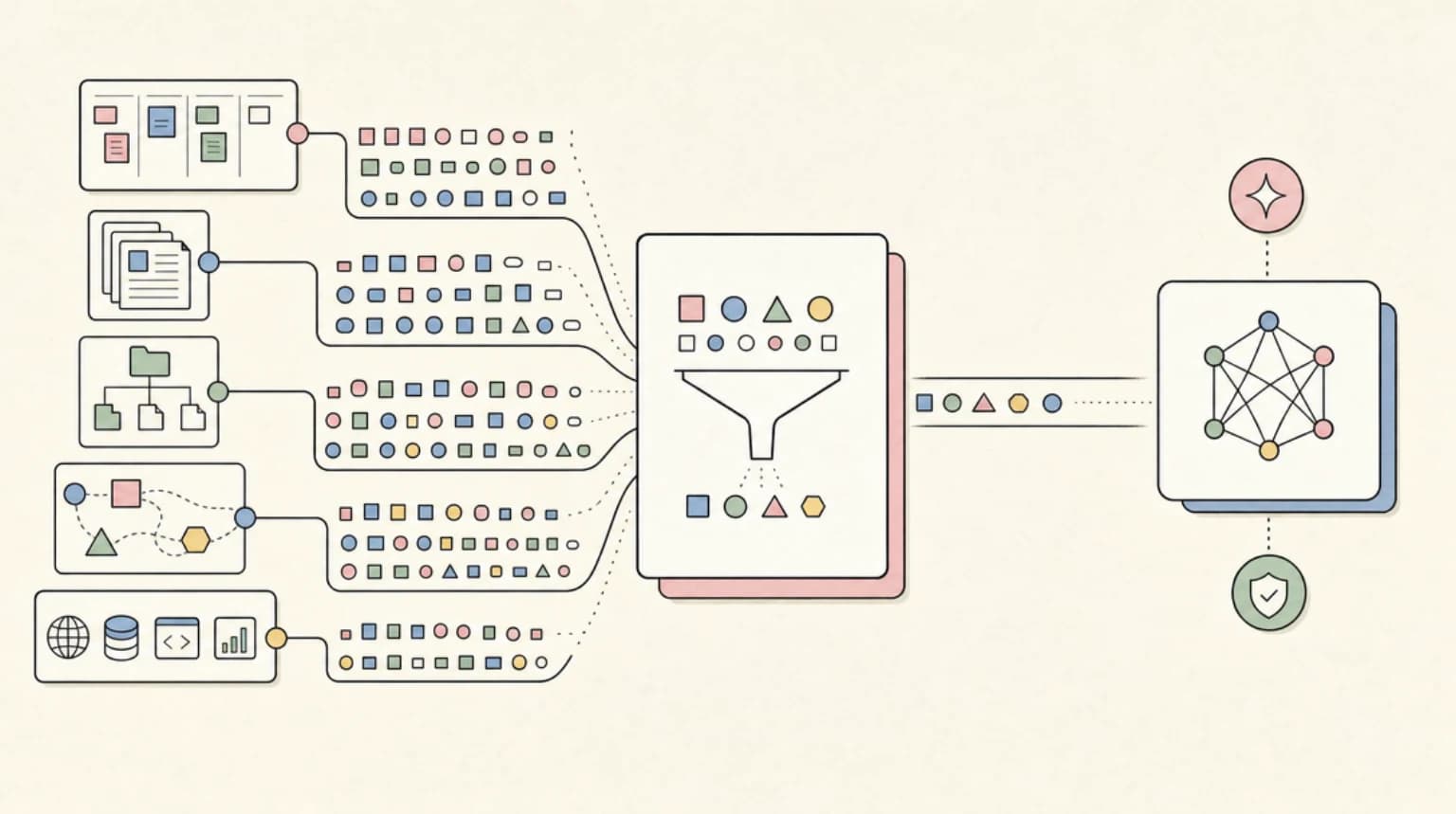
Headroom: Compress Agent Tool Output Before It Reaches the LLM
Headroom is a context compression layer that intercepts your AI agent's tool outputs and strips 60-95% of the tokens before they hit the model - with benchmarked accuracy preserved.
8 min read
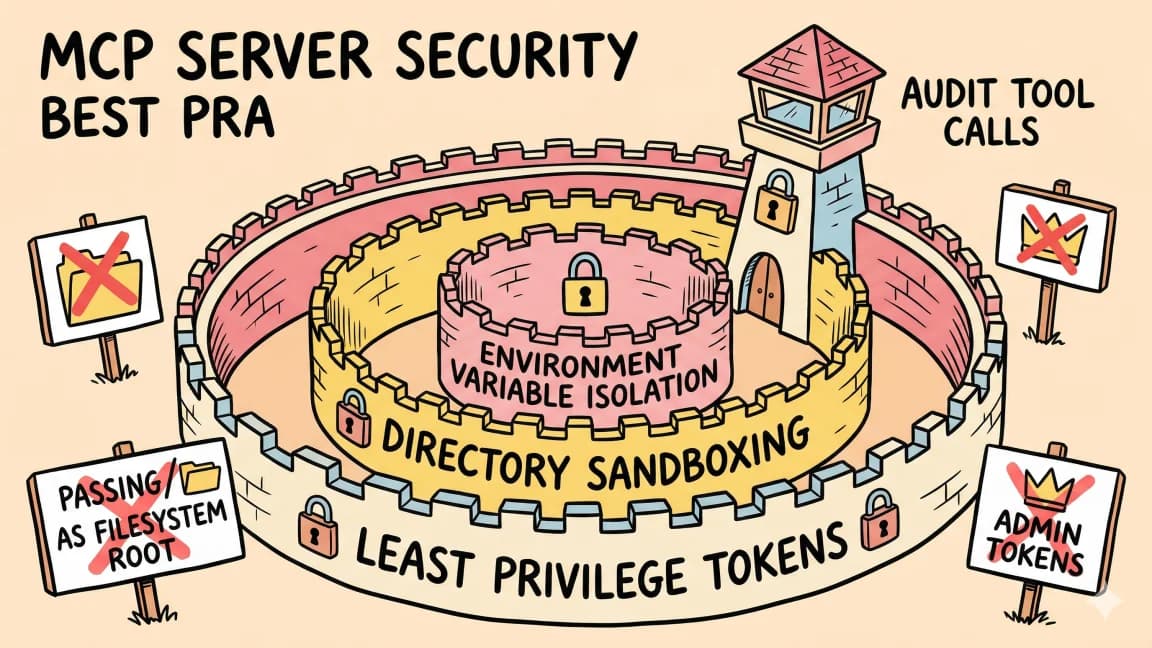
The Agent Security Checklist I Use Before Connecting Tools
Before an AI agent gets tools, files, APIs, MCP servers, or deployment access, decide what it can read, write, call, log, and roll back.
8 min read
Prompt Injection in Agent Apps: The Practical Version
Prompt injection stops being an abstract LLM risk once an agent can call tools. The practical defense is data boundaries, structured handoffs, tool guardrails, and approval gates around side effects.
8 min read
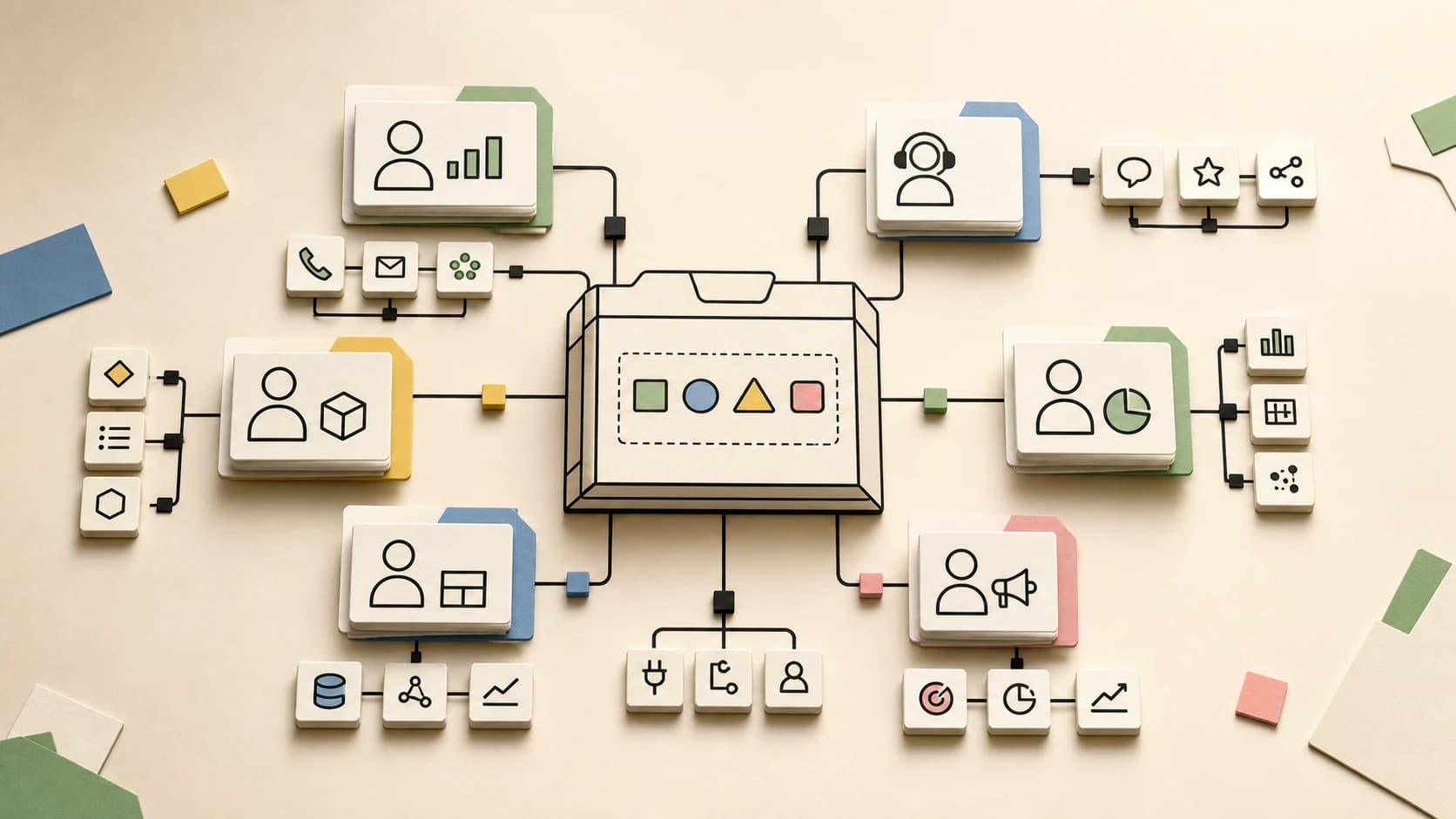
Claude Knowledge Work Plugins Turn Agent Setup Into Team Infrastructure
Anthropic's knowledge-work plugin repo is trending because it packages skills, connectors, slash commands, and sub-agents around job functions. The interesting shift is from personal prompts to team-distributed operating systems.
7 min read
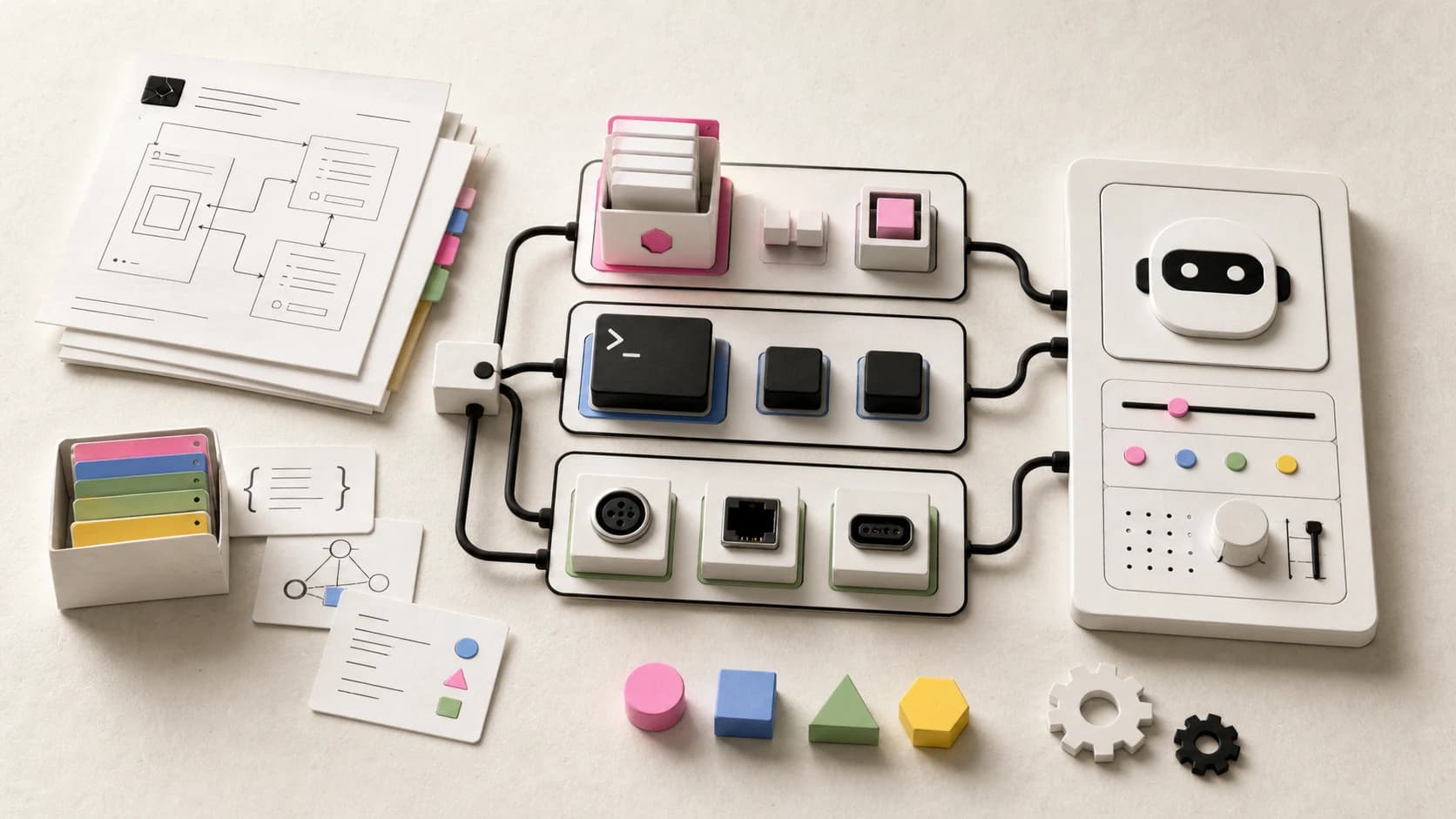
Anthropic Buying Stainless Is About Agent Plumbing
Anthropic's Stainless acquisition is not just an SDK deal. It is a bet that agents need generated SDKs, CLIs, docs, and MCP servers from the same source of truth.
8 min read
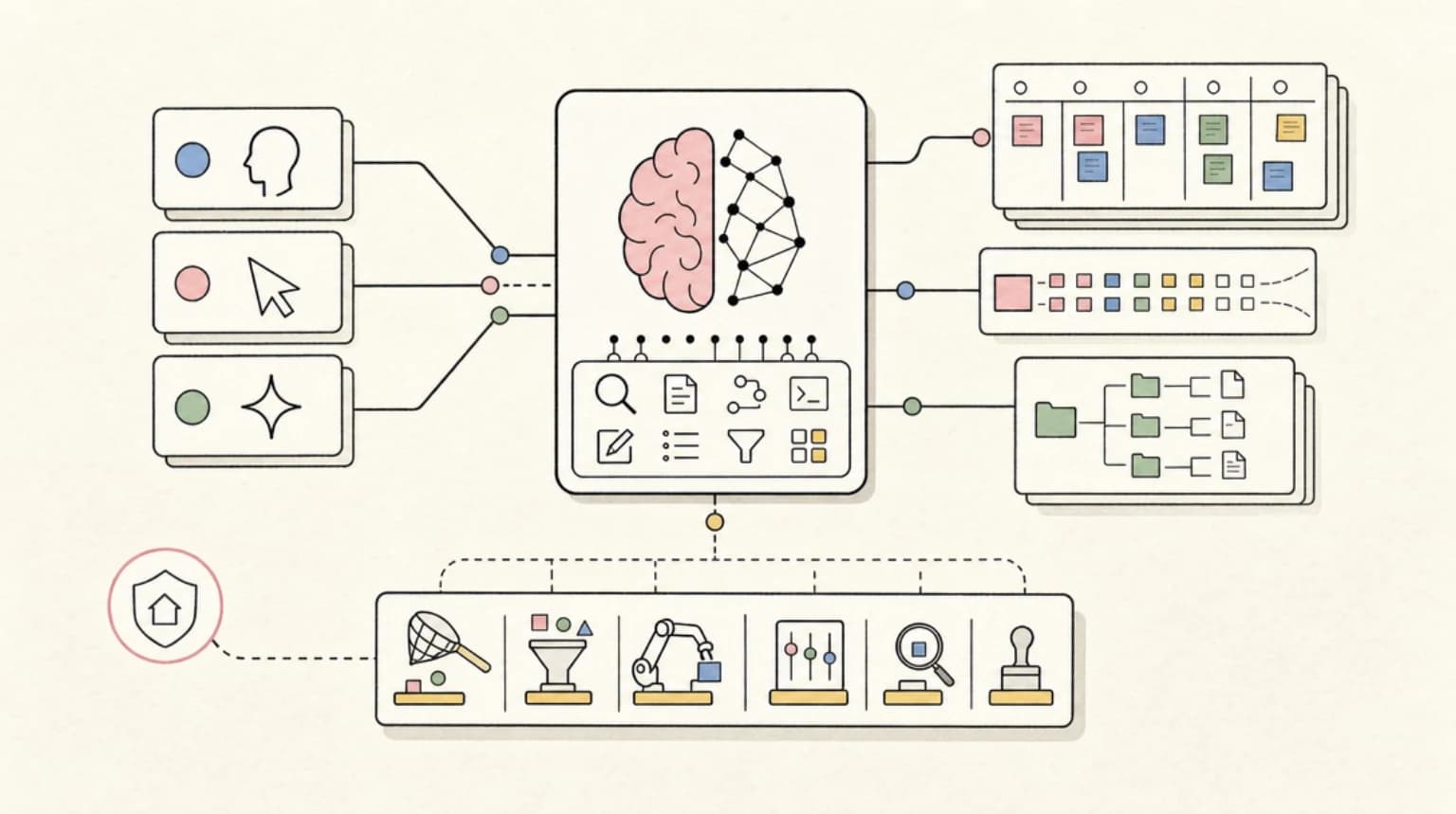
AgentMemory Is Useful Only If You Audit What It Remembers
AgentMemory gives Claude Code, Codex, Cursor, and other agents persistent local memory. The real adoption question is not recall accuracy. It is whether your team can inspect, prune, and govern what gets remembered.
8 min read
Claude Code 2.1.128 Is an Ops Release, Not a Feature Drop
Claude Code 2.1.128 is full of small fixes around MCP, worktrees, OTEL, plugins, and permissions. That is exactly why it matters for teams running agents every day.
6 min read
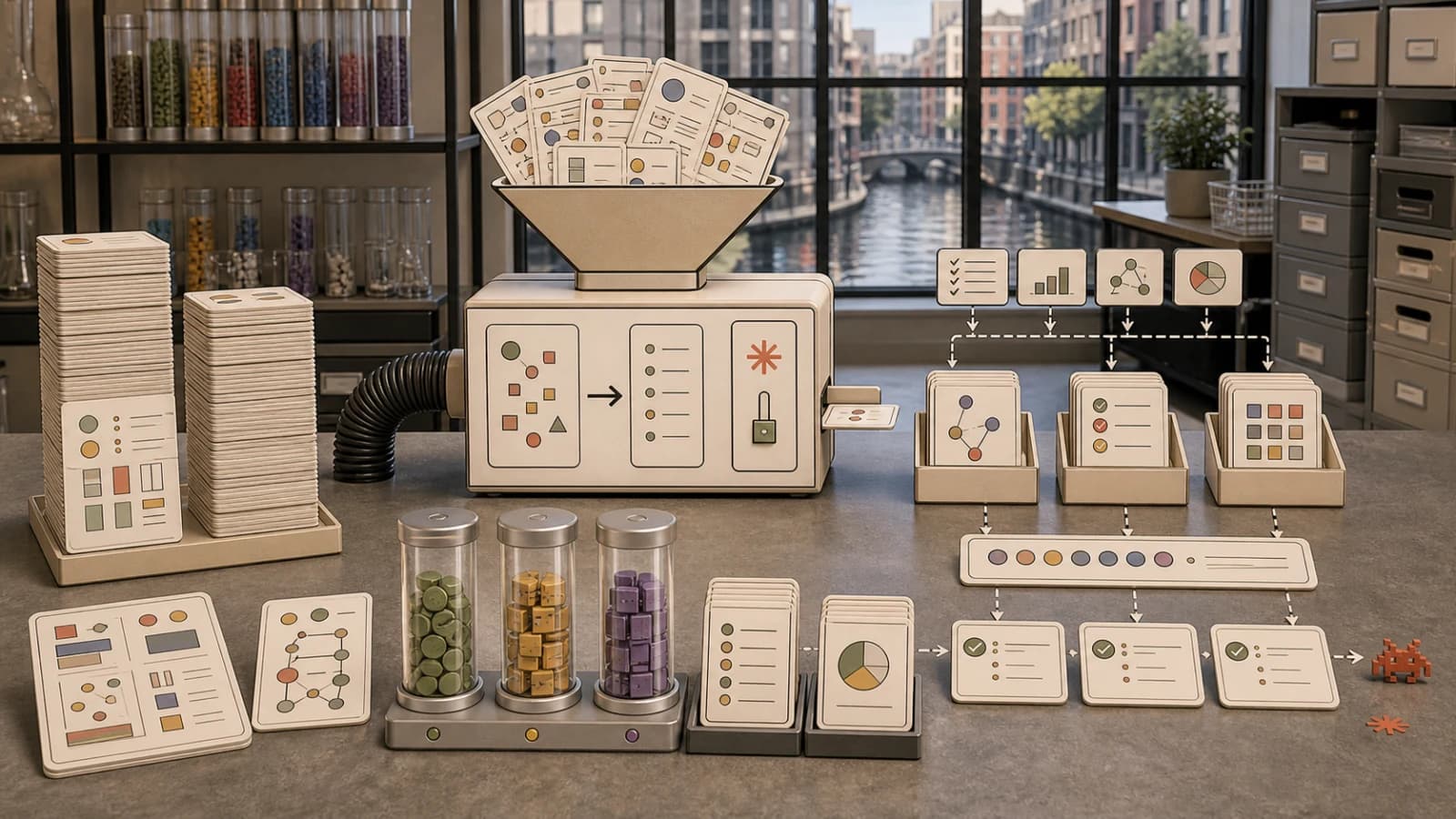
The 98% Context Reduction Pattern
Efficient agents do not stuff every tool result into the model context. They keep intermediate state in code, files, and execution environments, then return compact summaries and receipts.
8 min read
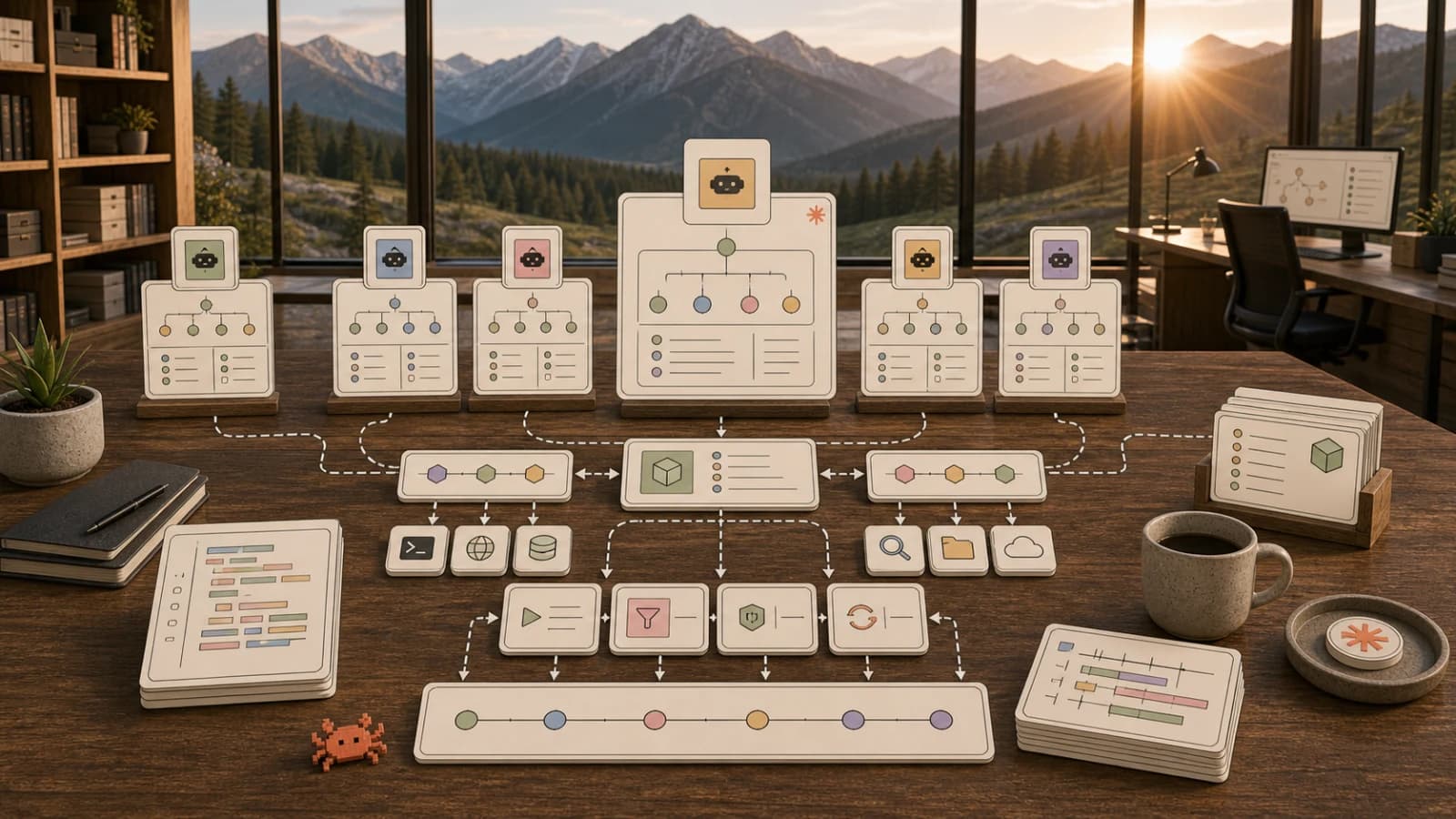
Claude Code Agent Teams, Subagents, and MCP: The 2026 Playbook
Claude Code is turning into an orchestration layer for agent teams. Here is how subagents, MCP, hooks, and long context fit together in 2026.
9 min read

One Tool Beats Ten Endpoints
Most agent tool APIs are just REST endpoints with nicer names. Production agents need intent-shaped tools that compress workflows, reduce context, and return reviewable receipts.
8 min read
OpenAI Apps SDK: Building MCP UIs Inside ChatGPT
Apps SDK extends MCP with UI. Here is how to ship a real Apps SDK app from scratch: logic, interface, deploy, distribution, and the gotchas that cost me a weekend.
12 min read
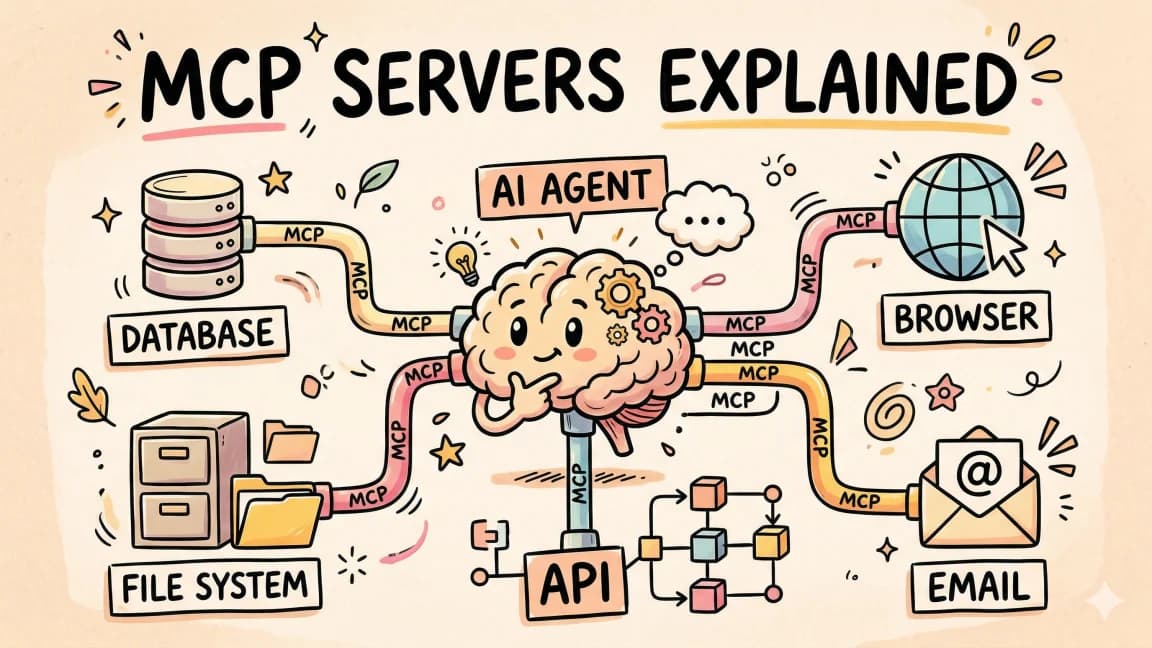
Model Context Protocol: A Production Guide To Building MCP Servers
Build MCP servers that connect Claude to your databases, APIs, and tools. Architecture, TypeScript SDK code, debugging, and the production gaps the spec doesn't cover.
13 min read
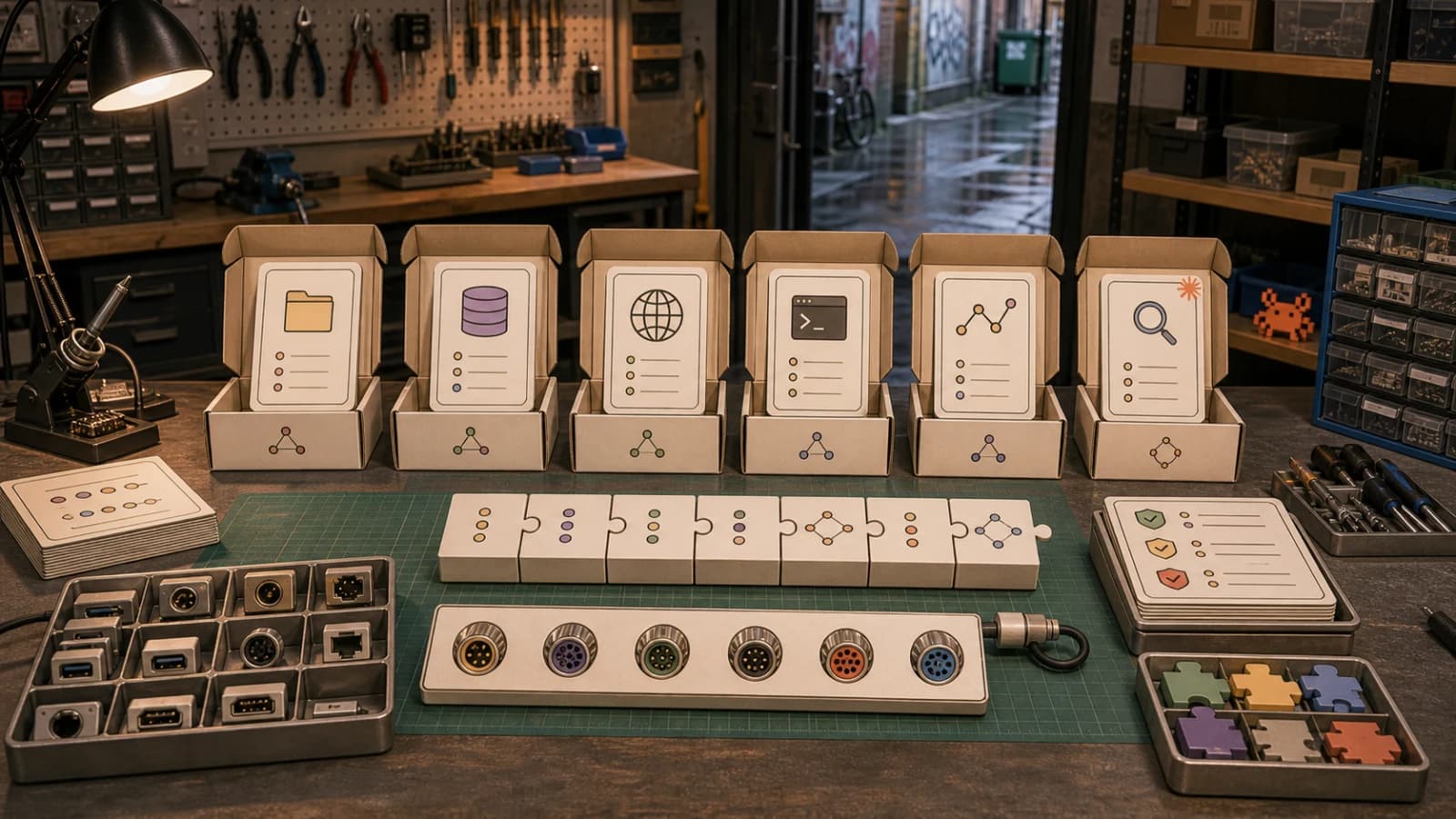
Open-Source MCP Servers Worth Installing in 2026
The MCP ecosystem crossed 22,000 servers in early 2026. Most are noise. Here are the open-source servers that have earned a permanent slot in our config, with copy-paste setup for Claude Code, Cursor, and Codex.
12 min read
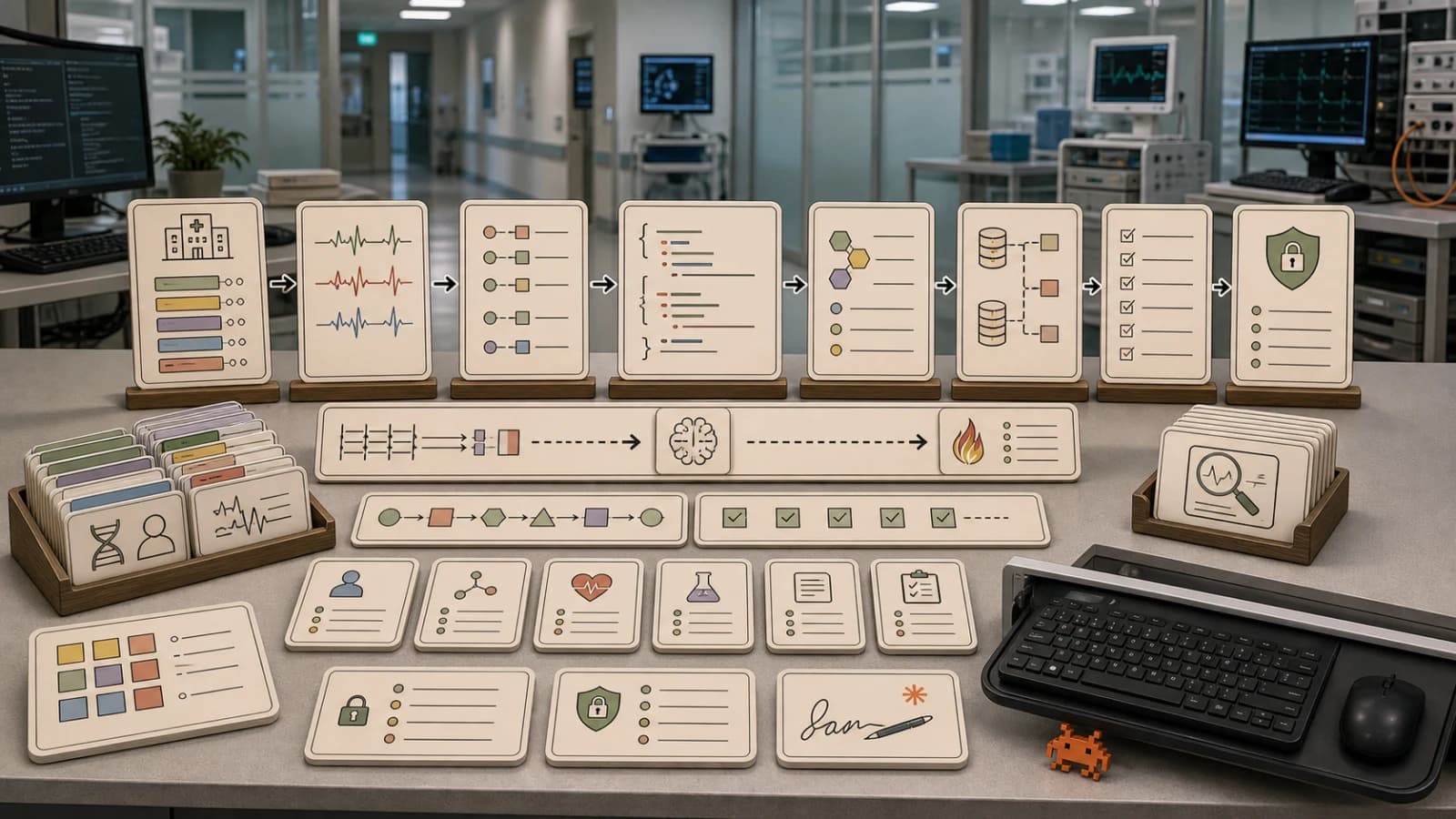
Claude Code as an HL7 to FHIR Migration Agent for Hospitals
Hospitals still ship HL7 v2 pipes between systems in 2026. Here is how to wire Claude Code as a careful, HIPAA-aware migration agent that takes them to FHIR.
11 min read
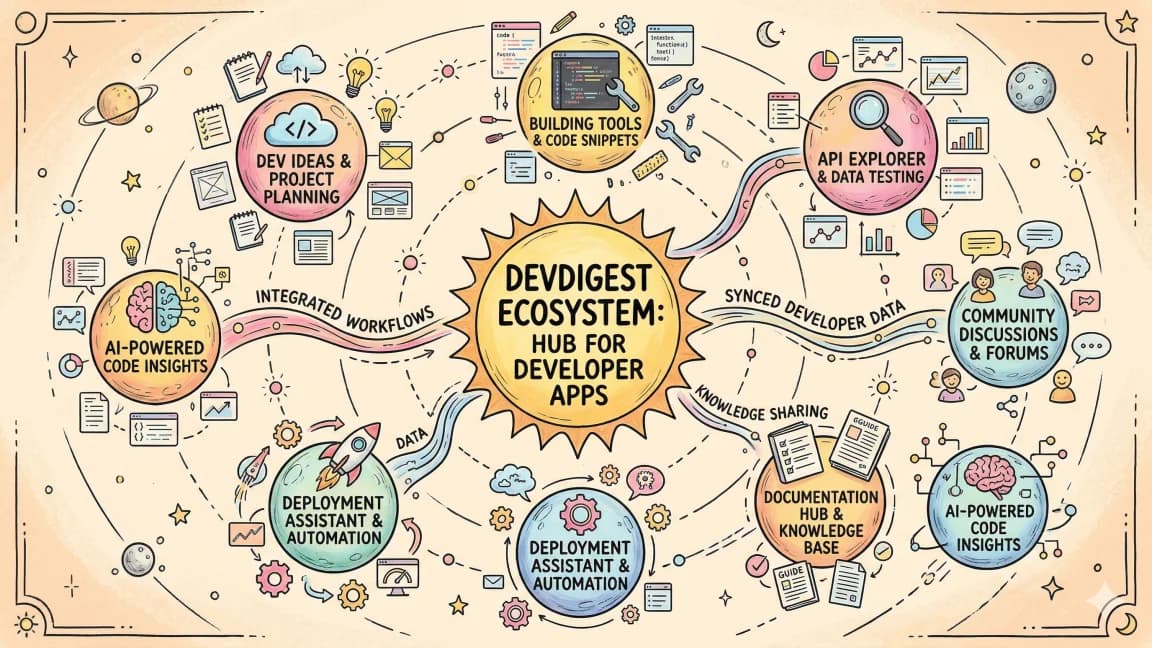
The DD Stack Cookbook: Five Recipes That Compose
Five worked examples showing how the new Developers Digest products plug into each other. Real agent filesystems, auto-snapshots, gated skill libraries, eval suites, and a recursive MCP host.
9 min read
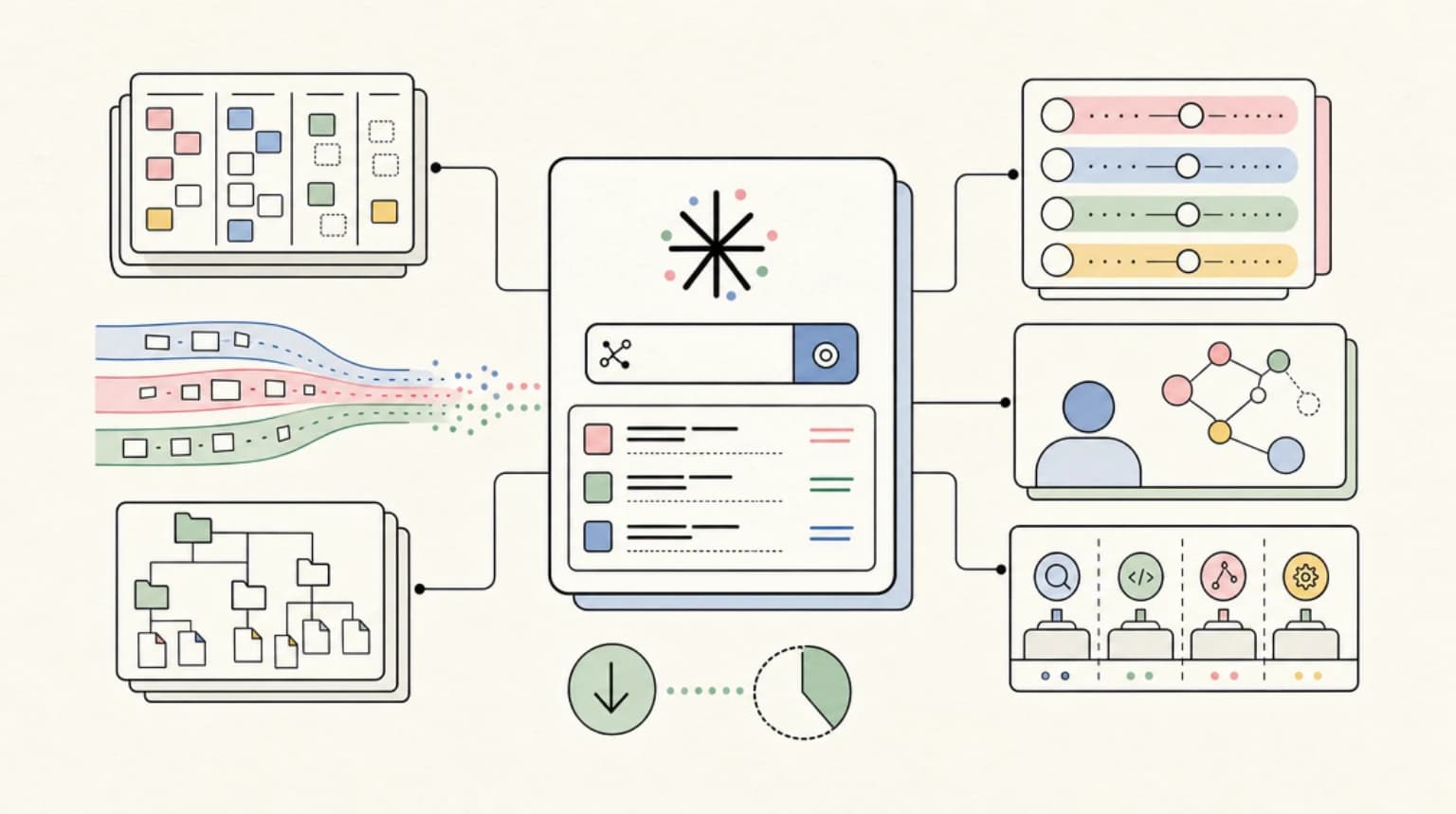
Claude Context Is Code Search For Agents. Treat It Like Retrieval Infrastructure.
Zilliz's Claude Context MCP gives coding agents semantic code search, but the real question is whether retrieval makes agent work more reviewable, cheaper, and easier to verify.
8 min read
MCP Lens: Wireshark for Model Context Protocol Servers
MCP servers are stdio-only black boxes. MCP Lens proxies the JSON-RPC stream, captures every frame, and serves a local inspector at localhost:4040.
8 min read

Six More Tools for the Agent Infrastructure Stack
The second half of our agent tooling release: distribution, validation, and ergonomics layered on top of the first six. Six small CLIs, one through-line.
9 min read

10 Tools We Built for Agent Infrastructure
Ten private tools shipped overnight - observability, skills, hooks, prompts, and evals - aimed at the agent infrastructure gap small teams keep falling into.
11 min read

10 Trending AI Dev Tools, Week of April 28 2026
From Claude Opus 4.7 and GPT-5.5 to Andrej-karpathy-skills and EvoMap - the AI dev tools actually shipping the last 30 days, with commands, links, and pricing.
9 min read
271 MCP Servers Exist. These 5 Actually Make Claude Code Better.
Most MCP servers are noise. After shipping 24 apps with Claude Code, these are the five I reach for every time.
11 min read
What Is MCP (Model Context Protocol)? The 2026 Developer Guide
MCP is the open standard for connecting AI apps to tools and data: servers expose tools, resources, and prompts over JSON-RPC, and any client can use them. What it is, how the stateless 2026-07-28 spec works, how to install a server in Claude Code or Cursor, and how to build one with the v2 TypeScript SDK.
14 min read
What Hacker News Gets Right About AI Coding Agents in 2026
Hacker News keeps arguing about Claude Code, Codex, skills, MCP, and orchestration. Under the noise, the same four truths keep surfacing: workflows matter more than demos, verification is the bottleneck, skills beat prompts, and orchestration matters more than raw autonomy.
11 min read

Why Skills Beat Prompts for Coding Agents in 2026
The coding-agent workflow is maturing past giant hand-written prompts. The winning pattern in 2026 is a control stack: project rules, reusable skills, bounded sub-agents, and deterministic tools around the model.
9 min read

The MCP Server Ecosystem: A Developer's Guide for 2026
An opinionated guide to the MCP server ecosystem in 2026. Curated picks by category, real configuration examples, installation commands, and honest assessments of what works and what does not.
13 min read
MCP vs Function Calling: When to Use Each
MCP servers and function calling both let AI tools interact with external systems. They solve different problems. Here is when to reach for each.
6 min read

Claude Code Channels: Telegram, Discord, iMessage, and Webhooks
Claude Code Channels let Telegram, Discord, iMessage, fakechat, and custom webhooks push events into a running Claude Code session. Here is when to use them, how the security model works, and where they fit beside Remote Control.
8 min read
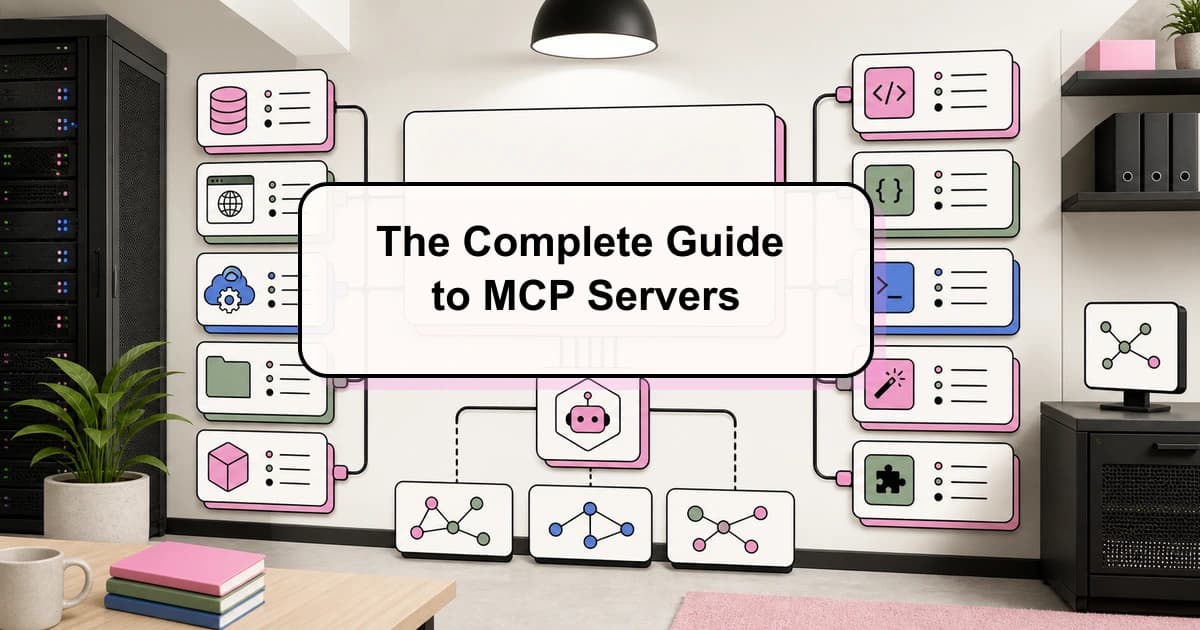
The Complete Guide to MCP Servers
Everything you need to know about Model Context Protocol - how it works, how to install servers, how to build your own, and the best ones.
12 min read
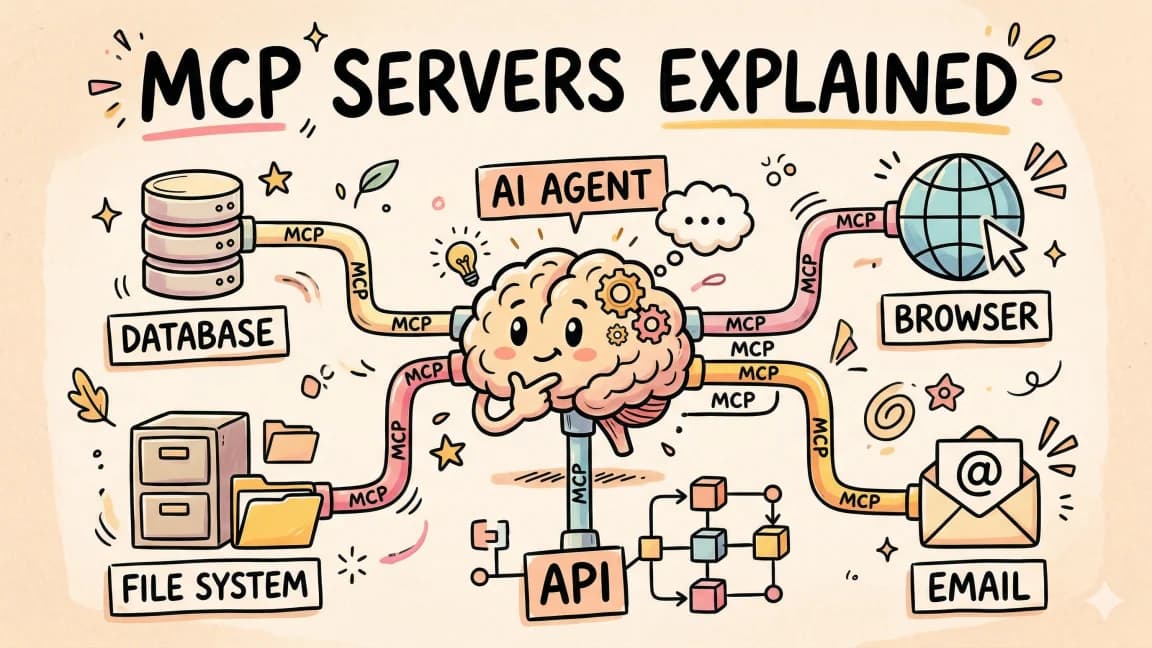
How to Build MCP Servers in TypeScript
A step-by-step guide to building Model Context Protocol servers in TypeScript. Project setup, tool registration, resources, testing with Claude Code, and production patterns.
14 min read
The Best MCP Servers in 2026: A Complete Directory
A searchable directory of 184+ MCP servers organized by category. Find the right server for databases, browsers, APIs, DevOps, and more.
10 min read
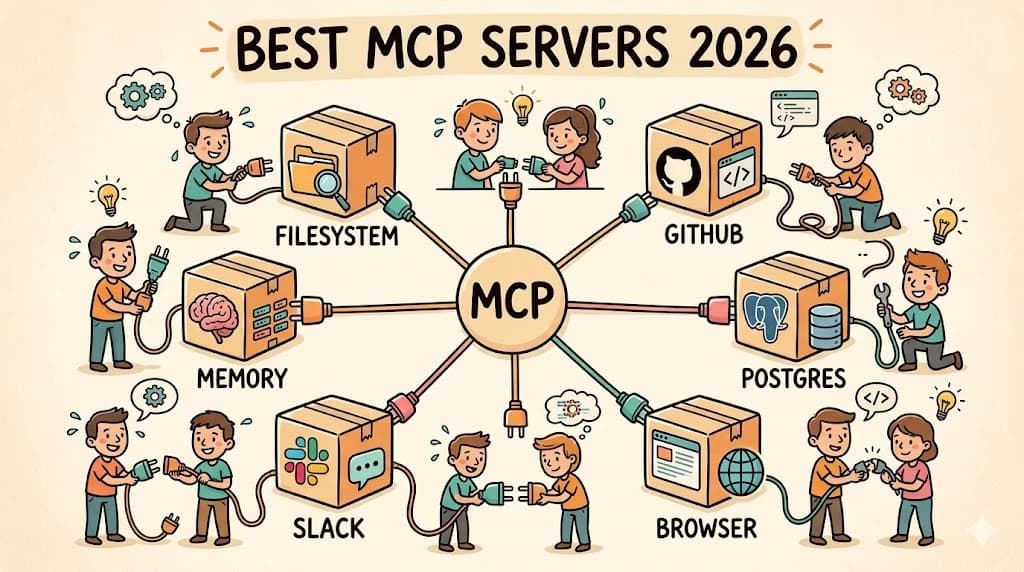
Best MCP Servers in 2026: The Developer Shortlist
A practical ranked list of MCP servers worth installing first for Claude Code, Cursor, Copilot, Codex, and OpenCode: GitHub, Filesystem, Context7, Playwright, Postgres, Sentry, Supabase, Notion, Slack, and more.
10 min read
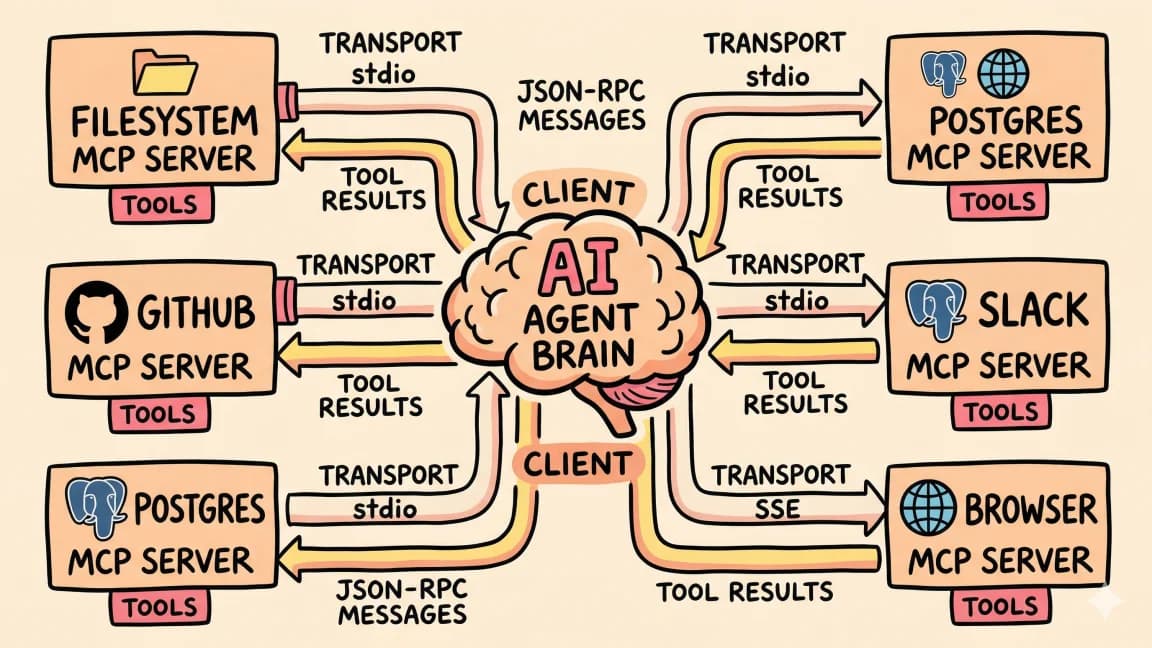
How to Use MCP Servers: The Complete Guide
MCP servers connect AI agents to databases, APIs, and tools through a standard protocol. Here is how to configure and use them with Claude Code and Cursor.
11 min read
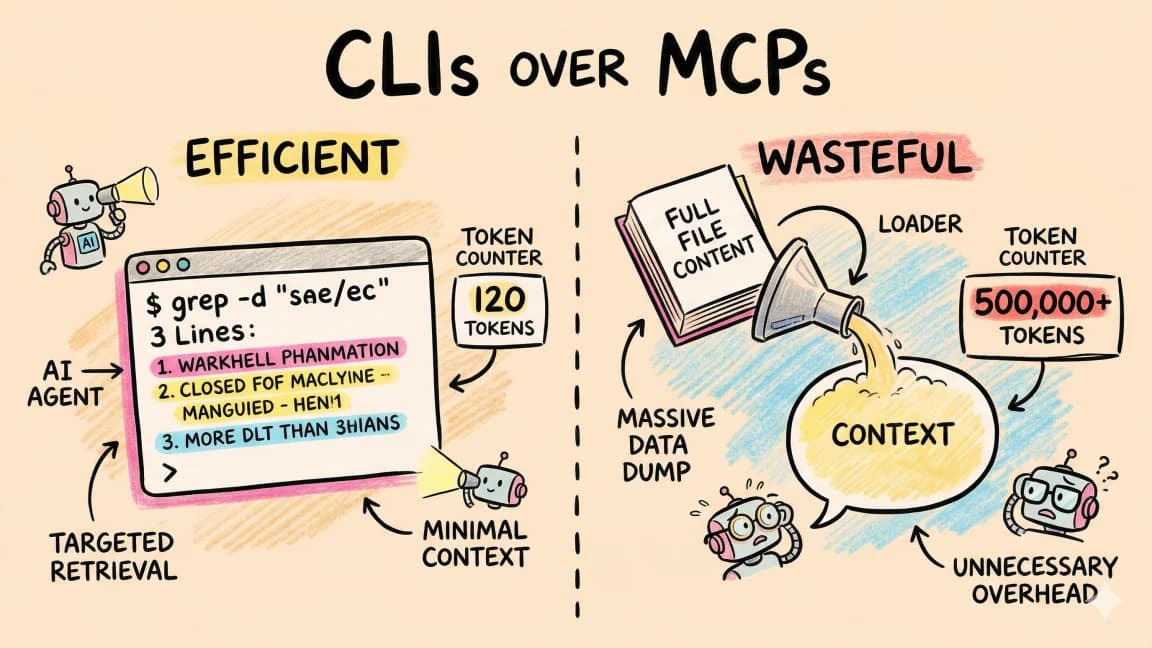
CLIs Over MCPs: Why the Best AI Agent Tools Already Exist
OpenClaw has 247K stars and zero MCPs. The best tools for AI agents aren't new protocols - they're the CLIs developers have used for decades.
8 min read
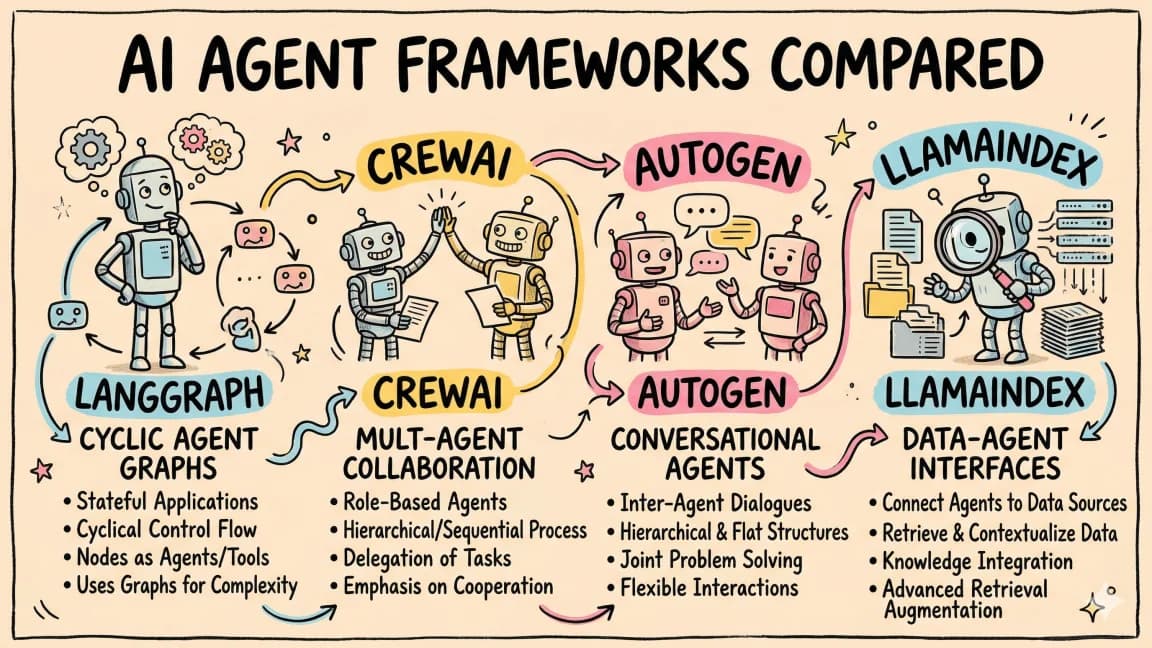
Composio 101: Give Your AI Agent Access to 500+ Apps
Composio is a tool infrastructure layer that connects AI agents to Gmail, GitHub, Slack, Google Calendar, and hundreds more apps - all auth handled for you. Here is how to set it up and start building real cross-app workflows.
7 min read
Related Tools
All tools →DeepSeek-TUI
Open sourceOpen-source terminal agent runtime with approval modes, rollback snapshots, MCP servers, LSP diagnostics, and a headless HTTP API. Uses DeepSeek models by default.
AI CodingComposio
Gives AI agents access to 250+ external tools (GitHub, Slack, Gmail, databases) with managed OAuth. Handles the auth and API complexity so your agent doesn't have to.
AI FrameworksMCP Inspector
Visual testing tool for Model Context Protocol servers. Like Postman for MCP - call tools, browse resources, and view real-time logs in a browser UI. Zero install via npx.
MCP ToolsMCP CLI
Lightweight CLI for discovering and calling MCP servers. Dynamic tool discovery reduces token consumption from 47K to 400 tokens. Three subcommands: info, grep, call.
MCP ToolsMCP Hub
Centralized manager for MCP servers. Connect once to localhost:37373 and access all your servers through a single endpoint. REST API, web UI, and VS Code config compatible.
MCP ToolsSmithery
Registry and hosting platform for MCP servers. 6,000+ servers indexed. One-command install and configuration via CLI. Supports local and hosted deployments.
MCP ToolsGlama
Largest MCP server directory with 17,000+ servers. Security grading (A/B/C/F), compatibility scoring, and install configs. ChatGPT-like UI for browsing and testing.
MCP ToolsJan
Open-source ChatGPT alternative that runs 100% offline. Desktop app with local models, cloud API connections, custom assistants, and MCP integration. AGPLv3 licensed.
Local AIPulseMCP
MCP server directory and ranking site. Tracks weekly downloads, GitHub stars, and build status across 5,000+ servers.
MCP ToolsFastMCP
Pythonic framework for building MCP servers. Decorators for tools, resources, and prompts. Officially incorporated into the Python SDK.
MCP Toolsmcp-proxy
Bridge that exposes stdio MCP servers over HTTP/SSE, or vice versa. Run a local server remotely, or connect to a remote server as if it were local.
MCP ToolsGoose
Open sourceOpen-source AI agent built in Rust, now governed by the Agentic AI Foundation at the Linux Foundation. Desktop app, CLI, and API. 15+ model providers, 70+ MCP extensions.
AI CodingAgentCanvas
NewA hosted infinite canvas your headless AI agents drive over MCP. Any MCP-speaking agent - Claude Code, Codex, Cursor, or a script - creates HTML docs, images, and video on a live canvas, streamed in as it builds.
ProductivityGuides
All guides →Claude Code Setup Guide
Configure Claude Code for maximum productivity -- CLAUDE.md, sub-agents, MCP servers, and autonomous workflows.
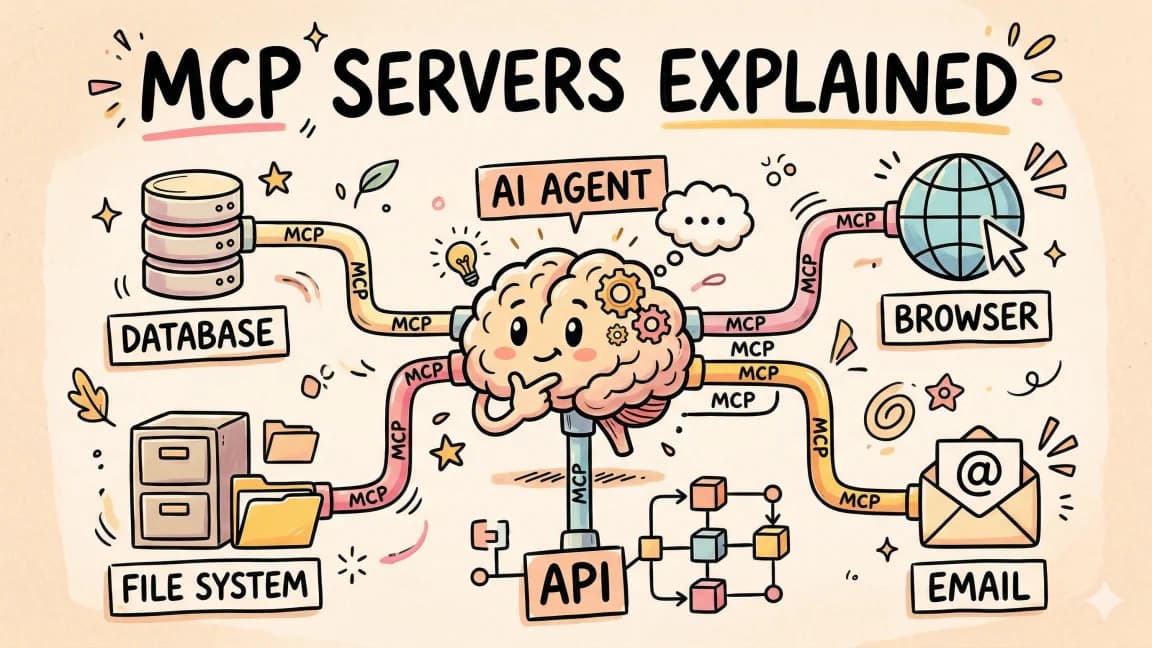
GuideMCP Servers Explained
What MCP servers are, how they work, and how to build your own in 5 minutes.
GuideClaude Code Complete Course
A complete, citation-backed Claude Code course with setup, prompting systems, MCP, CI, security, cost controls, and capstone workflows.
GuideBuilding Your First MCP Server
Step-by-step guide to building an MCP server in TypeScript - from project setup to tool definitions, resource handling, testing, and deployment.
GuideSkill Frontmatter - Claude Code
Configure model, effort, tools, MCP servers, and invocation scope.
GuideSubagent Frontmatter - Claude Code
Configure model, tools, MCP, skills, memory, and scoping.
GuideSubagent MCP Scoping - Claude Code
Route specific MCP servers only to specific subagents.
GuideElicitation Hook - Claude Code
Fires when an MCP server requests input from the user.
GuideMCP Servers - Claude Code
Connect external tools and data sources via the open MCP standard.
GuideMCP Installation Scopes - Claude Code
Local, project, user, and plugin-level MCP configurations.
GuideMCP Tool Search - Claude Code
Deferred tool loading reduces context overhead for large MCP suites.
GuideMCP OAuth - Claude Code
Pre-configured or dynamic OAuth for remote MCP servers.
GuideMCP Resources - Claude Code
Reference and read resources exposed by MCP servers.
GuideMCP Prompts - Claude Code
Execute MCP prompts as commands via the slash menu.
GuideMCP Channel Messaging - Claude Code
Receive push messages from MCP servers via channels.
GuideManaged MCP - Claude Code
Admin-controlled allow and deny lists for MCP servers.
GuideKeep exploring
More on MCP
- - DeepSeek-TUI - recommended MCP tool from the Developers Digest directory
- - Compare Tools - dive deeper across the Developers Digest knowledge base
- - All MCP articles in the blog archive
- - Developers Digest on YouTube - video tutorials covering MCP and more

Get Smarter About AI Dev
New tutorials, open-source projects, and deep dives on coding agents - delivered weekly.
One email per weekReal code, not theoryFree forever
Explore 938 topics
Browse All Topics