Claude Knowledge Work Plugins Turn Agent Setup Into Team Infrastructure
TL;DR
Anthropic's knowledge-work plugin repo is trending because it packages skills, connectors, slash commands, and sub-agents around job functions. The interesting shift is from personal prompts to team-distributed operating systems.
Anthropic's knowledge-work-plugins repo is not interesting because it contains more markdown.
It is interesting because it turns agent setup into team infrastructure.
Last updated: May 26, 2026. Verify current install steps and the plugin lifecycle details against the official sources before you standardize this inside a team.
Official Sources#
| Source | What to verify |
|---|---|
| Anthropic knowledge-work-plugins repository | Plugin structure, supported roles, and licensing |
| Claude plugins directory | Plugin install surfaces and marketplace behavior |
| Claude Code product page | Product positioning and supported usage surfaces |
If you only need the fastest decision path:
- Agent product comparisons: /compare
- Pricing and usage-limit guides: /pricing
- Claude Code fundamentals: What Is Claude Code? The Complete Guide for 2026
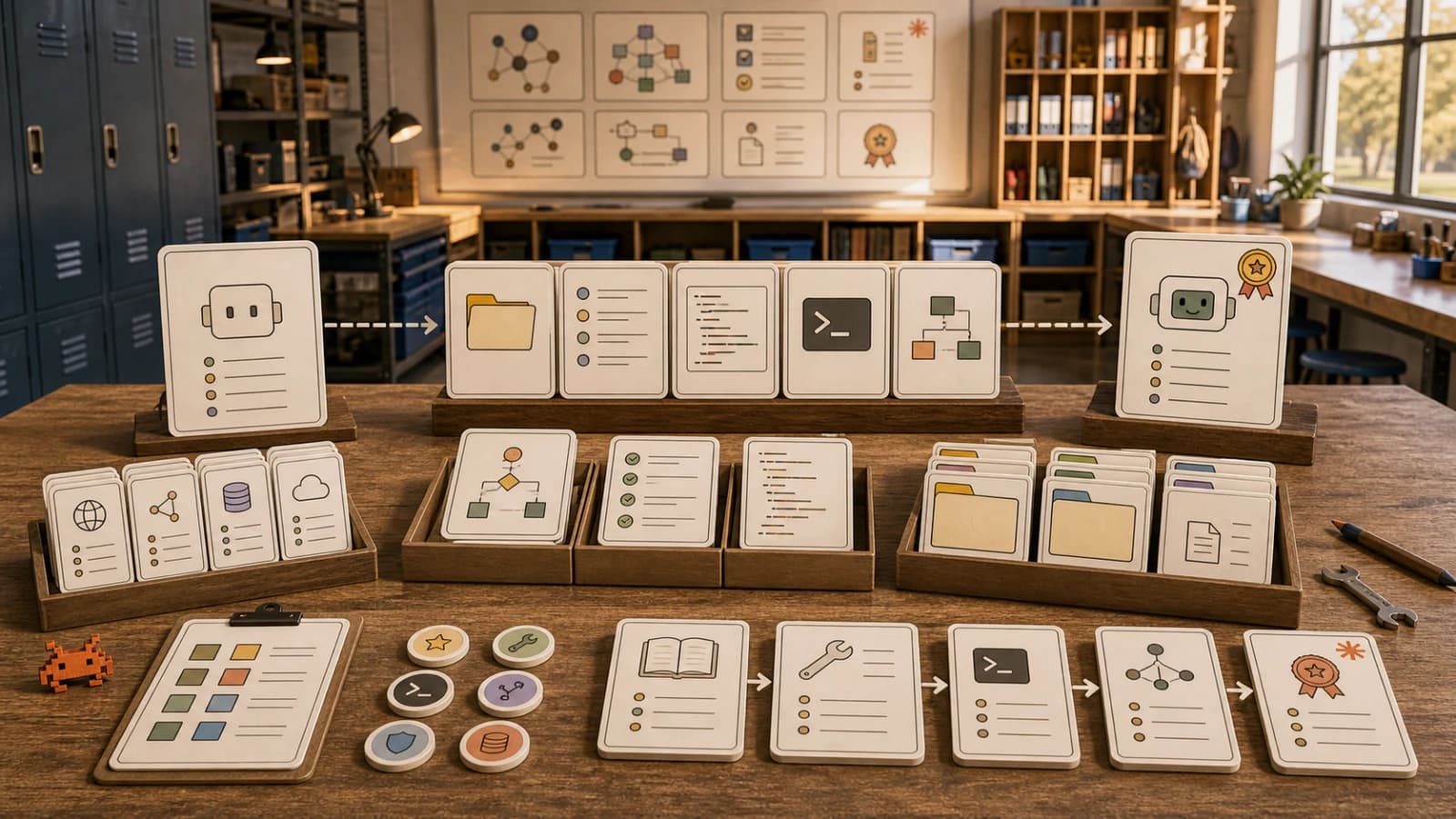
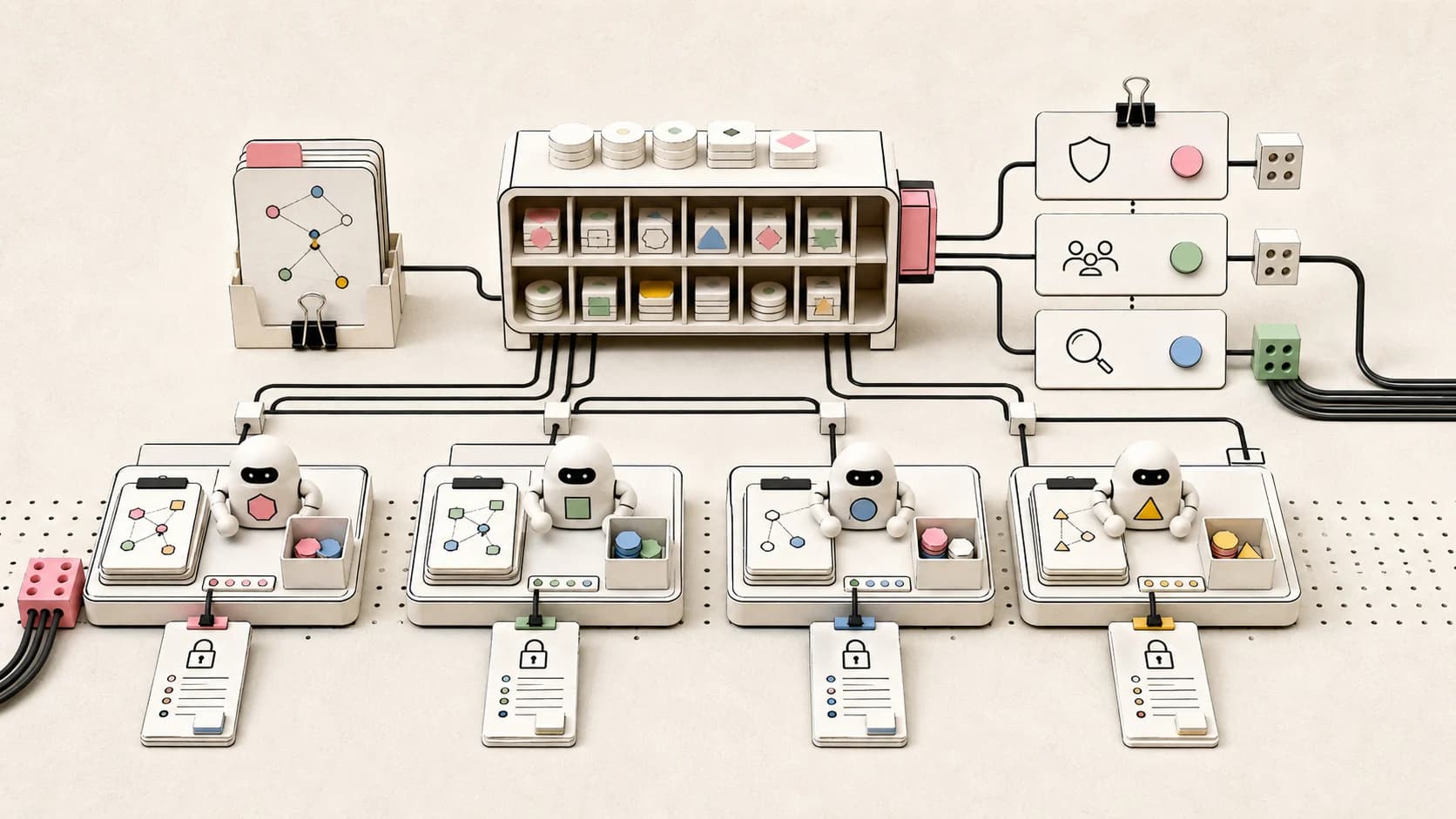
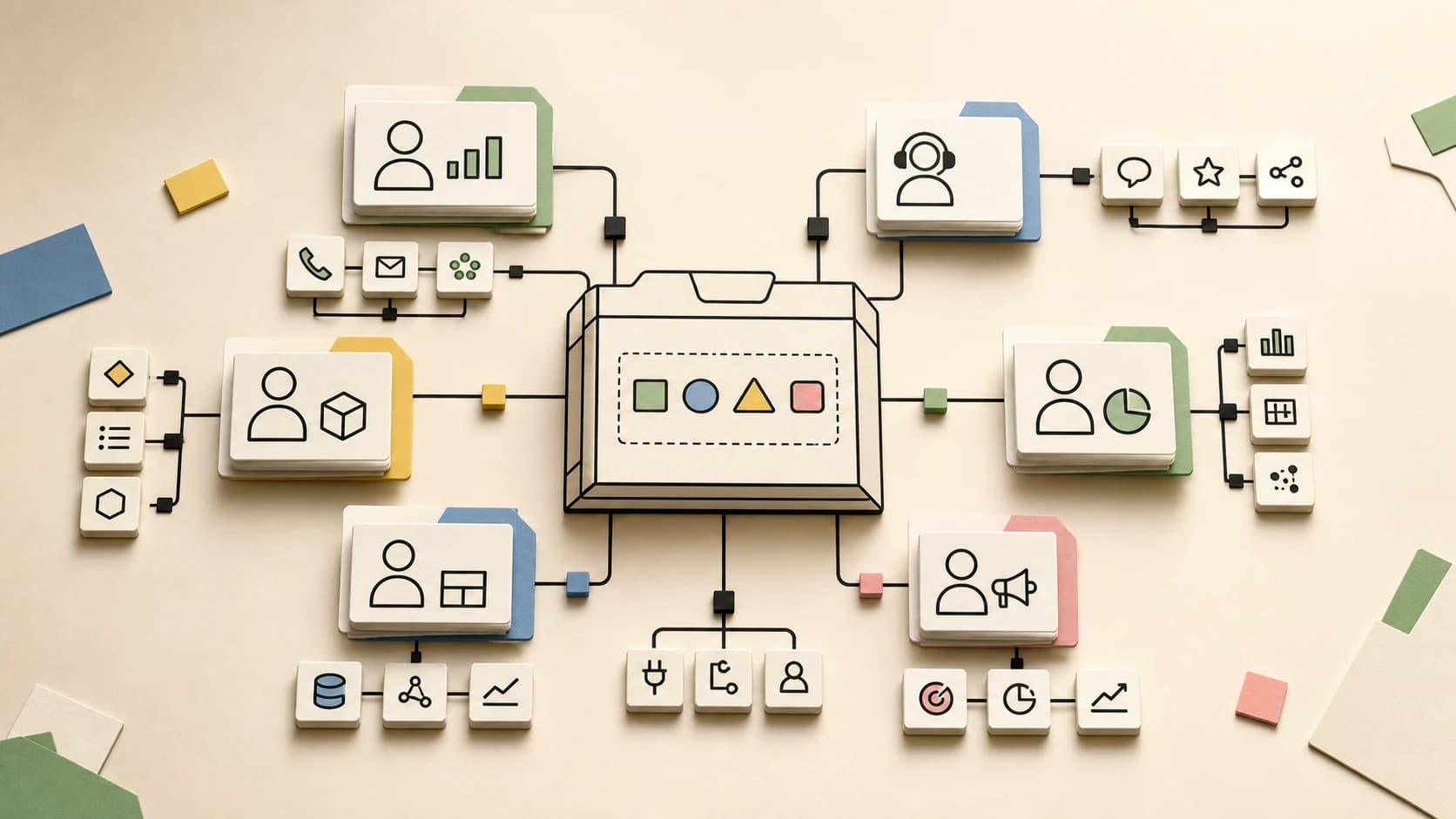
The repo is a public collection of role plugins for Claude Cowork and Claude Code. Anthropic lists 11 plugins: productivity, sales, customer support, product management, marketing, legal, finance, data, enterprise search, bio research, and cowork plugin management. Each one bundles skills, connectors, slash commands, and sub-agents for a job function.
That is the shift. We are moving from "I have a prompt that works for me" to "the company ships an installable operating model for how this role does work."
If you have been following the DevDigest skills thread, this is the next layer after skills are how agents learn the job, why skills beat prompts, and agent skills governance. Skills are the unit. Plugins are the distribution package.
The News Hook#
The GitHub repo has been showing up in developer discussions recently because it turns "agent setup" into a packaged, reviewable workflow. The README describes plugins as bundles that tell Claude how work should be done, which tools and data to pull from, how to handle critical workflows, and which slash commands to expose.
The structure is deliberately plain:
plugin-name/
├── .claude-plugin/plugin.json
├── .mcp.json
├── commands/
└── skills/
That is the part developers should notice. A plugin is not a SaaS dashboard. It is file-based configuration: markdown and JSON. Skills encode role knowledge. Commands expose explicit workflows. Connectors wire Claude into external tools through MCP servers. Sub-agents let role-specific work fan out behind the scenes.
Install flow is equally direct:
claude plugin marketplace add anthropics/knowledge-work-plugins
claude plugin install sales@knowledge-work-plugins
The repo is Apache-2.0 licensed, so teams can inspect, fork, and adapt it.
The Take: Plugins Are Org Charts for Agents#
The useful mental model is not "plugin marketplace."
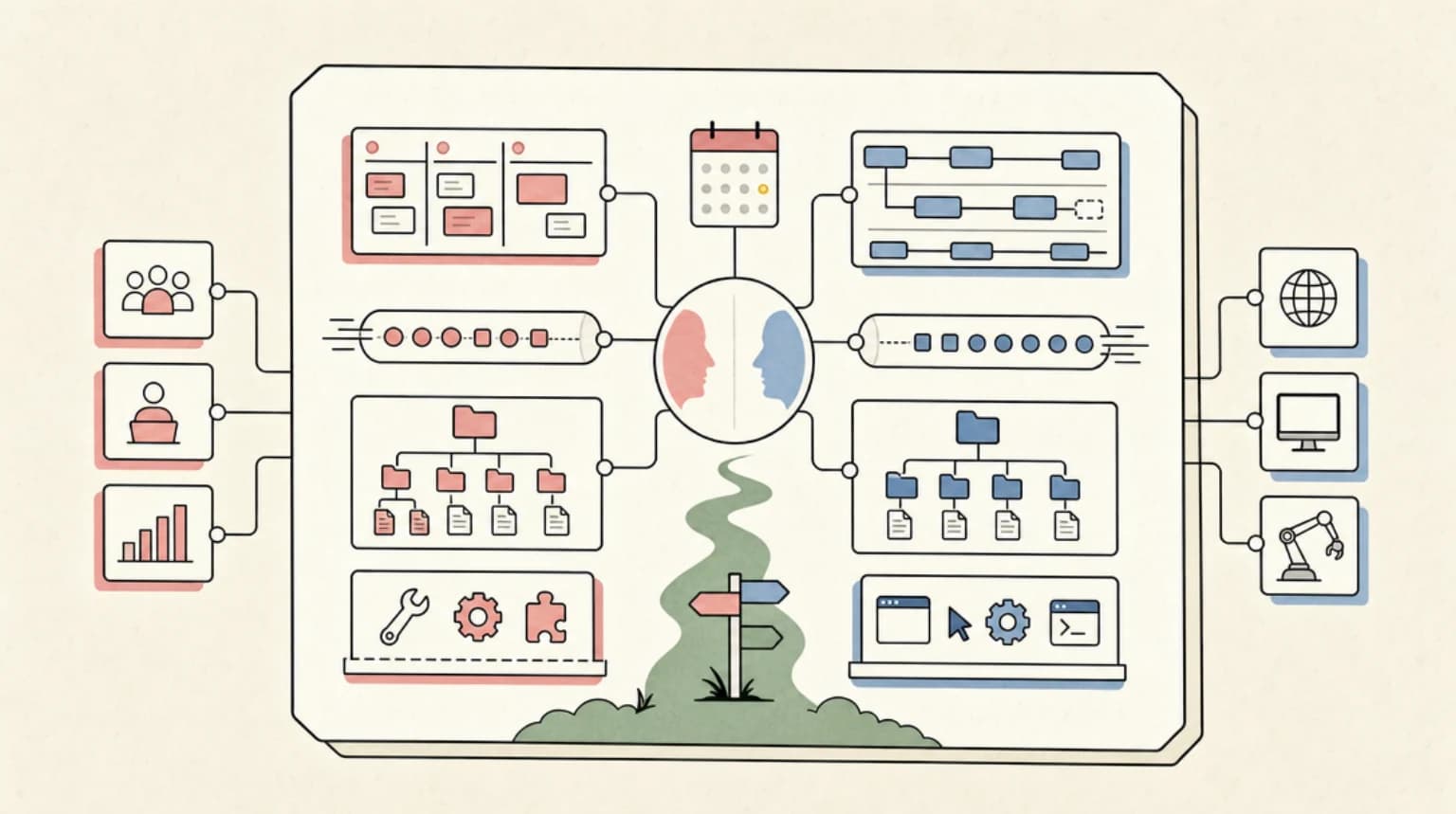
The better mental model is "org chart for agents."
A sales plugin knows about prospect research, call prep, pipeline review, competitive battlecards, and outreach. A support plugin knows about ticket triage, escalations, customer context, and knowledge-base updates. A finance plugin knows about reconciliation, journal entries, variance analysis, close support, and audit prep.
Those are not generic prompts. They are role boundaries.
That matters because knowledge work is not one workflow. It is many workflows with different data permissions, tool access, vocabulary, quality bars, and failure modes. Legal review should not inherit the same defaults as marketing ideation. Data analysis should not use the same connectors as sales outreach. Support escalation should not improvise the same way a product spec can.
Plugins make those boundaries concrete.
Why This Matters for Developers#
Developers should care because this is the same packaging problem every engineering org already understands.
You do not tell every service how to build itself by pasting instructions into Slack. You create a repo, a package, a template, a CI workflow, a deployment policy, and a set of owners.
Agent workflows are heading the same direction.
The old pattern:
- Paste a long prompt into Claude.
- Attach a few docs.
- Hope the model remembers how your team works.
- Repeat next week.
The plugin pattern:
- Package the role workflow.
- Version it.
- Review it.
- Install it.
- Improve it when real work exposes gaps.
That is why this belongs next to Claude Code plugins and the skills marketplace. The durable value is not the initial file. The durable value is the lifecycle around the file.
The Counterargument#
There is a real failure mode here: plugins can become prompt bloat with a nicer install command.
If every department ships a giant pile of stale instructions, Claude will not magically become more consistent. It will load too much context, follow outdated process, and sound confident while drifting from how the team actually works.
The plugin boundary helps only if the contents are maintained like software:
- clear owners
- small skills
- explicit trigger conditions
- current connector configuration
- reviewable changes
- testable commands
- deletion of stale process
This is the same warning from agent skills production checklists: the best reusable agent knowledge has exit criteria. It does not merely describe how work should feel.
The Practical Checklist#
If your team wants to adopt role plugins, start smaller than the repo makes possible.
- Pick one role and one workflow. "Sales call prep" is better than "sales."
- List the tools the role actually uses. Do not wire ten connectors because the template supports them.
- Write the slash command first. A command reveals the inputs, outputs, and review path.
- Keep skills narrow. One skill should teach one repeatable job.
- Add company language. Product names, customer segments, escalation paths, and banned claims matter more than generic best practices.
- Review plugin diffs like code. A changed workflow can change customer communication, legal risk, financial reporting, or product decisions.
- Track usage. If a skill is never invoked, delete or merge it.
That last point is the self-improvement loop. A plugin should get smaller and sharper with usage, not larger by default.
Where MCP Fits#
MCP is the connector layer in this story.
The plugin file can say "this role needs Slack, Notion, Linear, HubSpot, BigQuery, Figma, or Microsoft 365." MCP turns that into a tool surface the agent can call. The value is not that every role gets every tool. The value is that each role gets the right tool boundary.
For a deeper map of that connector layer, read the complete guide to MCP servers and what MCP is for TypeScript developers. Plugins package the workflow. MCP connects it to the work.
Why This Is Worth Writing About#
The first era of agents was personal: your prompt, your memory, your shortcuts.
The next era is organizational: shared workflows, role-specific permissions, reusable commands, reviewed skills, and connector bundles that match how the company actually operates.
Anthropic's repo is a strong signal because it shows the product shape plainly. An agent platform is not only a model and a chat window. It is a distribution system for how work gets done.
That is the post: the winning teams will not have the most prompts. They will have the cleanest plugin lifecycle.
Sources#
- Anthropic knowledge-work-plugins repository
- Claude plugins directory
- Claude Code product page
- Claude Cowork product page
- Model Context Protocol
Frequently Asked Questions#
What are Claude knowledge-work plugins?#
Claude knowledge-work plugins are role-based plugin packages for Claude Cowork and Claude Code. They bundle skills, connectors, slash commands, and sub-agents for workflows like sales, support, product management, marketing, finance, legal, data, and enterprise search.
How are plugins different from skills?#
A skill teaches Claude how to do a specific kind of work. A plugin packages multiple skills with commands, connector configuration, and sometimes sub-agents. Skills are the workflow units. Plugins are the distribution units.
Can developers customize Anthropic's plugins?#
Yes. The repository is open source and file-based. Teams can fork a plugin, edit .mcp.json, add company context to skills, adjust commands, and remove workflows that do not match their process.
Why do role plugins matter?#
Role plugins let teams encode how work is done for a specific job function. That improves consistency, permissions, tool selection, and reviewability compared with ad hoc prompts pasted into each session.
What is the risk of using role plugins?#
The main risk is stale or bloated process. If plugins are not reviewed and pruned, they can inject outdated instructions and unnecessary context. Treat plugin changes like code changes with owners, review, and usage tracking.
Get the next deep dive like this in your inbox
One email a week on Claude and the rest of the AI dev stack. Free.
Read next on Claude Code
Skills Are How Agents Learn the Job
Skills turn a general coding agent into a trained teammate by packaging runbooks, scripts, examples, and domain-specific judgment into reusable instructions.
7 min readWhy Skills Beat Prompts for Coding Agents in 2026
The coding-agent workflow is maturing past giant hand-written prompts. The winning pattern in 2026 is a control stack: project rules, reusable skills, bounded sub-agents, and deterministic tools around the model.
9 min readSkills Marketplace: 312 Claude Code Skills, Curated
A curated directory of 312 Claude Code skills, plus Pro tools for authors who want analytics, version pinning, and a real submission flow.
8 min readTechnical content at the intersection of AI and development. Building with AI agents, Claude Code, and modern dev tools - then showing you exactly how it works.