Anthropic Buying Stainless Is About Agent Plumbing
TL;DR
Anthropic's Stainless acquisition is not just an SDK deal. It is a bet that agents need generated SDKs, CLIs, docs, and MCP servers from the same source of truth.
| Official Sources | |
|---|---|
| Anthropic Acquires Stainless | Official acquisition announcement from Anthropic |
| Stainless | Stainless homepage and product overview |
| Stainless Documentation | SDK, CLI, MCP server, and docs generation reference |
| Model Context Protocol | MCP specification and implementation guides |
| Claude Code Documentation | Claude Code agent reference |
Anthropic acquiring Stainless is easy to file under "developer tooling consolidation."
That undersells it.
Anthropic's announcement says Stainless has generated every official Anthropic SDK since the early Claude API days, and that hundreds of companies use Stainless to generate SDKs, CLIs, and MCP servers from API specs. Stainless's own site now frames the product around developer and agent interfaces: SDKs, documentation, and MCP servers derived from OpenAPI.
That is the real story. Agents are making API wrappers strategic again.
The take#
The next agent platform moat is not only the model. It is the interface factory around the model.
If an agent is supposed to use a product, it needs more than an HTTP endpoint. It needs:
- an idiomatic SDK
- clear typed errors
- stable docs
- a CLI for inspection and repair
- an MCP server or equivalent tool surface
- auth flows that agents can reason about
- predictable pagination, retries, and streaming behavior
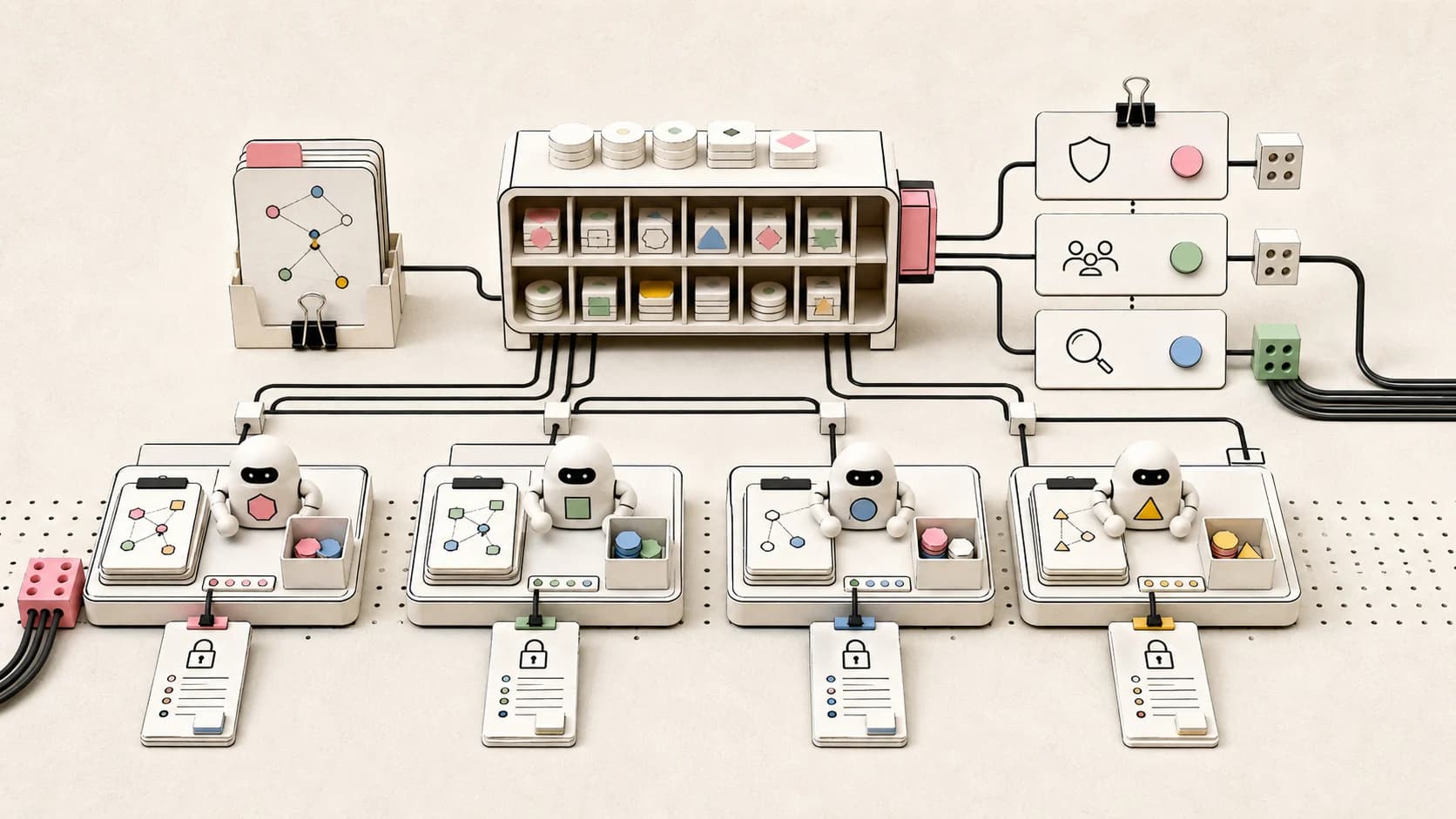
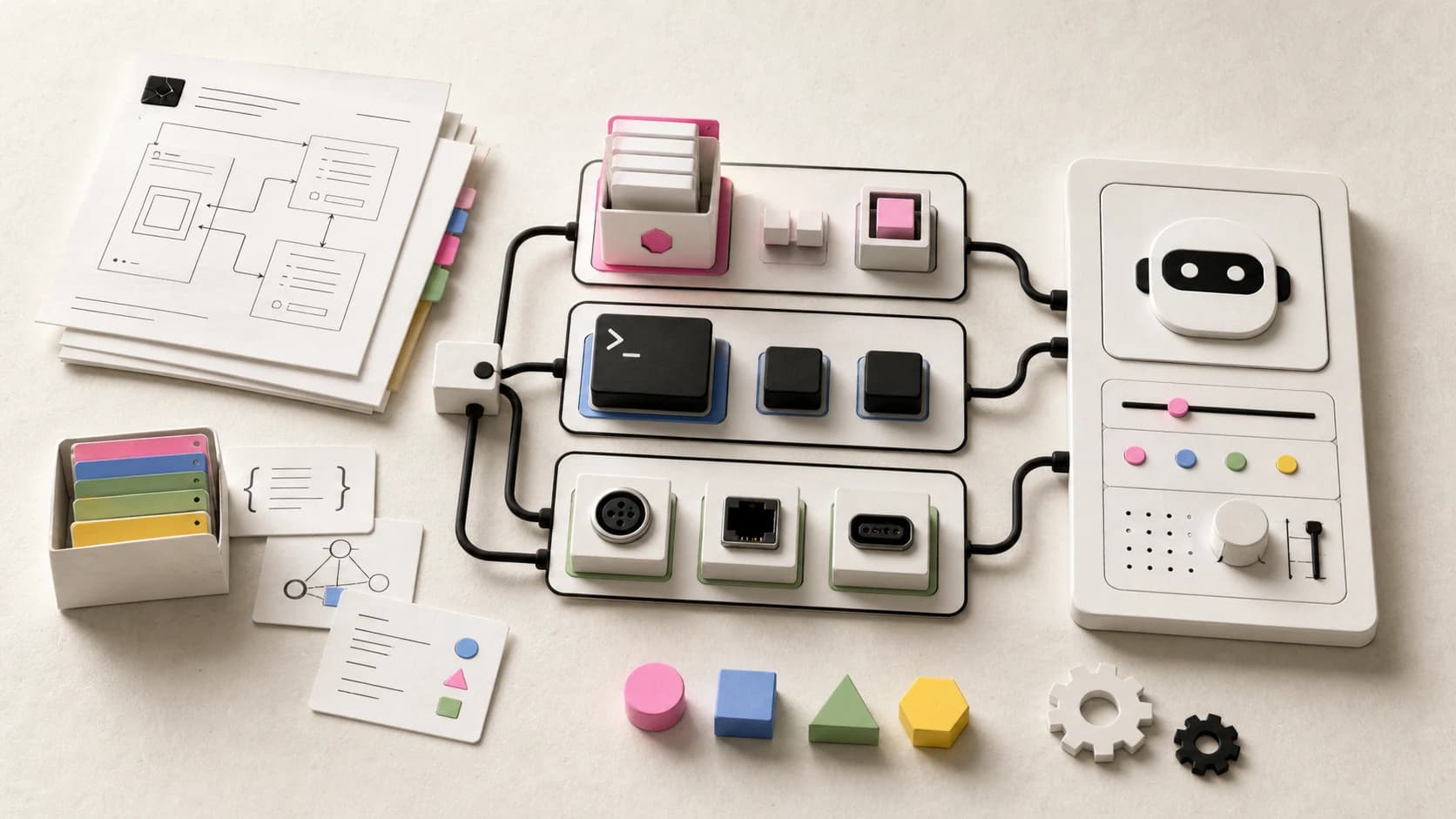
Stainless sits directly in that layer. It turns an API spec into the surfaces that both humans and agents touch.
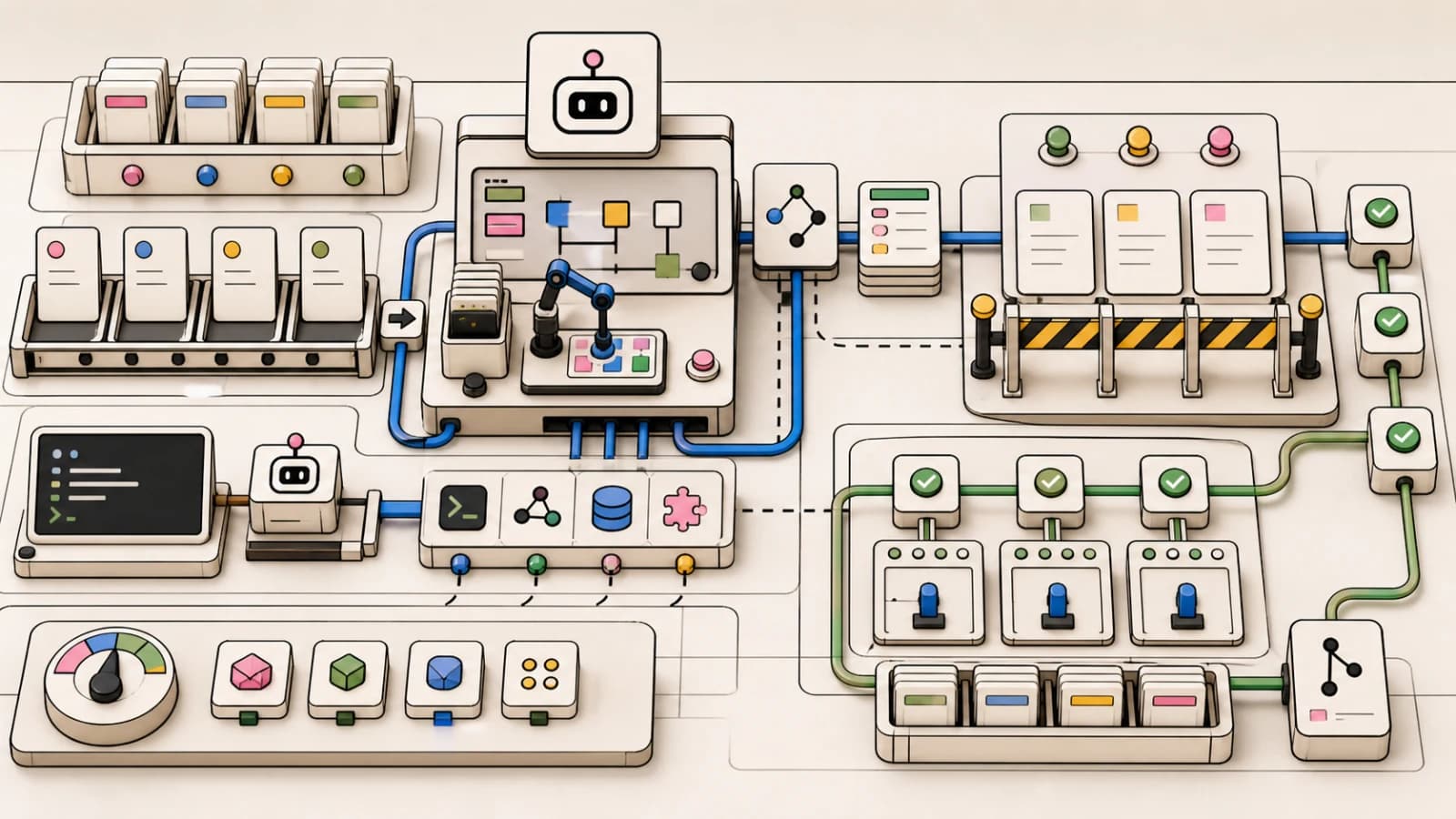
That is why the acquisition matters more than a normal SDK vendor deal. Anthropic is not just buying better wrappers for Claude. It is buying a production line for agent connectivity.
Why this showed up on Hacker News#
The story hit the Hacker News front page because developers immediately understand the tension.
On one side, this is good product sense. Anthropic created MCP, Claude Code is becoming a serious agent runtime, and Claude's usefulness increasingly depends on how well it can call real systems. Bringing Stainless closer to the platform could make Claude integrations better, faster, and more consistent.
On the other side, TechCrunch reported the sharper version of the concern: Stainless has been shared infrastructure for companies including OpenAI, Google, and Cloudflare, and the hosted Stainless products are being wound down. Even if customers keep rights to SDKs already generated, the future service becomes Anthropic-owned infrastructure.
That creates a fair opposing view: is this better agent tooling, or quiet vertical integration around the API layer everyone else needs?
Both can be true.
SDKs are not boring anymore#
For a long time, SDK generation felt like plumbing nobody wanted to think about.
You wrote an OpenAPI spec. A generator emitted a TypeScript package, a Python package, maybe a Go client. A few humans used it. If the SDK was awkward, developers worked around it.
Agents change the cost of awkwardness.
A human can infer that next_cursor needs to be passed into the next call. A human can skim docs, notice a weird error shape, and retry with a different parameter. An agent can do that too, but every bit of ambiguity burns tokens, creates failure branches, and makes the run harder to review.
For agents, the SDK is not just convenience. It is a control surface.
Good generated SDKs compress API usage into predictable objects and methods. Good CLIs expose inspection paths. Good docs give the model stable context. Good MCP servers convert product capabilities into tool calls with names, schemas, and permissions the agent can reason about.
That connects directly to the argument in One Tool Beats Ten Endpoints: production agents need intent-shaped tools, not a bag of raw REST routes.
MCP makes the acquisition more important#
The Stainless docs list a dedicated path to generate an MCP server alongside SDKs, docs, CLIs, and Terraform providers.
That is the strategic bridge.
MCP gives agents a standard way to discover tools. Stainless gives API companies a way to generate those tools from the same source of truth that powers SDKs and docs. Put those together and you get a cleaner path from "we have an API" to "Claude can use this product safely."
This is also why MCP vs function calling is becoming less of a theoretical architecture debate. If MCP server generation becomes a normal artifact of API development, then tool surfaces start shipping with the API instead of being hand-rolled afterthoughts.
The agent ecosystem wants that. Hand-built connectors do not scale.
The lock-in concern is real#
The skeptical take is not just "big company buys startup."
The concern is dependency concentration.
If one AI lab owns a generator that shapes SDKs, docs, CLIs, and MCP servers, competitors have to decide whether to keep depending on old generated code, move to another generator, build internally, or standardize around a different toolchain.
That is not catastrophic. API companies have options. OpenAPI is portable. Generated SDKs can be maintained after the fact. Other vendors exist.
But the direction matters. Agent platforms are moving down the stack:
- Anthropic owns Claude, Claude Code, MCP, and now Stainless.
- GitHub owns Copilot, issues, PRs, Actions, and the repo workflow.
- Cursor owns the editor surface and Composer loop.
- OpenAI owns Codex, ChatGPT, the API, and managed agent workflows.
The model layer is not enough. Everyone wants the workflow layer around it.
That is the same trend behind GitHub Copilot becoming an agent platform and agent skills becoming package-manager-style dependencies. The winning products are not just answering questions. They are absorbing the interfaces that make actions reliable.
What API companies should do now#
If you run an API product, the Stainless acquisition should trigger a practical review, not panic.
Ask five questions.
Is your OpenAPI spec actually production grade? Agents amplify spec quality. Missing enums, vague descriptions, inconsistent pagination, and weak error models will show up as bad tool behavior.
Can your SDK and MCP server come from the same source of truth? If docs say one thing, SDKs do another, and MCP tools expose a third shape, agents will drift.
Do your tools expose intent, not just endpoints? A createInvoiceAndSend tool may be better than forcing an agent through five low-level calls if the workflow is common and safety-critical.
Can you test generated interfaces like product code? SDK tests, generated MCP tests, breaking-change checks, and preview builds should be part of the release path.
Can customers leave? The best answer to lock-in fear is boring portability: exportable specs, generated code ownership, clear versioning, and documented migration paths.
This is where long-running agents needing harnesses meets API design. The harness can only be as reliable as the interfaces it calls.
What developers should watch#
For builders, the practical signals are simple.
Watch whether Anthropic uses Stainless to make Claude's official SDKs more consistent across languages. Watch whether MCP server generation becomes a default part of Claude Platform integrations. Watch whether docs, SDKs, and tool schemas start updating together instead of drifting apart.
Also watch the alternatives. The moment agent tool generation becomes a platform bottleneck, open-source and competing commercial generators will get more attention. That is healthy. The ecosystem needs more than one path from OpenAPI to agent tools.
Simon Willison's latest six-month LLM recap makes the model side feel chaotic: the "best" model keeps changing hands. That is exactly why this infrastructure layer matters. If model leadership keeps rotating, durable developer experience becomes one of the few things a platform can control.
The practical bottom line#
Anthropic buying Stainless is not just about SDKs.
It is about making APIs legible to agents.
The winners in AI development will not only have strong models. They will have clean specs, generated SDKs, generated docs, generated CLIs, generated MCP servers, permission boundaries, and testable integration paths.
That is less flashy than a benchmark jump. It is also closer to where production agent work succeeds or fails.
If you are choosing an agent stack this week#
- Picking an agent framework: AI agent frameworks compared
- Picking a coding agent: Claude Code vs Cursor vs Codex and the /compare hub
- Picking a budget: /pricing and AI coding tools pricing 2026
Sources: Anthropic acquisition announcement, Stainless homepage, Stainless documentation, TechCrunch reporting on the acquisition, Simon Willison's May 2026 LLM recap.
Frequently Asked Questions#
What did Anthropic acquire?#
Anthropic acquired Stainless, a developer tooling company that generates SDKs, documentation, CLIs, MCP servers, and related interfaces from API specs.
Why does Stainless matter for AI agents?#
Agents need reliable interfaces to use software. Generated SDKs, CLIs, docs, and MCP servers make API behavior more predictable and easier for agents to call, inspect, and recover from.
Is this only about Claude SDKs?#
No. Anthropic says Stainless has generated every official Anthropic SDK, but the bigger implication is agent connectivity: turning API specs into the tool surfaces agents need.
Is the acquisition bad for competitors?#
It creates concentration risk because Stainless has served companies beyond Anthropic. Competitors can still maintain existing generated SDKs or move to other generators, but the acquisition makes API-interface generation a more strategic layer.
What should API teams do after this?#
Treat OpenAPI quality, SDK generation, docs, CLI design, and MCP server generation as one release system. Agents will expose any drift between those surfaces.
Continue Reading#
Get the next deep dive like this in your inbox
One email a week on Anthropic and the rest of the AI dev stack. Free.
Read next on Claude Code
One Tool Beats Ten Endpoints
Most agent tool APIs are just REST endpoints with nicer names. Production agents need intent-shaped tools that compress workflows, reduce context, and return reviewable receipts.
8 min readMCP vs Function Calling: When to Use Each
MCP servers and function calling both let AI tools interact with external systems. They solve different problems. Here is when to reach for each.
6 min readGitHub Copilot Coding Agent and CLI: Why GitHub Is Back in the Agent Race
GitHub Copilot is moving from autocomplete into asynchronous coding agents, terminal workflows, MCP, skills, and model choice. Here is what changed in 2026.
8 min readTechnical content at the intersection of AI and development. Building with AI agents, Claude Code, and modern dev tools - then showing you exactly how it works.