Topic
TYPESCRIPT
TypeScript development - type systems, full-stack apps, and AI-powered workflows.
85 resources - 65 posts, 18 tools, 2 guides
Blog Posts
View in blog →
Claude API Linked Billing: Let Customers Pay for Usage in Your App
Claude API Linked billing (beta, Nov 17, 2026) lets customers pay for Claude usage in your app from their own Claude organization, set per request with billing_policy.
9 min read
Claude API 2026-10-21: Breaking Changes and SDK Migration
Claude API version 2026-10-21 removes temperature, top_p and top_k, and new major SDKs (TypeScript 1.0, Python 2.0) send it by default. What breaks and how to migrate.
9 min read
Which Embedding Model Should You Use in 2026? Specs Compared
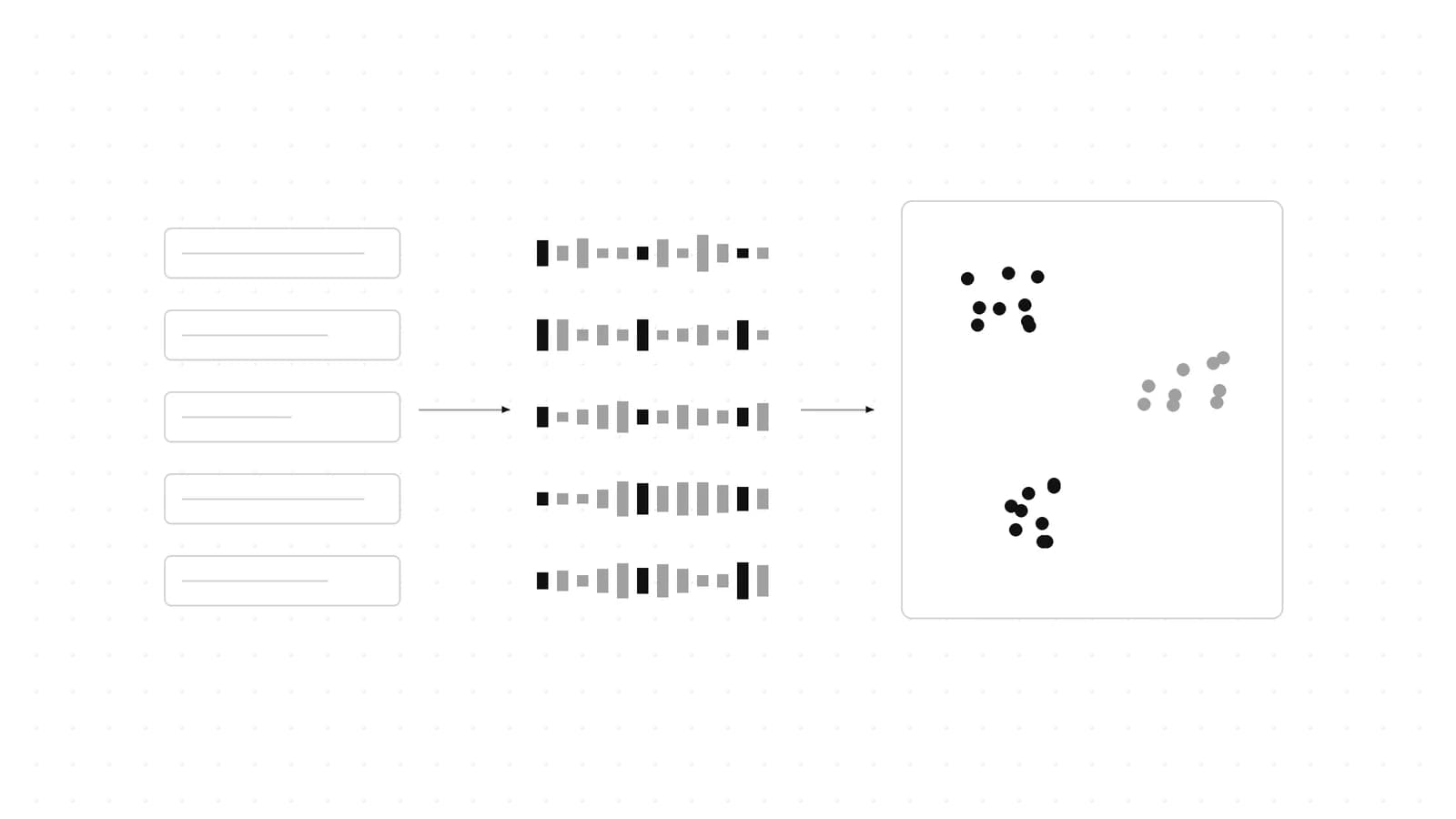
Which embedding model to use in 2026: 20+ API and open-weight models compared on price per 1M tokens, dimensions, max input and license, with storage math.
13 min read
MCP Client Features: Sampling, Elicitation and Roots Explained
MCP sampling, elicitation and roots explained against the 2026-07-28 spec, with JSON-RPC examples and which of 24 clients support each one.
13 min read
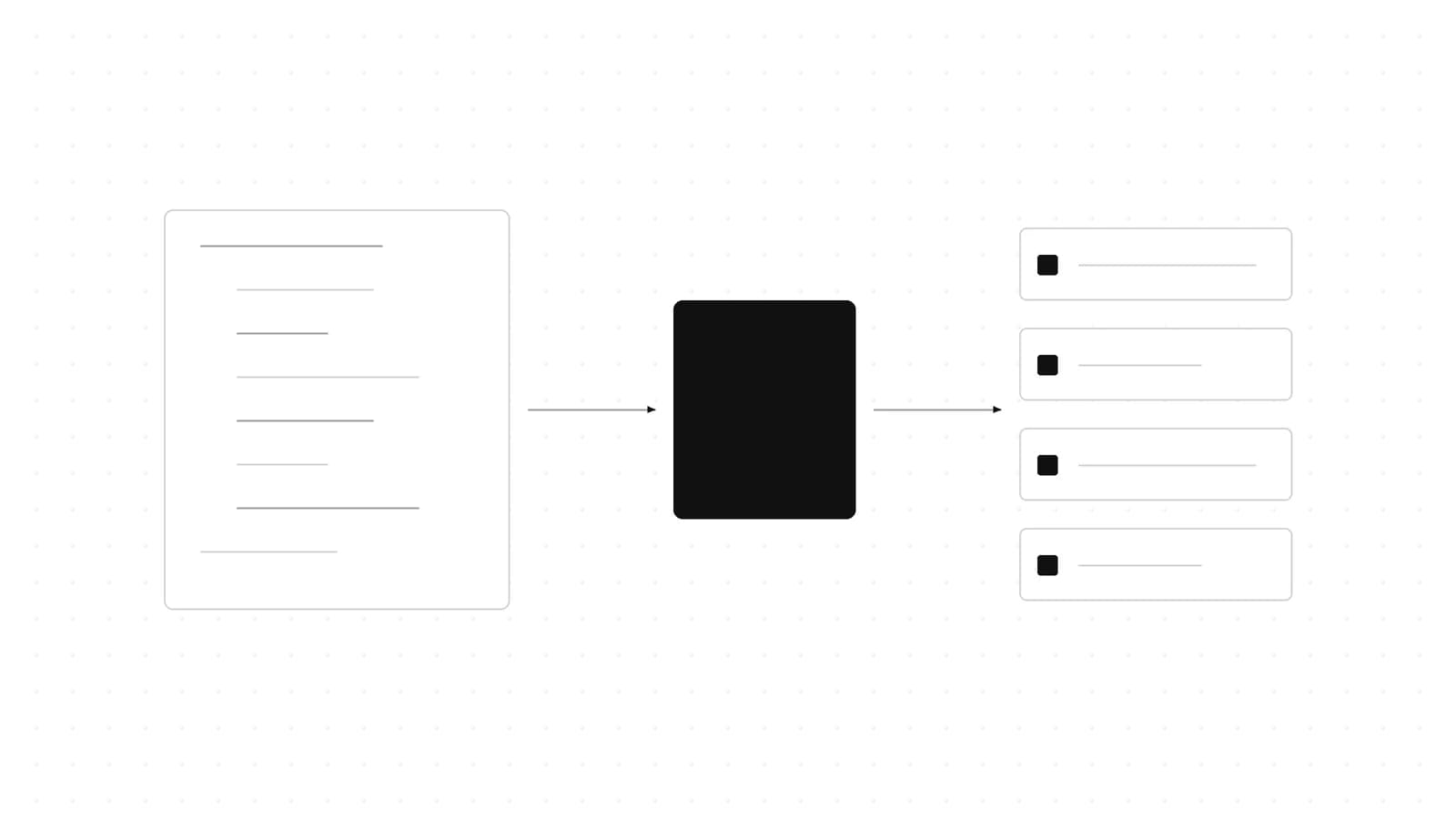
Structured Outputs Across AI APIs: OpenAI, Claude, Gemini (2026)
97 of 167 models we track enforce a JSON schema on output. Request shapes, schema limits and refusal handling for OpenAI, Claude, Gemini and Mistral.
13 min read
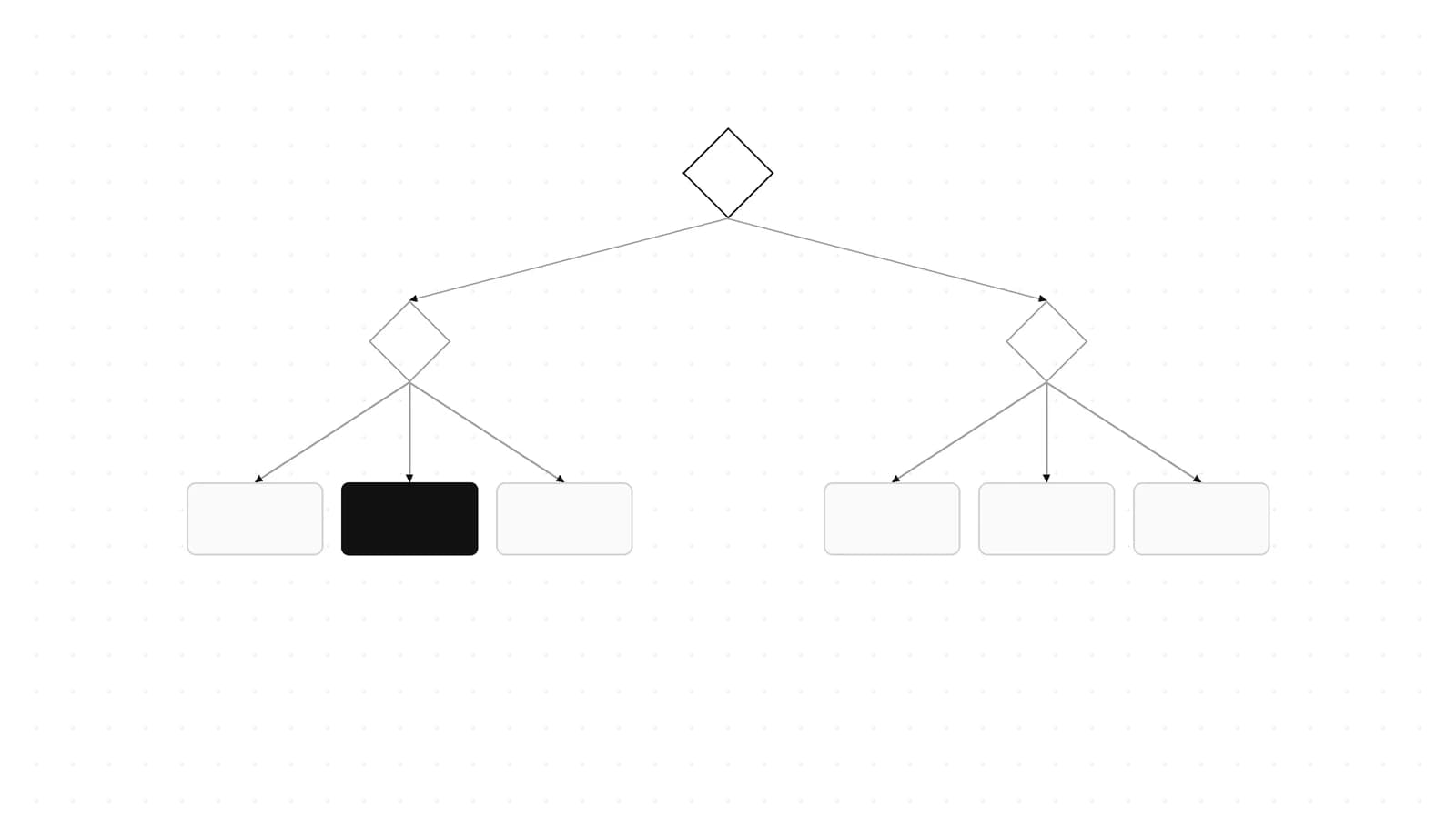
Choosing an Agent Framework in Late 2026: 10 Frameworks Compared by Use Case
Ten agent frameworks, one decision guide: a capability matrix built from official docs and a flowchart that picks by language, durability and team.
14 min read
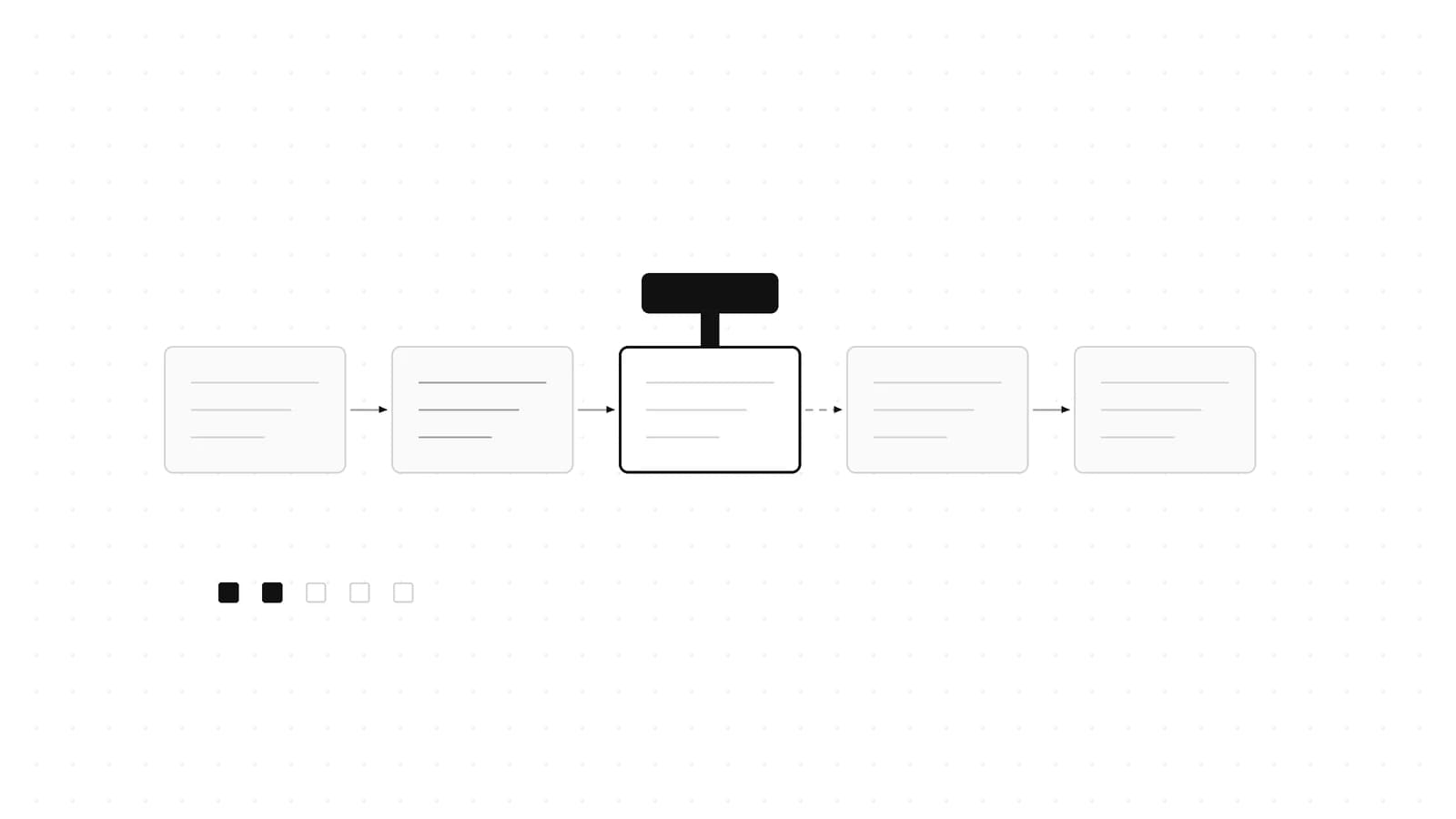
What's New in Mastra (Late 2026): Harness, AgentController GA, Eval Gates and MCP 2.x
Mastra in late 2026: goals, schedules, signals, AgentController GA, eval gates and MCP 2.x, with type-checked TypeScript examples and honest tradeoffs.
14 min read
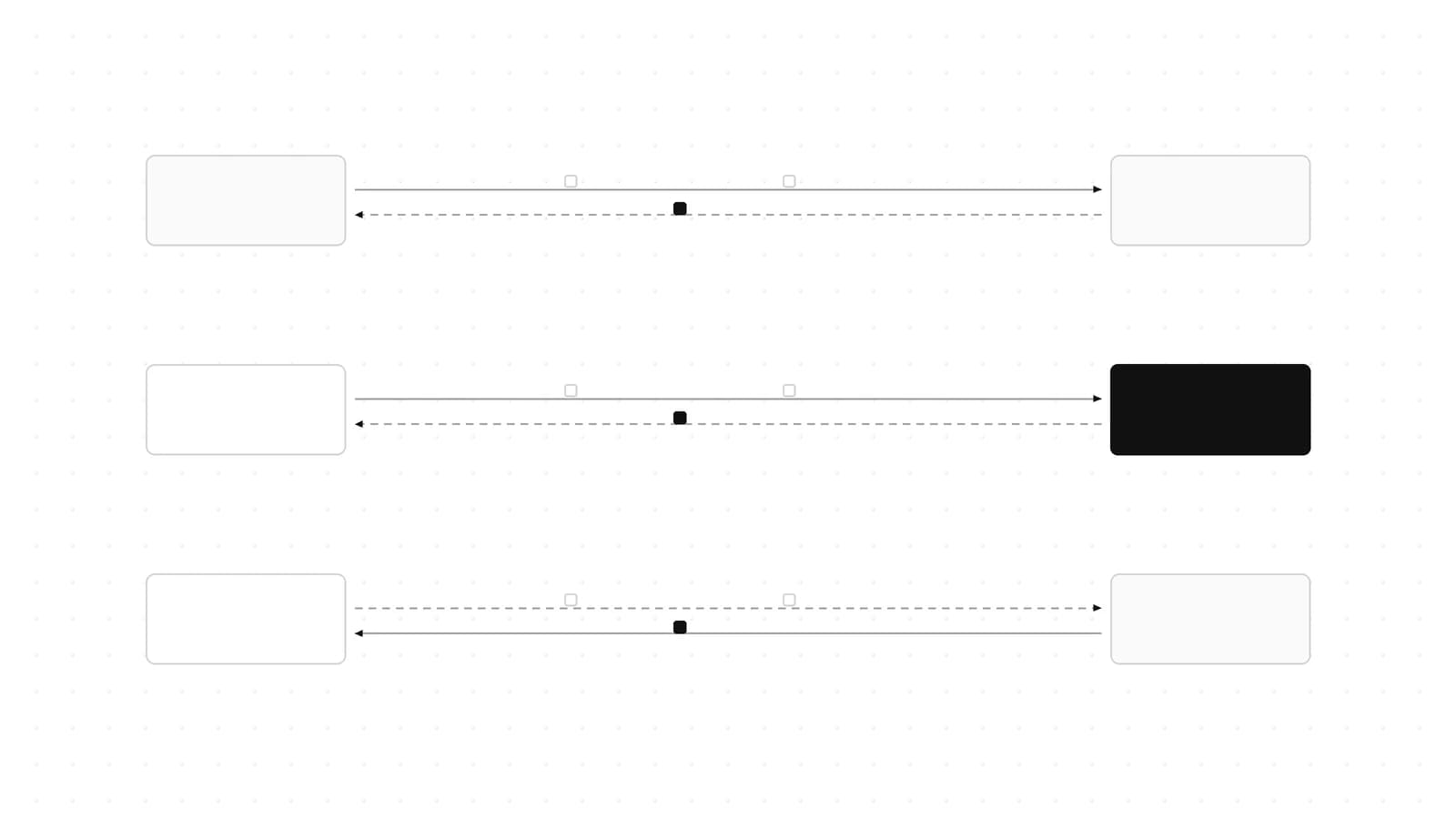
MCP vs A2A vs Function Calling: Which Layer Does What in 2026
MCP vs A2A vs function calling compared on the 2026-07-28 MCP spec and A2A 1.0: what each protocol does, where they overlap, and how to stack them.
13 min read
OpenAI Agents SDK in Late 2026: What Is New in Python and TypeScript
OpenAI Agents SDK as of Python 0.24 and JS 0.22: sandbox agents, three guardrail layers, compaction sessions, MCP v2 and new defaults, with type-checked code.
16 min read
Streaming and Generative UI for Agent Apps: AI SDK 7, AG-UI 1.0, Mastra and LangGraph
Stream tokens, tool calls and UI parts from agents: AI SDK 7 UI message streams, resumable streams, AG-UI 1.0 events, and Mastra and LangGraph.
13 min read
The Agent Loop Explained: How 5 SDKs Run Tools Until Done
An agent loop calls the model, runs tools, feeds results back and repeats until a stop rule fires. Defaults vary: 20 steps, 25 super-steps, 5, 10 or no cap.
13 min read
What's New in Vercel AI SDK 7 (October 2026): Harnesses, Tool Search, Retries
Vercel AI SDK is at 7.0.163: steering.queue(), a new ping stream part, stricter data-part validation, plus harness adapters, tool search and streamRetries.
12 min read

Agent-Native Apps Need Shared Actions, Not UI Puppeteering
BuilderIO's Agent-Native framework gives AI apps one action layer shared by the UI, the agent, HTTP, MCP, A2A, and the CLI, instead of UI puppeteering.
7 min read
Stateless MCP Is Here: What the 2026-07-28 Spec Changes and How to Host a Fleet of Servers on One Bun Process
Stateless MCP: the 2026-07-28 spec drops sessions, so every request is one self-contained POST. What changed and a Bun + Hono pattern for many servers.
7 min read
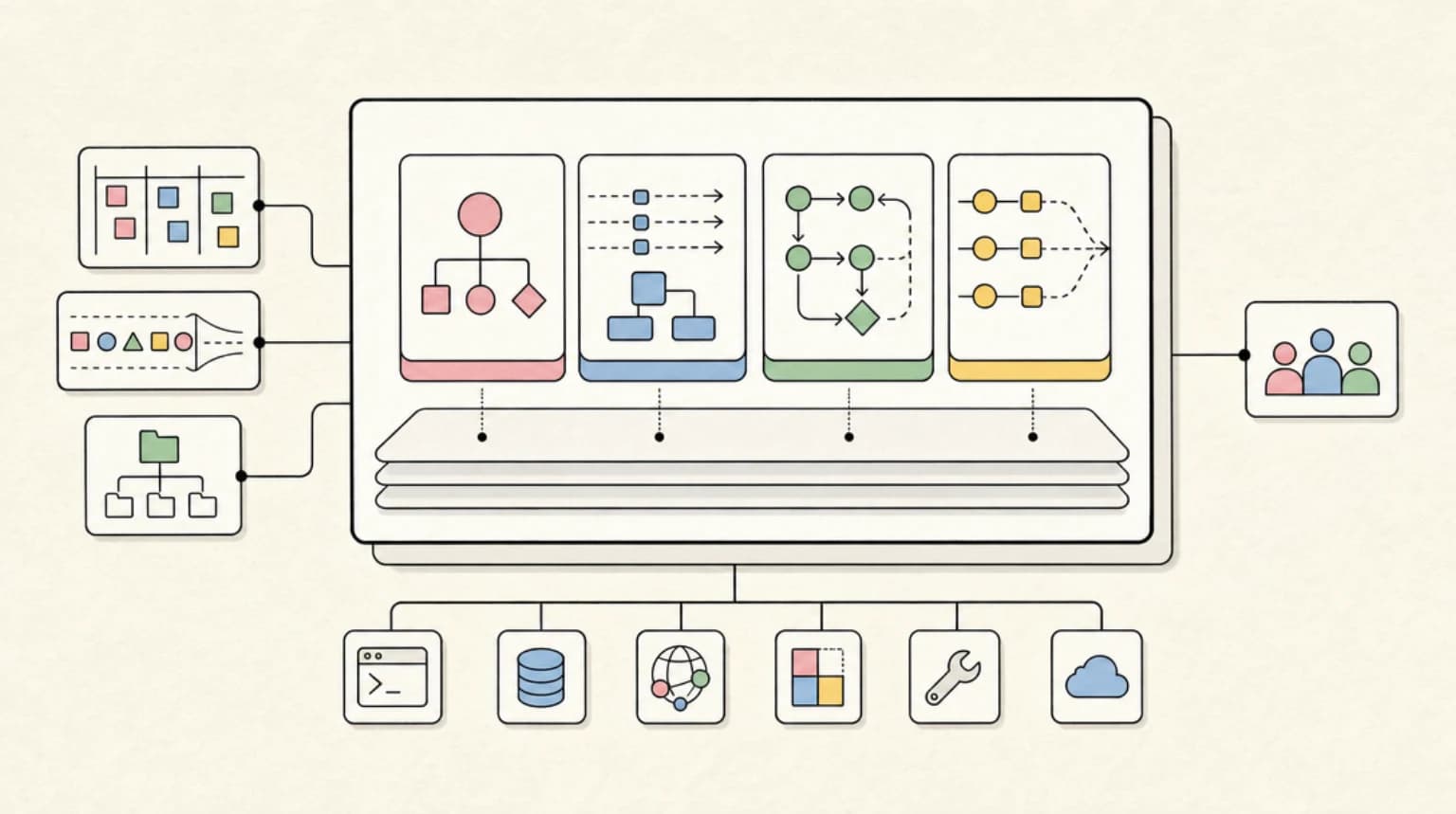
Scriptc by Vercel: TypeScript-to-Native Compiler With No JavaScript Engine
Scriptc by Vercel Labs compiles TypeScript to self-contained native binaries with no JavaScript engine. How it works, its performance claims and the HN split.
9 min read
Loop Engineering: How to Design Agent Loops That Actually Converge
Loop engineering patterns: plan/act/verify cycles, convergence criteria, retries, budget-bounded loops, and loop-until-dry, so agents stop when they should.
11 min read

TypeScript 7.0 Native Compiler: What Breaks, What Gets 10x Faster, and How to Migrate
TypeScript 7.0 native compiler migration guide - the full breaking-changes list, verified performance numbers, side-by-side installs and when to stay on 6.x.
9 min read
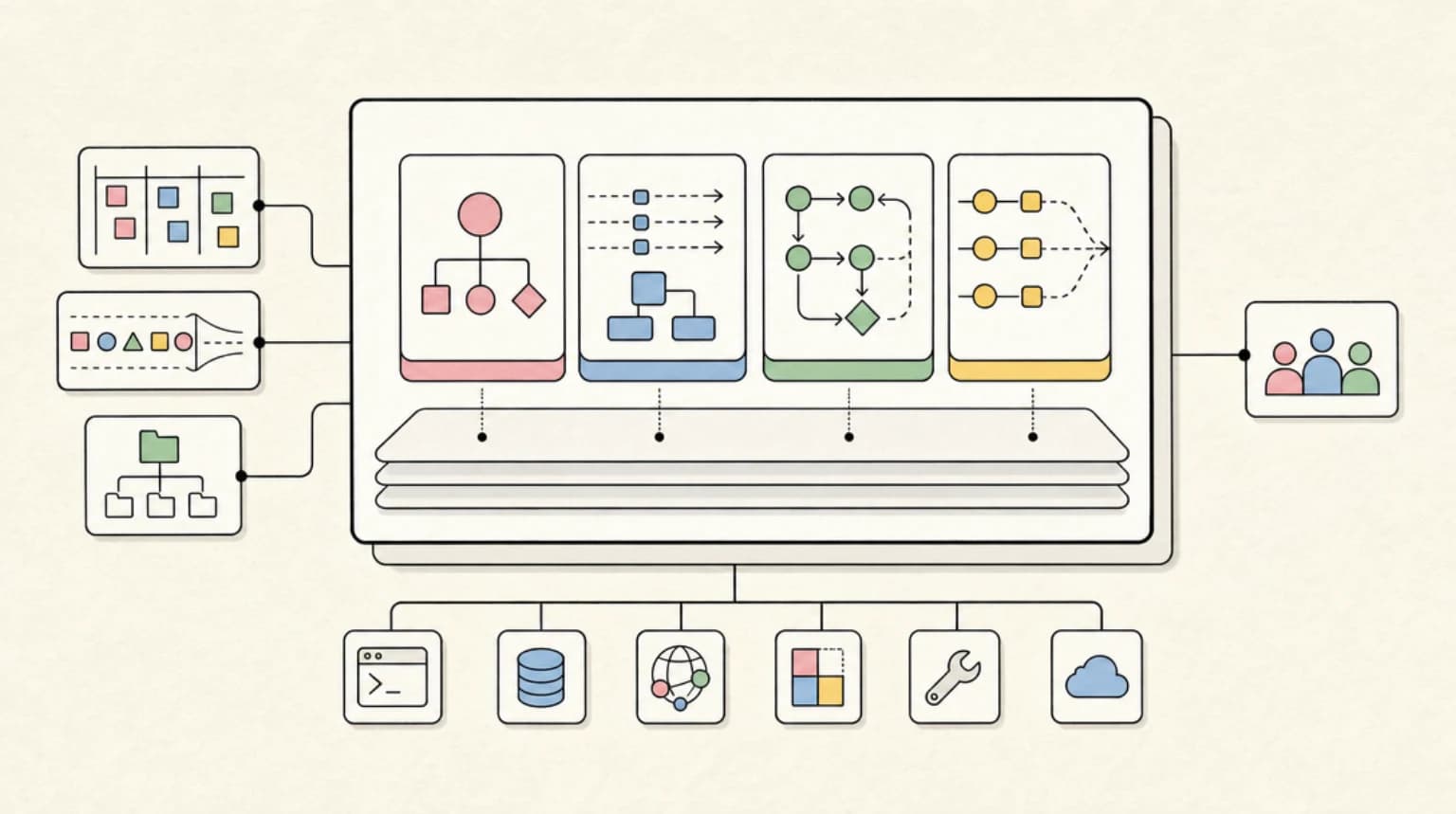
TypeScript 7 Is Here: The Native Go Port Delivers 10x Faster Builds
TypeScript 7.0 ships a Go rewrite of the compiler with 8-12x build speedups and faster editors on large codebases. Benchmarks, why Go, and what changes.
6 min read

Microsoft MXC Guide 2026: Sandbox AI Agents at the OS Level
Microsoft Execution Containers (MXC) sandbox AI agents with JSON policies on Windows, Linux and macOS. The TypeScript SDK, backends and setup.
8 min read
Webernetes: Kubernetes Ported to the Browser in TypeScript
Webernetes ports Kubernetes to TypeScript so a cluster runs in the browser. What ngrok's Sam Rose rebuilt, what is left out, and how it helps teach k8s.
5 min read
Vercel AI SDK 7: The Production Agent Upgrade
Vercel AI SDK 7 for production agents: typed tool context, WorkflowAgent durability, approvals, telemetry, realtime and the AI SDK 6 migration path.
9 min read
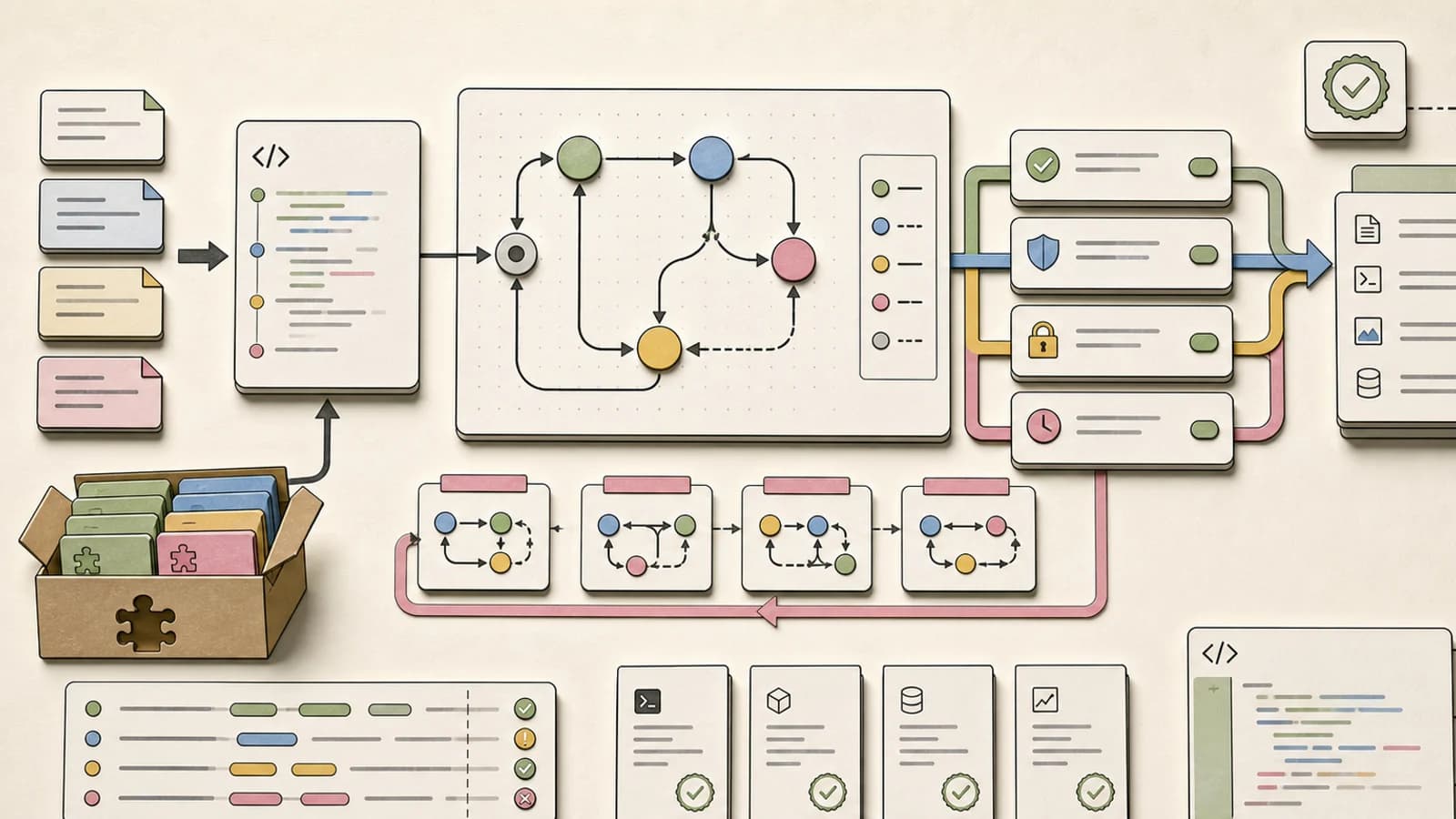
Agent Workflows as Code: Why State Machines Beat Prompt Checklists
Agent workflows as code: why finite state machines with typed gates, validated evidence and controlled transitions beat prompt checklists for coding agents.
8 min read
Deno Desktop Lets You Build Native Apps with TypeScript
Deno Desktop in Deno 2.9 compiles TypeScript projects into native apps with a system WebView or bundled Chromium. How it compares to Electron and Tauri.
8 min read

MCP Goes Stateless: The 2026-07-28 Migration Guide
MCP 2026-07-28 spec migration guide: sessions and the initialize handshake are gone. What changed, what breaks, and how to move your MCP servers to stateless.
9 min read
Mastra: Review and Setup Guide for TypeScript Agent Apps (2026)
Mastra review and setup for TypeScript AI agents - verified create commands, Mastra Studio, workflows and memory, plus pricing and who should skip it.
8 min read
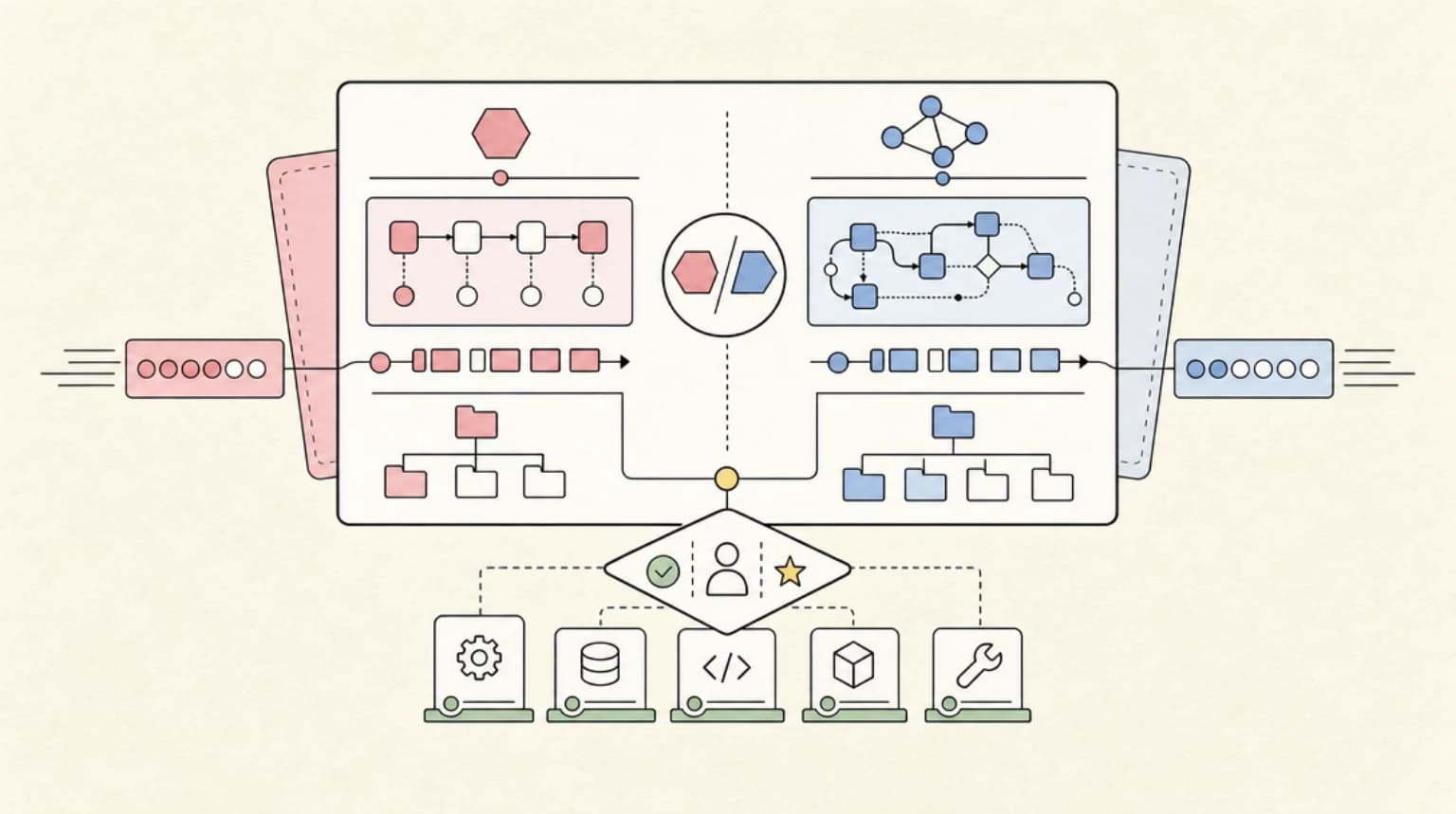
Mastra vs LangGraph.js: TypeScript Agent Frameworks Compared
Both Mastra and LangGraph.js are serious TypeScript agent frameworks - but they start from opposite philosophies. Here is what that means for your next project.
8 min read

The TypeScript AI Agent Stack in Mid-2026: Mastra vs Vercel AI SDK vs OpenAI Agents SDK vs LangGraph.js
The TypeScript AI agent stack compared - Mastra, Vercel AI SDK, OpenAI Agents SDK and LangGraph.js, which layer each covers, and how to pick or combine them.
10 min read
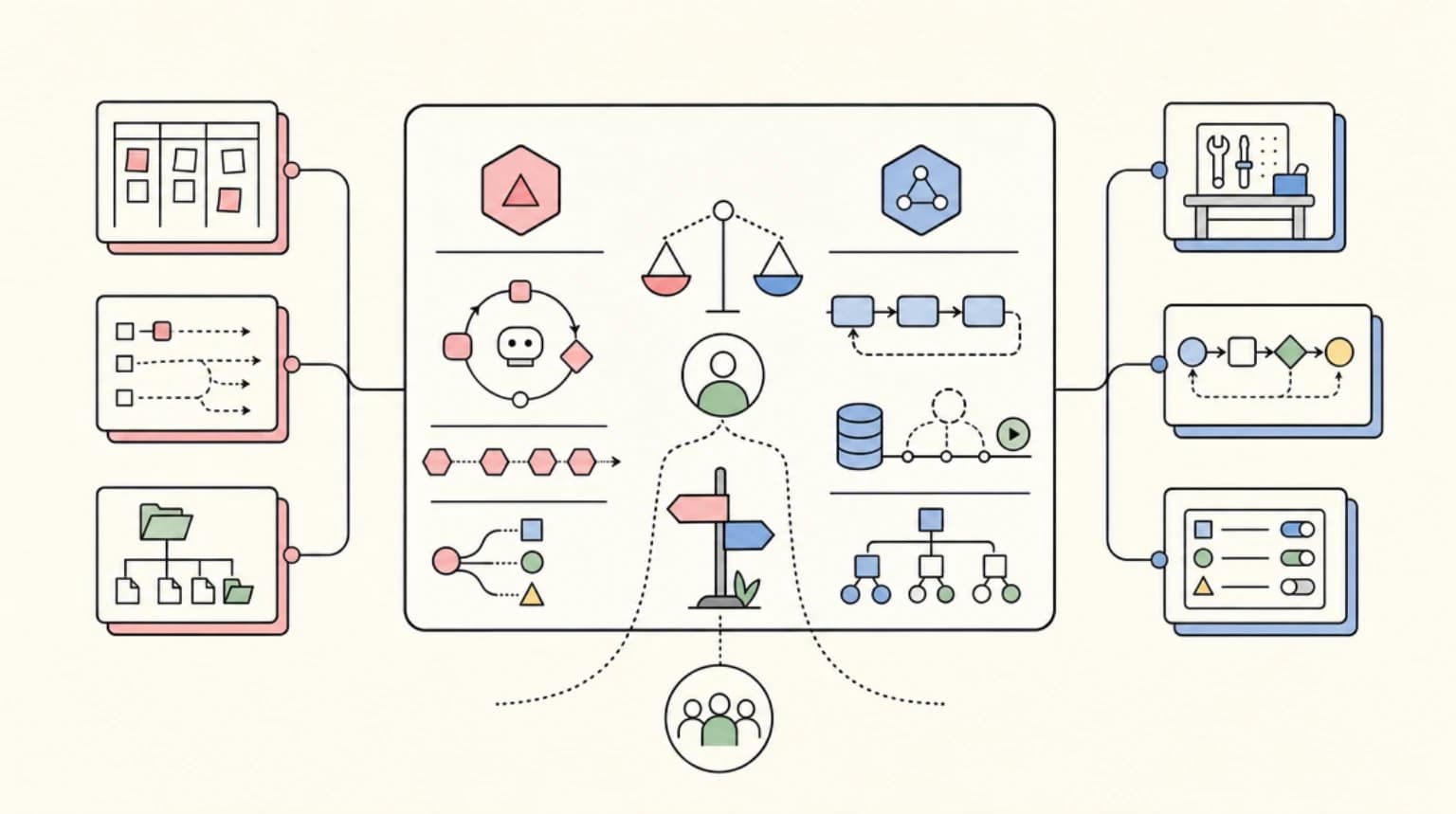
Vercel AI SDK 6 vs LangGraph 1.0: Which Agent Framework Should TypeScript Teams Use?
Vercel AI SDK 6 vs LangGraph 1.0 for TypeScript agents - ToolLoopAgent versus durable state graphs, and how to choose the right framework for your team.
8 min read
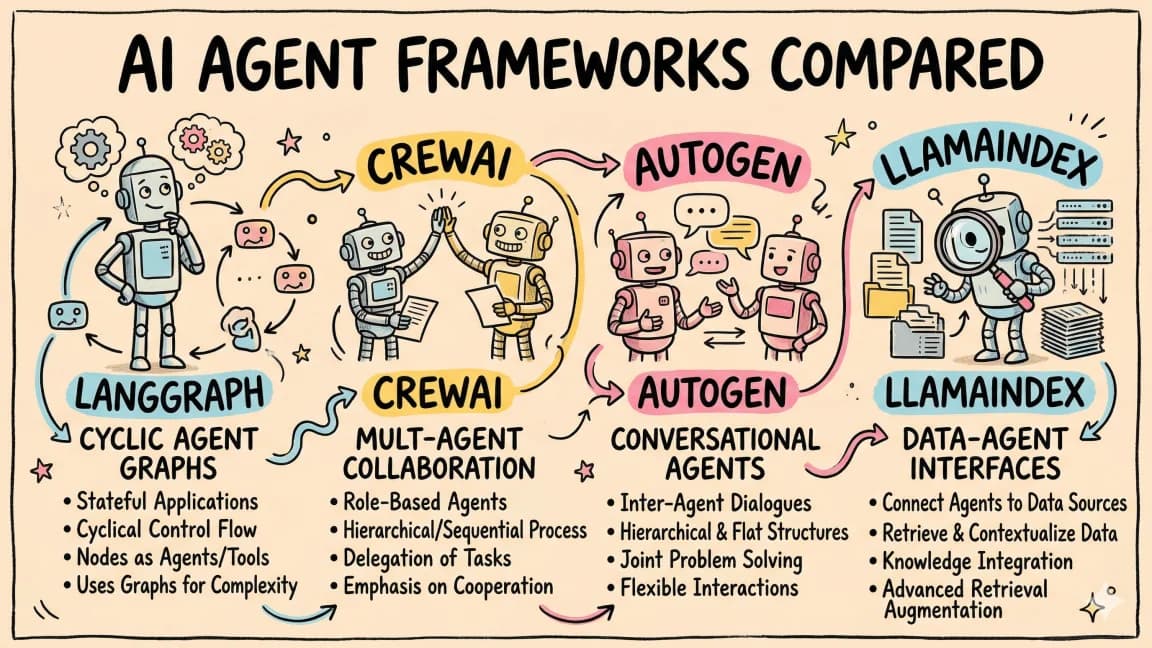
Mastra for Durable TypeScript Agents: Where It Fits and Where It Does Not
Mastra fits TypeScript products whose agents need workflows, memory, tools, MCP, evals, and traces in one backend layer. Where it fits and where it does not.
8 min read
Mastra vs CopilotKit vs LangGraph: Build the Same Agent App Three Ways
A practical field note on where Mastra, CopilotKit, and LangGraph fit when you are building the same agent-native product interface.
9 min read
When CopilotKit Is the UI Layer, Not the Agent Framework
CopilotKit works best as the agent UI layer, not the agent framework: chat surfaces, frontend tools, shared state, generative UI, and human approval.
8 min read
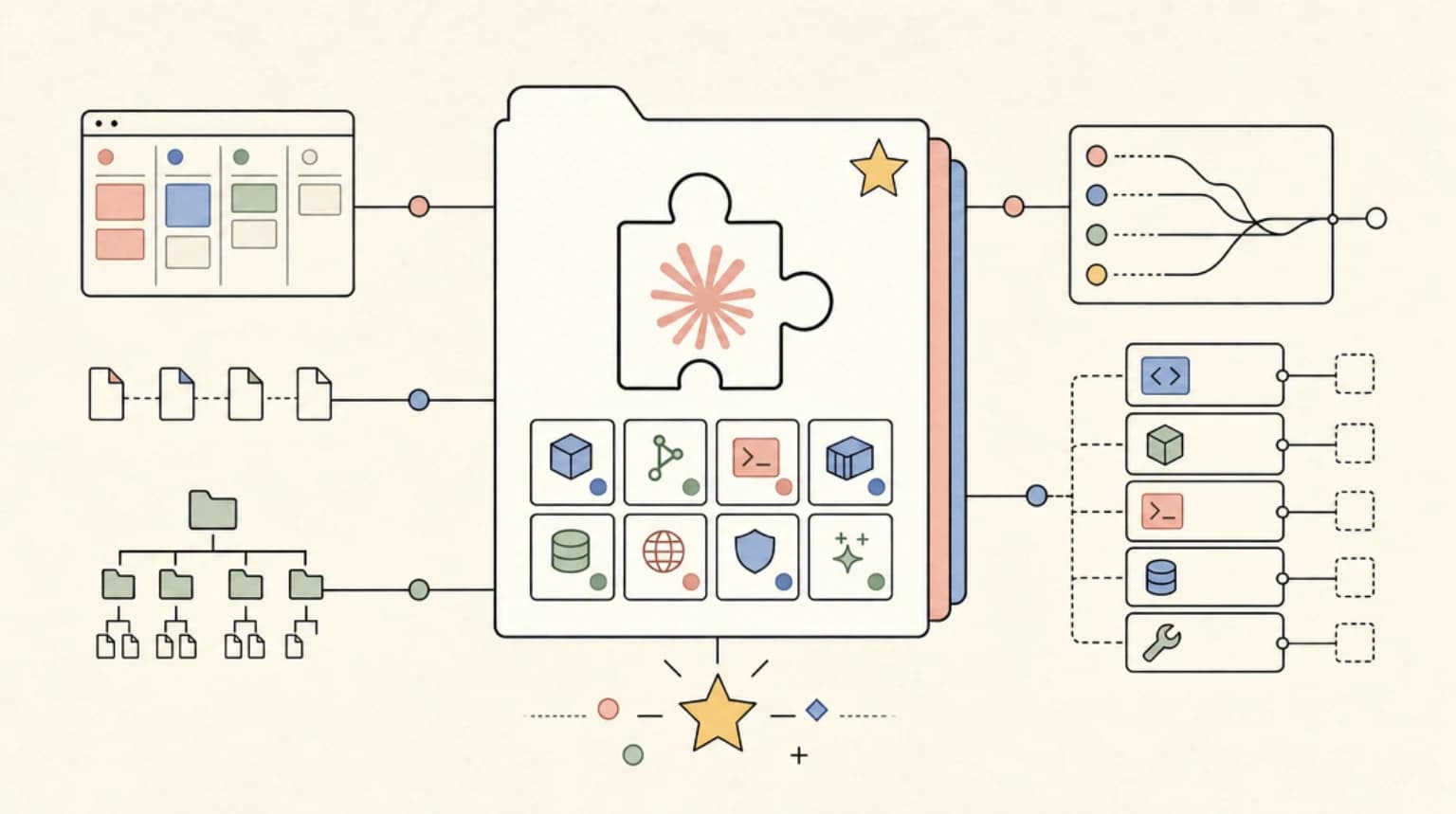
Claude Code's Official Plugin Marketplace Is Here - and It's Already at 23k Stars
Claude Code's official plugin marketplace is a curated directory from Anthropic. What it does, how to install plugins and who should use it.
5 min read

Flue: The Agent Harness Framework and Why It Feels Different
Flue, the agent harness framework from Fred K Schott, compared with OpenAI Agents, Vercel AI SDK, LangChain, CrewAI and more, plus production patterns.
24 min read
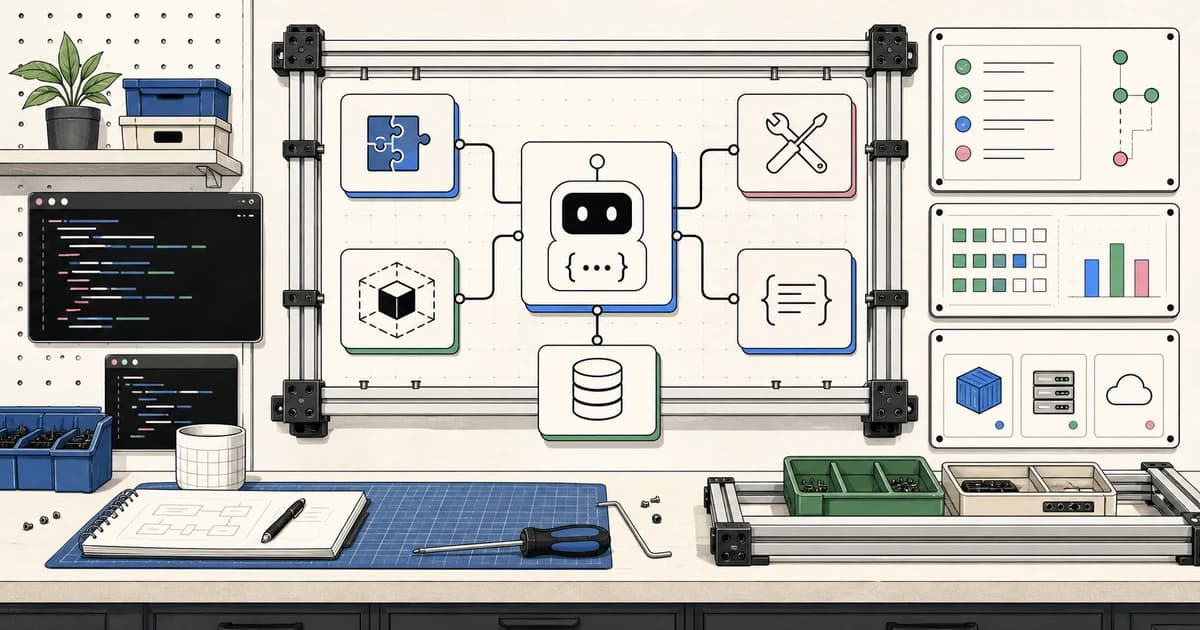
Flue and the Agent Harness Layer
Flue is trending because it names the part of agent infrastructure that is becoming product-critical: the programmable harness around the model.
8 min read
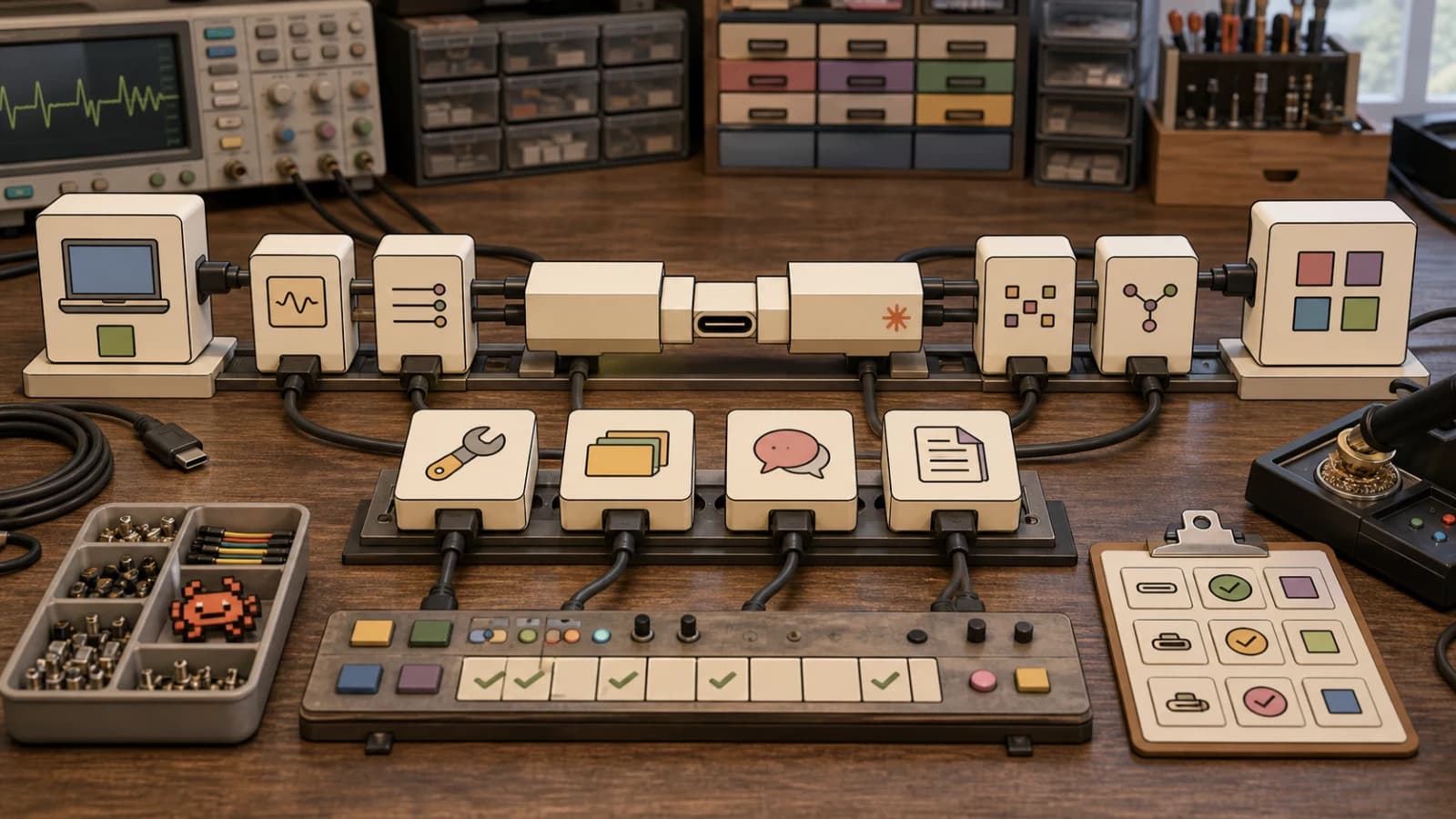
What Is MCP (Model Context Protocol)? The 2026 Developer Guide
MCP (Model Context Protocol) is the open standard connecting AI apps to tools and data. How the 2026-07-28 spec works and how to install or build a server.
14 min read

How to Coordinate Multiple AI Agents: 6 Patterns (2026)
How to coordinate multiple AI agents: six patterns from fan-out to handoffs and consensus, with verified code for Claude, CrewAI, LangGraph, AG2 and ADK.
14 min read
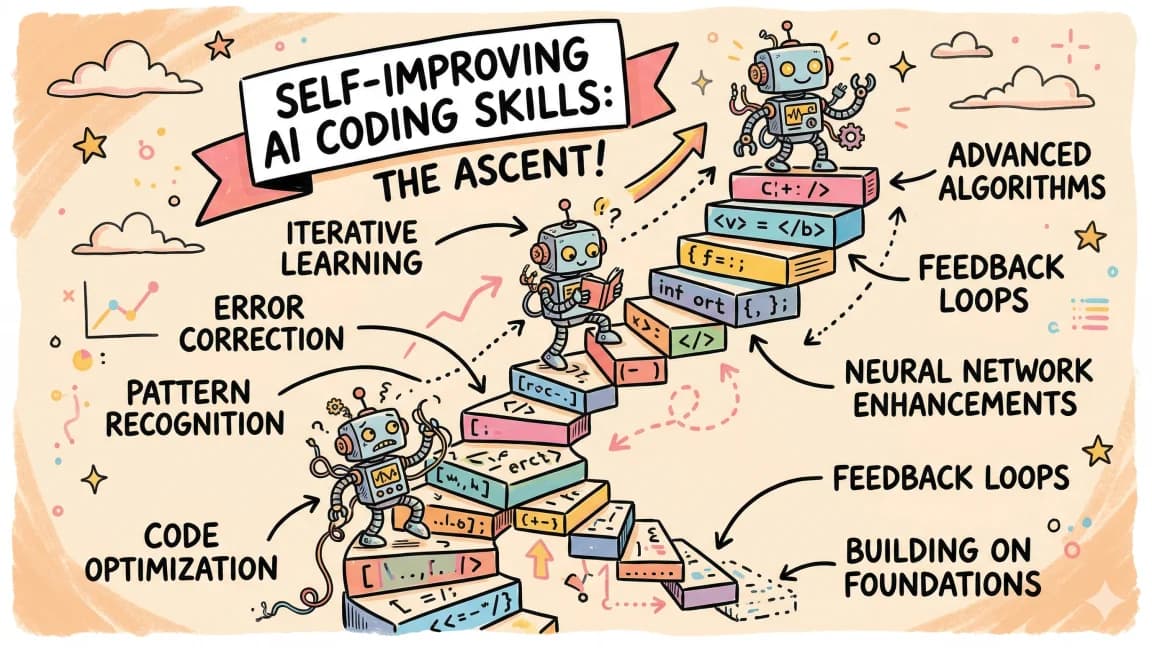
Self-Improving AI Agents: Building Systems That Learn From Their Mistakes
Self-improving AI agents that reflect on failures, store lessons and accumulate skills. Reflection loops, memory architectures and working code examples.
13 min read
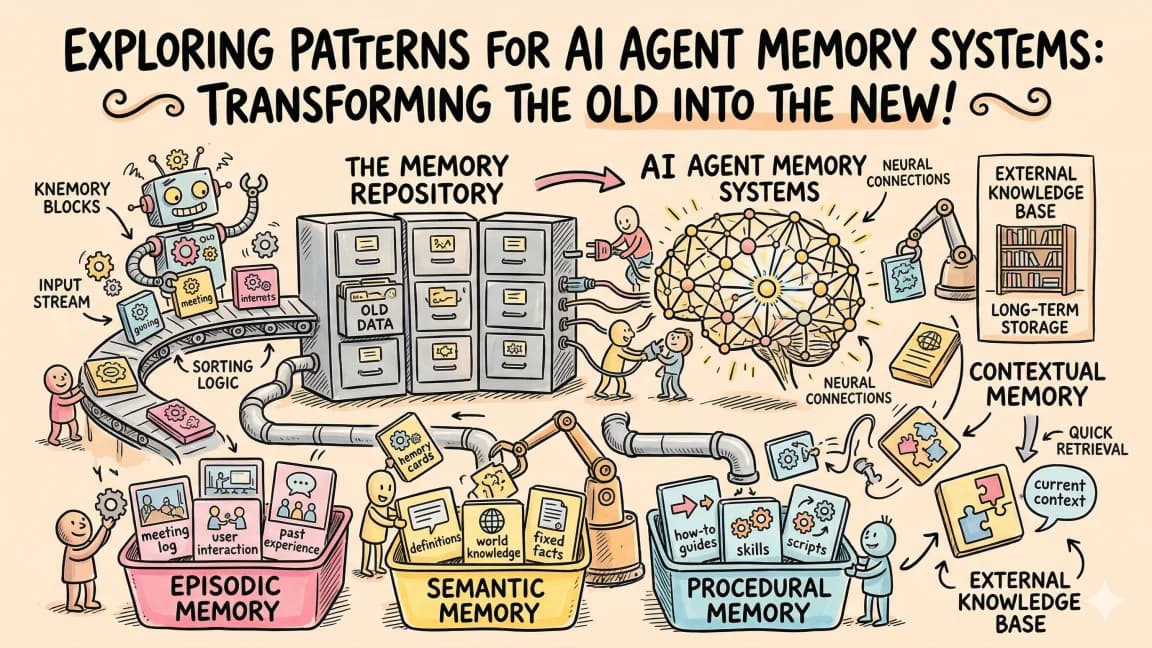
AI Agent Memory Patterns
AI agent memory patterns that fix forgetting between sessions: CLAUDE.md persistence, RAG retrieval, conversation summarization, structured and tiered memory.
9 min read
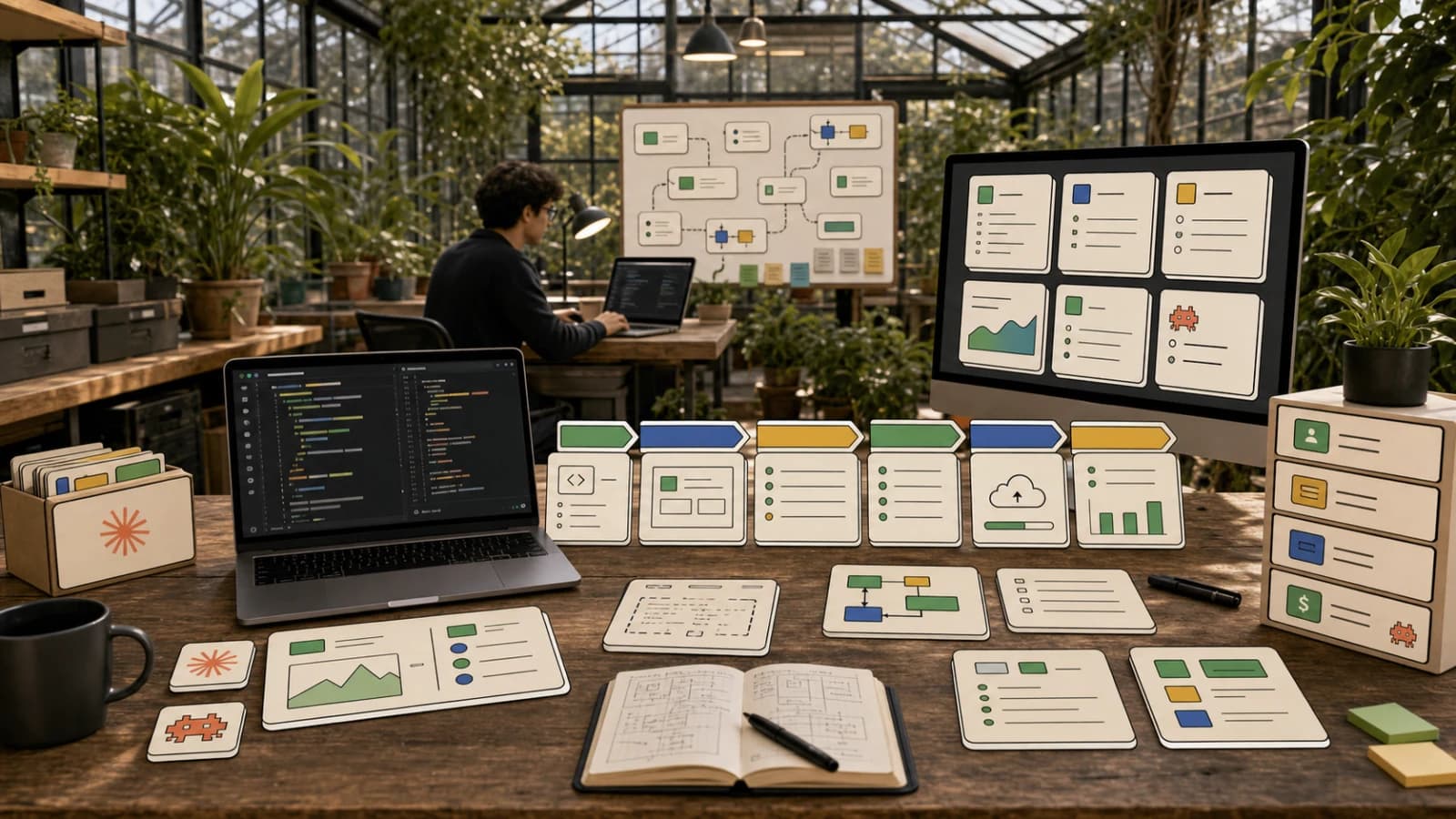
Building a SaaS with Claude Code: End-to-End Guide
How to go from idea to deployed SaaS product using Claude Code as your primary development tool. Project setup, feature building, deployment, and iteration.
10 min read
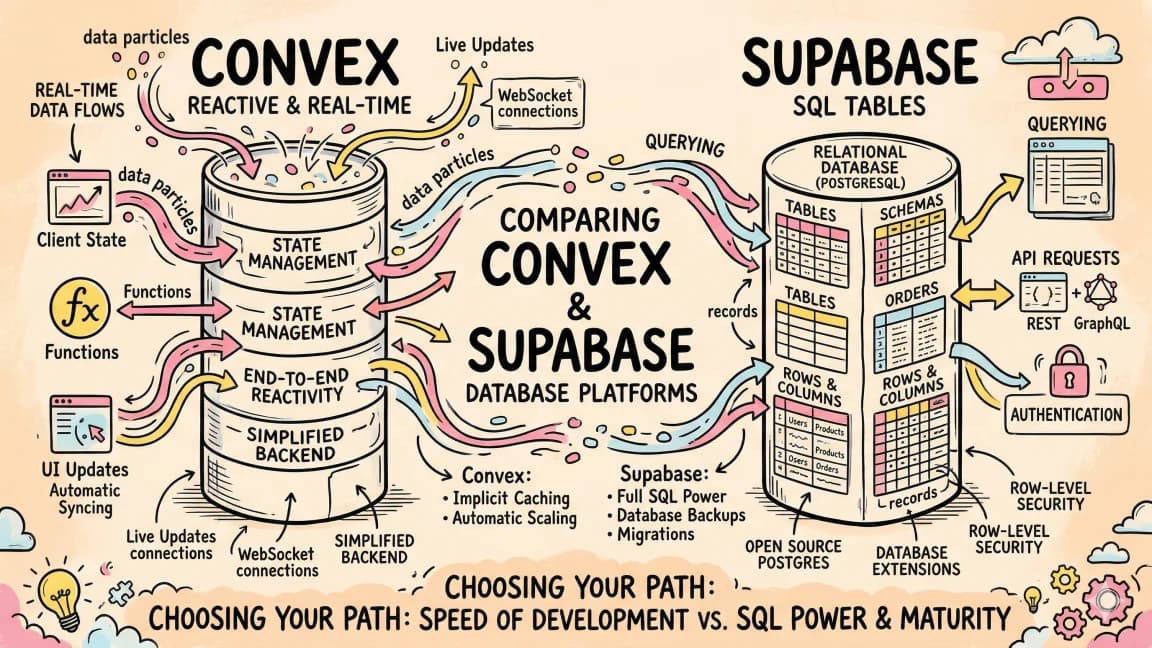
Convex vs Supabase for AI Apps
Convex and Supabase both work for AI-powered apps. Here is when to use each, based on building production apps with both.
9 min read

How to Debug AI Agent Workflows
Debug AI agent workflows with structured tool logging, context snapshots, decision traces, replay and Claude Code hooks to find broken loops and tool failures.
9 min read
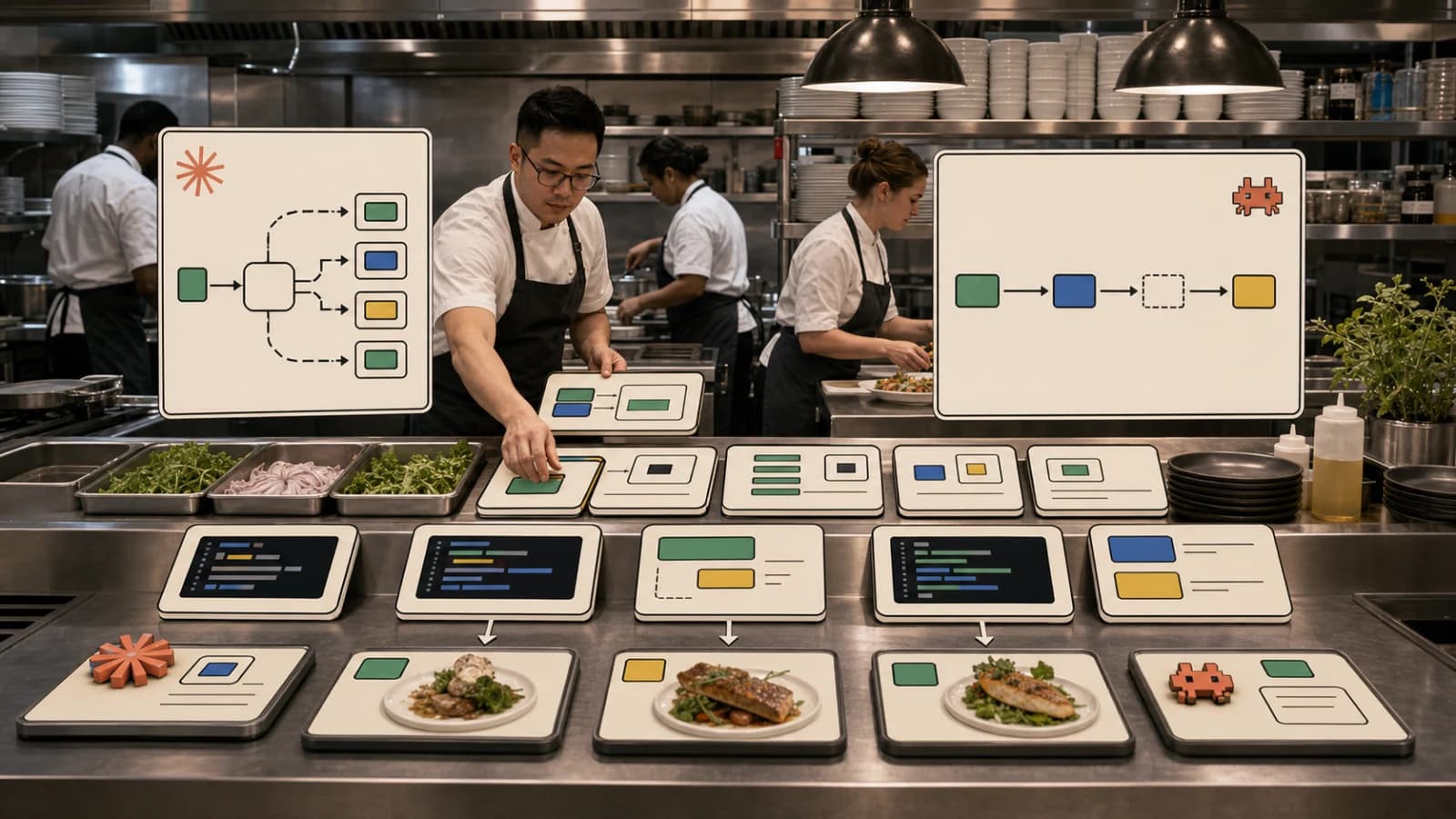
MCP vs Function Calling: When to Use Each
MCP servers and function calling both let AI tools interact with external systems. They solve different problems. Here is when to reach for each.
6 min read
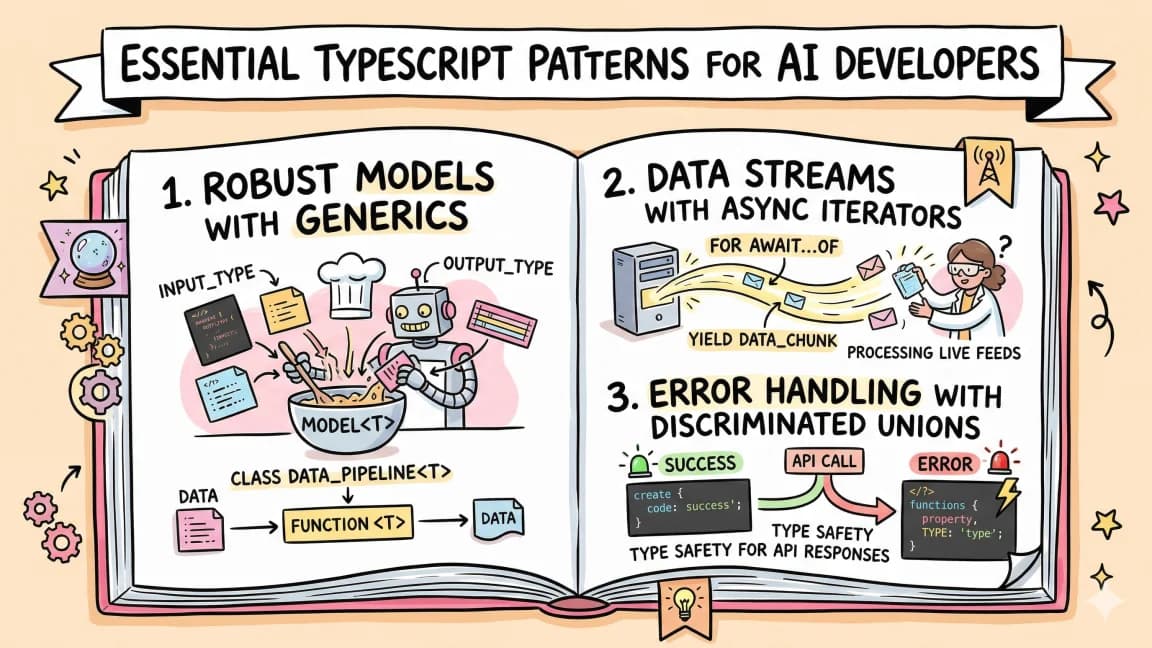
10 TypeScript Patterns Every AI Developer Should Know
The TypeScript patterns that show up in every AI project. Streaming responses, type-safe tool definitions, structured output, retry logic, and more.
10 min read

How to Use Claude Code with Next.js
A practical guide to using Claude Code in Next.js projects. CLAUDE.md config for App Router, common workflows, sub-agents, MCP servers, and TypeScript tips that actually save time.
14 min read
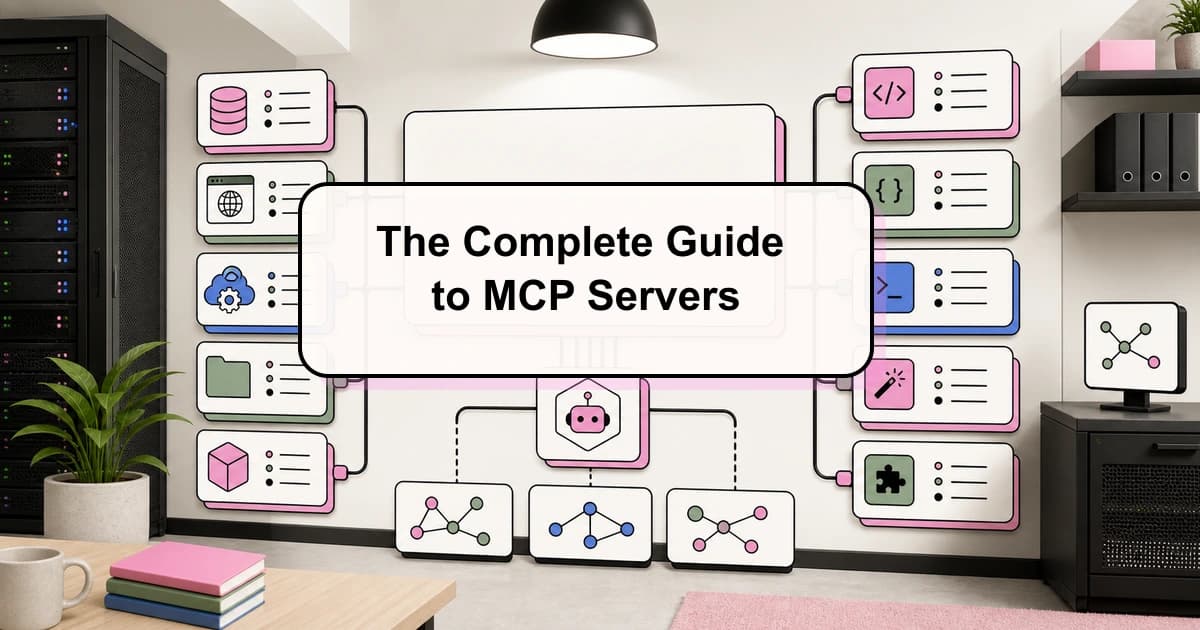
The Complete Guide to MCP Servers
Everything you need to know about Model Context Protocol - how it works, how to install servers, how to build your own, and the best ones.
12 min read

How to Build an AI Agent in 2026: A Practical Guide
A step-by-step guide to building AI agents that actually work. Choose a framework, define tools, wire up the loop, and ship something real.
10 min read
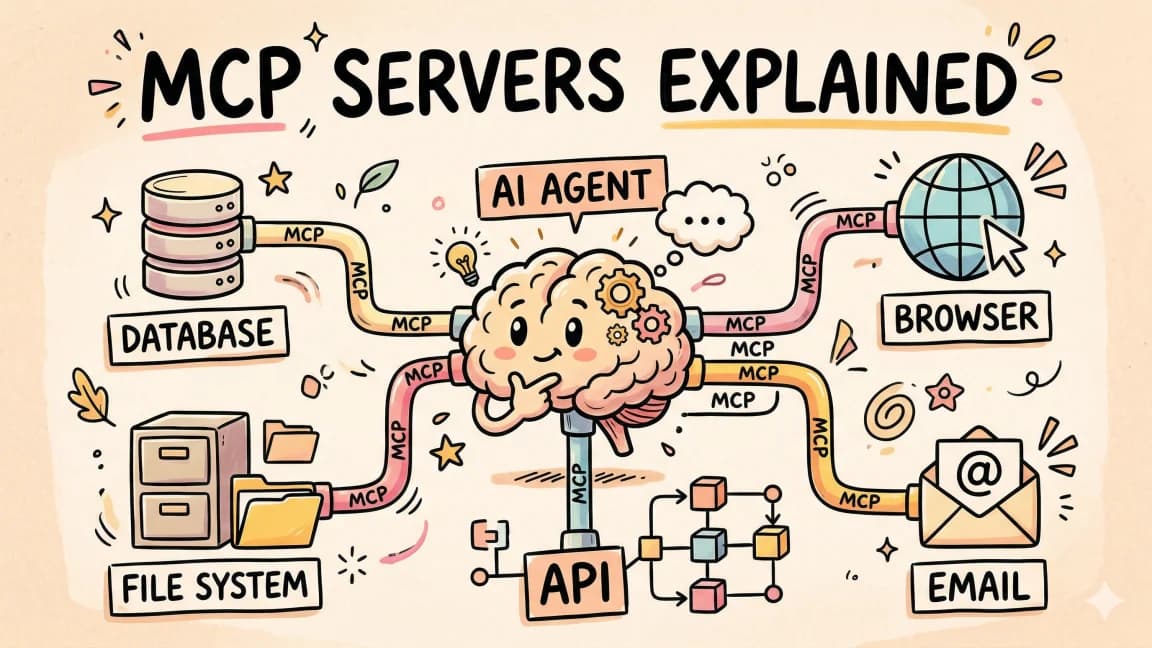
How to Build MCP Servers in TypeScript
Build MCP servers in TypeScript step by step: setup, tools, resources, prompts, testing with Claude Code and the MCP Inspector, and production patterns.
14 min read
Transformers.js: Run AI Models Directly in the Browser
Transformers.js lets you run machine learning models in the browser with zero backend. Here is how to use it for text generation, speech recognition, image classification, and semantic search.
7 min read
AI Agents Explained: A TypeScript Developer's Guide
AI agents use LLMs to complete multi-step tasks autonomously. Here is how they work and how to build them in TypeScript.
6 min read

Aider vs Claude Code: Open Source vs Commercial AI Coding CLI
Aider is open source and works with any model. Claude Code is Anthropic's commercial agent. Here is how they compare for TypeScript.
5 min read

The 10 Best AI Coding Tools in 2026
From terminal agents to cloud IDEs - these are the AI coding tools worth using for TypeScript development in 2026.
8 min read

How to Build Full-Stack TypeScript Apps With AI in 2026
A practical guide to building full-stack Next.js apps with Claude Code, Cursor, Convex, Clerk and Vercel - the TypeScript-native AI stack that works in 2026.
7 min read

Claude vs GPT for Coding: Which Model Writes Better TypeScript?
Claude vs GPT for real TypeScript work: benchmarks, pricing, model families, and the practical differences that matter when picking a coding model.
9 min read

Cursor vs Codex: IDE Agent vs Terminal and Cloud Agent for TypeScript
Cursor is editor-first. Codex is terminal, cloud, and PR-first. Here is when to use each for TypeScript projects.
5 min read
Gemini CLI Guide: 1M Token Context and Who Can Still Use It
Gemini CLI puts a 1 million token context in your terminal but now only serves paid Gemini API, Vertex AI and Code Assist users. Setup and TypeScript workflow.
4 min read
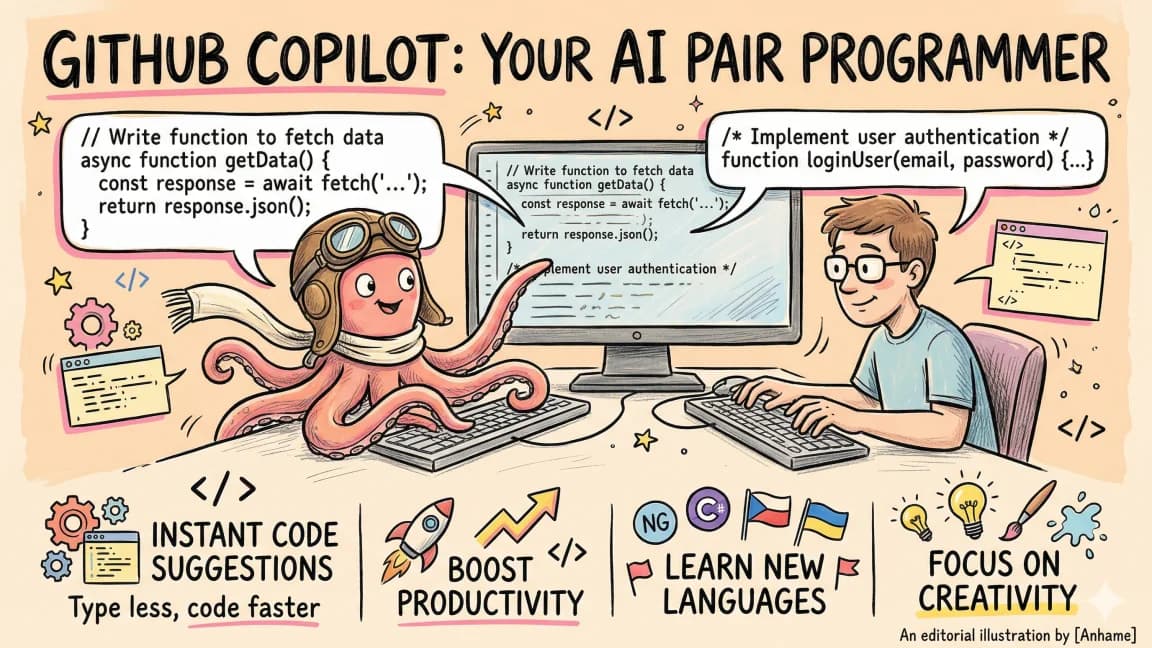
GitHub Copilot in 2026: Still Worth It for TypeScript Developers?
Copilot has 77M users but the competition has changed. Here is how it works in 2026, what Copilot Workspace adds, and whether it is still the best choice.
5 min read
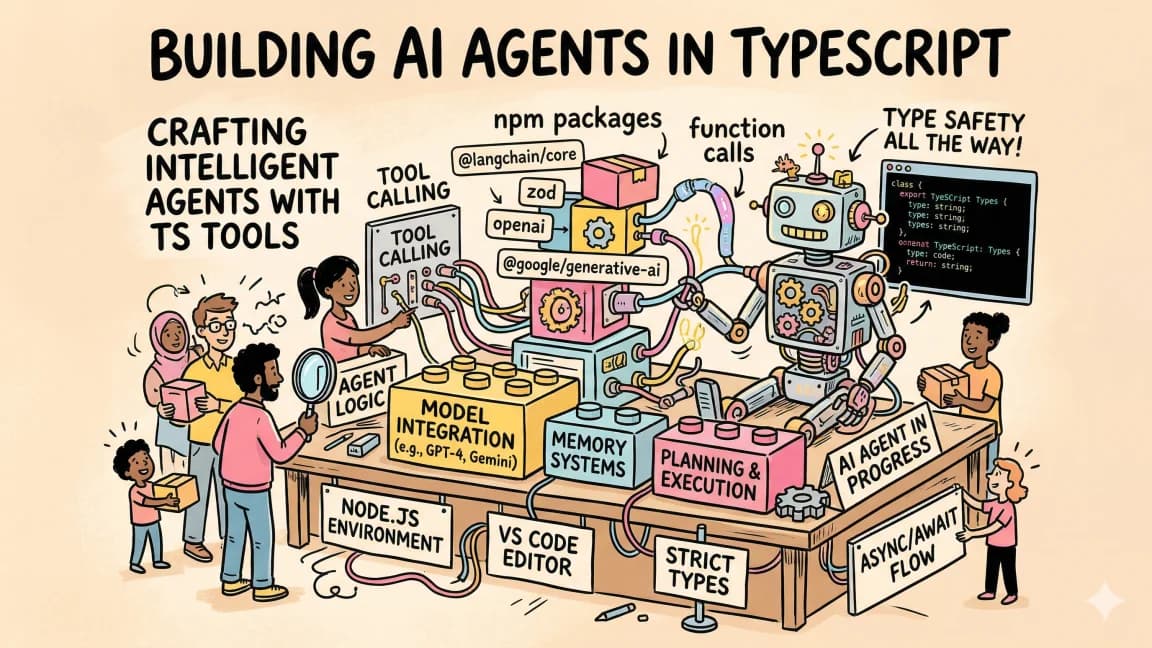
How to Build AI Agents in TypeScript
A practical guide to building AI agents with TypeScript using the Vercel AI SDK. Tool use, multi-step reasoning, and real patterns you can ship today.
10 min read
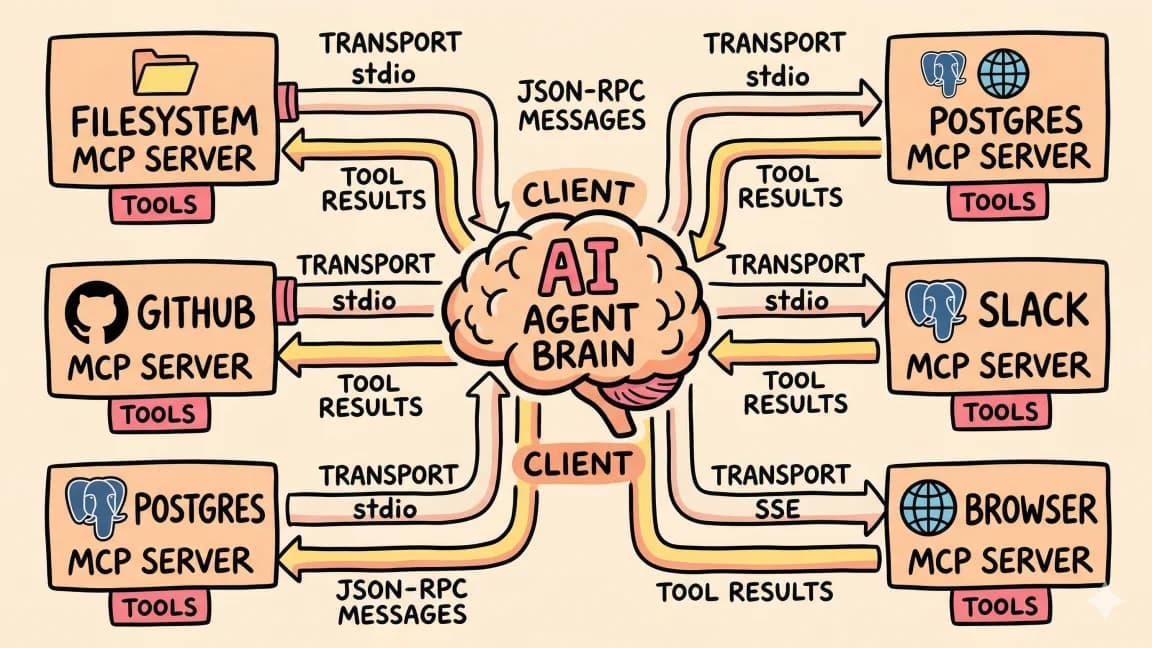
How to Use MCP Servers: The Complete Guide
MCP servers connect AI agents to databases, APIs, and tools through a standard protocol. Here is how to configure and use them with Claude Code and Cursor.
11 min read

LangChain vs Vercel AI SDK: Which TypeScript AI Framework Should You Use?
Two popular frameworks for building AI apps in TypeScript. Here is when to use each and why most Next.js developers should start with the AI SDK.
5 min read

Multi-Agent Systems: How to Orchestrate Multiple AI Agents in TypeScript
From swarms to pipelines - here are the patterns for coordinating multiple AI agents in TypeScript applications.
6 min read
OpenAI Codex: Terminal and Cloud AI Coding Agent
Codex works from the terminal, cloud tasks, IDEs, GitHub, Slack, and Linear. Here is how to use it and how it compares to Claude Code.
5 min read
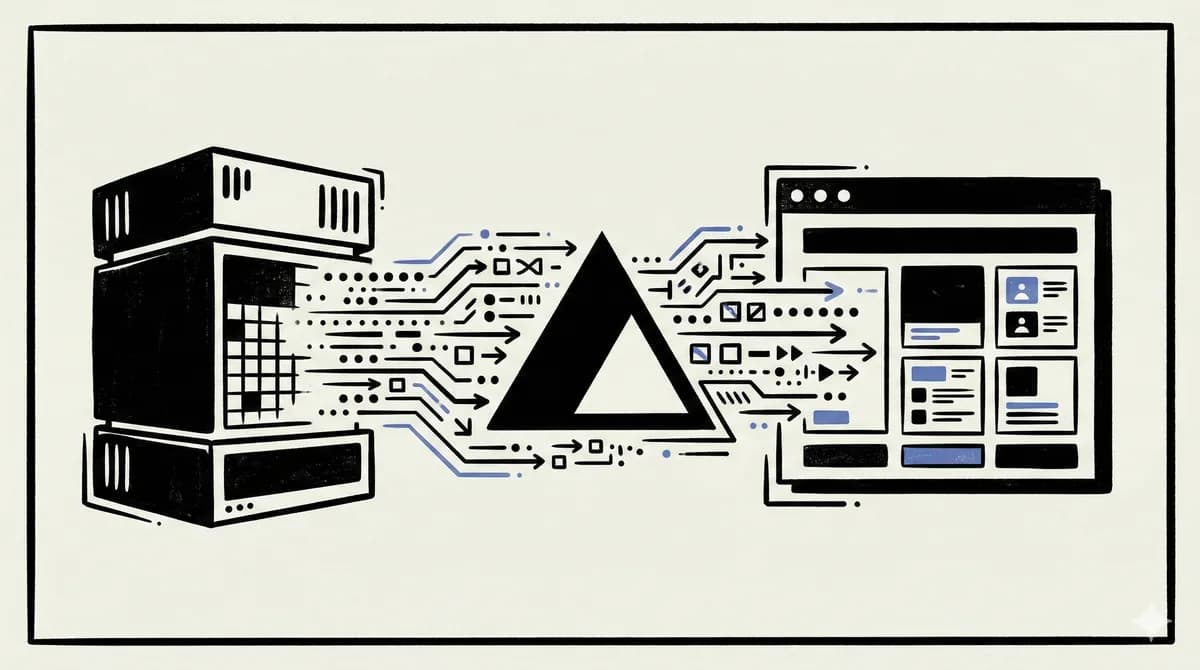
Vercel AI SDK: Build Streaming AI Apps in TypeScript
The AI SDK is the fastest way to add streaming AI responses to your Next.js app. Here is how to use it with Claude, GPT, and open source models.
5 min read
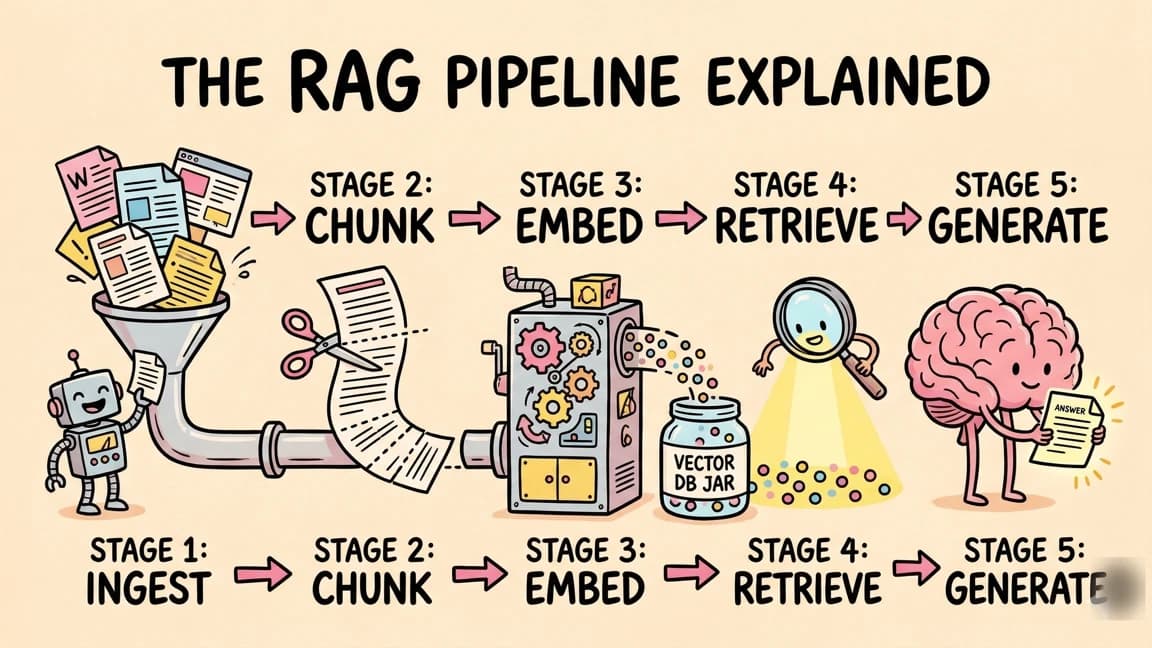
What is RAG? Retrieval Augmented Generation Explained
How RAG works, why it matters, and how to implement it in TypeScript. The technique that lets AI models use your data without fine-tuning.
8 min read
Windsurf vs Cursor: Which AI IDE for TypeScript Developers?
Windsurf vs Cursor for TypeScript. Windsurf, now Devin Desktop, has Cascade and Cursor has Composer 2.5 - how they compare on context, pricing and models.
6 min read
OpenAI Agents SDK for TypeScript: A Practical Guide
OpenAI Agents SDK for TypeScript, explained with code: agents, Zod tools, structured outputs, multi-agent handoffs, streaming and human approval steps.
10 min read
Related Tools
All tools →Vercel AI SDK
EssentialThe TypeScript toolkit for building AI apps. Unified API across OpenAI, Anthropic, Google. Streaming, tool calling, structured output, multi-step agents. 27K+ GitHub stars.
AI FrameworksCopilotKit
Agent UIFrontend stack for agent-native apps. React hooks, prebuilt copilot UI, AG-UI runtime, frontend tools, shared state, and human-in-the-loop flows.
AI FrameworksMastra
TypeScript-first AI agent framework. Agents, tools, memory, workflows, RAG, evals, tracing, MCP, and production deployment for Node.js apps.
AI FrameworksLlamaIndex
LLM data framework for connecting custom data sources to language models. Best-in-class RAG, data connectors, and query engines. Python and TypeScript.
AI FrameworksConvex
This SiteReactive backend - database, server functions, real-time sync, cron jobs, file storage. All TypeScript. This site's backend (courses, videos, user data) runs on Convex.
InfrastructureInstructor
Structured data extraction from any LLM using Pydantic models. Automatic retries, validation, and streaming. 3M+ monthly downloads. Available in Python, TypeScript, Go, Ruby, and Rust.
AI FrameworksPlaywright
Modern browser automation from Microsoft. Auto-wait, role-based selectors, cross-browser, fast in CI.
InfrastructureDrizzle ORM
Type-safe SQL builder and ORM for TypeScript. Zero runtime overhead, honest schema migrations, bring-your-own-DB.
InfrastructureAutumn
Billing infrastructure for SaaS. Pricing tables, credit-based metering, checkout, and customer portal - all in TypeScript.
InfrastructurePrisma
TypeScript ORM with a schema-first workflow. Prisma Client gives full type safety; Prisma Migrate handles migrations. Prisma ORM 8 covers Postgres, MongoDB, and SQLite; MySQL still needs Prisma ORM 7.
InfrastructureZod
TypeScript-first schema validation. Define schemas once, get static types and runtime validation. The default validator for tRPC, Next.js server actions, and AI SDKs.
InfrastructureBun
All-in-one JavaScript runtime, bundler, test runner, and package manager. Rewritten in Rust as of Bun 1.4 (August 2026), drop-in compatible with Node, dramatically faster install and start times.
InfrastructureNode.js
The original server-side JavaScript runtime. V8 under the hood, npm ecosystem, and the default backend runtime for most production deployments.
InfrastructureDeno
Secure-by-default JavaScript and TypeScript runtime from Node's original creator, with built-in TypeScript, fmt, lint, and test. The Deno team joined Cloudflare in October 2026: the runtime gets one more year of bug-fix and security releases, and Deno Deploy shuts down six months after the announcement.
InfrastructureBiome
Fast Rust-based formatter and linter for JavaScript and TypeScript. One tool replaces Prettier and ESLint with sub-second runs on large repos.
InfrastructureESLint
The standard JavaScript and TypeScript linter. Massive plugin ecosystem, framework-specific configs, and integration with every editor.
Infrastructurepnpm
Fast, disk-efficient package manager. Content-addressable global store, strict dependency resolution, first-class workspaces. Default for many TypeScript monorepos.
InfrastructureVitest
Vite-native test runner. Jest-compatible API, instant HMR for tests, native ESM and TypeScript, and built-in coverage. Default for new Vite and Next.js projects.
InfrastructureGuides
All guides →MCP Servers Explained
What MCP servers are, how AI clients like Claude Code call their tools, how to add one through .mcp.json, and how to build your own in TypeScript.
GuideBuilding Your First MCP Server
Step-by-step guide to building an MCP server in TypeScript - from project setup to tool definitions, resource handling, testing, and deployment.
GuideKeep exploring
More on TypeScript
- - Vercel AI SDK - recommended TypeScript tool from the Developers Digest directory
- - Glossary - dive deeper across the Developers Digest knowledge base
- - All TypeScript articles in the blog archive
- - Developers Digest on YouTube - video tutorials covering TypeScript and more
Get Smarter About AI Dev
New tutorials, open-source projects, and deep dives on coding agents - delivered weekly.
One email per weekReal code, not theoryFree forever
Explore 848 topics
Browse All Topics