Topic
VERCEL AI SDK
Building AI apps with the Vercel AI SDK - streaming, tool calling, and multi-provider support.
16 resources - 15 posts, 1 tool
Blog Posts
View in blog →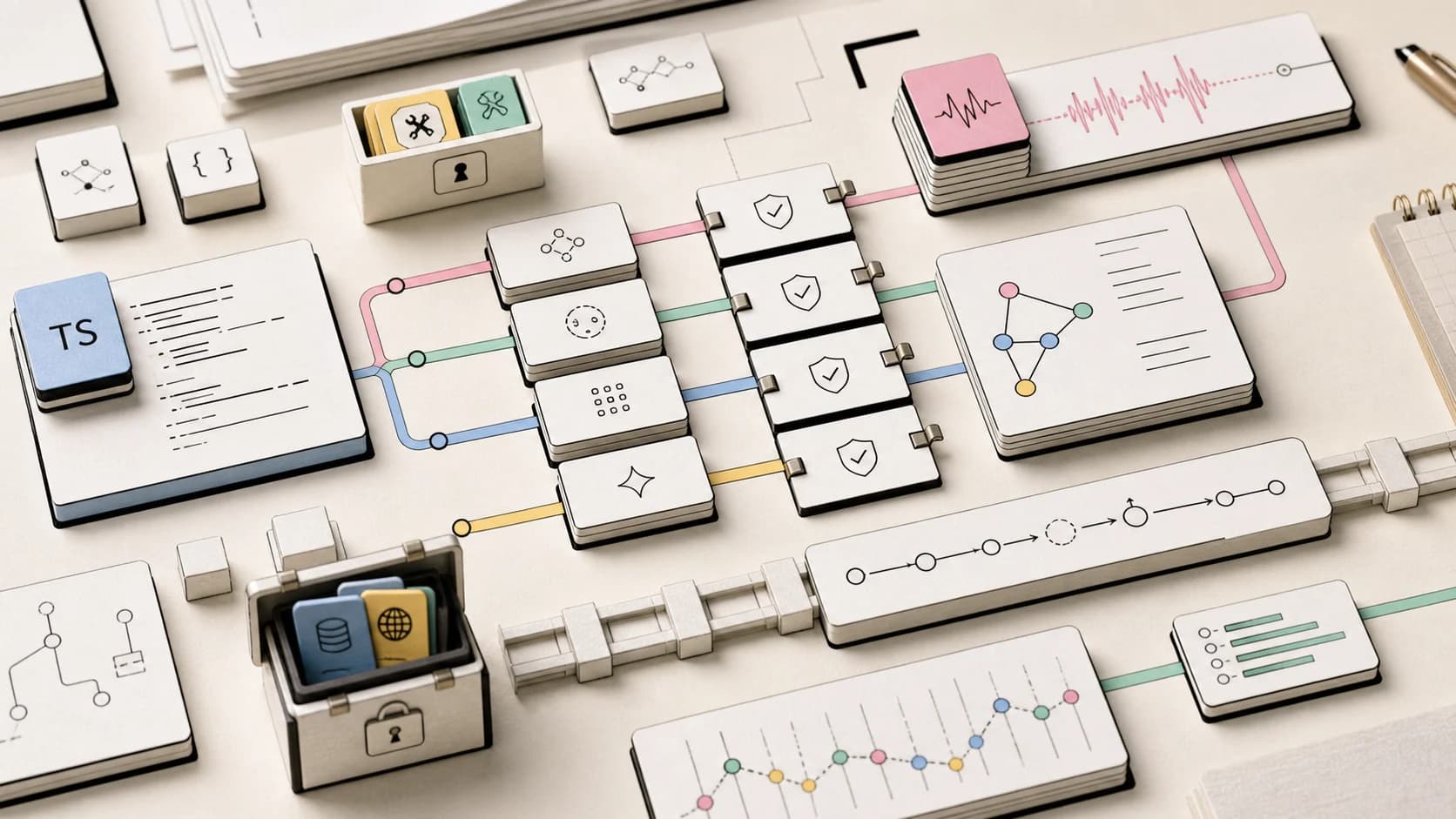
Vercel AI SDK 7: The Production Agent Upgrade
AI SDK 7 turns Vercel's TypeScript AI layer into a more serious agent runtime: typed tool context, WorkflowAgent durability, approvals, telemetry, realtime voice, and a cleaner migration path from AI SDK 6.
9 min read
Build Your First Agent with Vercel eve: A Step-by-Step Tutorial
A hands-on, beginner-friendly walkthrough of building an AI agent with Vercel eve: scaffold the project, define an agent and a typed tool with defineTool, run it locally, call it through the durable session and stream API, and deploy to Vercel Functions.
10 min read
Everything Vercel Shipped at Ship 26 (June 2026)
At Vercel Ship 26 in London on June 17, 2026, Vercel shipped a wave of agent-era tooling: the open-source eve agent framework, Vercel Drop for drag-and-drop deploys with no Git or CLI, spend caps for AI Gateway API keys, and the HarnessAgent API in AI SDK 7 that unifies Claude Code, Codex, and Pi behind one interface.
8 min read
Vercel eve: The Framework for Building AI Agents
Vercel launched eve at Ship 26, an open-source agent framework it calls Next.js for agents. You define each agent as files under an agent/ directory, and eve compiles it into a production app on Vercel Functions with durable execution, sandboxes, approvals, subagents, and evals built in.
9 min read

The TypeScript AI Agent Stack in Mid-2026: Mastra vs Vercel AI SDK vs OpenAI Agents SDK vs LangGraph.js
Four mature, production-ready TypeScript frameworks have made building agents genuinely enjoyable. Here is how to pick the right one - and how they fit together.
10 min read
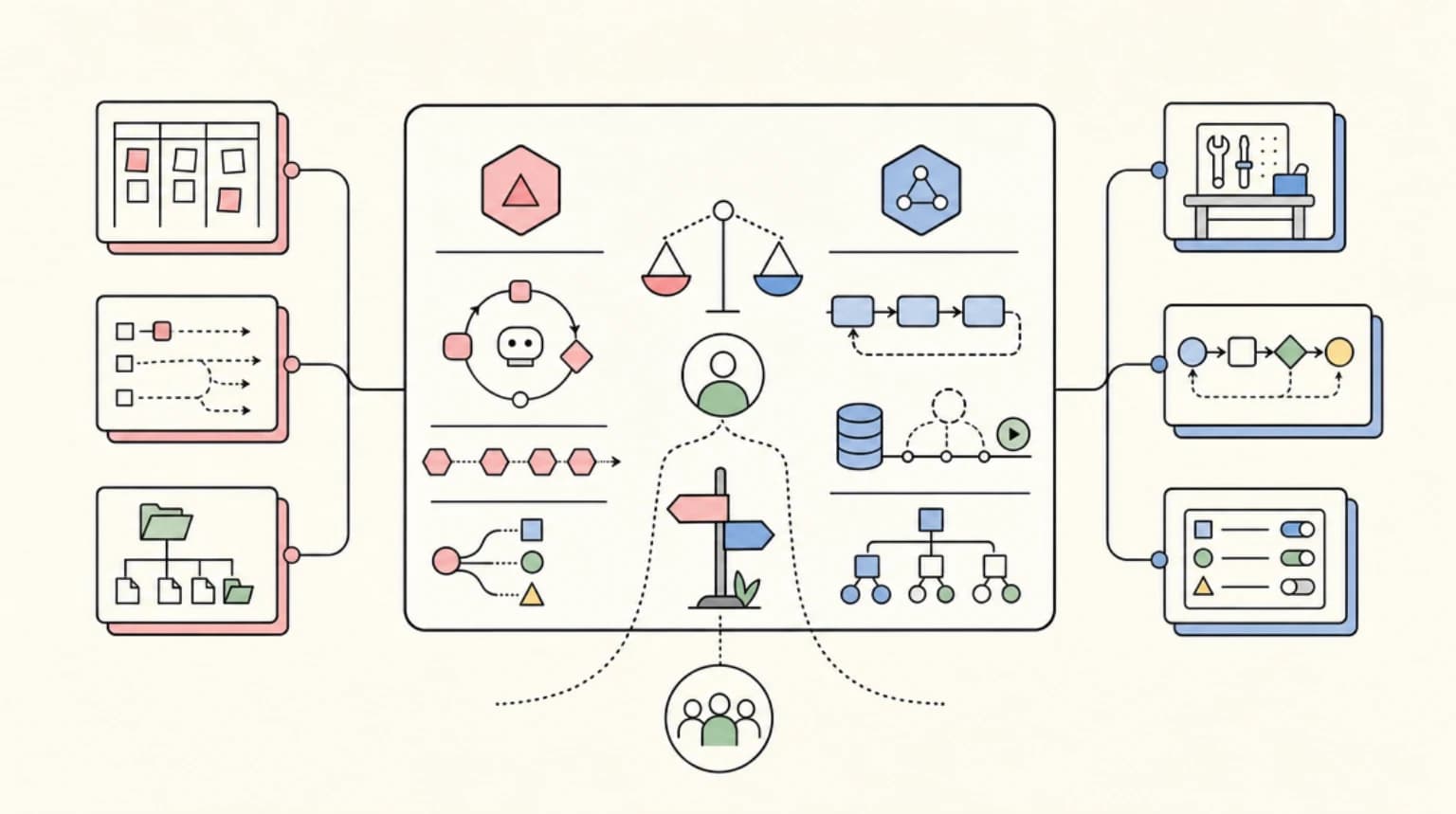
Vercel AI SDK 6 vs LangGraph 1.0: Which Agent Framework Should TypeScript Teams Use?
AI SDK 6 ships ToolLoopAgent and full MCP support. LangGraph hits 1.0 GA with durable state and built-in interrupt/resume. Here is how to choose between them for your TypeScript team.
8 min read
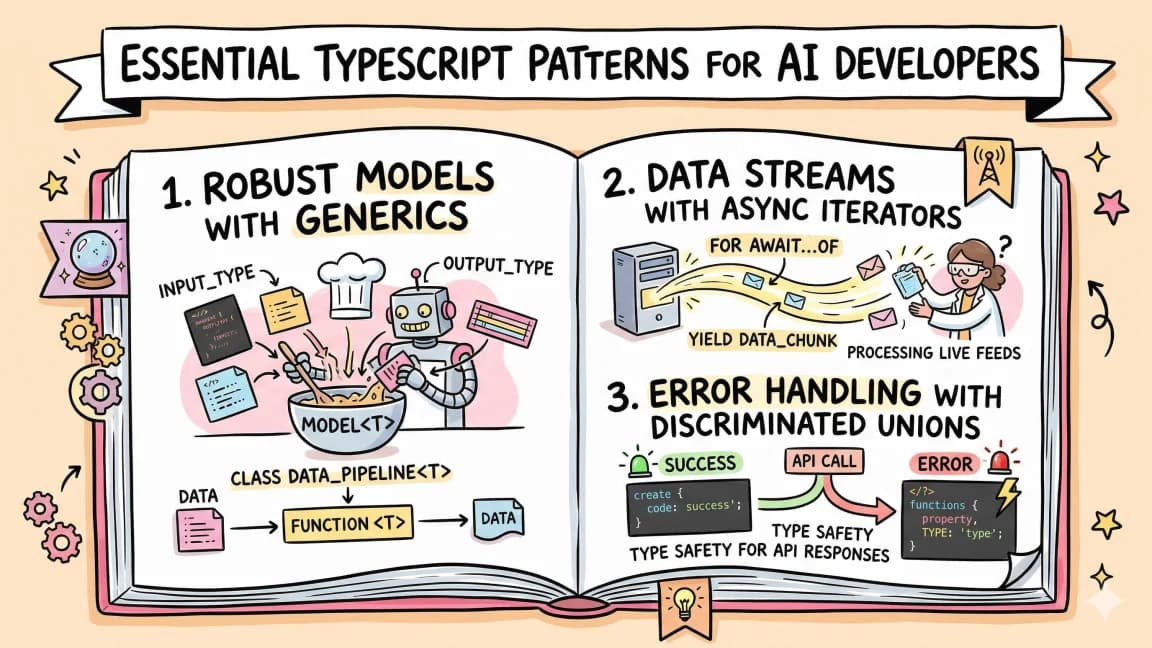
10 TypeScript Patterns Every AI Developer Should Know
The TypeScript patterns that show up in every AI project. Streaming responses, type-safe tool definitions, structured output, retry logic, and more.
10 min read
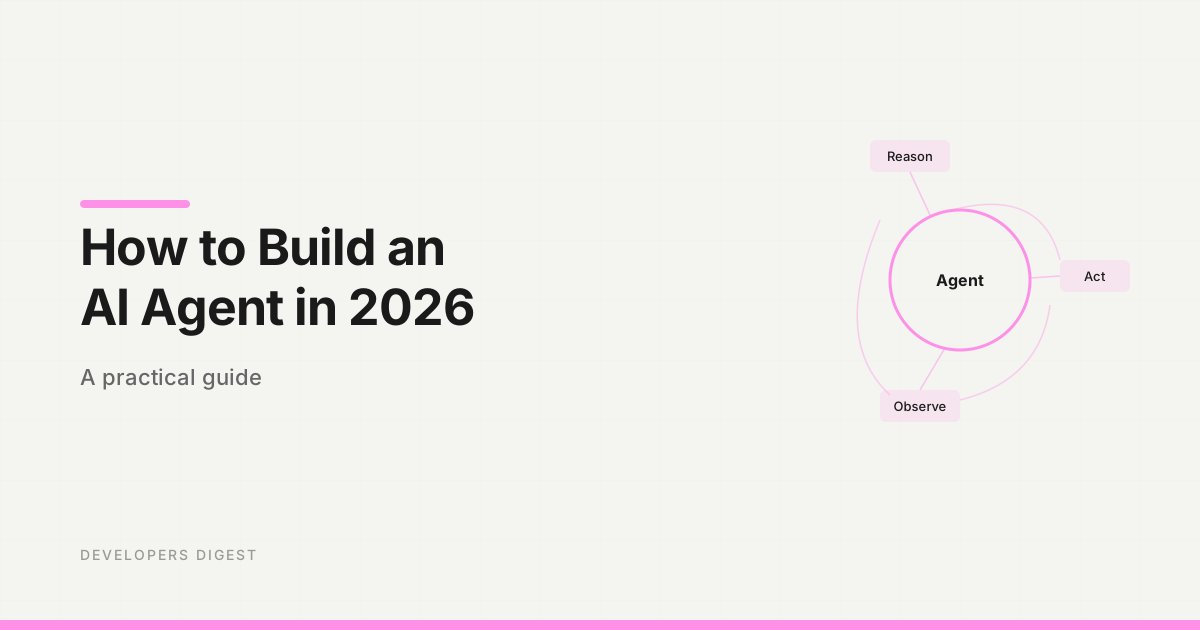
How to Build an AI Agent in 2026: A Practical Guide
A step-by-step guide to building AI agents that actually work. Choose a framework, define tools, wire up the loop, and ship something real.
10 min read
AI Agents Explained: A TypeScript Developer's Guide
AI agents use LLMs to complete multi-step tasks autonomously. Here is how they work and how to build them in TypeScript.
6 min read
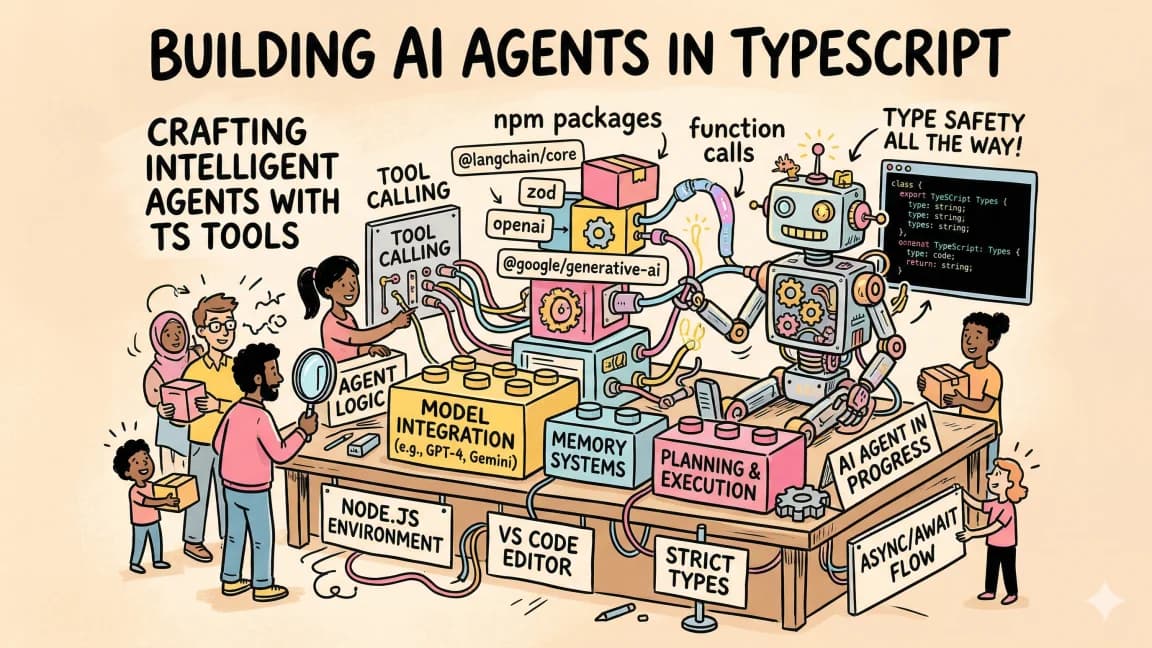
How to Build AI Agents in TypeScript
A practical guide to building AI agents with TypeScript using the Vercel AI SDK. Tool use, multi-step reasoning, and real patterns you can ship today.
10 min read

LangChain vs Vercel AI SDK: Which TypeScript AI Framework Should You Use?
Two popular frameworks for building AI apps in TypeScript. Here is when to use each and why most Next.js developers should start with the AI SDK.
5 min read
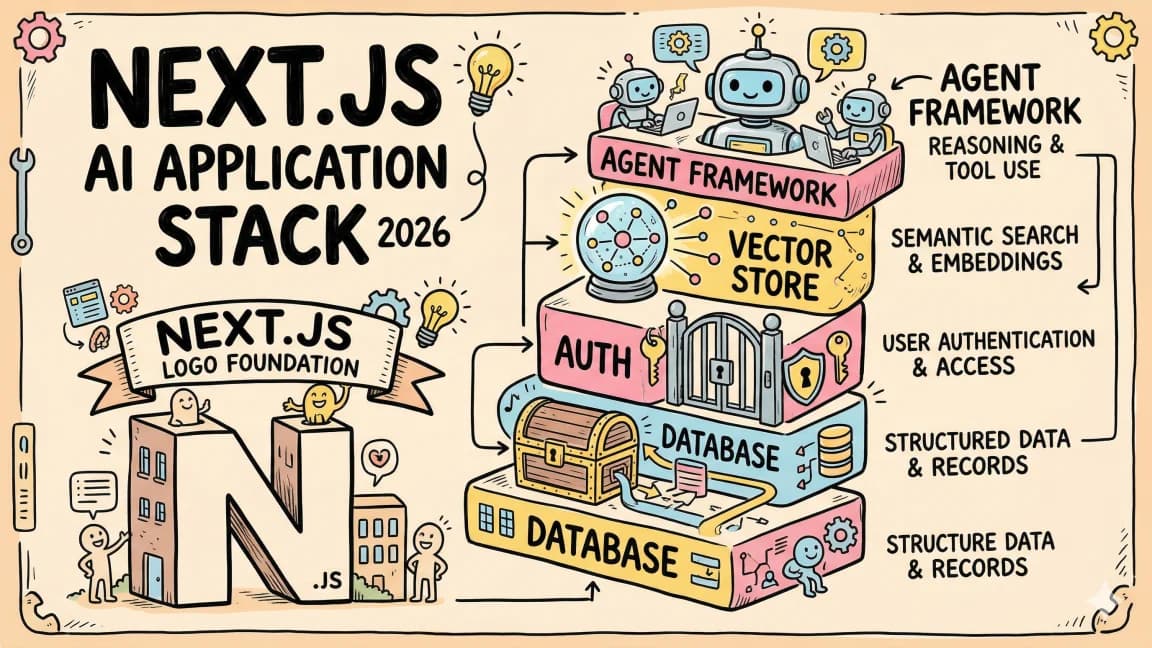
The Next.js AI App Stack for 2026
The definitive full-stack setup for building AI-powered apps in 2026. Next.js 16, Vercel AI SDK, Convex, Clerk, and Tailwind - why each piece matters and how they fit together.
12 min read
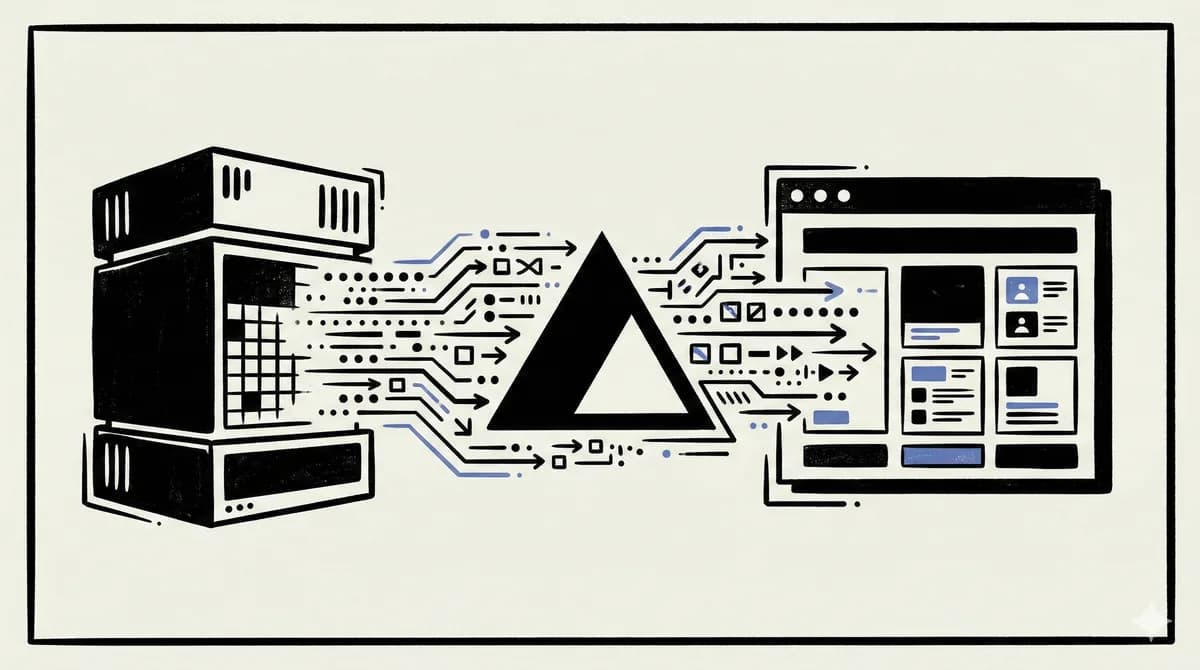
Vercel AI SDK: Build Streaming AI Apps in TypeScript
The AI SDK is the fastest way to add streaming AI responses to your Next.js app. Here is how to use it with Claude, GPT, and open source models.
5 min read
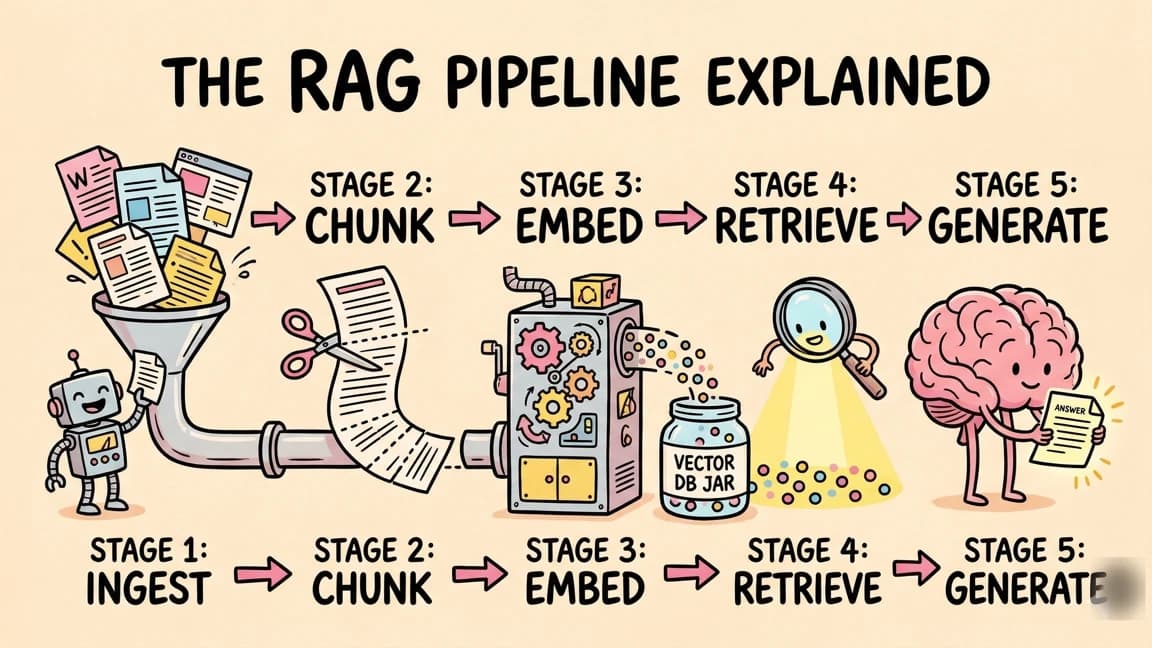
What is RAG? Retrieval Augmented Generation Explained
How RAG works, why it matters, and how to implement it in TypeScript. The technique that lets AI models use your data without fine-tuning.
8 min read
Composio 101: Give Your AI Agent Access to 500+ Apps
Composio is a tool infrastructure layer that connects AI agents to Gmail, GitHub, Slack, Google Calendar, and hundreds more apps - all auth handled for you. Here is how to set it up and start building real cross-app workflows.
7 min read
Keep exploring
More on Vercel AI SDK
- - Vercel AI SDK - recommended Vercel AI SDK tool from the Developers Digest directory
- - Glossary - dive deeper across the Developers Digest knowledge base
- - All Vercel AI SDK articles in the blog archive
- - Developers Digest on YouTube - video tutorials covering Vercel AI SDK and more

Get Smarter About AI Dev
New tutorials, open-source projects, and deep dives on coding agents - delivered weekly.
One email per weekReal code, not theoryFree forever
Explore 819 topics
Browse All Topics