Topic
VERCEL
All blog posts, tools, and guides about Vercel from Developers Digest.
30 resources - 26 posts, 4 tools
Blog Posts
View in blog →
fx in Practice: Setup, Scripting, and Subagents
Vercel Labs' fx installs as a 7.8 MiB Zig binary and runs as a shell-like CLI, a JSON script endpoint, an ACP server, or an embeddable WebAssembly module. Here is the verified setup path, the three auth routes, and the workflows each surface unlocks.
9 min read

fx Deep Dive: Inside Vercel's Tiny Native Coding Agent
fx is Vercel Labs' experimental coding agent written in Zig: a roughly 6 MiB native binary built to be embedded anywhere from CI sandboxes to the browser. We read the source, the docs, and the launch thread so you can decide fast.
9 min read

fx vs pi: Is Minimal the New Big for Agentic CLIs?
Two minimal coding agents are taking swings at the platform era, but they minimize opposite things: pi refuses features, fx shrinks the bytes. Placing both on the harness spectrum against Claude Code and raw shells shows who each bet is actually for.
9 min read
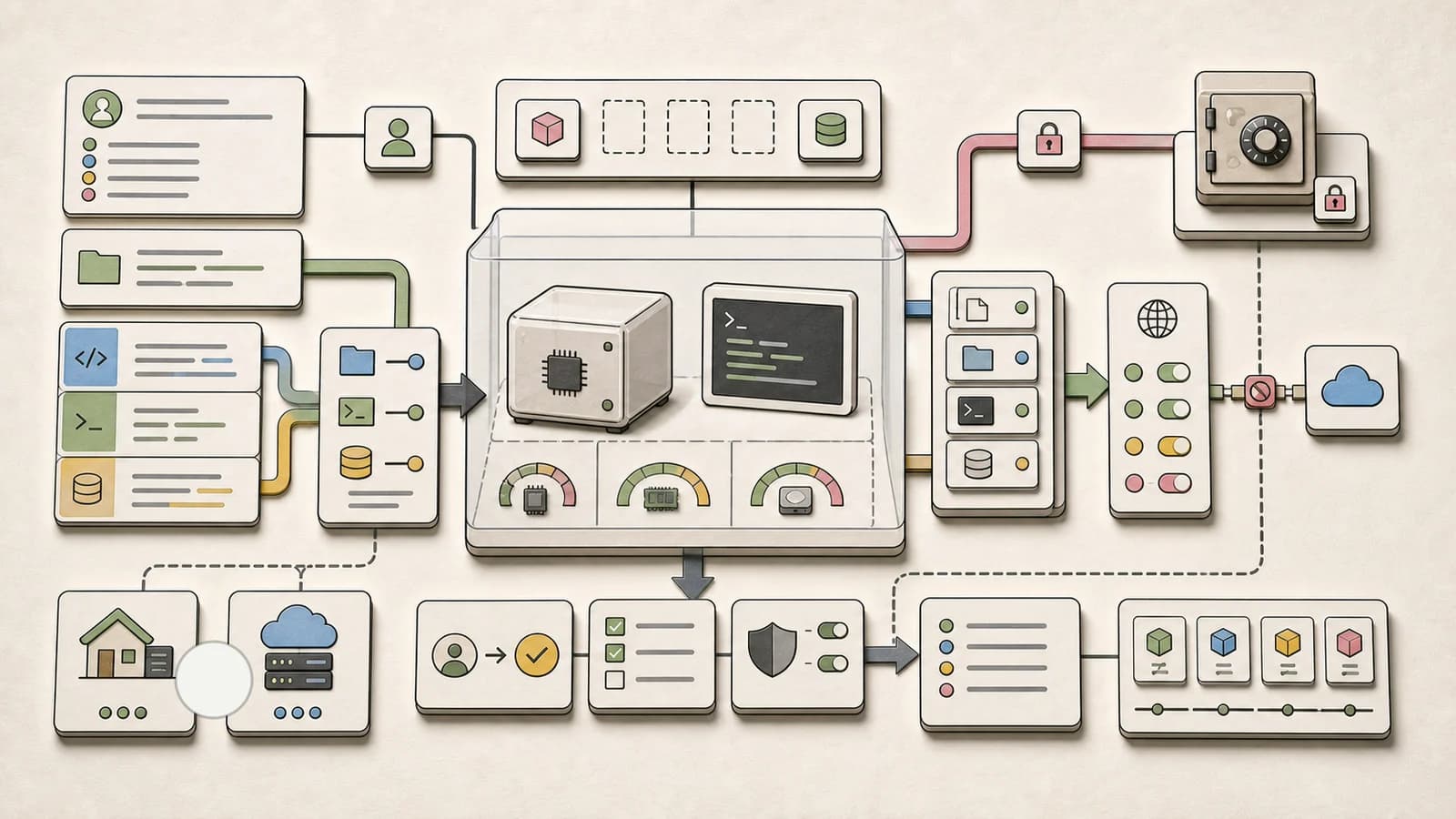
Vercel Sandbox Gets a Real Network Boundary: Why Egress Control Is the Missing Half of Agent Security
Vercel Sandbox now polices all outbound traffic on the host, outside the microVM, with SNI-based domain policies, CIDR rules, host-level credential injection, and a deny-all default. Here is why a network boundary is the half of agent isolation that VM escapes missed.
6 min read
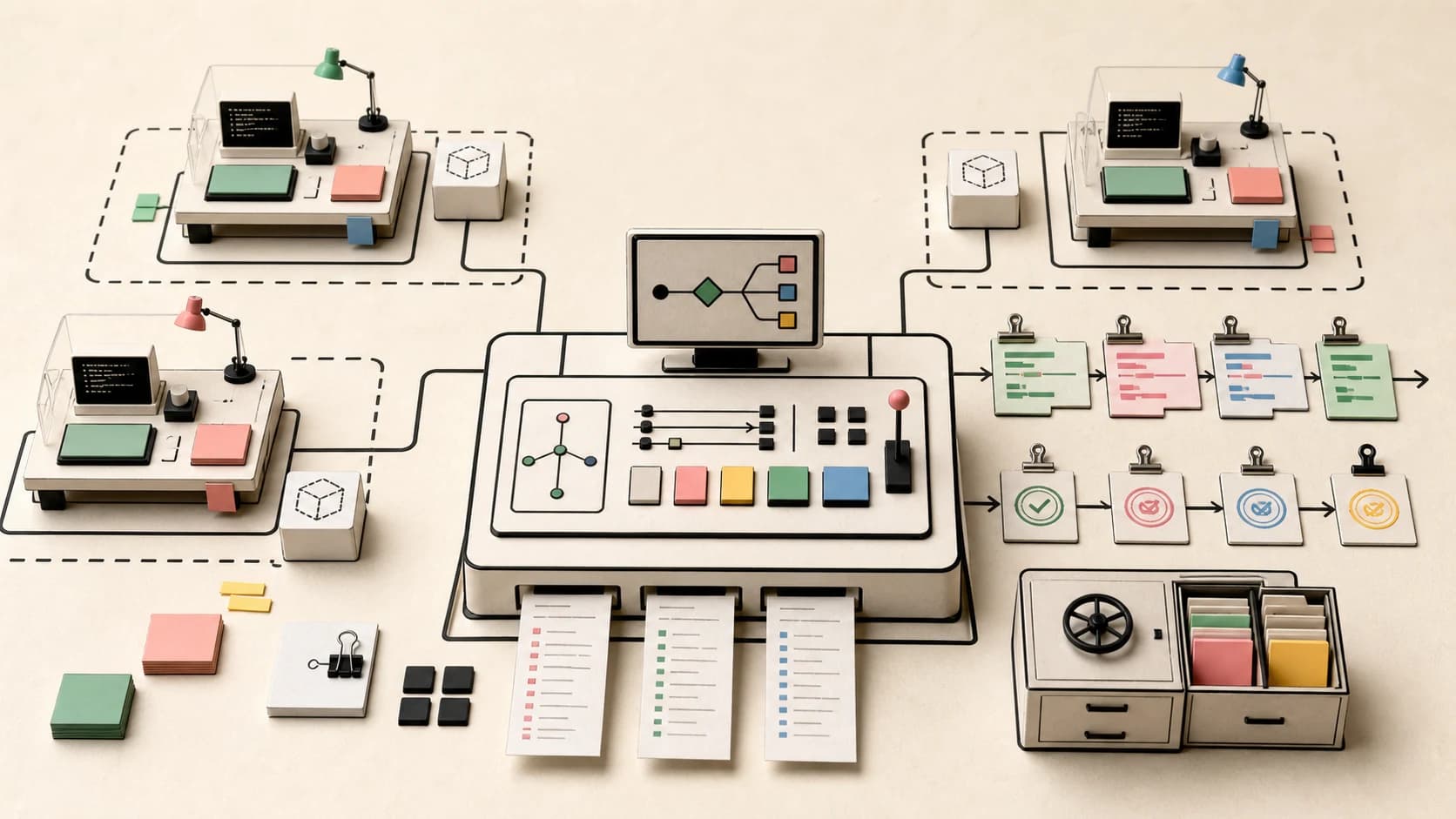
Hermes Agent Gains Vercel AI Gateway and Sandbox Backends: The Agent Stack Goes Plug-and-Play
Vercel added Hermes Agent to AI Gateway and made Vercel Sandbox a terminal backend for the open-source agent. Hermes is now fully BYO: your own model routing through 200+ models at no markup, and your own cloud microVM for every agent command. Here is what that unlocks and why the agent control plane is consolidating.
5 min read

Vercel Skill Packs: The Distribution Layer for Agent Skills Just Landed
skills.sh now lets you bundle multiple agent skills into a shareable, unlisted pack and install it with one command. Packs mix public directory skills, private local files, and GitHub repos, then sync with a single update command. Here is how they work, what they mean for team standardization, and where the trust questions are.
6 min read
Agent Plugins 1.0.0: One Package Format for Agent Skills and MCP Servers
Vercel, OpenAI, GitHub, Microsoft, AWS, and Cursor collaborated on Agent Plugins 1.0.0, an open standard that packages Agent Skills and MCP servers into one portable plugin. ChatGPT, Codex, Cursor, GitHub Copilot, Kiro, and VS Code load the format on day one.
7 min read

Chat SDK Adds Durable Approvals: Agent Workflows That Wait For a Human
Vercel's Chat SDK can now suspend a Workflow SDK run until someone clicks Approve in a chat thread. One requestApproval call replaces the approvals table, the onAction handler, and the polling loop - with verified decisions, scoped approvers, and a wait that survives deploys.
6 min read

DeepSeek V4 Flash Is 90% Off Through Novita on Vercel AI Gateway: The Cost Math
DeepSeek V4 Flash routed to Novita on Vercel AI Gateway is 90% off for Pro customers through August 11, dropping the effective rate to $0.014 input / $0.028 output per million tokens. Here is the verified before/after math, the provider-pinning setup, and what a 10x cheap agent loop means for routing decisions.
6 min read

Next.js 16.3 Is Out: Instant Navigations, 90% Less Dev Memory, and Versioned Docs for AI Agents
Next.js 16.3 ships the biggest update since 16.0: opt-in Instant Navigations with partial prefetching, up to 90% less dev-server RAM, cached repeat builds up to 5.5x faster, native Node.js streams for SSR, and an AGENTS.md block that points coding agents at version-matched docs.
7 min read
The v0 API Is GA: Vercel Just Made Its App-Building Agent a Headless Service
The v0 API is now generally available: programmatic, headless access to v0's app-building agent. Send a prompt, get a running app with a live preview URL you can embed, then deploy to Vercel in one call. Here is what changed, how the sync/async/streaming model works, and how it fits in an agent loop.
6 min read
Self-Improving Applications Are Now Cheaper Than Hiring: The Claude Code and Codex Closed Loop
Self-improving applications shift the economics of maintenance. Instead of per-token pricing, you pay per closed issue - and the closed loop (user feedback to GitHub issue to Codex scheduled task to reviewed PR) means the cost is predictable, the fixes are testable, and the human is in the merge decision, not the implementation.
12 min read

Vercel AI Gateway Adds Team and Project Spend Budgets: The Cost-Cap Math for Agent Builders
AI Gateway spend budgets now scope to teams and projects, with hard dollar limits that reject requests, email alerts at 50/75/100%, and CLI-managed defaults. Here is how the three scopes compose and where it fits your cost stack.
5 min read
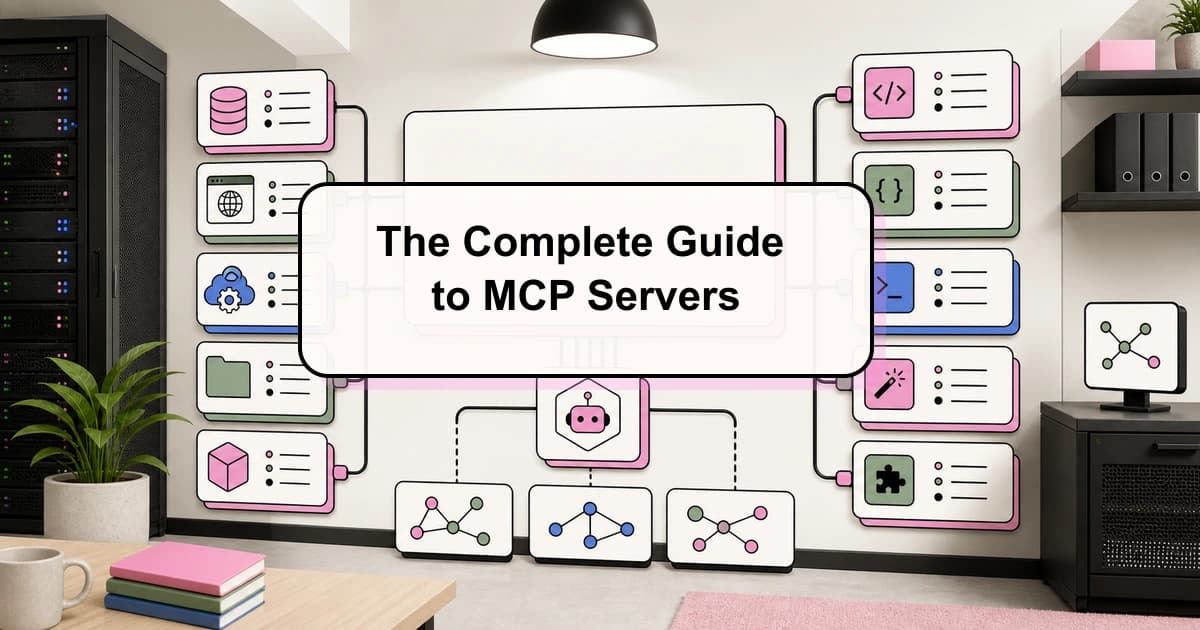
Vercel MCP Ships the 2026-07-28 Spec: The MCP Migration Clock Starts
Vercel MCP now serves both the stateless 2026-07-28 protocol and the 2025 protocol from one endpoint, with mcp-handler 2.x handling the negotiation. The first major hosted MCP server has crossed over - here is what it means for server authors and clients.
7 min read
Vercel Made Deployments Up to 7 Seconds Faster: What Changed and Why It Matters
Vercel cut end-to-end deployment time by up to 7 seconds, removing 5 seconds of fixed platform overhead from every build and up to 2 more seconds from the CLI path. Here is exactly where the time went and what it means for your CI loop.
6 min read

Vercel Passport Is GA: Deployments That Know Who Your Users Are
Vercel Passport is generally available: protect deployments behind Okta, Entra ID, or any OIDC provider, and read a verified identity in app code with getIdentity(). Here is how it works and why it matters.
7 min read
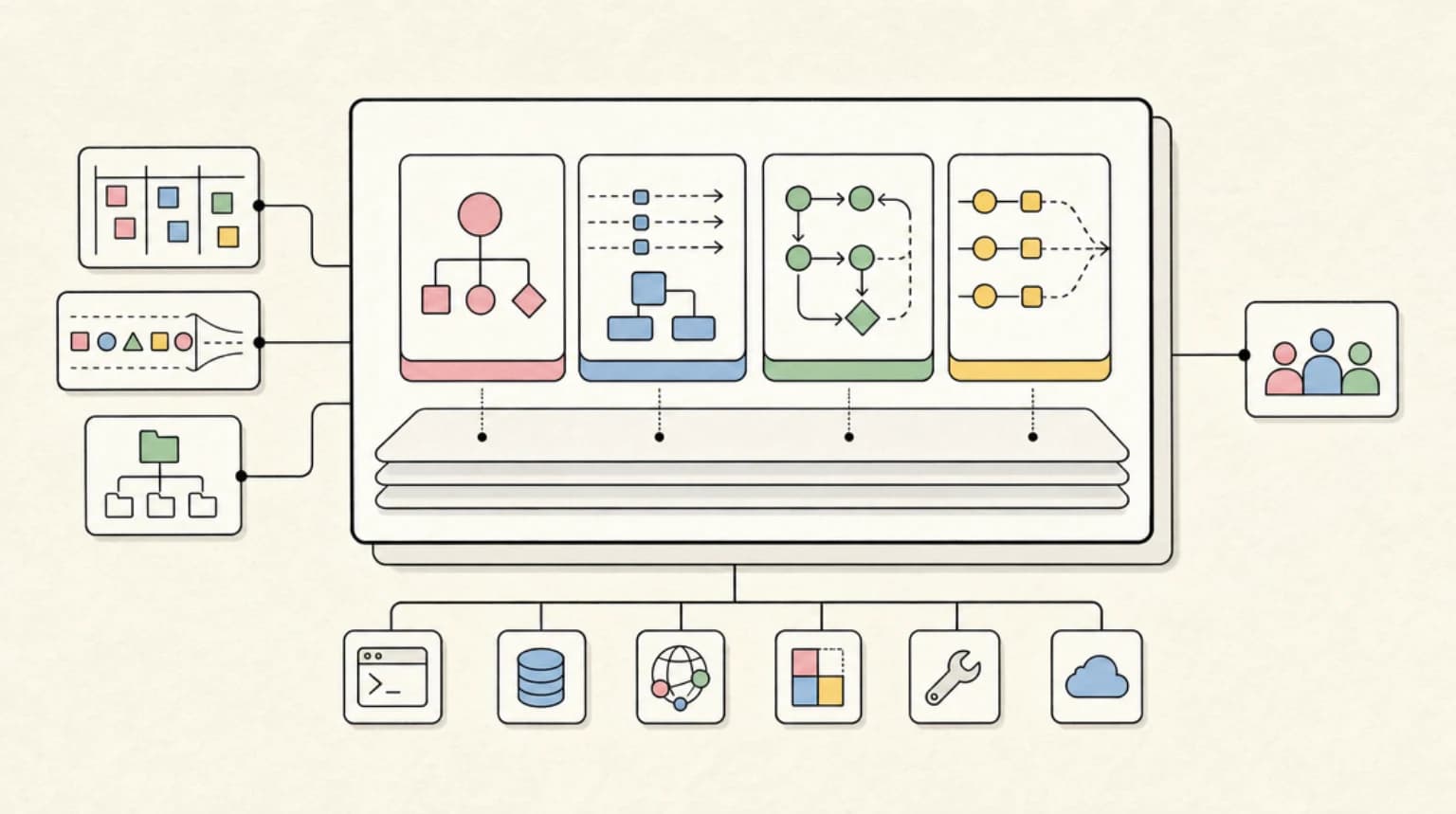
Scriptc by Vercel: TypeScript-to-Native Compiler With No JavaScript Engine
Vercel Labs released Scriptc, a TypeScript-to-native compiler that produces self-contained binaries of 170-200KB with ~2ms startup times and no embedded JavaScript engine. The HN community is sharply divided on whether this is a genuine engineering breakthrough or another Vercel Labs project that will be abandoned in months.
9 min read
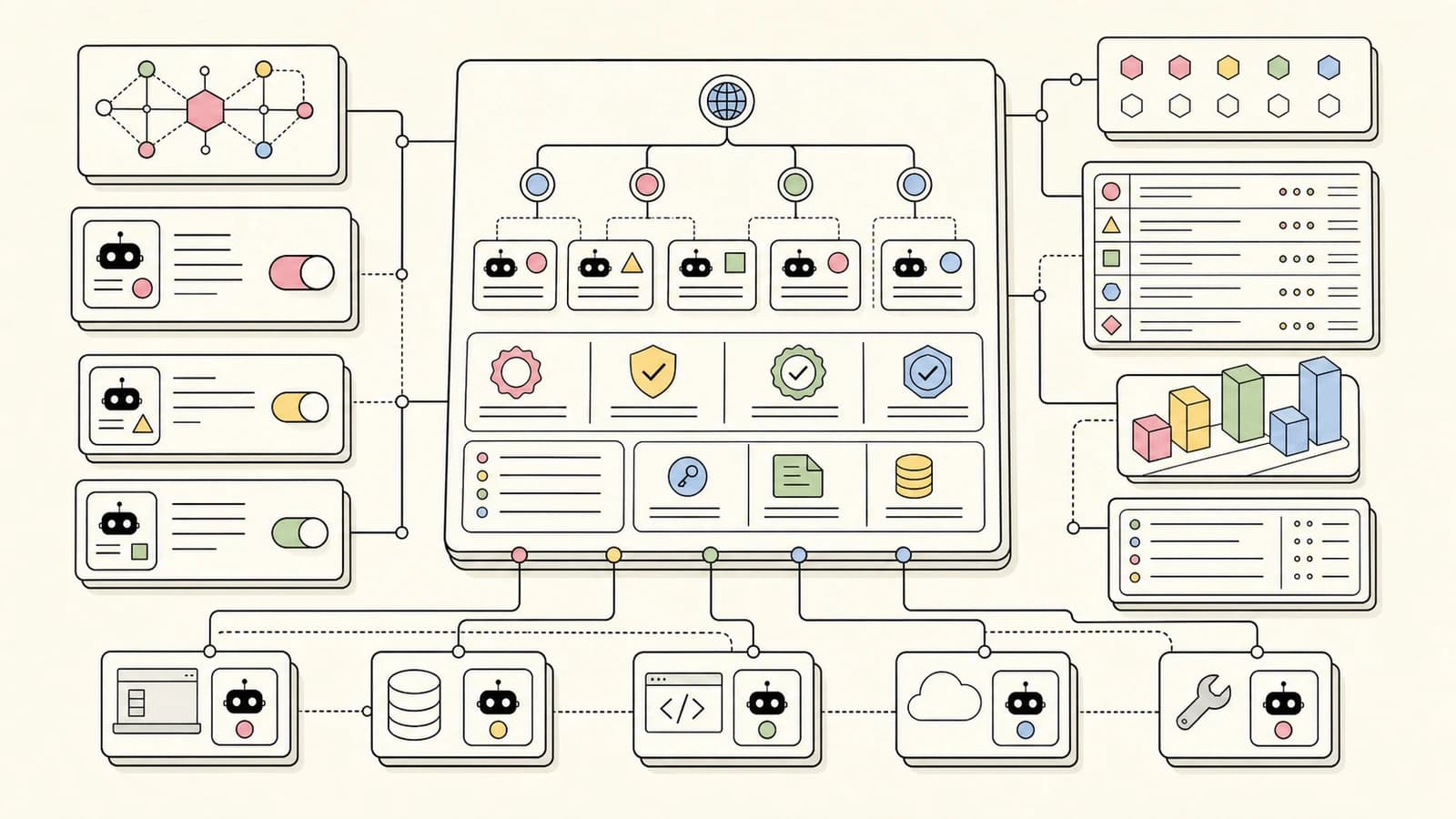
Better Auth Joins Vercel: What It Means for the Auth Ecosystem
Vercel acquires the open-source authentication framework that became the go-to Next.js auth solution. HN weighs in on open source sustainability and vendor lock-in concerns.
5 min read

Agents 101: How to Build and Deploy Anything with AI Agents
A companion guide to the Agents 101 video: a behind-the-scenes walkthrough of building and deploying AI agents fast on Vercel, the agentic infrastructure stack. Here is the map of what to learn and where to go next.
7 min read
Running Fable 5 Agents on Vercel's eve Framework
Vercel's eve gives you the agent plumbing - durable sessions, sandboxed code execution, approvals, subagents - as a folder of files. Fable 5 gives you a long-horizon reasoning model. Here is how to wire them together, what it costs, and who the stack fits.
9 min read
Vercel AI Gateway in 10 Minutes: One Key for Every Model
Vercel AI Gateway gives you one API key and string model ids like moonshotai/kimi-k2.5 for hundreds of models. Here is how it works with the AI SDK, what BYOK and OIDC change, the honest tradeoffs, and who should actually use it.
8 min read
Build Your First Agent with Vercel eve: A Step-by-Step Tutorial
A hands-on, beginner-friendly walkthrough of building an AI agent with Vercel eve: scaffold the project, define an agent and a typed tool with defineTool, run it locally, call it through the durable session and stream API, and deploy to Vercel Functions.
10 min read

Everything Vercel Shipped at Ship 26 (June 2026)
At Vercel Ship 26 in London on June 17, 2026, Vercel shipped a wave of agent-era tooling: the open-source eve agent framework, Vercel Drop for drag-and-drop deploys with no Git or CLI, spend caps for AI Gateway API keys, and the HarnessAgent API in AI SDK 7 that unifies Claude Code, Codex, and Pi behind one interface.
8 min read
Vercel eve: The Framework for Building AI Agents
Vercel launched eve at Ship 26, an open-source agent framework it calls Next.js for agents. You define each agent as files under an agent/ directory, and eve compiles it into a production app on Vercel Functions with durable execution, sandboxes, approvals, subagents, and evals built in.
9 min read
Vercel's Agentic Infrastructure Stack Explained
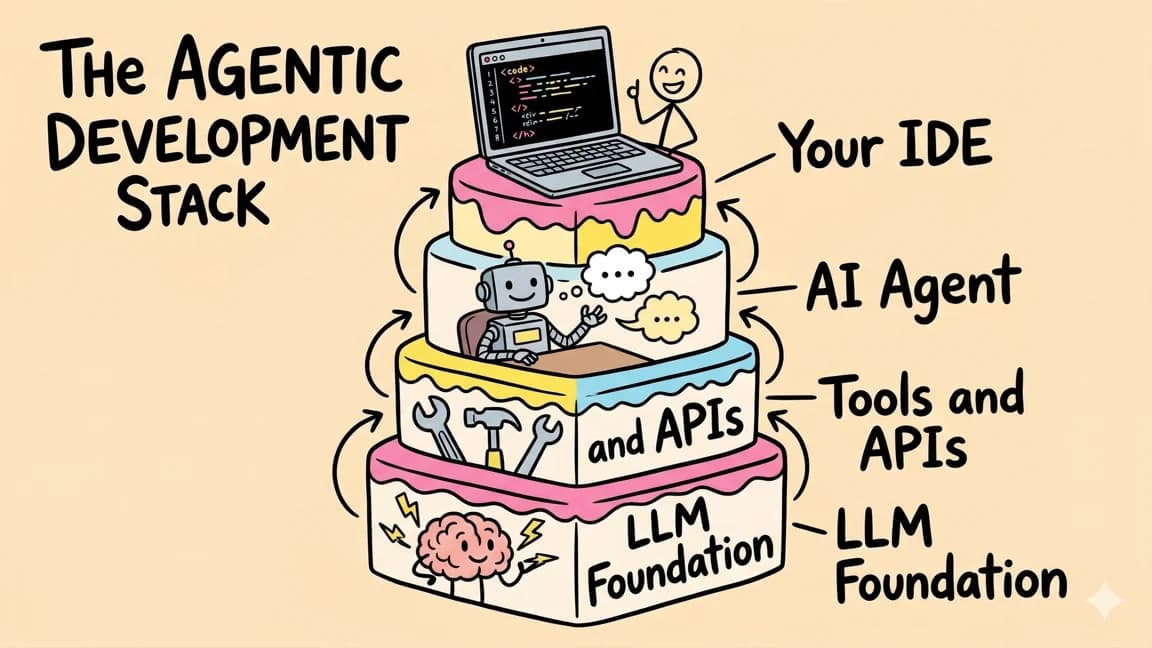
Vercel just declared the agent stack: AI Gateway, Sandbox, Flags, and Microfrontends. Here is how the four primitives compose, with code, and where each one actually fits in a real product.
12 min read
Vercel's New Durable Execution Programming Model: A Developer's Guide
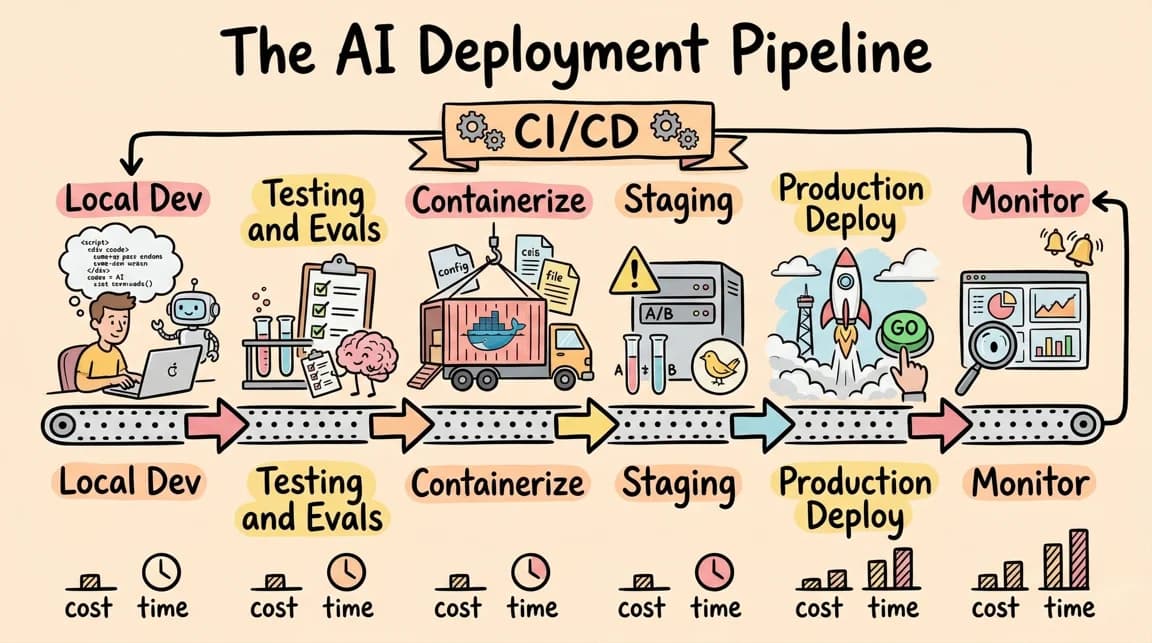
Durable execution lands on Vercel. What it means for agents, long-running flows, and indie dev stacks - with code, gotchas, and where it fits the agent stack.
10 min read
Related Tools
All tools →v0
Vercel's generative UI tool. Describe a component, get production-ready React code with shadcn/ui and Tailwind. Iterate by chatting. Free to try.
AI CodingVercel AI SDK
EssentialThe TypeScript toolkit for building AI apps. Unified API across OpenAI, Anthropic, Google. Streaming, tool calling, structured output, multi-step agents. 50K+ GitHub stars.
AI FrameworksVercel
PopularDeployment platform behind Next.js. Git push to deploy. Edge functions, image optimization, analytics. Free tier is generous.
InfrastructureTurborepo
Vercel's high-performance monorepo build system. Remote caching, task pipelines, and incremental builds. Drop into any pnpm or npm workspace.
InfrastructureKeep exploring
More on Vercel
- - v0 - recommended Vercel tool from the Developers Digest directory
- - Compare Tools - dive deeper across the Developers Digest knowledge base
- - All Vercel articles in the blog archive
- - Developers Digest on YouTube - video tutorials covering Vercel and more
Get Smarter About AI Dev
New tutorials, open-source projects, and deep dives on coding agents - delivered weekly.
One email per weekReal code, not theoryFree forever
Explore 921 topics
Browse All Topics