Agents 101: How to Build and Deploy Anything with AI Agents
TL;DR
A companion guide to the Agents 101 video: a behind-the-scenes walkthrough of building and deploying AI agents fast on Vercel, the agentic infrastructure stack.
Official Sources#
| Resource | Description |
|---|---|
| Watch: Agents 101 | The full walkthrough on the DevDigest channel |
| Vercel | The agentic infrastructure stack used in the video |
| Vercel AI SDK | The SDK for wiring models and tools into agents |
What This Video Covers#
Agents 101 is a behind-the-scenes walkthrough of how to build and deploy AI agents quickly using Vercel as the agentic infrastructure stack. The goal is simple: go from an idea to a running agent without stitching together a dozen services first.
This post is a companion to the video. Watch the walkthrough above for the full build, then use the links here to go deeper on each piece.
The Mental Model#
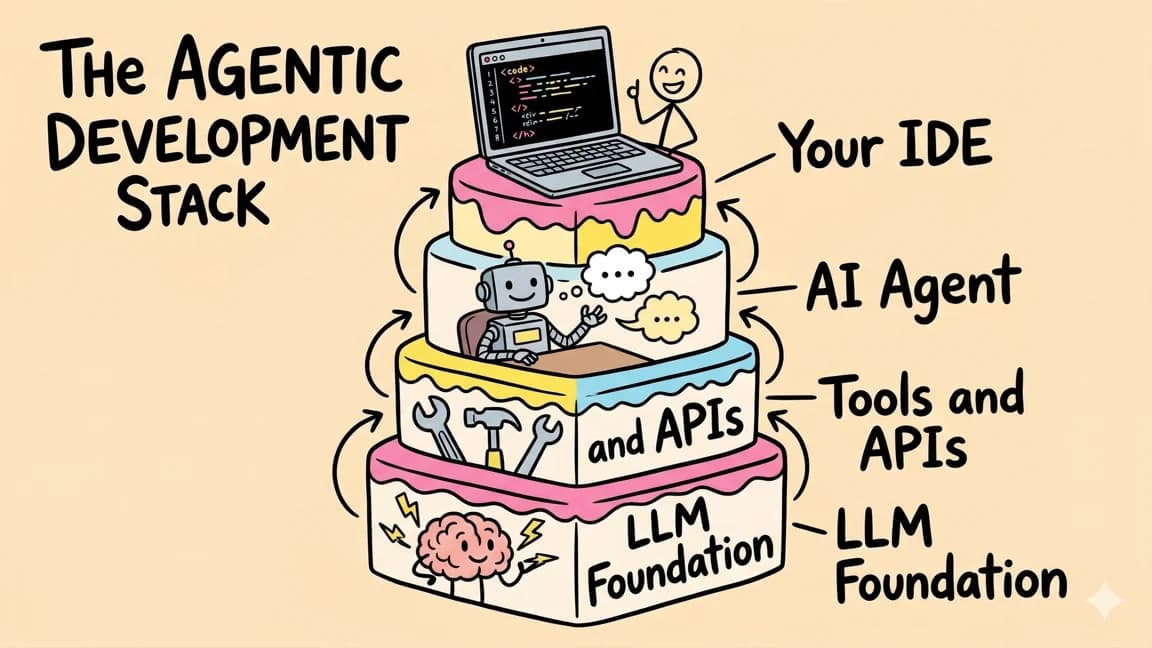
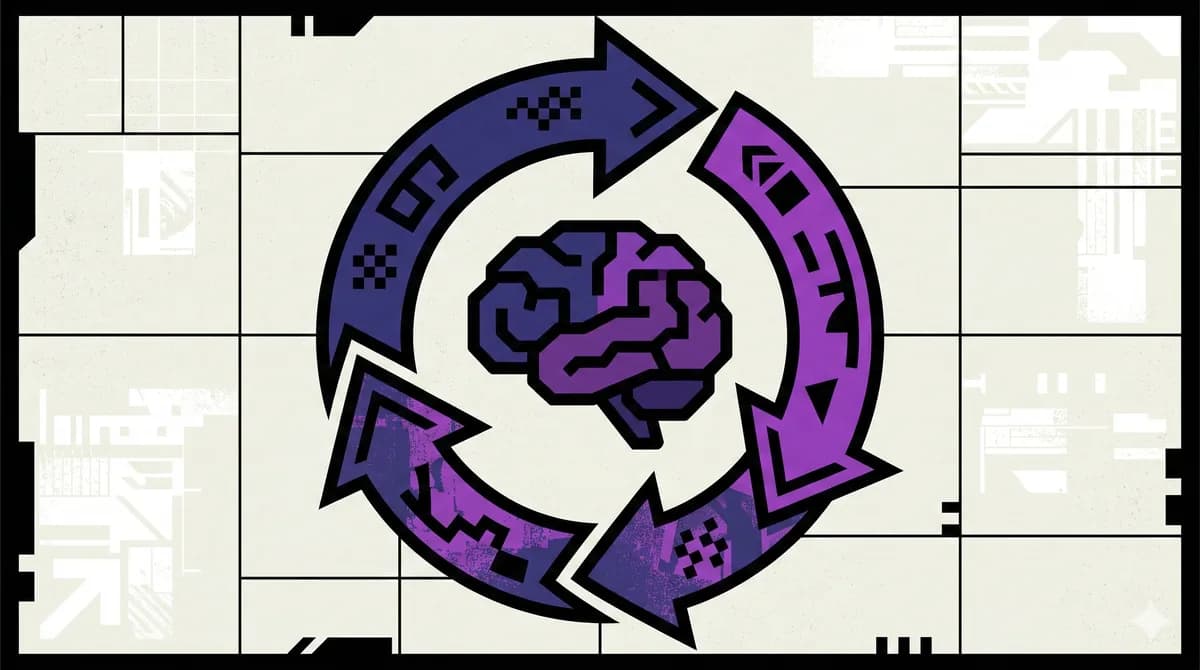
An AI agent is not one thing. It is a loop: a model that reasons, tools it can call, memory it can read and write, and a runtime that keeps the whole thing alive between steps. If you want that broken down from first principles, start with AI Agents Explained.
The reason Vercel keeps coming up is that it packages the parts you would otherwise assemble by hand. The agentic infrastructure stack covers the model routing, sandboxed execution, and deployment surface an agent needs to actually run in production rather than just on your laptop.
From Idea to Deployed Agent#
The through-line of the video is speed: how little sits between an idea and a live, deployed agent when the infrastructure gets out of the way. A practical path that mirrors that flow:
- Pick a job for the agent. One clear task beats a vague "assistant." A scoped job is easier to build, test, and trust.
- Wire the model and tools. The Vercel AI SDK is the layer that connects a model to the tools it can call.
- Give it a framework. If you want structure instead of a bare loop, the Eve framework for building AI agents is a good starting point, and there is a hands-on build your first agent tutorial that walks it end to end.
- Deploy. The payoff in the video is that deploy is not a separate project. The same stack that runs the agent locally is the one that ships it.
Where to Go Next#
If you are just getting oriented, AI Agents Explained is the conceptual base. If you are ready to build, the Eve framework tutorial is the fastest hands-on route. And when you start thinking about running agents for real, the agentic infrastructure guide explains how the pieces compose.
Watch the full Agents 101 walkthrough above, then pick one small job and ship an agent that does it.
FAQ#
Do I need a framework like Eve to build an AI agent?#
No. A framework is optional structure, not a requirement. You can wire a model and tools directly with the Vercel AI SDK for a simple loop. Reach for the Eve framework once you want built-in patterns for memory, multi-step planning, or tool orchestration instead of hand-rolling them.
What is the difference between an AI agent and a chatbot?#
A chatbot responds to messages. An agent runs a loop: it reasons, calls tools, reads and writes memory, and keeps going across steps until the job is done or it needs input. See AI Agents Explained for the full breakdown.
Why deploy agents on Vercel specifically?#
Vercel packages the pieces you would otherwise assemble by hand: model routing, sandboxed execution, and a deployment surface built for agentic workloads. The agentic infrastructure stack covers what that includes and why it matters once an agent needs to run in production, not just on a laptop.
What is the fastest way to build my first agent?#
Follow the hands-on build your first agent with Vercel Eve tutorial. It walks the process end to end, from wiring the model to shipping a deployed agent.
Continue Reading#
Get the next deep dive like this in your inbox
One email a week on AI and the rest of the AI dev stack. Free.
Read next on AI coding tools
Vercel's Agentic Infrastructure Stack Explained
Vercel just declared the agent stack: AI Gateway, Sandbox, Flags, and Microfrontends. Here is how the four primitives compose, with code, and where each one actually fits in a real product.
12 min readVercel eve: The Framework for Building AI Agents
Vercel launched eve at Ship 26, an open-source agent framework it calls Next.js for agents. You define each agent as files under an agent/ directory, and eve compiles it into a production app on Vercel Functions with durable execution, sandboxes, approvals, subagents, and evals built in.
9 min readBuild Your First Agent with Vercel eve: A Step-by-Step Tutorial
A hands-on, beginner-friendly walkthrough of building an AI agent with Vercel eve: scaffold the project, define an agent and a typed tool with defineTool, run it locally, call it through the durable session and stream API, and deploy to Vercel Functions.
10 min readNew here? Start with
Technical content at the intersection of AI and development. Building with AI agents, Claude Code, and modern dev tools - then showing you exactly how it works.