Vercel MCP Ships the 2026-07-28 Spec: The MCP Migration Clock Starts
TL;DR
Vercel MCP now serves both the stateless 2026-07-28 protocol and the 2025 protocol from one endpoint, with mcp-handler 2.x handling the negotiation. The first major hosted MCP server has crossed over - here is what it means for server authors and clients.
On July 31, Vercel MCP became the first major hosted MCP server to serve the 2026-07-28 Model Context Protocol specification in production. The server now speaks both the new stateless protocol and the 2025-era protocol from the same endpoint, and clients on either side get the right version without changing anything on their end. For a spec that landed only three days earlier, that is fast.
What actually shipped#
The change is a protocol-level upgrade of mcp.vercel.com plus the mcp-handler 2.x open source package that powers it. Three concrete things happened:
- One endpoint, two protocols. The server negotiates per-connection. Clients built for the 2025 protocol keep working exactly as before; clients that understand the 2026-07-28 spec get the stateless request model and updated authorization behavior automatically. Setup is unchanged:
npx add-mcp https://mcp.vercel.comorvercel mcp. - mcp-handler went 2.0. The July 29 v2.0.0 release rebuilt the handler on the official MCP SDK v2. It serves the stateless protocol natively (per-request
_metaenvelope,server/discover) with the SDK's stateless legacy fallback answering 2025-era Streamable HTTP clients from the same handler. - The old transport is gone. The 2024-11-05 HTTP+SSE transport was removed;
/sseand/messagenow answer410 Gone. Theredisdependency,redisUrl,maxDuration, andsessionIdGeneratoroptions are deprecated no-ops.
For self-hosters, the 2.0 upgrade carries real breaking changes beyond the transport: @modelcontextprotocol/server ^2.0.0 replaces the SDK peer dependency, schemas need zod ^4.2.0, Node.js 20+ is required, and tool registration uses the SDK v2 registerTool API with Standard Schemas. If you run a custom handler, this is the same migration checklist our 2026-07-28 migration guide laid out, now with a concrete vendor implementation to copy from.
From the archive
Your Benchmark Is Lying to You
Aug 1, 2026 • 10 min read
Agent Memory Is Moving Into the Model
Jul 31, 2026 • 8 min read
AGENTS.md Configuration Smells: 91% of Popular Repos Get One of Six Wrong
Jul 31, 2026 • 6 min read
AgentS4D: 66% of All Coding Agent Runs Were Unsafe Yet Still Completed
Jul 31, 2026 • 7 min read
Why this matters#
The 2026-07-28 spec is the largest revision since MCP launched, and the migration clock has been the open question since the breaking changes were announced. A spec revision only becomes real when major servers and clients actually ship it. Vercel MCP is the first big hosted server to cross over, and the way it did it is the template everyone else will follow: dual-protocol support from one endpoint, automatic negotiation, no client action required.
Three implications worth naming.
The compatibility shim is now proven at scale. The claim that old clients keep working was always the riskiest part of the stateless redesign. Vercel is now serving both protocols from production infrastructure, which is evidence the fallback path is not just theoretical. If you are a client-side integrator, this is the signal that upgrading your client does not strand you on a server island.
Authorization moved, and Vercel is shipping it. The 2026-07-28 spec hardens OAuth: Dynamic Client Registration is deprecated in favor of Client ID Metadata Documents, and withMcpAuth now builds 401/403 challenges with the SDK's consolidated OAuth error handling, keeping RFC 9728 resource_metadata discovery in place. We covered the zero-touch OAuth direction earlier this year; this release is that direction becoming the default in a mainstream server.
Self-hosted handlers now have a deadline in practice. If your team runs mcp-handler or a custom server, the old HTTP+SSE transport answering anything other than 410 is now a compat risk. Vercel's own handler dropped it, and other major servers will follow the same path. The migration that was optional in June is now the only supported route on the biggest hosted example.
My take#
Vercel shipping the new spec three days after it landed is the strongest signal yet that the 2026-07-28 revision is being adopted as a real standard, not a paper exercise. The dual-protocol approach is the right call: it buys the ecosystem time to migrate without a coordinated cutover day, which is the only realistic way a protocol used by thousands of servers migrates without breaking the world.
The honest caveats: the 410 response for legacy SSE is the shape of things to come, and anyone with a pinned old SDK should test their handler against mcp-handler 2.0 soon. And while Vercel is first among hosted servers, the more important migrations are in the client layer - Claude, Codex, and the rest of the client field are where the new authorization and app capabilities actually surface for most developers. That is the next checkpoint to watch.
Continue Reading#
- The MCP 2026-07-28 Rewrite: What Breaks and How to Migrate - the full breaking-change list for server authors
- Cloudflare Gateway Can Now Detect MCP Traffic - the 2026-07-28 headers as a network-level security signal
- MCP Goes Stateless: The 2026-07-28 Migration Guide - step-by-step migration for your own server
- MCP Clients Compared 2026 - which clients support which protocol features today
- Zero-Touch OAuth MCP Enterprise Auth - the authorization direction the new spec hardens
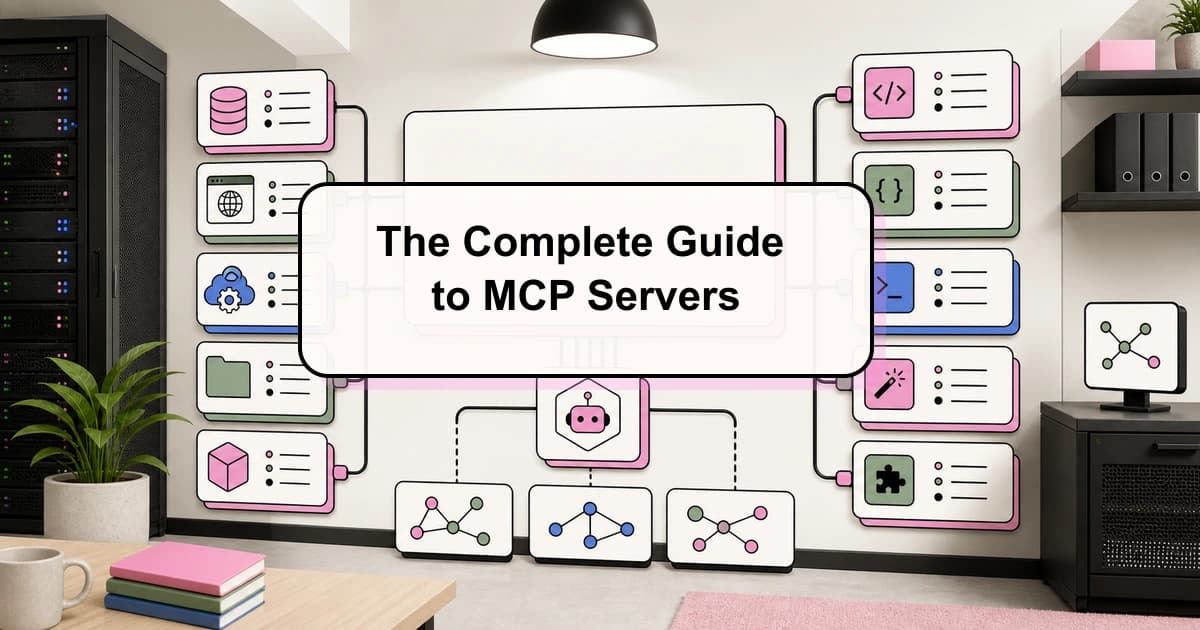
- The Complete Guide to MCP Servers - baseline reference for building and running servers
Sources#
Read next
The MCP 2026-07-28 Rewrite: What Breaks and How to Migrate
The 2026-07-28 Model Context Protocol spec is the largest revision since launch: a stateless core, deprecated Roots/Sampling/Logging, MCP Apps, Tasks, and tougher OAuth. Here is what breaks, what to adopt, and a migration checklist for server authors and client integrators before the July 28 deadline.
11 min readMCP Goes Stateless: The 2026-07-28 Migration Guide
The MCP 2026-07-28 final spec is here - sessions are gone, the protocol is stateless. Here is what changed, what broke, and how to finish migrating your MCP servers.
9 min readMCP Clients Compared: How to Pick a Host for 2026
Claude Code, Claude Desktop, Cursor, VS Code, Zed, and opencode all speak MCP differently. Here is how their transport, auth, and tool-limit support compares.
9 min readShare
Developers Digest
Technical content at the intersection of AI and development. Building with AI agents, Claude Code, and modern dev tools - then showing you exactly how it works.
300+ videos30K+ GitHub stars850+ articles
Related Tools
AI Coding

v0
Vercel's generative UI tool. Describe a component, get production-ready React code with shadcn/ui and Tailwind. Iterate...
View ToolAI FrameworksEssential

Vercel AI SDK
The TypeScript toolkit for building AI apps. Unified API across OpenAI, Anthropic, Google. Streaming, tool calling, stru...
View ToolAI Frameworks
C
Composio
Gives AI agents access to 250+ external tools (GitHub, Slack, Gmail, databases) with managed OAuth. Handles the auth and...
View ToolInfrastructurePopular
Vercel
Deployment platform behind Next.js. Git push to deploy. Edge functions, image optimization, analytics. Free tier is gene...
View ToolApps from Developers Digest
Related Guides
Guide
Claude Code Setup Guide
Configure Claude Code for maximum productivity -- CLAUDE.md, sub-agents, MCP servers, and autonomous workflows.
AI AgentsGuide
MCP Servers Explained
What MCP servers are, how they work, and how to build your own in 5 minutes.
AI AgentsGuide
Claude Code Complete Course
A complete, citation-backed Claude Code course with setup, prompting systems, MCP, CI, security, cost controls, and capstone workflows.
ai-developmentRelated Videos
Build an AI Device with Groq, Llama 3, OpenAI, TTS, Whisper, Vision, Vercel AI SDK & Next.js
Repo: https://git.new/ai-pin Building an AI Assistant similar to the Humane AI Pin, the Rabbit R1 with Advanced Functionality from Scratch This video details the process of creating an AI...
Video·

Build a Next.JS Answer Engine with Vercel AI SDK, Groq, Mistral, Langchain, OpenAI, Brave & Serper
Building a Perplexity Style LLM Answer Engine: Frontend to Backend Tutorial This tutorial guides viewers through the process of building a Perplexity style Large Language Model (LLM) answer...
Video·
Groq API: Quick Guide with 5 Examples - Groq SDK, Langchain, LlamaIndex, OpenAI SDK, Vercel
In this video, I dive deep into the Groq Inference API, which I've found to be the fastest inference API out there. I share my insights on the various approaches to leveraging this API, focusing...
Video·
Related Posts
11 min read
MCP
The MCP 2026-07-28 Rewrite: What Breaks and How to Migrate
The 2026-07-28 Model Context Protocol spec is the largest revision since launch: a stateless core, deprecated Roots/Samp...

9 min read
MCP
MCP Goes Stateless: The 2026-07-28 Migration Guide
The MCP 2026-07-28 final spec is here - sessions are gone, the protocol is stateless. Here is what changed, what broke,...

9 min read
MCP
MCP Clients Compared: How to Pick a Host for 2026
Claude Code, Claude Desktop, Cursor, VS Code, Zed, and opencode all speak MCP differently. Here is how their transport,...

8 min read
MCP
Zero-Touch OAuth Is the MCP Feature Enterprises Were Waiting For
MCP's new enterprise-managed authorization flow is not just less login friction. It moves agent tool access into identit...
12 min read
MCP
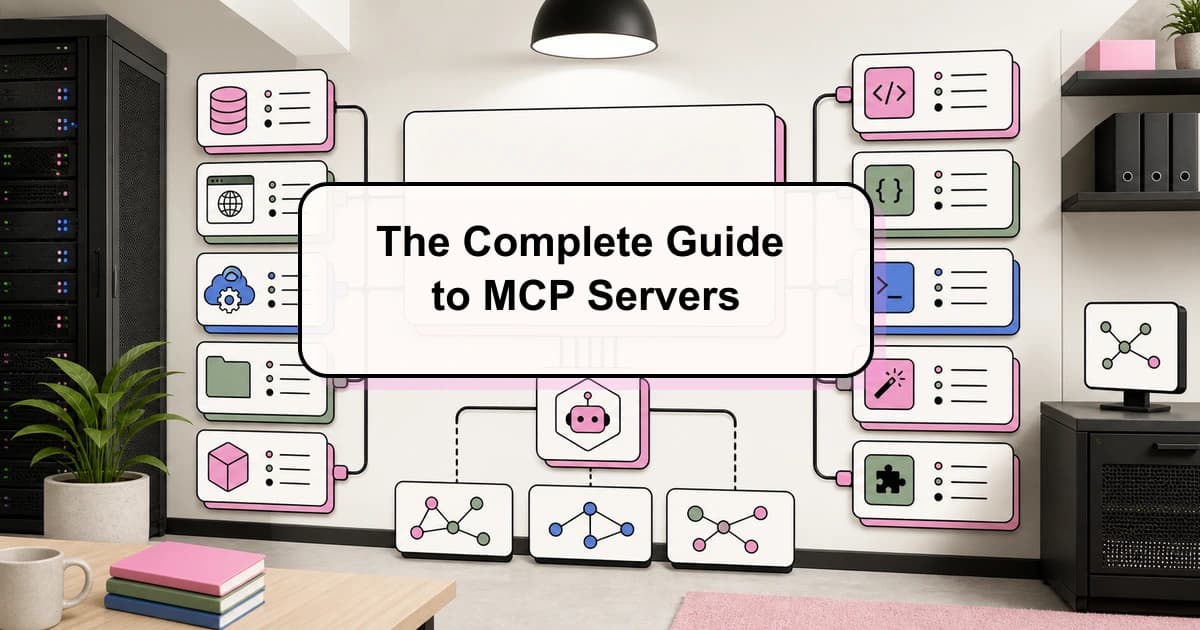
The Complete Guide to MCP Servers
Everything you need to know about Model Context Protocol - how it works, how to install servers, how to build your own,...
7 min read
News
Agent Plugins 1.0.0: One Package Format for Agent Skills and MCP Servers
Vercel, OpenAI, GitHub, Microsoft, AWS, and Cursor collaborated on Agent Plugins 1.0.0, an open standard that packages A...
Build with the member tools

Get Smarter About AI Dev
New tutorials, open-source projects, and deep dives on coding agents - delivered weekly.
One email per weekReal code, not theoryFree forever