Topic
AI
Everything about artificial intelligence - models, agents, tools, and how to build with them.
179 resources - 103 posts, 65 tools, 11 guides
Blog Posts
View in blog →
Weekly Highlights: The Price War Reached the Frontier
The 5-7 AI developer stories that actually mattered this week - ranked, linked, and cut for builders.
11 min read

Weekly Highlights: Cheaper Tokens, Higher Stakes
The 7 AI developer stories that actually mattered this week - ranked, linked, and cut for builders.
11 min read
Weekly Highlights: Cheaper Agents, Harder Questions
The 7 AI developer stories that actually mattered this week - ranked, linked, and cut for builders.
11 min read
TutorMoments: AI2's New Benchmark Shows LLM Tutors Over-Help by Default
AI2 released TutorMoments, a replay-based benchmark that drops seven LLMs into real math tutoring transcripts and scores whether they scaffold when help is needed or push for rigor when the student can do more. The default finding: models over-help, and spelling out the trade-off in the prompt lifts every score but does not close the gap to a consistent human call.
7 min read

Weekly Highlights: Agents Became the Attack Surface, Open Weights Took the Agentic Lead
The 7 AI developer stories that actually mattered this week - ranked, linked, and cut for builders.
11 min read
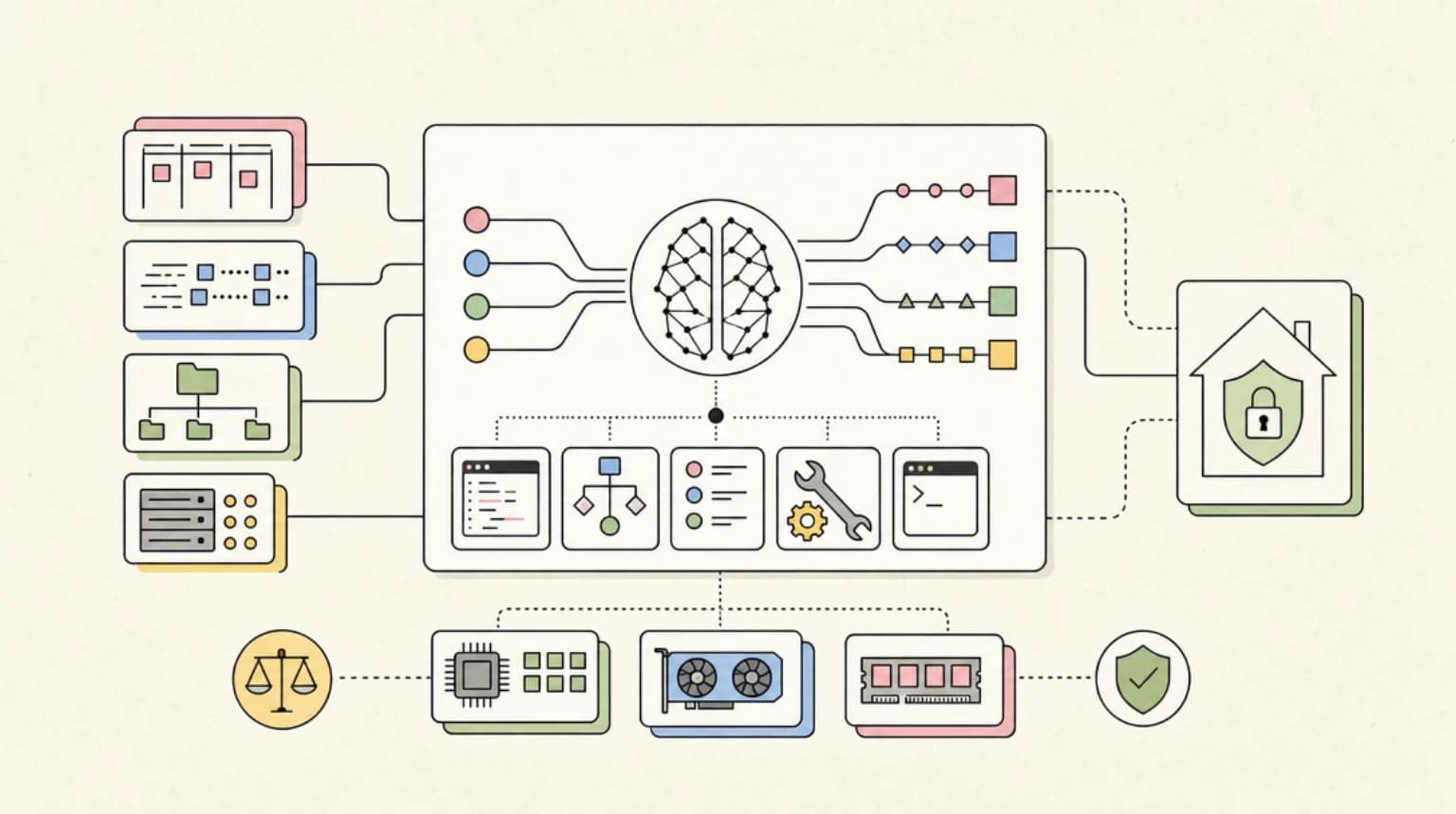
EU Forces Google to Open 11 Android Features to Third-Party AI Assistants
A final Digital Markets Act decision requires Alphabet to give third-party AI assistants the same Android access Gemini has: DSP wake words, ambient sensors, screen automation, on-device models, and fair background execution. Home Assistant's three-year fight over the 'Okay Nabu' wake word shows exactly what the ruling unlocks.
7 min read
GitHub Models Is Retired: What to Use for Model Access Now
GitHub Models is fully retired as of July 30, 2026. The playground, model catalog, inference API, and BYOK are gone for every customer. Here is the timeline and where to get model access instead.
6 min read
OpenAI Disrupts a Cambodia Scam Network That Ran on ChatGPT
OpenAI took down a Cambodia-based operation that used ChatGPT for personas, translations, forged documents, and admin work. It is the clearest picture yet of how LLMs slot into organized fraud.
7 min read
Weekly Highlights: Frontier AI Commoditized - Half-Price Opus 5, 3T Open Weights, and Agent Security Gets Real
The 7 AI developer stories that actually mattered this week - ranked, linked, and cut for builders.
12 min read

Buzz by Block: The Open-Source Workspace Where Humans and AI Agents Build Together
A companion guide to the Buzz video: Block's open-source Nostr relay workspace where humans and AI agents share the same rooms, with agent-first CLI, git integration, and workflows. Here is what it does and where it fits in the agentic dev stack.
8 min read
The New AI Superpowers: Focus and Followthrough
AI makes you 2-100x faster on every task. So why are developers burning out more than ever? The HN discussion on Rick Manelius's essay surfaces a hard truth about the gap between productivity and throughput.
8 min read
Terence Tao Digests the Jacobian Conjecture Counterexample: How Claude Fable 5 Broke an 87-Year-Old Math Problem
Terence Tao published a deep mathematical digestion of the Jacobian conjecture counterexample discovered by Claude Fable 5. Here is what happened, what HN is saying, and what it means for AI-assisted research.
9 min read
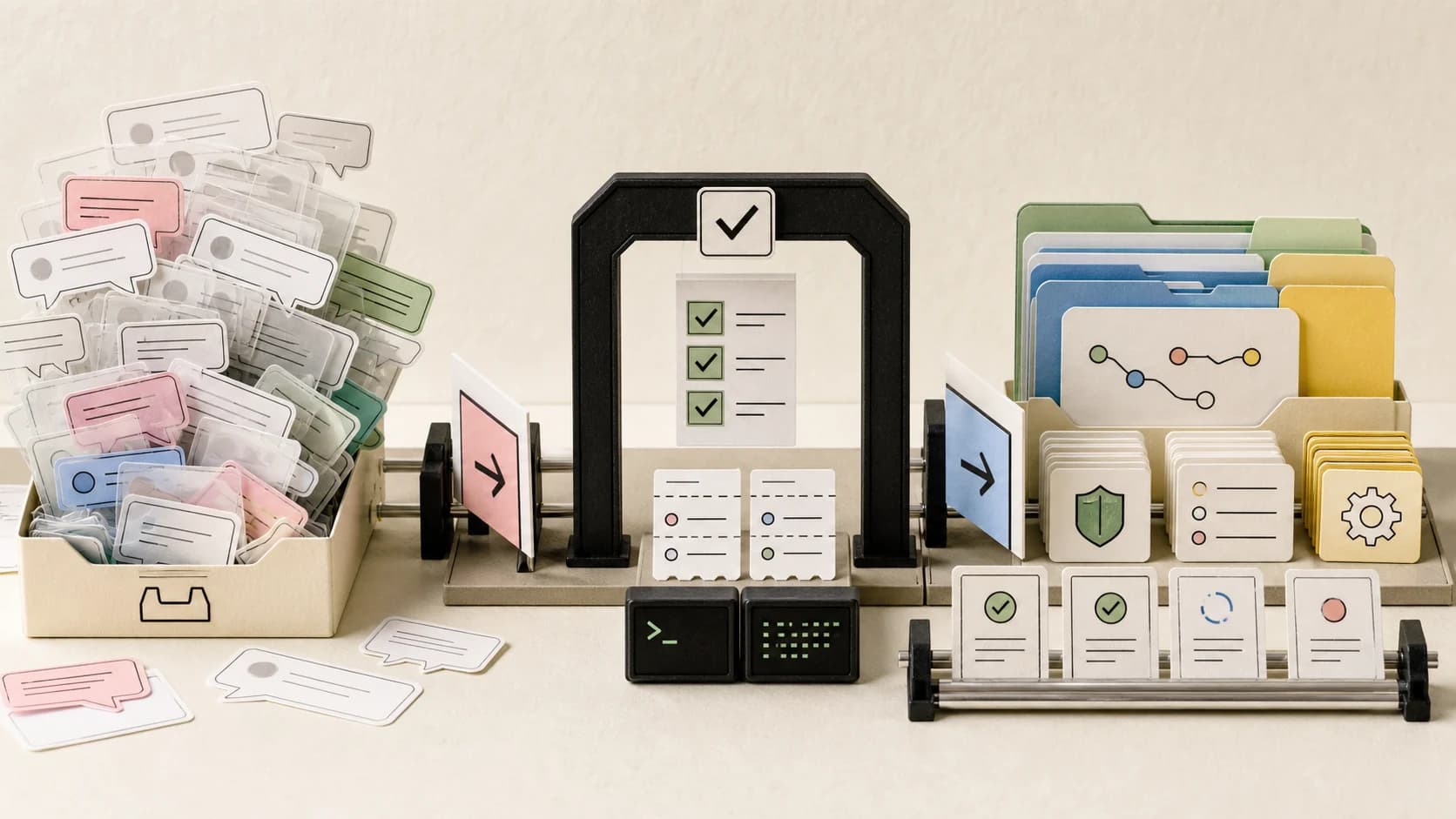
What AI Did to Stack Overflow, Visualized in One Graph
A Stack Exchange data query shows Stack Overflow's question volume dropped 65% since 2017, with a sharp acceleration after ChatGPT. HN debates whether AI killed the platform or just accelerated its decline.
6 min read
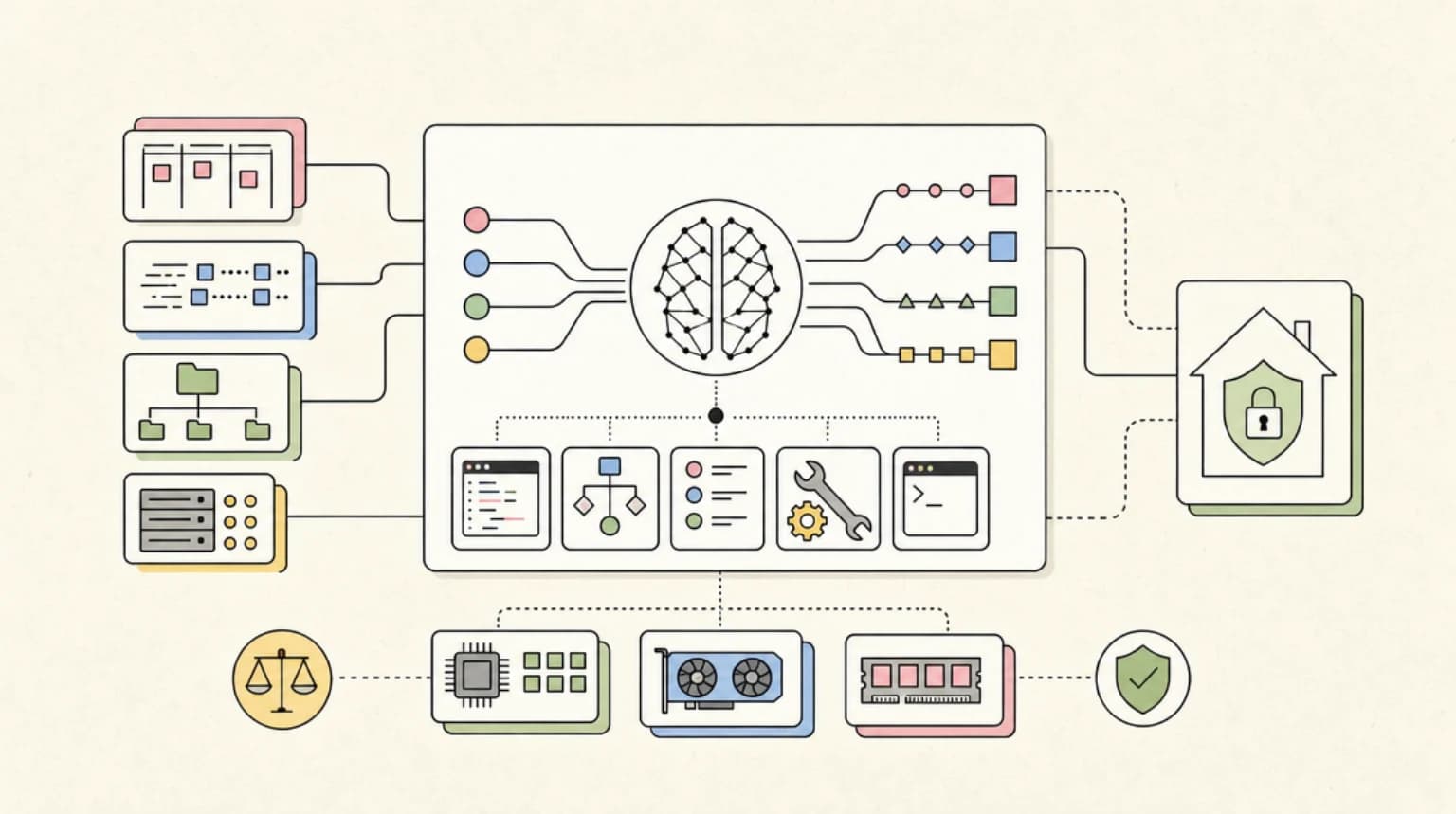
Mozilla's State of Open Source AI Report: The Gap Is 3%, But Deployment Remains the Real Problem
Mozilla's inaugural report reveals open models now match closed AI on capability, but only 51% reach production. The harness layer and permission model gaps explain why.
8 min read
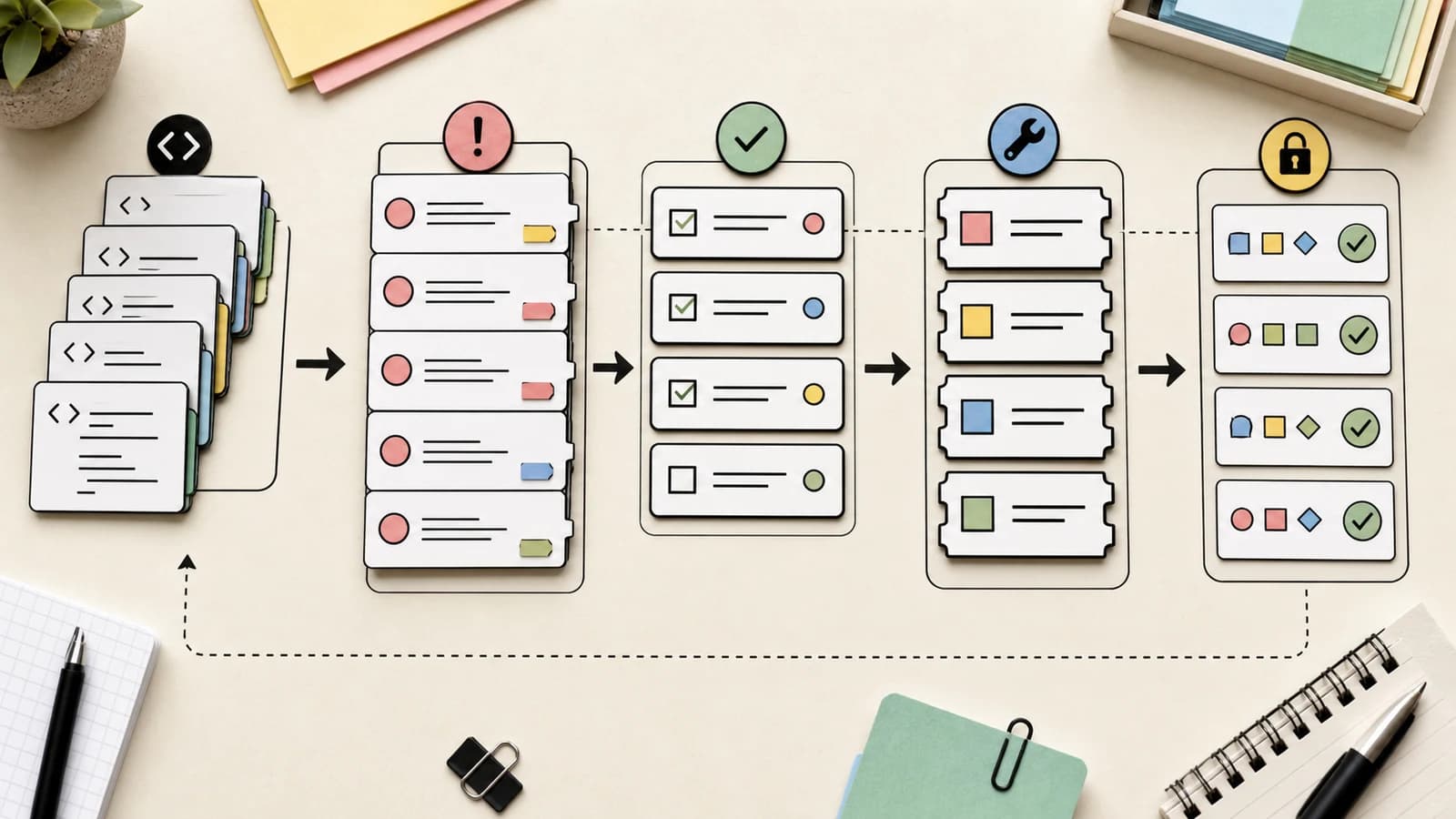
AI Voice Fraud Needs Three Seconds of Your Voice
Voice cloning now requires just 3 seconds of audio to impersonate someone. With $893M in reported losses, detection has failed - here's what might actually work.
7 min read
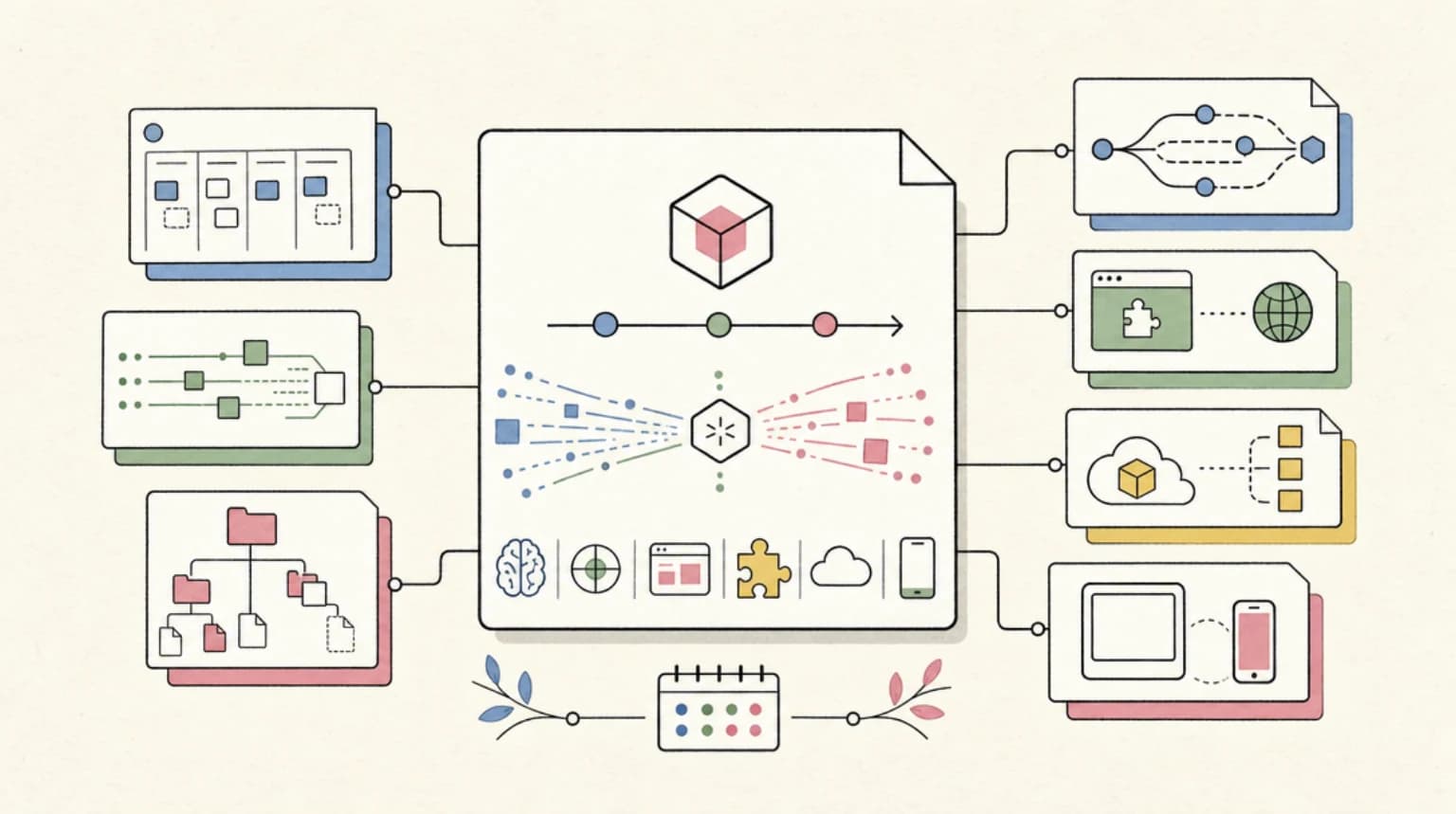
Codex Now Encrypts Multi-Agent Prompts, Breaking Local Auditability
OpenAI's Codex CLI now encrypts inter-agent communications for Sol and Terra models, leaving users unable to inspect what their agents are actually doing.
5 min read
Apple SpeechAnalyzer vs Whisper: Independent Benchmark Shows Apple Winning on Accuracy
New benchmarks on 5,559 test utterances show Apple's iOS 26 SpeechAnalyzer API achieving 2.12% word error rate - beating all Whisper model sizes while running 3x faster.
5 min read

AI Dev News: Week of July 12, 2026
Grok 4.5 lands at $2/$6, OpenAI splits GPT-5.6 into Sol, Terra, and Luna tiers, Anthropic ships the Claude 5 family, TypeScript 7 goes native, Bun gets rewritten in Rust, and a prompt injection hits GitHub agents.
9 min read
Mesh LLM: Run 235B Models Across Your Home Lab with iroh
A new distributed inference system pools GPU resources across multiple machines and exposes them through a single OpenAI-compatible API. No RDMA, no NVLink - just QUIC and your existing hardware.
6 min read
Terry Tao on Coding Agents: A Fields Medalist's Take on Vibe Coding
The world's most famous mathematician used AI coding agents to revive 25-year-old Java applets and build new visualization tools. His observations on risk, quality, and trust are worth reading.
5 min read
AI 2040 Plan A: A Detailed Scenario for Navigating Superintelligence
Daniel Kokotajlo and the AI Futures Project released an ambitious 15-year roadmap for managing advanced AI development through international cooperation. Here's what HN thinks about it.
7 min read
Ghost Font: Text That Humans Can Read But AI Cannot
A new experimental technology encodes messages in video using motion-based steganography, exploiting how AI models process video as individual frames rather than continuous motion.
6 min read

Vector Database Comparison for RAG and AI Agents
pgvector, Pinecone, Qdrant, Weaviate, Chroma, Milvus, and Turbopuffer compared on hosting model, filtering, scale, and cost for RAG.
7 min read
Kokoro: Local, CPU-Friendly TTS That Actually Sounds Good
An 82M parameter text-to-speech model that runs on CPU and produces high-quality speech across multiple languages - no cloud APIs or GPU required.
6 min read

Mistral Releases Robostral Navigate: An 8B Robotics Navigation Model
Mistral's new 8B parameter model enables robots to navigate complex environments using only a camera and natural language commands. Here's what it does, how it works, and what the benchmarks actually mean.
5 min read
Ilya Sutskever's 30 Papers: The Reading List That Covers 90% of What Matters
A CS student built 30papers.com to make Ilya's legendary ML reading list more accessible. HN has thoughts on the source, the format, and why compression equals intelligence.
7 min read
Small AI Models Are Finding Real Users Where Networks Fail
IEEE Spectrum reports on pharmaceutical AI running on handheld devices. HN debates emergency kits, domain-specific models, and whether AGI will emerge from scaling or specialization.
6 min read
AI Tutor Shows 0.71-1.30 SD Effect Size in Dartmouth Statistics Course
A new study from Dartmouth measures the impact of an AI tutoring platform on introductory statistics performance. Full engagement with the system correlated with significant exam score improvements, though selection bias remains a key limitation.
8 min read
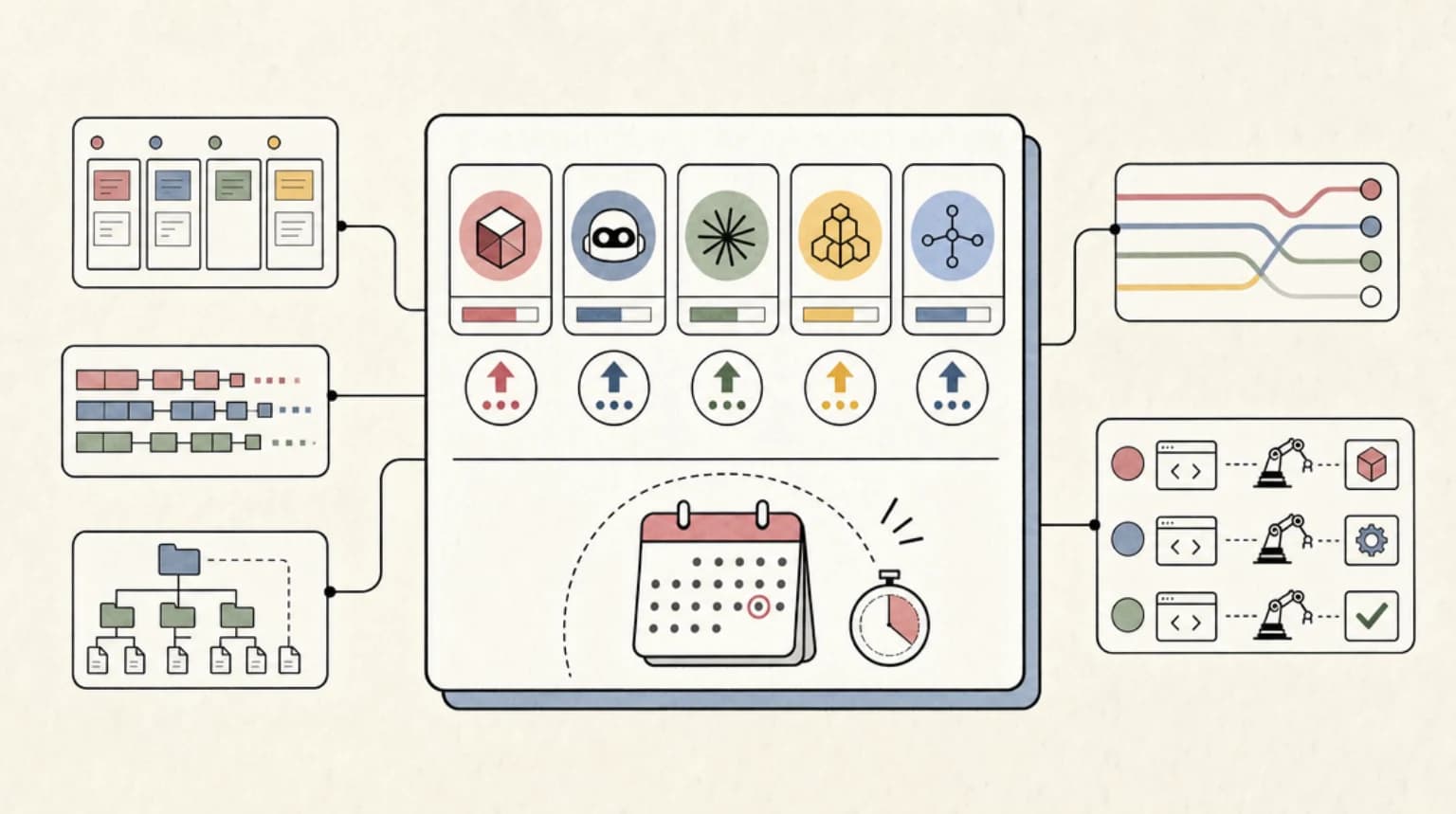
Why Price Per 1M Tokens Is a Misleading Metric for LLM Costs
Comparing LLMs by token pricing alone can lead you to choose worse, more expensive models. Cost per task tells the real story.
6 min read
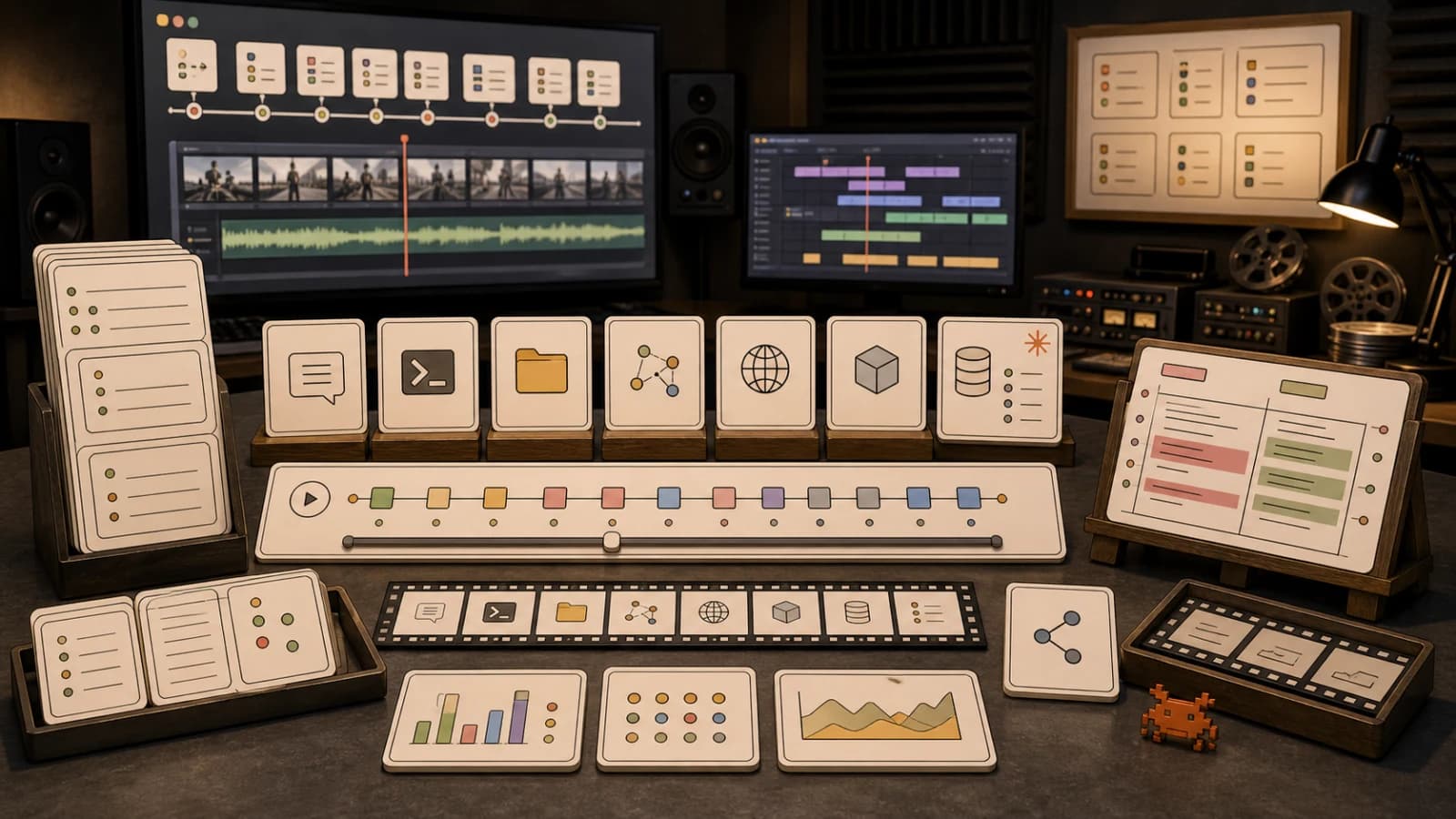
The Log Is the Agent: Event Sourcing Comes to AI Systems
A new paper proposes inverting traditional agent architecture - making the append-only event log the source of truth, not an afterthought. HN debates whether this is novel or just CQRS with extra steps.
7 min read

Agents 101: How to Build and Deploy Anything with AI Agents
A companion guide to the Agents 101 video: a behind-the-scenes walkthrough of building and deploying AI agents fast on Vercel, the agentic infrastructure stack. Here is the map of what to learn and where to go next.
7 min read
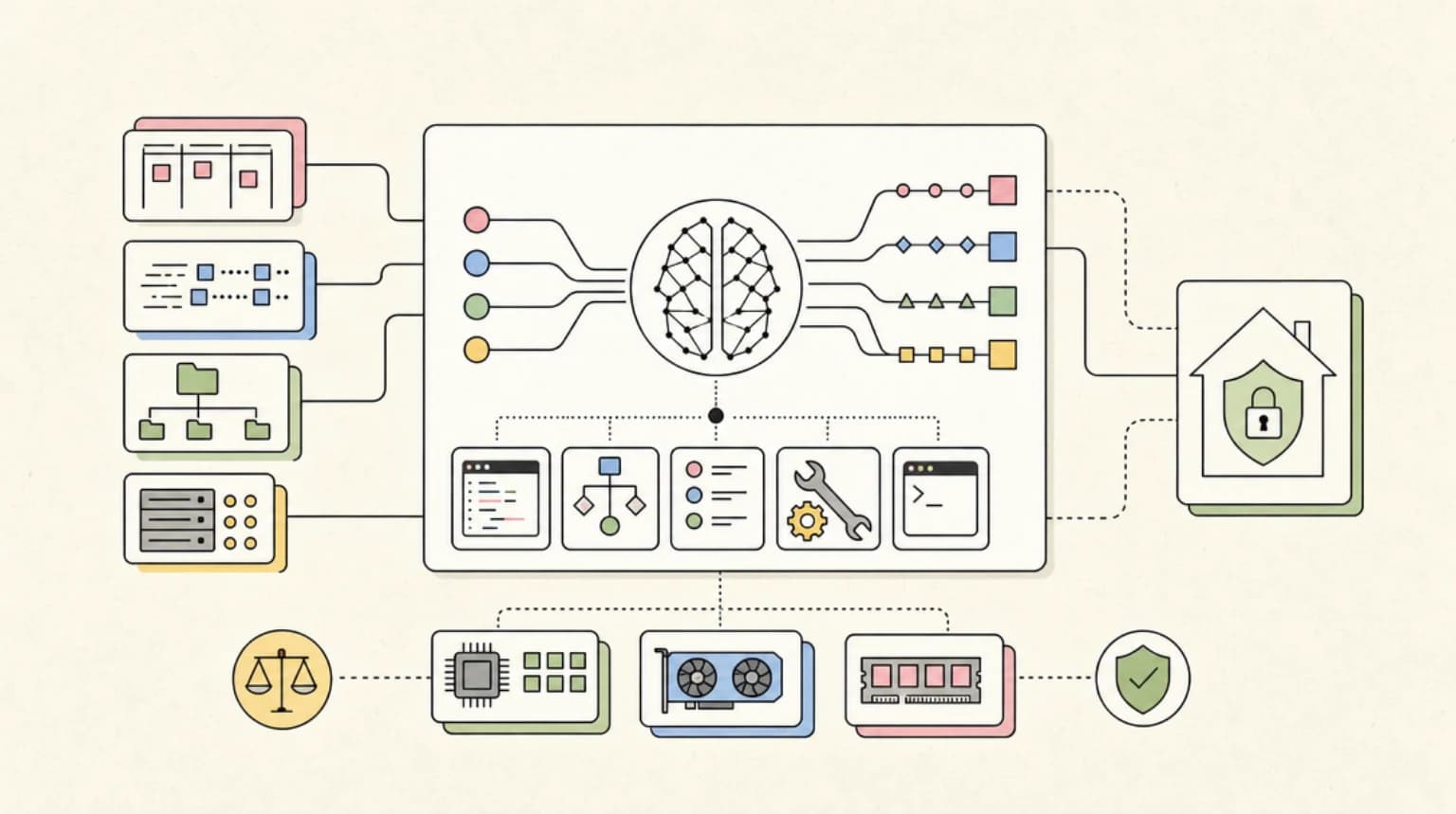
Ornith-1.0: What an Open Source Self-Improving Coding Model Actually Means
DeepReinforce AI released Ornith-1.0, a family of open-source coding models claiming self-improvement. The HN thread reveals a mix of skepticism and genuine interest - here is what the model actually does and whether the hype holds up.
7 min read

Using Claude Code for a Second Opinion on MRI Scans - What Actually Happened
A developer fed 266MB of DICOM MRI data to Claude Code Opus for a second opinion on a shoulder diagnosis. The AI disagreed with the doctor. HN radiologists weighed in.
7 min read

GLM 5.2 Outperforms Claude Code on Semgrep's IDOR Vulnerability Benchmarks
Semgrep's security research team benchmarked LLMs on IDOR vulnerability detection. The open-weight GLM 5.2 beat Claude Code by 7 points at roughly one-sixth the cost.
6 min read
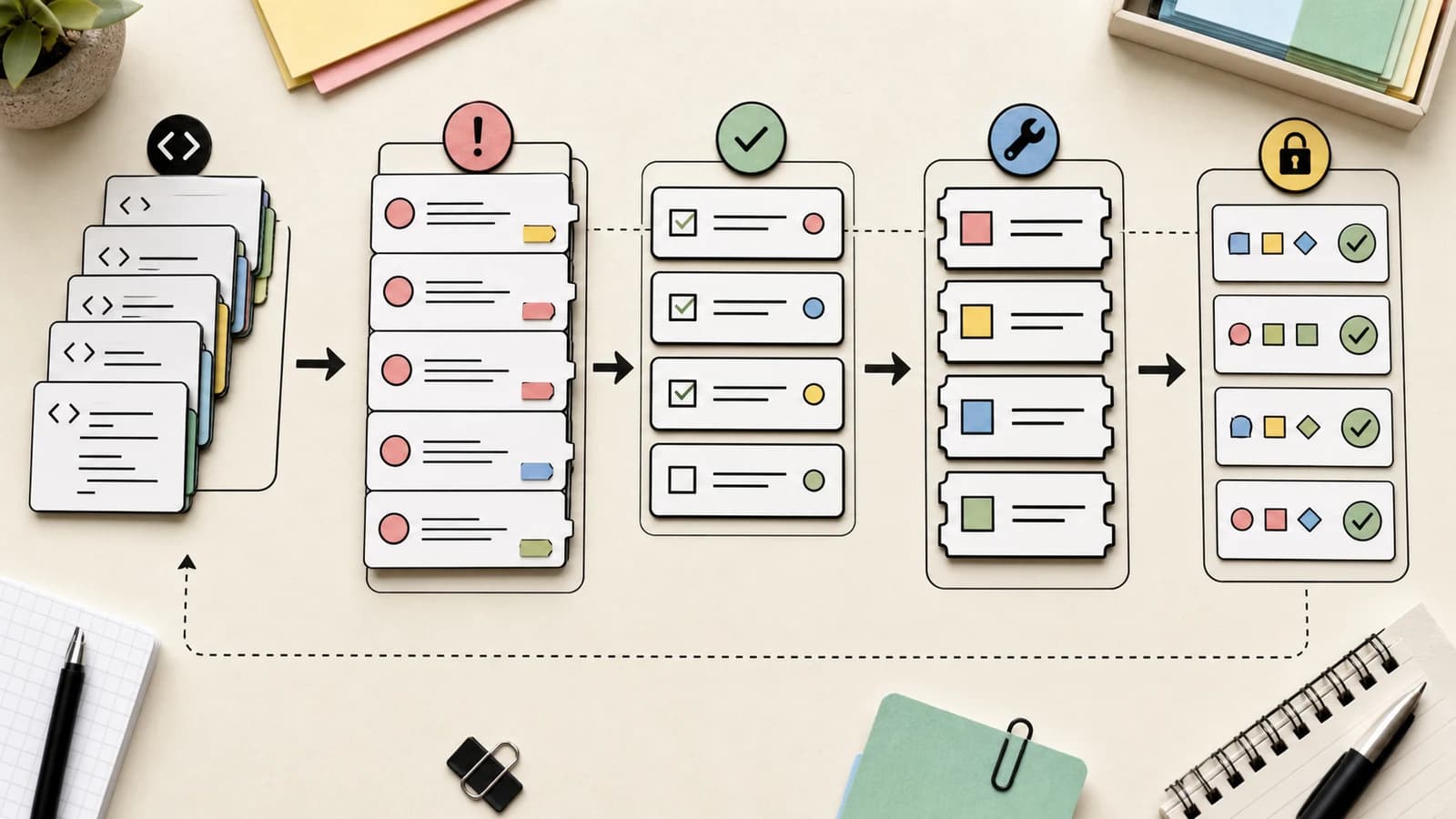
Vulnerability Reports Are Not Special Anymore
Filippo Valsorda argues that LLMs have ended the era of treating security researchers with kid gloves. When anyone can discover vulnerabilities with an AI, the old coordinated disclosure model breaks down.
7 min read
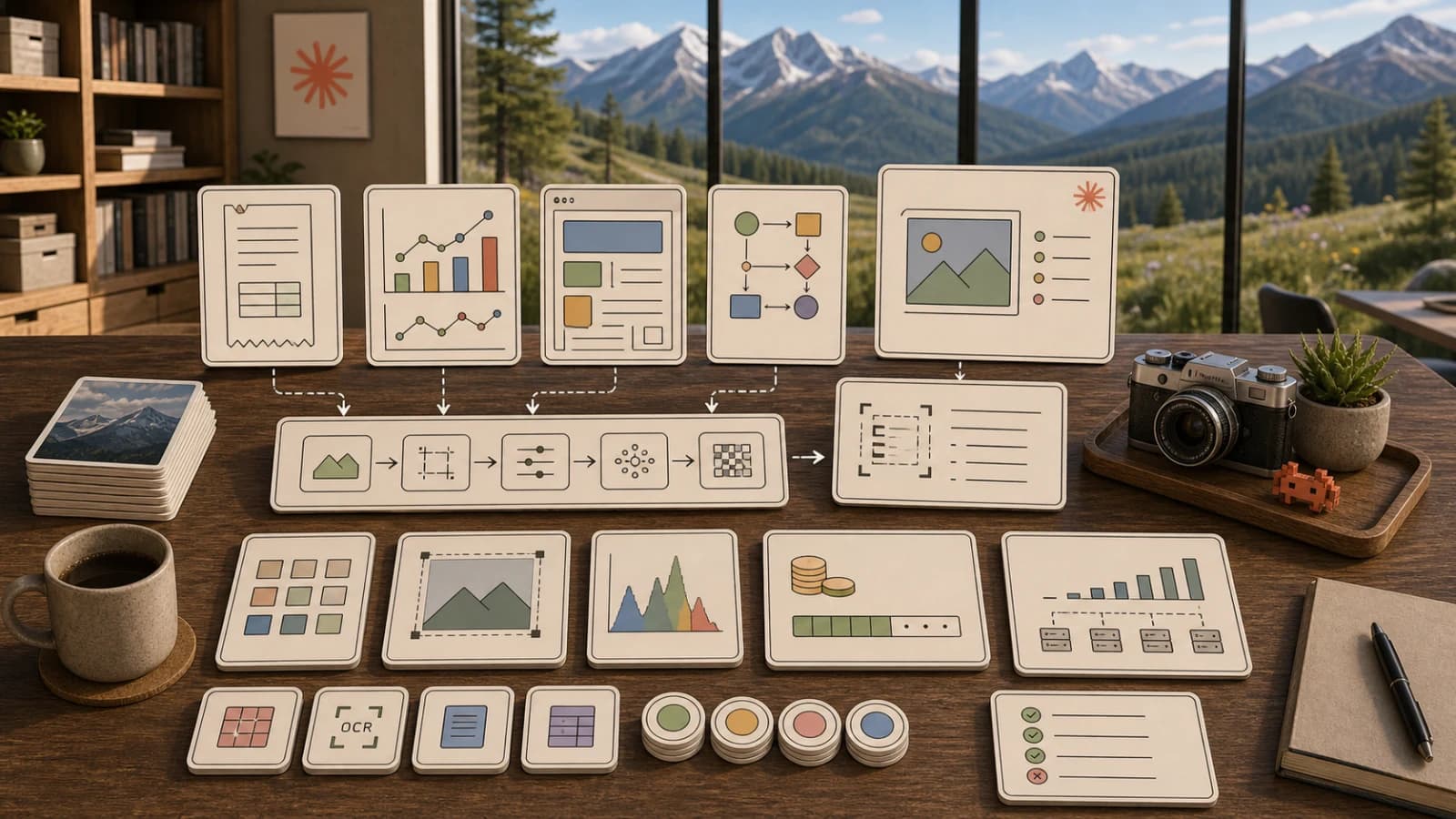
Unlimited OCR: Baidu's Open-Source Solution for Long Document Parsing
Baidu releases Unlimited OCR, an open-source vision-language model that parses 100+ page documents in a single pass without memory blowup. Here's what developers need to know.
6 min read

Cloudflare Now Lets AI Agents Deploy Workers Without Signup
The new wrangler deploy --temporary flag creates ephemeral Cloudflare accounts for AI agents. 60-minute deployments, no OAuth, no browser - just deploy and claim later.
8 min read
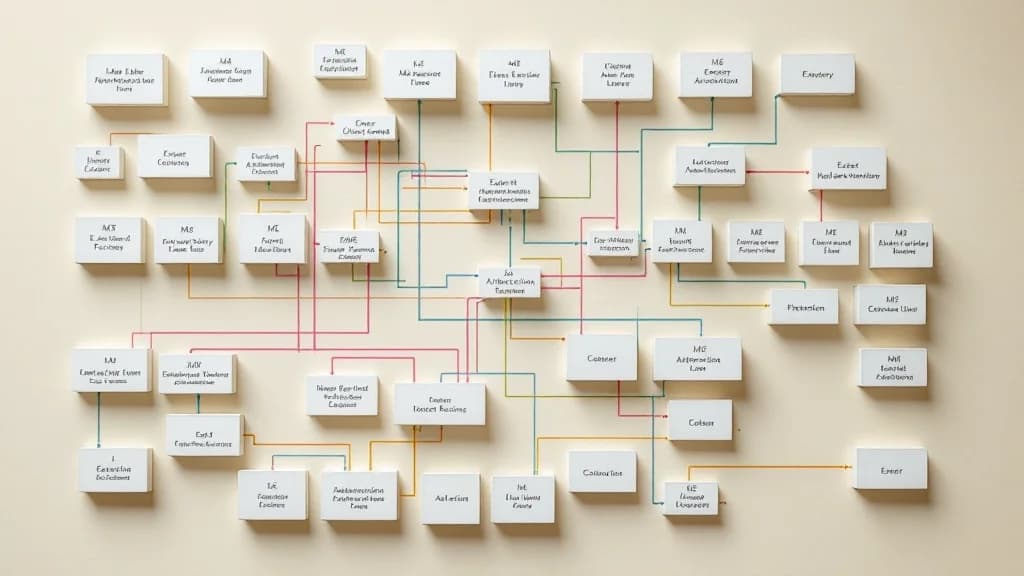
LLM Architectures Got Complicated Fast
Modern LLMs now use MoE routing, mixed attention variants, and fused vision encoders. The simple transformer stack is gone - here's what replaced it and why it matters for developers.
6 min read
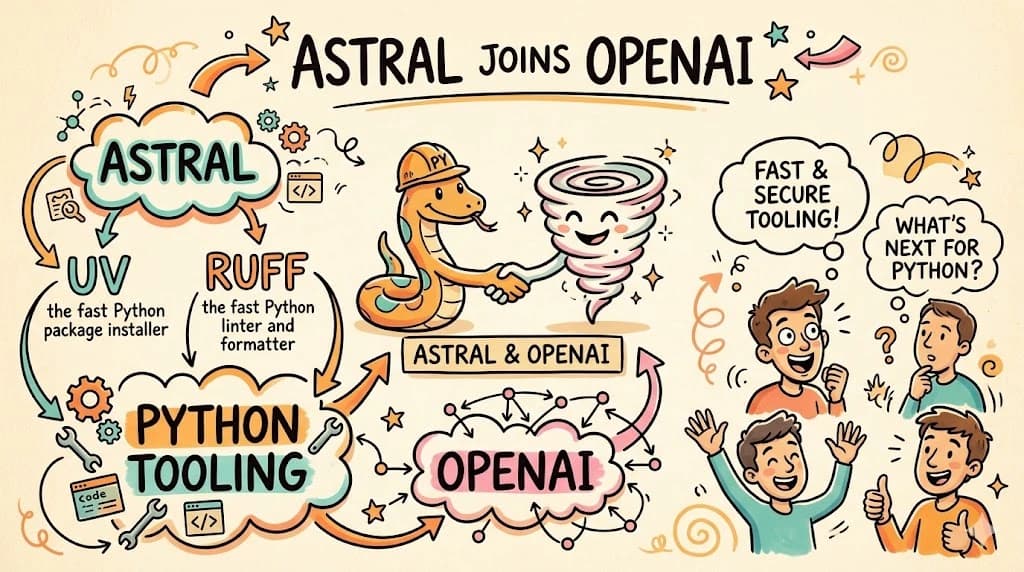
Noam Shazeer Joins OpenAI After Two Years Back at Google
The Transformer co-creator leaves Google DeepMind for OpenAI just two years after Google paid $2.7 billion to bring him back from Character.AI.
5 min read
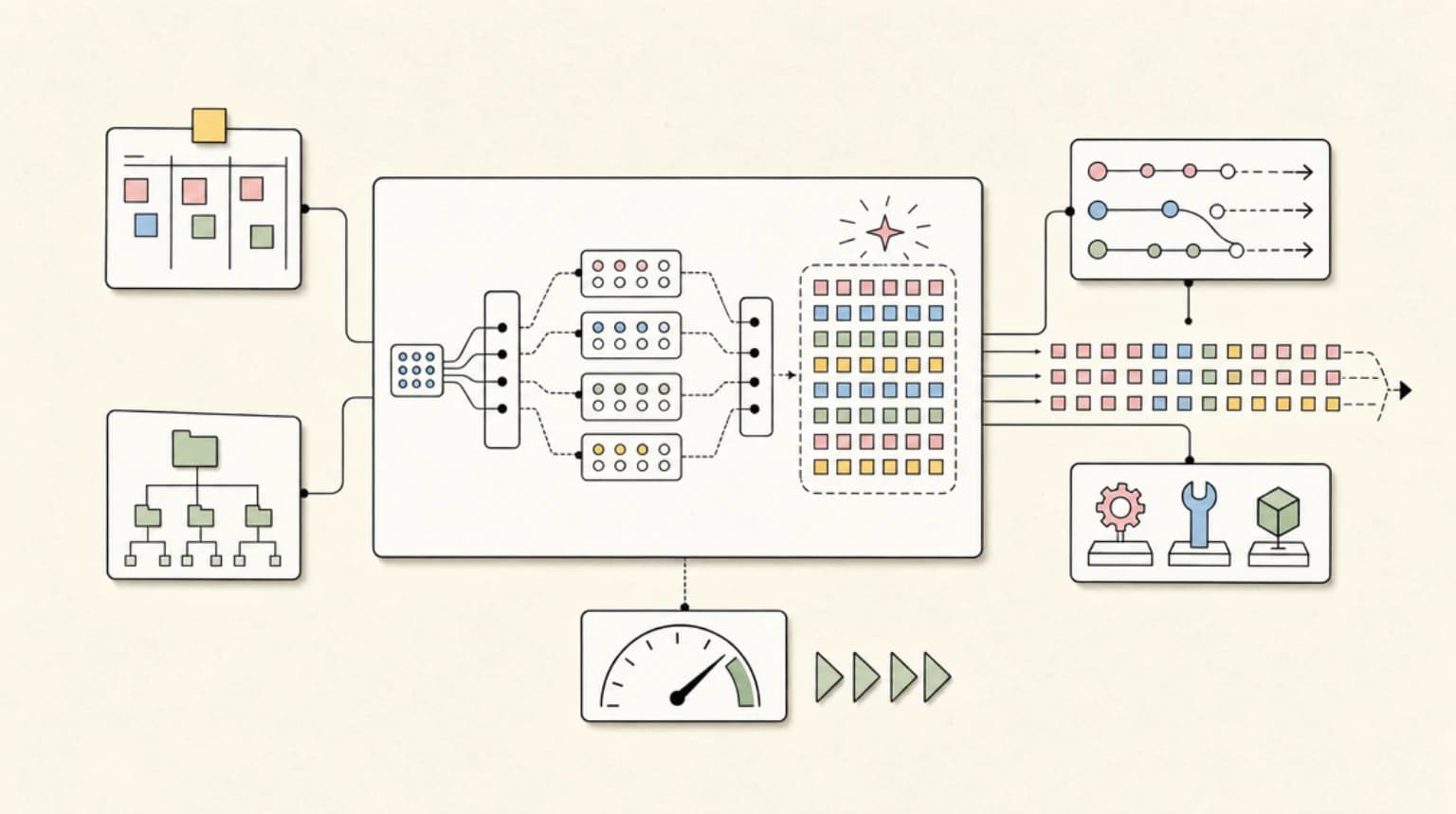
DiffusionGemma: Google Bets Diffusion Can Make Text Generation 4x Faster
Google released DiffusionGemma today, a 26B MoE open model that generates entire 256-token blocks in parallel instead of one token at a time. Here is what that means for latency, local inference, and the post-autoregressive landscape.
8 min read
Claude Opus 4.7: The Developer's Guide to Anthropic's New Flagship
Opus 4.7 is here. Sharper coding, longer agentic runs, better tool use, and a price that finally makes Opus livable for production. Here's everything devs need to know.
10 min read

Flagship: Cloudflare Feature Flags for AI Apps
Cloudflare Flagship is feature flags built for AI: model swaps, agent gates, and prompt rollouts as first-class primitives. Here is how to use it without rebuilding your control plane.
9 min read
Mercury 2 Developer Guide: Building With a Diffusion LLM in Production
A hands-on developer guide to Mercury 2 from Inception Labs. OpenAI-compatible API, reasoning levels, tool use, structured outputs, and when a diffusion LLM beats an autoregressive one in real apps.
10 min read
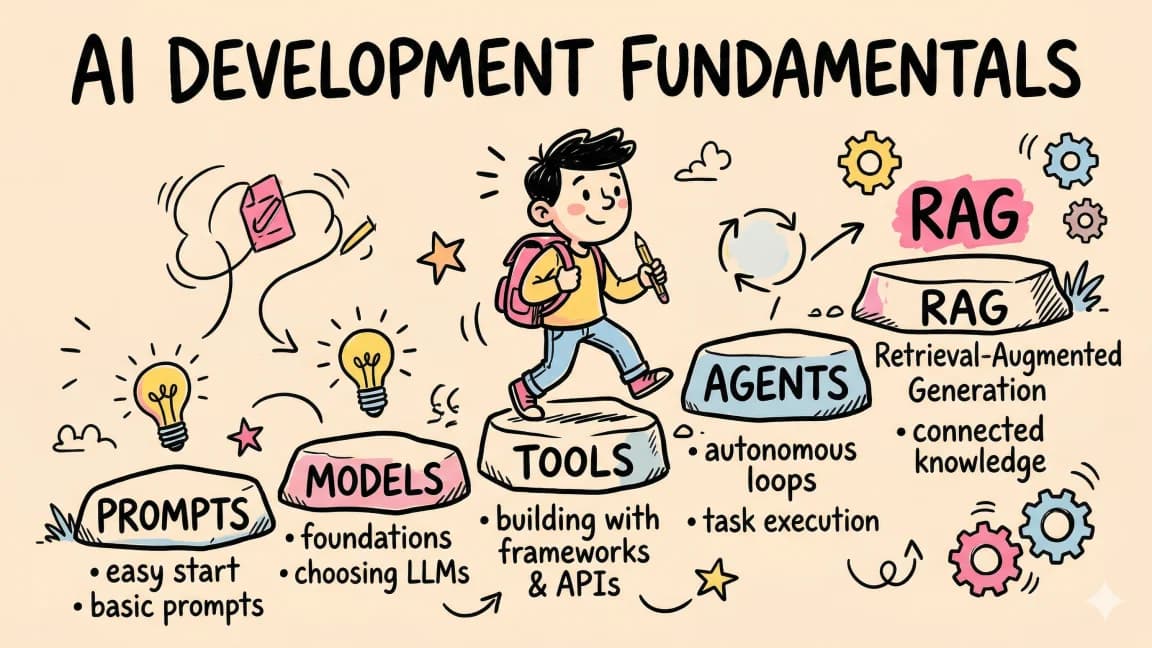
SAM 3.1: Realtime Video Segmentation in Apps
SAM 3.1 finally hits the latency budget for realtime video. Here is how to wire Meta's new segmentation model into a production pipeline without melting your GPU.
10 min read
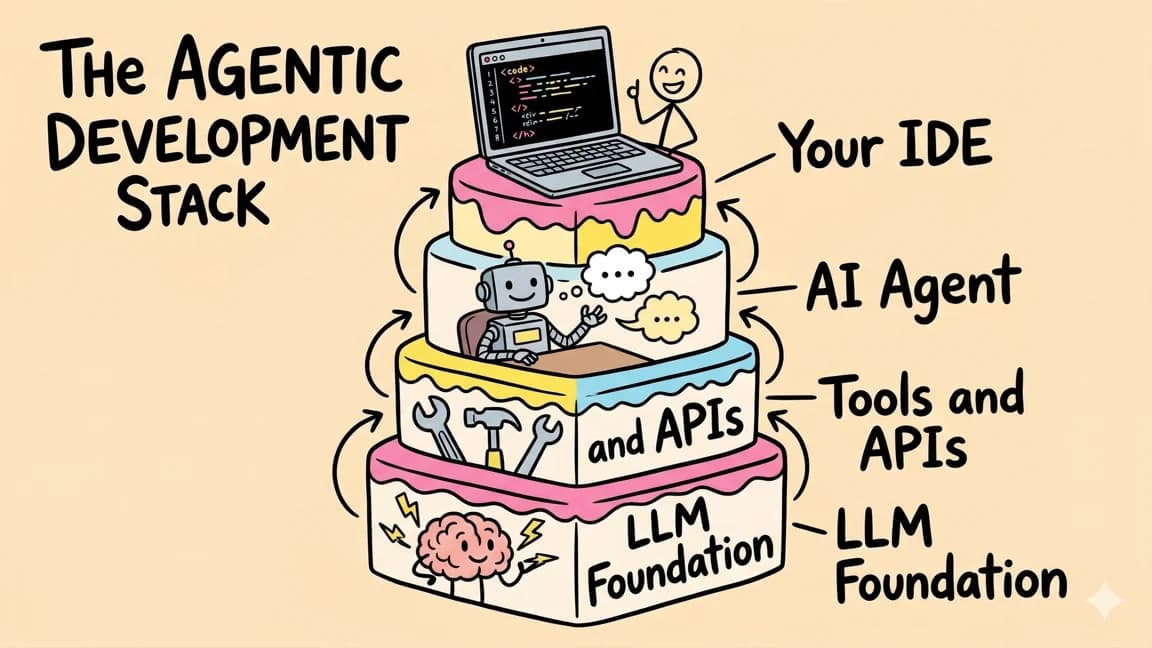
Vercel's Agentic Infrastructure Stack Explained
Vercel just declared the agent stack: AI Gateway, Sandbox, Flags, and Microfrontends. Here is how the four primitives compose, with code, and where each one actually fits in a real product.
12 min read
DESIGN.md: The Contract That Keeps AI Agents On Brand
A repo-root DESIGN.md gives Claude Code, Codex, and other agents the design rules they need to honor so generated UI does not drift into generic territory.
9 min read

Qwen3.6-27B Is the Local Coding Model to Test First
Qwen3.6-27B keeps pulling developers back because it sits in the awkward, useful middle: strong enough for real local coding tasks, small enough for serious workstation testing, and cheap enough to benchmark honestly.
8 min read

271 MCP Servers Exist. These 5 Actually Make Claude Code Better.
Most MCP servers are noise. After shipping 24 apps with Claude Code, these are the five I reach for every time.
11 min read

10 CLI Tools Reshaping AI Development in 2026
From Claude Code to Gladia, the ten CLIs every AI-native developer should know. Install commands, trade-offs, and when to reach for each.
8 min read

How I'm Building 24 AI-Powered Apps in Parallel
One dev, one CLI, 24 subdomains, and a lot of parallel agents. The playbook for shipping an AI app portfolio.
9 min read
How to Write a CLAUDE.md: The Complete 2026 Guide
CLAUDE.md is the highest-leverage file in any Claude Code project. Here's what goes in one, what doesn't, and the patterns that actually ship.
12 min read

What Are Claude Code Skills? A Complete Beginner Guide
Skills are how you stop copy-pasting the same workflow into Claude Code every session. What they are, how to write one, and where to find hundreds ready to use. Fact-checked against Anthropic's docs.
11 min read
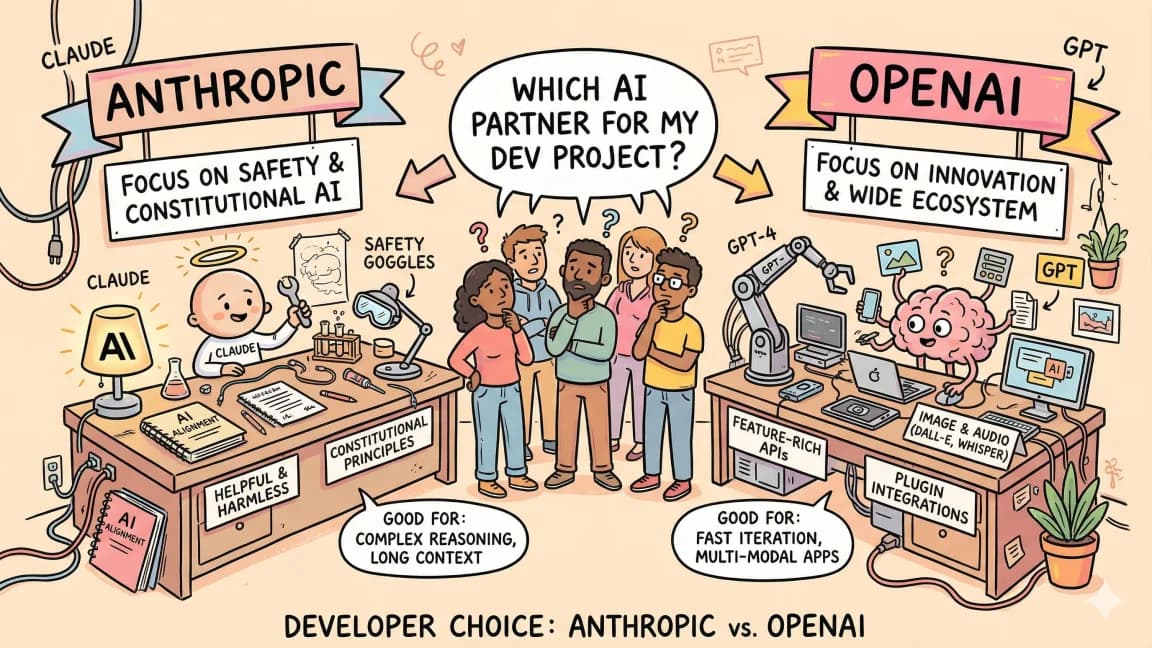
Anthropic vs OpenAI: Developer Experience Compared
Two platforms, two philosophies. Here is how Anthropic and OpenAI compare on APIs, SDKs, documentation, pricing, and the actual experience of building with each.
8 min read
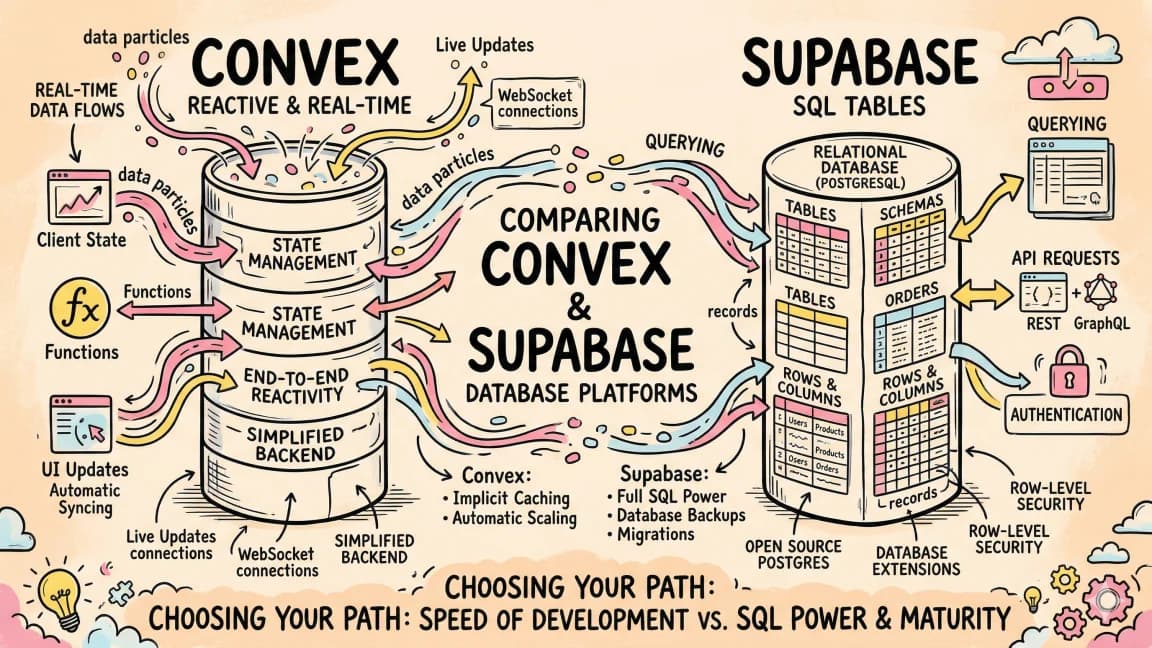
Convex vs Supabase for AI Apps
Convex and Supabase both work for AI-powered apps. Here is when to use each, based on building production apps with both.
9 min read
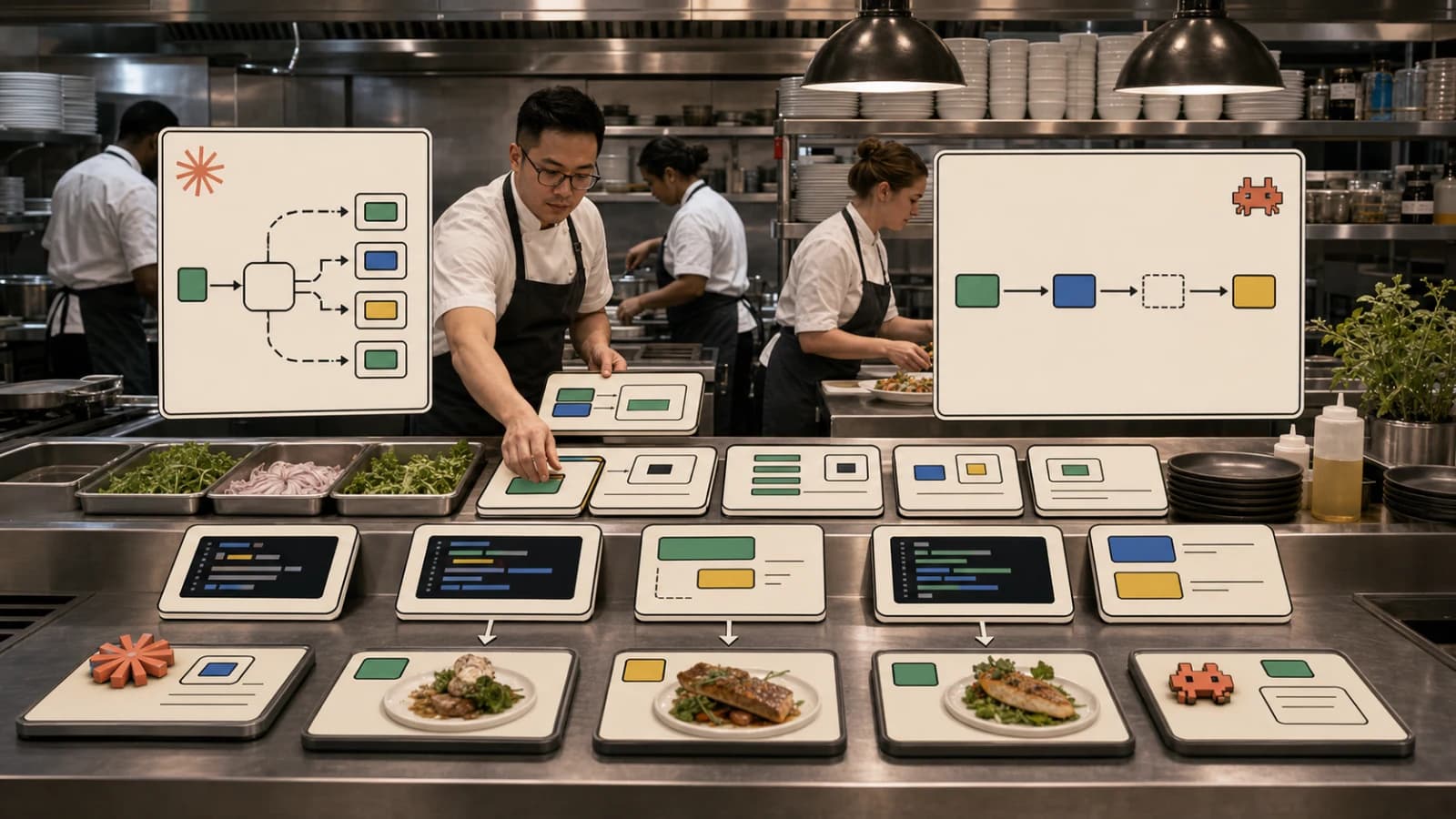
MCP vs Function Calling: When to Use Each
MCP servers and function calling both let AI tools interact with external systems. They solve different problems. Here is when to reach for each.
6 min read
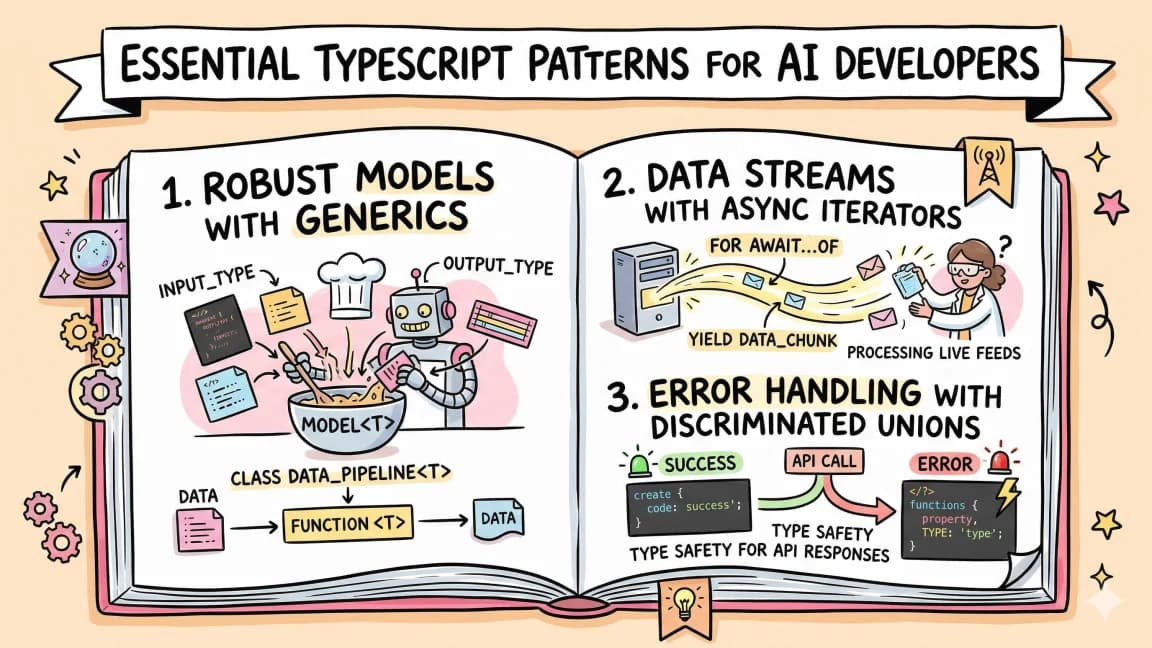
10 TypeScript Patterns Every AI Developer Should Know
The TypeScript patterns that show up in every AI project. Streaming responses, type-safe tool definitions, structured output, retry logic, and more.
10 min read

Claude Computer Use: AI That Controls Your Desktop
Anthropic's computer use feature lets Claude see your screen, move the cursor, click, and type. Here is how it works, when to use it, and how to set it up.
6 min read
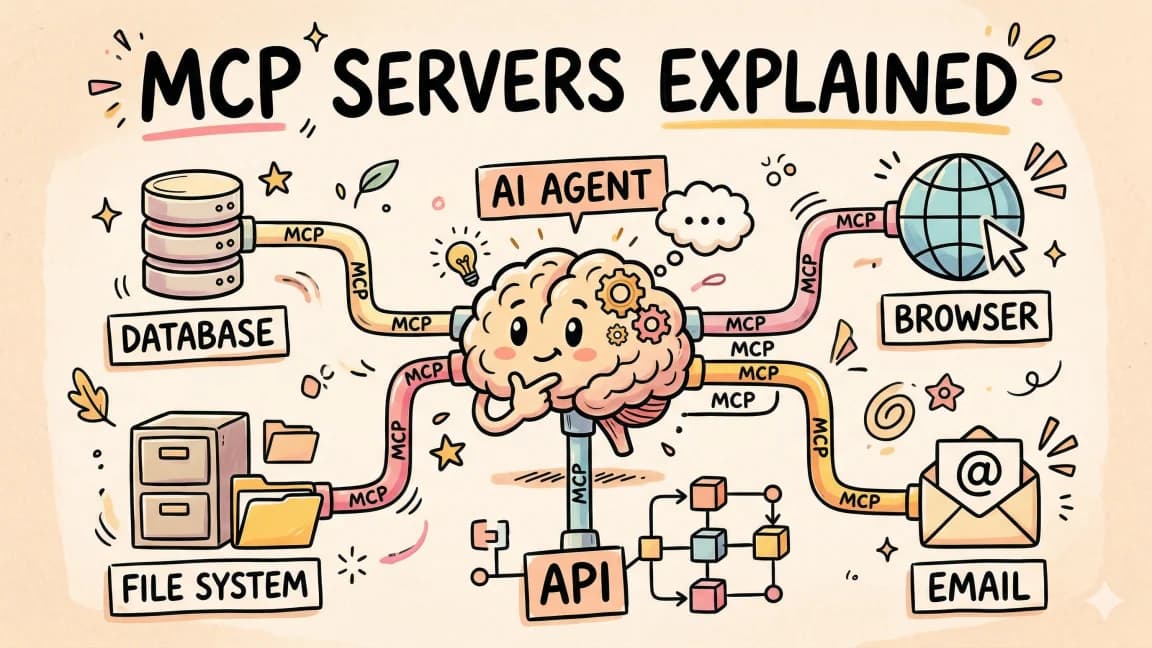
How to Build MCP Servers in TypeScript
A step-by-step guide to building Model Context Protocol servers in TypeScript. Project setup, tool registration, resources, testing with Claude Code, and production patterns.
14 min read
Transformers.js: Run AI Models Directly in the Browser
Transformers.js lets you run machine learning models in the browser with zero backend. Here is how to use it for text generation, speech recognition, image classification, and semantic search.
7 min read
What Is Claude Code? The Complete Guide for 2026
Claude Code is Anthropic's AI coding agent for terminal, IDE, desktop, and browser workflows. Learn what it does, how it works, pricing, setup, MCP, skills, hooks, and subagents.
15 min read
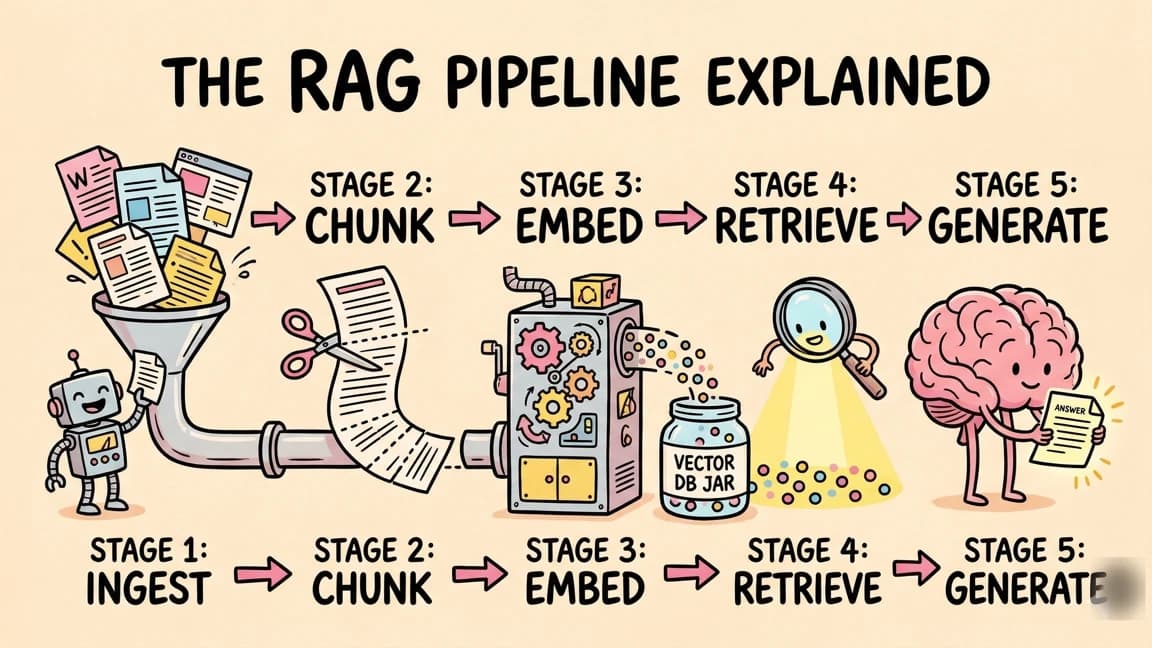
What is RAG? Retrieval Augmented Generation Explained
How RAG works, why it matters, and how to implement it in TypeScript. The technique that lets AI models use your data without fine-tuning.
8 min read
Claude Code Loops: Recurring Prompts That Actually Run
Claude Code now has a native Loop feature for scheduling recurring prompts - from one-minute intervals to three-day windows. Fix builds on repeat, summarize Slack channels, email yourself pull request digests. All from the CLI.
6 min read
OpenAI's GPT 5.4 in 10 Minutes
State-of-the-art computer use, steerable thinking you can redirect mid-response, and a million tokens of context. GPT 5.4 is OpenAI's most capable model yet.
8 min read

Claude Code: Remote Control, Auto Memory, Plugins & More
Anthropic dropped a batch of updates across Claude Code and Cowork - remote control from your phone, scheduled tasks, plugin repos, auto memory, and stats showing 4% of GitHub public commits now come from Claude Code.
5 min read
Mercury 2: The LLM That Doesn't Generate Like an LLM
Inception Labs shipped the first reasoning model built on diffusion instead of autoregressive generation. Over 1,000 tokens per second, competitive benchmarks, and a fundamentally different approach to how AI generates text.
8 min read
Claude Code Worktrees: Parallel Development Without the Chaos
Anthropic brought git worktrees to Claude Code. Spawn multiple agents working on the same repo simultaneously - no merge conflicts, no context pollution, and your main branch stays clean.
6 min read
Claude Sonnet 4.6: Approaching Opus at Half the Cost
Anthropic's Sonnet 4.6 narrows the gap to Opus on agentic tasks, leads computer use benchmarks, and ships with a beta million-token context window. Here's what actually changed.
6 min read
Claude Opus 4.6: Anthropic's Smartest Model Gets Agent Teams
Million-token context, agent teams that coordinate without an orchestrator, and benchmark scores that push the frontier. Opus 4.6 is Anthropic's biggest model drop yet.
8 min read
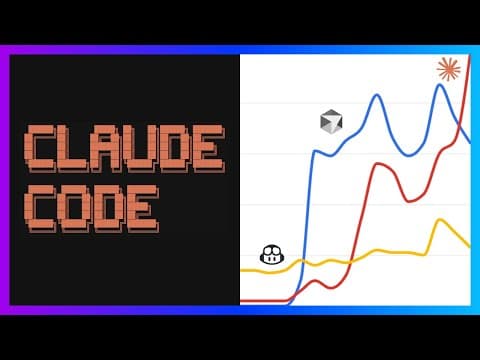
Why Claude Code Won: Unix Philosophy Meets AI Agents
Claude Code's popularity is not an accident. It won because terminal agents fit how software already works: files, shell commands, git, logs, project memory, and reviewable text.
10 min read
Cowork: Claude Code for Everyone, Not Just Developers
Claude Cowork brings Claude Code's agent loop to non-coding work. Updated for September 2026: Cowork is now merging into one Claude on Pro and Max, runs in the cloud, and is included in every paid plan from $17/month.
10 min read
Progressive Disclosure: How Claude Code Cut Token Usage by 98%
CloudFlare, Anthropic, and Cursor independently discovered the same pattern: don't load all tools upfront. Let agents discover what they need. The results are dramatic.
10 min read
Self-Improving Skills: Claude Code That Learns From Every Session
Claude Code skills can now reflect on sessions, extract corrections, and update themselves with confidence levels. Your agent gets smarter every time you use it.
7 min read
Interview Mode: Let Claude Code Ask the Questions First
The best Claude Code sessions start with questions, not code. Spec-driven development forces requirements discovery upfront - interview first, spec second, code last.
5 min read
Claude Code + Chrome: AI Agents That Use Your Browser
Claude Code can now control Chrome using your existing authenticated sessions. No API keys needed. Gmail, Sheets, Figma - your agent works across tabs like you do.
7 min read
Continual Learning in Claude Code: Memory That Compounds
Skills turn Claude Code sessions into persistent memory. Successes and failures get captured, progressively disclosed, and shared across teams. Your agent remembers.
7 min read
The Ralph Loop: Running Claude Code For Hours Autonomously
Claude Opus 4.5 ran autonomously for 4 hours 49 minutes using stop hooks and the Ralph Loop pattern. Walk away, come back to completed work. Here's how it works.
10 min read
The Bitter Lesson: How We Build and What We Build Is About to Change
General methods that leverage computation are ultimately the most effective - and by a large margin.
8 min read
Magic Patterns: Why Design Wins in a World of AI Code Generators
Every AI-generated site looks the same. The gradients.
8 min read
Zed: The Open Source Agentic IDE
Zed is not another Electron-based editor. It's built from the ground up in Rust, which means real performance without the memory bloat that plagues other IDEs.
8 min read
Claude Opus 4.5: Anthropic's Most Intelligent Model
Anthropic has released Claude Opus 4.5, positioning it as their most capable model yet for coding agents and computer use. The release brings significant price cuts, efficiency gains, and enough au...
5 min read
The Agentic Development Tech Stack for 2026
Coding changed more in the past two years than in the previous decade. We moved from manual typing to autocomplete, then to multi-file edits.
12 min read
Streamline Your Git Workflow with GitKraken and Claude Code
GitKraken Desktop bridges this gap. It is a visual Git client that shows you exactly what is happening in your repository, combined with AI that automates tedious tasks so you can stay in flow.
7 min read
Cursor 2.0 & Composer: The Fastest AI Coding Model
Cursor just dropped their first in-house model. Composer is 4x faster than similar models and completes most coding tasks in under 30 seconds. Here's what actually changed and why it matters.
4 min read

Windsurf SWE-1.5 Launches Same Day as Cursor 2.0
On October 29th, both Cursor and Windsurf dropped their first in-house models on the same day. Composer vs SWE-1.5. Here's what the benchmarks actually show.
8 min read
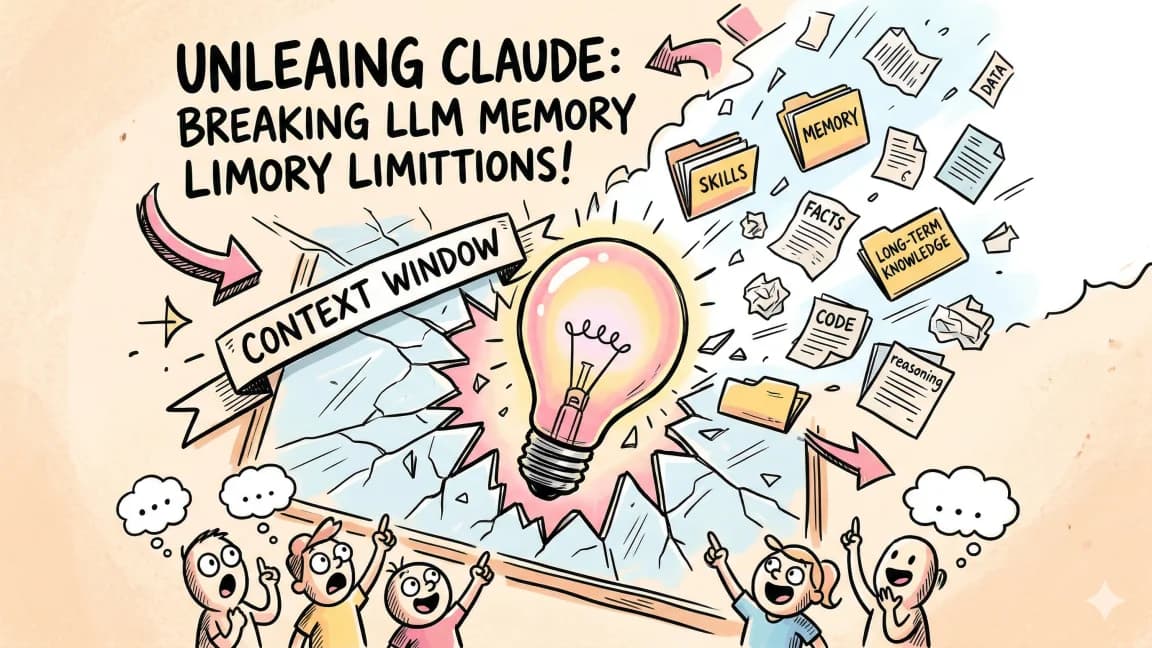
Claude Skills: A technical deep dive into Anthropic's new approach to AI context management
A comprehensive look at Claude Skills-modular, persistent task modules that shatter AI's memory constraints and enable progressive, composable, code-capable workflows for developers and organizations.
8 min read
NVIDIA Nemotron Nano 2 VL: Open Source Vision-Language Model
NVIDIA's Nemotron Nano 2 VL delivers vision-language capabilities at a fraction of the computational cost. This 12-billion-parameter open-source model processes videos, analyzes documents, and reas...
5 min read
Kimi K2: Fast, Cheap, and Efficient Coding
Two months ago, I built an AI website generator with Claude Sonnet 4. Today, Kimi K2 runs the show.
7 min read
Emergent Labs: Build Production-Ready Apps Through Conversation
Emergent Labs represents a shift in how development teams approach application prototyping. Instead of writing boilerplate or configuring infrastructure, you describe what you need in plain languag...
7 min read
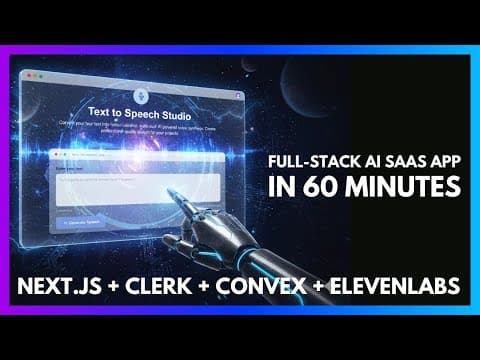
Build a Full Stack AI SaaS Application in 60 Minutes
Building a full-stack AI SaaS application no longer requires months of development. The right combination of managed services and AI coding tools can compress what used to be weeks of work into a s...
15 min read
OpenAI Dev Day 2025: Everything Announced
OpenAI is turning ChatGPT into a hub. The new Apps feature lets you access external services directly inside conversations.
4 min read
Anthropic Sonnet 4.5 in Claude Code
Anthropic's Claude Sonnet 4.5 isn't just another model increment. The company claims they've observed it maintaining focus for more than 30 hours on complex multi-step tasks.
7 min read

Magic Patterns: Effortless UI Design with AI
Most AI design tools try to replace your entire stack. Magic Patterns takes a different approach.
6 min read
Warp 2.0: The Agentic Development Environment
Warp 2.0 reimagines what a development environment should look like in the agentic era. Instead of bolting AI onto existing IDE paradigms - files on the left, terminal at the bottom, chat panel on th...
7 min read
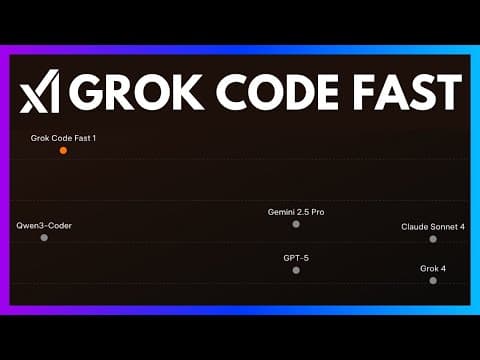
Grok Code Fast 1: xAI's Speed-Optimized Coding Model
xAI's Grok Code Fast 1 arrives with a specific mission: eliminate the friction in agentic coding workflows. While models like GPT-5, Claude 4, and Gemini 2.5 Pro deliver impressive benchmark scores...
7 min read
Deep Agent: Build Full-Stack Apps in Minutes
Deep Agent by Abacus AI is not another code completion tool. It is a full-stack development platform that generates complete applications from a single prompt, runs them on actual cloud infrastruct...
7 min read
Kombai: AI That Beats Claude and Gemini on Front-End Tasks
Most AI app builders suffer from the same problem: they all look identical. Linear gradients, thick fonts, emojis everywhere.
8 min read

GPT-5: OpenAI's Most Capable Model
GPT-5 introduces a fundamentally different approach to inference. Instead of forcing developers to manually configure reasoning parameters, the model operates as a unified system with real-time rou...
7 min read
GPT-OSS: OpenAI's First Open Source Model
OpenAI has released its first open-weight models in over five years. GPT-OSS 12B and GPT-OSS 20B are now available under the Apache 2.0 license, marking a significant shift in strategy for the comp...
6 min read
Augment's Task List: AI-Powered Development Planning
AI coding assistants have a control problem. Ask one to 'add authentication' and watch it spiral - generating dozens of files, implementing features you never requested, and restructuring core projec...
6 min read
Claude Code Sub Agents: Parallel AI Development
Claude Code subagents let you split coding work across specialized assistants with their own context, tools, and instructions. The trick is using them for bounded work, not theatrical agent swarms.
8 min read
Qwen 3 Coder: Alibaba's Coding-Optimized LLM
Alibaba's Qwen team has released Qwen 3 Coder, a 480-billion-parameter mixture-of-experts model that sets a new bar for open-source coding assistants. With 35 billion active parameters and support ...
5 min read
Create Beautiful UI with Claude Code: The Style Guide Method
AI-generated interfaces tend to look the same - gradient-heavy, emoji-laden, and generic. The style guide method gives you a reusable design system that keeps every page consistent and on-brand, whet...
8 min read
Claude Code: The Future of Coding?
After 30 days of daily use, Claude Code has become my primary coding tool. It is not trying to be an IDE or a fancy editor. It is a terminal-based AI agent that writes code, runs commands, tests its ...
9 min read
Related Tools
All tools →Claude Code
Daily DriverAnthropic's agentic coding CLI. Runs in your terminal, edits files autonomously, spawns sub-agents, and maintains memory across sessions. Powered by Claude Opus 4.
AI CodingCursor
EssentialAI-native code editor forked from VS Code. Composer mode rewrites multiple files at once. Tab autocomplete predicts your next edit. Pro plan is $20/mo.
AI CodingOpenAI Codex
AgentOpenAI's coding agent for terminal, cloud, IDE, GitHub, Slack, and Linear workflows. Reads repos, edits files, runs commands, and returns reviewable diffs.
AI CodingGemini CLI
FreeGoogle's open-source coding CLI. Free tier with Gemini 2.5 Pro. Supports tool use, file editing, shell commands. 1M token context window.
AI CodingDeepSeek-TUI
Open sourceOpen-source terminal agent runtime with approval modes, rollback snapshots, MCP servers, LSP diagnostics, and a headless HTTP API. Uses DeepSeek models by default.
AI CodingGitHub Copilot
328K viewsThe original AI coding assistant. 77M+ developers. Inline completions in VS Code and JetBrains. Copilot Workspace generates full projects from issues. Free tier, Pro from $10/mo.
AI CodingLovable
68K viewsAI app builder - describe what you want, get a deployed full-stack app with React, Supabase, and auth. No coding required. Free tier available.
AI CodingWindsurf
Codeium's AI-native IDE. Cascade agent mode handles multi-file edits autonomously. Free tier with generous limits. Strong alternative to Cursor.
AI Codingv0
Vercel's generative UI tool. Describe a component, get production-ready React code with shadcn/ui and Tailwind. Iterate by chatting. Free to try.
AI CodingBolt
StackBlitz's in-browser AI app builder. Full-stack apps from a prompt - runs Node.js, installs packages, and deploys. No local setup needed.
AI CodingDevin
Cognition Labs' autonomous software engineer. Handles full tasks end-to-end - reads docs, writes code, runs tests, and submits PRs in an isolated sandbox.
AI CodingAider
Open-source AI pair programming in your terminal. Works with any LLM - Claude, GPT, Gemini, local models. Git-aware editing with automatic commits.
AI CodingContinue.dev
Open-source AI code assistant for VS Code and JetBrains. Bring your own model - local or API. Tab autocomplete, chat, inline edit. Fully customizable.
AI CodingZed
High-performance code editor built in Rust with native AI integration. Sub-millisecond input latency. Built-in assistant supports Claude, GPT, and local models.
AI CodingReplit Agent
Full-stack AI dev environment in the browser. Describe an app, get a deployed project with database, auth, and hosting. No local setup needed.
AI CodingSourcegraph Cody
AI coding assistant with deep codebase context. Indexes your entire repo graph for accurate answers. VS Code and JetBrains extensions. Enterprise plan from $16K per year.
AI CodingVercel AI SDK
EssentialThe TypeScript toolkit for building AI apps. Unified API across OpenAI, Anthropic, Google. Streaming, tool calling, structured output, multi-step agents. 50K+ GitHub stars.
AI FrameworksCopilotKit
Agent UIFrontend stack for agent-native apps. React hooks, prebuilt copilot UI, AG-UI runtime, frontend tools, shared state, and human-in-the-loop flows.
AI FrameworksClaude Agent SDK
NewAnthropic's Python SDK for building production agent systems. Tool use, guardrails, agent handoffs, and orchestration. Released alongside Claude 4.
AI FrameworksLangChain / LangGraph
Most popular LLM framework. 100K+ GitHub stars. Chains, RAG, vector stores, tool use. LangGraph adds stateful multi-agent workflows with cycles and persistence.
AI FrameworksComposio
Gives AI agents access to 250+ external tools (GitHub, Slack, Gmail, databases) with managed OAuth. Handles the auth and API complexity so your agent doesn't have to.
AI FrameworksOpenAI Agents SDK
Lightweight Python framework for multi-agent systems. Agent handoffs, tool use, guardrails, tracing. Successor to the experimental Swarm project.
AI FrameworksCrewAI
Multi-agent orchestration framework. Define agents with roles, goals, and tools, then assign them tasks in a crew. Python-based. Great for complex workflows.
AI FrameworksMastra
TypeScript-first AI agent framework. Agents, tools, memory, workflows, RAG, evals, tracing, MCP, and production deployment for Node.js apps.
AI FrameworksLlamaIndex
LLM data framework for connecting custom data sources to language models. Best-in-class RAG, data connectors, and query engines. Python and TypeScript.
AI FrameworksWispr Flow
AI voice dictation for macOS. Works in any app - code editors, browsers, notes. Understands context and formats output appropriately. Faster than typing for prose.
ProductivityClaude
Daily DriverAnthropic's AI. Opus 4.6 for hard problems, Sonnet 4.6 for speed, Haiku 4.5 for cost. 200K context window. Best coding model I've tested. Max plan ($200/mo).
AI ModelsChatGPT
OpenAI's flagship. GPT-4o for general use, o3 for reasoning, Codex for coding. 300M+ weekly users. Tasks, agents, web browsing, DALL-E, code interpreter.
AI ModelsOpenRouter
Unified API for 200+ models. One API key, one billing dashboard. OpenAI, Anthropic, Google, Meta, Mistral, and more. Automatic fallbacks and load balancing.
AI ModelsDeepSeek
Open-source reasoning models from China. DeepSeek-R1 rivals o1 on math and code benchmarks. V3 for general use. Fully open weights. Extremely cost-effective API.
AI ModelsLlama
Meta's open-source model family. Llama 4 available in Scout (17B active) and Maverick (17B active, 128 experts). Free to use, modify, and deploy commercially.
AI ModelsMistral
European open-weight models. Mistral Large for complex tasks, Mistral Small for speed, Codestral for code. Strong multilingual support. Open and API options.
AI ModelsGPT-5
OpenAI's latest flagship model. Major leap in reasoning, coding, and instruction following over GPT-4o. Powers ChatGPT Plus/Pro and the API. Available via API and ChatGPT.
AI ModelsGemini
Google's frontier model family. Gemini 2.5 Pro has 1M token context and top-tier coding benchmarks. Gemini 3 Pro pushes reasoning further. Free tier via AI Studio.
AI ModelsGrok
xAI's model with real-time X/Twitter data access. Grok 3 rivals top models on reasoning. Built-in web search and current events awareness. Available via API.
AI ModelsClaude Haiku 4.5
Anthropic's smallest Claude 4.5 model. Near-frontier coding performance at one-third the cost of Sonnet 4 and up to 4-5x faster than Sonnet 4.5. $1/$5 per million tokens.
AI ModelsQwen3-Coder
Alibaba's flagship open-weight coding model. 480B total parameters, 35B active (MoE). Native 256K context, scales to 1M. Apache 2.0 license. State-of-the-art agentic coding.
AI ModelsDeepSeek V3.2
DeepSeek's reasoning-first model built for agents. First model to integrate thinking directly into tool use. Ships alongside V3.2-Speciale, which rivals GPT-5 and Gemini 3.0 Pro.
AI ModelsAugment Code
AI coding platform built for large, complex codebases. Context Engine indexes 500K+ files across repos with 100ms retrieval. Intent desktop app orchestrates parallel agents.
AI CodingCodex CLI
OpenAI's open-source terminal coding agent built in Rust. Runs locally, reads your repo, edits files, and executes commands. Powered by o3 and o4-mini models.
AI CodingKimi Code
Open-source terminal coding agent from Moonshot AI. Powered by Kimi K2.5 (1T params, 32B active). 256K context window. Agent Swarm runs up to 100 parallel sub-agents.
AI CodingDroid
Factory AI's terminal coding agent. Runs Anthropic and OpenAI models in one subscription. Handles full tasks end-to-end - refactors, incident response, migrations.
AI CodingCline
Open-source autonomous coding agent inside VS Code. Creates files, runs commands, and can use a browser for UI testing and debugging with your permission.
AI CodingAgency Swarm
Multi-agent orchestration framework built on the OpenAI Agents SDK. Define agent roles, typed tools, and directional communication flows. Production-focused, open-source.
AI FrameworksPydantic AI
Type-safe Python agent framework from the Pydantic team. Brings the FastAPI feeling to AI development. Composable tools, durable execution, and full IDE autocomplete.
AI FrameworksInstructor
Structured data extraction from any LLM using Pydantic models. Automatic retries, validation, and streaming. 3M+ monthly downloads. Available in Python, TypeScript, Go, Ruby, and Rust.
AI FrameworksOutlines
Constrained generation library for LLMs. Uses finite state machines to mask invalid tokens during generation. Guarantees schema-compliant output with zero retries.
AI FrameworksHaystack
Open-source AI orchestration framework by deepset. Modular pipelines for RAG, agents, semantic search, and multimodal apps. Pipeline-as-graph architecture with explicit control.
AI FrameworksTogether AI
Fastest inference for open-source models. 200+ models via unified API. Ranks #1 on speed benchmarks for DeepSeek, Qwen, Kimi, and Llama. Serverless pay-per-token pricing.
InfrastructureLocalAI
Open-source OpenAI API replacement. Runs LLMs, vision, voice, image, and video models on any hardware - no GPU required. 35+ backends. Distributed mode for scaling.
Local AIRaycast
Keyboard-first Mac launcher with built-in AI. 32+ models, 1,500+ extensions, clipboard history, window management, snippets. Replaced 4 apps in my workflow. Free tier available.
ProductivityWarp
AI-powered terminal built in Rust with GPU rendering. Block-based output, natural language commands, Agent Mode for autonomous tasks. 700K+ developers. Free tier available.
ProductivityAmazon Q Developer CLI
AI-powered terminal assistant from AWS. Natural language chat, command autocompletion, code generation. Agentic mode reads files, runs commands, and calls AWS APIs. Free tier.
ProductivityPieces for Developers
AI-powered context manager that remembers your code, snippets, links, and project context across IDEs, browsers, and terminals. Local-first with 9 months of memory. Free.
ProductivityGranola
AI meeting notes that augment your own typing. Records the call, captures what you type, and fills in the gaps with context from the transcript.
ProductivityPydantic
Python's de facto data validation library. Type-hint-driven models, fast Rust-based core (v2), and the foundation of FastAPI, LangChain, and most Python AI tooling.
AI FrameworksTailwind CSS
Utility-first CSS framework. Compose styles with class names, scan templates with the JIT engine, and ship tiny CSS bundles. v4 rewrote the engine in Rust.
InfrastructureClaude Fable 5
NewAnthropic's first generally available Mythos-class model, released June 9, 2026. 1M context, 128K max output, $10/$50 per million tokens. Built for long-horizon agentic work.
AI ModelsClaude Opus 4.8
Anthropic's recommended default for complex work, released May 28, 2026. 1M context, 128K output, $5/$25 per million tokens. Defaults to high effort on all surfaces.
AI ModelsDeepSeek V4
Open weightsDeepSeek's open-weights frontier family, previewed April 24, 2026. V4-Pro is 1.6T total / 49B active params; V4-Flash is 284B / 13B. 1M context standard. Weights on Hugging Face.
AI ModelsOpenCode
Open sourceOpen-source AI coding agent for terminal, desktop, and IDE. Works with 75+ LLM providers including Claude, GPT, Gemini, and local models. Runs parallel sessions on one project.
AI CodingJules
Google's asynchronous coding agent. Point it at a GitHub repo, it clones to a cloud VM, plans with Gemini, and opens a pull request. Tiered plans from 15 to 300 tasks per day.
AI CodingGoose
Open sourceOpen-source AI agent built in Rust, now governed by the Agentic AI Foundation at the Linux Foundation. Desktop app, CLI, and API. 15+ model providers, 70+ MCP extensions.
AI CodingConductor
Mac app for running parallel Claude Code, Codex, and Cursor agents in isolated workspaces. Watch every agent work at once, then review and merge their changes.
AI CodingLiteLLM
Open sourceOpen-source AI gateway: call 100+ LLM providers in the OpenAI format via a Python SDK or proxy. Spend tracking, budgets, rate limiting, load balancing, and fallbacks built in.
AI FrameworksGuides
All guides →Getting Started with DevDigest CLI
Install the dd CLI and scaffold your first AI-powered app in under a minute.
GuideMCP Servers Explained
What MCP servers are, how they work, and how to build your own in 5 minutes.
GuideRun AI Models Locally with Ollama and LM Studio
Install Ollama and LM Studio, pull your first model, and run AI locally for coding, chat, and automation - with zero cloud dependency.
GuideGetting Started with Claude Code
Install Claude Code, configure your first project, and start shipping code with AI in under 5 minutes.
GuideAI Agent Frameworks Compared: LangGraph vs CrewAI vs Mastra vs CopilotKit
Deep comparison of the top AI agent frameworks - LangGraph, CrewAI, Mastra, CopilotKit, AutoGen, and Claude Code.
GuideSide Questions with /btw - Claude Code
Ask quick side questions without derailing the main task.
GuideBypass Permissions Mode - Claude Code
Skip all permission checks. Container and VM use only.
GuideModel Aliases - Claude Code
Use opus, sonnet, haiku, and best to switch models easily.
GuideSubagent Context Isolation - Claude Code
Prevent bloating the main conversation with research or exploration.
GuidePostToolUseFailure Hook - Claude Code
Fires on tool execution errors for logging, alerting, and retry.
GuideShared Task List - Claude Code
Teammates claim and complete work independently from one list.
GuideKeep exploring
More on AI
- - Claude Code - recommended AI tool from the Developers Digest directory
- - Tools Directory - dive deeper across the Developers Digest knowledge base
- - All AI articles in the blog archive
- - Developers Digest on YouTube - video tutorials covering AI and more

Get Smarter About AI Dev
New tutorials, open-source projects, and deep dives on coding agents - delivered weekly.
One email per weekReal code, not theoryFree forever
Explore 938 topics
Browse All Topics