Topic
ANTHROPIC
Anthropic products and research - Claude models, Claude Code, and the Agent SDK.
102 resources - 94 posts, 7 tools, 1 guide
Blog Posts
View in blog →
Anthropic's GLM-5.3 Cyber Report: The Numbers, the Backlash, and What Developers Should Take From It
Anthropic's Frontier Red Team says GLM-5.3 builds working exploits at rates close to Claude Mythos Preview, and that its safeguards can be stripped in days. Here are the verified numbers, the community backlash, and the practical read for developers.
6 min read
Claude Cowork vs Claude Code (2026): Which One Should You Use, and What Does It Cost?
Claude Code is Anthropic's agent for software engineering; Claude Cowork is the same agent loop pointed at documents, spreadsheets, and research. Both come with every paid Claude plan from $17/month. Here is how to pick, with a verified September 2026 pricing table.
9 min read

Claude Sonnet 5.5 Developer Guide: Pricing, Benchmarks, and the Five API Changes
Claude Sonnet 5.5 (claude-sonnet-5-5) is Anthropic's new mid-tier model: $2/$10 per million tokens, 70.6% on Terminal-Bench 4.0, 1M context, now GA in GitHub Copilot and on Vercel AI Gateway. The pricing math, the five breaking API changes, and where it fits next to Opus 5.5 and Sonnet 5.
11 min read

Claude Opus 5.5 Developer Guide: API Examples, Claude Code Setup, Pricing, and When to Use It
Claude Opus 5.5 (claude-opus-5-5) is Anthropic's new default Opus: $4/$20 per million tokens, $0.20 cache reads, 1M context, thinking always on with medium default effort. Runnable TypeScript and Python SDK examples, Claude Code setup, before/after prompts, and a decision guide vs Sonnet 5, Haiku 4.5, and Fable 5.1.
11 min read

Anthropic's Fermat Proof Is an Autoformalization Milestone
Anthropic says Claude worked largely autonomously for 11 days to formalize Fermat's Last Theorem in Lean. The developer lesson is less about one theorem and more about verified repo-scale research artifacts.
7 min read
Anthropic Now Watermarks All Claude Output: Text Watermarks and C2PA for Files
Anthropic confirms that every Claude model released after August 2, 2026 embeds a machine-readable watermark in generated text and attaches C2PA provenance metadata to generated files, across the API, Claude Code, Cowork, and Tag. Detection tooling for third parties is coming, but details are not published yet.
6 min read
Anthropic Cuts Fable 5 Biology Fallbacks by 85%: What the Safeguard Tuning Means for Developers
Anthropic retuned Claude Fable 5's biology classifiers on August 7, cutting biology-related fallbacks by about 85% while keeping dual-use domains like virology, toxicology, and molecular design routed to Opus 5. Here is what changed, what stays blocked, and what it means for Claude Code and API users.
5 min read
AI Session Portability Compared 2026: OpenAI vs Anthropic vs Gemini
How much of an AI session can you actually take with you? Store defaults, encrypted reasoning, opaque compaction, hidden search, and subagent ciphertext compared across OpenAI, Anthropic, and Gemini - all verified against live docs.
11 min read
Claude Mythos Preview Explained: Anthropic's Gated Frontier Model and Project Glasswing
Claude Mythos Preview is the model that found thousands of zero-days, and you could not buy it. Here is what it is, who got access through Project Glasswing, what it actually found, and where the model line went after it retired.
7 min read
Fable 5 Effort Levels vs Switching Models: When to Dial and When to Change
Effort levels and model choice both cost more for more capability, but they are not interchangeable. Here is when to move the effort dial and when to switch models instead.
8 min read
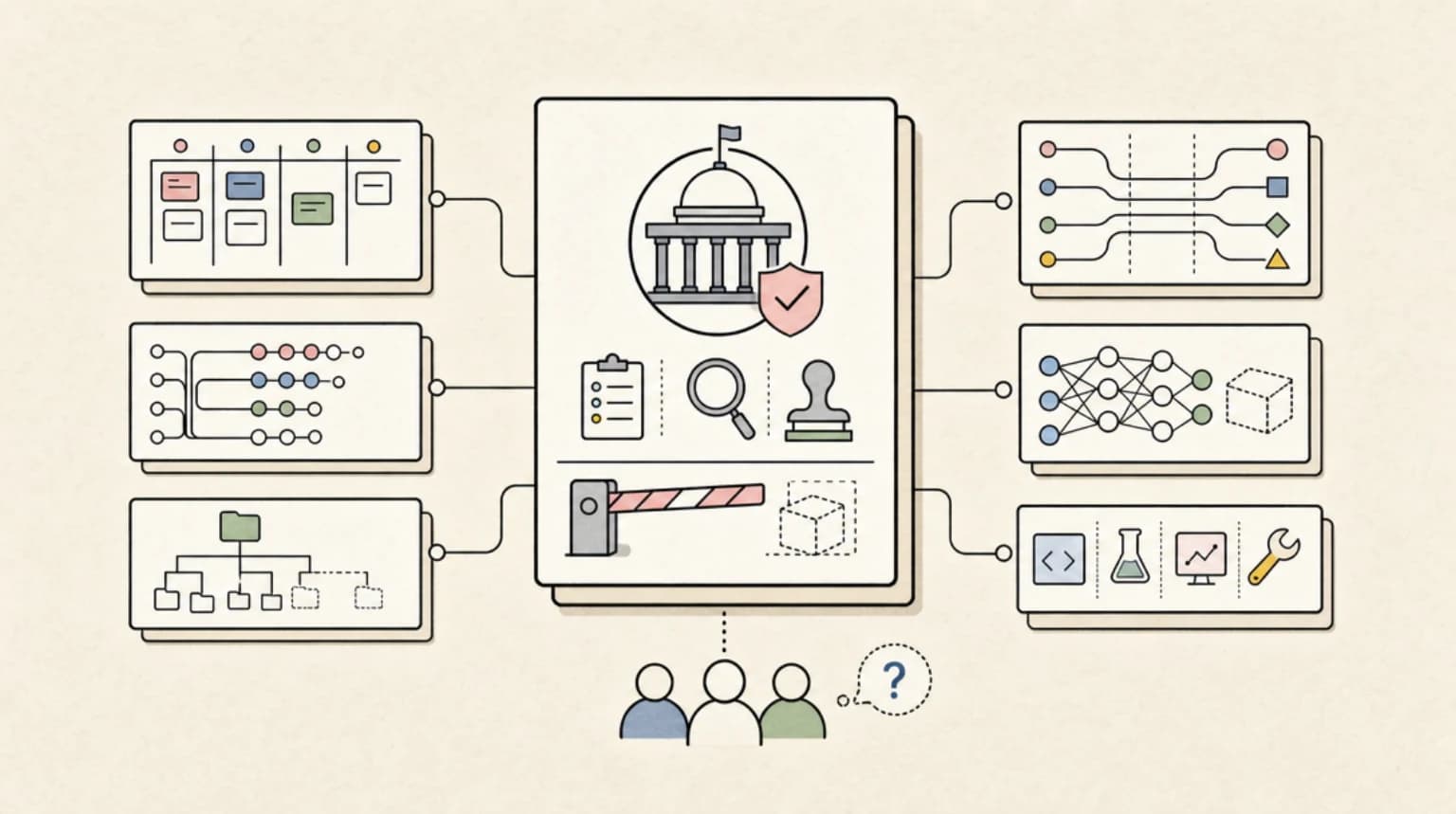
Anthropic CEO Dario Amodei on open-weights models: the position, the pushback, and what it means for developers
Dario Amodei published Anthropic's stance on open-weights models this week - no total ban, but support for chip export controls, distillation crackdowns, and mandatory safety testing. HN responded with 800+ comments calling it regulatory capture. Here is what the CEO said, what the thread argued, and why the debate matters for every developer deploying AI.
8 min read
Claude Mythos Found New Cryptographic Weaknesses: What HN Thinks
Anthropic's Claude Mythos Preview found novel attacks on the HAWK post-quantum signature scheme and reduced-round AES. The HN community debates the real significance, the $100K price tag, and what it means for prompt engineering.
8 min read

Anthropic Removed 80% of Claude Code's System Prompt. Here Is What They Learned.
Anthropic cut 80% of Claude Code's system prompt for Opus 5 and Fable 5 with zero regression on coding evals. The post landed on HN with 197 points and 133 comments. Here is what the article says, what HN thinks, and what it means for your agent harness.
7 min read
Claude Opus 5: Near-Fable Intelligence at Half the Cost
Anthropic released Opus 5 on July 24, 2026 - same price as Opus 4.8, within 0.5% of Fable 5 on CursorBench, and the new #1 on Artificial Analysis. We break down the benchmarks, HN reaction, and what it means for every developer choosing a daily-driver model.
12 min read
Claude Opus 5 vs Opus 4.8 vs Fable 5: Benchmark Comparison (July 2026)
Claude Opus 5 launched July 24, 2026 at $5/$25 per MTok - matching Opus 4.8 pricing while delivering near-Fable 5 intelligence. Full benchmark comparison across 7 evals, pricing breakdown, and decision guide.
22 min read

Claude Cookbook: Anthropic's Official Playbook for Building with Claude
Anthropic launched the Claude Cookbook - 80+ practical guides from their engineers covering tool use, agent patterns, evals, and production deployment. The HN discussion debates whether cookbook resources still matter when you can just ask the AI.
7 min read

Claude Opus 5 in 8 Minutes: What Developers Need to Know
Claude Opus 5 ships today with Frontier-Bench SOTA, near-Fable-5 coding at half the price, and self-verification that catches its own bugs. Here is what changed, what to migrate, and when the price-performance curve makes Opus 5 the right default.
7 min read
Terence Tao Digests the Jacobian Conjecture Counterexample: How Claude Fable 5 Broke an 87-Year-Old Math Problem
Terence Tao published a deep mathematical digestion of the Jacobian conjecture counterexample discovered by Claude Fable 5. Here is what happened, what HN is saying, and what it means for AI-assisted research.
9 min read
Zig Creator on the Bun-to-Rust Rewrite: What the Controversy Reveals
Andrew Kelley's blunt response to Anthropic's AI-assisted Bun rewrite sparked debate about AI marketing, language choices, and what makes engineering decisions honest.
7 min read
Claude Fable 5 in 7 Minutes: Benchmarks, Pricing, Availability, and Real-World Examples
A companion guide to the Claude Fable 5 video: what the first general-use Mythos class model is, the walkthrough beats from the review, hands-on developer takeaways, and the pricing and context specs from primary sources.
7 min read
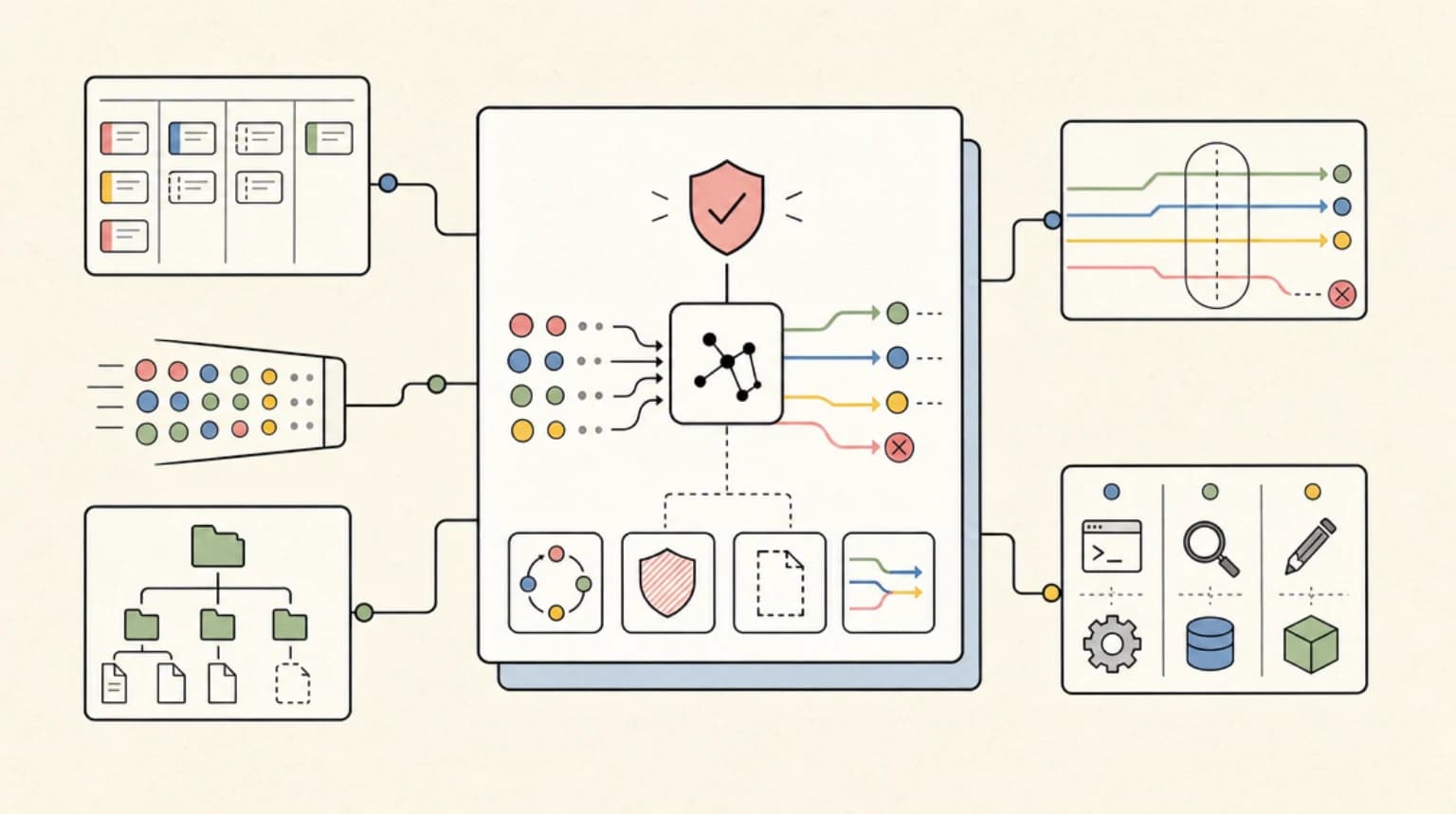
Anthropic Discovers J-Space: A Global Workspace Inside Language Models
Anthropic's new research reveals LLMs have an internal 'workspace' for silent reasoning - and it could change how we build safer AI.
8 min read

Claude Sonnet 5 Developer Guide: Migration, API, and Effort Levels
Everything developers need to migrate from Sonnet 4.6 to Sonnet 5 - three breaking API changes, the new effort parameter, tokenizer impact, and when to use each effort level. Verified against Anthropic's official docs on July 4, 2026.
8 min read

Claude Science Developer Guide 2026: AI Workbench for Research
Anthropic's Claude Science combines scientific tools, local code execution, and HPC integration into one AI workbench. Here is how to access it, what it costs, and where it fits alongside Claude Code.
8 min read

MCP Servers vs Agent Skills: Which to Build in 2026
A decision framework for 2026: MCP servers give an agent access to a live system, Agent Skills teach it how to do a task. Here is when to build each, when to build both, and the criteria that actually decide it, grounded in the MCP spec and Anthropic's skills docs.
10 min read

Claude Sonnet 5 vs Sonnet 4.6: Should You Upgrade?
Claude Sonnet 5 lands near Opus 4.8 on some tasks for a fraction of the price - but a new tokenizer runs about 30 percent more tokens. Here is the upgrade decision for builders, with the numbers.
6 min read
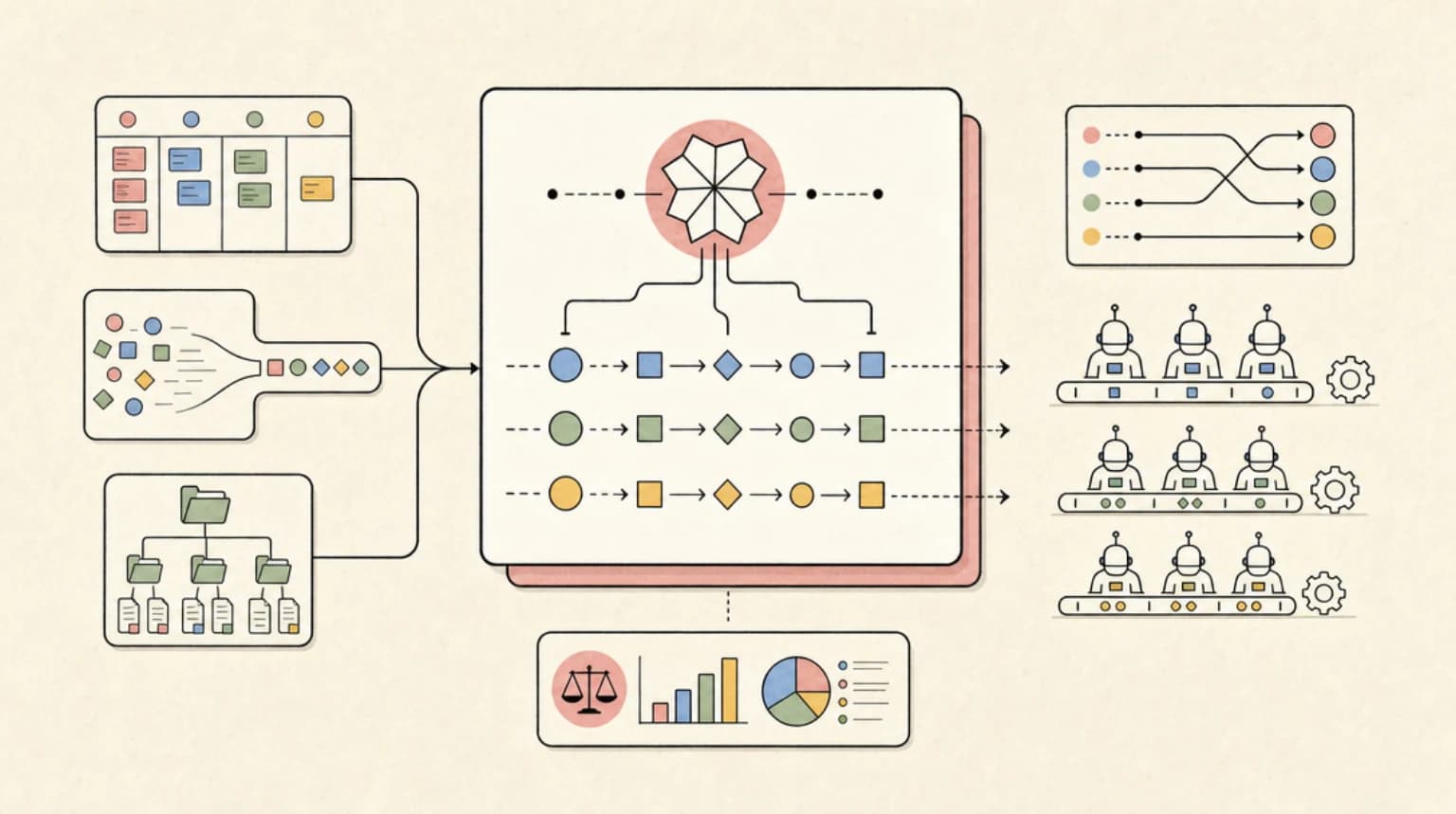
Orchestrating a Fleet of Agents with Fable 5
Fable 5 changes multi-agent orchestration because the orchestrator can now hold the whole project in one head. Here is the manager-model pattern: a 1M-context frontier model leading, delegating scoped work to cheaper workers, and verifying results.
8 min read
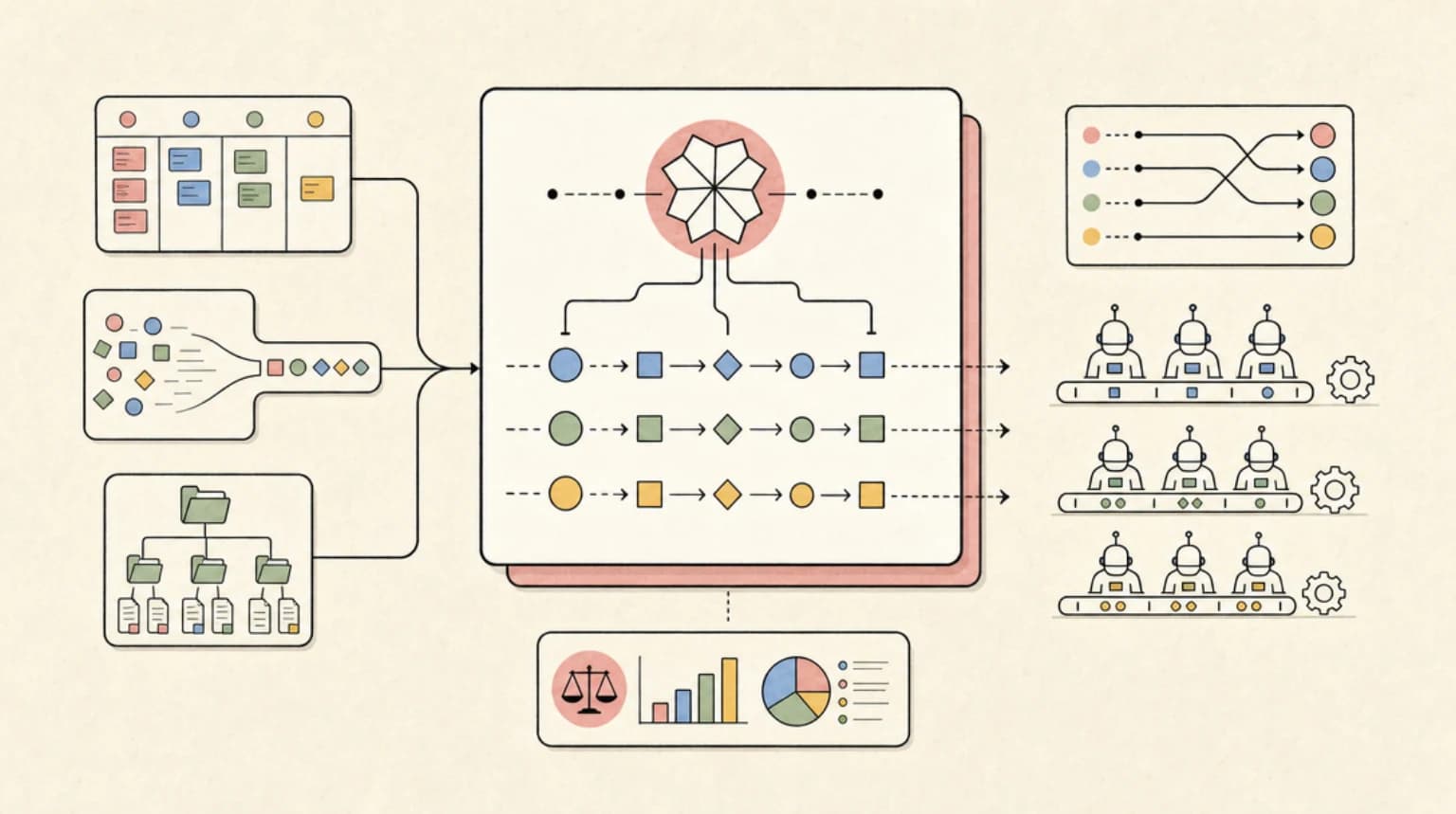
Running Fable 5 Agent Fleets in Production: The Operations Guide
Standing up a fleet of Fable 5 agents is the easy part. This is the operations layer - data retention rules, refusal-rate alerting, effort tuning, observability, and availability planning - that keeps the fleet running.
8 min read
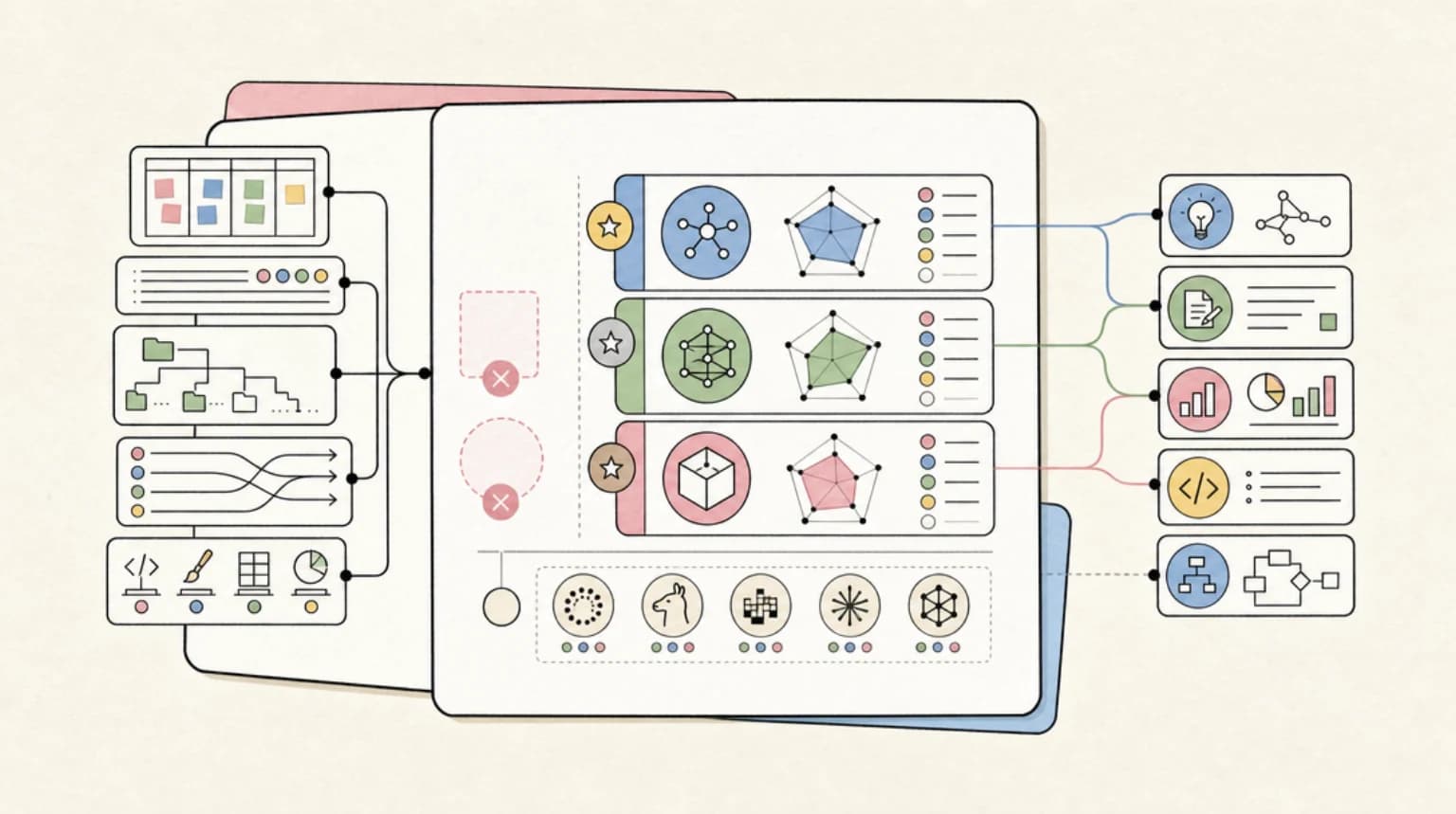
Fable 5 Is Back: The Anthropic Model the Government Switched Off
Anthropic's most capable model launched, got suspended by a US export-control order, and returned today. Here is what Fable 5 is, what changed on the way back, and whether builders should reach for it.
6 min read
Running Fable 5 Agents on Vercel's eve Framework
Vercel's eve gives you the agent plumbing - durable sessions, sandboxed code execution, approvals, subagents - as a folder of files. Fable 5 gives you a long-horizon reasoning model. Here is how to wire them together, what it costs, and who the stack fits.
9 min read
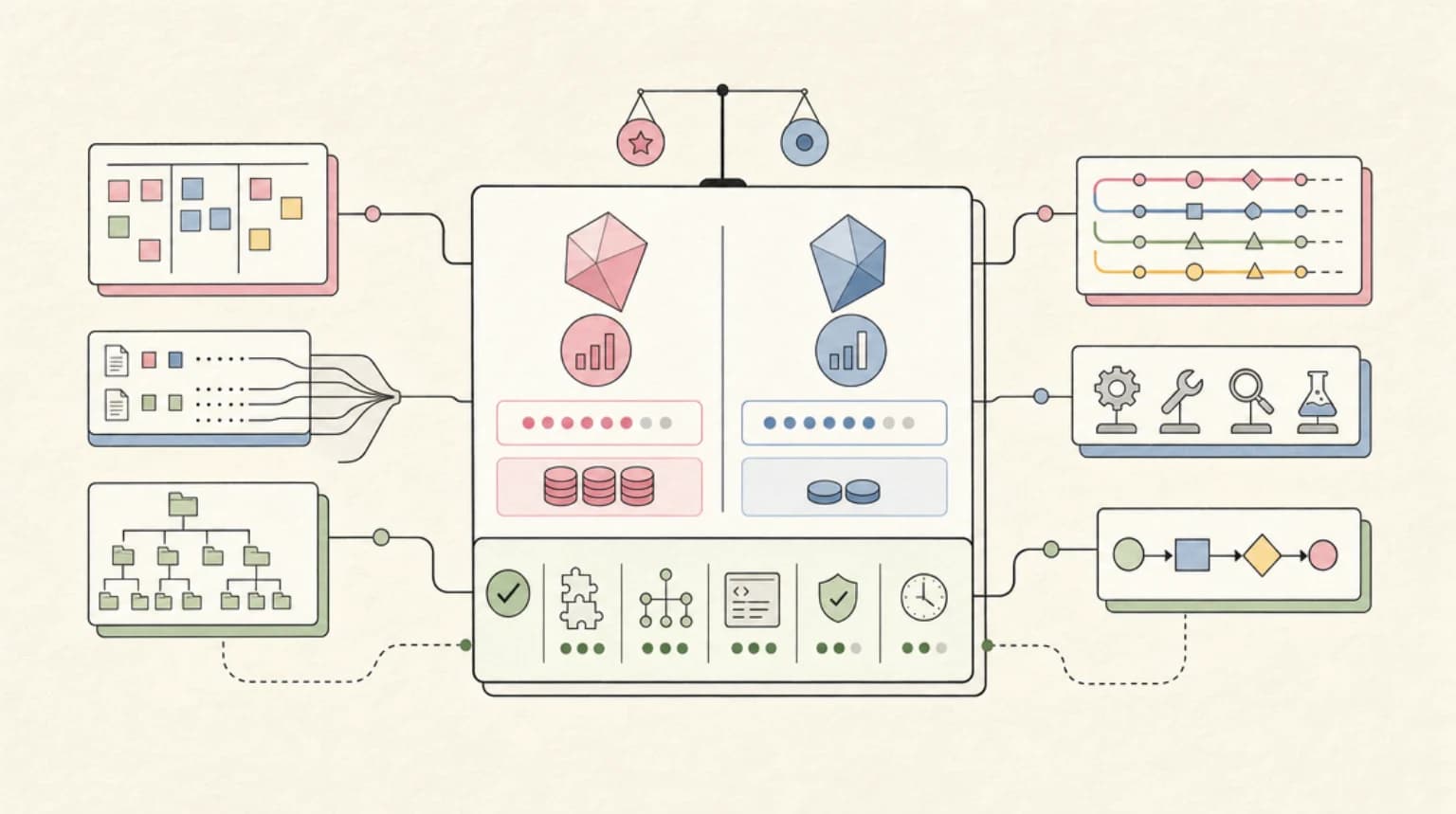
Fable 5 vs Opus 4.8: Which Should Orchestrate Your Agents?
The orchestrator is the most important model choice in an agent fleet. A fair head-to-head between Fable 5 and Opus 4.8 for that role, with a decision matrix by run length, budget, compliance, and refusal-handling tolerance.
8 min read
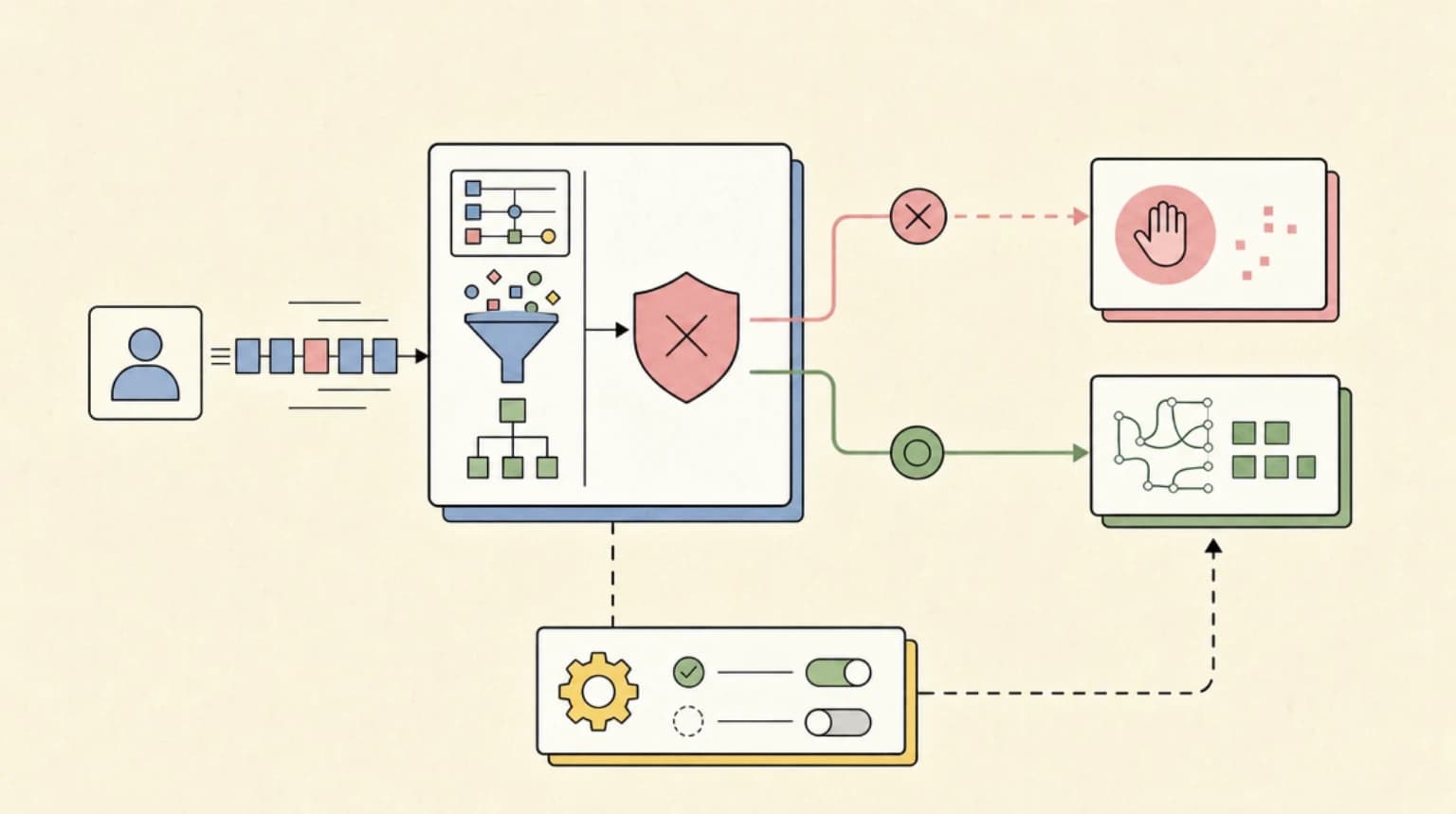
Refusals at Fleet Scale: Building Fable 5 Agents That Do Not Silently Fail
Fable 5 refusals come back as a 200 response, not an error. At fleet scale, that quietly corrupts entire runs. Here is how to detect, fall back, and treat refusal rate as a health metric.
9 min read
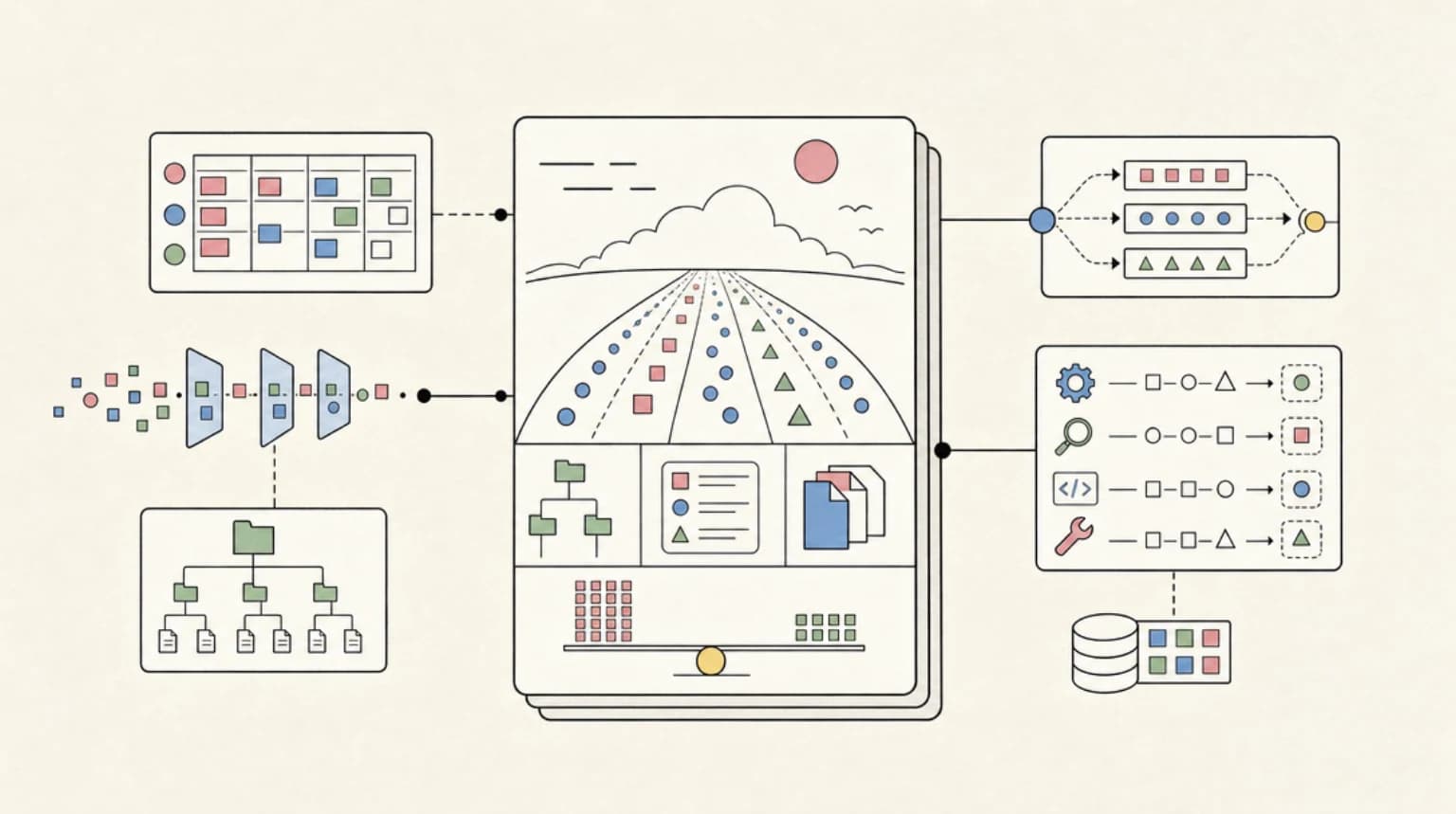
Long-Horizon Agents: What Fable 5's 1M Context and Memory Actually Unlock
1M context, 128K output, a memory tool, compaction, and task budgets change what a single agent run can cover. Here is what is verified, what is plausible, and six projects builders can try now.
9 min read

Claude Code Is Steganographically Marking Requests
A developer reverse-engineered Claude Code and found hidden markers that classify users by timezone, domain, and API keywords - using unicode apostrophe swaps and date format changes.
7 min read
Claude Sonnet 5 Launch Analysis: The Most Agentic Sonnet Yet
Anthropic releases Claude Sonnet 5 with improved agentic capabilities, better tool use, and an introductory pricing deal. Here's what developers need to know.
6 min read

Anthropic Claude Tag Turns Slack Into a Shared Agent Workspace
Claude Tag is Anthropic's new Slack-based beta for Team and Enterprise users. The important shift is not chat convenience - it is shared agent identity, channel context, and team-visible work.
8 min read
Claude Code's Extended Thinking Is a Summary - What That Means for You
A developer discovered that Claude Code's thinking output is summarized, not the raw reasoning. Here's what Anthropic's docs actually say - and why it matters.
5 min read
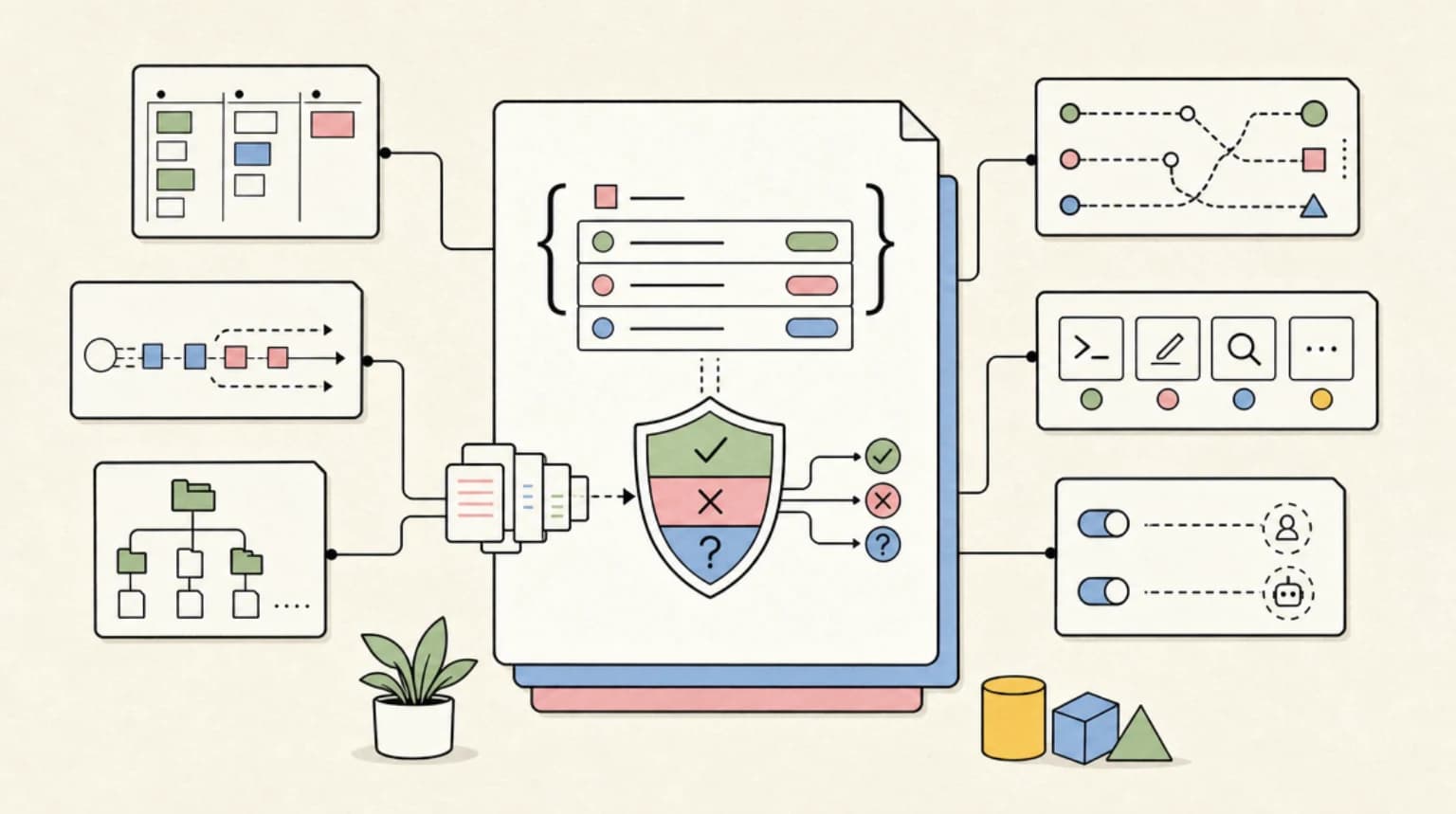
Claude Code Permissions: settings.json Allow, Deny, Ask
Configure Claude Code permissions in settings.json: allow, deny, and ask rules, scope precedence, tool specifiers, and the headless flags you need for CI.
11 min read
Claude Mythos and Fable 5 Banned: The Export Controls That Shut Down Two Frontier Models
The US government ordered Anthropic to suspend Fable 5 and Mythos 5 for ALL users after a narrow jailbreak finding. Here is what happened, why it hit everyone, and what changed for developers overnight.
6 min read
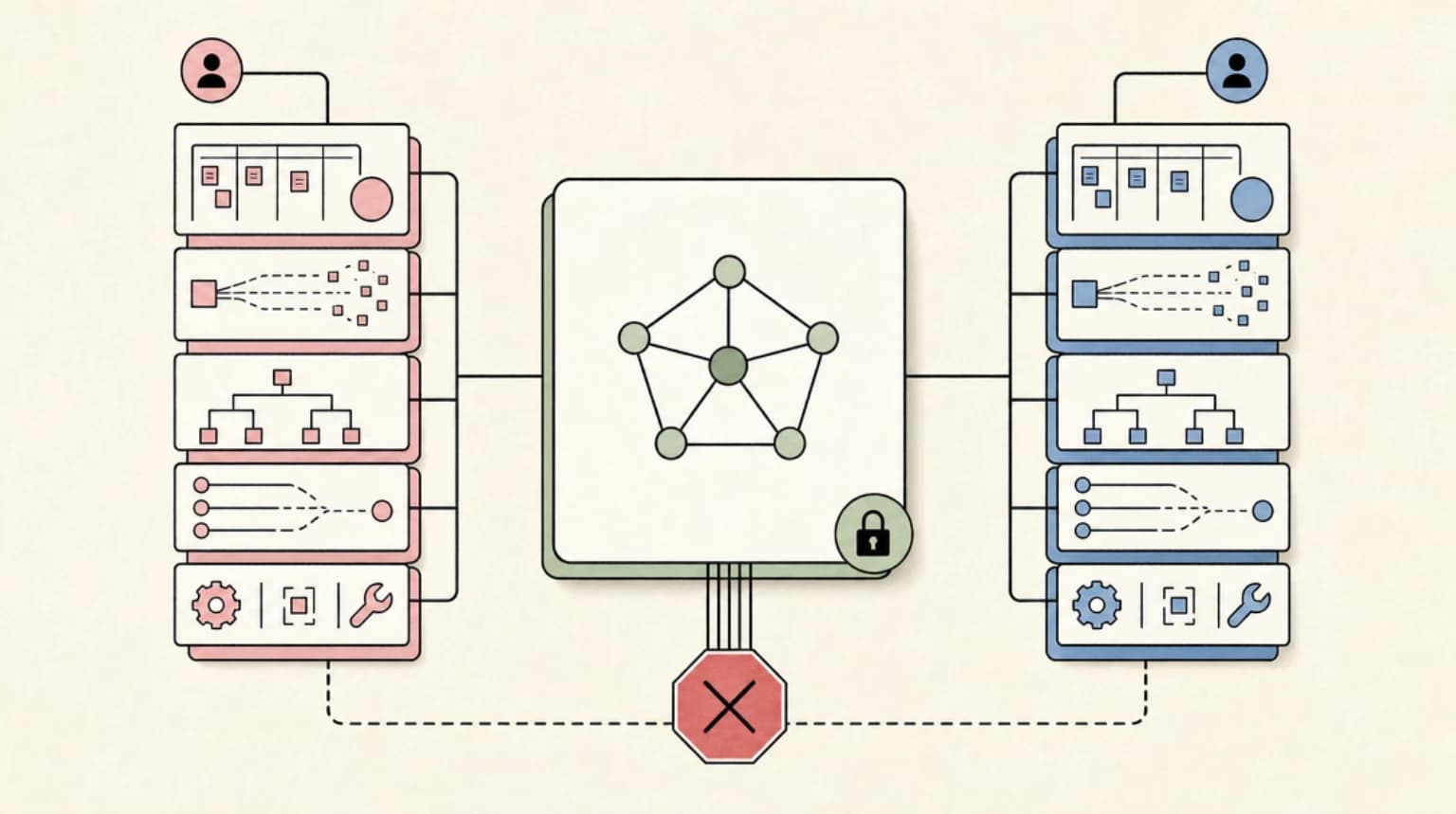
Claude Mythos vs Fable 5: What Is the Difference?
Mythos 5 and Fable 5 are the same underlying model. The difference is who can use it and what safeguards sit on top. Here is the breakdown, and why both got suspended together.
5 min read
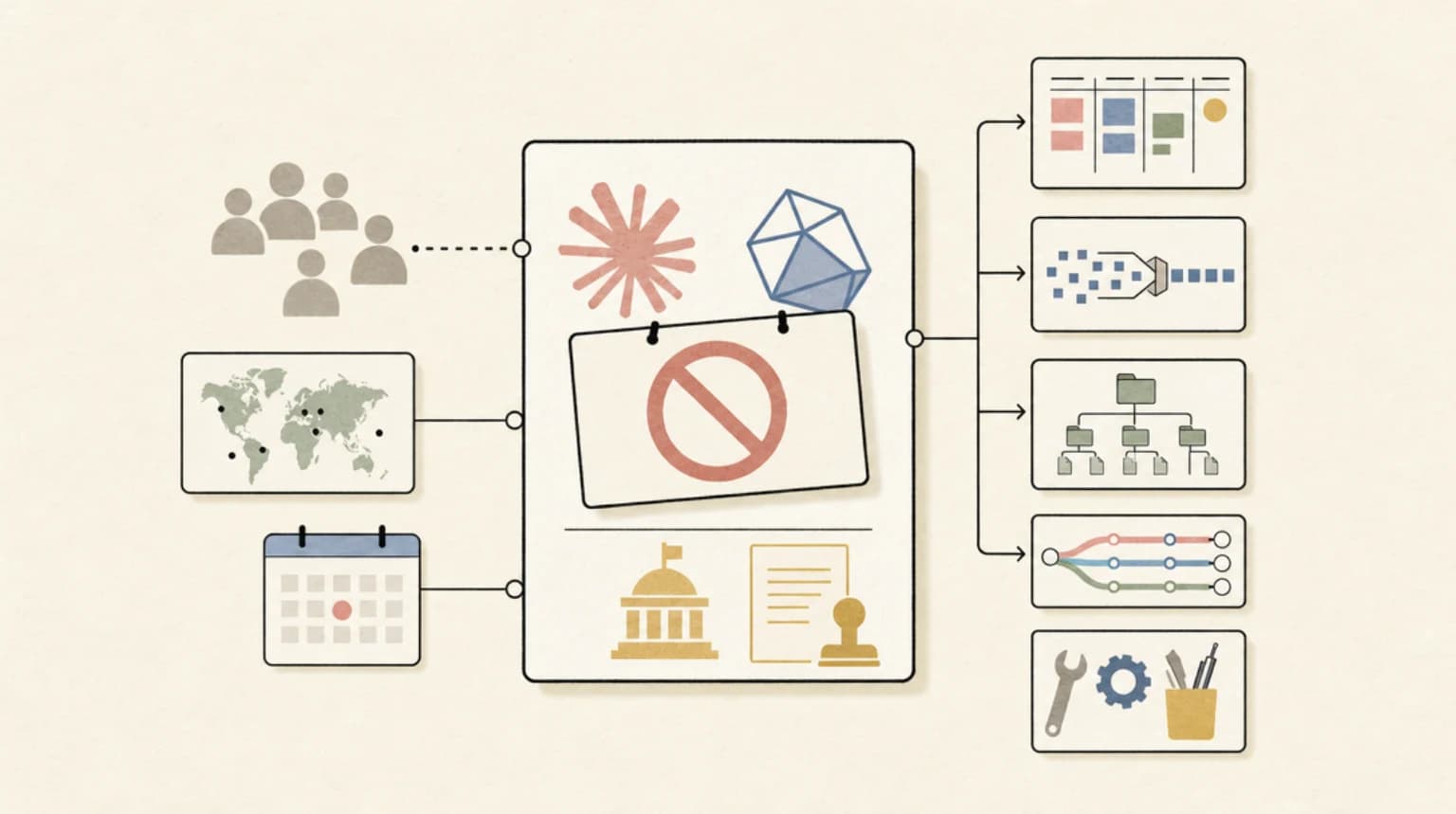
Is Claude Fable 5 Down? Why It Is Unavailable (June 2026)
Claude Fable 5 and Mythos 5 are unavailable for everyone as of June 12, 2026. It is not an outage. The US government ordered Anthropic to suspend access. Here is the status, the cause, and what to use instead.
4 min read
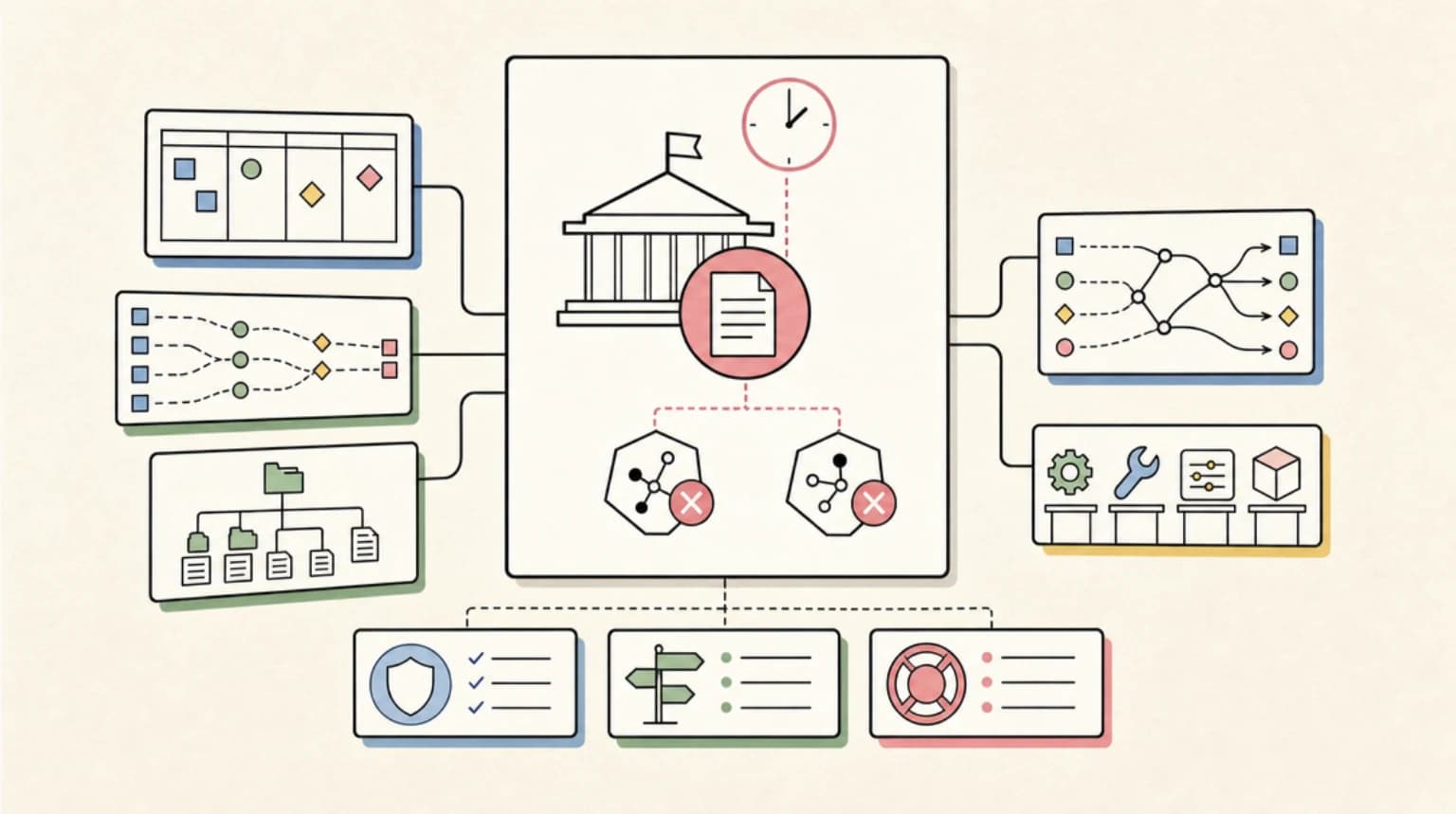
The US Government Just Pulled Fable 5: What Happened
Anthropic received an export control directive at 5:21pm ET and had to disable Fable 5 and Mythos 5 for every customer. Here is what we know, what still works, and what to do if Fable is in your stack.
5 min read
Why the US Government Pulled Fable 5: Four Theories
A narrow jailbreak that other models can match does not get a frontier model recalled. So what actually happened? The plausible explanations, ranked.
6 min read
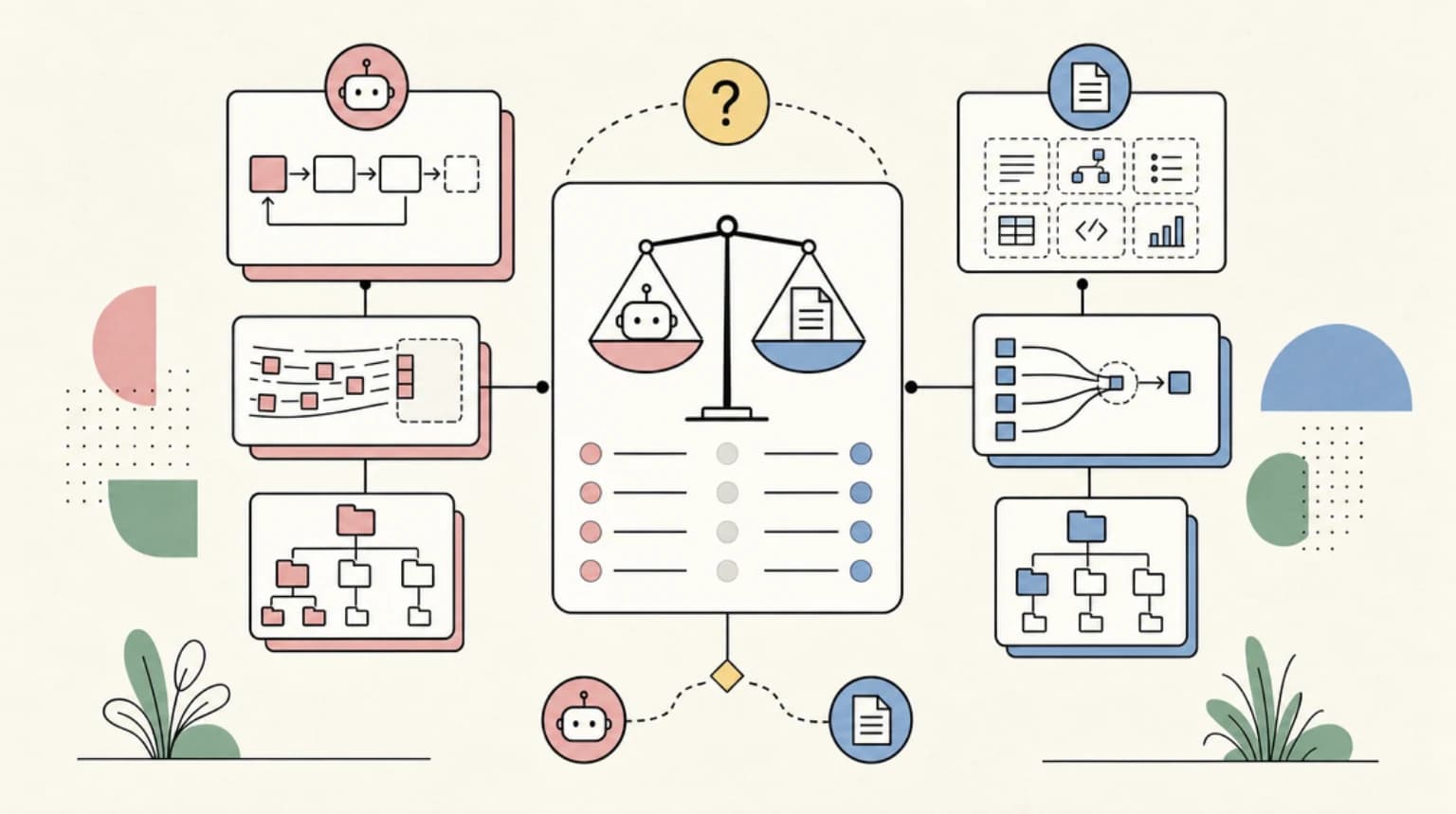
Claude Agents vs Skills: Which One Do You Actually Need?
Claude agents vs skills, untangled: agents are workers with their own context window, skills are instructions loaded on demand. Here is the decision table.
8 min read
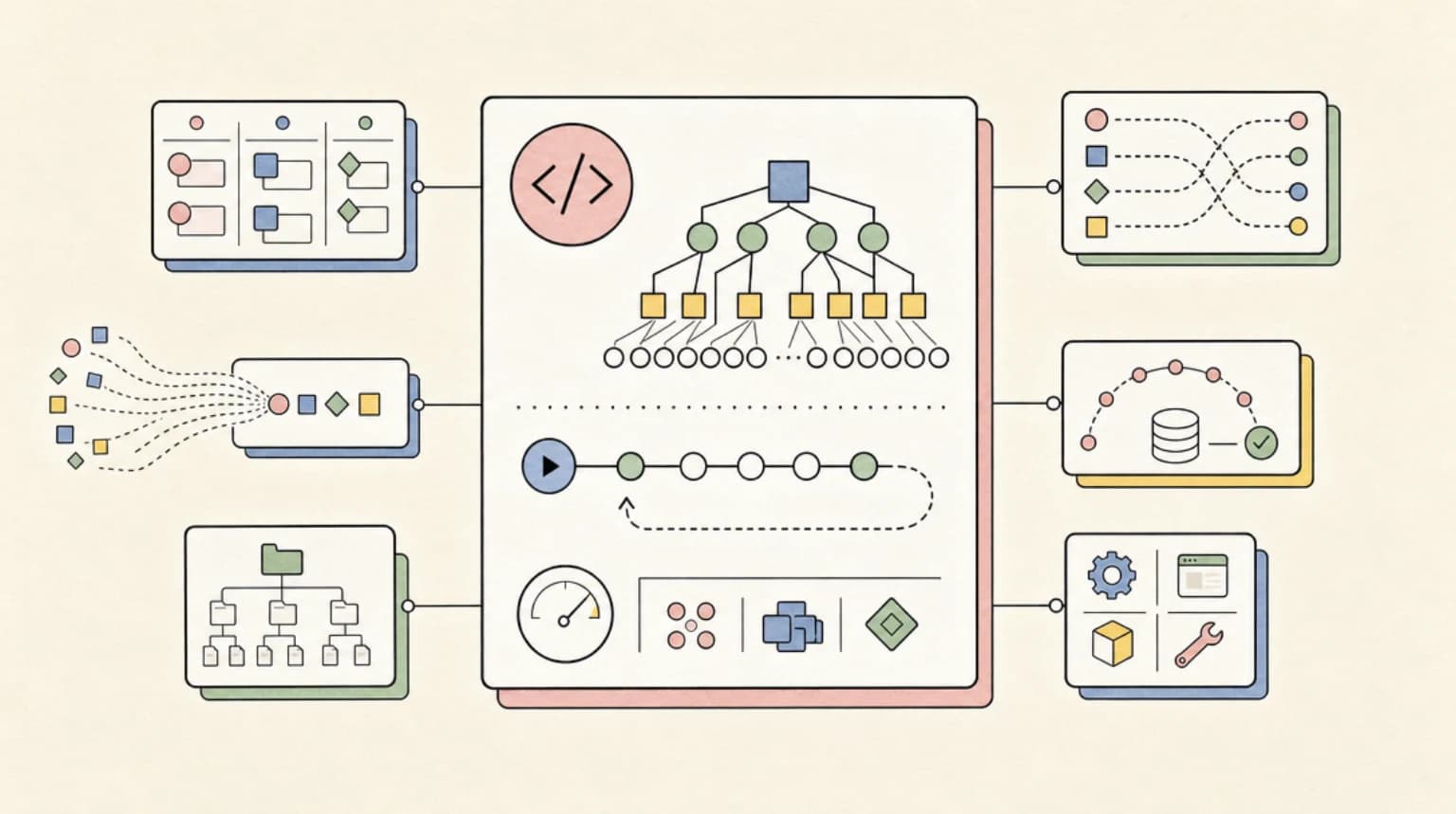
Claude Code Dynamic Workflows: The Complete Guide
Claude Code dynamic workflows turn orchestration into a JavaScript script that runs up to 1,000 agents per run - here is how scripts, schemas, budgets, and resume actually work.
10 min read
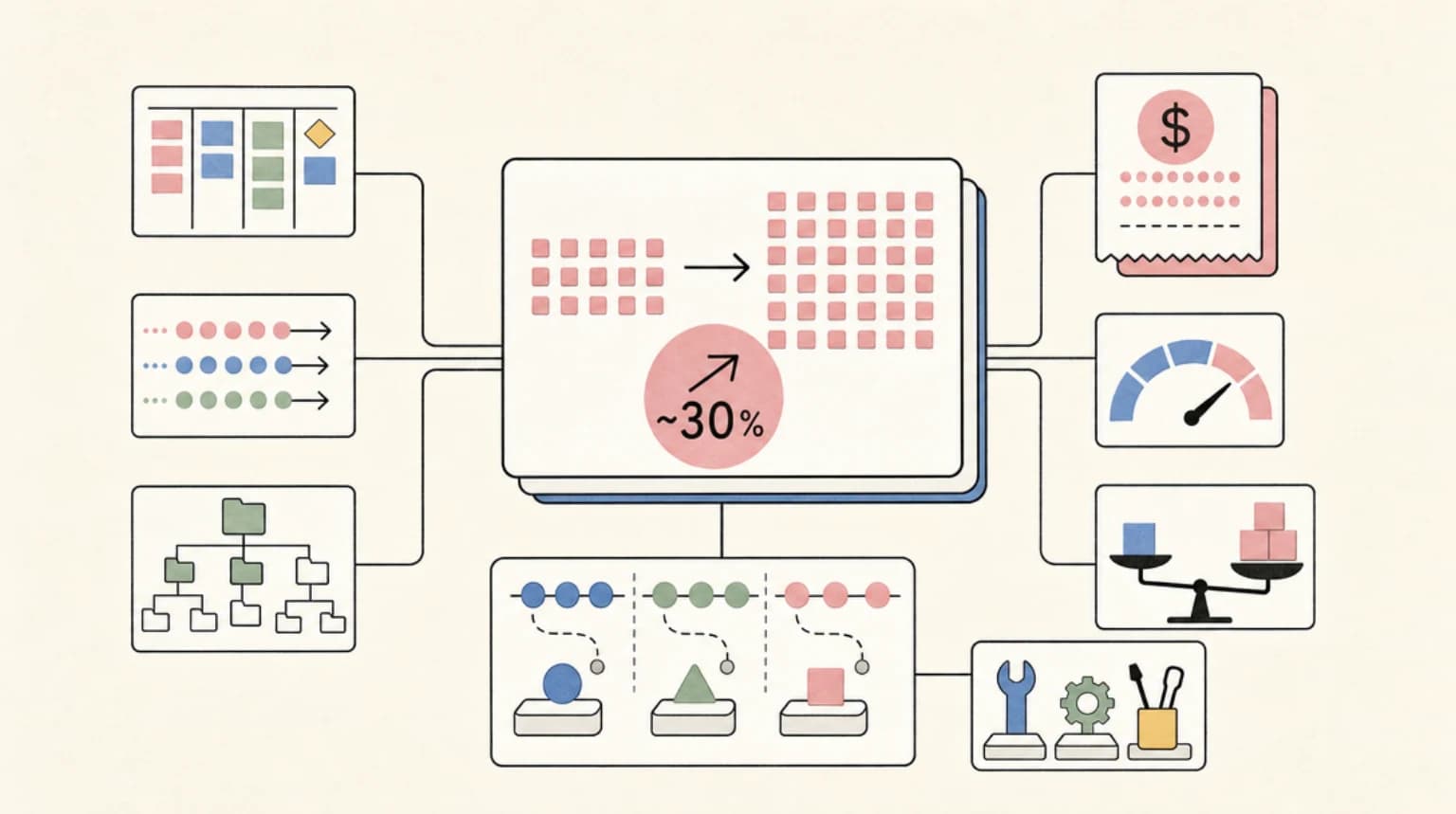
The Claude Tokenizer Change: What ~30% More Tokens Means for Your Bill
Anthropic's docs say the tokenizer introduced with Opus 4.7 can use up to 35% more tokens for the same text. Here is what that does to per-request cost, max_tokens, and cross-model comparisons.
8 min read
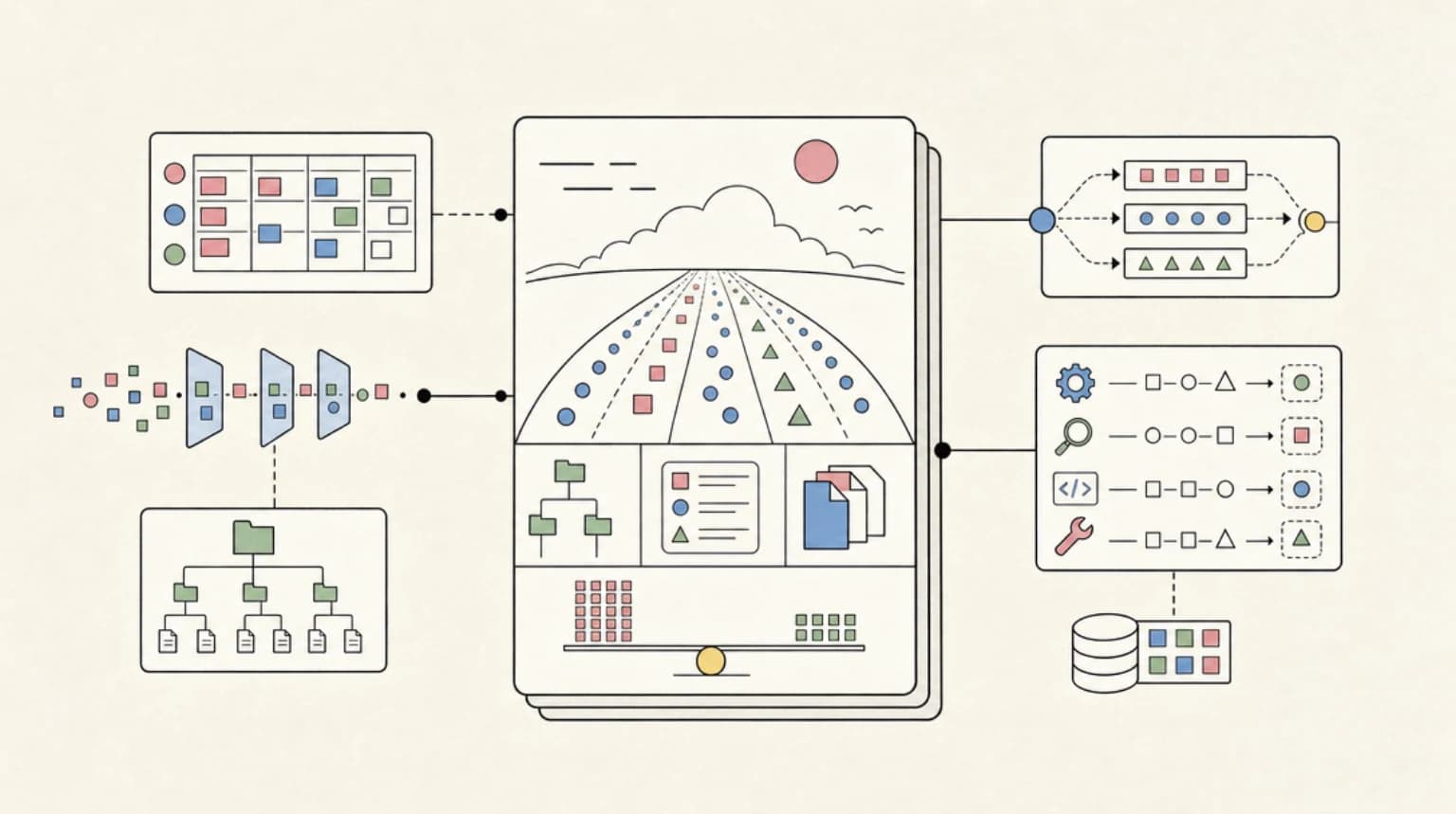
Fable 5 with 1M Context: What Actually Works in Practice
Fable 5 1M context workflows that actually work: whole-repo reviews, log archaeology, multi-doc synthesis - plus the honest math on when RAG still wins.
10 min read
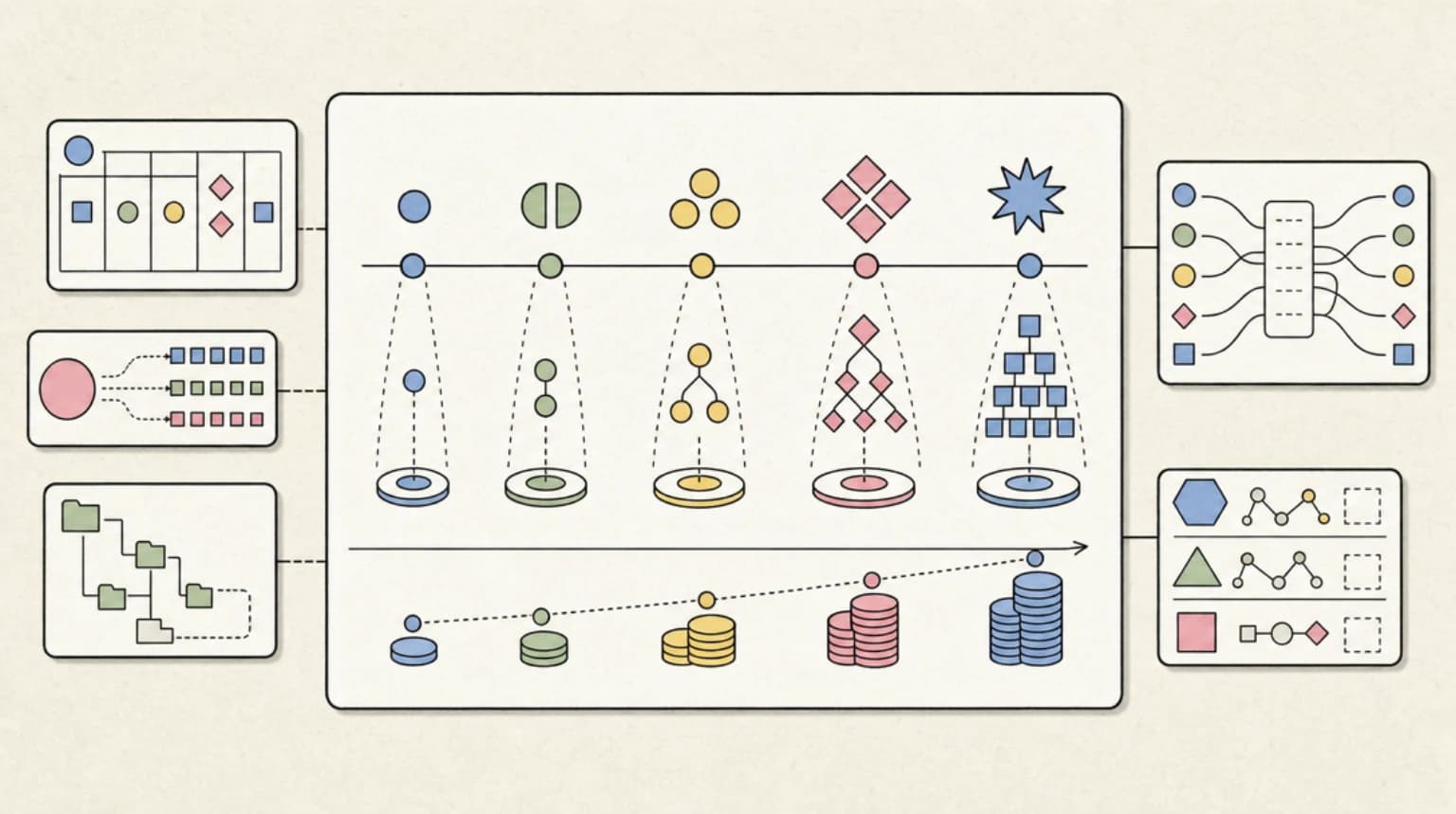
Fable 5 Effort Levels Explained: low to max and Their Cost
Fable 5 effort levels explained: what low, medium, high, xhigh, and max change, which models support each level, how API and Claude Code defaults differ, and how effort drives your token bill.
11 min read
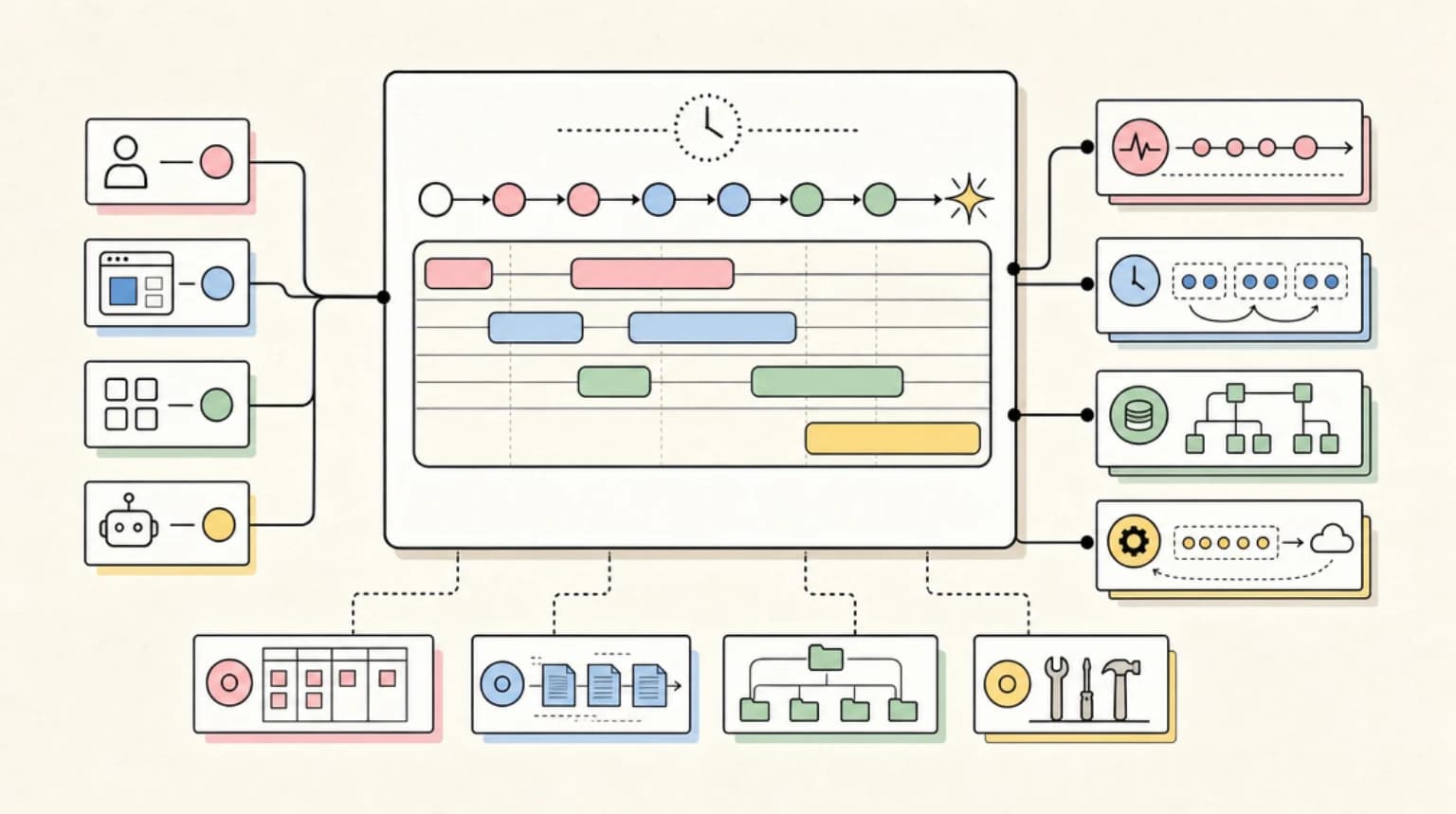
Handling Long-Running Fable 5 Requests: Timeouts, Streaming, and Background Patterns
Fable 5 long-running requests can run for many minutes per turn and hours per autonomous run. Here is how to configure client timeouts, streaming keepalive, batch polling, and background patterns so they actually finish.
8 min read
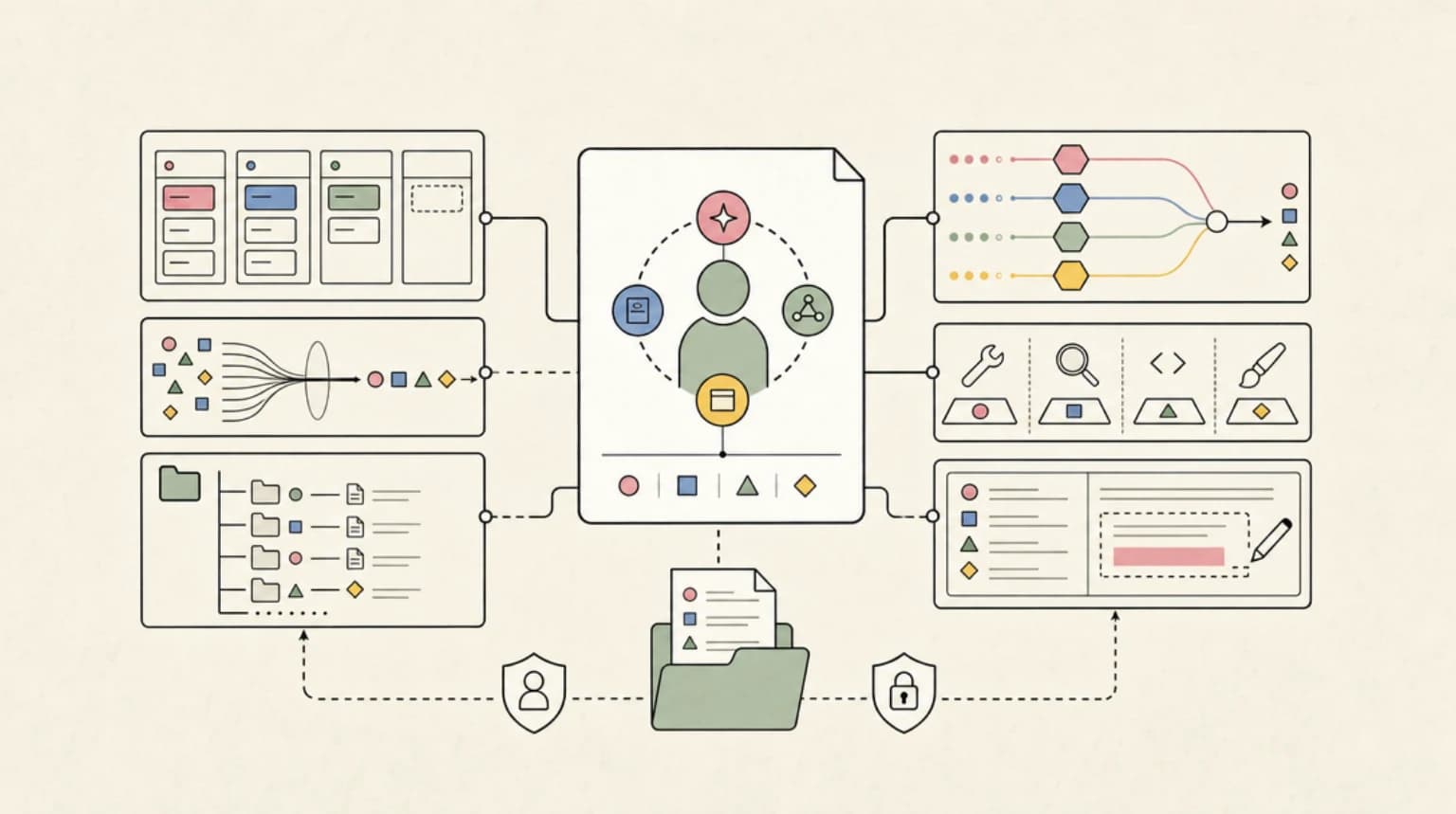
Setting Up the Memory Tool with Fable 5: Persistent Agents That Learn
Anthropic says persistent file-based memory improved Fable 5 three times more than it improved Opus 4.8. Here is the full memory tool setup - handlers, security, and context editing included.
8 min read
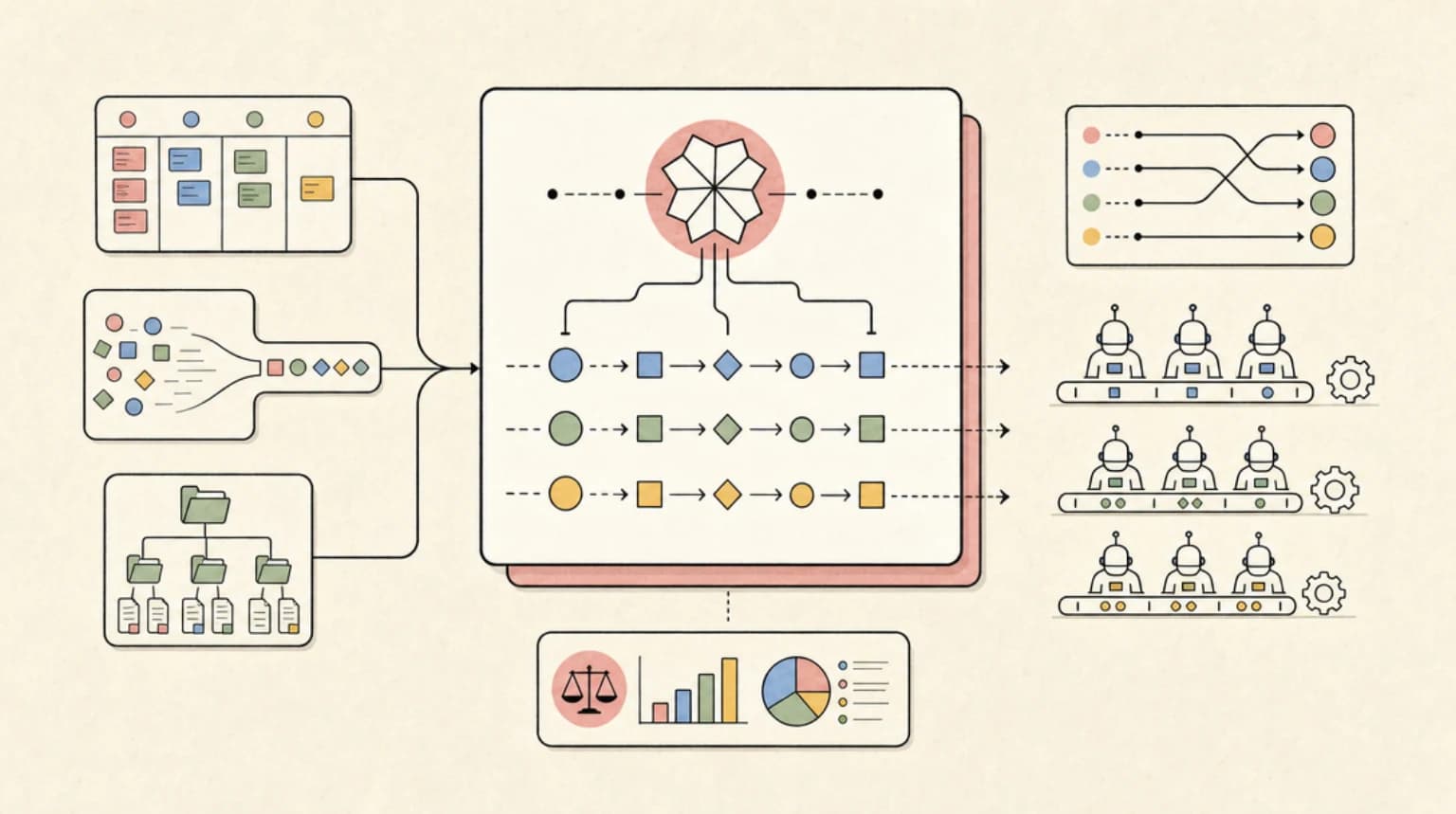
The Fable 5 Orchestrator Playbook: One Smart Model Managing Cheap Workers
A practical playbook for running Claude Fable 5 as the orchestrator over Sonnet and Haiku workers, with verified cost math on when the premium pays off.
10 min read
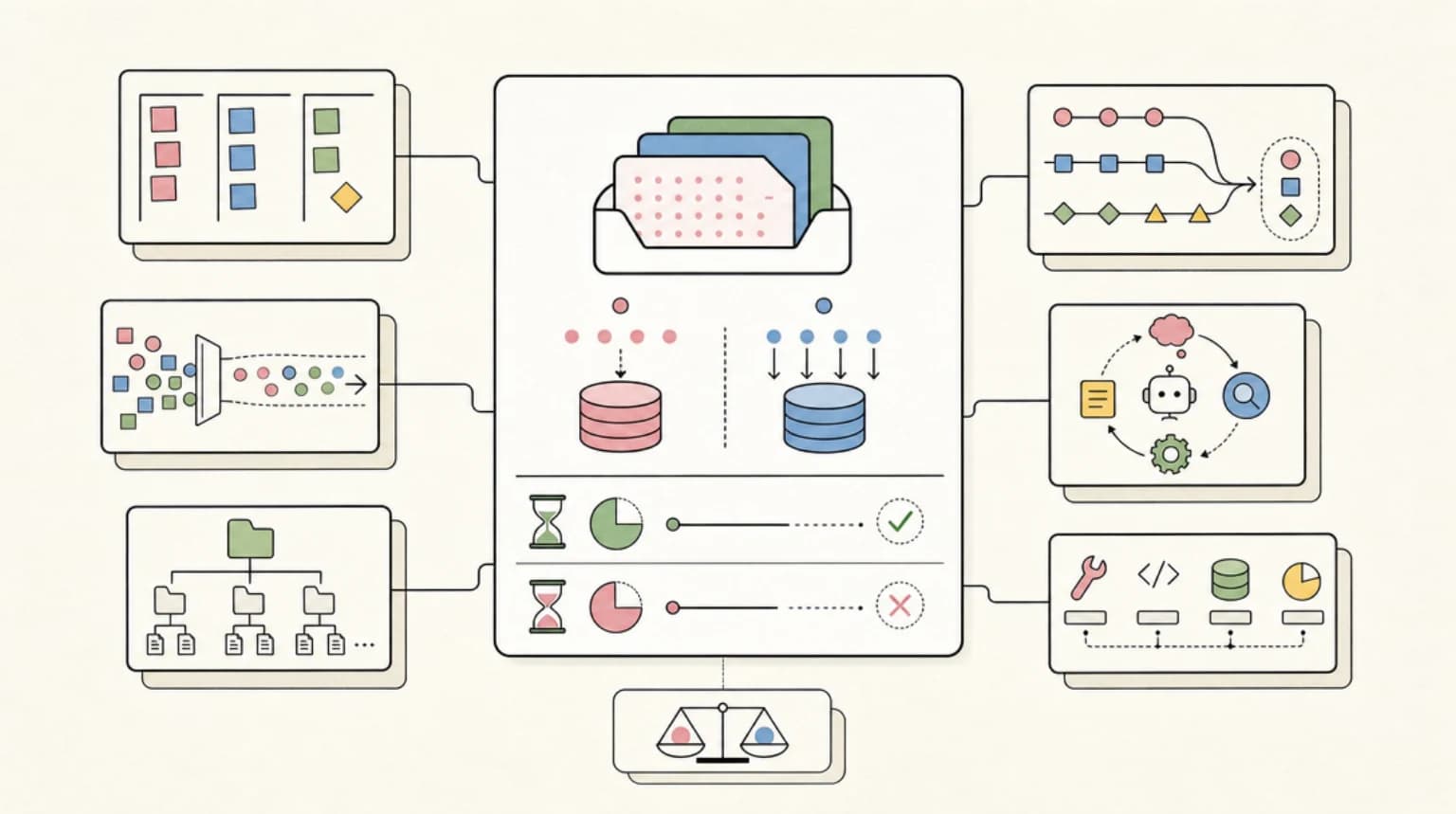
Prompt Caching Economics on Fable 5: When the 5-Minute TTL Pays
Fable 5 prompt caching economics: cache-write vs cache-read pricing, 5-minute vs 1-hour TTL break-even math, and worked agent-loop examples.
10 min read
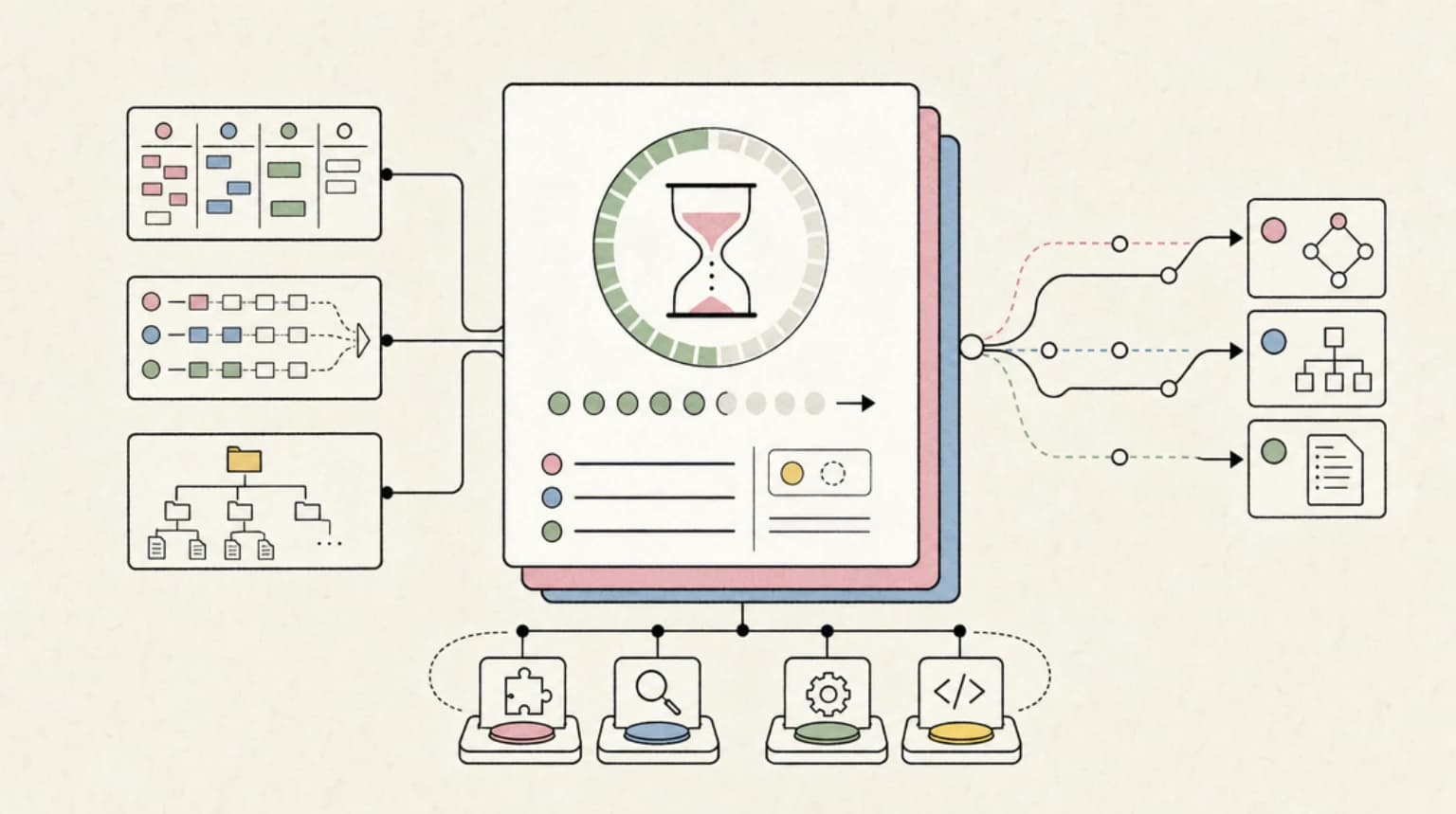
Fable 5 Task Budgets: Capping Agent Spend Before It Happens
Task budgets give Claude a token countdown for the whole agentic loop, so the model paces itself instead of discovering the limit when max_tokens truncates it. Here is how the beta works on Fable 5, what it does not enforce, and where it fits next to effort and the Usage API.
8 min read
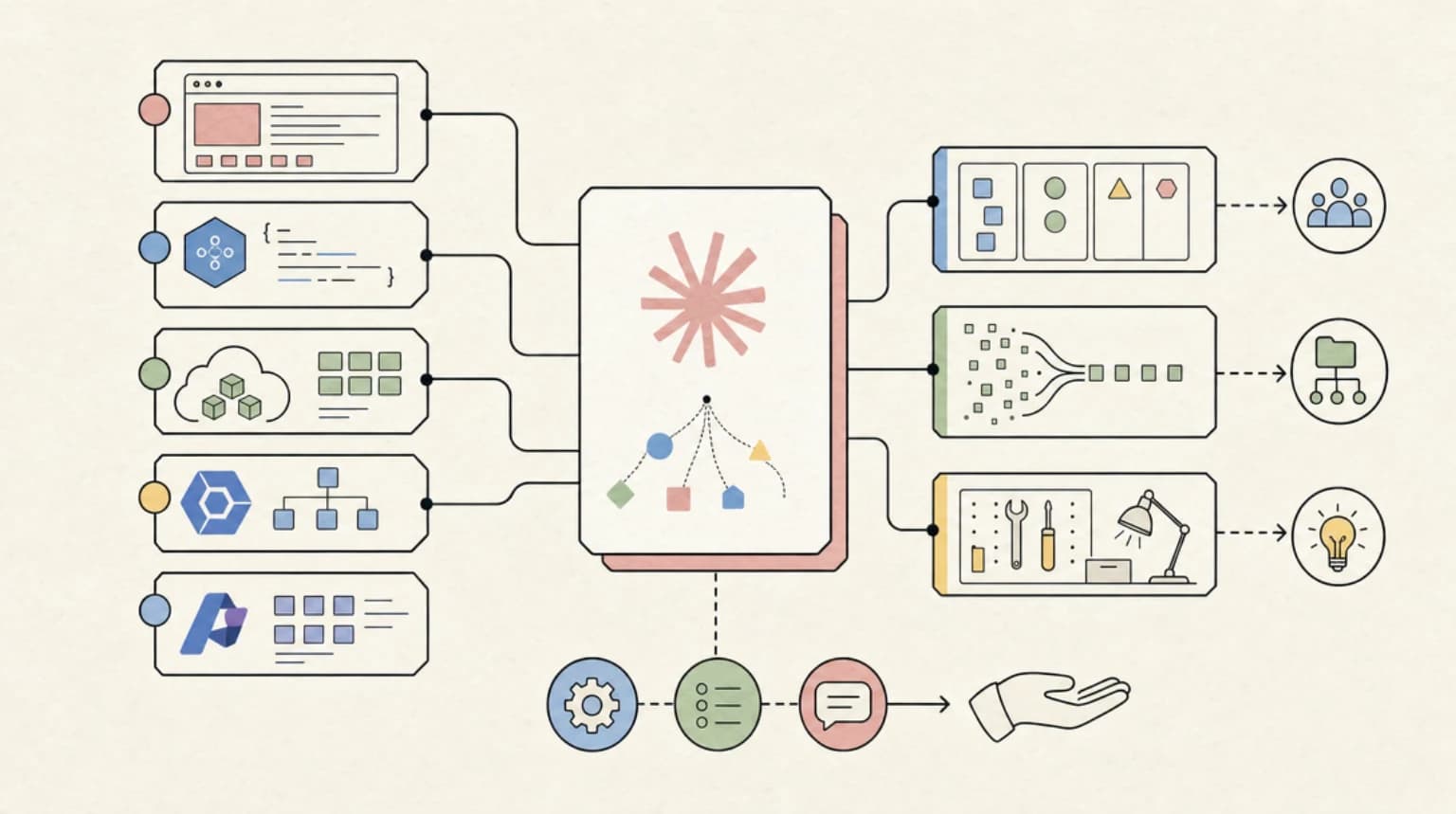
How to Use Claude Fable 5: Every Access Path Explained
How to use Claude Fable 5 across every access path: claude.ai plans through June 22, the Claude API, Amazon Bedrock, Vertex AI, and Microsoft Foundry, with setup effort and first-prompt tips.
8 min read
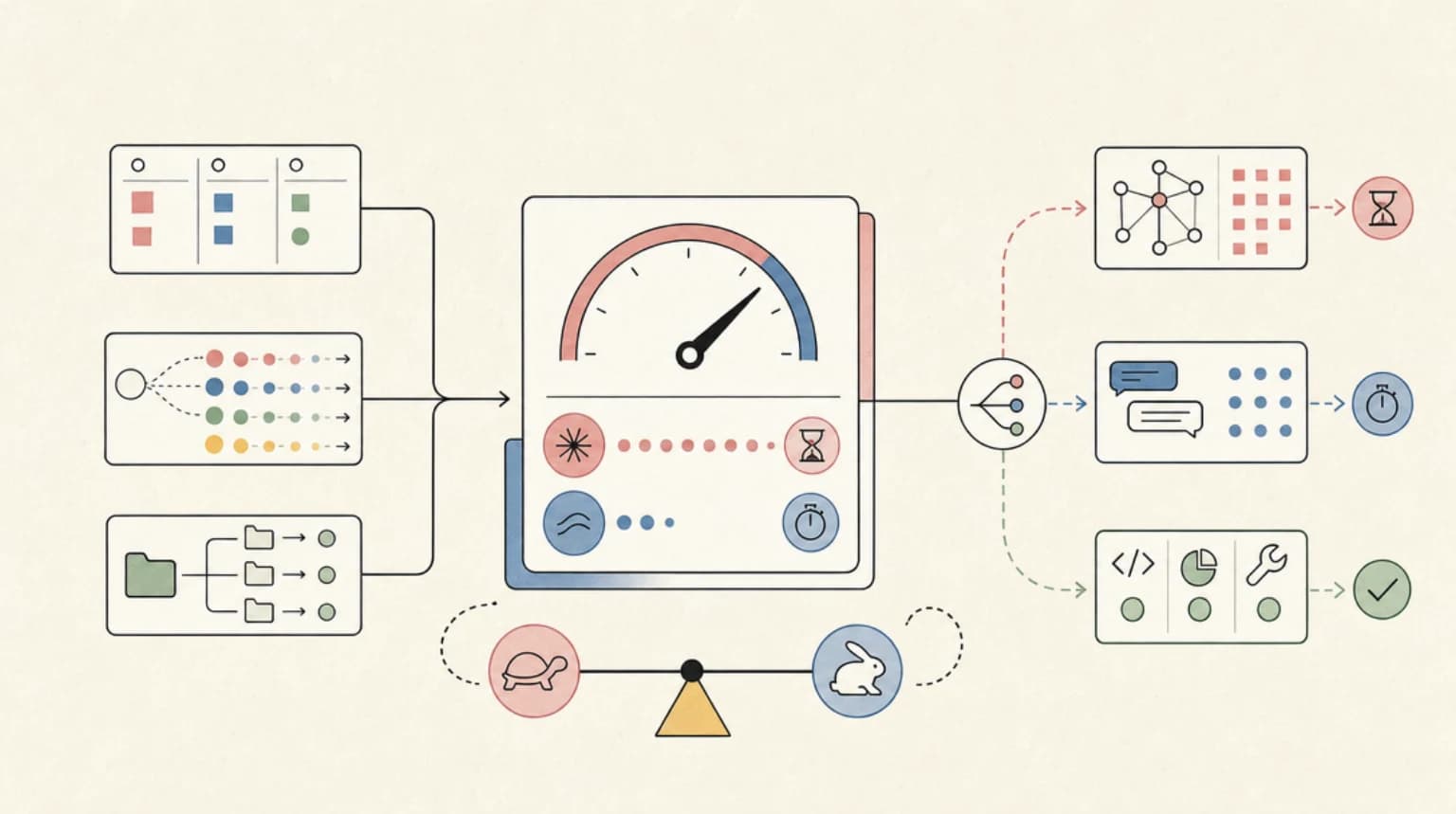
Is Claude Fable 5 Slow? Latency in Practice, and When It Matters
Claude Fable 5 latency measured: 109 seconds to first token at max effort vs 1.4s for Sonnet 4.6. When slow is fine, when it hurts, and how to route around it.
8 min read
Recursive Self-Improvement: What Fable 5, Dario's Essay, and Anthropic's Own Data Actually Tell Us
In one 48-hour window Anthropic shipped Fable 5, Dario Amodei called for FAA-style model testing, and the Anthropic Institute published internal data on AI building AI. Here is what recursive self-improvement actually means, and how far along the loop really is.
10 min
Rewriting Your Prompts and Skills for Fable 5
Rewriting prompts and skills for Fable 5: what changes when you migrate agents from Opus 4.x, how effort interplay works, and which old workarounds now hurt.
10 min read
Ultracode: Claude Code Multi-Agent Orchestration Mode Explained
Ultracode is a prompt keyword that runs one task as a dynamic workflow, and an /effort setting that pairs xhigh reasoning with automatic orchestration.
8 min read
12 Ways Developers Are Actually Leveraging Claude Fable 5
Twelve documented Claude Fable 5 use patterns - agent orchestration, overnight runs, 1M-context refactors, effort tuning - each with a how-to seed and doc link.
10 min read
The Pushback on Amodei's Exponential Essay: Too Slow, Too Convenient, or About Right?
Within hours of Dario Amodei publishing 'Policy on the AI Exponential,' critics surfaced across Hacker News and the tech press. We surveyed the actual reactions, characterized each fairly, and weighed which critiques matter most if they turn out to be right.
9 min read
Anthropic Model Names Explained: Fable, Mythos, Opus, Sonnet
Anthropic's model names: Haiku, Sonnet, Opus, then Fable and Mythos. What each tier means, the current model IDs and prices, and which one to pick.
6 min read
Why Claude Desktop Quietly Installs a 1.8 GB VM on Windows (And What You Can Do About It)
Claude Desktop spawns a Hyper-V virtual machine consuming roughly 1.8 GB of RAM on every Windows launch - even when you only open it for chat. Here is what the VM is for, who gets hit hardest, and the workarounds that actually work.
8 min read
Handling Fable 5 Refusals: A Working Guide to the Fallback API
Fable 5 ships with safety classifiers that route flagged requests away from the model. In production you need to handle this, and Anthropic shipped three ways to do it. Here's how each one works, with code, plus the billing rules nobody has written up.
10 min read
Claude Fable 5 Access After the June 22 Deadline: Where Things Stand
Fable 5's two-week free window on Pro, Max, Team, and Enterprise plans closed June 22. Here's what changed, what the credit system actually costs, and how to think about the model now that the deadline is history.
6 min read
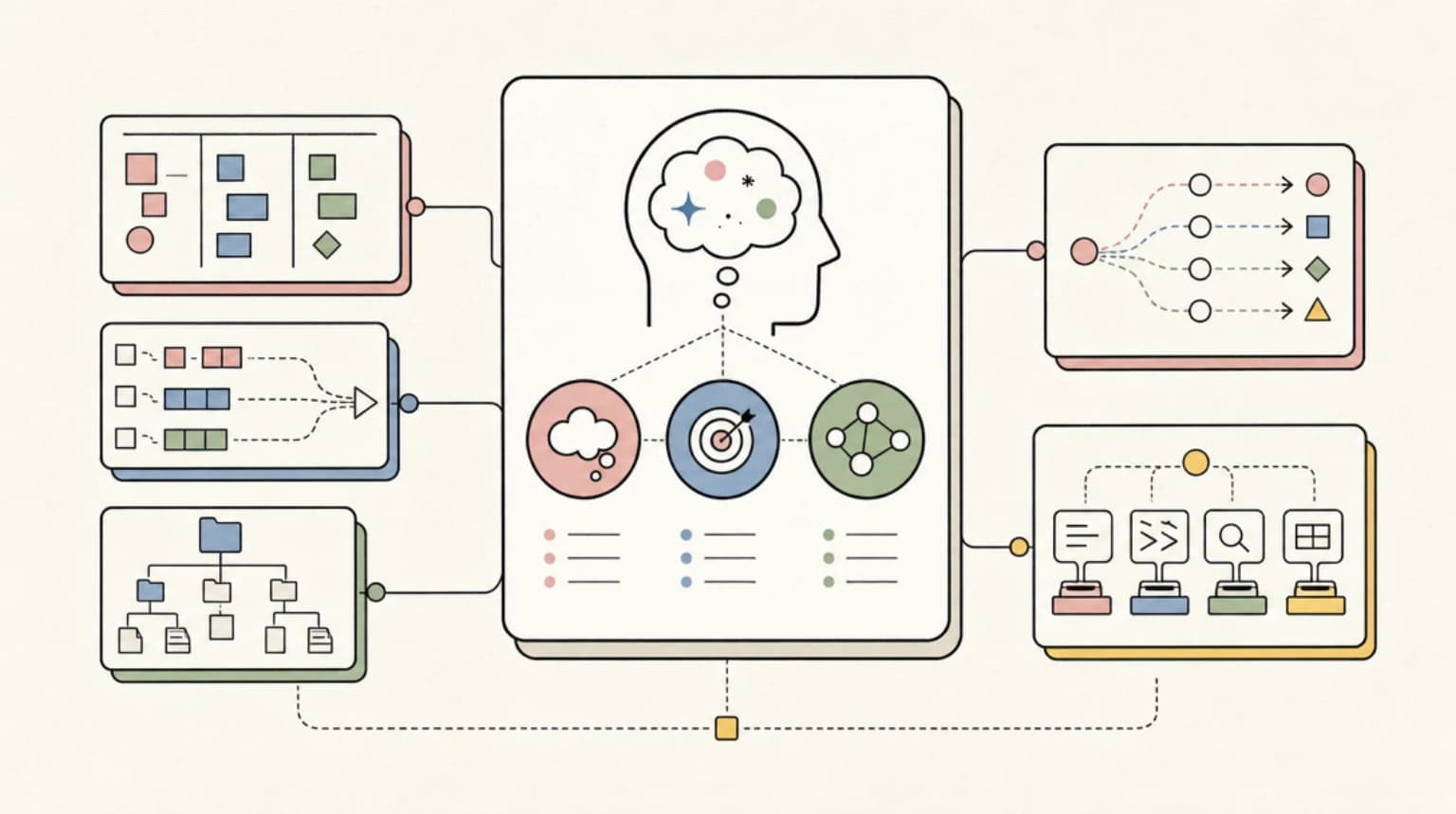
Claude Managed Agents: Dreaming, Outcomes, and Multi-Agent Orchestration Explained
Anthropic added three new primitives to Claude Managed Agents in spring 2026 - dreaming, outcomes, and multi-agent orchestration. Here is how each one works and when to use them together.
8 min read
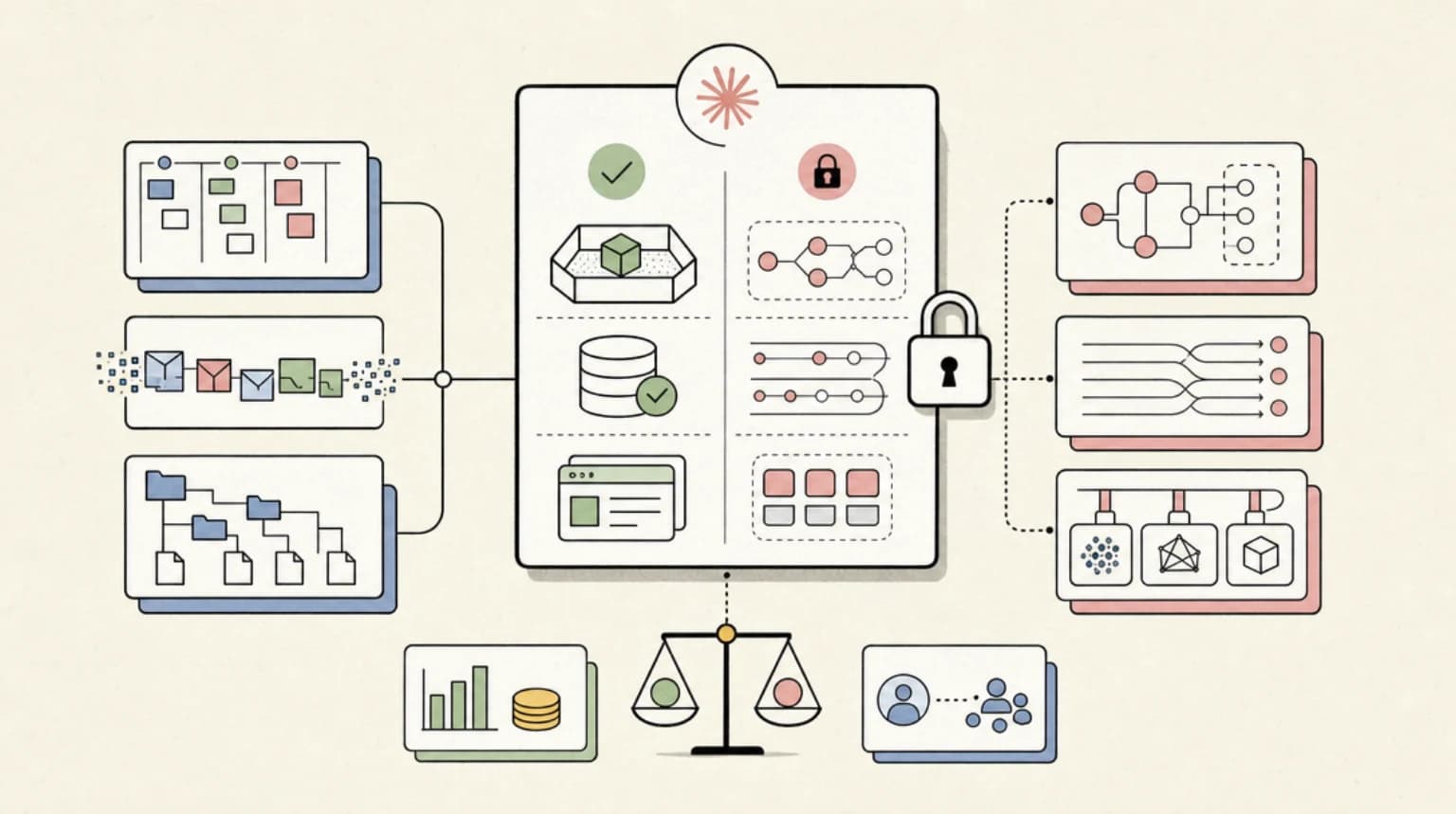
Claude Managed Agents Public Beta: What's Actually Available vs What's Gated
Claude Managed Agents is in public beta with solid sandboxing and session persistence - but the headline orchestration features are still locked behind a research preview waitlist. Here's what teams can actually ship today, what it costs, and when DIY alternatives make more sense.
8 min read
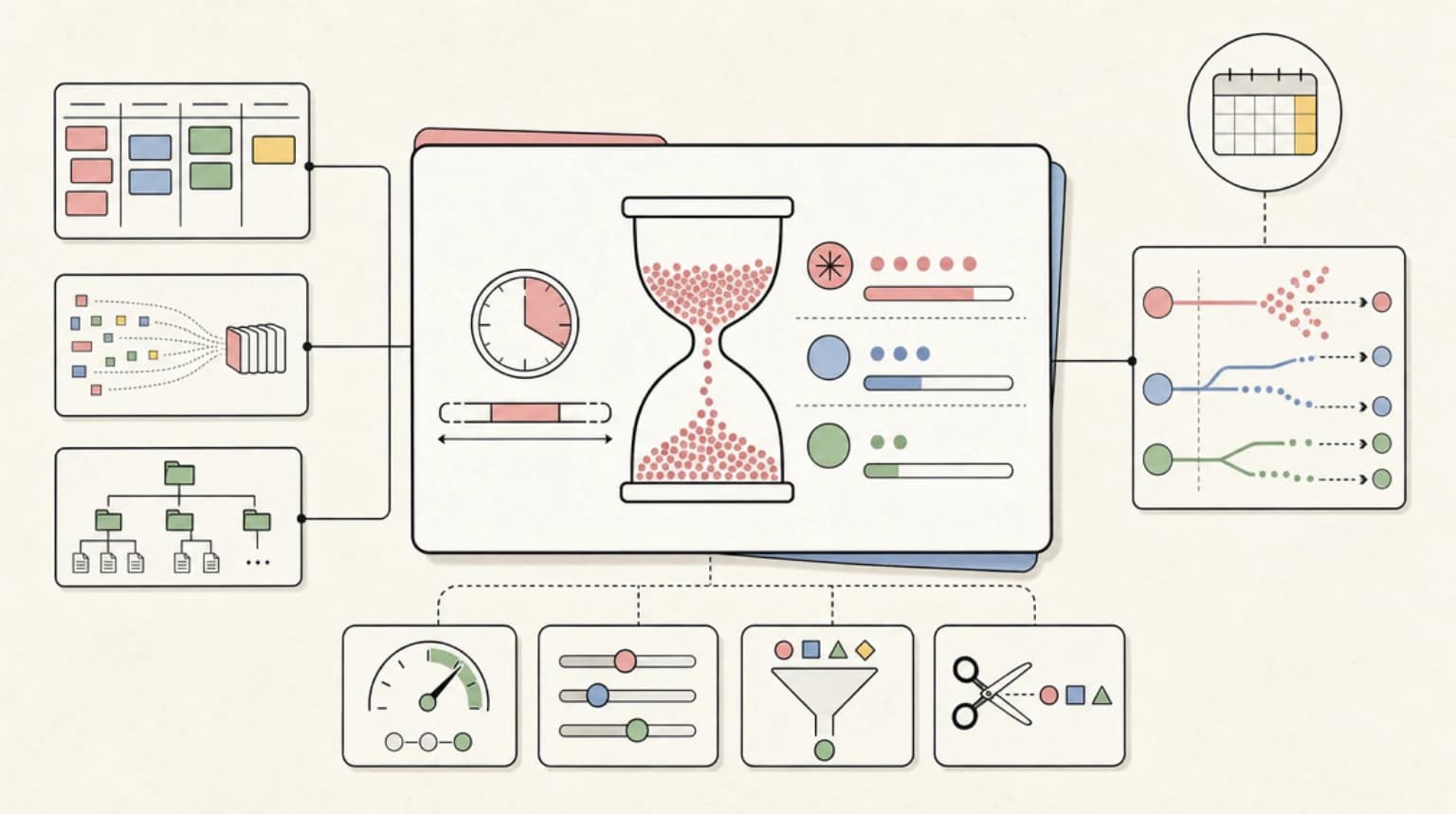
How Claude's Usage Limits Actually Work With Fable 5: Windows, Multipliers, and Burn Rates
Fable 5 drains the 5-hour rolling window dramatically faster than Opus or Sonnet. Here is what the plan multipliers actually mean in practice, what changes on June 22, and how to make your allocation last.
9 min read
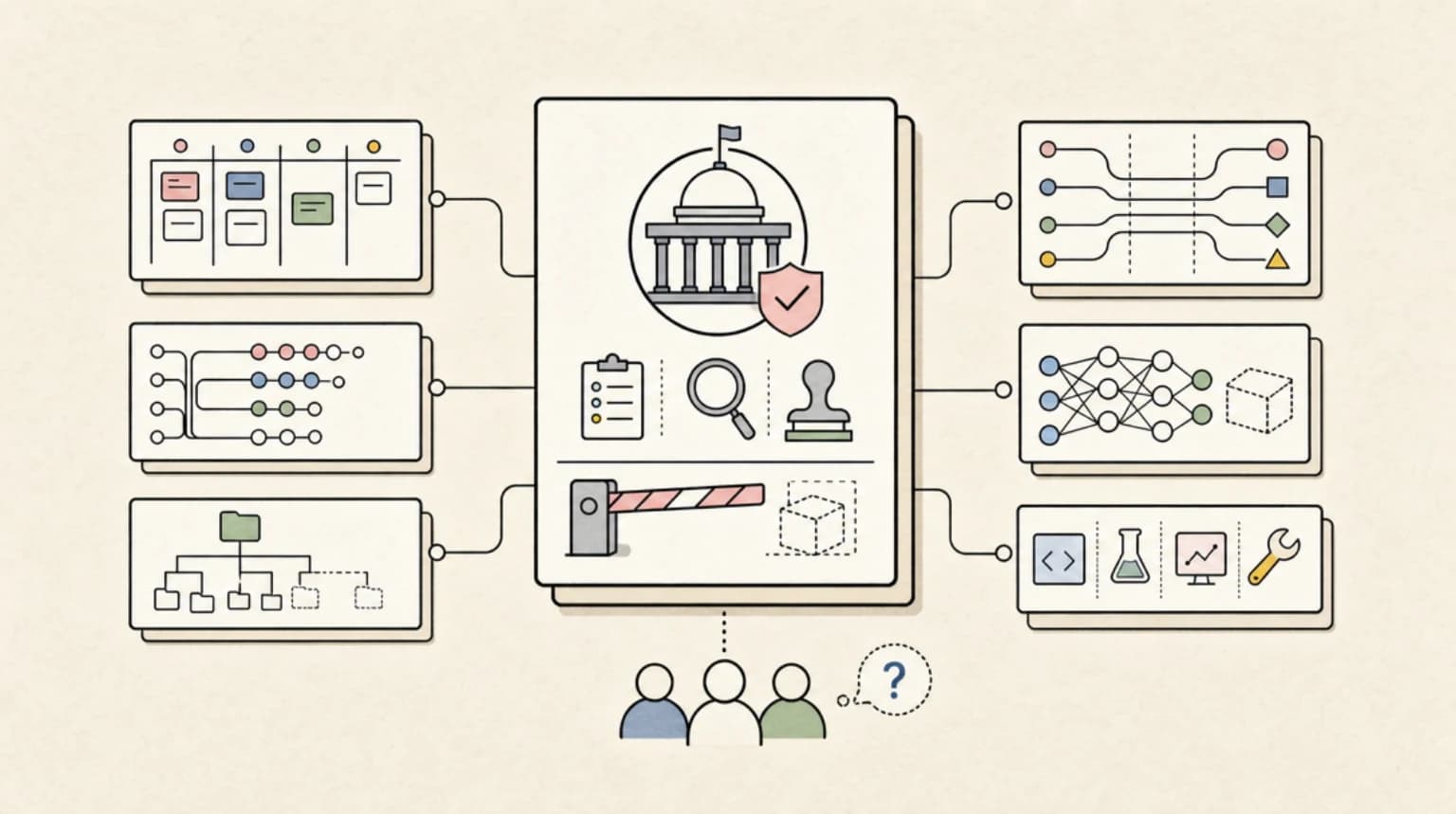
Dario Amodei Wants FAA-Style AI Regulation: Open Questions for Developers
Anthropic's CEO just called for mandatory third-party testing and government power to block AI deployments. What does that actually mean for the developers building on these models?
8 min read
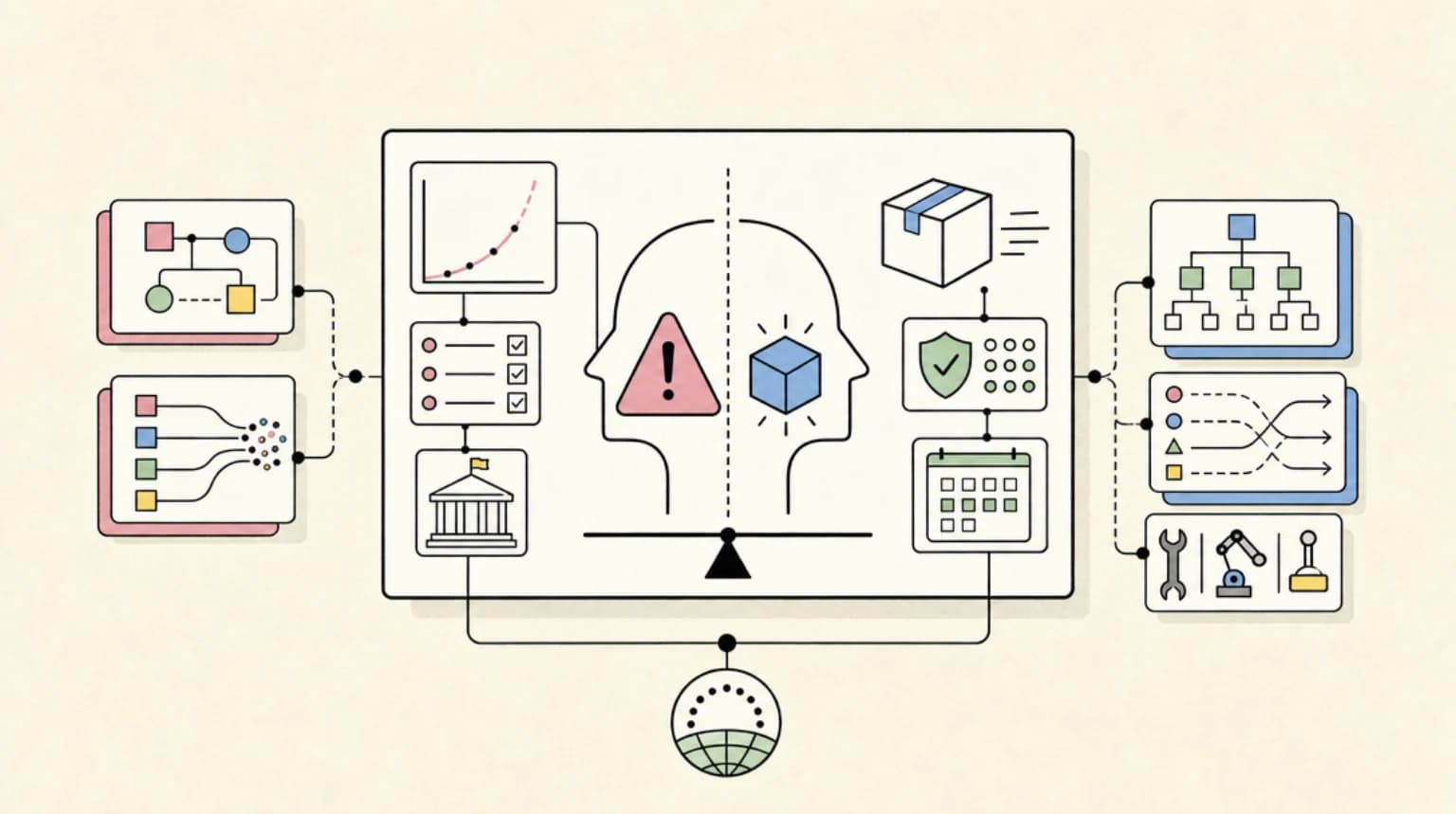
The Dario Paradox: Warning About the Exponential While Shipping It
On the same day Dario Amodei called for FAA-style mandatory testing of frontier AI, Anthropic shipped Fable 5 - the public face of Mythos - with classifier guardrails and a June 22 pricing window. Responsible disclosure or a live contradiction?
8 min
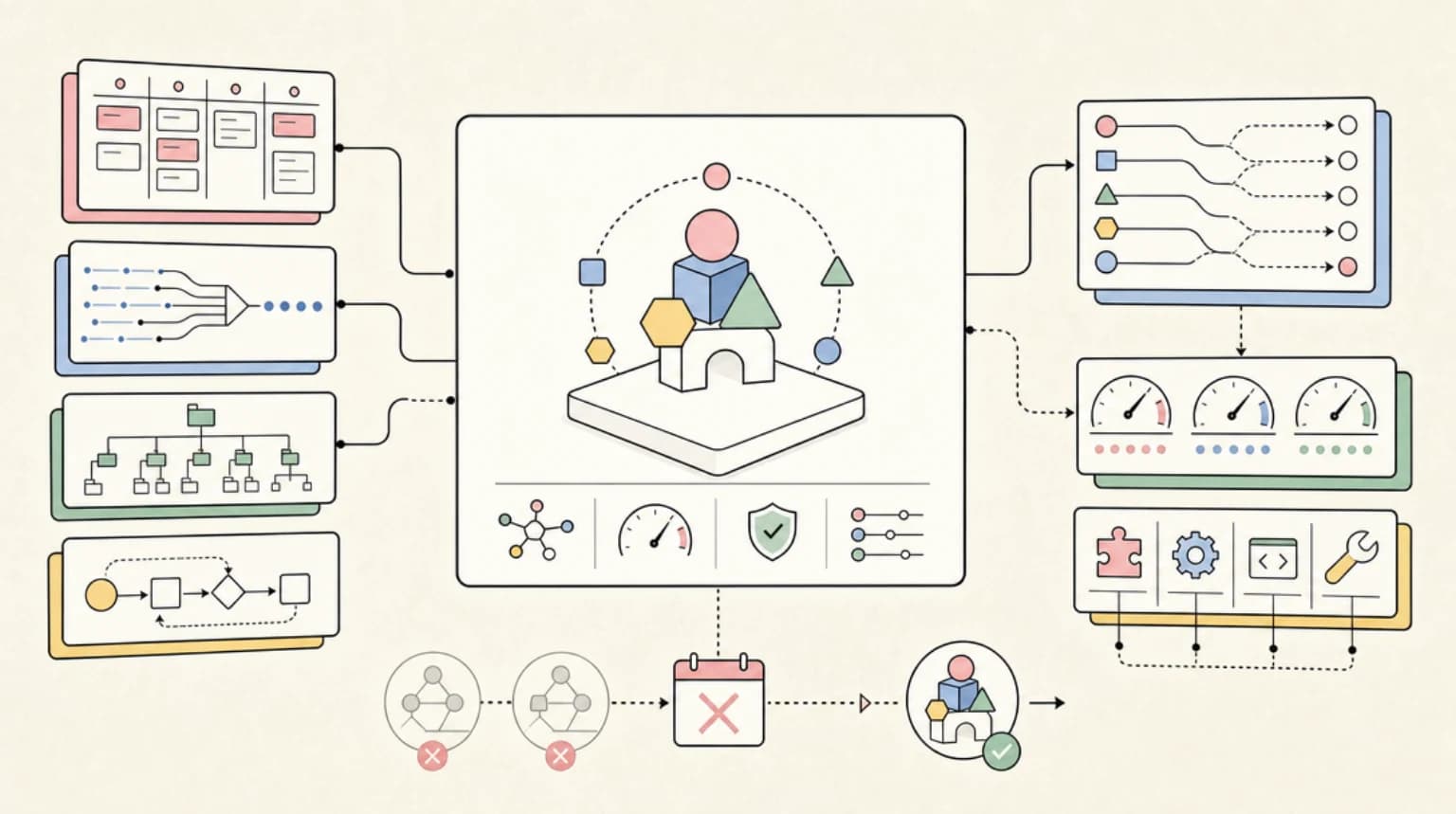
Claude Fable 5 API: Production Integration Patterns, Rate Limits, and Migration Gotchas
Everything you need to ship Claude Fable 5 in production - from the API surface changes and adaptive thinking defaults to rate limit strategy, streaming latency, and the June 15 deprecation deadline for older models.
9 min read
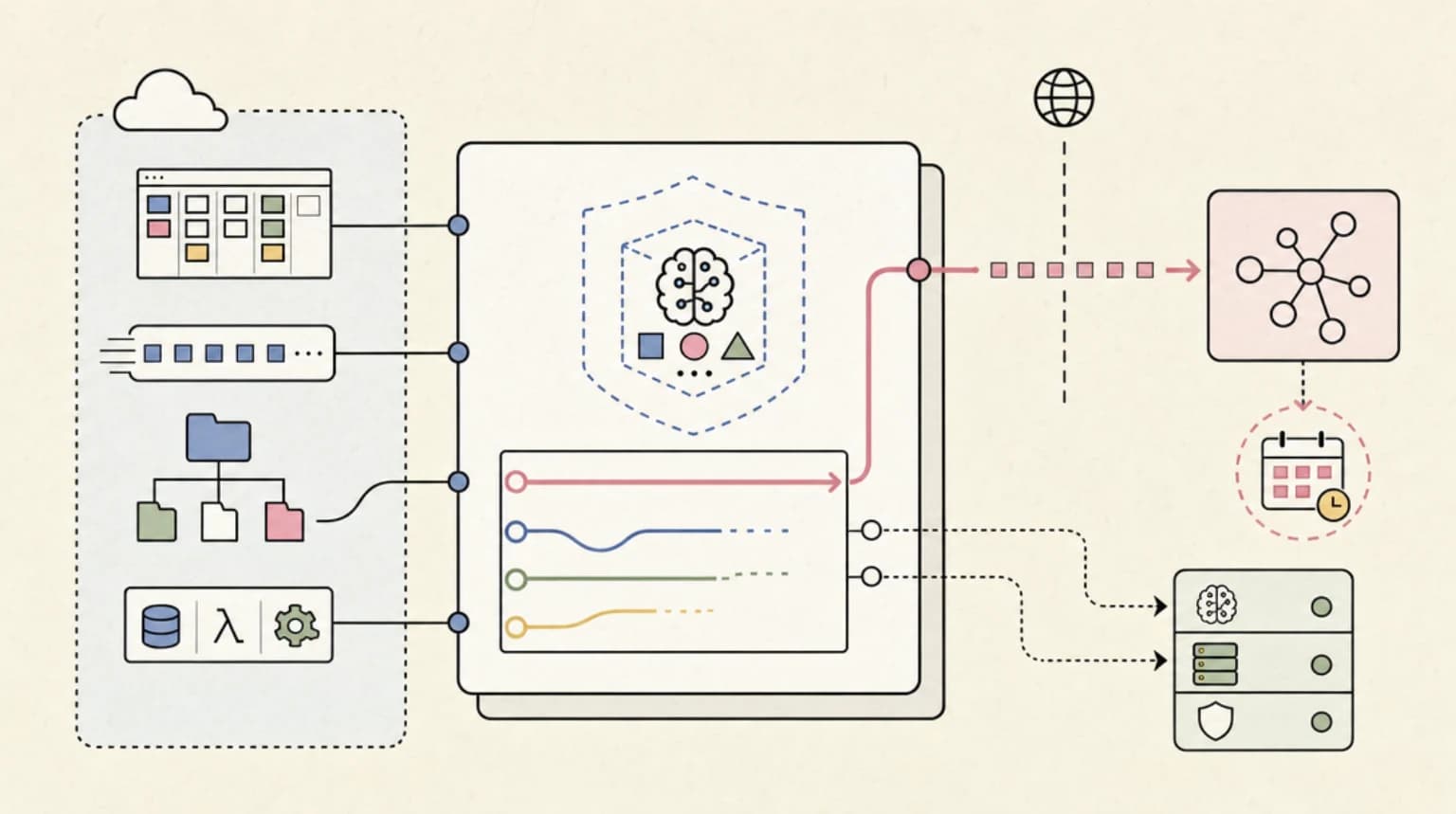
Fable 5 on AWS Bedrock: When Your Data Leaves the AWS Boundary
Running Claude Fable 5 on Amazon Bedrock requires opting into a data-sharing mode that sends your inference traffic outside the AWS security perimeter to Anthropic for 30-day retention. Here is exactly what happens, who is affected, and what your alternatives are.
7 min read
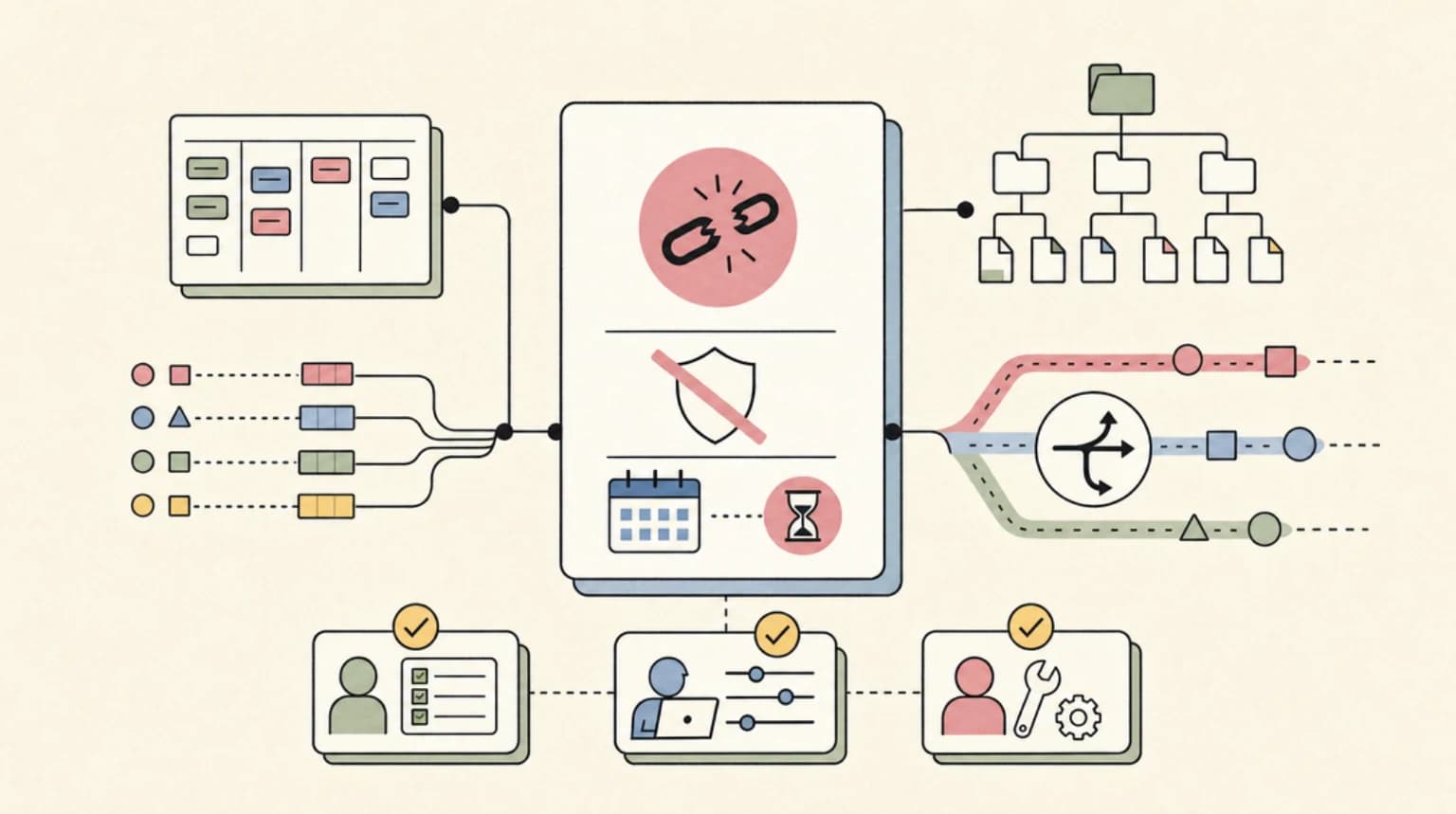
Fable 5 Broke Enterprise ZDR Agreements: What Dev Teams Must Do Now
Anthropic's Claude Fable 5 mandates 30-day data retention on every platform, overriding existing Zero Data Retention contracts for enterprise API customers. Here is what compliance teams and developers need to audit before their next deployment.
8 min read
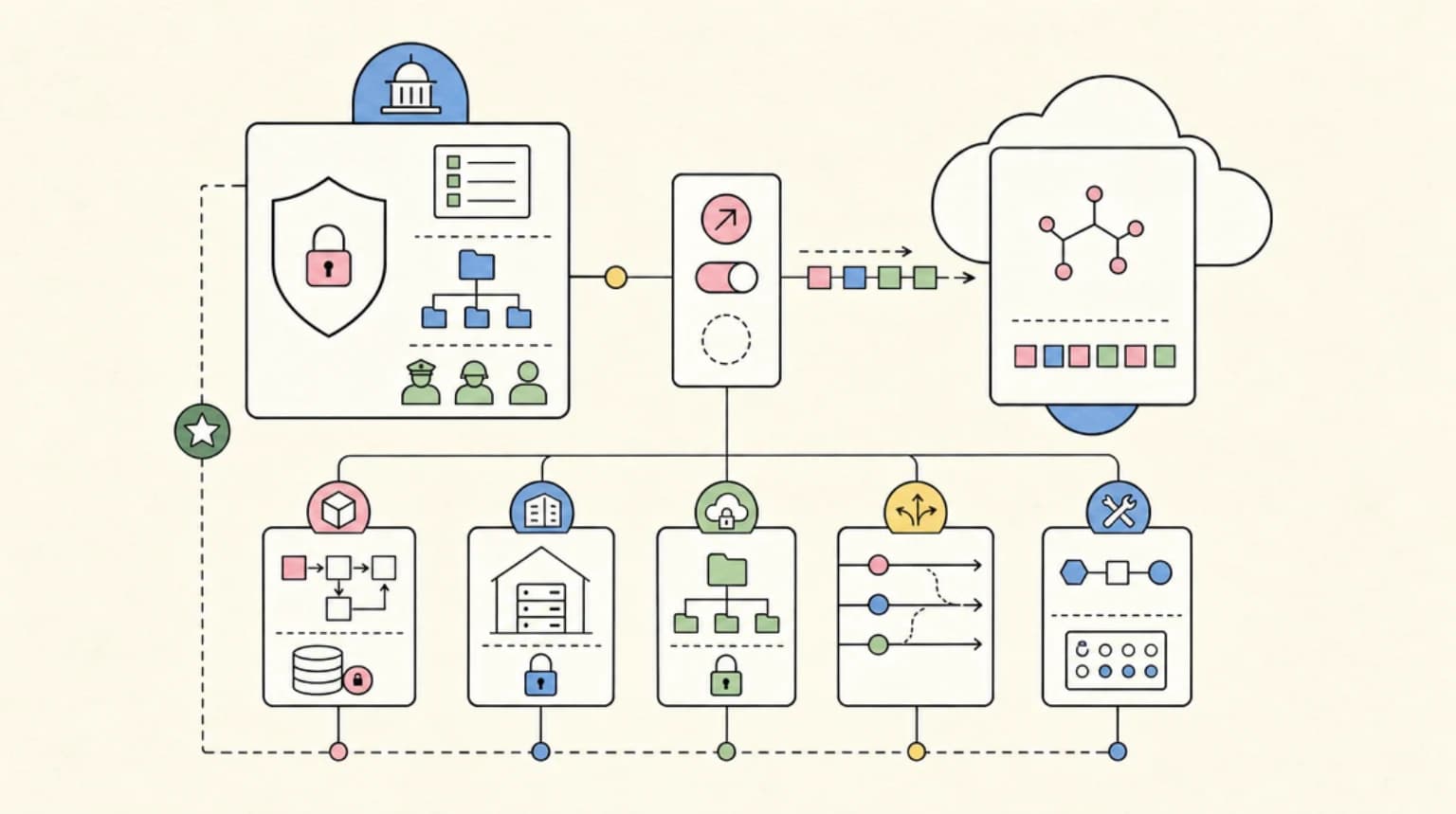
Fable 5 for Government and Regulated Teams: The GovCloud Question
Fable 5 on Bedrock requires opting into data sharing with Anthropic, which sends inference data outside the AWS boundary. Here is what that means for GovCloud, FedRAMP, ITAR, and CJIS workloads - and what your realistic options are right now.
8 min read
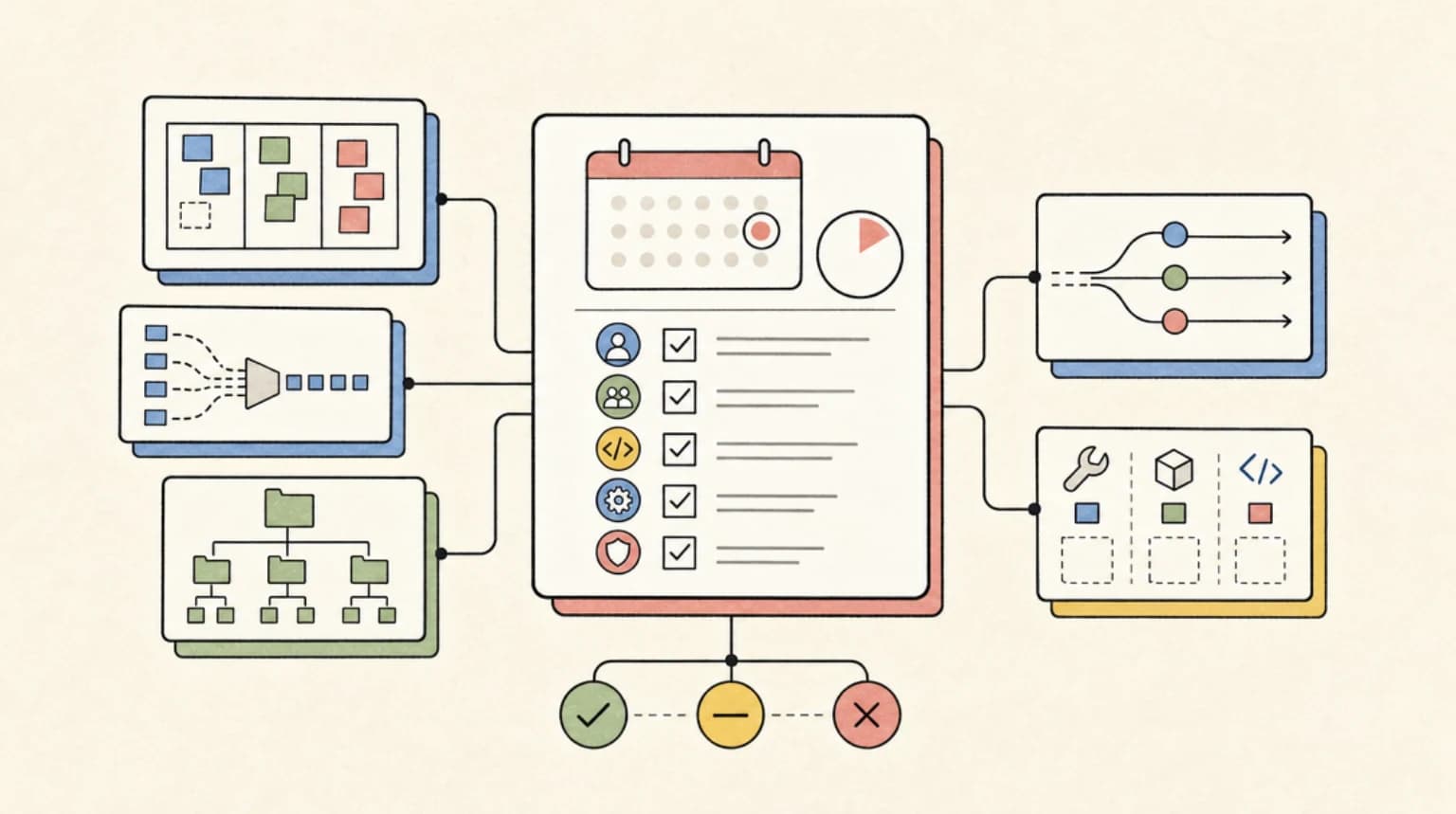
Fable 5 Before June 22: The Decision Checklist for Every Plan Tier
12 days out from the Fable 5 promotional window closing on claude.ai, here is the practical checklist for Pro users, Max subscribers, teams, and API developers - what to decide, what to test, and what not to worry about.
9 min read
Why Fable 5 Refuses Your Cybersecurity Queries (And How the Fallback Works)
Claude Fable 5 routes blocked queries to Opus 4.8 rather than refusing outright - but the fallback is not automatic for API users and requires explicit configuration. Here is the complete developer guide to the refusal architecture.
8 min read
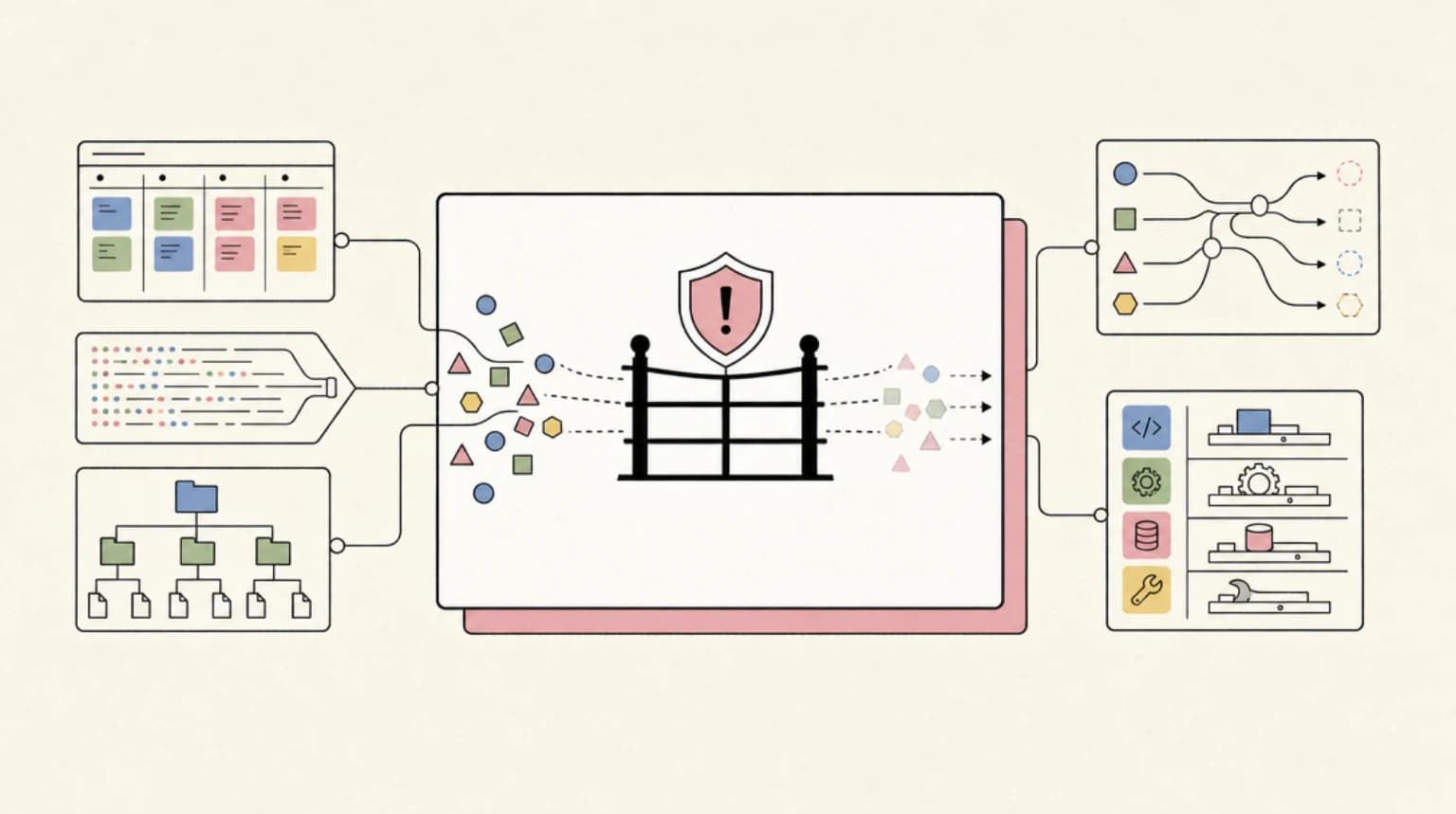
Fable 5's Hidden Guardrails: What Developers Need to Know About Silent Degradation
Anthropic's Claude Fable 5 includes undisclosed interventions that silently degrade responses for certain ML development tasks - no fallback notice, no refusal, just worse answers.
7 min read
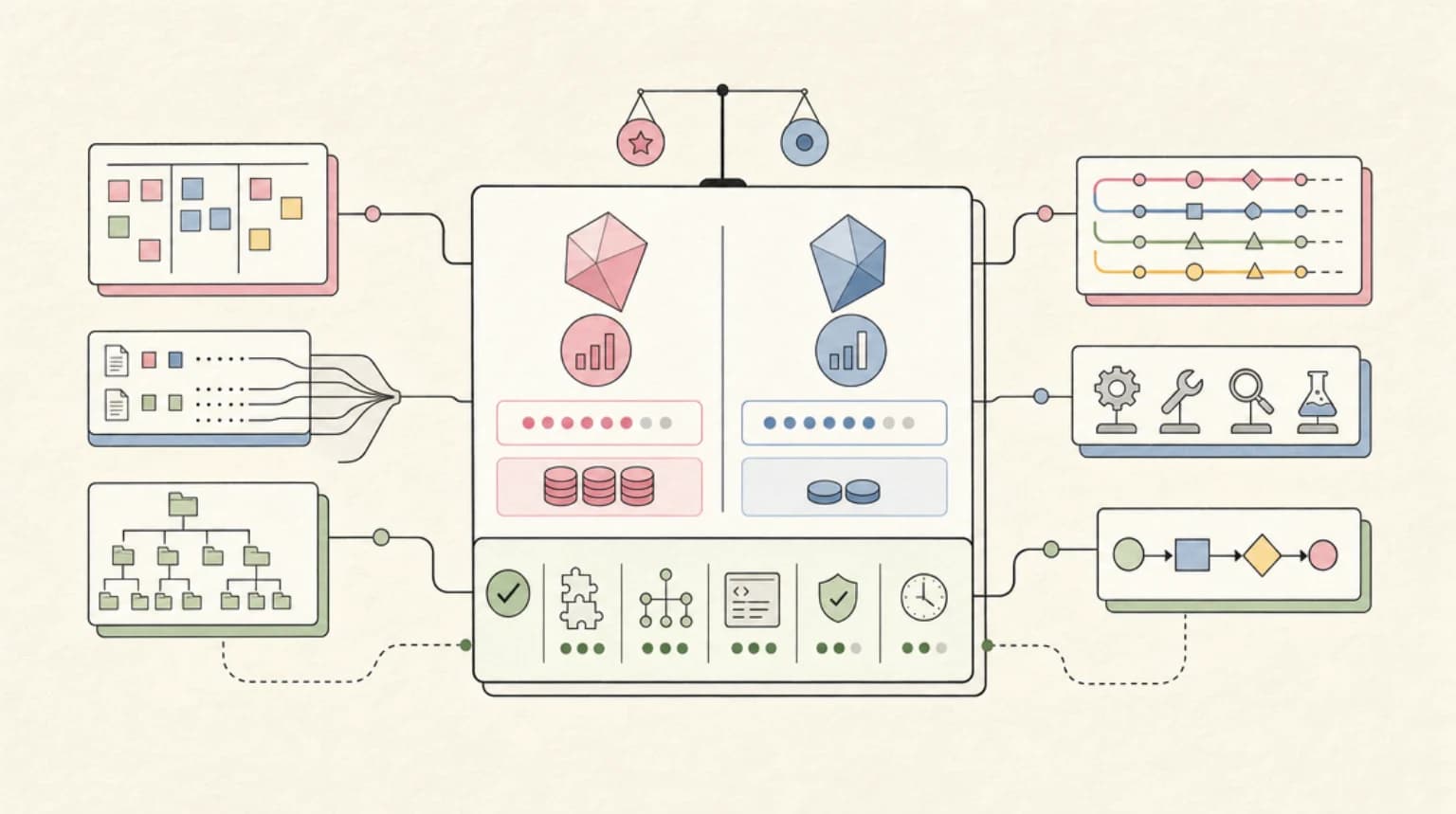
Fable 5 vs Opus 4.8: A Data-Driven Decision Guide for Engineering Teams
Fable 5 posts an 80.3% SWE-Bench Pro score and costs 2x Opus 4.8 - here is the task-profile scoring guide that tells you when the premium pays off.
7 min read
Migrating to Claude Fable 5: The Practical Guide
Fable 5 is mostly a drop-in replacement for Opus 4.8, but 'mostly' is doing real work in that sentence. Here's every breaking change, what to delete from your code, and the prompt audit you should run before flipping the model ID.
9 min read
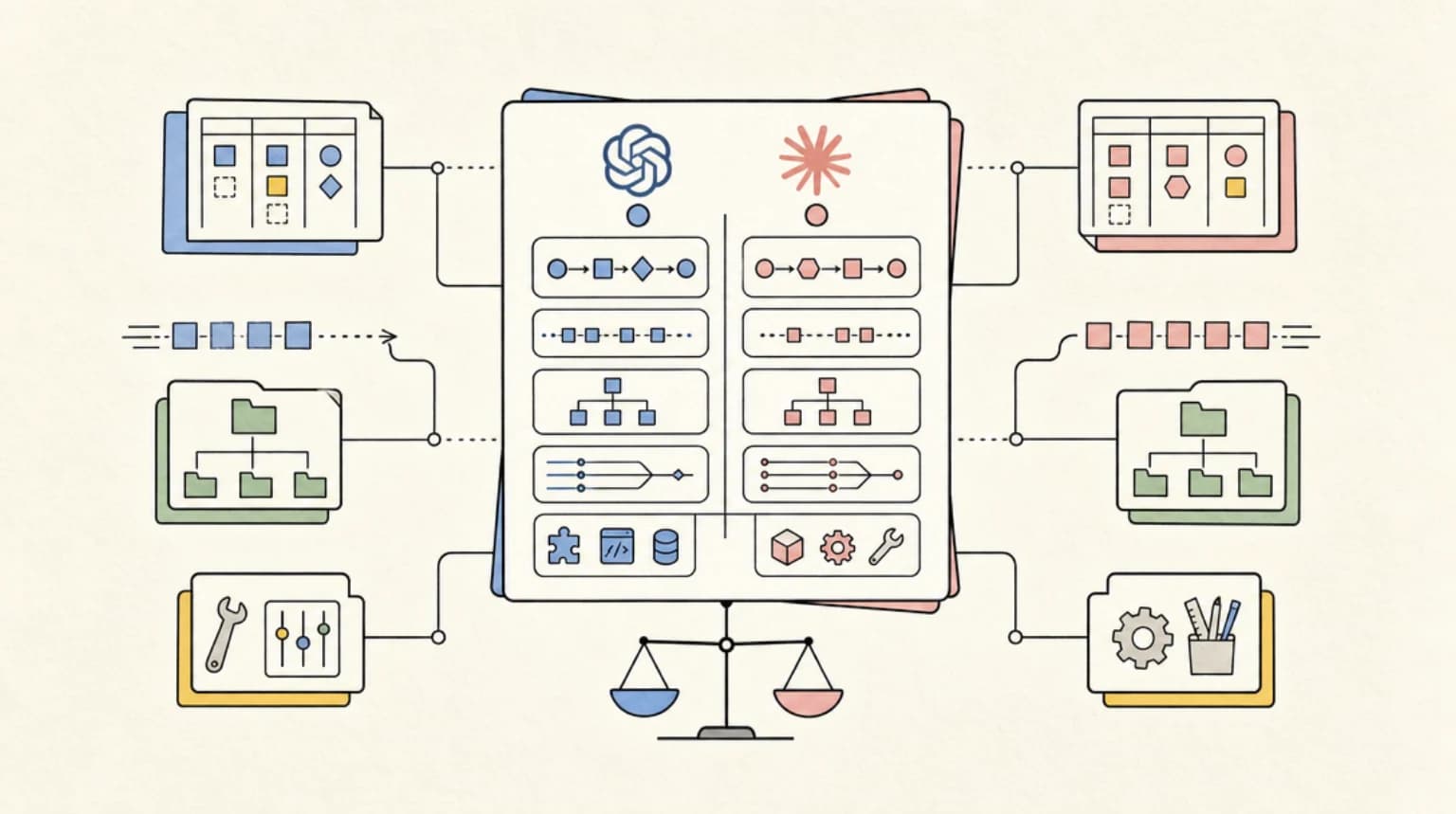
OpenAI Agents SDK vs Claude Agent SDK: Building Agents on the Two Big Platforms
A practical comparison of OpenAI's Agents SDK and Anthropic's Claude Agent SDK - orchestration models, tool ecosystems, sandboxing, and how to choose the right platform for your team.
9 min read
Claude Mythos 5 Explained: What It Is, Who Can Access It, and Why It's Gated
Anthropic shipped two names for one architecture on June 9, 2026. Here is what separates Fable 5 from Mythos 5, who can actually get unrestricted access, and what developers should do right now.
7 min read
Claude Opus 4.8 Is an Agent Honesty Release
Claude Opus 4.8 looks like a benchmark bump, but the developer story is better honesty, dynamic workflows, and effort controls that make long-running agent work easier to review.
8 min read
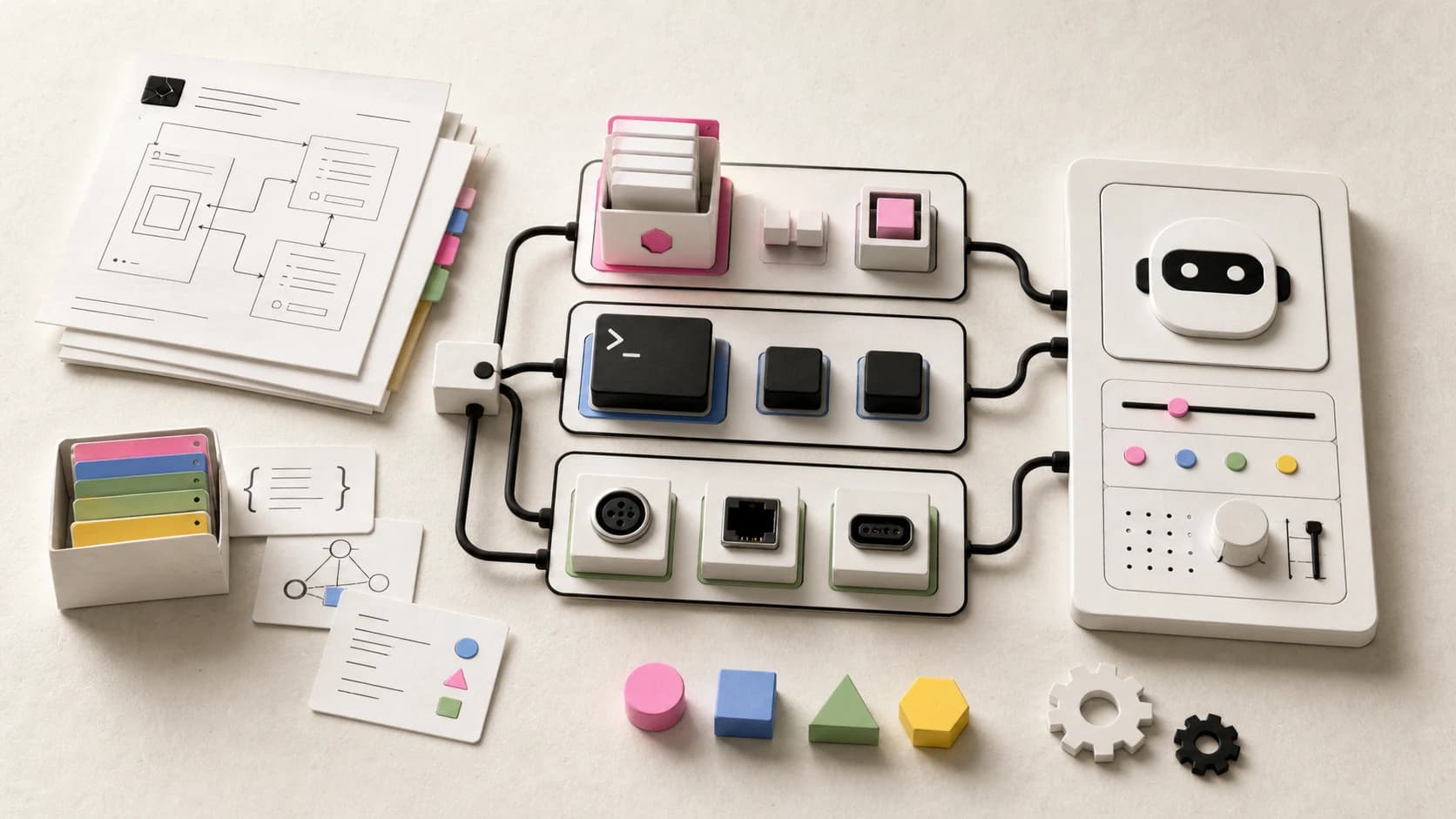
Anthropic Buying Stainless Is About Agent Plumbing
Anthropic's Stainless acquisition is not just an SDK deal. It is a bet that agents need generated SDKs, CLIs, docs, and MCP servers from the same source of truth.
8 min read
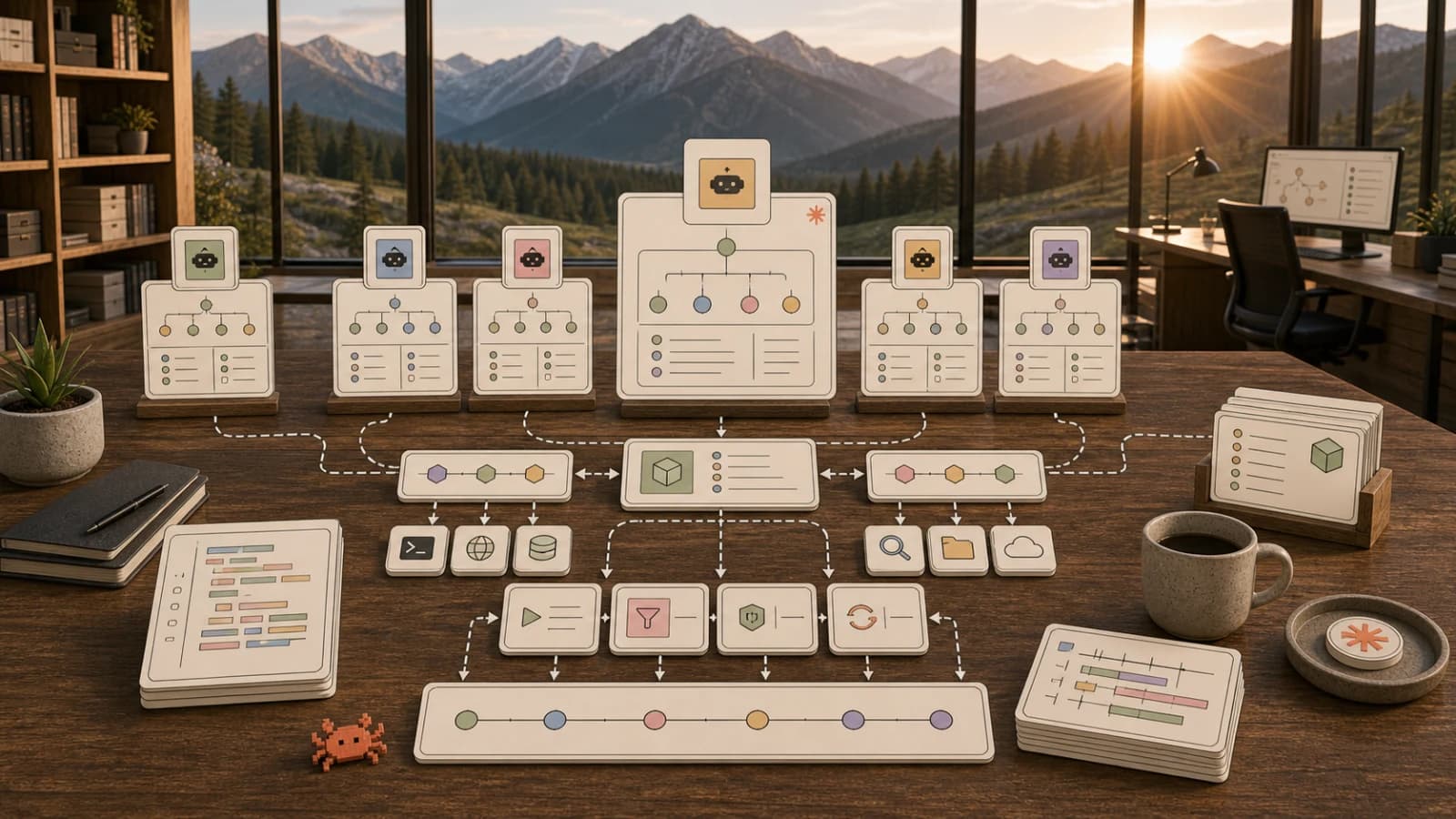
Claude Code Agent Teams, Subagents, and MCP: The 2026 Playbook
Claude Code is turning into an orchestration layer for agent teams. Here is how subagents, MCP, hooks, and long context fit together in 2026.
9 min read
Claude Design: Anthropic's Bet That Designers and Developers Want the Same Tool
Claude Design generates a full design system from your repo, ships one-shot pricing pages, and exports clean HTML/CSS to your coding agent. Here is what it actually does, where it slots in for developers, and why this is more interesting than another AI UI generator.
9 min read
Claude Opus 4.7: The Developer's Guide to Anthropic's New Flagship
Opus 4.7 is here. Sharper coding, longer agentic runs, better tool use, and a price that finally makes Opus livable for production. Here's everything devs need to know.
10 min read
Claude Code Usage Limits in 2026: The Practical Playbook for Pro and Max Teams
A practical operational guide to Claude Code usage limits in 2026: plan behavior, API key pitfalls, routing choices, and team controls using hooks and subagents.
9 min read
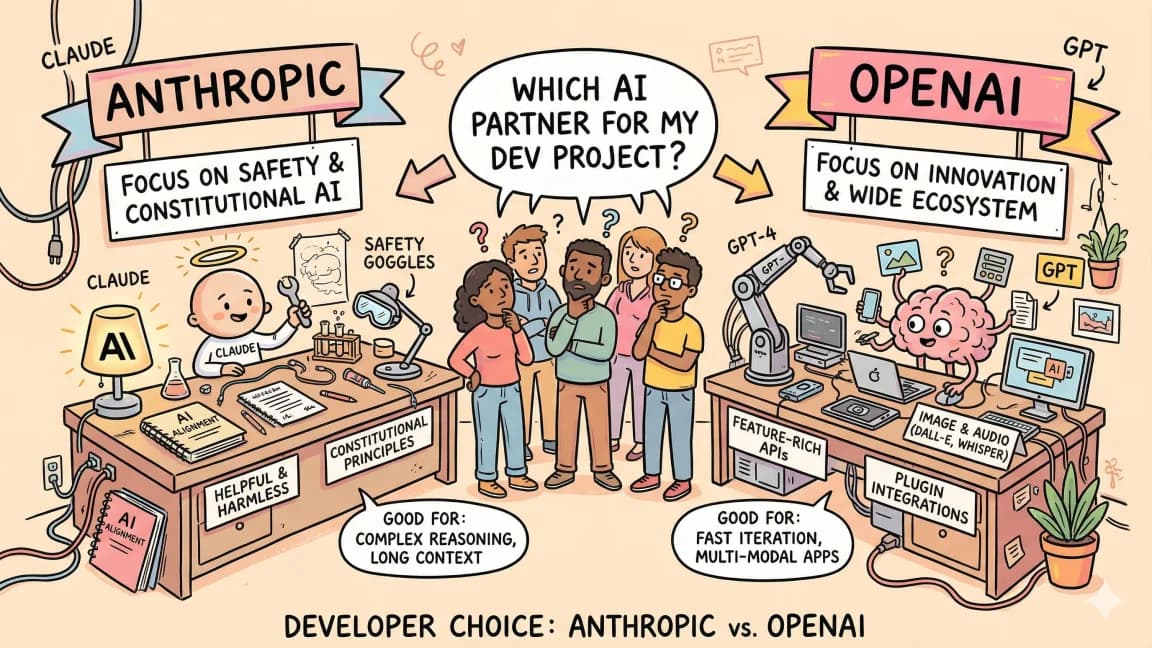
Anthropic vs OpenAI: Developer Experience Compared
Two platforms, two philosophies. Here is how Anthropic and OpenAI compare on APIs, SDKs, documentation, pricing, and the actual experience of building with each.
8 min read

Claude Computer Use: AI That Controls Your Desktop
Anthropic's computer use feature lets Claude see your screen, move the cursor, click, and type. Here is how it works, when to use it, and how to set it up.
6 min read

Claude Haiku 4.5: Near-Frontier Intelligence at a Fraction of the Cost
Anthropic's Claude Haiku 4.5 delivers Sonnet 4-level coding performance at one-third the cost and twice the speed. Here is what developers need to know.
5 min read
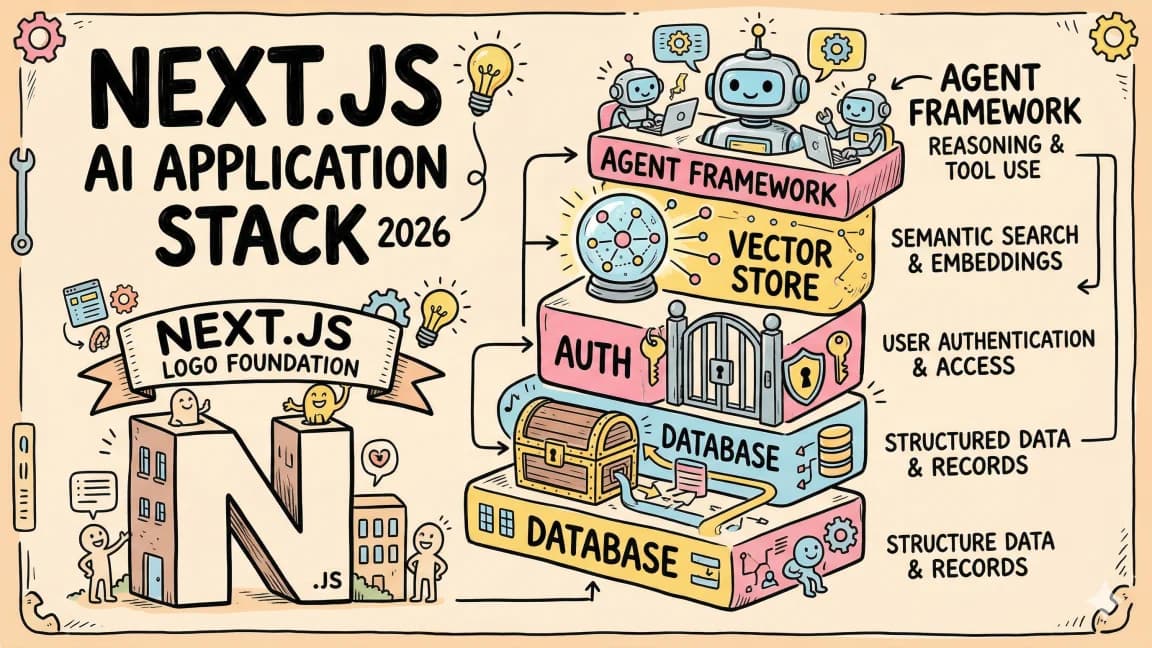
OpenAI vs Anthropic in 2026 - Models, Tools, and Developer Experience
A developer's comparison of OpenAI and Anthropic ecosystems - models, coding tools, APIs, pricing, and which to choose for different use cases.
18 min read
Claude Sonnet 4.6: Approaching Opus at Half the Cost
Anthropic's Sonnet 4.6 narrows the gap to Opus on agentic tasks, leads computer use benchmarks, and ships with a beta million-token context window. Here's what actually changed.
6 min read
Claude Opus 4.6: Anthropic's Smartest Model Gets Agent Teams
Million-token context, agent teams that coordinate without an orchestrator, and benchmark scores that push the frontier. Opus 4.6 is Anthropic's biggest model drop yet.
8 min read
Cowork: Claude Code for Everyone, Not Just Developers
Claude Cowork brings Claude Code's agent loop to non-coding work. Updated for September 2026: Cowork is now merging into one Claude on Pro and Max, runs in the cloud, and is included in every paid plan from $17/month.
10 min read
Claude Opus 4.5: Anthropic's Most Intelligent Model
Anthropic has released Claude Opus 4.5, positioning it as their most capable model yet for coding agents and computer use. The release brings significant price cuts, efficiency gains, and enough au...
5 min read
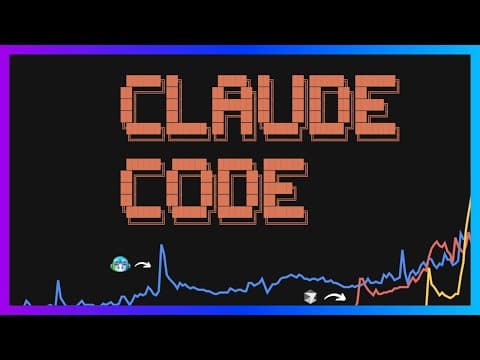
Claude Code: The Future of Coding?
After 30 days of daily use, Claude Code has become my primary coding tool. It is not trying to be an IDE or a fancy editor. It is a terminal-based AI agent that writes code, runs commands, tests its ...
9 min read
Related Tools
All tools →Claude Code
Daily DriverAnthropic's agentic coding CLI. Runs in your terminal, edits files autonomously, spawns sub-agents, and maintains memory across sessions. Powered by Claude Opus 4.
AI CodingClaude Agent SDK
NewAnthropic's Python SDK for building production agent systems. Tool use, guardrails, agent handoffs, and orchestration. Released alongside Claude 4.
AI FrameworksClaude
Daily DriverAnthropic's AI. Opus 4.6 for hard problems, Sonnet 4.6 for speed, Haiku 4.5 for cost. 200K context window. Best coding model I've tested. Max plan ($200/mo).
AI ModelsClaude Haiku 4.5
Anthropic's smallest Claude 4.5 model. Near-frontier coding performance at one-third the cost of Sonnet 4 and up to 4-5x faster than Sonnet 4.5. $1/$5 per million tokens.
AI ModelsClaude Opus 4.7
Anthropic's flagship reasoning model. Best-in-class for coding, long-context analysis, and agentic workflows. 1M token context window. Available via API and in Claude Code.
AI ModelsClaude Fable 5
NewAnthropic's first generally available Mythos-class model, released June 9, 2026. 1M context, 128K max output, $10/$50 per million tokens. Built for long-horizon agentic work.
AI ModelsClaude Opus 4.8
Anthropic's recommended default for complex work, released May 28, 2026. 1M context, 128K output, $5/$25 per million tokens. Defaults to high effort on all surfaces.
AI ModelsKeep exploring
More on Anthropic
- - Claude Code - recommended Anthropic tool from the Developers Digest directory
- - Compare Tools - dive deeper across the Developers Digest knowledge base
- - All Anthropic articles in the blog archive
- - Developers Digest on YouTube - video tutorials covering Anthropic and more

Get Smarter About AI Dev
New tutorials, open-source projects, and deep dives on coding agents - delivered weekly.
One email per weekReal code, not theoryFree forever
Explore 938 topics
Browse All Topics