Anthropic Now Watermarks All Claude Output: Text Watermarks and C2PA for Files
TL;DR
Anthropic confirms that every Claude model released after August 2, 2026 embeds a machine-readable watermark in generated text and attaches C2PA provenance metadata to generated files, across the API, Claude Code, Cowork, and Tag. Detection tooling for third parties is coming, but details are not published yet.
Anthropic now marks every piece of text and every file its Claude models generate. The company updated its support documentation on August 11 to confirm it is rolling out machine-readable watermarking under its commitments to the EU AI Act's Code of Practice on Transparency of AI-Generated Content, and the change applies everywhere Claude is offered, including the API, Claude Code, Cowork, and Tag.
The headline number: all Claude models launched on or after August 2, 2026 support marking at launch, and Anthropic says it is working to add marking to models released before that date under the law's transition period.
Two marking mechanisms, applied at the model level#
Anthropic uses two complementary techniques:
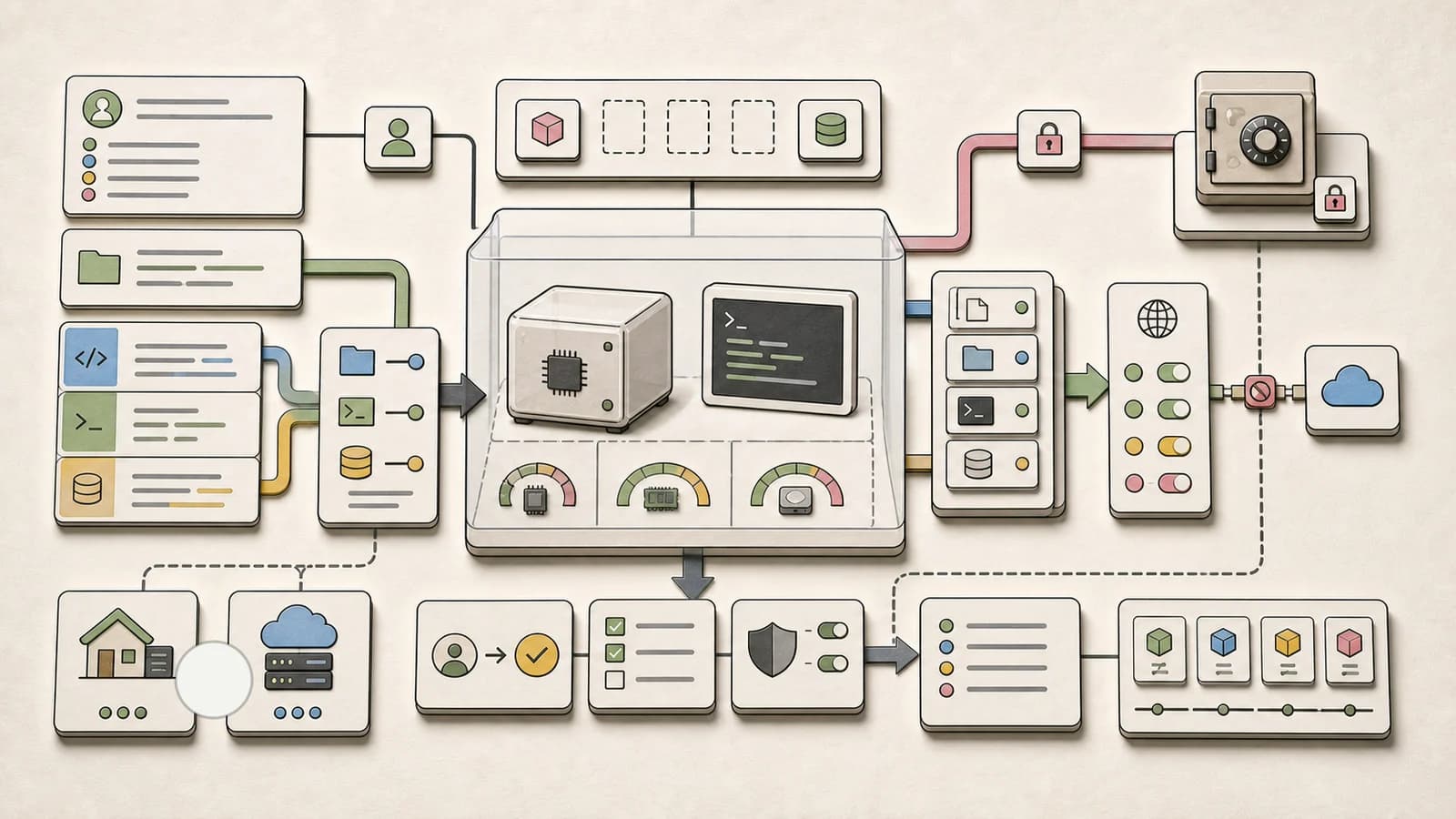
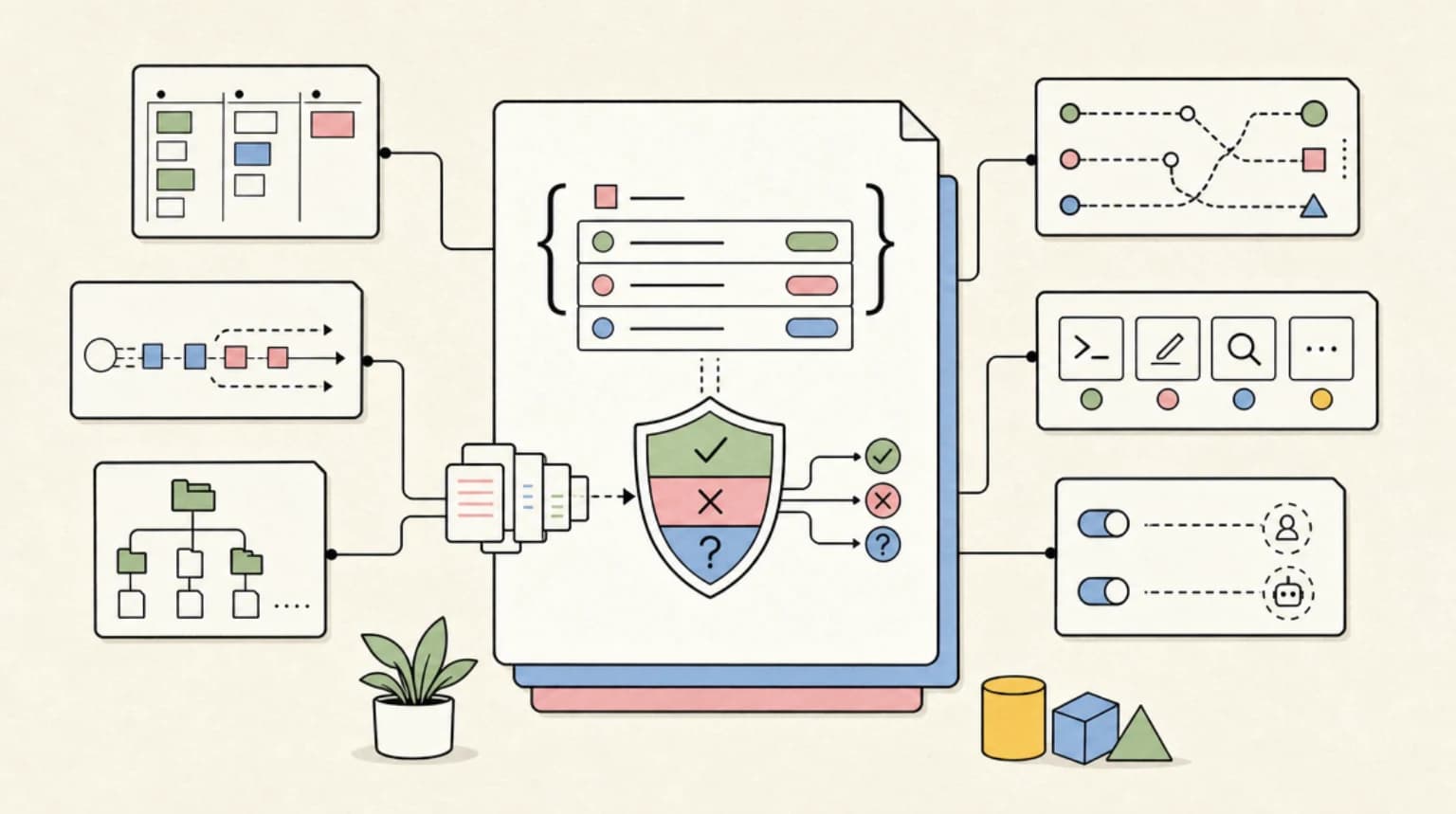
- Embedded watermarks in text. When a supported model generates text, it weaves an imperceptible watermark into the text itself. Anthropic states the mark does not change the meaning, quality, or readability of the response, and because the watermark is part of the text it travels with copy and paste and may persist through some editing. Crucially, the mark is applied at the model level, so it is present no matter which product or surface generated the text.
- Signed provenance metadata on files. For supported file types such as .svg, .png, and .jpg, Claude attaches signed provenance metadata following the C2PA open standard, which lets a verifier detect whether a file was processed by Claude and whether it has been tampered with.
The coverage is broad. Marking applies to output from supported models across the Claude Platform (API), Claude, Claude Code, Claude Cowork, and Claude Tag, and it also applies when supported models are accessed through AWS, Google Cloud, or Microsoft Foundry, though Anthropic notes signed provenance metadata may not be supported on every partner platform. The marks ship worldwide, not just in the EU.
Detection is promised but not shipped yet#
The missing half of the loop is detection. Anthropic says it is working to enable users and third parties to detect both the embedded watermarks and the provenance metadata, and that a detected mark "indicates that the content may have been processed by Claude." Details of the detection mechanism are deferred to forthcoming technical documentation.
The support page is explicit about what marks are not. A detected mark does not confirm full provenance: Claude is often used to proofread, translate, summarize, or convert files, so output can carry a mark even when the underlying ideas came from elsewhere. And the absence of a mark proves nothing, because the text may have been heavily edited, paraphrased, translated, or mixed with other writing, may be too short for a reliable signal, or may have had its metadata stripped by format conversion, re-saving, or screenshots.
From the archive
Cactus Needle 2: The 14MB Agentic LLM That Runs on a Raspberry Pi 5
Aug 11, 2026 • 7 min read
Cloudflare DDoS Report H1 2026: 1 Tbps Attacks Soared as DNS Floods Became the Leading Vector
Aug 11, 2026 • 7 min read
Deploy From Your Coding Agent: Wire Railway's MCP Server Into OpenCode
Aug 11, 2026 • 10 min read
GitHub Copilot SDK for Java: Annotations, Virtual Threads, and BYOK for Enterprise Agent Harnesses
Aug 11, 2026 • 7 min read
What this means for developers#
This is the most concrete, dated, default-on text watermarking commitment any large model provider has put on the table, and it lands directly in the developer workflow, not just in a consumer chat app.
Code is watermarked too. Claude Code output is covered, which means generated code, commit messages, and plan text carry the mark at the model level. If Anthropic ships the promised third-party detection, "no AI-generated code" policies become technically enforceable for the first time, and code-review tooling can flag Claude-authored patches. The flip side is the false-positive problem: the support page itself concedes marks are a signal, not conclusive proof, so a detection-based policy will inevitably mislabel human code that merely passed through a Claude edit or review. Teams will need to decide whether that trade is acceptable before wiring detection into CI.
API consumers inherit the mark. The watermark is embedded in raw text responses, and Anthropic claims it survives copy and paste and some editing. Post-processing chains that translate, reformat, or summarize responses can still strip it, per the limitations section, so the watermark's durability in real pipelines is exactly what the forthcoming detection docs will have to answer.
EU-facing products built on Claude have their own obligations. Anthropic explicitly tells builders: "you should independently assess what Article 50 requires of your products and services." The company says it will publish technical guidance on its marking and detection approach, but as of today a developer shipping a Claude-backed product in the EU has a stated compliance gap to plan around, with the marker's detection story still unannounced.
C2PA is the piece to integrate early. Signed provenance metadata on generated images and SVG files is standard-compliant and verifiable, so any pipeline that stores or distributes Claude-generated assets can start validating signatures now, before the text-watermark detection API exists.
Our take#
The model-level, default-on design is the right architecture, and it is more honest than the file-level metadata approach alone, which dies on the first screenshot. The two open questions are durability and detection. We will not know how much editing a watermark survives, and we will not know how reliable third-party detection is, until the technical docs land. Until then, treat the announcement as a compliance commitment with an unfinished verification story, and treat any tool that claims to detect Claude text today as unverified.
The move also widens the gap between providers. Google and OpenAI have published provenance commitments of their own, but Anthropic is the one that has now named a concrete, dated mechanism for text. That is the pattern to watch: watermarking stops being a research demo and becomes a default property of an API contract, which changes how attribution, review tooling, and compliance checkboxes work for everyone building on top.
Continue Reading#
- VS Code Copilot Co-Author Attribution - why attribution of AI-generated code is really a consent and audit problem
- Ghost Font: Text That Humans Can Read But AI Cannot - the other side of the coin, hiding text from models instead of marking it
- Apertus: Europe's Answer to AI Sovereignty - how EU compliance shapes open model development
- Agent Identity as a Security Layer - provenance and identity for agent output in production workflows
- Claude Code Permissions Settings Guide - how Claude Code handles boundaries before it touches your repo
- The Exponential and the Working Developer: Sitting With Amodei's Hardest Questions
Sources#
- Anthropic support article, "How Claude marks AI-generated content" (updated August 11, 2026): support.claude.com/en/articles/16266773
- European Commission, "Drawing-up a General-Purpose AI Code of Practice": digital-strategy.ec.europa.eu/en/policies/ai-code-practice
- C2PA specification: c2pa.org
Read next
VS Code Copilot Co-Author Attribution: The Real Problem Is Workflow Consent
VS Code 1.118 makes Copilot a Git co-author by default for chat and agent commits. The argument is not really about one trailer line. It is about consent, audit signals, and who controls developer workflow metadata.
8 min readGhost Font: Text That Humans Can Read But AI Cannot
A new experimental technology encodes messages in video using motion-based steganography, exploiting how AI models process video as individual frames rather than continuous motion.
6 min readApertus: Europe's Answer to AI Sovereignty - and Why HN Is Skeptical
Switzerland's fully open foundation model promises transparent training data and EU compliance. The HN crowd has questions about actual performance.
6 min readShare
Developers Digest
Technical content at the intersection of AI and development. Building with AI agents, Claude Code, and modern dev tools - then showing you exactly how it works.
300+ videos30K+ GitHub stars850+ articles
Related Tools
AI CodingDaily Driver

Claude Code
Anthropic's agentic coding CLI. Runs in your terminal, edits files autonomously, spawns sub-agents, and maintains memory...
View ToolAI Models

Claude Opus 4.7
Anthropic's flagship reasoning model. Best-in-class for coding, long-context analysis, and agentic workflows. 1M token c...
View ToolAI ModelsDaily Driver
Claude
Anthropic's AI. Opus 4.6 for hard problems, Sonnet 4.6 for speed, Haiku 4.5 for cost. 200K context window. Best coding m...
View ToolAI ModelsNew
Claude Fable 5
Anthropic's first generally available Mythos-class model, released June 9, 2026. 1M context, 128K max output, $10/$50 pe...
View ToolApps from Developers Digest
Developer ToolsIn Progress
ctx-peek
Inspect Claude Code transcripts to see which files, tools, and tokens are filling the context window.
View AppDeveloper ToolsIn Progress
SkillForge CI
Catch broken SKILL.md files in CI before they hit your team.
View AppDeveloper Tools
Agent Hub
Every coding agent in one window. Stop alt-tabbing between Claude, Codex, and Cursor.
View AppRelated Guides
Guide
Routines (Web) - Claude Code
Managed scheduling on Anthropic infrastructure with API and GitHub triggers.
Claude CodeGuide
Claude Code Complete Course
A complete, citation-backed Claude Code course with setup, prompting systems, MCP, CI, security, cost controls, and capstone workflows.
ai-developmentGuide
Prompt Suggestions - Claude Code
Context-aware follow-up suggestions derived from git history.
Claude CodeRelated Videos
Anthropic's Cowork: Claude Code for the Rest of Your Work
In this video, we dive into Anthropic's newly launched Cowork, a user-friendly extension of Claude Code designed to streamline work for both developers and non-developers. This discussion includes an
Video·
Anthropic Sonnet 4.5 in Claude Code in 10 Minutes
To learn for free on Brilliant, go to https://brilliant.org/DevelopersDigest/ . You’ll also get 20% off an annual premium subscription TOOLS I USE → Wispr Flow (voice-to-text): https://dub.sh/...
Video·
Anthropic Claude Code with Sonnet 3.7 in 15 Minutes
In this video, I demonstrate Claude Code, a tool by Anthropic currently in limited research preview. This enables developers to delegate tasks directly from the terminal. I walk through installatio...
Video·
Related Posts
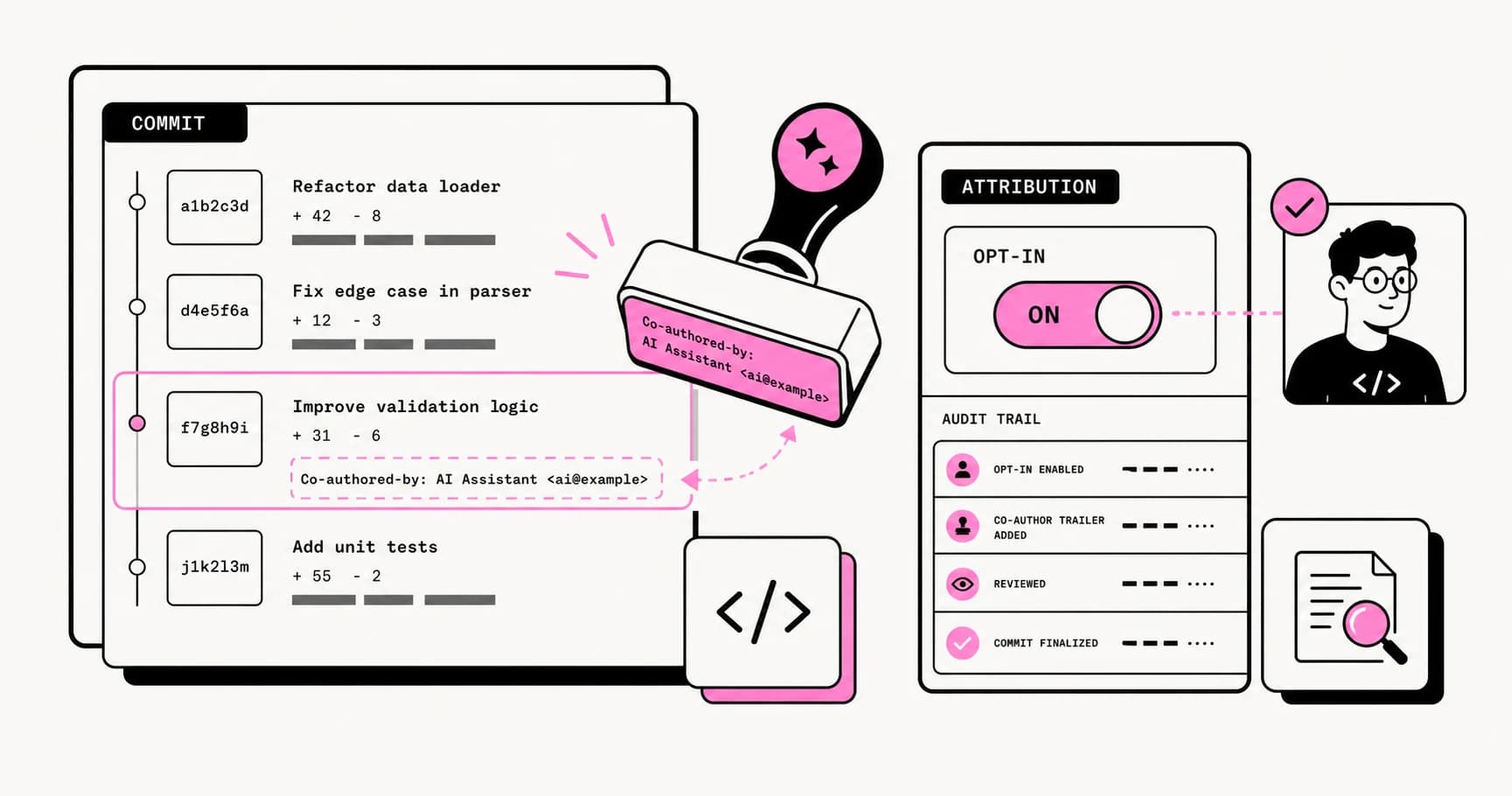
8 min read
GitHub Copilot
VS Code Copilot Co-Author Attribution: The Real Problem Is Workflow Consent
VS Code 1.118 makes Copilot a Git co-author by default for chat and agent commits. The argument is not really about one...
6 min read
News
Ghost Font: Text That Humans Can Read But AI Cannot
A new experimental technology encodes messages in video using motion-based steganography, exploiting how AI models proce...
6 min read
News
Apertus: Europe's Answer to AI Sovereignty - and Why HN Is Skeptical
Switzerland's fully open foundation model promises transparent training data and EU compliance. The HN crowd has questio...
7 min read
AI Agents
Agent Identity Is the Missing Security Layer for AI Workflows
The Linux Foundation's Agent Name Service proposal points at a real gap in AI agent infrastructure: agents need verifiab...
11 min read
claude-code
Claude Code Permissions: A Practical settings.json Guide for Allow, Deny, and Ask Rules
Stop the approval-fatigue prompts without going full YOLO mode. A hands-on guide to Claude Code's permission system - se...

7 min read
Claude Code
Claude Code Is Steganographically Marking Requests
A developer reverse-engineered Claude Code and found hidden markers that classify users by timezone, domain, and API key...
Build with the member tools

Get Smarter About AI Dev
New tutorials, open-source projects, and deep dives on coding agents - delivered weekly.
One email per weekReal code, not theoryFree forever