Claude Fable 5 in 7 Minutes: Benchmarks, Pricing, Availability, and Real-World Examples
TL;DR
A companion guide to the Claude Fable 5 video: what the first general-use Mythos class model is, the walkthrough beats from the review, hands-on developer takeaways, and the pricing and context specs from primary sources.
Official Sources#
| Resource | Description |
|---|---|
| Watch: Claude Fable 5 in 7 Minutes | The full review on the DevDigest channel |
| Anthropic announcement | The official Claude Fable 5 and Mythos 5 release post |
| Model docs | Model IDs, context windows, and capabilities |
| Introducing Claude Fable 5 | API changes and availability stages |
| Pricing | Current per-token pricing |
| Model card (PDF) | The 319-page Fable 5 model card |
What This Video Covers#
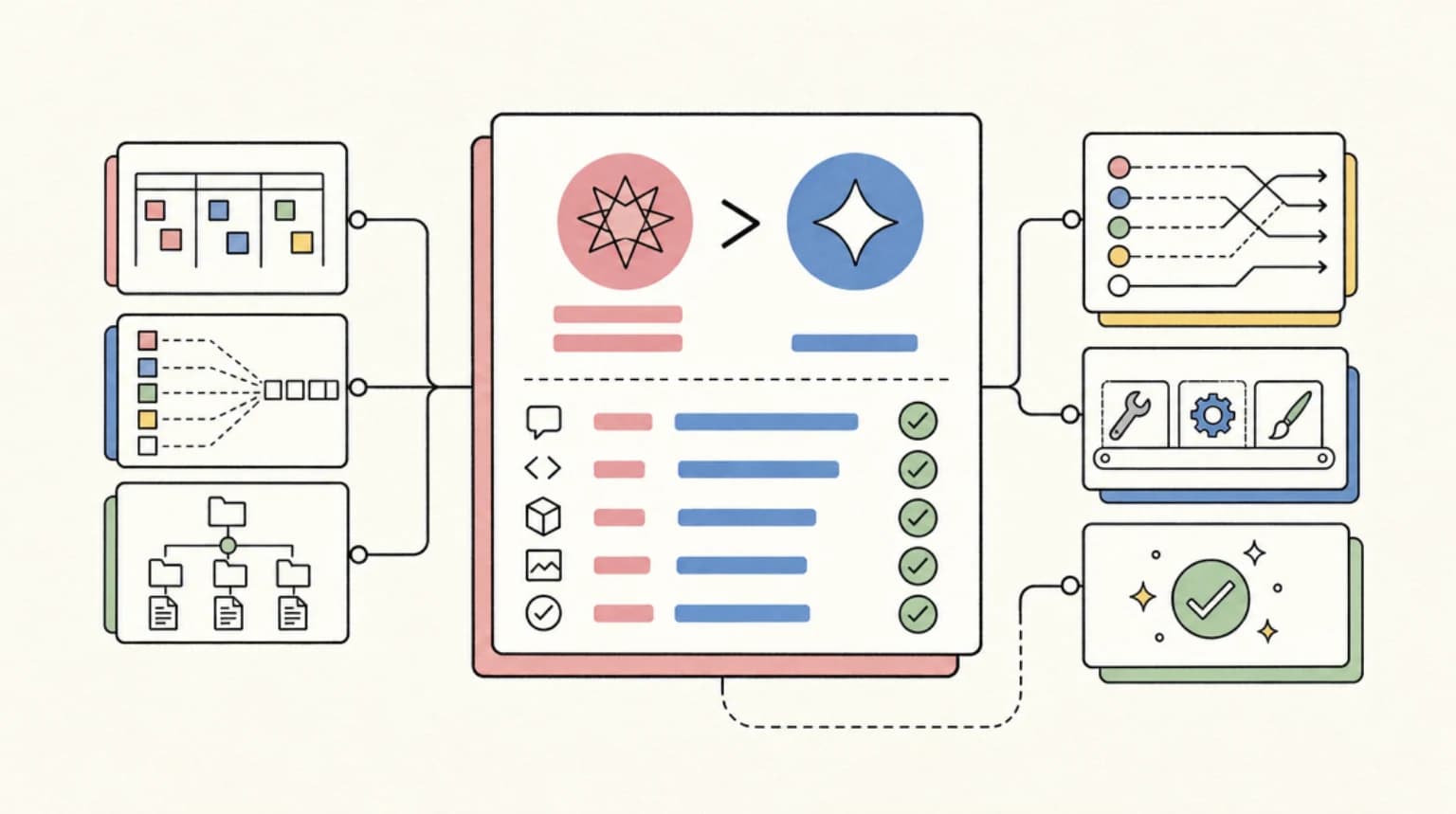
Claude Fable 5 in 7 Minutes reviews Anthropic's release of Claude Fable 5, the first general-use "Mythos class" model. The video works through the announcement post, early reactions, benchmarks, pricing, availability, and real-world demos, then closes with practical usage tips.
This post is a companion to the video above. Watch the review for the numbers and the demos, then use the links here to go deeper on any one piece.
The Idea in One Line#
Fable 5 is Anthropic's most capable widely released model, priced above the Opus tier and aimed at the hardest reasoning and long-horizon agentic work, with the restricted Mythos 5 tier sitting on top of the same underlying model.
The Walkthrough, Beat by Beat#
The video runs through eight sections in seven and a half minutes:
- Fable 5 arrives (0:00). The announcement framing: the first general-use Mythos class model, reviewed straight from Anthropic's blog post.
- Benchmark gains and strengths (0:22). State-of-the-art across nearly all tested benchmarks, with standout results in agentic coding, knowledge work, vision, and scientific domains like biology and health. The gains grow on longer, more complex tasks.
- Pricing and the subscription window (1:35). $10 per million input tokens and $50 per million output tokens, web access through Pro and Max tiers, and limited availability until June 22 with possible metered costs even for some subscribers. Our June 22 decision checklist covered that window in detail.
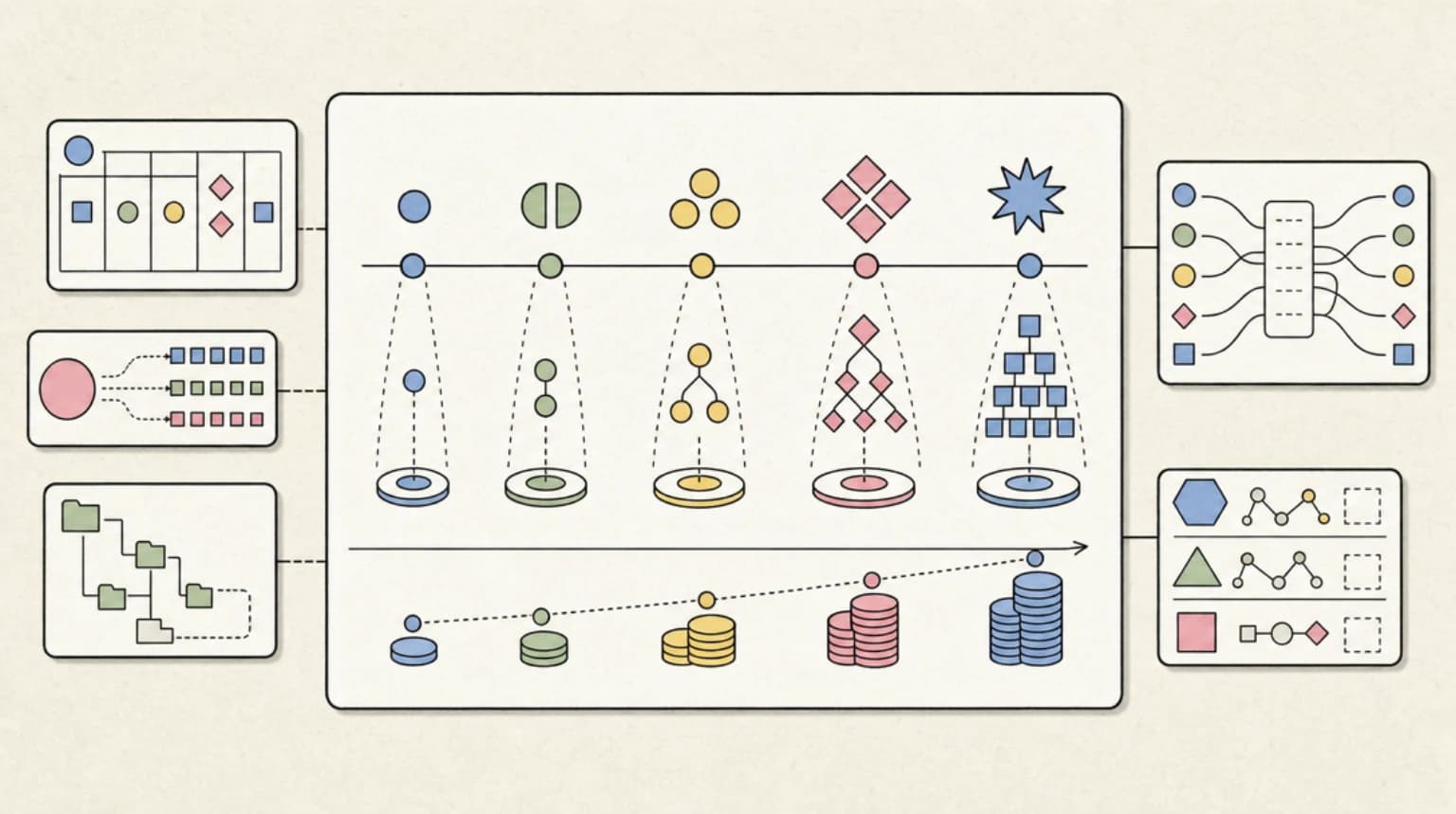
- Frontier Code "no-slop code" results (2:26). The video highlights the no-slop coding results and the tradeoff triangle between effort level, cost, and performance. The effort levels explainer breaks down low through max.
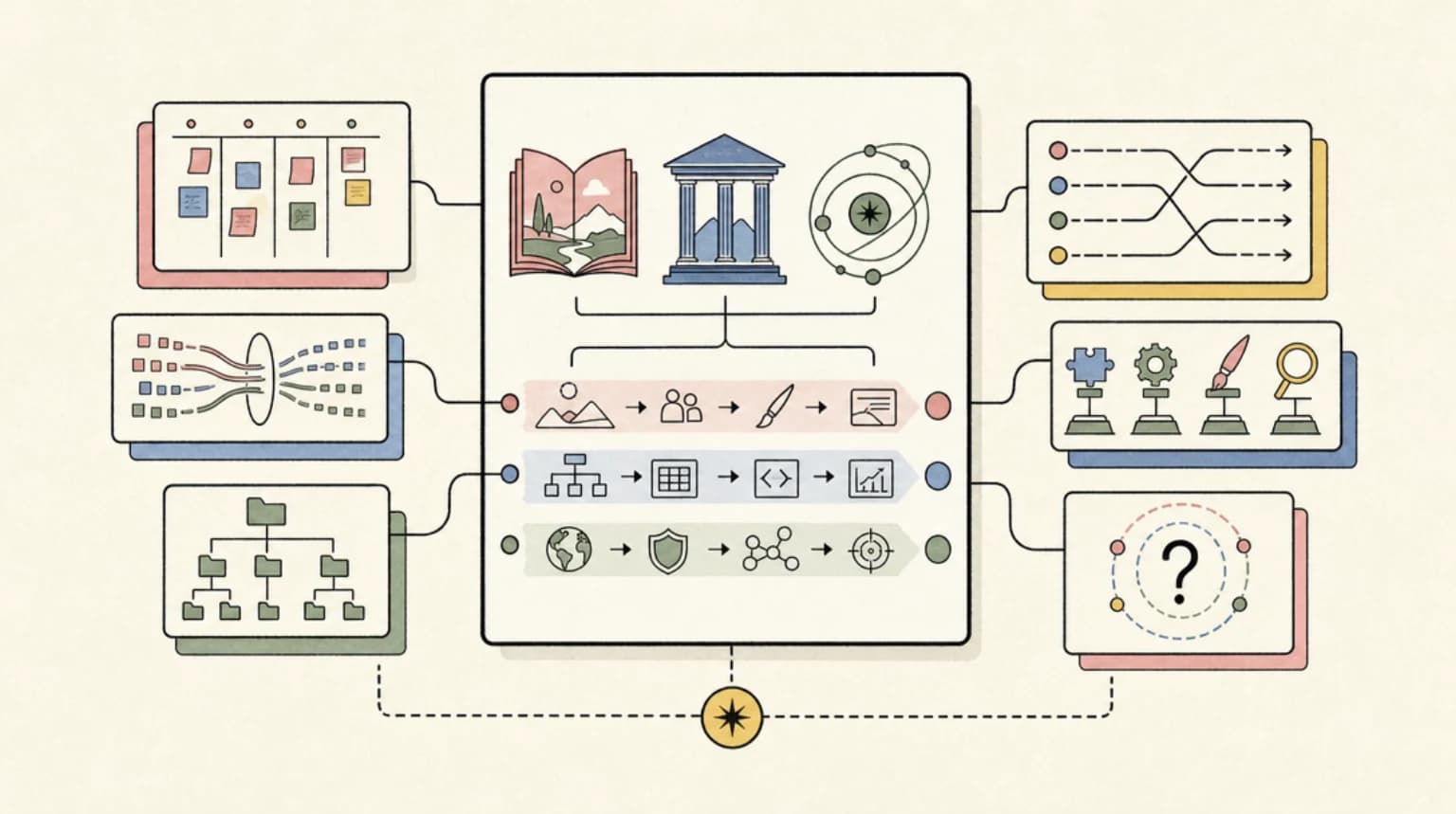
- Pokemon and visual demos (3:29). Anecdotes like completing Pokemon FireRed from screenshots alone, an HTML solar system simulation, and natural-language CAD with VibeCAD.
- Access and safety notes (4:41). Mythos 5 access via Project Glasswing, Claude Code and Managed Agents support, safety tuning and refusals, and the 319-page model card.
- How to use it better (5:49). Simpler prompting wins. Prompts written for older models are often too prescriptive for Fable 5.
- Loops and the final benchmark (6:55). Managing iterative loops in agentic runs, then the wrap-up.
Hands-On Developer Takeaways#
Four things from the video matter most if you are building with the API:
- Prompt simpler. Fable 5 responds better to a stated goal plus constraints than to step-by-step scaffolding. If you are porting prompts from Opus or Sonnet, start by deleting instructions, not adding them. The full porting guide is in Migrating to Claude Fable 5 and Rewriting Prompts and Skills for Fable 5.
- Effort level is the real cost dial. The same request at low versus max effort produces very different token spend and latency. The video's tradeoff framing maps directly to the
output_config.effortparameter in the model docs. - Plan for long turns and loops. Single requests on hard tasks can run for minutes, and agentic runs need loop management so the model does not iterate past the point of value. See Long-Running Requests and Timeouts.
- Handle refusals. Safety tuning means some requests return a refusal instead of output, so production code needs a fallback path. We covered patterns in Handling Fable 5 Refusals in Agent Fleets.
Pricing and Specs#
From Anthropic's pricing page and model docs:
| Spec | Value |
|---|---|
| Model ID | claude-fable-5 |
| Input | $10 per million tokens |
| Output | $50 per million tokens |
| Context window | 1M tokens (the default and the maximum) |
| Max output | 128K tokens |
| Effort levels | low, medium, high, xhigh, max |
| Web access | Pro and Max tiers |
That puts it at 2x Opus 4.8 on input and output per token. Whether it earns that premium depends on task shape, which is exactly what our cost-per-task analysis measures.
Where It Fits#
For the wider picture around this release: Claude Mythos vs Fable 5 explains the two-tier structure, How to Use Claude Fable 5 is the hands-on setup guide, and Fable 5 vs GPT-5.5 places the benchmarks next to OpenAI's frontier model. The release also kicked off a turbulent stretch of suspensions and reinstatements, which we tracked in Why the US Government Pulled Fable 5 and Fable 5 Returns: What Changed.
FAQ#
What is Claude Fable 5?#
Claude Fable 5 is Anthropic's most capable widely released model, announced as the first general-use "Mythos class" model. It targets the most demanding reasoning and long-horizon agentic work, with the largest gains on longer, more complex tasks. Details are in Anthropic's announcement.
How much does Fable 5 cost?#
$10 per million input tokens and $50 per million output tokens on the API, which is double Opus 4.8's per-token pricing. Web access comes through the Pro and Max subscription tiers. Current rates are on the pricing page.
What is the Fable 5 context window?#
1M tokens, which is both the default and the maximum, with up to 128K output tokens per request. Specs are in the model docs.
What is the difference between Fable 5 and Mythos 5?#
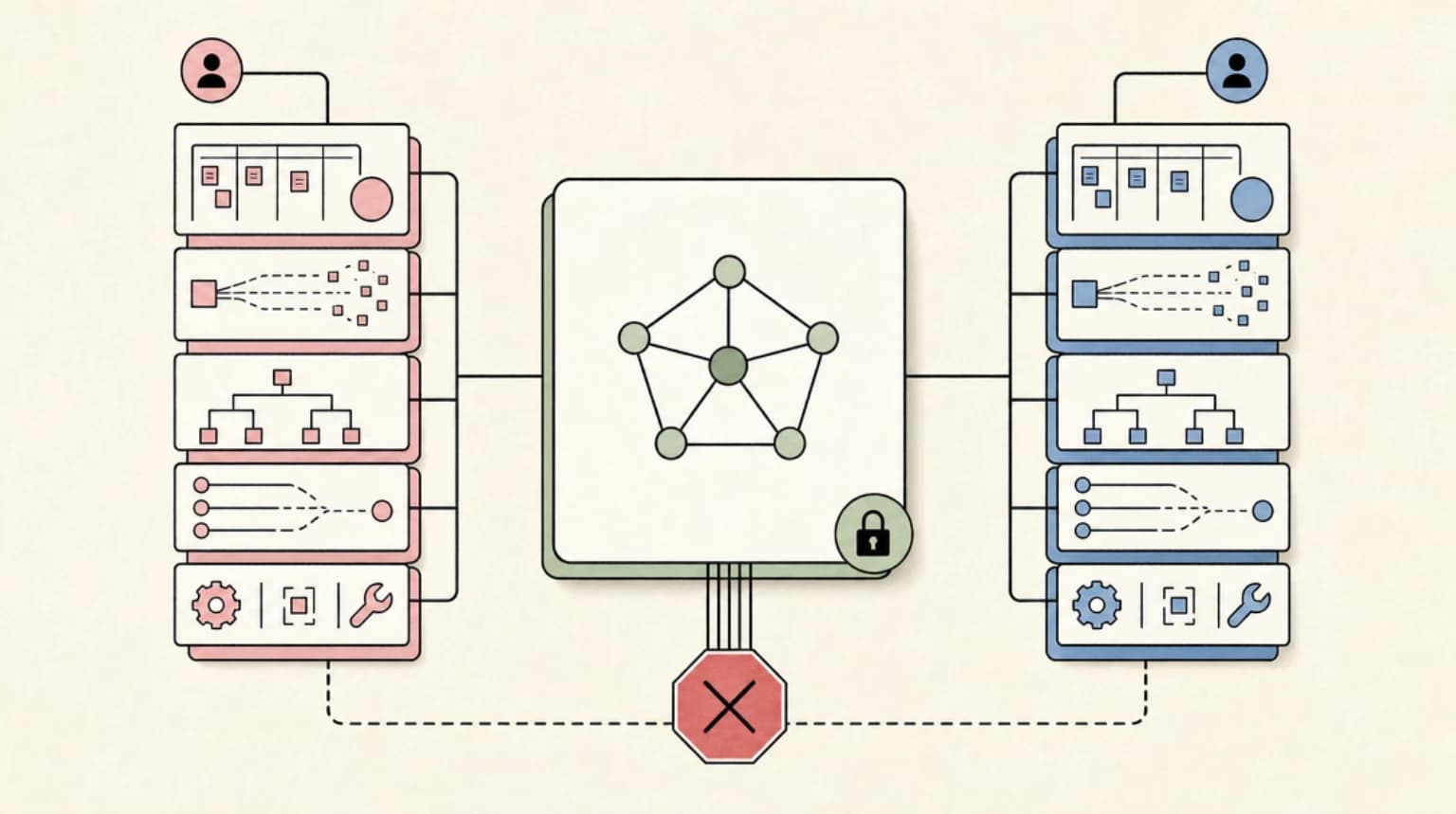
They are the same underlying model. Fable 5 is the generally available version with a broad safeguard layer; Mythos 5 is the restricted-access version available only through Project Glasswing. The full breakdown is in Claude Mythos vs Fable 5.
Should I prompt Fable 5 differently than older Claude models?#
Yes. The video's core usage tip is simpler prompting: state the goal and constraints rather than enumerating steps. Prompts written for prior models are often too prescriptive and reduce output quality. See Rewriting Prompts and Skills for Fable 5.
Watch the full Claude Fable 5 in 7 Minutes review above, then run the model on a task you can grade yourself and see whether the premium pricing earns its place in your stack.
Get the next comparison like this in your inbox
One email a week on fable-5 and the rest of the AI dev stack. Free.
Read next on Claude Code
How to Use Claude Fable 5: Every Access Path Explained
How to use Claude Fable 5 across every access path: claude.ai plans through June 22, the Claude API, Amazon Bedrock, Vertex AI, and Microsoft Foundry, with setup effort and first-prompt tips.
8 min readMigrating to Claude Fable 5: The Practical Guide
Fable 5 is mostly a drop-in replacement for Opus 4.8, but 'mostly' is doing real work in that sentence. Here's every breaking change, what to delete from your code, and the prompt audit you should run before flipping the model ID.
9 min readClaude Fable 5 Pricing: Real Cost Per Task vs Opus 4.8, GPT-5.5 and Codex
Fable 5 lists at $10/$50 per million tokens - twice Opus 4.8. But list price is the wrong number. Here is the cost-per-outcome math that actually decides whether the upgrade pays.
9 min readTechnical content at the intersection of AI and development. Building with AI agents, Claude Code, and modern dev tools - then showing you exactly how it works.