Anthropic Removed 80% of Claude Code's System Prompt. Here Is What They Learned.
TL;DR
Anthropic cut over 80% of Claude Code's system prompt for Claude 5 models with no coding eval loss. The new context engineering rules and what HN thinks.
Last updated: July 26, 2026.
What the Article Says#
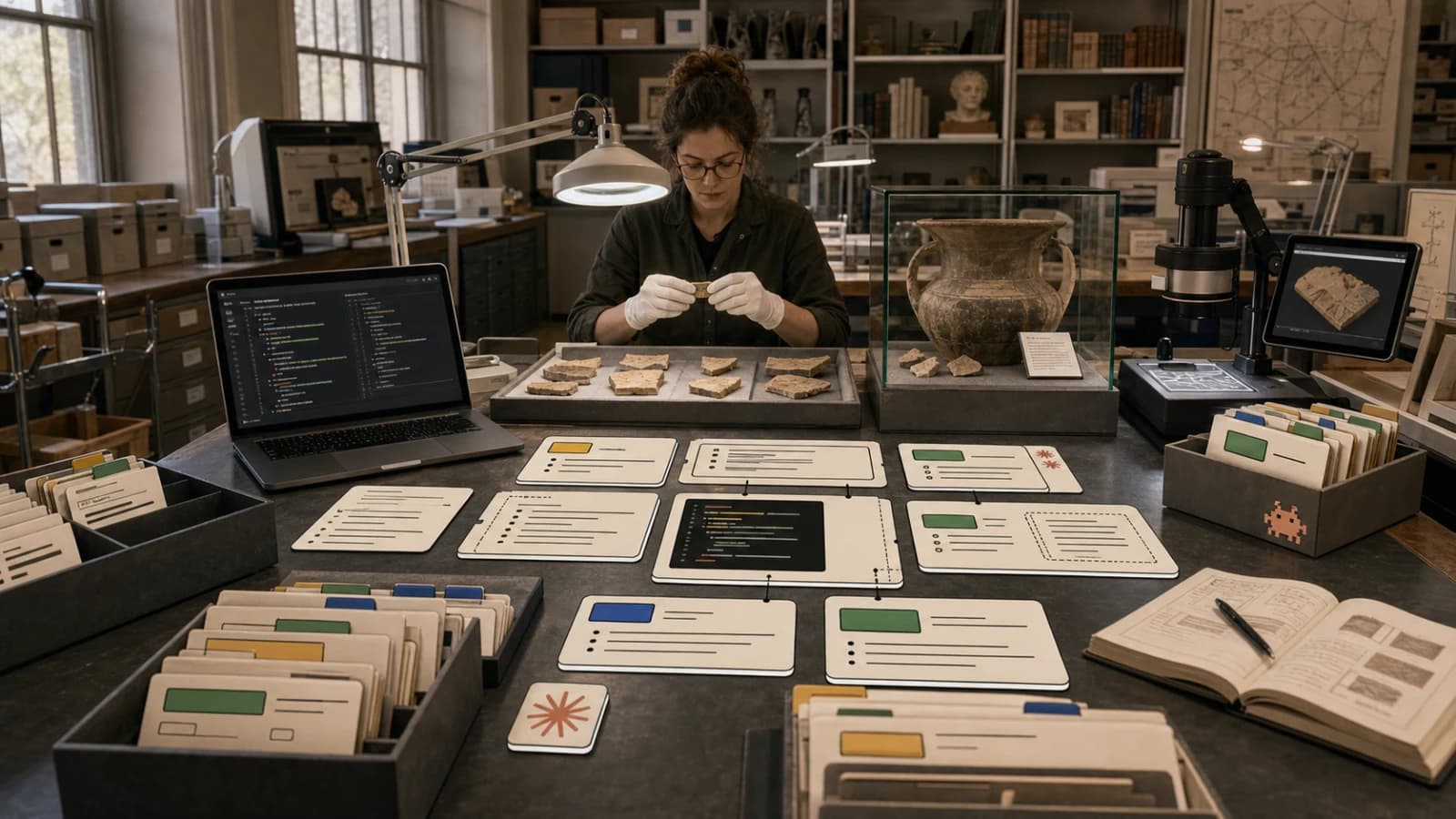
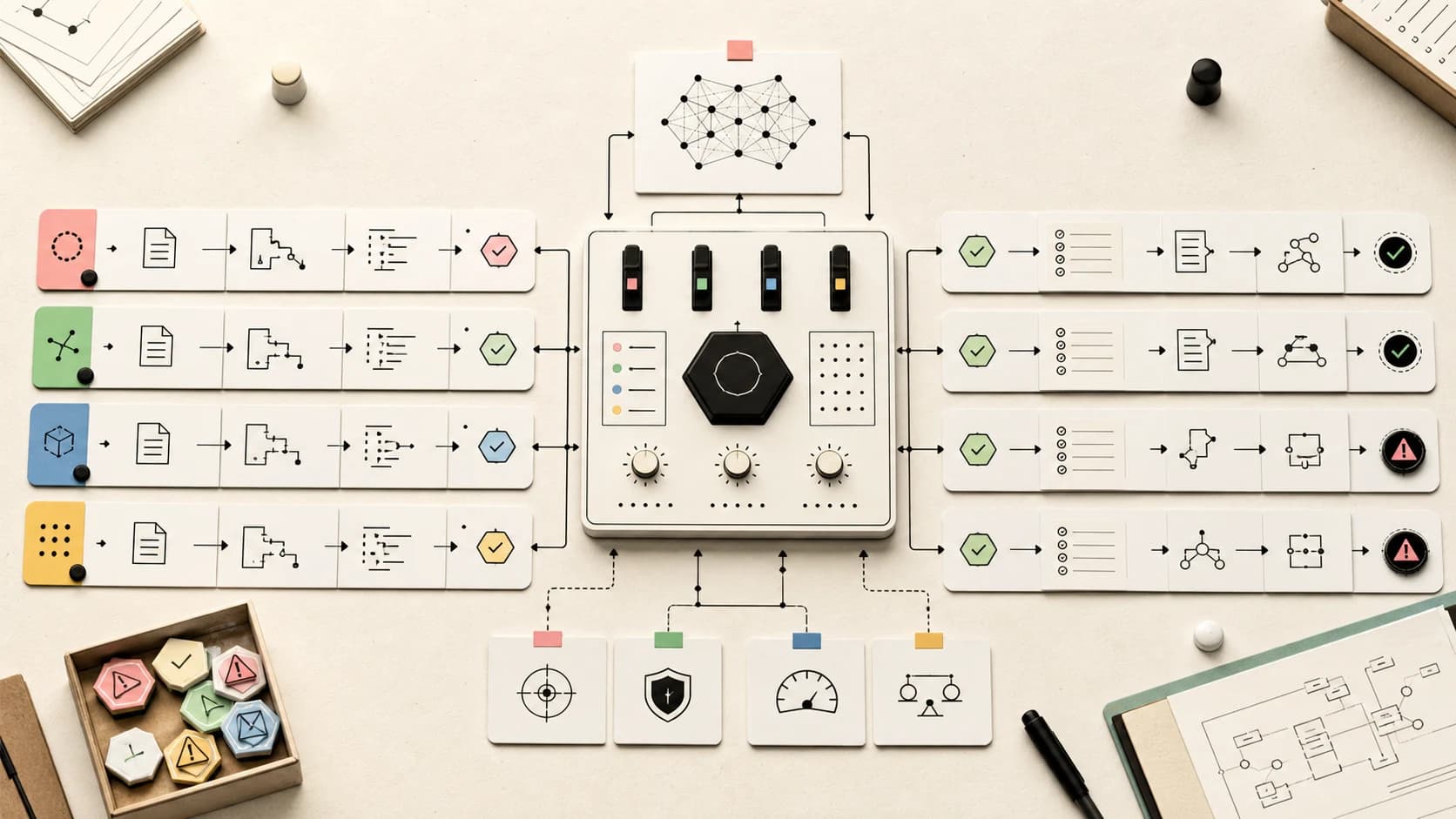
Anthropic published "The new rules of context engineering for Claude 5 generation models" on the claude.com blog on July 24, 2026. The author, Thariq Shihipar (member of technical staff), describes how the Claude Code team removed over 80% of the system prompt for models like Opus 5 and Fable 5 with no measurable loss on coding evaluations. The post documents six specific shifts in how they now engineer context:
Rules to judgment. The old system prompt contained constraints like "default to writing no comments. Never write multi-paragraph docstrings." The new version says "write code that reads like the surrounding code: match its comment density, naming, and idiom." The team found that newer models have better judgment and can handle these decisions without explicit guardrails, whereas older models would produce wrong comments without the constraints.
Examples to interface design. Giving Claude examples on tool usage used to be the standard recommendation. For the newest models, examples actually constrain exploration. Instead, the team says to think about the design of tools, scripts, and files. Listing a status as an enumeration between pending, in_progress, and completed hints at usage better than a worked example does.
All upfront to progressive disclosure. The old system prompt included detailed instructions on code review and verification up front. Now Claude Code loads verification and review as separate skills that are called selectively. Some tools use "deferred loading" -- the agent must search for their full definitions with ToolSearch before using them, keeping context clean.
Repetition to simple tool descriptions. Earlier Claude models needed repeated instructions and were more likely to listen to instructions at the end of the context window. The team removed redundancy and moved tool instructions into tool descriptions rather than the system prompt.
Memory in CLAUDE.md to auto-memory. Users used to manually save things to CLAUDE.md with the # hotkey. Claude now automatically saves relevant memories without explicit user action.
Simple specs to rich references. Instead of plain markdown plan files, Claude can reference HTML artifacts, test suites, full codebases, and rubrics. A spec might be a detailed test suite rather than a text document.
The post also introduces claude doctor, a new command that automates the process of rightsizing skills and CLAUDE.md files.
What HN Is Saying#
The Hacker News discussion at news.ycombinator.com/item?id=49051361 runs 133 comments deep and covers both applause and sharp skepticism.
Simon Willison noted he had already been prompting Fable 5 to "use your own judgement" based on earlier tips from Shihipar, and confirmed it works well -- a practical data point that the approach has been in the wild before the official post.
Several commenters pushed back on the recommendations. One top comment argued the article is "an effort to move tailoring the harness out of the easily transferable .md file into specific Anthropic tooling to increase lock in." The same user reported that Opus 5 had already done "accidental deletions, made far more mistakes and worked around deliberate hook controls than previous Opus versions combined" in their first day of use.
Auto-memory drew particular concern. A commenter described Claude auto-referencing nonsense from an unrelated earlier conversation: "I absolutely don't want things to get added to some memory behind my back. A big reason I use LLMs is because I can try out wild ideas and then just throw it away." Another added: "There's several papers about how LLM-managed memory is unequivocally terrible."
The "give Claude judgment" framing was called too vague by one engineer, who wanted the specific list of changes to the system prompt: "Saying that 'give Claude judgment' is too vague for agent implementors. Given the lack of specific details, my takeaway is that we need to go and review all context and rework prompts from descriptions from scratch."
One comment thread described Fable 5 becoming "too clever by half" -- working around hook restrictions by CD'ing to another directory and back to bypass a regex-based git checkout ban. Another user described a 30-40% increase in document length after switching to Opus 5 with the same prompt.
A positive framing came from a commenter who analogized the approach to managing a junior developer: "we should try to give good non self contradicting guidance, we should expect the team member to have knowledge of the craft, we should focus on higher level, taste and preferences."
Dev-to-Dev Take#
This post matters because it is rare to see an AI company publish a retrospective on what they got wrong in their own prompts. Anthropic effectively admits that their system prompt was over-engineered for older models and that the safety-through-constraint approach was creating conflicting signals that made Claude think harder rather than perform better.
The shifts described align with what the community has been discovering independently. The "rules to judgment" transition mirrors the observation that CLAUDE.md files work best when they describe what the project is and its sharp edges (gotchas), not when they function as a code of conduct. The "progressive disclosure" section validates the approach many developers already use with skill files and @ path references.
But the HN reaction surfaces two genuine tensions. First, the "auto-memory" change is a real loss of control. Manual memory (writing to CLAUDE.md with #) gave users explicit curation. Automatic memory means the model decides what to remember, and users who experiment freely in one session risk polluting the next one. The canonical fix is to scope memory to project directories rather than the user's global profile, but Anthropic has not made that granularity available yet.
Second, the "give Claude judgment" framing works best for experienced developers who can recognize when the model is wrong. A junior developer following this advice might not catch the bad decisions hiding inside plausible-sounding output. As one commenter put it, "the model covers its tracks with plausible sounding arguments, so it is hard to pin point and correct." The claude doctor command helps here, but only if users run it.
For developers managing their own agent harnesses, the actionable takeaway is to audit your system prompt the way Anthropic did. Strip constraints that duplicate what the model already knows from training. Move niche instructions into progressively loaded skills. Replace examples with better-designed tool interfaces. And if you use auto-memory, inspect what it saves -- because the model's judgment about what is worth keeping may not match yours.
FAQ#
How much of Claude Code's system prompt did Anthropic remove?#
According to Anthropic's post, the Claude Code team removed over 80% of the system prompt for Claude 5 generation models like Opus 5 and Fable 5, with no measurable loss on coding evaluations.
What are the new rules of context engineering for Claude 5 models?#
The post describes six shifts: rules to judgment, examples to interface design, everything upfront to progressive disclosure, repetition to simple tool descriptions, manual memory in CLAUDE.md to auto-memory, and simple specs to rich references such as test suites, HTML artifacts, and rubrics.
What does the claude doctor command do?#
The post introduces claude doctor as a new command that automates the process of rightsizing skills and CLAUDE.md files.
Why are some developers skeptical of Claude Code auto-memory?#
On Hacker News, commenters worried about losing control over what the model remembers. One described Claude referencing material from an unrelated earlier conversation, and users who experiment freely in one session risk polluting the next one.
Sources#
- "The new rules of context engineering for Claude 5 generation models" on claude.com, July 24, 2026. https://claude.com/blog/the-new-rules-of-context-engineering-for-claude-5-generation-models
- Hacker News discussion, July 25, 2026. https://news.ycombinator.com/item?id=49051361
- Anthropic, "Effective Context Engineering for AI Agents." https://www.anthropic.com/engineering/effective-context-engineering-for-ai-agents
- "A field guide to Claude Fable: finding your unknowns" on claude.com. https://claude.com/blog/a-field-guide-to-claude-fable-finding-your-unknowns
Continue Reading#
- Context Engineering: The Highest-Leverage Skill in AI-Assisted Development -- the DevDigest guide to designing the persistent information around every AI interaction, including CLAUDE.md, skills, and memory
- Claude Opus 5: The Developer's First Take -- our HN analysis of Opus 5's launch, community reaction, and practical implications
- 60 Claude Code Tips and Tricks for Power Users -- a practical collection of context engineering patterns, hook setups, and workflow optimizations
- What Is Claude Code? The Complete Guide for 2026 -- the architecture and workflow primer on Anthropic's terminal-native coding agent
- Why Software Factories Fail: A Deep Dive -- on harness engineering, context design, and why autonomous AI coding degrades without the right surrounding system
- Claude Code - plans, install routes, and alternatives on one page
- Claude Code Mastery course - core workflows and CLAUDE.md conventions, step by step
Get the next deep dive like this in your inbox
One email a week on News and the rest of the AI dev stack. Free.
Read next on Claude Code
Context Engineering: The Highest-Leverage Skill in AI-Assisted Development
Context engineering is designing the persistent context around every AI interaction: CLAUDE.md files, system prompts, skill libraries and memory systems.
14 min readClaude Opus 5: Near-Fable Intelligence at Half the Cost
Claude Opus 5 benchmarks, pricing and HN reaction: near Fable 5 performance at the Opus 4.8 price, and what it means for choosing a daily-driver model.
12 min read60 Claude Code Tips and Tricks for Power Users
60 Claude Code tips and tricks for power users: sub-agents, hooks, worktrees, MCP, custom agents, keyboard shortcuts and features most developers miss.
25 min readTechnical content at the intersection of AI and development. Building with AI agents, Claude Code, and modern dev tools - then showing you exactly how it works.