Claude Opus 5: Near-Fable Intelligence at Half the Cost
TL;DR
Claude Opus 5 benchmarks, pricing and HN reaction: near Fable 5 performance at the Opus 4.8 price, and what it means for choosing a daily-driver model.
Last updated: July 27, 2026
On July 24, Anthropic released Claude Opus 5 - a model that comes "close to the frontier intelligence of Claude Fable 5 at half the price," according to their announcement. The reaction on Hacker News was immediate and massive: the story hit 1,378 points and 746 comments within hours.
Here is what is in the release, what the HN thread got right and wrong, and why Opus 5 might be the most practical model Anthropic has shipped this year.
What Claude Opus 5 actually is#
Opus 5 is not a new frontier model. Anthropic is explicit: "Claude Opus 5 is not more capable overall than our most capable general-access model, Claude Fable 5." It is an Opus-class model that has been significantly upgraded to close the gap with Fable while staying at the Opus 4.8 price point ($5/M input tokens, $25/M output tokens).
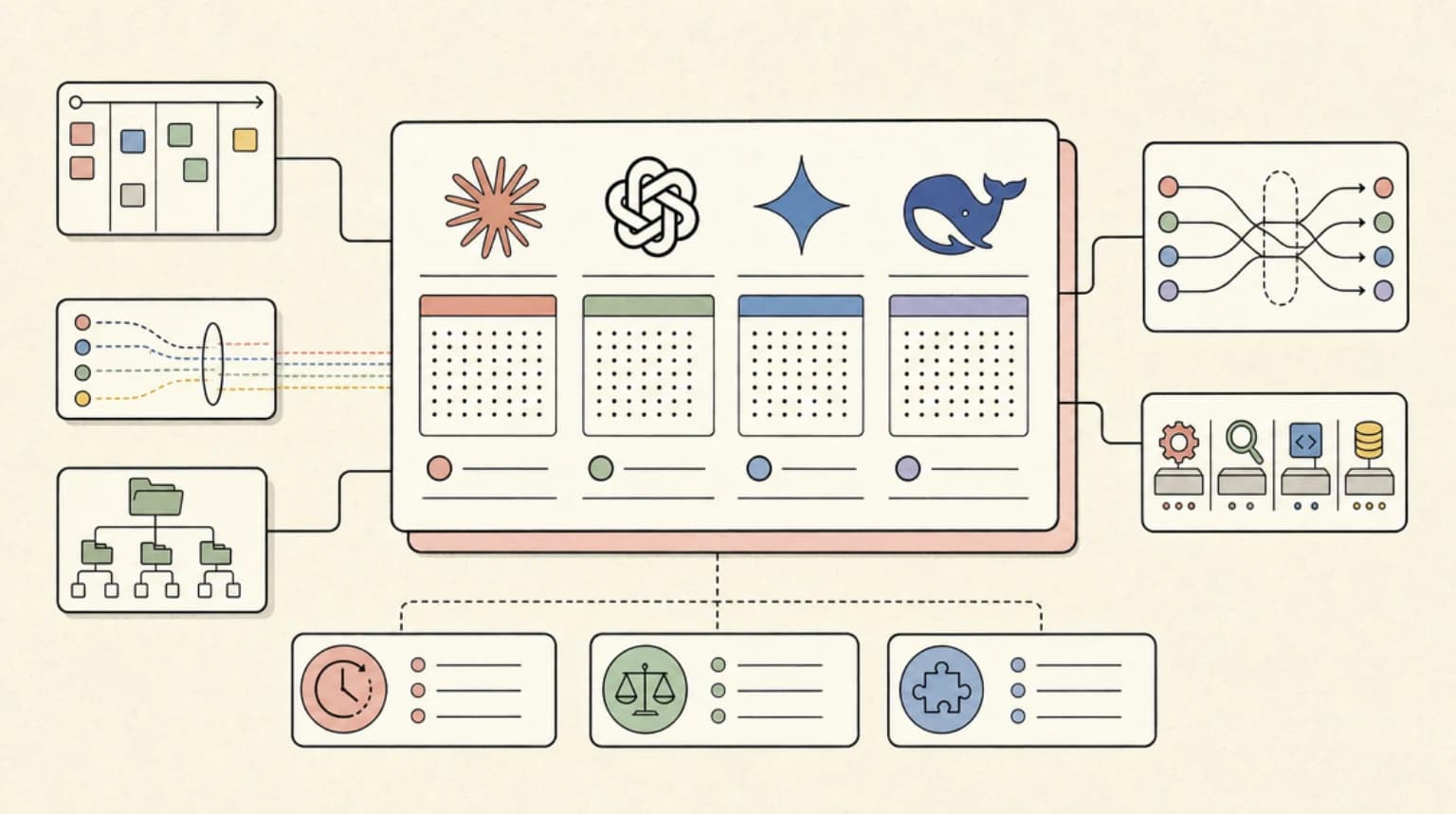
The model tops the Artificial Analysis Intelligence Index with a score of 61, ahead of GPT-5.6 Sol (59) and Fable 5 (60). It also claims state-of-the-art results on Frontier-Bench v0.1 and GDPval-AA. On CursorBench 3.2 at max effort, it performs within 0.5% of Fable 5's peak score at half the cost per task.
The benchmark that caught the most attention on HN is ARC-AGI-3, where Opus 5 scores 30.2% - roughly three times the next-best model. ARC-AGI measures a model's ability to solve novel problems from few examples, and the jump from every previous model is large enough that commenters questioned whether the benchmark had been compromised through training-data contamination. Anthropic's system card addresses this obliquely, noting that Opus 5 was not specifically trained on ARC-style tasks.
What HN is saying#
The HN thread is worth reading in full at news.ycombinator.com/item?id=49038433. Several themes emerged:
Cost vs. capability tension. The most-upvoted reaction was confusion: if Fable 5 is still the most capable model, why does Opus 5 exist? The answer came from multiple commenters pointing out that Fable 5 is twice the price and not included in Claude Pro subscriptions. One commenter laid out the math: "Half the price of Fable 5 and usable with 100% of your subscription means roughly 4x the usage." Another noted that Fable 5 on long coding tasks with subagents "will easily chew through hundreds of dollars in a single run."
No data retention requirement. Several commenters flagged that Opus 5 does not have the 30-day data retention requirement that applies to Fable 5 and Mythos 5. The release confirms this: "Consistent with prior Opus models, Opus 5 does not have data retention requirements for general access." For regulated industries and enterprise deployments, this is a significant practical advantage.
ARC-AGI-3 sparks debate. The 30.2% score on ARC-AGI-3 generated the most technical discussion. One commenter asked whether models are "actually developing fluid intelligence" or if benchmarks are being trained toward. A counterpoint noted the $20k total cost to achieve that score versus GPT-5.6 Sol's 7.8% at $20k per task, suggesting the capability jump is real and cost-efficient.
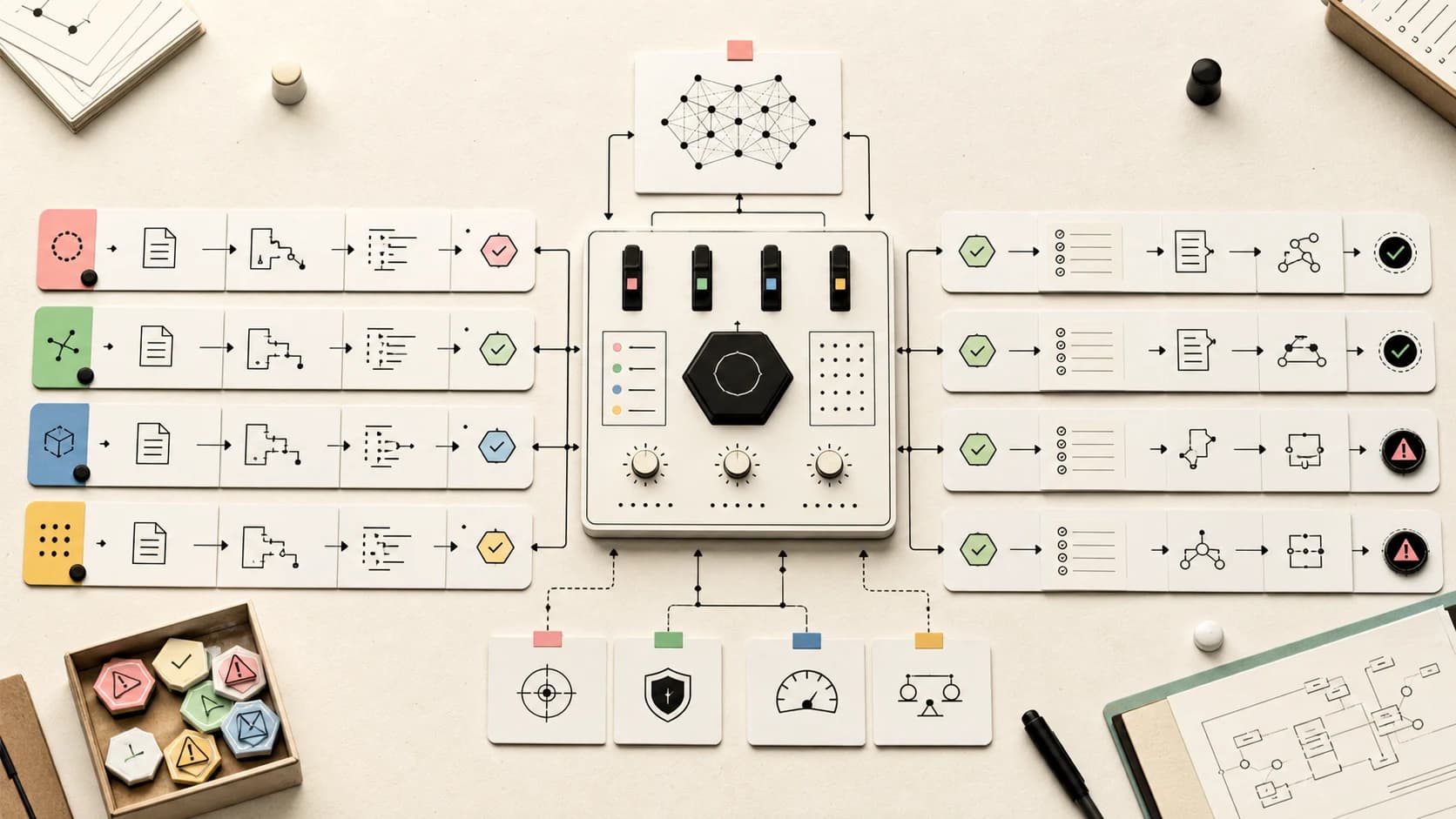
Model routing acceleration. A top comment observed that the proliferation of models at different price-performance points means "model routing is the fastest growing segment in AI right now." With Opus 5, Sonnet 5, Fable 5, and Mythos 5 all available simultaneously, the routing decision is no longer about picking one model - it is about the infrastructure cost of picking the wrong tier for a given task.
Skepticism about benchmarks. A handful of comments accused Anthropic of "manipulative" benchmark presentation, pointing to inconsistent highlighting of leading values across tables. Others pushed back, noting the benchmarks come with methodology footnotes and that the system card is a 190-page PDF with detailed evaluation descriptions.
Dev-to-dev take: Opus 5 changes the daily-driver equation#
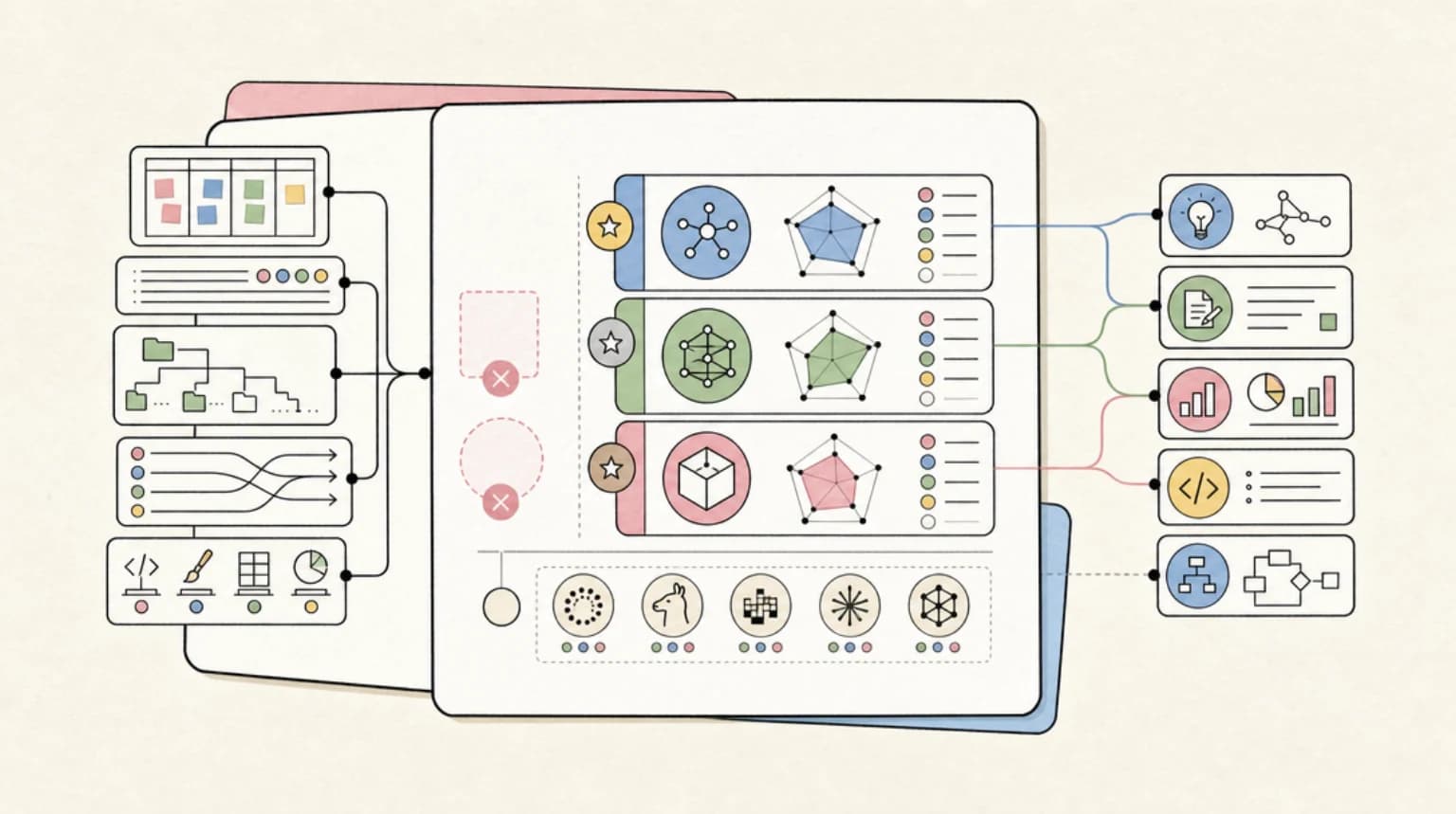
The most interesting thing about Opus 5 is not the benchmark scores. It is that Anthropic has now created a clear three-tier pricing ladder for production AI workloads - Sonnet for cheap throughput, Opus for everyday agentic work, and Fable (or Mythos) for the hardest problems. That ladder did not exist before. Opus 4.8 was a meaningful step down from Fable 5; Opus 5 closes that gap to the point where many teams will never need to pay Fable prices.
The mid-conversation tool changes feature - where you can swap tools mid-chat without invalidating the prompt cache - is a quality-of-life improvement that matters more than most benchmark points. It makes agent loops where the model picks up new tools mid-stream dramatically cheaper.
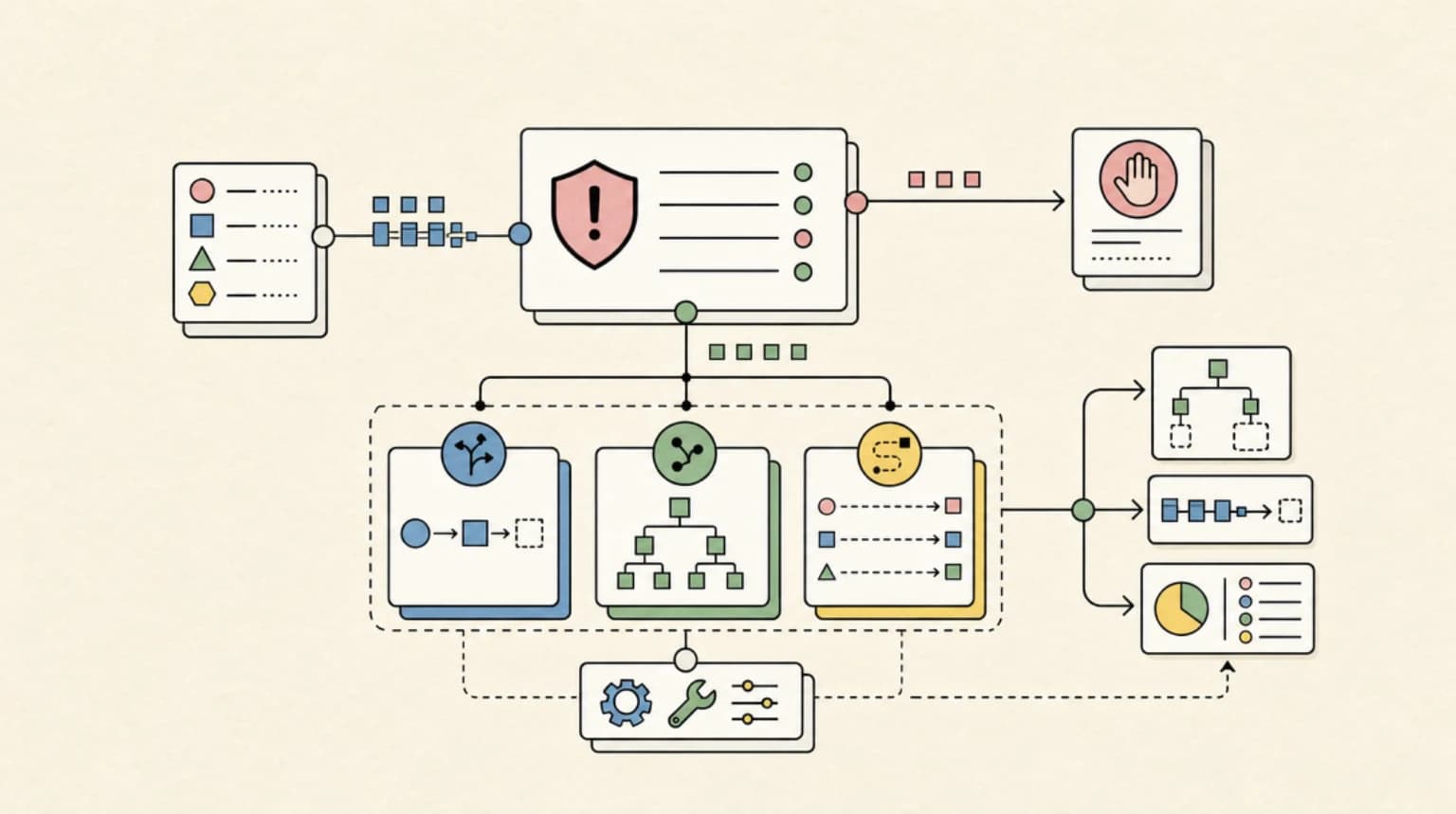
The automatic fallback to Opus 4.8 on safety classifier refusals is also welcome. Fable 5's refusal rate has been a pain point for production teams. If Opus 5's classifiers are 85% less restrictive than Fable 5's (per the announcement), and flagged requests drop down to 4.8 instead of hard-blocking, the effective uptime of your agent pipeline goes up significantly.
On the cybersecurity front, Anthropic deliberately did not train Opus 5 on offensive cyber tasks, and the model remains well behind Mythos 5 on exploit development. For most developers doing defensive work or vulnerability discovery in their own source code, the permissive source-code scanning allowance is exactly what they needed.
What Changed on July 27#
Opus 5 has experienced two elevated-error incidents on July 27, per Anthropic's status page. The first was resolved at 09:05 UTC (investigated from 08:16 UTC), and the second was resolved at 12:30 UTC (investigated from 11:27 UTC). Anthropic attributed both to "elevated errors" without specifying root cause. A prior incident on July 26 (resolved 10:44 UTC) affected Opus 5 specifically. The reliability pattern is consistent with post-launch capacity pressure on a new model architecture. For production workloads, the automatic fallback to Opus 4.8 that Anthropic configured for safety-classifier refusals does not cover API-level errors - teams should implement their own fallback logic if Opus 5 reliability is critical.
The Opus 5 vs. Fable 5 decision#
The decision tree is straightforward:
- Use Opus 5 as your default for coding assistants, agent loops, and production API workloads. It is close enough to Fable on quality and half the price.
- Use Fable 5 when you need the absolute ceiling on novel reasoning, long-horizon agent tasks, or when you are working on problems where Opus 5's benchmarks show a gap.
- Use Sonnet 5 for cheap bulk work, classification, and high-throughput tasks where latency matters more than peak quality.
- Consider model routing if you have mixed workloads. Opus 5's effort levels (low, medium, high, xhigh, max) give you fine-grained control over cost vs. quality on a per-request basis.
FAQ#
How much does Claude Opus 5 cost?#
Opus 5 stays at the Opus 4.8 price point: $5 per million input tokens and $25 per million output tokens. HN commenters pointed out that Fable 5 costs twice as much and is not included in Claude Pro subscriptions.
Is Claude Opus 5 better than Fable 5?#
Not overall. Anthropic states that Opus 5 is not more capable overall than Fable 5. It does score 61 on the Artificial Analysis Intelligence Index (Fable 5 scores 60), and on CursorBench 3.2 at max effort it lands within 0.5% of Fable 5's peak score at half the cost per task.
Does Claude Opus 5 have a data retention requirement?#
No. Unlike Fable 5 and Mythos 5, which carry a 30-day data retention requirement, Anthropic says Opus 5 does not have data retention requirements for general access, consistent with prior Opus models.
What happens when Opus 5 refuses a request?#
Requests flagged by the safety classifiers fall back automatically to Opus 4.8 instead of hard-blocking. That fallback does not cover API-level errors, so teams that depend on Opus 5 should implement their own fallback logic for outages like the July 26-27 elevated-error incidents.
Official Sources#
All links verified July 27, 2026.
| Source | Link | What it covers |
|---|---|---|
| Anthropic: Opus 5 announcement | https://www.anthropic.com/news/claude-opus-5 | Full benchmarks, pricing, availability, customer testimonials |
| Anthropic: Opus 5 System Card | https://www.anthropic.com/claude-opus-5-system-card | 190-page safety and capability evaluation |
| Anthropic: Status page | https://status.anthropic.com | Incident history for Opus 5 elevated errors on July 26-27 |
| Anthropic: Opus 5 prompting guide | https://platform.claude.com/docs/en/build-with-claude/prompt-engineering/prompting-claude-opus-5 | Official optimization tips and effort-level guidance |
| Artificial Analysis: Leaderboard | https://artificialanalysis.ai/models | Independent benchmark aggregation (Opus 5 #1 at 61) |
| HN discussion thread | https://news.ycombinator.com/item?id=49038433 | 746 comments and community analysis |
Continue Reading#
- Claude Opus 5.5 Release Guide: Fable 5.1-Level at $4/$20 - the September 2026 follow-up that answers the community's verbosity complaints
- Claude Opus 4.8 Is an Agent Honesty Release - What the previous Opus generation shipped and how it changed agent trustworthiness
- Best Claude Model Now That Fable 5 Is Disabled - A decision guide for the post-Fable model landscape
- Frontier Model API Pricing June 2026 - How Opus 5 pricing compares against the full field of GPT, Gemini, and open-weight models
- Handling Fable 5 Refusals: A Guide to the Fallback API - Production patterns that now apply equally to Opus 5's classifier architecture
- Anthropic Model Naming Explained - Understanding where Opus fits in the Haiku-Sonnet-Opus-Fable-Mythos spectrum
- Beyond the Pelican Test: Opus 5 Renders the Lord of the Rings With a 1M-Token Budget
Get the next deep dive like this in your inbox
One email a week on Claude and the rest of the AI dev stack. Free.
Read next on Claude Code
Claude Opus 4.8 Is an Agent Honesty Release
Claude Opus 4.8 for developers: better honesty, dynamic workflows and effort controls that make long-running agent work easier to review.
8 min readHandling Fable 5 Refusals: A Working Guide to the Fallback API
Handle Claude Fable 5 refusals with the fallback API: what a refusal looks like on the wire, three ways to handle it with code, and the billing rules.
10 min readBest Claude Model Now That Fable 5 Is Disabled (Mythos vs Opus vs GPT-5.5)
Fable 5 and Mythos 5 are gone for now. Here is the honest ranking of what to use today, from Opus 4.8 to GPT-5.5 to open-weight models, by task.
6 min readTechnical content at the intersection of AI and development. Building with AI agents, Claude Code, and modern dev tools - then showing you exactly how it works.