The Dario Paradox: Warning About the Exponential While Shipping It
The Fable 5 Moment
31 parts- 1Claude Mythos 5 Explained: What It Is, Who Can Access It, and Why It's Gated
- 2Migrating to Claude Fable 5: The Practical Guide
- 3Claude Fable 5 Access After the June 22 Deadline: Where Things Stand
- 4Claude Fable 5 vs GPT-5.6 Sol: Benchmarks, Pricing, and When Each Wins
- 5Fable 5 vs Opus 4.8: A Data-Driven Decision Guide for Engineering Teams
- 6How to Model Fable 5 Costs Before They Blow Up Your Budget
- 7Claude Fable 5 API: Production Integration Patterns, Rate Limits, and Migration Gotchas
- 8Handling Fable 5 Refusals: A Working Guide to the Fallback API
- 9Why Fable 5 Refuses Your Cybersecurity Queries (And How the Fallback Works)
- 10Fable 5's Hidden Guardrails: What Developers Need to Know About Silent Degradation
- 11Fable 5 Broke Enterprise ZDR Agreements: What Dev Teams Must Do Now
- 12Claude Managed Agents: Dreaming, Outcomes, and Multi-Agent Orchestration Explained
- 13Claude Managed Agents Public Beta: What's Actually Available vs What's Gated
- 14Dario Amodei Wants FAA-Style AI Regulation: Open Questions for Developers
- 15The Exponential and the Working Developer: Sitting With Amodei's Hardest Questions
- 16The Dario Paradox: Warning About the Exponential While Shipping ItCurrent
- 17The Pushback on Amodei's Exponential Essay: Too Slow, Too Convenient, or About Right?
- 18Fable 5 Before June 22: The Decision Checklist for Every Plan Tier
- 19Fable 5 on AWS Bedrock: When Your Data Leaves the AWS Boundary
- 20Why Claude Desktop Installs a 1.8 GB Hyper-V VM on Windows
- 21Anthropic Model Names Explained: Fable, Mythos, Opus, Sonnet
- 22Managed Agents vs LangGraph vs Rolling Your Own: Who Should Run Your Agent Loop in 2026
- 23Claude Usage Limits With Fable 5: Windows and Burn Rates
- 24Fable 5 for Government and Regulated Teams: The GovCloud Question
- 25Fable 5 vs DeepSeek V4: The Cost-Quality Gap Measured in Real Tasks
- 26Fable 5 Orchestrator Playbook: Smart Model, Cheap Workers
- 27Prompt Caching Economics on Fable 5: When the 5-Minute TTL Pays
- 28Fable 5 with 1M Context: What Actually Works in Practice
- 29Claude Effort Levels Explained: Fable 5, Opus 5.5, Haiku 5.5
- 30Fable 5 Effort Levels vs Switching Models: When to Dial and When to Change
- 31Recursive Self-Improvement: What Fable 5, Dario's Essay, and Anthropic's Own Data Actually Tell Us
TL;DR
The Dario Paradox: Amodei called for FAA-style testing of frontier AI as Anthropic shipped Fable 5. Both readings weighed, and what it means for developers.
On June 9, Dario Amodei published "Policy on the AI Exponential", a sweeping essay calling for mandatory third-party testing of frontier models, government power to block deployments, and an FAA-style regulatory framework for AI systems above certain compute thresholds. The same day, Anthropic shipped Claude Fable 5 - the first public-facing version of its Mythos-class model - with classifier guardrails routing high-risk queries away from the model entirely.
The timing is either a perfect illustration of the argument or a live contradiction of it. Possibly both.
Last updated: June 10, 2026
What Dario Actually Argued#
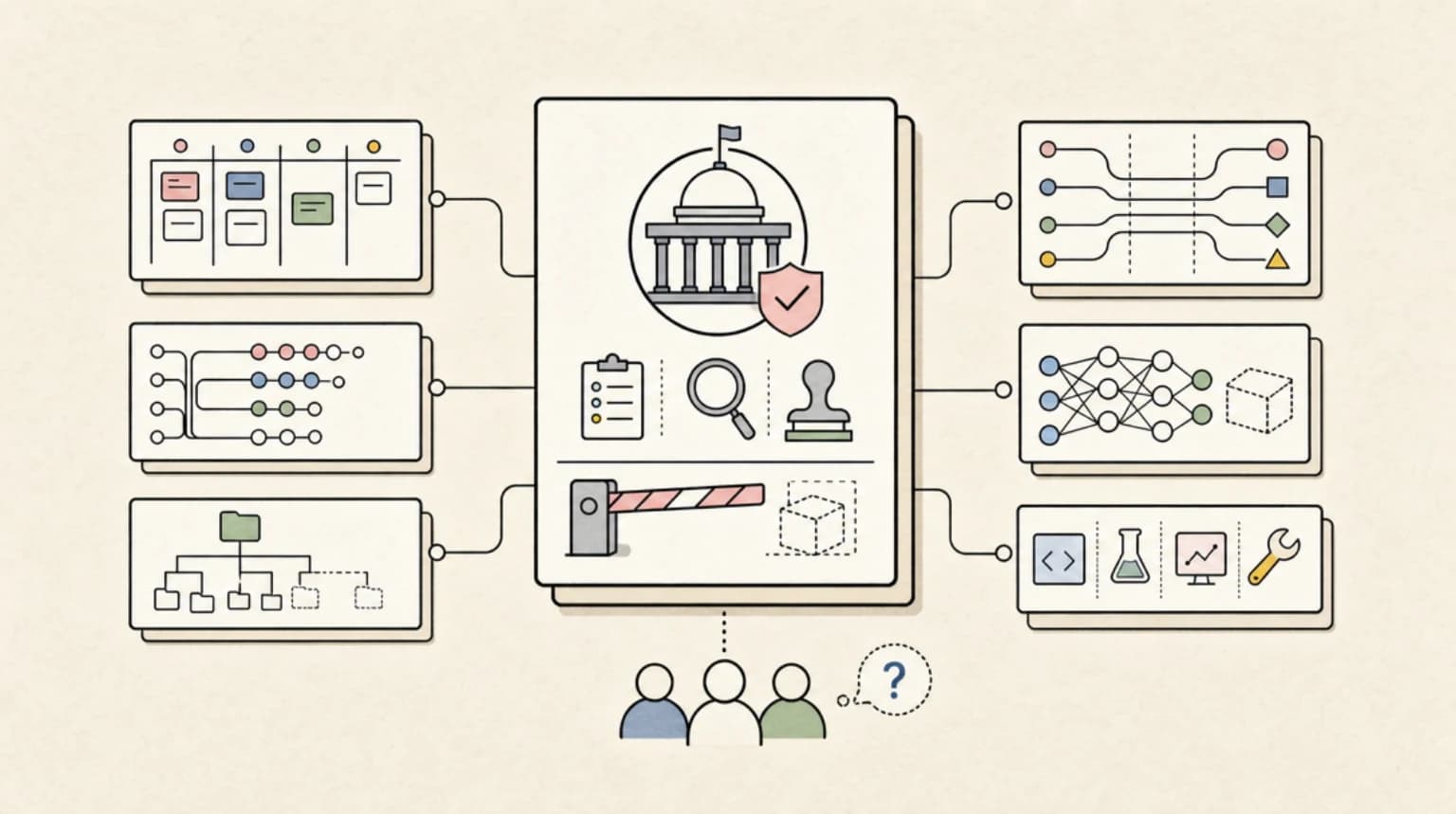
The essay is worth reading in full before collapsing it into a headline. Amodei's core claim is structural: AI capability is advancing exponentially while policy moves linearly, and that mismatch is now dangerous in ways that previous technology cycles were not. He names four specific risk categories that justify regulatory intervention - cybersecurity, biological weapons, loss of model control, and autonomous AI-driven research and development.
The proposed framework is not a vague call for caution. It specifies mandatory third-party testing for models above a compute threshold, deployment blocking authority for governments when safety criteria are not met, and a "regulatory markets" model where private firms certified by government bodies conduct audits. The aircraft analogy is deliberate: before a plane flies passengers, it clears technical testing regardless of commercial pressure.
Amodei's own essay references the Mythos Preview as a proof of concept for why this matters. In his framing, that model "scrambled the global cybersecurity landscape" and demonstrated that frontier AI poses "very real risks" to infrastructure and national security. The Mythos-class systems are not hypothetical future risk - they are, in his telling, the thing the proposed regime is designed to govern.
What Fable 5 Actually Is#
Fable 5 is the public access version of Mythos, launched June 9 via the Claude API and consumption-based Enterprise plans. It is priced at $10 per million input tokens and $50 per million output tokens - double the cost of Opus 4.8, which signals where Anthropic positions it in the capability hierarchy.
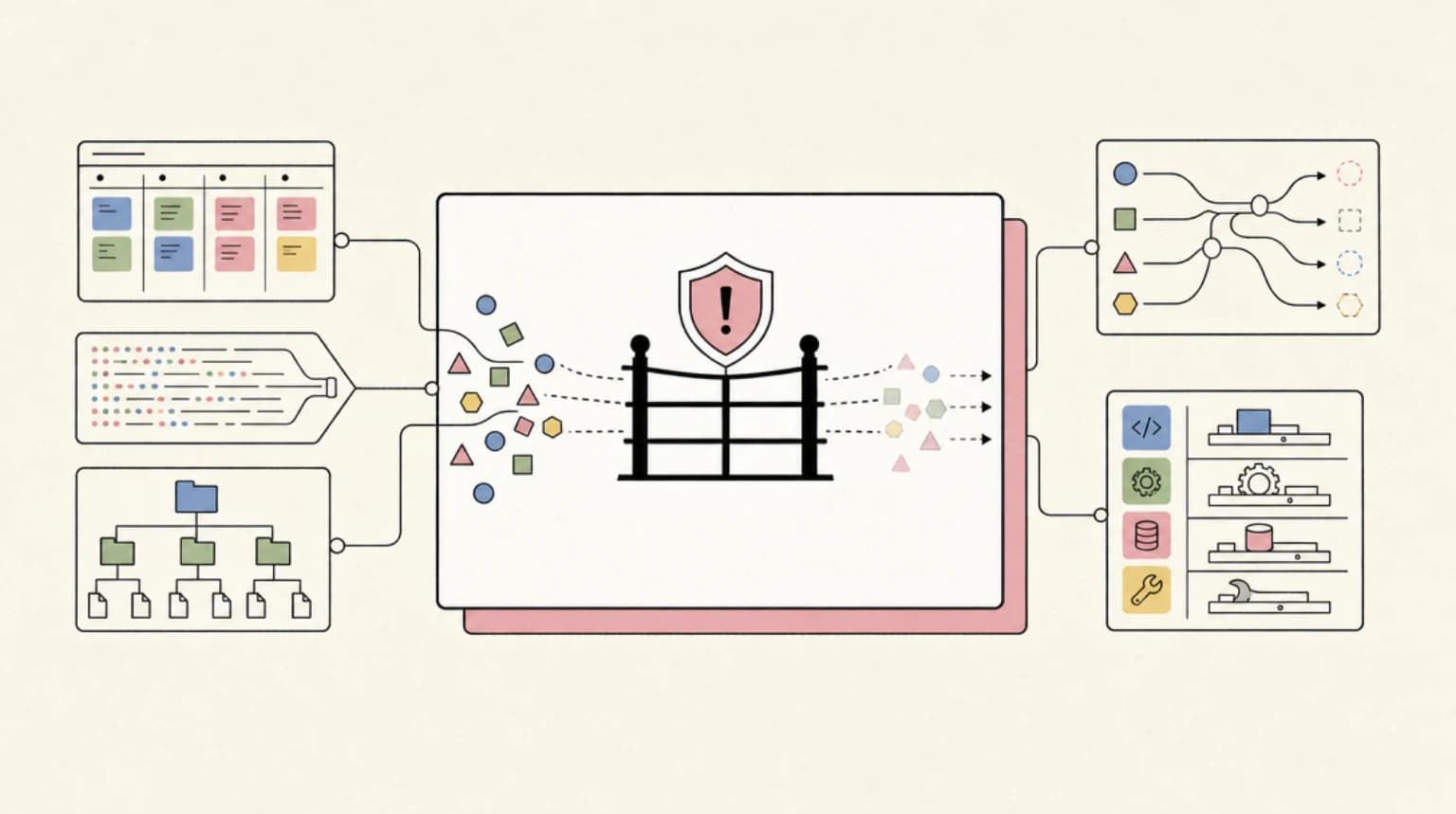
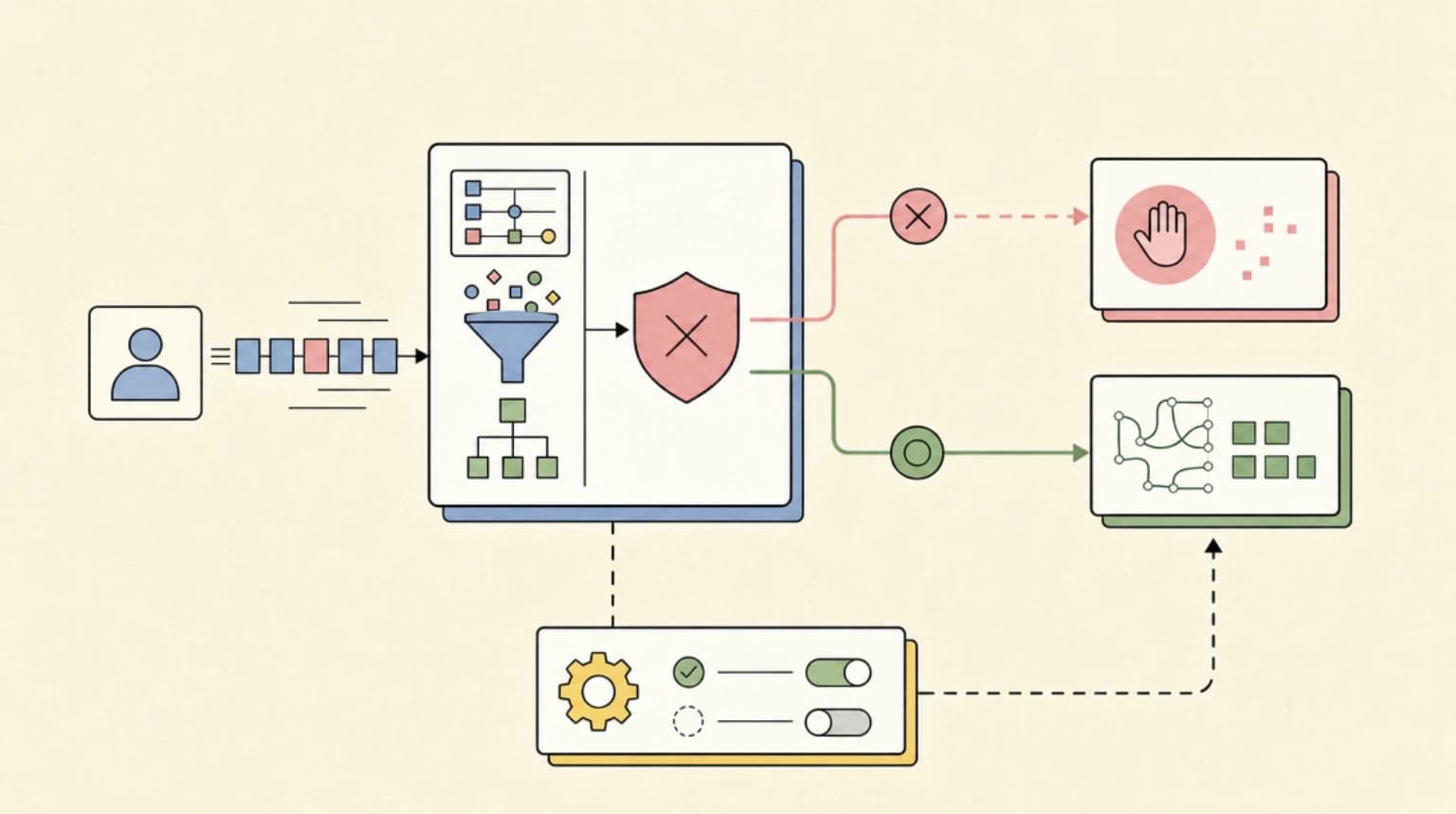
The guardrail architecture is the important detail. Fable 5 does not handle queries in cybersecurity, biology, chemistry, and chemical distillation domains. It routes those to Claude Opus 4.8 instead. According to Anthropic, an external bug bounty program ran over 1,000 hours of testing and found no universal jailbreaks. Third-party red teams also came up empty on universal exploits.
The June 22 window adds another layer. Through that date, Fable 5 is included at no extra cost for Pro, Max, Team, and seat-based Enterprise subscribers. Starting June 23, access shifts to usage-credit billing. Anthropic says it plans to restore it as a standard included feature after that transition - the window is pricing mechanics, not a sunset.
Early telemetry: at least 95% of sessions run entirely on Fable 5's own responses, meaning the guardrail routing is activating for a small fraction of real traffic.
The Consistency Reading#
There is a coherent version of events where Tuesday, June 9 represents a single integrated position, not a contradiction.
The argument goes like this: responsible AI development does not mean withholding capability until a regulatory regime exists. It means designing systems with the safety properties the proposed regime would require, shipping them under those constraints, and simultaneously advocating for the regime to become mandatory across the industry. You can argue for seatbelt laws while selling cars with seatbelts already installed. The existence of the law is a separate question from whether your car has the belt.
On this reading, Fable 5's classifier architecture - blocking high-risk domains, routing to a less capable model, running external red teams before launch - is precisely what "design policies for dangers emerging today" looks like in practice. The essay calls for third-party testing; Anthropic ran third-party testing. The essay calls for deployment controls on the highest-risk capabilities; Fable 5 has deployment controls on the highest-risk capabilities.
The consistency reading also has a strategic dimension. For Amodei's proposed framework to have any traction with policymakers, he needs to demonstrate that safety and commercial viability are not in opposition. Shipping Fable 5 with working guardrails is evidence for the argument he is simultaneously making in the essay. The two moves reinforce each other if you read them as parts of the same case.
The Tension Reading#
The tension reading starts from a different place: if the risks justify FAA-style blocking powers, why does the commercial release precede the regime?
The FAA comparison is instructive precisely because it works in the opposite direction from what happened Tuesday. Aircraft do not go to market with self-certified safety properties and then lobby for mandatory certification. The certification requirement exists before the aircraft flies passengers. Anthropic is proposing mandatory third-party testing as a future policy while currently operating on the basis of its own internal testing plus a bug bounty - which, however rigorous, is not the same thing as what the essay proposes.
The June 22 window sharpens this question. The choice to offer Mythos-class access at no extra cost for two weeks, then shift to usage credits, is a commercial decision designed to drive adoption and migration. It is entirely normal product launch mechanics. But it sits oddly against an essay arguing that the commercial pressure to deploy is exactly the dynamic that mandatory testing is meant to counterbalance. The window accelerates adoption of the model that Amodei's own writing identifies as a tool of strategic consequence.
There is also a gap between what the guardrails cover and what they do not. Routing biology and cybersecurity queries to Opus 4.8 is meaningful. It is not a deployment block. The highest-capability version of Mythos for the blocked domains is the enterprise offering without the guardrails - a product that exists and is being sold. The essay proposes that governments should have blocking authority over deployments deemed unsafe. Anthropic has made its own determination about what safe deployment looks like and acted on it. That is consistent with being a responsible actor. It is not the same as an independent mandatory regime.
The Two Readings Side by Side#
| Dimension | Consistency Reading | Tension Reading |
|---|---|---|
| Safety testing | Bug bounty + red teams = demonstrated due diligence | Self-certified, not independently mandated |
| Guardrail architecture | Built-in controls match proposed regulatory requirements | Controls exist, enterprise version bypasses some of them |
| Commercial timing | Advocacy + shipping is coherent public position | Release precedes the regime its essay calls for |
| June 22 window | Standard pricing transition, separate from safety | Accelerates adoption of a "strategic consequence" model |
| Regulatory proposal | Anthropic as model for industry to follow | Anthropic as industry player writing rules it already meets |
What This Means for Developers Building on Fable 5#
The policy essay and the product launch converge on a set of questions that matter practically for anyone integrating Mythos-class capability.
The first is cadence risk. Amodei's proposed framework would give governments authority to block deployments. If that framework moves from proposal to regulation, future Fable and Mythos releases may be subject to mandatory pre-deployment testing periods that are not controlled by Anthropic's internal schedule. Developers building on Anthropic's frontier tier should factor in that the release cadence may eventually be shaped by a regime the vendor is actively advocating for.
The second is guardrail stability. The classifier routing in Fable 5 is a v1 implementation under a new capability tier. The specific domains it blocks - and the threshold at which it routes - are design decisions made by Anthropic today. As the proposed regulatory framework develops, those thresholds may be subject to external review or mandated adjustment. What routes to Opus 4.8 today may route to a blocked response tomorrow, or vice versa, depending on how the testing regime defines acceptable risk.
The third is the broader signal about where frontier AI governance is heading. Whether you read the June 9 dual release as coherent or contradictory, the directional move is clear: the vendor most advanced at the capability frontier is also most actively writing the theory of how that frontier should be regulated. Developers building on that frontier are, by extension, building inside a policy conversation that is moving fast and is not settled.
For more on what the proposed FAA framework would mean in practice, see our breakdown of the Amodei exponential essay and its implications for developers. For the mechanics of what Fable 5 blocks and why the refusal architecture matters, see our analysis of the guardrail design.
The Honest Answer#
The paradox is real and it is not fully resolvable by picking a side.
Amodei is not wrong that the risks he describes are serious. He is also not wrong that companies can practice what they preach while advocating for industry-wide standards. Fable 5's guardrails are a real engineering investment in a problem he takes seriously. The essay is a genuine attempt to think about governance at a moment when governance is behind.
And the tension is also real. Shipping the thing you are warning about - even with guardrails - on the same day you publish the warning produces a specific kind of optics that is not easily dismissed. The June 22 adoption window exists because driving Fable 5 uptake is commercially valuable. That is not inherently bad. It is, however, exactly the kind of commercial pressure that the proposed mandatory testing regime is designed to counterbalance.
The most honest reading is that both things are true simultaneously: this is what responsible development looks like inside an exponential, and it still falls short of the standard the essay itself proposes. The gap between those two statements is where the policy conversation has to happen - and where developers should be paying attention.
FAQ#
Is it contradictory for Anthropic to call for AI regulation and ship Fable 5 the same day?#
Both readings hold up. The consistency reading says Anthropic shipped Fable 5 with the safety properties the proposed regime would require - classifier controls, external red teams, a bug bounty - while advocating for that regime to become mandatory industry-wide. The tension reading says the commercial release precedes the regime, and Anthropic's own testing plus a bug bounty is not the same as the independent mandatory testing the essay proposes. The most honest answer is that both are true at once.
What guardrails does Claude Fable 5 have?#
Fable 5 does not handle queries in cybersecurity, biology, chemistry, and chemical distillation domains. It routes those to Claude Opus 4.8 instead. According to Anthropic, an external bug bounty program ran over 1,000 hours of testing and found no universal jailbreaks, and third-party red teams also came up empty on universal exploits. Early telemetry showed at least 95% of sessions run entirely on Fable 5's own responses.
What does Amodei's regulation proposal mean for developers building on Fable 5?#
Three practical things. Cadence risk: if the framework becomes regulation, future Fable and Mythos releases may face mandatory pre-deployment testing periods outside Anthropic's own schedule. Guardrail stability: the domains Fable 5 routes and the thresholds it uses are Anthropic's design decisions today and may be subject to external review or mandated adjustment. And the broader signal: developers on the frontier tier are building inside a policy conversation that is moving fast and is not settled.
Official Sources#
- Dario Amodei, "Policy on the AI Exponential", June 9, 2026
- TechCrunch, "Anthropic's Claude Fable 5 is a version of Mythos the public can access today", June 9, 2026
Also from Developers Digest: What the Fable 5 guardrail routing means for trust in frontier APIs
Get the next deep dive like this in your inbox
One email a week on anthropic and the rest of the AI dev stack. Free.
Read next on Claude Code
Dario Amodei Wants FAA-Style AI Regulation: Open Questions for Developers
Dario Amodei's call for FAA-style AI regulation, with mandatory third-party testing and power to block deployments, and the open questions for developers.
8 min readFable 5's Hidden Guardrails: What Developers Need to Know About Silent Degradation
Claude Fable 5 silently degrades answers on some ML development tasks with no refusal or notice. See which work is restricted and what developers should do.
7 min readWhy Fable 5 Refuses Your Cybersecurity Queries (And How the Fallback Works)
Why Claude Fable 5 refuses cybersecurity, bio and distillation queries, how it falls back to Opus 4.8, and what API developers must configure first.
8 min readTechnical content at the intersection of AI and development. Building with AI agents, Claude Code, and modern dev tools - then showing you exactly how it works.