Topic
CLAUDE
Anthropic's Claude models - capabilities, API usage, and practical applications.
210 resources - 85 posts, 7 tools, 118 guides
Blog Posts
View in blog →
Claude Sonnet 5.5 Developer Guide: Pricing, Benchmarks, and the Five API Changes
Claude Sonnet 5.5 (claude-sonnet-5-5) is Anthropic's new mid-tier model: $2/$10 per million tokens, 70.6% on Terminal-Bench 4.0, 1M context, now GA in GitHub Copilot and on Vercel AI Gateway. The pricing math, the five breaking API changes, and where it fits next to Opus 5.5 and Sonnet 5.
11 min read

How to Use Jev: Every Way to Call It, the Opus 5.5 Pairing, and Laya vs Kev vs Ollaya
TypeSafe's Jev dropped its waitlist on September 27. Every verified way to call it (API, Python SDK, llm CLI, Pydantic AI, Cloudflare, Vercel, OpenRouter), the Jev + Claude Opus 5.5 coding-agent pattern driving searches, and how the open alternatives Laya, Kev, and Ollaya compare.
10 min read
GPT-6 Sol vs Claude Opus 5.5 vs Grok 4.7: The September 2026 Price War
Three frontier launches in 48 hours repriced the agentic workhorse tier: Grok 4.7 at $2/$6 (Sep 21), Claude Opus 5.5 at $4/$20 with $0.20 cache reads (Sep 22), and GPT-6 Sol at $2/$10 with Luna at $0.10/$0.50 (Sep 22). Same-day-verified rates, honest benchmark attribution, and a decision guide.
9 min read

Claude Opus 5.5 Developer Guide: API Examples, Claude Code Setup, Pricing, and When to Use It
Claude Opus 5.5 (claude-opus-5-5) is Anthropic's new default Opus: $4/$20 per million tokens, $0.20 cache reads, 1M context, thinking always on with medium default effort. Runnable TypeScript and Python SDK examples, Claude Code setup, before/after prompts, and a decision guide vs Sonnet 5, Haiku 4.5, and Fable 5.1.
11 min read
Anthropic Cuts Fable 5 Biology Fallbacks by 85%: What the Safeguard Tuning Means for Developers
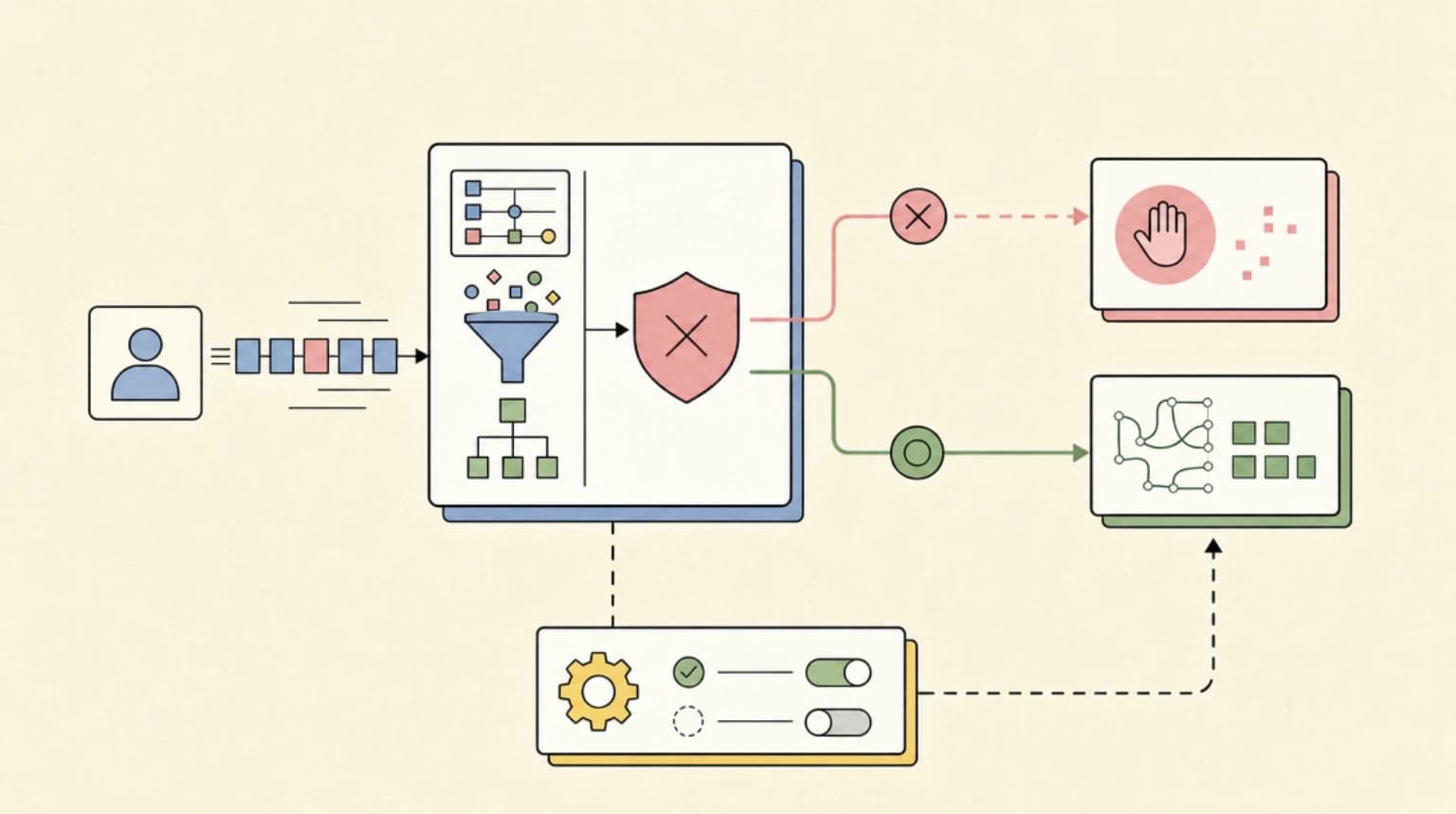
Anthropic retuned Claude Fable 5's biology classifiers on August 7, cutting biology-related fallbacks by about 85% while keeping dual-use domains like virology, toxicology, and molecular design routed to Opus 5. Here is what changed, what stays blocked, and what it means for Claude Code and API users.
5 min read
Beyond the Pelican Test: Opus 5 Renders the Lord of the Rings With a 1M-Token Budget
Andrej Karpathy gave Opus 5 the first paragraph of the Lord of the Rings, a 1M-token budget (about $10), and asked for a three.js render. Two hours and 5,500 lines of code later, the model had procedurally built a 3D world - and exposed a real weakness in how agents verify their own work.
7 min read

Budget AI Coding Models Compared September 2026: GPT-6 Luna vs V4.1-Flash vs Gemini 3.5 Flash vs Haiku 4.5
The cheap coding tier repriced again: GPT-6 Luna opened at $0.10/$0.50 and took the floor from DeepSeek, whose V4.1-Flash cut rates to $0.15/$0.60 off-peak. Gemini 3.5 Flash and Claude Haiku 4.5 hold the hosted middle. Prices verified September 26, 2026.
10 min read
Claude Mythos Preview Explained: Anthropic's Gated Frontier Model and Project Glasswing
Claude Mythos Preview is the model that found thousands of zero-days, and you could not buy it. Here is what it is, who got access through Project Glasswing, what it actually found, and where the model line went after it retired.
7 min read
AI Model Routing Strategies for Cost-Effective Coding in 2026
A practical guide to routing between Claude Opus 5, Sonnet 5, Haiku 4.5, GPT-5.6 Sol/Terra/Luna, and Kimi K3 based on task complexity, cost budget, and latency requirements - with decision frameworks and code examples.
10 min read

MCP vs Agent Skills: When to Use Which (and Why You Need Both)
MCP gives an agent live access to tools and data. Agent Skills give it packaged procedure. They solve different halves of the same problem, and the MCP working group is now standardizing how skills ship over MCP. Here is the decision rule.
11 min read
Benchmarking Opus 5 on SlopCodeBench: AI Code Quality Under Iteration
Running Opus 5 through SlopCodeBench's multi-checkpoint gauntlet reveals that frontier models still degrade codebases over time. 24% strict pass rate, 5x more functions than Opus 4.8, and 93% of code lines trigger slop detectors.
7 min read
Claude Mythos Found New Cryptographic Weaknesses: What HN Thinks
Anthropic's Claude Mythos Preview found novel attacks on the HAWK post-quantum signature scheme and reduced-round AES. The HN community debates the real significance, the $100K price tag, and what it means for prompt engineering.
8 min read
Six Weeks After the Bun Rust Rewrite: Is It Done Yet?
Tom Lockwood investigated the Bun Rust rewrite six weeks after it merged to main - 2,475 open PRs, no release tag, and costs that may far exceed the claimed $165K. We break down the evidence, Jarred Sumner's response, and what the HN community thinks.
8 min read
Claude Opus 5: Near-Fable Intelligence at Half the Cost
Anthropic released Opus 5 on July 24, 2026 - same price as Opus 4.8, within 0.5% of Fable 5 on CursorBench, and the new #1 on Artificial Analysis. We break down the benchmarks, HN reaction, and what it means for every developer choosing a daily-driver model.
12 min read
Claude Opus 5 vs Opus 4.8 vs Fable 5: Benchmark Comparison (July 2026)
Claude Opus 5 launched July 24, 2026 at $5/$25 per MTok - matching Opus 4.8 pricing while delivering near-Fable 5 intelligence. Full benchmark comparison across 7 evals, pricing breakdown, and decision guide.
22 min read

Claude Cookbook: Anthropic's Official Playbook for Building with Claude
Anthropic launched the Claude Cookbook - 80+ practical guides from their engineers covering tool use, agent patterns, evals, and production deployment. The HN discussion debates whether cookbook resources still matter when you can just ask the AI.
7 min read

Claude Opus 5 in 8 Minutes: What Developers Need to Know
Claude Opus 5 ships today with Frontier-Bench SOTA, near-Fable-5 coding at half the price, and self-verification that catches its own bugs. Here is what changed, what to migrate, and when the price-performance curve makes Opus 5 the right default.
7 min read
Terence Tao Digests the Jacobian Conjecture Counterexample: How Claude Fable 5 Broke an 87-Year-Old Math Problem
Terence Tao published a deep mathematical digestion of the Jacobian conjecture counterexample discovered by Claude Fable 5. Here is what happened, what HN is saying, and what it means for AI-assisted research.
9 min read

How to Stop Claude from Saying 'Load-Bearing'
A Hacker News discussion blows up over LLM vocabulary quirks, with developers sharing hooks, filters, and coping mechanisms for repetitive Claude-isms.
6 min read
Claude Fable 5 in 7 Minutes: Benchmarks, Pricing, Availability, and Real-World Examples
A companion guide to the Claude Fable 5 video: what the first general-use Mythos class model is, the walkthrough beats from the review, hands-on developer takeaways, and the pricing and context specs from primary sources.
7 min read

ChatGPT Work vs Claude Cowork 2026 - Complete Comparison
OpenAI launched ChatGPT Work to compete with Claude Cowork. Here is how they compare on features, pricing, integrations, and which workflow each handles best.
8 min read
Bun Rewrites 535K Lines of Zig to Rust in 11 Days Using Claude
The Bun runtime completed an AI-assisted rewrite from Zig to Rust, fixing memory safety issues and improving performance. Here is what HN thinks and why it matters for LLM-assisted code migration.
6 min read

VS Code 1.128 Multi-Chat Claude Sessions Developer Guide 2026
VS Code 1.128 shipped today with multi-chat support for Claude agent sessions. Run parallel conversations in one workspace, fork turns, compare approaches, and monitor subagents. Complete setup and workflow guide.
7 min read

Claude Sonnet 5 Developer Guide: Migration, API, and Effort Levels
Everything developers need to migrate from Sonnet 4.6 to Sonnet 5 - three breaking API changes, the new effort parameter, tokenizer impact, and when to use each effort level. Verified against Anthropic's official docs on July 4, 2026.
8 min read

Claude Science Developer Guide 2026: AI Workbench for Research
Anthropic's Claude Science combines scientific tools, local code execution, and HPC integration into one AI workbench. Here is how to access it, what it costs, and where it fits alongside Claude Code.
8 min read

Claude Sonnet 5 vs Sonnet 4.6: Should You Upgrade?
Claude Sonnet 5 lands near Opus 4.8 on some tasks for a fraction of the price - but a new tokenizer runs about 30 percent more tokens. Here is the upgrade decision for builders, with the numbers.
6 min read
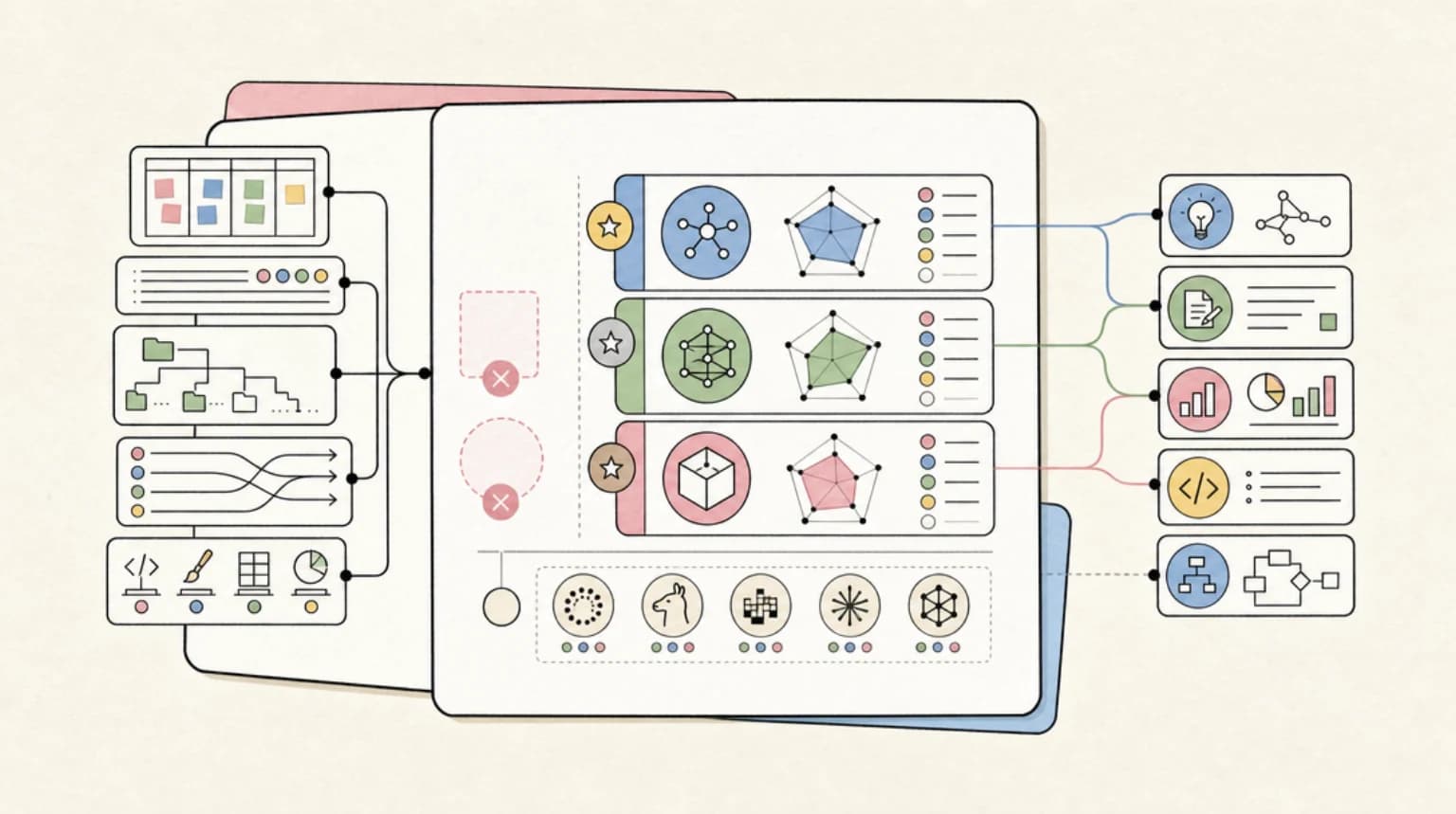
Fable 5 Is Back: The Anthropic Model the Government Switched Off
Anthropic's most capable model launched, got suspended by a US export-control order, and returned today. Here is what Fable 5 is, what changed on the way back, and whether builders should reach for it.
6 min read
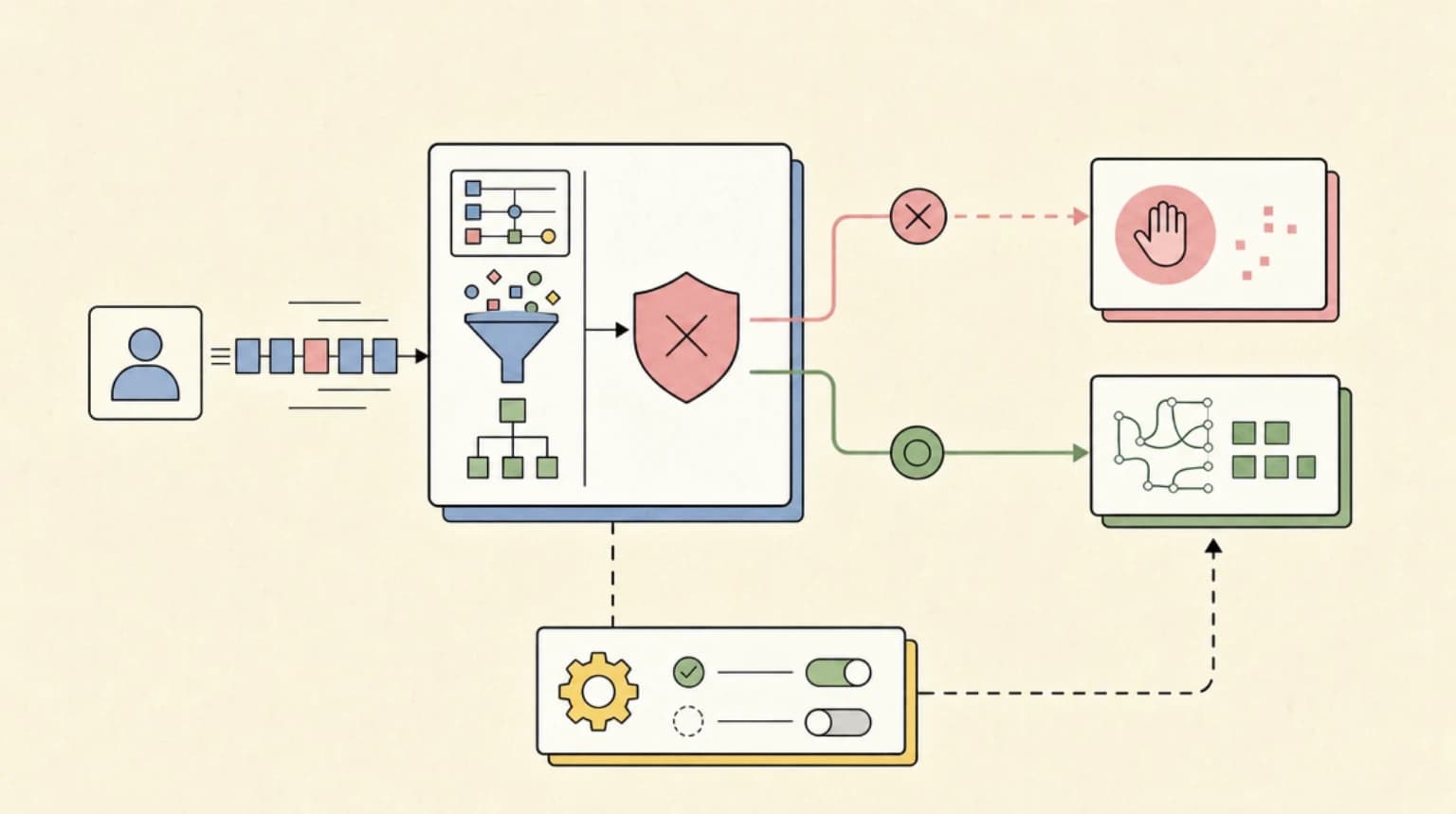
Refusals at Fleet Scale: Building Fable 5 Agents That Do Not Silently Fail
Fable 5 refusals come back as a 200 response, not an error. At fleet scale, that quietly corrupts entire runs. Here is how to detect, fall back, and treat refusal rate as a health metric.
9 min read
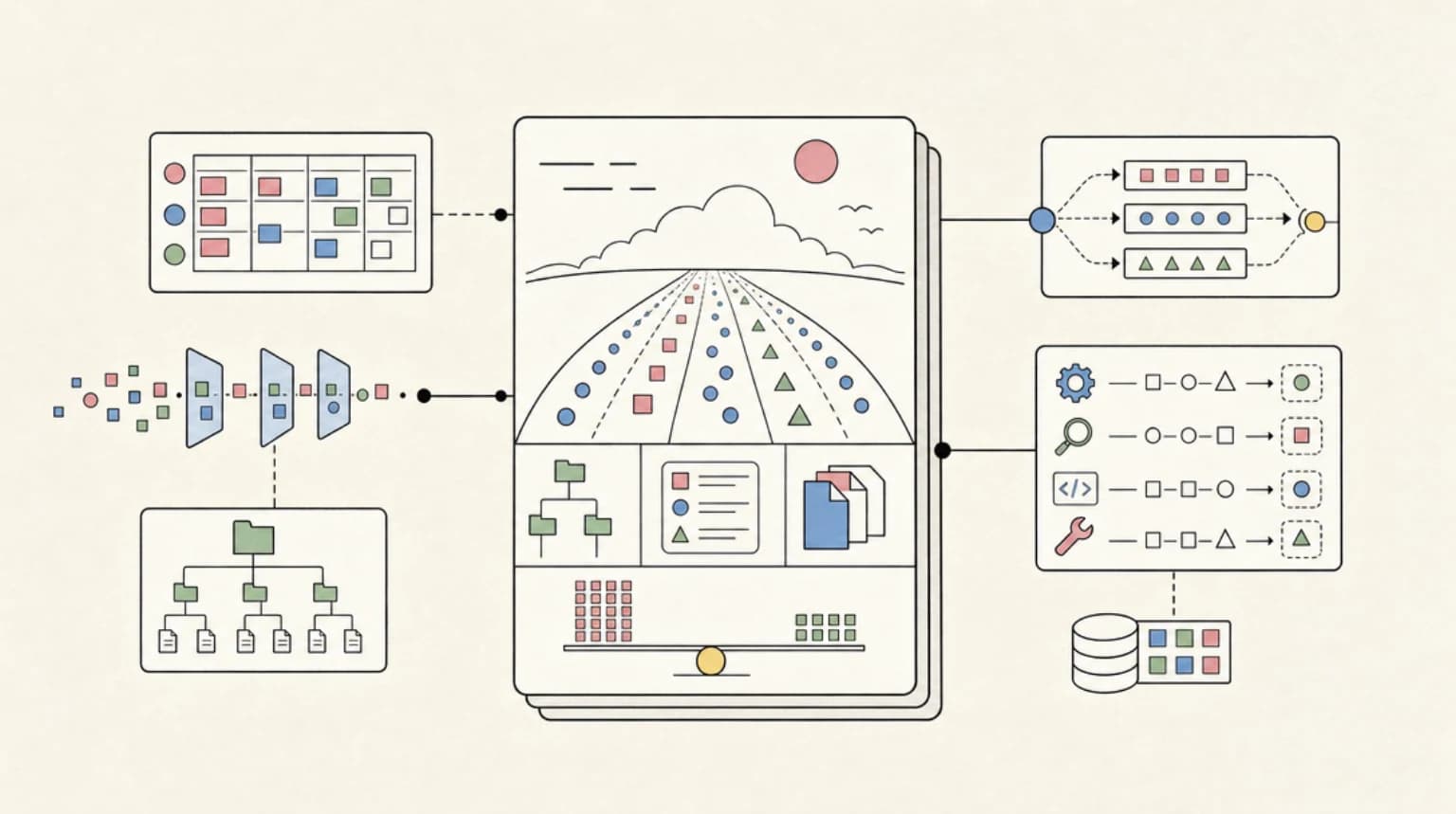
Long-Horizon Agents: What Fable 5's 1M Context and Memory Actually Unlock
1M context, 128K output, a memory tool, compaction, and task budgets change what a single agent run can cover. Here is what is verified, what is plausible, and six projects builders can try now.
9 min read

Claude in Microsoft Foundry on Azure: Developer Guide 2026
Claude is now GA in Microsoft Foundry on Azure with native billing, Entra ID auth, and GB300 Blackwell infrastructure. Here is the full developer setup - CCU pricing, SDK examples, deployment options, and what enterprise teams need to know.
8 min read
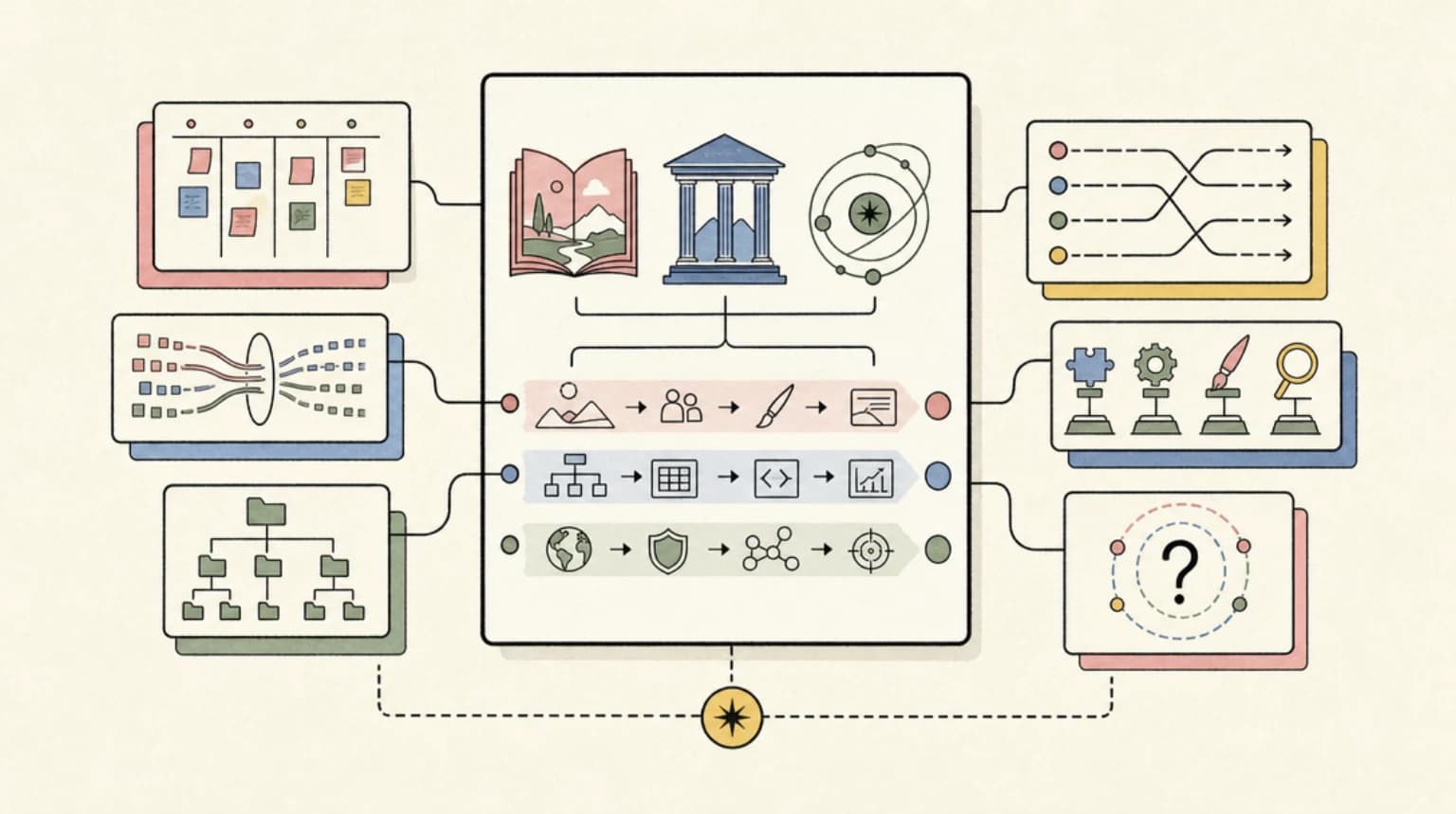
Claude Sonnet 5 Launch Analysis: The Most Agentic Sonnet Yet
Anthropic releases Claude Sonnet 5 with improved agentic capabilities, better tool use, and an introductory pricing deal. Here's what developers need to know.
6 min read
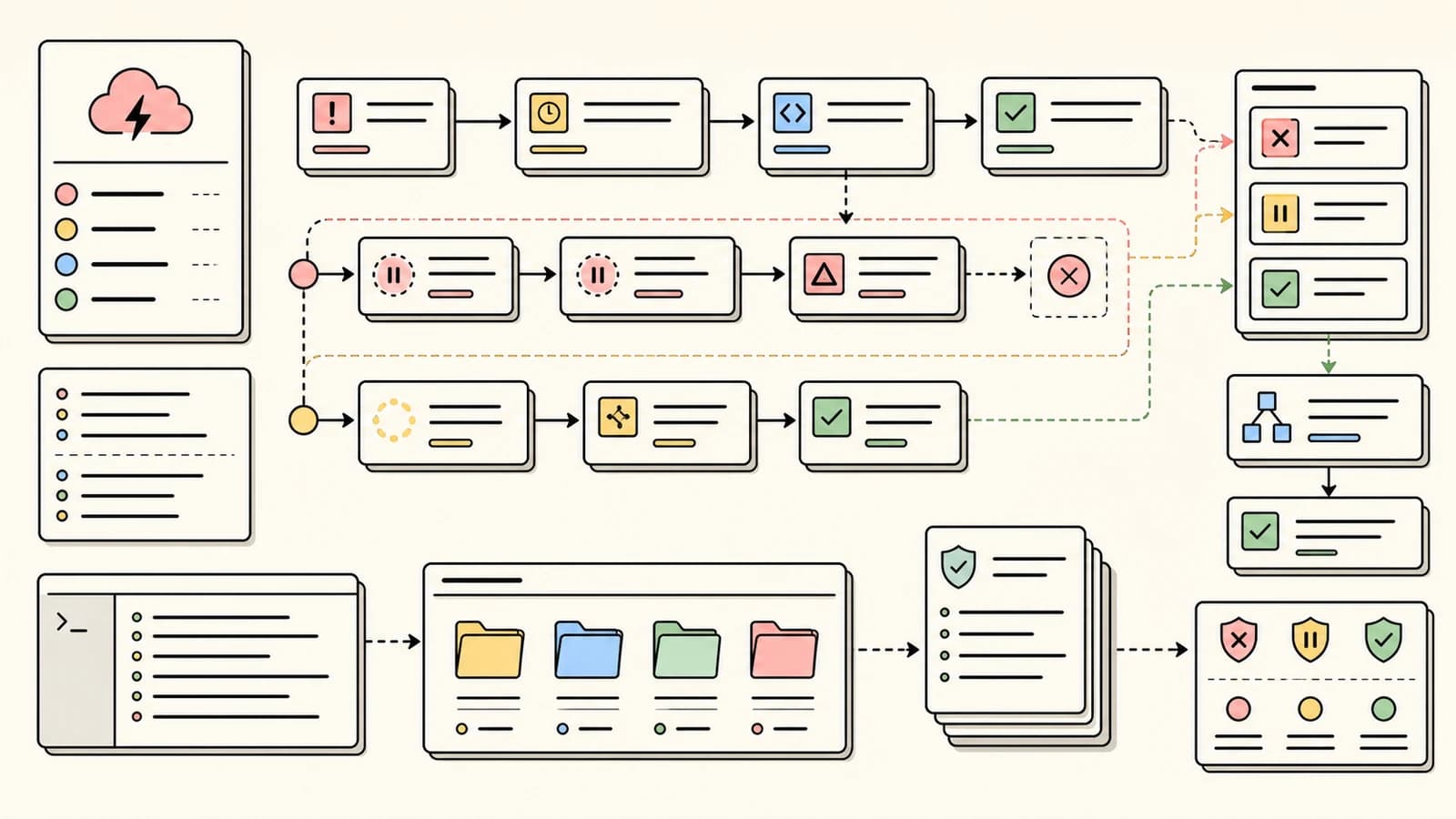
Claude Outages Are a Workflow Design Problem
Claude outages and 529 overloads expose whether your AI coding workflow has checkpoints, receipts, model-switch paths, and small enough task slices to survive provider degradation.
7 min read

Anthropic Claude Tag Turns Slack Into a Shared Agent Workspace
Claude Tag is Anthropic's new Slack-based beta for Team and Enterprise users. The important shift is not chat convenience - it is shared agent identity, channel context, and team-visible work.
8 min read

Local Qwen Is a Different Tool, Not a Worse Opus
Alex Ellis shares real production experience running local LLMs: $12k hardware investment, 2-3 month ROI, and why treating local models as Opus substitutes misses the point entirely.
7 min read
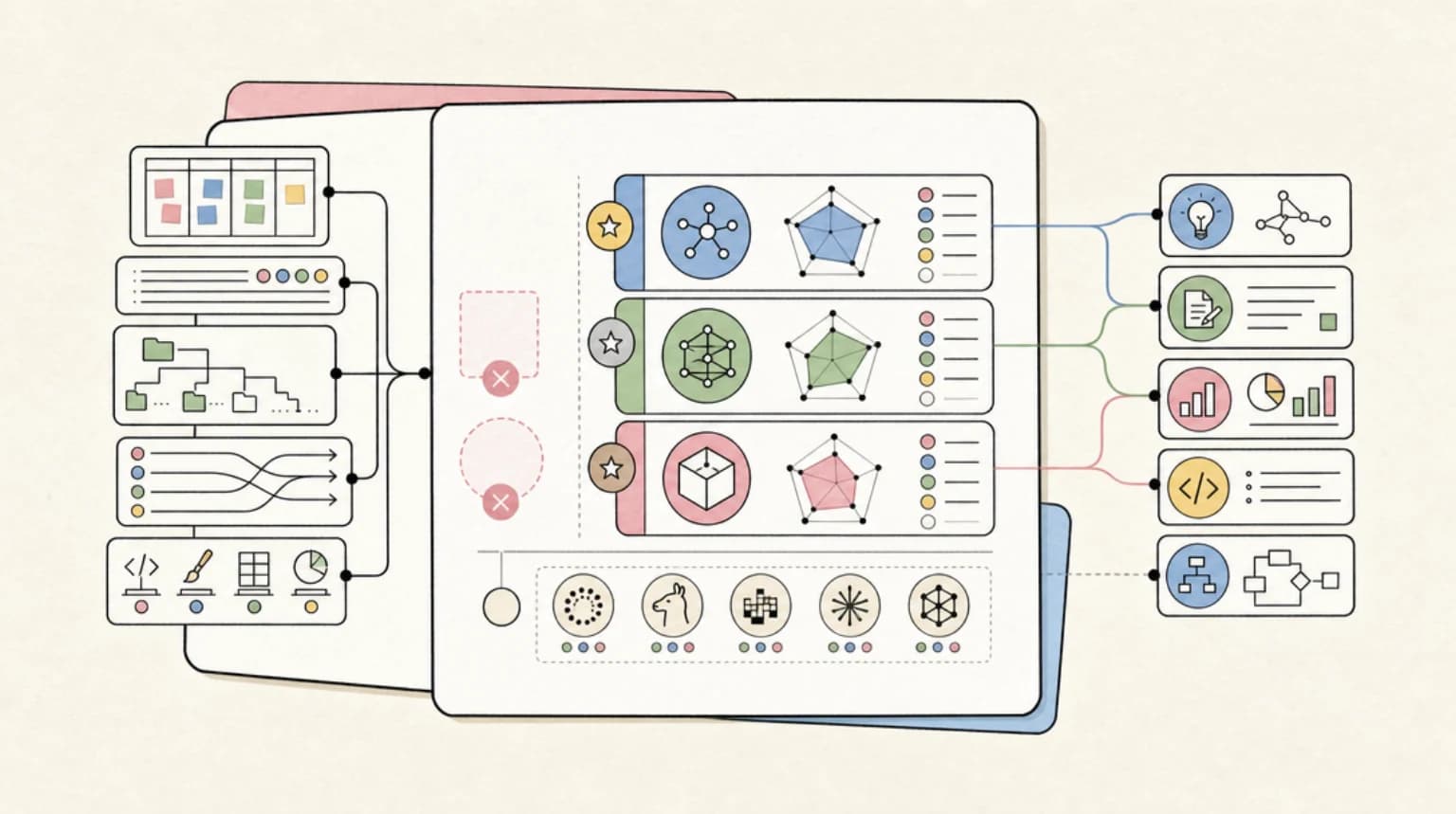
Best Claude Model Now That Fable 5 Is Disabled (Mythos vs Opus vs GPT-5.5)
Fable 5 and Mythos 5 are gone for now. Here is the honest ranking of what to use today, from Opus 4.8 to GPT-5.5 to open-weight models, by task.
6 min read
Claude Mythos and Fable 5 Banned: The Export Controls That Shut Down Two Frontier Models
The US government ordered Anthropic to suspend Fable 5 and Mythos 5 for ALL users after a narrow jailbreak finding. Here is what happened, why it hit everyone, and what changed for developers overnight.
6 min read
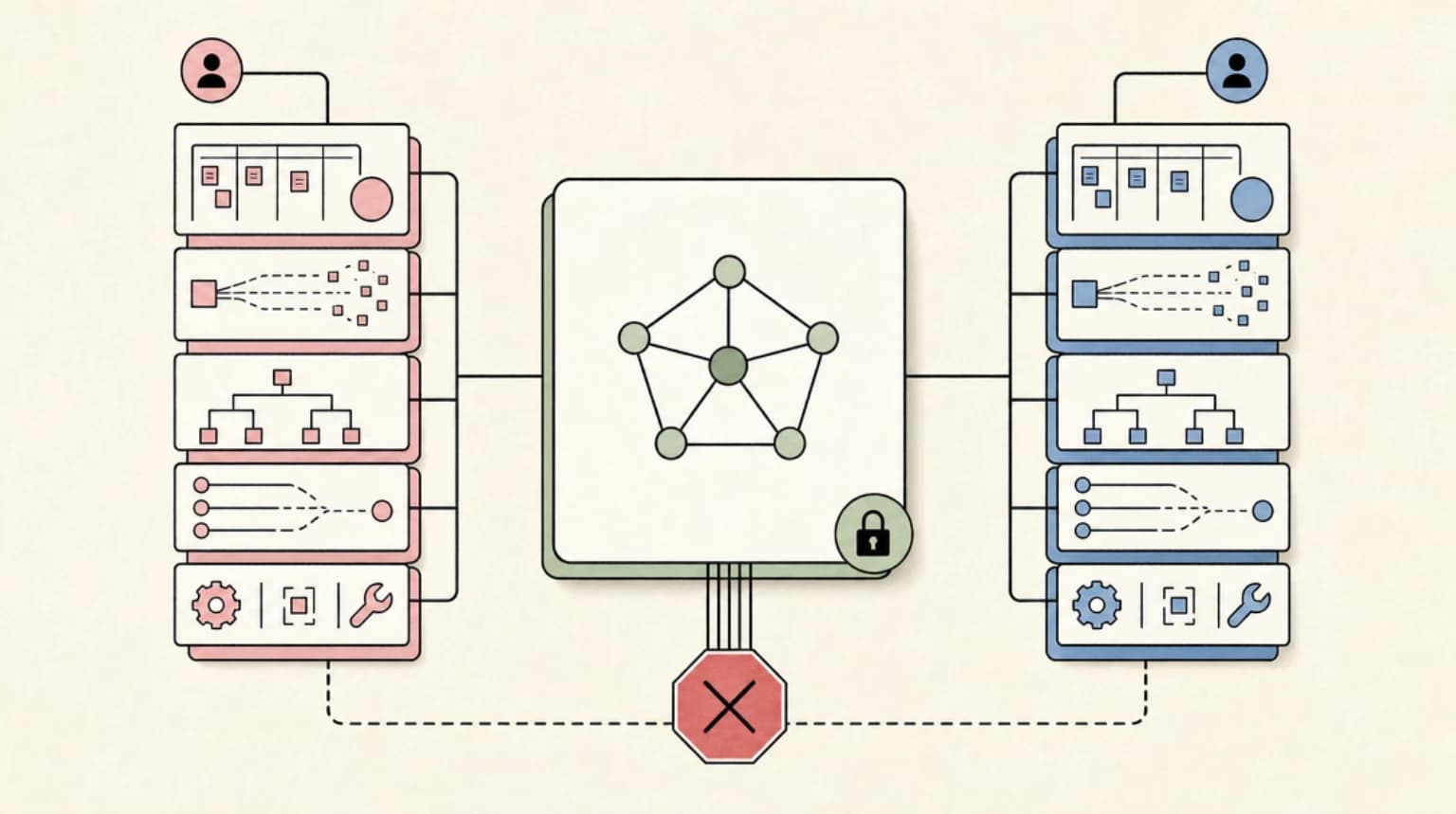
Claude Mythos vs Fable 5: What Is the Difference?
Mythos 5 and Fable 5 are the same underlying model. The difference is who can use it and what safeguards sit on top. Here is the breakdown, and why both got suspended together.
5 min read
Is Claude Fable 5 Down? Why It Is Unavailable (June 2026)
Claude Fable 5 and Mythos 5 are unavailable for everyone as of June 12, 2026. It is not an outage. The US government ordered Anthropic to suspend access. Here is the status, the cause, and what to use instead.
4 min read
The US Government Just Pulled Fable 5: What Happened
Anthropic received an export control directive at 5:21pm ET and had to disable Fable 5 and Mythos 5 for every customer. Here is what we know, what still works, and what to do if Fable is in your stack.
5 min read
Your Stack Has a Single Point of Failure: What Fable 5 Getting Yanked Means for Builders
A frontier model disappeared overnight by government order. If your product, agents, or CI depend on one closed model, here is the concrete playbook for surviving the next one.
7 min read
Claude Agent SDK vs Claude Code: When to Build and When to Drive
Claude Agent SDK vs Claude Code explained: same engine, two surfaces. Here is the concrete decision line, plus where Managed Agents fits as the hosted third option.
8 min read
Claude Agent SDK vs LangGraph: Choosing Your Agent Stack in 2026
Claude Agent SDK vs LangGraph head-to-head: architecture, state handling, multi-agent patterns, and real pricing - plus a decision guide for which agent stack fits your team in 2026.
9 min read
Claude Code Fast Mode: When 2.5x Speed Is Worth 2x Price
Claude Code fast mode pricing explained: $10/$50 per MTok on Opus 4.8, the first-enable context charge, separate rate limit pools, and when 2.5x speed pays off.
8 min read
Claude Fable 5 vs Gemini 3.1 Pro: The July 2026 Frontier Comparison
Claude Fable 5 vs Gemini: how Anthropic's $10/$50 API-only model compares to Gemini 3.1 Pro's $2/$12 preview on pricing, context, and benchmarks - and why Opus 5 changed the decision.
10 min read
Frontier Model API Pricing, September 2026: Claude vs OpenAI vs Gemini vs DeepSeek
Same-day-verified llm api pricing september 2026: Claude Fable 5.1 and Opus 5.5, GPT-6 Astra/Sol/Luna, Grok 4.7, Claude Sonnet 5, and DeepSeek V4.1-Flash compared per million tokens, plus the caveats that change the math.
11 min read
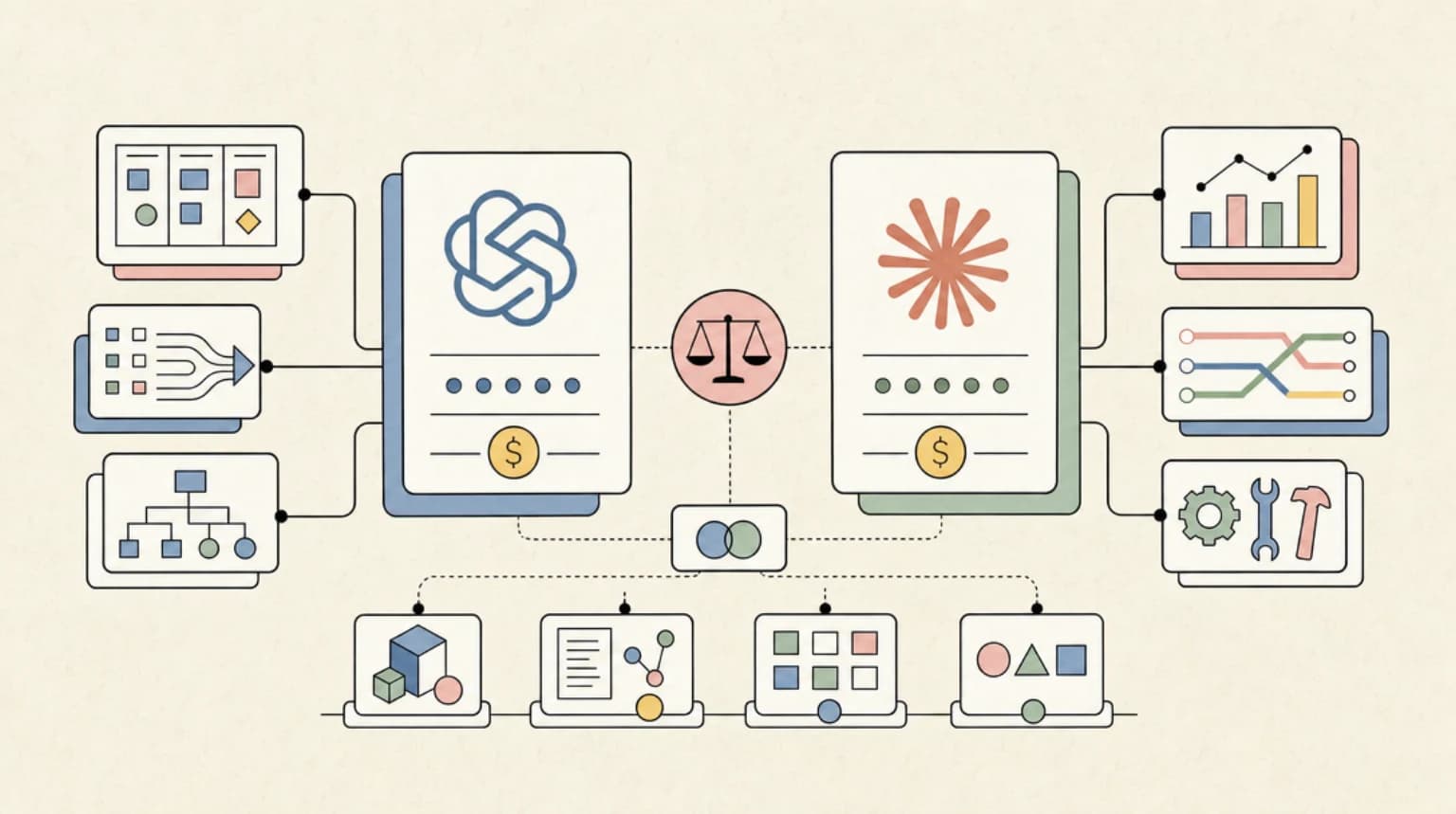
GPT-5.6 Sol vs Claude Opus 5: The $5 Workhorse Head-to-Head
GPT-5.6 Sol vs Claude Opus 5: both cost $5 per million input tokens, so the workhorse-tier decision comes down to output pricing, benchmarks, and tooling.
11 min read
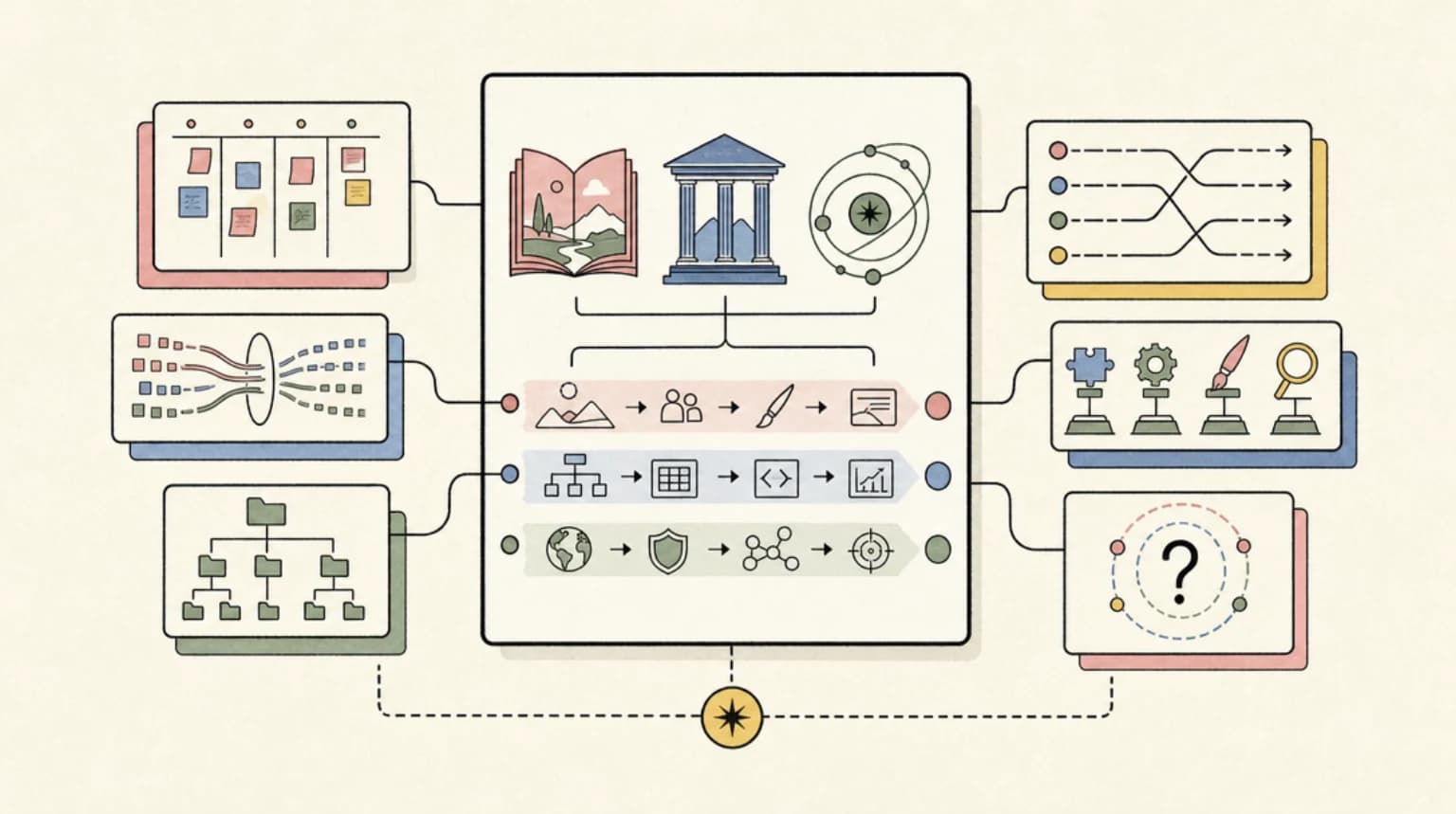
Anthropic Model Names Explained: Fable, Mythos, Opus, Sonnet
Anthropic's model names: Haiku, Sonnet, Opus, then Fable and Mythos. What each tier means, the current model IDs and prices, and which one to pick.
6 min read
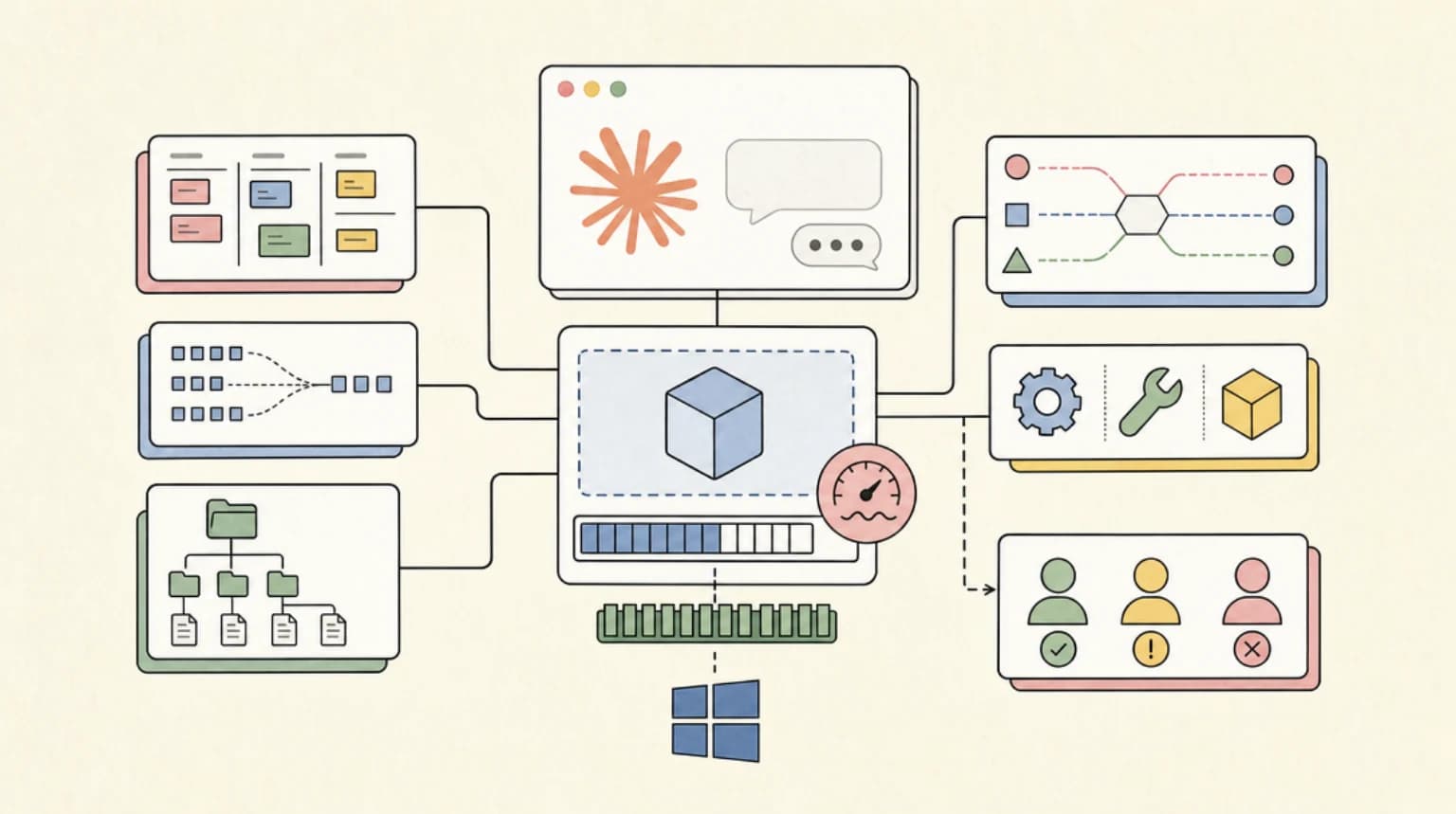
Why Claude Desktop Quietly Installs a 1.8 GB VM on Windows (And What You Can Do About It)
Claude Desktop spawns a Hyper-V virtual machine consuming roughly 1.8 GB of RAM on every Windows launch - even when you only open it for chat. Here is what the VM is for, who gets hit hardest, and the workarounds that actually work.
8 min read
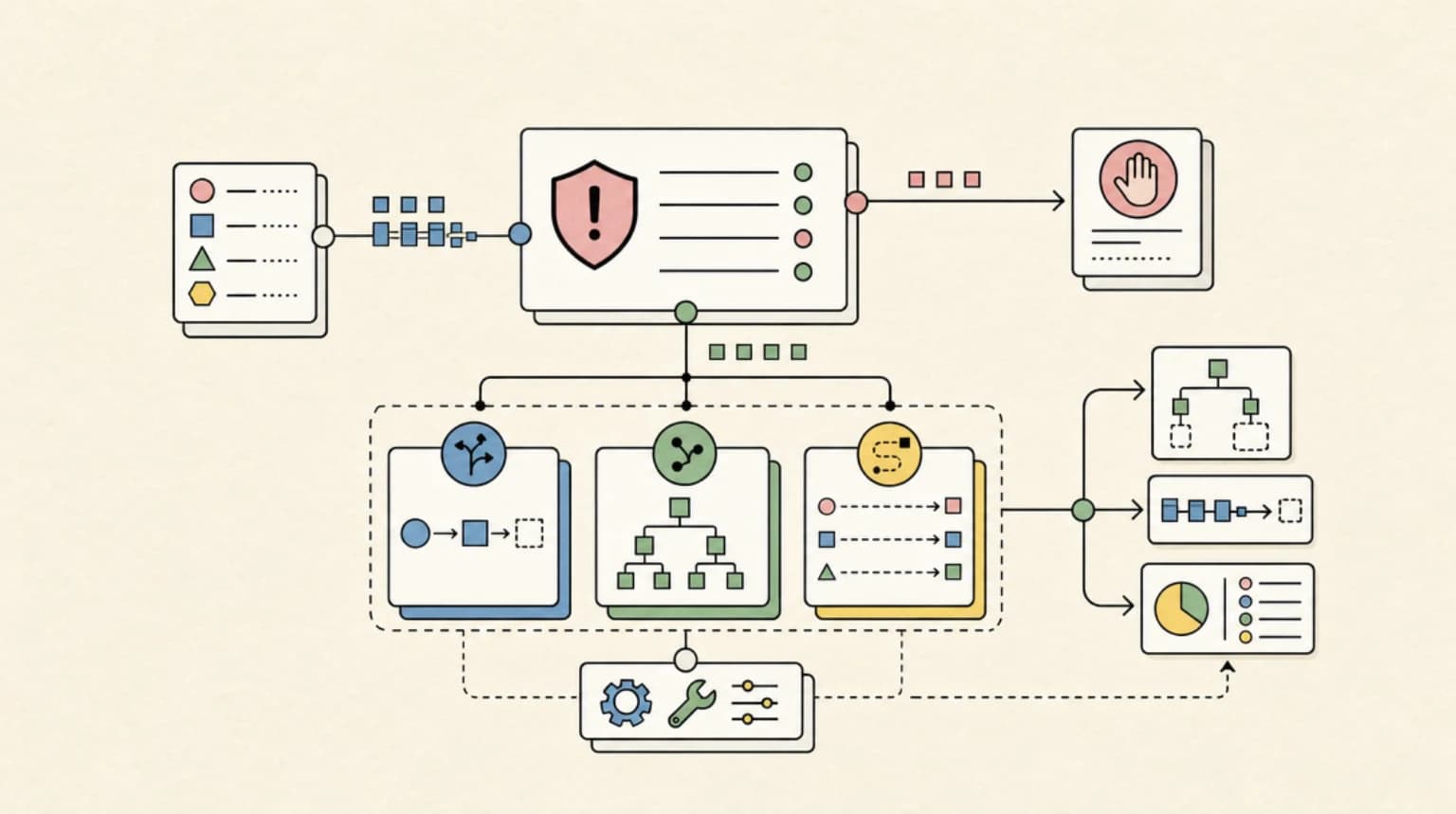
Handling Fable 5 Refusals: A Working Guide to the Fallback API
Fable 5 ships with safety classifiers that route flagged requests away from the model. In production you need to handle this, and Anthropic shipped three ways to do it. Here's how each one works, with code, plus the billing rules nobody has written up.
10 min read
Claude Fable 5 Access After the June 22 Deadline: Where Things Stand
Fable 5's two-week free window on Pro, Max, Team, and Enterprise plans closed June 22. Here's what changed, what the credit system actually costs, and how to think about the model now that the deadline is history.
6 min read
Claude Fable 5 Pricing: Real Cost Per Task vs Opus 4.8, GPT-5.5 and Codex
Fable 5 lists at $10/$50 per million tokens - twice Opus 4.8. But list price is the wrong number. Here is the cost-per-outcome math that actually decides whether the upgrade pays.
9 min read
Claude Managed Agents: Dreaming, Outcomes, and Multi-Agent Orchestration Explained
Anthropic added three new primitives to Claude Managed Agents in spring 2026 - dreaming, outcomes, and multi-agent orchestration. Here is how each one works and when to use them together.
8 min read
Claude Managed Agents Public Beta: What's Actually Available vs What's Gated
Claude Managed Agents is in public beta with solid sandboxing and session persistence - but the headline orchestration features are still locked behind a research preview waitlist. Here's what teams can actually ship today, what it costs, and when DIY alternatives make more sense.
8 min read
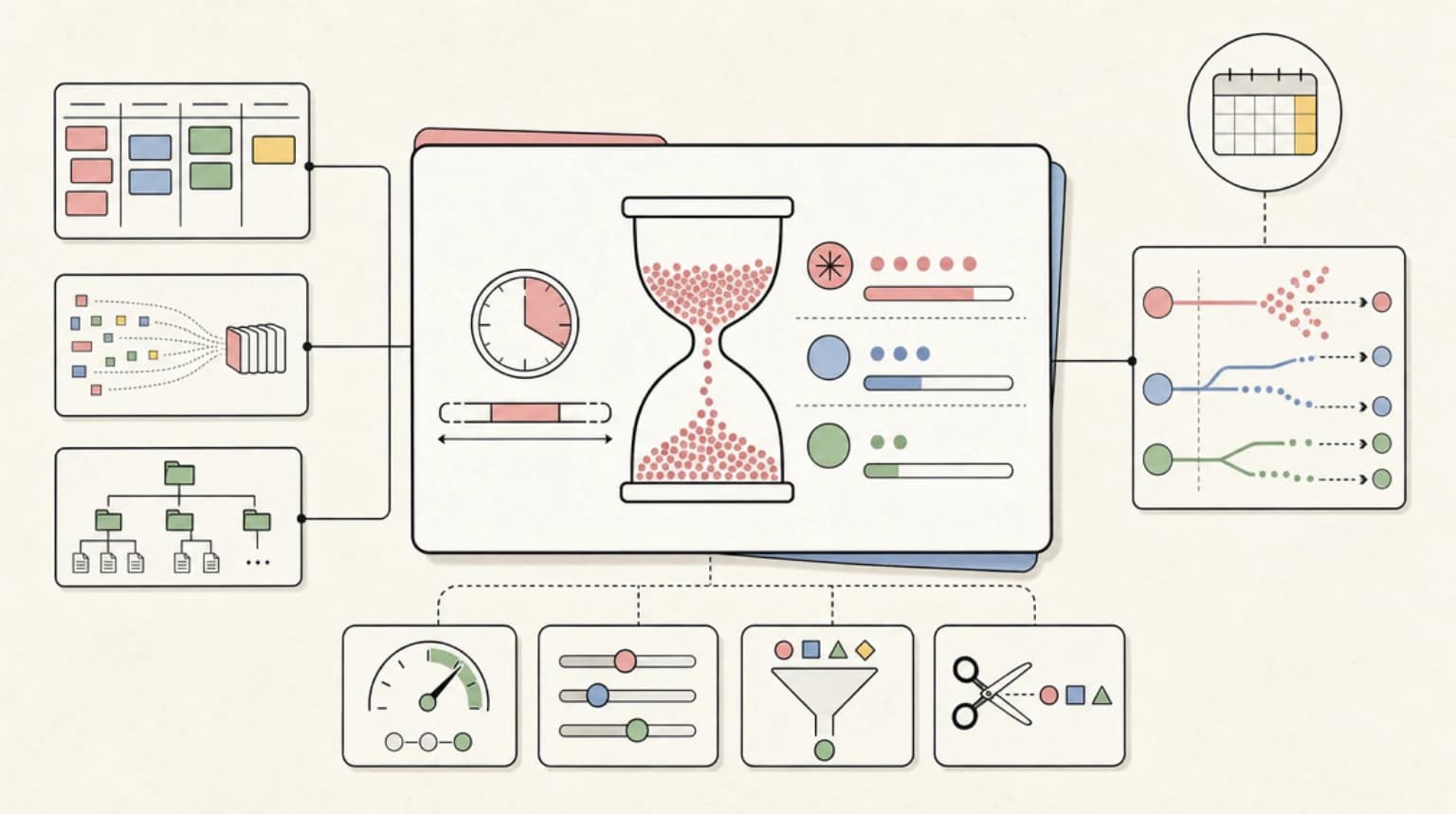
How Claude's Usage Limits Actually Work With Fable 5: Windows, Multipliers, and Burn Rates
Fable 5 drains the 5-hour rolling window dramatically faster than Opus or Sonnet. Here is what the plan multipliers actually mean in practice, what changes on June 22, and how to make your allocation last.
9 min read
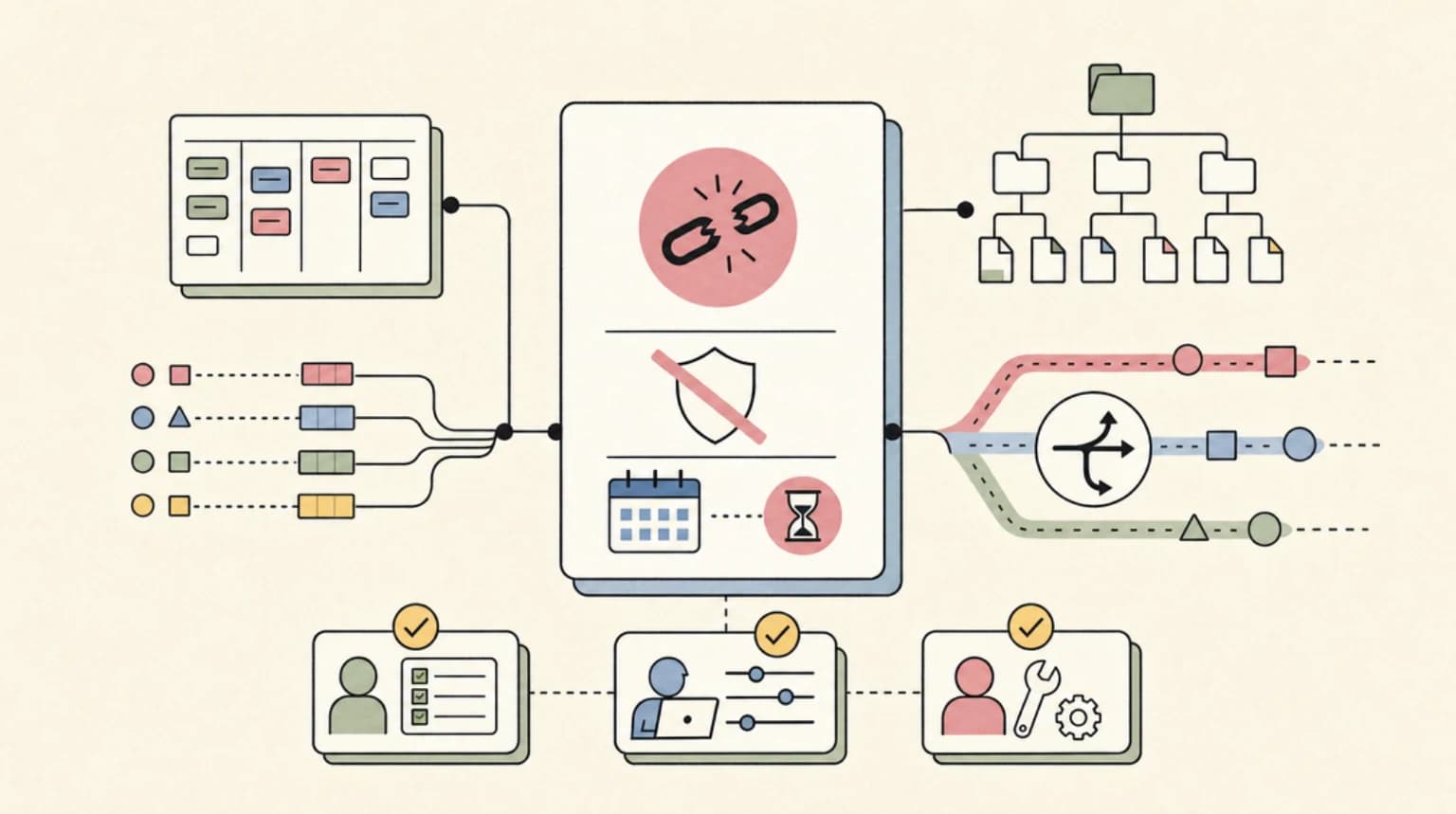
Fable 5 Broke Enterprise ZDR Agreements: What Dev Teams Must Do Now
Anthropic's Claude Fable 5 mandates 30-day data retention on every platform, overriding existing Zero Data Retention contracts for enterprise API customers. Here is what compliance teams and developers need to audit before their next deployment.
8 min read
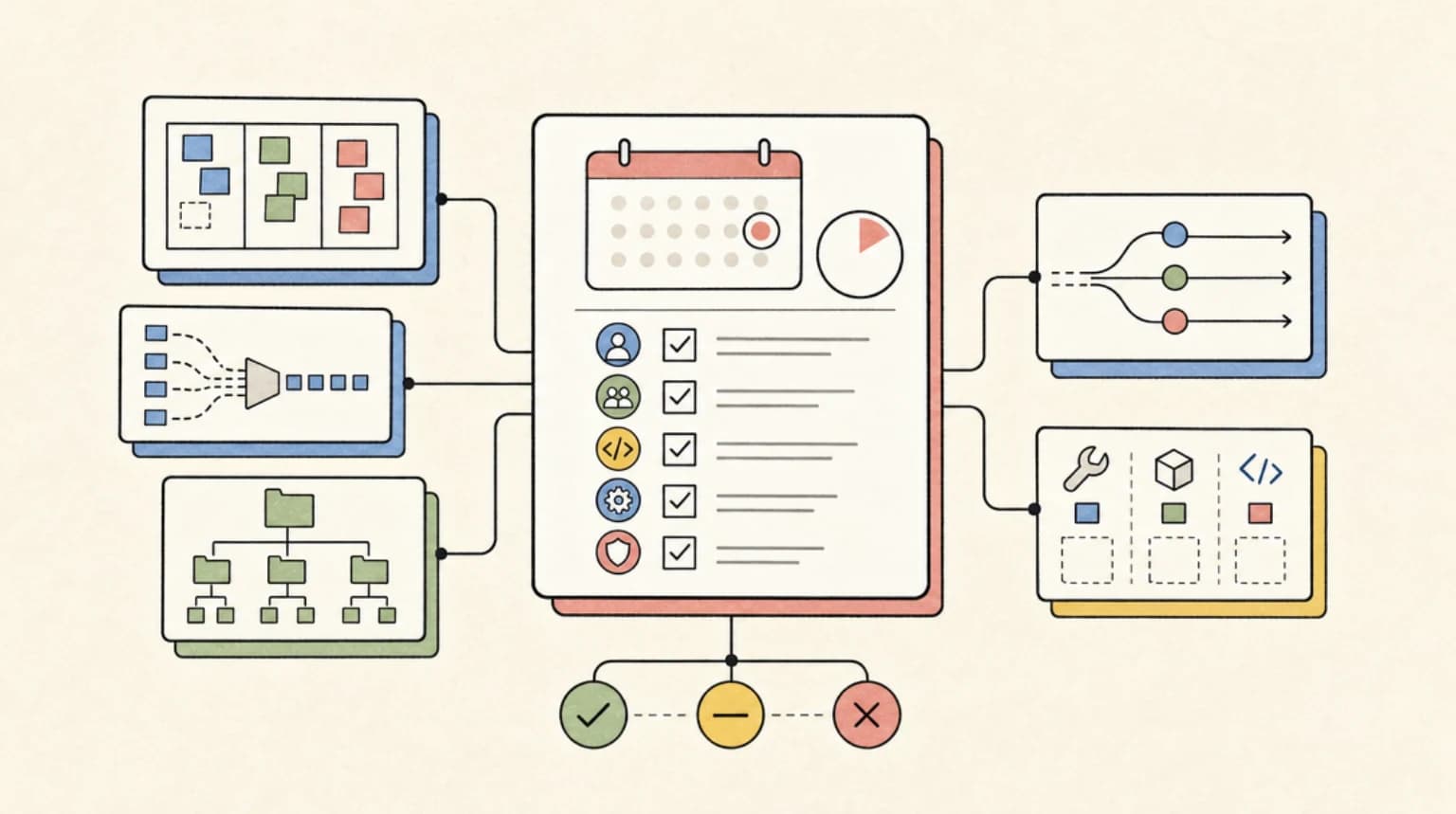
Fable 5 Before June 22: The Decision Checklist for Every Plan Tier
12 days out from the Fable 5 promotional window closing on claude.ai, here is the practical checklist for Pro users, Max subscribers, teams, and API developers - what to decide, what to test, and what not to worry about.
9 min read
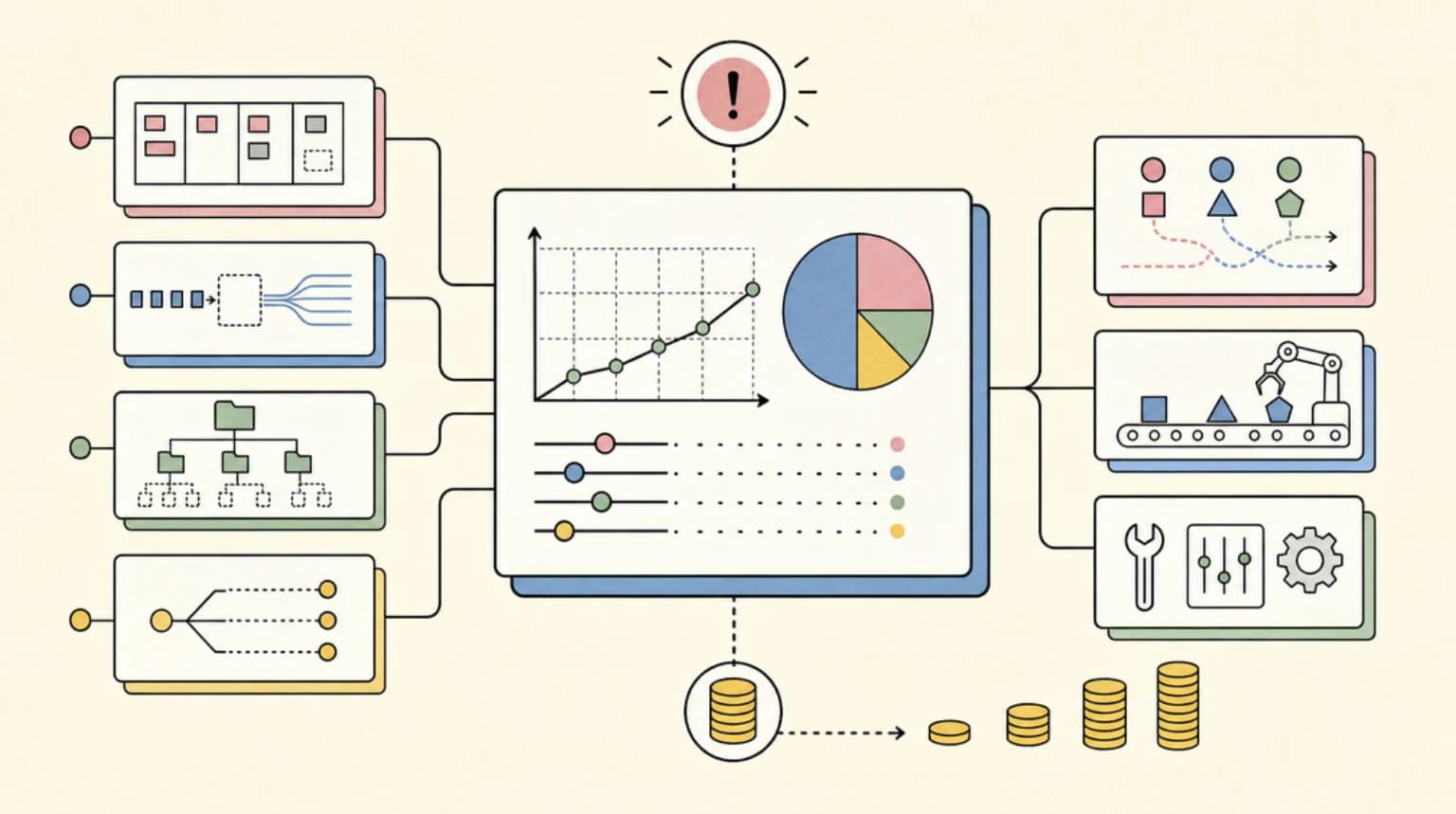
How to Model Fable 5 Costs Before They Blow Up Your Budget
Claude Fable 5's $10/$50 per million token pricing can catch teams off guard - here is how to build a real cost model before you commit.
9 min read
Why Fable 5 Refuses Your Cybersecurity Queries (And How the Fallback Works)
Claude Fable 5 routes blocked queries to Opus 4.8 rather than refusing outright - but the fallback is not automatic for API users and requires explicit configuration. Here is the complete developer guide to the refusal architecture.
8 min read
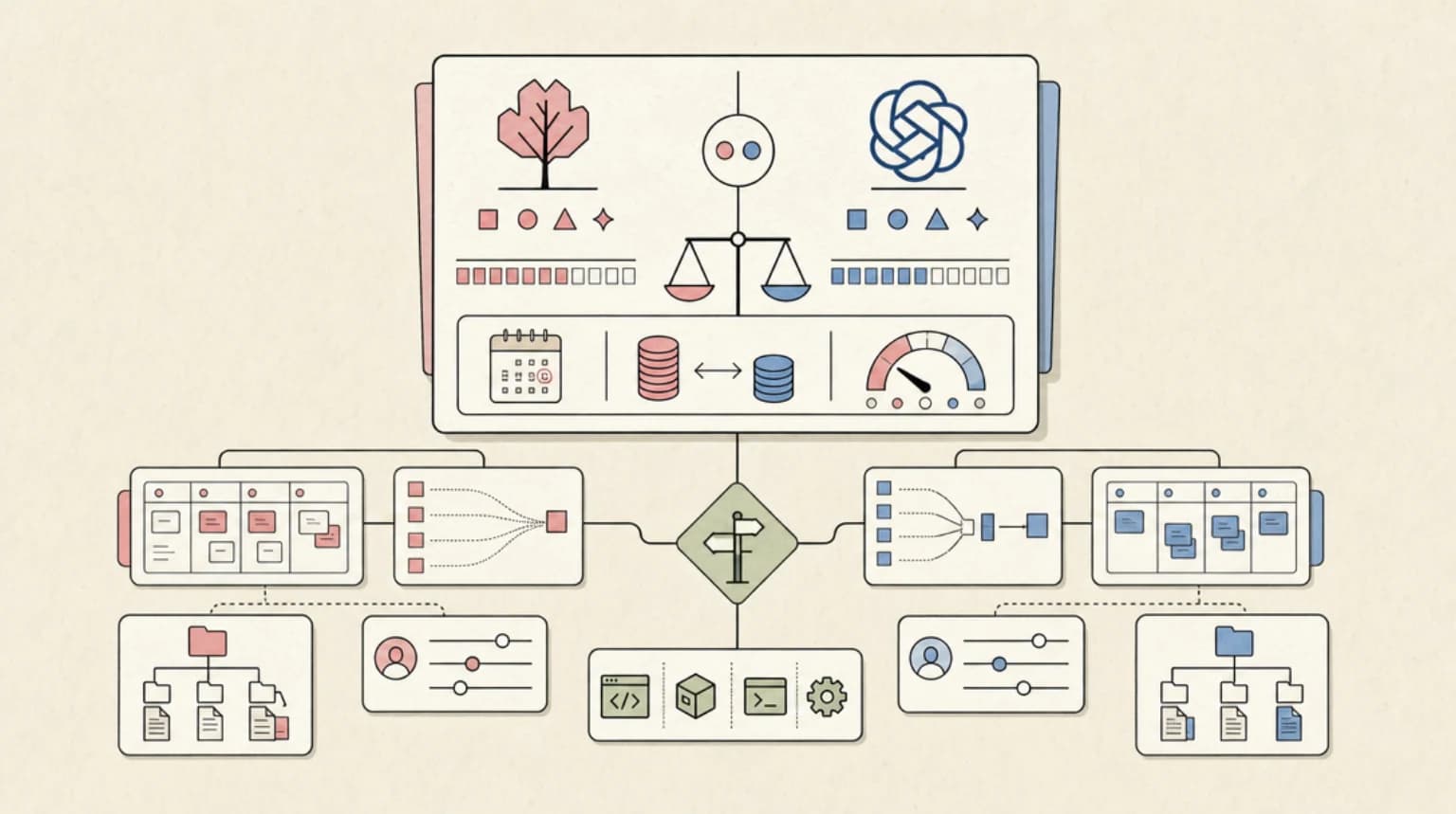
Claude Fable 5 vs GPT-5.6 Sol: Benchmarks, Pricing, and When Each Wins
Fable 5 is API-only at 2x GPT-5.6 Sol's price with a 15-point SWE-Bench Pro gap. Here is the decision framework for choosing between them in August 2026.
12 min read
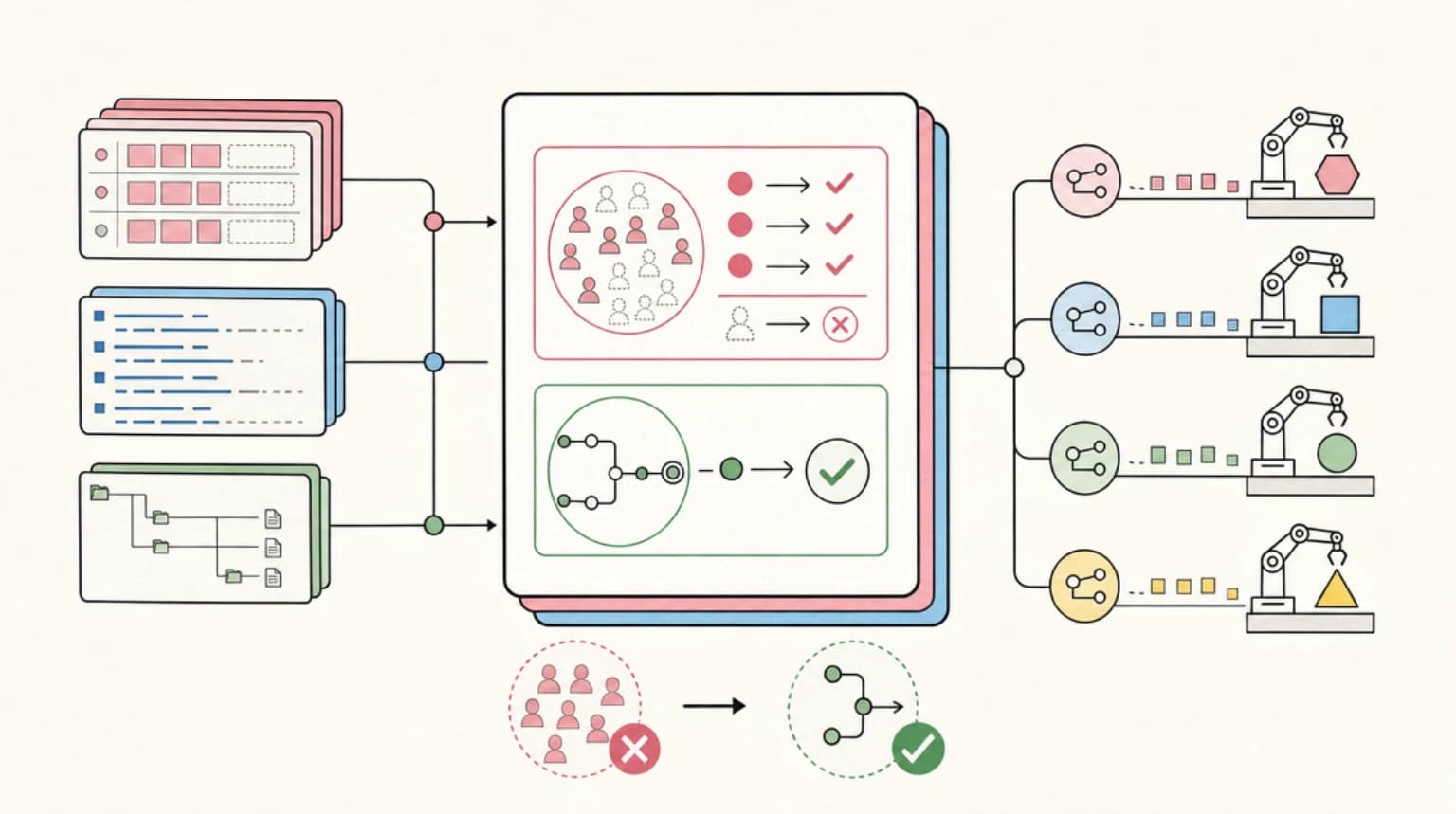
FrontierCode Benchmark Explained: Why AI Coding Quality Scores Are Wrong (And the Fix)
SWE-Bench has an 81% false-positive problem. FrontierCode replaces it with mergeability as the metric - and the scores are sobering for every AI coding tool on the market.
8 min read
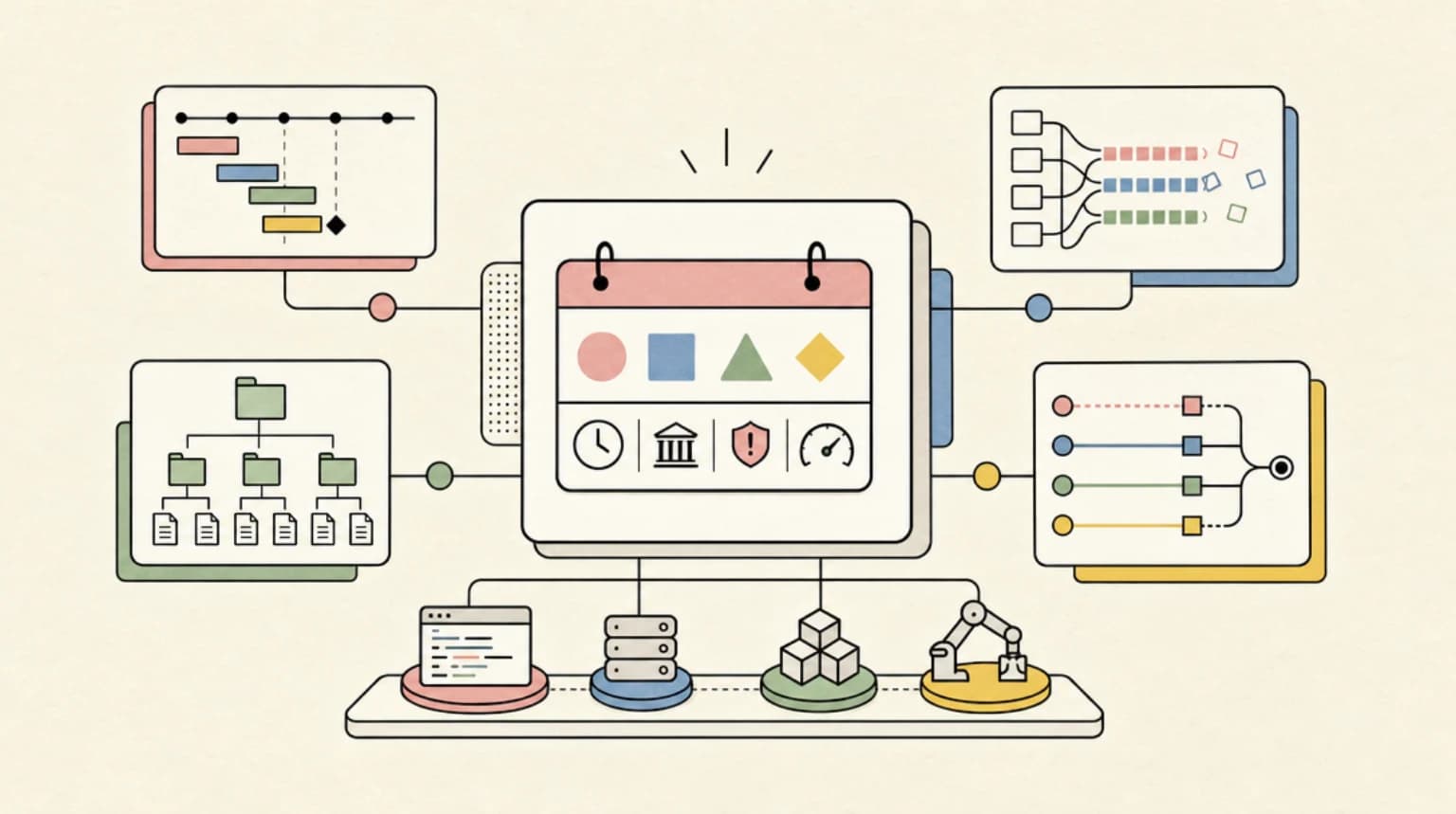
June 10, 2026: The Day the AI Dev Tool Market Showed Its Whole Hand
Pricing deadlines, infrastructure funding, a banking prompt injection case, and a 4x speed breakthrough - June 10 was one of the densest single days the AI dev tool market has ever produced.
7 min read
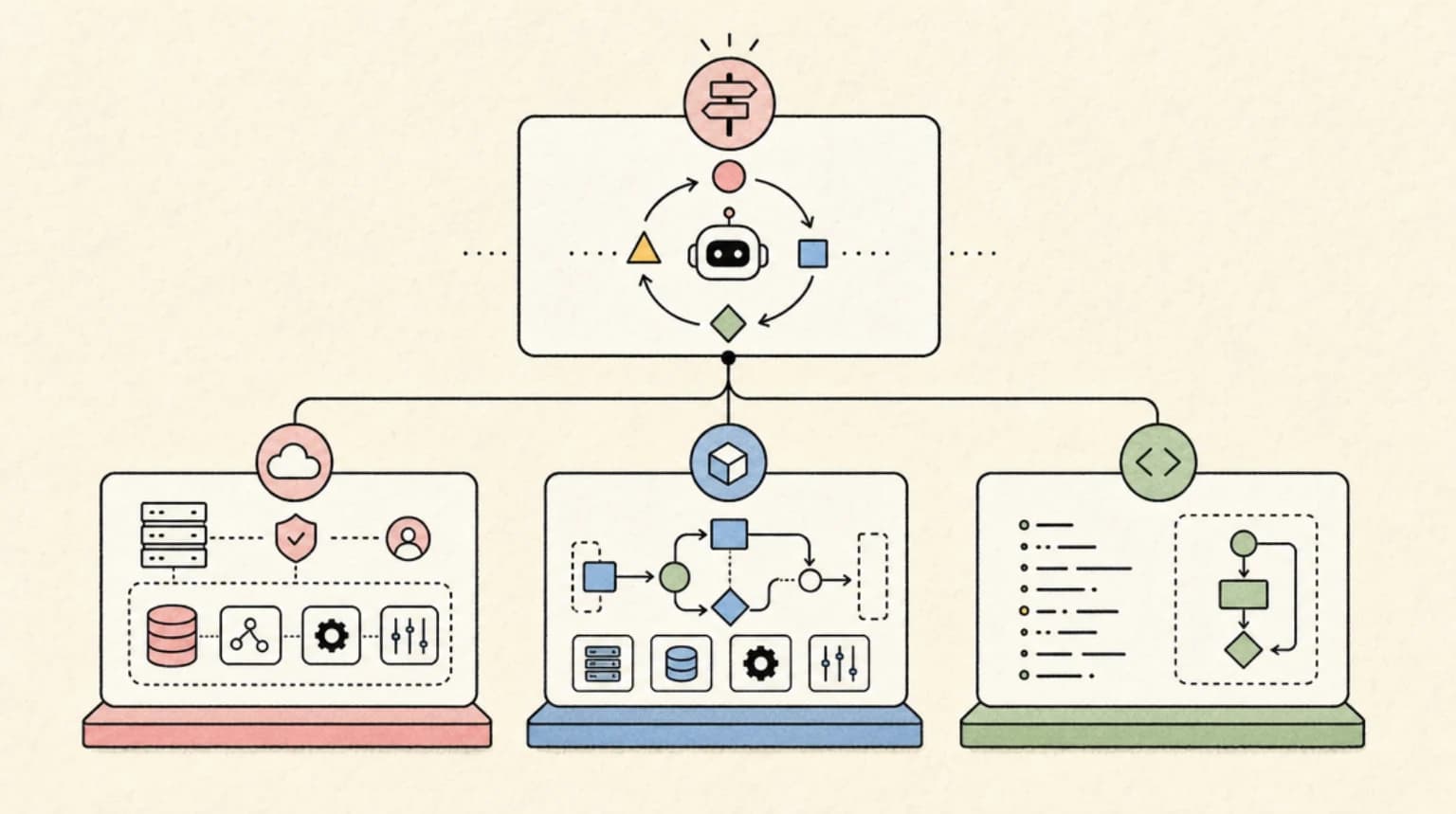
Managed Agents vs LangGraph vs Rolling Your Own: Who Should Run Your Agent Loop in 2026
The 2026 agent decision is not CrewAI vs LangGraph. It is whether your loop lives in vendor infrastructure, a self-hosted graph runtime, or a plain while-loop you wrote yourself. Here is how to choose.
9 min read
Migrating to Claude Fable 5: The Practical Guide
Fable 5 is mostly a drop-in replacement for Opus 4.8, but 'mostly' is doing real work in that sentence. Here's every breaking change, what to delete from your code, and the prompt audit you should run before flipping the model ID.
9 min read
Claude Mythos 5 Explained: What It Is, Who Can Access It, and Why It's Gated
Anthropic shipped two names for one architecture on June 9, 2026. Here is what separates Fable 5 from Mythos 5, who can actually get unrestricted access, and what developers should do right now.
7 min read
Claude Opus 4.8 Is an Agent Honesty Release
Claude Opus 4.8 looks like a benchmark bump, but the developer story is better honesty, dynamic workflows, and effort controls that make long-running agent work easier to review.
8 min read

Claude Knowledge Work Plugins Turn Agent Setup Into Team Infrastructure
Anthropic's knowledge-work plugin repo is trending because it packages skills, connectors, slash commands, and sub-agents around job functions. The interesting shift is from personal prompts to team-distributed operating systems.
7 min read
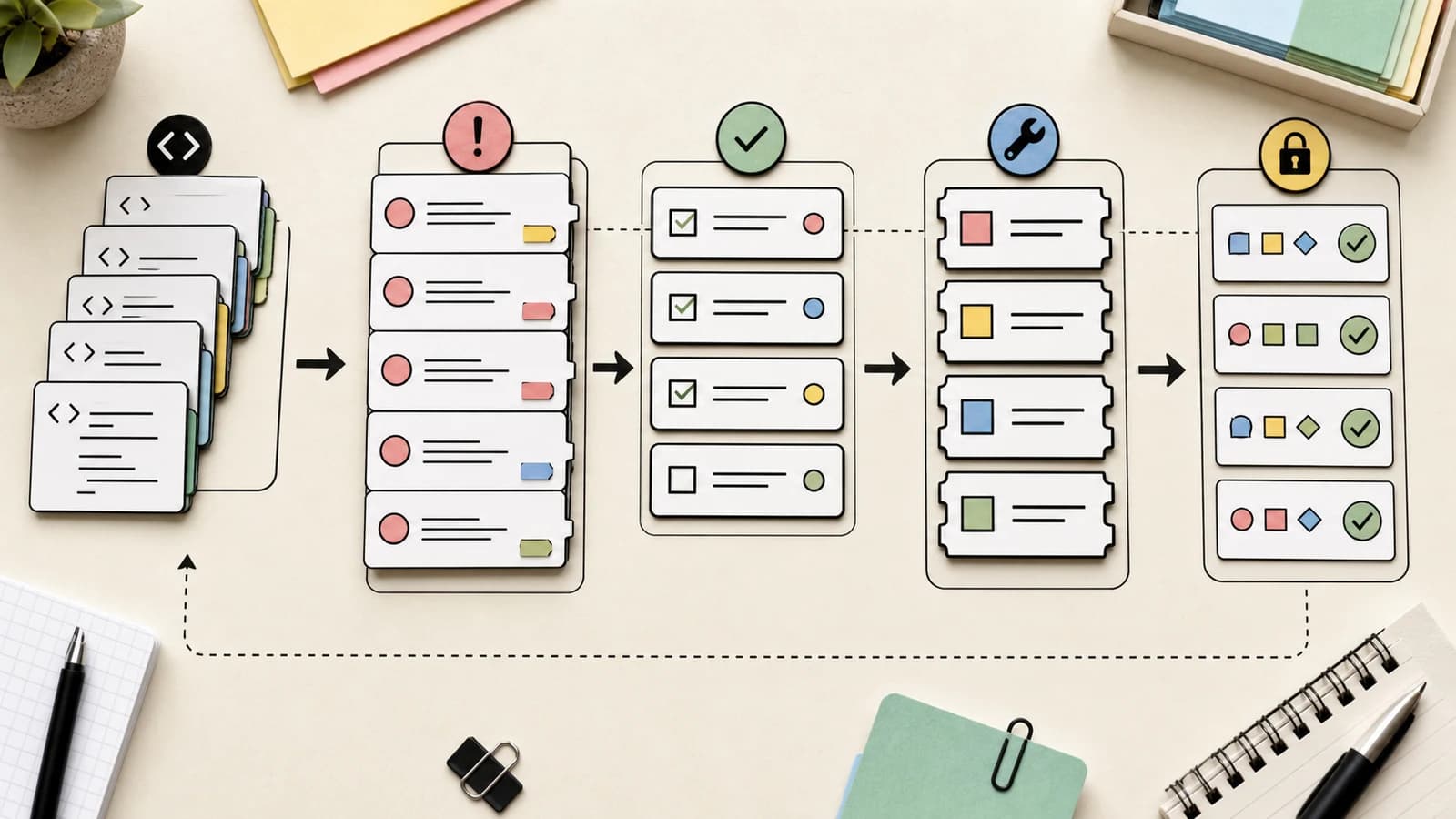
AI Security Scanners Move the Bottleneck to Triage
Anthropic's Project Glasswing update is a useful signal for developer teams: AI can find vulnerability candidates faster than humans can verify, disclose, patch, and ship them.
8 min read

Claude Platform on AWS Is Enterprise Agent Plumbing, Not Just Procurement
Claude Platform on AWS matters because it moves agent adoption into identity, billing, commitments, and platform controls. That is where enterprise AI work gets real.
8 min read

Claude Managed Agents Are Starting to Look Like Backend Jobs
Claude Managed Agents now have multiagent sessions, outcomes, webhooks, and vault events. The practical takeaway is not just better agents. It is that agent runs need backend job discipline.
9 min read

Codex /goal and Claude Managed Outcomes: The New Control Loops
A deep comparison of Codex's new /goal loop and Claude managed agents outcomes, with practical workflow examples, control tradeoffs, and migration guidance for long-running tasks.
18 min read

Agent Architecture: Building Multi-Step AI Workflows That Survive Production
A practical architecture for multi-step Claude agents. Loop patterns, state management, error recovery, and the production gotchas that turn a five-step demo into a 20 percent success rate at scale.
11 min read

Claude API Reliability: Error Handling Best Practices
The defensive patterns that keep Claude integrations alive in production. Retry shapes, backoff with jitter, circuit breakers, fallback chains, and the observability you need to debug at 3am.
10 min read
Claude Design: Anthropic's Bet That Designers and Developers Want the Same Tool
Claude Design generates a full design system from your repo, ships one-shot pricing pages, and exports clean HTML/CSS to your coding agent. Here is what it actually does, where it slots in for developers, and why this is more interesting than another AI UI generator.
9 min read
Claude Opus 4.7: The Developer's Guide to Anthropic's New Flagship
Opus 4.7 is here. Sharper coding, longer agentic runs, better tool use, and a price that finally makes Opus livable for production. Here's everything devs need to know.
10 min read
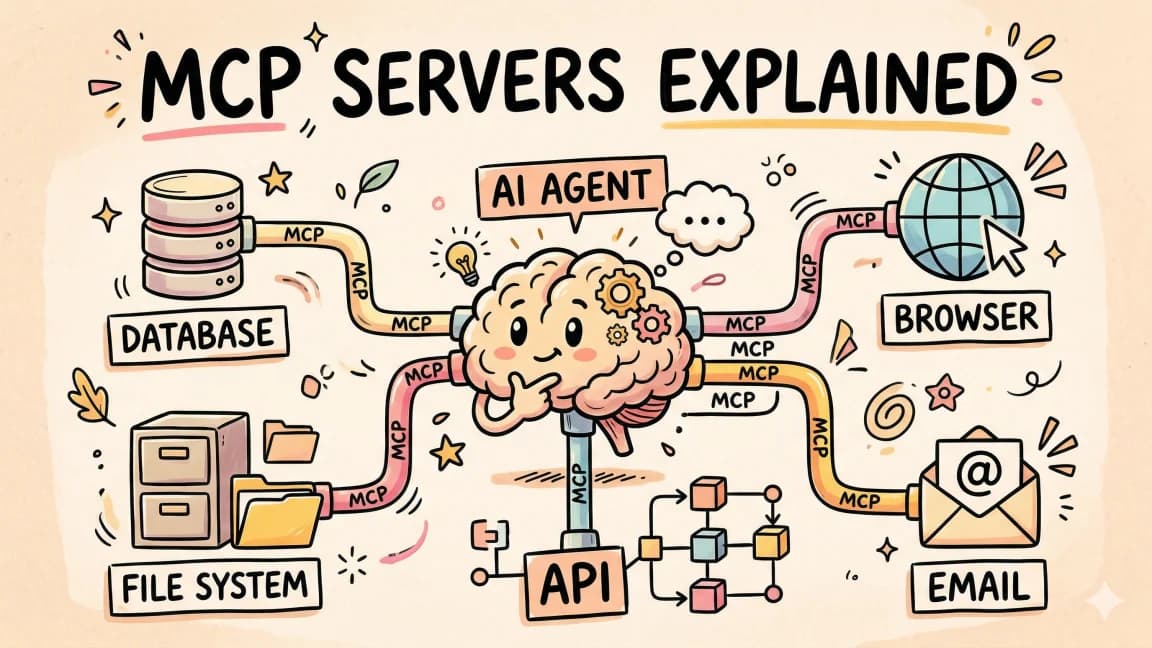
Model Context Protocol: A Production Guide To Building MCP Servers
Build MCP servers that connect Claude to your databases, APIs, and tools. Architecture, TypeScript SDK code, debugging, and the production gaps the spec doesn't cover.
13 min read
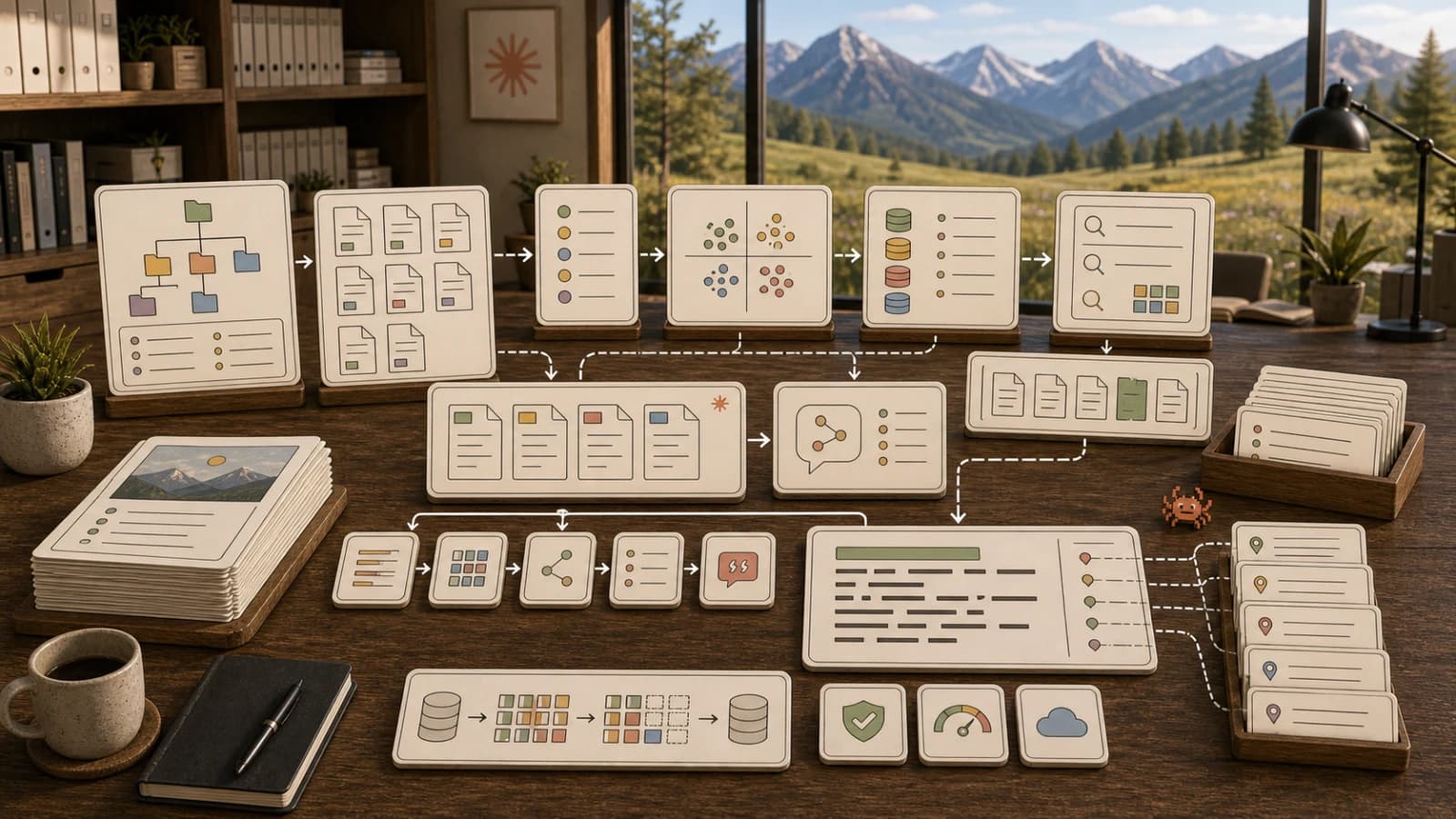
RAG with Claude: Add Context Without Retraining
A production-grade RAG pipeline with Claude. Chunking that survives real documents, retrieval tuning that actually moves the needle, citation tracking, and the prompt caching trick that makes RAG cheap enough to ship.
10 min read
MCP Lens: Wireshark for Model Context Protocol Servers
MCP servers are stdio-only black boxes. MCP Lens proxies the JSON-RPC stream, captures every frame, and serves a local inspector at localhost:4040.
8 min read

Promptlock: Deterministic Prompt Versioning for LLM Apps
Promptlock gives every prompt a 12-char content-addressable id and a diff-able artifact, turning silent prompt drift into a reviewable change.
7 min read

Claude Haiku 4.5: Near-Frontier Intelligence at a Fraction of the Cost
Anthropic's Claude Haiku 4.5 delivers Sonnet 4-level coding performance at one-third the cost and twice the speed. Here is what developers need to know.
5 min read

Claude vs GPT for Coding: Which Model Writes Better TypeScript?
Claude vs GPT for real TypeScript work: benchmarks, pricing, model families, and the practical differences that matter when picking a coding model.
9 min read
Claude Sonnet 4.6: Approaching Opus at Half the Cost
Anthropic's Sonnet 4.6 narrows the gap to Opus on agentic tasks, leads computer use benchmarks, and ships with a beta million-token context window. Here's what actually changed.
6 min read
Claude Opus 4.6: Anthropic's Smartest Model Gets Agent Teams
Million-token context, agent teams that coordinate without an orchestrator, and benchmark scores that push the frontier. Opus 4.6 is Anthropic's biggest model drop yet.
8 min read
Claude Opus 4.5: Anthropic's Most Intelligent Model
Anthropic has released Claude Opus 4.5, positioning it as their most capable model yet for coding agents and computer use. The release brings significant price cuts, efficiency gains, and enough au...
5 min read
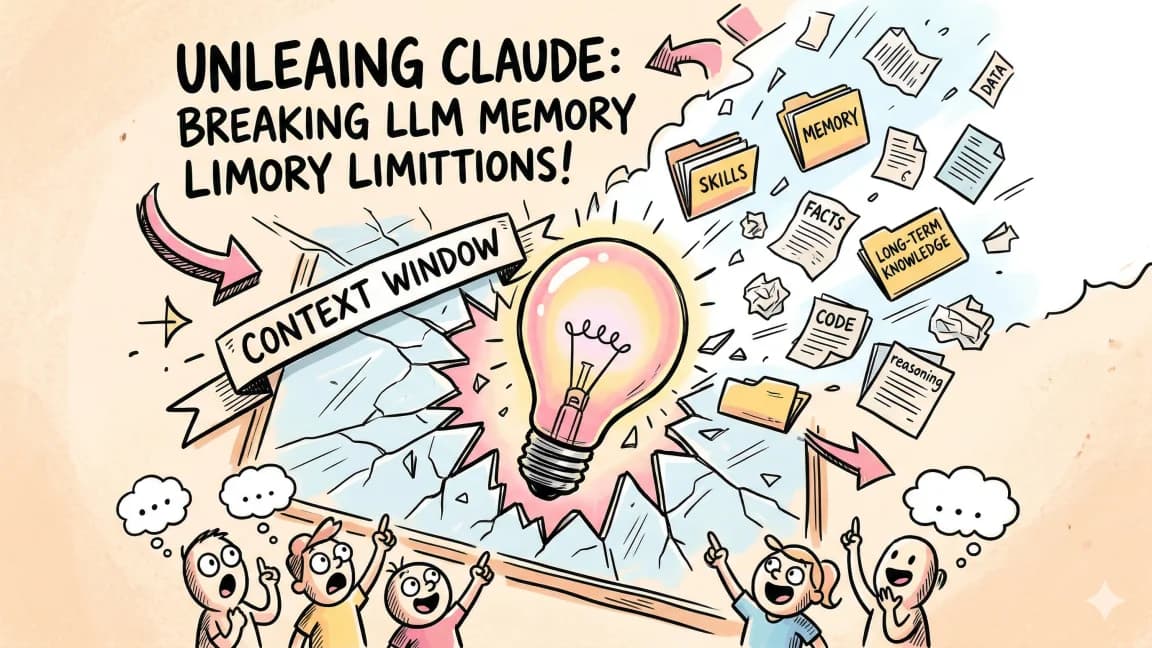
Claude Skills: A technical deep dive into Anthropic's new approach to AI context management
A comprehensive look at Claude Skills-modular, persistent task modules that shatter AI's memory constraints and enable progressive, composable, code-capable workflows for developers and organizations.
8 min read
Anthropic Sonnet 4.5 in Claude Code
Anthropic's Claude Sonnet 4.5 isn't just another model increment. The company claims they've observed it maintaining focus for more than 30 hours on complex multi-step tasks.
7 min read
Related Tools
All tools →Claude Code
Daily DriverAnthropic's agentic coding CLI. Runs in your terminal, edits files autonomously, spawns sub-agents, and maintains memory across sessions. Powered by Claude Opus 4.
AI CodingClaude Agent SDK
NewAnthropic's Python SDK for building production agent systems. Tool use, guardrails, agent handoffs, and orchestration. Released alongside Claude 4.
AI FrameworksClaude
Daily DriverAnthropic's AI. Opus 4.6 for hard problems, Sonnet 4.6 for speed, Haiku 4.5 for cost. 200K context window. Best coding model I've tested. Max plan ($200/mo).
AI ModelsClaude Haiku 4.5
Anthropic's smallest Claude 4.5 model. Near-frontier coding performance at one-third the cost of Sonnet 4 and up to 4-5x faster than Sonnet 4.5. $1/$5 per million tokens.
AI ModelsClaude Opus 4.7
Anthropic's flagship reasoning model. Best-in-class for coding, long-context analysis, and agentic workflows. 1M token context window. Available via API and in Claude Code.
AI ModelsClaude Fable 5
NewAnthropic's first generally available Mythos-class model, released June 9, 2026. 1M context, 128K max output, $10/$50 per million tokens. Built for long-horizon agentic work.
AI ModelsClaude Opus 4.8
Anthropic's recommended default for complex work, released May 28, 2026. 1M context, 128K output, $5/$25 per million tokens. Defaults to high effort on all surfaces.
AI ModelsGuides
All guides →Terminal CLI - Claude Code
The primary command-line entry point for Claude Code sessions.
GuideInteractive Mode - Claude Code
Real-time prompt loop with history, completions, and multiline input.
GuideClaude Code Setup Guide
Configure Claude Code for maximum productivity -- CLAUDE.md, sub-agents, MCP servers, and autonomous workflows.
GuideKeyboard Shortcuts - Claude Code
50+ customizable shortcuts for cancel, history, transcript, and more.
GuideVim Editor Mode - Claude Code
Full vim keybindings (normal and insert modes) for prompt editing.
GuideClaude Code Complete Course
A complete, citation-backed Claude Code course with setup, prompting systems, MCP, CI, security, cost controls, and capstone workflows.
GuideBackground Tasks - Claude Code
Run Bash commands with Ctrl+B and retrieve output by task ID.
GuideGetting Started with Claude Code
Install Claude Code, configure your first project, and start shipping code with AI in under 5 minutes.
GuideBash Mode - Claude Code
Prefix prompts with ! to run shell commands directly, bypassing Claude.
GuideAI Agent Frameworks Compared: LangGraph vs CrewAI vs Mastra vs CopilotKit
Deep comparison of the top AI agent frameworks - LangGraph, CrewAI, Mastra, CopilotKit, AutoGen, and Claude Code.
GuideCommand History - Claude Code
Per-directory prompt history with Ctrl+R reverse search.
GuideVoice Dictation - Claude Code
Hold-to-record voice input on macOS, Linux, and Windows.
GuideMultiline Input - Claude Code
Shift+Enter, Option+Enter, or backslash+Enter for multi-line prompts.
GuidePrompt Suggestions - Claude Code
Context-aware follow-up suggestions derived from git history.
GuideSide Questions with /btw - Claude Code
Ask quick side questions without derailing the main task.
GuideRead Tool - Claude Code
Read file contents with line limiting, offset, and binary support.
GuideWrite Tool - Claude Code
Create or overwrite files; requires permission for existing paths.
GuideEdit Tool - Claude Code
Targeted edits to specific sections without rewriting entire files.
GuideMultiEdit - Claude Code
Batch edit multiple files in a single atomic operation.
GuideNotebook Edit - Claude Code
Modify Jupyter notebook cells directly without touching JSON.
GuideGlob Tool - Claude Code
File discovery via pattern matching across the repository.
GuideGrep Tool - Claude Code
Search file contents by pattern with regex support.
GuideLSP Tool - Claude Code
Jump to definitions, find references, and type-check via language servers.
GuideBash Tool - Claude Code
Execute shell commands with persistent working directory in project bounds.
GuidePowerShell Tool - Claude Code
Native PowerShell execution on Windows and optionally Unix hosts.
GuideMonitor Tool - Claude Code
Background monitoring of logs, files, and long-running processes.
GuideEnvironment Variable Persistence - Claude Code
SessionStart hooks can persist env vars across Bash tool calls.
GuideGit Integration - Claude Code
Stage, commit, branch, and open PRs without leaving the session.
GuideWorktrees - Claude Code
Isolated git worktrees for parallel Claude Code sessions.
GuideWriting Your First Claude Code Skill
A practical walk-through of how to design, write, and ship a Claude Code skill - from choosing when to trigger, through allowed-tools, to the steps the agent will actually follow.
GuidePR Status in Footer - Claude Code
Clickable PR link in the footer with review state color coding.
GuideMigrating from Cursor to Claude Code
A concrete step-by-step guide to moving your development workflow from Cursor to Claude Code - settings, rules, keybindings, and the habits that transfer.
Guidegh CLI Integration - Claude Code
Full GitHub CLI support for automated PR and issue workflows.
GuideWebFetch Tool - Claude Code
Fetch and parse content from URLs, including JS-rendered pages.
GuideWebSearch Tool - Claude Code
Perform web searches and return ranked results with snippets.
GuideCLAUDE.md Files - Claude Code
Persistent project instructions loaded every session; supports nested dirs.
Guide.claude/rules Directory - Claude Code
Path-specific rules that only load for matching files.
GuideAGENTS.md - Claude Code
Define custom subagent types within your project's memory layer.
GuideAuto Memory - Claude Code
Automatic session-to-session memory of build commands, errors, and learnings.
GuideMemory Command - Claude Code
View and edit auto-memory and CLAUDE.md via the /memory command.
GuideContext Window Visualization - Claude Code
Interactive timeline showing what's in context at each turn.
GuidePrompt Caching - Claude Code
Automatic reuse of cached context for substantial cost reduction.
GuideAuto Compaction - Claude Code
Background context summarization when the window starts filling up.
GuideDefault Permission Mode - Claude Code
Approve each action manually - the safest mode for new tasks.
GuideAccept Edits Mode - Claude Code
Auto-approve file edits and common filesystem commands.
GuidePlan Mode - Claude Code
Explore and propose changes without executing them.
GuideAuto Mode - Claude Code
Eliminate prompts with a background classifier that judges safety.
GuideDontAsk Mode - Claude Code
Only pre-approved tools allowed. Fully non-interactive for CI.
GuideBypass Permissions Mode - Claude Code
Skip all permission checks. Container and VM use only.
GuidePermission Rules - Claude Code
Granular allow/ask/deny rules per tool with wildcard patterns.
GuideProtected Paths - Claude Code
Auto-guarded directories like .git, .claude, and .vscode.
GuideSandboxing - Claude Code
Filesystem and network isolation for Bash tool calls on Linux and macOS.
GuideModel Aliases - Claude Code
Use opus, sonnet, haiku, and best to switch models easily.
GuideOpusPlan Alias - Claude Code
Hybrid mode: Opus for planning, Sonnet for execution.
Guide1M Token Context - Claude Code
Extended context window for Opus and Sonnet on supported plans.
GuideEffort Levels - Claude Code
Low, medium, high, xhigh, and max for adaptive reasoning control.
GuideModel Picker (/model) - Claude Code
Interactive UI to switch models and effort sliders mid-session.
GuideFast Mode - Claude Code
2.5x faster Opus at a higher token cost (research preview).
GuideExtended Thinking - Claude Code
Toggle with Alt+T. Claude reasons through complex problems before responding.
GuideCustom Model Option - Claude Code
Add gateway or custom models to the picker via environment variables.
GuideSkills System - Claude Code
Reusable markdown files with instructions and workflows.
GuideBundled Skills - Claude Code
/simplify, /batch, /debug, /fast, and other built-in skills.
GuideSkill Invocation - Claude Code
Trigger with /skillname or let Claude auto-load when relevant.
GuideSkill Frontmatter - Claude Code
Configure model, effort, tools, MCP servers, and invocation scope.
GuideSkill Arguments - Claude Code
Pass arguments to skills with string substitution support.
GuideDisable Model Invocation - Claude Code
Hide skills from Claude's auto-selection until manually triggered.
GuideSkill Pre-Approval - Claude Code
Pre-approve tools before a skill executes so it runs without prompts.
GuideSkill in Subagent - Claude Code
Run a skill in an isolated context via fork mode.
GuideLive Skill Discovery - Claude Code
Changes to skill files are detected and reloaded automatically.
GuideSubagents - Claude Code
Spawn isolated workers with independent context windows.
GuideBuilt-in Subagents - Claude Code
Researcher, auditor, reviewer, and other ready-made subagent types.
GuideCustom Subagent Types - Claude Code
Create reusable subagent definitions at project or user level.
GuideSubagent Frontmatter - Claude Code
Configure model, tools, MCP, skills, memory, and scoping.
GuideSubagent Tool Restrictions - Claude Code
Limit which tools a subagent can access.
GuideSubagent MCP Scoping - Claude Code
Route specific MCP servers only to specific subagents.
GuideSubagent Persistent Memory - Claude Code
Auto-memory that persists across multiple subagent invocations.
GuideSubagent Context Isolation - Claude Code
Prevent bloating the main conversation with research or exploration.
GuideResume Subagents - Claude Code
Continue a subagent's work across sessions.
GuideHooks System - Claude Code
Event-driven automation with 20+ lifecycle events.
GuideSessionStart Hook - Claude Code
Fires when a session begins; load env vars and initialize state.
GuideSessionEnd Hook - Claude Code
Fires when a session terminates.
GuideUserPromptSubmit Hook - Claude Code
Fires before Claude processes user input; can validate or block.
GuideUserPromptExpansion Hook - Claude Code
Fires when a slash command expands; can block or inject context.
GuidePreToolUse Hook - Claude Code
Fires before any tool executes. Allow, deny, defer, or modify the call.
GuidePostToolUse Hook - Claude Code
Fires after a successful tool call. Good for feedback and follow-ups.
GuidePostToolUseFailure Hook - Claude Code
Fires on tool execution errors for logging, alerting, and retry.
GuidePermissionRequest Hook - Claude Code
Fires when a permission dialog appears. Auto-approve or auto-deny.
GuidePermissionDenied Hook - Claude Code
Fires when auto mode or a rule denies an action.
GuideSubagentStart and SubagentStop Hooks - Claude Code
Fire when subagents spawn and finish.
GuideTaskCreated and TaskCompleted Hooks - Claude Code
Fire on task lifecycle events.
GuideStop Hook - Claude Code
Fires when Claude finishes responding. Can prevent the stop.
GuideFileChanged Hook - Claude Code
Fires when watched files change on disk.
GuideConfigChange and InstructionsLoaded Hooks - Claude Code
Fire when settings or CLAUDE.md files change during a session.
GuidePreCompact and PostCompact Hooks - Claude Code
Fire before and after context compaction.
GuideElicitation Hook - Claude Code
Fires when an MCP server requests input from the user.
GuideCommand Hooks - Claude Code
Run shell scripts on events with environment variable passing.
GuidePrompt-Based Hooks - Claude Code
Use Claude itself to handle hook logic instead of shell scripts.
GuideAgent-Based Hooks - Claude Code
Spawn subagents to handle complex hook logic.
GuideAsync Hooks - Claude Code
Run hooks in the background without blocking the session.
GuideMCP Servers - Claude Code
Connect external tools and data sources via the open MCP standard.
GuideMCP Installation Scopes - Claude Code
Local, project, user, and plugin-level MCP configurations.
GuideMCP Tool Search - Claude Code
Deferred tool loading reduces context overhead for large MCP suites.
GuideMCP OAuth - Claude Code
Pre-configured or dynamic OAuth for remote MCP servers.
GuideMCP Resources - Claude Code
Reference and read resources exposed by MCP servers.
GuideMCP Prompts - Claude Code
Execute MCP prompts as commands via the slash menu.
GuideMCP Channel Messaging - Claude Code
Receive push messages from MCP servers via channels.
GuideManaged MCP - Claude Code
Admin-controlled allow and deny lists for MCP servers.
GuideAgent Teams - Claude Code
Coordinate multiple Claude Code instances with a shared task list.
GuideTeam Lead - Claude Code
Coordinator agent that assigns tasks and synthesizes findings.
GuideShared Task List - Claude Code
Teammates claim and complete work independently from one list.
GuideInter-Agent Messaging - Claude Code
Teammates communicate directly without routing through the lead.
GuideSplit Pane Display - Claude Code
Run each teammate in its own tmux or iTerm2 pane.
GuidePlan Approval - Claude Code
Require lead approval before teammates execute their tasks.
GuideTask Dependencies - Claude Code
Pending tasks depend on others and unblock automatically.
GuideSubagent Definitions as Teammates - Claude Code
Reuse custom subagent types as Agent Teams members.
Guide/loop Command - Claude Code
Run a prompt repeatedly on a fixed interval or self-paced.
GuideScheduled Tasks (Desktop) - Claude Code
GUI-based scheduling on your local machine for recurring work.
GuideRoutines (Web) - Claude Code
Managed scheduling on Anthropic infrastructure with API and GitHub triggers.
GuideKeep exploring
More on Claude
- - Claude Code - recommended Claude tool from the Developers Digest directory
- - Compare Tools - dive deeper across the Developers Digest knowledge base
- - All Claude articles in the blog archive
- - Developers Digest on YouTube - video tutorials covering Claude and more

Get Smarter About AI Dev
New tutorials, open-source projects, and deep dives on coding agents - delivered weekly.
One email per weekReal code, not theoryFree forever
Explore 938 topics
Browse All Topics