Skills System - Claude Code
Reusable markdown files with instructions and workflows.

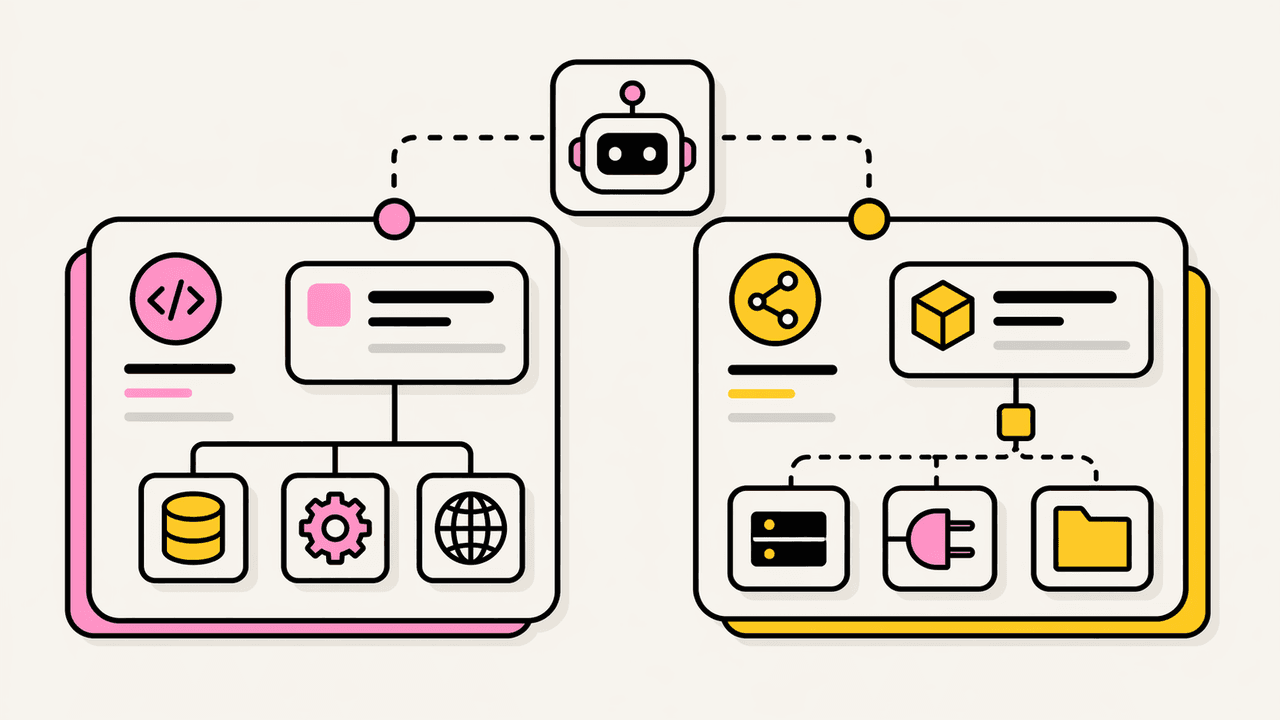
Skills turn recurring prompts into named, reusable artifacts. Write one markdown file, invoke it as /skillname, and the same prompt runs every time.
What it does
A skill is a markdown file with frontmatter and a body. The frontmatter describes when to trigger it and what tools it needs; the body is the instructions. Claude auto-loads skills that match the current task, and you can also call them explicitly. Skills can live globally, per-user, or per-project.
When to use it
- Encoding repeatable workflows (run tests, ship a release, write a blog post).
- Sharing team patterns so everyone gets consistent behavior.
- Replacing long copy-pasted prompt templates.
- Building your own slash commands on top of Claude Code.
Gotchas
- Auto-invocation depends on the frontmatter description. Vague descriptions mean skills don't fire when expected.
- Skill bodies count against context. Keep them tight - progressive disclosure is your friend.
- Loading order matters when multiple skills could match. Test with explicit invocation first.
Official docs: https://code.claude.com/docs/en/skills.md
Technical content at the intersection of AI and development. Building with AI agents, Claude Code, and modern dev tools - then showing you exactly how it works.
Was this helpful?
Related Guides
Related Tools

Claude Code
Anthropic's agentic coding CLI. Runs in your terminal, edits files autonomously, spawns sub-agents, and maintains memory...
View Tool
Claude Agent SDK
Anthropic's SDK for building agents on the same tools, agent loop, and context management that power Claude Code. Python...
View ToolCodeburn
Interactive TUI dashboard that shows exactly where your Claude Code and Cursor tokens are going, in real time.
View ToolConductor
Mac app for running parallel Claude Code, Codex, and Cursor agents in isolated workspaces. Watch every agent work at onc...
View ToolRelated Videos
Self-Improving Skills in Claude Code
Setting Up Self-Improving Skills in Claude Code: Manual & Automatic Methods In this video, you'll learn how to set up self-improving skills within Claude Code. The tutorial addresses the key problem

Generate Videos in Codex + Claude Code with This...
Check out HeyGen! https://heygen.1stcollab.com/developersdigest The video introduces HeyGen, an AI video generation platform with a rich API and a CLI that lets developers create, fetch, and manipula...

10x Design in Claude Code and Codex
Try Higgsfield: https://higgsfield.ai/s/higgsfield-general-campaign-developersdigest-juDMTi AI coding agents can build entire websites in minutes, but the default results often still look generic and...
Related Posts

Claude for Startups Offer Paused: What Founders Do Now
Anthropic's free year of Claude Team and $1,000 in API credits hit capacity within days. What the program page says now,...
Claude Advisor Tool vs a Bigger Model: When the Pairing Pays
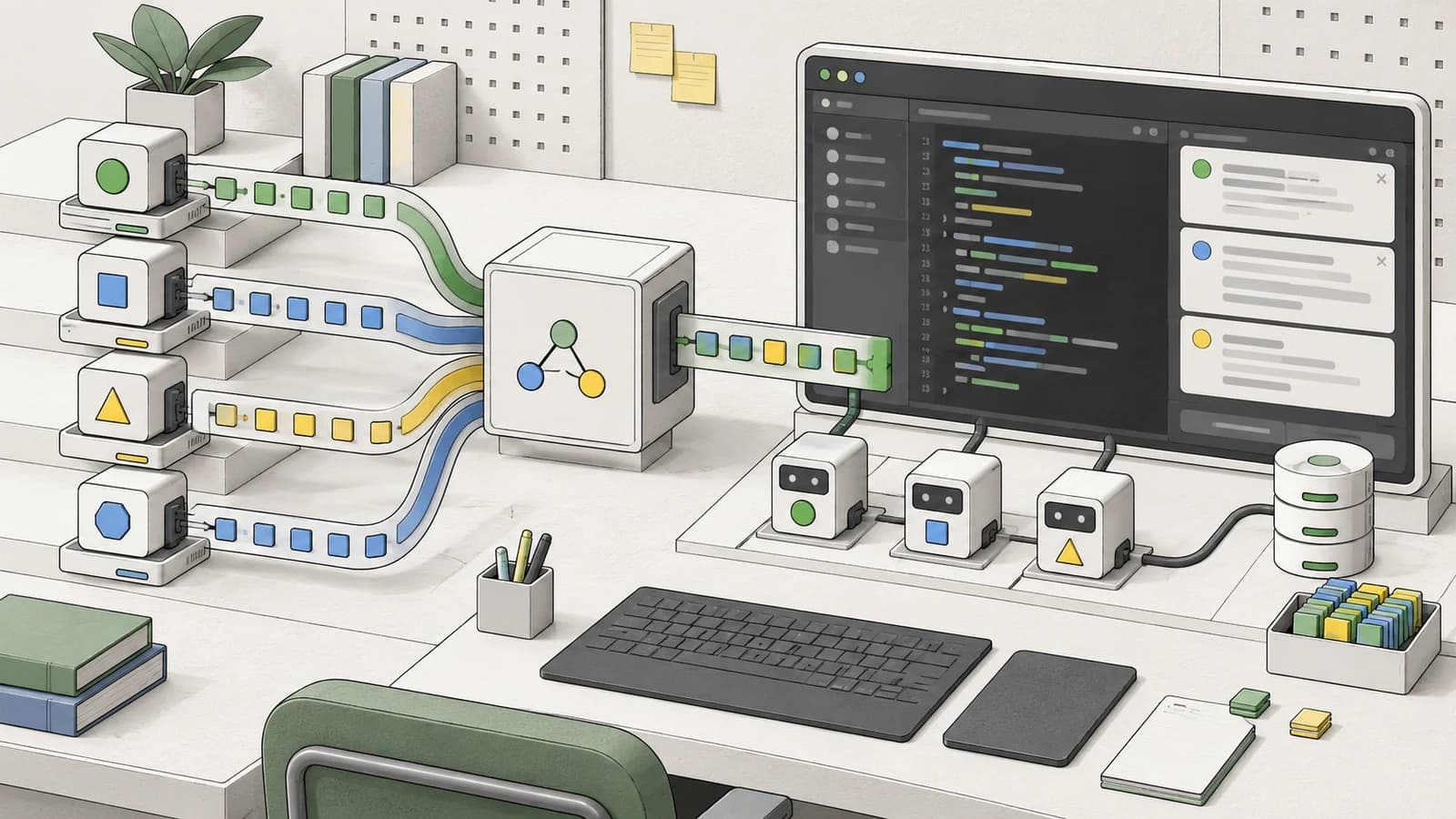
Anthropic's own runs: a Fable 5.1 advisor added 1.7 points to Opus 5.5 for 2.1x the cost. When the Claude advisor tool p...
Claude Code Retry Watchdog: Keep Unattended Runs Alive
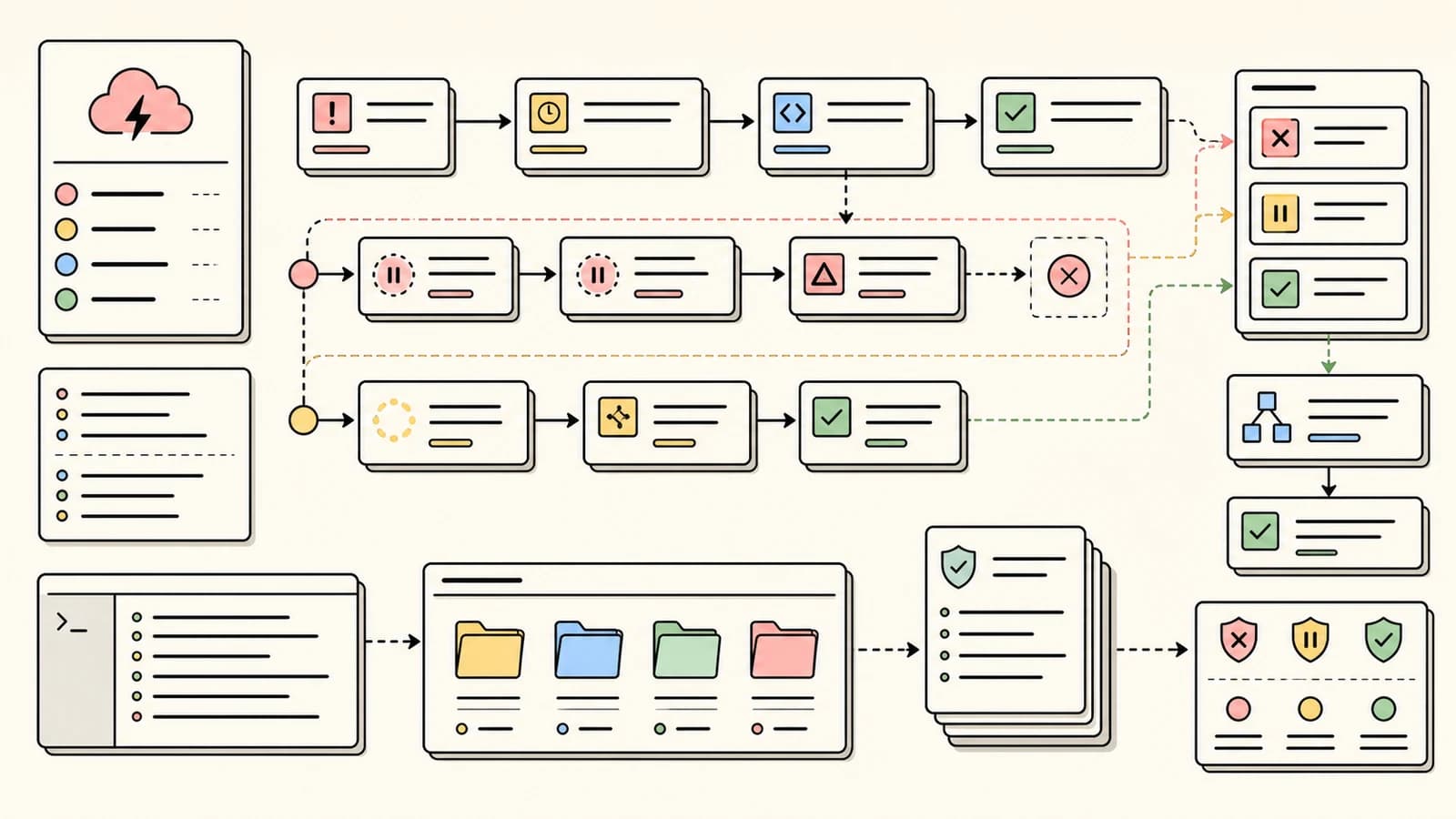
CLAUDE_CODE_RETRY_WATCHDOG=1 makes Claude Code wait out 429 and 529 errors instead of failing after 10 retries. When to...
Claude Max API Credits: $100 a Month, What They Cover
Anthropic now gives Max and Team plans a monthly Claude API credit: $100 on Max 5x, $200 on Max 20x, up to $500 pooled o...

Opus 5.5 vs Sonnet 5.5 vs Haiku 5.5: Which Claude Model to Use
Sonnet 5.5 is the default, Opus 5.5 is for open-ended long-horizon work, and Haiku 5.5 is for bounded steps and subagent...
Claude Haiku 5.5: Pricing, Migration Changes, and When to Use It
Claude Haiku 5.5 (claude-haiku-5-5) costs $0.10 input and $0.50 output per million tokens under 100K, with a 1M window a...