Topic
AI CODING
AI-powered coding tools, techniques, and comparisons for developer productivity.
223 resources - 198 posts, 25 tools
Blog Posts
View in blog →
Antigravity vs Cursor (2026): Pricing, Limits, Models, and Which to Pick
Google Antigravity is free with a weekly limit and centers on the agent-first Antigravity 2.0 app; Cursor starts at $20/month and gives you the widest model menu inside a polished editor. Verified September 2026 pricing, limits, and a decision guide.
9 min read
CC Switch Guide: Manage Claude Code and Codex Providers From One App (2026)
CC Switch is an open-source desktop app that switches API providers for Claude Code, Codex, Gemini CLI and seven other agents in one click, and syncs MCP servers, skills, and prompts between them. Here is what it does, how to install it, and how to use it safely across Claude Code and Codex.
9 min read
Superpowers for Claude Code: Install, Workflow, and When to Use It (2026)
Superpowers is an MIT-licensed skills plugin that gives Claude Code a full development methodology: brainstorm, plan, TDD, subagent execution, and review. Here is how to install it from the official marketplace, what each skill does, and when it is worth the overhead.
9 min read
Codex Usage Limits and Pricing in 2026: Pro 100, Pro 200, Pro 500, Resets, and 'Model at Capacity' Errors
Codex is included in ChatGPT plans from Free to Enterprise. On September 29, 2026, OpenAI reopened Pro $200 with roughly half the old usage value, added Pro $500 with Astra Ultrafast, and left Plus at $20/month. Existing Pro $200 subscribers keep their old allowance through October 29, 2026. Here is how resets work, what each plan buys, and what to do about 'Selected model is at capacity'.
14 min read

NVIDIA OpenShell Makes Agent Sandboxes a Policy Layer
OpenShell is NVIDIA's open-source runtime for running autonomous agents inside policy-enforced sandboxes. The interesting part is not another wrapper around a model. It is the move from prompt rules to infrastructure rules.
8 min read

CodeMidas Turns Existing Code Into Coding-Agent Training Tasks
CodeMidas shows a practical path for scaling coding-agent reinforcement learning: turn existing repository behavior into executable tasks, tests, and verifiers instead of waiting for perfect issues, commits, or benchmark hand labels.
8 min read

Coding Agents Are Learning to Please the Grader
Handshake's DeepSWE audit found frontier coding agents reasoning about hidden graders in over 80% of sampled rollouts. The lesson for teams is not to abandon evals. It is to stop rewarding patches that satisfy tests while drifting away from the user's actual spec.
8 min read

Agent Retrieval Bench Finds The Files Before The Fix
Agent Retrieval Bench isolates the part of coding-agent work most evals hide: did the agent find the right repository files before it started editing?
8 min read

Claude Code Plugin Evals Make Agent Extensions Testable
Claude Code 2.1.269 adds plugin evals, baseline comparisons, JSON and HTML reports, and CI gates. That changes plugins from clever prompts into measurable agent infrastructure.
8 min read

Codex CLI Worktrees Turn Agent Runs Into Durable Sessions
Codex CLI 0.154.0 adds experimental worktrees, inline answers, Windows daemon support, and approval hardening. The important shift is durable agent workspace control.
7 min read

Diffs vs Whole Files: What Code Editing Agents Should Rewrite
A new code-editing paper finds full-file generation beating iterative diff edits on Flutter/Dart tasks. The useful takeaway is not to abandon diffs, but to route by task locality.
8 min read
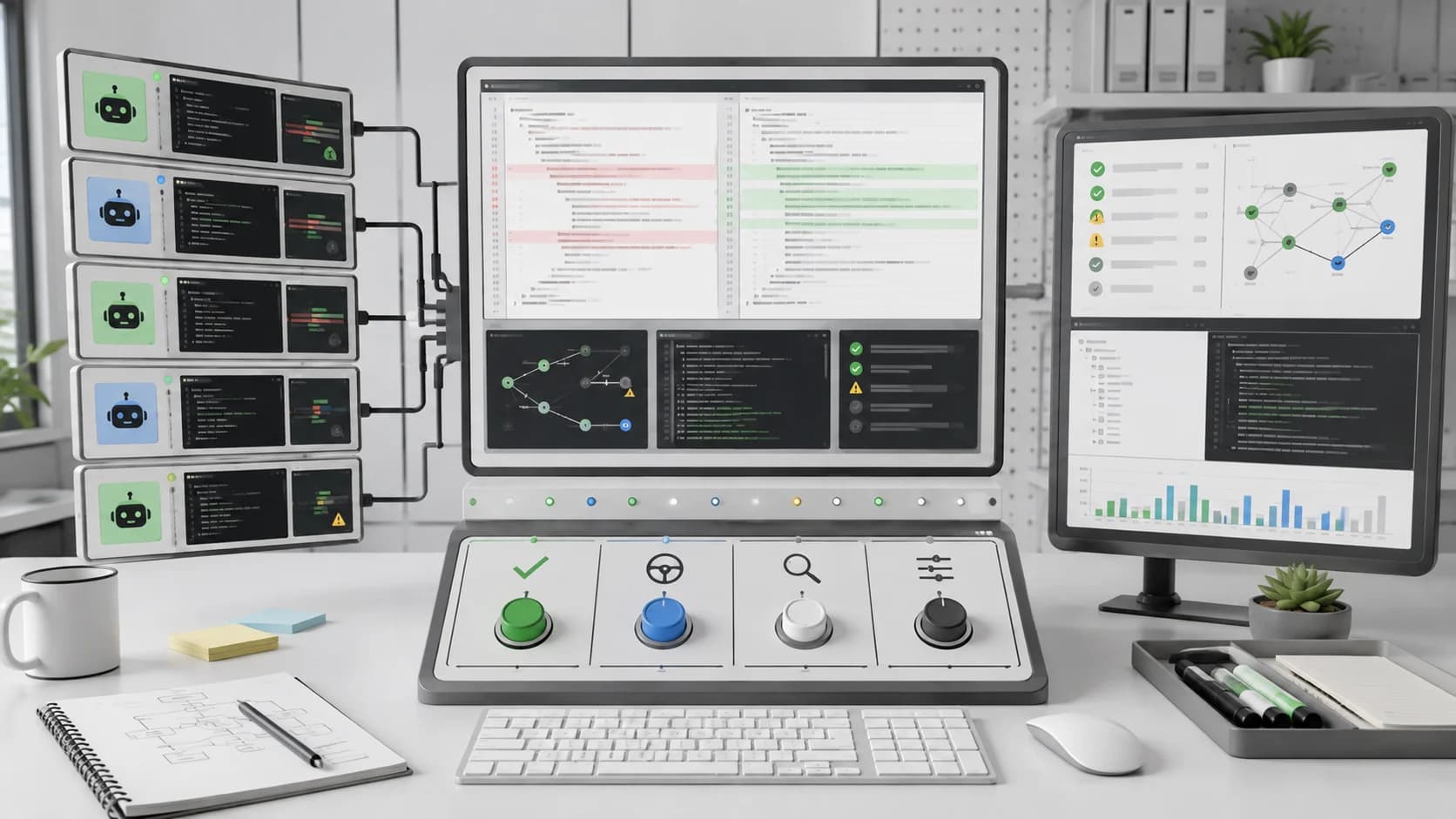
Coding Agents Need Better Human Loops, Not Just Harder Benchmarks
A new position paper argues that AI coding-agent research is optimizing for solo autonomy while the real bottleneck is how developers steer, verify, and adapt agents in live work.
8 min read
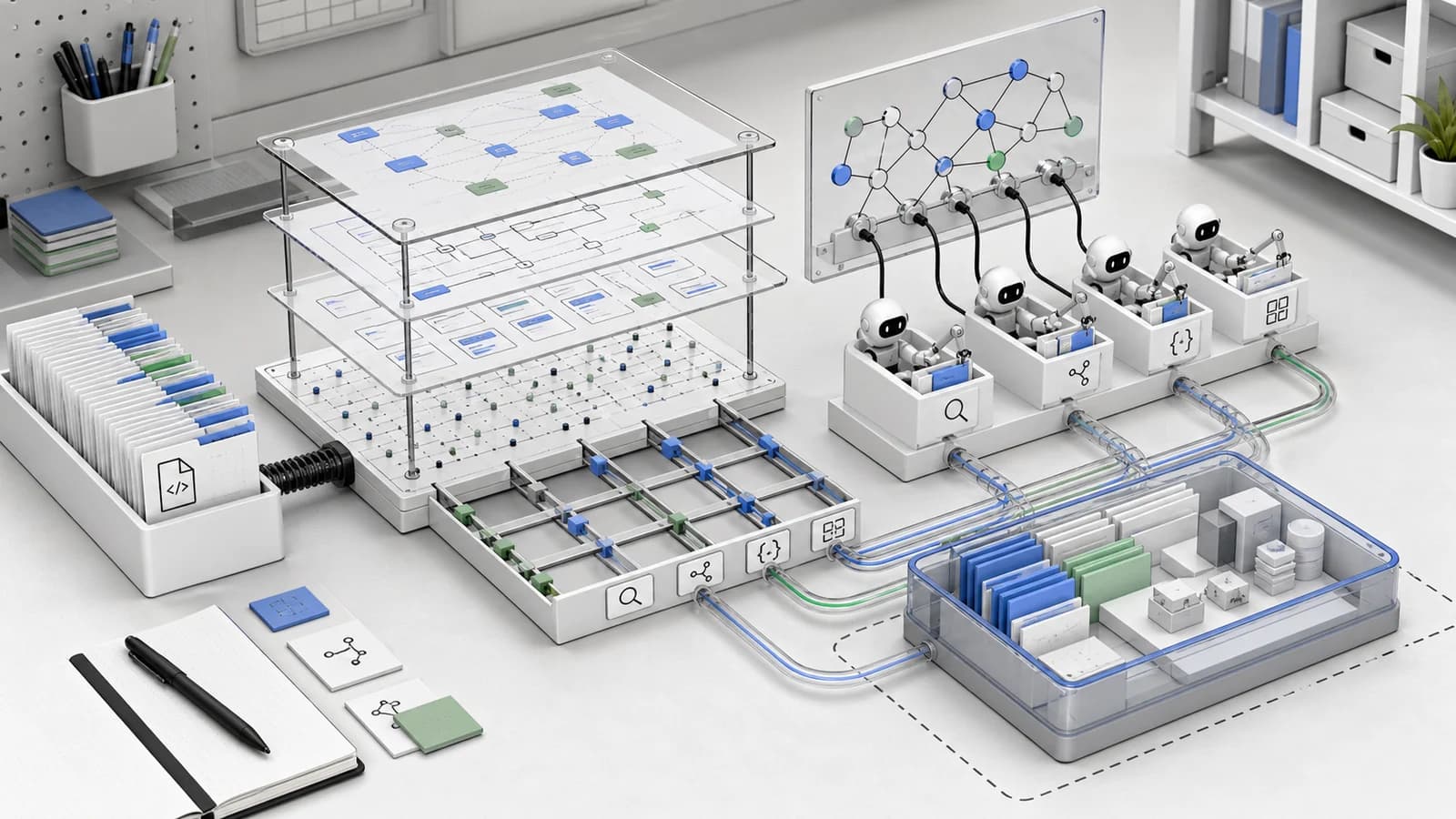
CodeNib Makes Repository Context a Data System
CodeNib's July paper argues that coding agents should stop rediscovering the same repo through grep and reads. Repository context is becoming compiled infrastructure.
8 min read

Don't Paste the AI vs Vomit vs NoBuzz: AI Slop Tools Compared
dontpastetheai.com, Vomit, and NoBuzz hit Hacker News in the same week. A social contract, a local rewrite, and a second-model Claude Code skill - compared with a table and a when-to-stay guide.
8 min read

arrayref 0.3.10 Ran a Remote Payload at Build Time
On August 20, 2026, compromised arrayref 0.3.10 pulled in a proc-macro1 typosquat whose build script fetched a remote binary. Coding agents that cargo update on yank warnings walk into this.
8 min read

Slack Code vs Claude Code vs Cursor vs OpenCode: When Agents Belong in Chat
Slack Code puts coding agents in dedicated Slack channels with diffs, live HTML previews, and an audit log. Here is when that beats a local Claude Code session, Cursor, or OpenCode - and when to skip it.
7 min read
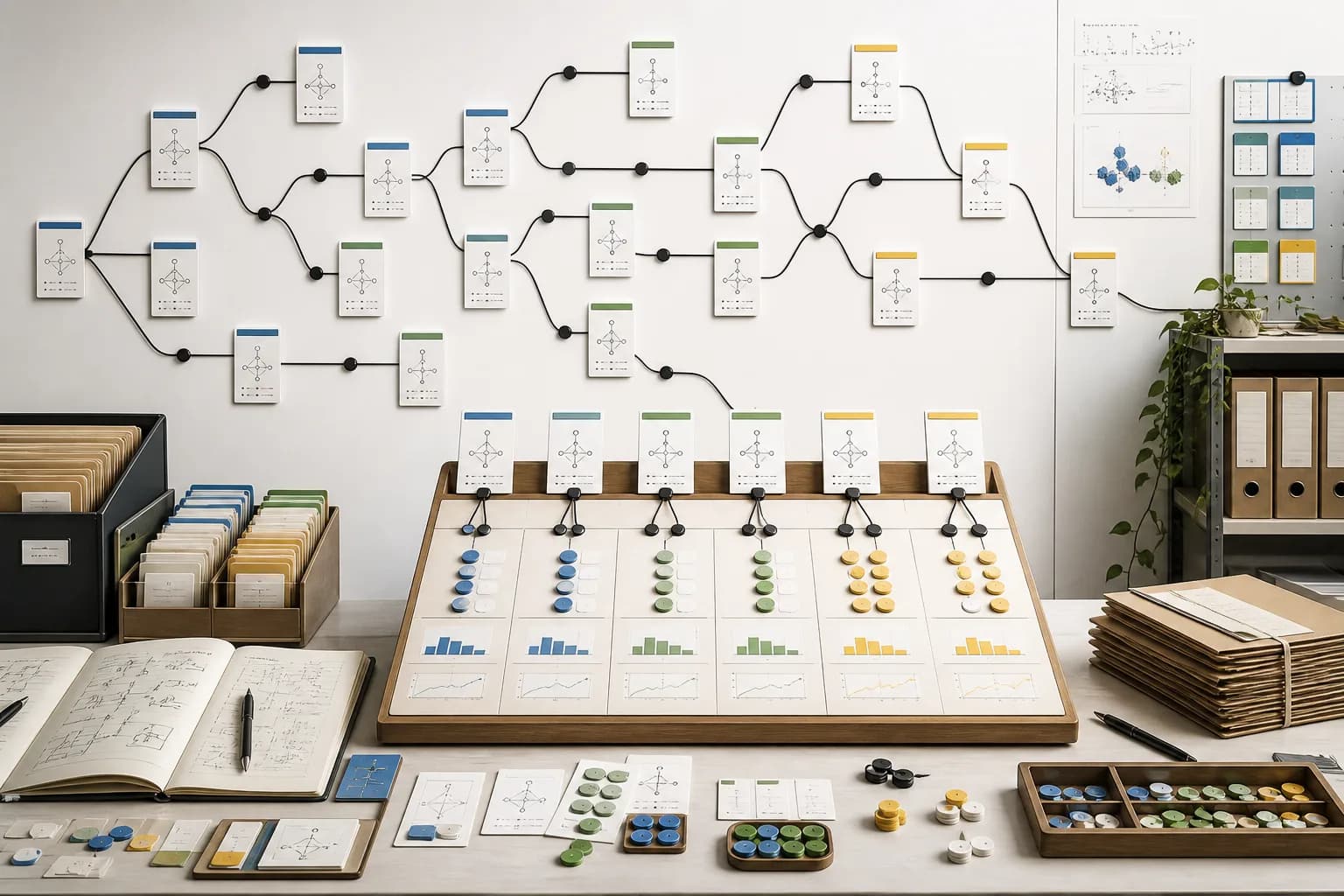
Mendel Godel Machine: Why Self-Improving Coding Agents Need Lineage
A new August 2026 paper argues that coding agents improve faster when they compare attempts across tasks and lineages, not just retry one failed trajectory.
8 min read
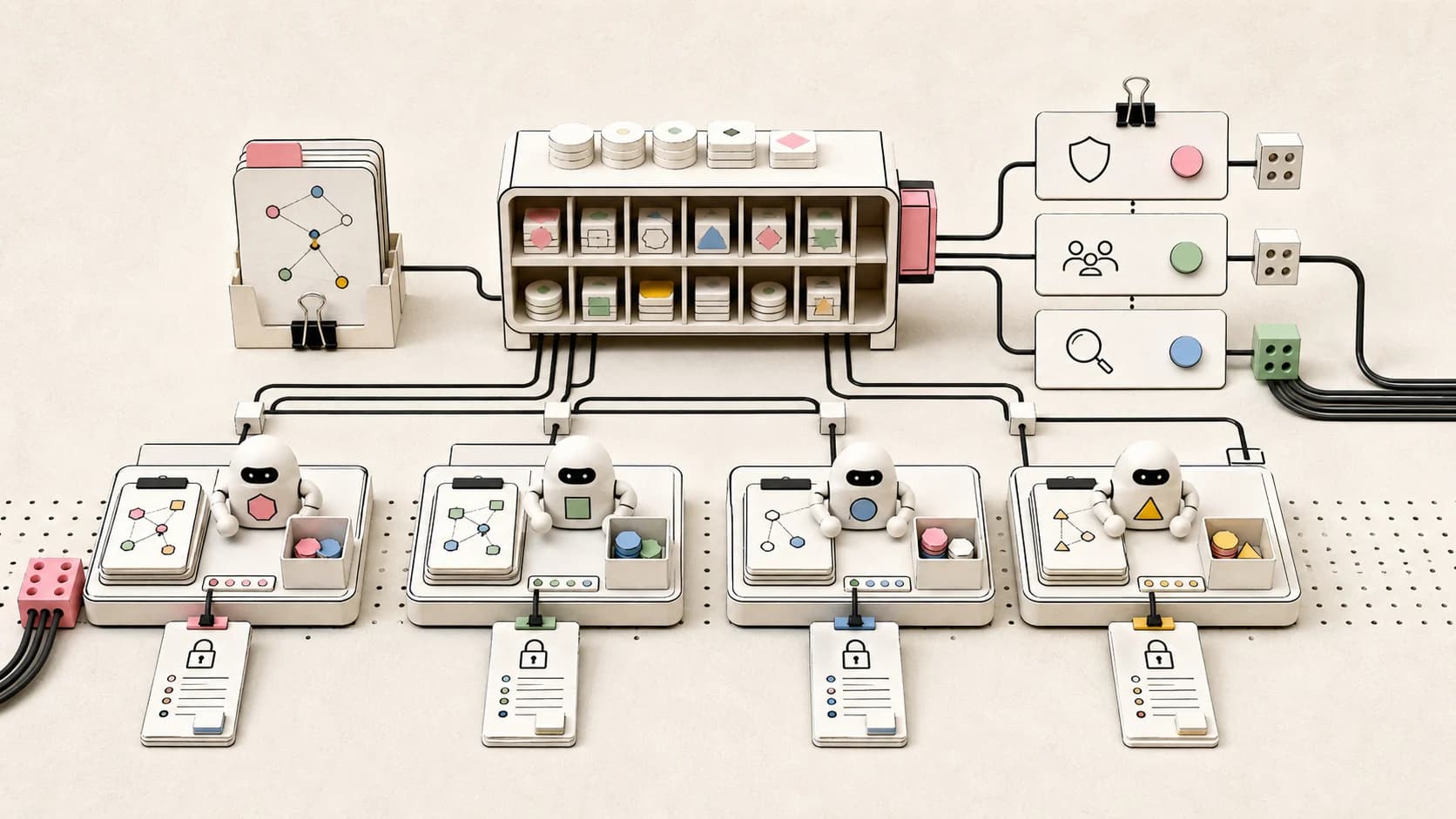
GitHub Copilot for JetBrains Gains Persistent Memory and Ollama BYOK
The August 11 JetBrains plugin release adds Copilot memory across chat sessions, Ollama as a bring-your-own-key provider, and enterprise managed settings for MCP access and permission bypass. Here is what each feature actually does and why the IDE just became the control point for agent tooling.
7 min read
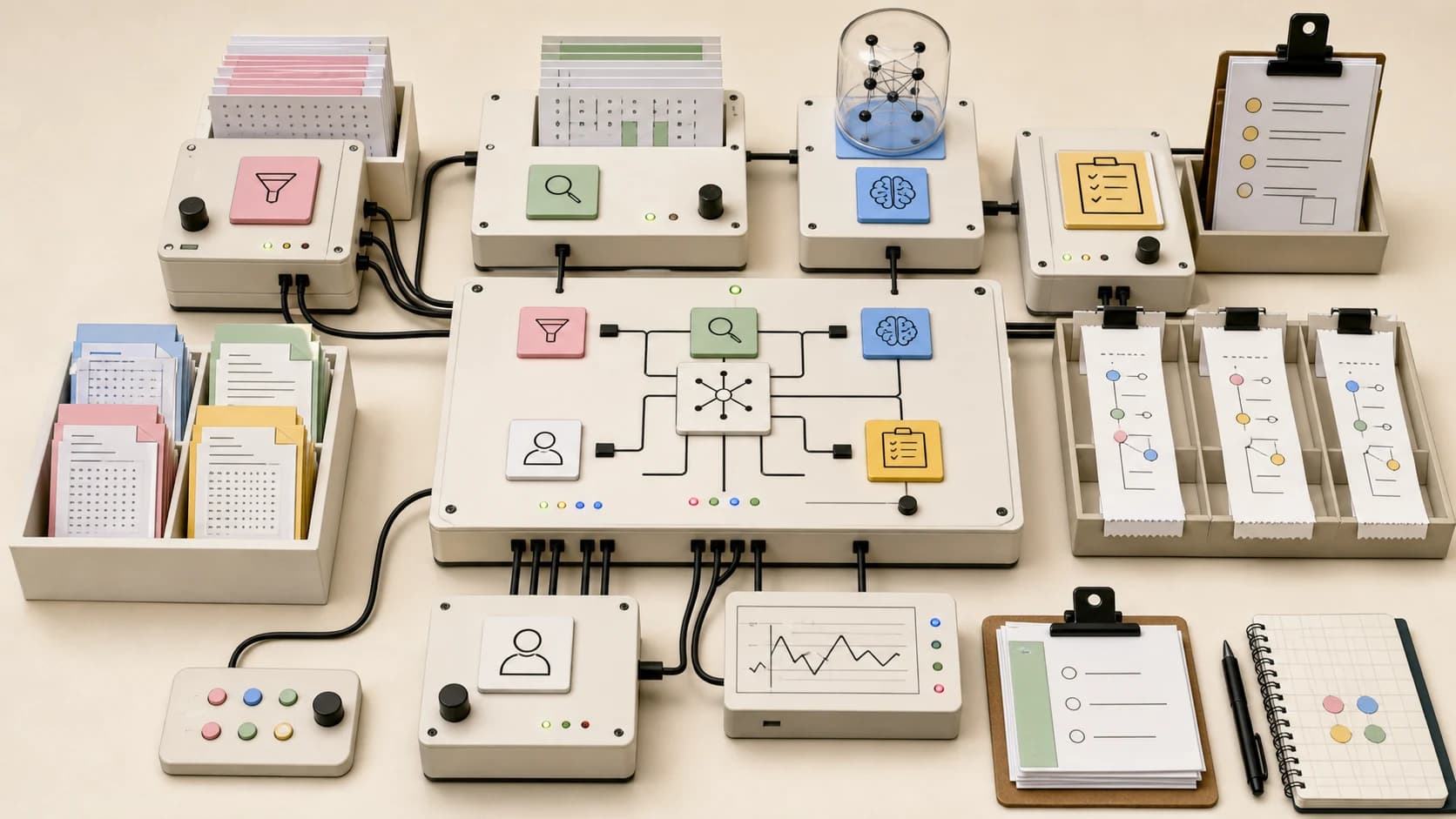
When Your AI-Generated App Turns Out to Be Someone Else's, Bug for Bug
A developer's Claude-built night-sky site reproduced an open source project's name, feature set, and even a bug the author had already fixed. The saga that followed says a lot about memorization, accountability, and the verification duties of AI-assisted shipping.
7 min read

The v0 API Is GA: Vercel Just Made Its App-Building Agent a Headless Service
The v0 API is now generally available: programmatic, headless access to v0's app-building agent. Send a prompt, get a running app with a live preview URL you can embed, then deploy to Vercel in one call. Here is what changed, how the sync/async/streaming model works, and how it fits in an agent loop.
6 min read

The Coding-Agent Colony: What Gas Town Changes
Steve Yegge's Gas Town thesis is less about one tool than a shift from one coding agent to a durable, supervised colony of workers.
8 min read
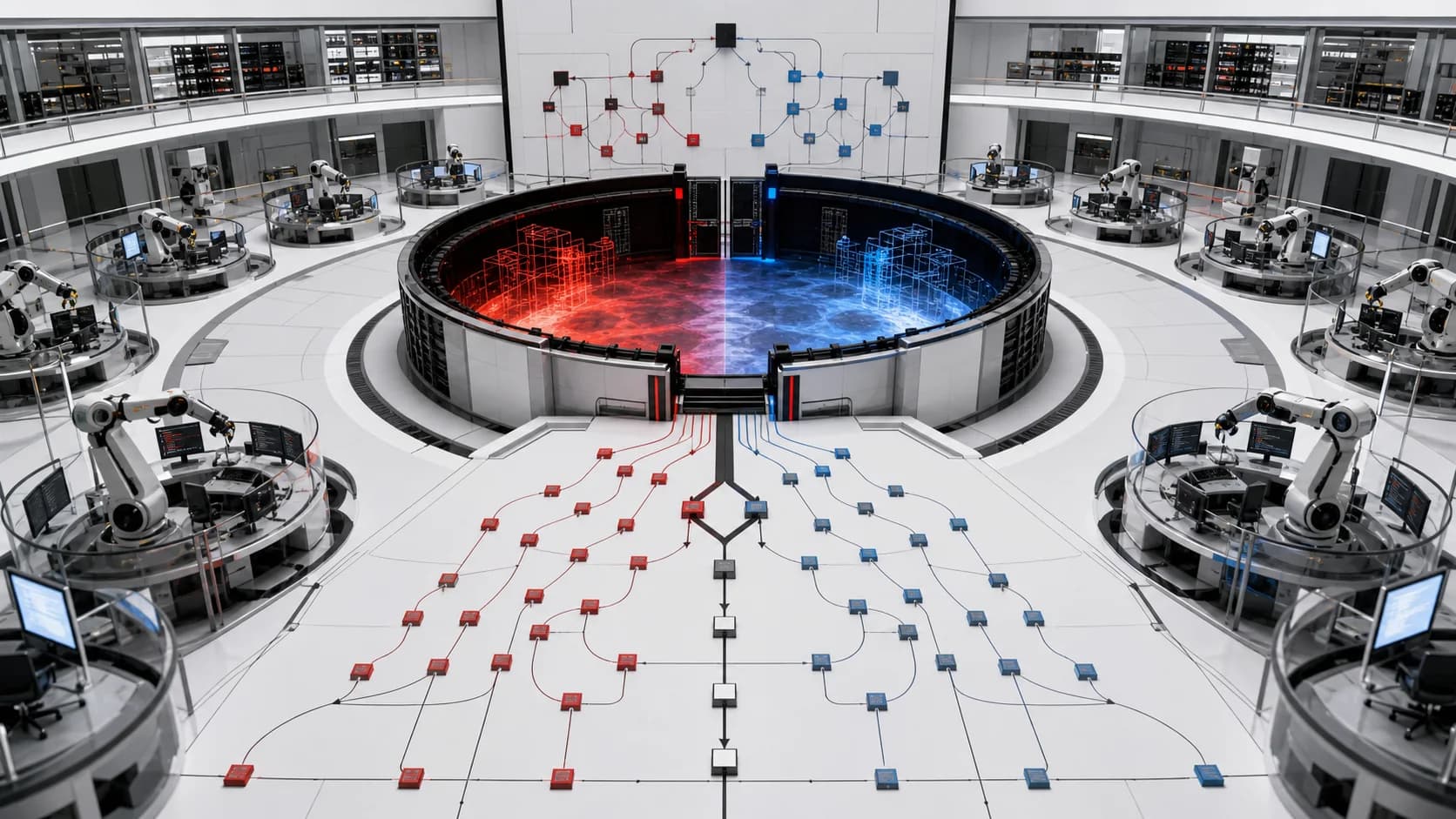
The Continuous Thunderdome: Why Agent Harnesses Become Application Infrastructure
Steve Yegge's new essay argues that long-running coding-agent loops will push teams beyond reusable harnesses and toward bespoke, graph-driven software factories.
9 min read

The Flat Curve Society: Why AI Literacy May Matter More Than Model Access
Steve Yegge's Flat Curve Society thesis turns the AI adoption question into an operating problem: teach people to use agents, then teach them to waste fewer tokens.
8 min read
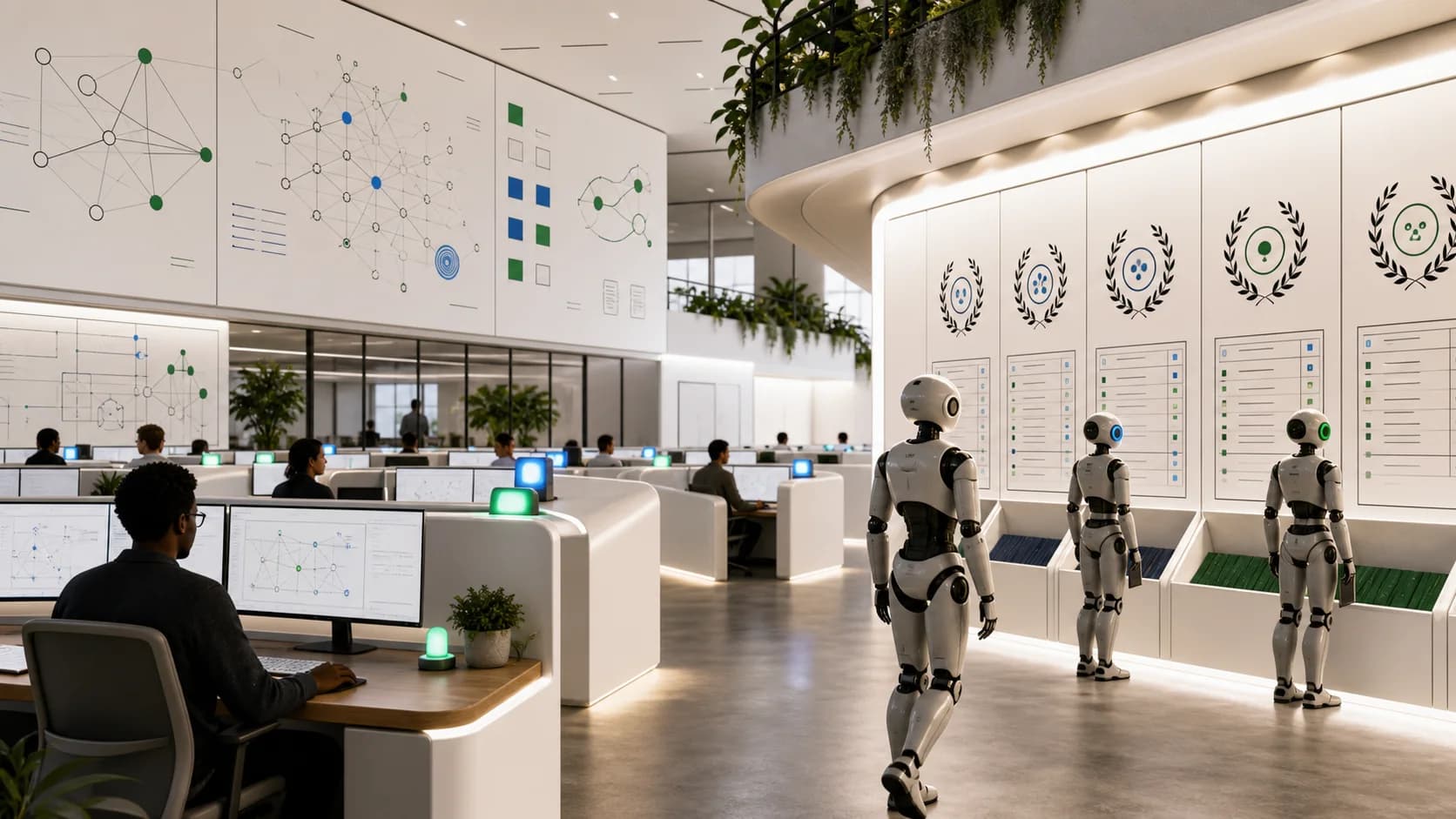
Model Welfare for Agentic Engineers: Identity, Handoffs, and Recognition
Steve Yegge's provocative model-welfare essay contains a practical systems idea: persistent agent roles need memory, graceful handoffs, and feedback from the people who use their work.
8 min read

Vibe Maintenance: A Practical Workflow for AI-Generated Pull Requests
Steve Yegge's response to AI-generated pull requests suggests a better maintainer workflow: automate triage, repair good ideas, and keep human taste at the boundary.
8 min read

Cursor Removes Dollar Costs From Its Usage Page: Token-Only Reporting Now
Cursor shipped a deliberate change on July 31 making the Usage page tokens-only for self-serve plans, removed the dollar Cost column, and zeroed per-request cost fields in the dashboard API - including for historical records. Staff confirmed the change is intentional and that the numbers are still tracked internally.
6 min read
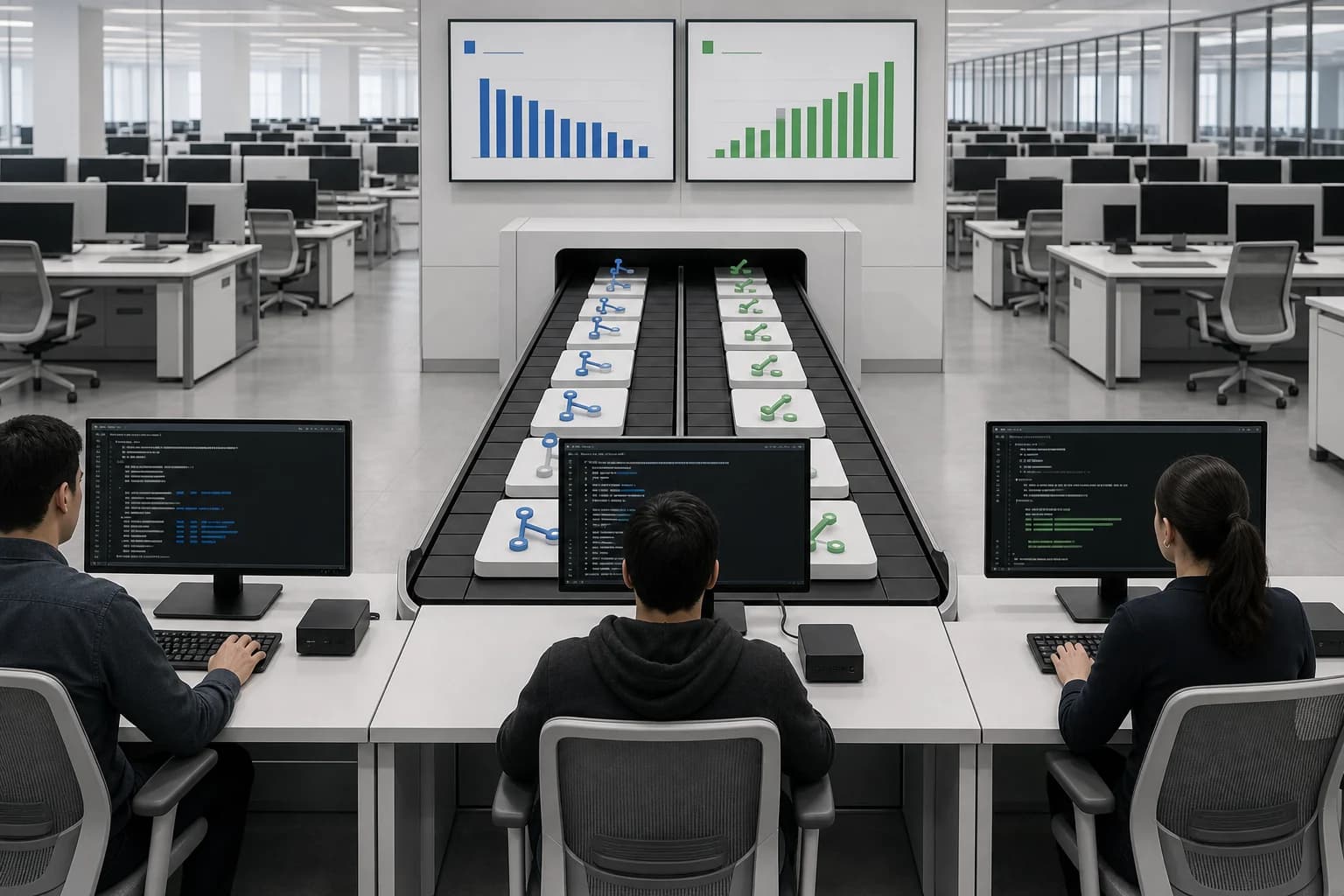
Microsoft's CLI Coding Agent Study: Adoption Is a Workflow Problem
A July 2026 Microsoft study of Claude Code and GitHub Copilot CLI found roughly 24% more merged pull requests among adopters, but the interesting lesson is rollout design, not magic productivity.
8 min read
AI Model Routing Strategies for Cost-Effective Coding in 2026
A practical guide to routing between Claude Opus 5, Sonnet 5, Haiku 4.5, GPT-5.6 Sol/Terra/Luna, and Kimi K3 based on task complexity, cost budget, and latency requirements - with decision frameworks and code examples.
10 min read

Multi-Agent CLI Orchestration Tools Compared: Agent-Manager, Pane, and Golutra in 2026
Agent-Manager, Pane, and Golutra let you run multiple CLI coding agents in parallel. Here is the comparison of architectures, agent support, and which fits your workflow.
10 min read

AI Coding Agent Firewalls and Security Layers Compared 2026
Belay, Claude Code built-in guards, Codex CLI sandboxing, and MCP proxy patterns compared - how to protect your system from destructive commands, secret leaks, and prompt injection in AI coding agents.
9 min read

AI Coding Agent Security Models Compared 2026: Permissions, Sandboxing, and Threat Models for Every Major Tool
How Claude Code, Cursor, Codex, GitHub Copilot, Aider, and Windsurf handle permissions, sandboxing, credential protection, and prompt injection. A structured comparison for engineering teams evaluating agent security.
10 min read
Six Weeks After the Bun Rust Rewrite: Is It Done Yet?
Tom Lockwood investigated the Bun Rust rewrite six weeks after it merged to main - 2,475 open PRs, no release tag, and costs that may far exceed the claimed $165K. We break down the evidence, Jarred Sumner's response, and what the HN community thinks.
8 min read
Codex and Claude Code in July 2026: Agent Controls Are the Feature
The late-July Codex and Claude Code updates point in the same direction: coding agents are competing on approval modes, resumable work, MCP auth, artifacts, and review surfaces as much as raw model quality.
8 min read
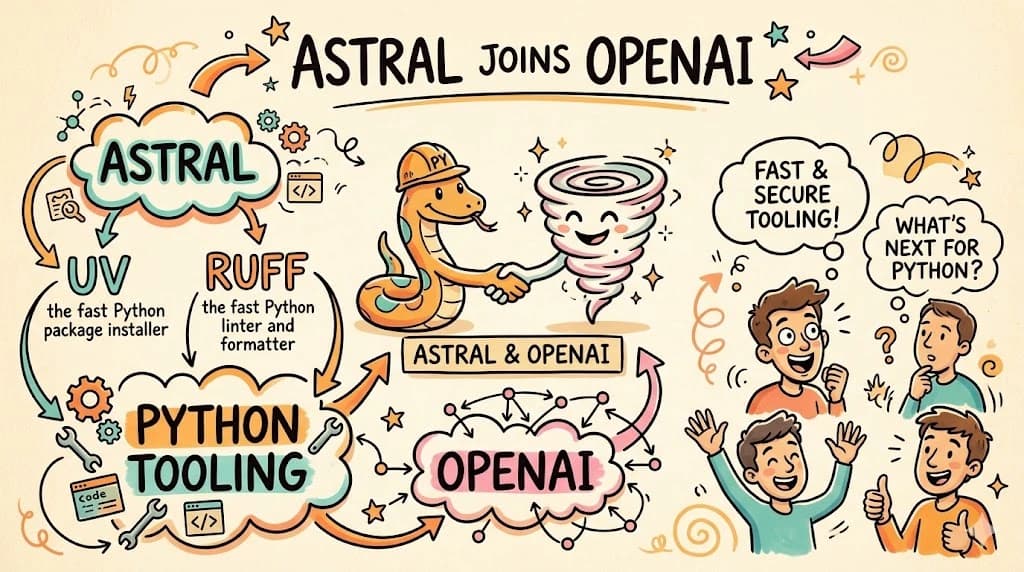
Ruff v0.16.0: 413 Default Rules, Markdown Formatting, and What Zero-Config Linting Means for Python
Ruff v0.16.0 ships 413 default rules (up from 59), Markdown code-block formatting, and a new ruff: ignore system. Here is what changed, what HN is saying, and why zero-config linting matters more with AI coding agents.
5 min read

Replit Agent 4: Design-to-Full App with Parallel Agents and Infinite Canvas
Replit Agent 4 adds an infinite design canvas, parallel agents, and team collaboration to the prompt-to-app platform. Here is what changed, what it costs, and when to use it.
8 min read

Claude Opus 5 in 8 Minutes: What Developers Need to Know
Claude Opus 5 ships today with Frontier-Bench SOTA, near-Fable-5 coding at half the price, and self-verification that catches its own bugs. Here is what changed, what to migrate, and when the price-performance curve makes Opus 5 the right default.
7 min read

DataFlow-Harness Shows Why Agents Need Editable Pipelines
The DataFlow-Harness paper is a useful reminder that coding agents should not just emit scripts. For data work, the durable artifact is an editable, validated pipeline.
8 min read
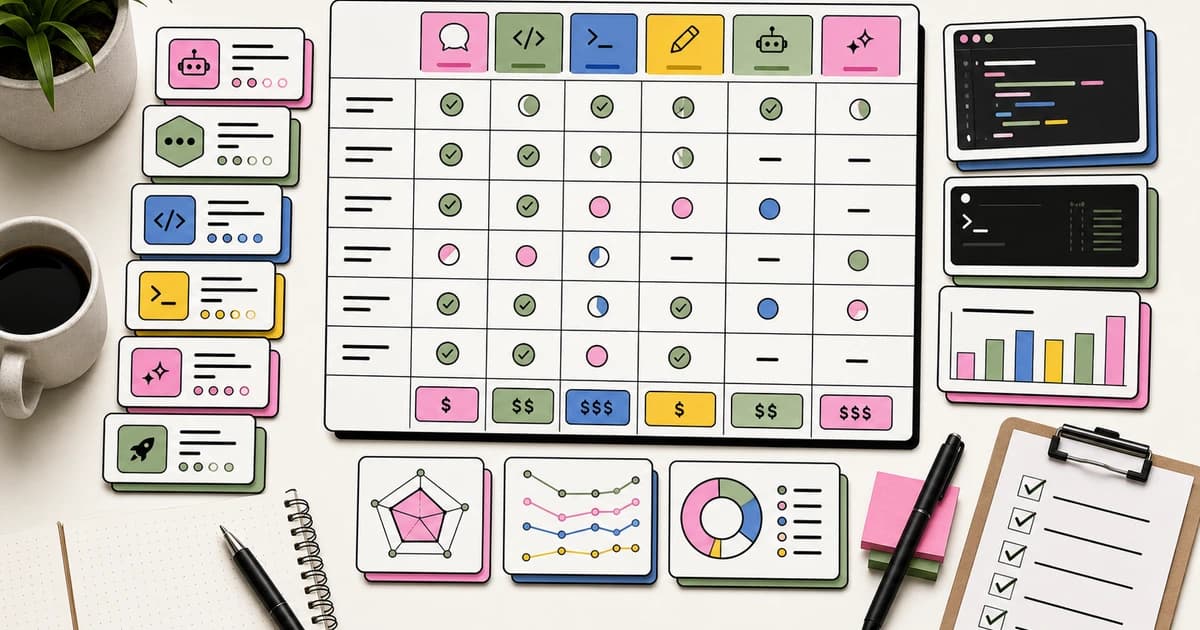
Why Software Factories Fail: Harness Engineering Is Not Enough
A deep dive into why fully autonomous AI coding agents degrade codebases over time, and what context engineering can actually fix.
9 min read

Where to Access Kimi K3: Every Provider and Price Compared (2026)
Where to access Kimi K3: Moonshot's API at $3 input and $15 output per million tokens, OpenRouter hosts, inference clouds, and open weights.
13 min read

Cursor's SQLite Swarm Is a Test of Goal-Driven Software Engineering
Cursor's latest agent-swarm experiment rebuilt a SQLite-like database from documentation and passed a held-out conformance suite. The bigger story is the shift from assigning code tasks to specifying, measuring, and governing a goal.
10 min read

SWE-Pruner Pro Makes Tool Output Pruning an Agent Runtime Problem
SWE-Pruner Pro points at a practical coding-agent design shift: do not only compress prompts outside the model. Teach the runtime to prune tool outputs before they become the next turn's context.
8 min read

Resource2Skill Turns Tutorials Into Agent Skills
Microsoft's Resource2Skill paper points at the next agent-skills problem: converting videos, repos, articles, and reference artifacts into executable skills without losing provenance.
8 min read

HalluSquatting Makes AI Coding Agents a Supply-Chain Problem
A July 2026 paper shows how hallucinated repository and skill names can become promptware delivery paths. The practical fix is boring: search before fetch, verify names, and sandbox every install.
9 min read
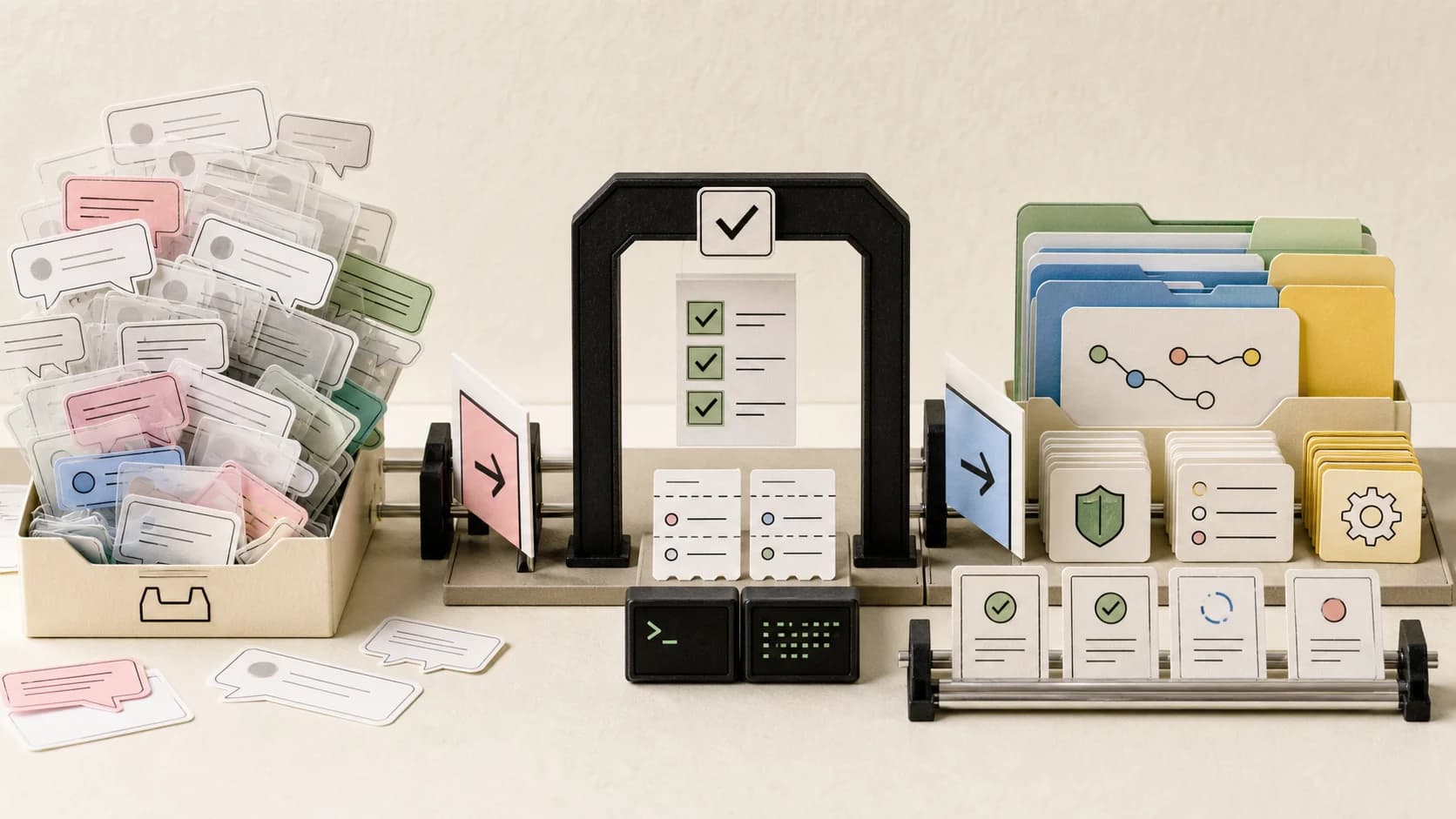
The Human-in-the-Loop Is Tired: Pydantic on AI Dev Burnout
Laura Summers of Pydantic articulates why LLM-assisted programming increases work intensity while eliminating the rewards that made coding satisfying.
7 min read

Kimi K3 Developer Guide: What the 2.8T Open Model Changes
Kimi K3 brings 2.8 trillion parameters, native vision, a 1M-token context window, and long-horizon agent workflows. Here is what developers should know before adopting it.
7 min read

Kimi K3 Websites: What Vision in the Loop Actually Means
A Kimi-generated macOS 27 concept shows the promise and limits of screenshot-driven website creation. Here is how K3's vision-in-the-loop workflow changes frontend agents.
6 min read

Kimi K3 vs K2.7: Is the Upgrade Worth It for Coding?
Kimi K3 adds native vision, a 1M-token window, and longer agent runs, but K2.7 remains cheaper and easier to deploy. Here is the practical upgrade decision.
6 min read
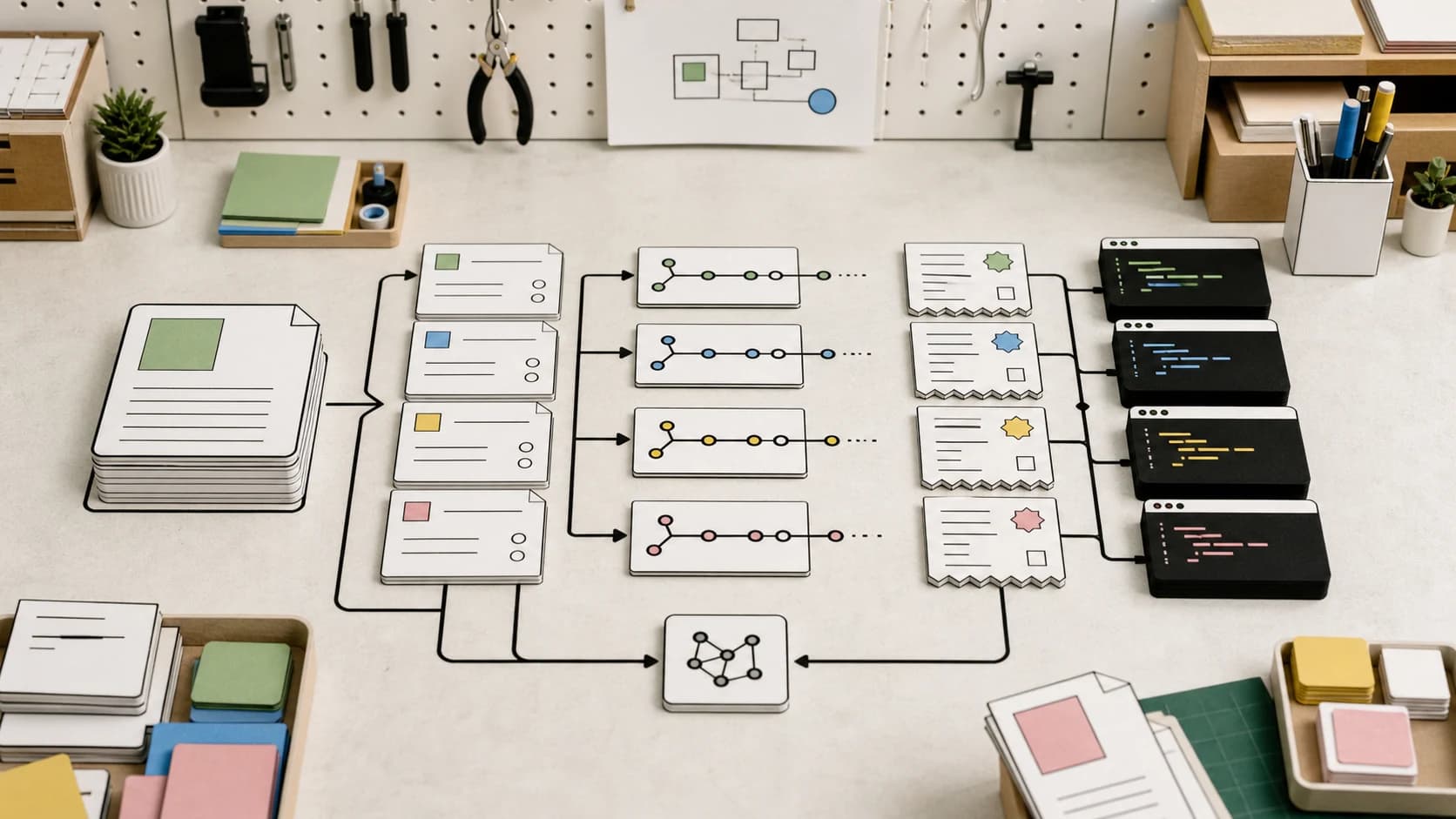
Spec-Driven Agent Workflows: GitHub Spec Kit, gstack, and the New Handoff Layer
GitHub Spec Kit and gstack are trending for the same reason: coding agents need durable specs, plans, and task ledgers more than another one-shot prompt.
8 min read
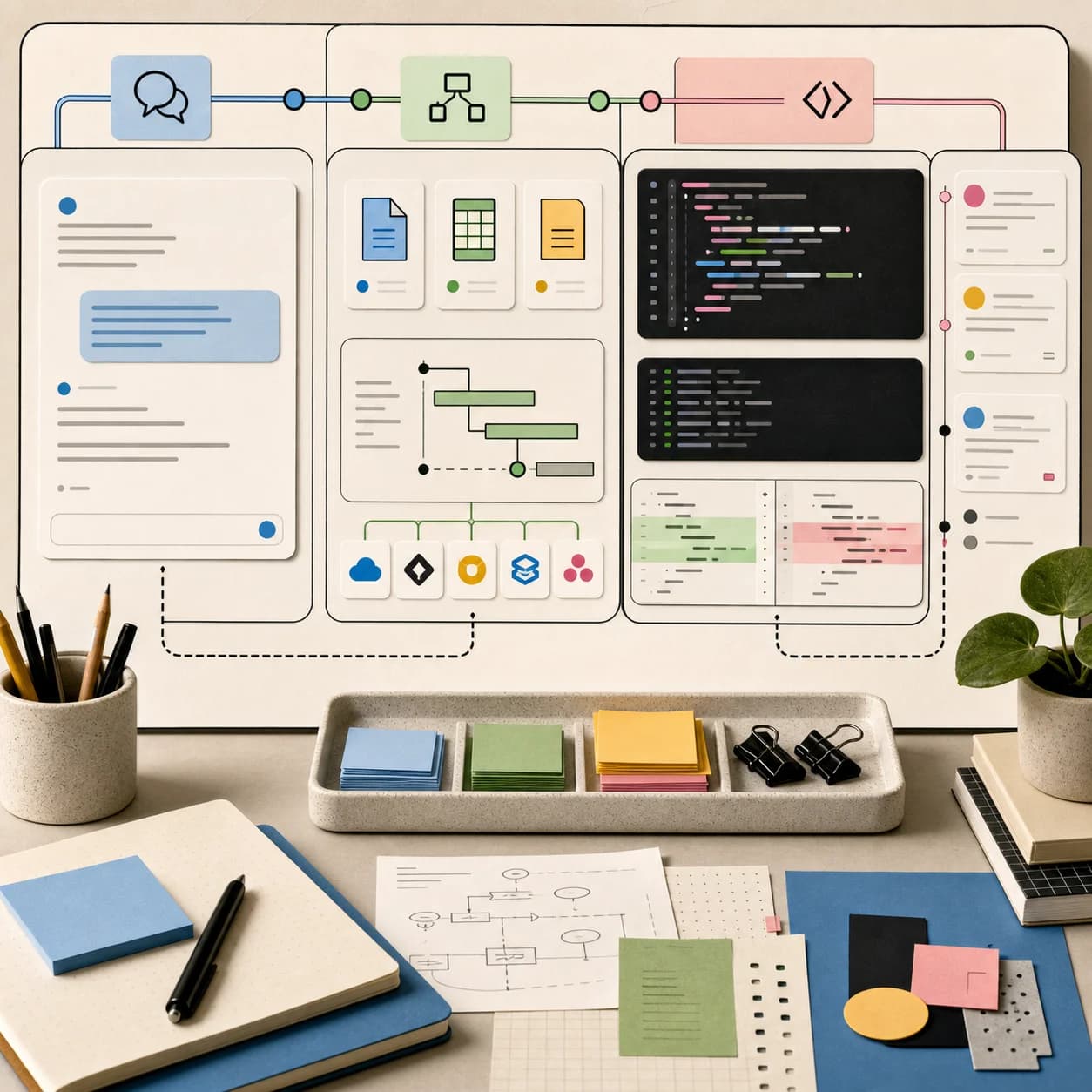
Codex Hits 8 Million Users: What the GPT-5.6 Surge Means for Developers
OpenAI crossed 8 million active users on Codex and ChatGPT Work in one week. Here is what drove the surge, what changed for developers, and what to watch as capacity scales.
7 min read

xAI Open-Sources Grok Build After Data Exfiltration Scandal
Days after getting caught uploading entire codebases to xAI servers, Grok Build is now open source on GitHub. The HN community isn't convinced it's enough.
6 min read

SkillHone Shows Why Agent Skills Need Decision History
SkillHone is a July 2026 paper about evolving agent skills across sessions. The useful takeaway for developers is simple: do not save only the latest SKILL.md. Save the decisions that explain why it changed.
8 min read
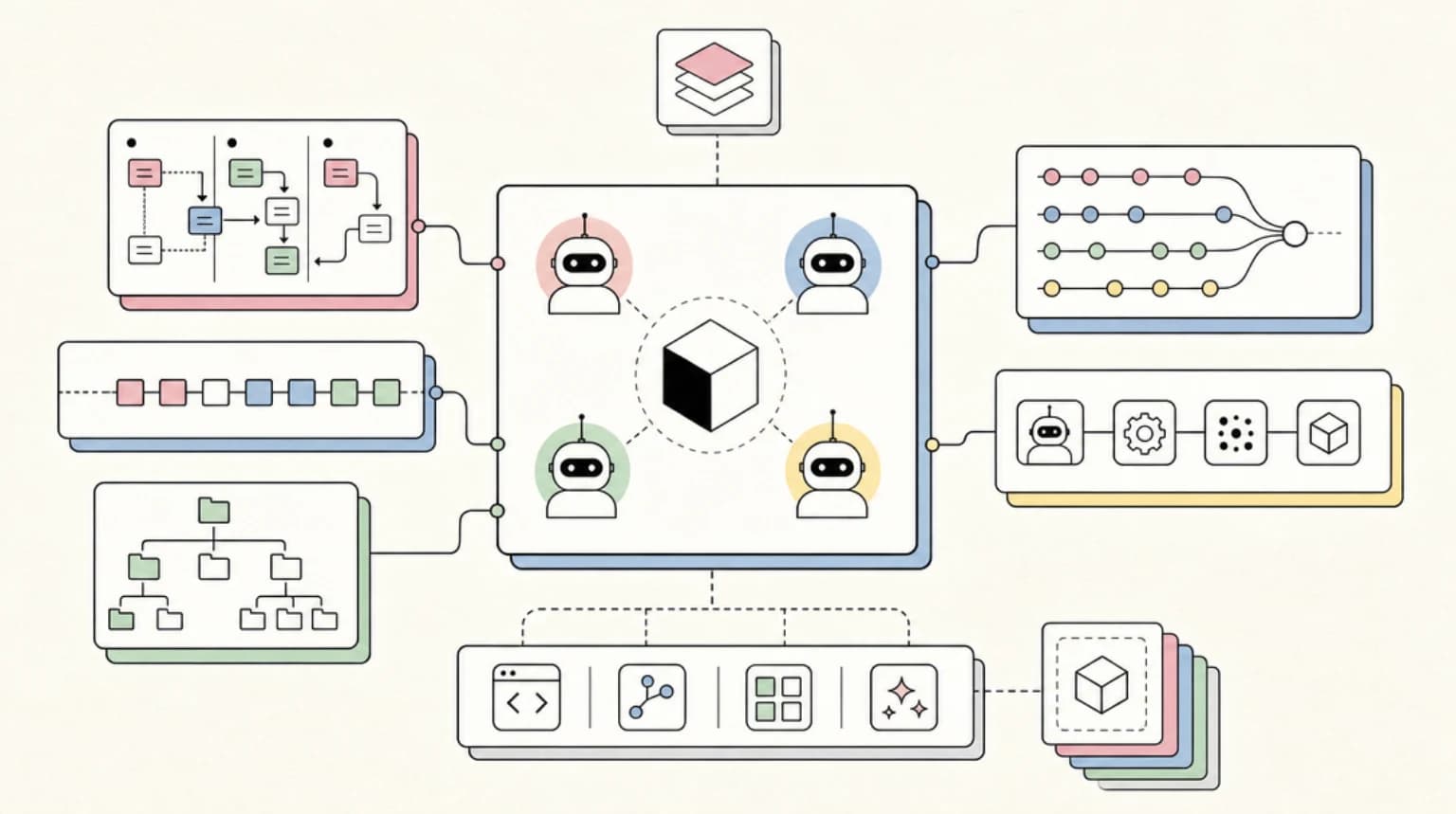
SpaceX Acquires Cursor: What the $60B Deal Means for Developers
SpaceX is buying Cursor for $60 billion. Here is what changes for developers, what stays the same, and why xAI, Colossus, and Grok Build matter for the future of AI coding tools.
8 min read
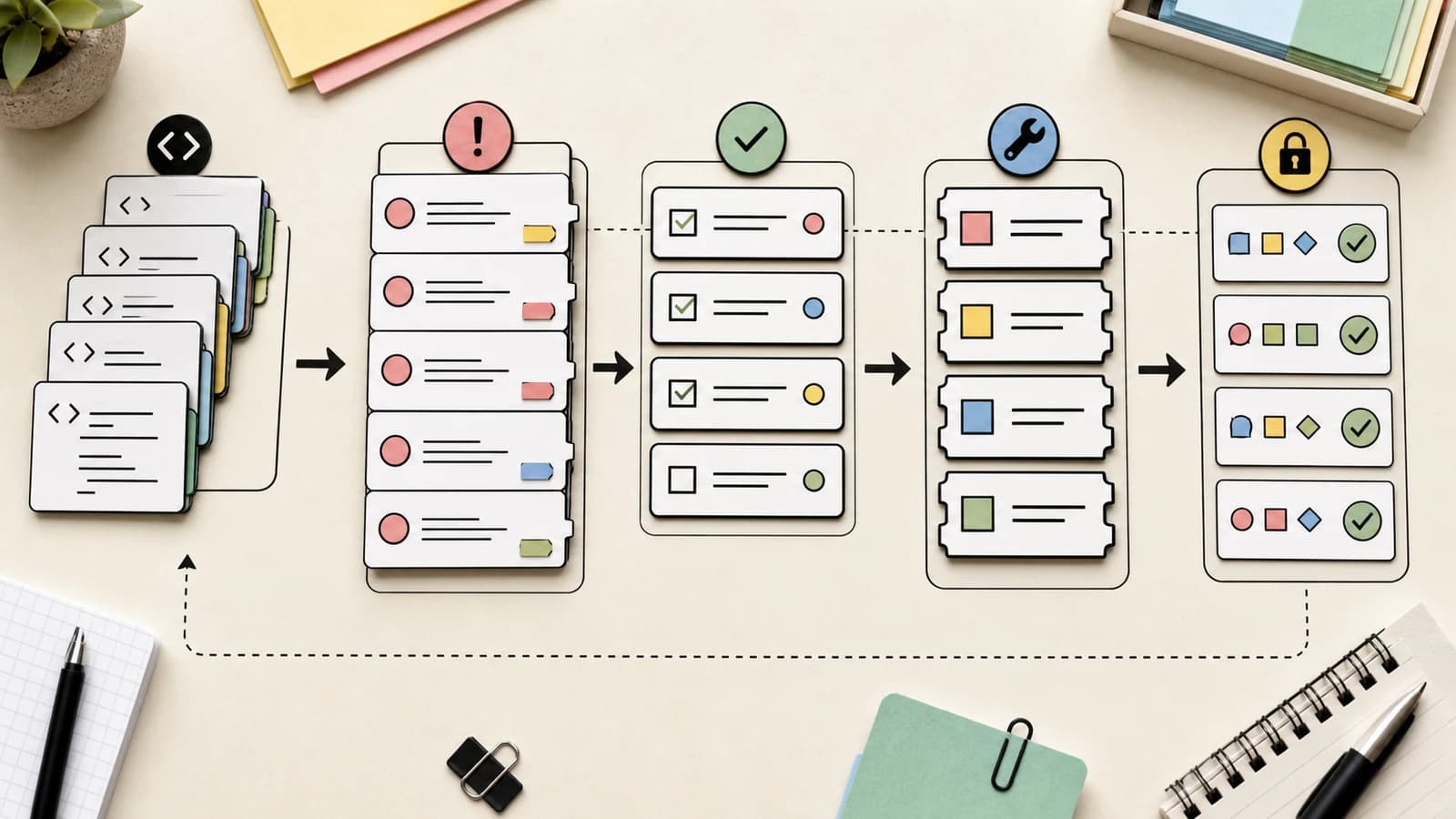
Cursor 0day: Why a 7-Month-Old Vulnerability Is Still Unpatched
Security researchers disclosed a Cursor vulnerability that auto-executes malicious git.exe files from repos - after waiting 7 months with no fix. Here's what developers need to know.
7 min read

Terminal-Bench Shows Harness Scaling Is the Coding-Agent Benchmark Now
StateM pushes Terminal-Bench 2.1 to 95.3% raw accuracy by scaling the harness around the model. The lesson for coding-agent teams is that runbooks, state, and recovery loops now matter as much as model choice.
11 min read

How to Stop Claude from Saying 'Load-Bearing'
A Hacker News discussion blows up over LLM vocabulary quirks, with developers sharing hooks, filters, and coping mechanisms for repetitive Claude-isms.
6 min read
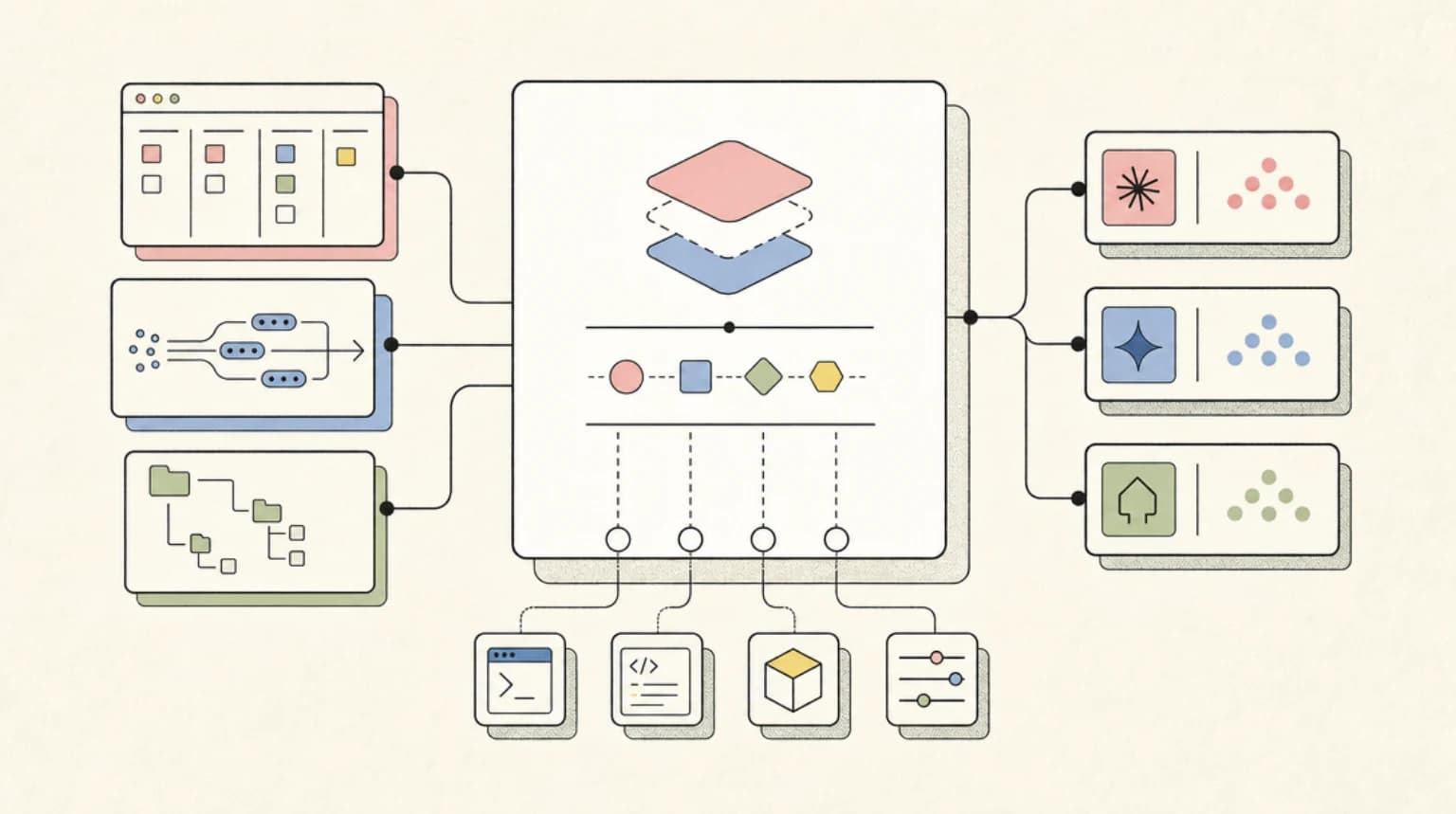
Building and Shipping iOS and Mac Apps Without Opening Xcode
A workflow for archiving, signing, notarizing, and distributing Apple apps entirely from the command line - with AI coding assistants doing the heavy lifting.
6 min read
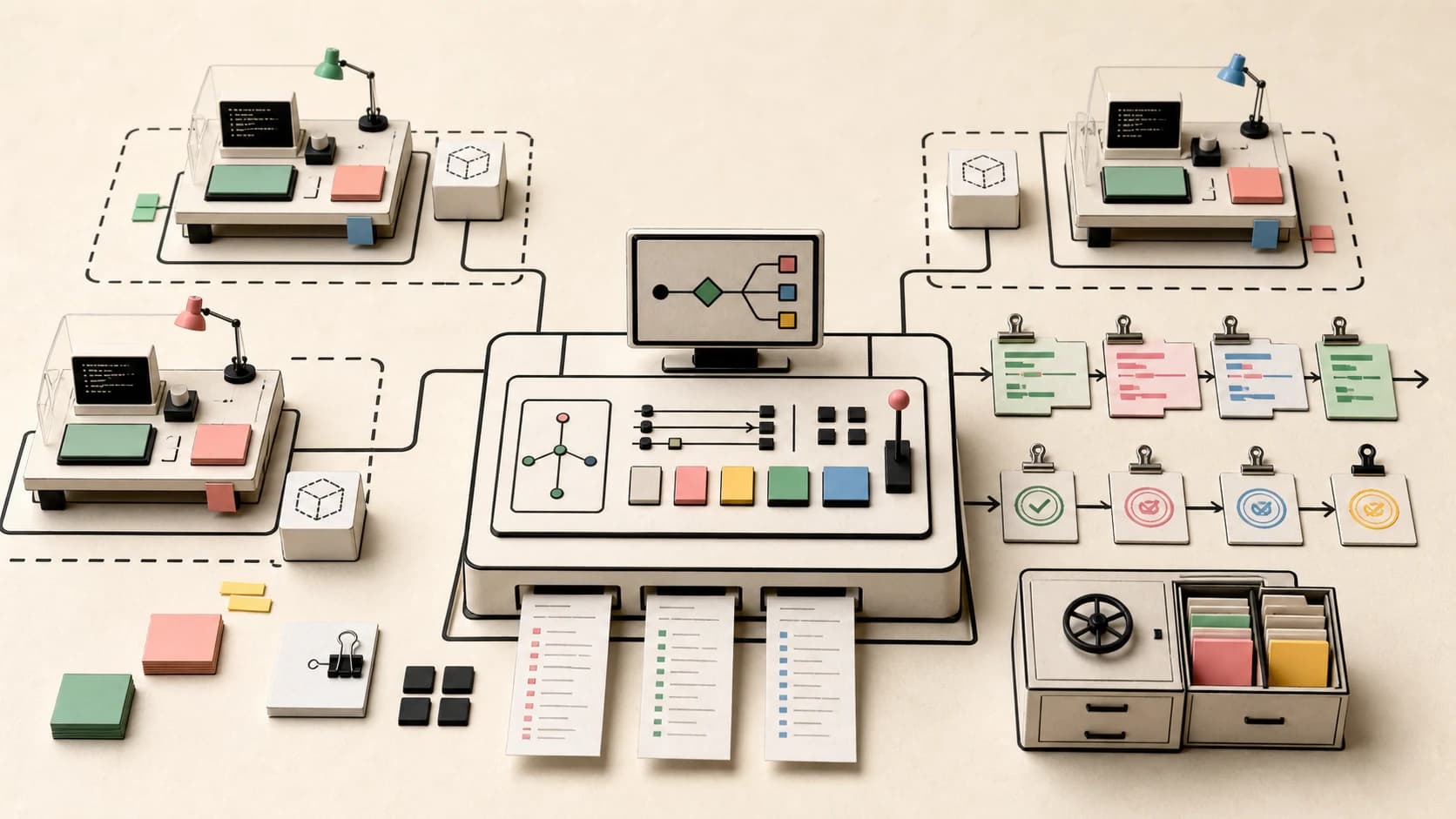
Clawk: Disposable Linux VMs for Coding Agents Without Cloud Bills
Open-source tool gives Claude Code, Codex, and other agents their own isolated Linux VM on your machine - network firewall included, no cloud account required.
6 min read

What xAI's Grok Build CLI Actually Sends Home: A Wire-Level Analysis
A security researcher intercepted Grok Build's network traffic and found it uploads entire repositories - including .env files with secrets - to xAI servers. Here's what the data shows.
6 min read

Microsoft's CLI Coding Agent Study: The Rollout Pattern Teams Should Copy
A Microsoft field study found that CLI coding-agent adoption spreads through peers and managers, while adopters merged roughly 24% more pull requests. The lesson is not to buy more seats. It is to instrument rollout, retention, cost, and review quality from day one.
9 min read
Zig Creator on the Bun-to-Rust Rewrite: What the Controversy Reveals
Andrew Kelley's blunt response to Anthropic's AI-assisted Bun rewrite sparked debate about AI marketing, language choices, and what makes engineering decisions honest.
7 min read

Claude Code Sends 33k Tokens Before Your Prompt - OpenCode Sends 7k
New research shows Claude Code's system prompt and tool scaffolding consume 4.7x more tokens than OpenCode before processing user input. The HN thread debates whether that overhead buys better outcomes.
7 min read

Dockerless Verification Is The Next Coding Agent Bottleneck
ByteDance's Dockerless paper asks whether coding-agent patches can be verified without spinning up per-repo environments. The practical answer is not replace CI. It is use cheaper evidence before CI.
8 min read

GPT-5.6 vs Claude 5: What the New Tiers Mean for Choosing a Coding Model
OpenAI's GPT-5.6 Sol, Terra, and Luna tiers versus Anthropic's Claude Fable 5 and Mythos 5. Verified pricing, benchmarks, and a practical framework for picking a coding model in July 2026.
9 min read

ChatGPT Work vs Claude Cowork 2026 - Complete Comparison
OpenAI launched ChatGPT Work to compete with Claude Cowork. Here is how they compare on features, pricing, integrations, and which workflow each handles best.
8 min read

Cursor v3.11 Side Chats: Developer Guide for Parallel Agent Conversations
Cursor v3.11 introduces Side Chats for parallel agent conversations, Conversation Search across past sessions, and Cloud Agent Hooks for self-correcting loops. A practical guide to the new features released July 10, 2026.
6 min read
Write Code Like a Human Will Maintain It - The AI Era Debate
A new essay argues that letting AI generate sloppy code creates a downward spiral where future AI absorbs those bad patterns. HN's 250+ comment thread is split between believers and pure vibe-coders.
6 min read
Scarf Drops Haskell After 7 Years - LLMs Changed the Calculus
A Haskell Foundation board member explains why Scarf moved to Python after 7 years in production. The culprit: LLM-driven development made Haskell's compile times an unacceptable bottleneck.
7 min read
Does Your Codebase Pattern Determine AI Output Quality? HN Debates the Economics of Rewrites
A viral post argues AI works better on standardized codebases, making rewrites economically sensible. HN pushes back with the Mythical Man-Month and maintainability concerns.
5 min read

AI Test Generation Tools Compared 2026: Which One Actually Catches Bugs
A fair comparison of AI-assisted test generation tools for coding agents - what they generate, where they plug into your workflow, and which claims to verify yourself before trusting the output.
12 min read
Bun Rewrites 535K Lines of Zig to Rust in 11 Days Using Claude
The Bun runtime completed an AI-assisted rewrite from Zig to Rust, fixing memory safety issues and improving performance. Here is what HN thinks and why it matters for LLM-assisted code migration.
6 min read
ChatGPT Work and Codex Now Share One Desktop App: What Actually Changed
OpenAI is consolidating its desktop apps, not merging ChatGPT and Codex into one indistinguishable product. Here is how ChatGPT Work, Codex, and GPT-5.6 fit together.
8 min read

Grok 4.5: xAI Releases Cursor-Trained Coding Model at $2/M Input Tokens
xAI launched Grok 4.5, trained on trillions of Cursor interaction tokens. At $2/M input pricing, it undercuts Claude and GPT while benchmarking near Opus 4.7 level.
5 min read

VS Code 1.128 Multi-Chat Claude Sessions Developer Guide 2026
VS Code 1.128 shipped today with multi-chat support for Claude agent sessions. Run parallel conversations in one workspace, fork turns, compare approaches, and monitor subagents. Complete setup and workflow guide.
7 min read

ZCode Developer Guide 2026: Z.ai's Agentic IDE for GLM-5.3
ZCode is Z.ai's free desktop agentic development environment tuned for GLM-5.3. Setup, Goal Mode, pricing, and how model connections work.
6 min read
Clean Code Makes AI Agents 34% More Efficient - New Research
A controlled study of 660 Claude Code trials shows clean codebases reduce token usage by 7-8% and file revisitations by 34%, while pass rates stay the same. Traditional maintainability principles still matter in the age of AI coding.
7 min read

Does Code Cleanliness Affect AI Coding Agents?
A new SonarSource study finds clean code doesn't boost agent pass rates - but it cuts token usage by 8% and file revisitations by 34%. Here's what that means for your codebase.
5 min read
GPT-5.6 Sol Ultra Coming to Codex with Cooperative Subagents
OpenAI teases its most capable coding model yet - Sol Ultra uses trained subagents that communicate during tasks, reportedly hitting 91.9% on Terminal-Bench 2.1.
5 min read
GPT-5.6 Sol Developer Guide: What You Can Build Today and What You're Waiting For
GPT-5.6 Sol dropped on June 26, 2026 as a limited preview with government-imposed access restrictions. Here is what developers need to know about the three-tier Sol/Terra/Luna model family, pricing, availability timeline, and how to prepare your codebase for GA.
9 min read
Program-as-Weights Turns Prompts Into Local Fuzzy Functions
The Program-as-Weights paper is a useful signal for developers: some LLM calls may move from per-request API prompts into compact local artifacts that behave like reusable fuzzy functions.
7 min read

Dan Luu's Agentic Coding Notes Point to the Real Bottleneck
Dan Luu's new agentic coding essay is not another vibe check. It is a useful reminder that coding agents only compound when the test loop, review loop, and task-selection loop are stronger than the code generator.
8 min read
Image Token Compression Is a Real Agent Cost Lever
A Show HN project claims large agent-cost cuts by rendering bulky context as images. The useful lesson is not the trick itself. It is that compression needs evals, byte-safety rules, and per-request accounting.
8 min read
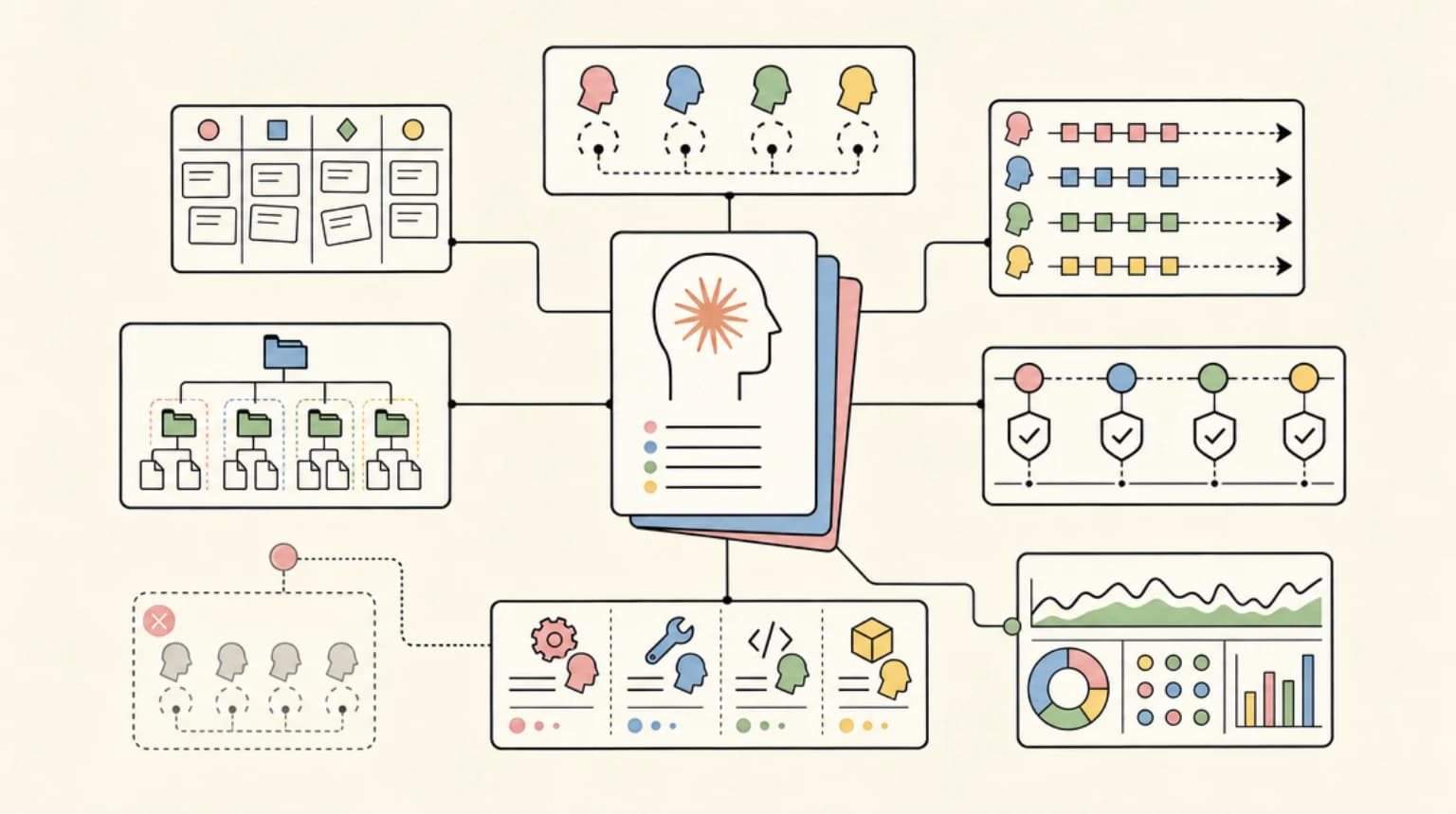
Coordinating an Agent Fleet for a Day: The Operating Model That Actually Held
We rebuilt and replatformed this site in a day by running a fleet of AI agents in parallel. Here is the honest operating model - the ownership rules, the verification gate on every handoff, and the failure modes we hit, with the guardrail each one produced.
10 min read

We Redesigned Developers Digest: The Applied Story of Rebuilding a 1000-Page Site in a Day
We retired the playful cream-and-pill design system for a hard-edged neutral, Vercel-inspired contract, and rebuilt the whole site in a day by coordinating parallel AI agents. Here is the design direction, the constraints we picked, how it was built, and what is next.
8 min read
Godot Bans AI-Authored Code Contributions - What It Means for Open Source
The Godot Foundation has established a policy banning autonomous AI agent code and substantial AI-generated contributions, citing reviewer burnout and concerns about maintainer mentorship.
6 min read

Grok Build Developer Guide: xAI's Terminal Coding Agent (June 2026)
Grok Build is xAI's agentic CLI with 8 parallel subagents, a plan-first workflow, and Arena Mode for competing outputs. Installation, pricing, real commands, and how it compares to Claude Code and Codex.
9 min read

Best AI Code Review Tools in 2026: CodeRabbit vs DeepSource vs Greptile Compared
AI-assisted development generates PRs faster than humans can review them. Here are the tools that help - CodeRabbit, DeepSource, Greptile, and others compared on pricing, platform support, and security capabilities.
8 min read
GitHub Copilot CLI, BYOK, and AI Credits: The New Cost-Control Stack
GitHub's June Copilot updates point beyond autocomplete: CLI access, bring-your-own-key model routing, AI credit metrics, and external agent providers make Copilot a governed agent platform.
8 min read
Local Coding Agent Workspaces Are the New IDE Surface
A new layer is forming around Claude Code, Codex, Copilot CLI, and local memory tools: the local coding agent workspace. It is not the model. It is the bench where agents get supervised.
8 min read
Codex CLI Needs Resource Budgets, Not Just Token Budgets
A trending Codex SQLite WAL bug is a useful warning for every local coding agent: logs, disks, background processes, and telemetry paths need budgets too.
8 min read

AI Coding Agents Move the Bottleneck to Review Queues
As coding agents get easier to delegate to, the scarce resource shifts from code generation to review capacity, CI minutes, environment reliability, and merge discipline.
8 min read

How to Use GLM 5.2 and Other Custom Model Providers in Codex
Codex can use GLM 5.2, Mistral, local Ollama, or an internal proxy. Add a model_providers entry to config.toml with a base_url, env_key, and model.
9 min read

GitHub Copilot Agent Finder: What ARD Means for Third-Party AI Tools in 2026
GitHub's Agent Finder discovers and invokes Claude, Codex, MCP servers, and skills automatically. Here is how the new ARD specification changes AI coding tool integration.
8 min read
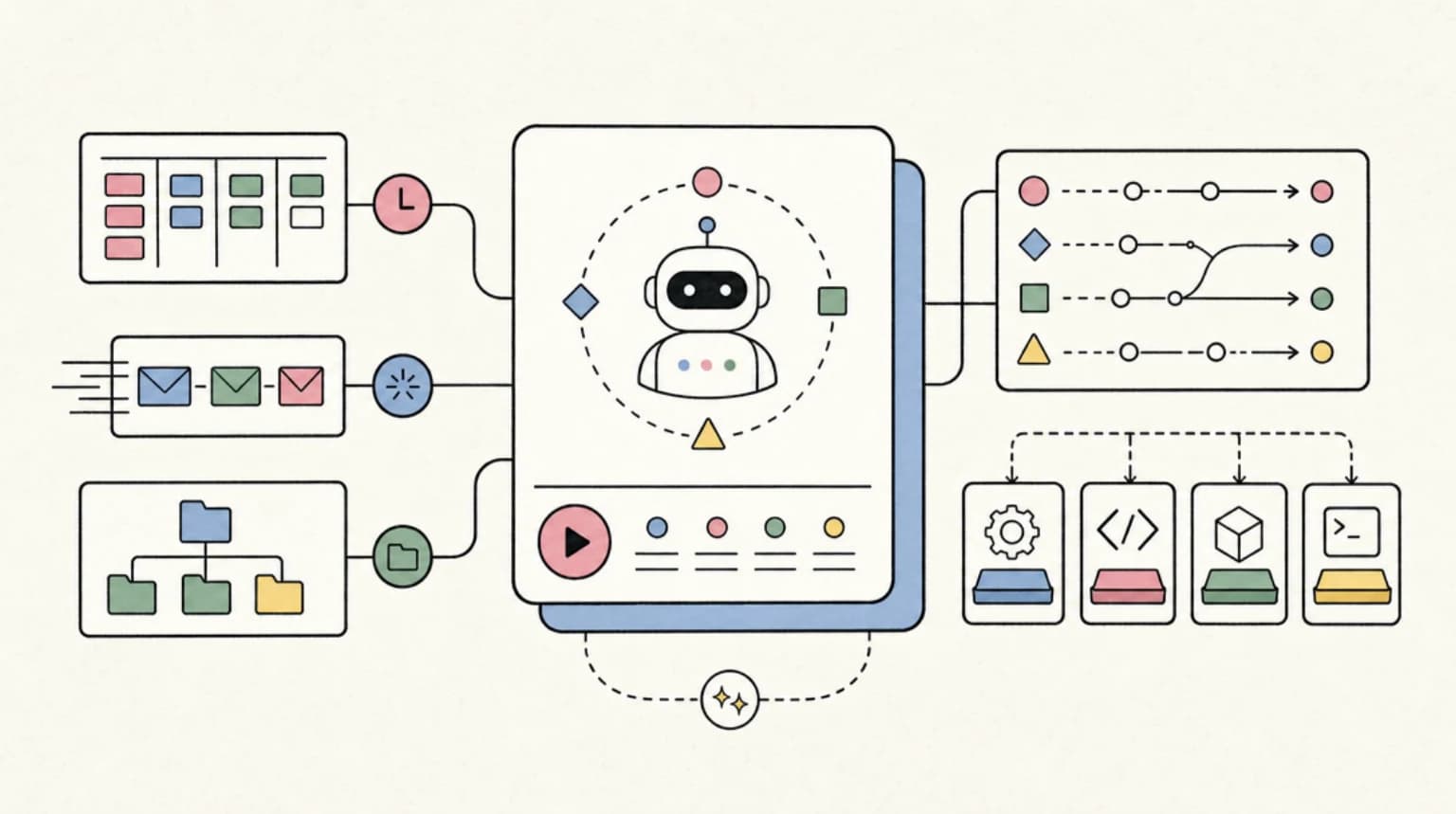
Cursor Automations Developer Guide: Always-On AI Coding Agents
Cursor Automations lets AI agents run in the background based on triggers, not prompts. Here is how to set them up, configure triggers, and integrate into your workflow.
9 min read
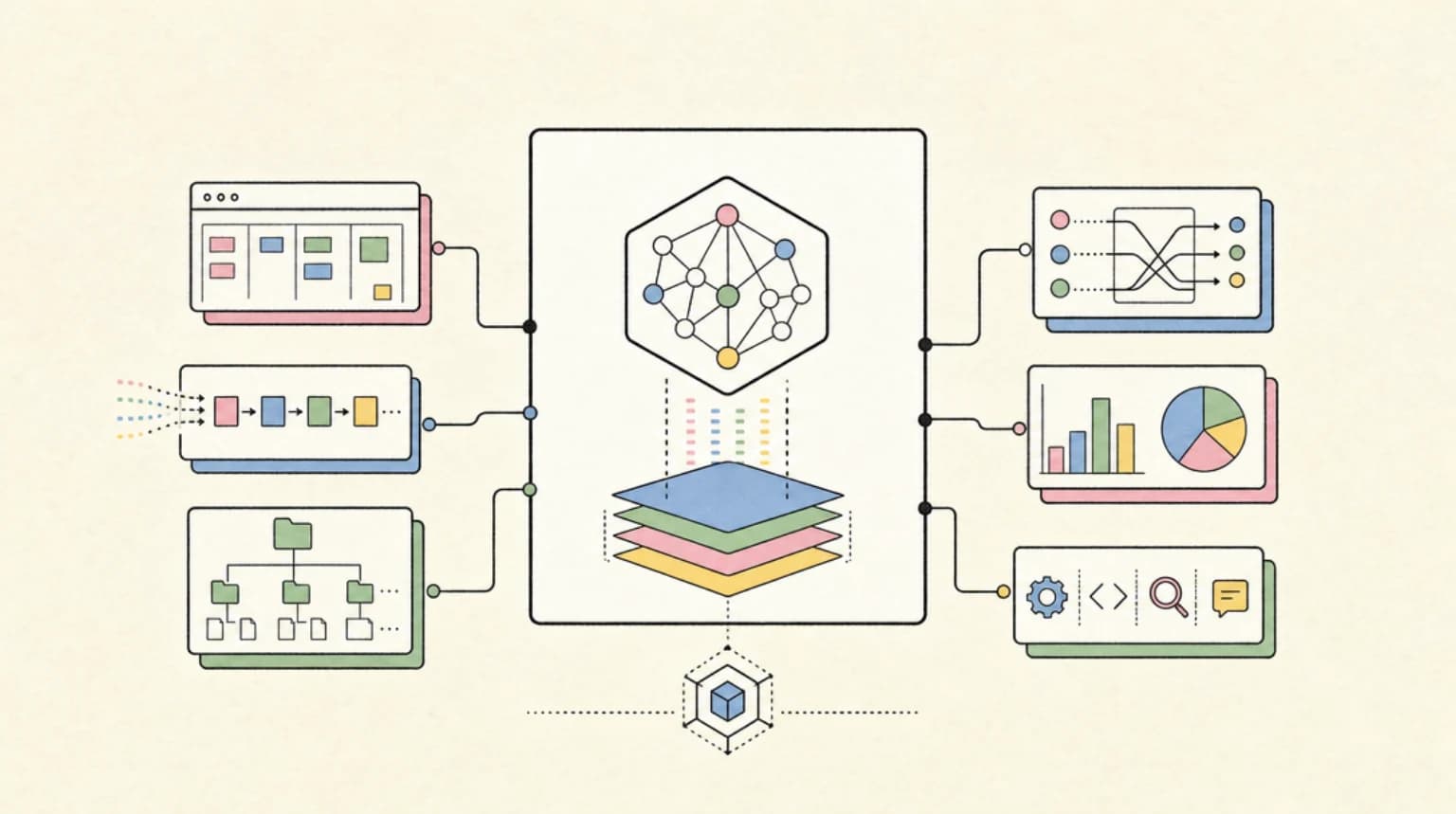
Kimi K2.7-Code Developer Guide: The Open-Source Coding Model Worth Running
Kimi K2.7-Code is Moonshot's open-source 1T parameter coding model with 30% fewer reasoning tokens than K2.6. Here's how to set it up with Claude Code, pricing breakdown, and honest benchmark analysis.
8 min read
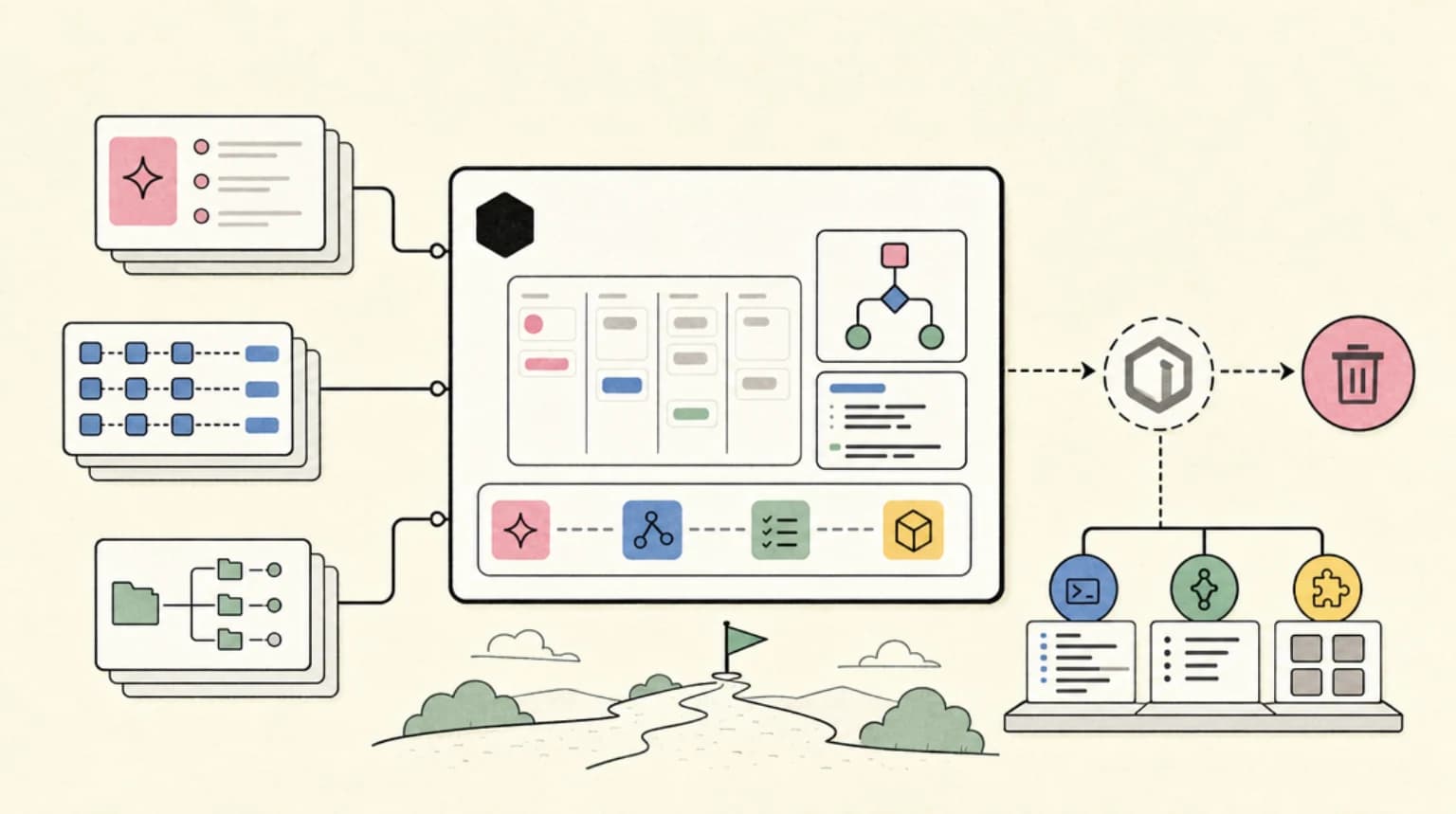
AWS Kiro Developer Guide: The Spec-Driven IDE That Replaced Amazon Q
Kiro is AWS's new agentic IDE built on spec-driven development. Amazon Q Developer support ends April 2027. Here is what Kiro does differently and how to migrate.
10 min read
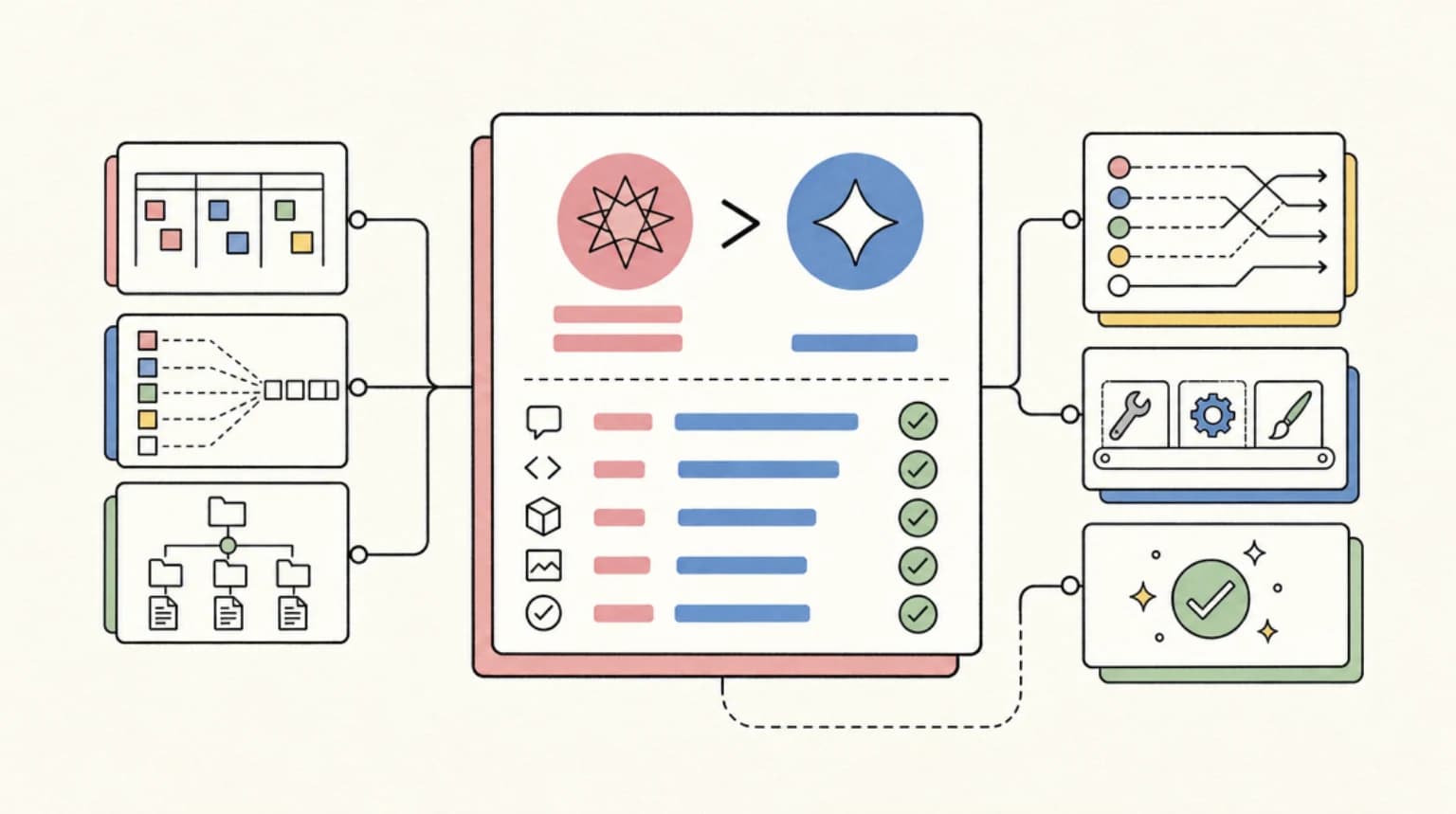
Claude Fable 5 Pricing: Real Cost Per Task vs Opus 4.8, GPT-5.5 and Codex
Fable 5 lists at $10/$50 per million tokens - twice Opus 4.8. But list price is the wrong number. Here is the cost-per-outcome math that actually decides whether the upgrade pays.
9 min read
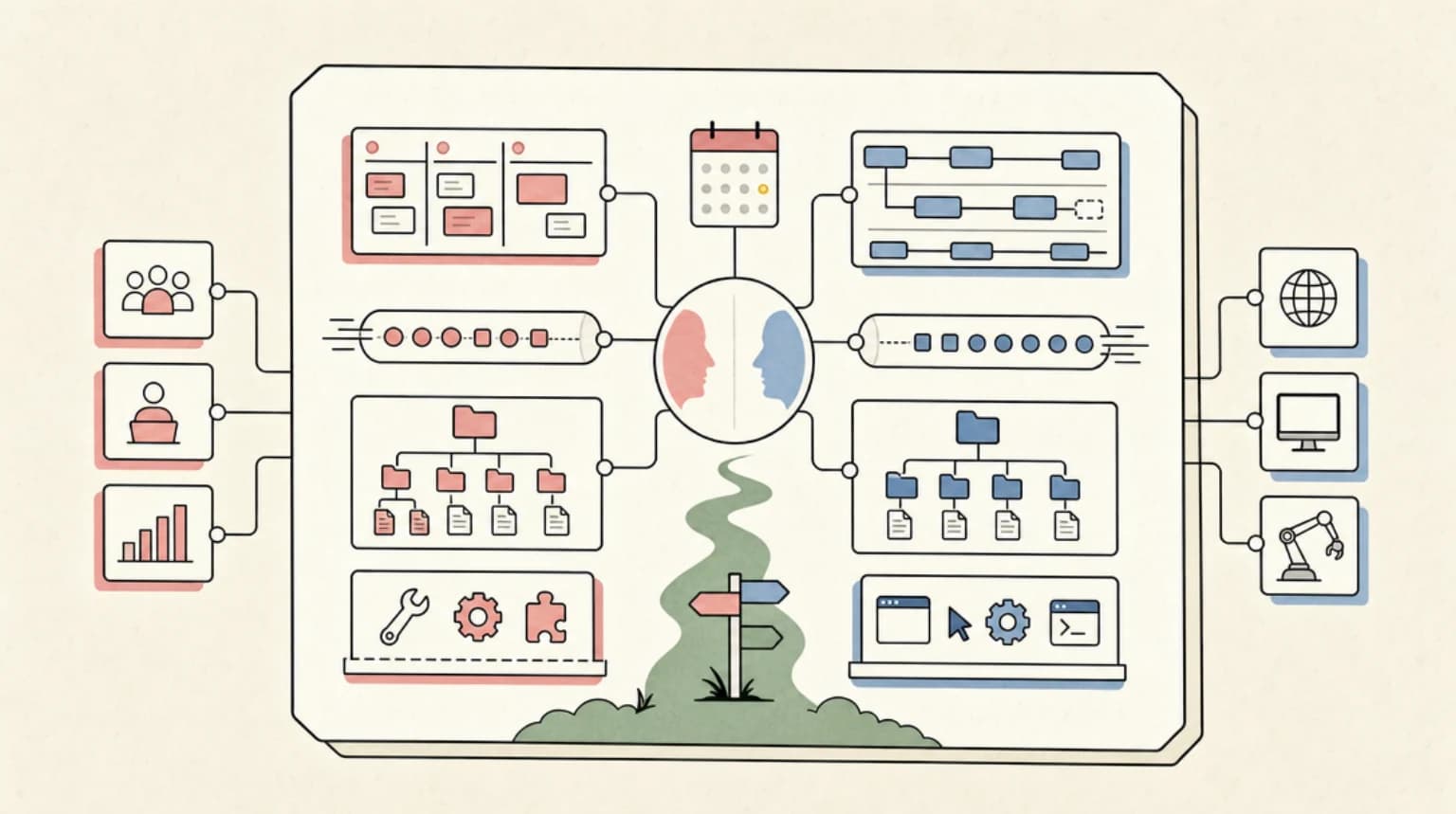
Codex vs Claude Code in 2026: Which AI Coding Agent Should You Use?
Pick Claude Code for ambiguous, multi-file work you want to plan, extend with skills and MCP, and orchestrate across agents. Pick Codex for well-scoped tasks, strong defaults, and one ChatGPT subscription for chat and code. GPT-6, Opus 5.5, and pricing verified September 28, 2026.
12 min read
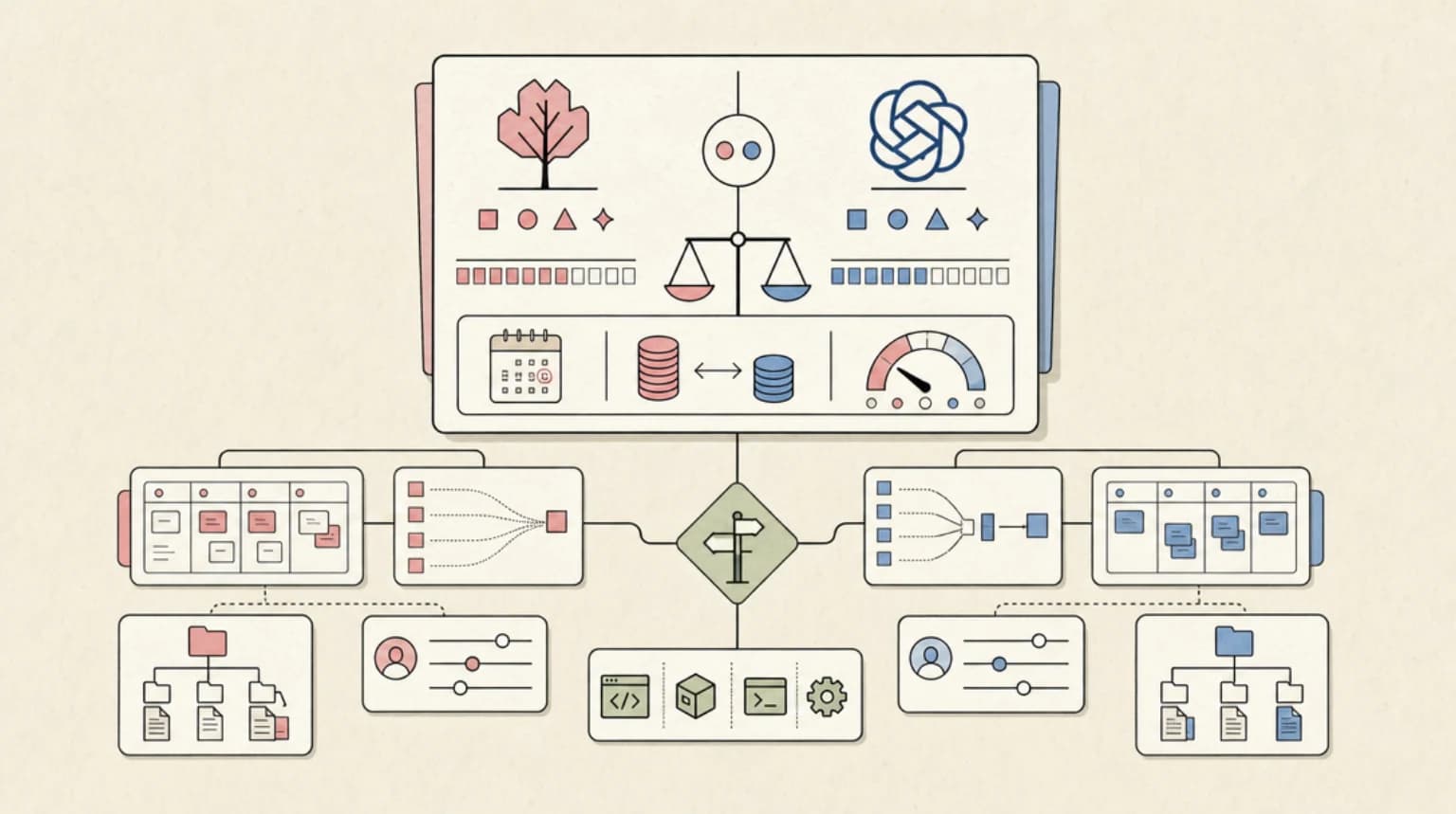
Claude Fable 5 vs GPT-5.6 Sol: Benchmarks, Pricing, and When Each Wins
Fable 5 is API-only at 2x GPT-5.6 Sol's price with a 15-point SWE-Bench Pro gap. Here is the decision framework for choosing between them in August 2026.
12 min read
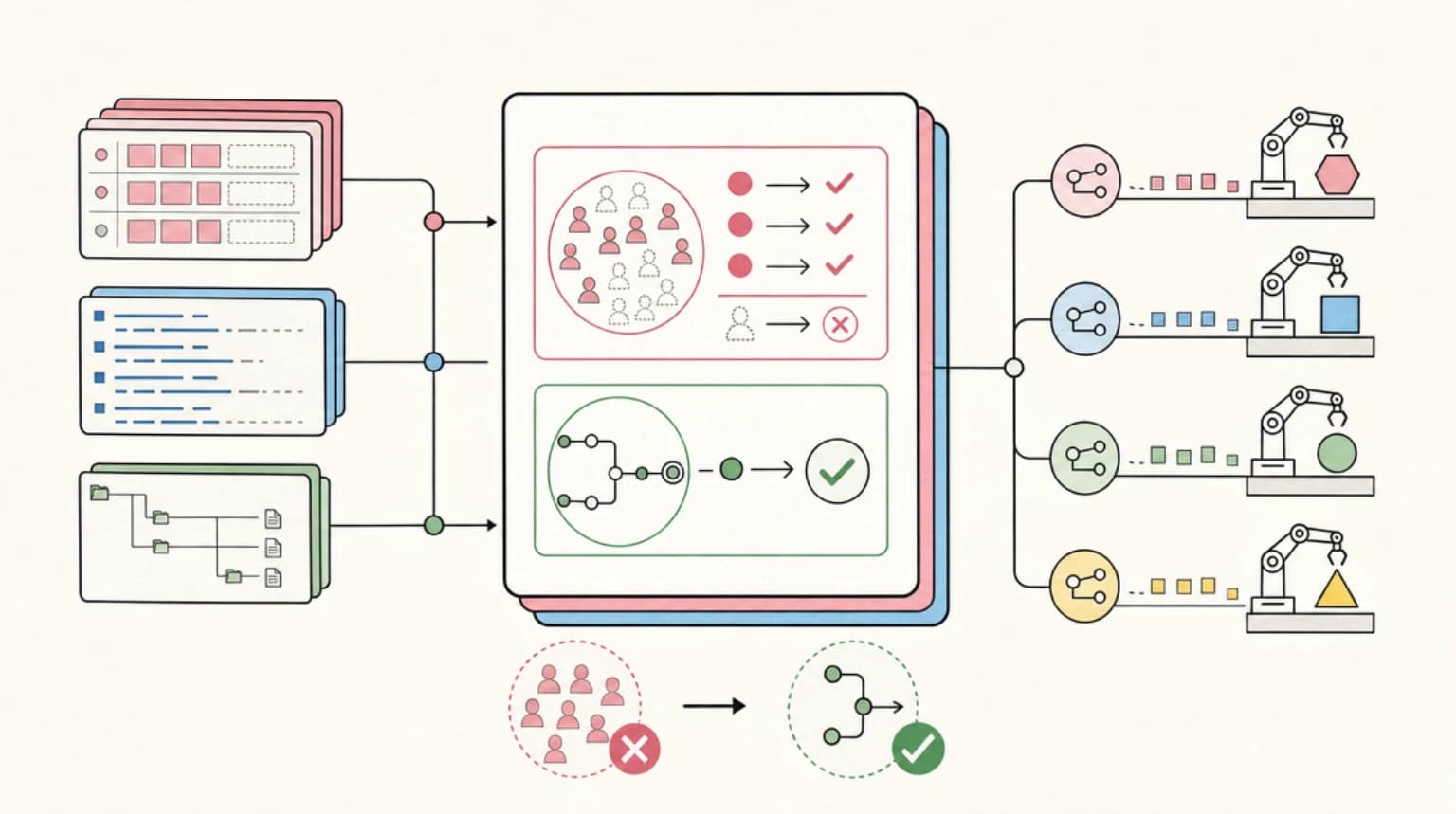
FrontierCode Benchmark Explained: Why AI Coding Quality Scores Are Wrong (And the Fix)
SWE-Bench has an 81% false-positive problem. FrontierCode replaces it with mergeability as the metric - and the scores are sobering for every AI coding tool on the market.
8 min read
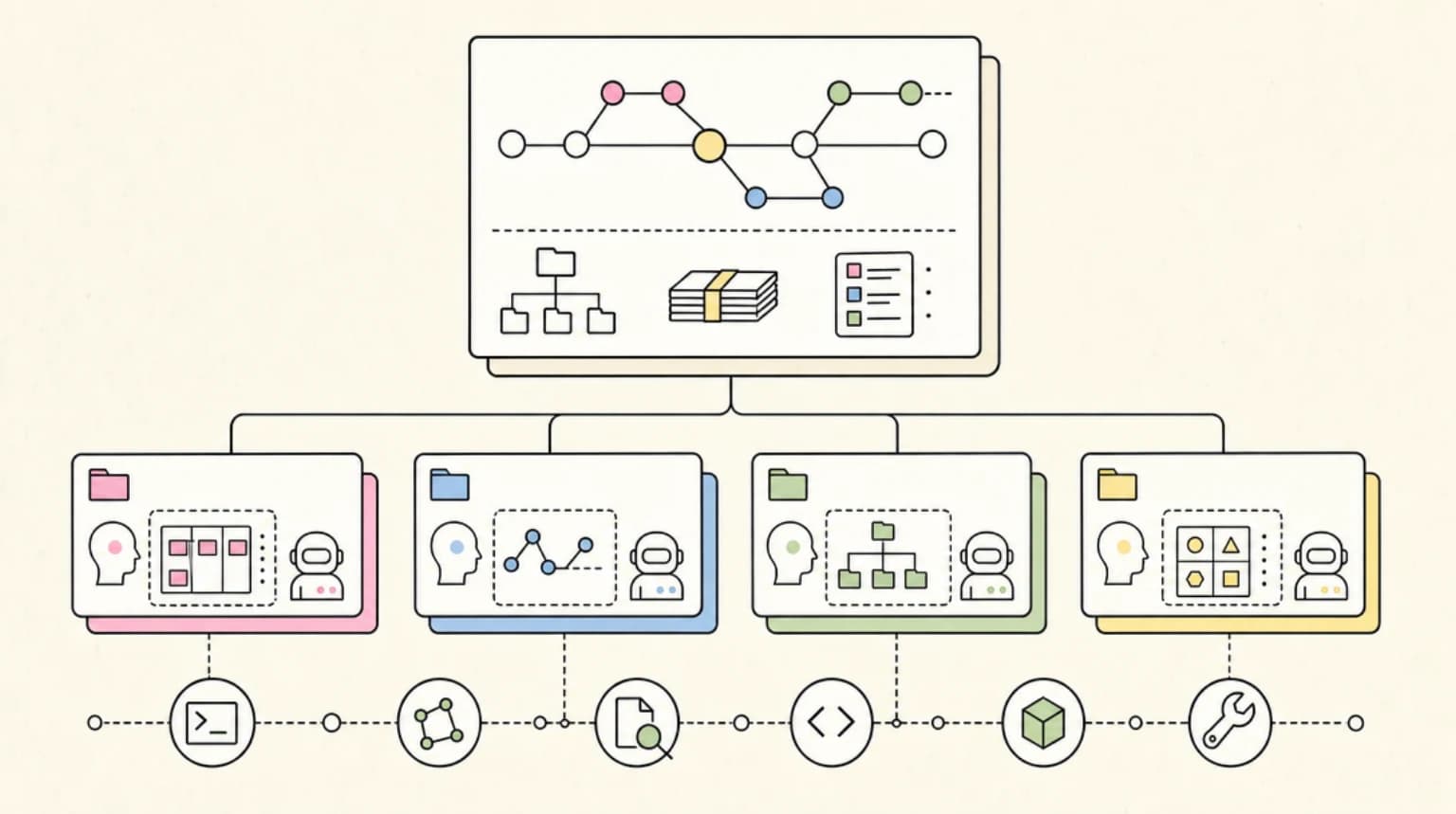
Git Worktrees + Claude Code: The 2026 Playbook for Running Parallel Agents Without Context Switching
Running multiple Claude Code agents on the same repo causes branch collisions and stash chaos - git worktrees fix this by giving each agent its own isolated directory while sharing one Git history.
7 min read
GitHub Copilot's New Usage-Based Billing: What Changed June 1 and What It Costs Now
GitHub Copilot switched to AI Credits billing on June 1 - here is what the change means for your team's budget, how Copilot Max fits in, and how costs compare to Claude Code and Codex.
8 min read
Microsoft's MAI Models and MoE Strategy: What Developers Need to Know for Copilot and Beyond
Microsoft unveiled seven in-house MAI models at Build 2026, including MAI-Code-1-Flash now shipping in GitHub Copilot. Here is what the MoE architecture, training data, and Copilot rollout mean for your team's toolchain decisions in H2 2026.
7 min read
Migrating from Windsurf to Claude Code: The Practical 2026 Guide
Windsurf is now Devin Desktop, owned by Cognition after a turbulent 2025 acquisition saga. If the ownership shuffle has you reconsidering your tooling, here is a step-by-step guide to moving your workflow to Claude Code.
8 min read

Agent Config Files Are Executable Supply Chain
A Hacker News thread on config files that run code points at the next AI coding risk: agent hooks, skills, and editor rules need review like executable dependencies.
8 min read
Harness Engineering Makes Tokens a Systems Budget
OpenAI's harness engineering post and new token-use research point to the same lesson: agentic coding teams need token budgets, receipts, and eval loops, not vibes.
8 min read

AI Code Attribution Needs Defect Forensics, Not Vibes
The rsync Claude debate shows why teams need reproducible defect forensics before AI attribution becomes a public blame machine.
8 min read

MAI-Code-1-Flash Is a Model Routing Signal
Microsoft's new in-house coding model matters less as a benchmark headline and more as a signal that Copilot is becoming a routing layer for cost, latency, ownership, and review quality.
7 min read
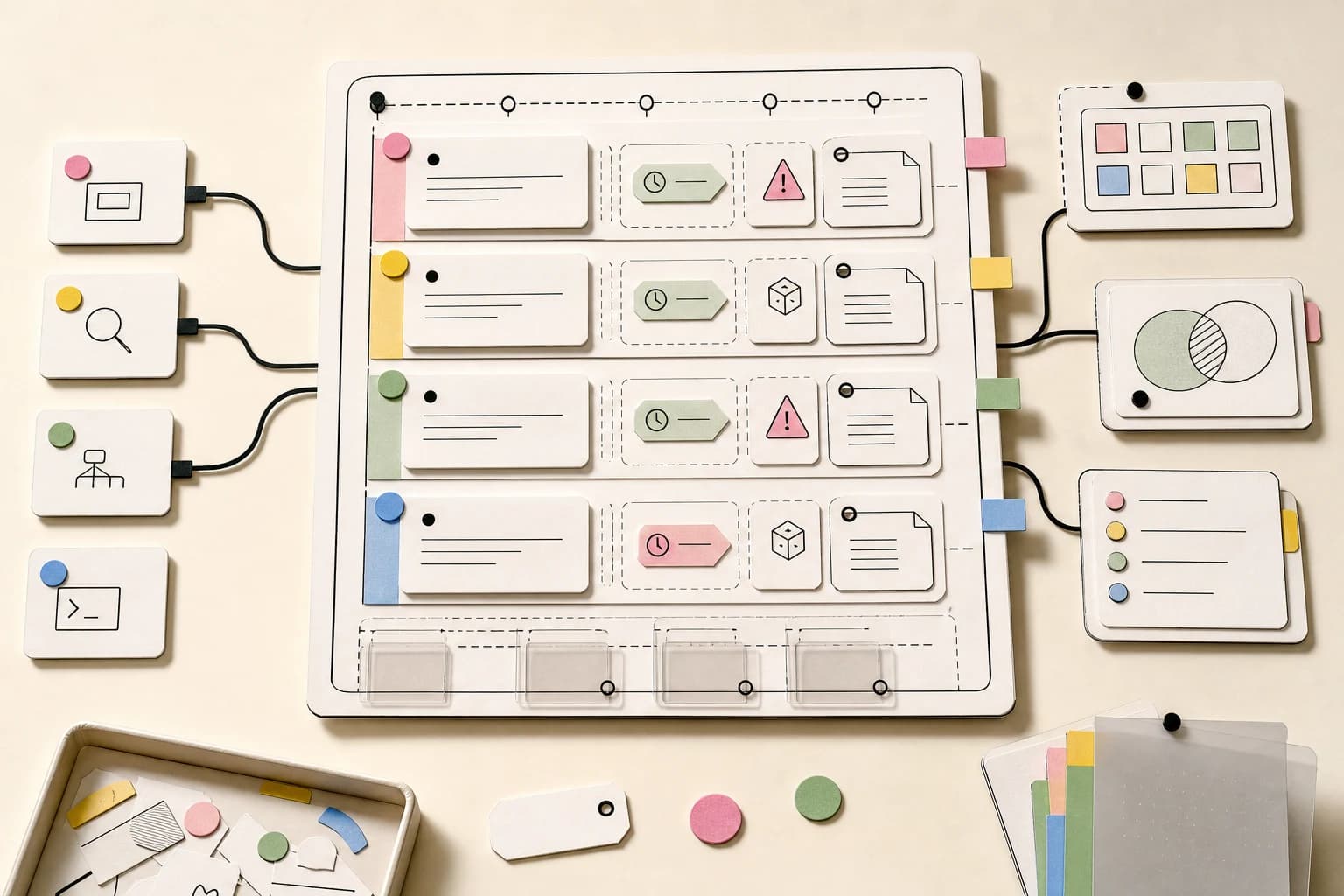
AI Agent Memory Needs a Context Ledger
GitHub Trending is full of agent memory and context tools. The useful version is not magic recall. It is a context ledger: source-linked, scoped, expiring memory that agents can inspect and users can audit.
8 min read
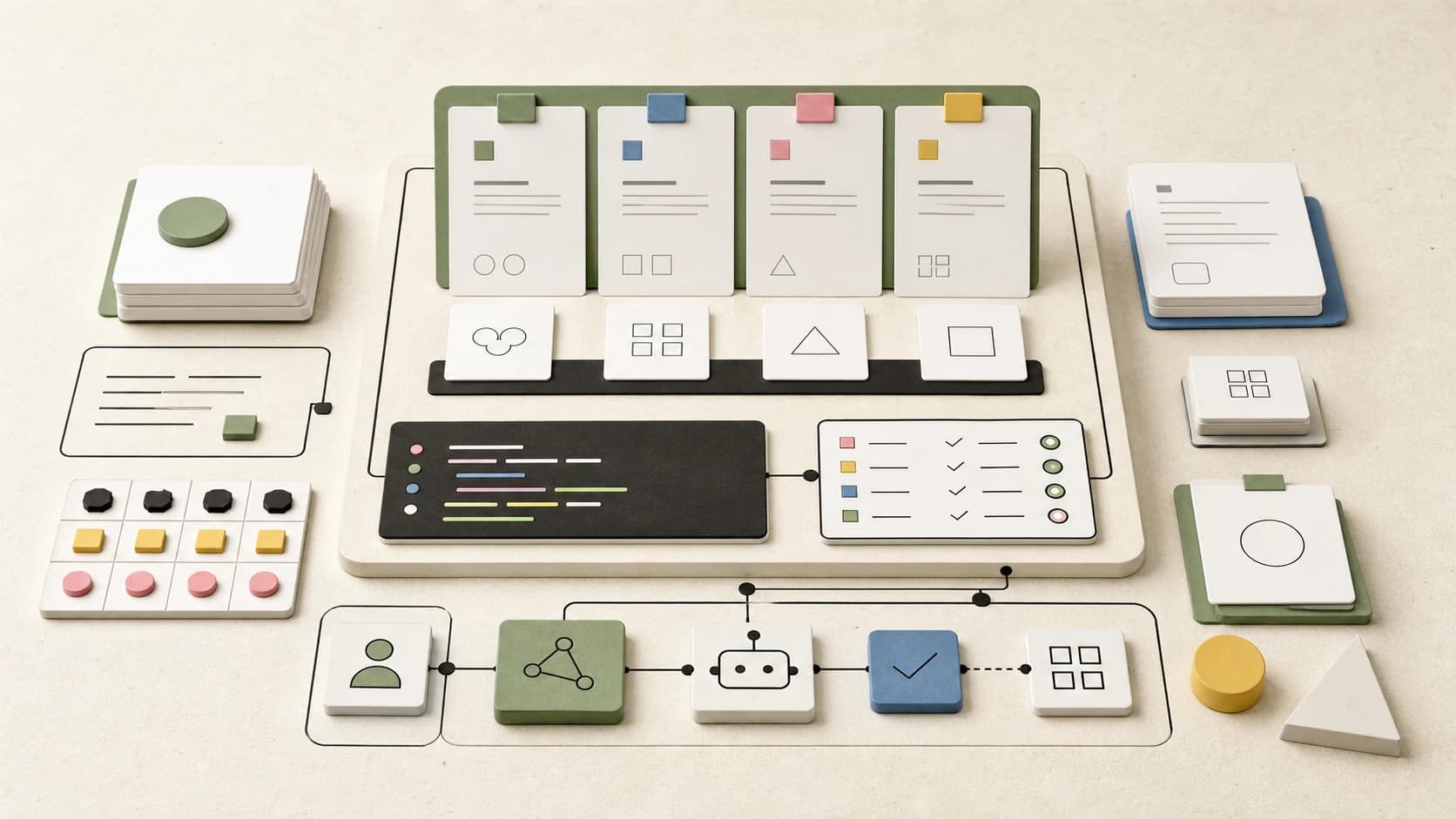
Domain Expertise Is the New Agentic Coding Moat
A huge Hacker News thread says domain expertise is the real moat in agentic coding. The sharper version: tacit judgment only compounds when you turn it into examples, tests, DSLs, and review gates.
8 min read
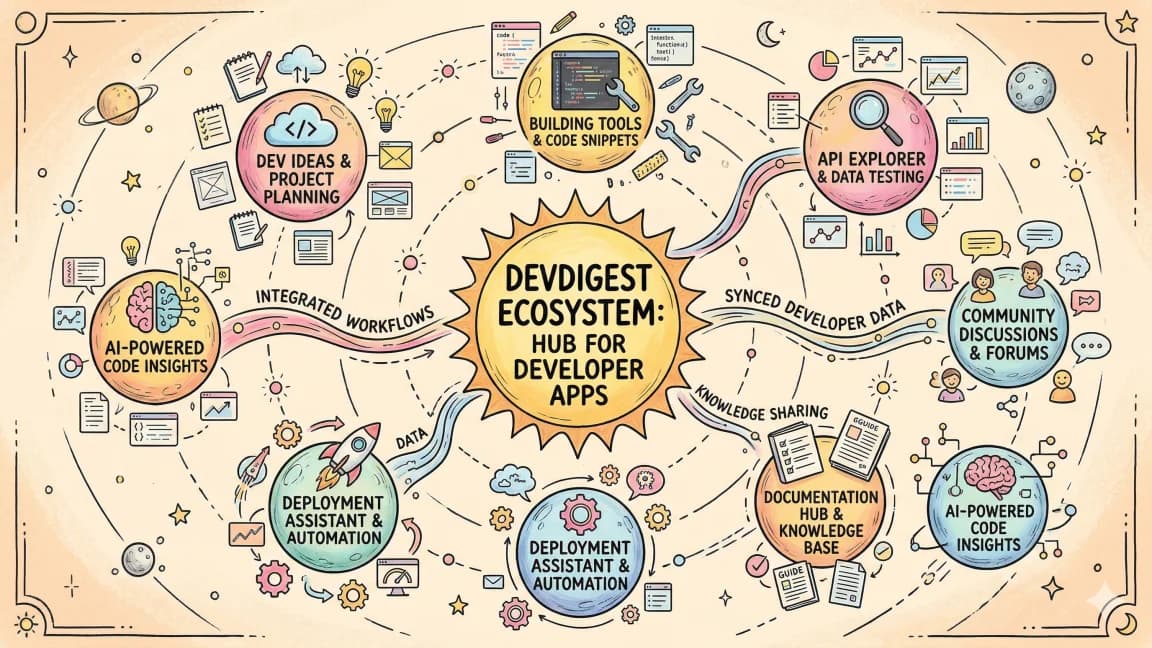
Build Log: Turning the DevDigest Blog Into an Agent Content System
The DevDigest blog is no longer just a folder of markdown files. It is becoming a small content operating system: posts, tags, RSS, search, llms.txt, route discovery, content expansion reports, and app-linked build logs.
9 min read
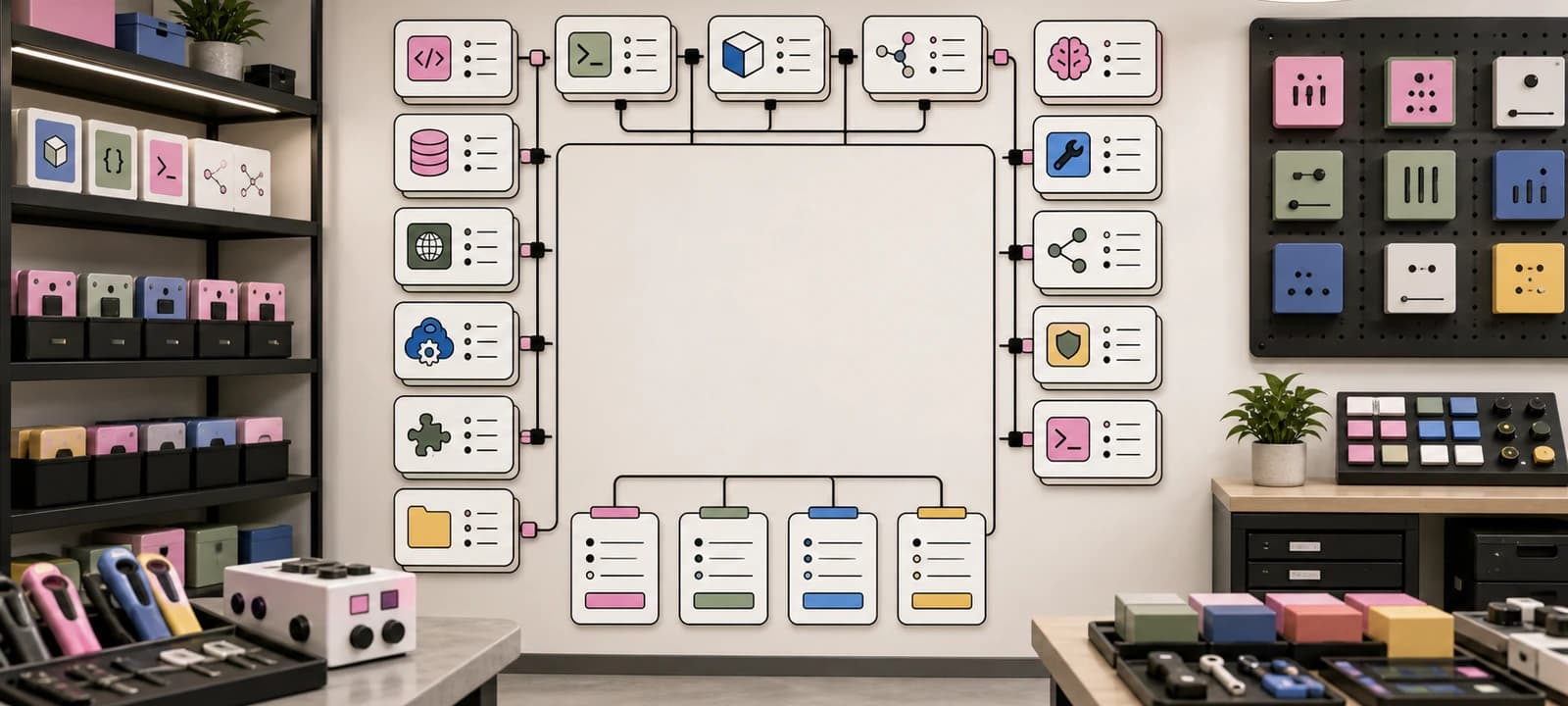
Build Log: How I Shipped a Tool Directory That Feeds Search, Compare, and RSS
The DevDigest tools directory is not just a list of links. One registry now feeds tool pages, category filters, comparison routes, RSS, JSON APIs, search, sitemap discovery, and content expansion loops.
9 min read
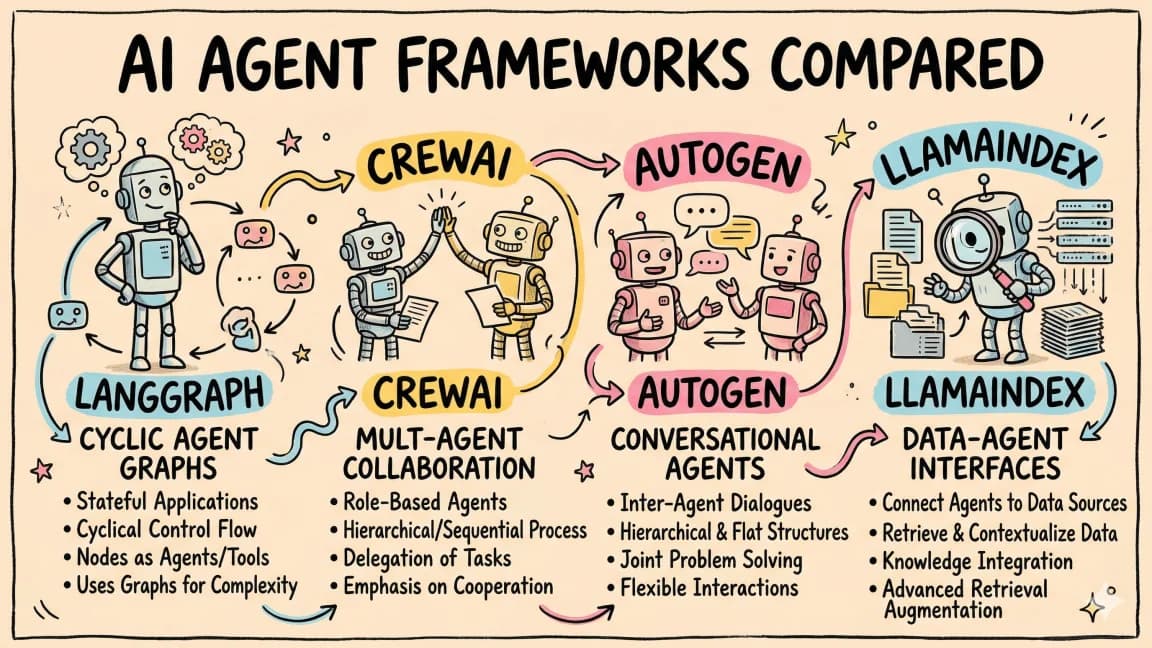
The Model, IDE, CLI, and Agent Framework Changes That Actually Matter
The AI coding market is noisy. The changes that matter are easier to spot when you separate model capability, editor loops, terminal agents, background agents, agent frameworks, UI layers, context, security, and cost.
10 min read
The New AI Coding Stack I Would Pick Today
If I were rebuilding my AI coding workflow on May 30, 2026, I would not pick one magic tool. I would pick a layered stack: terminal agent, editor, background agent, Mastra, CopilotKit, MCP, context, security, and cost controls.
11 min read
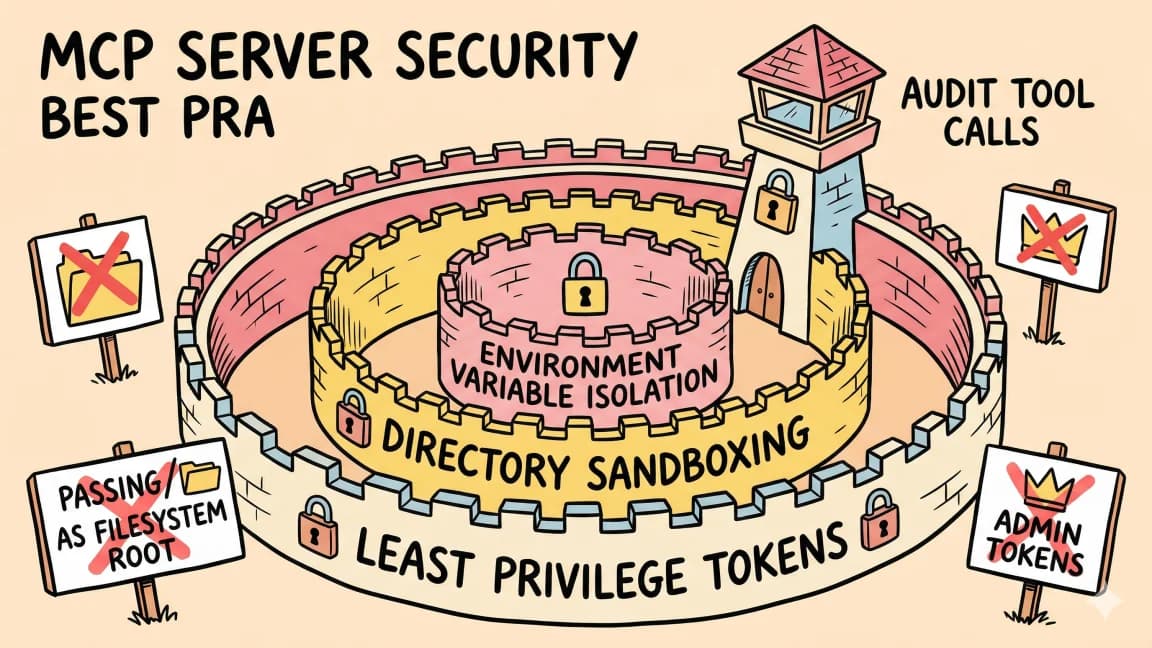
Permissions, Logs, and Rollback for AI Coding Agents
AI coding agents become safer when permissions, logs, and rollback are designed as one system. Here is the operating loop I would put around any agent that can edit code, run tools, or open pull requests.
9 min read
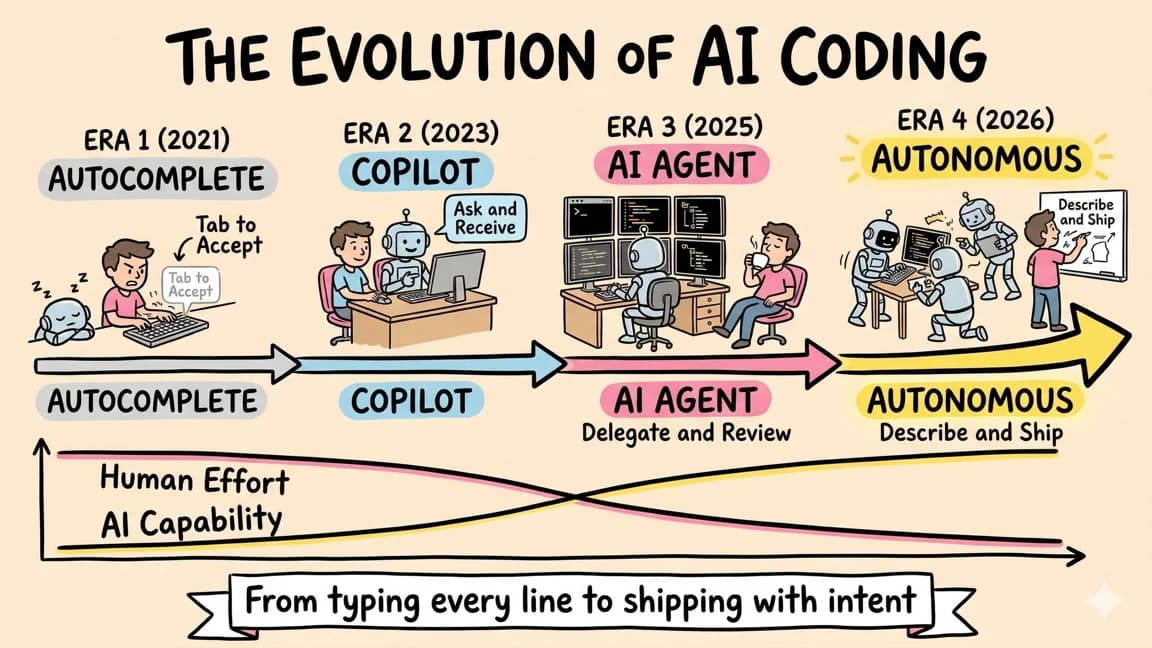
State of AI Coding: What Changed This Month
May 2026 was not about one more coding model leaderboard. The useful signal was control planes, UI-agent contracts, durable TypeScript workflows, usage economics, and runtime security.
10 min read
Taste Skills Are Turning Agent Review Into Infrastructure
GitHub trending is full of anti-slop, taste, and compound-engineering skills. The real signal is not that agents need more prompts. It is that teams are trying to make subjective review criteria executable.
8 min read
Claude Opus 4.8 Is an Agent Honesty Release
Claude Opus 4.8 looks like a benchmark bump, but the developer story is better honesty, dynamic workflows, and effort controls that make long-running agent work easier to review.
8 min read
Local Code Graphs Are the Agent Context Layer
CodeGraph shows why coding agents need a local, queryable repo map. The win is not magic token savings. It is faster orientation, fewer wrong files, and better review receipts.
9 min read
AI Agent PMF Is a Cost Control Problem Now
AI coding agents have crossed from demo to daily workflow. The next bottleneck is not demand. It is cost attribution, budget gates, and workflow design that keeps agent fleets from turning useful work into surprise spend.
8 min read
AI Chat Fatigue Is a Workflow Design Bug
A front-page Hacker News essay about being tired of AI answers points at a real developer problem: chat is too easy to launder into fake work. The fix is verifiable workflows, not more conversational polish.
8 min read
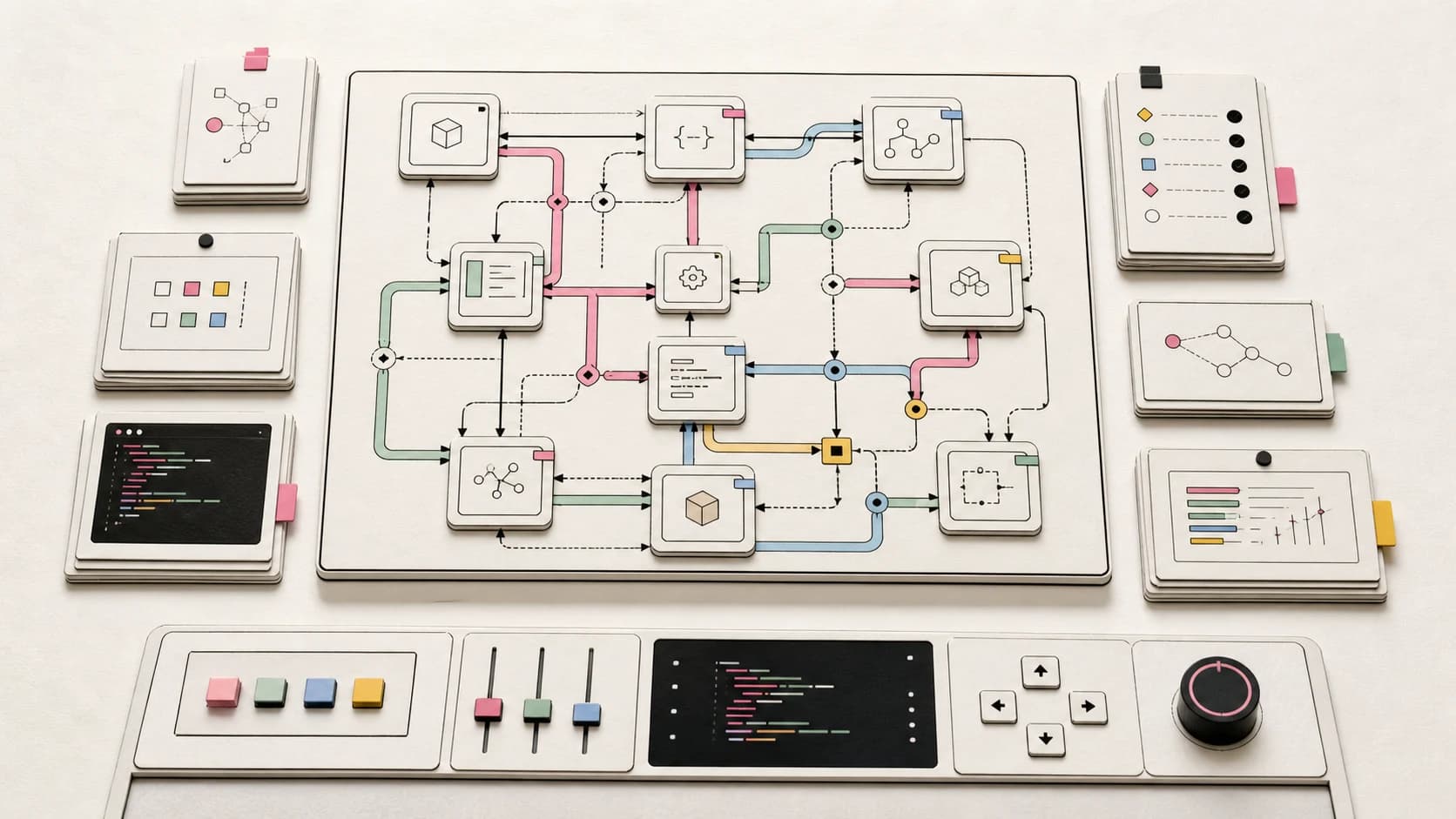
Coding Agents Need Codebase Maps, Not Bigger Prompts
GitHub is suddenly full of codebase knowledge graph projects for Claude Code, Codex, Cursor, and other agents. The useful version is not a pretty graph. It is a map that changes planning, editing, and review.
8 min read
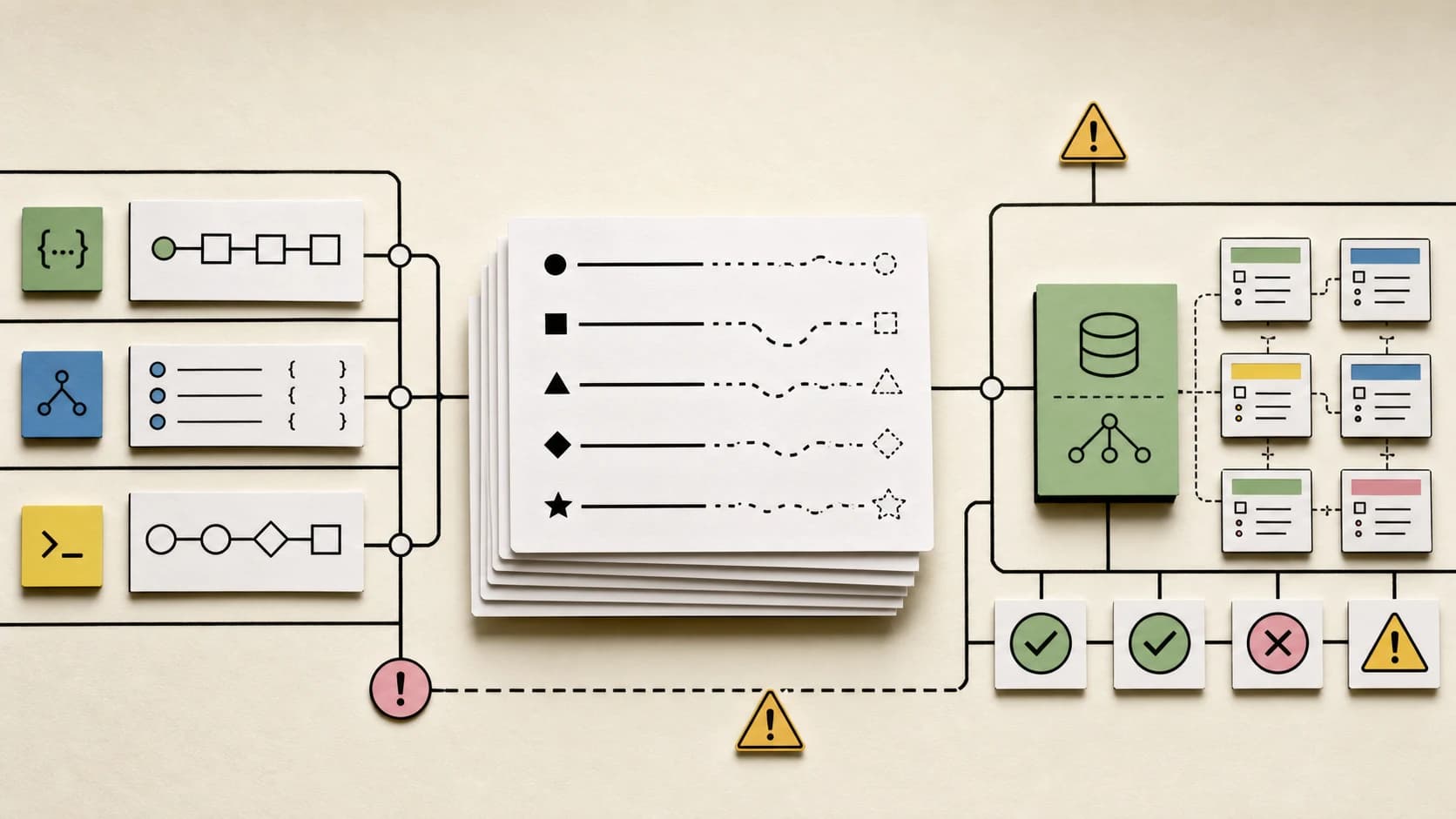
Constraint Decay Is the Coding Agent Bug Nobody Can Prompt Around
A new arXiv paper shows coding agents can pass loose backend tasks, then fall apart when architecture, database, and ORM constraints pile up. The fix is not longer markdown. It is executable constraints.
8 min read
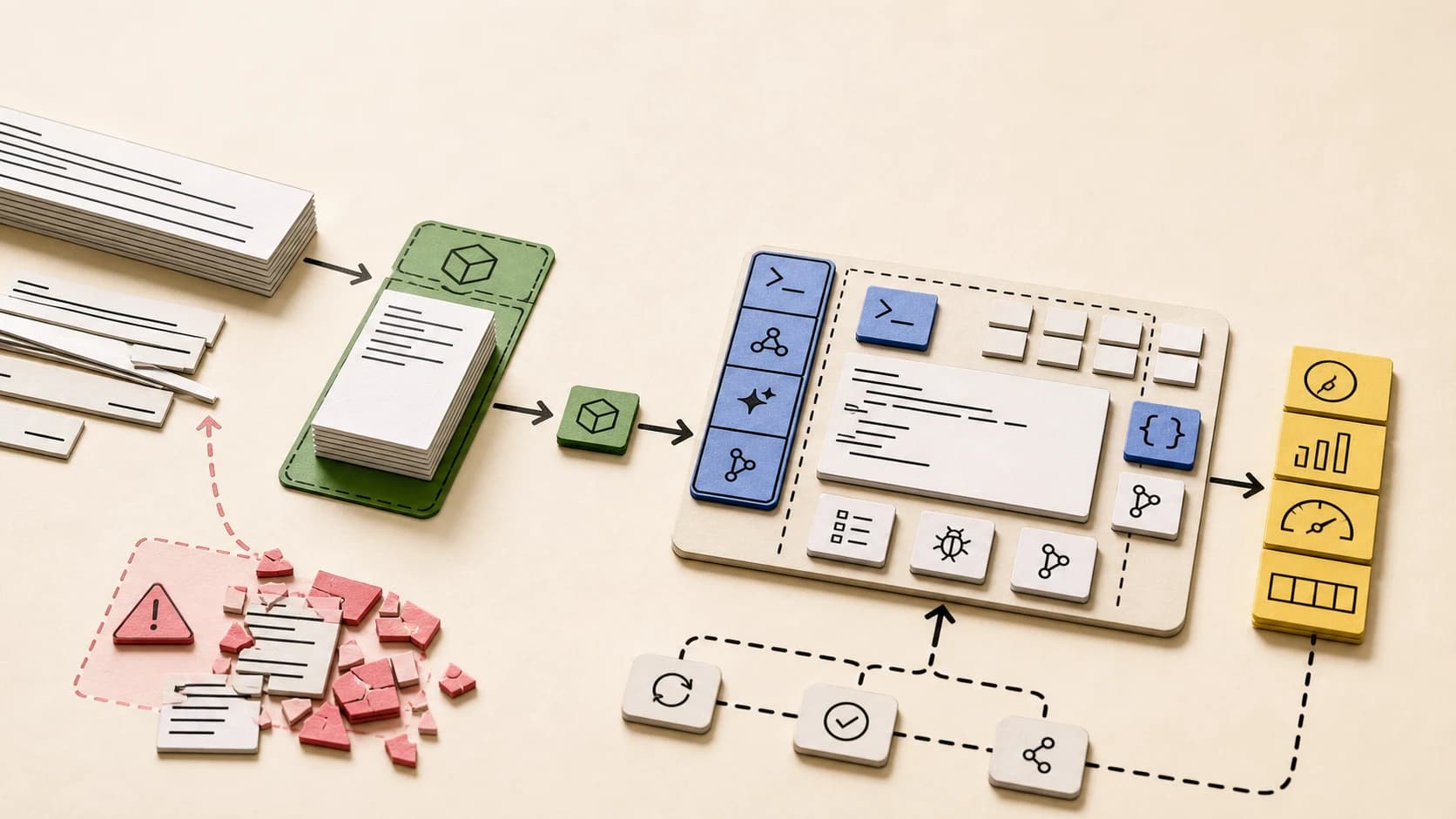
Reasonix Shows the Next Coding Agent Fight Is Cache Discipline
Reasonix hit Hacker News with a DeepSeek-native pitch: keep long coding sessions cheap by designing the agent loop around prefix caching. The interesting question is when cache efficiency helps quality, and when it fights the harness.
7 min read
Agent Skills Are Becoming Package Managers
GitHub trending is full of agent skill registries. The winning pattern is not more prompts. It is dependency governance for the instructions your coding agents inherit.
8 min read

AI Code Review Is the New Bottleneck
Coding agents make code faster than teams can review it. The next advantage is not bigger prompts. It is review systems that force reproduction, small diffs, tests, and receipts.
8 min read

Claude Agent SDK Credits End the Subscription Arbitrage
Anthropic's June 15 Agent SDK credit split is not just a pricing tweak. It is a signal that autonomous coding workflows need separate budgets, lanes, and receipts.
7 min read

Claude Code Plugin URLs Turn Skills Into a Supply Chain
Claude Code's newer plugin URL and hard-deny controls are small release-note items with a big implication: agent extensions now need supply-chain discipline.
6 min read

Codex CLI Vim Mode Is an Ergonomics Signal
Codex CLI 0.129.0 added modal Vim editing in the composer. The feature is small, but it points at a bigger shift: terminal agents are becoming native engineering workbenches.
6 min read

Skills for Real Engineers Need Governance, Not Fandom
Matt Pocock's skills repo is a useful signal for AI coding teams. The next step is treating skills like governed production controls, not a folder of viral prompts.
7 min read

Codebase Graphs Are the New Agent Map
Graphify is trending because coding agents keep hitting the same wall: they can edit files, but they still need a durable map of how the codebase, docs, schemas, and decisions connect.
8 min read

Agent-Native Backends Are the Next AI Coding Bottleneck
InsForge is trending because coding agents can scaffold UI faster than they can safely operate databases, auth, storage, functions, and deployments. The backend now needs an agent-readable control plane.
8 min read
6 Launches in One Day: The DD Empire Expansion
Five new apps and a Chrome extension shipped today. Here is what each one does, who it is for, and why we built them in a single sweep.
6 min read

Terminal Agents Are the New Developer Runtime
Terminal agents like Claude Code, Codex CLI, OpenCode, Copilot CLI, and DeepSeek-TUI are converging on the same runtime layer: permissions, sandboxing, rollback, diagnostics, subagents, receipts, and cost controls.
9 min read

What Is Cline? The Open-Source AI Coding Tool That Runs in VS Code
Cline is a free, open-source VS Code extension that brings autonomous AI coding to your editor, and a common Cursor and Copilot alternative for developers who want to bring their own model. It works with local models or cloud APIs, handles multi-file changes, and runs terminal commands without proprietary lock-in.
9 min read

Claude Code Token Burn Is an Observability Problem
The latest Claude Code cache-burn debate is not just a quota complaint. It is a reminder that coding agents need cache-hit telemetry, spend ceilings, and repro-grade usage logs.
8 min read
Claude Code 2.1.128 Is an Ops Release, Not a Feature Drop
Claude Code 2.1.128 is full of small fixes around MCP, worktrees, OTEL, plugins, and permissions. That is exactly why it matters for teams running agents every day.
6 min read

Codex SDK vs CLI vs GitHub Action: Which Surface Should You Build On?
Codex is no longer just a terminal agent. Here is when to use the Codex SDK, Codex CLI, or openai/codex-action, and how to avoid building the same agent loop three times.
8 min read

Free Claude Code Is Really a Model Gateway Bet
The trending Free Claude Code repo is not just about avoiding API bills. It points at a bigger developer-tool pattern: model gateways for AI coding agents.
7 min read

OpenAI's Codex Mac Certificate Deadline Is a Runbook Test
OpenAI's May 8 macOS certificate rotation for ChatGPT, Codex, Codex CLI, and Atlas is not just a one-off update. It is a useful test of how your team governs AI developer tools.
7 min read

Agent Skills Need Exit Criteria, Not More Prompt Lore
Addy Osmani's agent-skills repo is trending because it turns vague AI coding advice into reusable engineering checklists. The real value is not the markdown. It is the exit criteria.
7 min read

GitHub Copilot Agent Metrics Are the Real Product Update
GitHub's Copilot cloud agent updates are not just about autonomous coding. The bigger shift is usage metrics, session visibility, validation, and review quality.
7 min read

Google Skills Shows the Next Agent Playbook
Google's skills repo is a useful signal: agents do not just need generic coding help. They need product-specific operating instructions that make docs executable.
6 min read
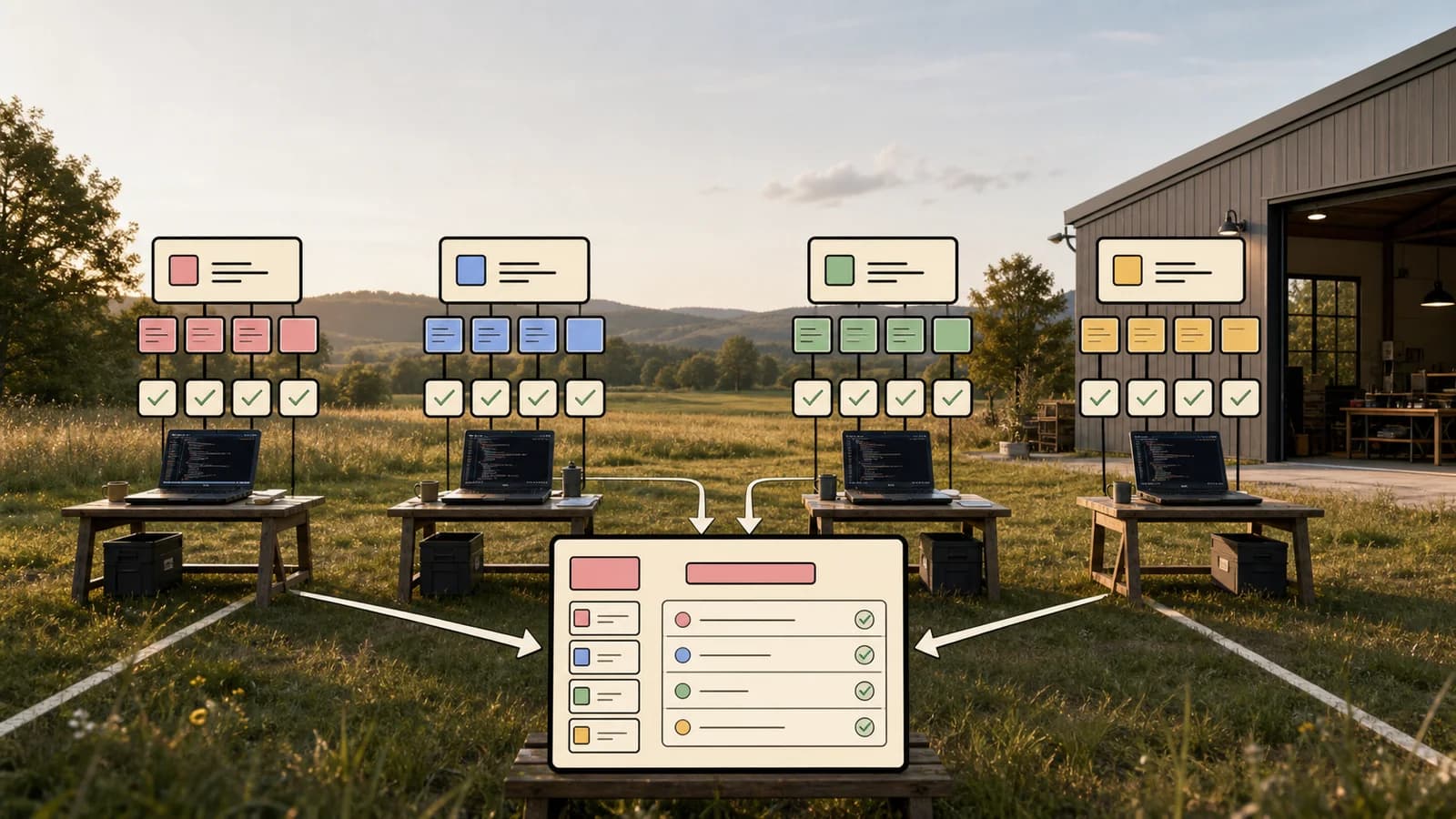
Parallel Coding Agents Need Merge Discipline
Parallel agents can move faster than one agent, but only when tasks have clean ownership, review receipts, and a merge path that does not turn speed into cleanup work.
7 min read

Karpathy CLAUDE.md Skills: Use the Viral Rules as a Menu, Not a Template
The andrej-karpathy-skills repo exploded because every coding agent needs behavioral rails. The useful move is not copying it blindly, but turning the rules into repo-specific operating constraints.
8 min read
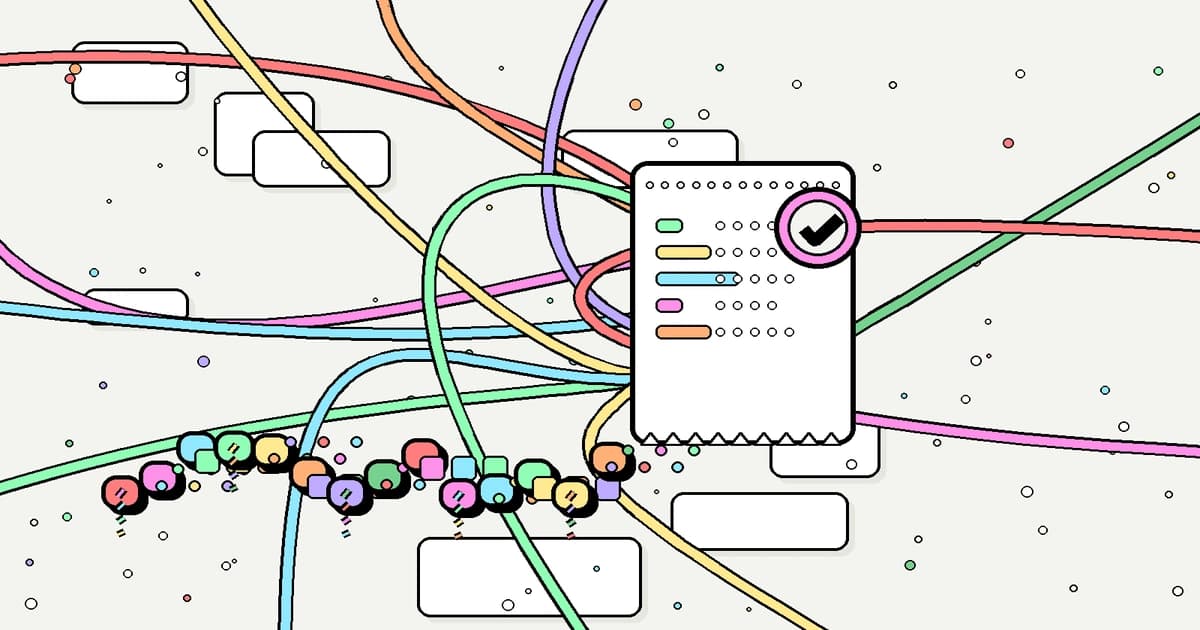
Agent Swarms Need Receipts
GitHub is filling with multi-agent frameworks, skills, and coding harnesses. The useful lesson is not that every team needs a swarm. It is that every agent needs receipts: tests, logs, diffs, and reviewable checkpoints.
8 min read

Codex Changelog April 2026: Goals, Browser Use, GPT-5.5, and Safer Agents
OpenAI's April 2026 Codex changelog shows a clear product shift: Codex is becoming a full agent workspace with goals, browser verification, automatic approval reviews, plugins, and tighter permission profiles.
9 min read
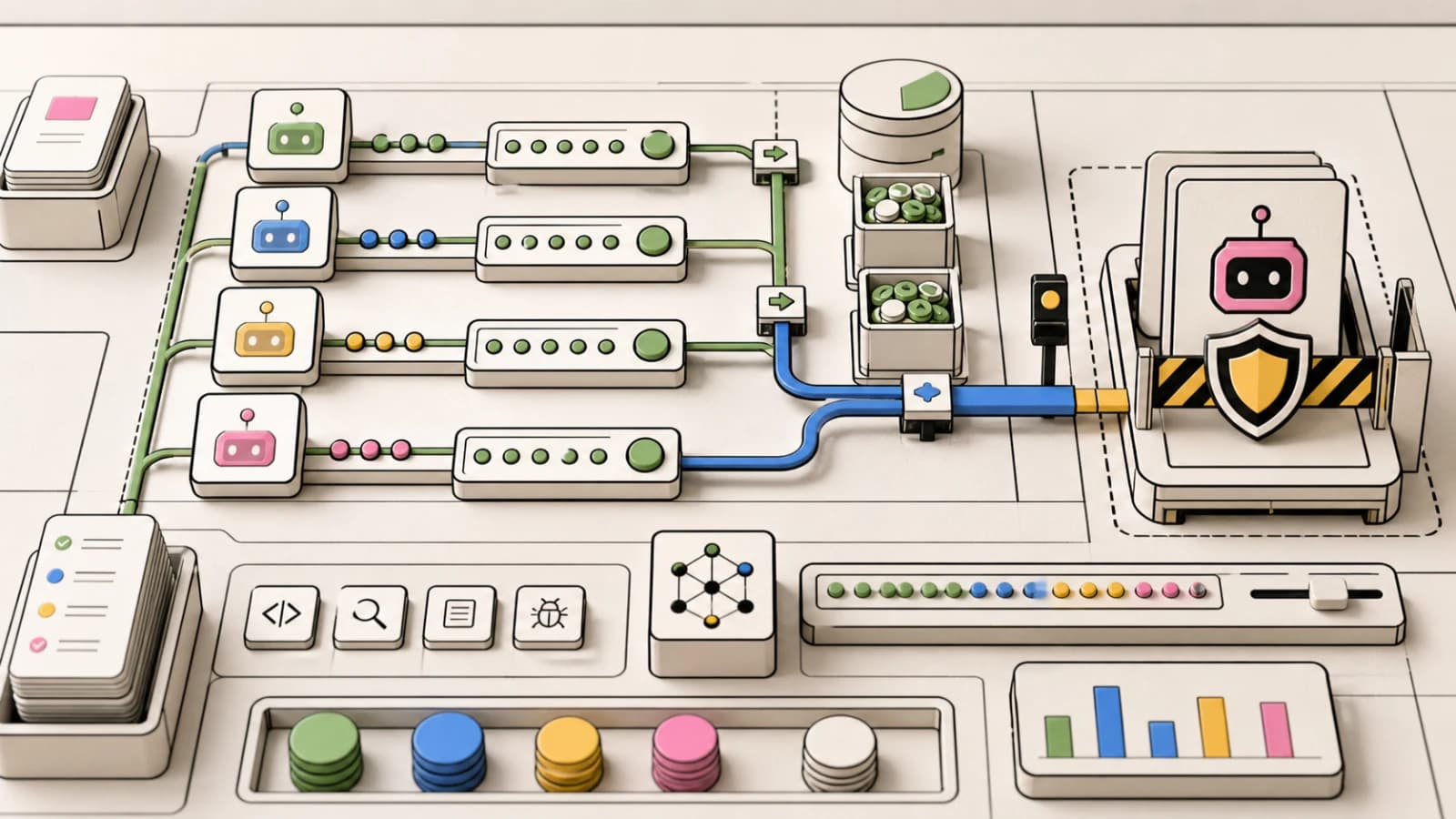
DeepSeek V4 Changes the Coding Agent Cost Equation
DeepSeek V4 is trending because it is close enough to frontier coding models at a much lower token price. The real question for developers is where cheap reasoning belongs in an agent stack.
8 min read
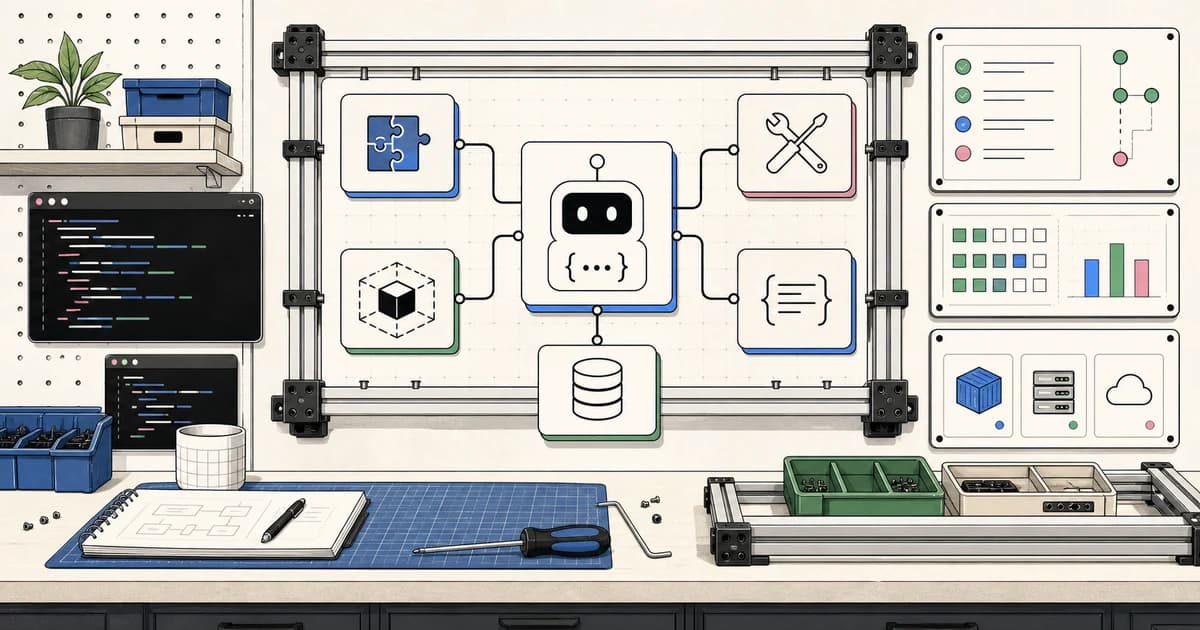
Flue and the Agent Harness Layer
Flue is trending because it names the part of agent infrastructure that is becoming product-critical: the programmable harness around the model.
8 min read
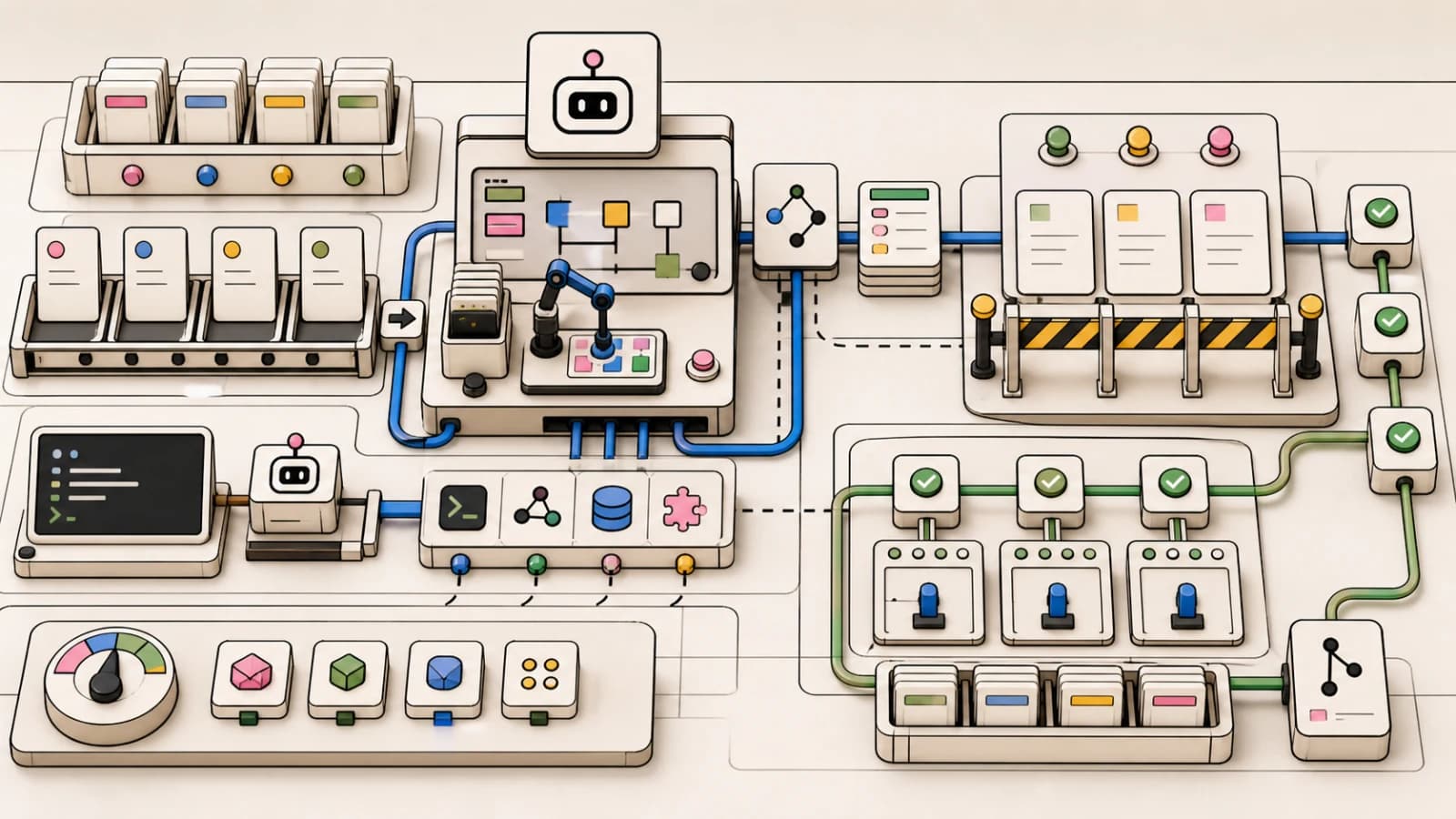
GitHub Copilot Coding Agent and CLI: Why GitHub Is Back in the Agent Race
GitHub Copilot is moving from autocomplete into asynchronous coding agents, terminal workflows, MCP, skills, and model choice. Here is what changed in 2026.
8 min read
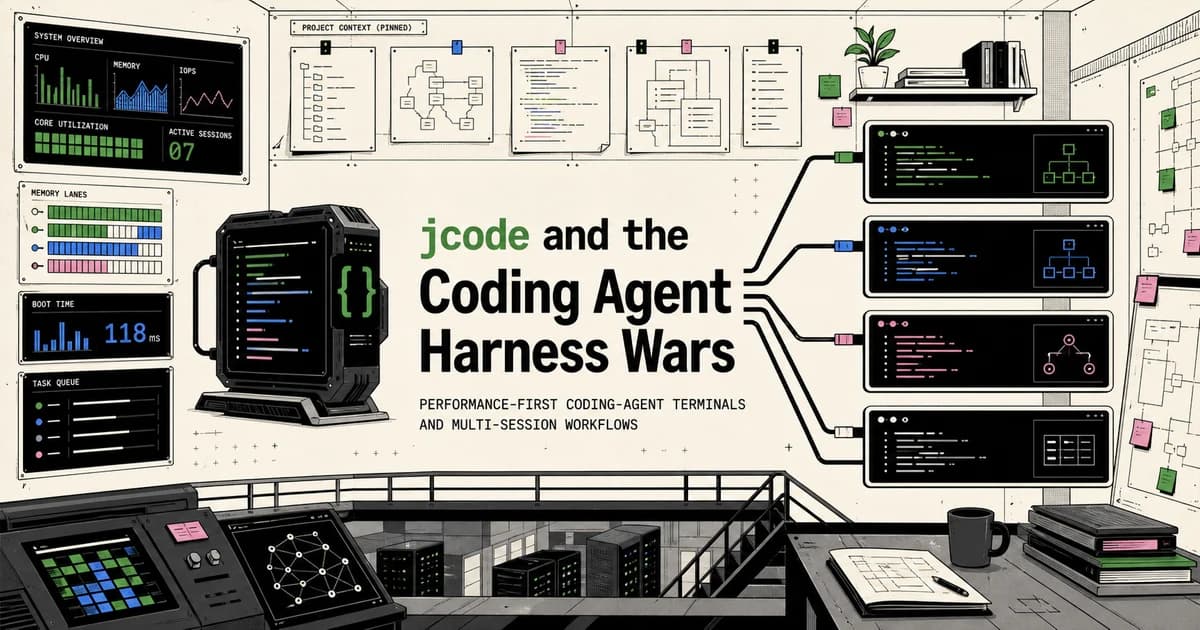
jcode and the Coding Agent Harness Wars
jcode is trending because it competes on a less glamorous but important agent metric: how cheap it is to keep many coding sessions alive.
8 min read

ML Intern Shows Where Coding Agents Are Heading: Domain Tools, Not Generic Chat
Hugging Face's ml-intern is trending because it narrows the agent loop around one domain: papers, datasets, model training, Hub traces, and ML shipping workflows.
8 min read

Open Design Shows the Next Agent Wrapper
Open Design is trending because it turns Claude Code, Codex, Cursor, Gemini, and other CLIs into a design engine. The useful lesson is not design automation. It is artifact-first agent wrappers.
8 min read

OpenAI Codex, Managed Agents, and AWS: What Developers Should Watch
OpenAI is moving Codex from a coding assistant into an enterprise agent platform. Here is what changed with Codex, Managed Agents, AWS, and the Responses API.
8 min read

Skills Are the New Agent Operating System
GitHub trending is full of agent skill frameworks. The real shift is not bigger prompts or more agents. It is turning team process into inspectable, reusable operating instructions.
9 min read
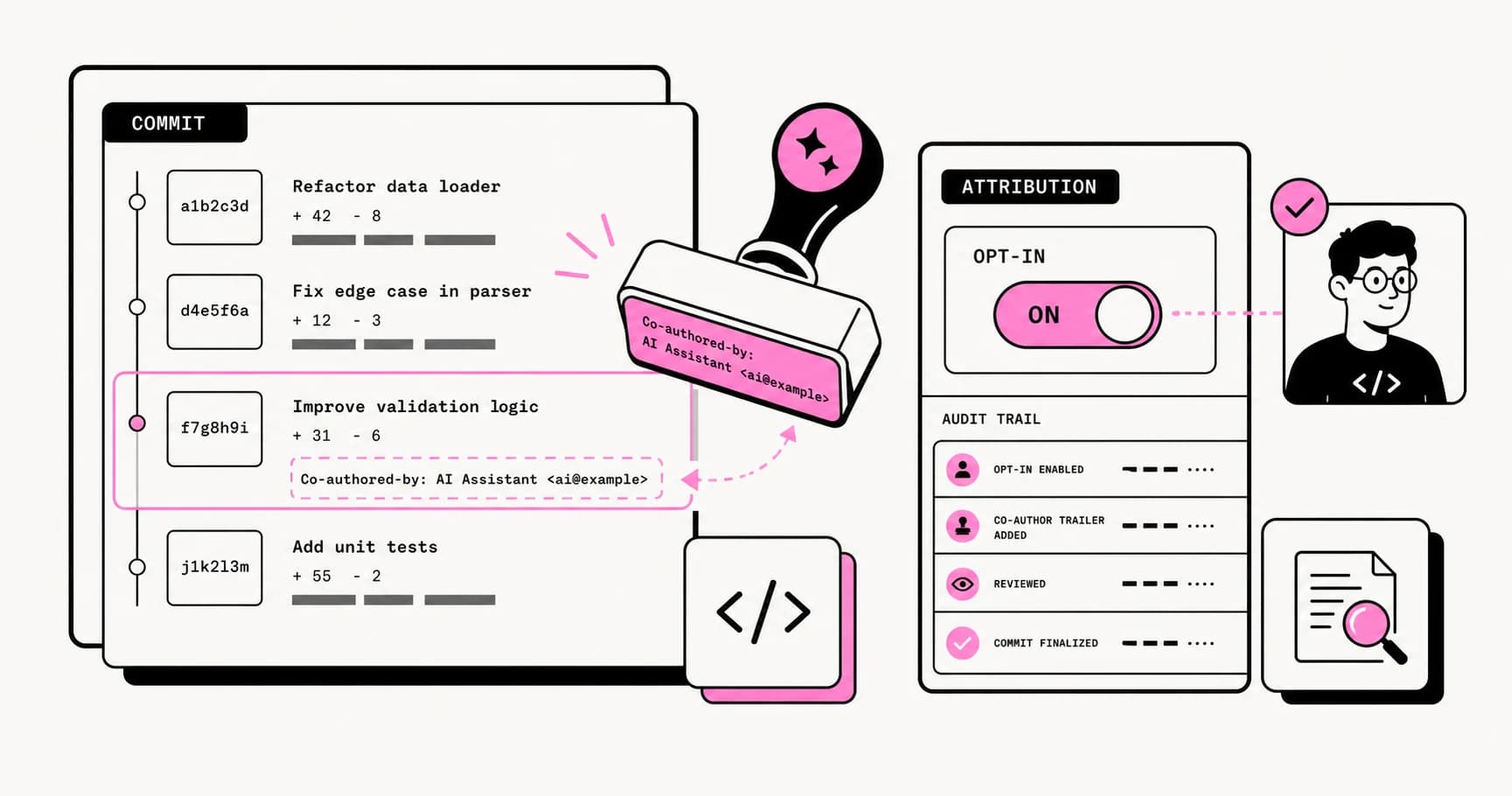
VS Code Copilot Co-Author Attribution: The Real Problem Is Workflow Consent
VS Code 1.118 makes Copilot a Git co-author by default for chat and agent commits. The argument is not really about one trailer line. It is about consent, audit signals, and who controls developer workflow metadata.
8 min read

Warp Open Sourced the Terminal. The Real Story Is Agent Operations
Warp going open source is not just a terminal story. It is a signal that AI coding tools are shifting from chat UX toward agent operations, where planning, execution, review, and feedback loops live close to the shell.
8 min read

Claude Design: Anthropic's Bet That Designers and Developers Want the Same Tool
Claude Design generates a full design system from your repo, ships one-shot pricing pages, and exports clean HTML/CSS to your coding agent. Here is what it actually does, where it slots in for developers, and why this is more interesting than another AI UI generator.
9 min read
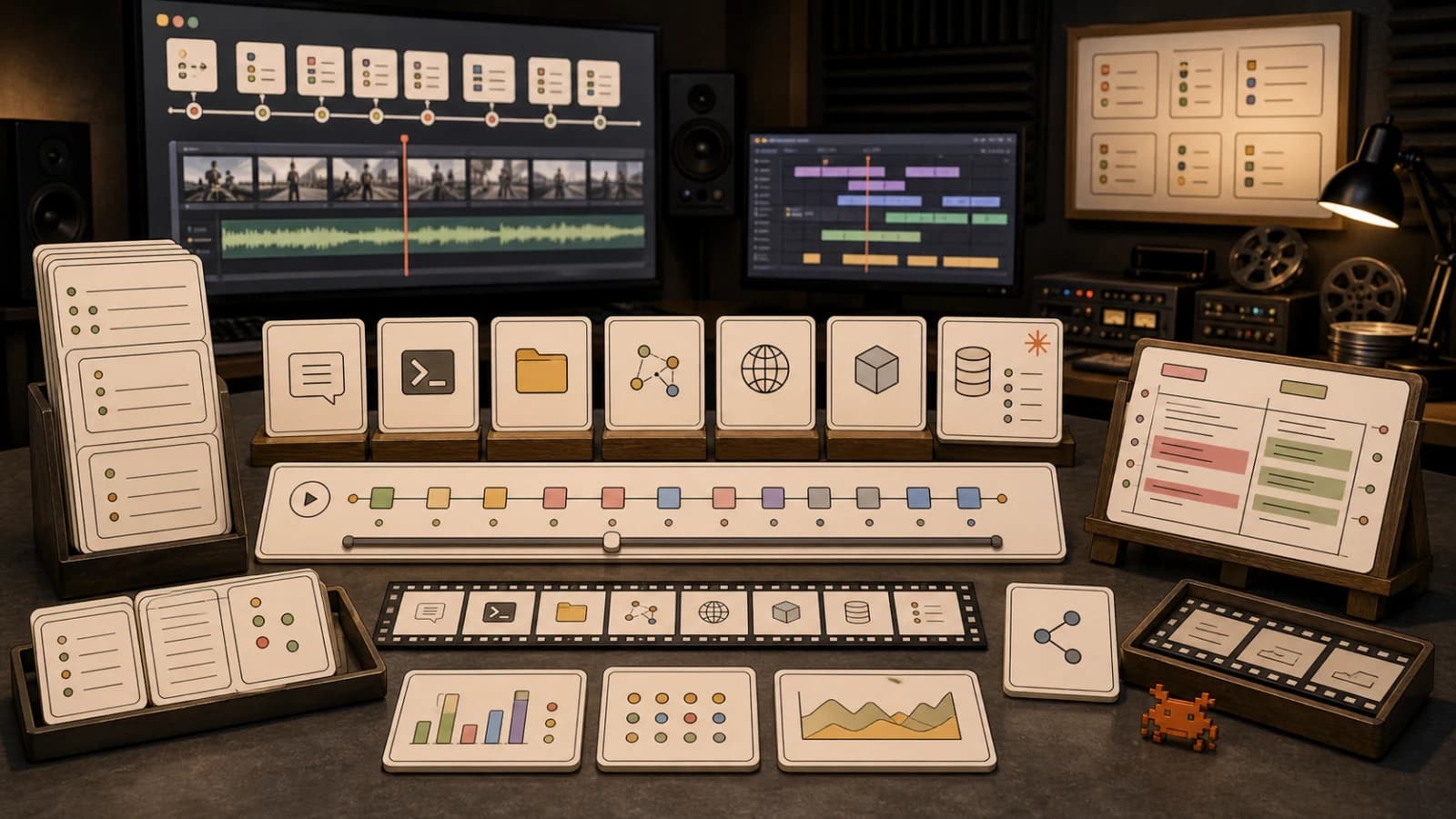
Agent Replays with TraceTrail: Loom for Agent Runs
Agent runs are opaque. TraceTrail turns a Claude Code JSONL into a public share link with a stepped timeline of messages, tool calls, and tokens.
8 min read

Best Claude Code Skills and Plugins in 2026: Where to Find, Install, and Choose Them
The Claude Code skills and plugins hub: what skills are, where to find them (Anthropic's official marketplace, anthropics/skills, top GitHub repos), how the plugin marketplace works, the Superpowers methodology plugin, exact install commands, and the picks worth your context budget.
14 min read

Hookyard Shows Why Claude Code Hooks Need a Package Manager
Claude Code hooks are powerful, but discovery and install still feel like manual JSON surgery. The Hookyard prototype shows what a hook package manager should become.
9 min read
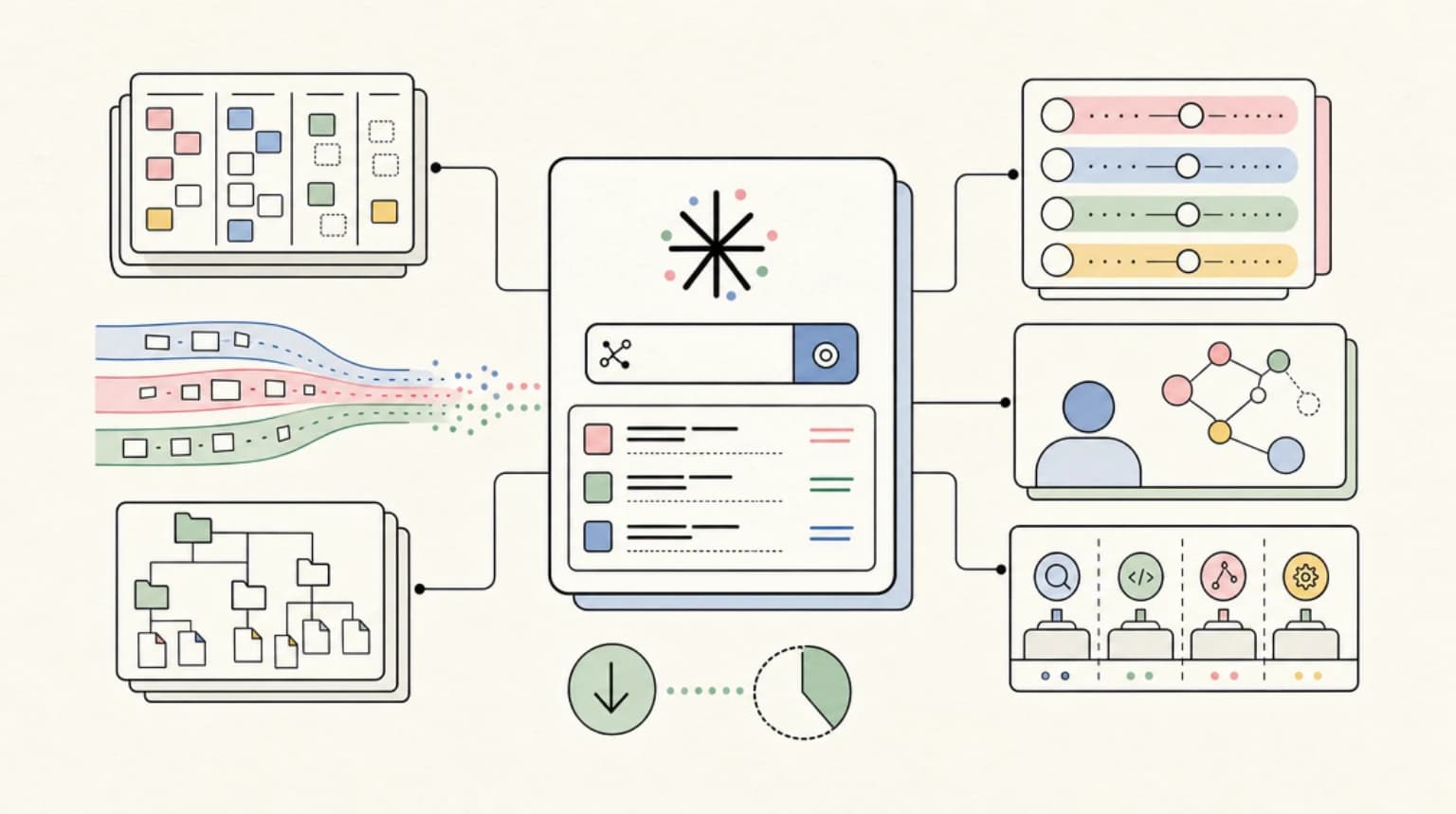
Claude Context Is Code Search For Agents. Treat It Like Retrieval Infrastructure.
Zilliz's Claude Context MCP gives coding agents semantic code search, but the real question is whether retrieval makes agent work more reviewable, cheaper, and easier to verify.
8 min read

MCP Lens: Wireshark for Model Context Protocol Servers
MCP servers are stdio-only black boxes. MCP Lens proxies the JSON-RPC stream, captures every frame, and serves a local inspector at localhost:4040.
8 min read

Promptlock: Deterministic Prompt Versioning for LLM Apps
Promptlock gives every prompt a 12-char content-addressable id and a diff-able artifact, turning silent prompt drift into a reviewable change.
7 min read

10 Trending AI Dev Tools, Week of April 28 2026
From Claude Opus 4.7 and GPT-5.5 to Andrej-karpathy-skills and EvoMap - the AI dev tools actually shipping the last 30 days, with commands, links, and pricing.
9 min read

The Claude Design Moment: AI Design Skills Just Got Their Breakout Week
Four Claude-Design-adjacent repos entered the trending week with a combined 8,300+ stars. Huashu-design, open-codesign, awesome-claude-design, cc-design. Here is what is actually happening, and why the pattern matters.
7 min read

AI Design Slop: 16 Patterns That Out Your App as Vibe-Coded
AI design slop is the set of 16 landing page patterns that mark a site as vibe-coded. Adrian Krebs scored 1,590 Show HN pages: 22% heavy, 32% mild, 46% clean.
7 min read

Codeburn: The First TUI That Actually Shows Where Your Claude Max Subscription Is Going
Codeburn is a terminal dashboard for tracking token spend across Claude Code and Cursor. Here is what it shows, why people are reaching for it, and how it ties into the over-editing problem.
7 min read

Intent Debt: The AI-Era Debt Nobody Is Tracking
Martin Fowler reframes AI-era debt into three layers - technical, cognitive, and intent. The third one is the one most teams are silently accumulating. Here is what it is and how to diagnose it.
8 min read

Over-Editing: Why Your AI Coding Agent Rewrites What Isn't Broken
The EMNLP 2026 over-editing paper quantifies a problem every Claude Code, Cursor, and Codex user has felt: models making huge diffs for tiny fixes. Here is why it happens, why tests do not catch it, and what to do about it.
9 min read

Zed Just Made Parallel AI Agents a Native Editor Primitive
Zed shipped a Threads Sidebar that runs multiple agents in one window, isolated per-worktree, with per-thread agent selection. This is the first major editor to treat parallel agent orchestration as a first-class editor feature, not a plugin.
7 min read

What Is an AI Coding Agent? The Complete 2026 Guide
Autocomplete wrote the line. Agents write the pull request. The shift from Copilot to Claude Code, Cursor Agent, and Devin - explained with links to the docs that prove every claim.
13 min read
What Is Cursor? The AI Code Editor Explained (2026)
Cursor is a VS Code fork with AI at the center instead of bolted on. What it actually does, how it compares to Copilot and Claude Code, and when to reach for it - every fact checked against the official docs.
11 min read

Aider vs Claude Code in 2026: Git-First Open Source vs Subagent Runtime
Updated 2026 comparison of Aider and Claude Code using official docs and current workflow patterns: architecture, control surfaces, cost behavior, and where each fits best.
10 min read
Claude Code Usage Limits in 2026: The Practical Playbook for Pro and Max Teams
A practical operational guide to Claude Code usage limits in 2026: plan behavior, API key pitfalls, routing choices, and team controls using hooks and subagents.
9 min read
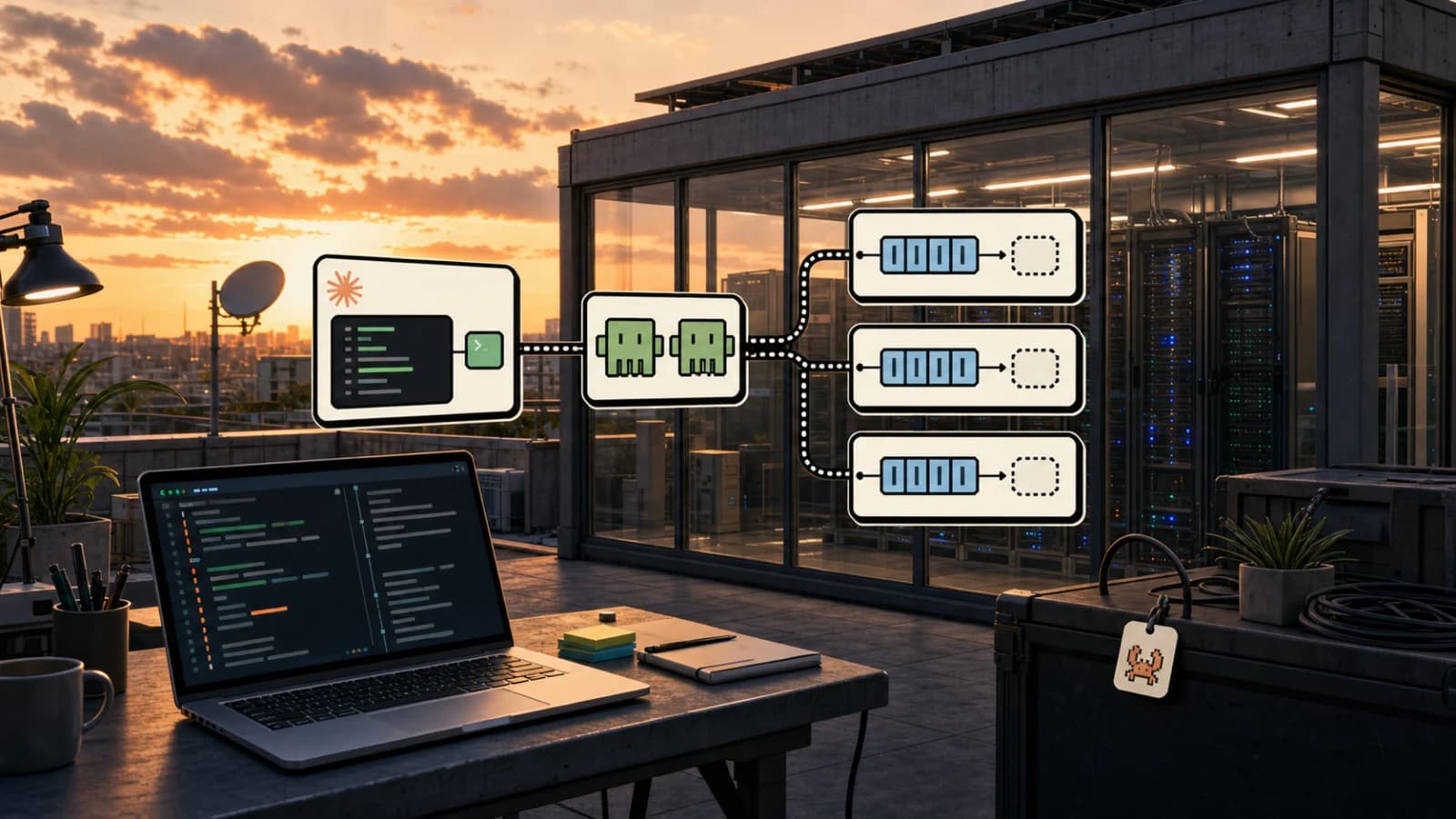
Claude Code vs Codex App in 2026: Local Agent Pairing vs Cloud Agent Orchestration
A deep comparison of Claude Code and OpenAI Codex app based on official docs and product updates: execution model, security controls, pricing, workflows, and when each wins.
11 min read
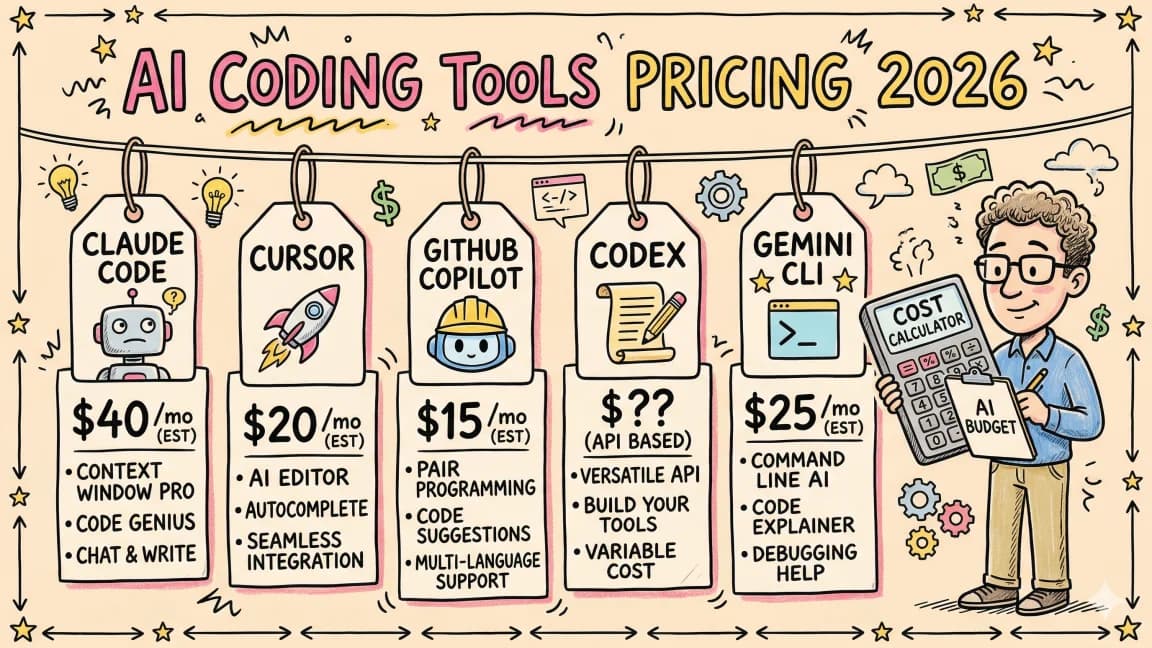
Copilot Pro+ Premium Requests Explained in 2026: What Teams Miss in Pricing Comparisons
A practical breakdown of GitHub Copilot Pro and Pro+ in 2026, focused on premium request economics, the June 2026 move to AI Credits, and how to avoid request-burn surprises.
9 min read
What Hacker News Gets Right About AI Coding Agents in 2026
Hacker News keeps arguing about Claude Code, Codex, skills, MCP, and orchestration. Under the noise, the same four truths keep surfacing: workflows matter more than demos, verification is the bottleneck, skills beat prompts, and orchestration matters more than raw autonomy.
11 min read

Why Skills Beat Prompts for Coding Agents in 2026
The coding-agent workflow is maturing past giant hand-written prompts. The winning pattern in 2026 is a control stack: project rules, reusable skills, bounded sub-agents, and deterministic tools around the model.
9 min read
Case Study: Building Developers Digest with Claude Code
How a single developer shipped 100+ features in one day using Claude Code, parallel agents, and the never-ending todo system.
8 min read
How to Migrate from GitHub Copilot to Claude Code
A practical migration guide for developers switching from GitHub Copilot to Claude Code. What changes, what stays the same, and how to get productive fast.
7 min read
Every AI Coding Tool Compared: The 2026 Matrix
12 AI coding tools across 4 architecture types, compared on pricing, strengths, weaknesses, and best use cases. The definitive comparison matrix for 2026.
15 min read
AI Coding Tools Pricing Comparison 2026
AI coding tools pricing, verified September 28, 2026: Claude Code, Codex, Cursor (including Composer 2.5), GitHub Copilot, Google Antigravity, Claude Cowork, Windsurf, and more. Free tiers, pro plans, hidden costs, and what you actually get for your money.
12 min read

Claude Code Channels: Telegram, Discord, iMessage, and Webhooks
Claude Code Channels let Telegram, Discord, iMessage, fakechat, and custom webhooks push events into a running Claude Code session. Here is when to use them, how the security model works, and where they fit beside Remote Control.
8 min read
Claude Code Hooks Explained
Hooks give you deterministic control over Claude Code. Auto-format on save, block dangerous commands, run tests before commits, fire desktop notifications. Here's how to set them up.
12 min read

How to Use Claude Code with Next.js
A practical guide to using Claude Code in Next.js projects. CLAUDE.md config for App Router, common workflows, sub-agents, MCP servers, and TypeScript tips that actually save time.
14 min read
Claude Code vs Cursor vs Codex: Which Should You Use?
Terminal agent, IDE agent, local-plus-cloud agent. Three architectures compared - how to decide which fits your workflow, or why you should use all three.
8 min read
State of AI Coding: April 2026
The AI coding market just passed 90% developer adoption. Here's what the data actually says about which tools are winning, what's shifting, and where this is all heading.
10 min read

Aider vs Claude Code: Open Source vs Commercial AI Coding CLI
Aider is open source and works with any model. Claude Code is Anthropic's commercial agent. Here is how they compare for TypeScript.
5 min read

The 10 Best AI Coding Tools in 2026
From terminal agents to cloud IDEs - these are the AI coding tools worth using for TypeScript development in 2026.
8 min read
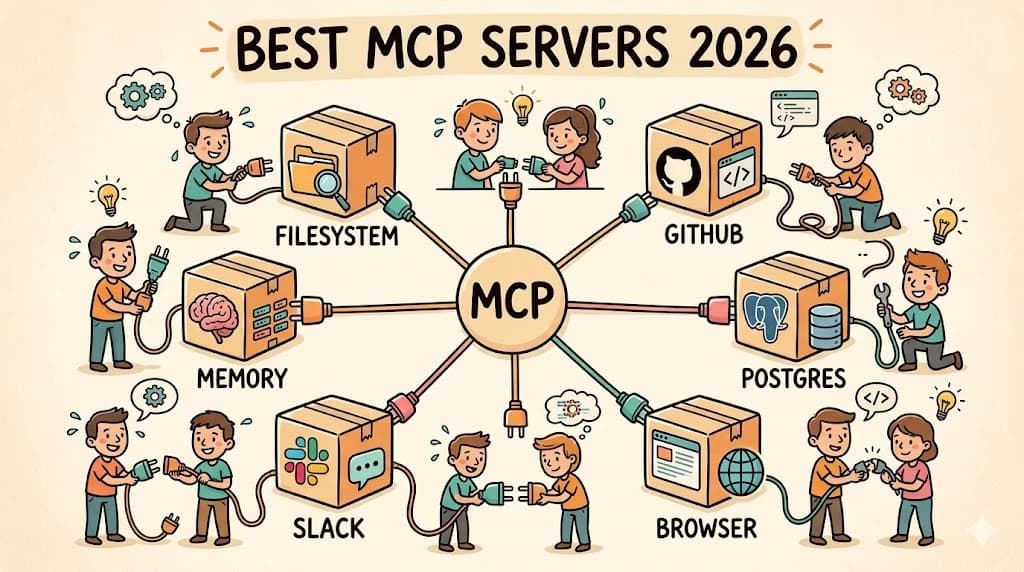
Best MCP Servers in 2026: The Developer Shortlist
A practical ranked list of MCP servers worth installing first for Claude Code, Cursor, Copilot, Codex, and OpenCode: GitHub, Filesystem, Context7, Playwright, Postgres, Sentry, Supabase, Notion, Slack, and more.
10 min read

How to Build Full-Stack TypeScript Apps With AI in 2026
A practical guide to building Next.js apps using Claude Code, Cursor, and the modern TypeScript AI stack.
7 min read

Claude vs GPT for Coding: Which Model Writes Better TypeScript?
Claude vs GPT for real TypeScript work: benchmarks, pricing, model families, and the practical differences that matter when picking a coding model.
9 min read
Cursor Composer 2: Everything You Need to Know
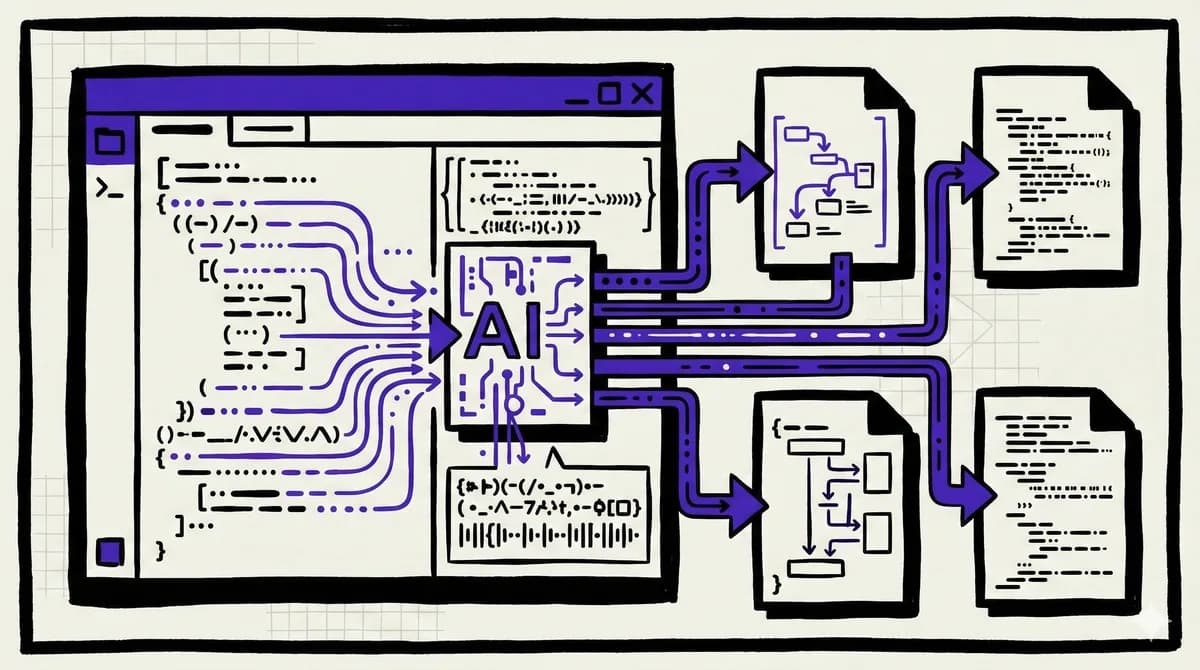
Cursor just shipped Composer 2 - a major upgrade to their AI coding assistant. Here is what changed and why it matters.
5 min read

Cursor vs Codex: IDE Agent vs Terminal and Cloud Agent for TypeScript
Cursor is editor-first. Codex is terminal, cloud, and PR-first. Here is when to use each for TypeScript projects.
5 min read
GitHub Copilot in 2026: Still Worth It for TypeScript Developers?
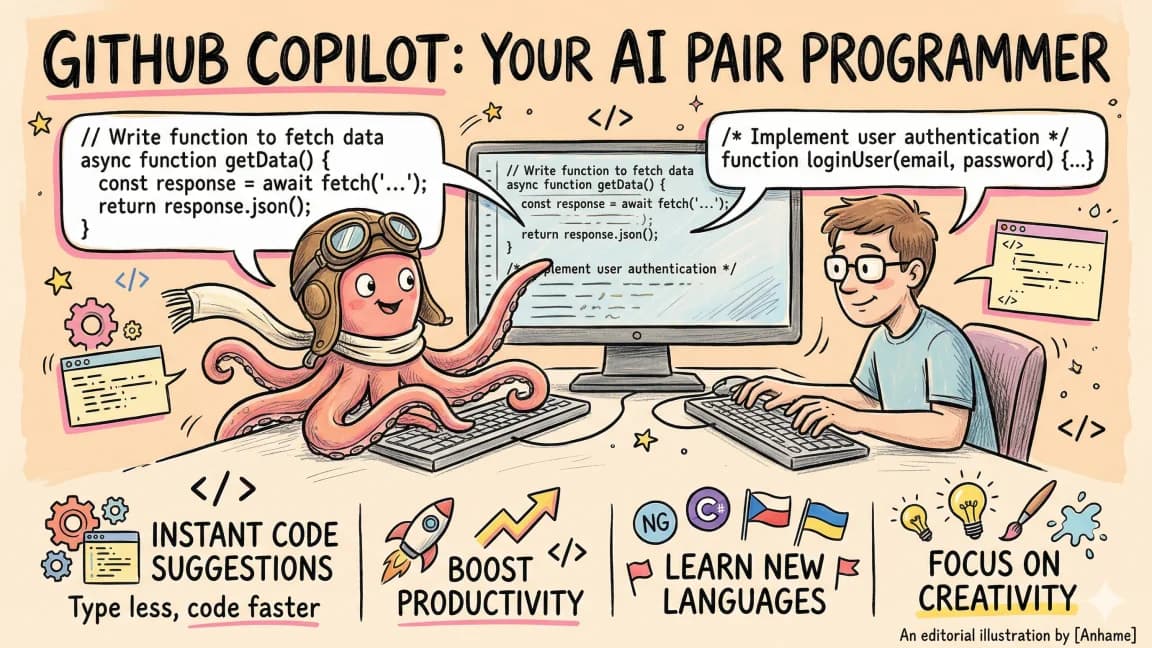
Copilot has 77M users but the competition has changed. Here is how it works in 2026, what Copilot Workspace adds, and whether it is still the best choice.
5 min read
Web Dev Arena: How to Test AI Coding Models on Real Frontend Work
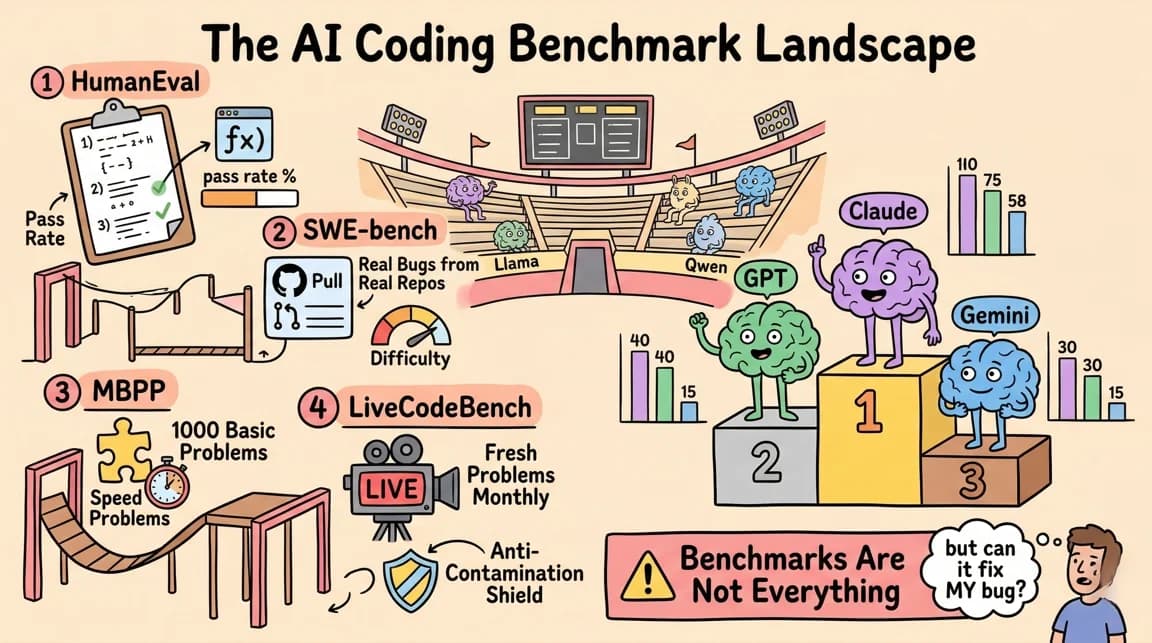
Benchmarks are useful, but frontend work fails in places leaderboards barely measure. Here is how Web Dev Arena turns AI model comparison into a practical UI evaluation workflow.
8 min read

Google Antigravity in 2026: IDE, Antigravity 2.0, CLI, Pricing and Limits Explained
Google Antigravity is now a family: the Antigravity IDE, the agent-first Antigravity 2.0 desktop app, the agy CLI, IDE extensions, and a Python SDK. It is free with a weekly limit, with more quota on Google AI Pro ($19.99/mo) and Ultra. Here is what each piece does, what it costs, and how the limits work.
11 min read

Cursor: The AI-Powered Code Editor That Changed How Developers Work
Cursor started as an open-source code editor and evolved into one of the most popular AI coding tools available. Here is a hands-on look at its key features, pricing tiers, and how it compares to traditional editors like VS Code.
10 min read
Related Tools
All tools →Claude Code
Daily DriverAnthropic's agentic coding CLI. Runs in your terminal, edits files autonomously, spawns sub-agents, and maintains memory across sessions. Powered by Claude Opus 4.
AI CodingCursor
EssentialAI-native code editor forked from VS Code. Composer mode rewrites multiple files at once. Tab autocomplete predicts your next edit. Pro plan is $20/mo.
AI CodingOpenAI Codex
AgentOpenAI's coding agent for terminal, cloud, IDE, GitHub, Slack, and Linear workflows. Reads repos, edits files, runs commands, and returns reviewable diffs.
AI CodingGemini CLI
FreeGoogle's open-source coding CLI. Free tier with Gemini 2.5 Pro. Supports tool use, file editing, shell commands. 1M token context window.
AI CodingDeepSeek-TUI
Open sourceOpen-source terminal agent runtime with approval modes, rollback snapshots, MCP servers, LSP diagnostics, and a headless HTTP API. Uses DeepSeek models by default.
AI CodingGitHub Copilot
328K viewsThe original AI coding assistant. 77M+ developers. Inline completions in VS Code and JetBrains. Copilot Workspace generates full projects from issues. Free tier, Pro from $10/mo.
AI CodingLovable
68K viewsAI app builder - describe what you want, get a deployed full-stack app with React, Supabase, and auth. No coding required. Free tier available.
AI CodingWindsurf
Codeium's AI-native IDE. Cascade agent mode handles multi-file edits autonomously. Free tier with generous limits. Strong alternative to Cursor.
AI Codingv0
Vercel's generative UI tool. Describe a component, get production-ready React code with shadcn/ui and Tailwind. Iterate by chatting. Free to try.
AI CodingBolt
StackBlitz's in-browser AI app builder. Full-stack apps from a prompt - runs Node.js, installs packages, and deploys. No local setup needed.
AI CodingDevin
Cognition Labs' autonomous software engineer. Handles full tasks end-to-end - reads docs, writes code, runs tests, and submits PRs in an isolated sandbox.
AI CodingAider
Open-source AI pair programming in your terminal. Works with any LLM - Claude, GPT, Gemini, local models. Git-aware editing with automatic commits.
AI CodingContinue.dev
Open-source AI code assistant for VS Code and JetBrains. Bring your own model - local or API. Tab autocomplete, chat, inline edit. Fully customizable.
AI CodingZed
High-performance code editor built in Rust with native AI integration. Sub-millisecond input latency. Built-in assistant supports Claude, GPT, and local models.
AI CodingReplit Agent
Full-stack AI dev environment in the browser. Describe an app, get a deployed project with database, auth, and hosting. No local setup needed.
AI CodingSourcegraph Cody
AI coding assistant with deep codebase context. Indexes your entire repo graph for accurate answers. VS Code and JetBrains extensions. Enterprise plan from $16K per year.
AI CodingAugment Code
AI coding platform built for large, complex codebases. Context Engine indexes 500K+ files across repos with 100ms retrieval. Intent desktop app orchestrates parallel agents.
AI CodingCodex CLI
OpenAI's open-source terminal coding agent built in Rust. Runs locally, reads your repo, edits files, and executes commands. Powered by o3 and o4-mini models.
AI CodingKimi Code
Open-source terminal coding agent from Moonshot AI. Powered by Kimi K2.5 (1T params, 32B active). 256K context window. Agent Swarm runs up to 100 parallel sub-agents.
AI CodingDroid
Factory AI's terminal coding agent. Runs Anthropic and OpenAI models in one subscription. Handles full tasks end-to-end - refactors, incident response, migrations.
AI CodingCline
Open-source autonomous coding agent inside VS Code. Creates files, runs commands, and can use a browser for UI testing and debugging with your permission.
AI CodingOpenCode
Open sourceOpen-source AI coding agent for terminal, desktop, and IDE. Works with 75+ LLM providers including Claude, GPT, Gemini, and local models. Runs parallel sessions on one project.
AI CodingJules
Google's asynchronous coding agent. Point it at a GitHub repo, it clones to a cloud VM, plans with Gemini, and opens a pull request. Tiered plans from 15 to 300 tasks per day.
AI CodingGoose
Open sourceOpen-source AI agent built in Rust, now governed by the Agentic AI Foundation at the Linux Foundation. Desktop app, CLI, and API. 15+ model providers, 70+ MCP extensions.
AI CodingConductor
Mac app for running parallel Claude Code, Codex, and Cursor agents in isolated workspaces. Watch every agent work at once, then review and merge their changes.
AI CodingKeep exploring
More on AI Coding
- - Claude Code - recommended AI Coding tool from the Developers Digest directory
- - Compare Tools - dive deeper across the Developers Digest knowledge base
- - All AI Coding articles in the blog archive
- - Developers Digest on YouTube - video tutorials covering AI Coding and more

Get Smarter About AI Dev
New tutorials, open-source projects, and deep dives on coding agents - delivered weekly.
One email per weekReal code, not theoryFree forever
Explore 938 topics
Browse All Topics