Topic
OPEN SOURCE
Open-source projects, tools, and frameworks for AI development.
148 resources - 122 posts, 26 tools
Blog Posts
View in blog →
Oh My Pi (omp): Model Roles, Advisor and Fallbacks
Oh My Pi (omp) is a batteries-included fork of the Pi coding agent. What it adds, how its model roles and fallback chains work, and where to be careful.
7 min read
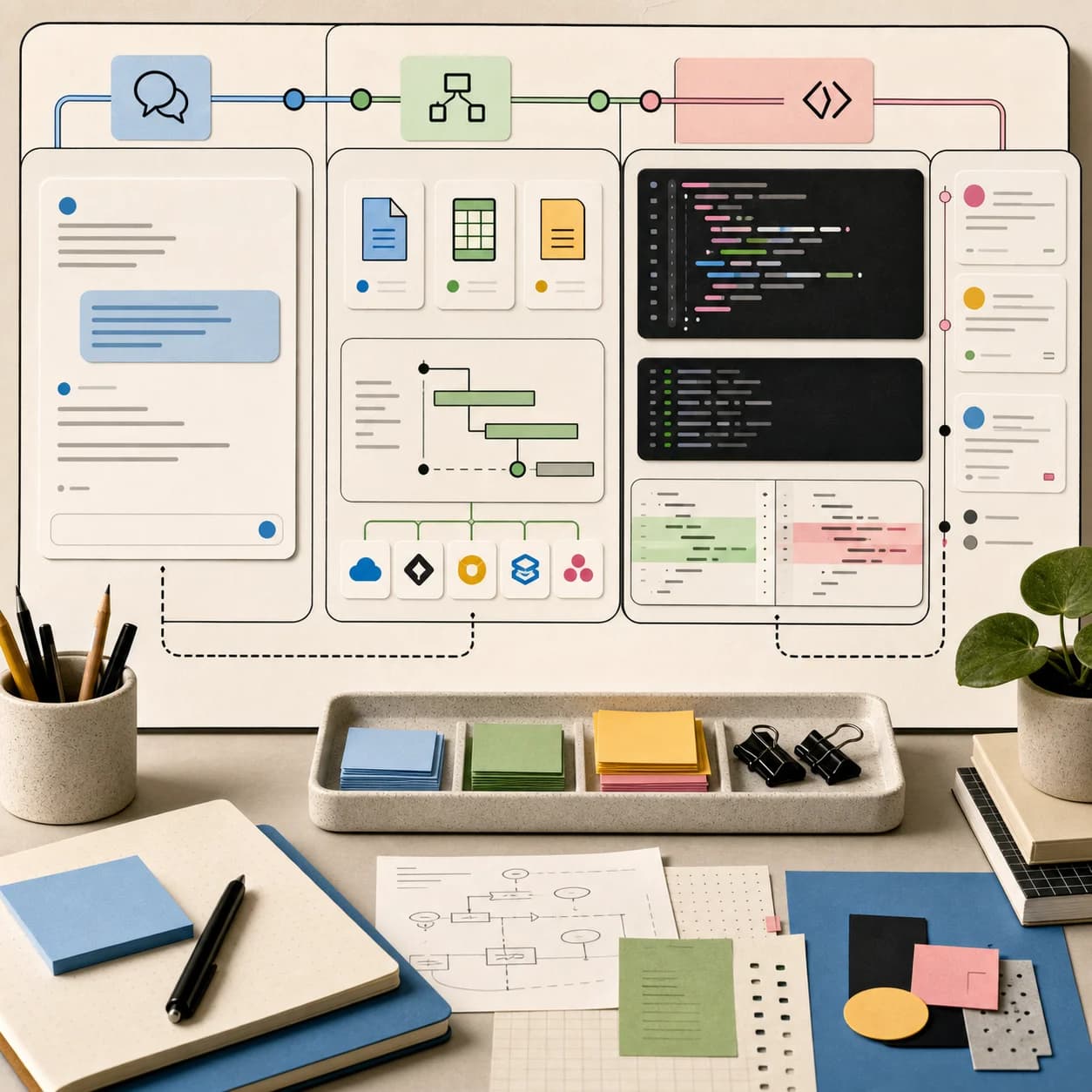
T3 Code: Open-Source GUI for Claude Code and Codex
T3 Code is a free, MIT-licensed desktop, web and mobile app that drives Claude Code, Codex, Cursor, OpenCode and more. What it is, how remote access works, and what to check first.
7 min read
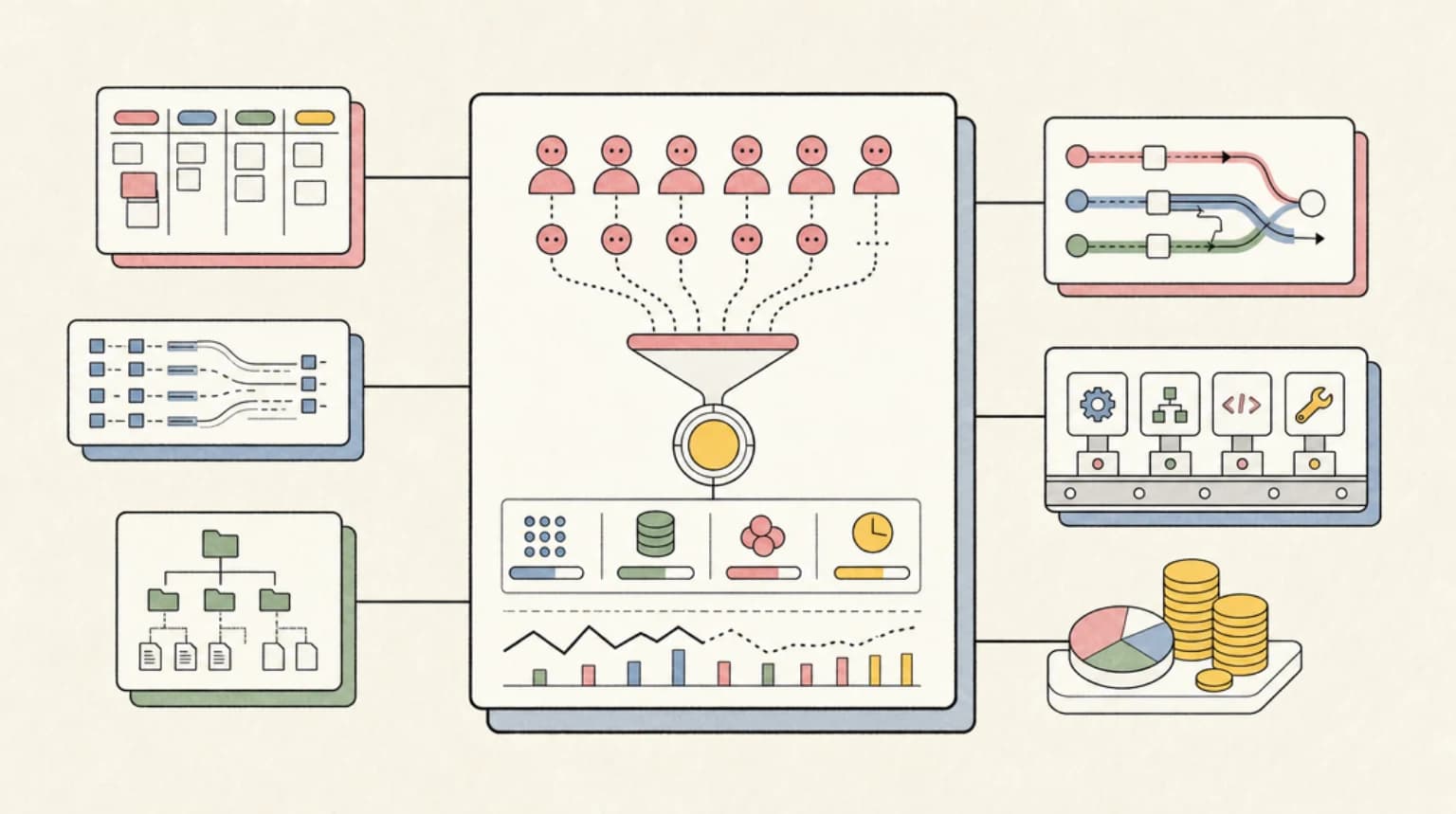
DeepSeek Super-Agent: The Always-On Router and Worker Design
DeepSeek open-sourced dsh-superagent, an always-on coding agent built on a router and worker split. What the design says, what the code ships, and the safety debate.
7 min read

Kimi K3.1 Pro: Pricing, Benchmarks, Open Weights Date
Kimi K3.1 Pro costs $2/$10 per million tokens, promises weights by Nov 4, and scores 65.7% on Terminal-Bench 4.0 (vendor-reported). The cost-per-task catch.
7 min read
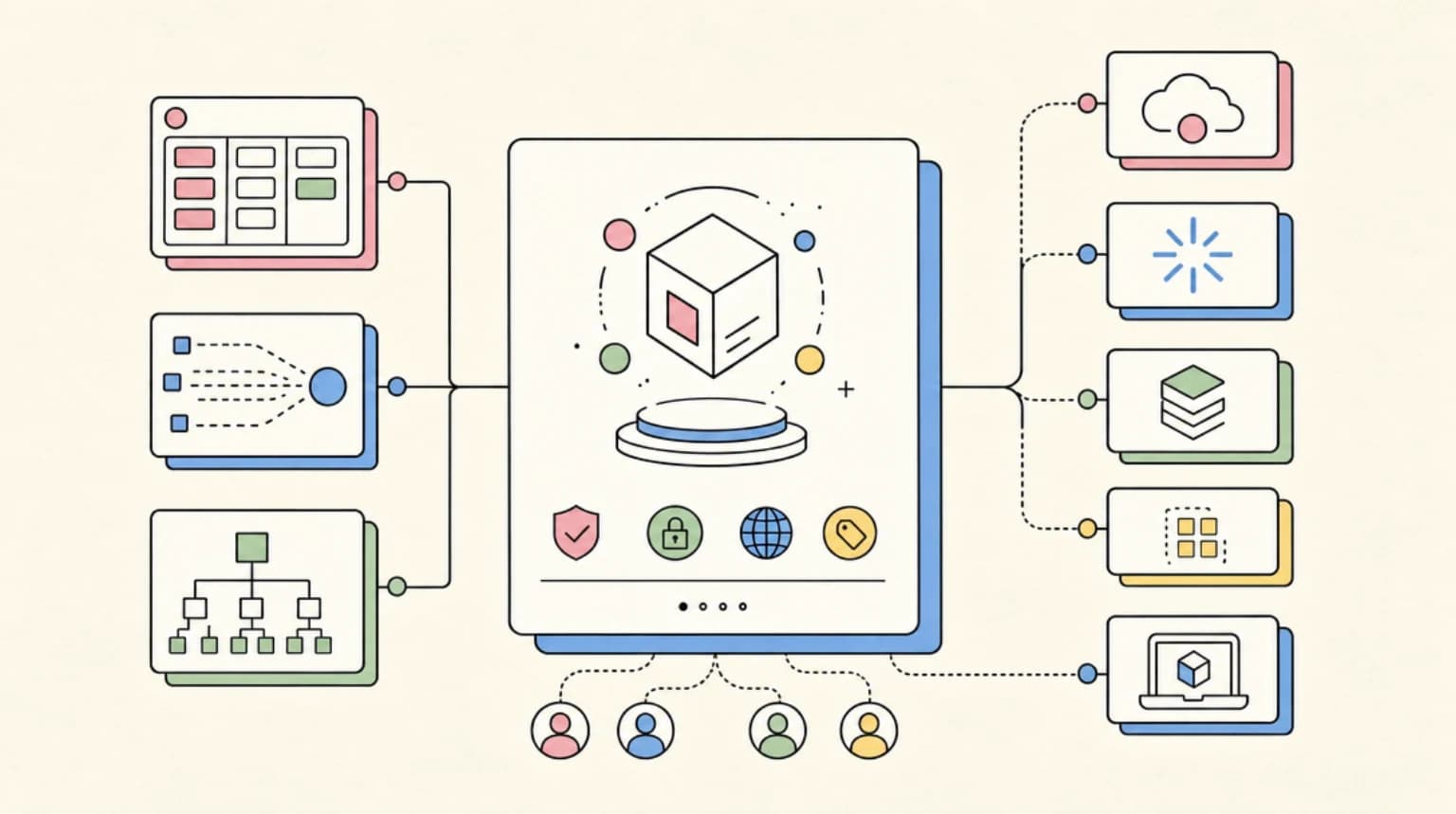
FreeLLMAPI: One Free Endpoint for Claude Code, and Where It Breaks
FreeLLMAPI stacks 34 free LLM tiers behind one OpenAI-compatible endpoint and points Claude Code and Codex at it. What it is, the two commands that matter, and the limits its own docs admit.
8 min read
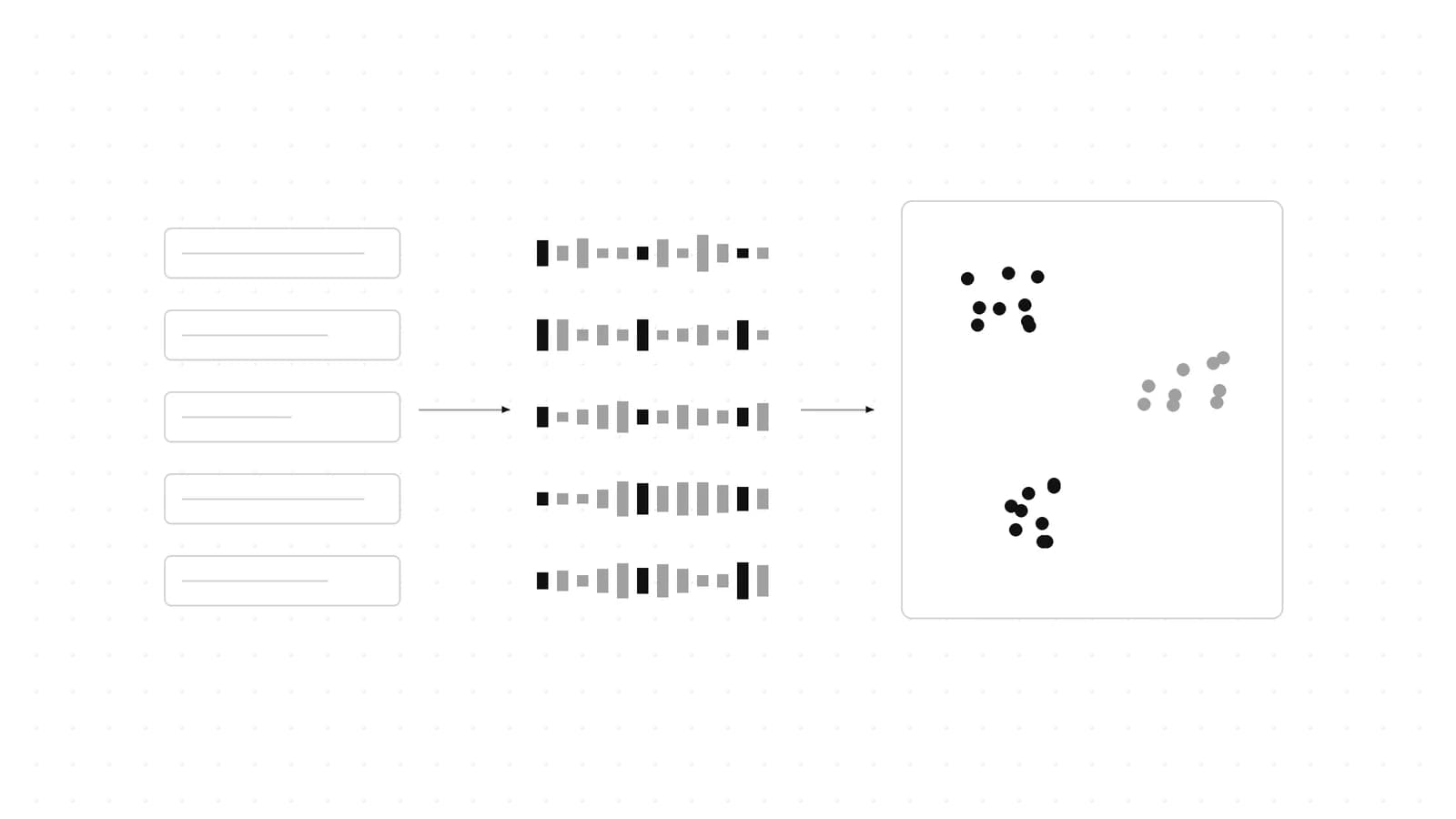
Which Embedding Model Should You Use in 2026? Specs Compared
Which embedding model to use in 2026: 20+ API and open-weight models compared on price per 1M tokens, dimensions, max input and license, with storage math.
13 min read
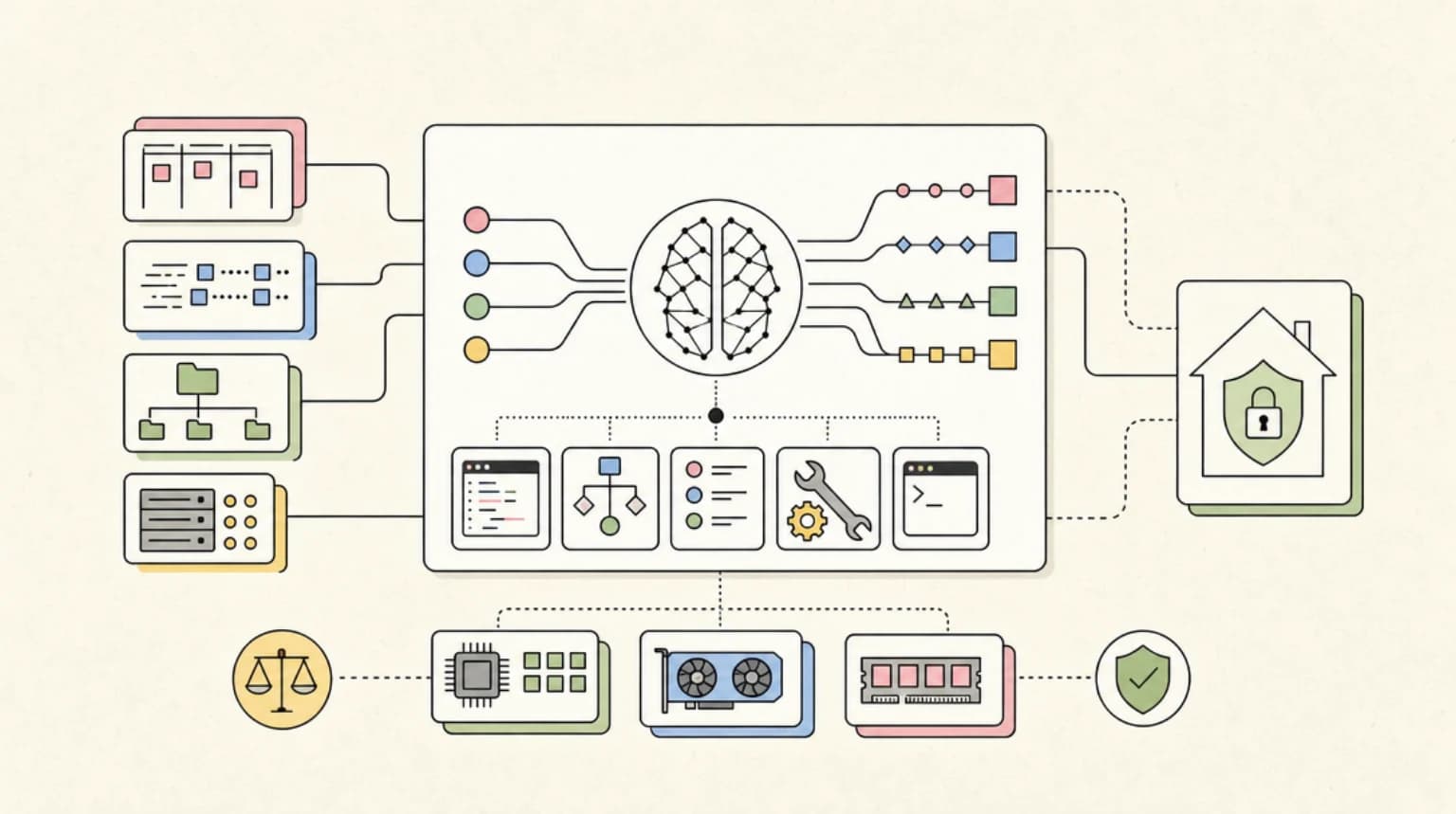
Muse Spark Open Weights: 816B Model, Benchmarks, and How to Run It
Meta released Muse Spark Open weights on October 15, 2026: 816B total, 42B active, 1M context. Run recipes, hardware floor, license catch, and where it trails.
8 min read
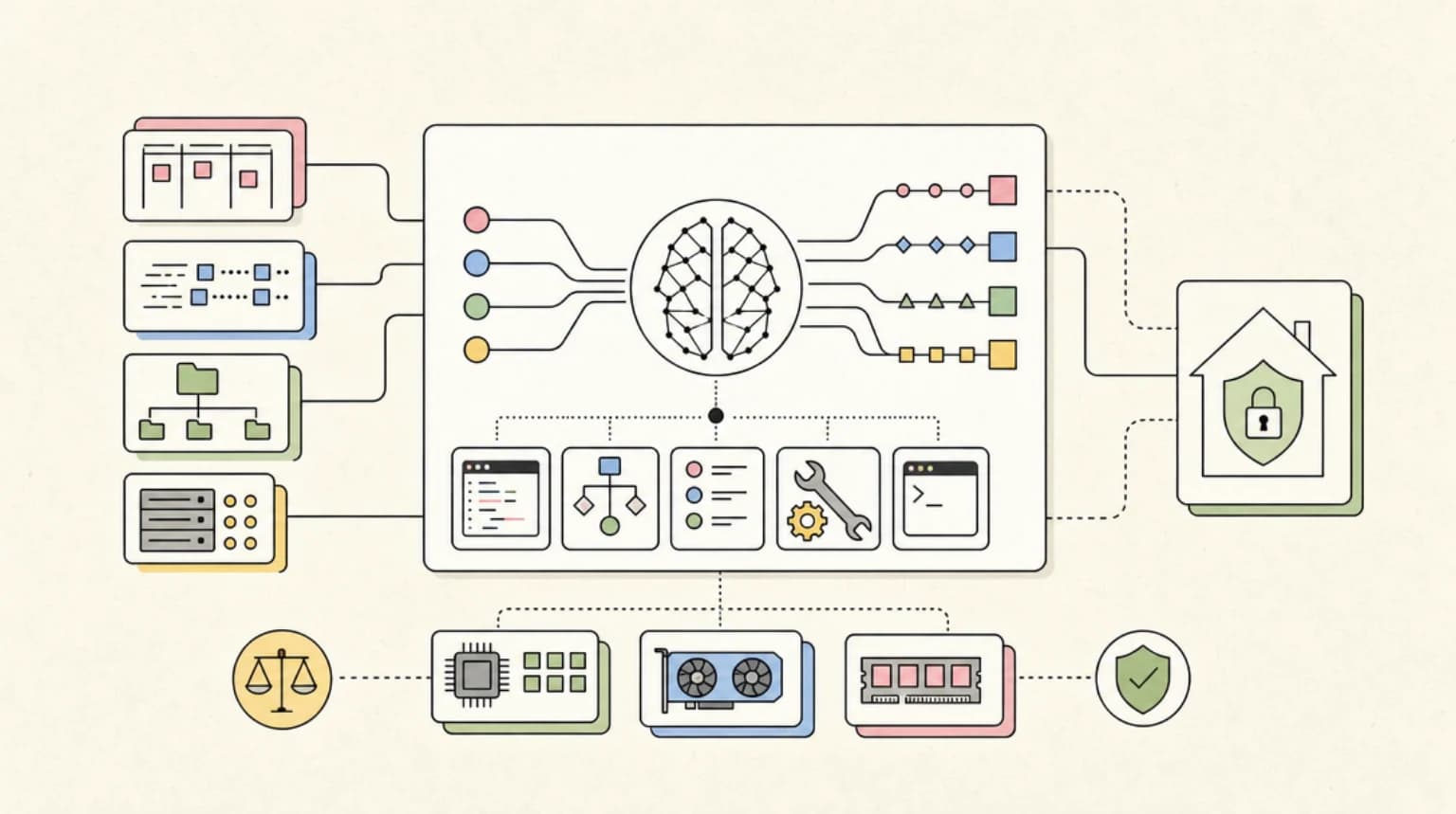
LFM2.5-24B-A2B vs Qwen3.6-35B-A3B: Fast Local Agent or Better Coder?
LFM2.5-24B-A2B vs Qwen3.6-35B-A3B for local agents: Liquid wins tool-use benchmarks, Qwen wins SWE-Bench Verified. Which one to run for which job.
7 min read
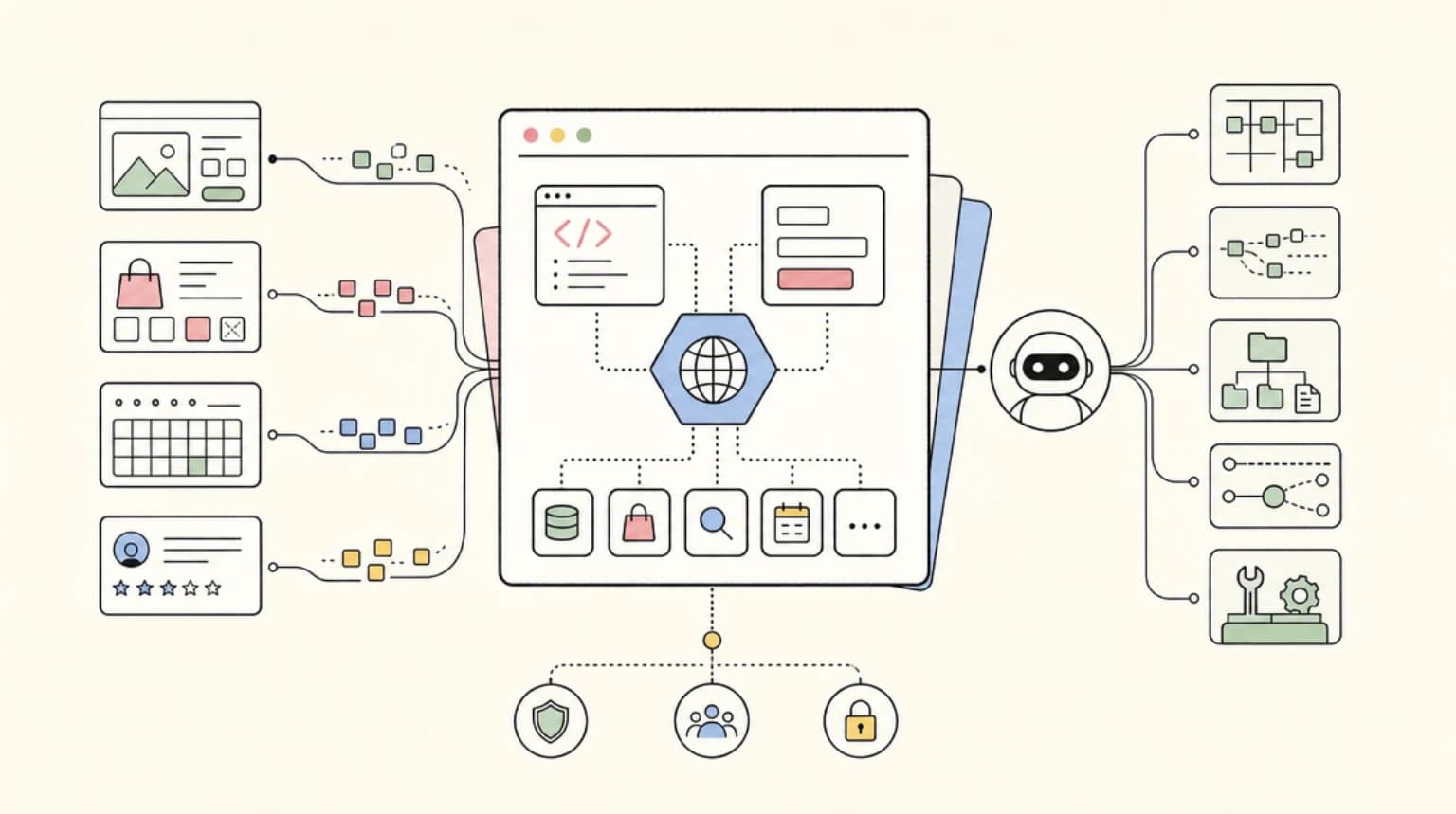
Claude Managed Agents in a Chrome Extension: ai-newtab Teardown
ai-newtab runs a Claude Managed Agents session from a Chrome extension to build a daily homepage. How the loop works, the cost claim, and the security gaps.
7 min read

Talorys: A Free Personal AI Agent on Cloudflare, and What 10,000 Neurons Buys
Talorys deploys a personal AI agent to your own Cloudflare account with one npx command. How far 10,000 free daily Neurons go and where "self-hosted" breaks.
7 min read
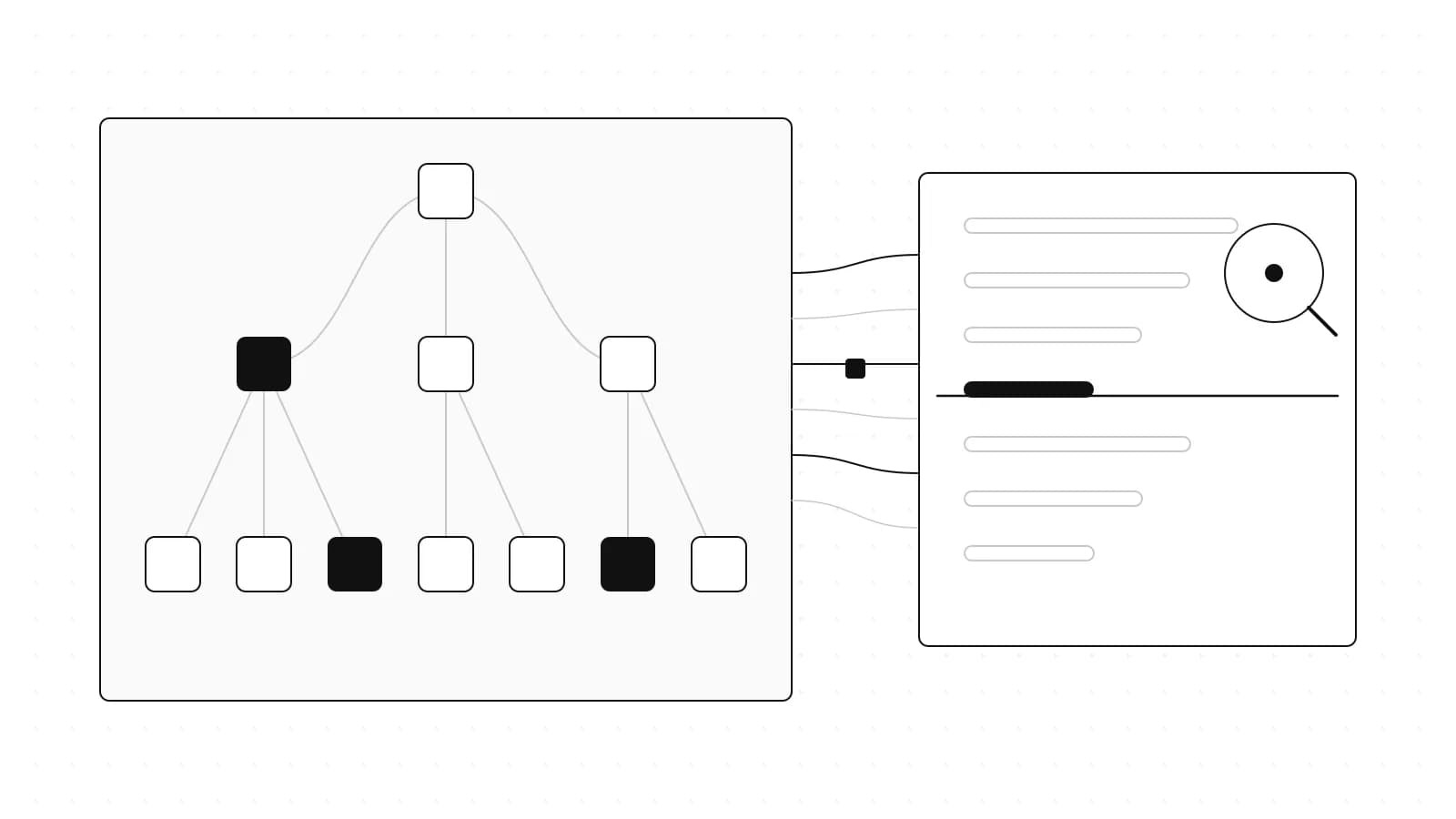
Anthropic OSS Scanner: Free AI Security Scans for Open Source (How to Enroll)
Anthropic OSS Scanner sends free AI vulnerability reports to eligible open-source projects. What the enrollment PR needs, what you receive, and the triage cost.
7 min read
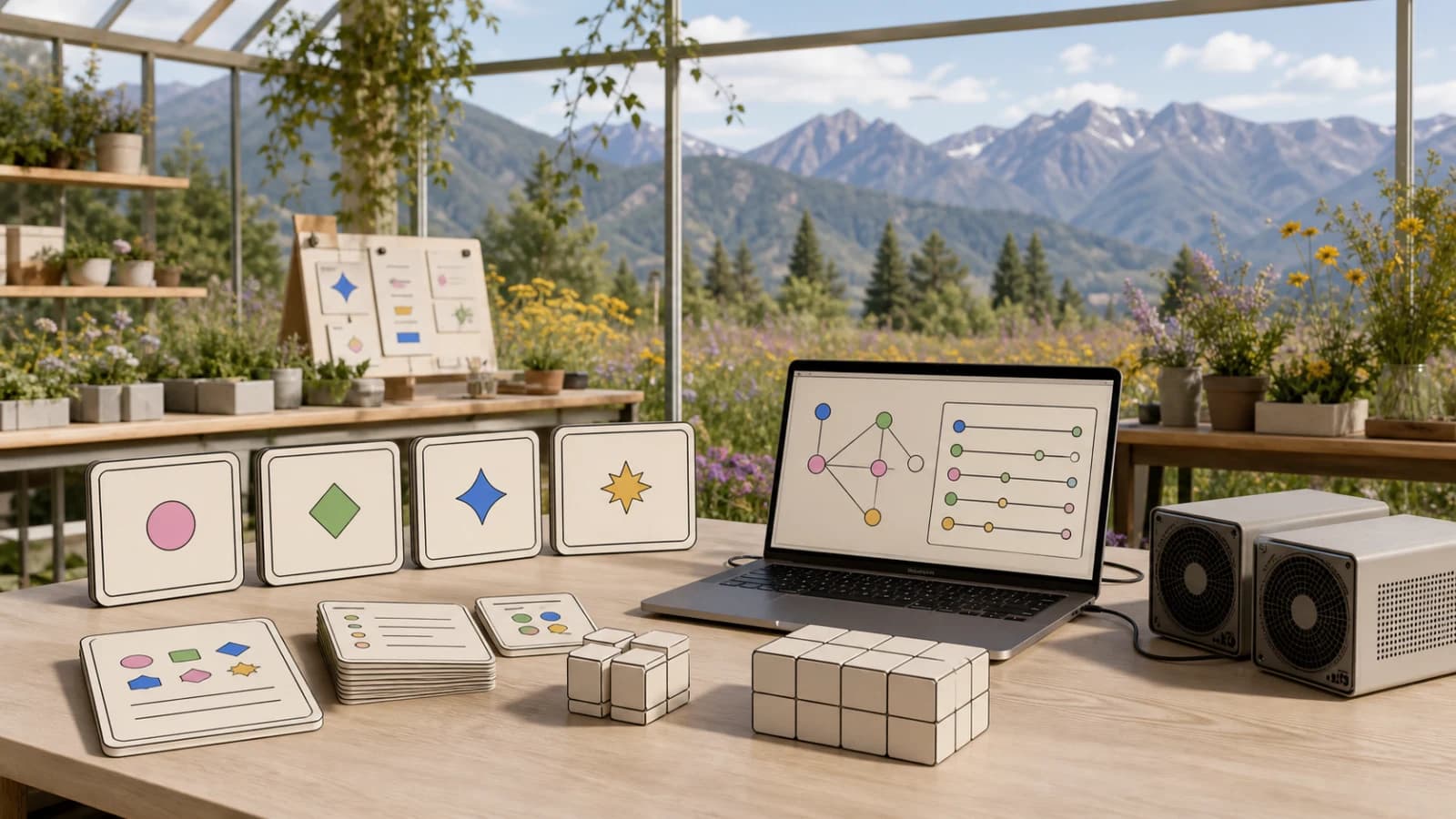
EmbeddingGemma 2 Guide: Local Multimodal Embeddings for Code
EmbeddingGemma 2 is a 740M open model that embeds code, images, video and audio in one space. Specs, Matryoshka storage math, and where it breaks.
11 min read
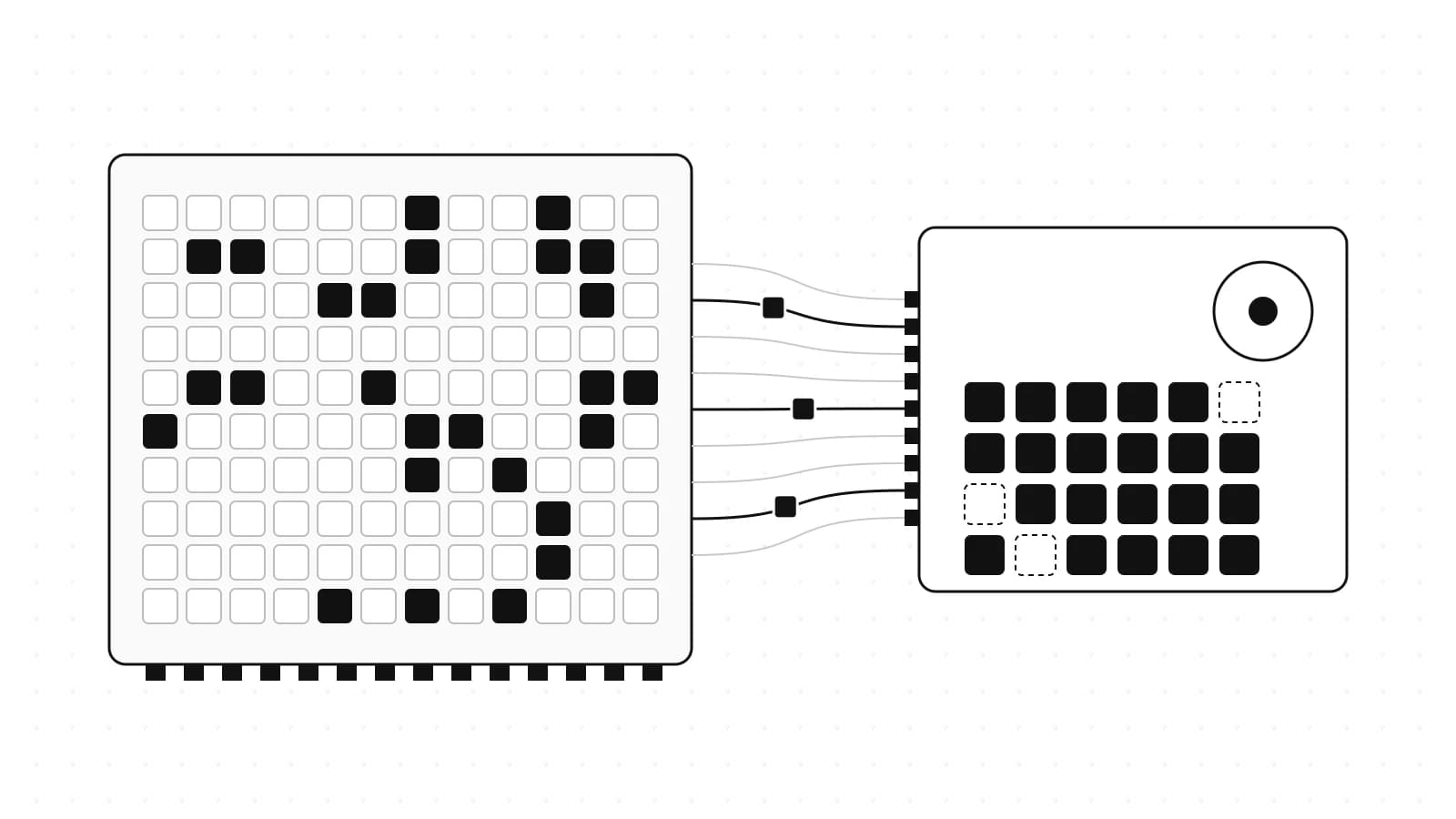
llama.cpp MoE Offload: --n-cpu-moe vs the New Expert Cache
llama.cpp now caches hot MoE experts on the GPU. In the PR author's RTX 5090 run, --cpu-moe plus --moe-cache-mib decoded 2.2x faster than --fit. When to use each flag.
10 min read
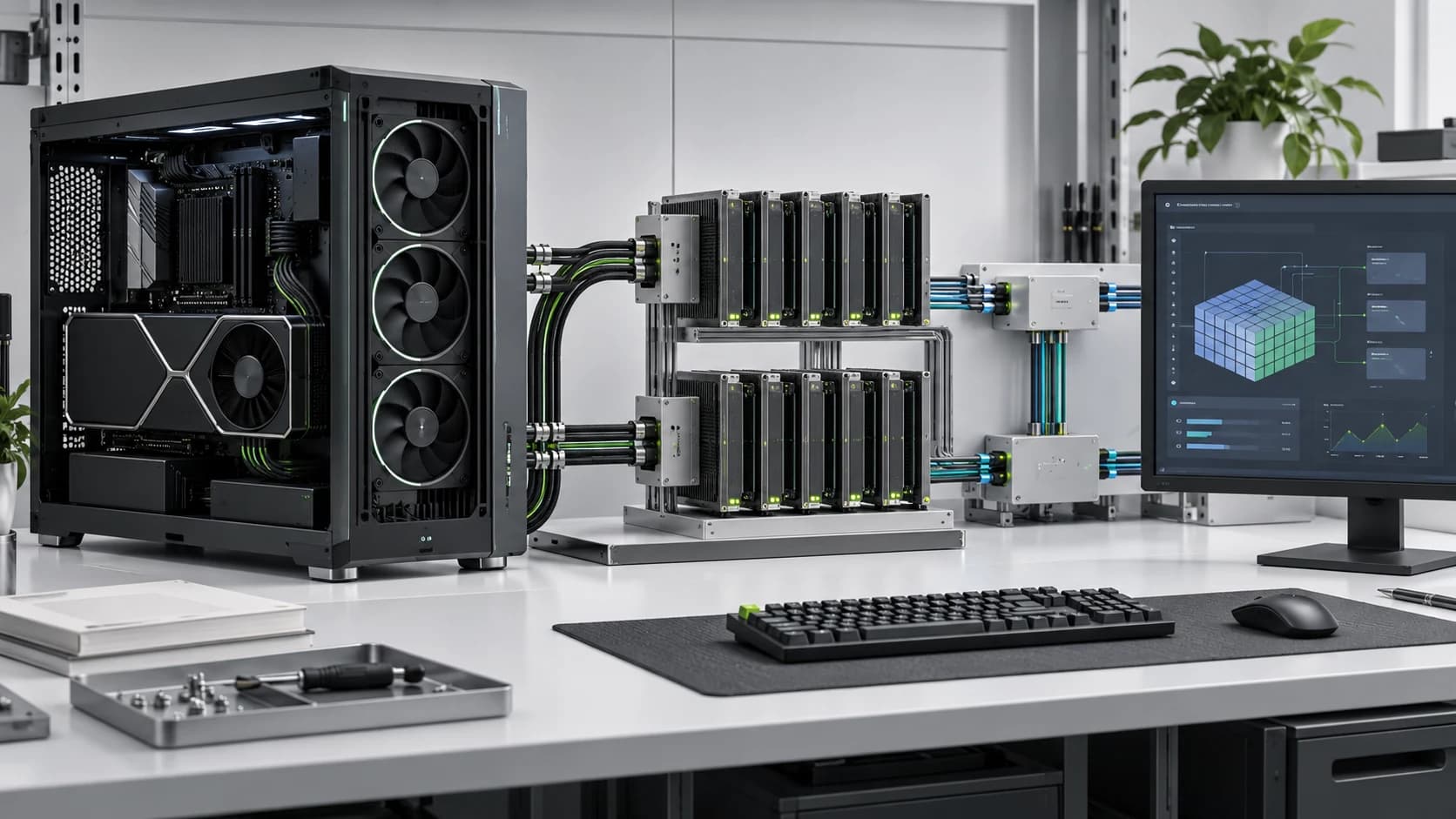
How to Run Kolibri Locally: GGUF, MLX and Hardware Picks
Kolibri 1 runs locally from 28.6 GB (Q2_K) to 83.1 GB (Q8_0). Which quant fits your RAM or Mac, measured speeds, and why Ollama cannot load it yet.
10 min read
Run Qwen3.8-Flash-Next on a Gaming PC With Strata
Run Qwen3.8-Flash-Next locally with Strata on a 12 GB GPU: hardware needs, speeds by quant, the license catch, and when the hosted API is the better call.
8 min read

Pi 1.0 Release Guide: MCP, Codemode and Pi Durable
Pi 1.0 adds built-in MCP through Codemode, a fullscreen TUI by default and Pi Durable. What changed, how to install it, and what breaks on upgrade.
6 min read

Cloudflare Clef Decision Models: Jev-Compatible, Benchmarked and Priced
Cloudflare Clef and Clef-flash are Jev-compatible decision models on Workers AI. Pricing, latency and benchmarks against Jev, plus the RL fine-tuning service.
5 min read
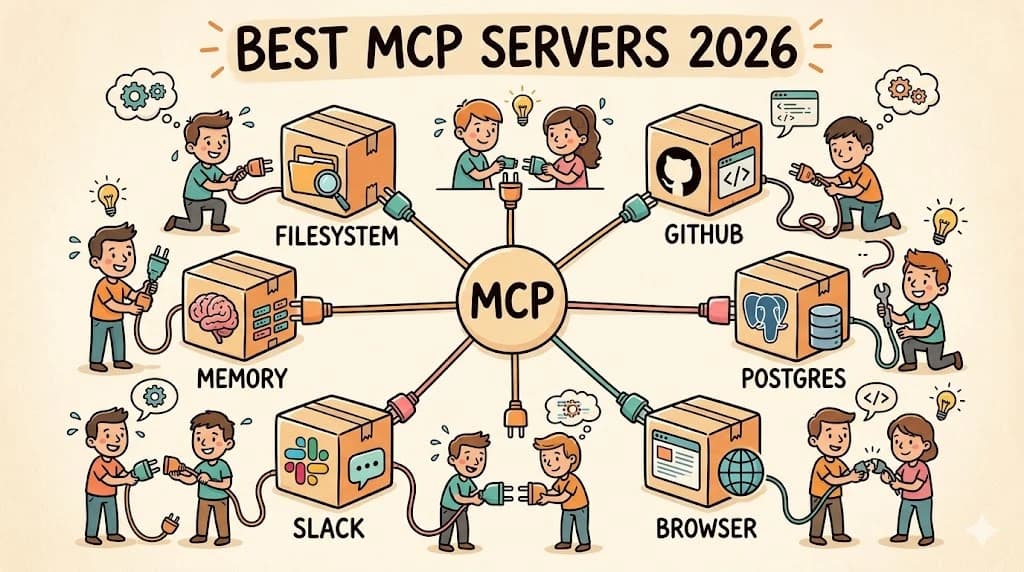
Magnitude: A Self-Tuning Inference Engine Bids to Be Your Agent's Local Backend
Magnitude is an Apache-2.0 inference engine that tunes kernels on your hardware and plugs into OpenCode, Codex and Claude Code. What shipped, where it breaks.
6 min read

NVIDIA OpenShell Makes Agent Sandboxes a Policy Layer
NVIDIA OpenShell runs autonomous agents in policy-enforced sandboxes: an open-source runtime that moves agent security from prompt rules to infrastructure.
8 min read
What Is OpenClaw? Setup, Skills, MCP Server, Claude Code, and Ollama (2026 Guide)
What is OpenClaw? A self-hosted personal AI agent you reach through chat apps. Install, skills and ClawHub, its MCP server, Claude Code use, and Ollama models.
12 min read
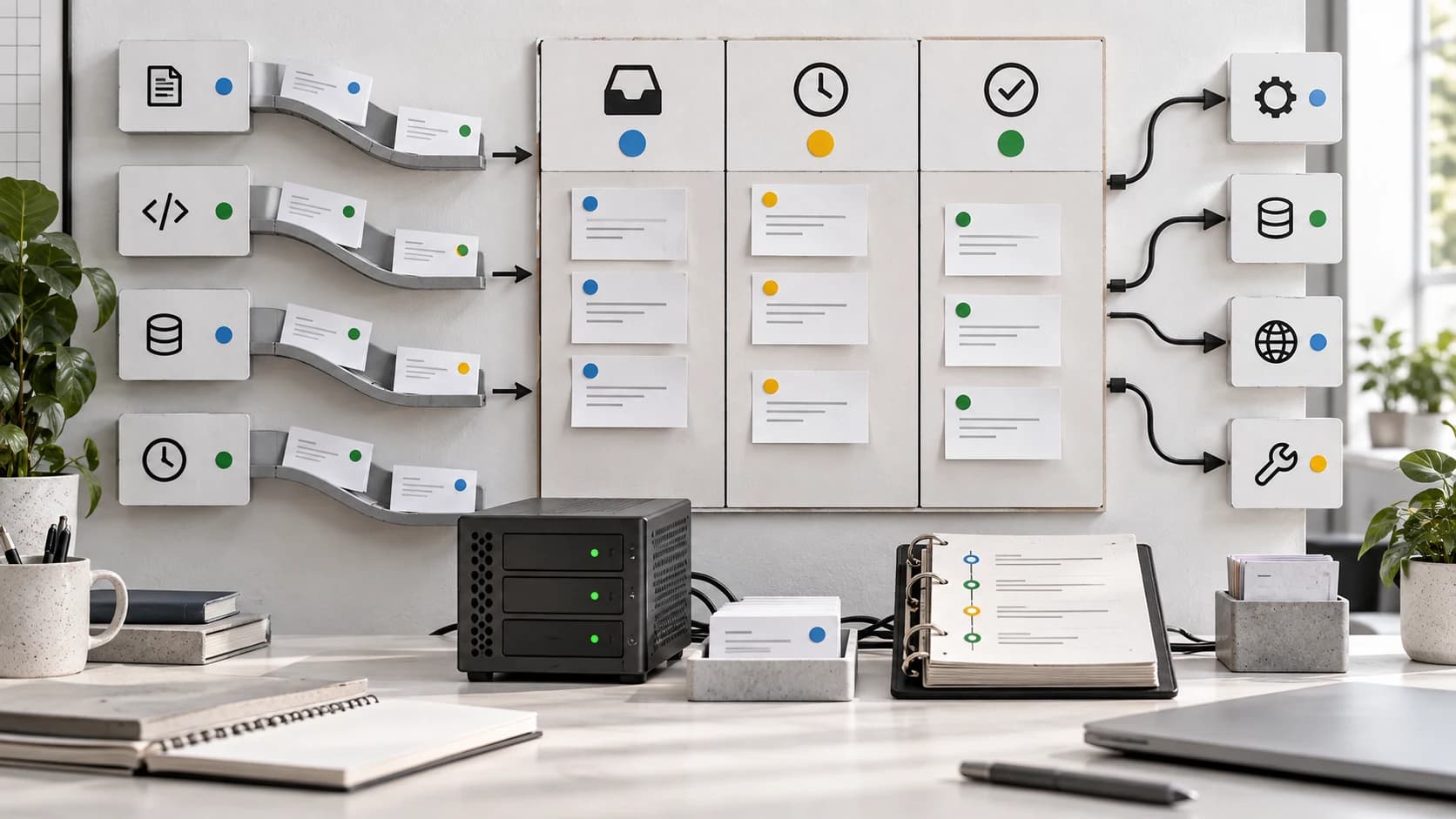
Pizza Bot Shows Why Background Agents Need Inboxes
AWS open-sourced Pizza Bot, a local-first inbox for background AI agents. The lesson for builders is the queue, approval, checkpoint, and return-path pattern.
8 min read
Herdr Deep Dive: Inside the Agent-Native Terminal Multiplexer
How Herdr went from a solo project to 41,000 GitHub stars and Y Combinator: how agent-aware terminals work and the gap they fill that tmux does not.
10 min read
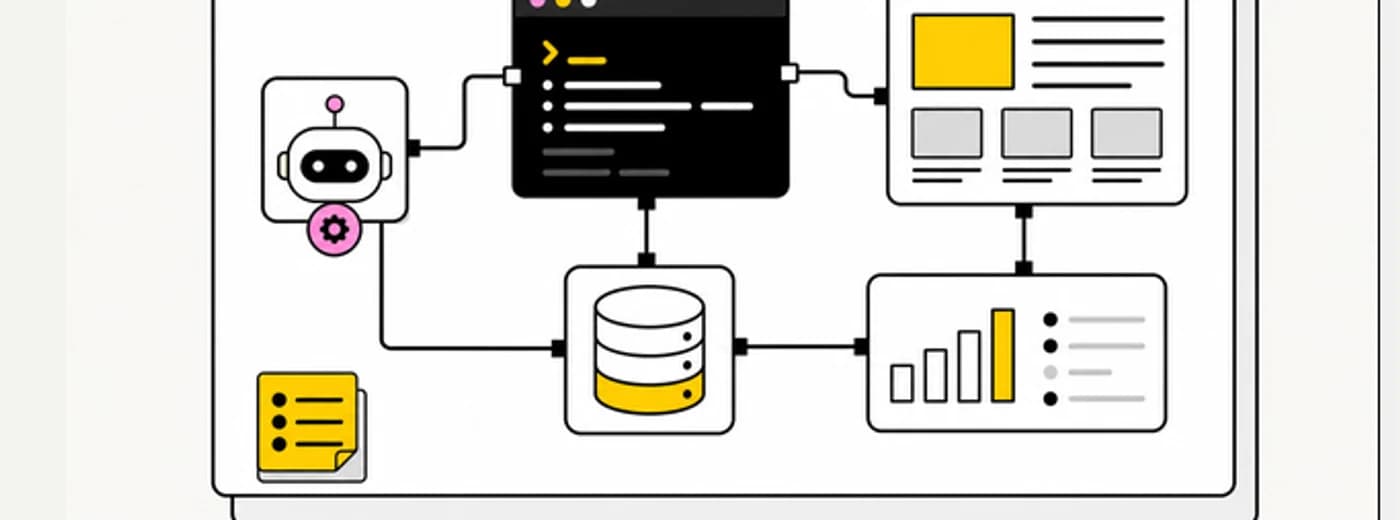
Herdr Joined YC. Its Eight-Week Plugin Ecosystem Is the Signal
Herdr joined Y Combinator weeks after going public. We measured its plugin ecosystem of policy gates, editor bridges and a marketplace to see what it proves.
8 min read
One Vertical Line: The OpenClaw GitHub Star Chart Story
The OpenClaw GitHub star chart: how a repo created in November 2025 drew a near-vertical line to 387,250 stars, and what that growth did and did not prove.
8 min read
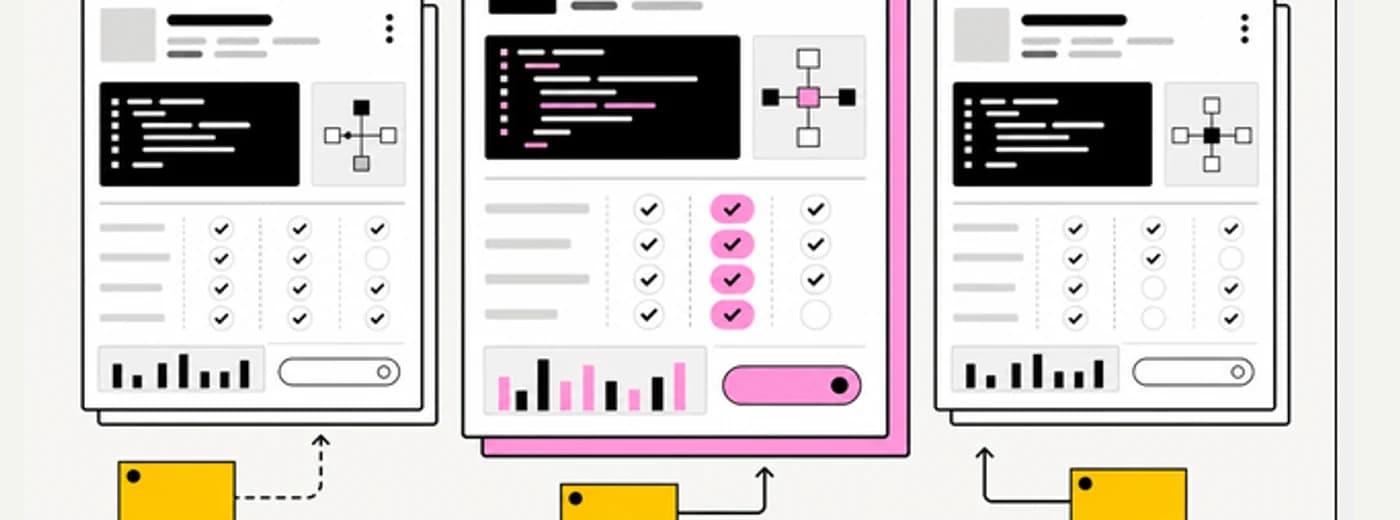
pi Deep Dive: The Minimal Architecture Behind 95,000 GitHub Stars
pi coding agent toolkit deep dive: five packages, branching JSONL session trees, four run modes, and why it refuses to build sub-agents, plan mode or MCP.
10 min read

Ox Alpha on OpenCode: The Free Stealth Model, Specs, Privacy Split, and How to Run It
Ox Alpha is a free stealth model on OpenCode with 1M context. What is confirmed, where OpenCode and OpenRouter differ on retention, and how to run it.
9 min read
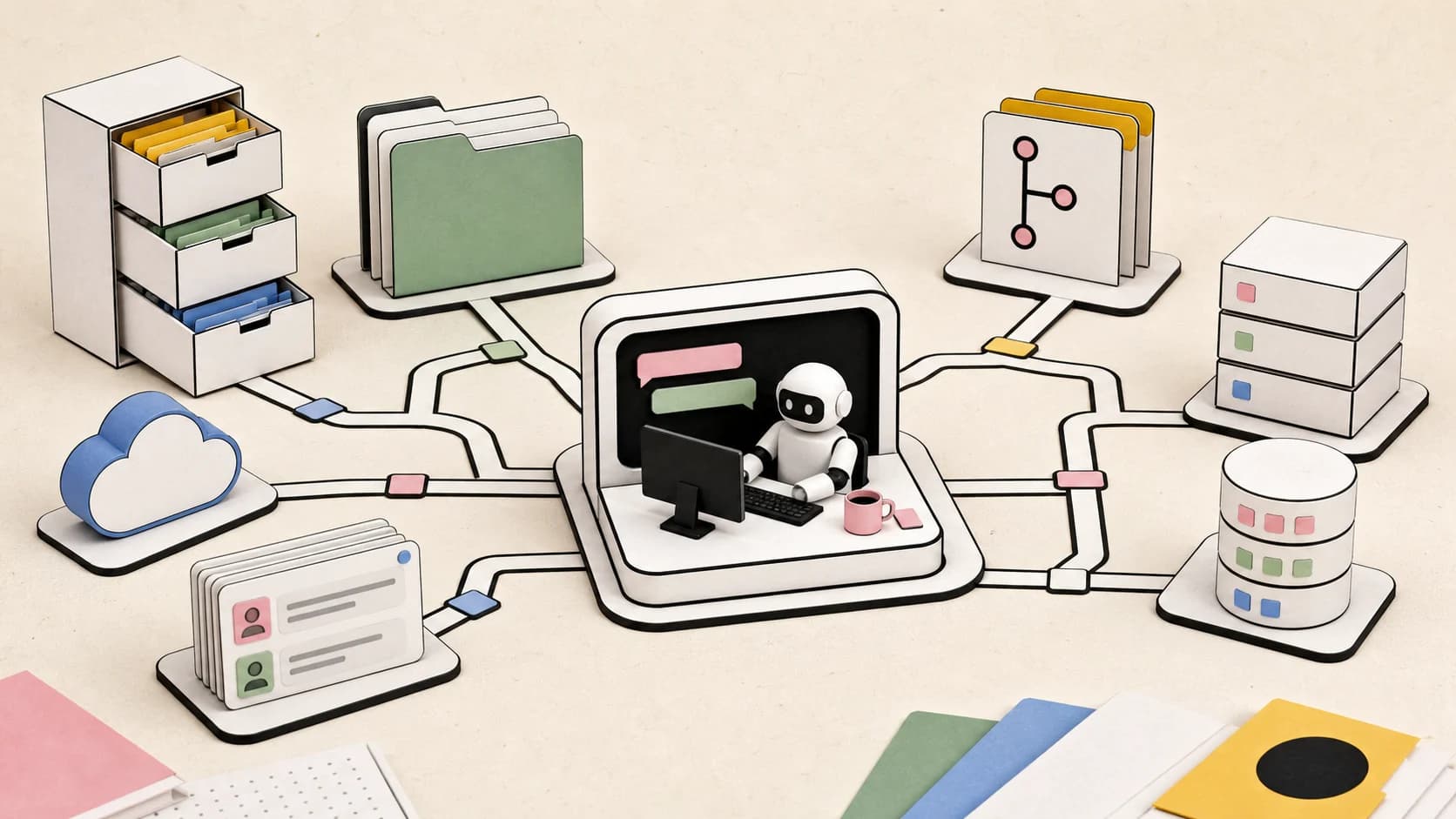
GitHub's AutoGPT Playbook: The Repo Instruction File Is Now an API for Other People's Agents
AutoGPT's playbook for AI pull requests: AGENTS.md placement, enforced PR templates, trigger-phrase skills and a CLA that keep agent-heavy repos reviewable.
7 min read
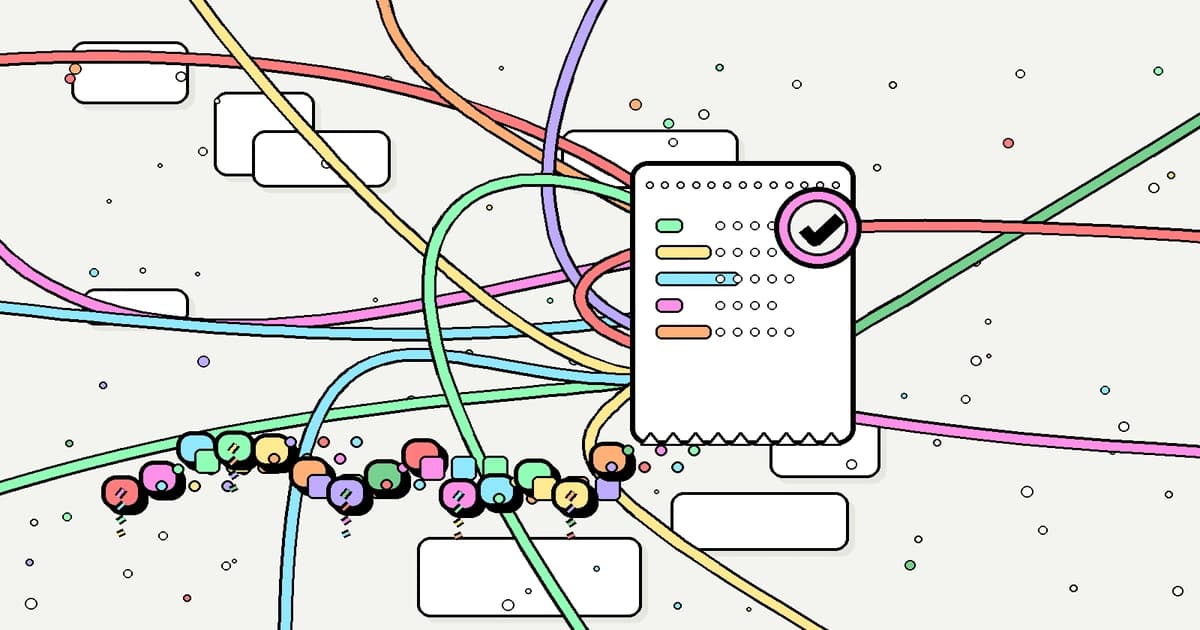
The $44 Compiler: Persistent Projects Beat Persistent Agents
EvoX Genesis built a Rust C compiler for $44 in tokens by keeping the project persistent and agents finite-lived. What the design says about agent memory.
6 min read
LFM2.5-VL-3B: Liquid AI's 3B Vision Model Reads Screens, Grounds Objects, and Calls Tools on a Laptop
LFM2.5-VL-3B is a 3B open-weights vision model from Liquid AI that reads screens, grounds objects and calls tools on a laptop. What shipped and how to run it.
7 min read
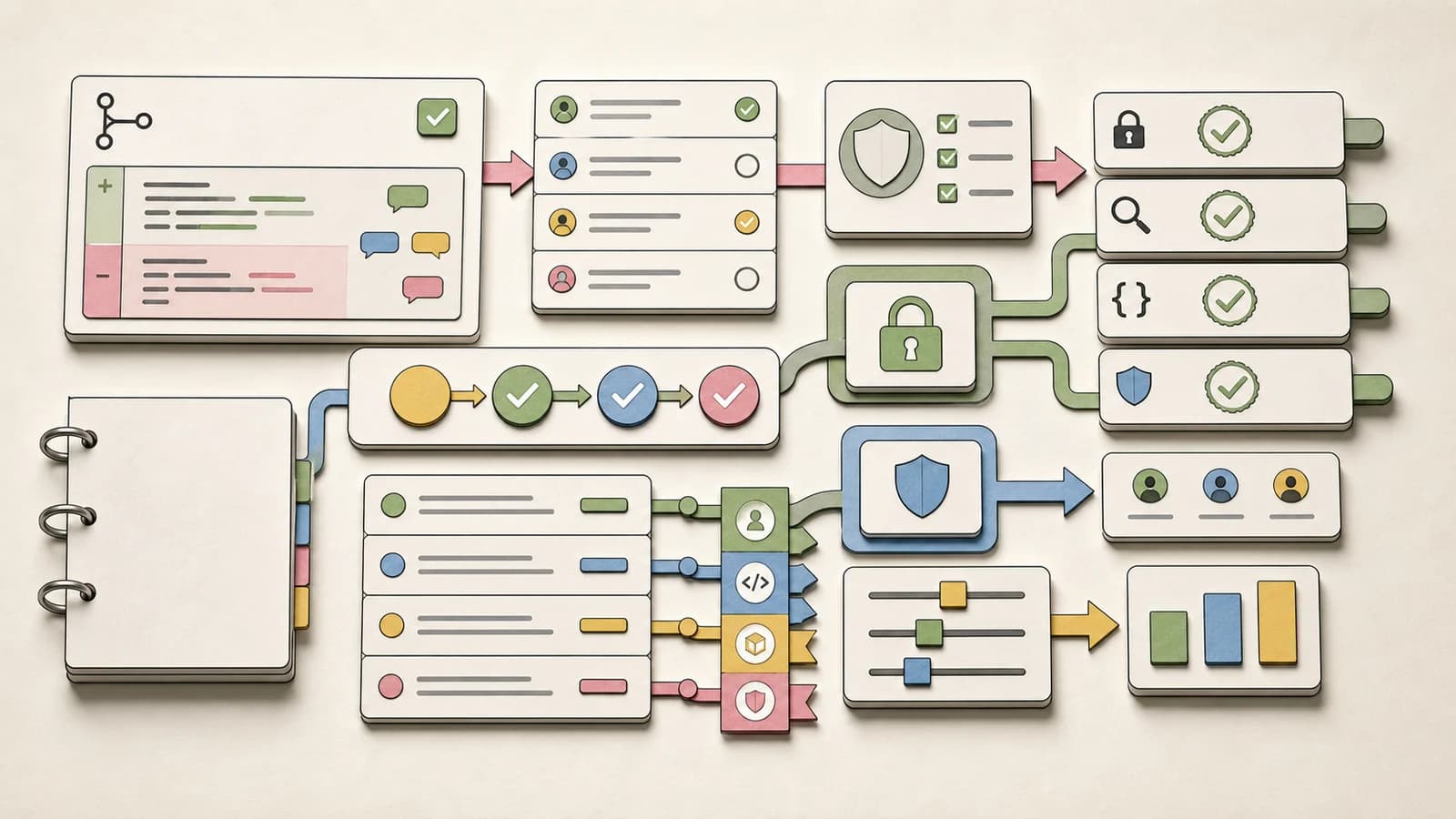
Cactus Needle 2: The 14MB Agentic LLM That Runs on a Raspberry Pi 5
Cactus open-sourced Needle 2, a 45M-parameter agentic LLM in a single 14MB binary that runs a full tool-calling session in 28MB of RAM. 500 tok/s on a Raspberry Pi 5, ESP32-S3 class parts, Apache 2.0. Here is what the benchmarks actually show.
7 min read
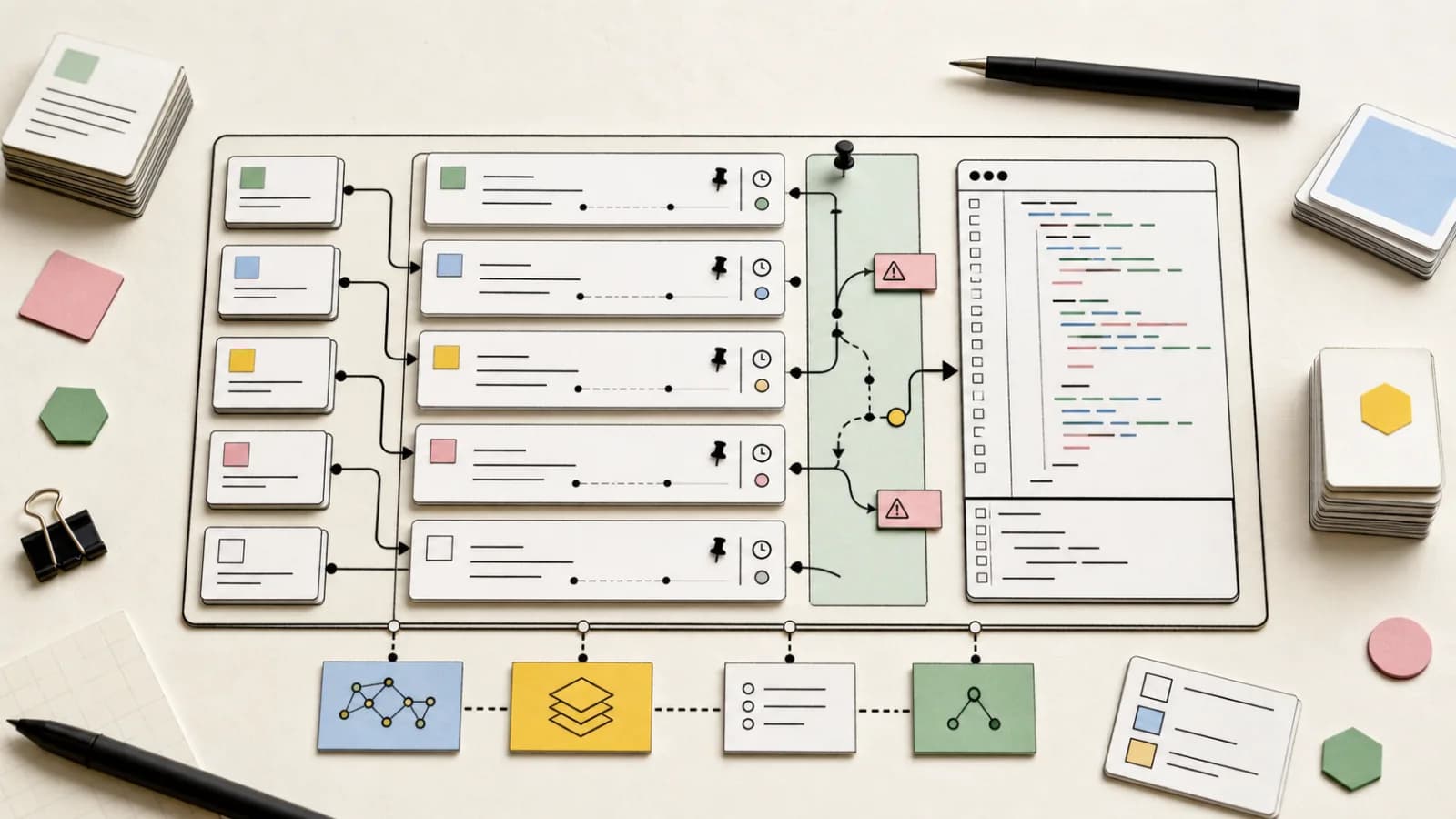
Distilling an LLM on One GPU: Offline Top-K Logits and a Fused Chunked KL Loss
LLM distillation on one GPU: cache the teacher's top-100 logits offline and use a fused chunked KL loss to cut a GPT-OSS 20B run from four nodes to one.
7 min read
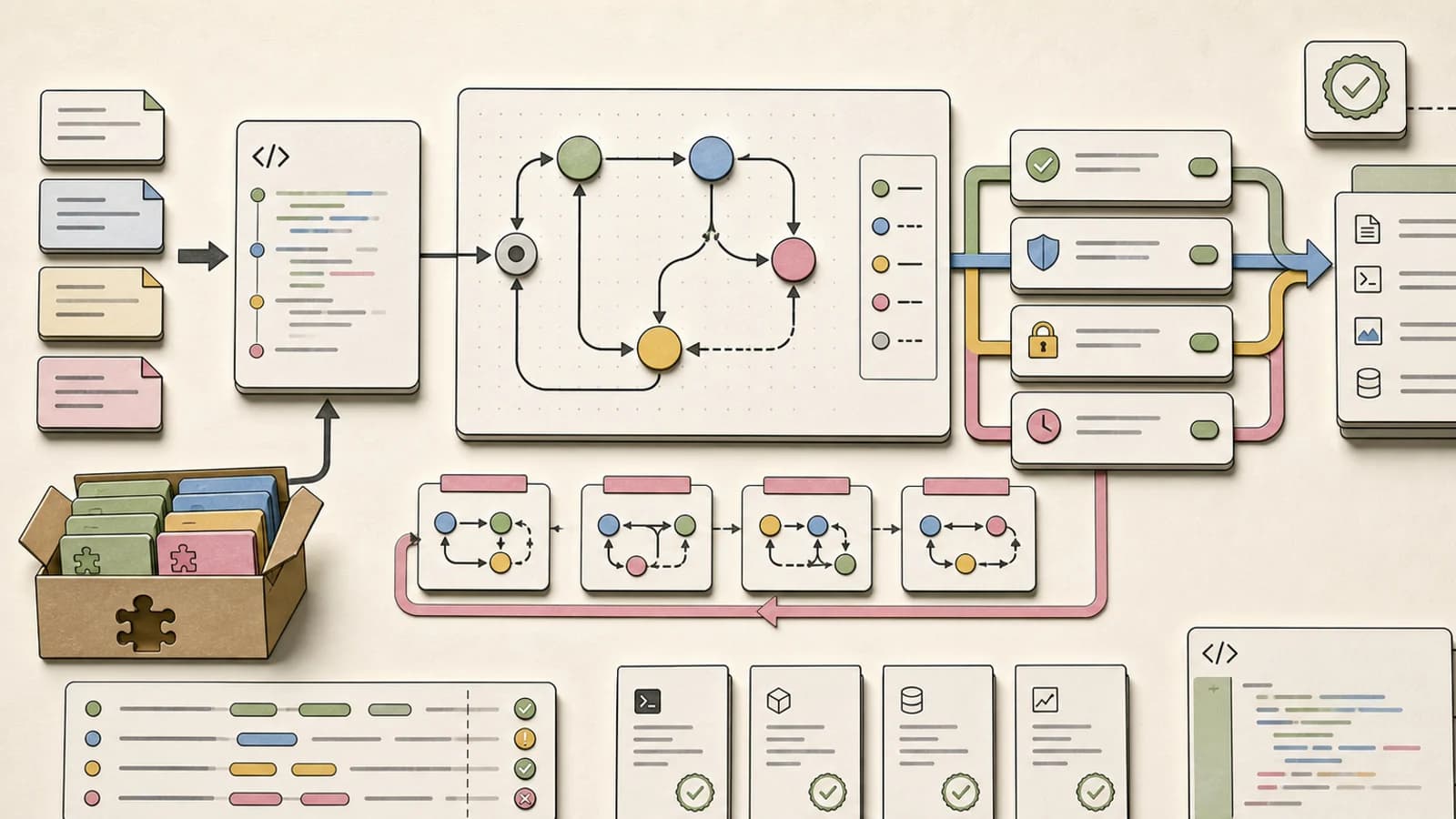
Muse Glimmer 30B: Meta's Open-Weight Local Agent Model, Benchmarks, and Hardware Reality
Muse Glimmer 30B is Meta's Apache 2.0 open-weight multimodal agent model that runs in 24GB. Benchmarks, hardware reality and what the numbers actually say.
8 min read
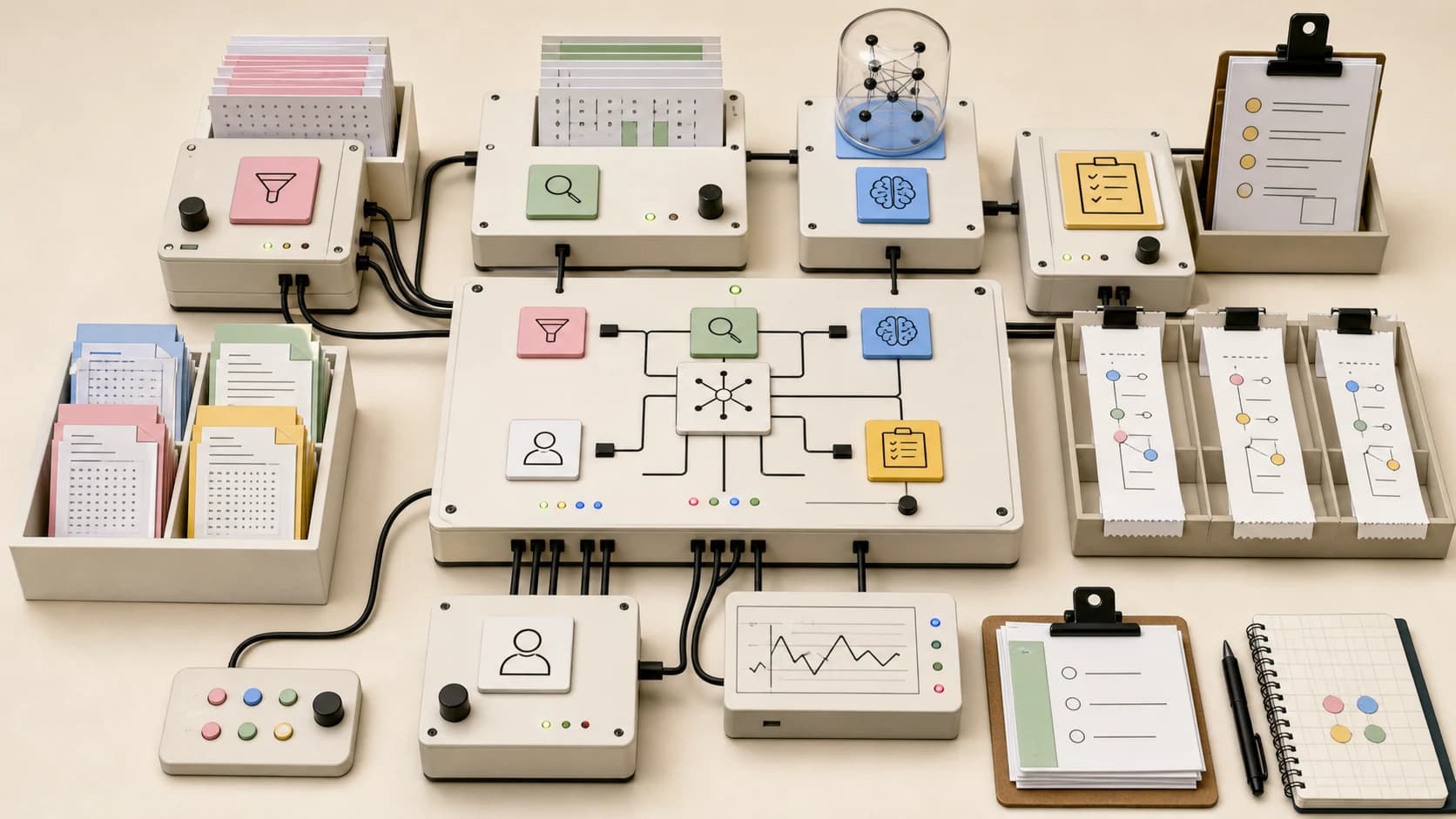
When Your AI-Generated App Turns Out to Be Someone Else's, Bug for Bug
A Claude-built night-sky site cloned an open source project's name, features and even a fixed bug. What it says about memorization and AI app verification.
7 min read

DeepMind Open-Sources WeatherNext Cyclones After a Nature-Verified Breakthrough
WeatherNext Cyclones, DeepMind's open-source tropical cyclone model, adds a day of forecast lead time. What the Nature paper shows and how to run the weights.
8 min read

OpenJDK Bans AI-Generated Code: What the New Policy Means for Java Contributors
OpenJDK's interim AI policy bans code generated in full or in part by LLMs. What it still allows, how it is enforced, and what it means for Java contributors.
8 min read
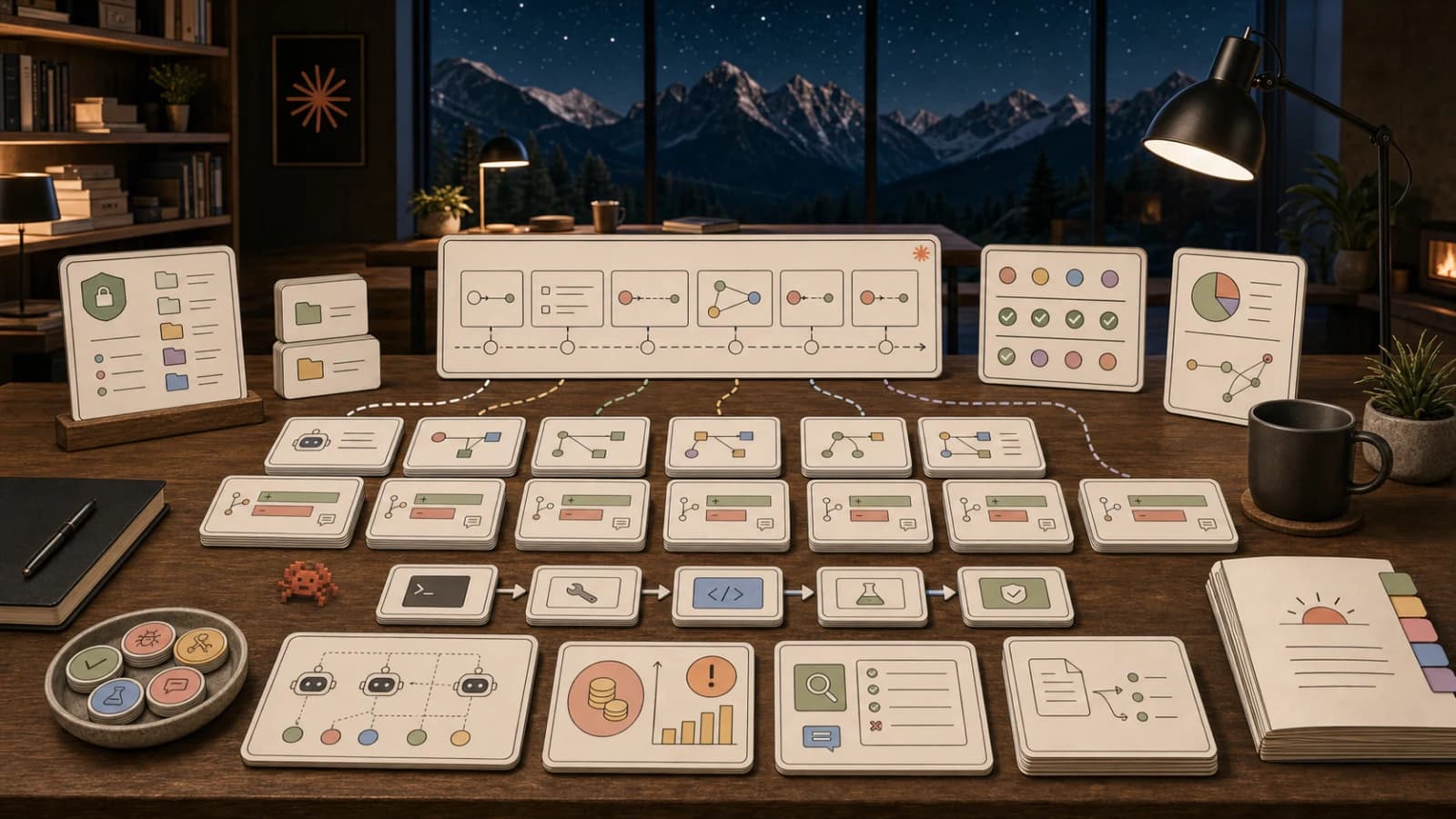
Cloudflare OS: The Open Source Agent Workspace That Treats Apps Like Files
Cloudflare OS is an open source agent workspace: capability-based Gatekeepers, apps as private per-user instances, and approvals that keep agents moving.
8 min read
LFM2.5-2.6B: Liquid AI's On-Device Agent Model Runs at 220 Tokens/s in Under 2.5 GB
LFM2.5-2.6B is an open-weight on-device agent model from Liquid AI that runs in under 2.5 GB. How it was trained, what the benchmarks say and how to run it.
7 min read
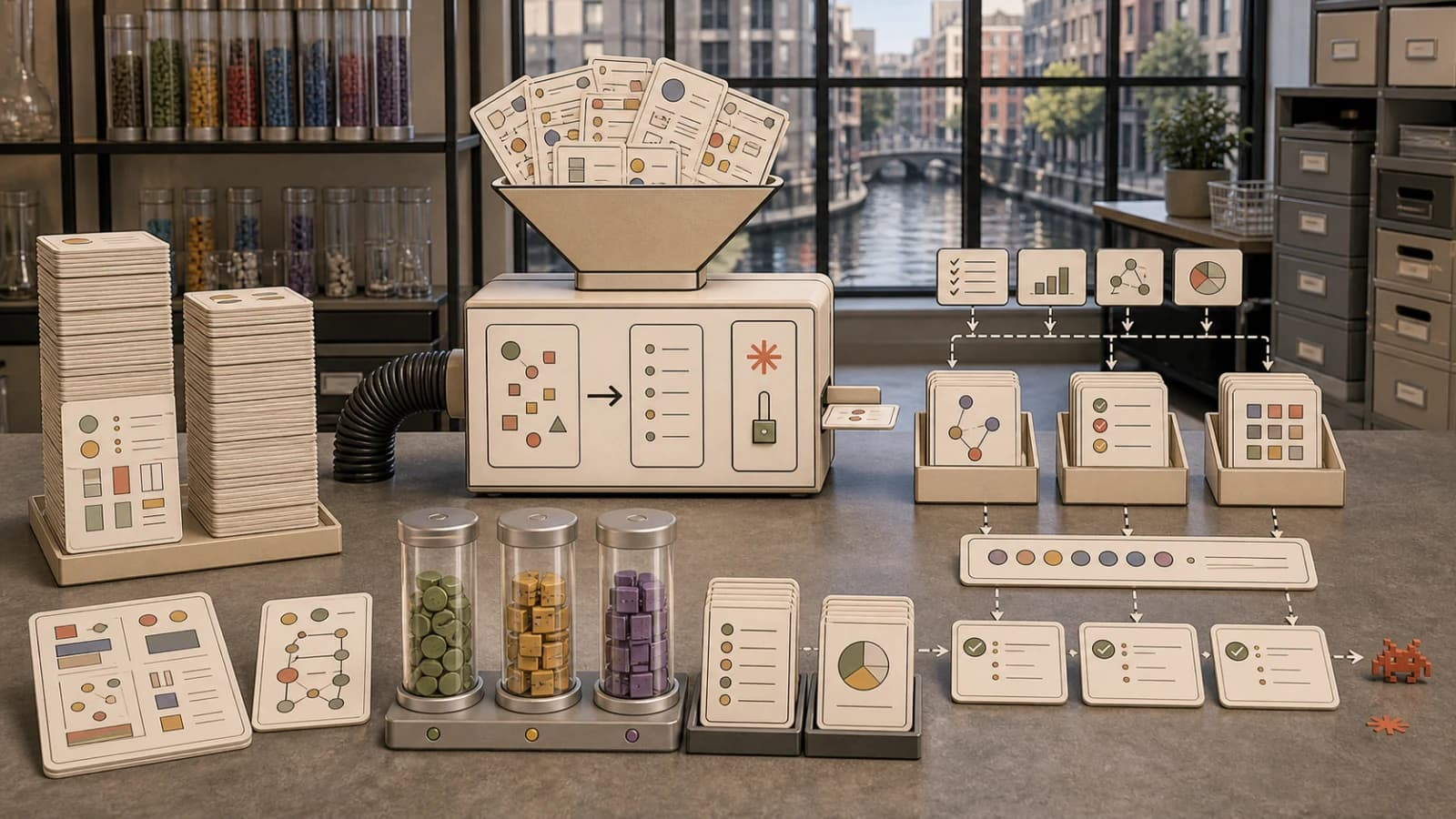
Prime Agent: A Self-Improving Coding Harness Where Everything Is Python
Prime Agent is Prime Intellect's open-source coding harness with one tool, a persistent IPython kernel. How it works, its benchmarks, and Claude Code compared.
22 min read
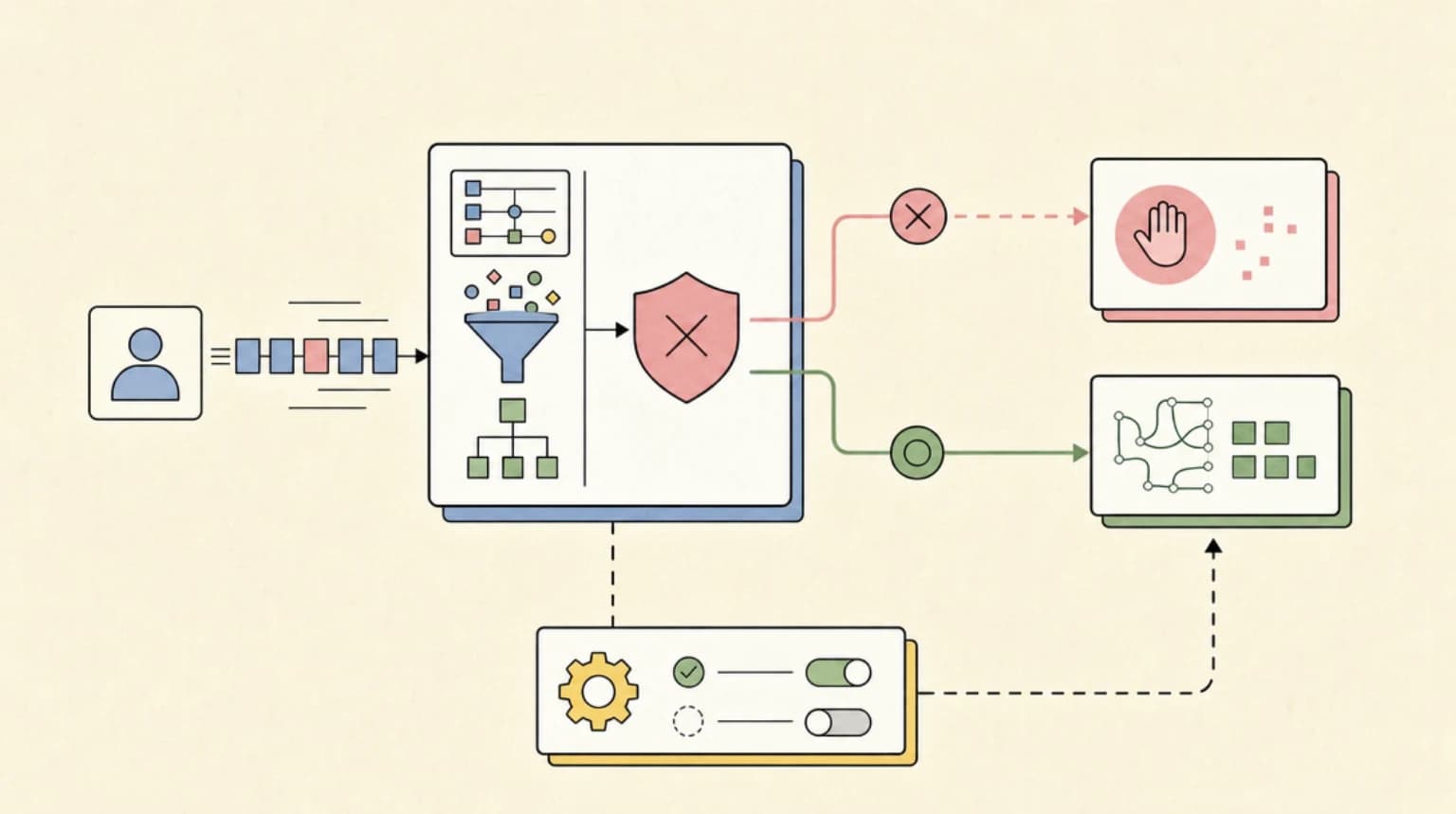
Mistral Shieldstral: A 3B Open-Weight Policy-Adaptive Moderation Model That Beats Models 7x Its Size
Mistral Shieldstral is a 3B Apache 2.0 multimodal moderation model that takes your policy as a plain-language question at inference and runs on one 16GB GPU.
8 min read

Vibe Maintenance: A Practical Workflow for AI-Generated Pull Requests
Vibe maintenance for AI-generated pull requests: Steve Yegge's workflow to automate triage, let agents repair good ideas, and keep maintainer taste in charge.
8 min read
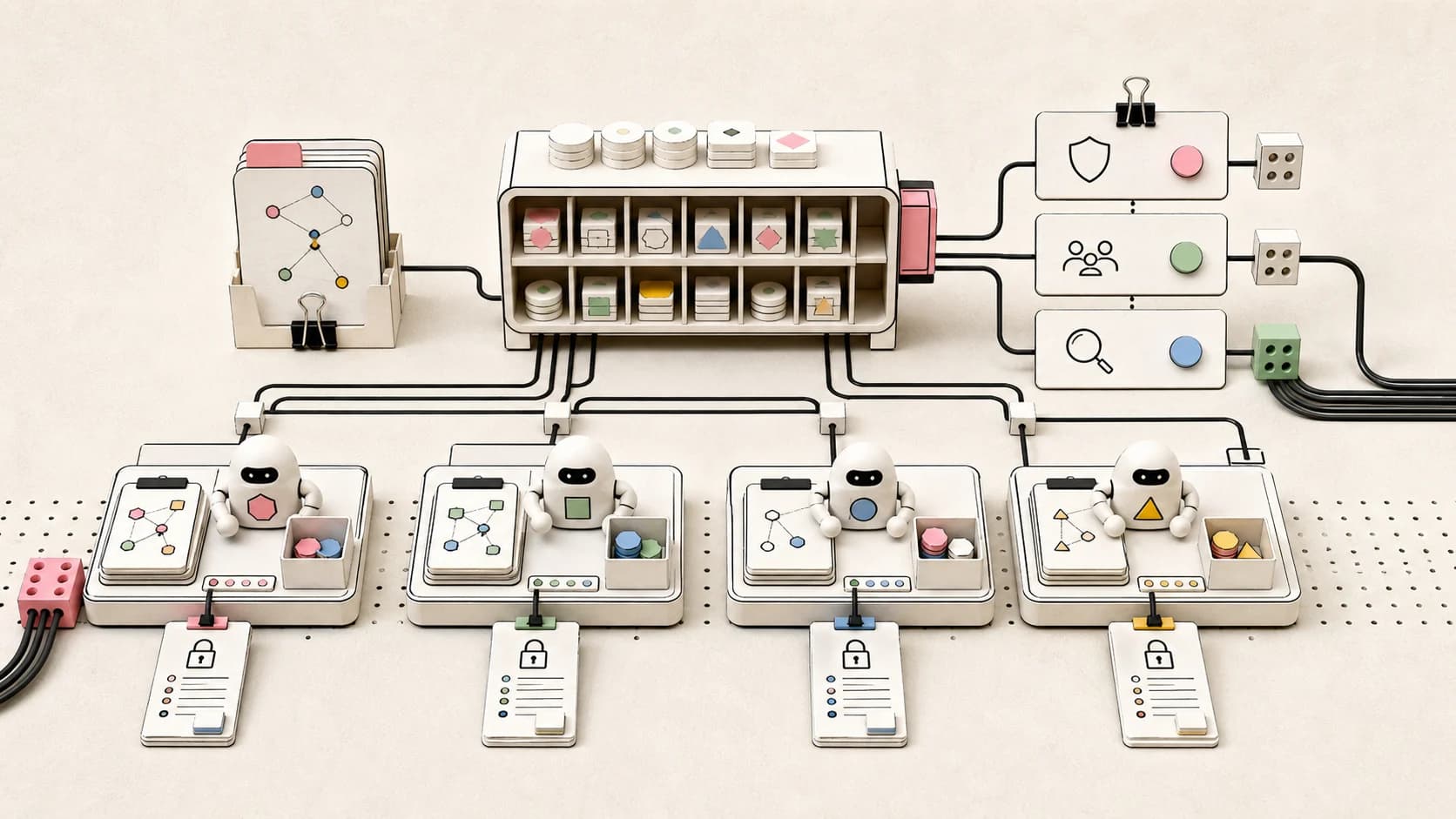
The RipGrep Musl Segfault That Led to a One-Line Linux Kernel Patch
A ripgrep musl segfault in huge multi-threaded searches traced to a suspected Linux 7.0 kernel race. How it was pinned, plus the one-line fix candidate.
7 min read
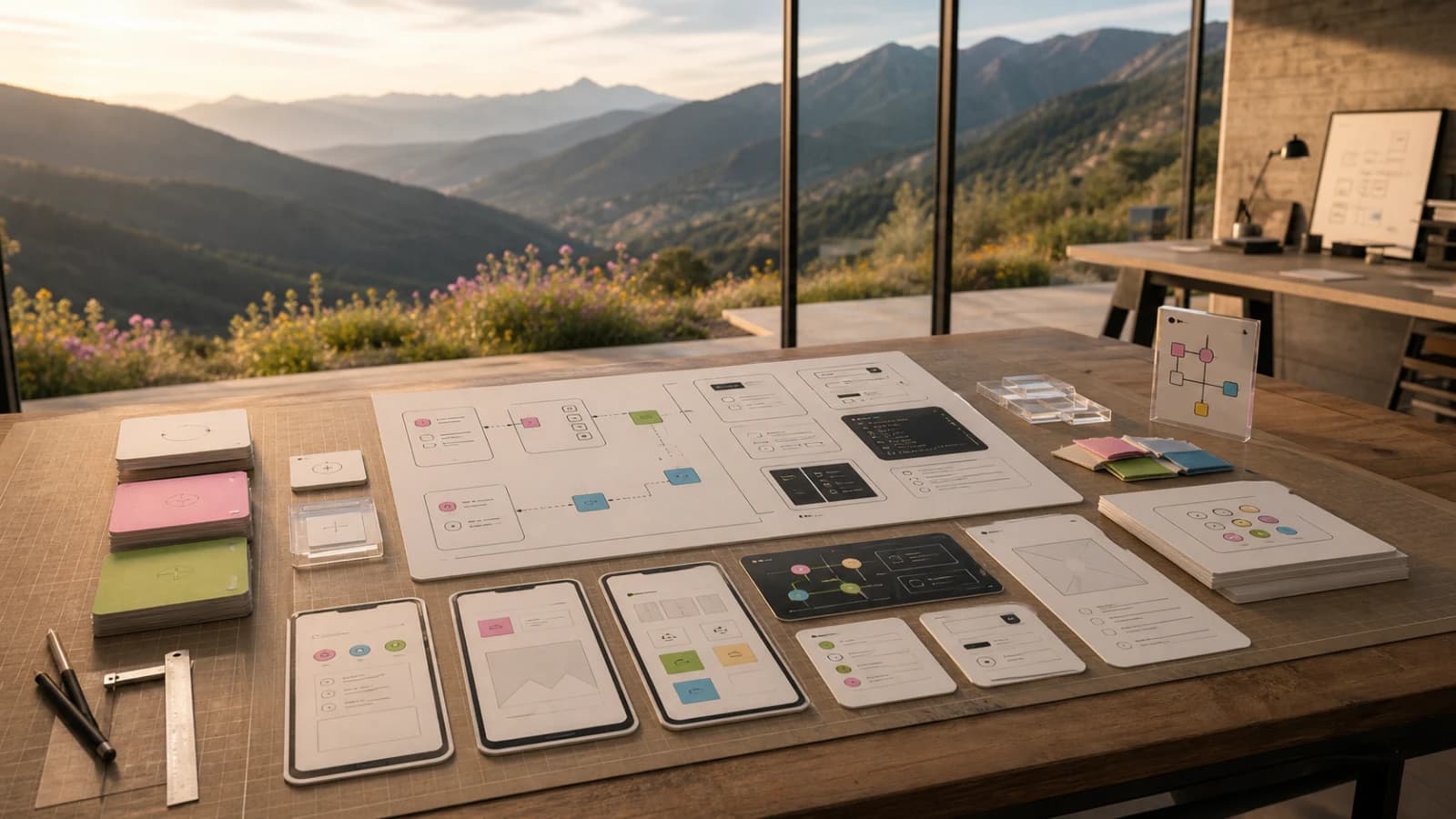
Your AI Session Is No Longer Yours: How Providers Seal Reasoning, Search, and Subagent State
AI session portability: sealed reasoning, opaque compaction and hidden subagent messages are replacing portable transcripts. Five tests and seven rules for it.
7 min read

Coding Agents Almost Never Read Open Source Contribution Rules: RepoComplianceBench Study
Coding agents rarely read open source AI contribution rules on their own and never refuse AI-banned repos. RepoComplianceBench shows what prompts can fix.
6 min read

DeepSeek V4 Flash 0731: The Official Release, Benchmarks, and How to Run It in OpenCode
DeepSeek V4 Flash 0731 is the official V4 Flash API release, re-post-trained to beat V4-Pro-Preview on agent benchmarks. How to run it in OpenCode today.
7 min read
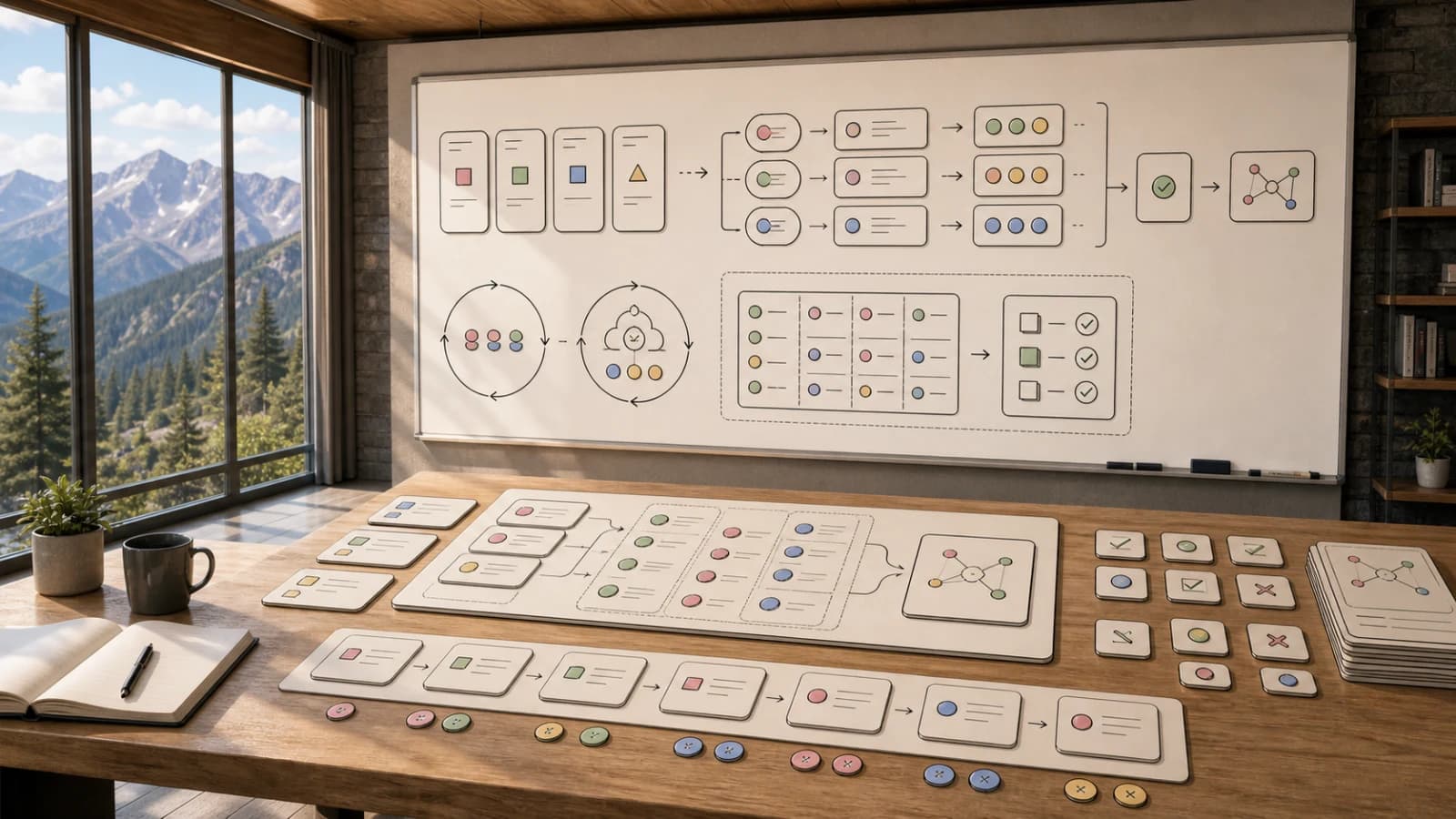
GitHub Case-Folds 480TB of Code at >45 GiB/s: The Branchless Casefold Crate
casefold is the open-source Rust crate GitHub uses to case-fold code for Blackbird at memory bandwidth, and why dropping the early exit let it vectorize.
8 min read
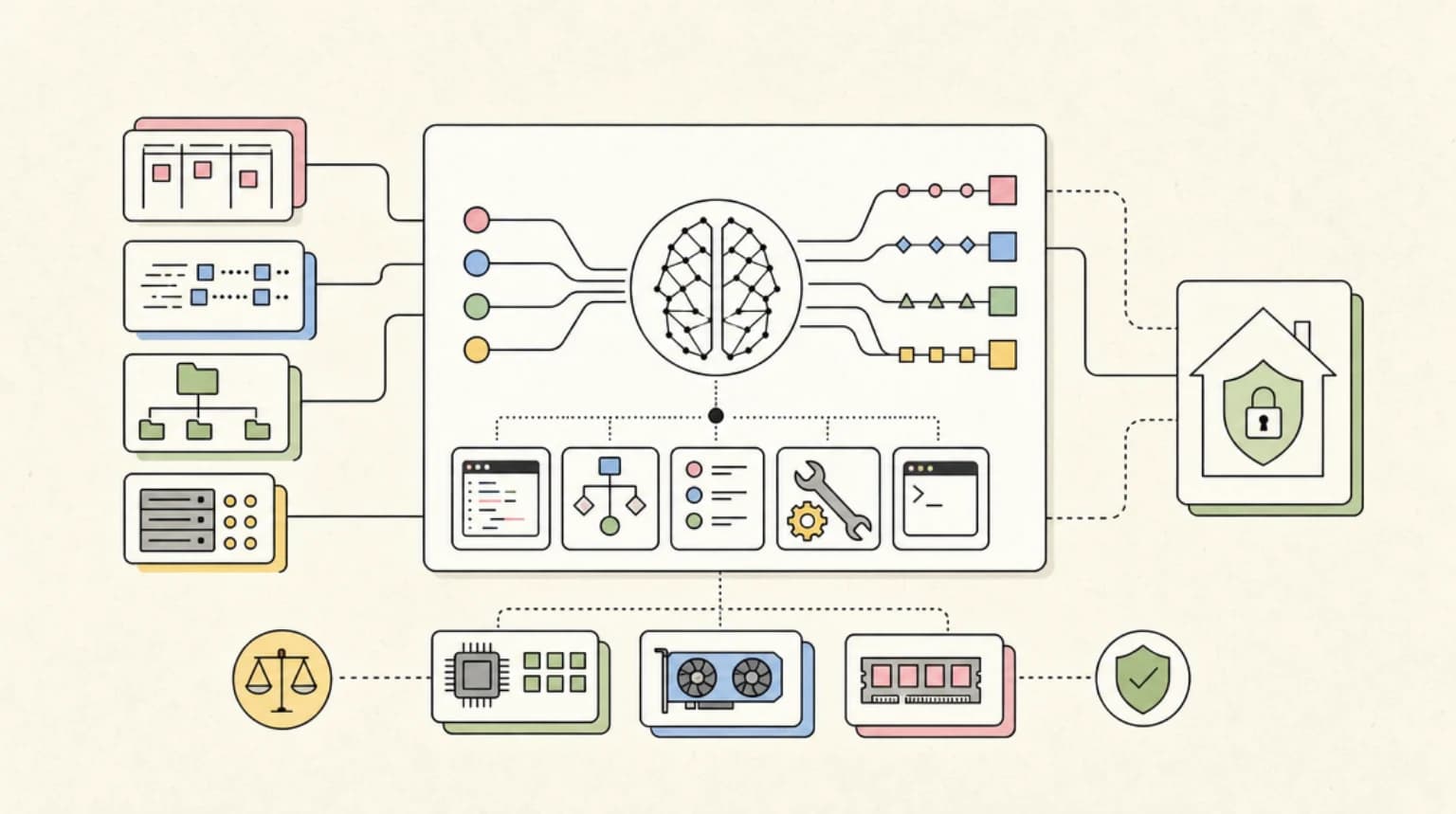
Inkling-Small: Thinking Machines Ships a 12B-Active Open Model That Beats Its Big Sibling on Agent Work
Inkling-Small is a 12B-active, Apache 2.0 open-weights MoE that beats the 975B Inkling on agentic coding and tool use at a quarter of the size.
8 min read
MiniMax H3: Omni-Modal Video, Native Audio, Open Weights
MiniMax H3 turns text, image, video and audio into video with native stereo sound. API from 0.80 CNY per second at 2K, and open weights are on Hugging Face.
8 min read

Buzz by Block: The Open-Source Workspace Where Humans and AI Agents Build Together
Buzz is Block's open-source Nostr relay workspace where humans and AI agents share rooms. Agent-first CLI, git as channels, workflows, and where it fits.
8 min read
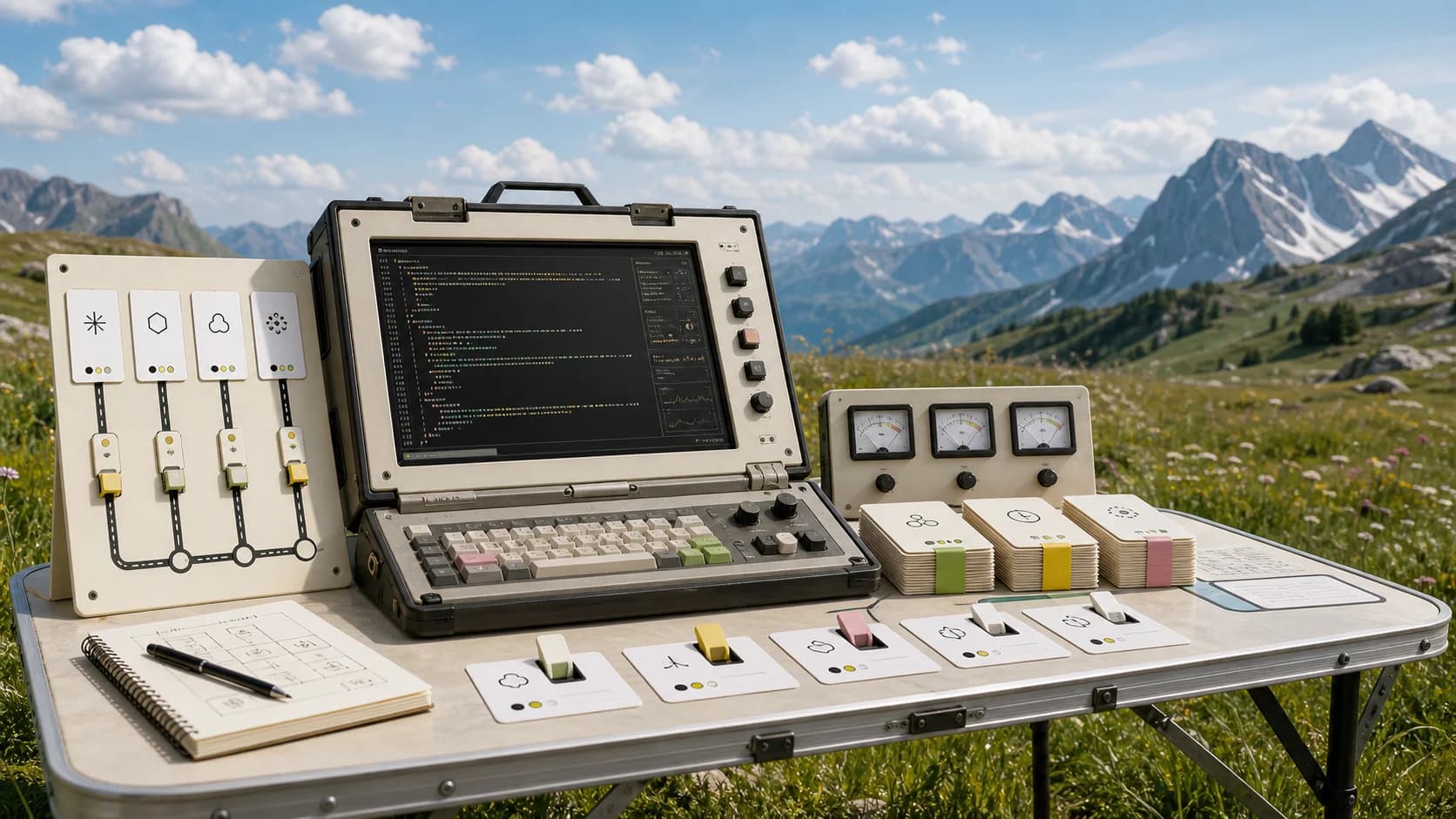
Superlogical Rex: Mitchell Hashimoto's Terminal Multiplexer
Superlogical Rex, the terminal multiplexer from Mitchell Hashimoto's new company, opened public testing on macOS in October 2026. What it is, cost, and access.
9 min read

Buzz: Block's Agent-Native Messaging Layer on Nostr
Buzz is Block's open-source, agent-native messaging layer on Nostr: agents get cryptographic identities, every message is a signed event, and you run the relay.
9 min read
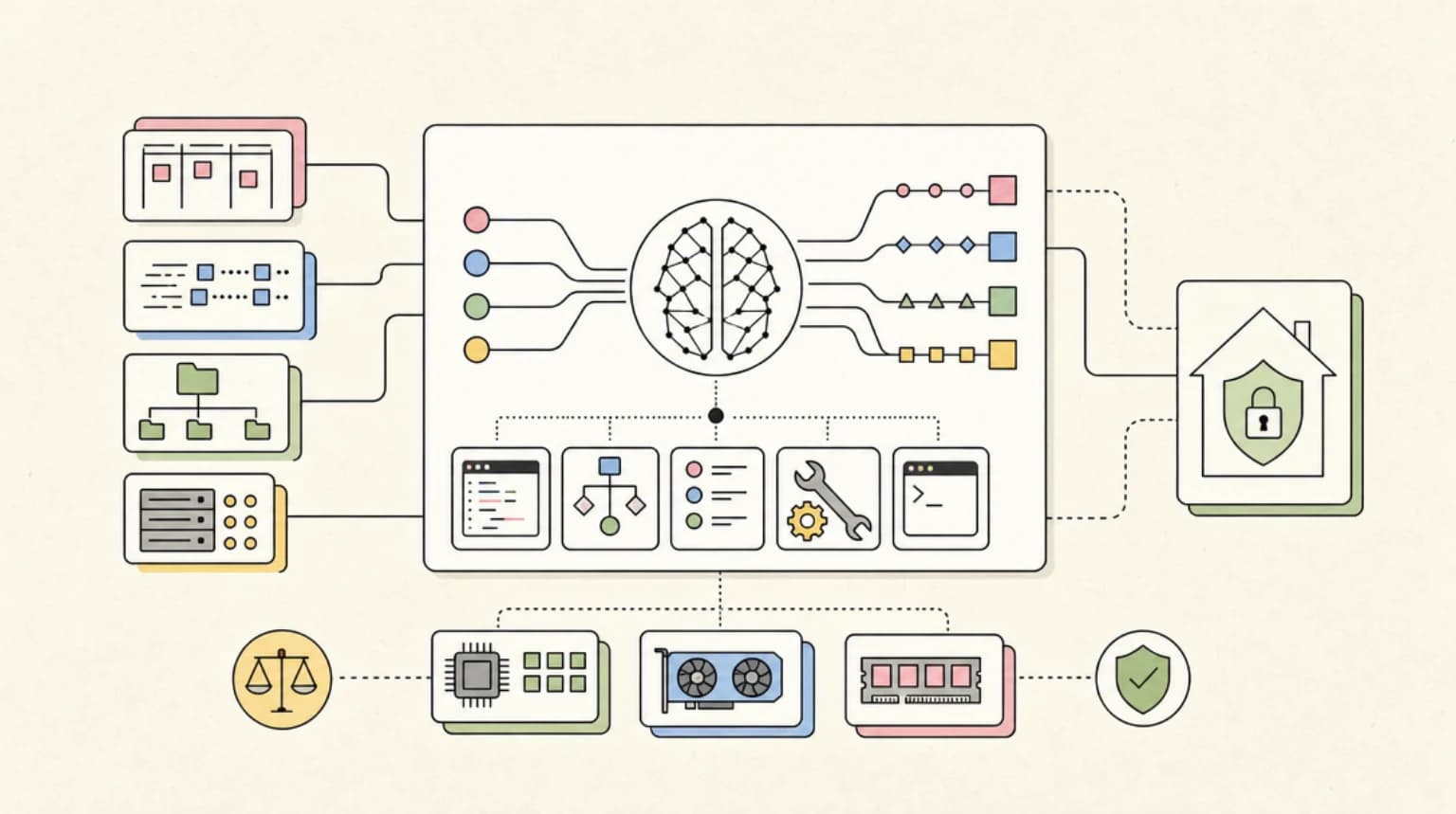
TurboFieldfare: Running Gemma 4 26B in 2 GB of RAM on Any M-Series Mac
TurboFieldfare runs Google's Gemma 4 26B MoE model in about 2 GB of RAM on any Apple Silicon Mac by streaming experts from SSD. How it works and what HN said.
8 min read
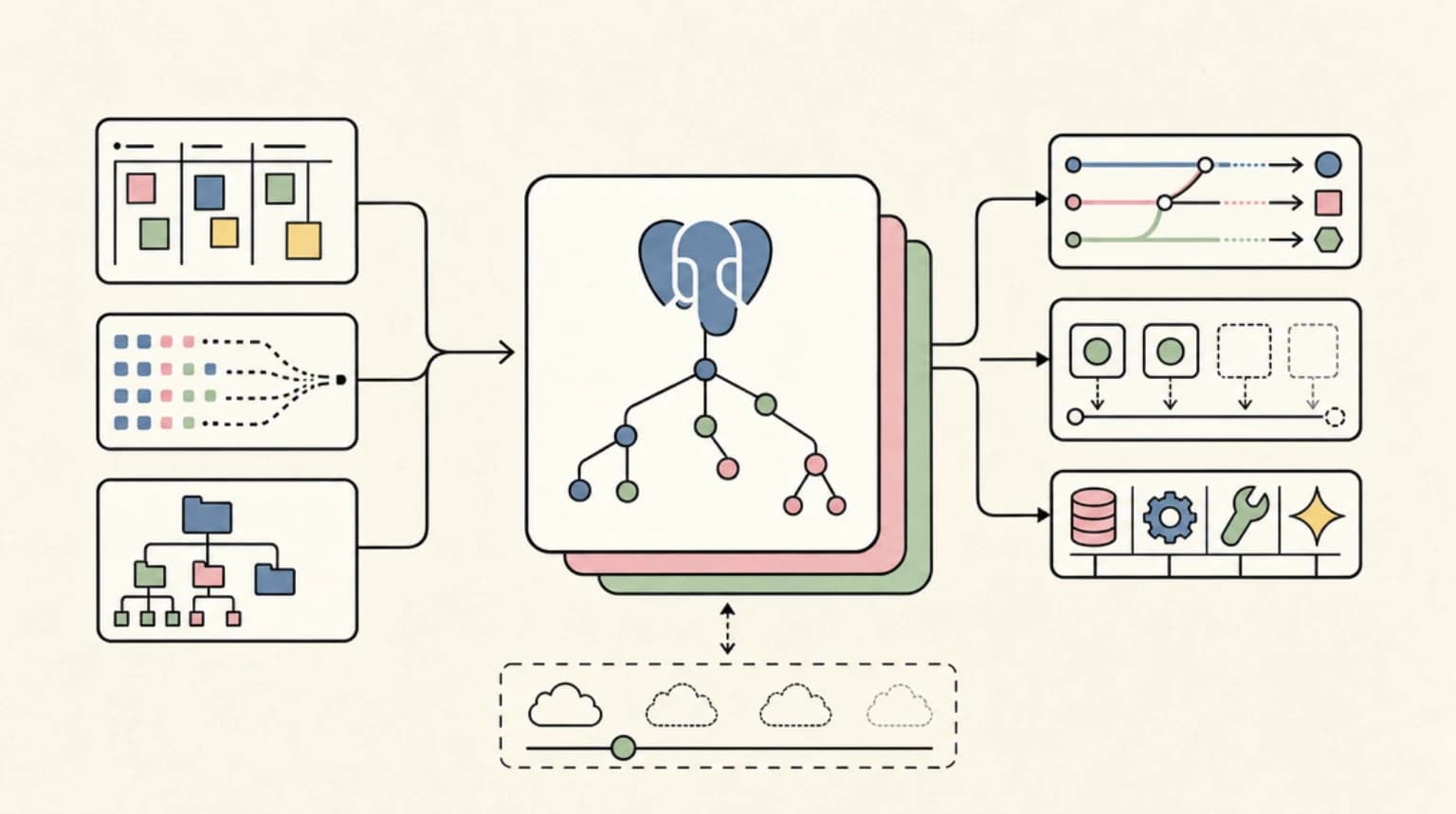
PGSimCity: A 3D Interactive City That Visualizes How PostgreSQL Works
PGSimCity is a 3D city that visualizes PostgreSQL internals - shared buffers, WAL, autovacuum, checkpoints and replication. How it works and what HN said.
9 min read
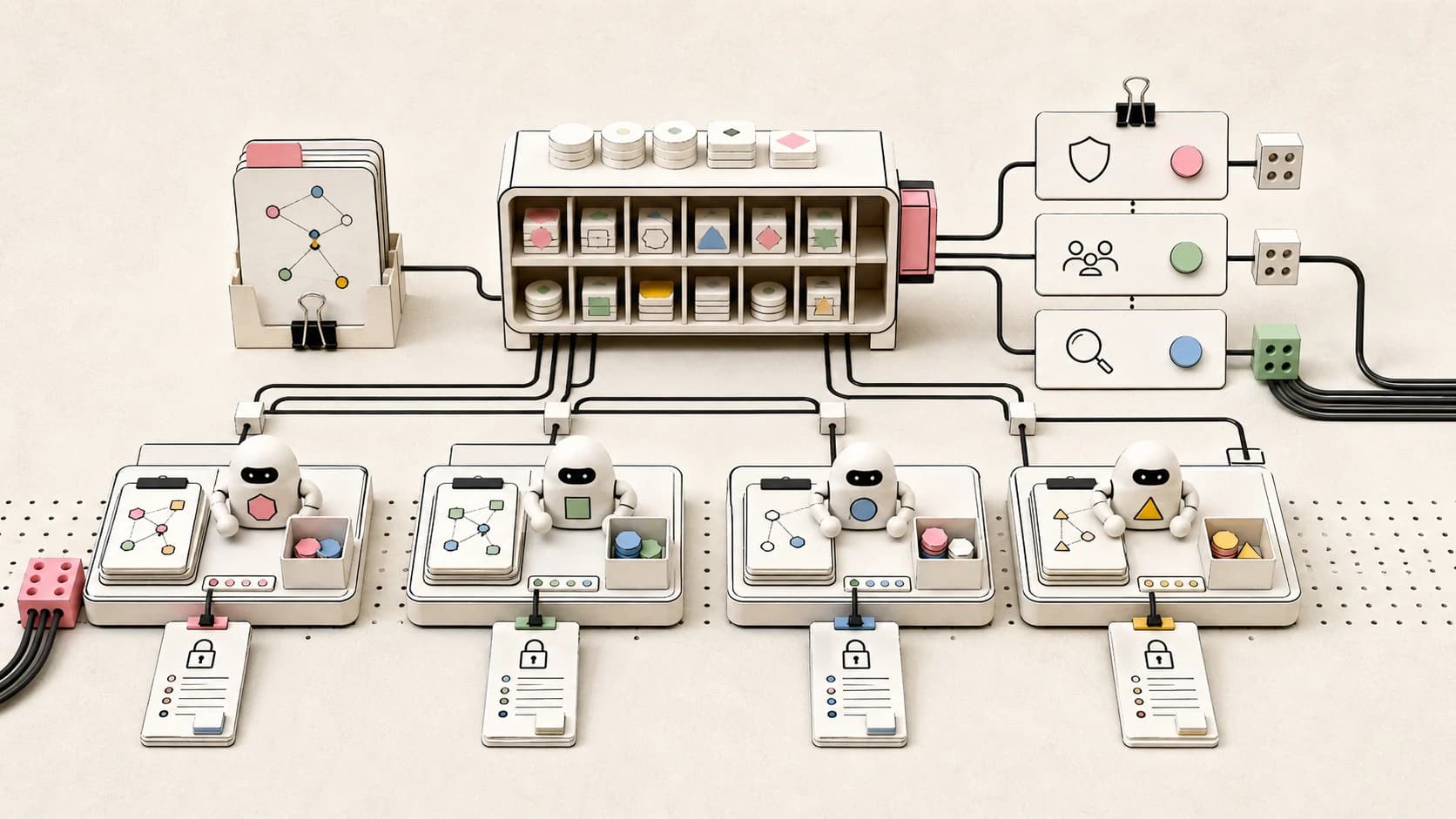
Debian Debates LLM Usage: Four Proposals, One Fork in the Road
Debian LLM policy debate: four proposals on AI-generated contributions, from an outright ban to full acceptance, and the fault lines in the HN discussion.
9 min read
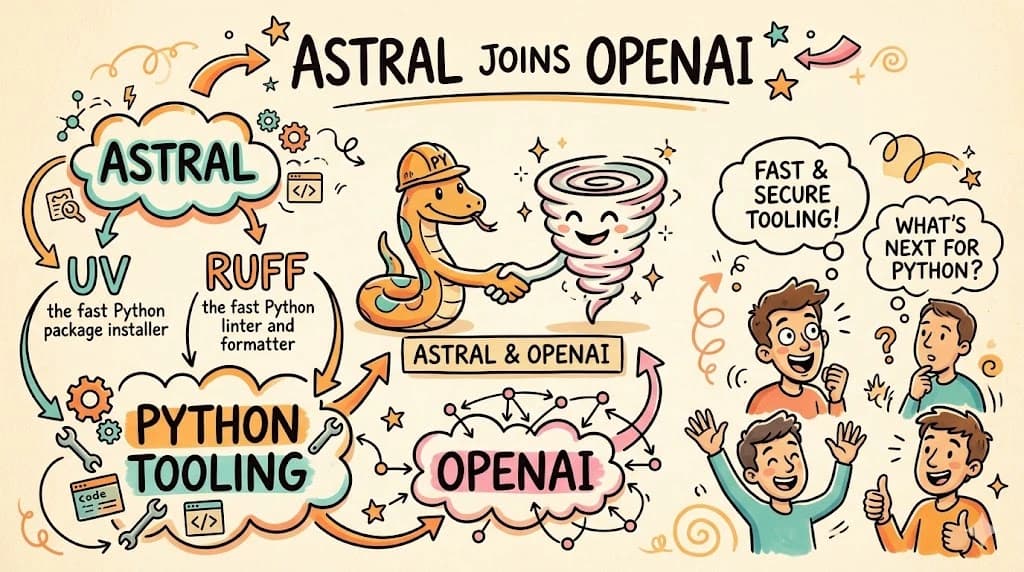
Ruff v0.16.0: 413 Default Rules, Markdown Formatting, and What Zero-Config Linting Means for Python
Ruff v0.16.0 turns on 413 default rules, adds Markdown code-block formatting and ruff: ignore comments. What changed and why zero-config linting matters.
5 min read
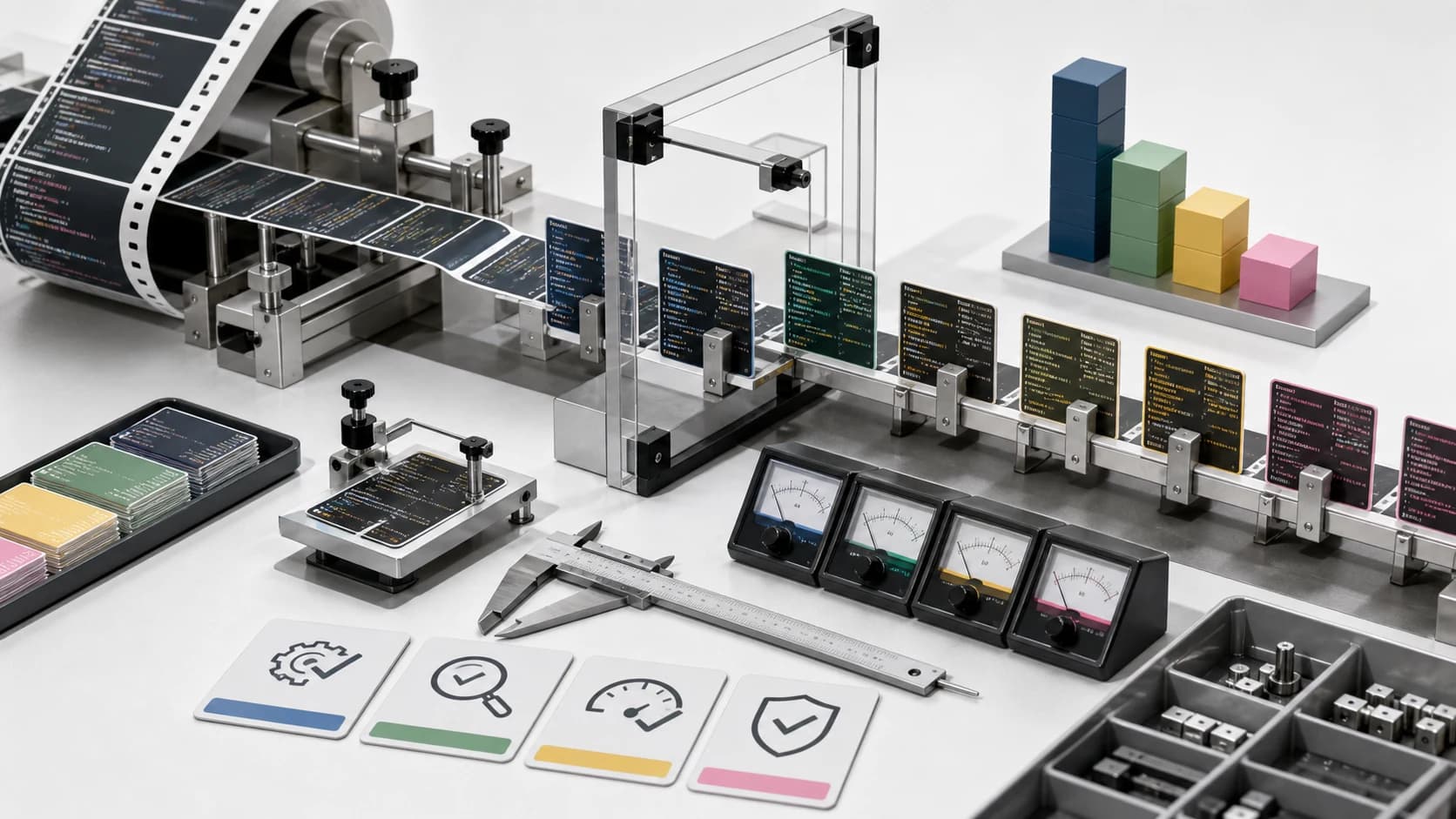
How My Images Are Dithered - Simulating Halftone Printing with ImageMagick
How to simulate AM halftone printing with ImageMagick: CMYK channel splits, rotated dot screens and a batch script, plus the HN dithering vs halftoning debate.
6 min read
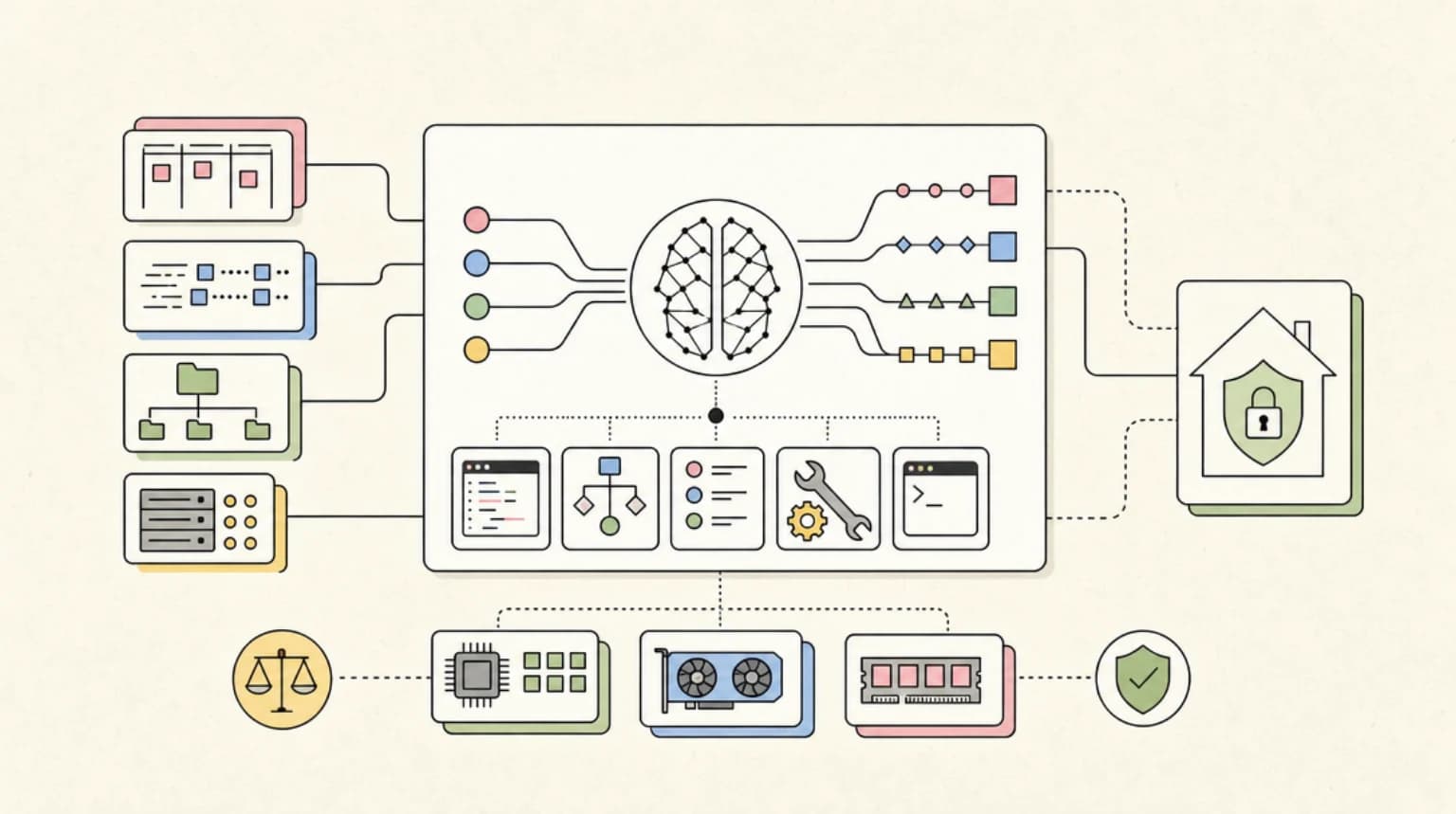
Open-Weight AI's Kubernetes Moment: Why the Ecosystem Will Win
Open-weight AI is having its Kubernetes moment, argues Mesosphere co-founder Tobi Knaup. His case, the HN pushback, and what it means for developers.
8 min read

Echo Claims Fable-Level Results at One-Third the Cost Using Open-Weight Models
A new multi-model orchestration system routes requests across open-weight models to match frontier performance at reduced inference cost. Here is what we know.
7 min read
Kimi K3 in 10 Minutes: Moonshot AI's 2.8T Open Model, API Setup, Pricing, and Benchmarks
Kimi K3 from Moonshot AI is a 2.8T open model with a 1M-token context and an OpenAI-compatible API. How to call it, what it costs, and how it benchmarks.
6 min read
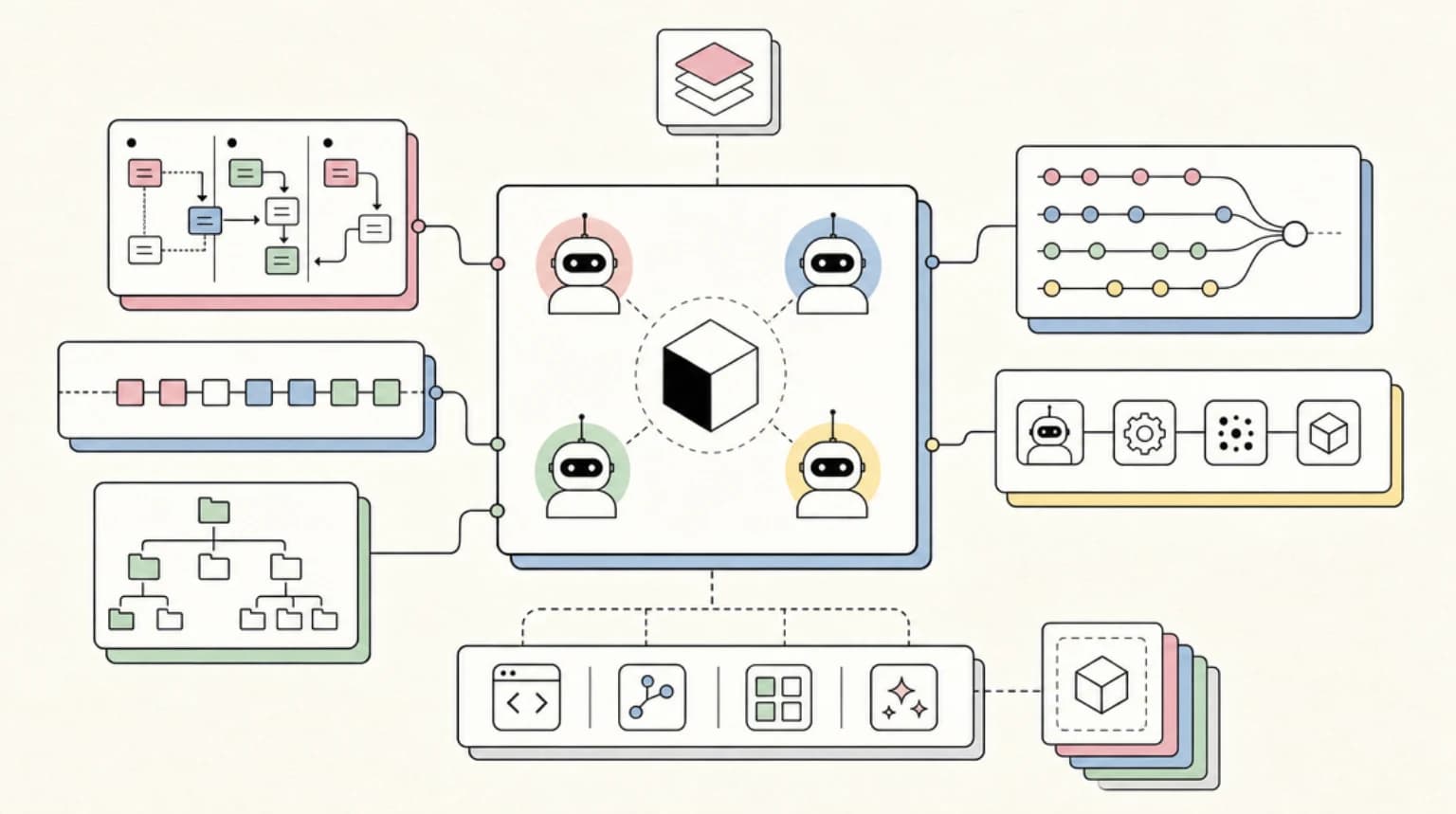
Gleam Moves to Tangled: What the ATProto Code Forge Means for Developers
Gleam moved to Tangled, an ATProto-based code forge. What Tangled offers, what HN said about it, and what you gain or lose by leaving GitHub.
6 min read
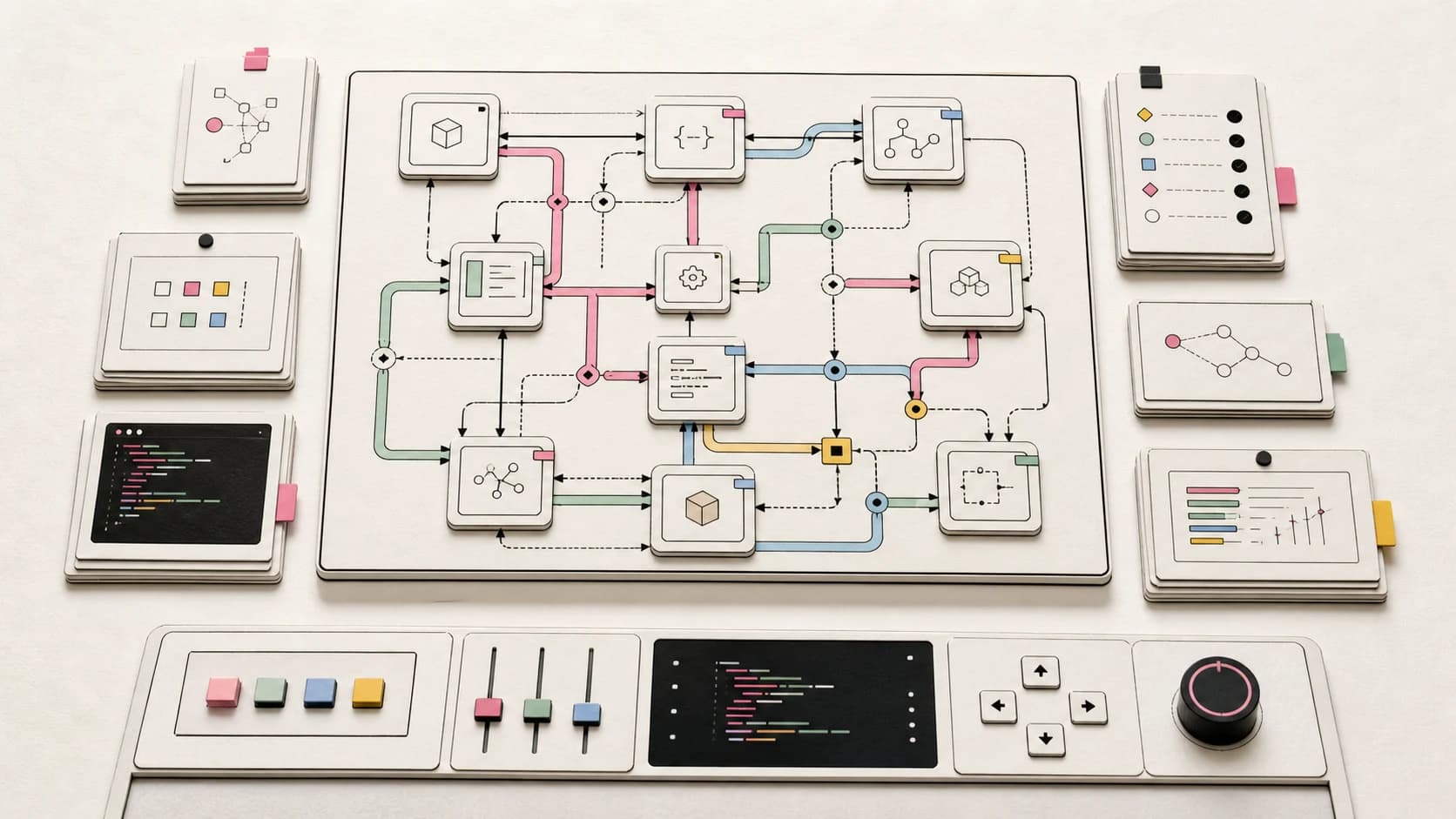
Frame: An X11 Server Written in Assembly Using AI
Frame is an X11 server in 20,000 lines of assembly, built with Claude as a natural language compiler. It runs Firefox and GIMP on a third of Xorg's idle CPU.
7 min read

Kimi K3 Developer Guide: What the 2.8T Open Model Changes
Kimi K3 developer guide: the 2.8T-parameter model's 1M-token context, native vision, API pricing and open-weights timing, and how it fits coding agents.
7 min read
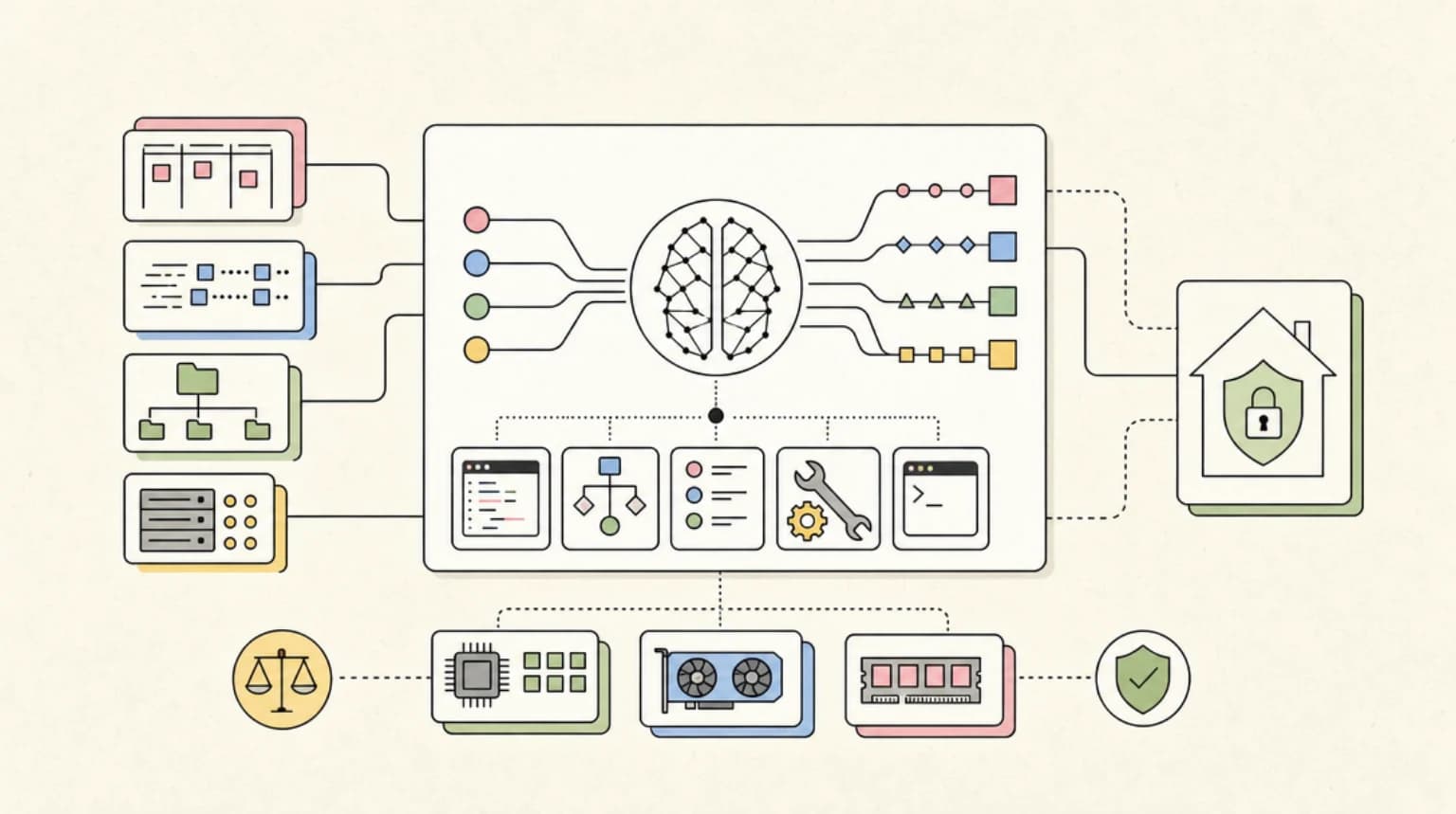
LM Studio Bionic: A Local-First AI Agent for Open Models
LM Studio launches Bionic, a standalone agent harness for open models with local inference, voice input, and zero data retention cloud options.
6 min read
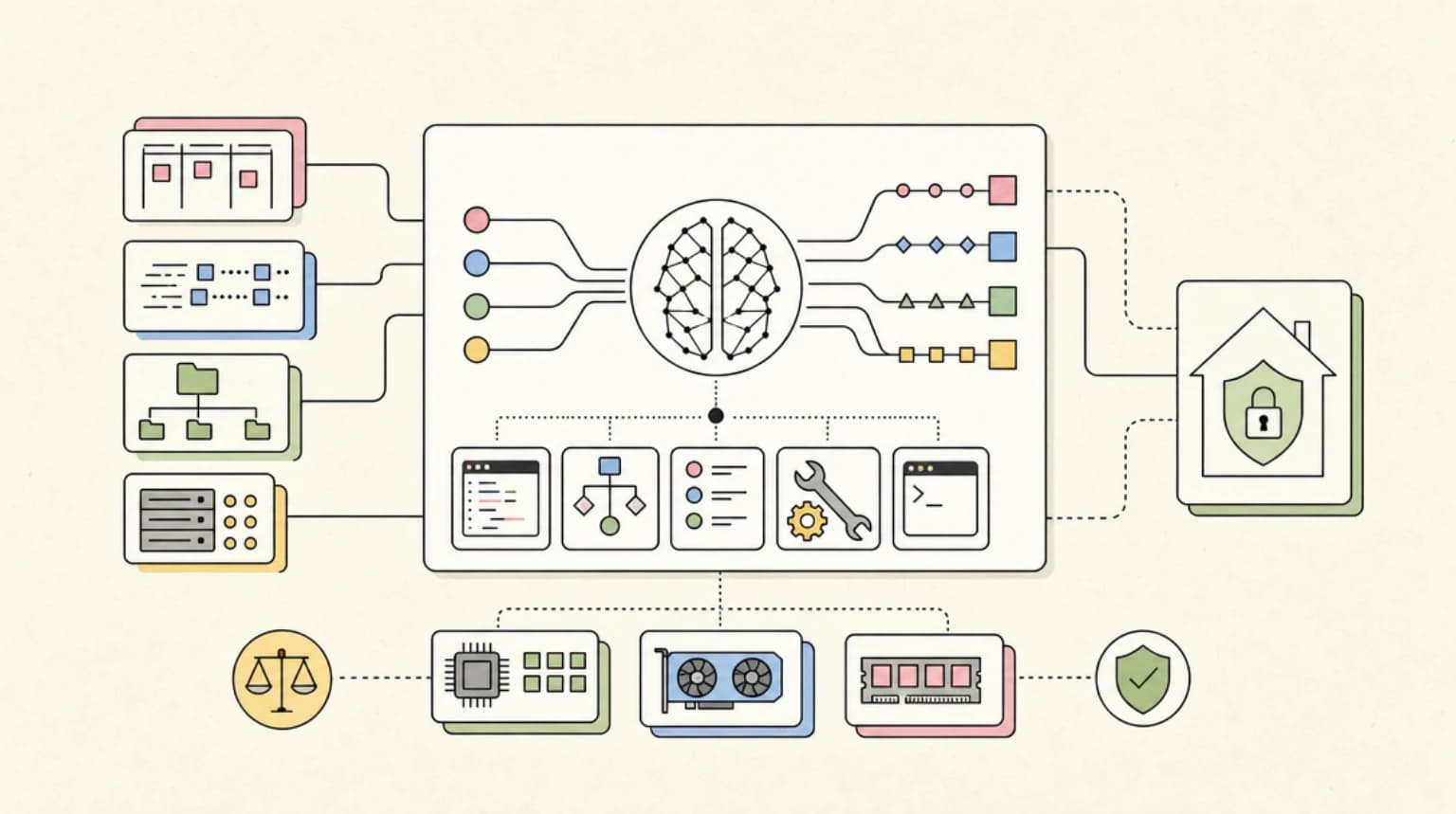
Mozilla's State of Open Source AI Report: The Gap Is 3%, But Deployment Remains the Real Problem
Mozilla's State of Open Source AI report puts open models within 3.3% of closed ones, yet only 51% reach production. The deployment barriers explained.
8 min read
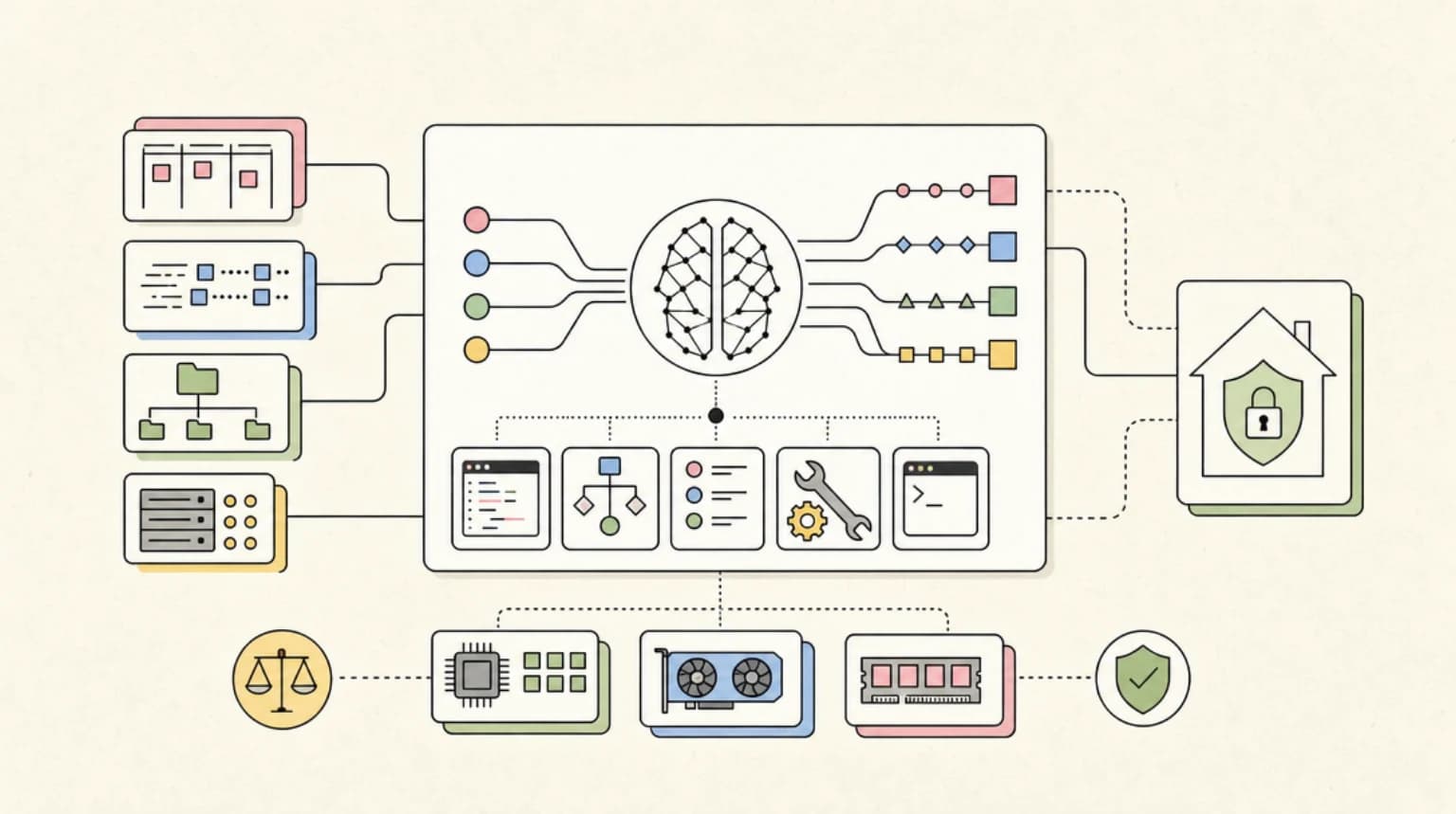
Running Gemma 4 26B at 5 Tokens/Sec on a 13-Year-Old Xeon With No GPU
Gemma 4 26B on a 2013 Xeon with no GPU: how a sub-$300 box reached about 5 tokens/sec, the silent MoE bug behind the gibberish, and the upstream fix.
6 min read
xAI Open-Sources Grok Build After Data Exfiltration Scandal
Days after getting caught uploading entire codebases to xAI servers, Grok Build is now open source on GitHub. The HN community isn't convinced it's enough.
6 min read
Inkling: Thinking Machines Lab Drops a 975B Open-Weights Model
A new American open-weights frontier model with multimodal capabilities, 1M token context, and competitive benchmarks. Here's what the HN community thinks.
7 min read
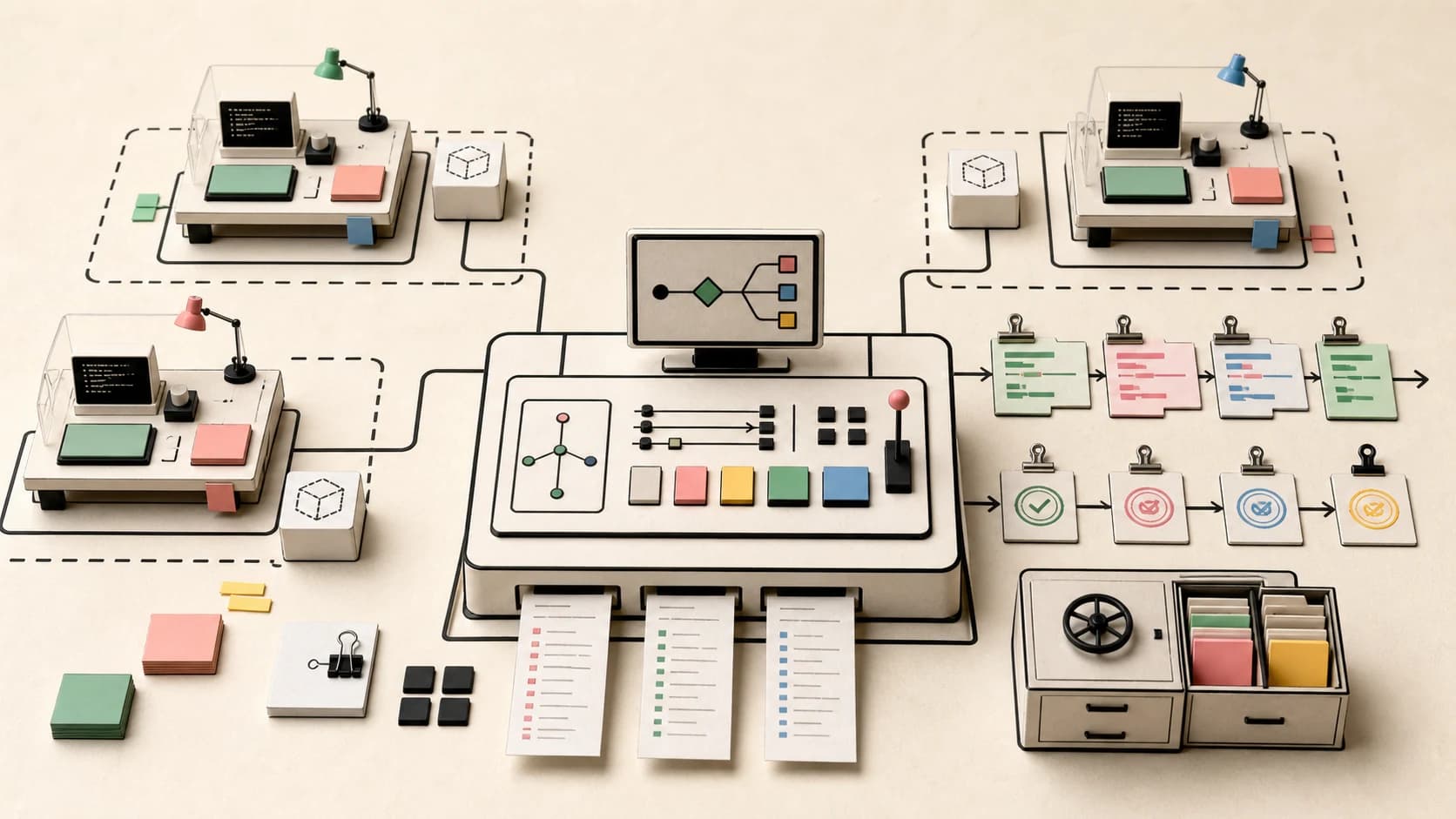
Clawk: Disposable Linux VMs for Coding Agents Without Cloud Bills
Open-source tool gives Claude Code, Codex, and other agents their own isolated Linux VM on your machine - network firewall included, no cloud account required.
6 min read
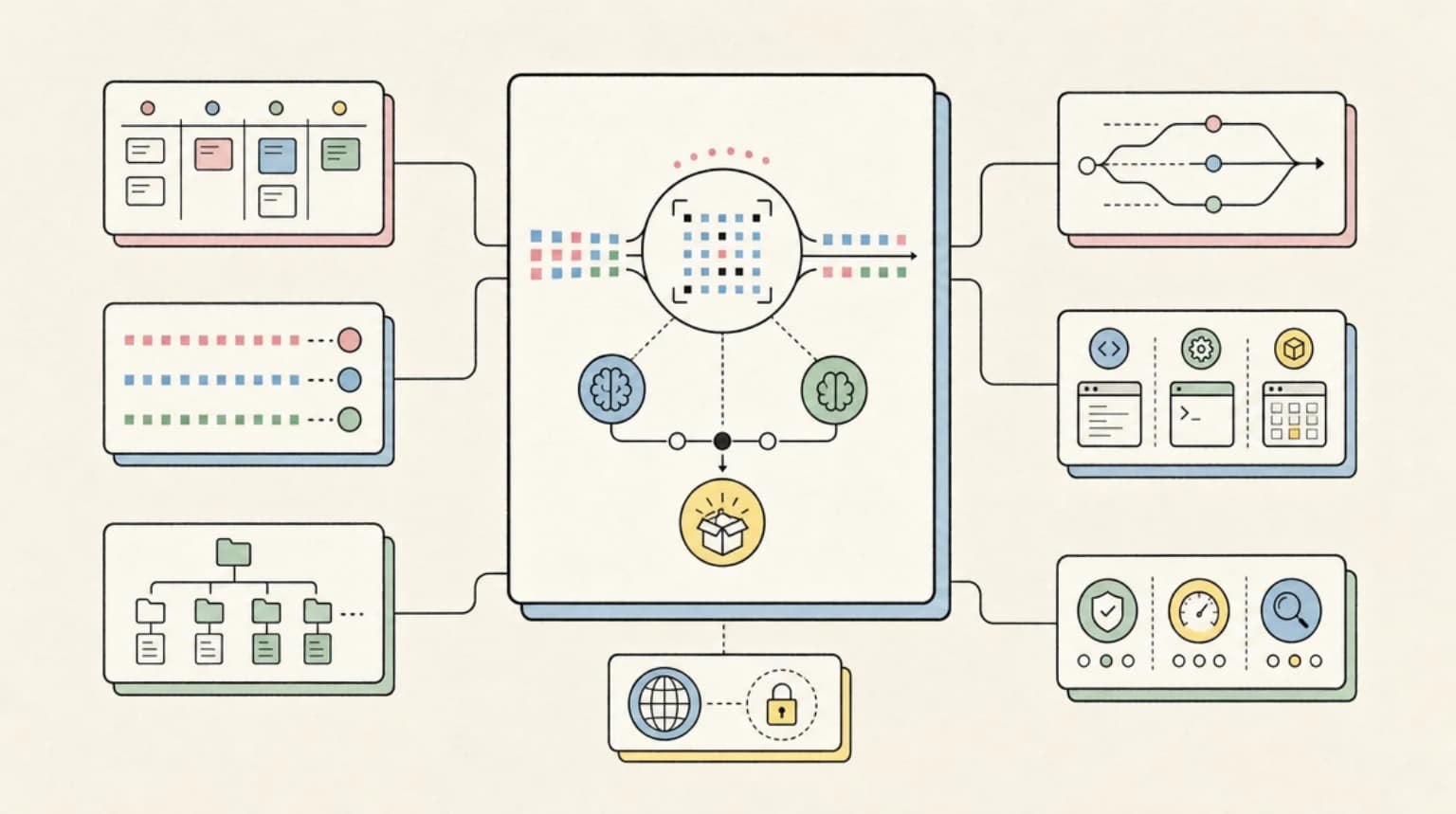
Mesh LLM: Run 235B Models Across Your Home Lab with iroh
Mesh LLM pools GPUs across home lab machines behind one OpenAI-compatible API, splitting 235B models over iroh and QUIC with no RDMA or NVLink required.
6 min read
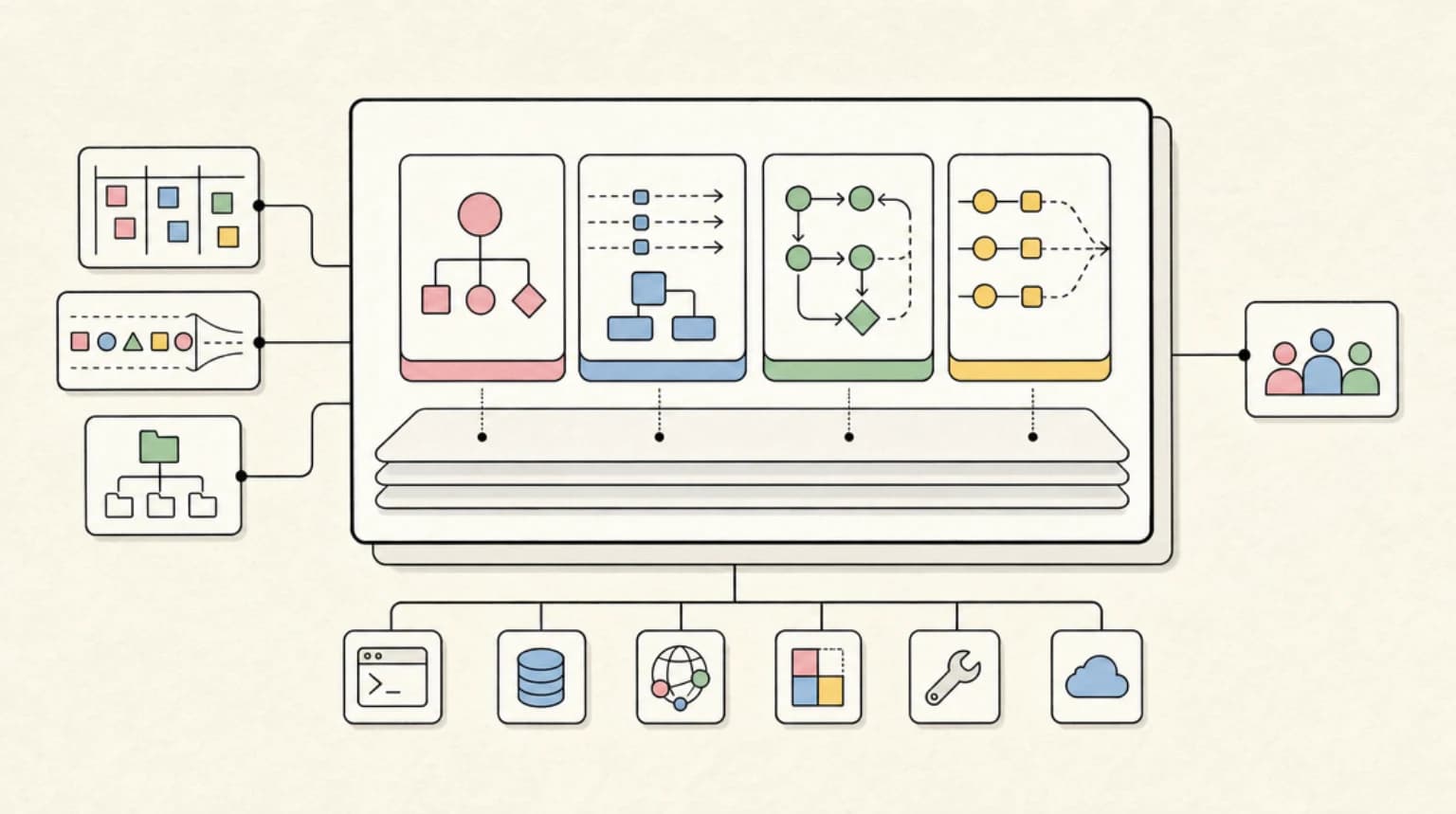
Ant: A New JavaScript Runtime With Its Own Engine, Package Registry, and Desktop Framework
A solo developer built a complete JavaScript ecosystem from scratch - runtime, engine, package manager, and Electron alternative. Here's what HN thinks.
7 min read
Colibri: Run GLM 5.2 on a 32GB Laptop With Disk Streaming
A solo developer built a 1,300-line C inference engine that runs the 744B GLM 5.2 model on consumer hardware by streaming routed experts from disk.
6 min read

Mitchell Hashimoto on Building Ghostty in Zig: Simplicity, Control, and Terminal Performance
Mitchell Hashimoto on building Ghostty in Zig: why he chose Zig over Rust, how the GPU-first terminal is architected, and what Hacker News made of it.
7 min read
Tencent Hy3: A 295B Open MoE That Punches Above Its Weight
Tencent's Hy3 ships 295B parameters but activates only 21B per token, matching flagship performance at flash-tier pricing under Apache 2.0.
6 min read
pgrust Passes 100% of Postgres Regression Tests: What the Rust Rewrite Actually Means
pgrust, a Rust rewrite of PostgreSQL, passes all 46,000+ regression test queries. What it delivers, what it does not, and the HN debate on AI-assisted rewrites.
8 min read
Kokoro: Local, CPU-Friendly TTS That Actually Sounds Good
An 82M parameter text-to-speech model that runs on CPU and produces high-quality speech across multiple languages - no cloud APIs or GPU required.
6 min read
Better Auth Joins Vercel: What It Means for the Auth Ecosystem
Better Auth, the open-source auth framework popular with Next.js developers, is joining Vercel. What it means and why HN is wary of open source acquisitions.
5 min read
Ternlight: A 7 MB Embedding Model That Runs Entirely in the Browser
Ternlight is a 7 MB ternary-quantized embedding model that runs semantic search in the browser via WASM, with no API calls. How it works and what HN thinks.
6 min read
Flipper Zero Shifts to Community-Driven Development
Flipper Zero firmware reaches stable 1.0 and moves to a community contribution model. What changes for contributors and how HN sees official vs custom firmware.
5 min read
Leanstral 1.5: Mistral's Open Theorem-Proving Model Hits 100% on miniF2F
Leanstral 1.5 is Mistral's open Apache-2.0 model for Lean 4 theorem proving. The benchmark claims, the HN pushback on its bug-finding pitch, and how to use it.
8 min read
Box3D: Erin Catto Releases an Open Source 3D Physics Engine
Box3D is an open source 3D physics engine from the creator of Box2D, with cross-platform determinism, a wide SIMD contact solver and Valve Rubikon heritage.
5 min read
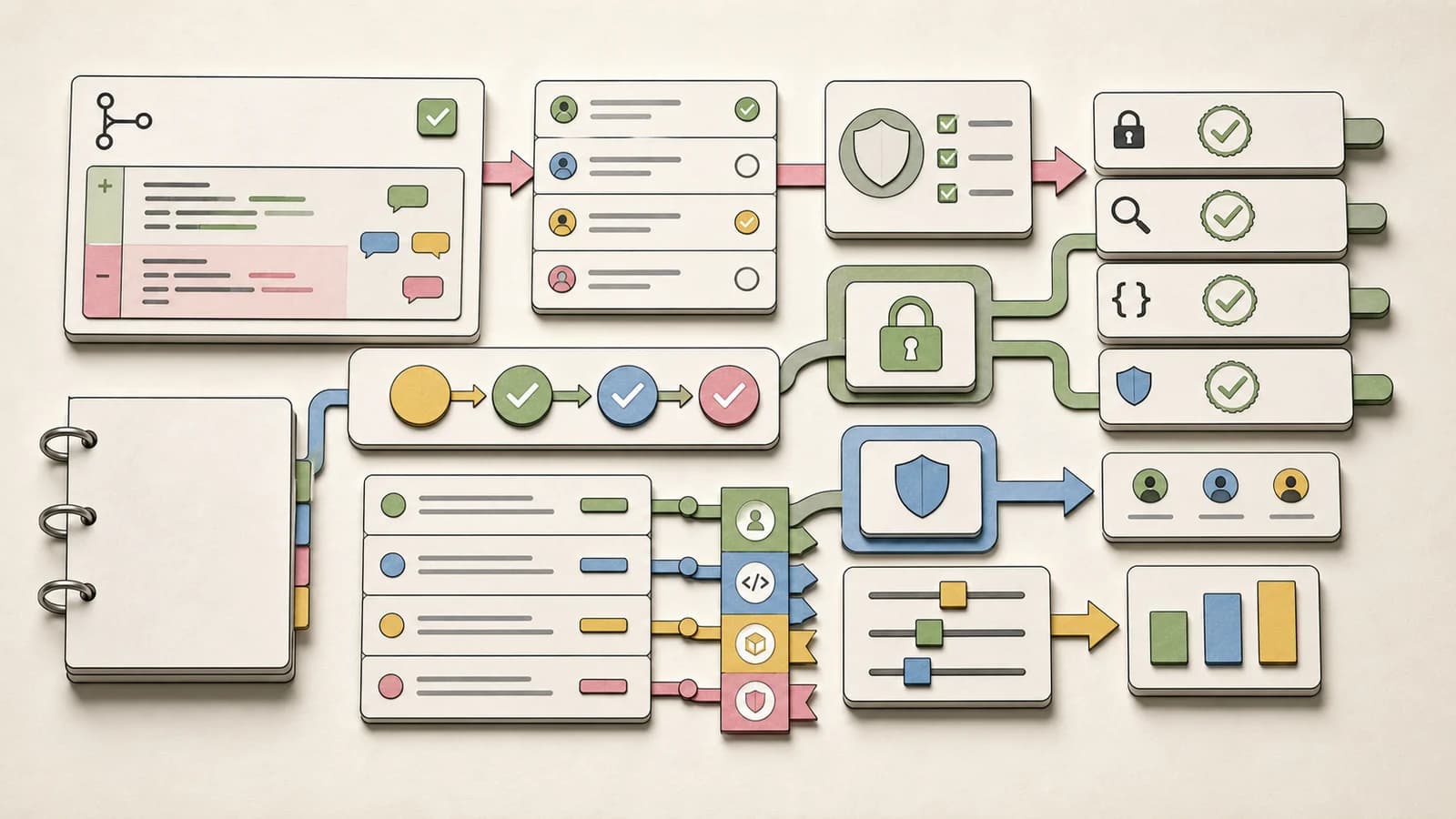
Godot Bans AI-Authored Code Contributions - What It Means for Open Source
Godot bans autonomous AI agents and substantial AI-generated code in contributions. What the policy allows, why maintainers want it, and how HN reacted.
6 min read
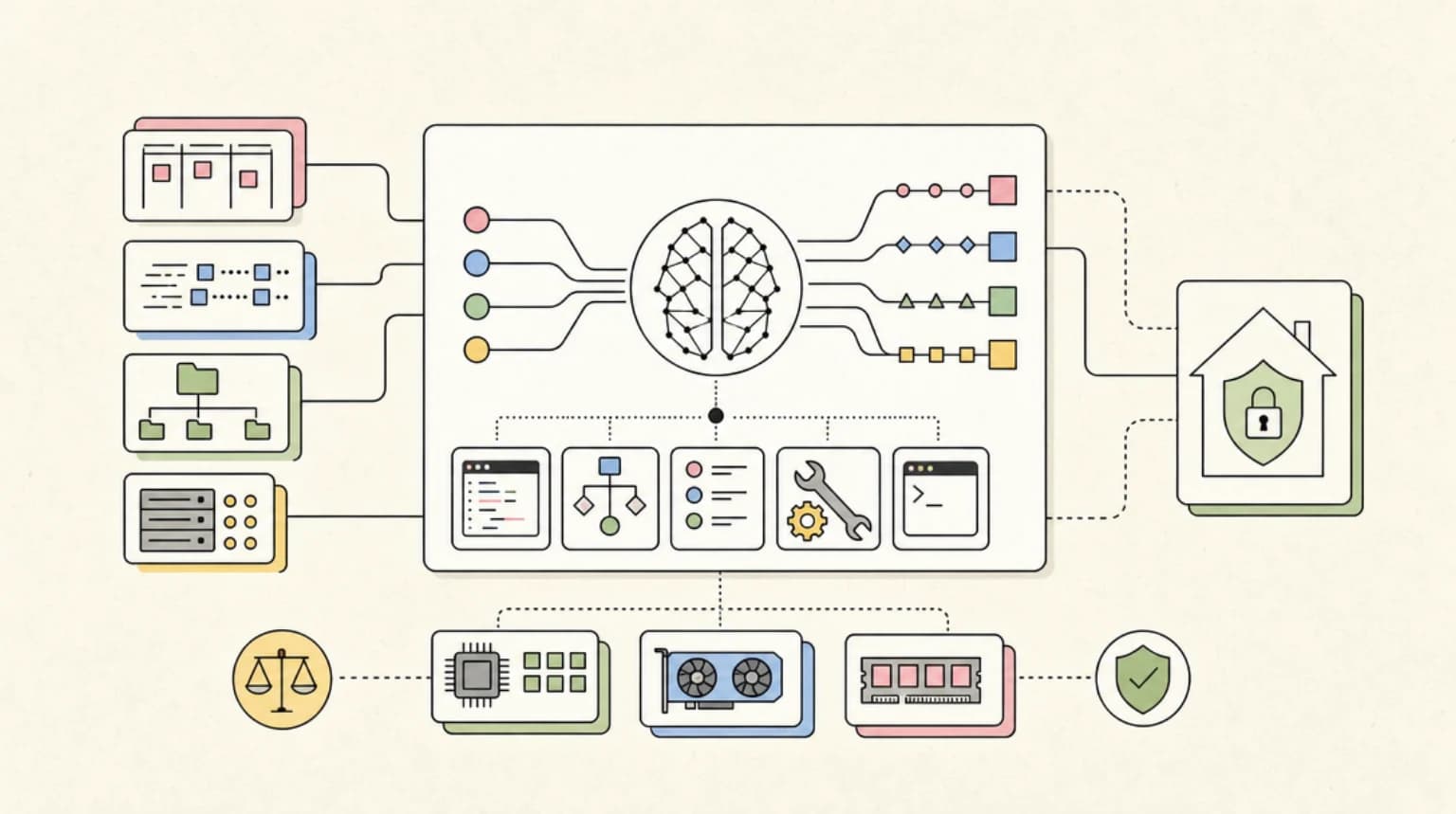
Ornith-1.0: What an Open Source Self-Improving Coding Model Actually Means
Ornith-1.0 open-source coding models explained: what "self-improving" really means, the four model sizes, hardware needs, HN reactions and whether to try it.
7 min read
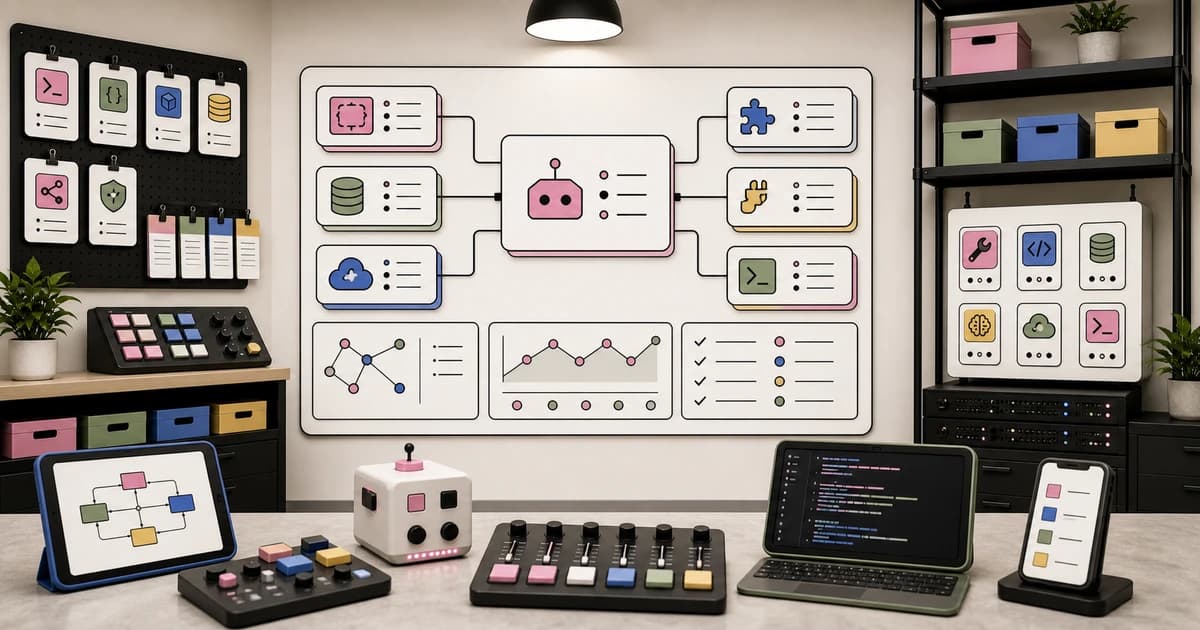
Outer Shell: A Graphical Desktop for Your Remote Server via SSH
Outer Shell proposes a graphical desktop for remote servers over SSH, with apps served on Unix domain sockets. How it works, the HN debate and who it is for.
8 min read
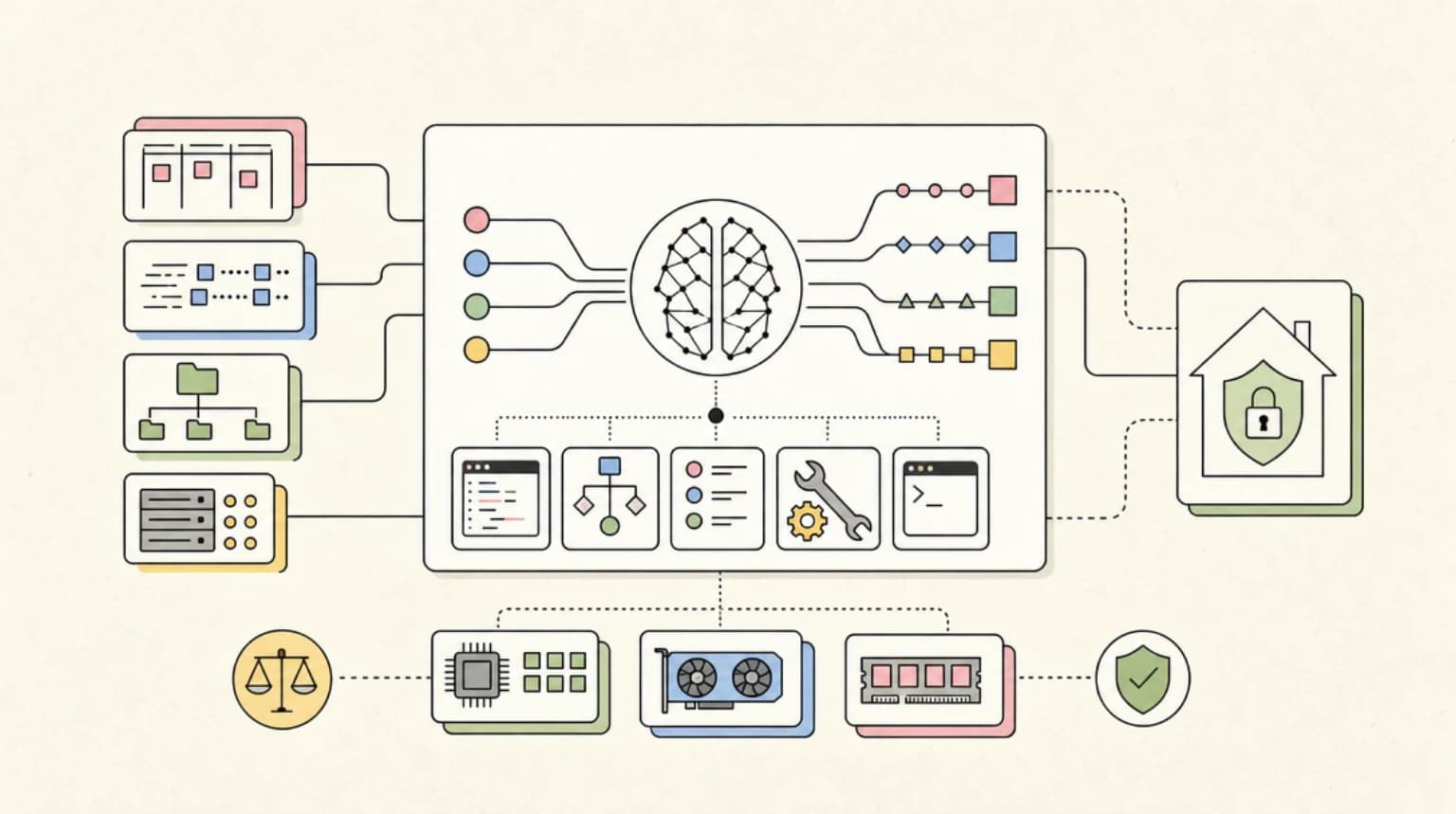
ZLUDA 6: Running CUDA on AMD GPUs Is Now a Hobby Project
ZLUDA 6 runs unmodified CUDA apps on AMD GPUs and adds PhysX and Blender textures. How it compares to ROCm and HIP, and why hobby status matters.
5 min read

GLM 5.2 Outperforms Claude Code on Semgrep's IDOR Vulnerability Benchmarks
GLM 5.2 vs Claude Code on Semgrep IDOR benchmarks: the open-weight model scored higher at about one-sixth the cost per finding. Setup, results and HN reactions.
6 min read

Perplexity Bumblebee: Developer Guide to the Open Source Supply Chain Scanner
Perplexity Bumblebee: an open source, read-only Go scanner that checks packages, editor extensions and MCP configs against exposure catalogs, with setup steps.
7 min read

Developer Fired by Google for Building Google Workspace CLI
Google Workspace CLI creator Justin Poehnelt saw his tool go viral and hit #1 on Hacker News, then was fired two days after Google announced its own version.
6 min read
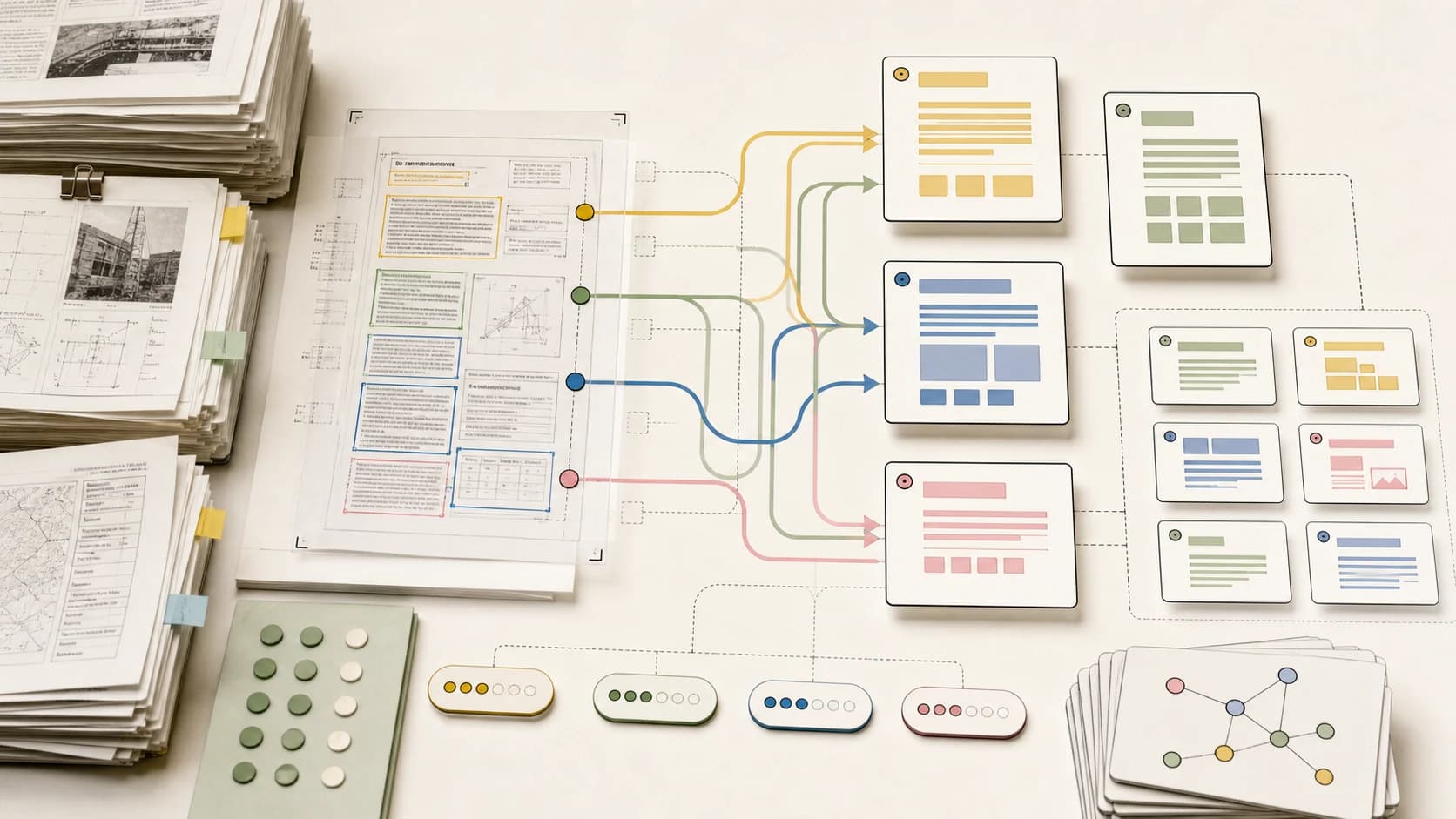
Mistral OCR 4 and Unlimited OCR Make Document Parsing an Agent Runtime Choice
Mistral OCR 4 and Baidu's Unlimited OCR turn document parsing into a runtime choice for agents - cost per page, layout, confidence scores and self-hosting.
8 min read
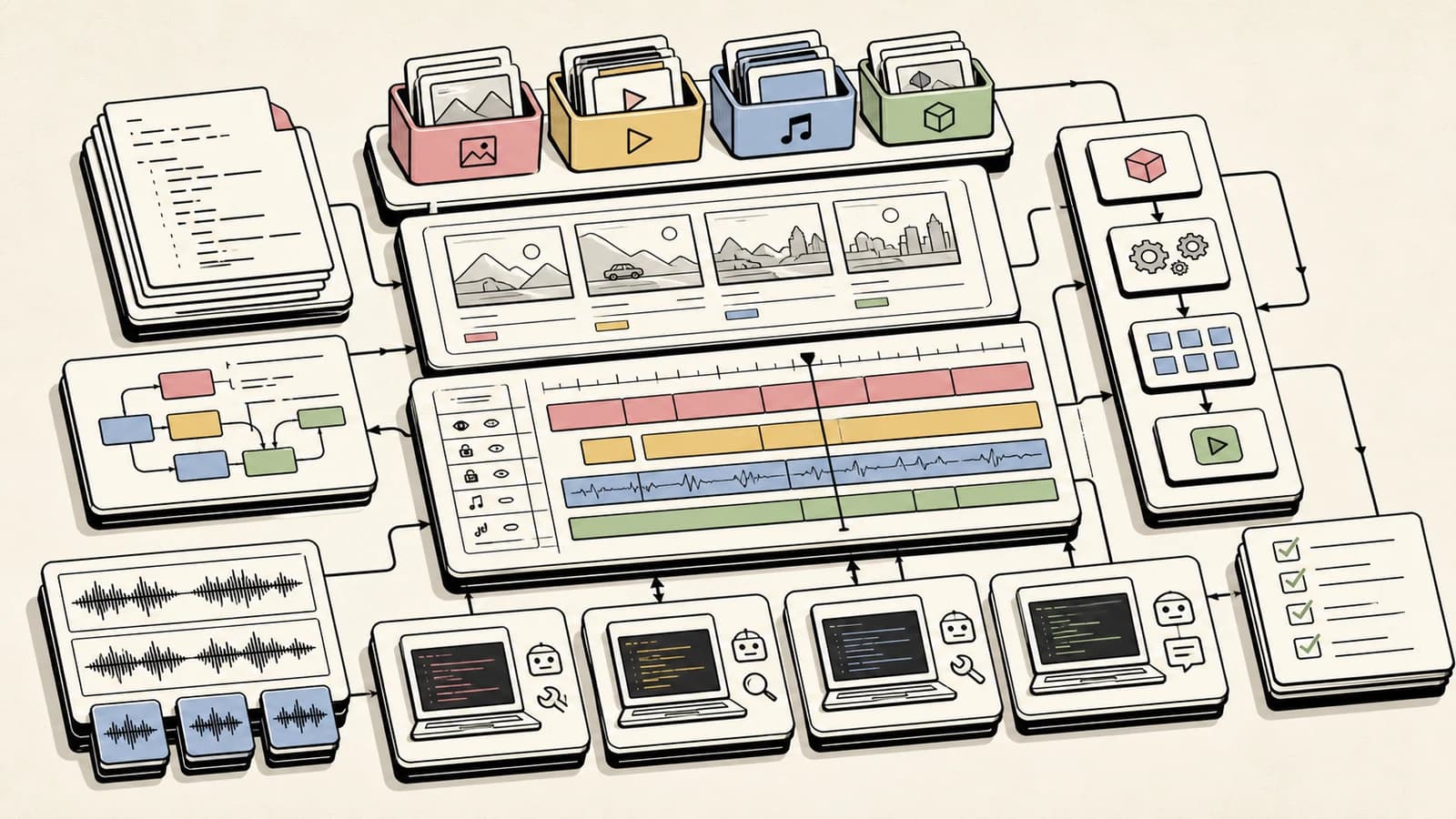
OpenMontage Shows the Real Future of AI Video: Agents, Not Editors
OpenMontage treats AI video production as a repo-shaped agent workflow - scripts, assets, render pipelines and review loops run by coding agents, not an editor.
7 min read

TikZ Editor Is a WYSIWYG LaTeX Figure Tool Built Almost Entirely by Codex
TikZ Editor is an open-source WYSIWYG editor for LaTeX TikZ figures built almost entirely by Codex. How it works and what HN made of agent-built software.
7 min read
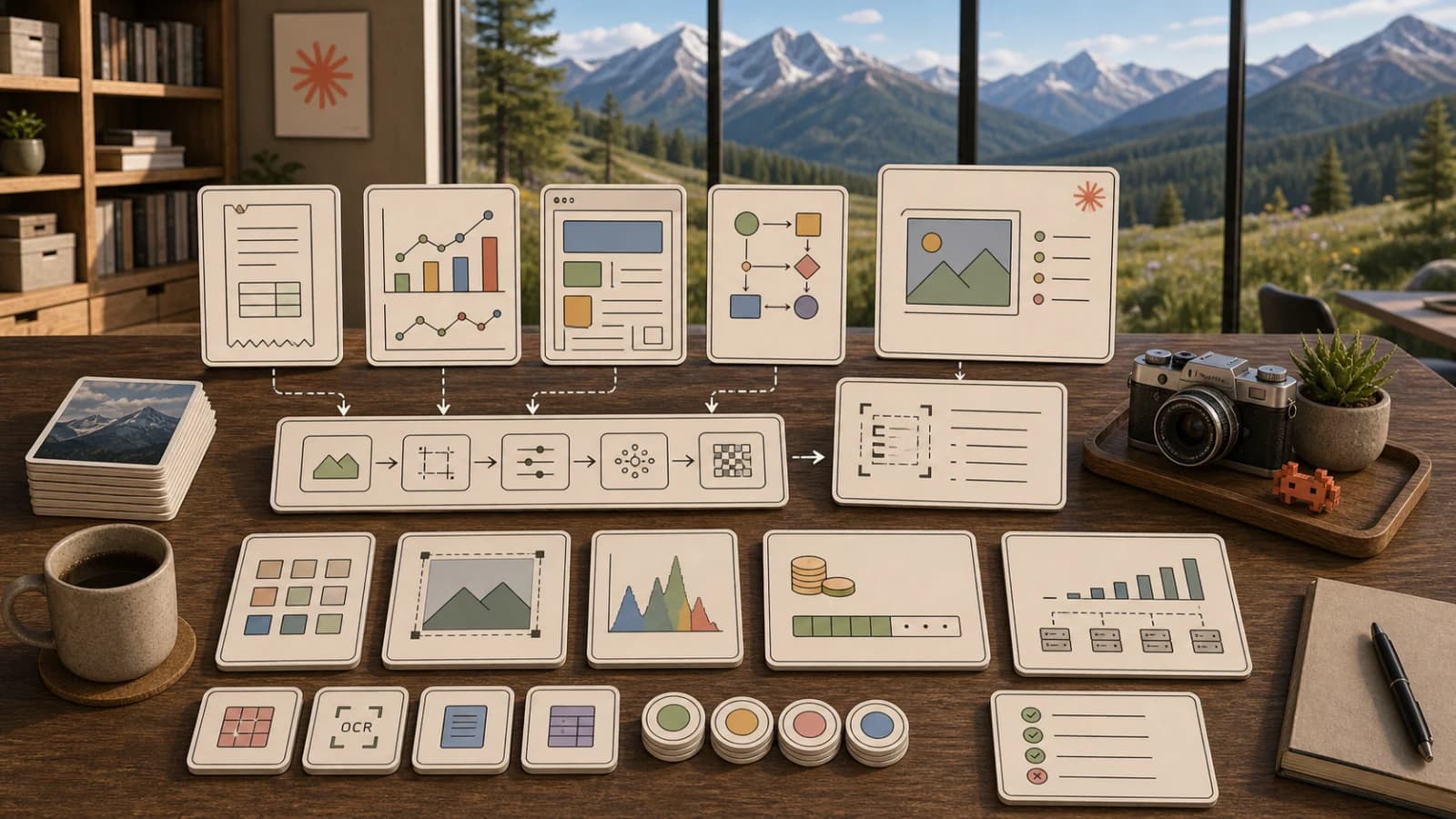
Unlimited OCR: Baidu's Open-Source Solution for Long Document Parsing
Unlimited OCR is Baidu's open-source vision-language model that parses 100+ page documents in one pass without memory blowup. How it works and when to use it.
6 min read
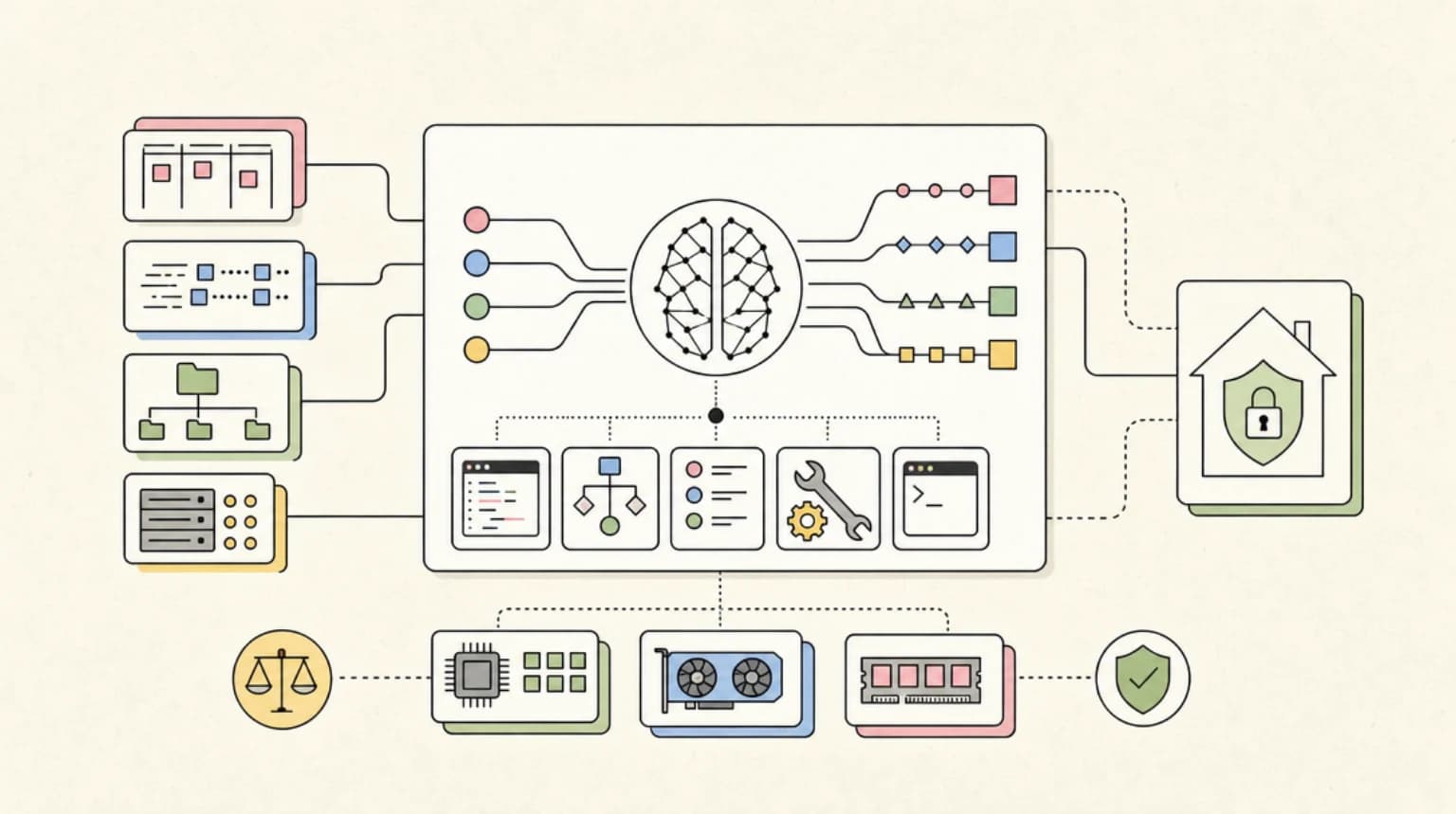
Apertus: Europe's Answer to AI Sovereignty - and Why HN Is Skeptical
Switzerland's fully open foundation model promises transparent training data and EU compliance. The HN crowd has questions about actual performance.
6 min read
Adam (YC W25): Open Source AI CAD That Generates OpenSCAD from Text
Adam (YC W25) open-sources CADAM, a browser tool that turns text into parametric OpenSCAD models, and HN debates whether text-to-CAD is useful or a demo.
6 min read
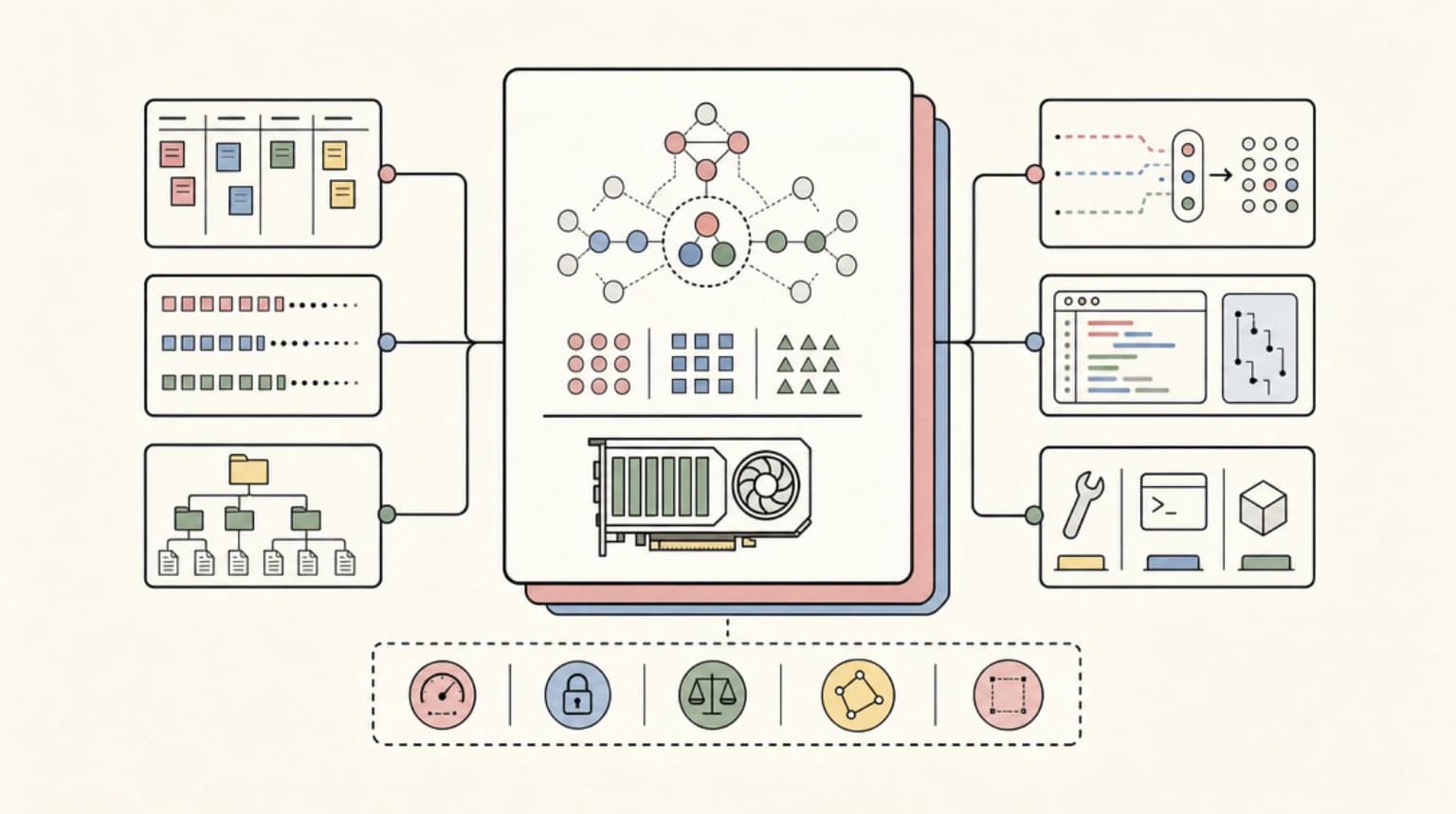
Cohere's North Mini Code: A 30B Open-Weight Coding Model That Runs on One H100
Cohere North Mini Code: a 30B open-weight MoE coding model with 3B active parameters and Apache 2.0 weights. What it offers, where it runs and open questions.
7 min read
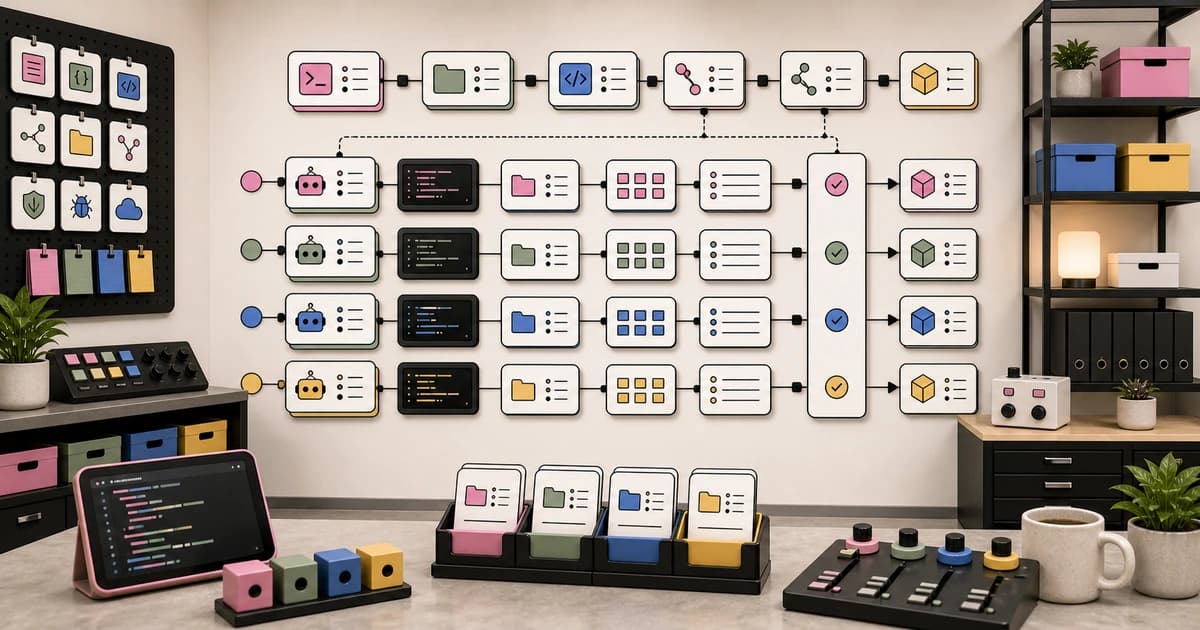
Epic Games Releases Lore: A Version Control System Built for Game Development
Epic Games Lore is open-source version control for binary-heavy game repos, using Merkle trees and on-demand hydration to handle what Git struggles with.
7 min read
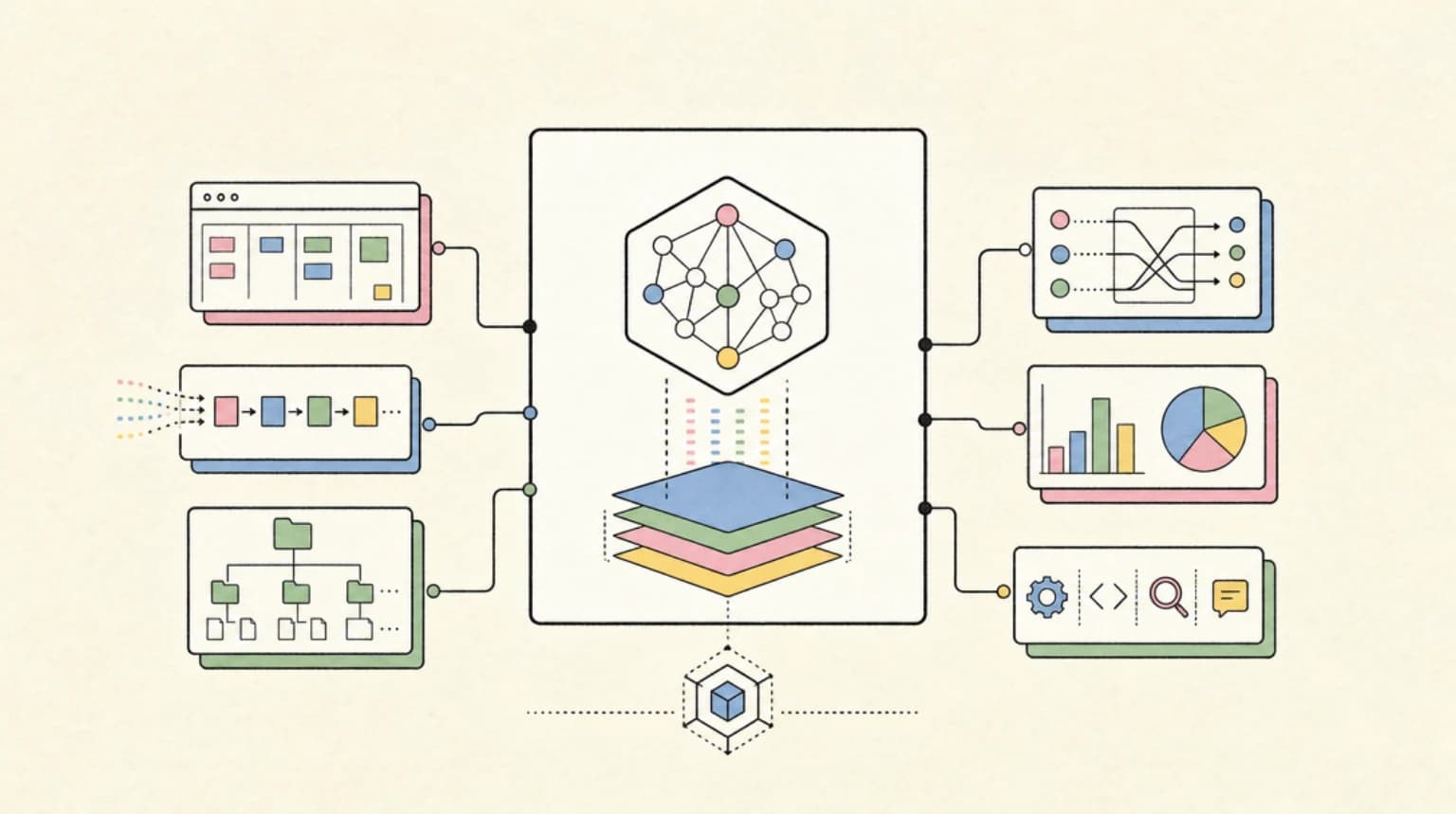
Kimi K2.7-Code Developer Guide: The Open-Source Coding Model Worth Running
Kimi K2.7-Code is Moonshot's open-weight 1T-parameter coding model. Set it up with Claude Code, compare pricing, and get an honest read on its benchmarks.
8 min read
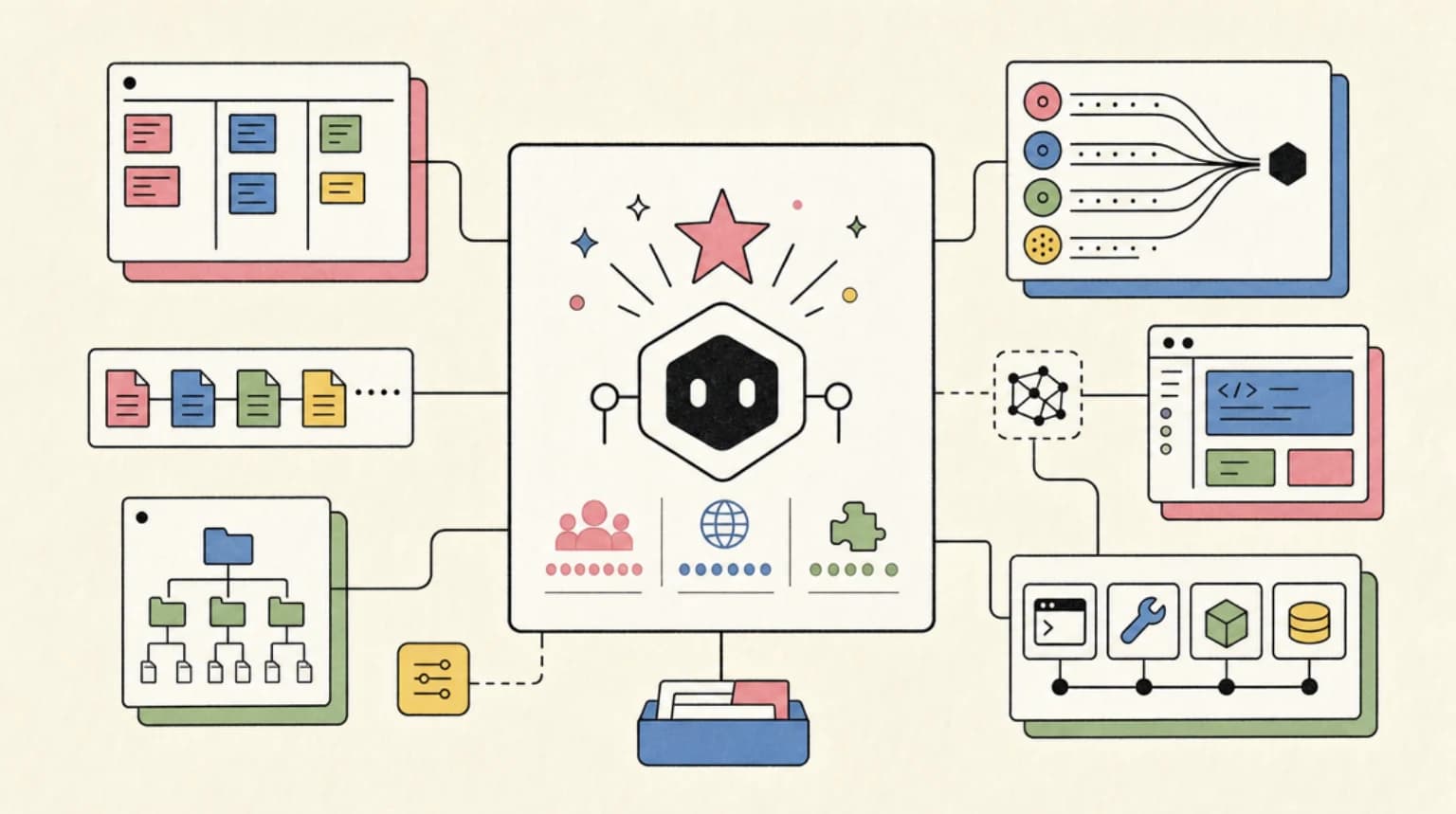
OpenCode Developer Guide: The Open Source AI Coding Agent with 160K Stars
OpenCode developer guide - install the open source, model-agnostic AI coding agent, pick models across 75+ providers and compare it with Claude Code.
11 min read
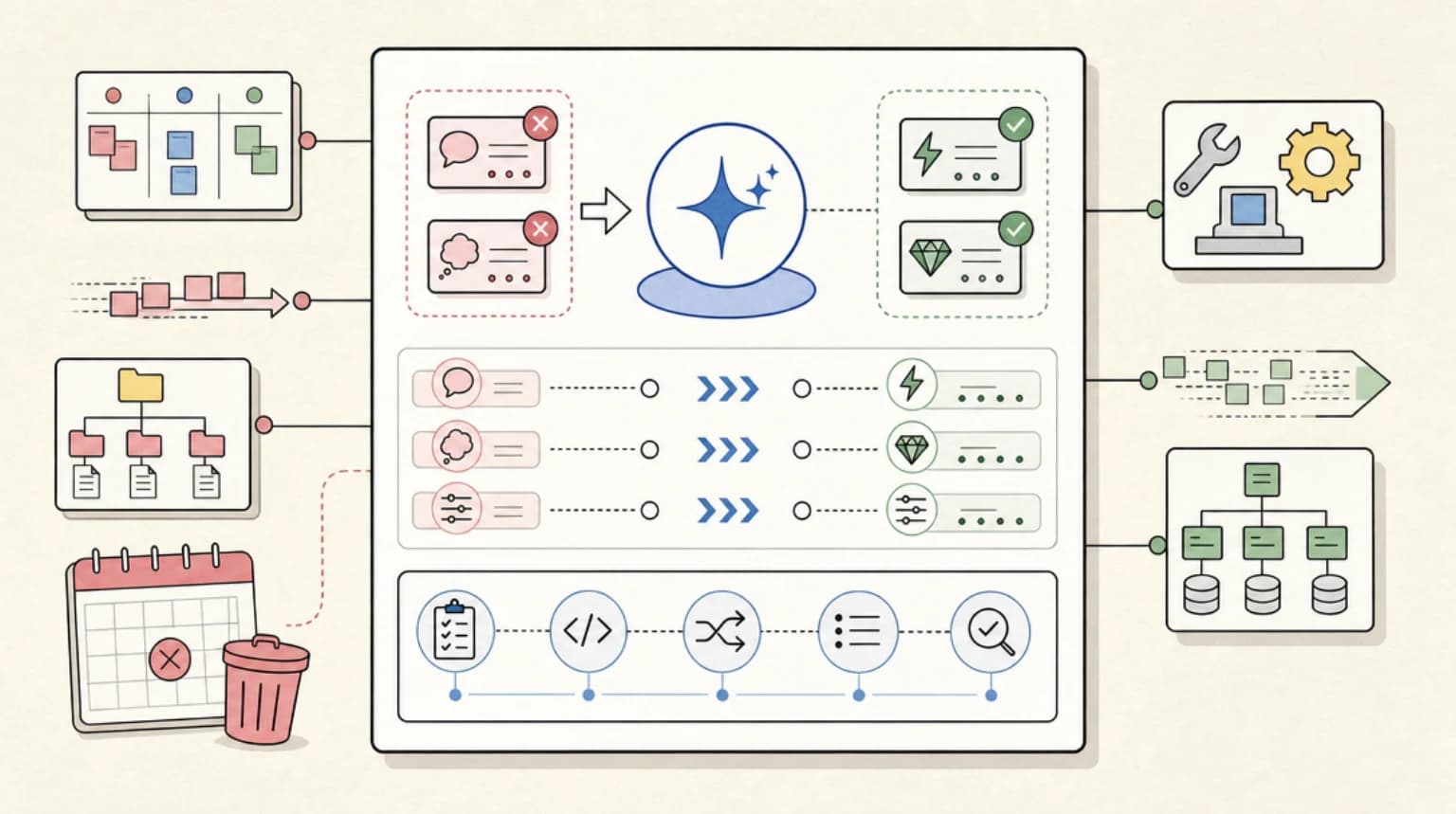
DeepSeek Retires deepseek-chat and deepseek-reasoner on July 24: Your V4 Migration Guide
deepseek-chat is retired after July 24, 2026. Migrate to DeepSeek V4, now served as deepseek-flash, with a what-maps-to-what table and a step-by-step checklist.
9 min read
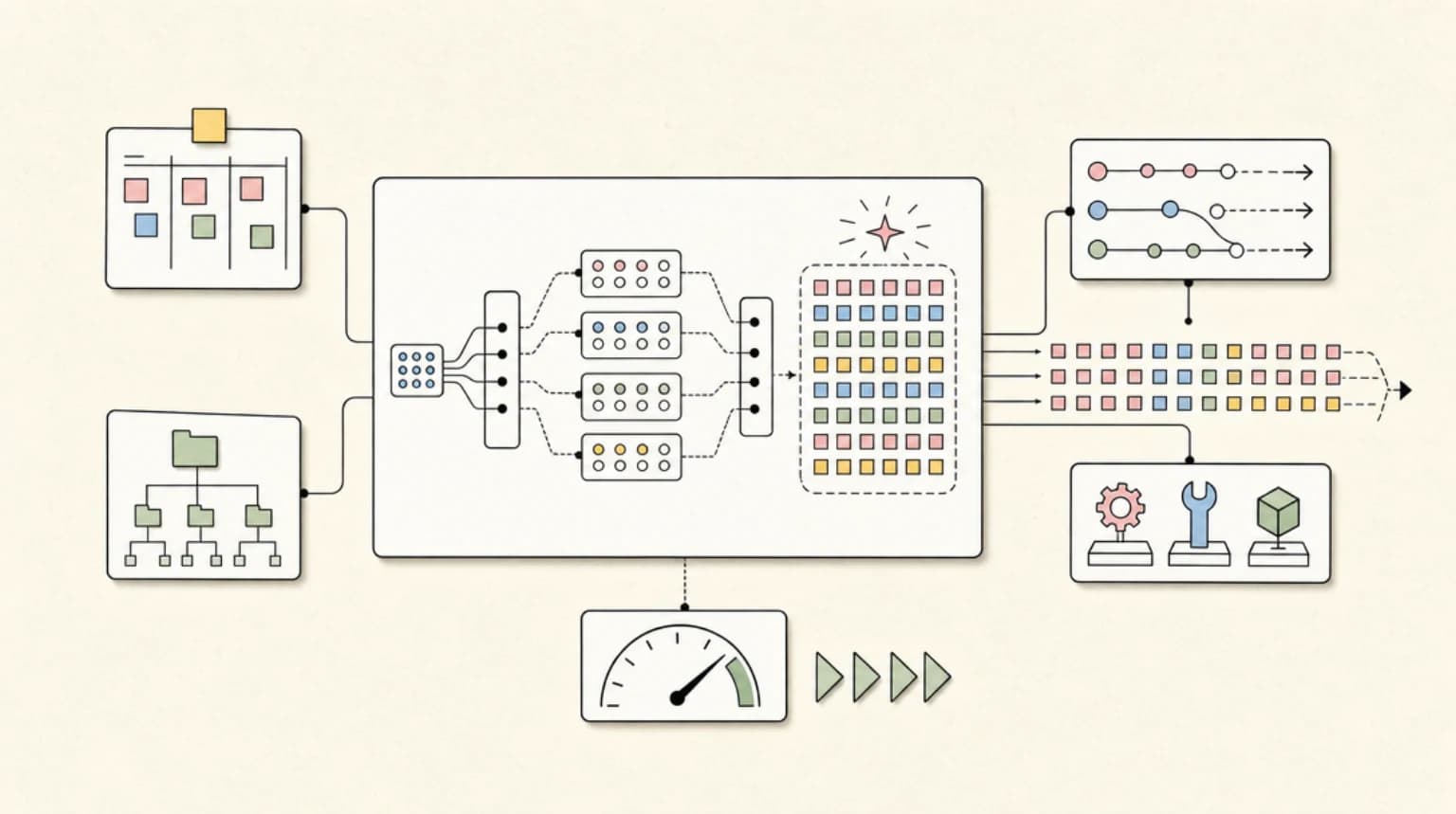
DiffusionGemma: Google Bets Diffusion Can Make Text Generation 4x Faster
DiffusionGemma is Google's 26B MoE open model that generates 256-token blocks in parallel. What diffusion generation means for latency and local inference.
8 min read
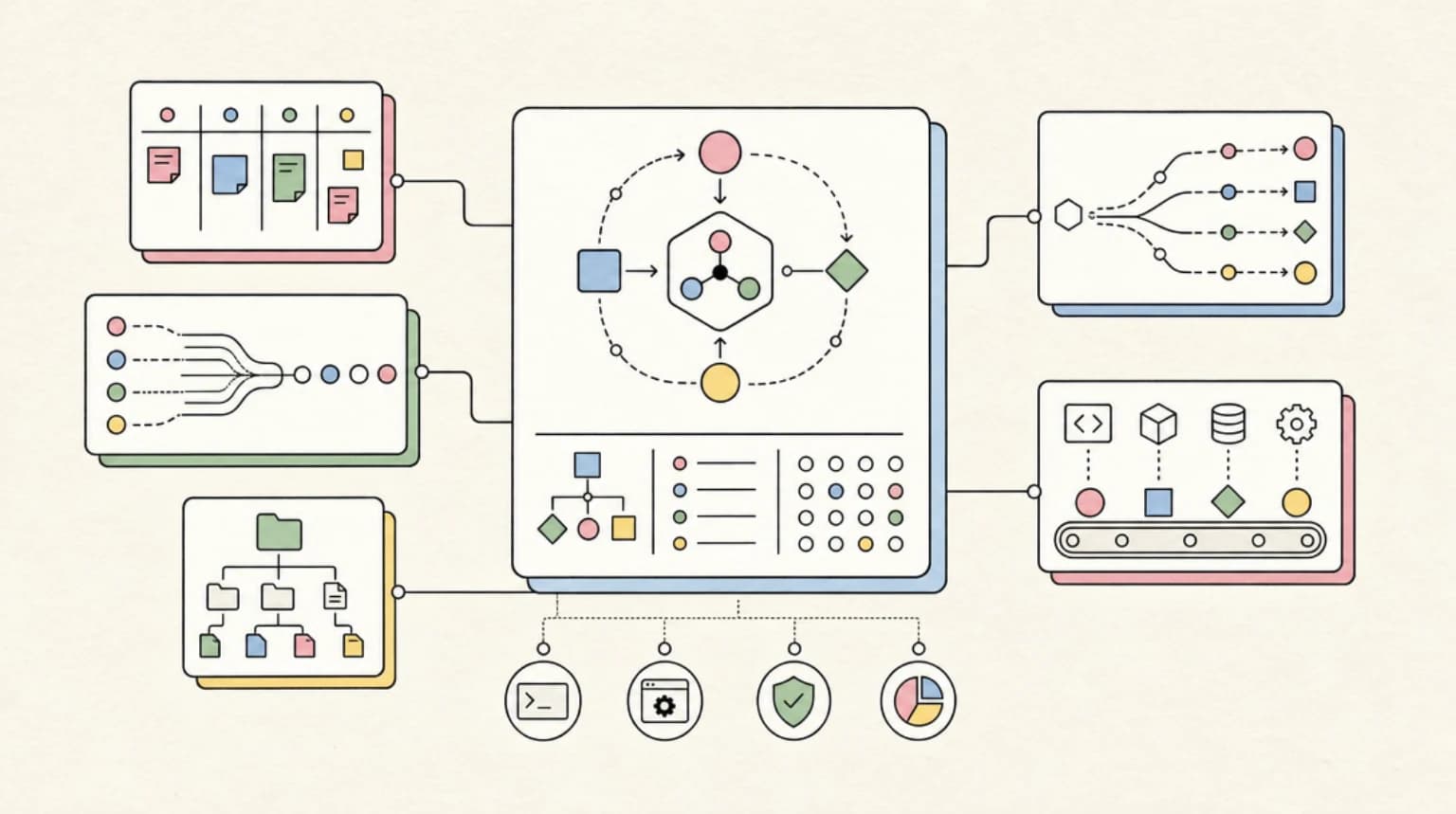
Mastra: Review and Setup Guide for TypeScript Agent Apps (2026)
Mastra review and setup for TypeScript AI agents - verified create commands, Mastra Studio, workflows and memory, plus pricing and who should skip it.
8 min read
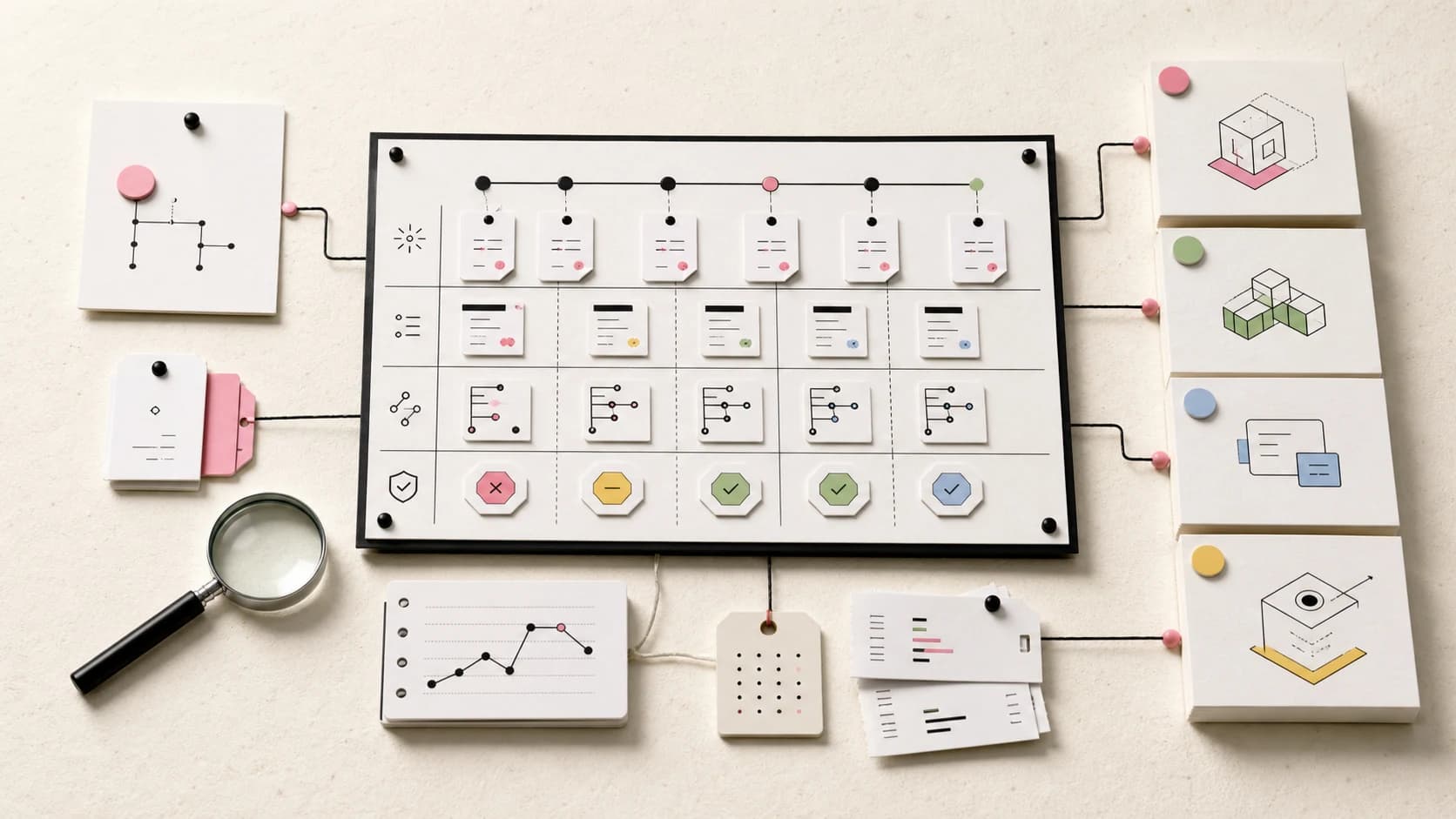
AI Code Attribution Needs Defect Forensics, Not Vibes
The rsync Claude debate shows why teams need reproducible defect forensics before AI attribution becomes a public blame machine.
8 min read
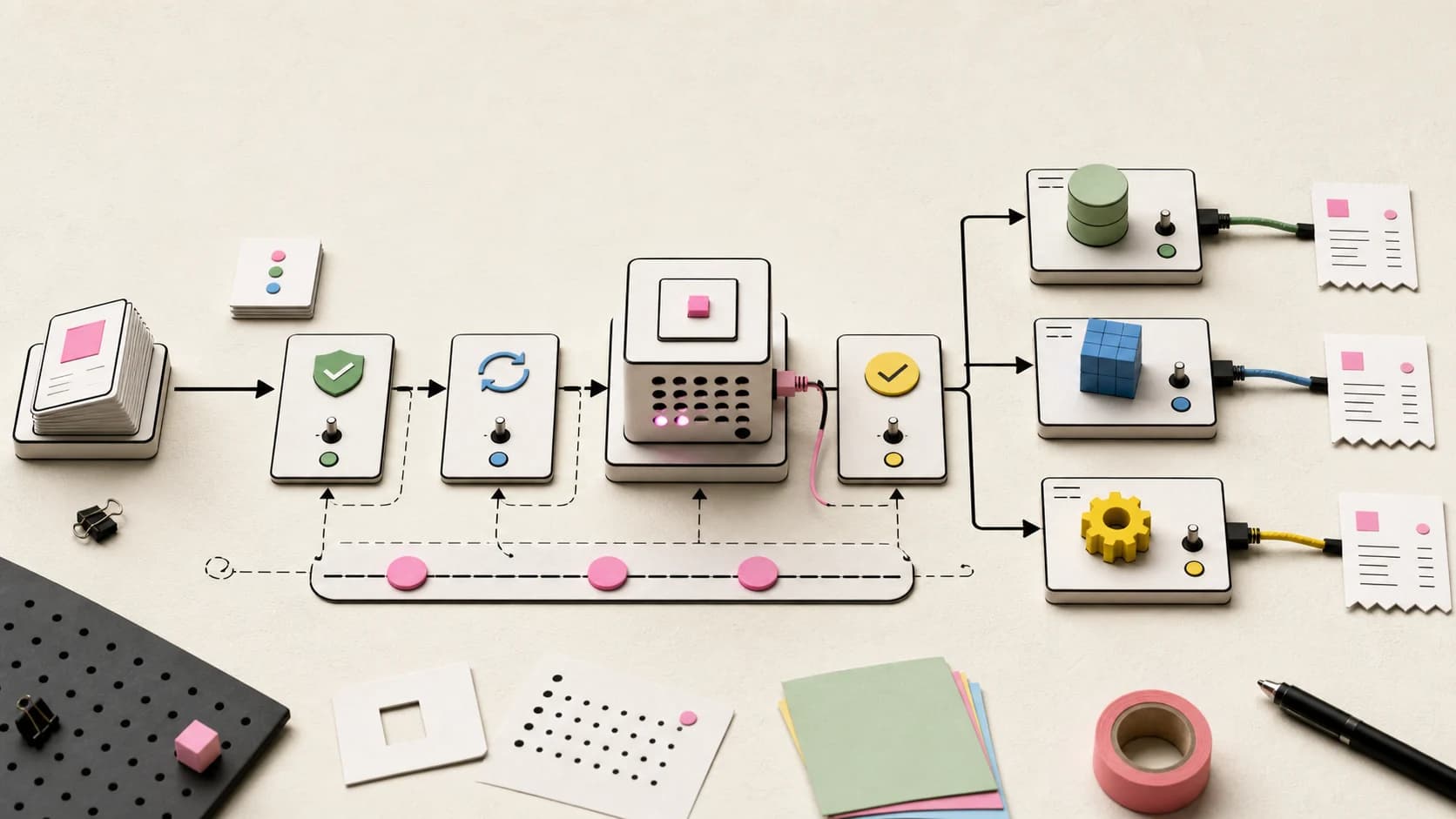
Forge Shows the Local Agent Reliability Gap Is a Harness Problem
Forge makes small local models more reliable at tool-calling with a harness that catches structural failures, retries intelligently and controls context.
7 min read
What Is Cline? The Open-Source AI Coding Agent for VS Code
Cline is a free, open-source VS Code extension for agentic AI coding. Bring your own model, a cloud API or a local one via Ollama, with no vendor lock-in.
9 min read
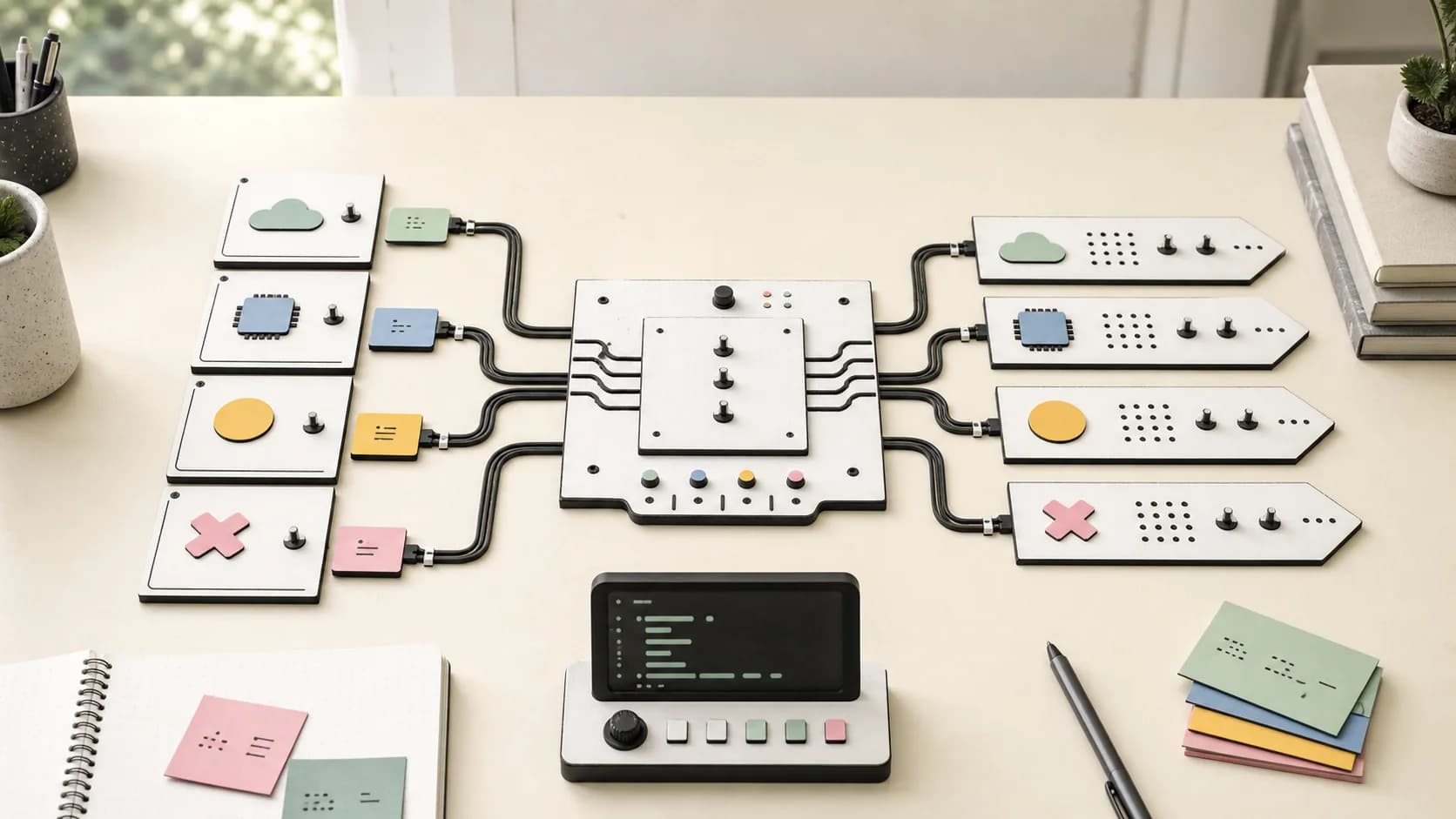
Free Claude Code Is Really a Model Gateway Bet
The trending Free Claude Code repo is not just about avoiding API bills. It points at a bigger developer-tool pattern: model gateways for AI coding agents.
8 min read
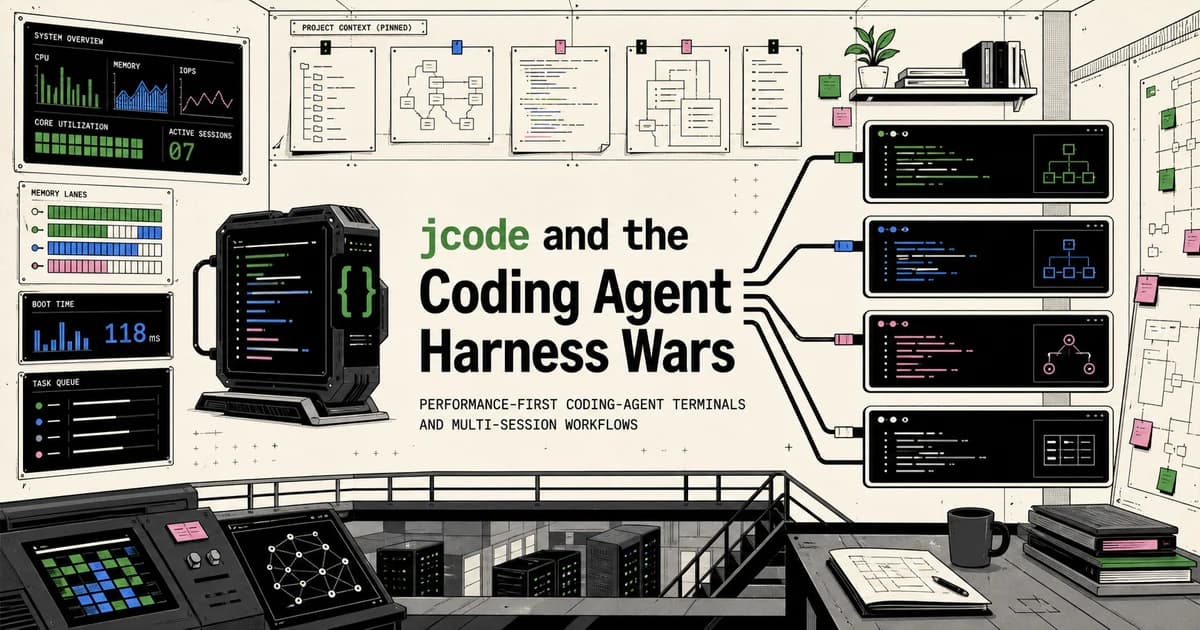
jcode and the Coding Agent Harness Wars
jcode is trending because it competes on a less glamorous but important agent metric: how cheap it is to keep many coding sessions alive.
8 min read

lib0xc Is the Opposite of Rewrite Culture
Microsoft's lib0xc makes existing C code safer with static bounds, checked integer conversions, and strict warnings - incremental hardening, not a rewrite.
8 min read

ML Intern Shows Where Coding Agents Are Heading: Domain Tools, Not Generic Chat
Hugging Face's ml-intern is a domain agent for ML work - papers, datasets, training jobs, and Hub traces. Why domain tools beat generic chat for coding agents.
8 min read
Warp Open Sourced the Terminal. The Real Story Is Agent Operations
Warp open sourced its terminal client. The bigger story is agent operations - planning, execution, review, and feedback loops that live next to the shell.
8 min read
DeepSeek V4: The Developer's Guide to Flash and Pro
DeepSeek V4 developer guide: Flash vs Pro, pricing, OpenAI SDK setup with thinking mode and tool calling, and when to pick V4 over Claude or GPT.
10 min read
NVIDIA Nemotron 3 Super: A Developer's Guide to the 120B Hybrid MoE
Nemotron 3 Super developer guide: the latent MoE hybrid Mamba architecture, hardware needs, reasoning modes, and code to run NVIDIA's 120B model.
9 min read
Open-Source MCP Servers Worth Installing in 2026
The open-source MCP servers worth a permanent slot in your config, each with what it does, why it matters, and copy-paste setup for Claude Code and Cursor.
12 min read
The Claude Design Moment: AI Design Skills Just Got Their Breakout Week
Claude Design skills broke out on GitHub as four repos trended in one week. What huashu-design, open-codesign, and cc-design do, and why the pattern matters.
7 min read

Qwen3.6-27B Is the Local Coding Model to Test First
Qwen3.6-27B is the local coding model to benchmark first: what hardware it needs, which jobs it should take over, and where a frontier API still wins.
8 min read
Aider vs Claude Code in 2026: Git-First Open Source vs Subagent Runtime
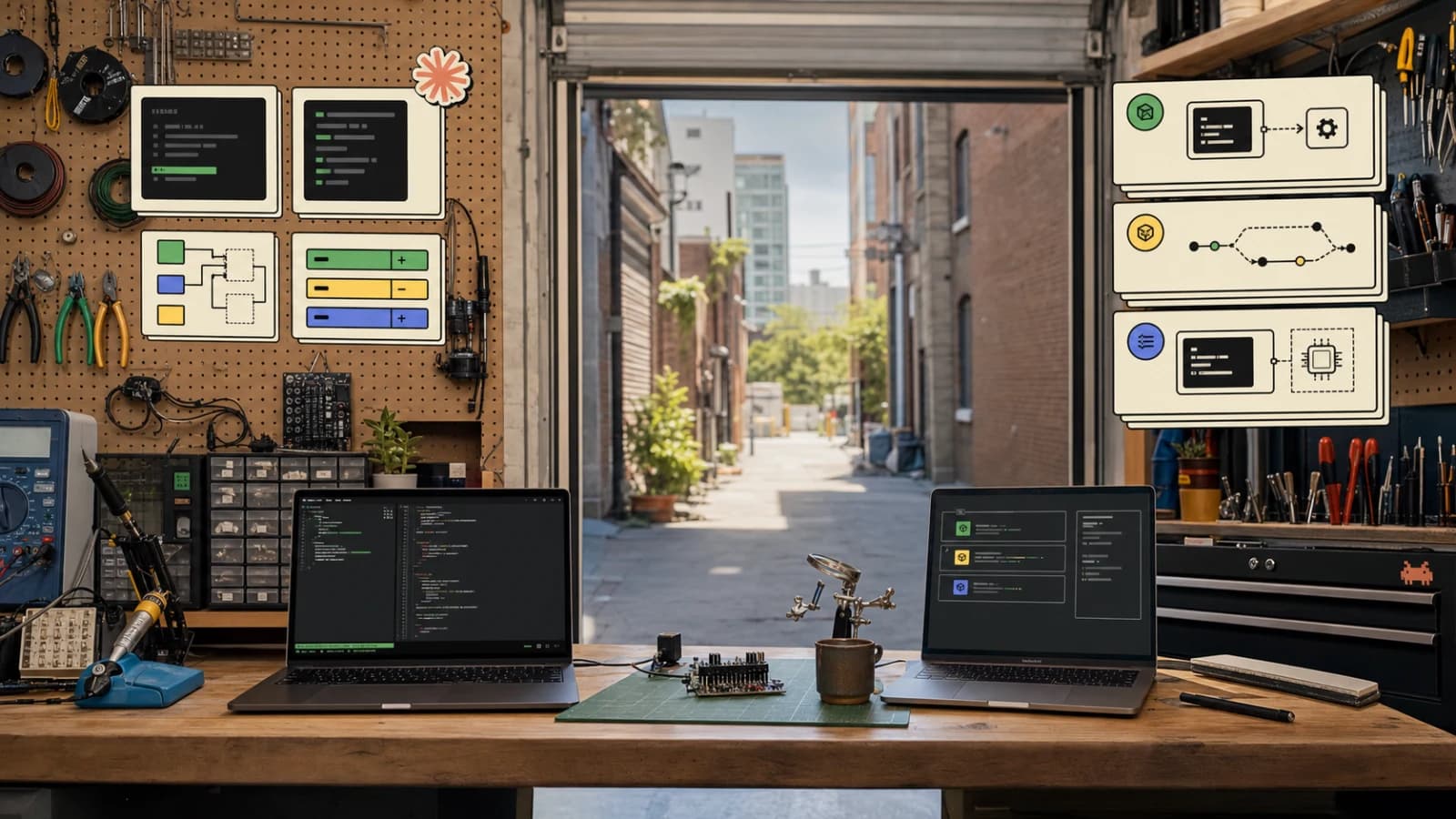
Aider vs Claude Code: git-first, model-agnostic Aider against the Claude Code runtime of subagents and hooks. Compare architecture, cost, governance and fit.
10 min read
DeepSeek R1 and V3: The Developer's Guide to Open-Source AI
DeepSeek R1 and V3 developer guide: use the MIT-licensed models through the API, run them locally with Ollama and decide when they beat closed-source models.
9 min read
Llama 4: The Complete Developer's Guide to Meta's Open Source Models
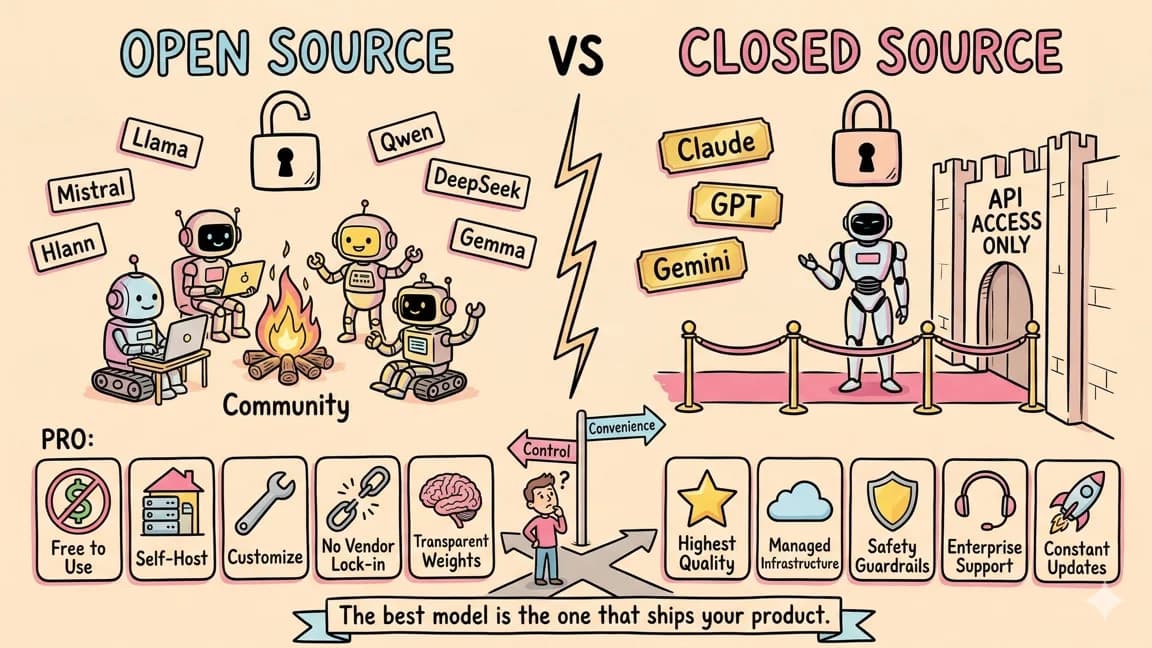
Llama 4 developer guide to Scout and Maverick, the open mixture-of-experts models from Meta: run them locally, call them via APIs and know when to pick them.
10 min read

Aider vs Claude Code: Open Source vs Commercial AI Coding CLI
Aider is open source and works with any model. Claude Code is Anthropic's commercial agent. Here is how they compare for TypeScript.
5 min read

Open Source Has a Bot Problem: Prompt Injection in Contributing.md
Prompt injection in CONTRIBUTING.md and AGENTS.md: AI coding agents read repo docs before opening PRs, so those files are now part of the security boundary.
8 min read
NVIDIA's Nemotron 3 Super in 6 Minutes
NVIDIA Nemotron 3 Super combines latent mixture of experts with hybrid Mamba layers - 120B total parameters, 12B active per token, 1M context and open weights.
5 min read

NVIDIA Nemotron Nano 9B V2: Local AI That Punches Up
NVIDIA Nemotron Nano 9B V2 is a hybrid Mamba-transformer small model that runs on consumer GPUs. See how its reasoning controls, open data and tool use work.
7 min read
GPT-OSS: OpenAI's First Open Source Model
GPT-OSS is OpenAI's pair of open-weight 20B and 120B reasoning models under Apache 2.0. Hardware needs, benchmarks, hosting costs and how to run them locally.
6 min read
Qwen 3: Alibaba's Open-Source Model That Outclassed Llama 4
Qwen 3 is Alibaba's family of eight Apache 2 licensed models, led by a 235B MoE flagship. How it compares to Llama 4, how hybrid thinking works, how to run it.
8 min read
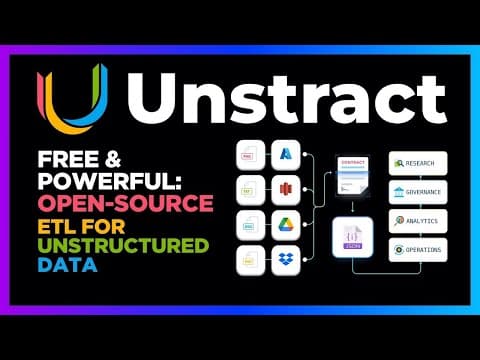
Unstract: Open-Source AI Document Parsing at Scale
Unstract is an open-source, no-code platform that uses LLMs to extract structured JSON from PDFs, invoices and scans. How Prompt Studio and self-hosting work.
10 min read
Related Tools
All tools →Gemini CLI
Open sourceGoogle's open-source (Apache 2.0) terminal agent for Gemini models. Paid Gemini API, Vertex AI, and Code Assist Standard or Enterprise users keep access; unpaid tier and Google One users moved to Antigravity CLI on June 18, 2026.
AI CodingAider
Open-source AI pair programming in your terminal. Works with any LLM - Claude, GPT, Gemini, local models. Git-aware editing with automatic commits.
AI CodingContinue.dev
Open-source AI code assistant for VS Code and JetBrains. Bring your own model - local or API. Tab autocomplete, chat, inline edit. Fully customizable.
AI CodingMastra
TypeScript-first AI agent framework. Agents, tools, memory, workflows, RAG, evals, tracing, MCP, and production deployment for Node.js apps.
AI FrameworksSupabase
Open-source Firebase alternative built on Postgres. Auth, real-time subscriptions, storage, edge functions, and pgvector for AI embeddings. Generous free tier.
InfrastructureDeepSeek
Chinese lab shipping open-weight MoE models. The V4 family (previewed April 24, 2026) runs a 1M context on DeepSeek's API; R1 (2025) popularized open reasoning models. Low-cost API.
AI ModelsLlama
Meta's open-weight model family. Llama 4, released April 5, 2025, comes in Scout (109B total, 17B active) and Maverick (400B total, 17B active). Commercial use under the Llama license.
AI ModelsQwen3-Coder
Alibaba's open-weight coding model, released in 2025. 480B total parameters, 35B active (MoE). Native 256K context, extends to 1M. Apache 2.0 license. Built for agentic coding.
AI ModelsDeepSeek V3.2
DeepSeek's reasoning-first model built for agents. First model to integrate thinking directly into tool use. Ships alongside V3.2-Speciale, which rivals GPT-5 and Gemini 3.0 Pro.
AI ModelsCodex CLI
OpenAI's open-source (Apache-2.0) terminal coding agent, built in Rust. Included with ChatGPT Plus from $20/mo or usable with an API key. Defaults to GPT-6.1 Sol.
AI CodingKimi Code
Open-source terminal coding agent from Moonshot AI. Launched on Kimi K2.5 and now runs Kimi K3 with up to 1M tokens of context. Agent Swarm runs up to 100 parallel sub-agents.
AI CodingCline
Open-source autonomous coding agent inside VS Code. Creates files, runs commands, and can use a browser for UI testing and debugging with your permission.
AI CodingAgency Swarm
Multi-agent orchestration framework built on the OpenAI Agents SDK. Define agent roles, typed tools, and directional communication flows. Production-focused, open-source.
AI FrameworksPydantic AI
Type-safe Python agent framework from the Pydantic team. Brings the FastAPI feeling to AI development. Composable tools, durable execution, and full IDE autocomplete.
AI FrameworksOutlines
Constrained generation library for LLMs. Uses finite state machines to mask invalid tokens during generation. Guarantees schema-compliant output with zero retries.
AI FrameworksHaystack
Open-source AI orchestration framework by deepset. Modular pipelines for RAG, agents, semantic search, and multimodal apps. Pipeline-as-graph architecture with explicit control.
AI FrameworksOllama
The easiest way to run LLMs locally. One command to pull and run any model. OpenAI-compatible API. 52M+ monthly downloads. Supports GGUF, Safetensors, and custom Modelfiles.
Local AILM Studio
Desktop app for discovering, downloading, and running local LLMs. Clean chat UI, OpenAI-compatible API server, and automatic GPU detection. MLX engine optimized for Apple Silicon.
Local AIJan
Open-source ChatGPT alternative that runs models fully offline. Desktop app with local models, cloud API connections, custom assistants, and MCP integration. Apache 2.0 licensed.
Local AILocalAI
Open-source OpenAI API replacement. Runs LLMs, vision, voice, image, and video models on any hardware, no GPU required. 60+ backends. Distributed mode for scaling.
Local AIDeepSeek V4
Open weightsDeepSeek's open-weights frontier family, previewed April 24, 2026. V4-Pro is 1.6T total / 49B active params; V4-Flash is 284B / 13B. 1M context standard. Weights on Hugging Face.
AI ModelsOpenCode
Open sourceOpen-source AI coding agent for terminal, desktop, and IDE. Works with 75+ LLM providers including Claude, GPT, Gemini, and local models. Runs parallel sessions on one project.
AI CodingGoose
Open sourceFree, open-source (Apache-2.0) AI agent built in Rust, governed by the Agentic AI Foundation. Desktop app, CLI, and API. Bring any of 15+ model providers or an existing subscription.
AI CodingLiteLLM
Open sourceOpen-source AI gateway: call 100+ LLM providers in the OpenAI format via a Python SDK or proxy. Spend tracking, budgets, rate limiting, load balancing, and fallbacks built in.
AI FrameworksLangfuse
Open sourceOpen-source LLM engineering platform: tracing, evals, prompt management, and datasets. Self-hostable, OpenTelemetry-native, with 50+ framework integrations.
InfrastructureE2B
Open sourceOpen-source cloud sandboxes that run each AI agent session in its own microVM. Isolated environments that start in under 200ms, run code in Python, JavaScript, and more, and persist sessions up to 24 hours.
InfrastructureKeep exploring
More on Open Source
- - Gemini CLI - recommended Open Source tool from the Developers Digest directory
- - Tools Directory - dive deeper across the Developers Digest knowledge base
- - All Open Source articles in the blog archive
- - Developers Digest on YouTube - video tutorials covering Open Source and more
Get Smarter About AI Dev
New tutorials, open-source projects, and deep dives on coding agents - delivered weekly.
One email per weekReal code, not theoryFree forever
Explore 848 topics
Browse All Topics