Qwen3.6-27B Is the Local Coding Model to Test First

AI Tools Deep Dive
20 parts- 1Claude Design: Anthropic's Bet That Designers and Developers Want the Same Tool
- 2The 10 Best AI Coding Tools in 2026
- 3Cursor: The AI-Powered Code Editor That Changed How Developers Work
- 4OpenAI Codex: Terminal and Cloud AI Coding Agent
- 5Gemini CLI Guide: 1M Token Context and Who Can Still Use It
- 6Kimi K2: Fast, Cheap, and Efficient Coding
- 7GitHub Copilot in 2026: Still Worth It for TypeScript Developers?
- 8Aider vs Claude Code: Open Source vs Commercial AI Coding CLI
- 9Aider vs Claude Code in 2026: Git-First Open Source vs Subagent Runtime
- 10Every AI Coding Tool Compared: The 2026 Matrix
- 11Qwen3.6-27B Is the Local Coding Model to Test FirstCurrent
- 12Zed Just Made Parallel AI Agents a Native Editor Primitive
- 13Warp Open Sourced the Terminal. The Real Story Is Agent Operations
- 14AI Design Slop: 16 Patterns That Mark a Site as Vibe-Coded
- 15The Claude Design Moment: AI Design Skills Just Got Their Breakout Week
- 16Codeburn: The First TUI That Actually Shows Where Your Claude Max Subscription Is Going
- 17Promptlock: Deterministic Prompt Versioning for LLM Apps
- 18Agent Replays with TraceTrail: Loom for Agent Runs
- 19Hookyard Shows Why Claude Code Hooks Need a Package Manager
- 20MCP Lens: Wireshark for Model Context Protocol Servers
TL;DR
Qwen3.6-27B is the local coding model to benchmark first: what hardware it needs, which jobs it should take over, and where a frontier API still wins.
Last updated: June 30, 2026
Qwen3.6-27B is back on the front page of Hacker News, this time through a practical "sweet spot for local development" writeup rather than a launch announcement. The thread had about 1,000 points and 650 comments when I checked it, which is a useful signal because the conversation is not just hype. It is developers arguing about the exact hardware, context, quantization, and "does this actually replace a cloud model?" questions that matter in production.
Google Trends was checked for the query cluster Qwen 3.6 27B, local coding LLM, Qwen coding model, and self-hosted coding model. The Trends RSS endpoint returned an HTML shell instead of reliable trend rows in this environment, so I am not using it as numeric evidence. The demand signal here comes from HN velocity, repeated local-model coverage, official Qwen source availability, and the site's existing local-LLM search lane.
The short version: if you are building a local coding stack in 2026, Qwen3.6-27B is the model to benchmark first. Not because it beats every frontier API. It does not. It matters because it is the most interesting point on the curve where capability, hardware ownership, latency, privacy, and cost meet.
Why the Same Model Keeps Coming Back#
Qwen already has bigger and flashier models. Qwen 3 Coder is the 480B-total-parameter MoE sibling. Qwen 3.7 Max is the API-first frontier option. Our GLM 5.2 vs DeepSeek V4 vs Qwen3 comparison covers the wider open-weights coding race.
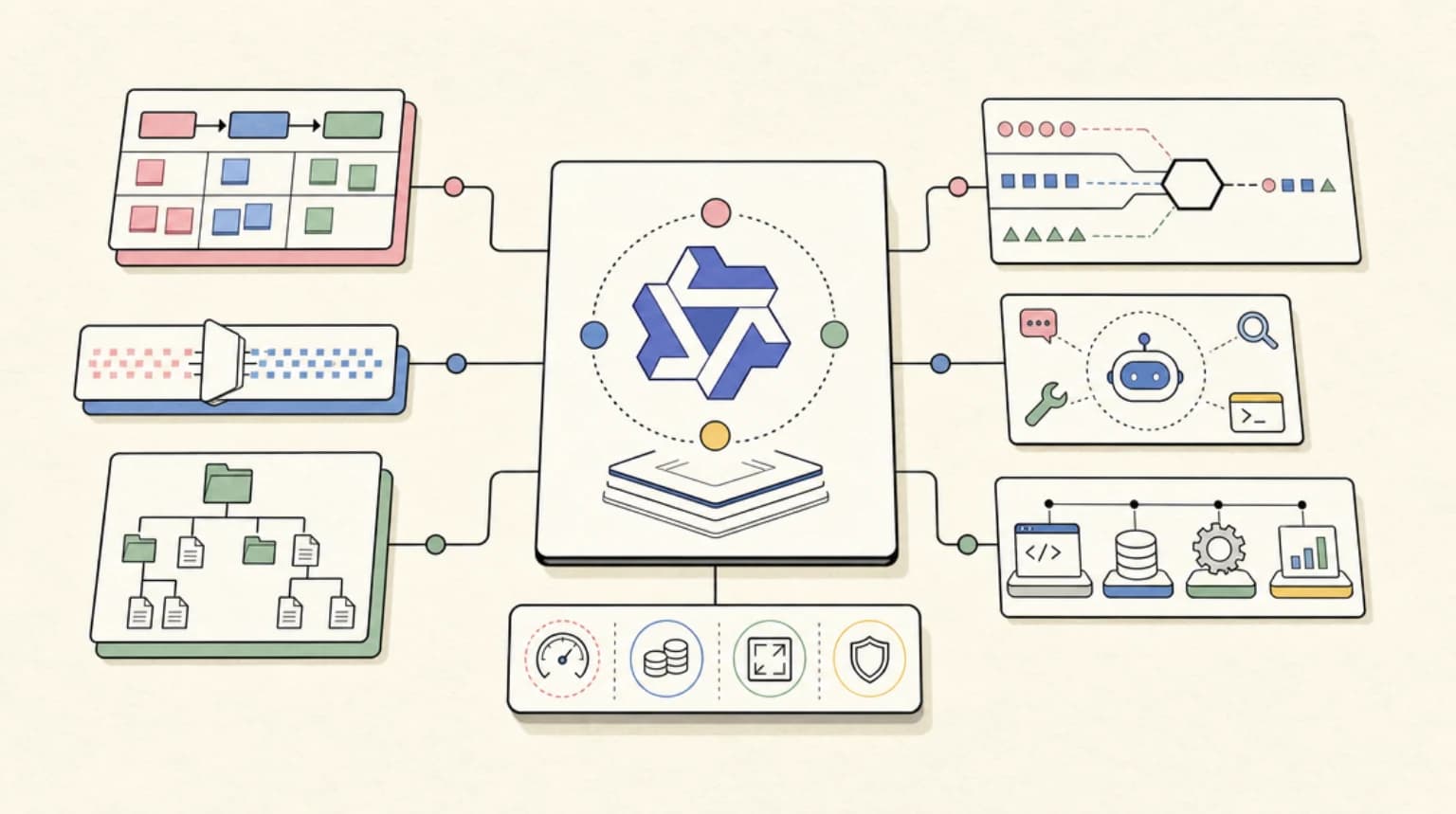
Qwen3.6-27B keeps mattering because it is dense and local-sized. Dense means every parameter participates in every forward pass. There is no expert routing layer to reason about and no giant inactive expert pool to keep resident in memory. For a developer trying to run a model on a workstation, that simplicity matters.
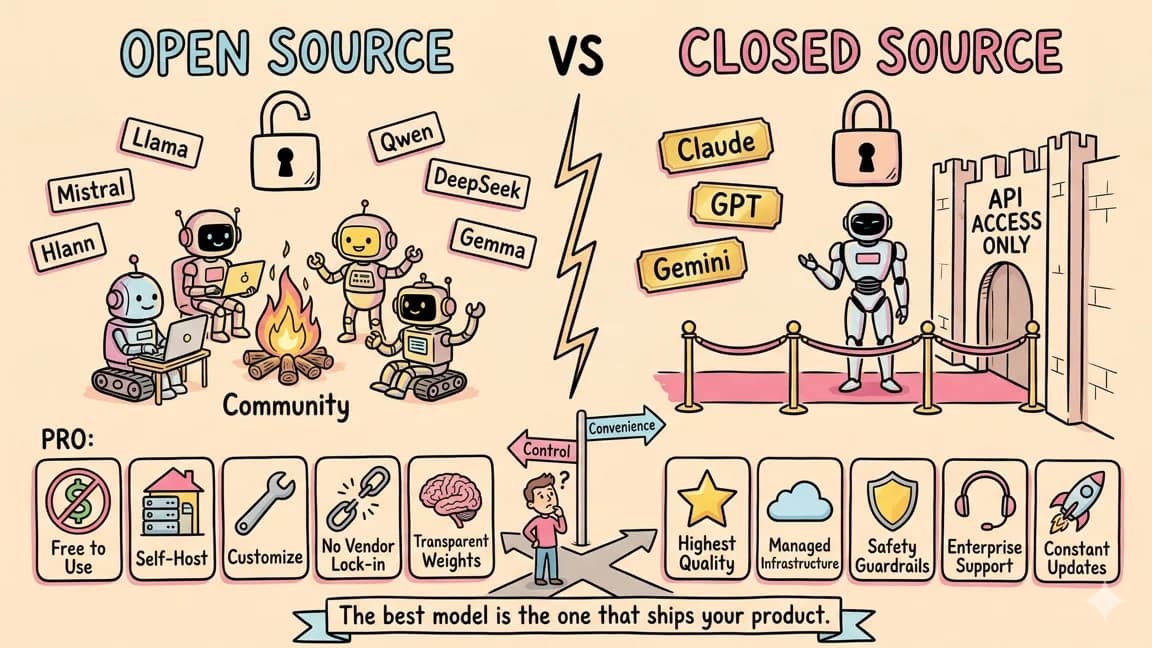
The practical sell is not "this is Opus on your laptop." A better framing is the one in Local Qwen Is a Different Tool, Not a Worse Opus: local models win when privacy, repeatable cost, offline control, or high-volume internal work is more important than squeezing out the last few frontier-model percentage points.
That is why the HN thread is useful. The skeptics are right to ask whether the demo tasks are real work. The fans are right that a 27B dense model can now handle a meaningful amount of debugging, refactoring, and bounded implementation work. Both statements can be true.
The Hardware Question Is the Real Filter#
The most important pushback in the thread was not about benchmarks. It was about who actually owns enough hardware.
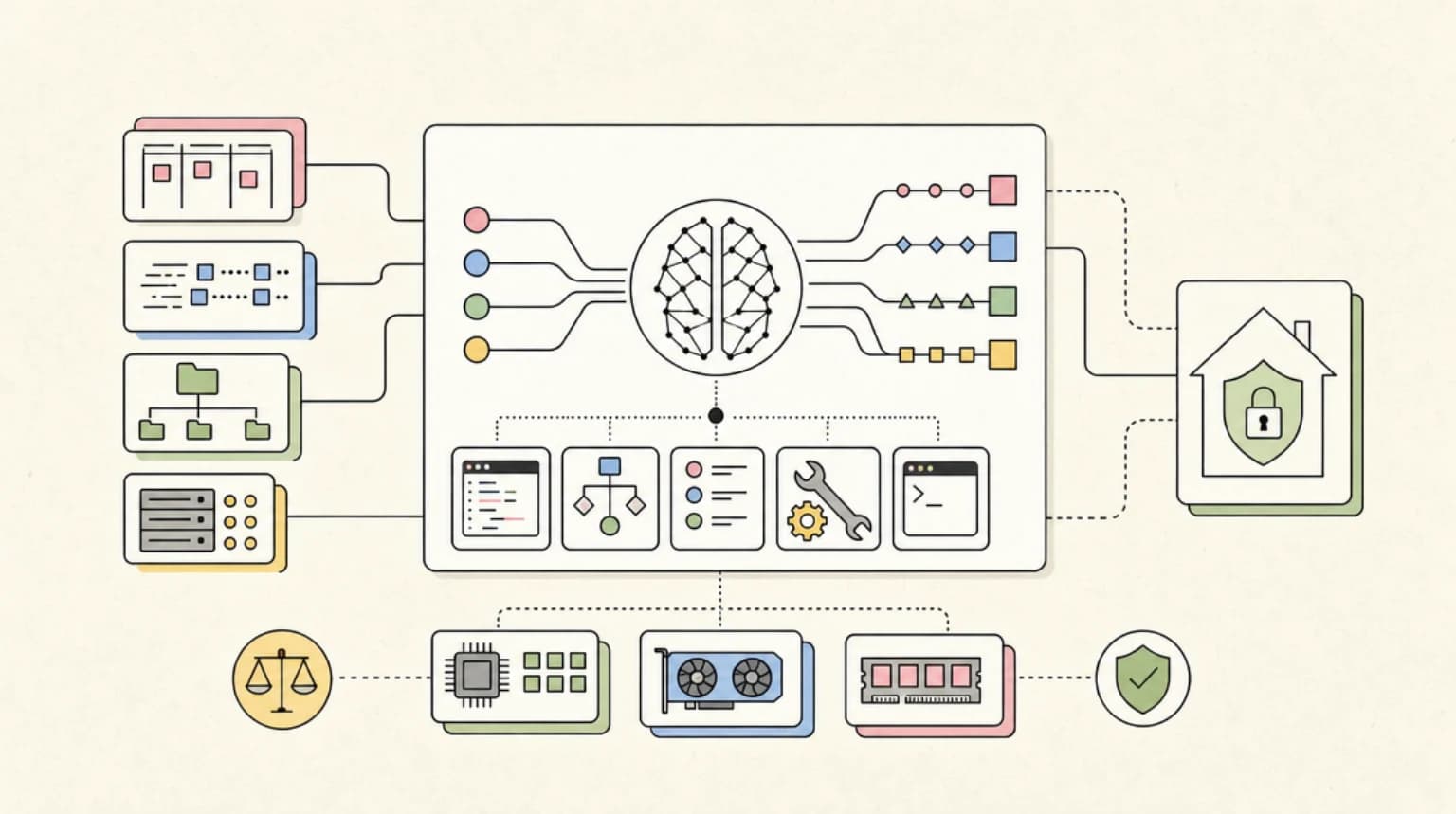
A 128GB MacBook Pro is not a normal baseline. A multi-GPU workstation is not a normal baseline. Even a 24GB consumer GPU is not something every developer has. If your machine is a 16GB laptop, Qwen3.6-27B is probably not the comfortable daily-driver path unless you accept aggressive quantization, slow generation, or remote inference on hardware you control.
But the right comparison is not "everyone can run it." The right comparison is "can a serious developer or small team run it without a datacenter?" For that audience, yes. The model is squarely in the class covered by our best local coding LLMs guide: workstation-friendly enough to evaluate, strong enough to be worth evaluating, and small enough that the hardware bill is finite.
This is where dense beats giant MoE for local development. A model like GLM-5.2 or a 480B coder may be efficient per active parameter, but the total weight footprint still dictates where it can live. We covered that pain in the GLM-5.2 local deployment guide: quantization helps, but memory is still the wall.
Qwen3.6-27B does not erase the wall. It moves the wall into workstation territory.
What It Should Replace, and What It Should Not#
Do not replace your best cloud coding agent with Qwen3.6-27B just because a benchmark number looks close. Coding agents are not only model calls. They are tool use, repo search, patch planning, shell execution, rollback, tests, memory, and review. That full system is why Codex custom model providers are interesting: the agent interface can stay stable while the model backend changes.
Use Qwen3.6-27B for the jobs where local control changes the product:
- confidential codebase analysis that cannot leave your machine
- repetitive repo cleanup where latency and cost matter more than top-end reasoning
- local autocomplete and small patch drafting
- private documentation, migration notes, and test-writing passes
- evaluation baselines for your own agent harness
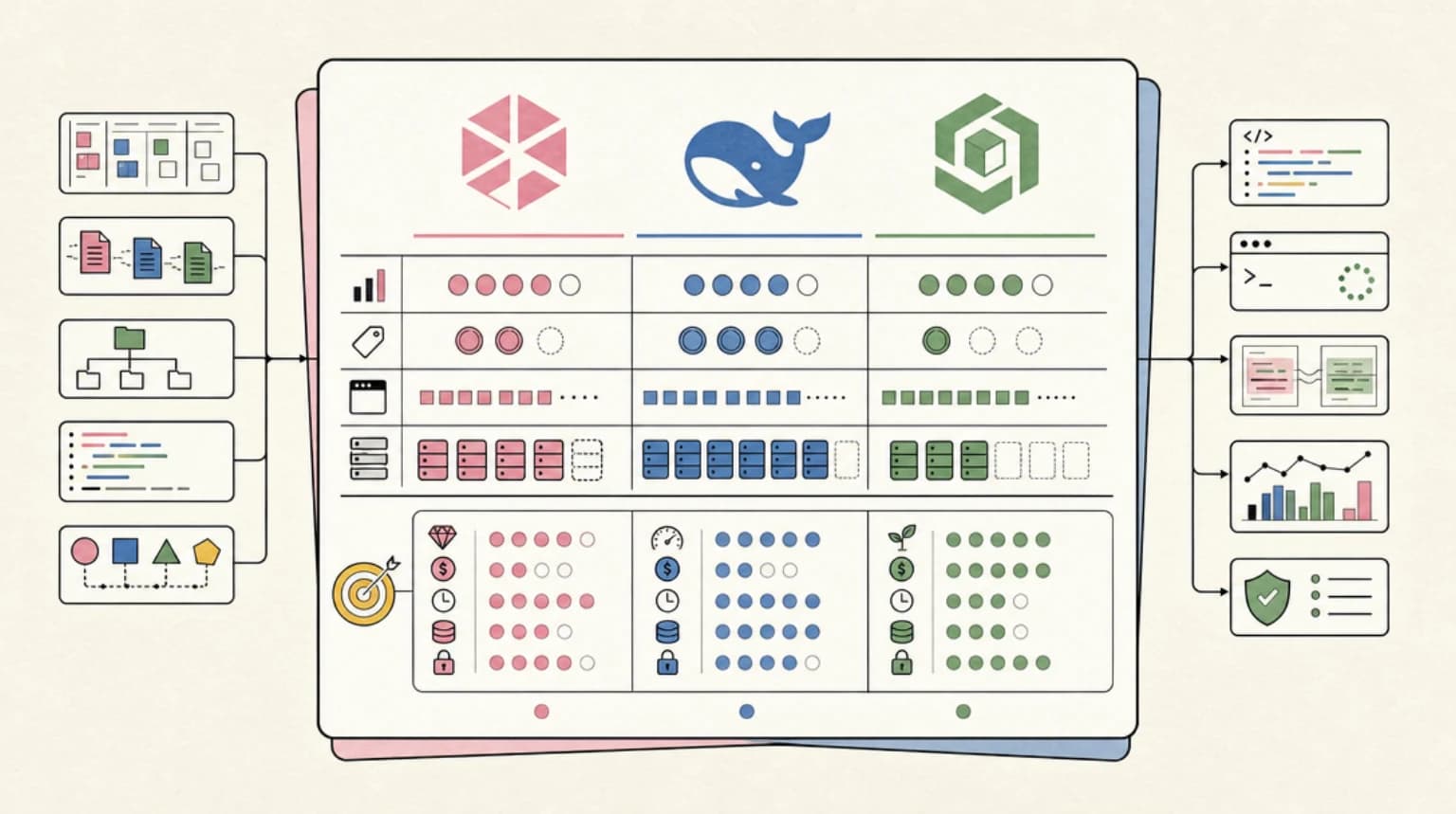
Keep a frontier API in the loop for tasks where the model has to hold a messy multi-file plan, infer product intent from ambiguous instructions, or recover from broken tool calls. The best setup is usually routing, not purity: local first for bounded work, frontier escalation for high-risk work.
Benchmarks Are the Start, Not the Receipt#
The HN debate keeps circling back to whether Qwen3.6-27B is "good enough" for real development. Public benchmarks help, but they are not the receipt.
For a coding model, the receipt is a repo-local eval:
- Pick 20 issues from your own backlog.
- Give every model the same files, instructions, and tools.
- Record the diff, test output, and review notes.
- Score whether the patch was correct, maintainable, and worth merging.
- Track wall-clock time and hardware cost, not only pass rate.
That is the same discipline behind our agent reliability case study and long-running agent harness guide. Local models become serious when they are evaluated like production components, not when they win a screenshot contest.
The useful question is not "does Qwen3.6-27B beat Claude?" The useful question is "which tasks can Qwen3.6-27B complete locally with fewer review minutes than it saves?"
The Developer Stack I Would Test#
If I were evaluating Qwen3.6-27B today, I would keep the setup boring:
- Run a quantized local server through Ollama, llama.cpp, MLX, or vLLM depending on the hardware.
- Put an OpenAI-compatible endpoint in front of it if the rest of your tools expect that shape.
- Wire it into a coding surface you already use.
- Keep logs of prompts, diffs, tool calls, and test output.
- Compare against one frontier API and one smaller local model.
For Codex-style workflows, the provider abstraction is the key. The goal is not to make every agent run locally forever. The goal is to make model routing a config decision instead of a rewrite. That lets you ask the practical question: "Should this task run on local Qwen, hosted Qwen, GLM, Claude, or GPT?"
If the local model fails, you still learned something valuable. You learned exactly where the escalation boundary is.
The Take#
Qwen3.6-27B is not news because it proves local models have caught up to every cloud agent. It is news because it makes local-first coding less theoretical.
The HN pushback is healthy. The hardware is still expensive. Some demos are too greenfield. Quantization details matter. Apple Silicon and GPU backends have different behavior. A local model can still waste your afternoon if you ask it to solve work that needs a stronger planner.
But the direction is clear. The local model tier is no longer just a hobbyist lane. It is becoming a serious part of the developer stack: private, controllable, cheap at high volume, and good enough for a growing set of tasks.
That makes Qwen3.6-27B the right first benchmark for local coding. Not the final answer. The first honest test.
FAQ#
Is Qwen3.6-27B better than Claude or GPT for coding?#
No. Treat it as a local model with a strong capability-to-hardware ratio, not as a universal frontier replacement. It is most interesting for private, bounded, repeatable work where local control matters.
Can Qwen3.6-27B run on a normal laptop?#
Not comfortably for most people. It is more realistic on a high-memory Apple Silicon machine, a 24GB-plus GPU setup, or a local server. Smaller Qwen, Gemma, and Devstral-class models are better fits for constrained laptops.
Why does dense architecture matter?#
Dense models are simpler to run locally because the memory footprint tracks the total parameter count directly. MoE models can be efficient in hosted serving, but the full expert pool still has to live somewhere.
Should teams use Qwen3.6-27B in production agents?#
Only after repo-local evaluation. Run it against real issues, compare it to your current cloud model, record the diffs and tests, and define which tasks are allowed to stay local.
What should I read next?#
Start with the best local coding LLMs guide, then read the local Qwen production-use argument, and use the Codex custom model providers guide if you want to route agent workflows through local or alternate backends.
Continue Reading#
- Ornith-1.0: What an Open Source Self-Improving Coding Model Actually Means
- Qwen 3.8 Max Ships: 2.4T MoE, 1M Context, $2/$6 per MTok, Open Weights Next Week
- Qwen 3: Alibaba''s Open-Source Model That Outclassed Llama 4
Sources#
- Quesma: Qwen 3.6 27B is the sweet spot for local development - HN-linked practical local-development writeup, checked June 30, 2026.
- Hacker News discussion - roughly 1,000 points and 650 comments at check time, with useful hardware and benchmark pushback.
- Qwen official site - canonical Qwen family entry point.
- Qwen on Hugging Face - official model repository namespace.
- Ollama Qwen library - local model distribution surface.
- Developers Digest: Local Qwen Is a Different Tool, Not a Worse Opus - related local-model framing.
Get the next deep dive like this in your inbox
One email a week on Qwen and the rest of the AI dev stack. Free.
Read next on local and open-weight models
Qwen 3 Coder: Alibaba's Coding-Optimized LLM
Qwen 3 Coder is Alibaba's 480B mixture-of-experts open coding model. Benchmarks against Claude 4 Sonnet, how it was trained, and how to start with Qwen Code.
5 min readQwen 3: Alibaba's Open-Source Model That Outclassed Llama 4
Qwen 3 is Alibaba's family of eight Apache 2 licensed models, led by a 235B MoE flagship. How it compares to Llama 4, how hybrid thinking works, how to run it.
8 min readThe Best Local Coding LLMs in 2026: Run Enterprise-Grade AI Without the Cloud
Best local coding LLMs in 2026: which models to run on what hardware, how they benchmark, owned hardware versus cloud API costs, and setups by team size.
8 min readNew here? Start with
Technical content at the intersection of AI and development. Building with AI agents, Claude Code, and modern dev tools - then showing you exactly how it works.