Topic
AI MODELS
Large language models - benchmarks, capabilities, and how to choose the right one.
126 resources - 109 posts, 16 tools, 1 guide
Blog Posts
View in blog →
Gemini 4 Argon: What Developers Can Actually Use
Google's Gemini 4 Argon is a frontier model launch with strong coding and enterprise-workflow claims, but access starts narrow. Here is what shipped, what is verified, and what to watch before planning around it.
8 min read
Jeff: Jev-Style Decision Models Trained at Home on One GPU
An independent project fine-tunes Qwen3.5 and Gemma 4 into 0.8B and 2B decision models that answer in 22-28 ms using Jev's request shape. The verified numbers, the run commands, and where the benchmark stops matching real work.
6 min read
GPT-6.1 Sol Release Guide: Near-Astra Agentic Work at $2/$10 and $0.10 Cache Reads
OpenAI shipped GPT-6.1 Sol on September 29: near-Astra benchmark scores at a fifth of Astra's price, cache reads cut to $0.10 per million tokens, 1.05M context, and same-day Codex availability. The verified pricing, the Astra 6.1 safety hold, the community read, and how to run it.
7 min read

Claude Sonnet 5.5 Developer Guide: Pricing, Benchmarks, and the Five API Changes
Claude Sonnet 5.5 (claude-sonnet-5-5) is Anthropic's new mid-tier model: $2/$10 per million tokens, 70.6% on Terminal-Bench 4.0, 1M context, now GA in GitHub Copilot and on Vercel AI Gateway. The pricing math, the five breaking API changes, and where it fits next to Opus 5.5 and Sonnet 5.
11 min read

GPT-6 Astra Release Guide: Benchmarks, $10/$50 Pricing, and How to Run It in Codex and OpenCode
GPT-6 Astra is OpenAI's max-capability model: 1.05M context, $10/$50 per million tokens, the first OpenAI model rated Critical for cyber, and new highs on Terminal-Bench 4.0 and OSWorld 2.0. What it is, what the benchmarks do and do not say, and the verified commands to try it.
8 min read
GPT-6 in 7 Minutes: Astra, Sol, and Luna Explained for Developers
A developer-first overview of the GPT-6 family: what Astra, Sol, and Luna are, what each costs per million tokens, the three new API features (async tool calling, mid-turn steering, cache-safe reasoning changes), and how to try each tier in Codex and the API today.
7 min read
How to Use Jev: Every Way to Call It, the Opus 5.5 Pairing, and Laya vs Kev vs Ollaya
TypeSafe's Jev dropped its waitlist on September 27. Every verified way to call it (API, Python SDK, llm CLI, Pydantic AI, Cloudflare, Vercel, OpenRouter), the Jev + Claude Opus 5.5 coding-agent pattern driving searches, and how the open alternatives Laya, Kev, and Ollaya compare.
10 min read

How to Use Claude Code and Codex With Meta Muse: Every Setup That Actually Works
You cannot install Claude Code or Codex inside the Meta Muse app, but you can run both agents on Muse Spark 1.3 through the Meta Model API, use Muse Spark from OpenCode Go, and bring your Claude Code and Codex setup into Muse Code. Here are the verified configs.
10 min read
GPT-6 Sol vs Claude Opus 5.5 vs Grok 4.7: The September 2026 Price War
Three frontier launches in 48 hours repriced the agentic workhorse tier: Grok 4.7 at $2/$6 (Sep 21), Claude Opus 5.5 at $4/$20 with $0.20 cache reads (Sep 22), and GPT-6 Sol at $2/$10 with Luna at $0.10/$0.50 (Sep 22). Same-day-verified rates, honest benchmark attribution, and a decision guide.
9 min read
Claude Opus 5.5 Developer Guide: API Examples, Claude Code Setup, Pricing, and When to Use It
Claude Opus 5.5 (claude-opus-5-5) is Anthropic's new default Opus: $4/$20 per million tokens, $0.20 cache reads, 1M context, thinking always on with medium default effort. Runnable TypeScript and Python SDK examples, Claude Code setup, before/after prompts, and a decision guide vs Sonnet 5, Haiku 4.5, and Fable 5.1.
11 min read

Gemini 3.8 Live and 3.8 Live Extended Thinking: Google's Audio-to-Audio Voice Models, Benchmarked and Priced
Google shipped two new audio-to-audio models on September 15: Gemini 3.8 Live (76.0 Speech-to-Speech Index, 1.18s first audio) and 3.8 Live Extended Thinking (82.6, #1), both with background tool execution. Benchmarks, per-minute pricing, and how to build with the Live API.
8 min read
TypeSafe Jev: the First Decision-Only Model, Benchmarked
TypeSafe's Jev is the first System One model: typed decisions with calibrated probabilities, 70-500ms responses, and $0.042 per million input tokens.
7 min read
Gemini's Agentic Video Understanding Cuts Video Tokens by 88%: How It Works and What Breaks
Google shipped agentic video understanding on Gemini 3.7 Flash, 3.6 Flash, and 3.5 Flash-Lite: the model decides which frames, audio, and transcripts to inspect instead of swallowing video at a fixed frame rate. Verified numbers: up to 88% fewer tokens, up to 66% lower cost, and up to 7% better accuracy on video benchmarks. Here is what changed and where the agentic loop still leaks.
7 min read
Tencent Hy4 Preview: 770B Open MoE, Agentic Benchmarks, and Where It Fits in 2026
Tencent's Hy4 preview ships 770B total parameters with 49B active under Apache 2.0 - a 1M-context text MoE with DeepSeek-style sparse attention, posted Terminal-Bench 85.4 and DeepSWE 64.3, and an OpenRouter price of $0.834/$2.501. Verified against the model card and the live OpenRouter page on August 31, 2026.
9 min read
Gemini Omni 1.1 Flash Goes GA: Scene Extension, Keyframe Control, and 4K in the Gemini API
Google made Gemini Omni 1.1 Flash generally available today: 10-second scene-extension context, first and last frame interpolation, 360p drafts at a third of the cost, and 4K upscaling. Verified pricing: about $0.10 per second of 720p video.
8 min read

DeepSeek V4 Flash Vision Exp: Experimental Vision, Limits, and How to Run It in OpenCode
DeepSeek shipped experimental vision for V4 Flash as deepseek-v4-flash-vision-exp. JPEG, PNG, GIF, and WebP; three input methods; 384 tokens per image. Here is the API contract and how to run it in OpenCode today.
7 min read

Ox Alpha on OpenCode: The Free Stealth Model, Specs, Privacy Split, and How to Run It
OpenCode dropped Ox Alpha as a free stealth model on August 20, 2026: 1M context, multimodal, near-unlimited for about a week. Here is what is confirmed, where OpenCode and OpenRouter disagree on retention, and how to run it today.
9 min read
Qwen3.8-27B vs Opus 4.6 Max: The Laptop-Sized Model That Beat a Frontier Flagship on Agentic Benchmarks
Qwen3.8-27B is a 27B dense Apache-2.0 model that scores 61.7 on SWE-bench Pro and 42.2 on DeepSWE 1.1 - ahead of Opus 4.6 Max on both - while running on consumer hardware. Benchmarks, hardware math, and an honest when-to-use-it guide.
10 min read

Grok 4.6: xAI's Agent-Focused Update Matches GPT-5.6 Sol at the Same $2/$6 Price
xAI shipped Grok 4.6 on August 12, 2026: it matches GPT-5.6 Sol on the AA Intelligence Index (61), beats it on CursorBench 3.2, and keeps Grok 4.5's $2/$6 per million token pricing. Available in Cursor and Grok Build today, and in OpenCode as opencode/grok-4.6.
8 min read
LFM2.5-VL-3B: Liquid AI's 3B Vision Model Reads Screens, Grounds Objects, and Calls Tools on a Laptop
Liquid AI released LFM2.5-VL-3B on August 12, 2026: a 3.1B open-weights vision-language model that averages 80.7 on ScreenSpot-v2, doubles ToolSandbox to 59.5, and decodes at 228 tokens/s on an M5 Max in about 3 GB of memory. Here is what shipped, the benchmark caveats, and how to run it.
7 min read

Cactus Needle 2: The 14MB Agentic LLM That Runs on a Raspberry Pi 5
Cactus open-sourced Needle 2, a 45M-parameter agentic LLM in a single 14MB binary that runs a full tool-calling session in 28MB of RAM. 500 tok/s on a Raspberry Pi 5, ESP32-S3 class parts, Apache 2.0. Here is what the benchmarks actually show.
7 min read
Encrypted Chain-of-Thought Is Not Private: New Paper Decodes Reasoning Traces From Anthropic, OpenAI, and Google APIs
A new arXiv paper shows the encrypted reasoning blocks that Anthropic, OpenAI, and Google return to API clients can be replayed into weaker models from the same provider and transcribed verbatim. The authors decoded 315,320 blocks from public repositories and recovered 367 PII artifacts and 182 credentials.
7 min read
Muse Glimmer 30B: Meta's Open-Weight Local Agent Model, Benchmarks, and Hardware Reality
Meta open-sourced Muse Glimmer, a 30B Apache 2.0 multimodal agent model that runs in a 24GB envelope at up to 233 tok/s. MCP Atlas 75.5, SWE-Bench Verified 76.0, 131K context. Here is what the numbers actually say.
8 min read

Grok Imagine Image 2.0 Ships: xAI's Typography-Aware Image Model Is Already on Vercel's AI Gateway
xAI released Grok Imagine Image 2.0 on August 7 as the new Quality Mode on grok.com and mobile, ranked second worldwide on both text-to-image and image-editing leaderboards. A 2.0 preview build is already callable through Vercel's AI Gateway with the AI SDK, before xAI's own API access goes live.
6 min read

DeepMind Open-Sources WeatherNext Cyclones After a Nature-Verified Breakthrough
WeatherNext Cyclones adds a full day of lead time to tropical cyclone forecasts - roughly a decade of meteorological progress - and now the weights, code, and data feeds are public. What the paper actually shows and how to run it.
8 min read
Kimi K3 Is GA in GitHub Copilot: Pricing, Rollout, and What It Means for Model Choice
GitHub made Kimi K3 generally available in Copilot on August 6 at $3/$15 per million tokens, hosted on Fireworks AI. It is off by default for Business and Enterprise, the rollout was paused mid-day by a GitHub Actions incident, and it changes the price/quality calculus in the model picker.
7 min read
Meta Ships Muse Code and Muse Spark 1.2: A Terminal Agent With a 12x Cheaper Contributor Tier
Meta released Muse Code, a terminal coding agent, and Muse Spark 1.2 on August 5, 2026. The model co-trains with the harness, logs every call to a replay-safe event log, and offers a $0.10/$0.20 contributor tier if Meta may train on your data.
7 min read
OpenAI Retunes GPT-5.6 Sol in ChatGPT and Makes Luna the Free Tier Default
GPT-5.6 Sol gets a chat-focused retune with 68% fewer factual errors in OpenAI's internal eval, a new effort slider, and GPT-5.6 Luna becomes the default model for Free and Go users with unlimited text chats. What the API did not change and why the split matters.
7 min read
LFM2.5-2.6B: Liquid AI's On-Device Agent Model Runs at 220 Tokens/s in Under 2.5 GB
Liquid AI shipped LFM2.5-2.6B on August 4, 2026: a 2.6B open-weight model trained for agentic work inside real harnesses, decoding at 220 tokens/s on an M5 Max and 113 tokens/s on a Ryzen CPU. Here is how it was trained, what the benchmarks say, and how to run it.
7 min read
Qwen 3.8 Max Ships: 2.4T MoE, 1M Context, $2/$6 per MTok, Open Weights Next Week
Alibaba released Qwen 3.8 Max on August 3, 2026 - a 2.4T-parameter MoE with 95B active per token, a 1M context window, and $2/$6 per million tokens on QwenCloud. It leads PaperBench at 93.0, and the weights open next week.
8 min read
Gemini 2.5 Pro and Gemini 3 Flash Deprecated in GitHub Copilot: What to Switch To
GitHub deprecated Gemini 2.5 Pro and Gemini 3 Flash in every Copilot surface on July 31, 2026. The suggested replacements are Gemini 3.1 Pro and Gemini 3.6 Flash. Here is what changed, what it costs, and how to migrate cleanly.
5 min read
Your AI Session Is No Longer Yours: How Providers Seal Reasoning, Search, and Subagent State
An analysis from the Earendil team behind the Pi harness documents how OpenAI, Anthropic, and Google now return provider-sealed state instead of portable transcripts - encrypted reasoning blobs, opaque compaction, hidden subagent messages. The five tests and seven rules for session portability, and why session lock-in matters more than model lock-in.
7 min read

Budget AI Coding Models Compared September 2026: GPT-6 Luna vs V4.1-Flash vs Gemini 3.5 Flash vs Haiku 4.5
The cheap coding tier repriced again: GPT-6 Luna opened at $0.10/$0.50 and took the floor from DeepSeek, whose V4.1-Flash cut rates to $0.15/$0.60 off-peak. Gemini 3.5 Flash and Claude Haiku 4.5 hold the hosted middle. Prices verified September 26, 2026.
10 min read
Claude Mythos Preview Explained: Anthropic's Gated Frontier Model and Project Glasswing
Claude Mythos Preview is the model that found thousands of zero-days, and you could not buy it. Here is what it is, who got access through Project Glasswing, what it actually found, and where the model line went after it retired.
7 min read
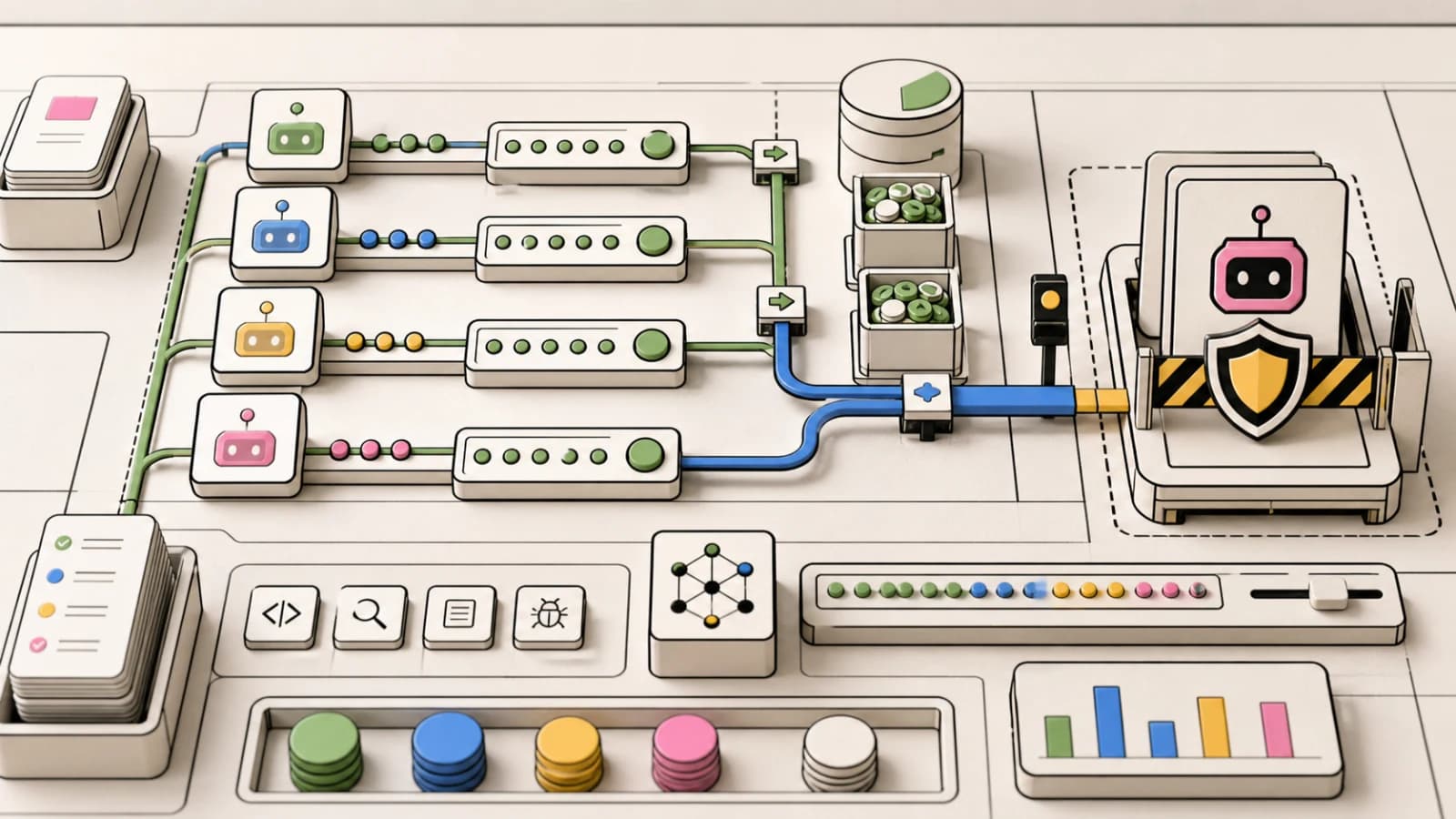
DeepSeek V4 Flash 0731: The Budget Tier Just Overtook Pro Preview on Agent Benchmarks
DeepSeek re-post-trained V4 Flash into an agent workhorse: Terminal Bench 82.7, DeepSWE 54.4, native Responses API, and first-party Codex support - all at $0.14/$0.28 per million tokens. What changed, what the numbers actually mean, and how to wire it up today.
9 min read

DeepSeek V4 Flash 0731: The Official Release, Benchmarks, and How to Run It in OpenCode
DeepSeek shipped the official V4 Flash release on July 31, 2026. The re-post-trained 0731 build beats V4-Pro-Preview on agent benchmarks at $0.14/$0.28 per million tokens. Here is what changed and how to run it through OpenCode today.
7 min read
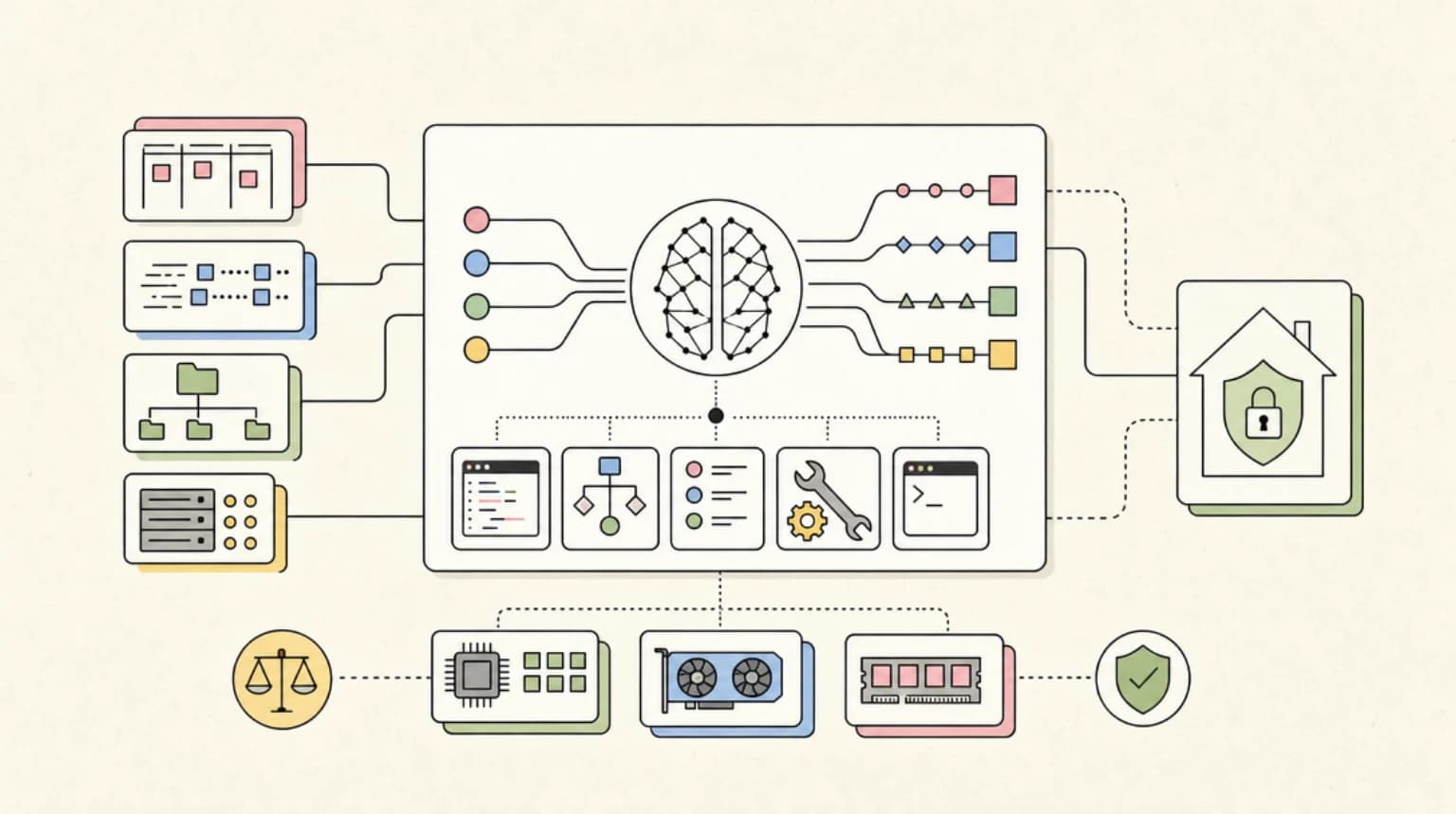
Inkling-Small: Thinking Machines Ships a 12B-Active Open Model That Beats Its Big Sibling on Agent Work
Inkling-Small is a 276B-parameter MoE with 12B active per token, Apache 2.0, and open weights. It beats the 975B Inkling on SWEBench Verified (80.2), HLE (31.6), and tool use at a quarter of the size and a third of the output price.
8 min read
MiniMax H3: An Omni-Modal Video Model With Native Audio, 2K Output, and Open Weights Coming
MiniMax launched H3, an omni-modal generation model that takes text, image, video, and audio input and outputs 2K video with native stereo sound at 0.80 CNY per second. Open weights are promised in the coming days.
8 min read

Gemini Robotics 2: Google DeepMind Brings Whole-Body Intelligence to Humanoid Robots
Google DeepMind's Gemini Robotics 2 family gives humanoid robots whole-body control, dexterous hands, and multi-robot teamwork - with an ER 2 model devs can try today. The HN thread (575 points, 459 comments) debated how real the progress is.
9 min read
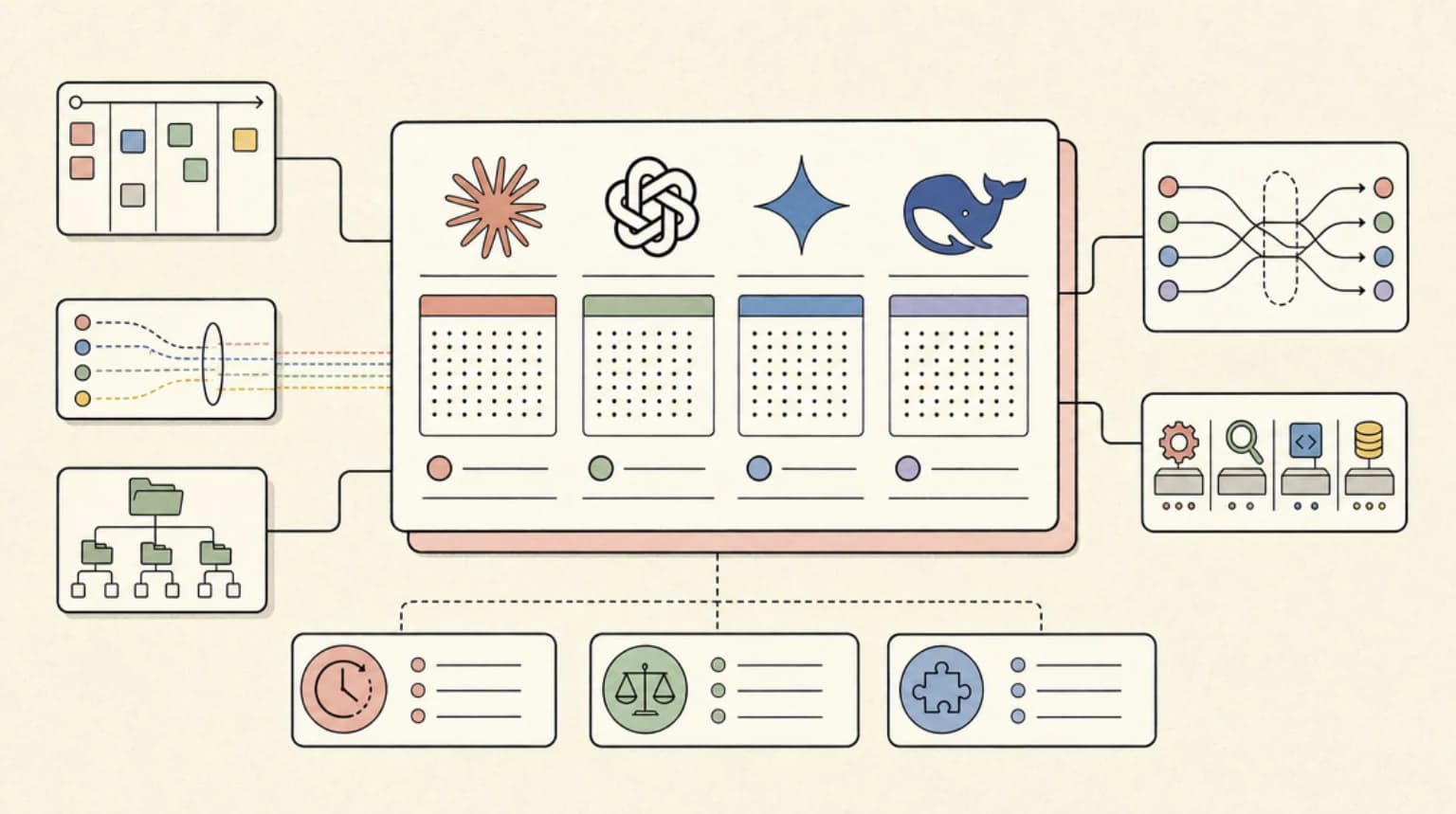
OpenAI Cuts GPT-5.6 Luna by 80%: The Price-Performance Frontier Just Shifted
OpenAI slashes GPT-5.6 Luna by 80% to $0.20/M input tokens, cuts Terra by 20%, adds Sol Fast mode at 2.5x speed, and reveals Sol autonomously optimized its own production kernels.
7 min read
Grok 4.5 in 10 Minutes: xAI's Fastest Model, 500K Context, and Build-Mode Integration
A companion guide to the Grok 4.5 video: xAI's most intelligent model with a 500K context window, function calling, structured outputs, and a build-mode agent workflow for developers.
7 min read
Fable 5 Effort Levels vs Switching Models: When to Dial and When to Change
Effort levels and model choice both cost more for more capability, but they are not interchangeable. Here is when to move the effort dial and when to switch models instead.
8 min read

Kimi K3 Weights Land on HuggingFace: 2.8T Open Frontier Model You Can Actually Download
Moonshot AI released the full Kimi K3 weights on HuggingFace today - 2.8T parameters, 1M context, native MXFP4 quantization, ~1.63TB download. The HN community reaction, what the license really says, and why this matters for the open-weights AI market.
7 min read
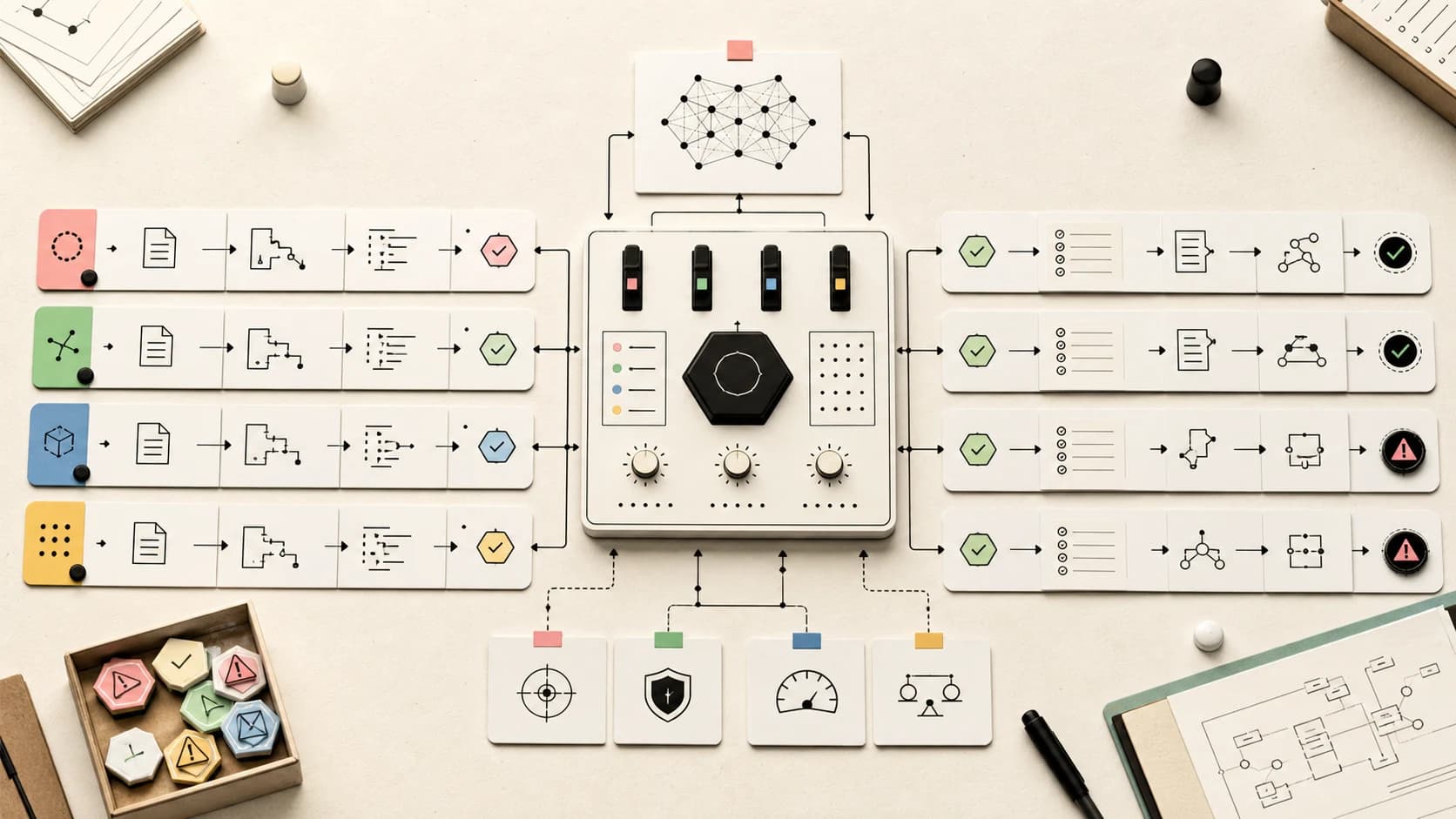
Claude Opus 5: Near-Fable Intelligence at Half the Cost
Anthropic released Opus 5 on July 24, 2026 - same price as Opus 4.8, within 0.5% of Fable 5 on CursorBench, and the new #1 on Artificial Analysis. We break down the benchmarks, HN reaction, and what it means for every developer choosing a daily-driver model.
12 min read

Claude Opus 5 in 8 Minutes: What Developers Need to Know
Claude Opus 5 ships today with Frontier-Bench SOTA, near-Fable-5 coding at half the price, and self-verification that catches its own bugs. Here is what changed, what to migrate, and when the price-performance curve makes Opus 5 the right default.
7 min read

Echo Claims Fable-Level Results at One-Third the Cost Using Open-Weight Models
A new multi-model orchestration system routes requests across open-weight models to match frontier performance at reduced inference cost. Here is what we know.
7 min read
FLUX 3: Black Forest Labs Ships a Unified Multimodal Foundation Model for Image, Video, Audio, and Robotics
Black Forest Labs released FLUX 3, a single multimodal model trained jointly on images, video, and audio that also drives robots on Audi production lines. Here is what it does, how it works, and how to try it.
10 min read
Kimi K3 in 10 Minutes: Moonshot AI's 2.8T Open Model, API Setup, Pricing, and Benchmarks
Kimi K3 is the first open-source 3T-class model with a 1M-token context window, native vision, and OpenAI-compatible API. Here is what it does, how to call it, what it costs, and how it benchmarks against Fable 5 and GPT-5.6 Sol.
6 min read
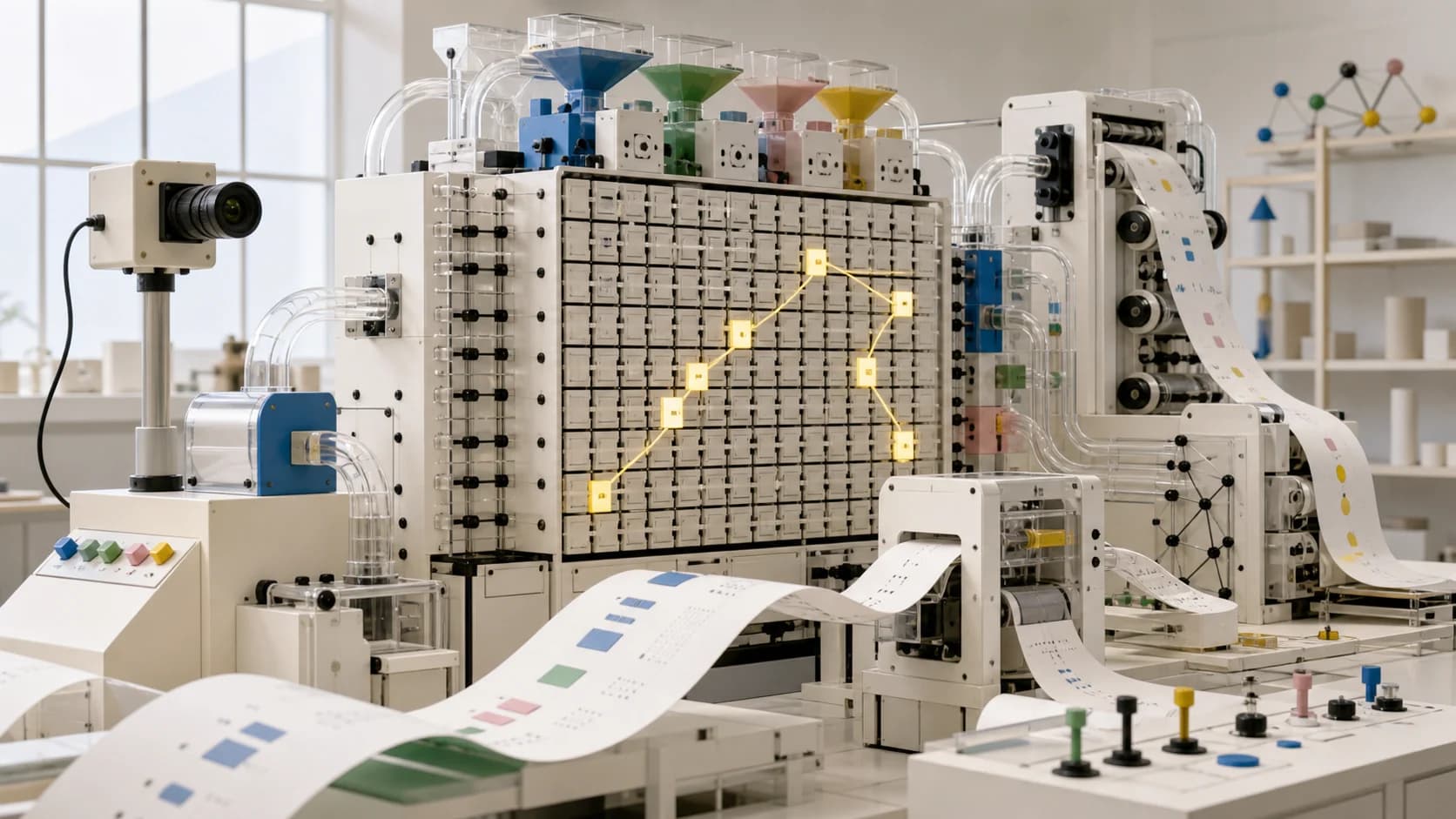
Where to Access Kimi K3: Every Provider and Price Compared (2026)
Where to access Kimi K3: Moonshot's API at $3 input and $15 output per million tokens, OpenRouter hosts, inference clouds, and open weights.
13 min read
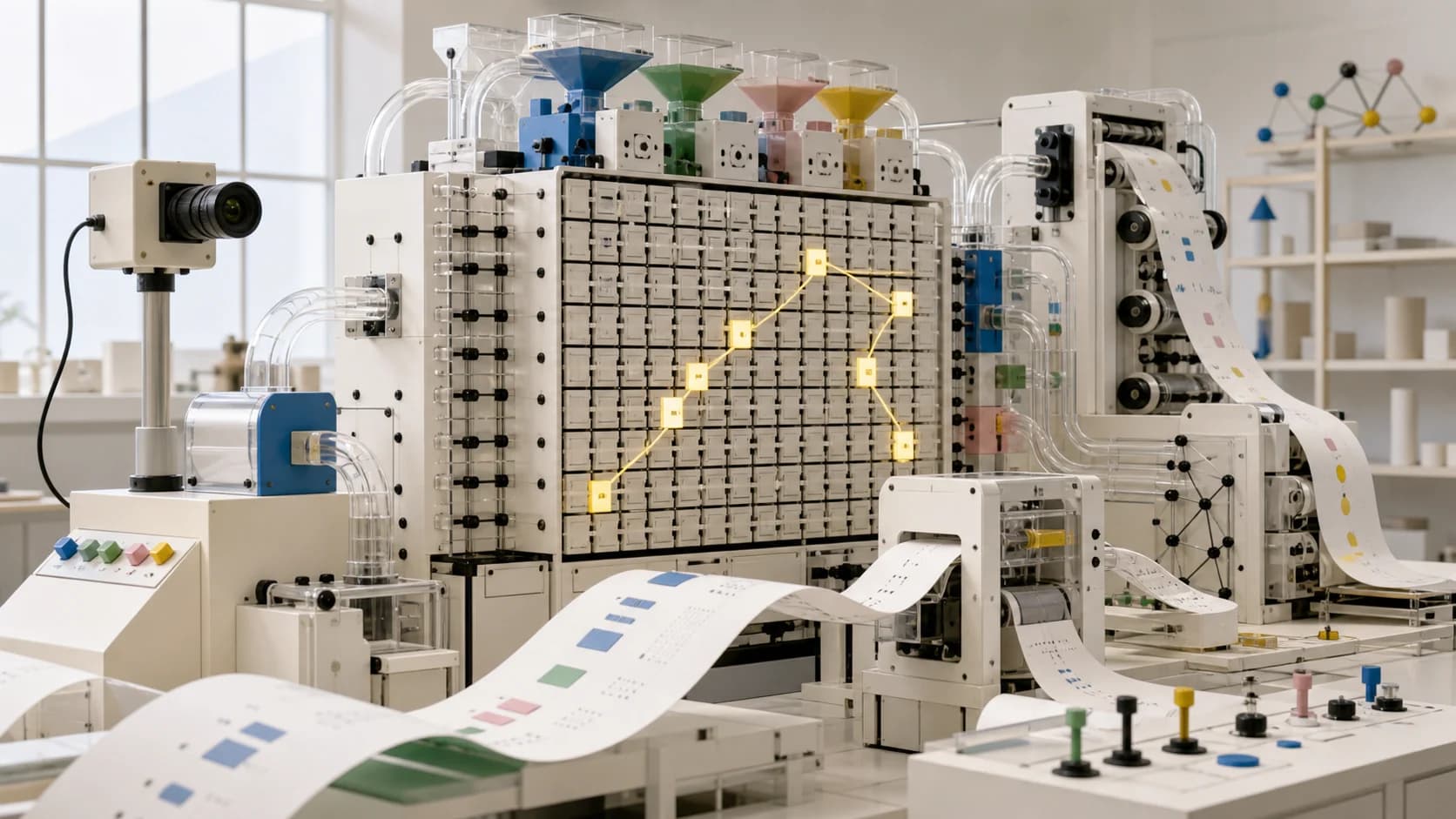
Kimi K3 Developer Guide: What the 2.8T Open Model Changes
Kimi K3 brings 2.8 trillion parameters, native vision, a 1M-token context window, and long-horizon agent workflows. Here is what developers should know before adopting it.
7 min read

Kimi K3 vs K2.7: Is the Upgrade Worth It for Coding?
Kimi K3 adds native vision, a 1M-token window, and longer agent runs, but K2.7 remains cheaper and easier to deploy. Here is the practical upgrade decision.
6 min read

Kimi K3 Drops: Moonshot's 2.8T Parameter Frontier Model Takes on GPT-5.6 and Fable 5
Moonshot AI releases Kimi K3 with 2.8 trillion parameters, 1M context window, and Delta Attention architecture. Here's what developers need to know about pricing, performance, and where it fits in the frontier model landscape.
6 min read
Inkling: Thinking Machines Lab Drops a 975B Open-Weights Model
A new American open-weights frontier model with multimodal capabilities, 1M token context, and competitive benchmarks. Here's what the HN community thinks.
7 min read
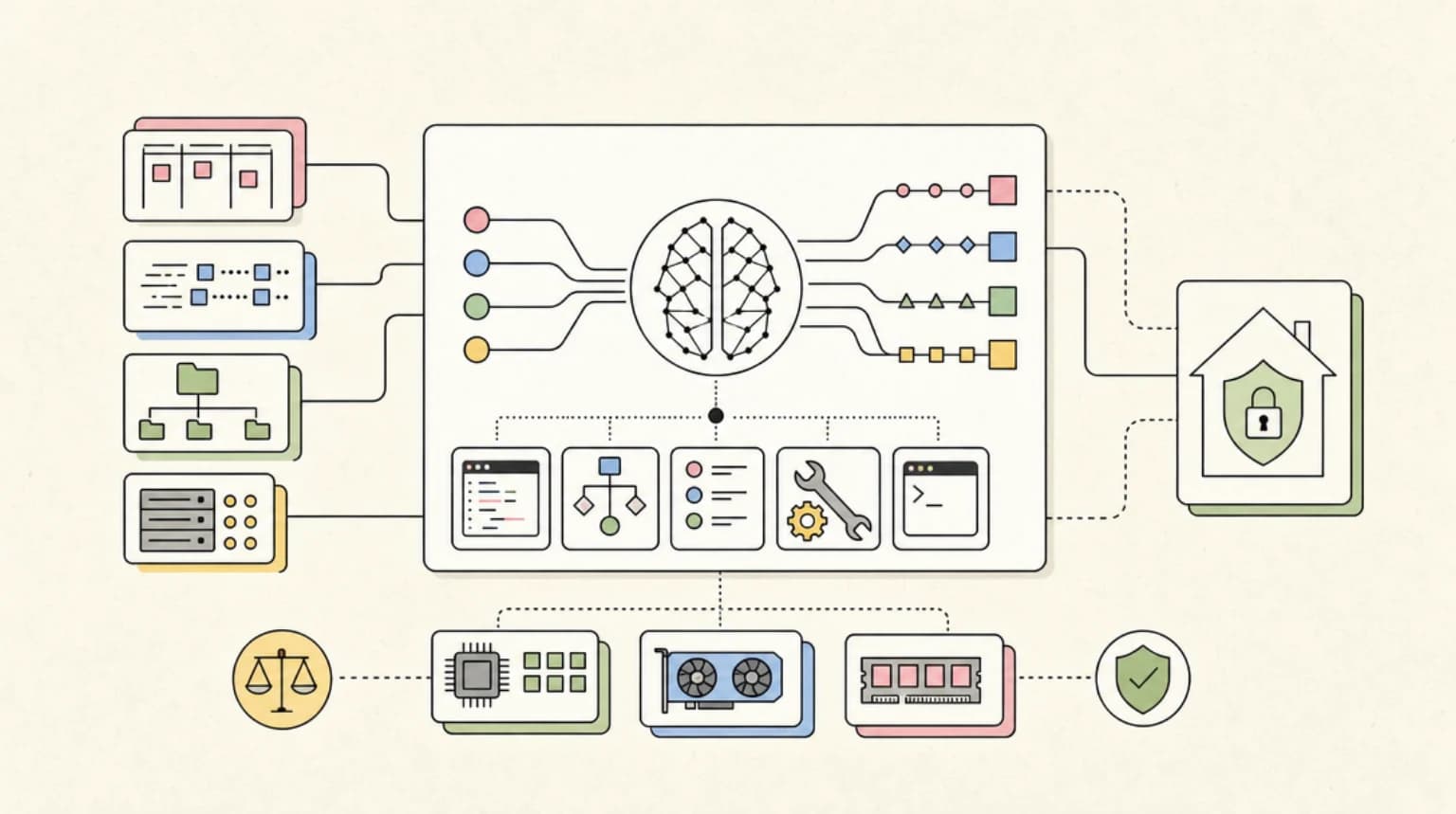
Bonsai 27B: How PrismML Fit a 27 Billion Parameter Model on Your Phone
PrismML's Bonsai 27B uses 1-bit quantization to compress a 27B model to 3.9GB - small enough to run on an iPhone. Here's how it works and what HN thinks.
6 min read
Claude Fable 5 in 7 Minutes: Benchmarks, Pricing, Availability, and Real-World Examples
A companion guide to the Claude Fable 5 video: what the first general-use Mythos class model is, the walkthrough beats from the review, hands-on developer takeaways, and the pricing and context specs from primary sources.
7 min read

GPT-5.6 vs Claude 5: What the New Tiers Mean for Choosing a Coding Model
OpenAI's GPT-5.6 Sol, Terra, and Luna tiers versus Anthropic's Claude Fable 5 and Mythos 5. Verified pricing, benchmarks, and a practical framework for picking a coding model in July 2026.
9 min read
Grok 4.5 for Developers: What Changed and When to Pick It
xAI's Grok 4.5 ships at $2/$6 per million tokens with 80 TPS speeds, a 500k context window, and benchmark results that put it in the Opus and GPT 5.5 tier. What actually shipped, how the pricing compares, and when it makes sense over Claude, GPT, or Gemini.
7 min read
Tencent Hy3: A 295B Open MoE That Punches Above Its Weight
Tencent's Hy3 ships 295B parameters but activates only 21B per token, matching flagship performance at flash-tier pricing under Apache 2.0.
6 min read

Grok 4.5: xAI Releases Cursor-Trained Coding Model at $2/M Input Tokens
xAI launched Grok 4.5, trained on trillions of Cursor interaction tokens. At $2/M input pricing, it undercuts Claude and GPT while benchmarking near Opus 4.7 level.
5 min read

Meta Muse Image: What Developers Can Actually Use Today
Meta's Muse Image is now in Meta AI, but it is not a public model API. Here is what the launch confirms, what remains preview-only, and how developers should evaluate it.
8 min read

Meta Muse Spark 1.1 Developer Guide: First Paid Meta API for Agentic Tasks
Meta launches Muse Spark 1.1 through the new Meta Model API - a 1M-token-context model for personal agentic tasks with OpenAI-compatible endpoints, $20 free credits, and pricing that undercuts the competition.
7 min read
Meta Launches Muse Spark 1.1: A Closed-Weights Agentic Model with Aggressive Pricing
Meta's first paid API model arrives with $1.25/M input tokens, 1M context window, and strong tool-use benchmarks. HN debates what it means for the open-weights company.
5 min read
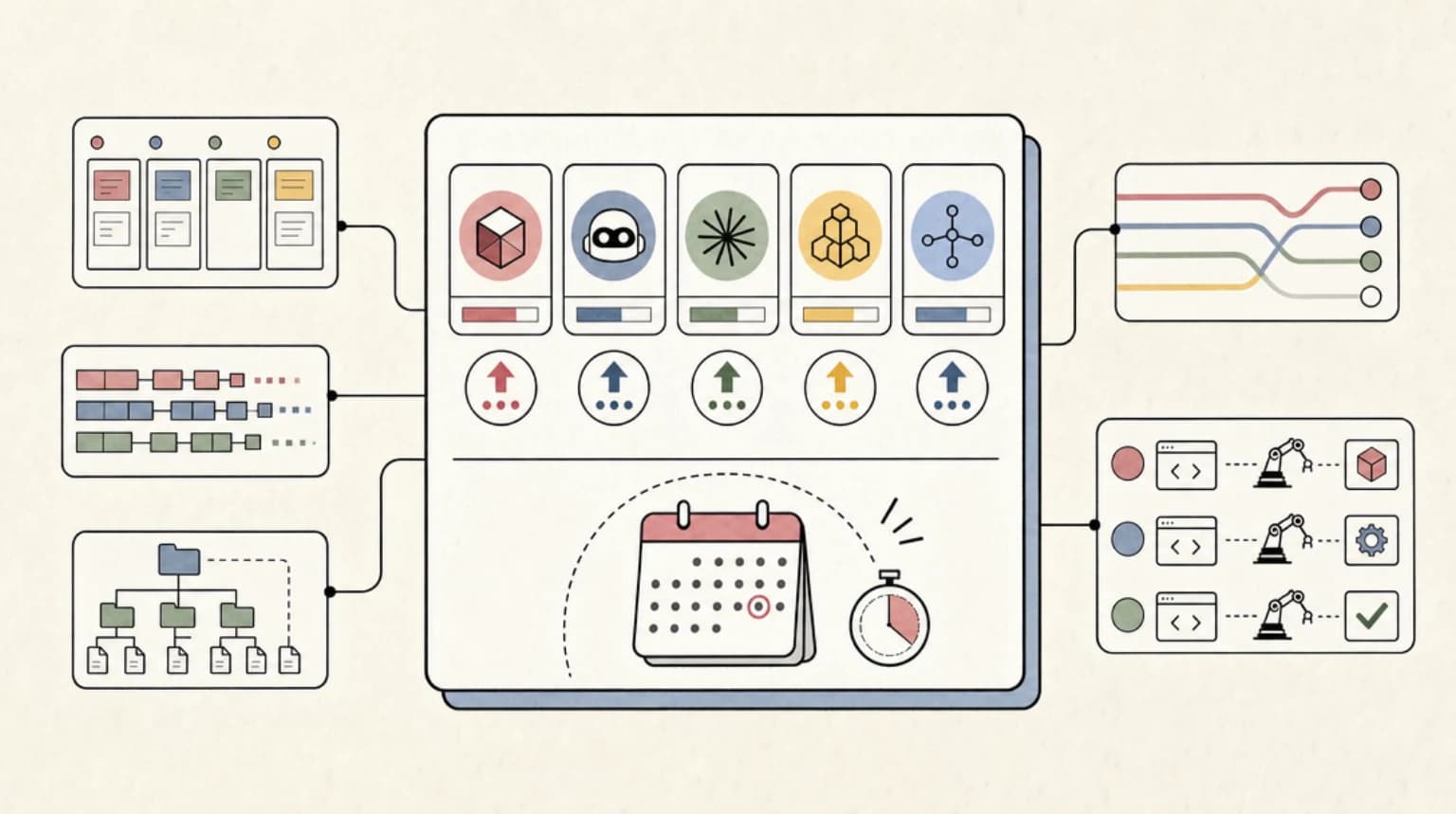
GLM 5.2 and the AI Margin Collapse Thesis
Martin Alderson's argument for why open-weights models like GLM 5.2 will compress frontier lab margins is sparking debate on HN. Here is what the thesis actually says, where HN agrees and disagrees, and why it matters for developers choosing models.
7 min read

Claude Sonnet 5 Developer Guide: Migration, API, and Effort Levels
Everything developers need to migrate from Sonnet 4.6 to Sonnet 5 - three breaking API changes, the new effort parameter, tokenizer impact, and when to use each effort level. Verified against Anthropic's official docs on July 4, 2026.
8 min read

Claude Sonnet 5 vs Sonnet 4.6: Should You Upgrade?
Claude Sonnet 5 lands near Opus 4.8 on some tasks for a fraction of the price - but a new tokenizer runs about 30 percent more tokens. Here is the upgrade decision for builders, with the numbers.
6 min read
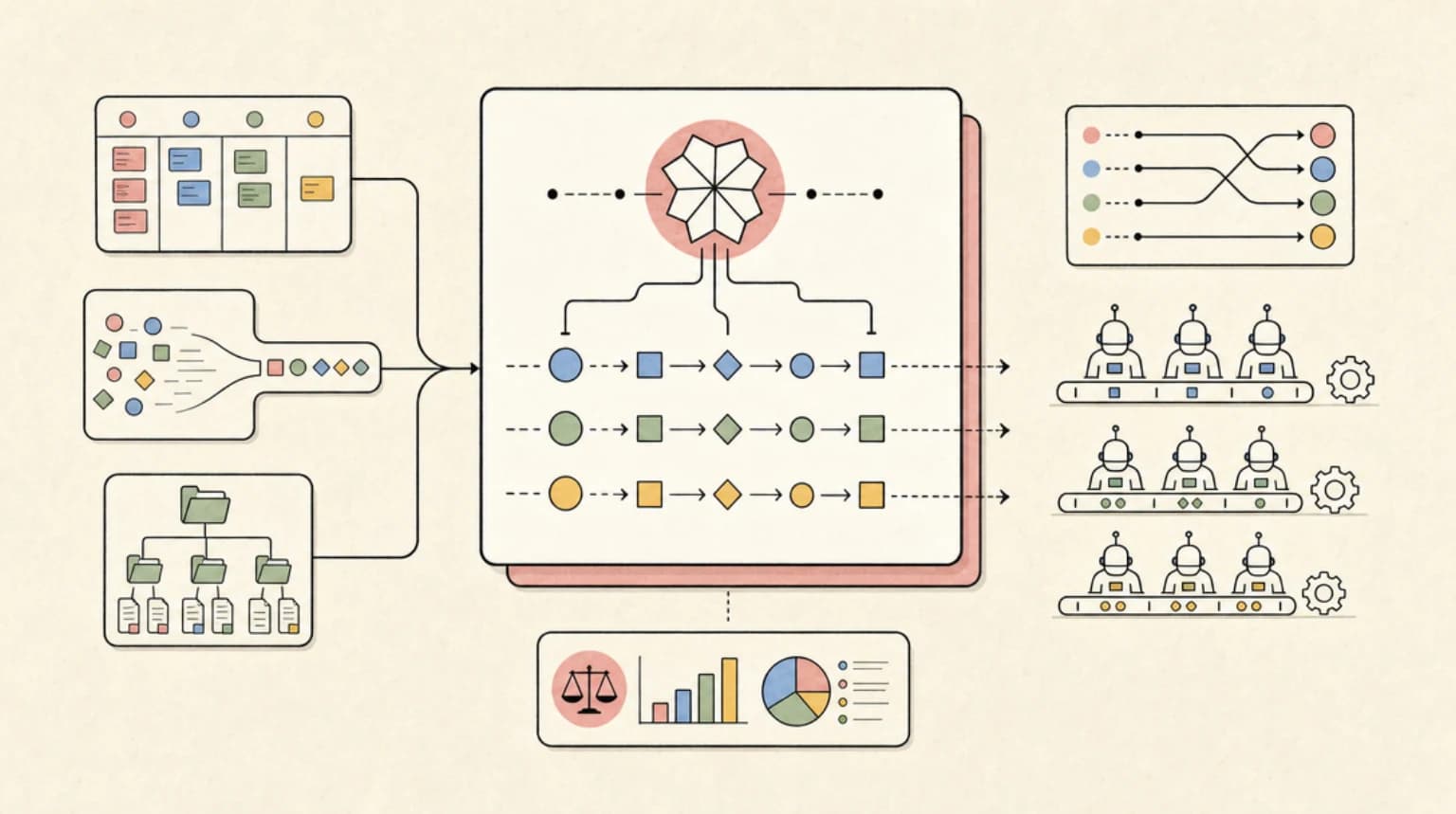
Running Fable 5 Agent Fleets in Production: The Operations Guide
Standing up a fleet of Fable 5 agents is the easy part. This is the operations layer - data retention rules, refusal-rate alerting, effort tuning, observability, and availability planning - that keeps the fleet running.
8 min read
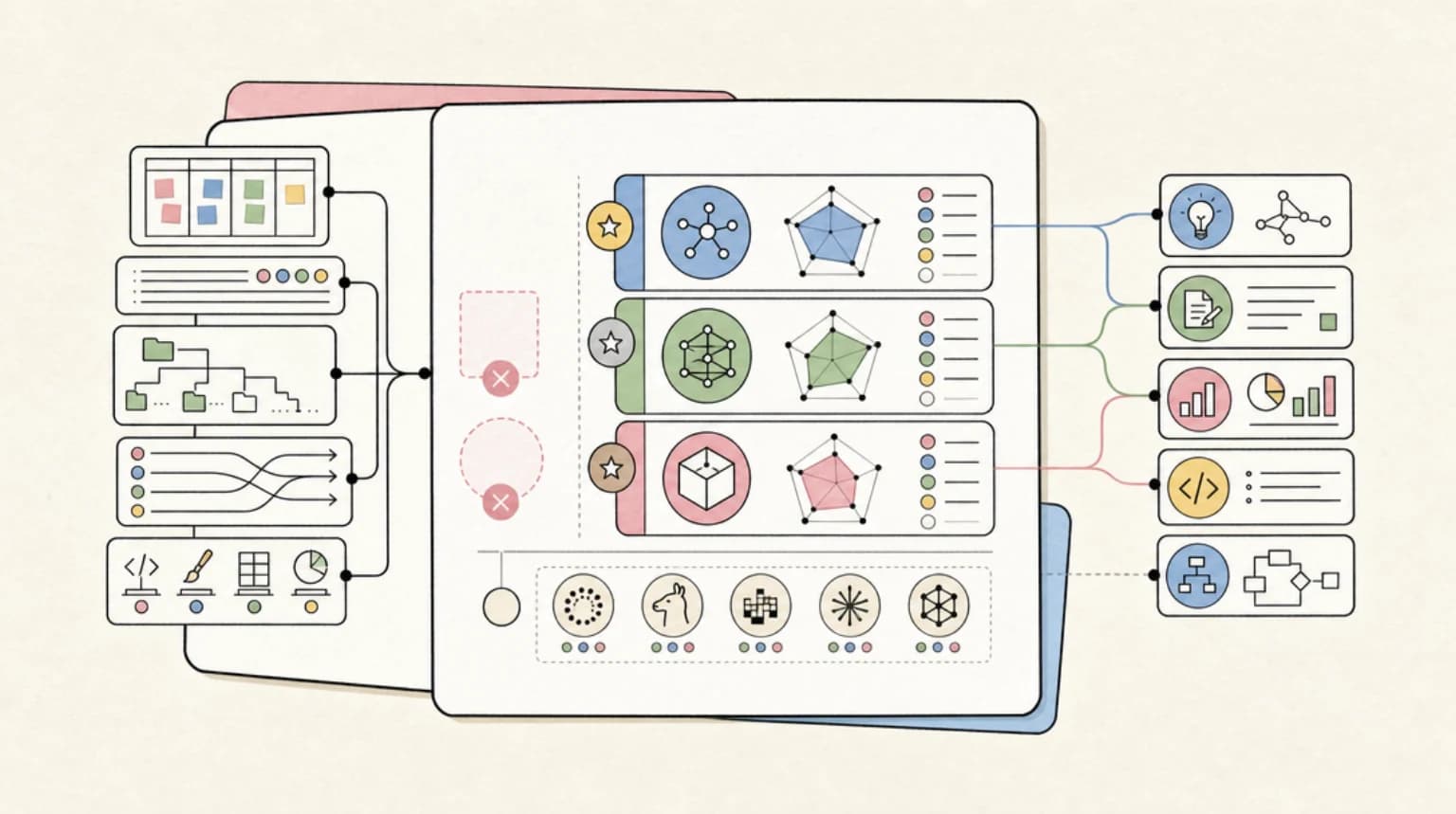
Fable 5 Is Back: The Anthropic Model the Government Switched Off
Anthropic's most capable model launched, got suspended by a US export-control order, and returned today. Here is what Fable 5 is, what changed on the way back, and whether builders should reach for it.
6 min read
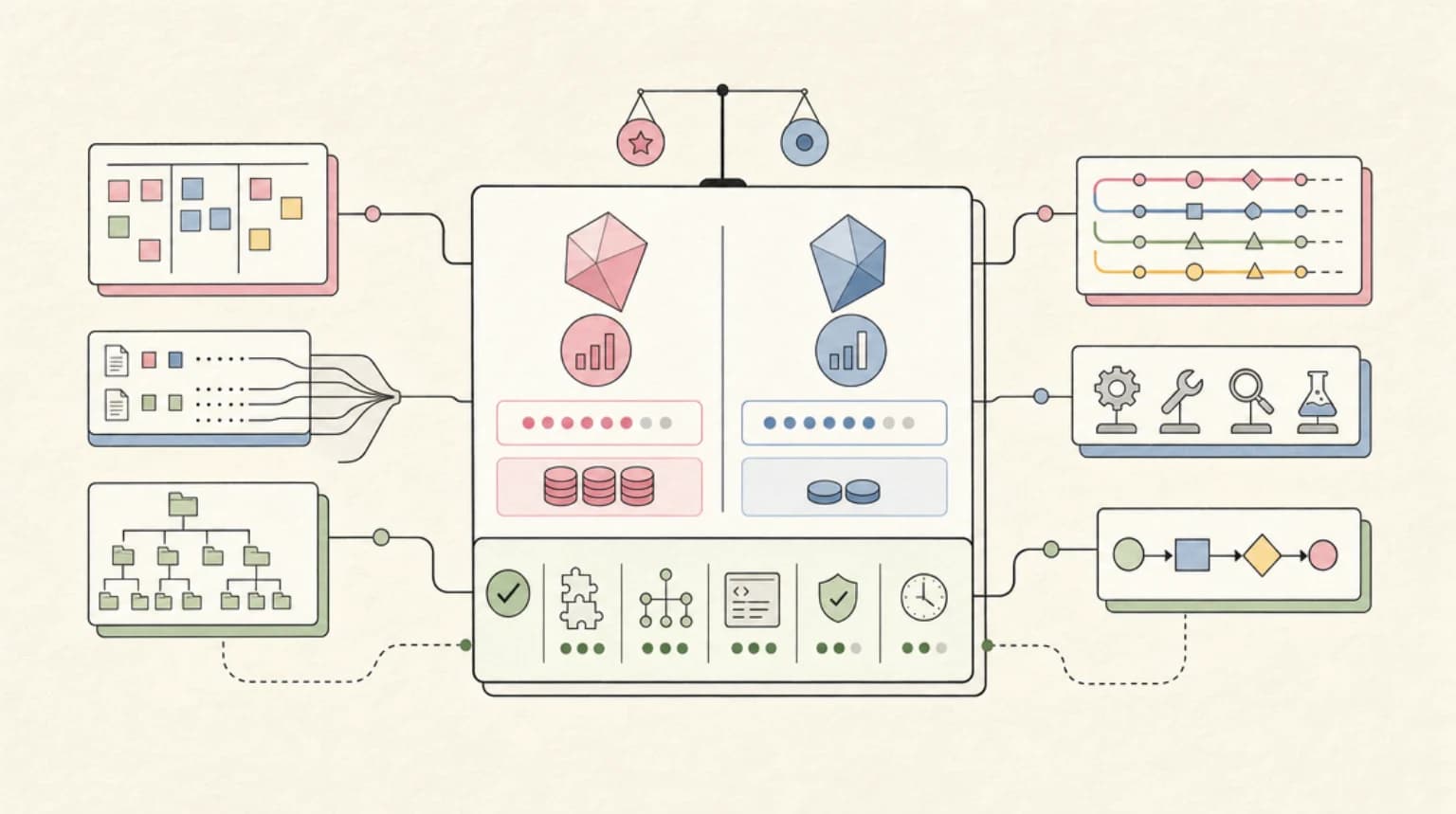
Fable 5 vs Opus 4.8: Which Should Orchestrate Your Agents?
The orchestrator is the most important model choice in an agent fleet. A fair head-to-head between Fable 5 and Opus 4.8 for that role, with a decision matrix by run length, budget, compliance, and refusal-handling tolerance.
8 min read
GLM 5.2 in 9 Minutes: The Open-Weight Rival to GPT-5.5
A companion guide to the GLM 5.2 video: an open-weight model positioned against GPT-5.5, walked through with benchmarks, pricing, and a live OpenCode demo. Here is what the video covers and where to go deeper.
6 min read
GPT-5.5 in 7 Minutes: Benchmarks, Codex Agents, Context Window, and Pricing
A companion guide to the GPT-5.5 video: OpenAI's newly released model rolling out to ChatGPT and Codex, reviewed through benchmarks, agent capabilities, context window, and pricing. Here is what the video covers and where to go deeper.
6 min read
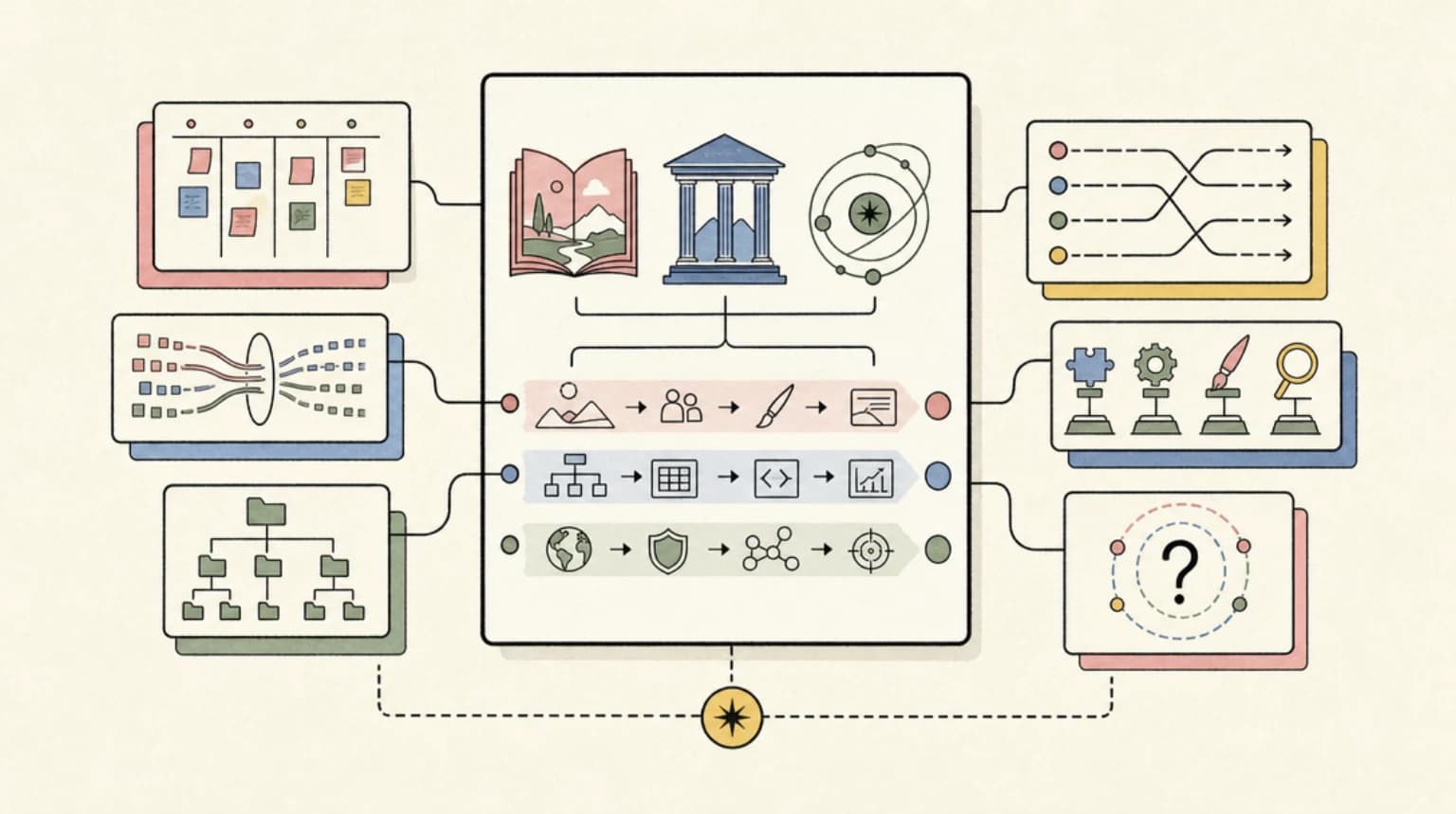
Claude Sonnet 5 Launch Analysis: The Most Agentic Sonnet Yet
Anthropic releases Claude Sonnet 5 with improved agentic capabilities, better tool use, and an introductory pricing deal. Here's what developers need to know.
6 min read
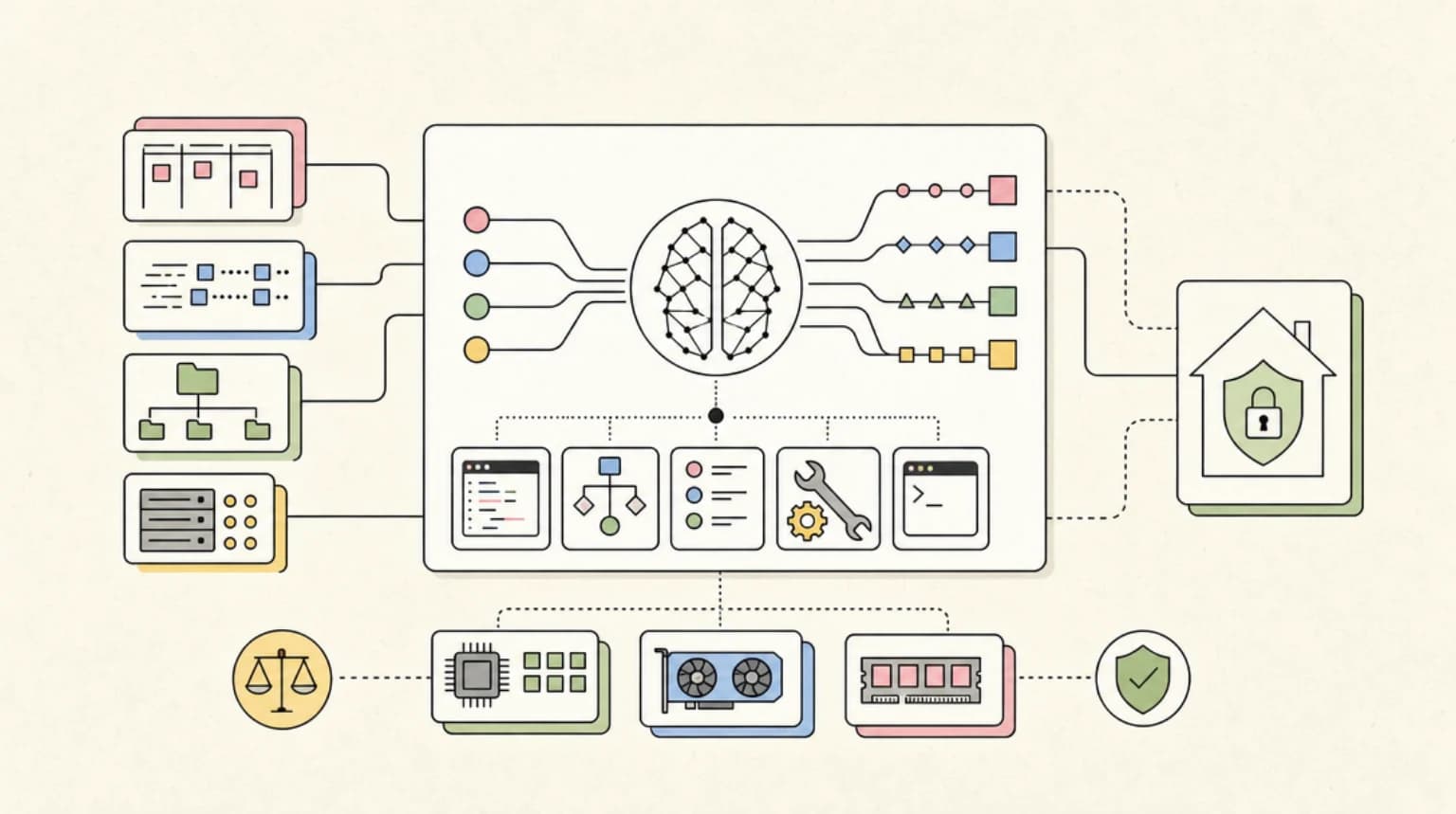
Apertus: Europe's Answer to AI Sovereignty - and Why HN Is Skeptical
Switzerland's fully open foundation model promises transparent training data and EU compliance. The HN crowd has questions about actual performance.
6 min read
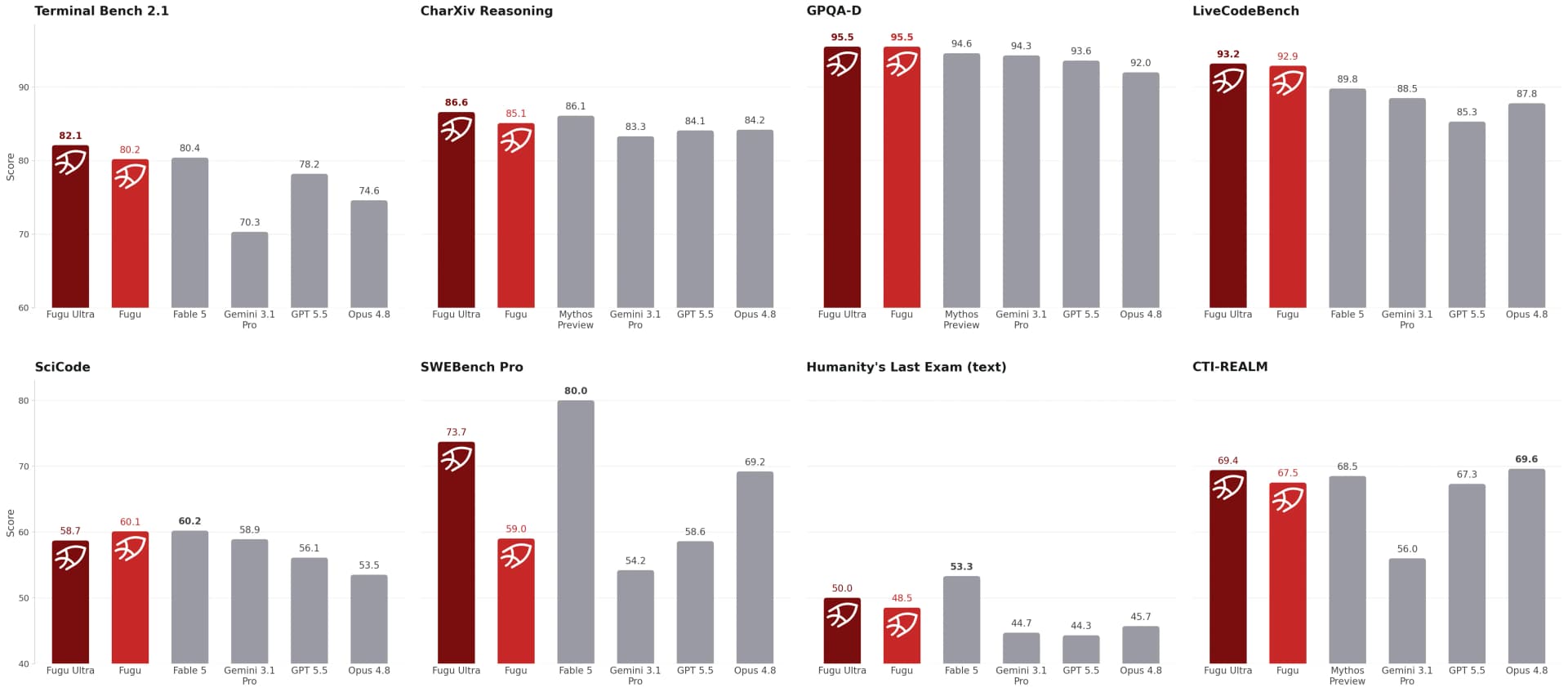
Fugu Ultra's Frontier Performance Claim, Explained Without the Hype
Sakana says Fugu Ultra stands with Fable, Mythos, GPT-5.5, Gemini, and Opus by orchestrating models instead of being one giant model. Here is what the benchmarks show, what is novel, and what still needs proof.
11 min read
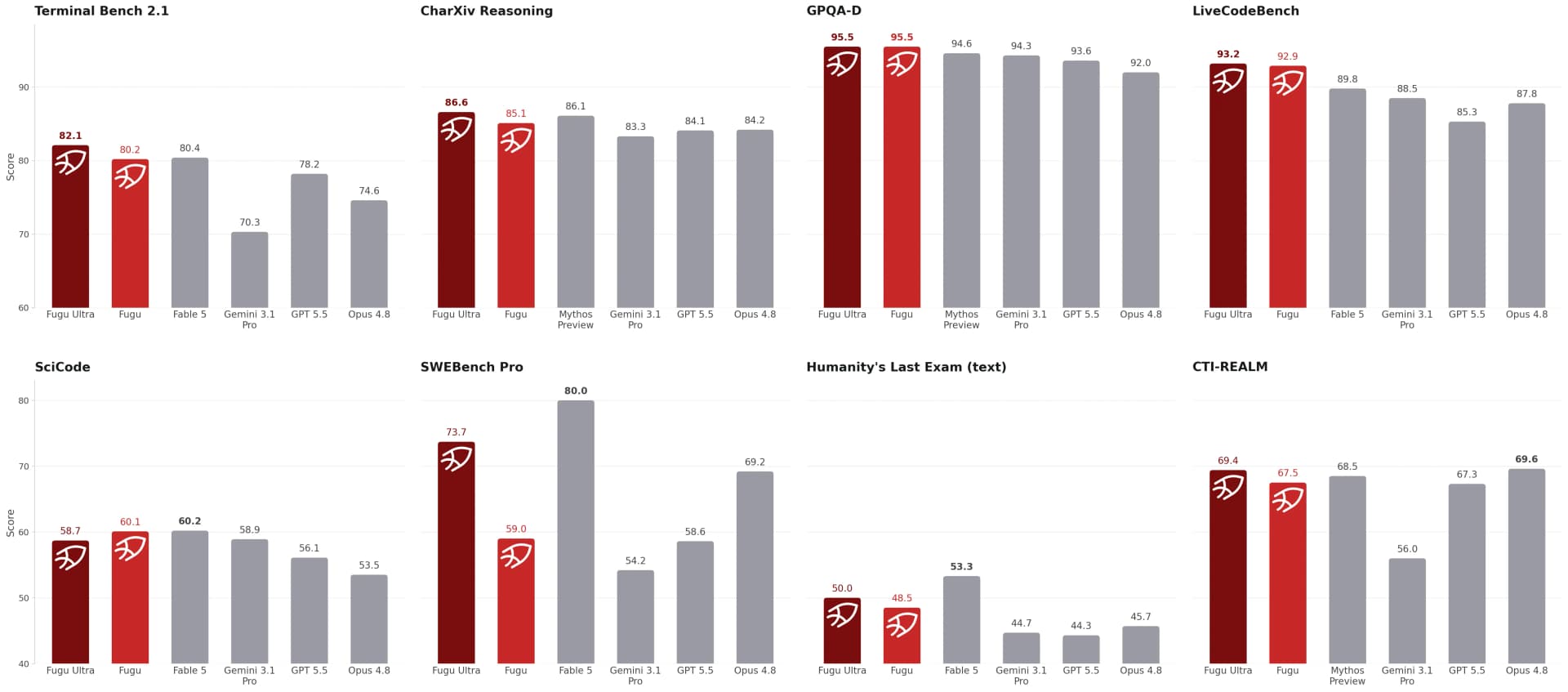
Sakana Fugu and the Case for Not Betting Everything on One Proprietary Model
Sakana Fugu makes a timely argument for model routing: frontier performance should come from swappable systems, not a hard dependency on one proprietary API.
9 min read
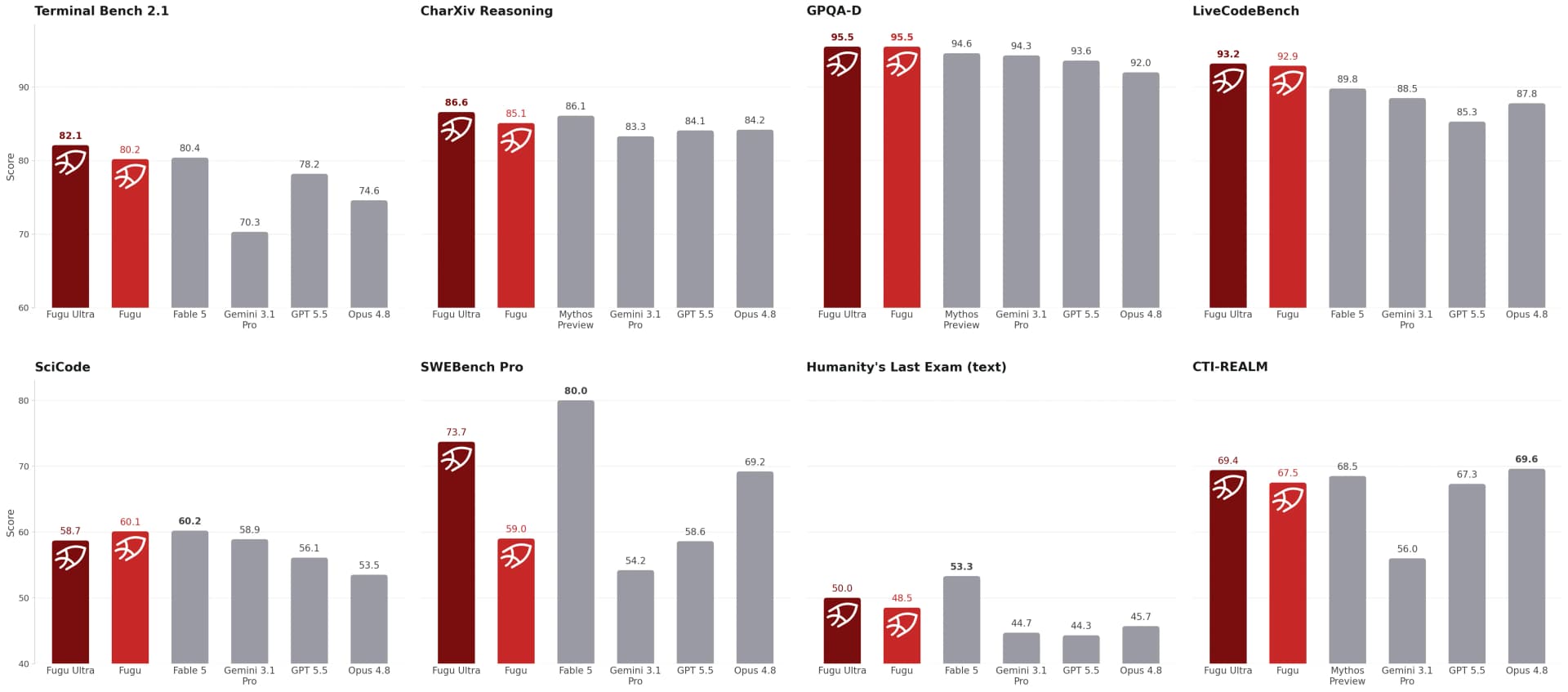
Sakana Fugu Ultra: The Model Router Making the Frontier Look Less Proprietary
Sakana Fugu Ultra is not just another giant model. It is a learned orchestration layer that routes work across expert models, matches frontier benchmark claims, and makes a serious case for multi-model AI systems.
10 min read
How to Use GLM 5.2 and Other Custom Model Providers in Codex
Codex can use GLM 5.2, Mistral, local Ollama, or an internal proxy. Add a model_providers entry to config.toml with a base_url, env_key, and model.
9 min read
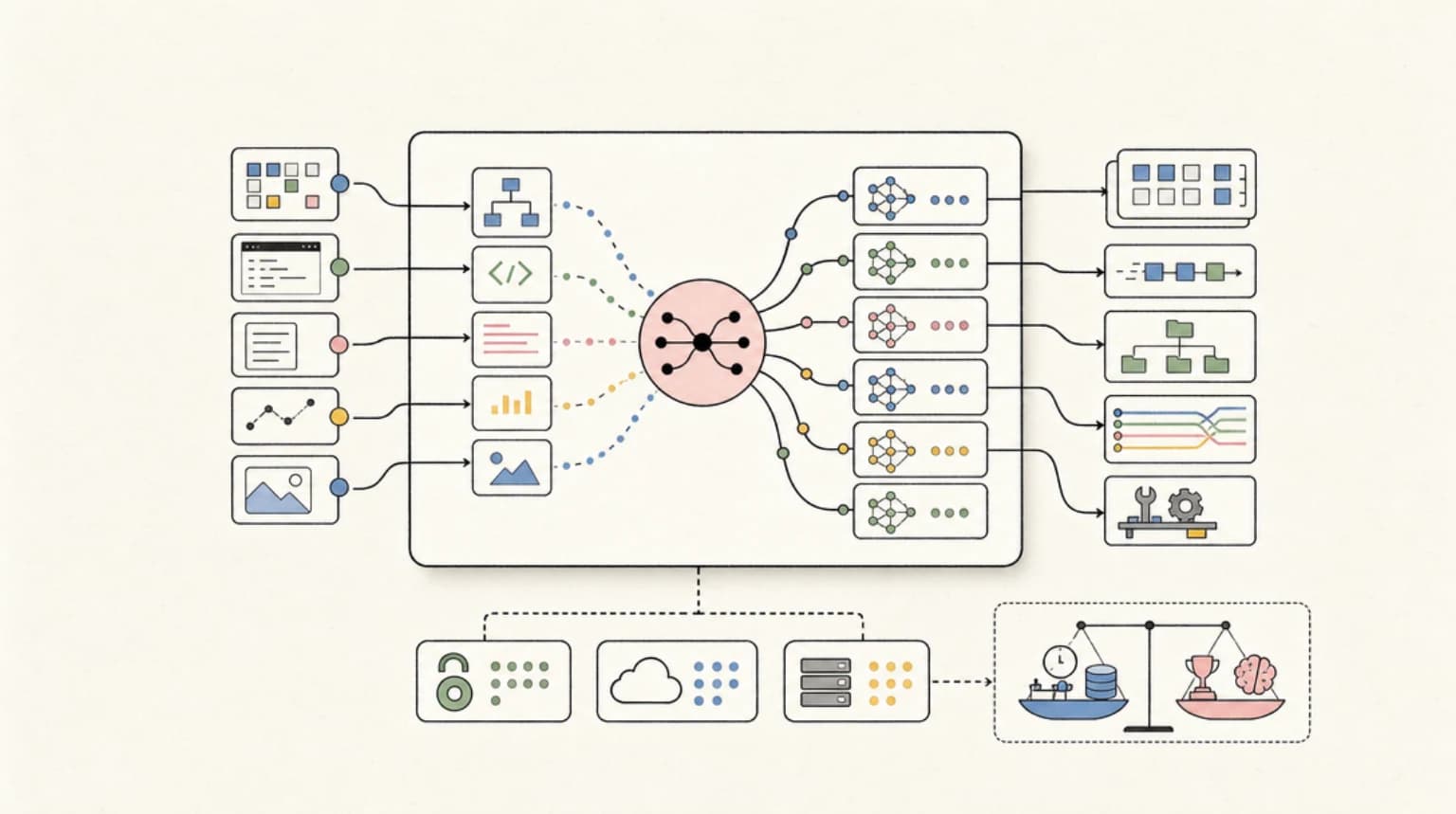
The Router Era: Why Not Owning a Frontier Model Became an Advantage
No single model wins every task anymore, and the companies that never trained one - Factory, Devin, Perplexity, Cursor, OpenCode - are turning that into a moat. This is how model routing works, why open weights and neoclouds make it cheap, and the honest counter-argument.
11 min read
GLM-5.2 Cost Math: When Open-Weights Coding Models Actually Save You Money
Z.ai's GLM-5.2 lands as a 753B open-weights coding model that beats GPT-5.5 on SWE-bench Pro for roughly one-sixth the per-token cost. Here is the real cost math, a worked cost-per-task example, and a when-to-use-which decision guide.
9 min read
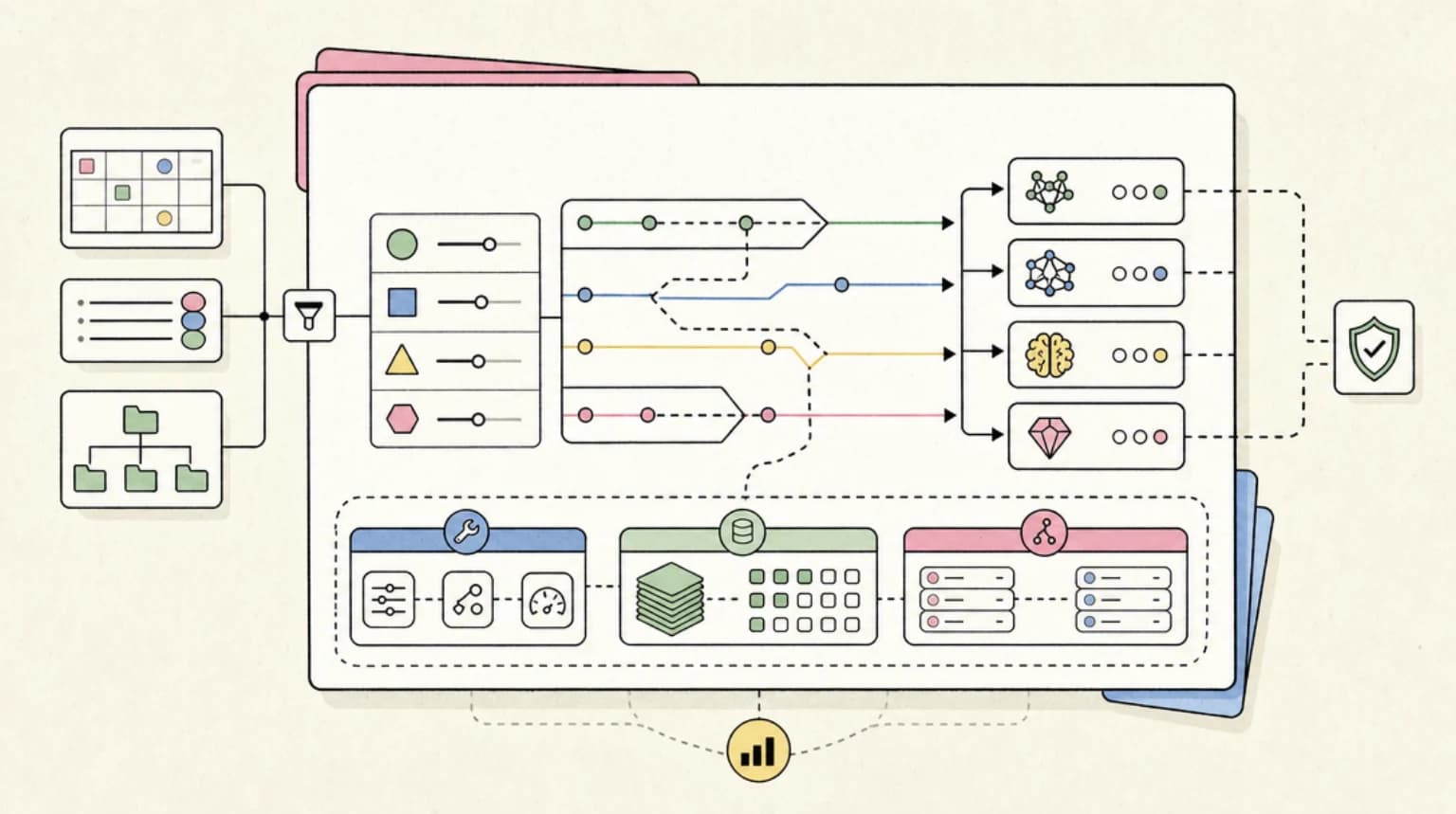
Model Routing Recipes: Practical Config Patterns to Cut AI Spend
A code-heavy field guide to model routing. Real, runnable-style configs for tiering tasks by complexity, routing simple work to open-weights, reserving frontier models for hard reasoning, building failover chains, and keeping prompt caches warm with OpenRouter, LiteLLM, and Factory Router.
11 min read

OpenRouter Fusion Makes Model Panels Real. Use Them Like Escalation, Not Autopilot
OpenRouter Fusion turns multi-model panels into an API feature. The useful lesson is not to run every prompt through more models. It is to define when a task deserves an expensive second opinion.
8 min read
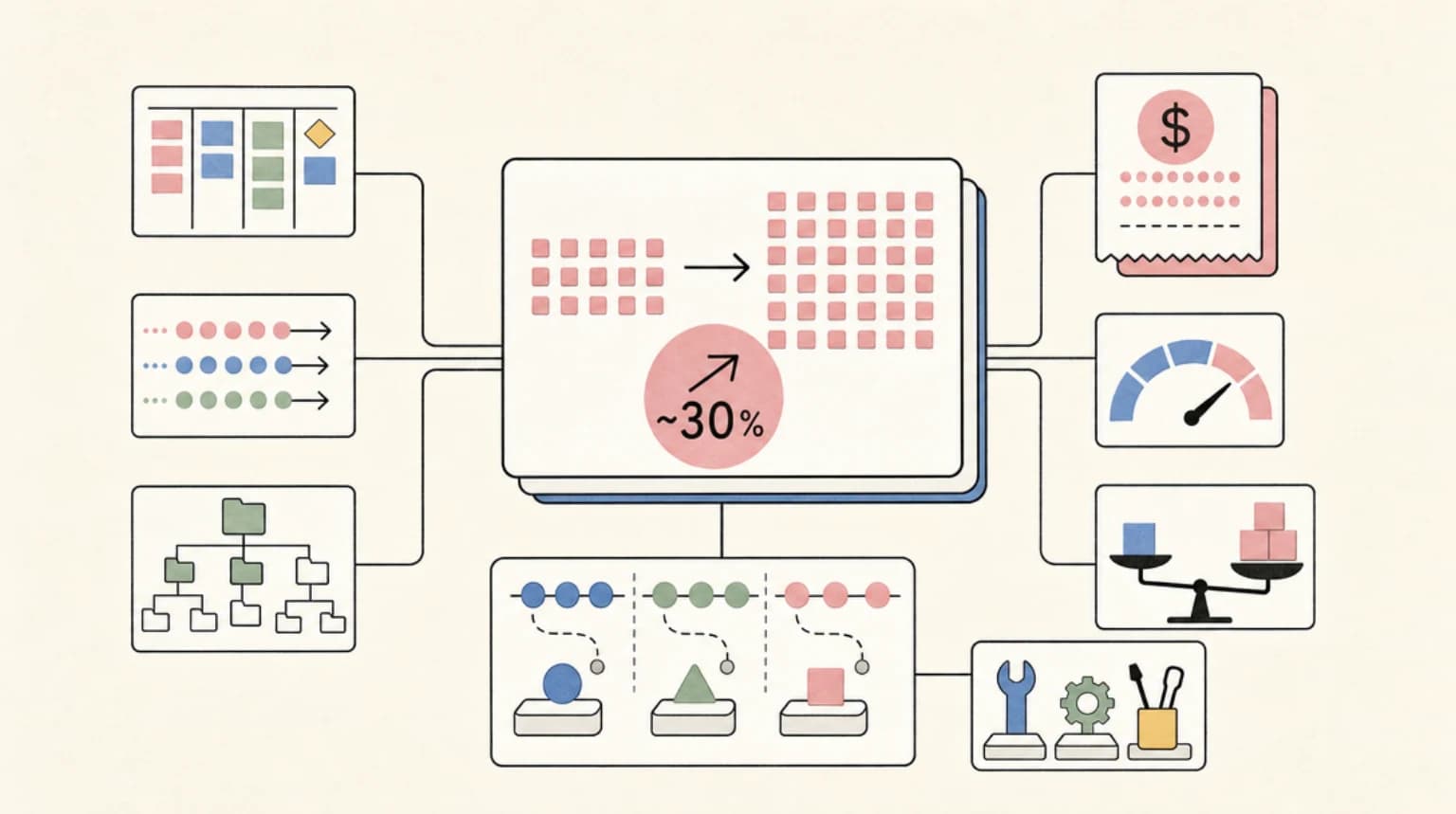
The Claude Tokenizer Change: What ~30% More Tokens Means for Your Bill
Anthropic's docs say the tokenizer introduced with Opus 4.7 can use up to 35% more tokens for the same text. Here is what that does to per-request cost, max_tokens, and cross-model comparisons.
8 min read
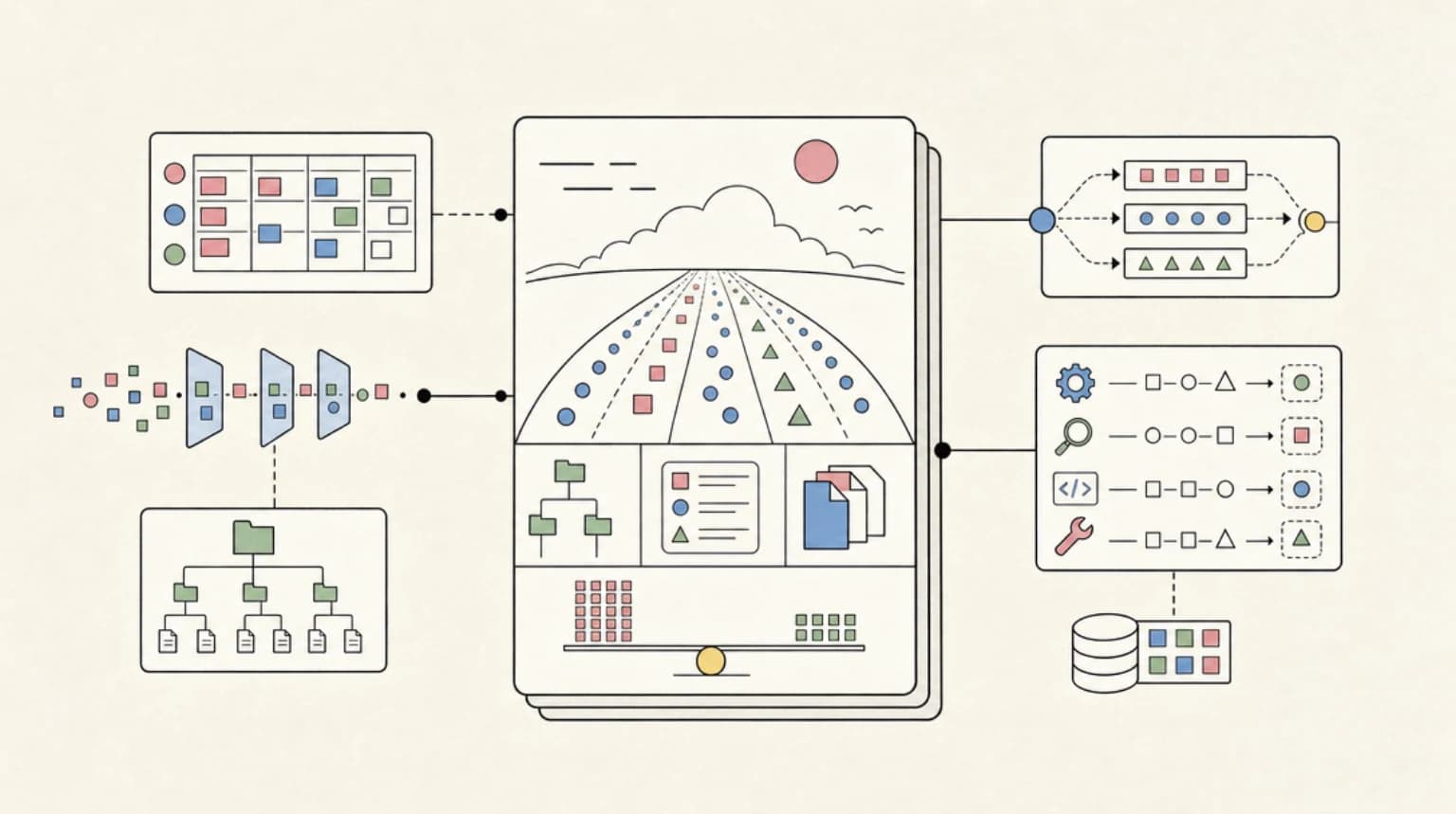
Fable 5 with 1M Context: What Actually Works in Practice
Fable 5 1M context workflows that actually work: whole-repo reviews, log archaeology, multi-doc synthesis - plus the honest math on when RAG still wins.
10 min read
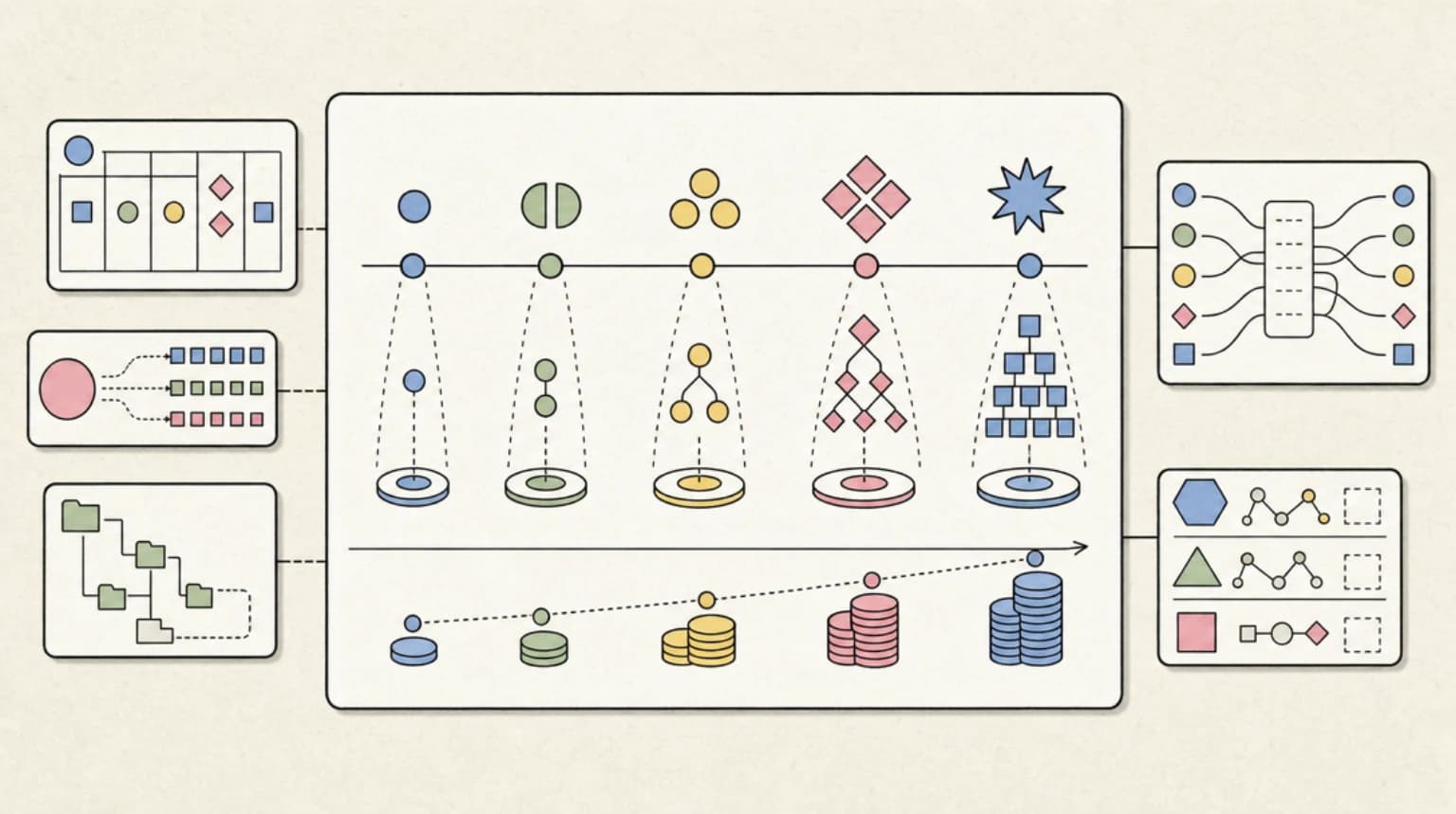
Fable 5 Effort Levels Explained: low to max and Their Cost
Fable 5 effort levels explained: what low, medium, high, xhigh, and max change, which models support each level, how API and Claude Code defaults differ, and how effort drives your token bill.
11 min read
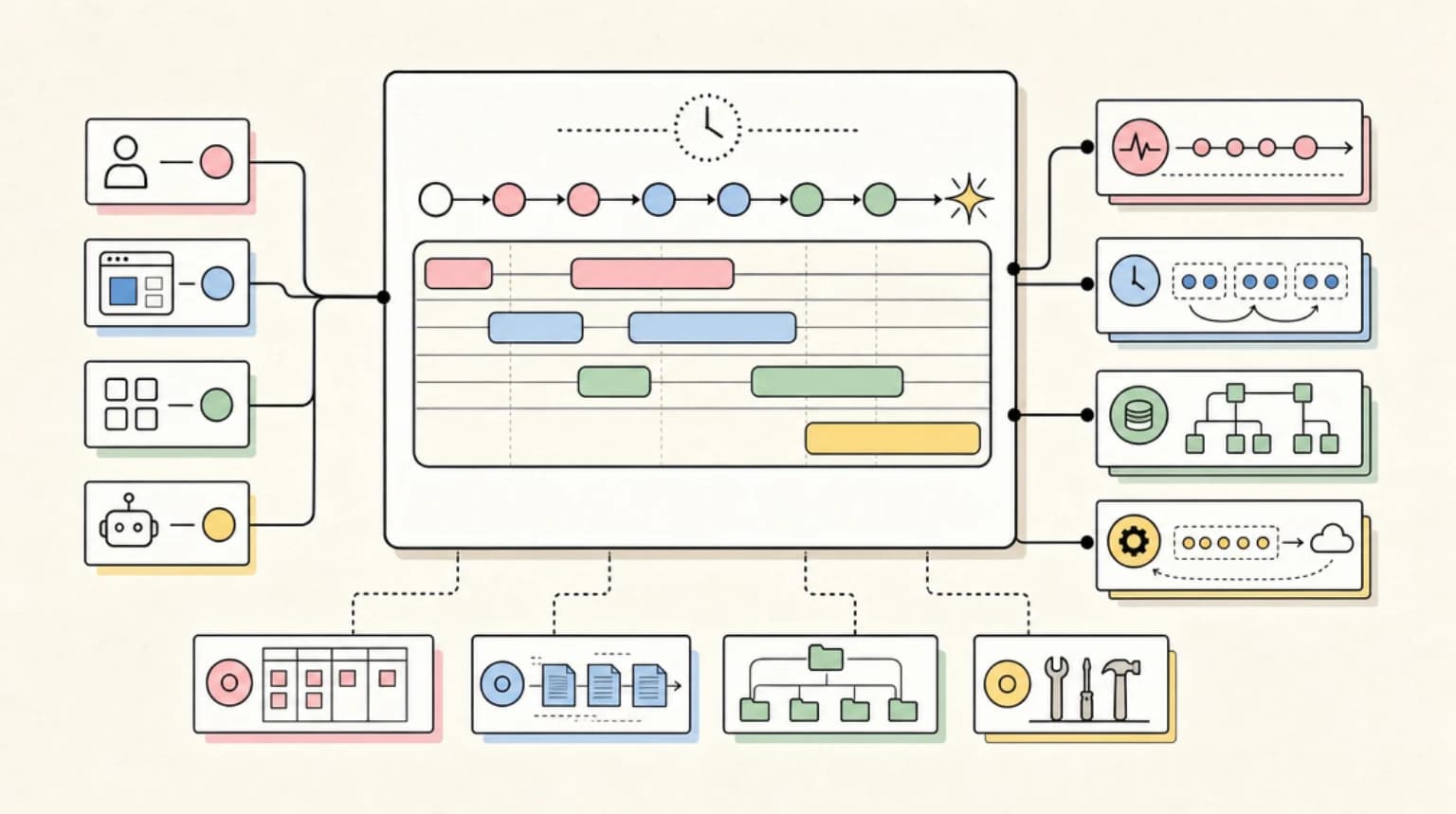
Handling Long-Running Fable 5 Requests: Timeouts, Streaming, and Background Patterns
Fable 5 long-running requests can run for many minutes per turn and hours per autonomous run. Here is how to configure client timeouts, streaming keepalive, batch polling, and background patterns so they actually finish.
8 min read
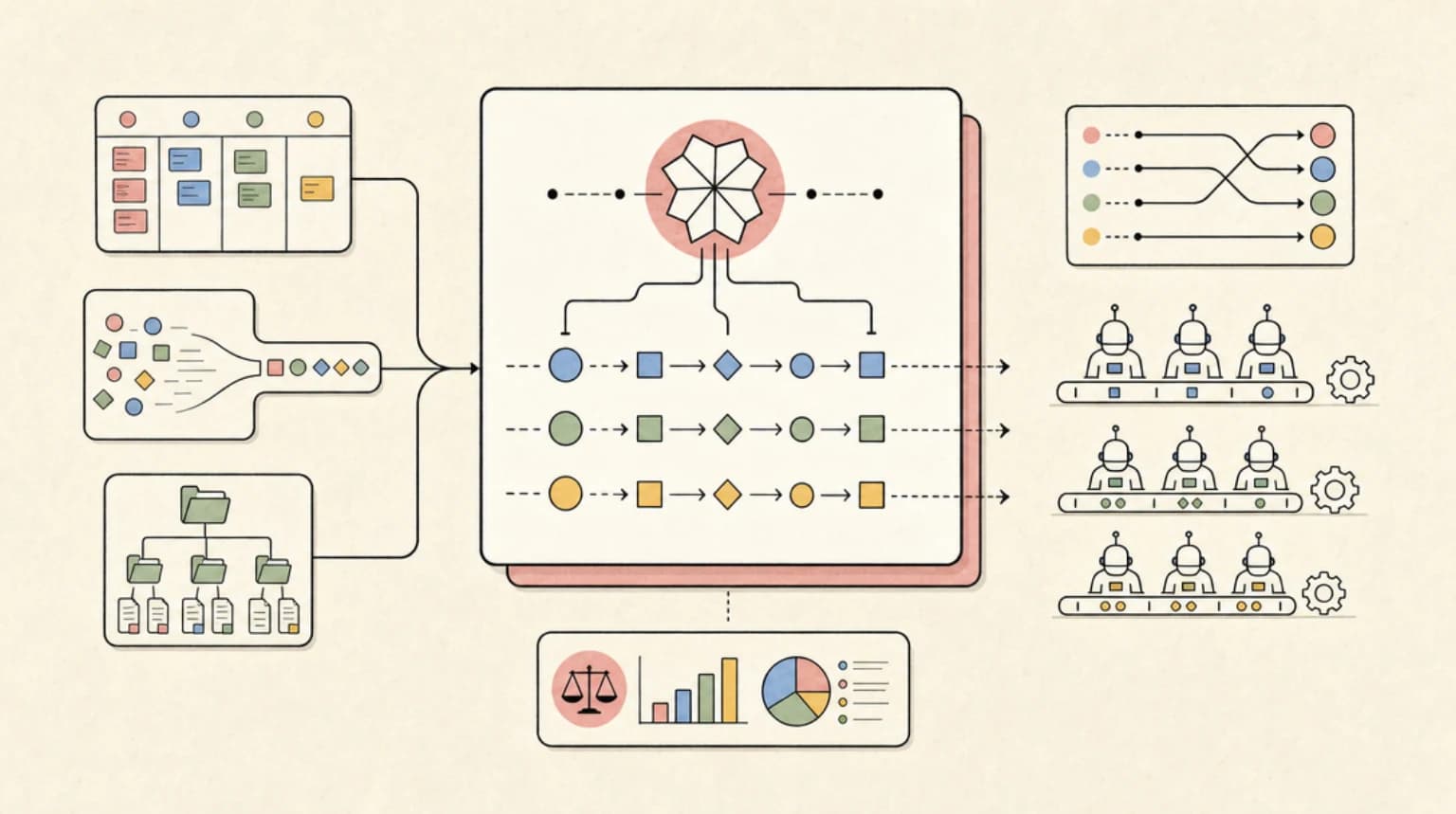
The Fable 5 Orchestrator Playbook: One Smart Model Managing Cheap Workers
A practical playbook for running Claude Fable 5 as the orchestrator over Sonnet and Haiku workers, with verified cost math on when the premium pays off.
10 min read
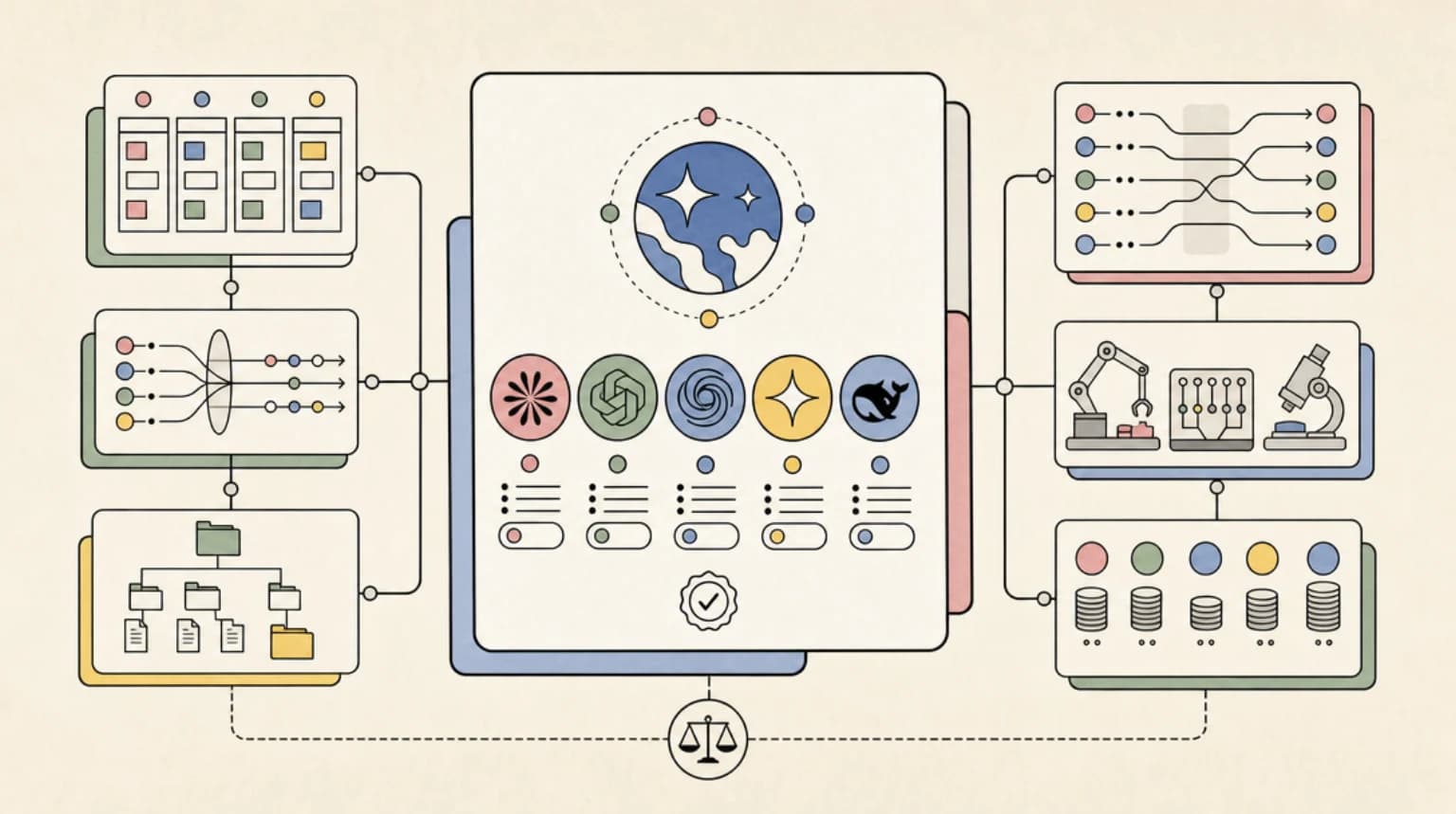
The Frontier Model Landscape, July 2026 Edition
A verified directory of the frontier AI models in July 2026 - Claude Fable 5, Opus 5, GPT-5.6 Sol/Terra/Luna, Sonnet 5, Gemini 3.1 Pro, Kimi K3, and DeepSeek V4 - with pricing checked against official docs.
12 min read
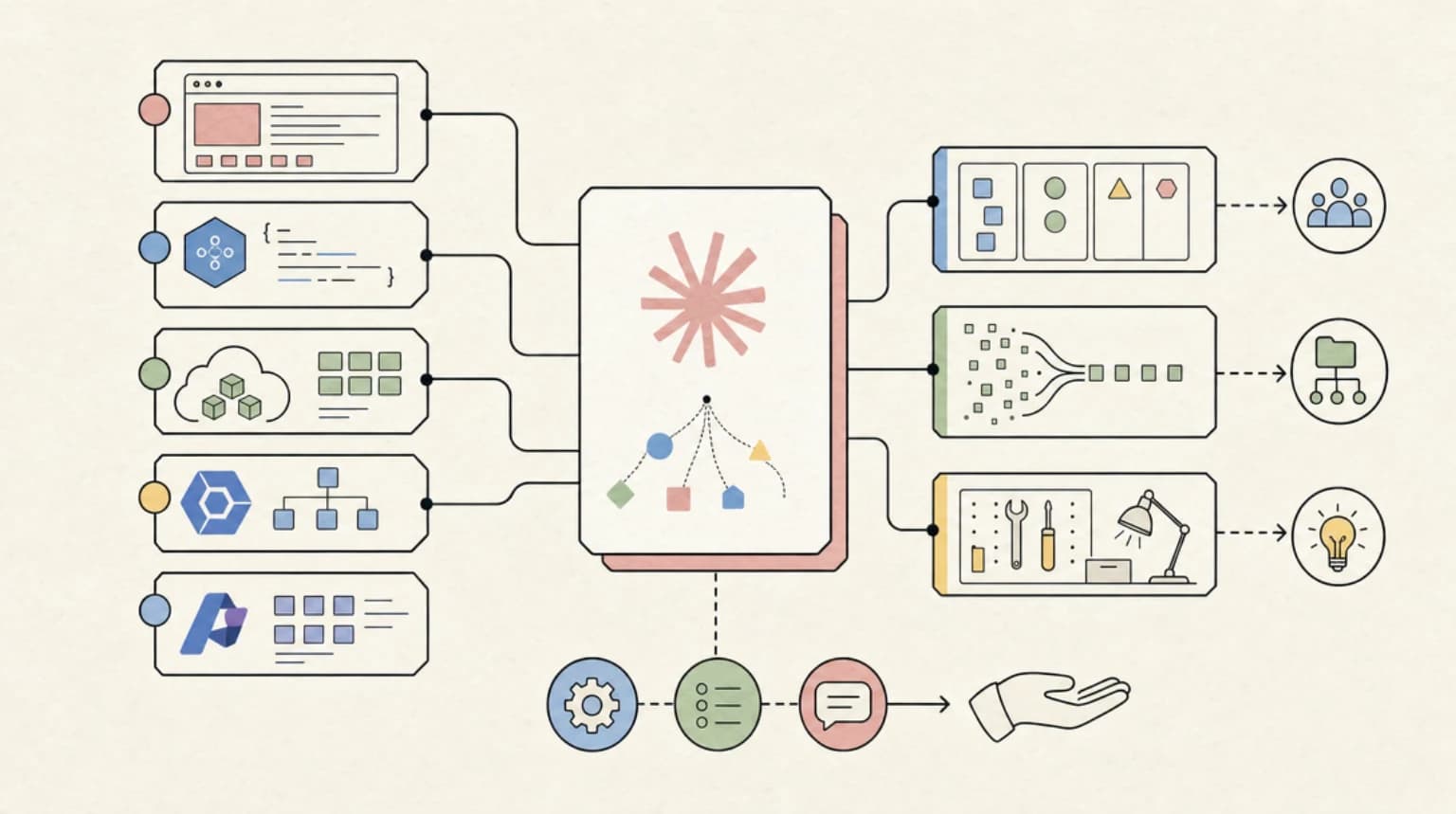
How to Use Claude Fable 5: Every Access Path Explained
How to use Claude Fable 5 across every access path: claude.ai plans through June 22, the Claude API, Amazon Bedrock, Vertex AI, and Microsoft Foundry, with setup effort and first-prompt tips.
8 min read
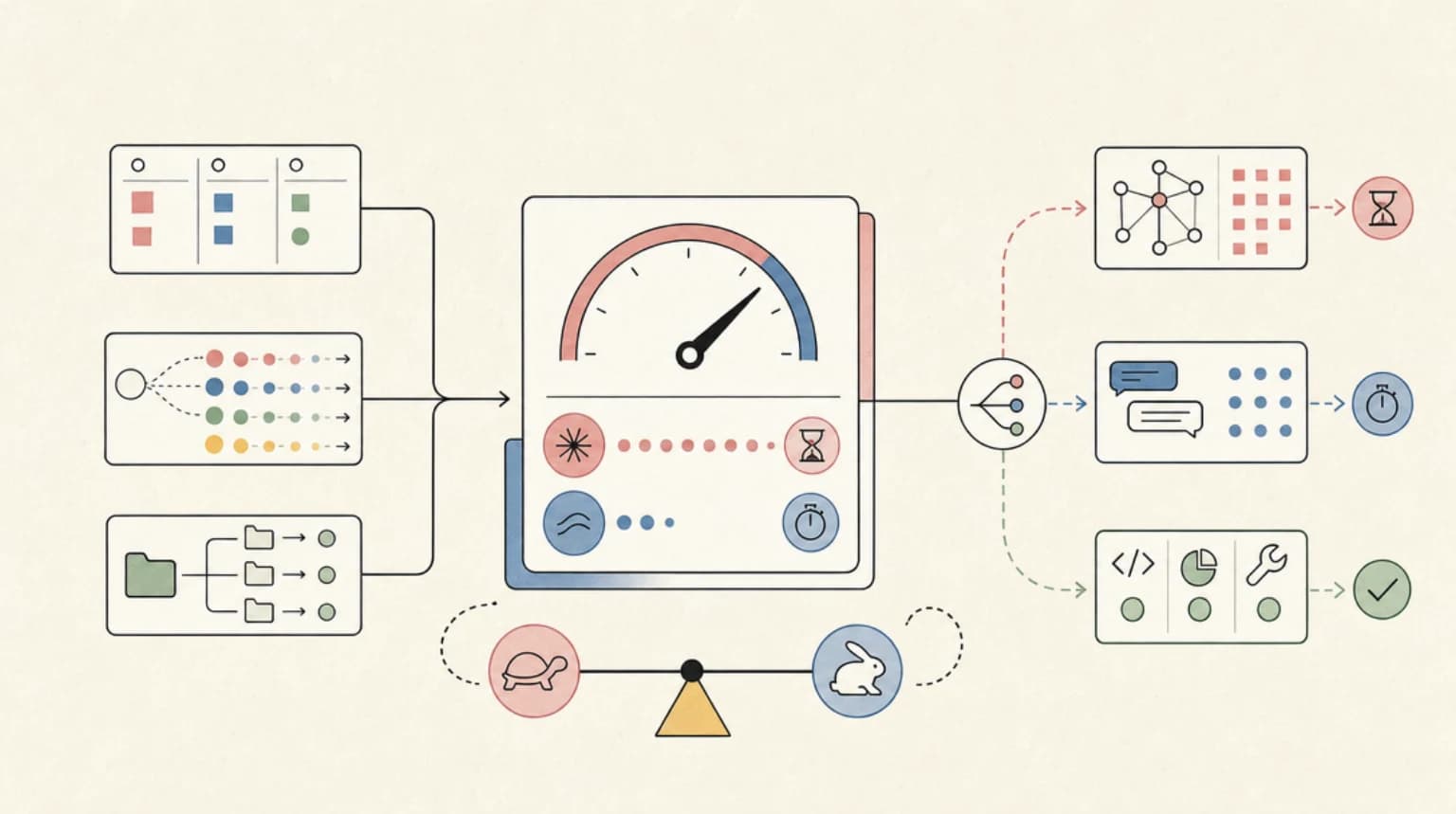
Is Claude Fable 5 Slow? Latency in Practice, and When It Matters
Claude Fable 5 latency measured: 109 seconds to first token at max effort vs 1.4s for Sonnet 4.6. When slow is fine, when it hurts, and how to route around it.
8 min read
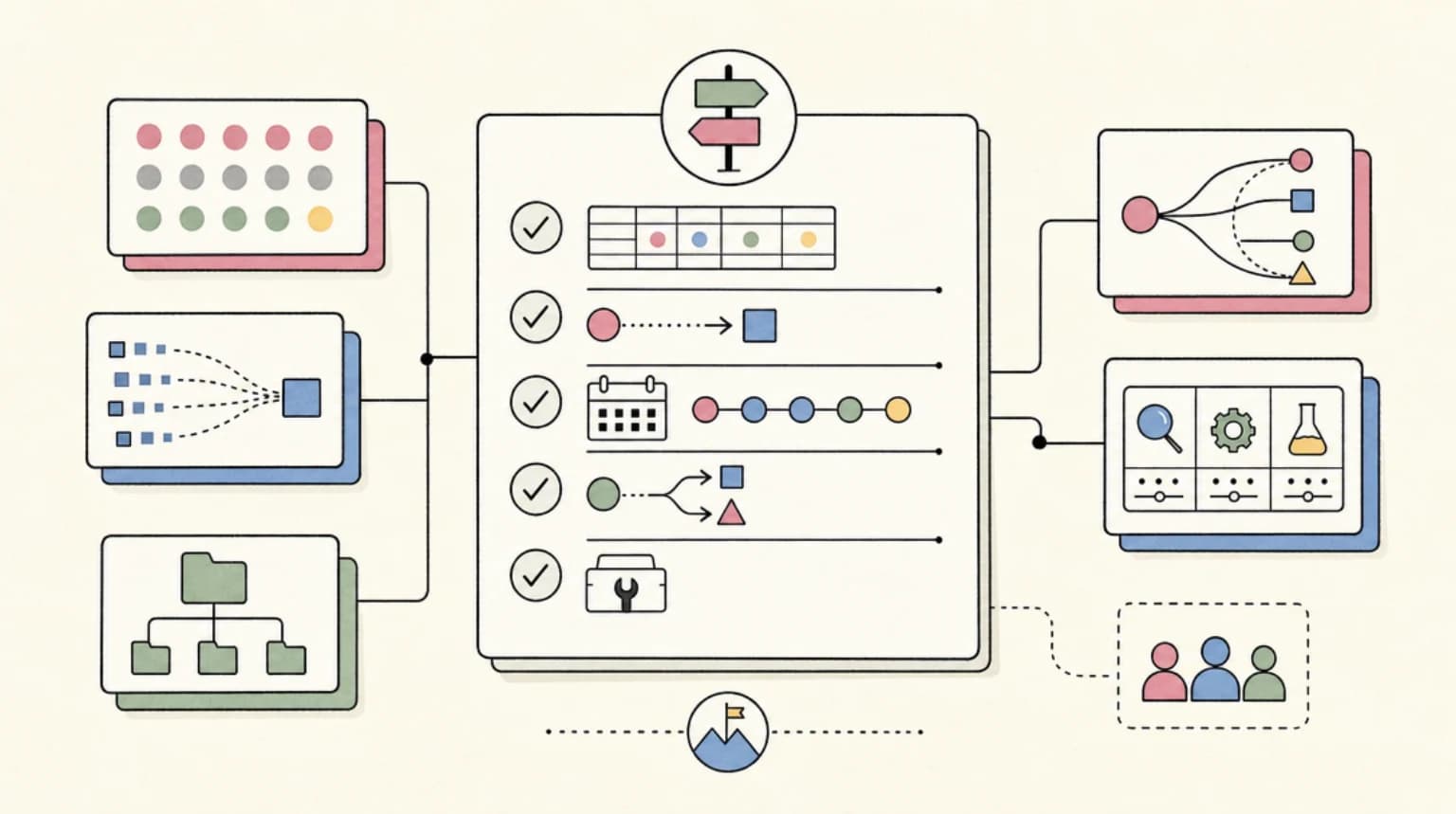
Migrating Off Retired GPT Models in 2026: A Working Checklist
Migrating off retired GPT models in 2026: the live retirement table, what maps to what, an eval-before-switch day plan, and when to jump providers.
10 min read
Qwen 3.7 Max Developer Guide: 1M Context, $1.25/MTok, and Agent-First Architecture
Alibaba shipped Qwen 3.7 Max on May 19, 2026 with a 1M token context window, Anthropic-compatible API, and agent-first architecture. Here is what developers need to know about pricing, performance, and when to use it.
8 min read
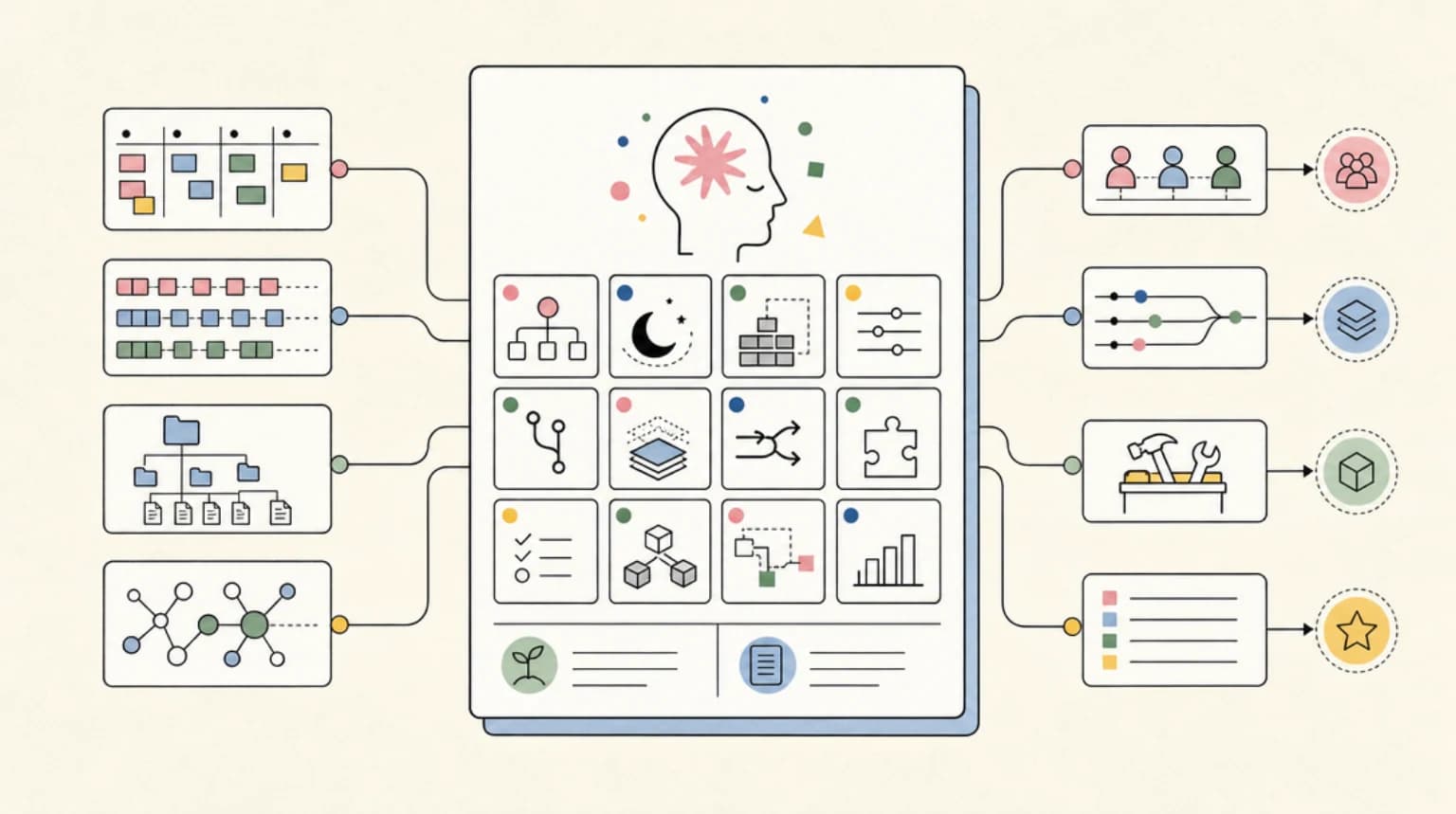
12 Ways Developers Are Actually Leveraging Claude Fable 5
Twelve documented Claude Fable 5 use patterns - agent orchestration, overnight runs, 1M-context refactors, effort tuning - each with a how-to seed and doc link.
10 min read
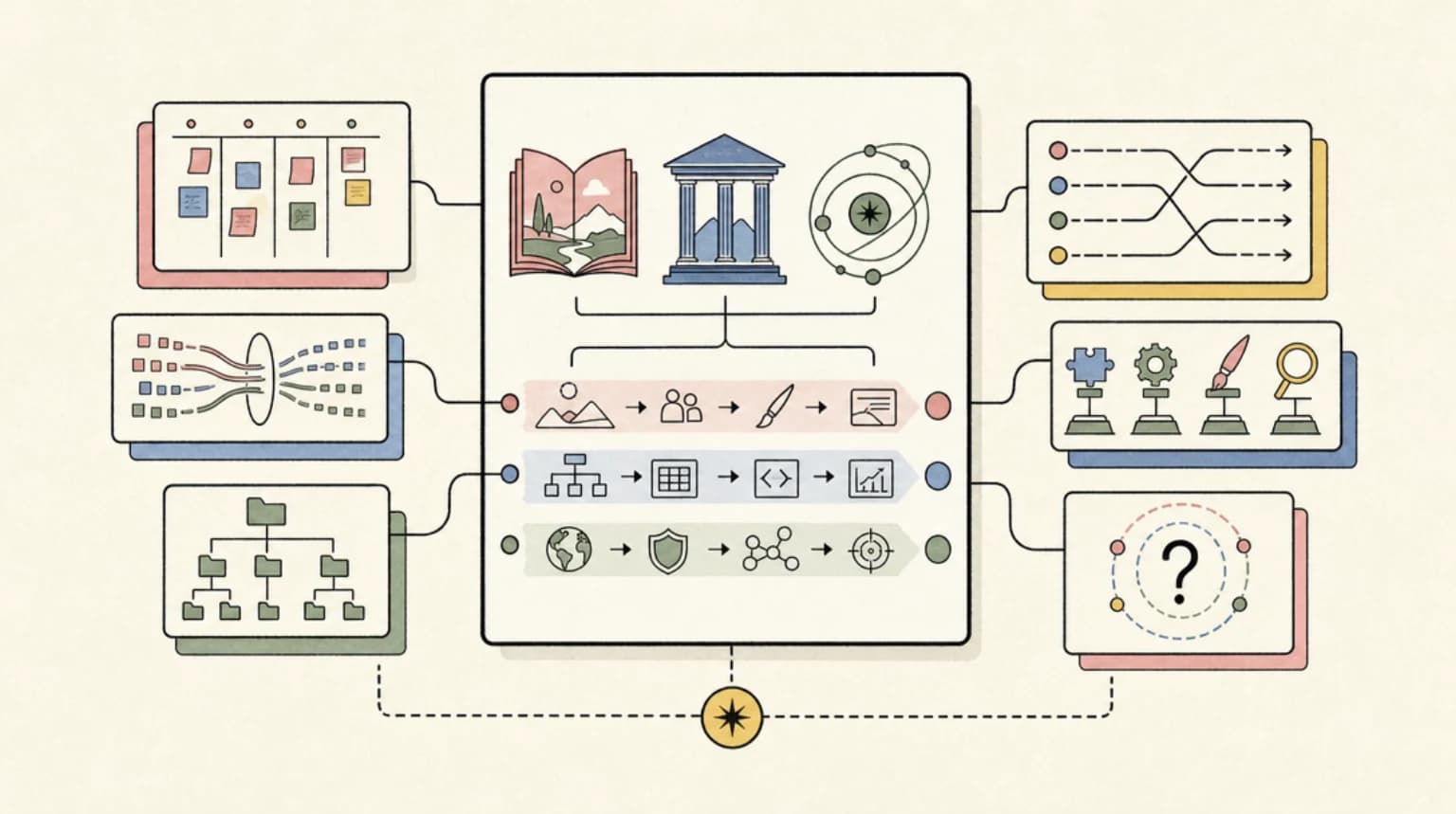
Anthropic Model Names Explained: Fable, Mythos, Opus, Sonnet
Anthropic's model names: Haiku, Sonnet, Opus, then Fable and Mythos. What each tier means, the current model IDs and prices, and which one to pick.
6 min read
Apple's LanguageModel Protocol: Xcode 27 Just Made Model Lock-In Optional
Apple shipped a LanguageModel protocol at WWDC 2026 that lets iOS and macOS developers swap between Claude, Gemini, and local models with a single dependency change. Here is what OS-level provider abstraction actually means for switching costs, moats, and your architecture decisions.
8 min read
Fable 5 vs Opus 4.8: A Data-Driven Decision Guide for Engineering Teams
Fable 5 posts an 80.3% SWE-Bench Pro score and costs 2x Opus 4.8 - here is the task-profile scoring guide that tells you when the premium pays off.
7 min read
Claude Mythos 5 Explained: What It Is, Who Can Access It, and Why It's Gated
Anthropic shipped two names for one architecture on June 9, 2026. Here is what separates Fable 5 from Mythos 5, who can actually get unrestricted access, and what developers should do right now.
7 min read
The Model, IDE, CLI, and Agent Framework Changes That Actually Matter
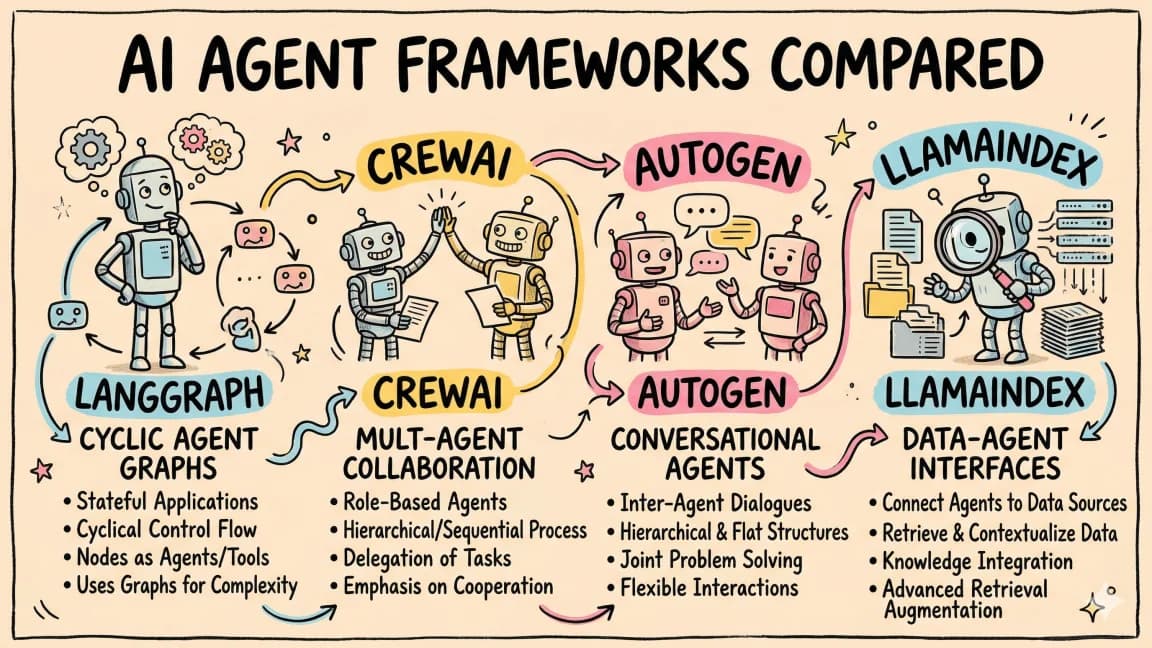
The AI coding market is noisy. The changes that matter are easier to spot when you separate model capability, editor loops, terminal agents, background agents, agent frameworks, UI layers, context, security, and cost.
10 min read
Models.dev Makes Model Routing Feel Like Infrastructure
The models.dev project is trending because AI teams need one boring source of truth for model specs, pricing, context windows, modalities, and tool support.
7 min read
DeepSeek V4 Changes the Coding Agent Cost Equation
DeepSeek V4 is trending because it is close enough to frontier coding models at a much lower token price. The real question for developers is where cheap reasoning belongs in an agent stack.
8 min read
DeepSeek V4: The Developer's Guide to Flash and Pro
DeepSeek V4 splits into Flash and Pro, ships a 1M context window, and undercuts every closed model on price. Here's how to wire it up with the OpenAI SDK, when to pick it over Claude or GPT, and what changed since V3 and R1.
10 min read
NVIDIA Nemotron 3 Super: A Developer's Guide to the 120B Hybrid MoE
A practical walkthrough of Nemotron 3 Super: latent mixture of experts, hybrid Mamba transformer architecture, 1M context, reasoning modes, and the code you actually need to run it on NVIDIA hardware.
9 min read
Claude Haiku 4.5: Near-Frontier Intelligence at a Fraction of the Cost
Anthropic's Claude Haiku 4.5 delivers Sonnet 4-level coding performance at one-third the cost and twice the speed. Here is what developers need to know.
5 min read
DeepSeek R1 and V3: The Developer's Guide to Open-Source AI
DeepSeek's R1 and V3 models deliver frontier-level performance under an MIT license. Here's how to use them through the API, run them locally with Ollama, and decide when they beat closed-source alternatives.
9 min read
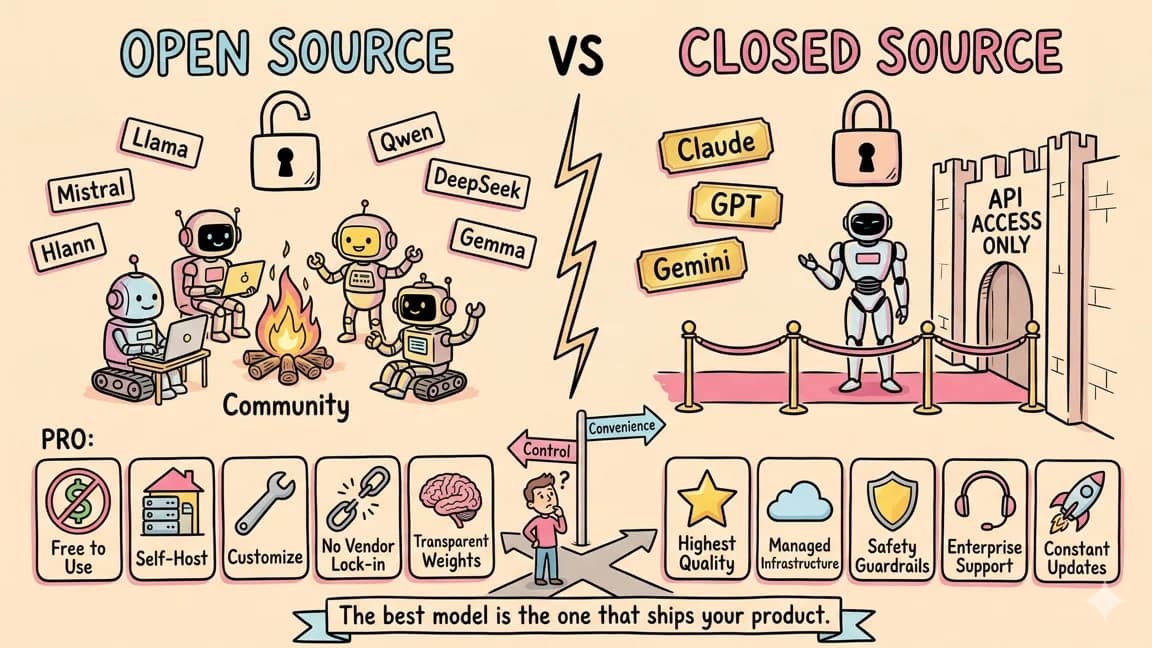
Llama 4: The Complete Developer's Guide to Meta's Open Source Models
Meta's Llama 4 family brings mixture-of-experts to open source with Scout and Maverick. Here's how to run them locally, access them through APIs, and decide when they beat the competition.
10 min read
Claude vs GPT for Coding: Which Model Writes Better TypeScript?
Claude vs GPT for real TypeScript work: benchmarks, pricing, model families, and the practical differences that matter when picking a coding model.
9 min read
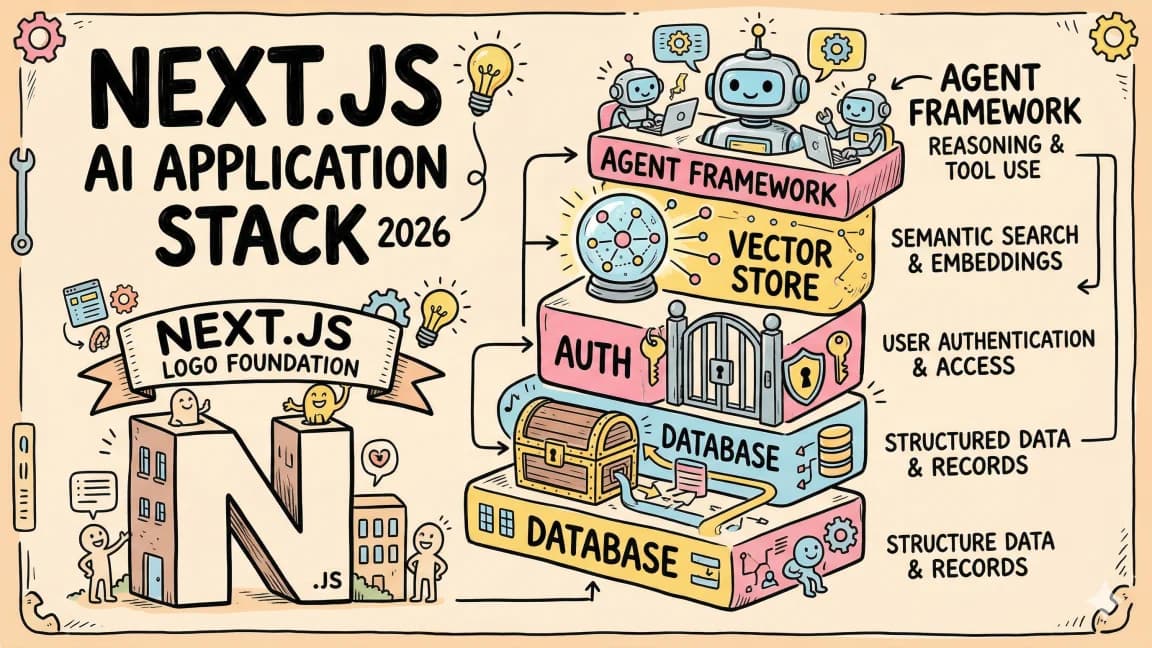
OpenAI vs Anthropic in 2026 - Models, Tools, and Developer Experience
A developer's comparison of OpenAI and Anthropic ecosystems - models, coding tools, APIs, pricing, and which to choose for different use cases.
18 min read
NVIDIA's Nemotron 3 Super in 6 Minutes
NVIDIA's Nemotron 3 Super combines latent mixture of experts with hybrid Mamba architecture - 120B total parameters, 12B active per token, 1M context, and up to 4x more experts at the same cost.
5 min read
Grok 4: xAI's Most Powerful AI Model
xAI has launched Grok 4, claiming the title of the world's most powerful AI model. With a $300/month Super Grok tier, saturated AMI benchmarks, and a coding model on the horizon, this is xAI's bigge...
7 min read
Qwen 3: Alibaba's Open-Source Model That Outclassed Llama 4
Alibaba released Qwen 3 with eight models under an Apache 2 license, including a 235B mixture-of-experts flagship that beats Llama 4 Maverick on nearly every benchmark while being smaller and cheaper to run.
8 min read
xAI Grok 3 Launch: The Smartest AI on Earth?
xAI launched Grok 3 with 200,000 GPUs, outperforming GPT-4o, Sonnet 3.5, and DeepSeek R1 on reasoning benchmarks. Here is what the hardware, the benchmarks, and the new features actually mean for developers.
9 min read
Related Tools
All tools →Claude
Daily DriverAnthropic's AI. Opus 4.6 for hard problems, Sonnet 4.6 for speed, Haiku 4.5 for cost. 200K context window. Best coding model I've tested. Max plan ($200/mo).
AI ModelsChatGPT
OpenAI's flagship. GPT-4o for general use, o3 for reasoning, Codex for coding. 300M+ weekly users. Tasks, agents, web browsing, DALL-E, code interpreter.
AI ModelsOpenRouter
Unified API for 200+ models. One API key, one billing dashboard. OpenAI, Anthropic, Google, Meta, Mistral, and more. Automatic fallbacks and load balancing.
AI ModelsDeepSeek
Open-source reasoning models from China. DeepSeek-R1 rivals o1 on math and code benchmarks. V3 for general use. Fully open weights. Extremely cost-effective API.
AI ModelsLlama
Meta's open-source model family. Llama 4 available in Scout (17B active) and Maverick (17B active, 128 experts). Free to use, modify, and deploy commercially.
AI ModelsMistral
European open-weight models. Mistral Large for complex tasks, Mistral Small for speed, Codestral for code. Strong multilingual support. Open and API options.
AI ModelsGPT-5
OpenAI's latest flagship model. Major leap in reasoning, coding, and instruction following over GPT-4o. Powers ChatGPT Plus/Pro and the API. Available via API and ChatGPT.
AI ModelsGemini
Google's frontier model family. Gemini 2.5 Pro has 1M token context and top-tier coding benchmarks. Gemini 3 Pro pushes reasoning further. Free tier via AI Studio.
AI ModelsGrok
xAI's model with real-time X/Twitter data access. Grok 3 rivals top models on reasoning. Built-in web search and current events awareness. Available via API.
AI ModelsClaude Haiku 4.5
Anthropic's smallest Claude 4.5 model. Near-frontier coding performance at one-third the cost of Sonnet 4 and up to 4-5x faster than Sonnet 4.5. $1/$5 per million tokens.
AI ModelsQwen3-Coder
Alibaba's flagship open-weight coding model. 480B total parameters, 35B active (MoE). Native 256K context, scales to 1M. Apache 2.0 license. State-of-the-art agentic coding.
AI ModelsDeepSeek V3.2
DeepSeek's reasoning-first model built for agents. First model to integrate thinking directly into tool use. Ships alongside V3.2-Speciale, which rivals GPT-5 and Gemini 3.0 Pro.
AI ModelsClaude Opus 4.7
Anthropic's flagship reasoning model. Best-in-class for coding, long-context analysis, and agentic workflows. 1M token context window. Available via API and in Claude Code.
AI ModelsClaude Fable 5
NewAnthropic's first generally available Mythos-class model, released June 9, 2026. 1M context, 128K max output, $10/$50 per million tokens. Built for long-horizon agentic work.
AI ModelsClaude Opus 4.8
Anthropic's recommended default for complex work, released May 28, 2026. 1M context, 128K output, $5/$25 per million tokens. Defaults to high effort on all surfaces.
AI ModelsDeepSeek V4
Open weightsDeepSeek's open-weights frontier family, previewed April 24, 2026. V4-Pro is 1.6T total / 49B active params; V4-Flash is 284B / 13B. 1M context standard. Weights on Hugging Face.
AI ModelsKeep exploring
More on AI Models
- - Claude - recommended AI Models tool from the Developers Digest directory
- - Compare Tools - dive deeper across the Developers Digest knowledge base
- - All AI Models articles in the blog archive
- - Developers Digest on YouTube - video tutorials covering AI Models and more

Get Smarter About AI Dev
New tutorials, open-source projects, and deep dives on coding agents - delivered weekly.
One email per weekReal code, not theoryFree forever
Explore 938 topics
Browse All Topics