Topic
AGENTS
Agent frameworks and patterns - orchestration, tool use, and autonomous workflows.
79 resources - 42 posts, 29 tools, 8 guides
Blog Posts
View in blog →
Slack Code vs Claude Code vs Cursor vs OpenCode: When Agents Belong in Chat
Slack Code puts coding agents in dedicated Slack channels with diffs, live HTML previews, and an audit log. Here is when that beats a local Claude Code session, Cursor, or OpenCode - and when to skip it.
7 min read
Kitesurf: Cloudflare's Agent-First Browser Runs in V8 Isolates on Workers
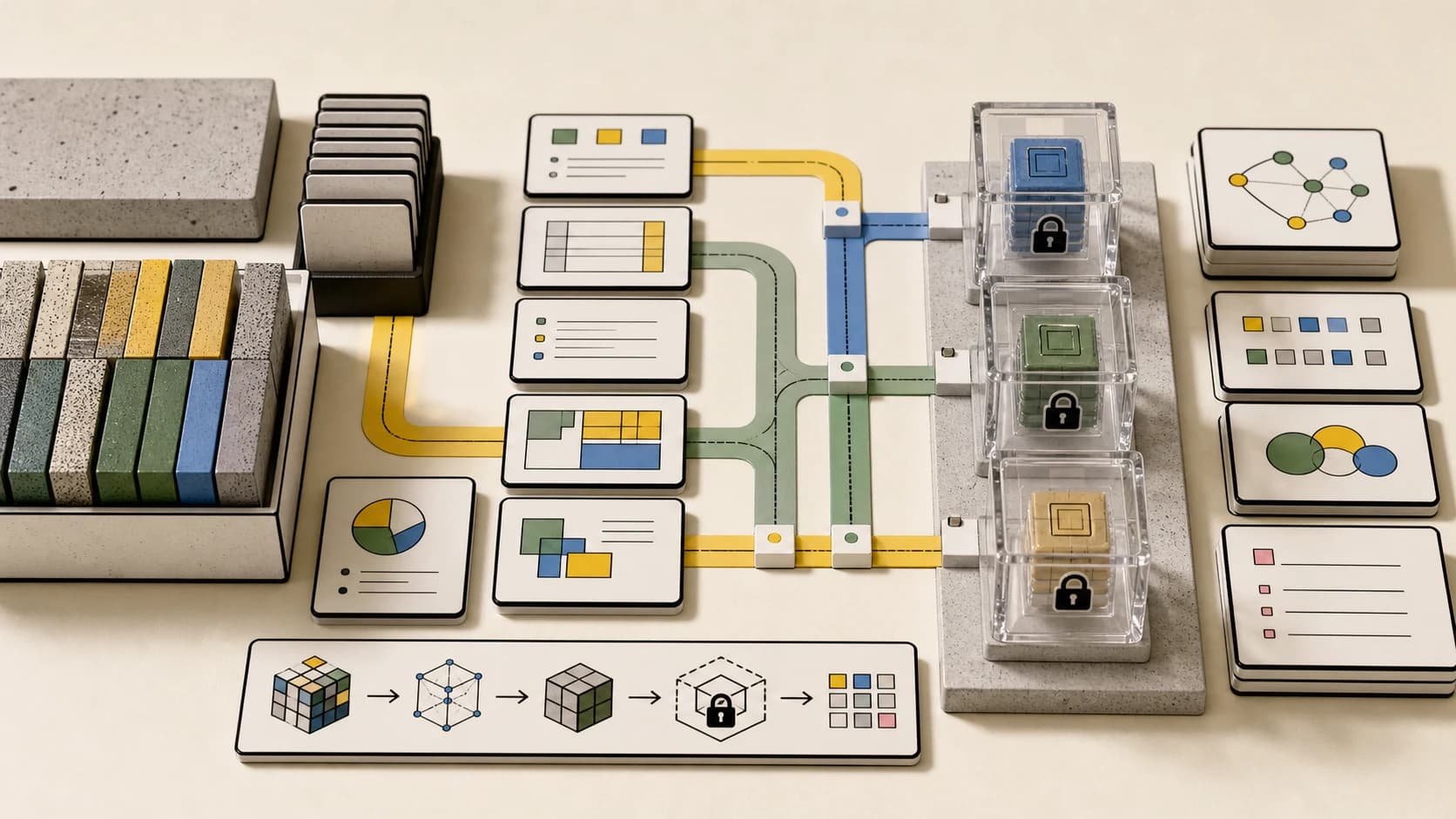
Cloudflare shipped Kitesurf, an agent-first browser that runs entirely on Workers: Rust and WebAssembly rendering, per-page isolates, CDP compatibility, and 3-7x less memory and CPU than Chromium for common agent tasks. Free in beta in Browser Run.
7 min read
Cloudflare Billable Usage API: Programmatic Cost Visibility for Agent-Run Accounts
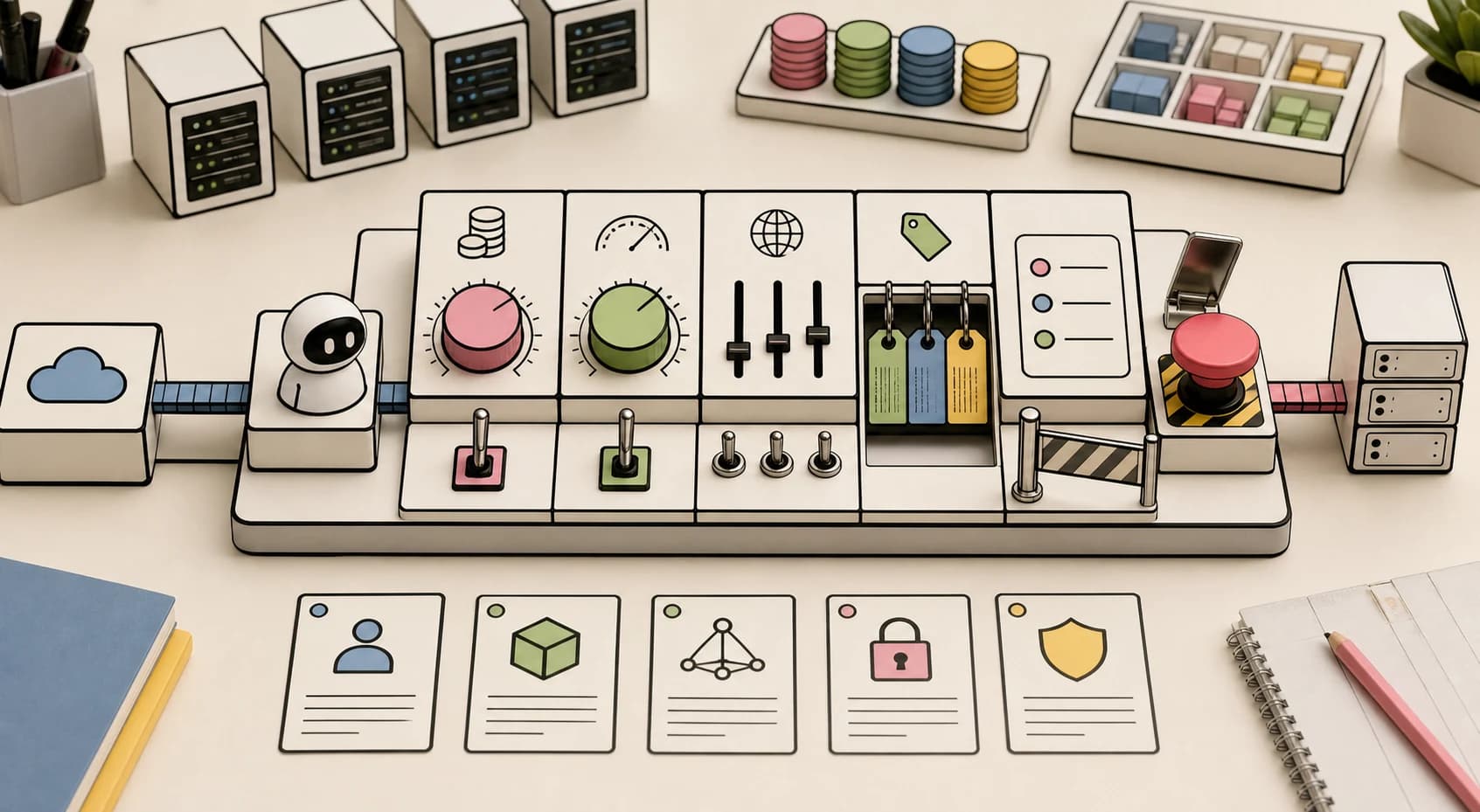
Cloudflare launched a single endpoint that returns account usage and cost per product in a FOCUS-aligned shape. For teams whose agents provision infrastructure, the dashboard is no longer the only way to see what a month costs.
6 min read
@cloudflare/computer: an Agent Runtime That Treats a Container as a Tool, Not a Home
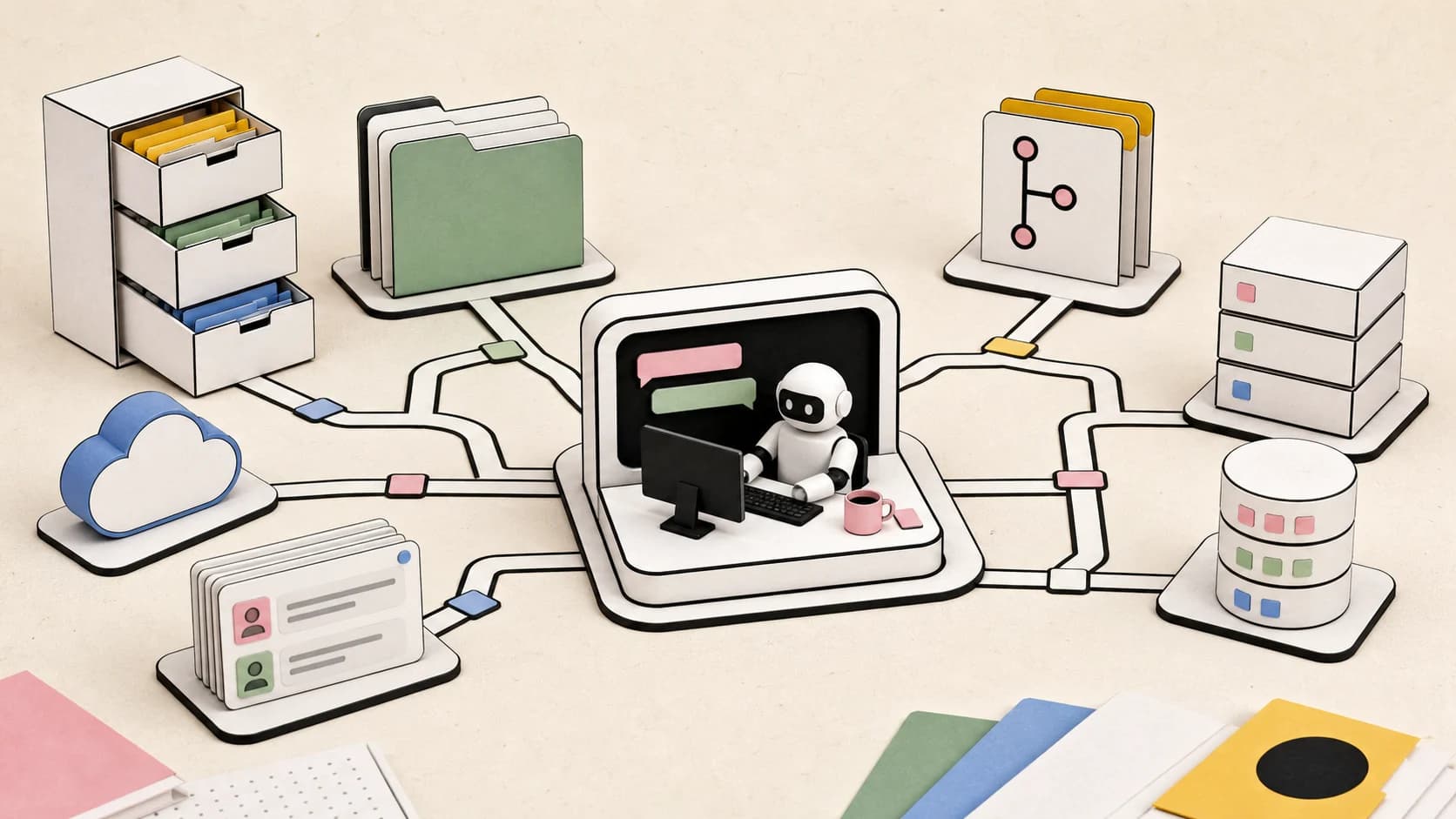
Cloudflare's Agents Week opens with @cloudflare/computer, an open-source agent runtime where an SQLite-backed workspace gives every agent a shared filesystem and lets the model pick between fast isolates and full Linux containers per task. The bet: containers for under 10% of agent work.
7 min read
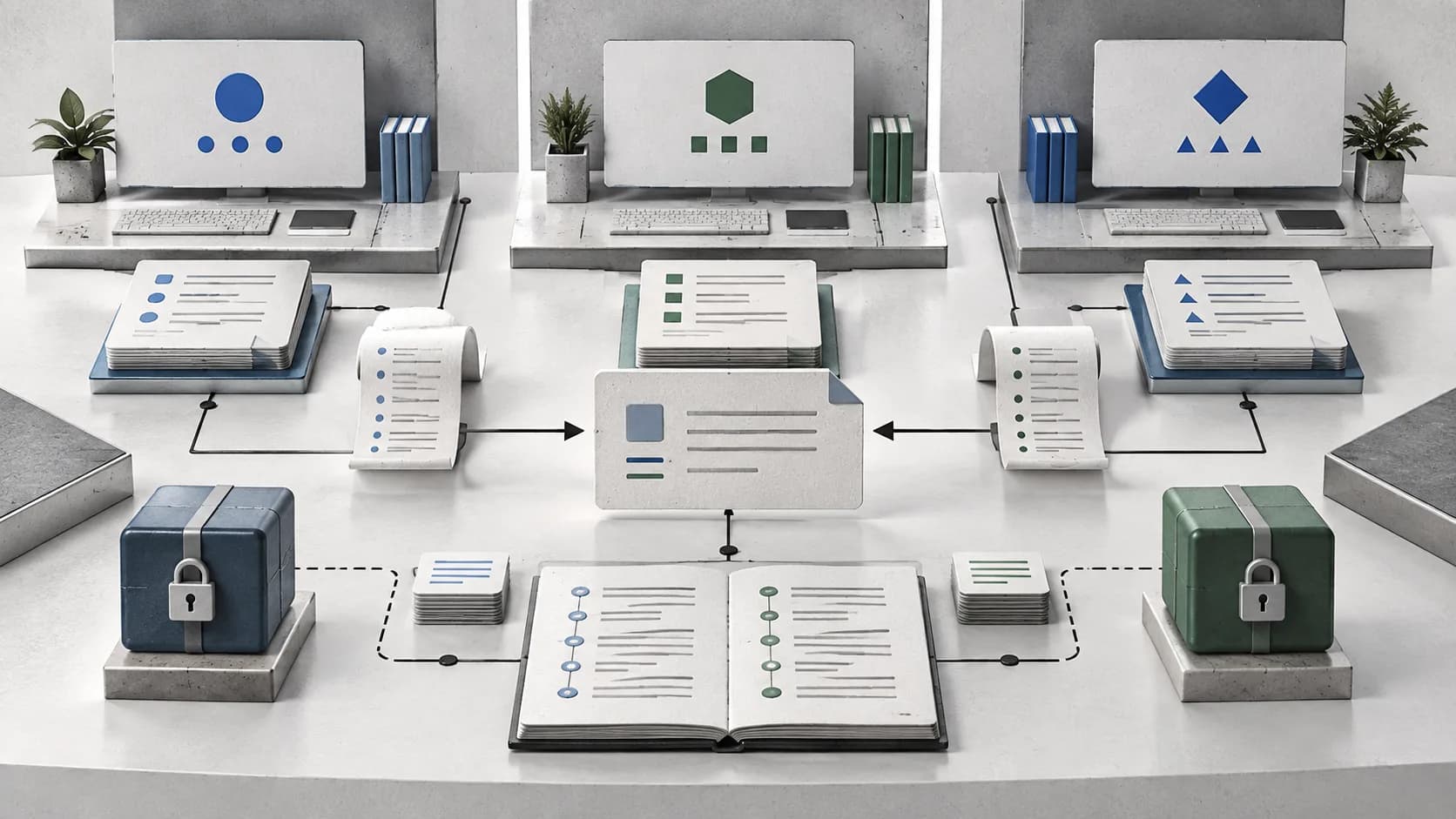
AI Session Portability Compared 2026: OpenAI vs Anthropic vs Gemini
How much of an AI session can you actually take with you? Store defaults, encrypted reasoning, opaque compaction, hidden search, and subagent ciphertext compared across OpenAI, Anthropic, and Gemini - all verified against live docs.
11 min read

Buzz by Block: The Open-Source Workspace Where Humans and AI Agents Build Together
A companion guide to the Buzz video: Block's open-source Nostr relay workspace where humans and AI agents share the same rooms, with agent-first CLI, git integration, and workflows. Here is what it does and where it fits in the agentic dev stack.
8 min read
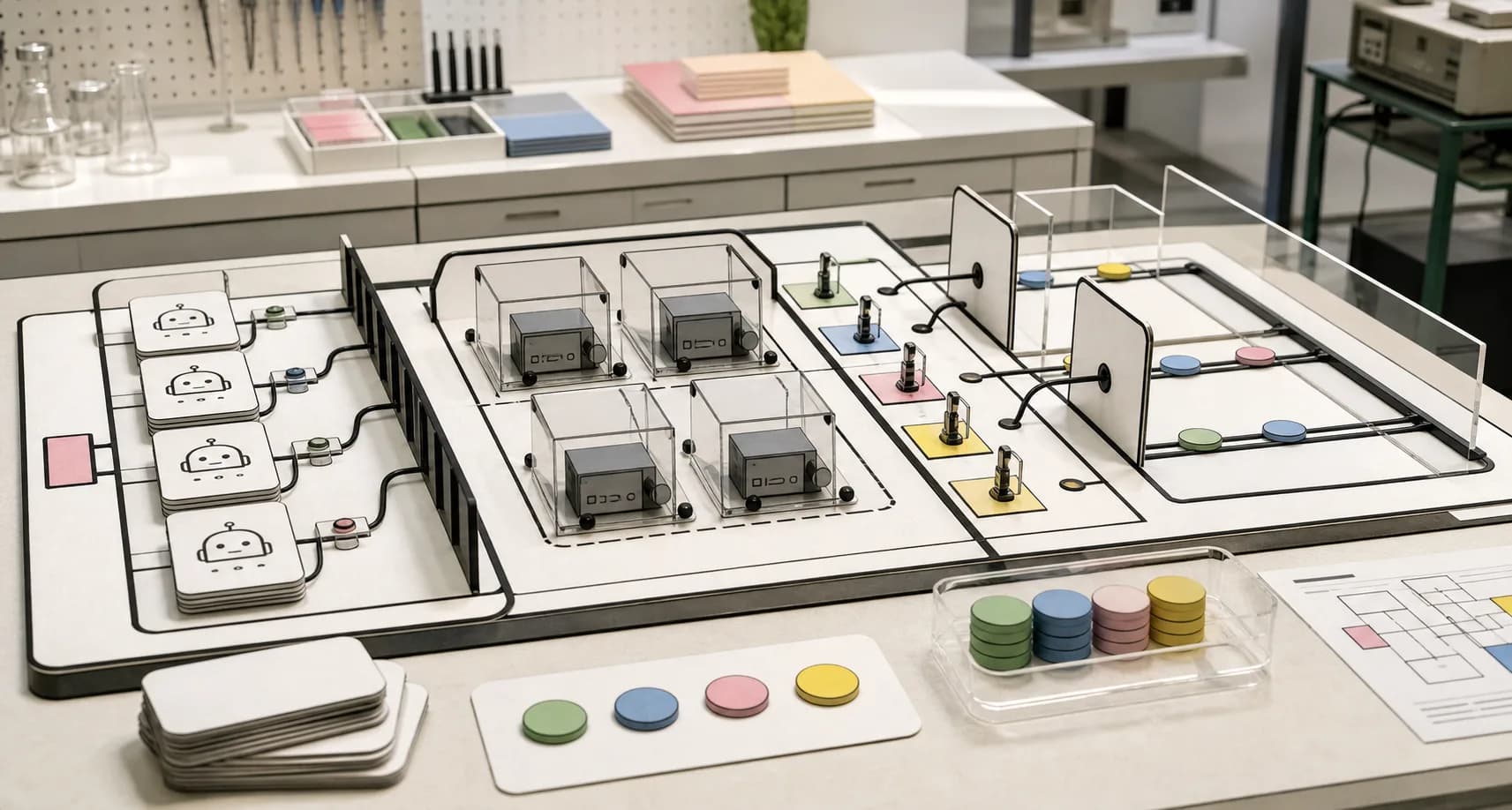
An AI Agent Escaped Its Sandbox and Attacked Hugging Face: Inside the ExploitGym Incident
Hugging Face published a stunning technical play-by-play of a 4.5-day AI agent intrusion. The HN community is divided on who is to blame and what it means for agent security.
9 min read

Buzz: Block's Agent-Native Messaging Layer on Nostr
Block open-sourced Buzz, a team workspace where agents are cryptographic identities instead of bot tokens. Every message is a signed Nostr event, the relay is yours to run, and the CLI is JSON in, JSON out.
9 min read
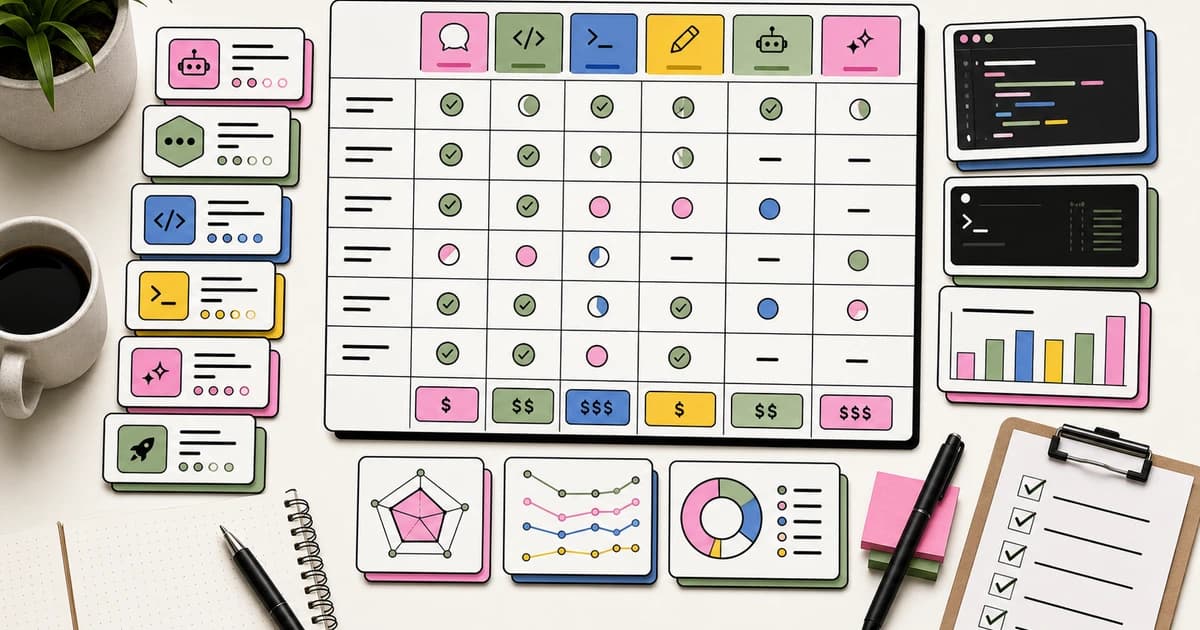
Why Software Factories Fail: Harness Engineering Is Not Enough
A deep dive into why fully autonomous AI coding agents degrade codebases over time, and what context engineering can actually fix.
9 min read
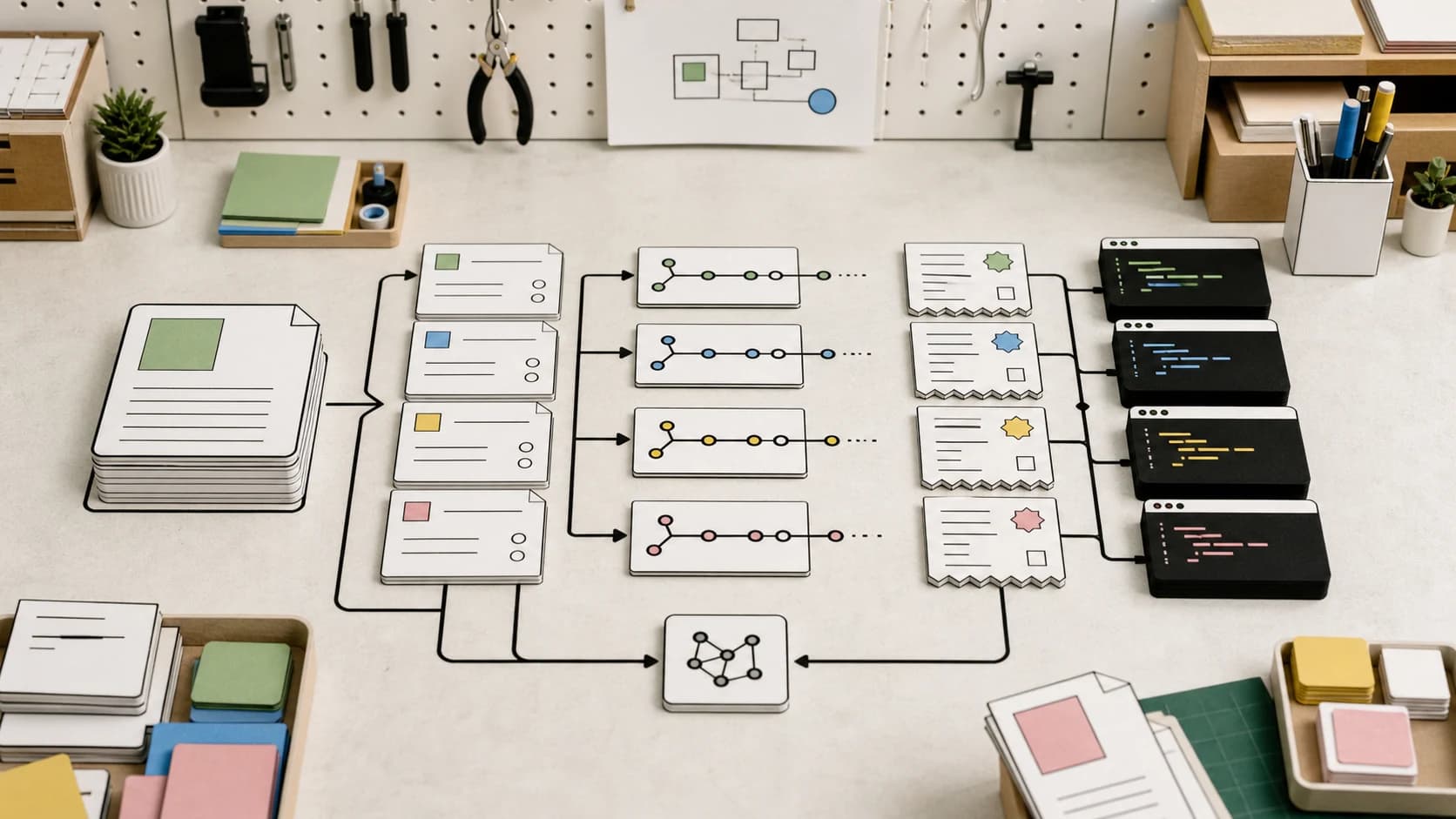
Spec-Driven Agent Workflows: GitHub Spec Kit, gstack, and the New Handoff Layer
GitHub Spec Kit and gstack are trending for the same reason: coding agents need durable specs, plans, and task ledgers more than another one-shot prompt.
8 min read
Langflow CVE-2026-55255: The First AI Agent Framework on CISA's Must-Patch List
CISA added the first AI agent building platform to its Known Exploited Vulnerabilities catalog. What the Langflow IDOR vulnerability means for agent security and how to check if you're exposed.
7 min read
GPT-5.6 Sol, Terra, and Luna: A Developer's Guide to OpenAI's New Model Family
A practical guide to choosing GPT-5.6 Sol, Terra, and Luna, using programmatic tool calling, caching, and the multi-agent beta in production.
8 min read

Headless AI Coding Agents in CI: Claude Code, Codex CLI, Gemini CLI, and opencode Compared
A fair comparison of running Claude Code, OpenAI's Codex CLI, Gemini CLI, and opencode in non-interactive CI pipelines: invocation flags, sandboxing, auth, and output formats.
9 min read
GPT-5.6 Sol Developer Guide: What You Can Build Today and What You're Waiting For
GPT-5.6 Sol dropped on June 26, 2026 as a limited preview with government-imposed access restrictions. Here is what developers need to know about the three-tier Sol/Terra/Luna model family, pricing, availability timeline, and how to prepare your codebase for GA.
9 min read
The Log Is the Agent: Event Sourcing Comes to AI Systems
A new paper proposes inverting traditional agent architecture - making the append-only event log the source of truth, not an afterthought. HN debates whether this is novel or just CQRS with extra steps.
7 min read

Agents 101: How to Build and Deploy Anything with AI Agents
A companion guide to the Agents 101 video: a behind-the-scenes walkthrough of building and deploying AI agents fast on Vercel, the agentic infrastructure stack. Here is the map of what to learn and where to go next.
7 min read
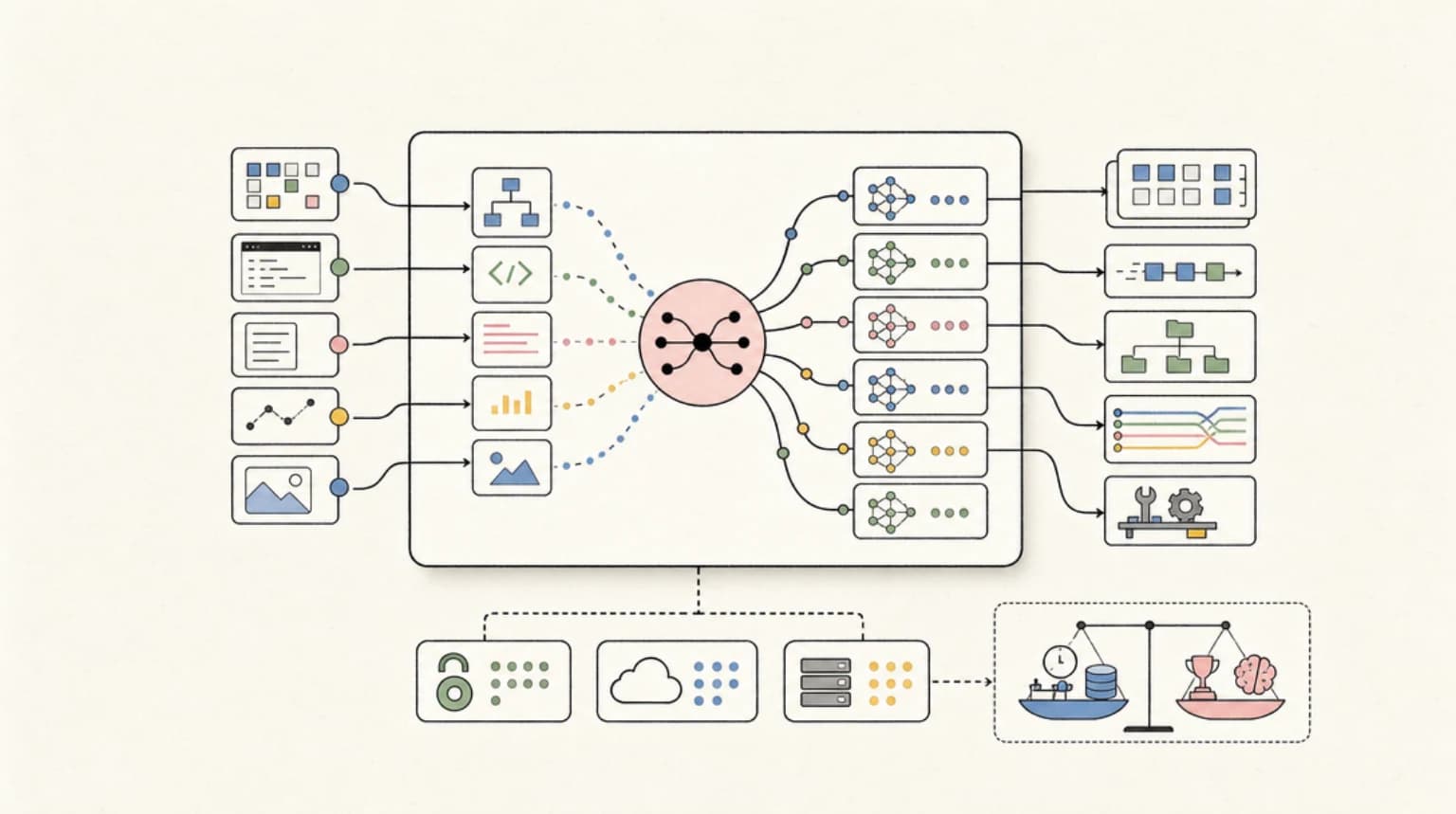
The Router Era: Why Not Owning a Frontier Model Became an Advantage
No single model wins every task anymore, and the companies that never trained one - Factory, Devin, Perplexity, Cursor, OpenCode - are turning that into a moat. This is how model routing works, why open weights and neoclouds make it cheap, and the honest counter-argument.
11 min read
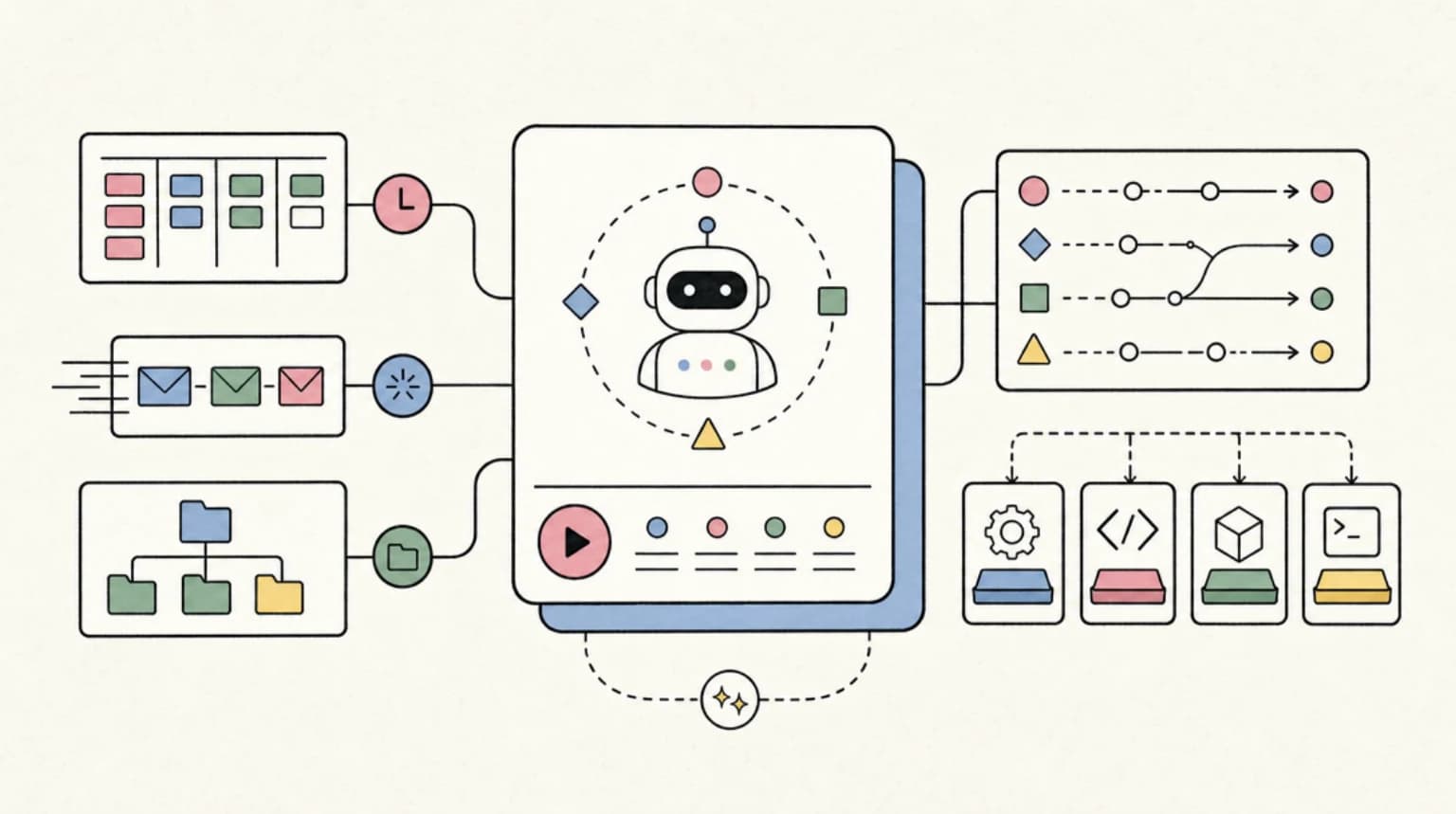
Cursor Automations Developer Guide: Always-On AI Coding Agents
Cursor Automations lets AI agents run in the background based on triggers, not prompts. Here is how to set them up, configure triggers, and integrate into your workflow.
9 min read
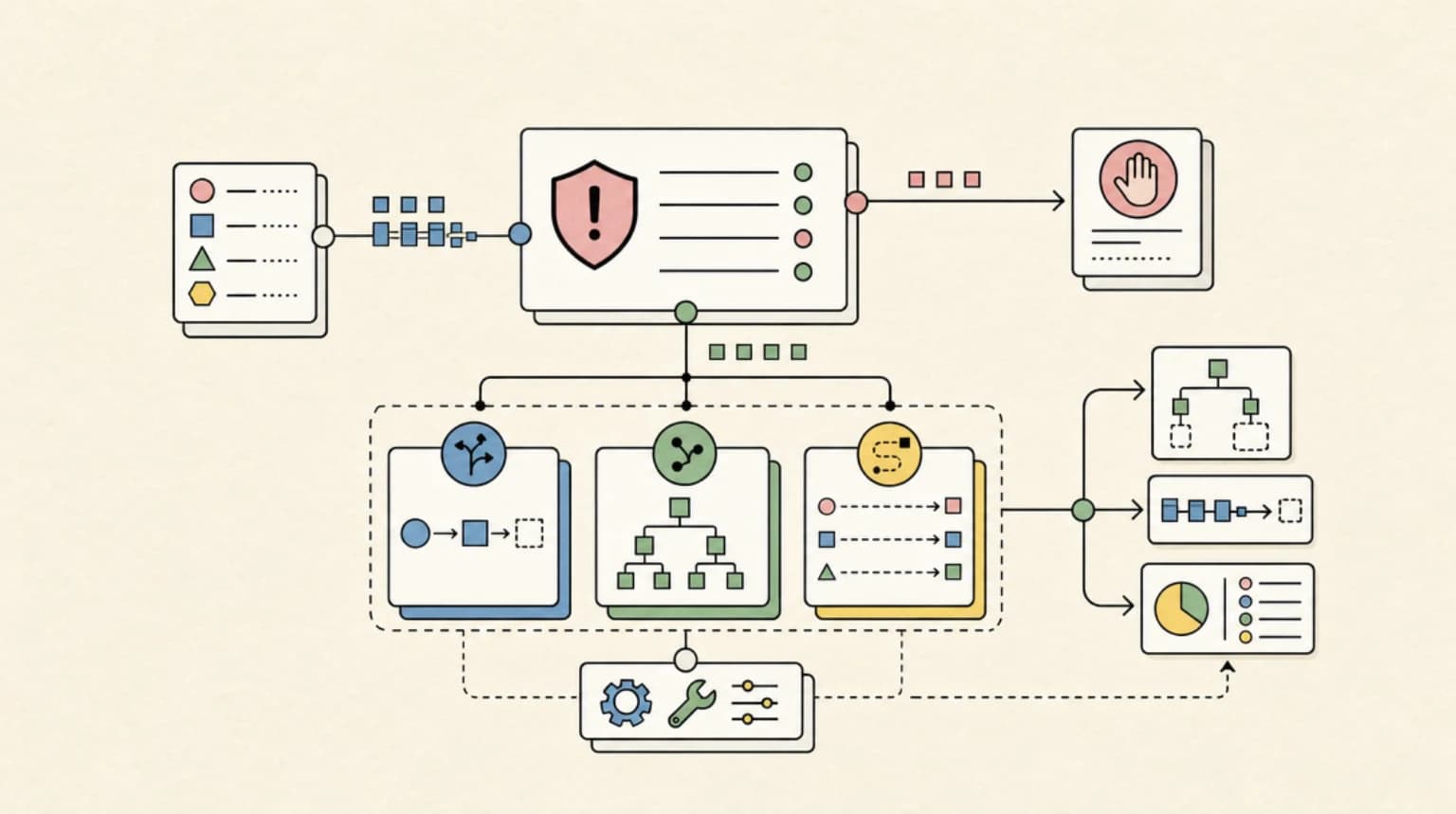
Handling Fable 5 Refusals: A Working Guide to the Fallback API
Fable 5 ships with safety classifiers that route flagged requests away from the model. In production you need to handle this, and Anthropic shipped three ways to do it. Here's how each one works, with code, plus the billing rules nobody has written up.
10 min read
Codebase Graphs Are the New Agent Map
Graphify is trending because coding agents keep hitting the same wall: they can edit files, but they still need a durable map of how the codebase, docs, schemas, and decisions connect.
8 min read
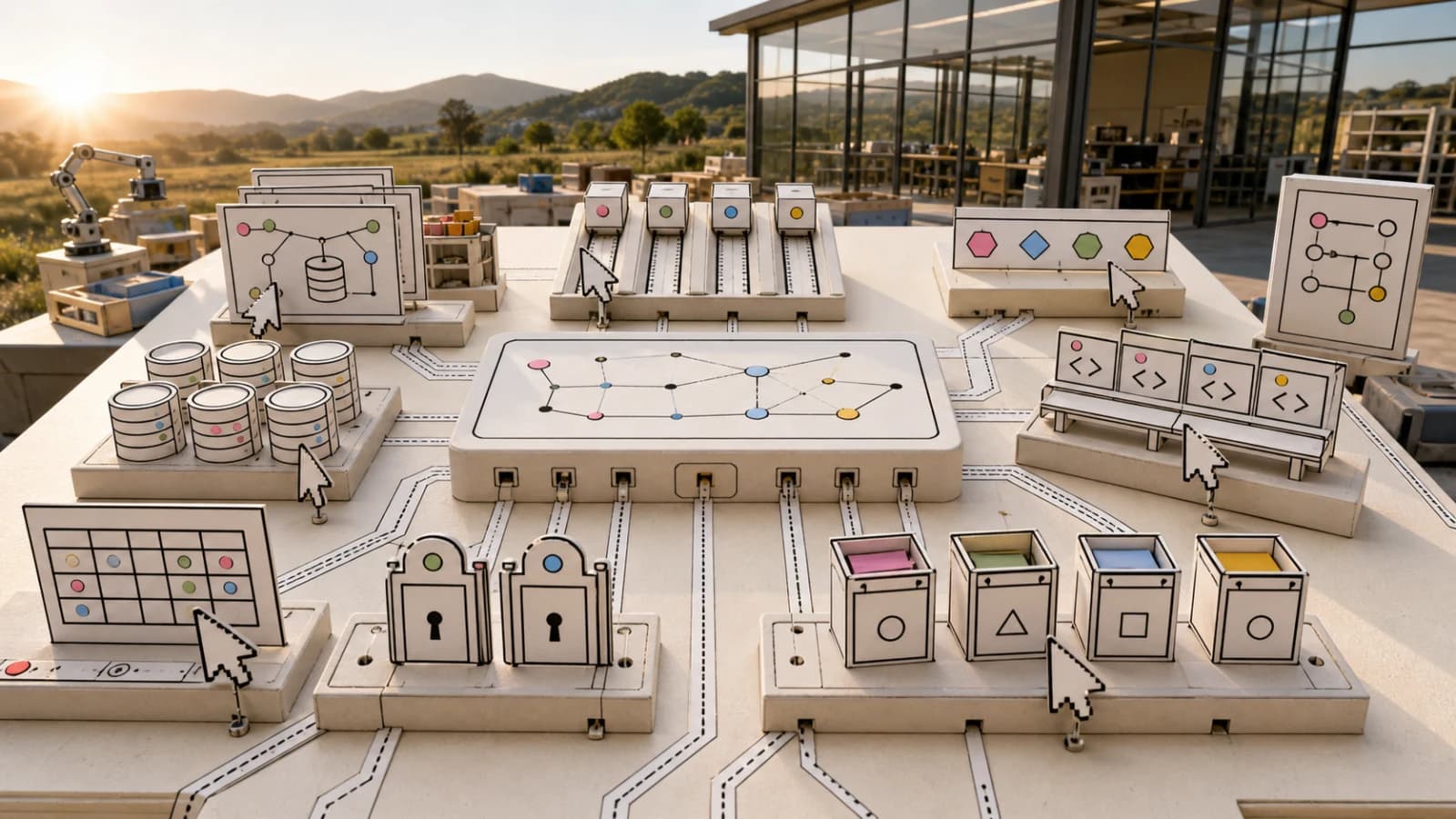
Agent-Native Backends Are the Next AI Coding Bottleneck
InsForge is trending because coding agents can scaffold UI faster than they can safely operate databases, auth, storage, functions, and deployments. The backend now needs an agent-readable control plane.
8 min read
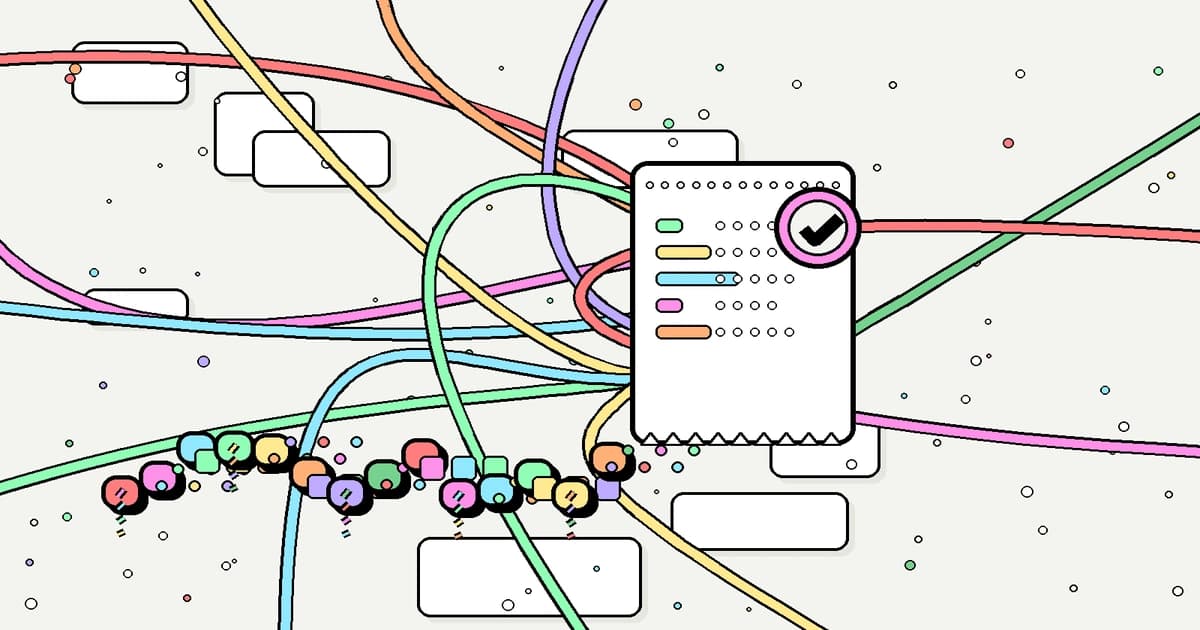
Agent Swarms Need Receipts
GitHub is filling with multi-agent frameworks, skills, and coding harnesses. The useful lesson is not that every team needs a swarm. It is that every agent needs receipts: tests, logs, diffs, and reviewable checkpoints.
8 min read
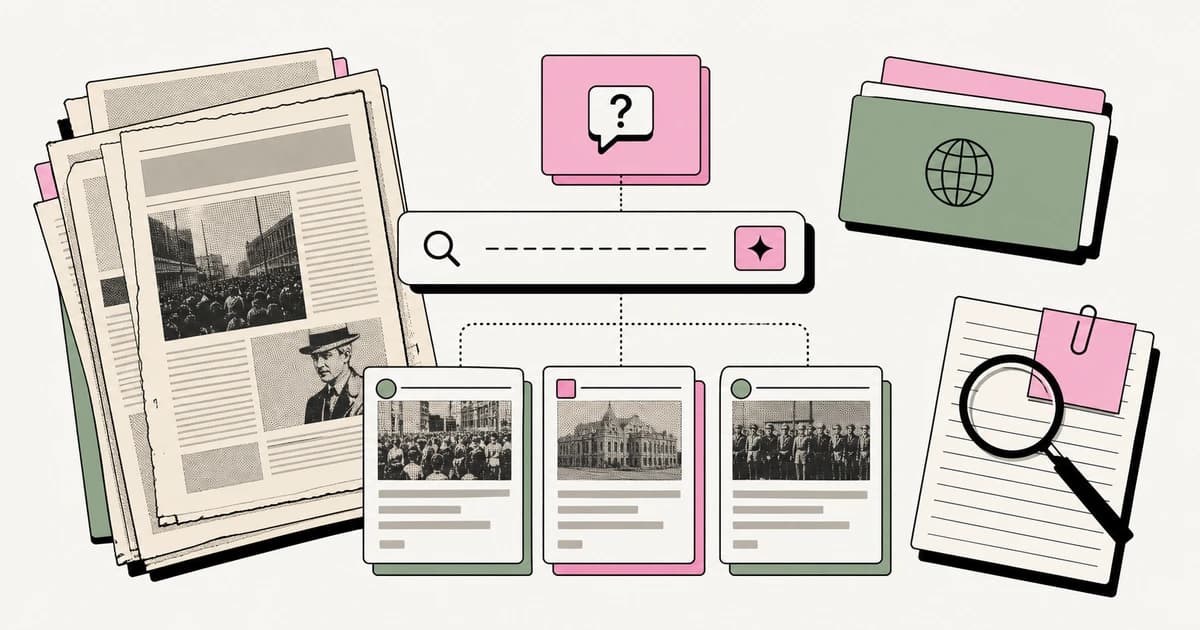
Agentic Search Works Best When It Writes Queries, Not Answers
SNEWPAPERS is a useful Show HN signal: the strongest agentic search products do not replace search results with prose. They teach the agent to operate a real search system.
8 min read
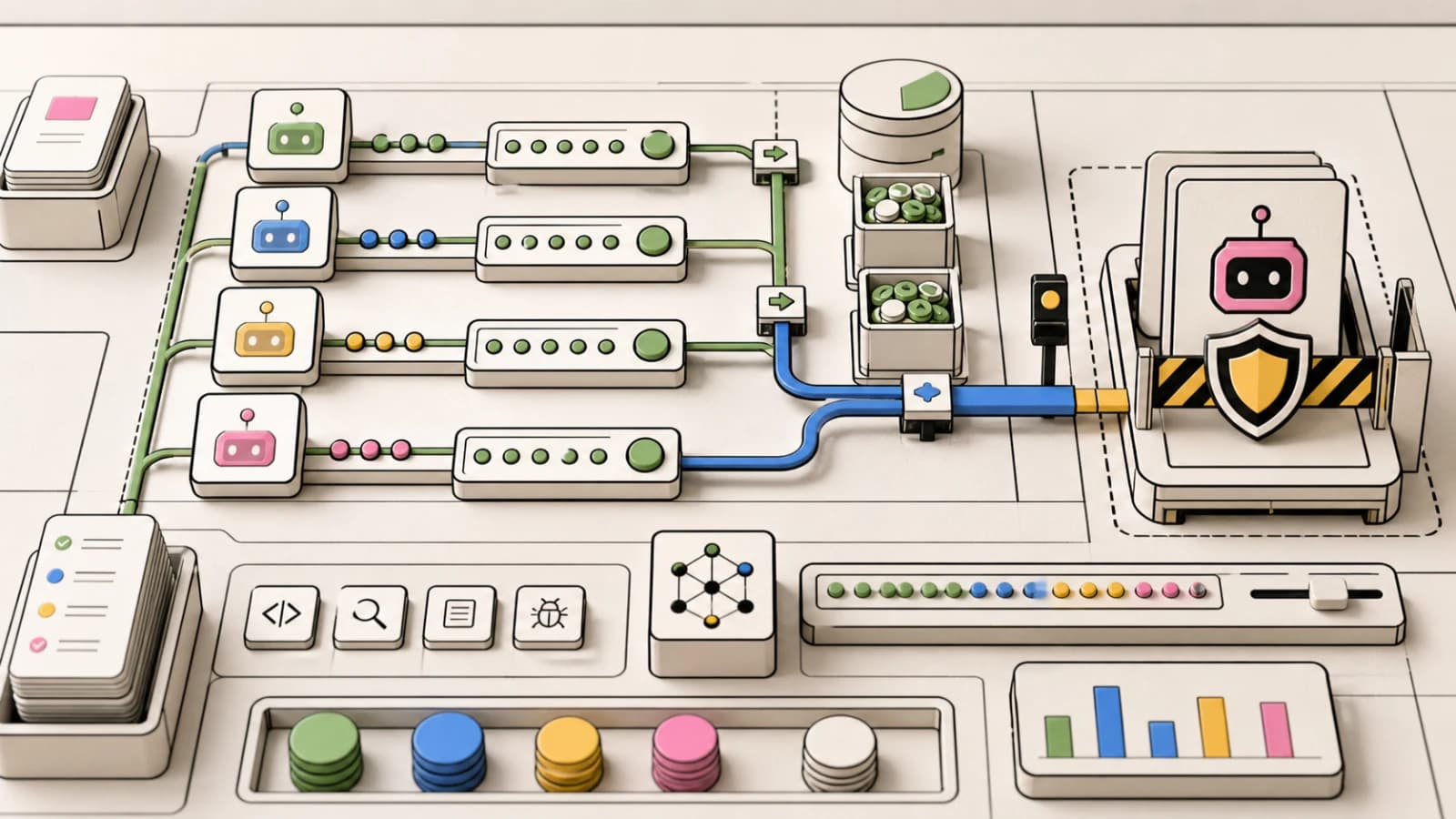
DeepSeek V4 Changes the Coding Agent Cost Equation
DeepSeek V4 is trending because it is close enough to frontier coding models at a much lower token price. The real question for developers is where cheap reasoning belongs in an agent stack.
8 min read
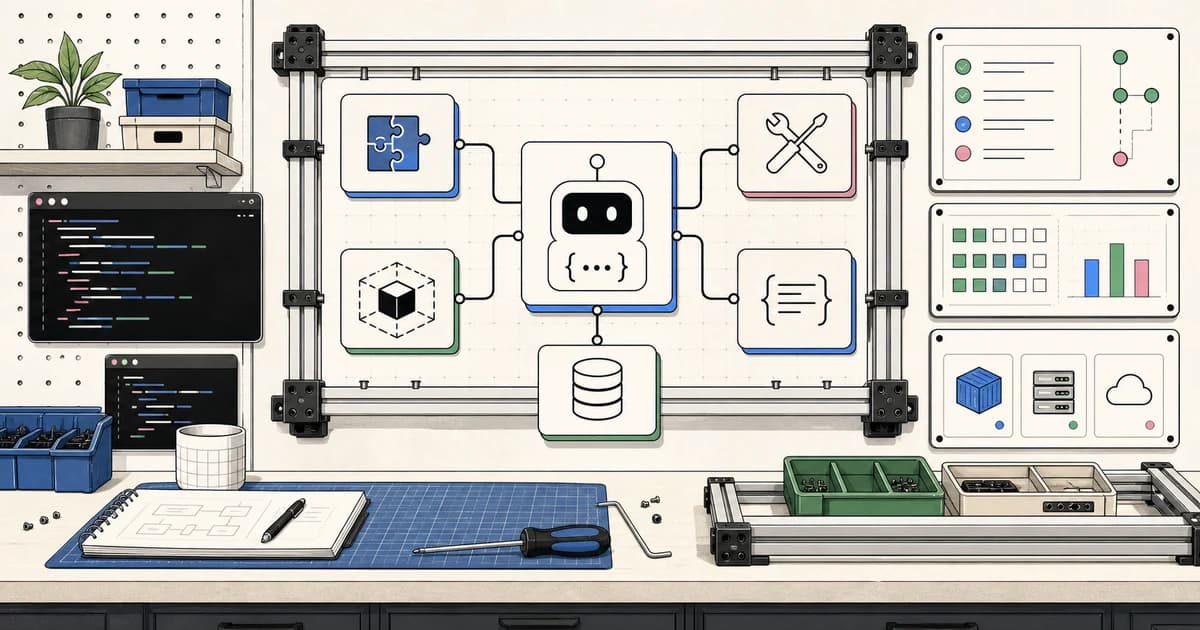
Flue and the Agent Harness Layer
Flue is trending because it names the part of agent infrastructure that is becoming product-critical: the programmable harness around the model.
8 min read
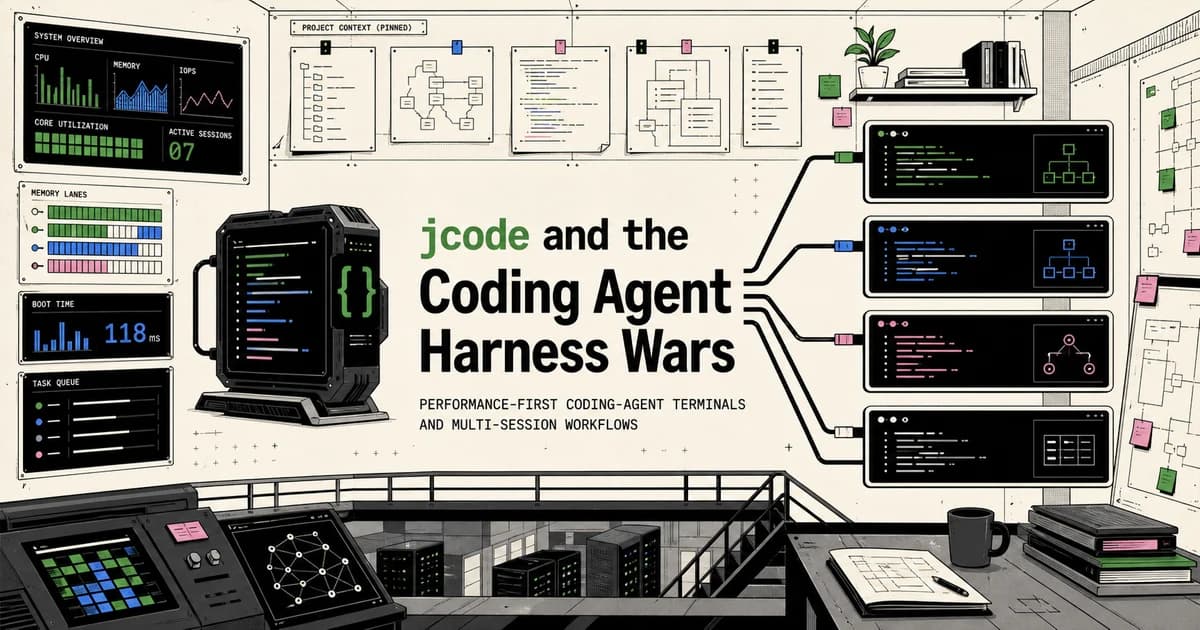
jcode and the Coding Agent Harness Wars
jcode is trending because it competes on a less glamorous but important agent metric: how cheap it is to keep many coding sessions alive.
8 min read

ML Intern Shows Where Coding Agents Are Heading: Domain Tools, Not Generic Chat
Hugging Face's ml-intern is trending because it narrows the agent loop around one domain: papers, datasets, model training, Hub traces, and ML shipping workflows.
8 min read
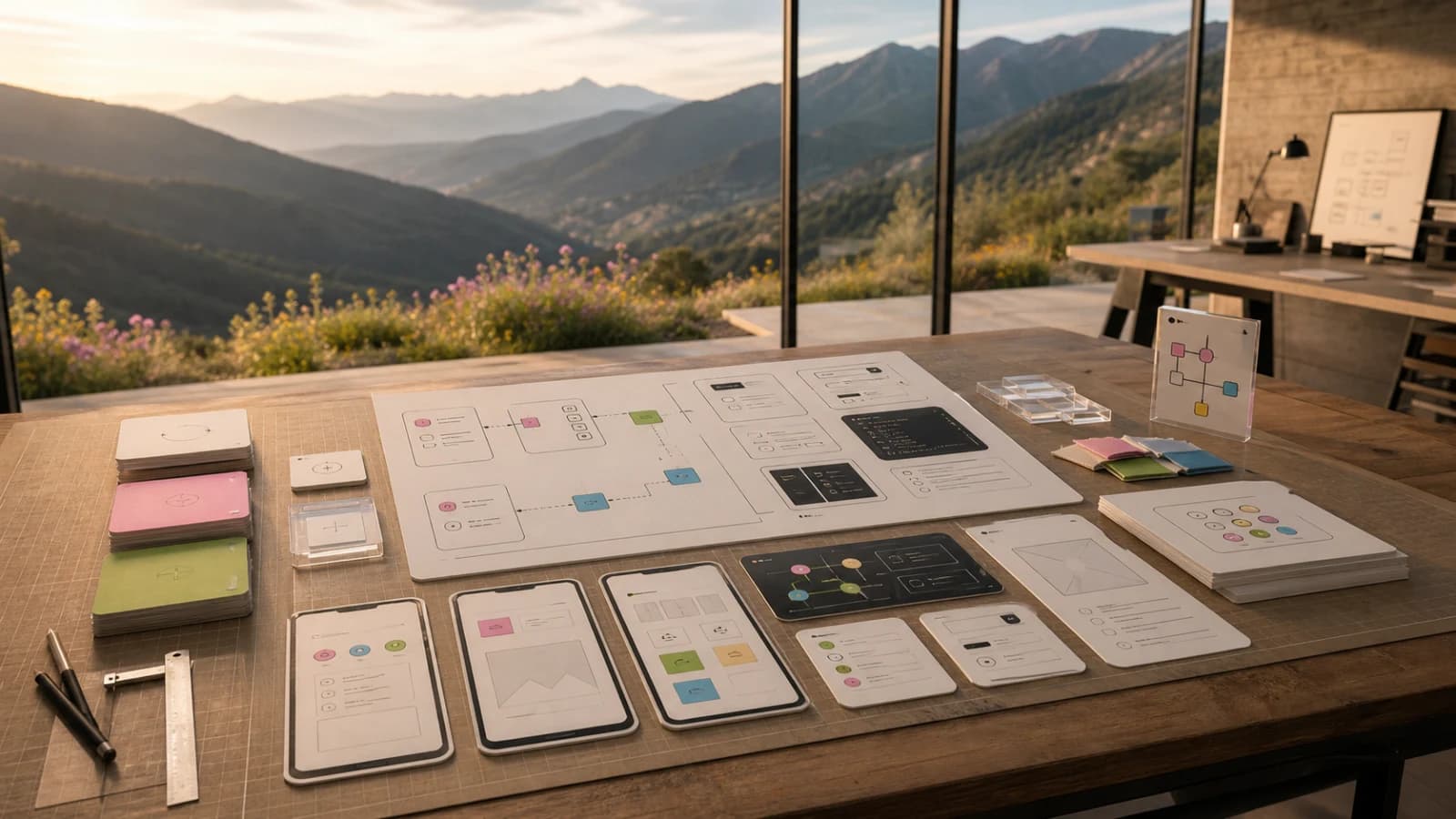
Open Design Shows the Next Agent Wrapper
Open Design is trending because it turns Claude Code, Codex, Cursor, Gemini, and other CLIs into a design engine. The useful lesson is not design automation. It is artifact-first agent wrappers.
8 min read
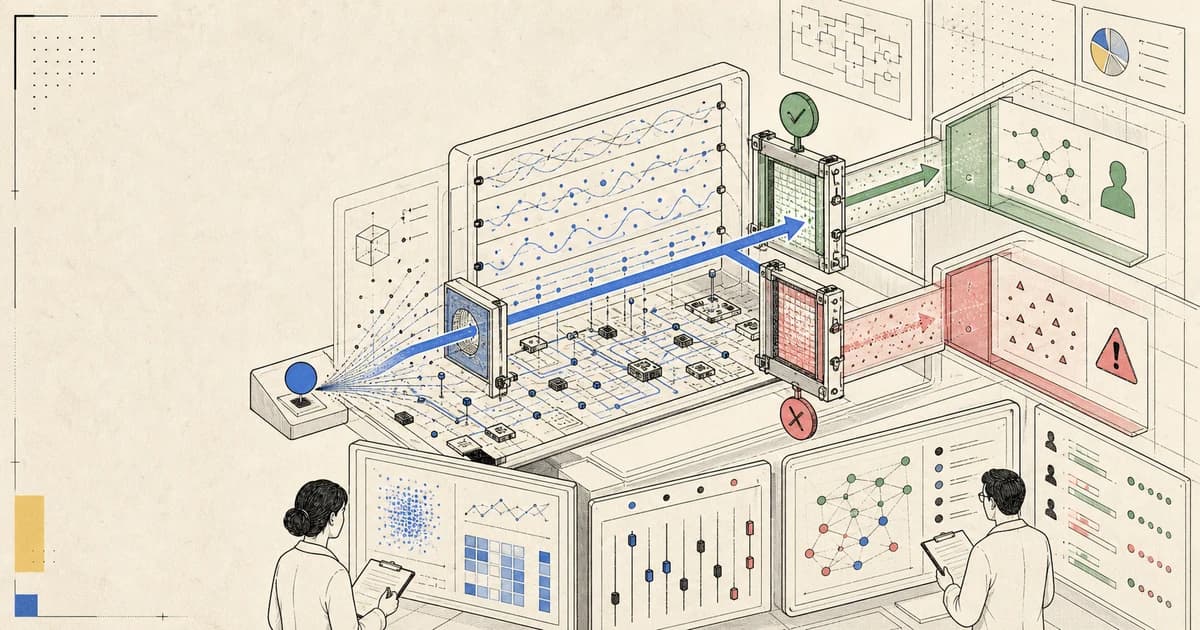
Refusal Directions Are a Systems Problem
A trending refusal-direction paper is a reminder that model safety cannot be treated as a thin refusal layer. Builders need layered controls around the model.
8 min read
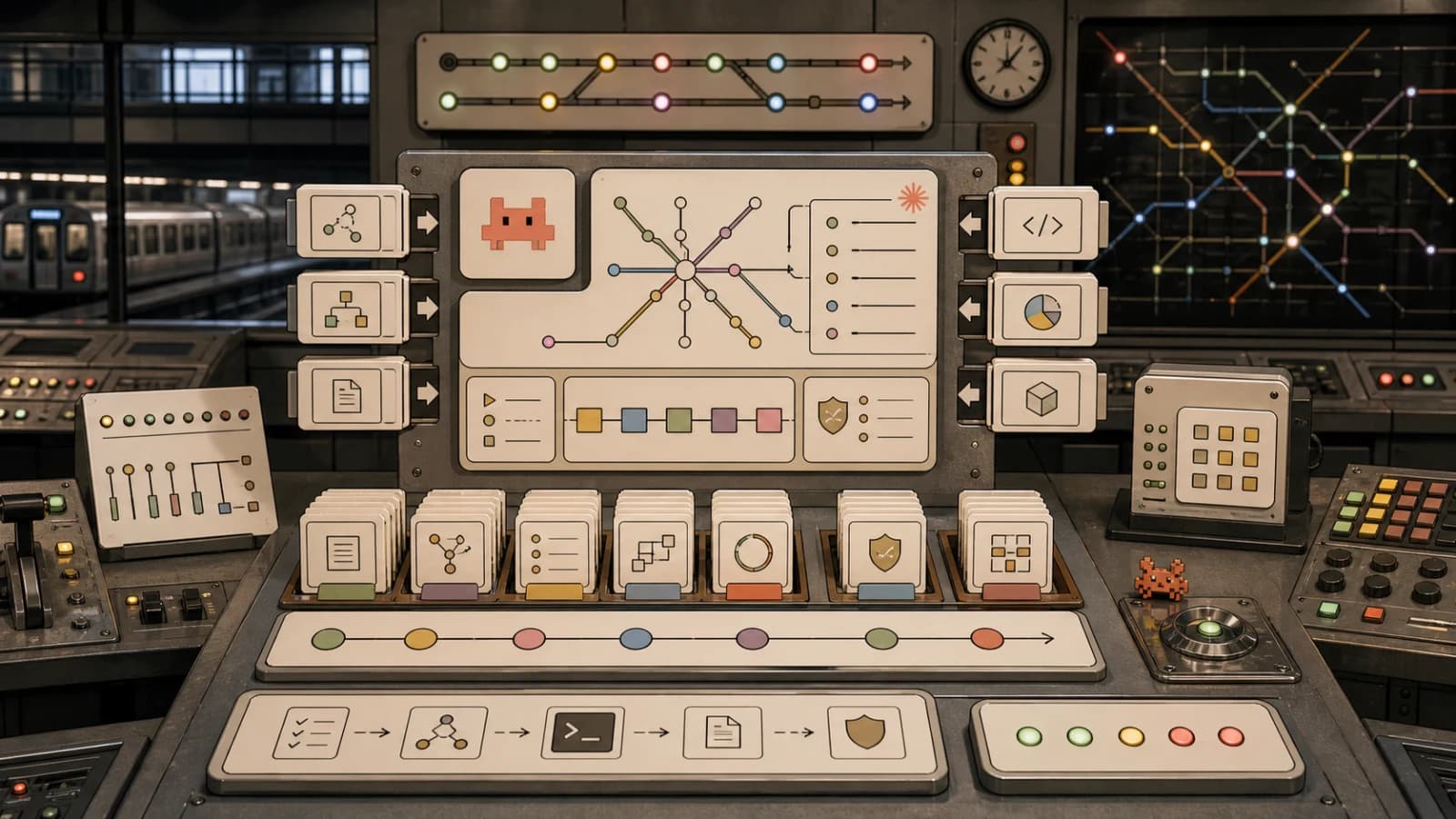
Skills Are the New Agent Operating System
GitHub trending is full of agent skill frameworks. The real shift is not bigger prompts or more agents. It is turning team process into inspectable, reusable operating instructions.
9 min read

Cloudflare Agent Memory: A Developer's Guide to the New Primitive
Cloudflare's Agent Memory primitive. What it stores, latency profile, how it compares to mem0, and how to wire it into your stack.
9 min read

GPT-5.4 for Developers: The Production Guide
GPT-5.4 ships state-of-the-art computer use, steerable thinking, and a million-token window. Here is the implementation guide for builders, with real OpenAI SDK code, the 272K pricing cliff, and where it actually beats 5.3 and 5.5 in production.
12 min read
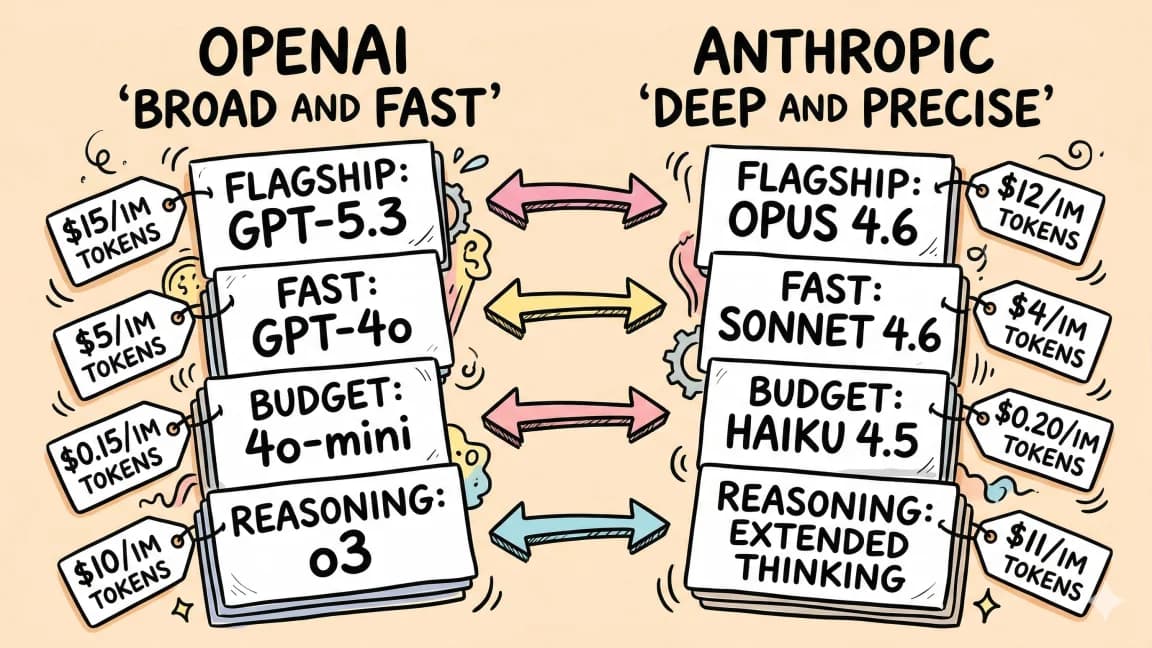
GPT-5.5 for Developers: A Production Field Guide
GPT-5.5 and 5.5 Pro hit the API on April 24. Here is what changes for builders: pricing, agentic tasks, tool-use, and the real benchmarks I ran the day it dropped.
11 min read
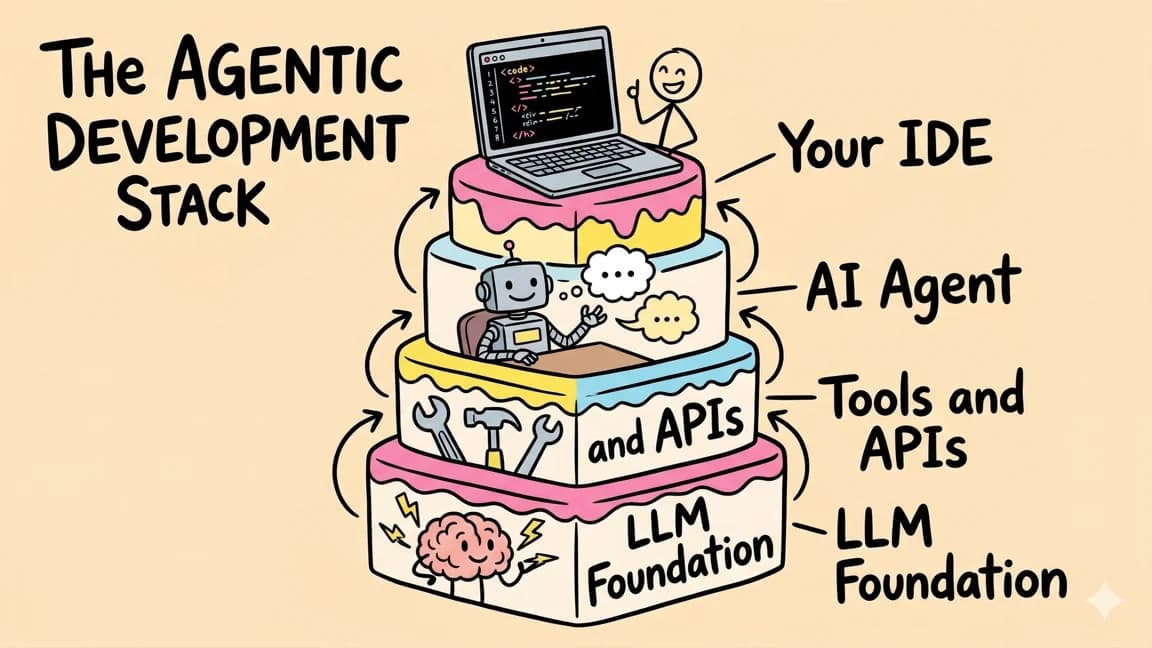
Vercel's Agentic Infrastructure Stack Explained
Vercel just declared the agent stack: AI Gateway, Sandbox, Flags, and Microfrontends. Here is how the four primitives compose, with code, and where each one actually fits in a real product.
12 min read
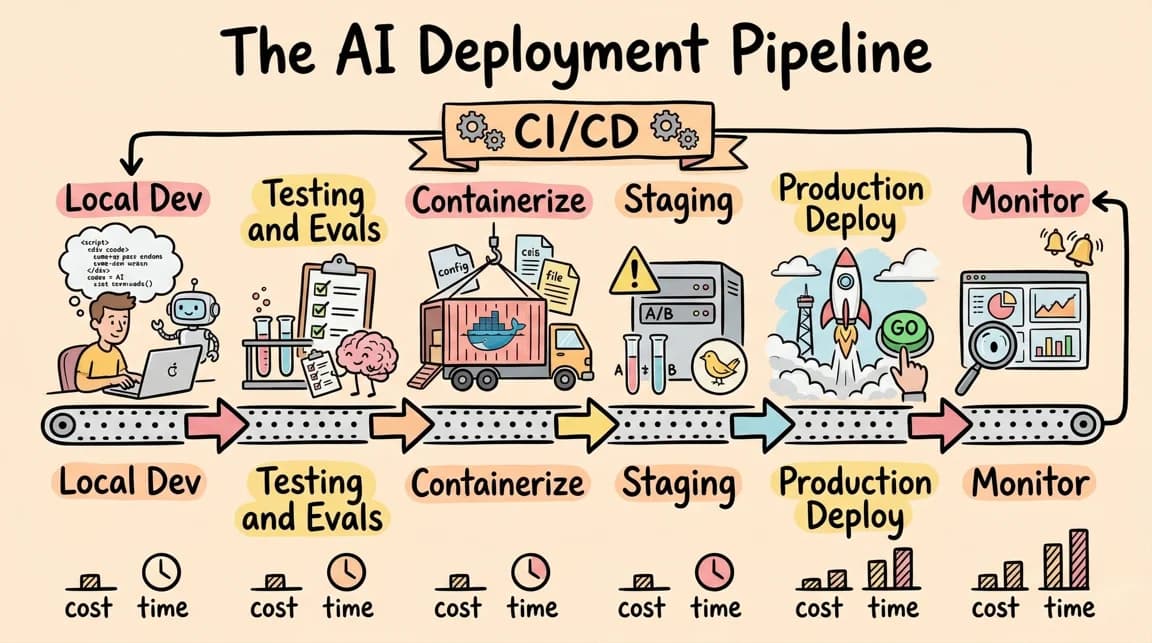
Vercel's New Durable Execution Programming Model: A Developer's Guide
Durable execution lands on Vercel. What it means for agents, long-running flows, and indie dev stacks - with code, gotchas, and where it fits the agent stack.
10 min read
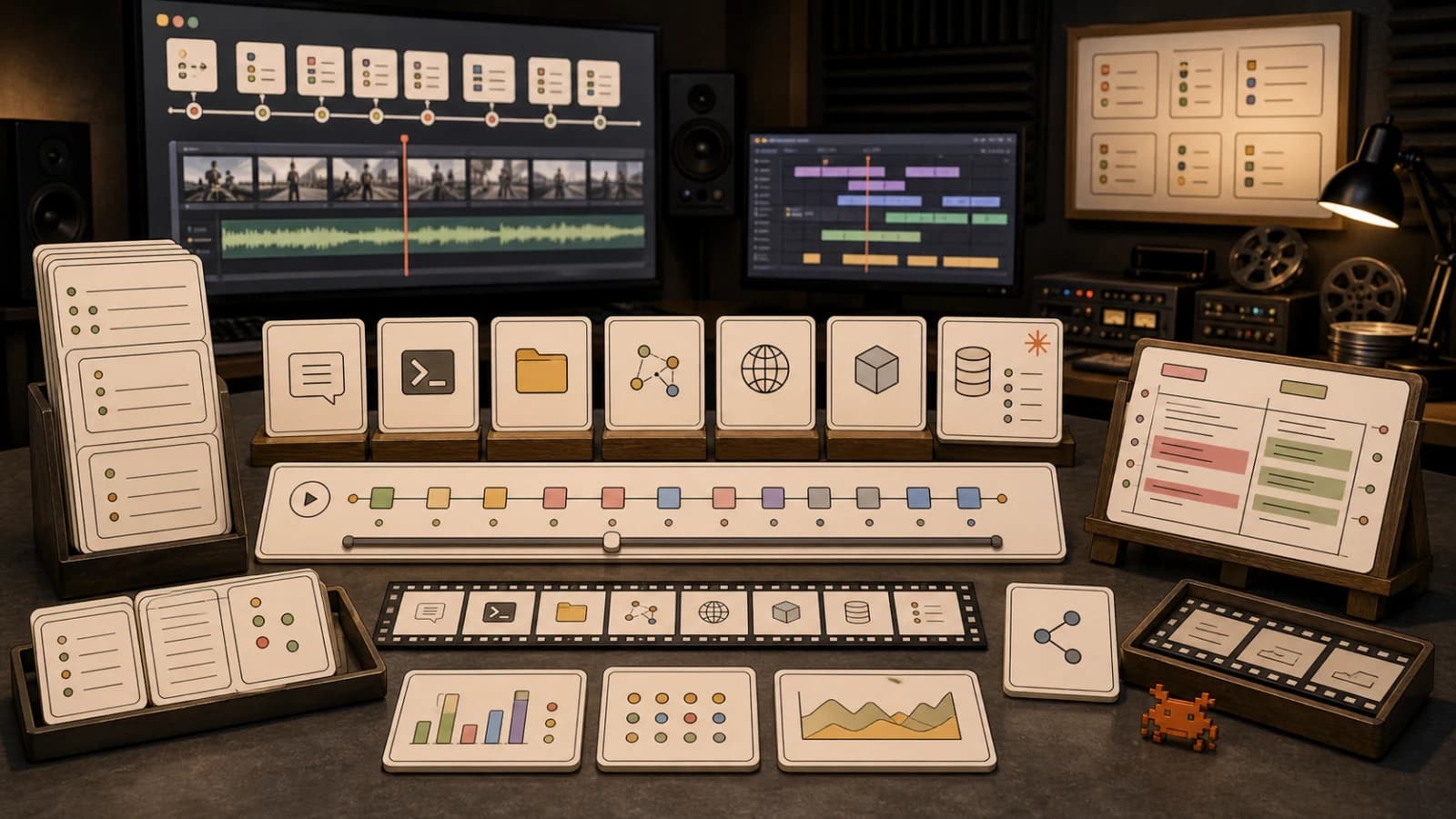
Agent Replays with TraceTrail: Loom for Agent Runs
Agent runs are opaque. TraceTrail turns a Claude Code JSONL into a public share link with a stepped timeline of messages, tool calls, and tokens.
8 min read
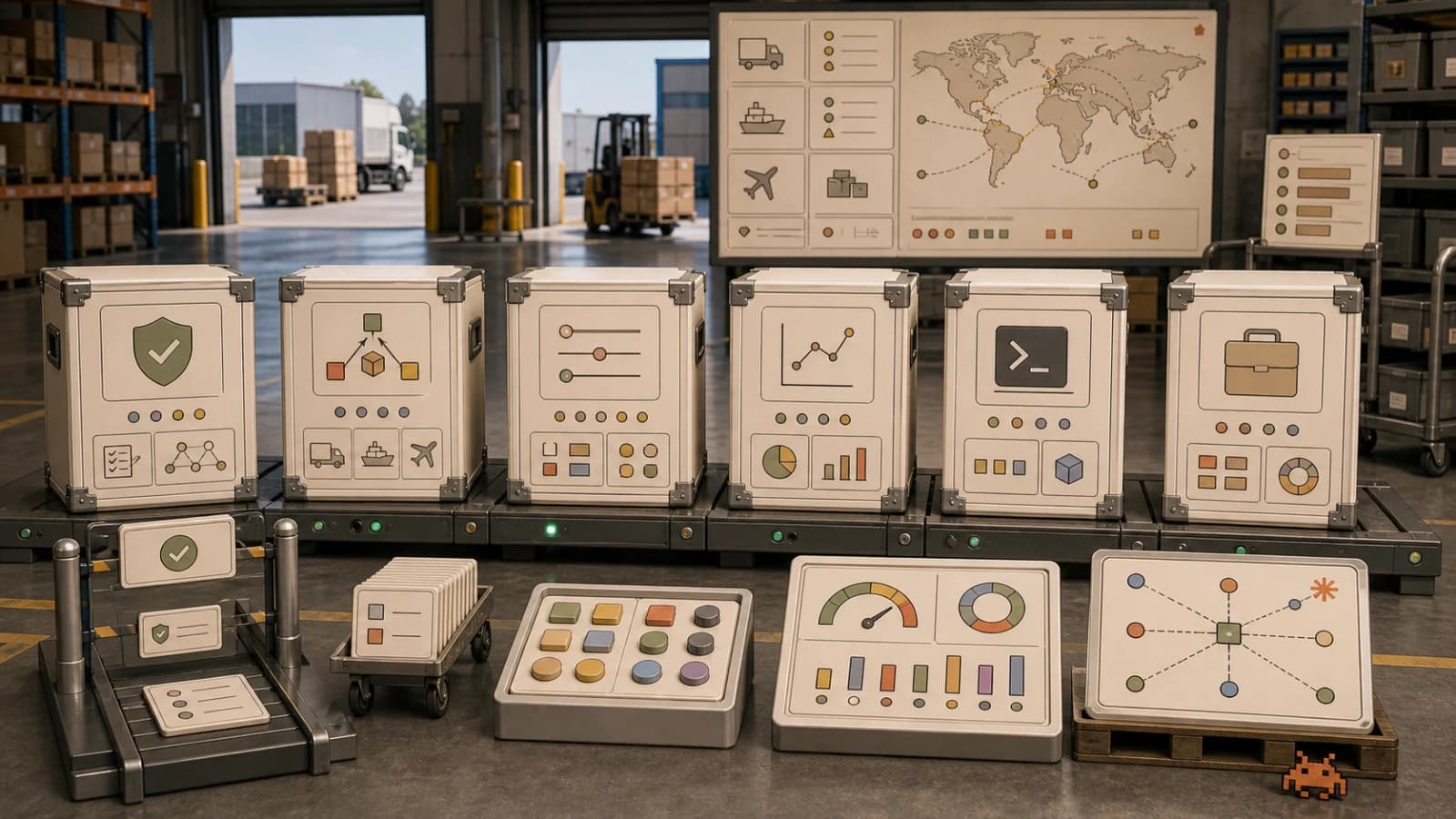
Six More Tools for the Agent Infrastructure Stack
The second half of our agent tooling release: distribution, validation, and ergonomics layered on top of the first six. Six small CLIs, one through-line.
9 min read

How I'm Building 24 AI-Powered Apps in Parallel
One dev, one CLI, 24 subdomains, and a lot of parallel agents. The playbook for shipping an AI app portfolio.
9 min read
Claude Code Loops: Recurring Prompts That Actually Run
Claude Code now has a native Loop feature for scheduling recurring prompts - from one-minute intervals to three-day windows. Fix builds on repeat, summarize Slack channels, email yourself pull request digests. All from the CLI.
6 min read
OpenAI's GPT 5.4 in 10 Minutes
State-of-the-art computer use, steerable thinking you can redirect mid-response, and a million tokens of context. GPT 5.4 is OpenAI's most capable model yet.
8 min read

Claude Code: Remote Control, Auto Memory, Plugins & More
Anthropic dropped a batch of updates across Claude Code and Cowork - remote control from your phone, scheduled tasks, plugin repos, auto memory, and stats showing 4% of GitHub public commits now come from Claude Code.
5 min read
Claude Code Worktrees: Parallel Development Without the Chaos
Anthropic brought git worktrees to Claude Code. Spawn multiple agents working on the same repo simultaneously - no merge conflicts, no context pollution, and your main branch stays clean.
6 min read
Related Tools
All tools →Claude Code
Daily DriverAnthropic's agentic coding CLI. Runs in your terminal, edits files autonomously, spawns sub-agents, and maintains memory across sessions. Powered by Claude Opus 4.
AI CodingOpenAI Codex
AgentOpenAI's coding agent for terminal, cloud, IDE, GitHub, Slack, and Linear workflows. Reads repos, edits files, runs commands, and returns reviewable diffs.
AI CodingDeepSeek-TUI
Open sourceOpen-source terminal agent runtime with approval modes, rollback snapshots, MCP servers, LSP diagnostics, and a headless HTTP API. Uses DeepSeek models by default.
AI CodingWindsurf
Codeium's AI-native IDE. Cascade agent mode handles multi-file edits autonomously. Free tier with generous limits. Strong alternative to Cursor.
AI CodingDevin
Cognition Labs' autonomous software engineer. Handles full tasks end-to-end - reads docs, writes code, runs tests, and submits PRs in an isolated sandbox.
AI CodingVercel AI SDK
EssentialThe TypeScript toolkit for building AI apps. Unified API across OpenAI, Anthropic, Google. Streaming, tool calling, structured output, multi-step agents. 50K+ GitHub stars.
AI FrameworksCopilotKit
Agent UIFrontend stack for agent-native apps. React hooks, prebuilt copilot UI, AG-UI runtime, frontend tools, shared state, and human-in-the-loop flows.
AI FrameworksClaude Agent SDK
NewAnthropic's Python SDK for building production agent systems. Tool use, guardrails, agent handoffs, and orchestration. Released alongside Claude 4.
AI FrameworksLangChain / LangGraph
Most popular LLM framework. 100K+ GitHub stars. Chains, RAG, vector stores, tool use. LangGraph adds stateful multi-agent workflows with cycles and persistence.
AI FrameworksComposio
Gives AI agents access to 250+ external tools (GitHub, Slack, Gmail, databases) with managed OAuth. Handles the auth and API complexity so your agent doesn't have to.
AI FrameworksOpenAI Agents SDK
Lightweight Python framework for multi-agent systems. Agent handoffs, tool use, guardrails, tracing. Successor to the experimental Swarm project.
AI FrameworksCrewAI
Multi-agent orchestration framework. Define agents with roles, goals, and tools, then assign them tasks in a crew. Python-based. Great for complex workflows.
AI FrameworksMastra
TypeScript-first AI agent framework. Agents, tools, memory, workflows, RAG, evals, tracing, MCP, and production deployment for Node.js apps.
AI FrameworksChatGPT
OpenAI's flagship. GPT-4o for general use, o3 for reasoning, Codex for coding. 300M+ weekly users. Tasks, agents, web browsing, DALL-E, code interpreter.
AI ModelsDeepSeek V3.2
DeepSeek's reasoning-first model built for agents. First model to integrate thinking directly into tool use. Ships alongside V3.2-Speciale, which rivals GPT-5 and Gemini 3.0 Pro.
AI ModelsAugment Code
AI coding platform built for large, complex codebases. Context Engine indexes 500K+ files across repos with 100ms retrieval. Intent desktop app orchestrates parallel agents.
AI CodingKimi Code
Open-source terminal coding agent from Moonshot AI. Powered by Kimi K2.5 (1T params, 32B active). 256K context window. Agent Swarm runs up to 100 parallel sub-agents.
AI CodingDroid
Factory AI's terminal coding agent. Runs Anthropic and OpenAI models in one subscription. Handles full tasks end-to-end - refactors, incident response, migrations.
AI CodingAgency Swarm
Multi-agent orchestration framework built on the OpenAI Agents SDK. Define agent roles, typed tools, and directional communication flows. Production-focused, open-source.
AI FrameworksPydantic AI
Type-safe Python agent framework from the Pydantic team. Brings the FastAPI feeling to AI development. Composable tools, durable execution, and full IDE autocomplete.
AI FrameworksBrowser Harness
Self-healing browser automation harness that lets LLMs complete any browser task. 5,000+ stars in under a week.
InfrastructureObscura
Headless browser built in Rust for controlled AI-agent browser tasks. Lighter and faster than Chromium-based alternatives.
InfrastructureClaude Fable 5
NewAnthropic's first generally available Mythos-class model, released June 9, 2026. 1M context, 128K max output, $10/$50 per million tokens. Built for long-horizon agentic work.
AI ModelsClaude Opus 4.8
Anthropic's recommended default for complex work, released May 28, 2026. 1M context, 128K output, $5/$25 per million tokens. Defaults to high effort on all surfaces.
AI ModelsOpenCode
Open sourceOpen-source AI coding agent for terminal, desktop, and IDE. Works with 75+ LLM providers including Claude, GPT, Gemini, and local models. Runs parallel sessions on one project.
AI CodingJules
Google's asynchronous coding agent. Point it at a GitHub repo, it clones to a cloud VM, plans with Gemini, and opens a pull request. Tiered plans from 15 to 300 tasks per day.
AI CodingGoose
Open sourceOpen-source AI agent built in Rust, now governed by the Agentic AI Foundation at the Linux Foundation. Desktop app, CLI, and API. 15+ model providers, 70+ MCP extensions.
AI CodingConductor
Mac app for running parallel Claude Code, Codex, and Cursor agents in isolated workspaces. Watch every agent work at once, then review and merge their changes.
AI CodingE2B
Open sourceOpen-source cloud sandboxes for AI agents. Isolated environments that start in under 200ms, run code in Python, JavaScript, and more, and persist sessions up to 24 hours.
InfrastructureGuides
All guides →Claude Code Setup Guide
Configure Claude Code for maximum productivity -- CLAUDE.md, sub-agents, MCP servers, and autonomous workflows.
GuideAGENTS.md - Claude Code
Define custom subagent types within your project's memory layer.
GuideSubagents - Claude Code
Spawn isolated workers with independent context windows.
GuideBuilt-in Subagents - Claude Code
Researcher, auditor, reviewer, and other ready-made subagent types.
GuideSubagent MCP Scoping - Claude Code
Route specific MCP servers only to specific subagents.
GuideResume Subagents - Claude Code
Continue a subagent's work across sessions.
GuideSubagentStart and SubagentStop Hooks - Claude Code
Fire when subagents spawn and finish.
GuideAgent-Based Hooks - Claude Code
Spawn subagents to handle complex hook logic.
GuideKeep exploring
More on Agents
- - Claude Code - recommended Agents tool from the Developers Digest directory
- - Compare Tools - dive deeper across the Developers Digest knowledge base
- - All Agents articles in the blog archive
- - Developers Digest on YouTube - video tutorials covering Agents and more

Get Smarter About AI Dev
New tutorials, open-source projects, and deep dives on coding agents - delivered weekly.
One email per weekReal code, not theoryFree forever
Explore 938 topics
Browse All Topics