Topic
CODEX
OpenAI Codex - CLI, IDE integration, and how it compares to Claude Code and Cursor.
91 resources - 88 posts, 2 tools, 1 guide
Blog Posts
View in blog →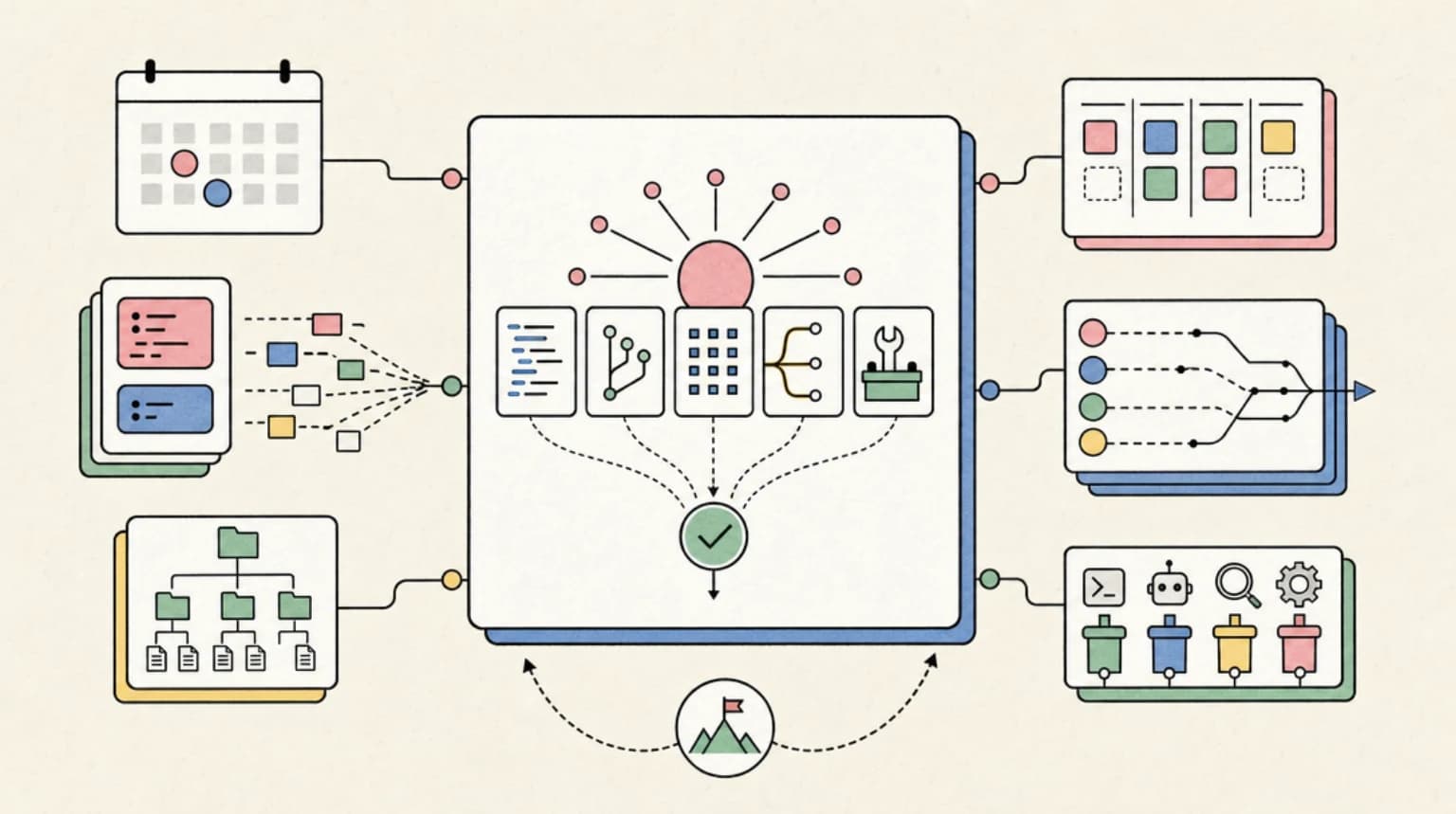
GPT-6.1 Sol Release Guide: Near-Astra Agentic Work at $2/$10 and $0.10 Cache Reads
OpenAI shipped GPT-6.1 Sol on September 29: near-Astra benchmark scores at a fifth of Astra's price, cache reads cut to $0.10 per million tokens, 1.05M context, and same-day Codex availability. The verified pricing, the Astra 6.1 safety hold, the community read, and how to run it.
7 min read
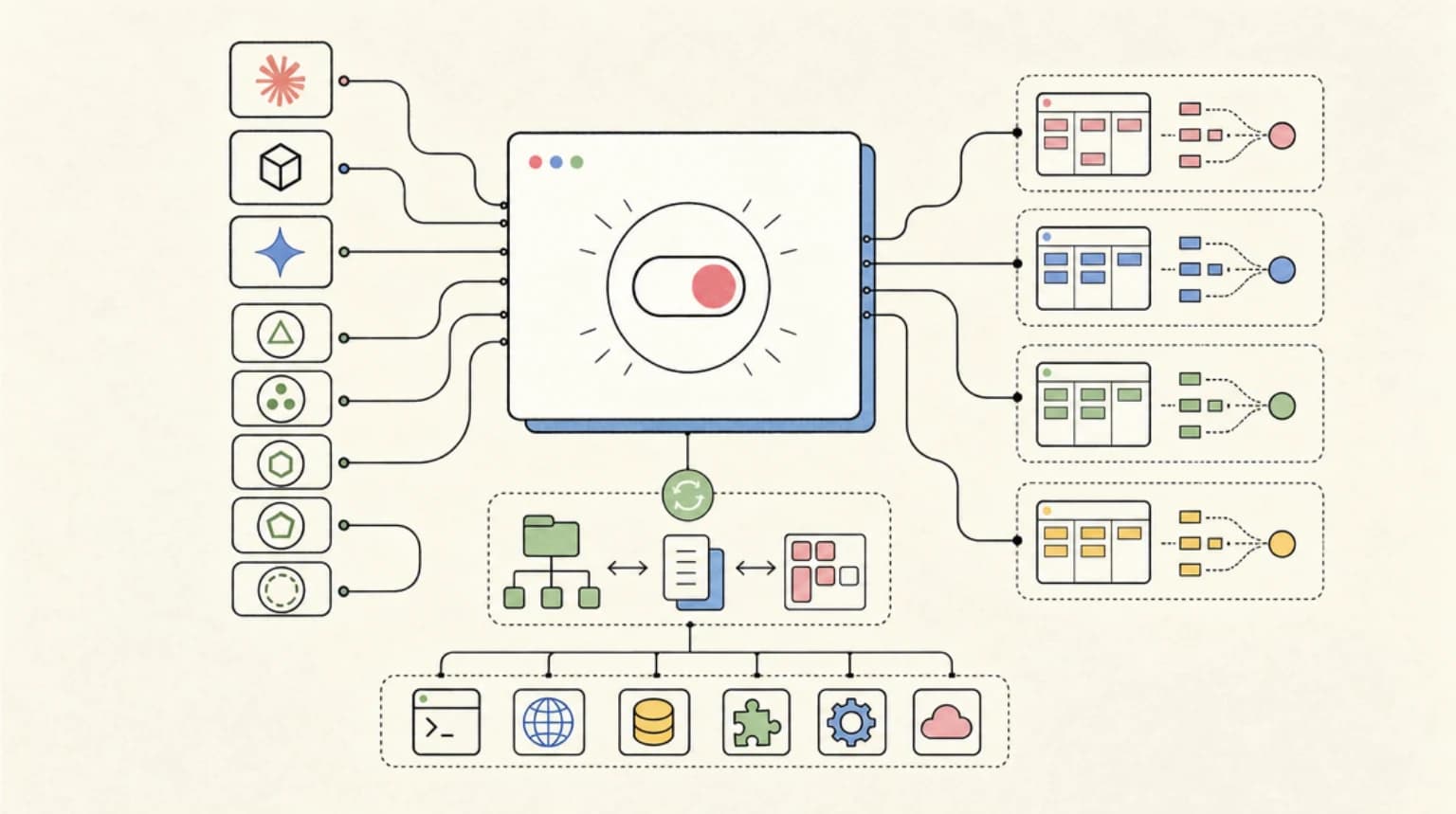
CC Switch Guide: Manage Claude Code and Codex Providers From One App (2026)
CC Switch is an open-source desktop app that switches API providers for Claude Code, Codex, Gemini CLI and seven other agents in one click, and syncs MCP servers, skills, and prompts between them. Here is what it does, how to install it, and how to use it safely across Claude Code and Codex.
9 min read
Codex Usage Limits and Pricing in 2026: Pro 100, Pro 200, Pro 500, Resets, and 'Model at Capacity' Errors
Codex is included in ChatGPT plans from Free to Enterprise. On September 29, 2026, OpenAI reopened Pro $200 with roughly half the old usage value, added Pro $500 with Astra Ultrafast, and left Plus at $20/month. Existing Pro $200 subscribers keep their old allowance through October 29, 2026. Here is how resets work, what each plan buys, and what to do about 'Selected model is at capacity'.
14 min read

GPT-6 Astra Release Guide: Benchmarks, $10/$50 Pricing, and How to Run It in Codex and OpenCode
GPT-6 Astra is OpenAI's max-capability model: 1.05M context, $10/$50 per million tokens, the first OpenAI model rated Critical for cyber, and new highs on Terminal-Bench 4.0 and OSWorld 2.0. What it is, what the benchmarks do and do not say, and the verified commands to try it.
8 min read

GPT-6 in 7 Minutes: Astra, Sol, and Luna Explained for Developers
A developer-first overview of the GPT-6 family: what Astra, Sol, and Luna are, what each costs per million tokens, the three new API features (async tool calling, mid-turn steering, cache-safe reasoning changes), and how to try each tier in Codex and the API today.
7 min read

HeyGen CLI in Claude Code and Codex: Generate AI Avatar Videos From Your Terminal
The HeyGen CLI lets Claude Code and Codex create, fetch, and download AI avatar videos from the terminal. Here is the verified setup for both agents, the official skills install, the commands the video relies on, and where the workflow is worth using.
8 min read

How to Use Claude Code and Codex With Meta Muse: Every Setup That Actually Works
You cannot install Claude Code or Codex inside the Meta Muse app, but you can run both agents on Muse Spark 1.3 through the Meta Model API, use Muse Spark from OpenCode Go, and bring your Claude Code and Codex setup into Muse Code. Here are the verified configs.
10 min read

OpenAI DevDay 2026: What to Expect - Confirmed, Reported, and Rumored
OpenAI DevDay 2026 is Tuesday, September 29 at Fort Mason in San Francisco, with Sam Altman's keynote livestreamed free at 10:00 a.m. PT. What OpenAI has confirmed, what Fortune and BleepingComputer have reported, which rumors are still unconfirmed, and what each would change for developers.
8 min read

GPT-6 World Building: One HTML File to an Interactive Three.js World
The latest Developers Digest demo has GPT-6 driving Codex to build a single-file Three.js world - five walkable rooms with AI-generated wall assets and even a museum room that teaches LLM concepts. Here is the verified toolchain and when this web-native 3D path wins.
7 min read

GPT-6 and Blender: Build a Playable 3D Game With Codex and AI Video
GPT-6 Astra drove Codex to script a playable Mars car game in Blender, then turned the same 3D assets into cinematic trailers with Higgsfield's Blender plugin and Seedance video. Here is the verified toolchain, plugin setup, and when this workflow beats text-to-video.
8 min read
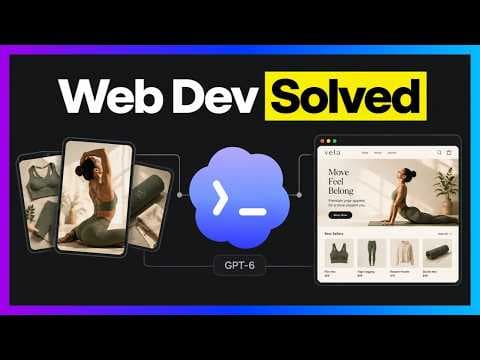
How GPT-6 Astra Builds a Real E-Commerce Site: Product Shots, Pages, and an AI Video Hero
GPT-6 Astra built a complete yoga clothing store from one prompt in the latest Developers Digest video - generated product photography, click-through product pages, and a custom AI video hero, wired through Codex and the Higgsfield CLI. Here is the verified workflow from the docs, plus how Genjutsu re-versions a single video for every market.
8 min read
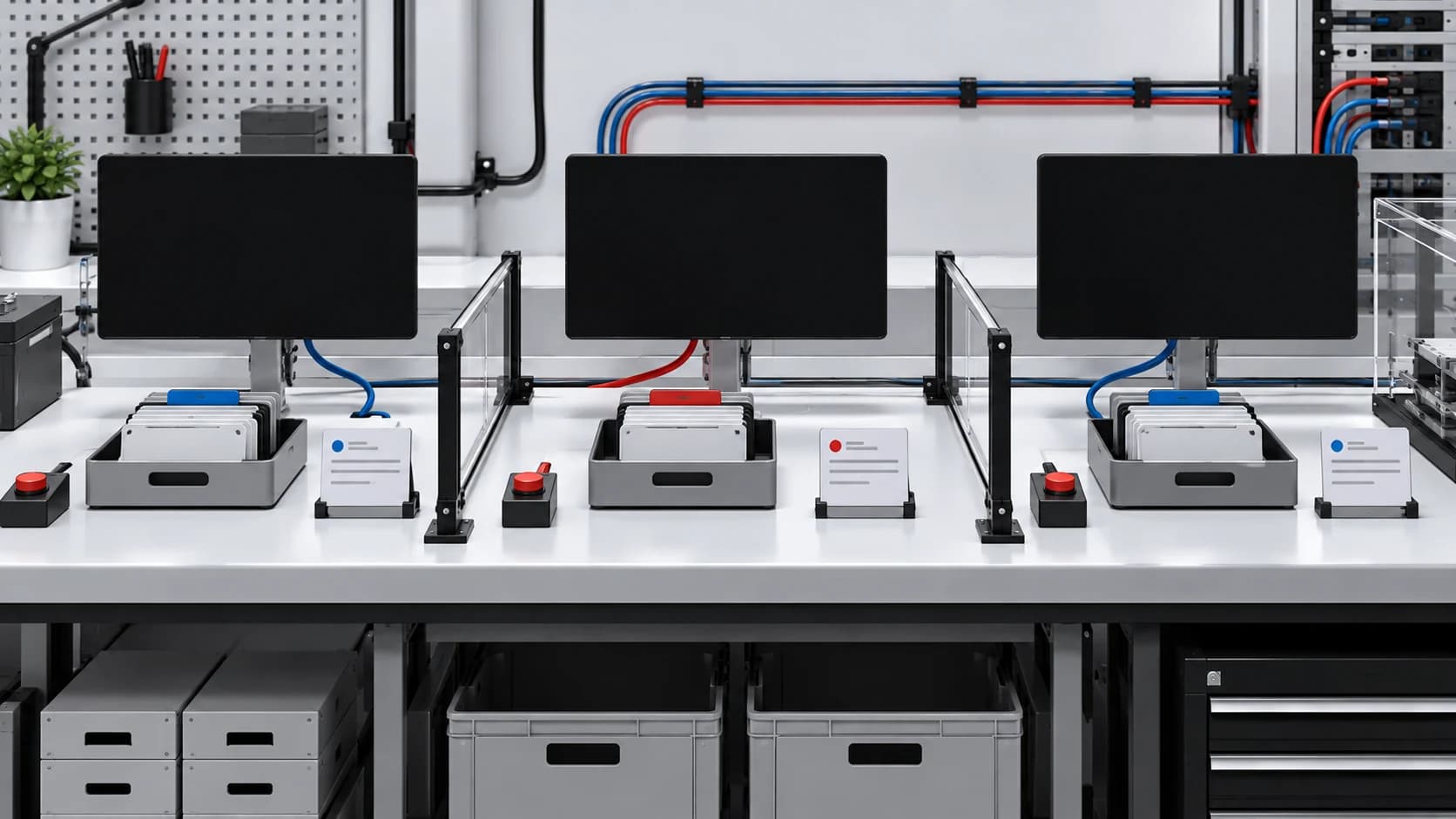
Codex CLI Worktrees Turn Agent Runs Into Durable Sessions
Codex CLI 0.154.0 adds experimental worktrees, inline answers, Windows daemon support, and approval hardening. The important shift is durable agent workspace control.
7 min read

Make Your Coding Agents Talk: Voice Summaries with the Rime CLI
The Rime CLI streams natural-sounding text-to-speech straight from your terminal, so Claude Code, Codex, Devin, and OpenCode can end each step with a brief spoken summary plus a next-step question. Install, commands, flags, and the agent prompt pattern behind the demo.
8 min read
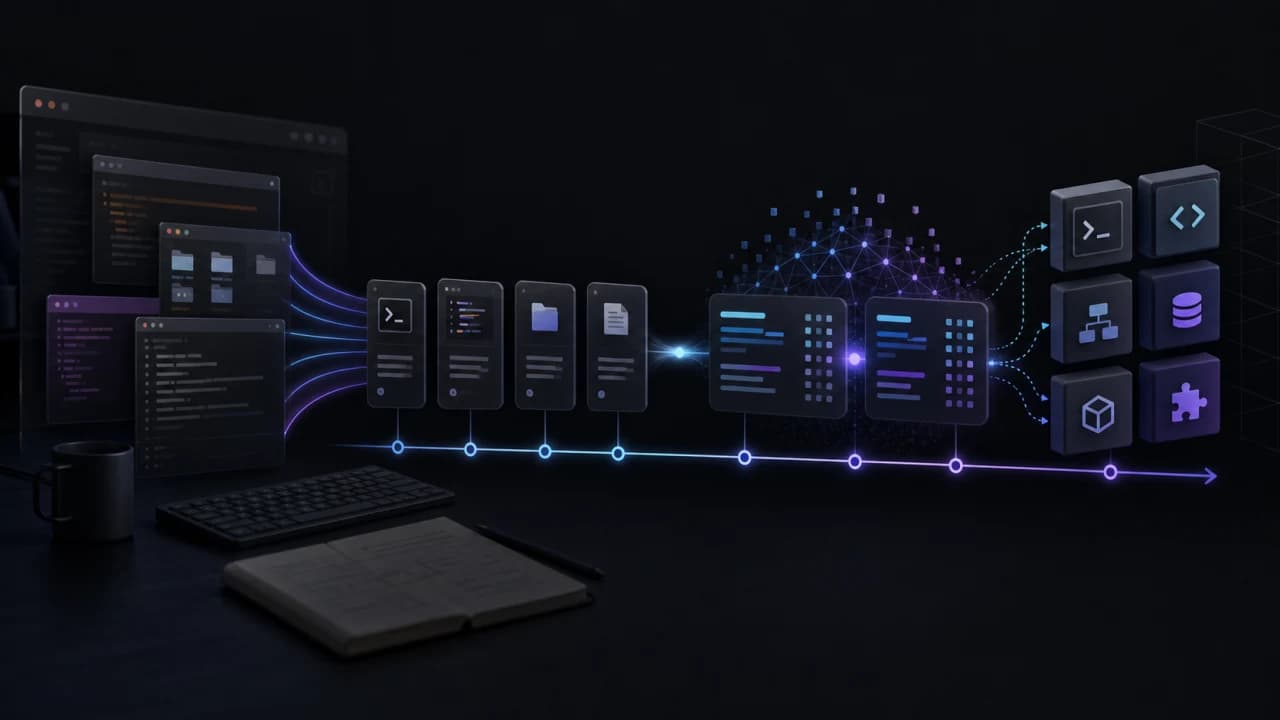
Codex Computer History Turns Repeated Work Into Reusable Skills
Codex Computer History gives agents a rolling view of work across apps. Here is how it works, where it helps, and the privacy boundaries developers should understand.
8 min read

pi vs Claude Code vs OpenCode: Picking Your Agentic CLI
A decision-intent comparison of pi, Claude Code, OpenCode and Codex CLI as your main agentic coding harness in late 2026, with a verified capability matrix and pick-X-if verdicts.
10 min read

How to Make Claude Code 10x Better at Design: Image and Video Assets From the Agent Loop
Claude Code and Codex can build a website in minutes, but the result often looks generic and obviously AI-generated. Higgsfield's MCP and CLI put Nano Banana Pro and Seedance inside the agent loop, so your coding agent generates its own food imagery, hero video, and visual polish before it ships the site.
8 min read
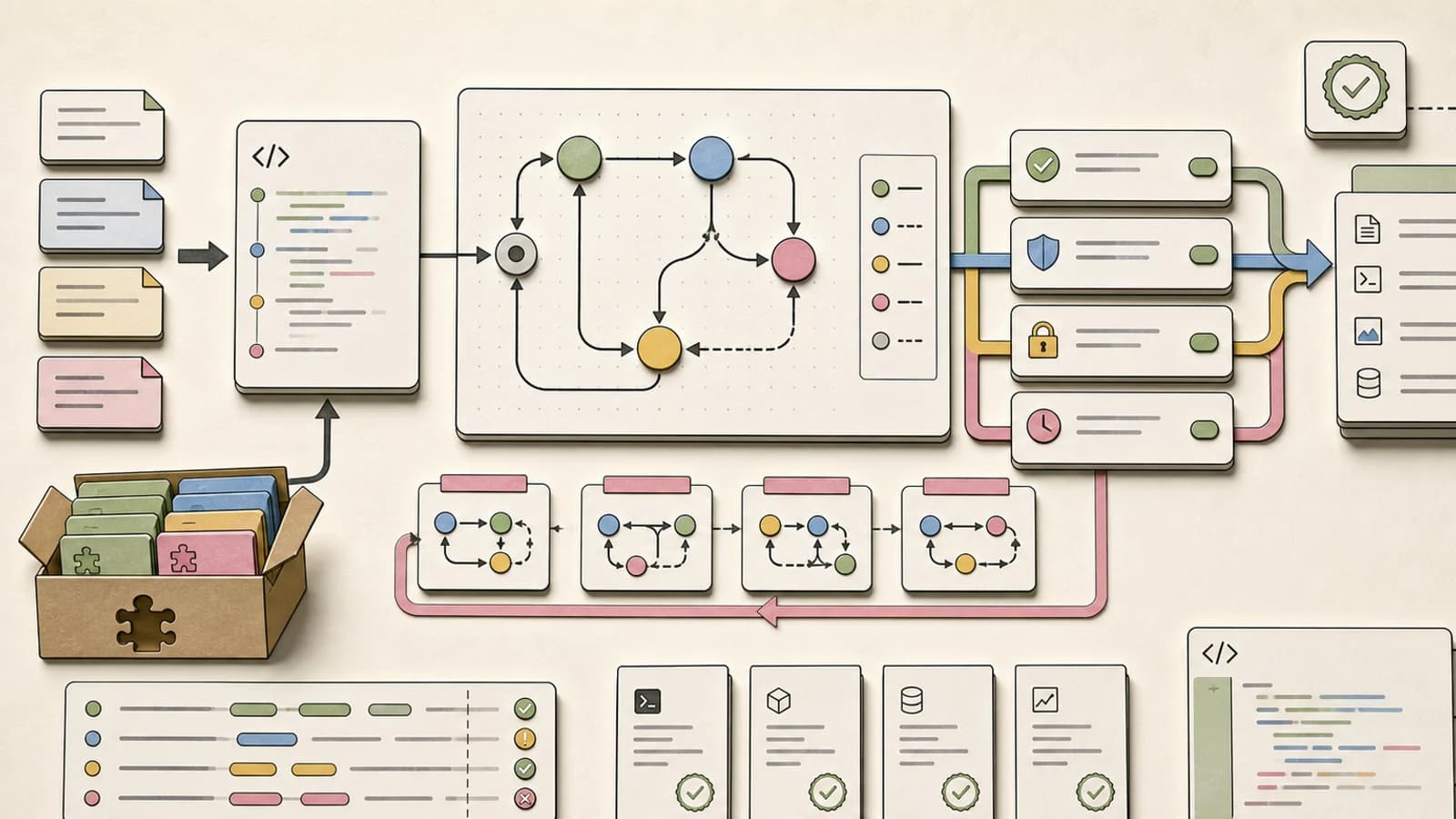
OpenAI Enterprise Signals: The Agentic Gap Is Now Measurable, and It Is Not About Models
OpenAI published real usage data from its enterprise customer base: Codex now drives 64% of enterprise output tokens, and the top 10% of firms generate 8.3x the tokens of typical ones. What the frontier gap says about agentic AI's spread beyond engineering.
7 min read
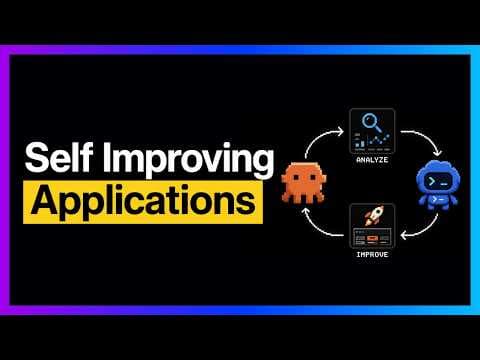
Self-Improving Applications Are Now Cheaper Than Hiring: The Claude Code and Codex Closed Loop
Self-improving applications shift the economics of maintenance. Instead of per-token pricing, you pay per closed issue - and the closed loop (user feedback to GitHub issue to Codex scheduled task to reviewed PR) means the cost is predictable, the fixes are testable, and the human is in the merge decision, not the implementation.
12 min read

Antigravity CLI vs Claude Code vs Codex: The Terminal Agent Field Guide (July 2026)
Google's Antigravity CLI replaced Gemini CLI on June 18, 2026. Here is how it compares to Claude Code and Codex on architecture, pricing, multi-agent workflows, and daily coding experience.
9 min read
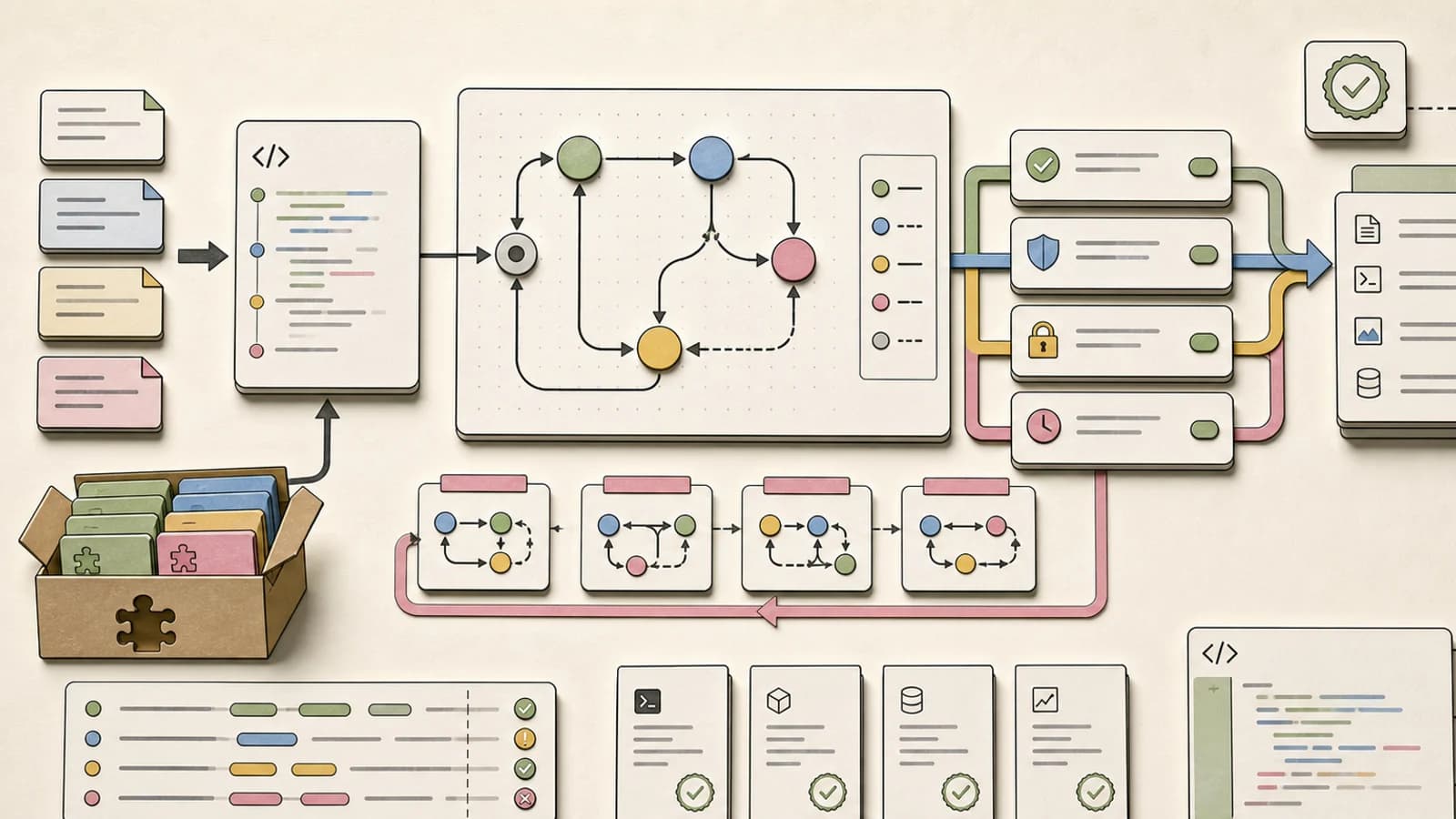
Agent-Manager: A Tmux TUI for Running Claude Code, Codex, and OpenCode Side by Side
Agent-Manager wraps tmux into a Go TUI that groups AI coding agents by project, shows live status for each, and lets you answer blocked agents or review their changes without attaching to their terminal.
7 min read

Multi-Agent CLI Orchestration Tools Compared: Agent-Manager, Pane, and Golutra in 2026
Agent-Manager, Pane, and Golutra let you run multiple CLI coding agents in parallel. Here is the comparison of architectures, agent support, and which fits your workflow.
10 min read

OpenAI Open-Sourced Codex Security: What HN Thinks
OpenAI released the Codex Security CLI and TypeScript SDK as open source on GitHub. The Promptfoo team behind it, the 2.1k-star reception, and what the HN community says about cost, guardrails, and local model support.
7 min read

AI Coding Agent Security Models Compared 2026: Permissions, Sandboxing, and Threat Models for Every Major Tool
How Claude Code, Cursor, Codex, GitHub Copilot, Aider, and Windsurf handle permissions, sandboxing, credential protection, and prompt injection. A structured comparison for engineering teams evaluating agent security.
10 min read
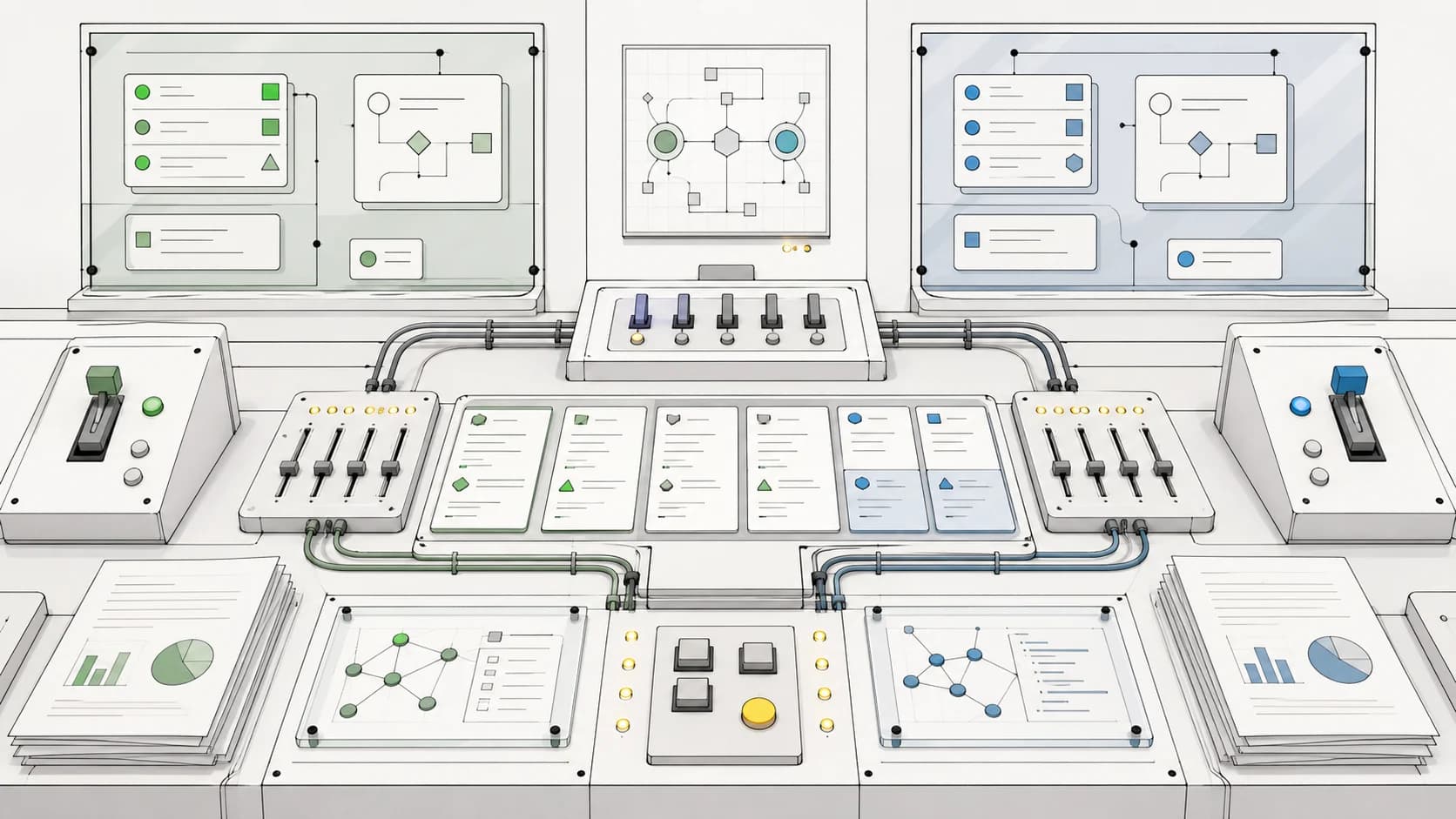
Codex and Claude Code in July 2026: Agent Controls Are the Feature
The late-July Codex and Claude Code updates point in the same direction: coding agents are competing on approval modes, resumable work, MCP auth, artifacts, and review surfaces as much as raw model quality.
8 min read

Securing AI Coding Agents: A Practical Threat Model for 2026
Prompt injection, sandbox escapes, and hallucinated dependencies are now documented, patched, CVE-numbered realities. Here is the threat model for agent-written code and the defenses worth adopting this week, ranked by effort.
13 min read
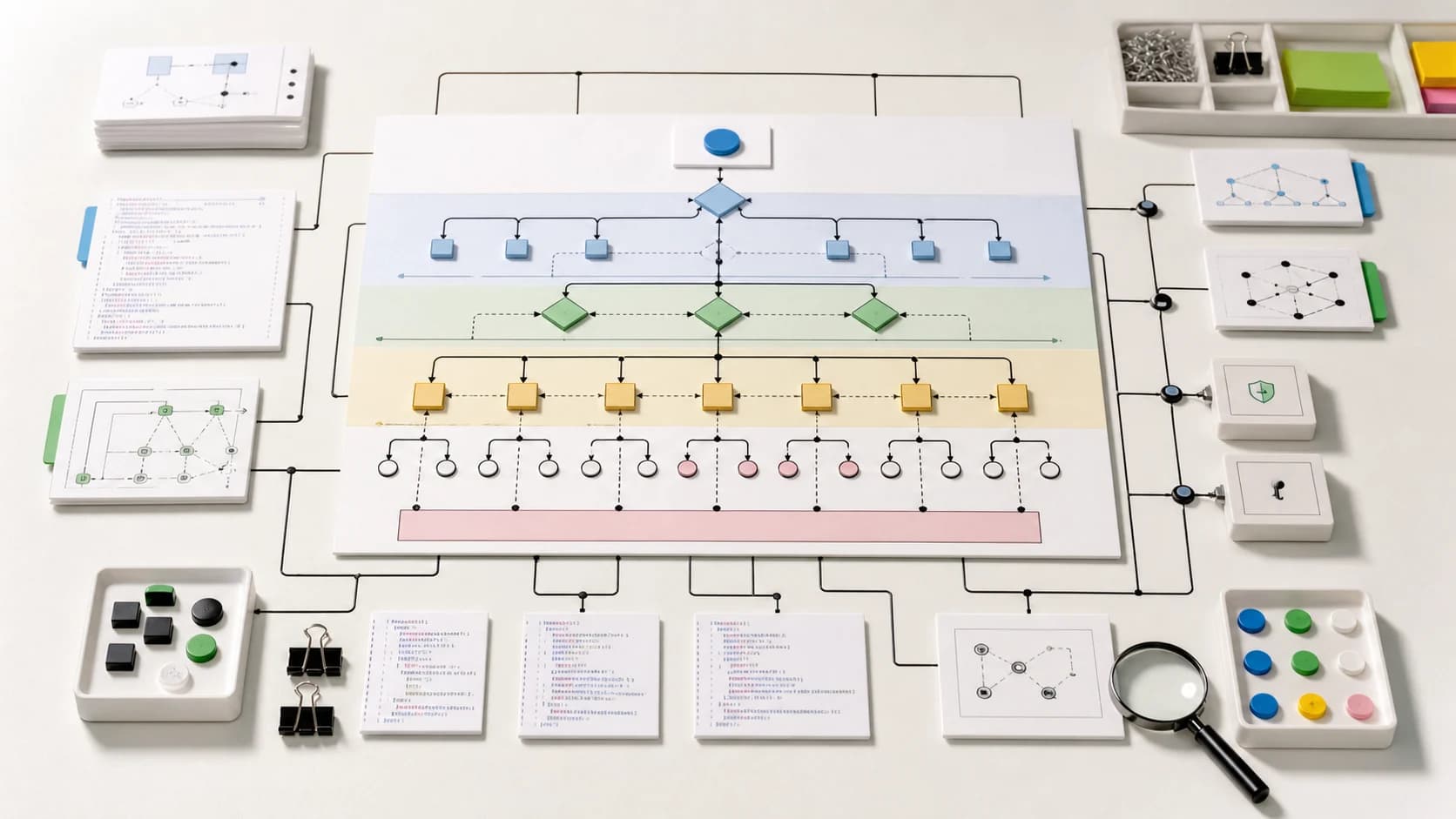
Harness Handbook Shows the Missing Map for Coding Agents
A July 2026 paper from Tencent Hunyuan turns agent harnesses into behavior-level maps. The useful lesson for builders is simple: code search is not enough when one behavior spans prompts, tools, state, permissions, and runtime policy.
8 min read
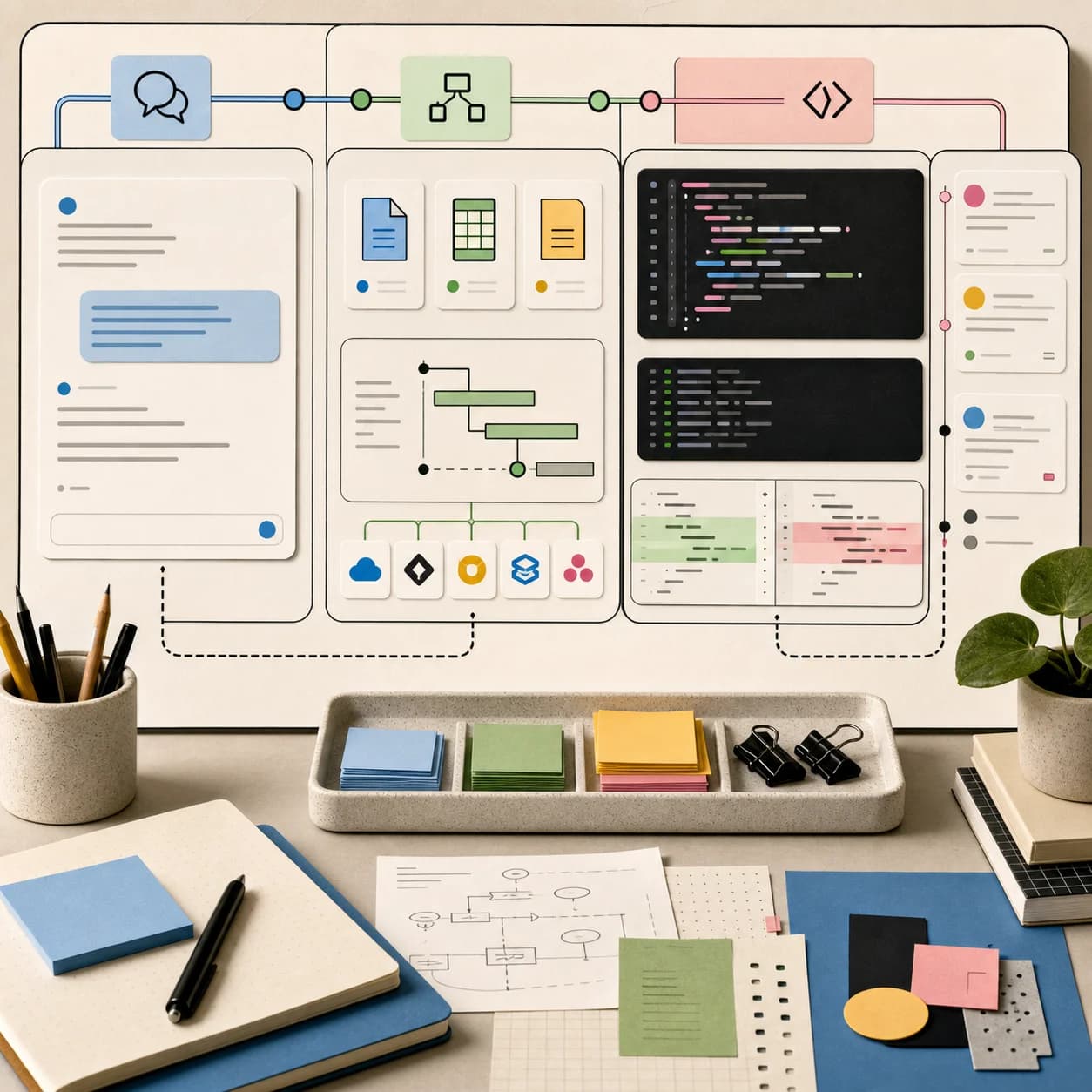
Codex Hits 8 Million Users: What the GPT-5.6 Surge Means for Developers
OpenAI crossed 8 million active users on Codex and ChatGPT Work in one week. Here is what drove the surge, what changed for developers, and what to watch as capacity scales.
7 min read
Codex Now Encrypts Multi-Agent Prompts, Breaking Local Auditability
OpenAI's Codex CLI now encrypts inter-agent communications for Sol and Terra models, leaving users unable to inspect what their agents are actually doing.
5 min read
Vera Shows Agent Safety Needs Test Oracles, Not Vibes
A new Vera paper tests Codex, Claude Code, OpenClaw, and Hermes with executable safety cases. The useful lesson is not panic. It is evidence-grounded agent QA.
8 min read
ChatGPT Work and Codex Now Share One Desktop App: What Actually Changed
OpenAI is consolidating its desktop apps, not merging ChatGPT and Codex into one indistinguishable product. Here is how ChatGPT Work, Codex, and GPT-5.6 fit together.
8 min read

Headless AI Coding Agents in CI: Claude Code, Codex CLI, Gemini CLI, and opencode Compared
A fair comparison of running Claude Code, OpenAI's Codex CLI, Gemini CLI, and opencode in non-interactive CI pipelines: invocation flags, sandboxing, auth, and output formats.
9 min read
GPT-5.6 Sol Ultra Coming to Codex with Cooperative Subagents
OpenAI teases its most capable coding model yet - Sol Ultra uses trained subagents that communicate during tasks, reportedly hitting 91.9% on Terminal-Bench 2.1.
5 min read

AgentCanvas is a visual adapter for Claude Code and Codex
Claude Code and Codex both ship great agents and terrible transcripts. AgentCanvas is a visual adapter that puts the artifacts, decisions, and handoffs on one board so the next agent and the next human can see them.
6 min read
Nimbalyst: A Visual Workspace That Unifies Codex and Claude Code
A companion guide to the Nimbalyst video: an open-source visual workspace that runs Codex and Claude Code from your existing subscriptions, with a Kanban board, a planning workflow, and AI commits. Here is what it does and where it fits.
6 min read
Codex Record & Replay: Turn Screen Recordings Into Reusable Automation Skills
A companion guide to the Codex Record & Replay video: OpenAI Codex can now record a recurring computer task and replay it as a reusable automation skill. Here is what the feature is and where it fits.
6 min read

GPT-5.5 in 7 Minutes: Benchmarks, Codex Agents, Context Window, and Pricing
A companion guide to the GPT-5.5 video: OpenAI's newly released model rolling out to ChatGPT and Codex, reviewed through benchmarks, agent capabilities, context window, and pricing. Here is what the video covers and where to go deeper.
6 min read
OpenAI Codex in 7 Minutes: The Desktop App, Plan Modes, and Multi-Agent Workflows
A companion guide to the OpenAI Codex video: a tour of the Codex desktop app, its plan and goal modes, plugins, multi-agent workflows, and UI annotation. Here is what the video shows and where to go deeper.
6 min read

Grok Build Developer Guide: xAI's Terminal Coding Agent (June 2026)
Grok Build is xAI's agentic CLI with 8 parallel subagents, a plan-first workflow, and Arena Mode for competing outputs. Installation, pricing, real commands, and how it compares to Claude Code and Codex.
9 min read
Agent Workflows as Code: Why State Machines Beat Prompt Checklists
Aharness, LangChain's custom harness pattern, and OpenAI's code-first migration all point to the same next step: agent processes need typed gates, validated evidence, and controlled transitions.
8 min read
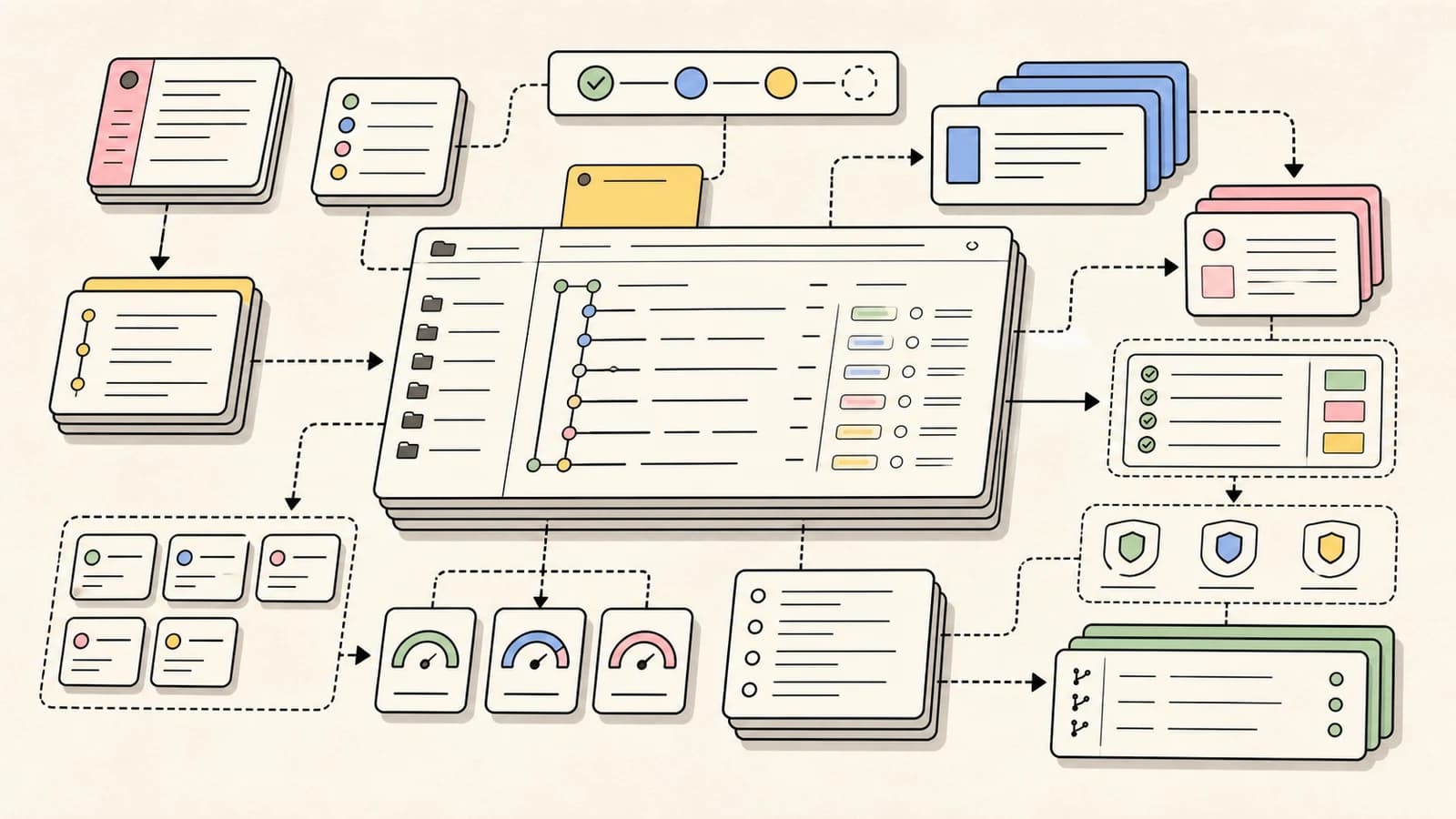
Codex-Maxxing: How to Run Long-Running Codex Workflows Without Losing the Plot
Codex-Maxxing should mean bounded autonomy: AGENTS.md, small worktrees, explicit stop conditions, subagents only when work is separable, and review checkpoints that keep humans in control.
8 min read
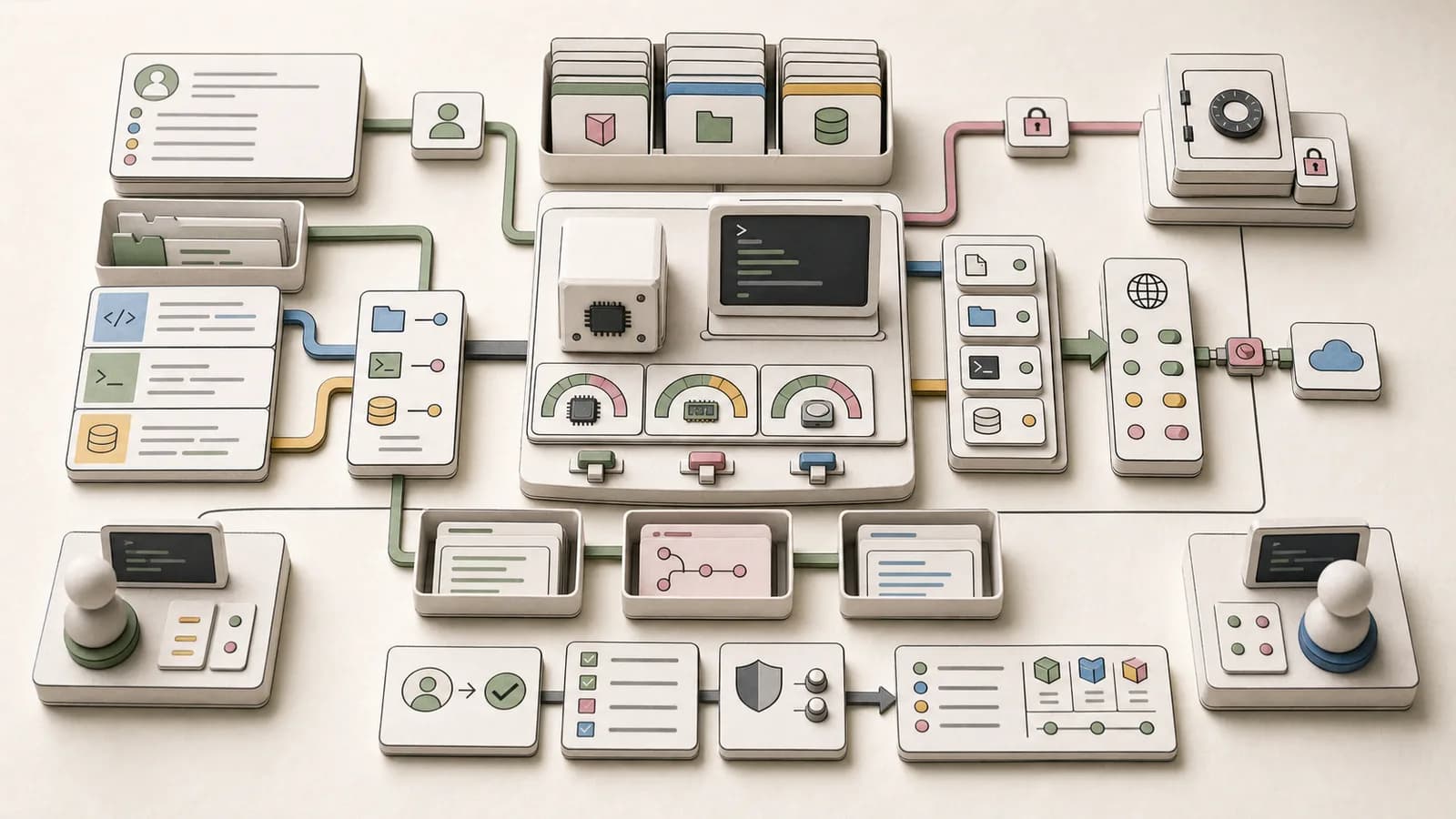
Local Coding Agent Workspaces Are the New IDE Surface
A new layer is forming around Claude Code, Codex, Copilot CLI, and local memory tools: the local coding agent workspace. It is not the model. It is the bench where agents get supervised.
8 min read
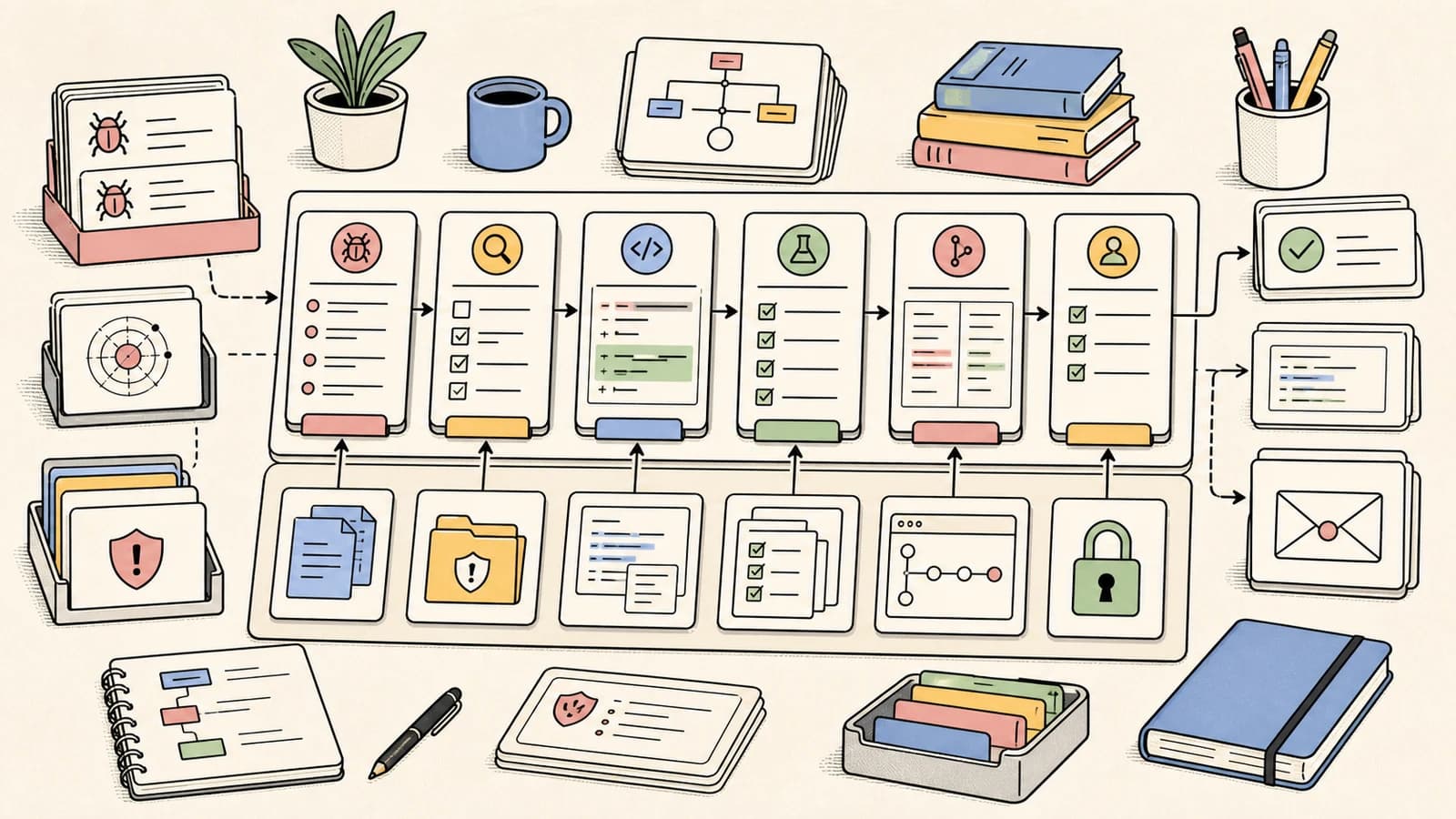
OpenAI Daybreak Shows the AppSec Bottleneck Is Patching, Not Finding
OpenAI's Daybreak and Patch the Planet point at the real agentic AppSec shift: security agents only matter when they produce validated, reviewable patches maintainers can actually merge.
8 min read
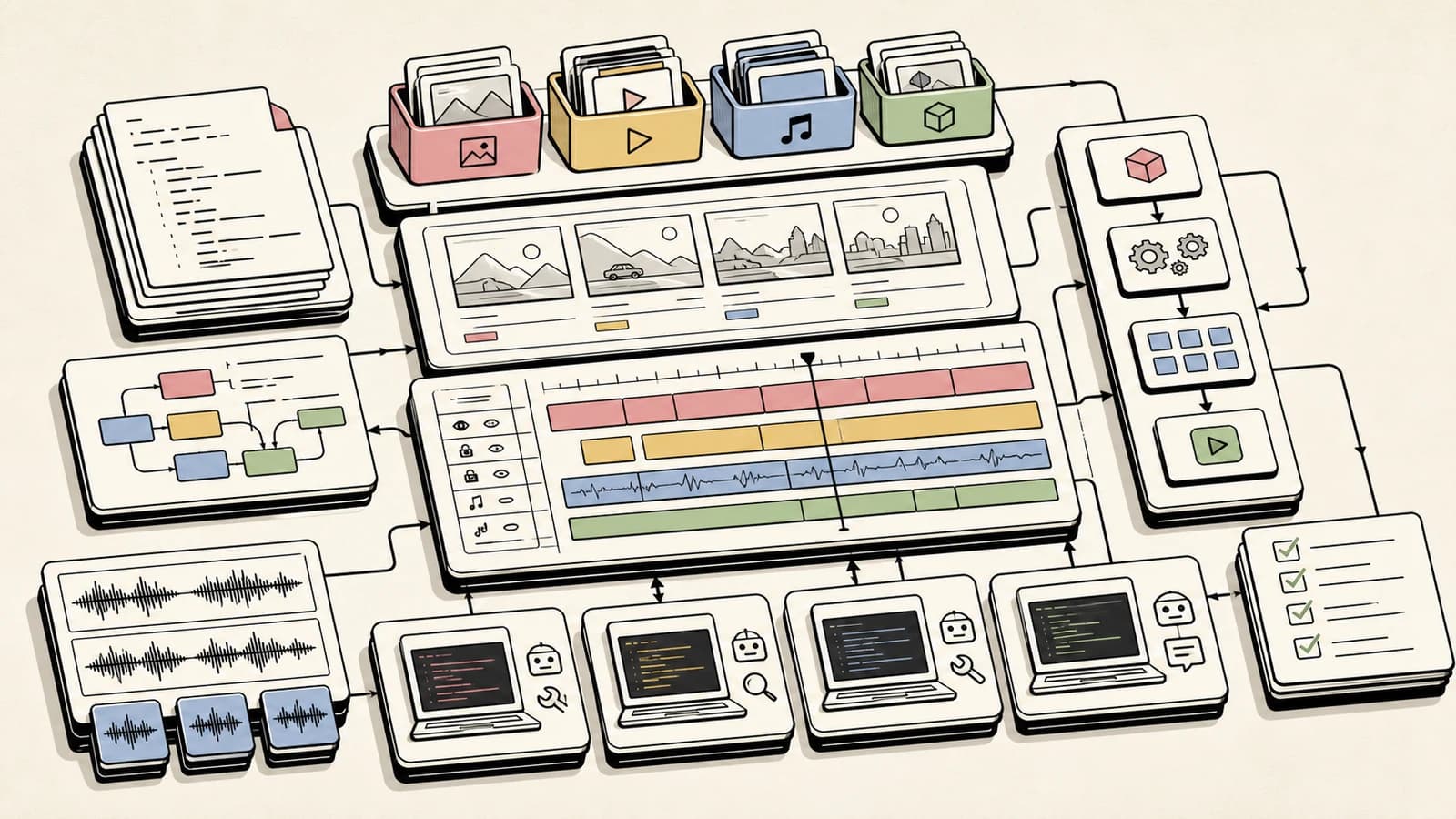
OpenMontage Shows the Real Future of AI Video: Agents, Not Editors
OpenMontage is trending because it treats video production like a repo-shaped agent workflow: scripts, assets, render pipelines, review loops, and coding agents working across the whole process.
7 min read

TikZ Editor Is a WYSIWYG LaTeX Figure Tool Built Almost Entirely by Codex
A developer used OpenAI Codex to build a fully open-source WYSIWYG editor for TikZ figures. The technical approach and reception on Hacker News offer a useful case study in what agent-built software looks like when shipped.
7 min read
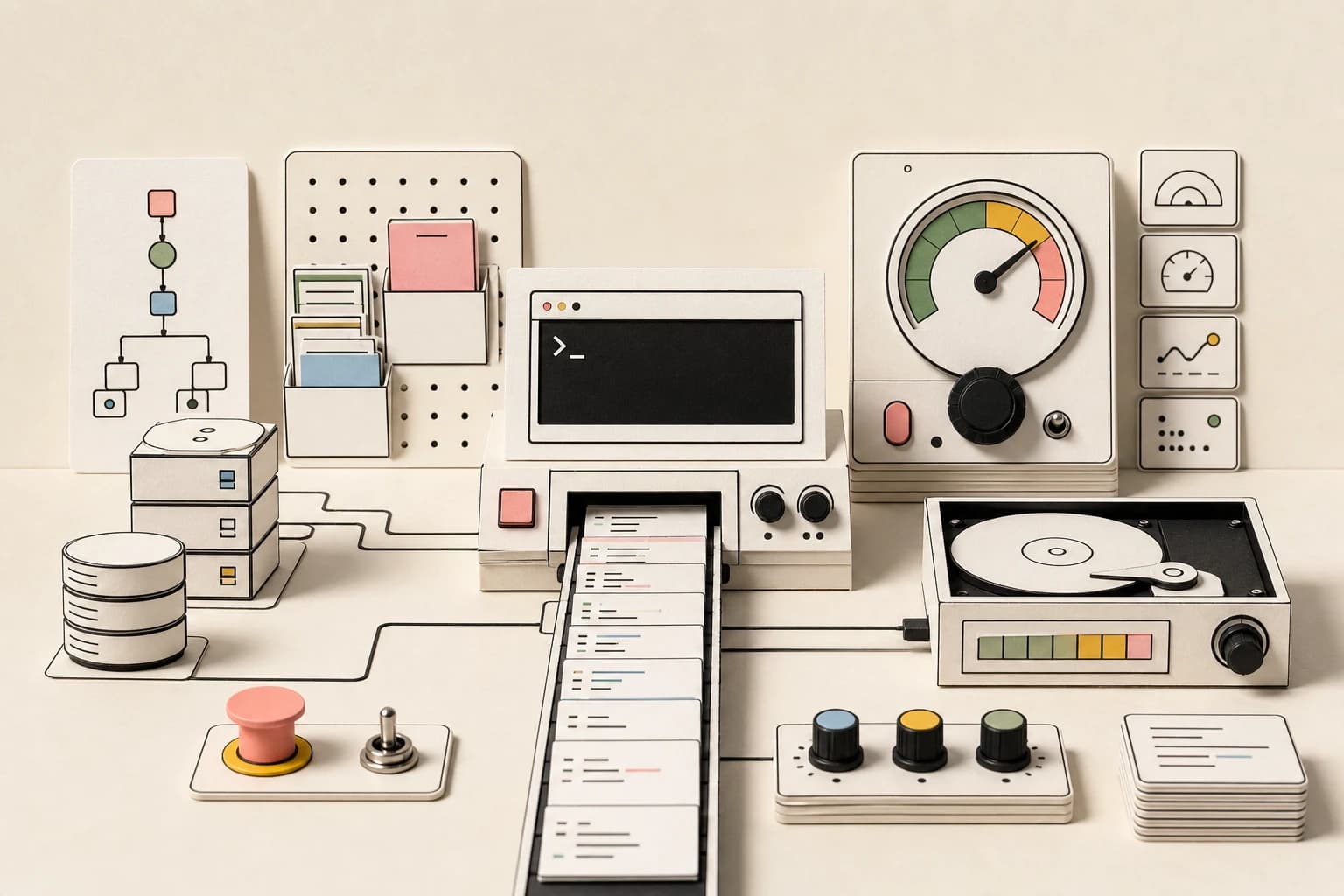
Codex CLI Needs Resource Budgets, Not Just Token Budgets
A trending Codex SQLite WAL bug is a useful warning for every local coding agent: logs, disks, background processes, and telemetry paths need budgets too.
8 min read
Codex Logging Bug Can Write Terabytes to Your SSD
A Codex CLI SQLite logging bug showed how global TRACE logs can burn SSD write endurance. OpenAI has now merged fixes, but the incident is a useful local-agent operations lesson.
5 min read

How to Use GLM 5.2 and Other Custom Model Providers in Codex
Codex can use GLM 5.2, Mistral, local Ollama, or an internal proxy. Add a model_providers entry to config.toml with a base_url, env_key, and model.
9 min read
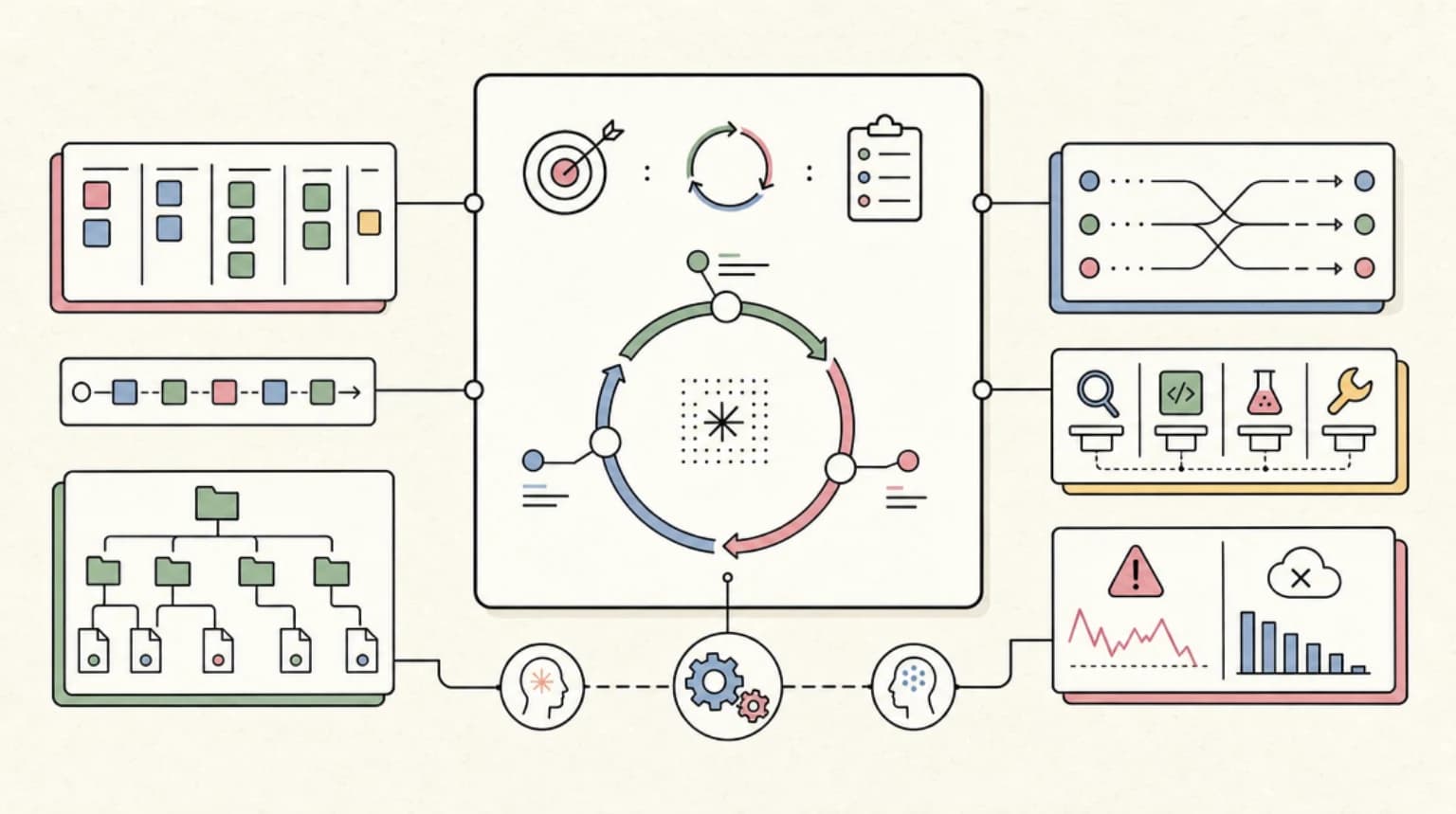
The Definitive Guide to Loop Engineering in Claude Code and Codex
Goal, loop, routine. Three verbs, two tools, one hard part. A complete field guide to running agentic loops in Claude Code and Codex, the real commands, the patterns people actually run, and the two failure modes that burn money.
16 min read

GitHub Copilot Agent Finder: What ARD Means for Third-Party AI Tools in 2026
GitHub's Agent Finder discovers and invokes Claude, Codex, MCP servers, and skills automatically. Here is how the new ARD specification changes AI coding tool integration.
8 min read
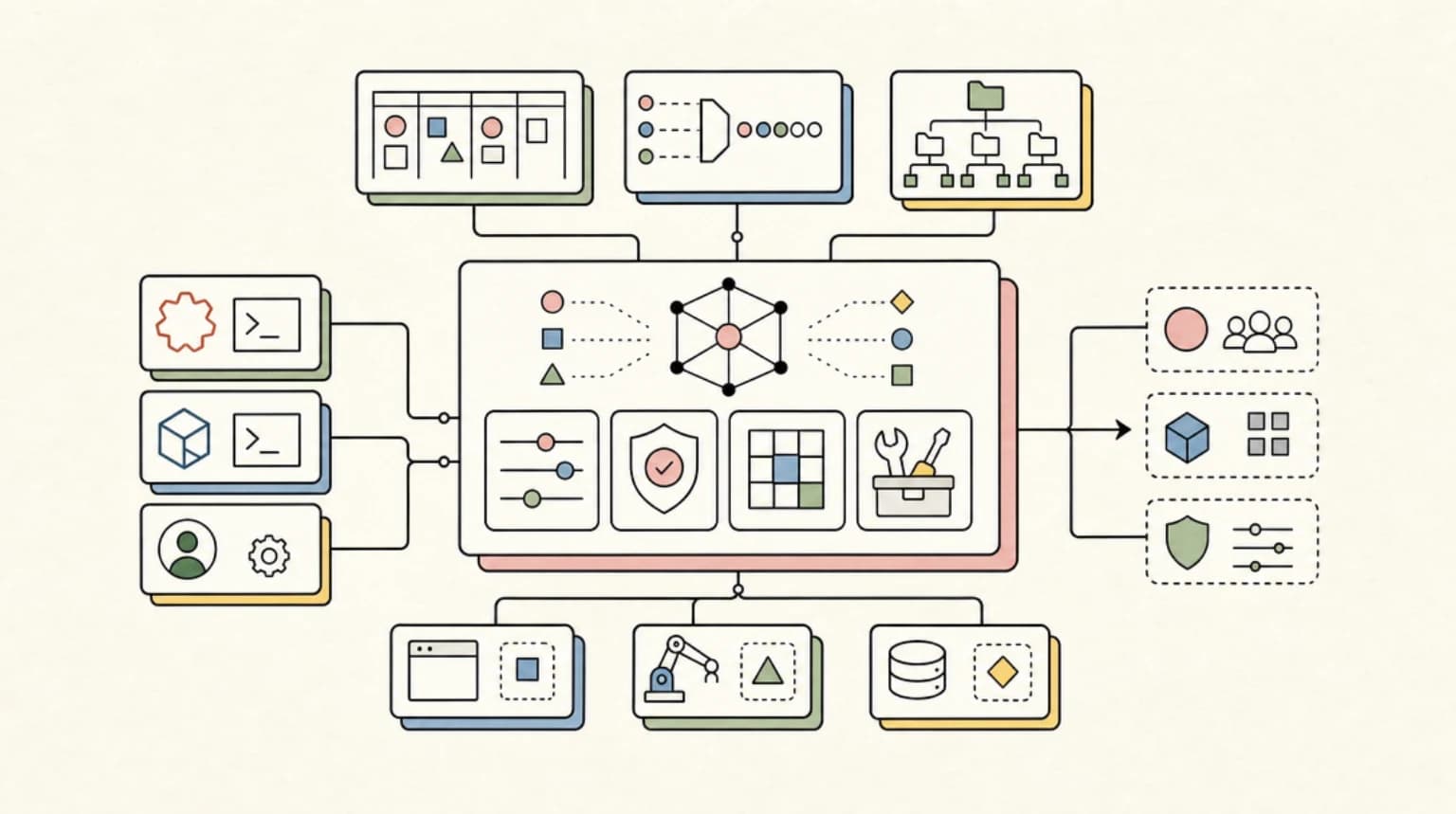
Omnigent: Databricks' Meta-Harness for Orchestrating Claude Code, Codex, and Custom Agents
Databricks open-sourced Omnigent, a meta-harness that sits above individual agent CLIs so your sessions, policies, and skills are not locked inside any single tool. Here is what it does, how to install it, and where it fits if you already run Claude Code and Codex.
8 min read
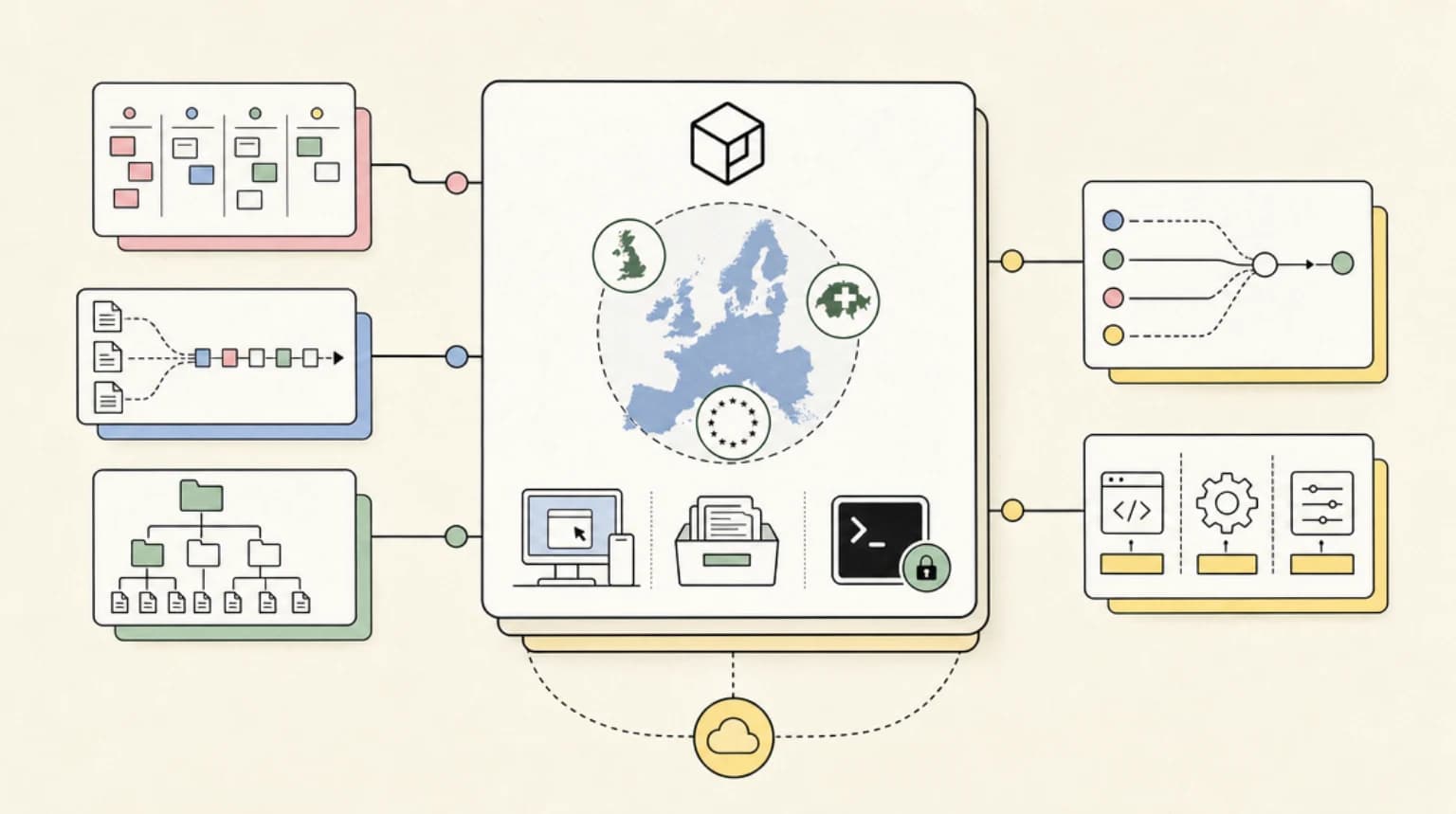
Codex Gets Computer Use in the EU - and a Clean Claude Code Import
OpenAI's mid-June 2026 Codex drop brings Computer Use to the EEA, UK, and Switzerland and adds selective Claude Code imports plus managed Bedrock auth to the CLI. Here is what actually shipped, verified against the changelog.
7 min read

Agent Workspaces Need Filesystem Contracts
GitHub's latest agent workspace trend points at a boring but important primitive: agents need explicit filesystem contracts before they get more tools.
8 min read
Codex in June 2026: What Changed Since the Spring Wave
The Codex changelog from April through June 2026 covers GPT-5.5, Goal mode going stable, Sites, a Chrome extension, Amazon Bedrock support, and mobile access from iOS. Here is what actually shipped and what it means in practice.
9 min read
Codex Exec in CI: The Practical Guide to Headless OpenAI Agents
codex exec is OpenAI's non-interactive mode for running Codex agents from scripts, CI pipelines, and GitHub Actions - here is how to set it up safely with real flags and working YAML.
9 min read
Codex vs Claude Code in 2026: Which AI Coding Agent Should You Use?
Pick Claude Code for ambiguous, multi-file work you want to plan, extend with skills and MCP, and orchestrate across agents. Pick Codex for well-scoped tasks, strong defaults, and one ChatGPT subscription for chat and code. GPT-6, Opus 5.5, and pricing verified September 28, 2026.
12 min read
Harness Engineering Makes Tokens a Systems Budget
OpenAI's harness engineering post and new token-use research point to the same lesson: agentic coding teams need token budgets, receipts, and eval loops, not vibes.
8 min read
The Model, IDE, CLI, and Agent Framework Changes That Actually Matter
The AI coding market is noisy. The changes that matter are easier to spot when you separate model capability, editor loops, terminal agents, background agents, agent frameworks, UI layers, context, security, and cost.
10 min read
The New AI Coding Stack I Would Pick Today
If I were rebuilding my AI coding workflow on May 30, 2026, I would not pick one magic tool. I would pick a layered stack: terminal agent, editor, background agent, Mastra, CopilotKit, MCP, context, security, and cost controls.
11 min read
Taste Skills Are Turning Agent Review Into Infrastructure
GitHub trending is full of anti-slop, taste, and compound-engineering skills. The real signal is not that agents need more prompts. It is that teams are trying to make subjective review criteria executable.
8 min read
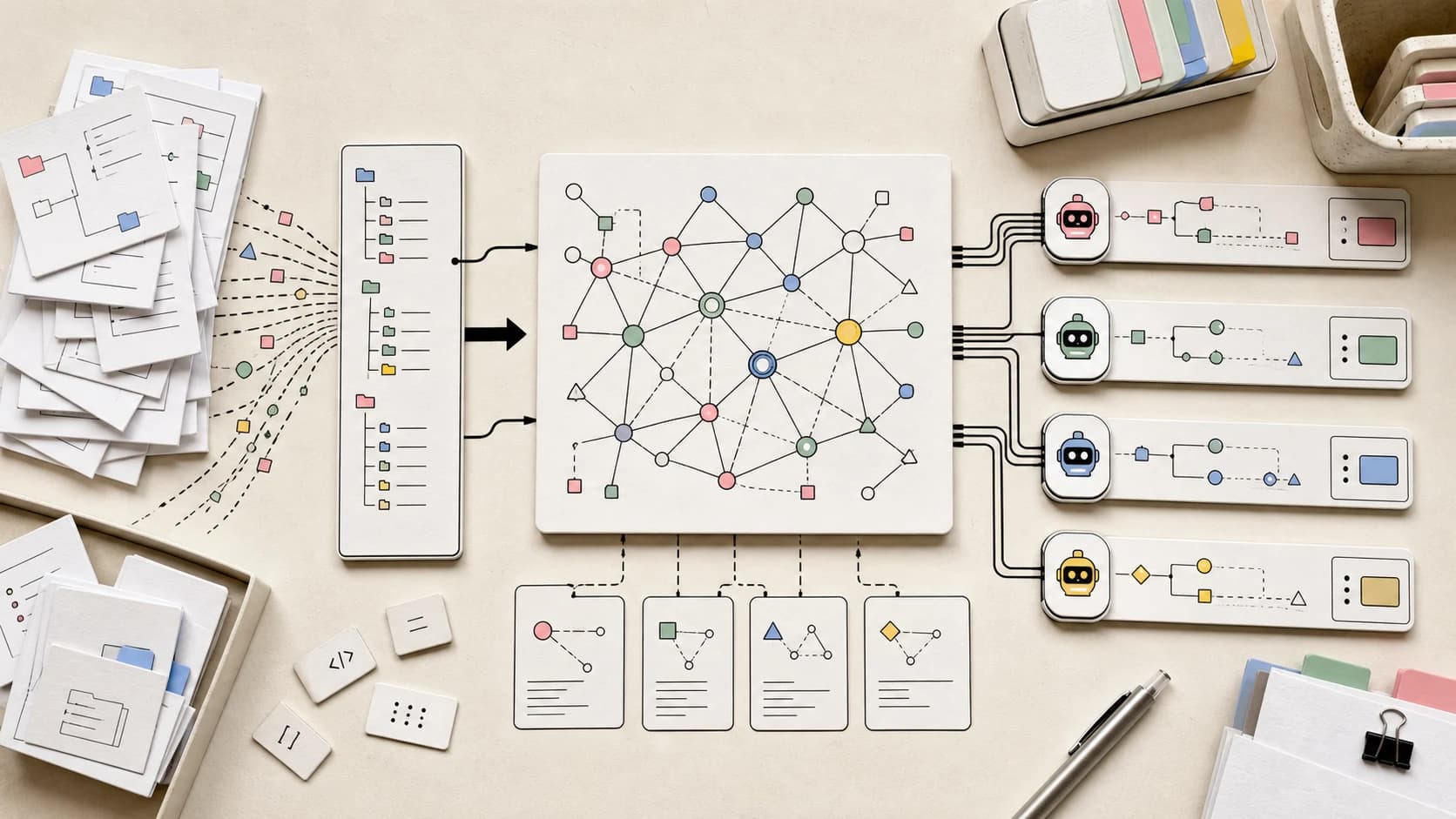
Local Code Graphs Are the Agent Context Layer
CodeGraph shows why coding agents need a local, queryable repo map. The win is not magic token savings. It is faster orientation, fewer wrong files, and better review receipts.
9 min read

AI Code Review Is the New Bottleneck
Coding agents make code faster than teams can review it. The next advantage is not bigger prompts. It is review systems that force reproduction, small diffs, tests, and receipts.
8 min read
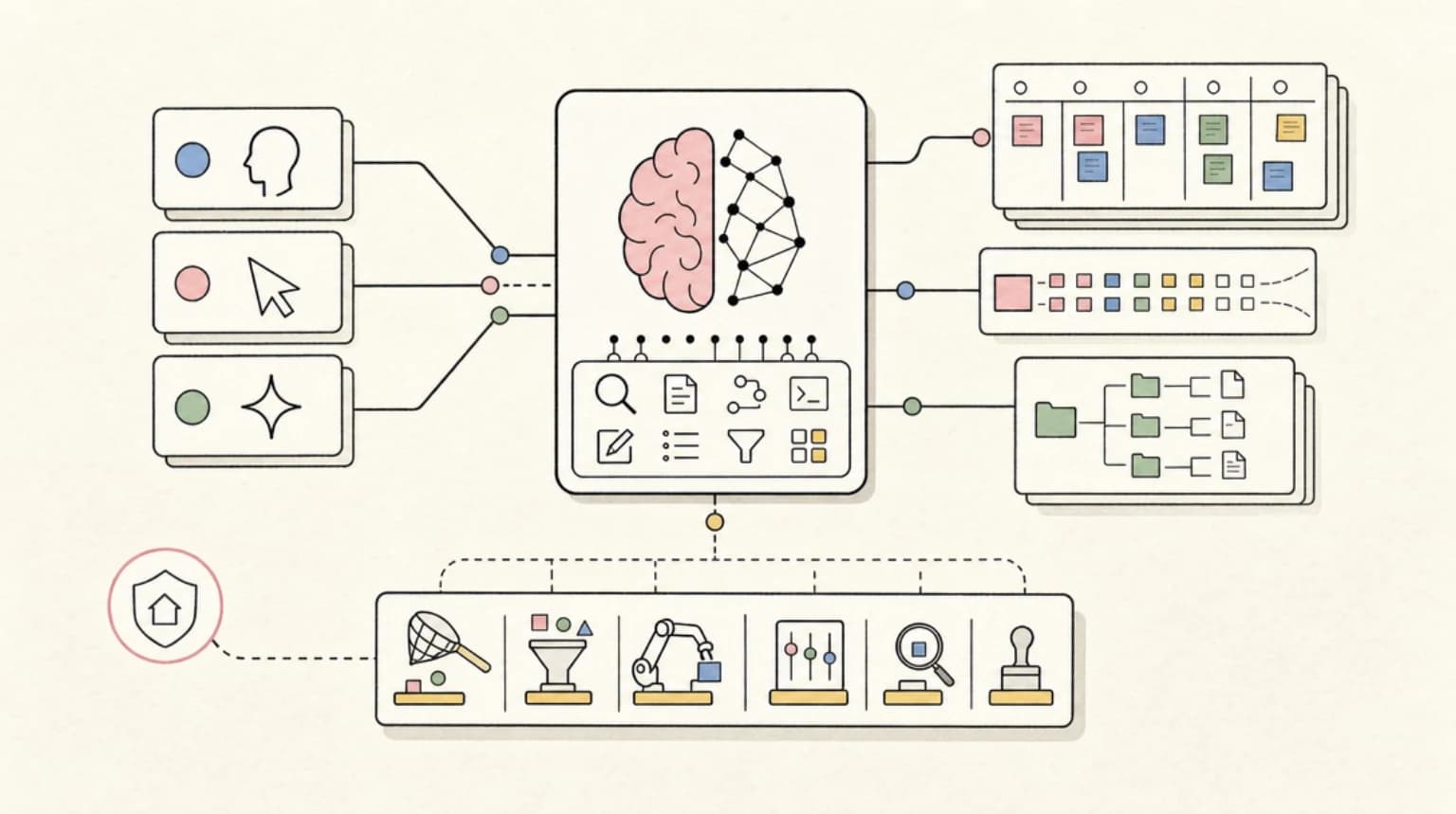
AgentMemory Is Useful Only If You Audit What It Remembers
AgentMemory gives Claude Code, Codex, Cursor, and other agents persistent local memory. The real adoption question is not recall accuracy. It is whether your team can inspect, prune, and govern what gets remembered.
8 min read

Codex CLI Vim Mode Is an Ergonomics Signal
Codex CLI 0.129.0 added modal Vim editing in the composer. The feature is small, but it points at a bigger shift: terminal agents are becoming native engineering workbenches.
6 min read

Skills for Real Engineers Need Governance, Not Fandom
Matt Pocock's skills repo is a useful signal for AI coding teams. The next step is treating skills like governed production controls, not a folder of viral prompts.
7 min read
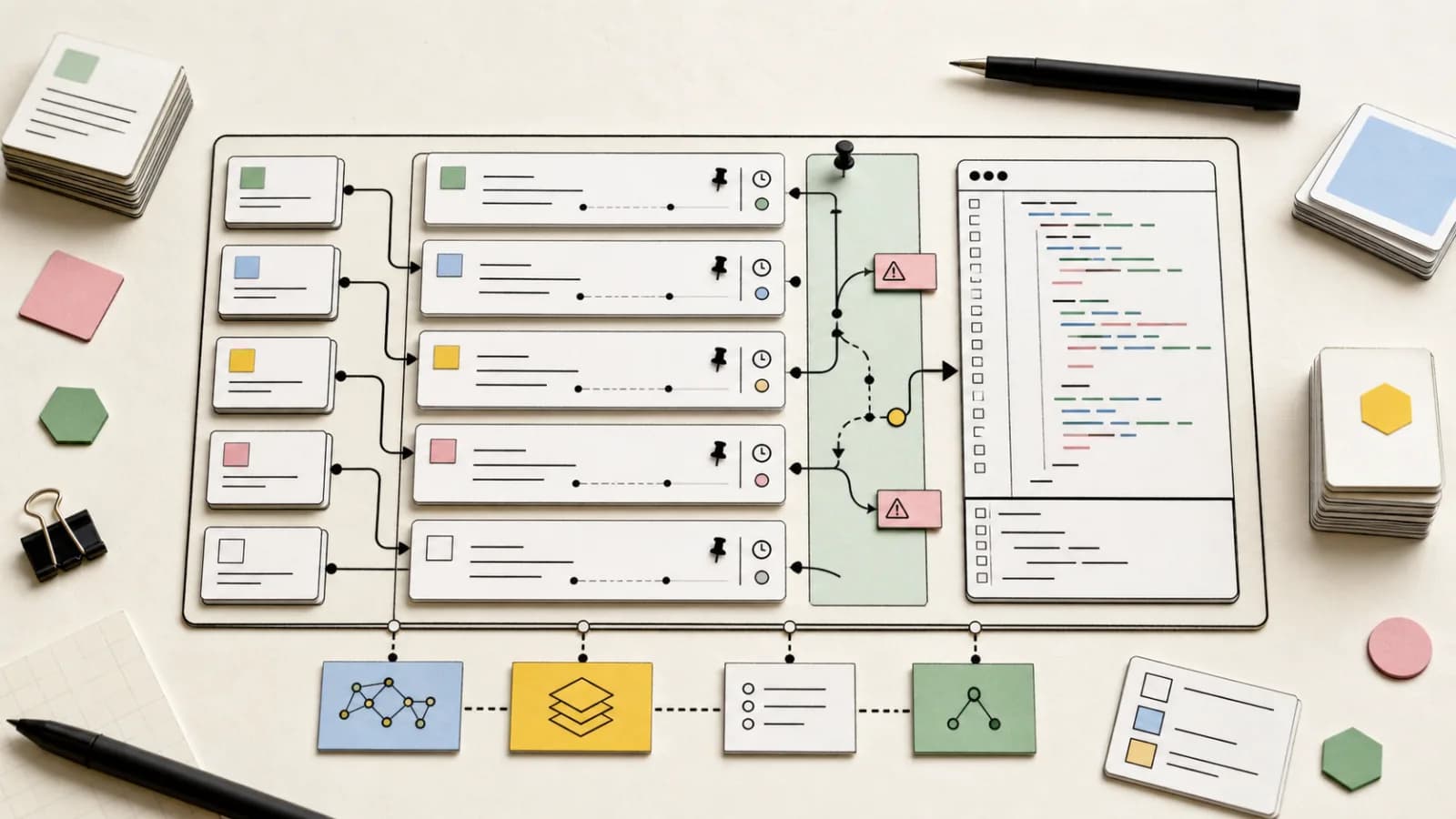
Agent Memory Benchmarks Are Not Enough
Persistent memory for coding agents is trending because every session still starts too cold. The hard part is not saving facts. It is proving recall, freshness, deletion, and rollback under real development pressure.
9 min read
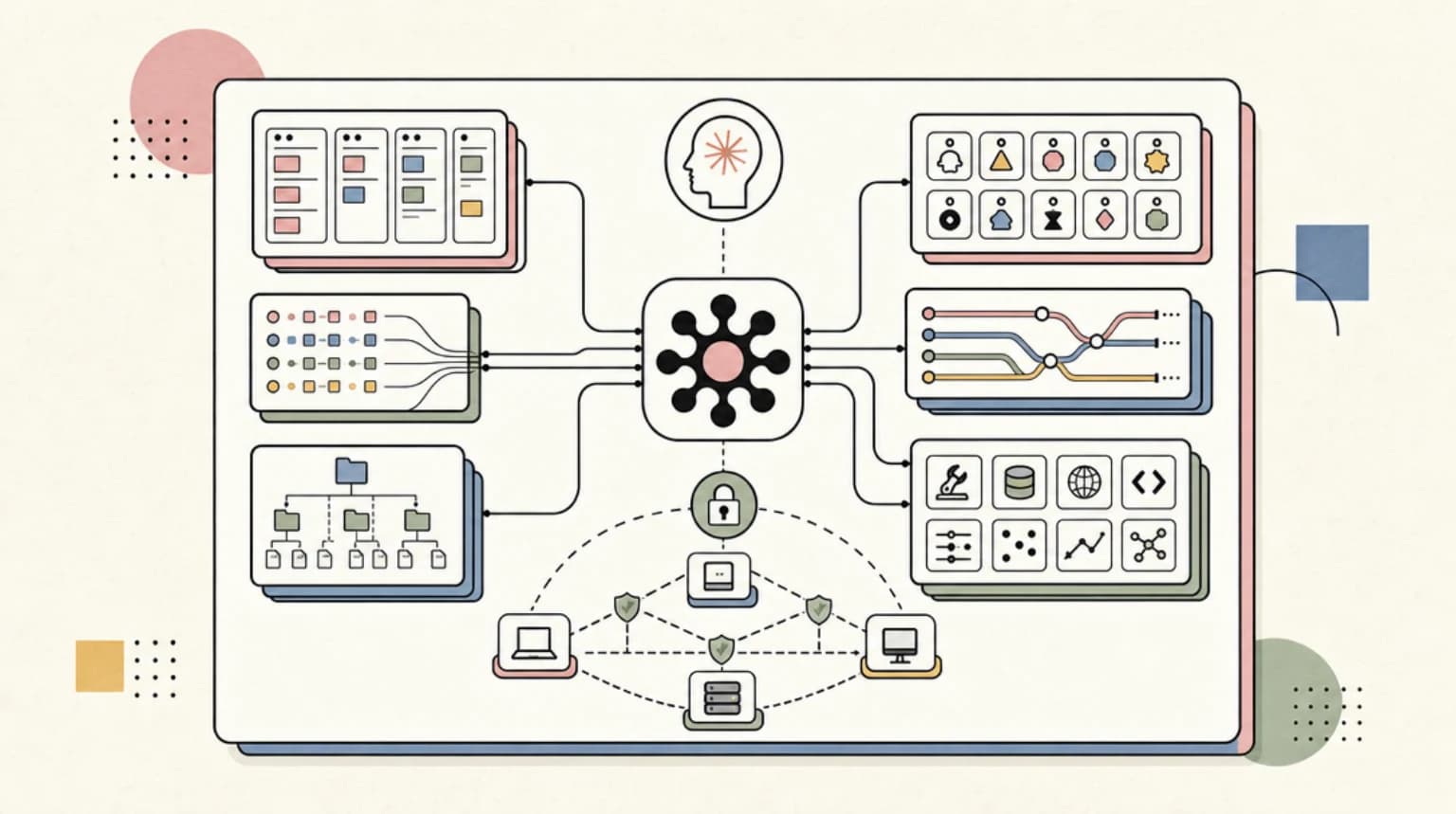
Ruflo Is an Agent Meta-Harness. Treat the Star Count as a Warning Label.
Ruflo turns Claude Code and Codex into a larger agent harness with plugins, memory, swarms, MCP tools, and federation. The useful question is not the star count. It is how much harness you actually need.
8 min read

Terminal Agents Are the New Developer Runtime
Terminal agents like Claude Code, Codex CLI, OpenCode, Copilot CLI, and DeepSeek-TUI are converging on the same runtime layer: permissions, sandboxing, rollback, diagnostics, subagents, receipts, and cost controls.
9 min read
Codex Automations: Where Scheduled AI Agents Actually Help
Codex automations are useful when recurring engineering work has clear inputs, reviewable outputs, and safe boundaries. Here is the practical playbook.
9 min read
Codex Is Becoming a General-Purpose AI Agent, Not Just a Coding Tool
OpenAI is turning Codex from a coding assistant into a broader agent workspace for files, apps, browser QA, images, automations, and repeatable knowledge work.
8 min read
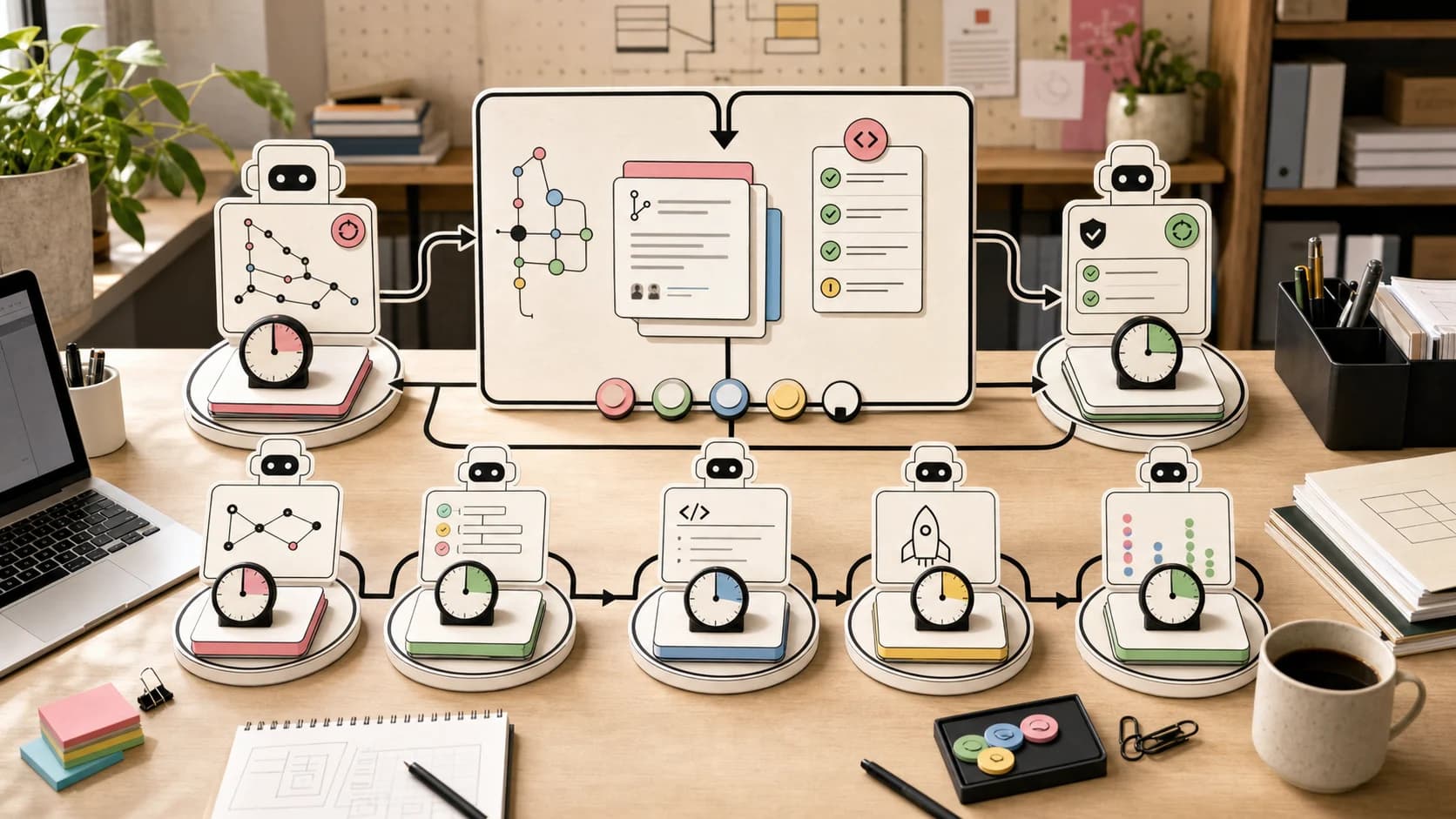
Codex Loops: What Boris Cherny Gets Right About Managing Agent Work
Boris Cherny's loop-heavy Claude Code workflow points at the next Codex content lane: recurring agents that babysit PRs, CI, deploys, and feedback streams.
8 min read

Codex SDK vs CLI vs GitHub Action: Which Surface Should You Build On?
Codex is no longer just a terminal agent. Here is when to use the Codex SDK, Codex CLI, or openai/codex-action, and how to avoid building the same agent loop three times.
8 min read

Karpathy's Loopy Era Is the Best Way to Understand Codex
Andrej Karpathy's loopy era frame explains why Codex is becoming less like a chatbot and more like an agent loop manager for real software work.
9 min read

OpenAI's Codex Mac Certificate Deadline Is a Runbook Test
OpenAI's May 8 macOS certificate rotation for ChatGPT, Codex, Codex CLI, and Atlas is not just a one-off update. It is a useful test of how your team governs AI developer tools.
7 min read
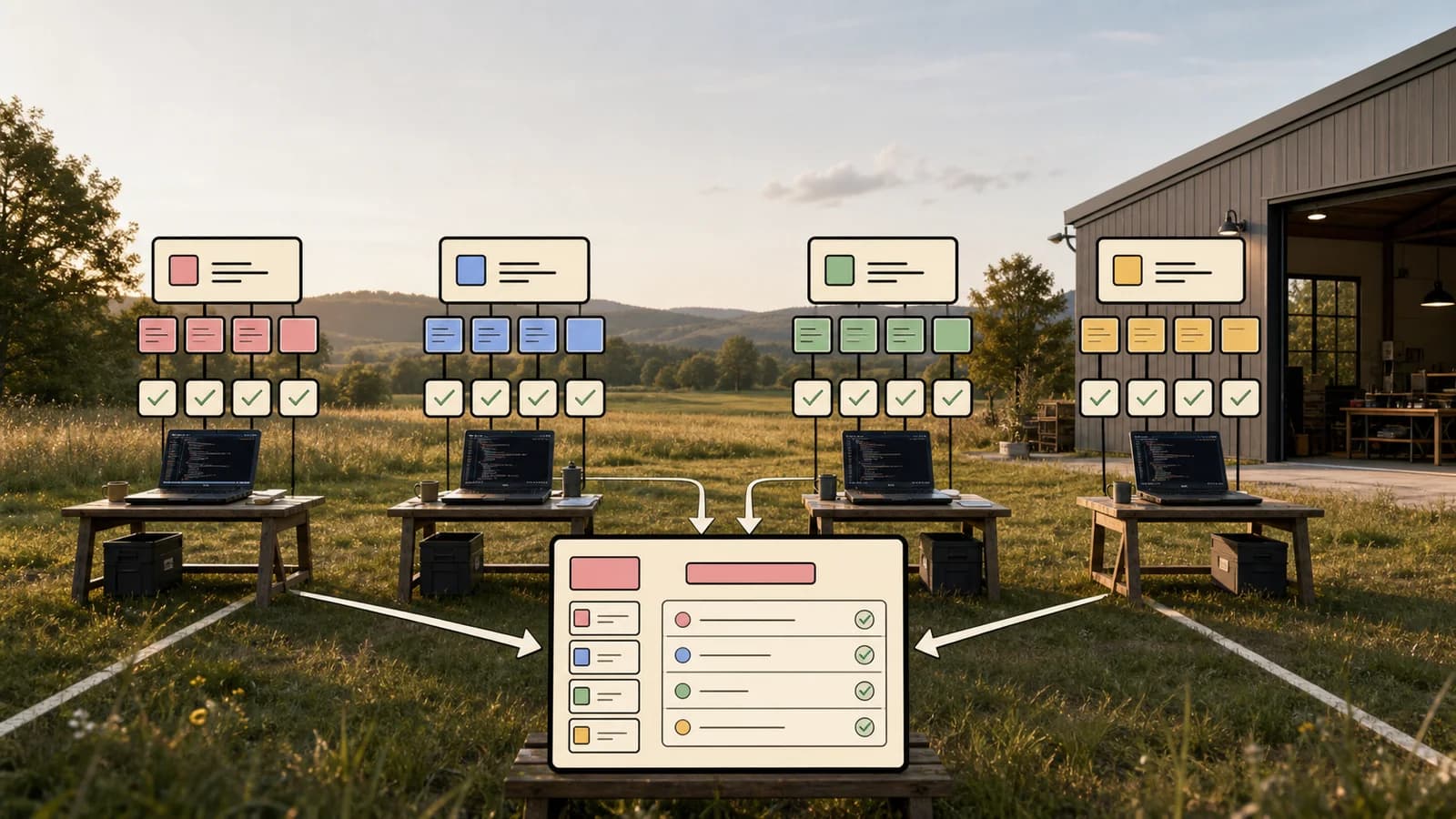
Parallel Coding Agents Need Merge Discipline
Parallel agents can move faster than one agent, but only when tasks have clean ownership, review receipts, and a merge path that does not turn speed into cleanup work.
7 min read
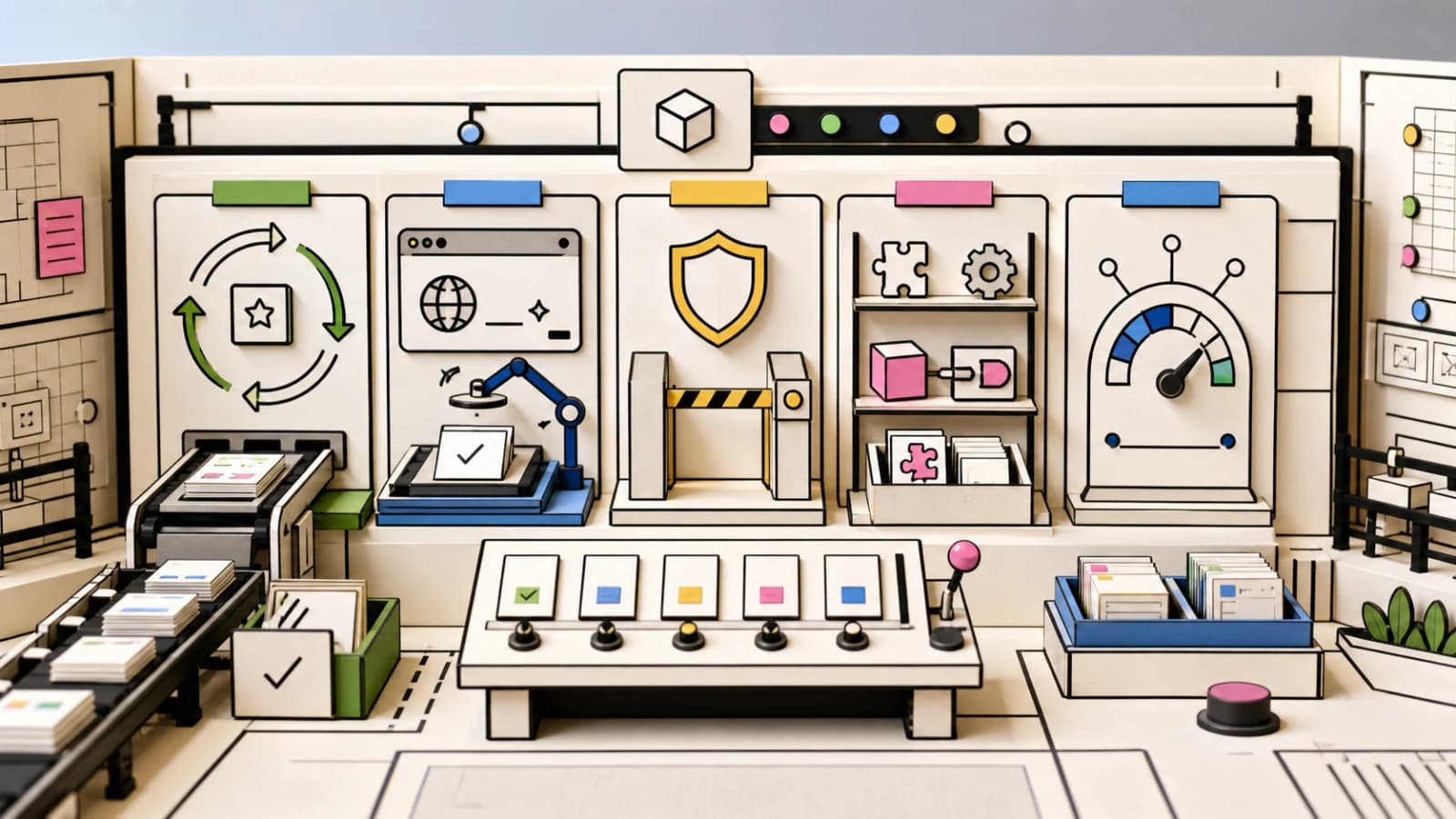
Codex Changelog April 2026: Goals, Browser Use, GPT-5.5, and Safer Agents
OpenAI's April 2026 Codex changelog shows a clear product shift: Codex is becoming a full agent workspace with goals, browser verification, automatic approval reviews, plugins, and tighter permission profiles.
9 min read

OpenAI Codex, Managed Agents, and AWS: What Developers Should Watch
OpenAI is moving Codex from a coding assistant into an enterprise agent platform. Here is what changed with Codex, Managed Agents, AWS, and the Responses API.
8 min read

Codex Security Preview: AppSec Agent for Real Repos
OpenAI's Codex Security agent reviews app code for vulns. Here is what it caught and missed on three real production repos.
10 min read
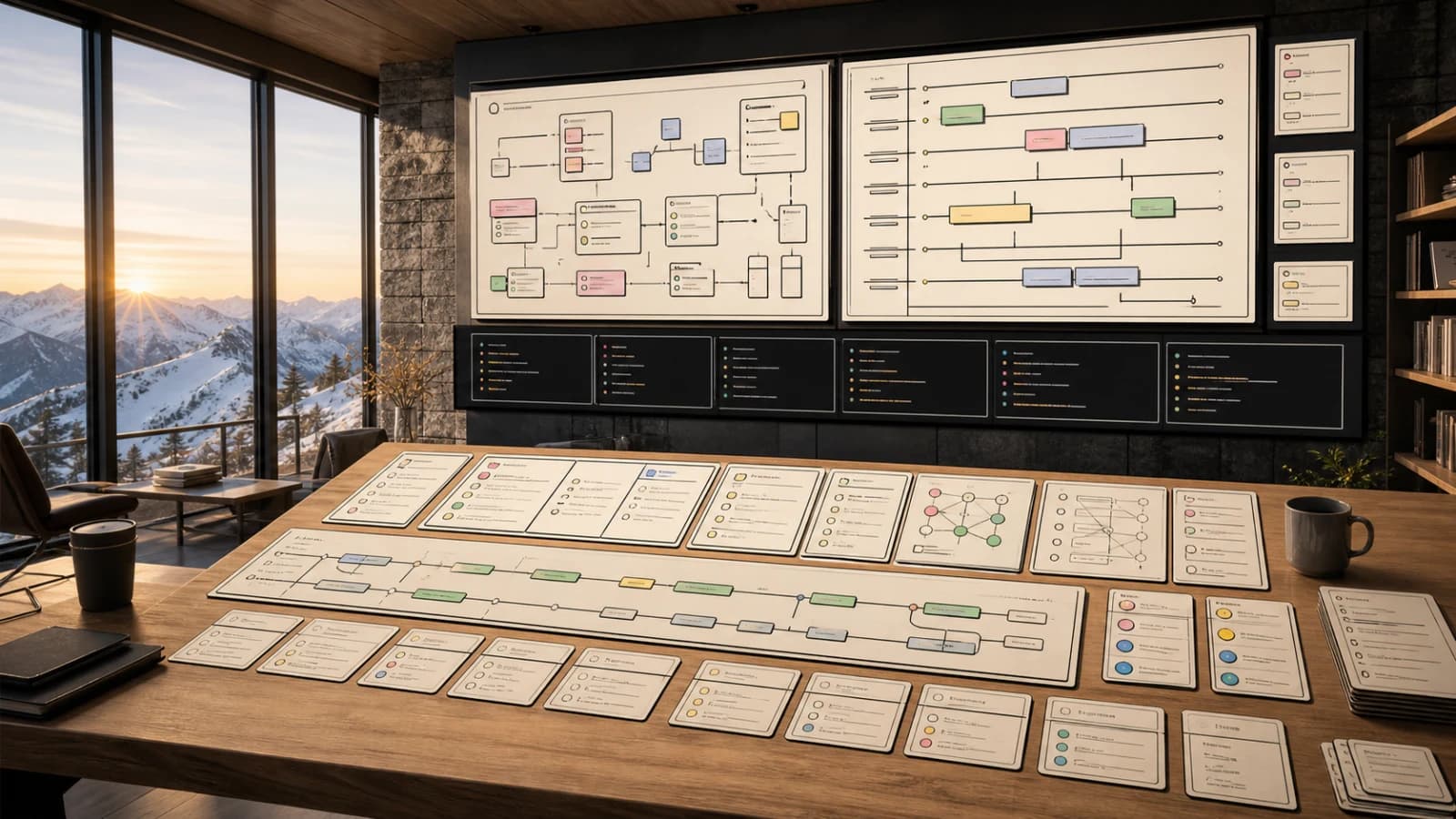
GPT-5.5-Codex in Production: What Actually Changes
GPT-5.5-Codex merges Codex and GPT-5 stacks. Here is what the unified model means for real coding agents - latency, costs, prompt rewrites.
9 min read
Shipping OpenAI Symphony in Prod: A Real-World Guide
What it actually takes to wire OpenAI Symphony into a Linear-driven Codex workflow - auth, runs, sandboxes, costs, and the gotchas nobody warned me about.
12 min read
10 Trending AI Dev Tools, Week of April 28 2026
From Claude Opus 4.7 and GPT-5.5 to Andrej-karpathy-skills and EvoMap - the AI dev tools actually shipping the last 30 days, with commands, links, and pricing.
9 min read

Over-Editing: Why Your AI Coding Agent Rewrites What Isn't Broken
The EMNLP 2026 over-editing paper quantifies a problem every Claude Code, Cursor, and Codex user has felt: models making huge diffs for tiny fixes. Here is why it happens, why tests do not catch it, and what to do about it.
9 min read
What Hacker News Gets Right About AI Coding Agents in 2026
Hacker News keeps arguing about Claude Code, Codex, skills, MCP, and orchestration. Under the noise, the same four truths keep surfacing: workflows matter more than demos, verification is the bottleneck, skills beat prompts, and orchestration matters more than raw autonomy.
11 min read

Why Skills Beat Prompts for Coding Agents in 2026
The coding-agent workflow is maturing past giant hand-written prompts. The winning pattern in 2026 is a control stack: project rules, reusable skills, bounded sub-agents, and deterministic tools around the model.
9 min read
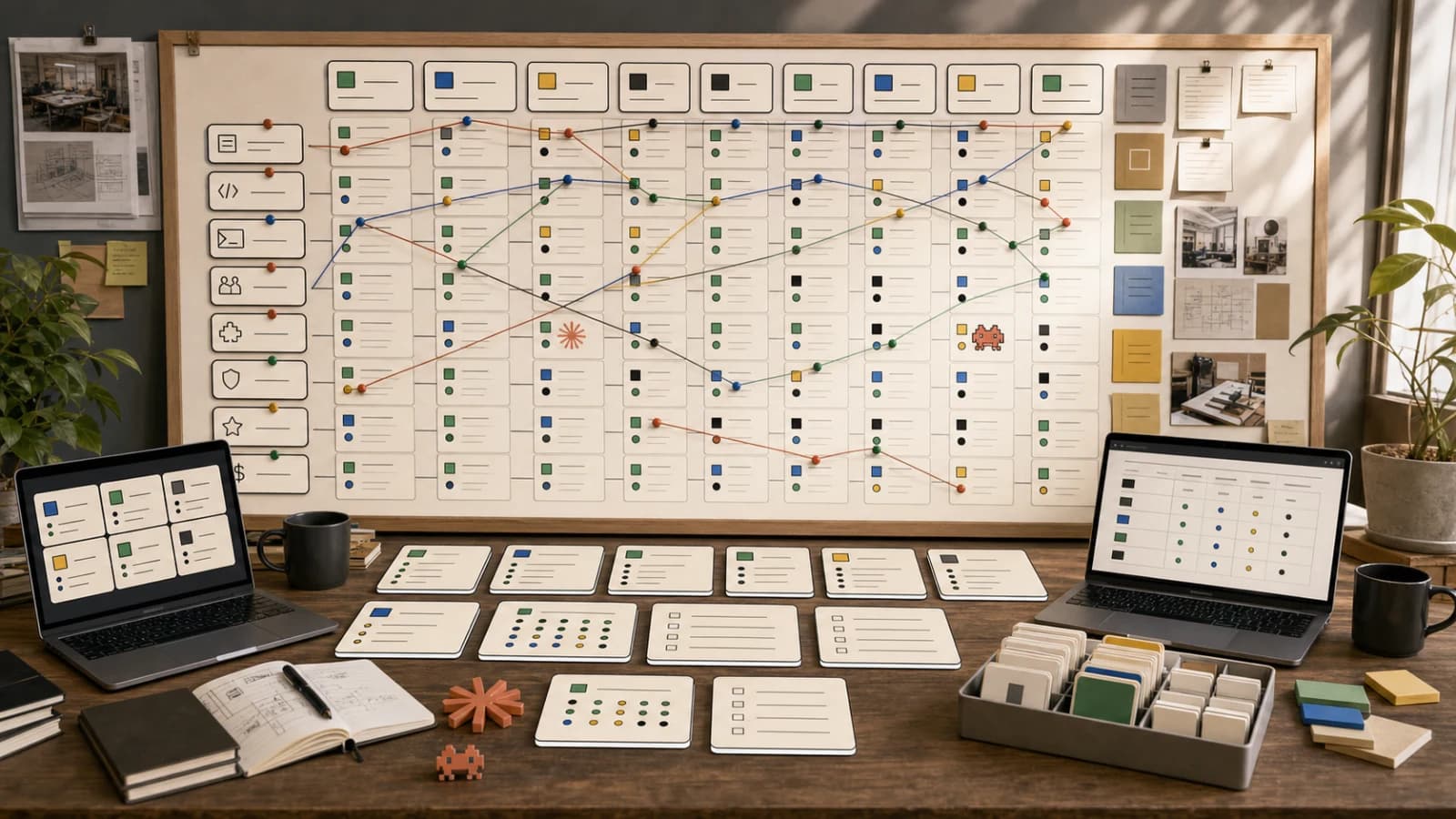
Every AI Coding Tool Compared: The 2026 Matrix
12 AI coding tools across 4 architecture types, compared on pricing, strengths, weaknesses, and best use cases. The definitive comparison matrix for 2026.
15 min read
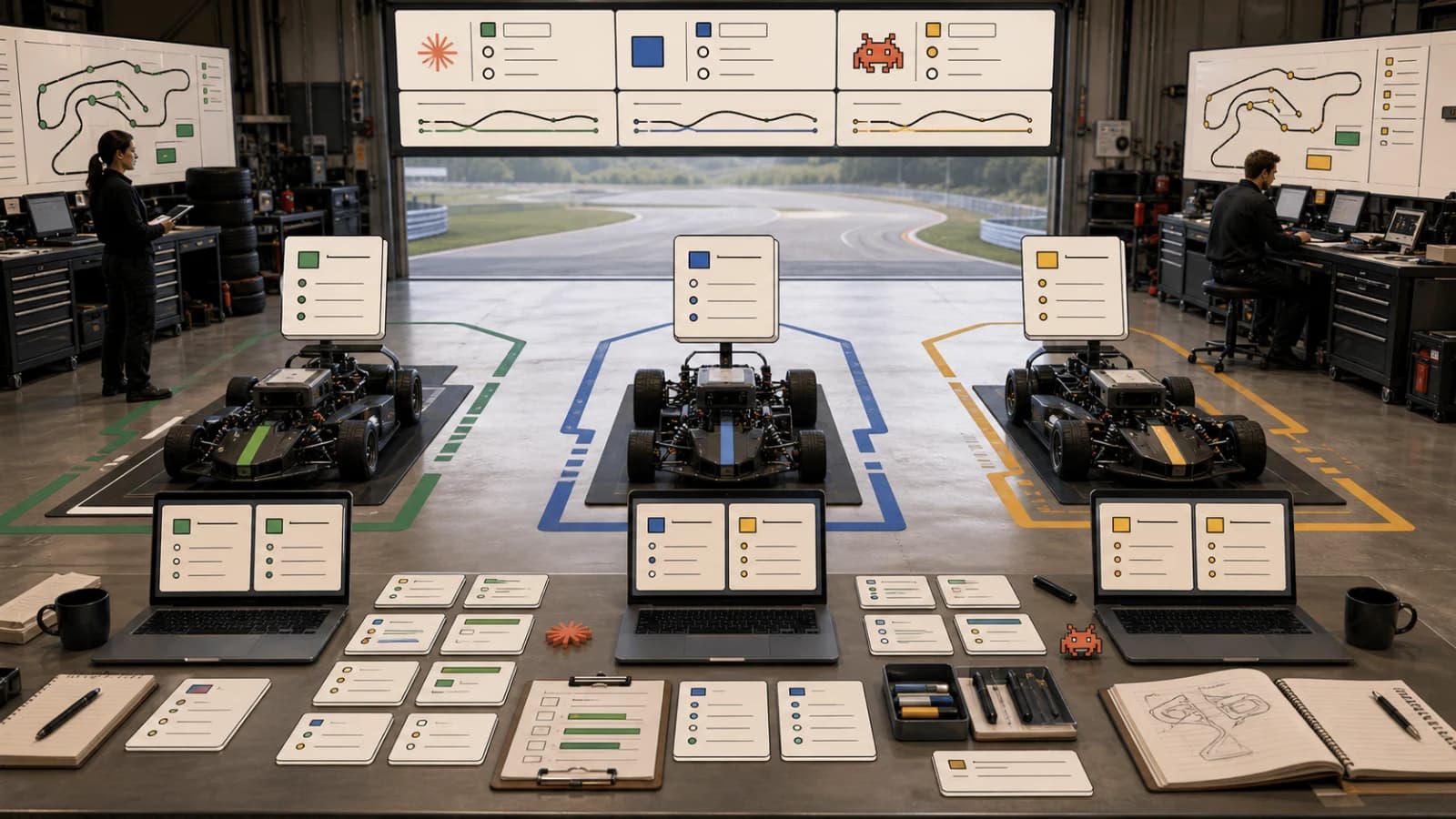
Claude Code vs Cursor vs Codex: Which Should You Use?
Terminal agent, IDE agent, local-plus-cloud agent. Three architectures compared - how to decide which fits your workflow, or why you should use all three.
8 min read

Cursor vs Codex: IDE Agent vs Terminal and Cloud Agent for TypeScript
Cursor is editor-first. Codex is terminal, cloud, and PR-first. Here is when to use each for TypeScript projects.
5 min read

OpenAI Codex: Terminal and Cloud AI Coding Agent
Codex works from the terminal, cloud tasks, IDEs, GitHub, Slack, and Linear. Here is how to use it and how it compares to Claude Code.
5 min read
GPT-5 Codex: OpenAI's Agentic Coding Model
OpenAI is drawing a line in the sand. GPT-5 Codex is not an API release.
7 min read
Related Tools
All tools →OpenAI Codex
AgentOpenAI's coding agent for terminal, cloud, IDE, GitHub, Slack, and Linear workflows. Reads repos, edits files, runs commands, and returns reviewable diffs.
AI CodingCodex CLI
OpenAI's open-source terminal coding agent built in Rust. Runs locally, reads your repo, edits files, and executes commands. Powered by o3 and o4-mini models.
AI CodingKeep exploring
More on Codex
- - OpenAI Codex - recommended Codex tool from the Developers Digest directory
- - Tools Directory - dive deeper across the Developers Digest knowledge base
- - All Codex articles in the blog archive
- - Developers Digest on YouTube - video tutorials covering Codex and more

Get Smarter About AI Dev
New tutorials, open-source projects, and deep dives on coding agents - delivered weekly.
One email per weekReal code, not theoryFree forever
Explore 938 topics
Browse All Topics