Topic
AUTOMATION
All blog posts, tools, and guides about Automation from Developers Digest.
39 resources - 34 posts, 3 tools, 2 guides
Blog Posts
View in blog →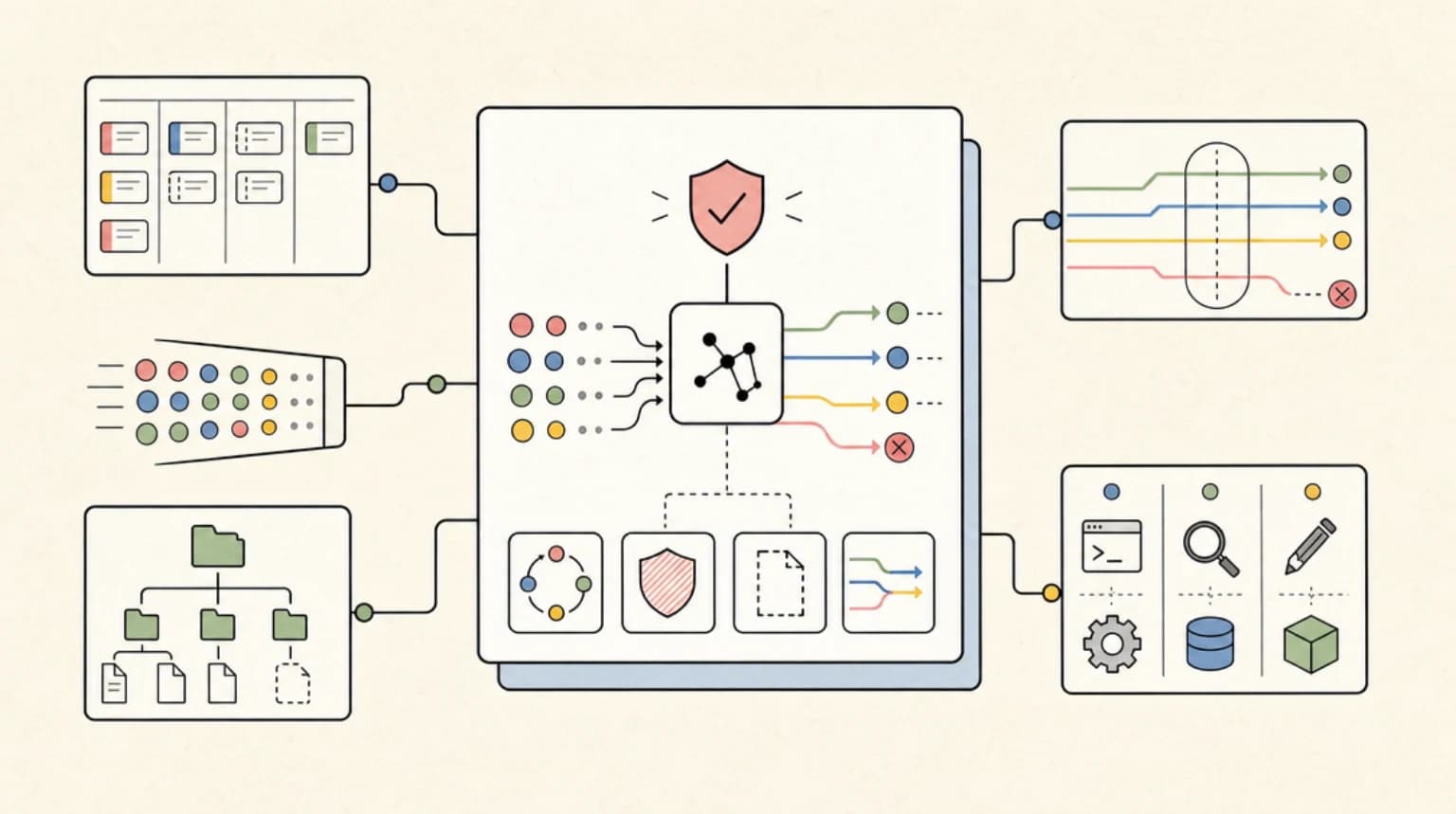
Claude Code Code Mode: How to Turn It On and What It Changes
Claude Code Code Mode lets Claude write JavaScript that makes several tool calls in one step. Turn it on with CLAUDE_CODE_EXPERIMENTAL_CODE_MODE=1 on v2.1.323+.
8 min read
Claude Code denyInsteadOfPrompting: Deny Permission Prompts Everywhere
Claude Code 2.1.319 adds permissions.denyInsteadOfPrompting: any call that would wait on a permission prompt is denied and the turn carries on, subagents included.
6 min read
ChatGPT MCP Events: Start Work Tasks From Gmail, Slack, GitHub
How to start ChatGPT Work tasks from Gmail, Slack, GitHub and your own MCP server events: setup steps, the 30-runs-per-hour cap and signed webhook code.
12 min read

Run Your Coding Agent as an API: OpenCode Server on Railway
OpenCode server on Railway: run opencode serve in a container as a password-protected HTTP API with a persistent volume, reachable from any machine or webhook.
11 min read
Put an AI Reviewer on Every Pull Request: A Webhook Build with OpenCode and Railway
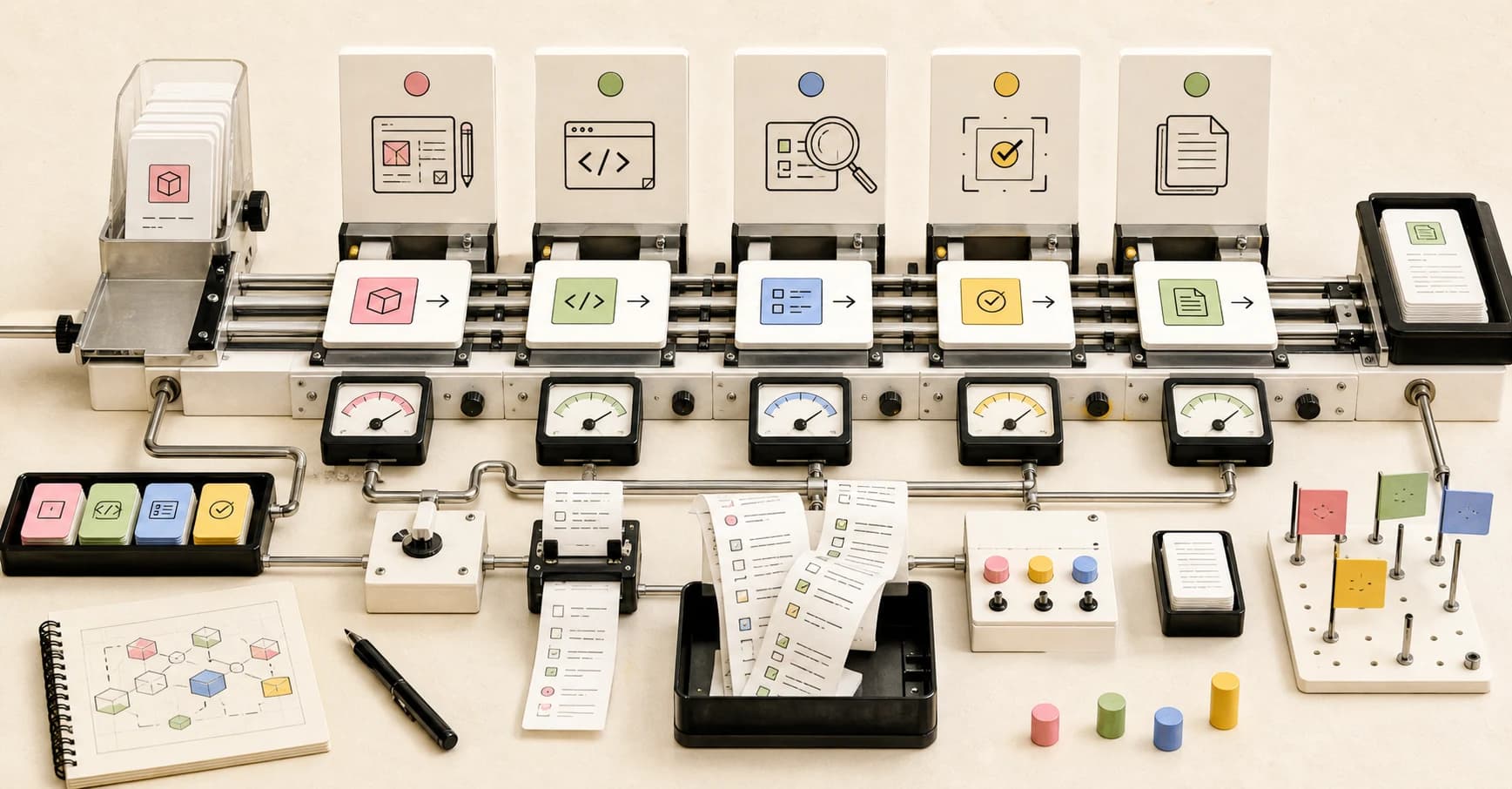
Build an AI pull request reviewer on Railway: a webhook service runs OpenCode headless on every PR diff and posts findings as a review, never touching the code.
10 min read

Put Your Coding Agent in Discord: A Team Ask-Bot Built in an Hour
Put a coding agent in Discord: a /ask slash command runs headless OpenCode on a fresh repo clone and posts answers to the channel, deployed on Railway.
10 min read
Pizza Bot Shows Why Background Agents Need Inboxes
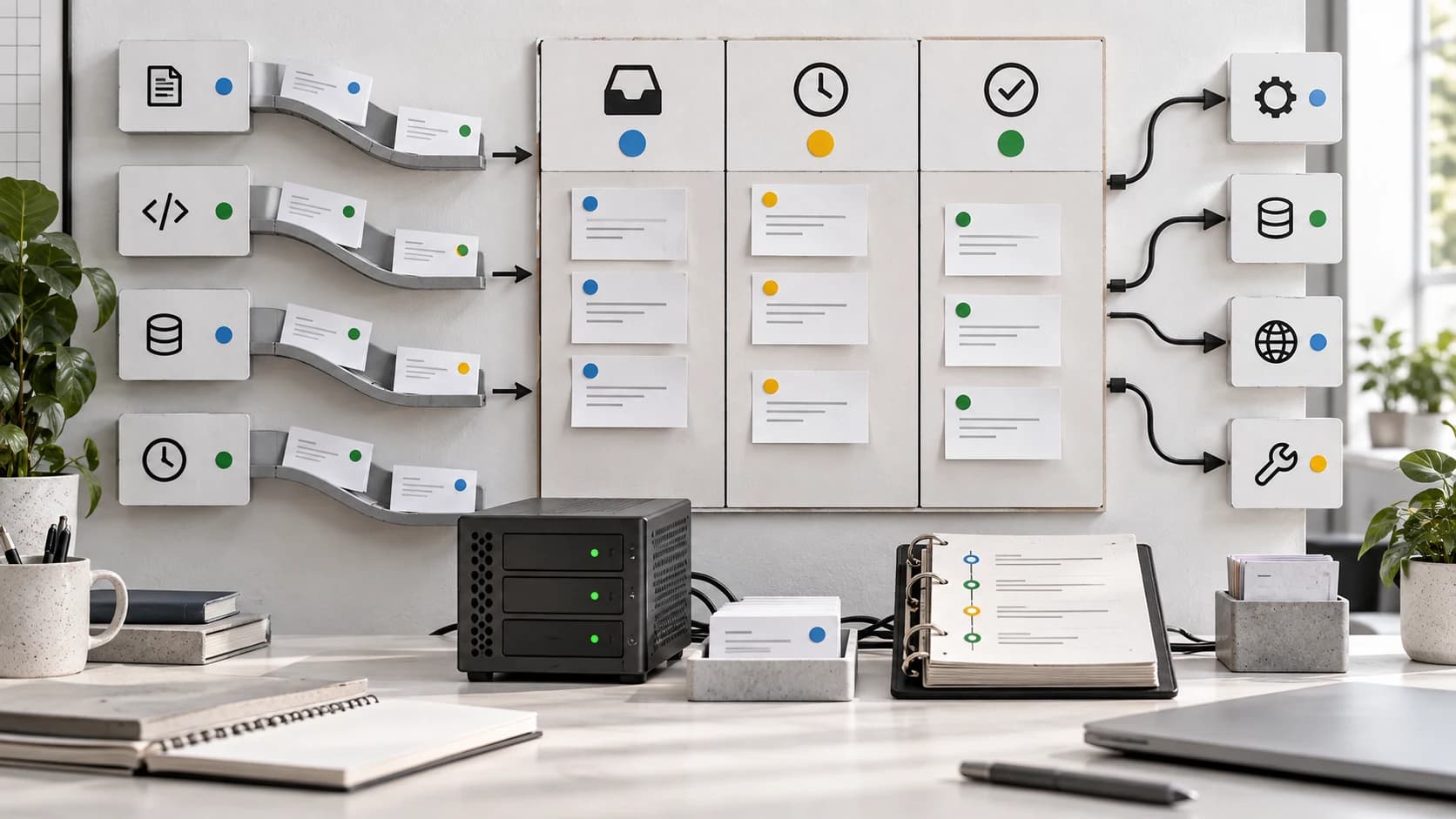
AWS open-sourced Pizza Bot, a local-first inbox for background AI agents. The lesson for builders is the queue, approval, checkpoint, and return-path pattern.
8 min read
Podcast Your Release Notes: Two-Voice Audio from Git History with ElevenLabs
Turn git history into a two-voice release notes podcast with the ElevenLabs Text to Dialogue API, a coding agent for the script, and ffmpeg in under an hour.
10 min read
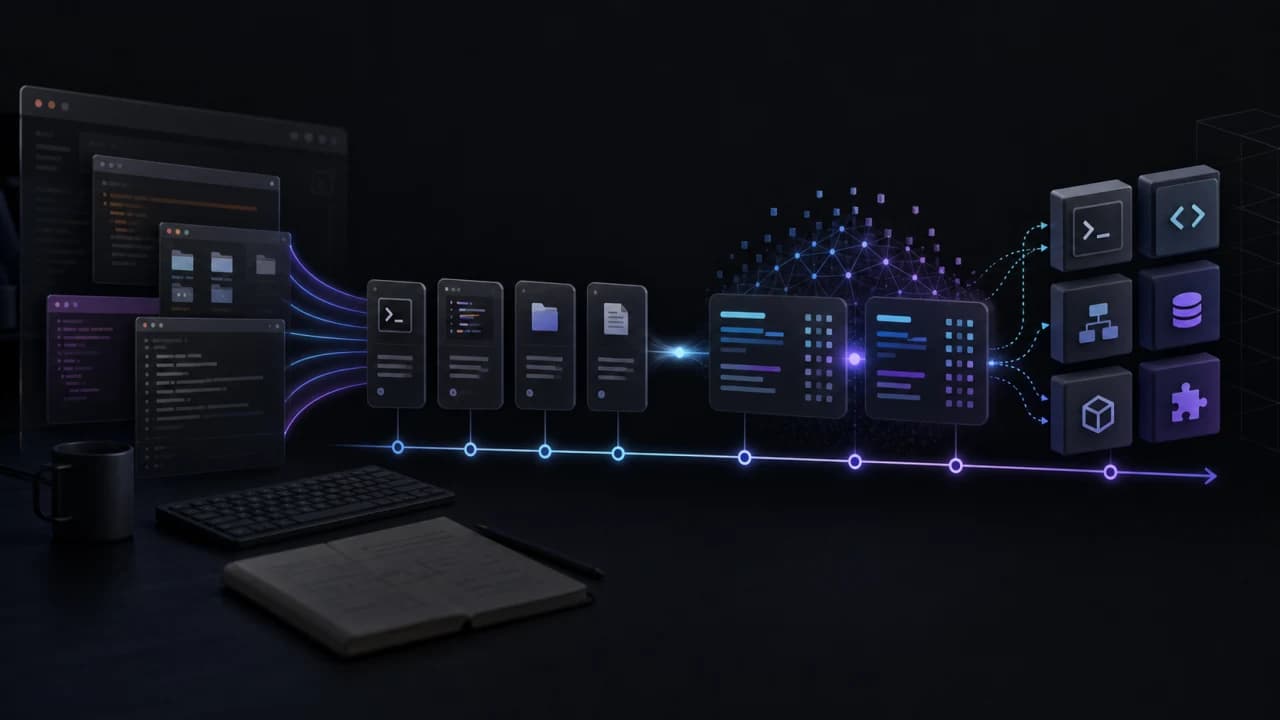
Codex Computer History Turns Repeated Work Into Reusable Skills
Codex Computer History gives agents a rolling local view of your work across apps. How it works, how to turn observed workflows into skills, and privacy limits.
8 min read
Grok Bot's Core Primitive: Every Bot Gets a Computer
Grok Bot gives every Bot a persistent cloud computer with a browser and terminal. Why that one primitive explains routines, Bot teams, and always-on work.
7 min read
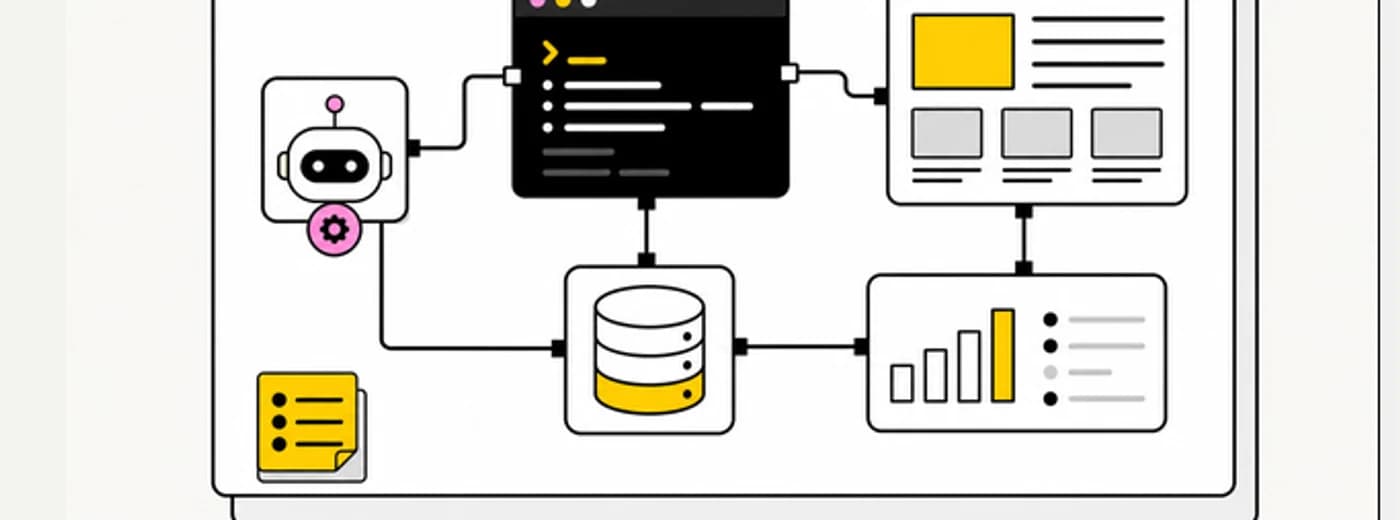
Grok Bot's Meta Controls: Oversight as a Product Primitive
Grok Bot's meta controls make agent oversight a product primitive: approval gates, a chief-of-staff structure and escalation learning, not a settings page.
7 min read
Grok Bot Routines: Automations Without Automation-Building
Grok Bot routines let you demonstrate a job once, correct it in plain language and hand the Bot the schedule. How it works and how approval gates keep it safe.
7 min read
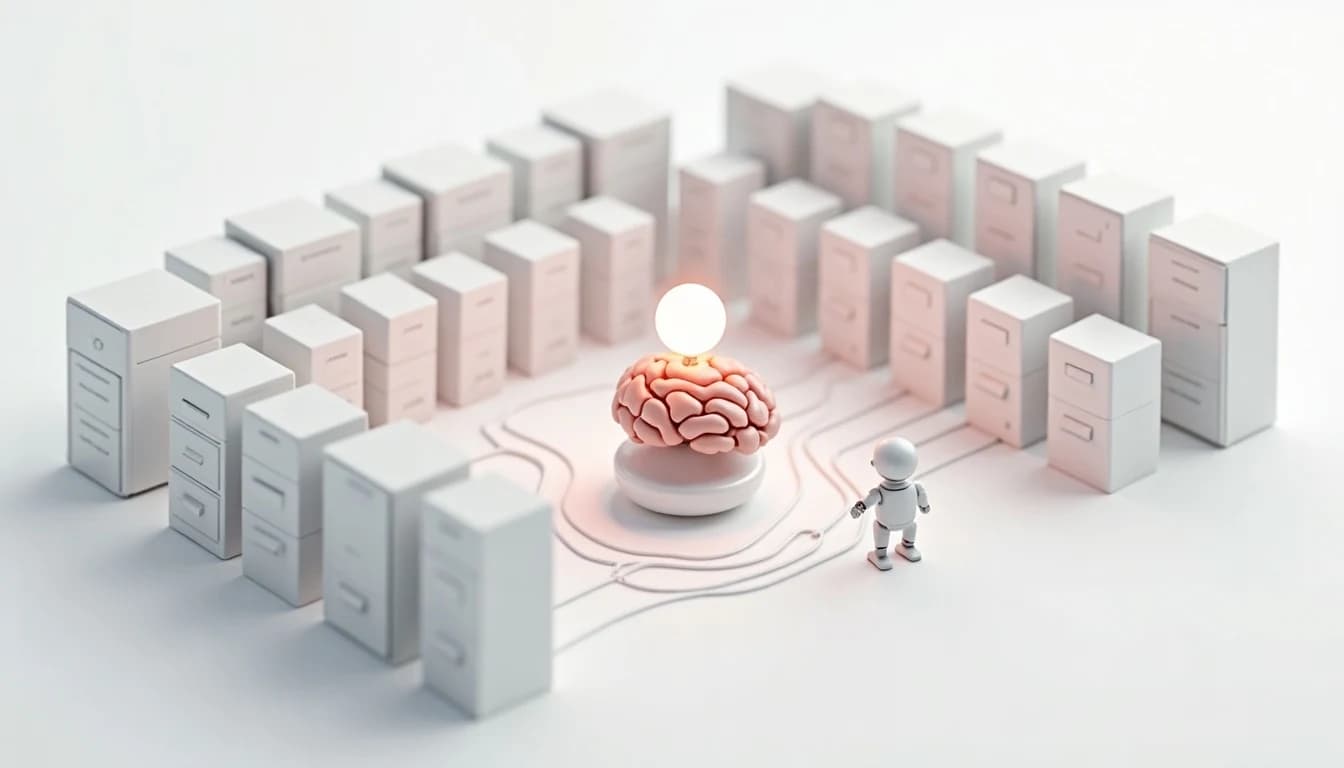
Automate Video Editing with the Descript API: Raw Recording to Published Cut in One Script
Automate video editing with the Descript API: one script takes a raw recording to a cleaned, captioned, published cut without opening the editor.
11 min read
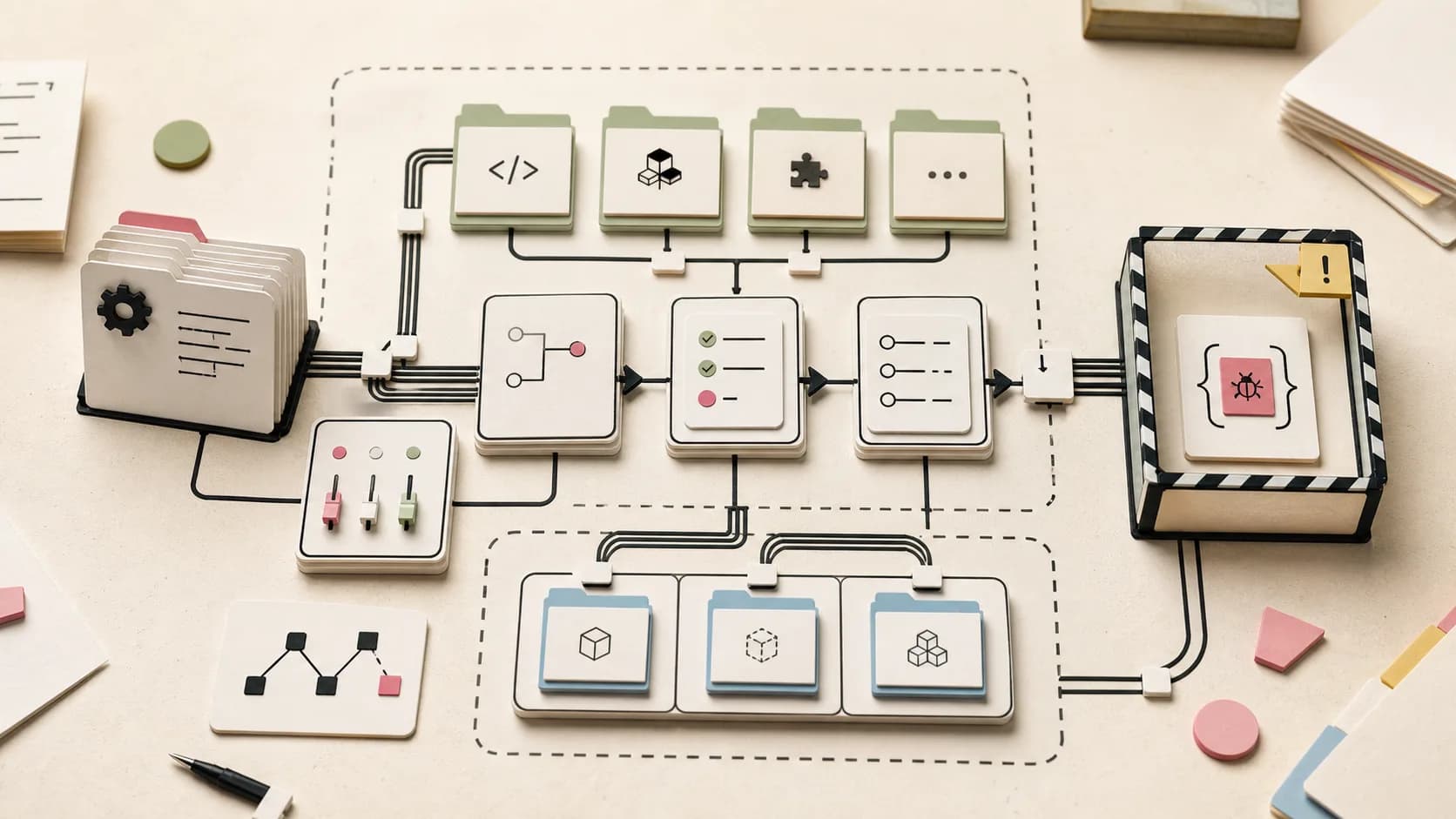
Make Your Coding Agent Talk: Audio Briefs from Agent Runs with ElevenLabs
Audio briefs from coding agent runs: end every run with a plain-language summary, pipe it into ElevenLabs text-to-speech, and listen to the MP3 on the go.
9 min read

Put an AI Agent Behind a Webhook: Turn GitHub Issues into Pull Requests
Deploy an AI agent behind a GitHub webhook on Railway with OpenCode headless, so a labeled issue becomes a tested pull request. The full build, step by step.
10 min read
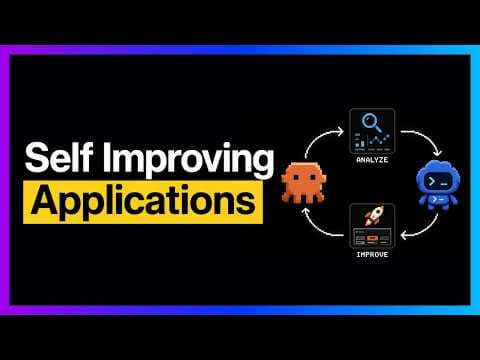
Self-Improving Applications Are Now Cheaper Than Hiring: The Claude Code and Codex Closed Loop
Self-improving applications with Claude Code and Codex: the loop from user feedback to GitHub issue to reviewed PR, paying per closed issue, not per token.
12 min read
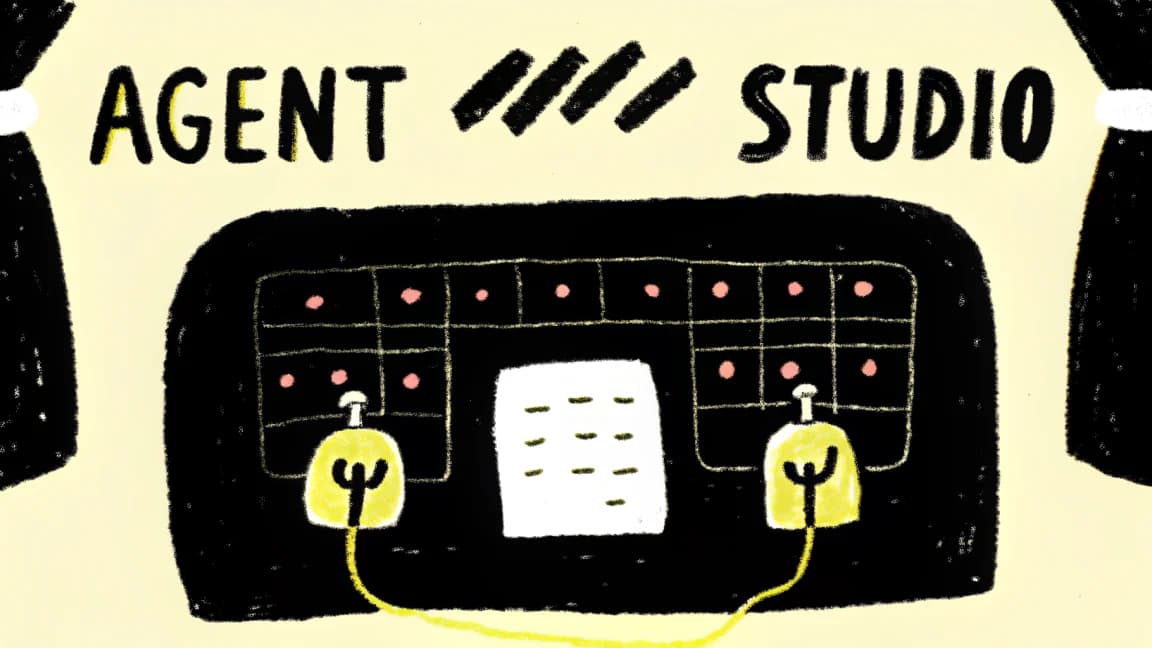
Auto-Narrated Changelog Videos: Build the Pipeline in Under an Hour
Auto-narrated changelog videos in one hour: a coding agent scripts from git history, Screen Studio records the demo, and Descript narrates and edits it.
8 min read

Put an AI Agent on a Cron Job: Automating Dev Chores with OpenCode
Put an AI agent on a cron job with OpenCode: a runner script, a schedule, first chores and guardrails, so recurring dev work arrives as PRs to review.
11 min read
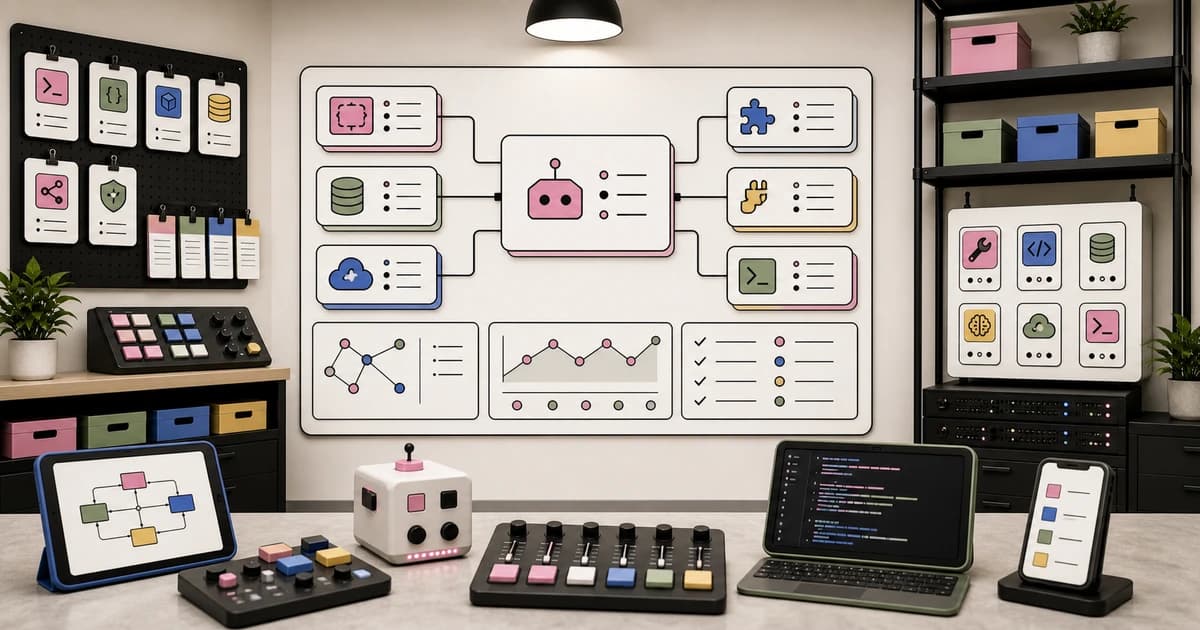
Spare Mac for Claude Code: The Remote Control Setup Guide
A guide to setting up an isolated spare Mac that Claude Code can control remotely over SSH, Remote Control from your phone, and Tailscale.
7 min read
Loop Engineering: How to Design Agent Loops That Actually Converge
Loop engineering patterns: plan/act/verify cycles, convergence criteria, retries, budget-bounded loops, and loop-until-dry, so agents stop when they should.
11 min read
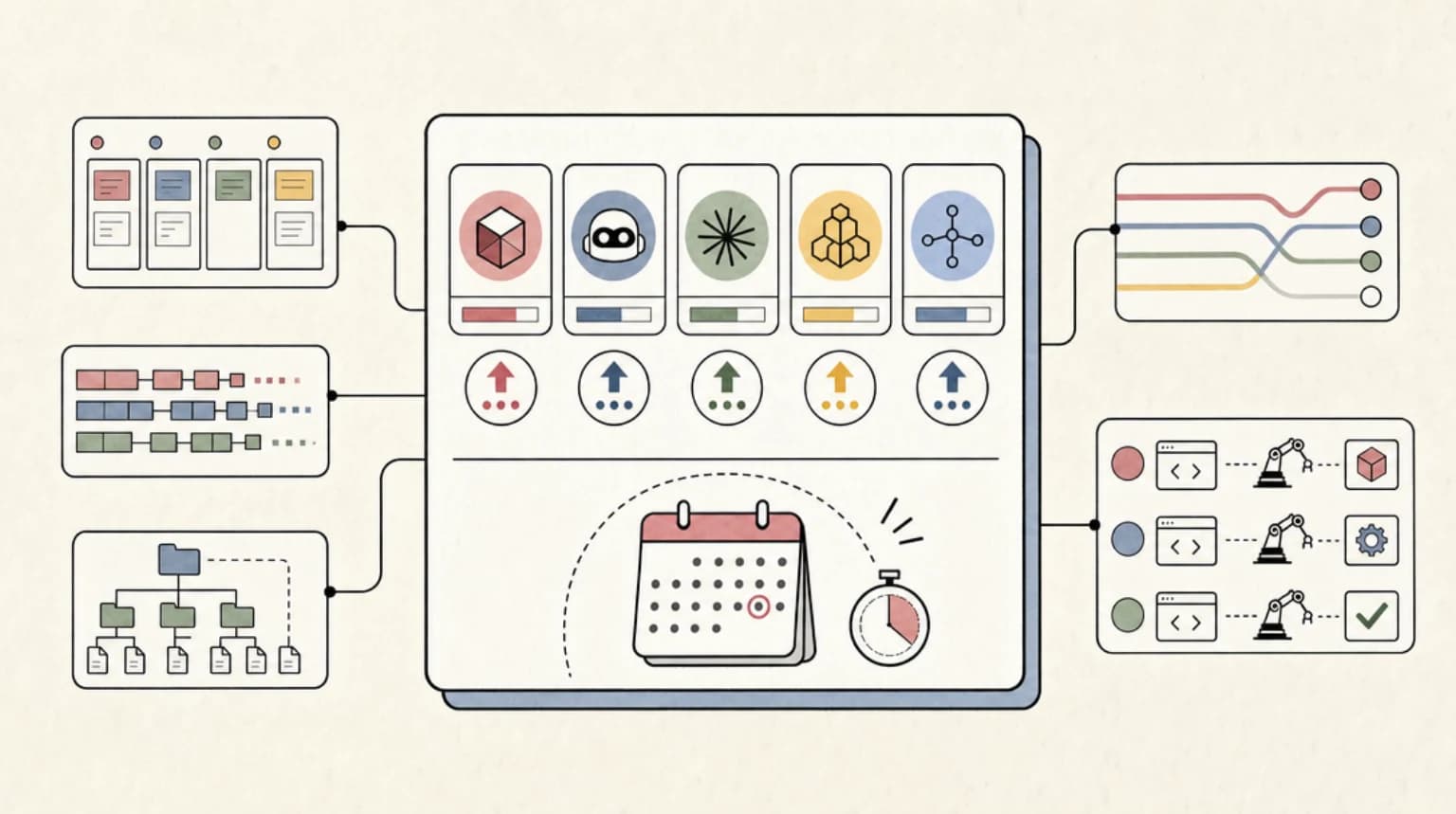
GLM 5.2 Matches Human Bookkeeper Accuracy on UK VAT Returns - With Some Caveats
GLM 5.2 UK VAT return benchmark: how the model handled 59 transactions with near-human bookkeeper accuracy, where it erred, and why HN focused on liability.
7 min read
Codex Record & Replay: Turn Screen Recordings Into Reusable Automation Skills
Codex Record & Replay companion guide: record a recurring computer task once in OpenAI Codex and replay it as a reusable automation skill, plus where it fits.
6 min read
Loop Engineering in 9 Minutes: Stop Prompting, Start Building Loops
Loop engineering means building long-running loops, goals and automations instead of re-prompting an LLM. The core idea from the video and where to go deeper.
6 min read
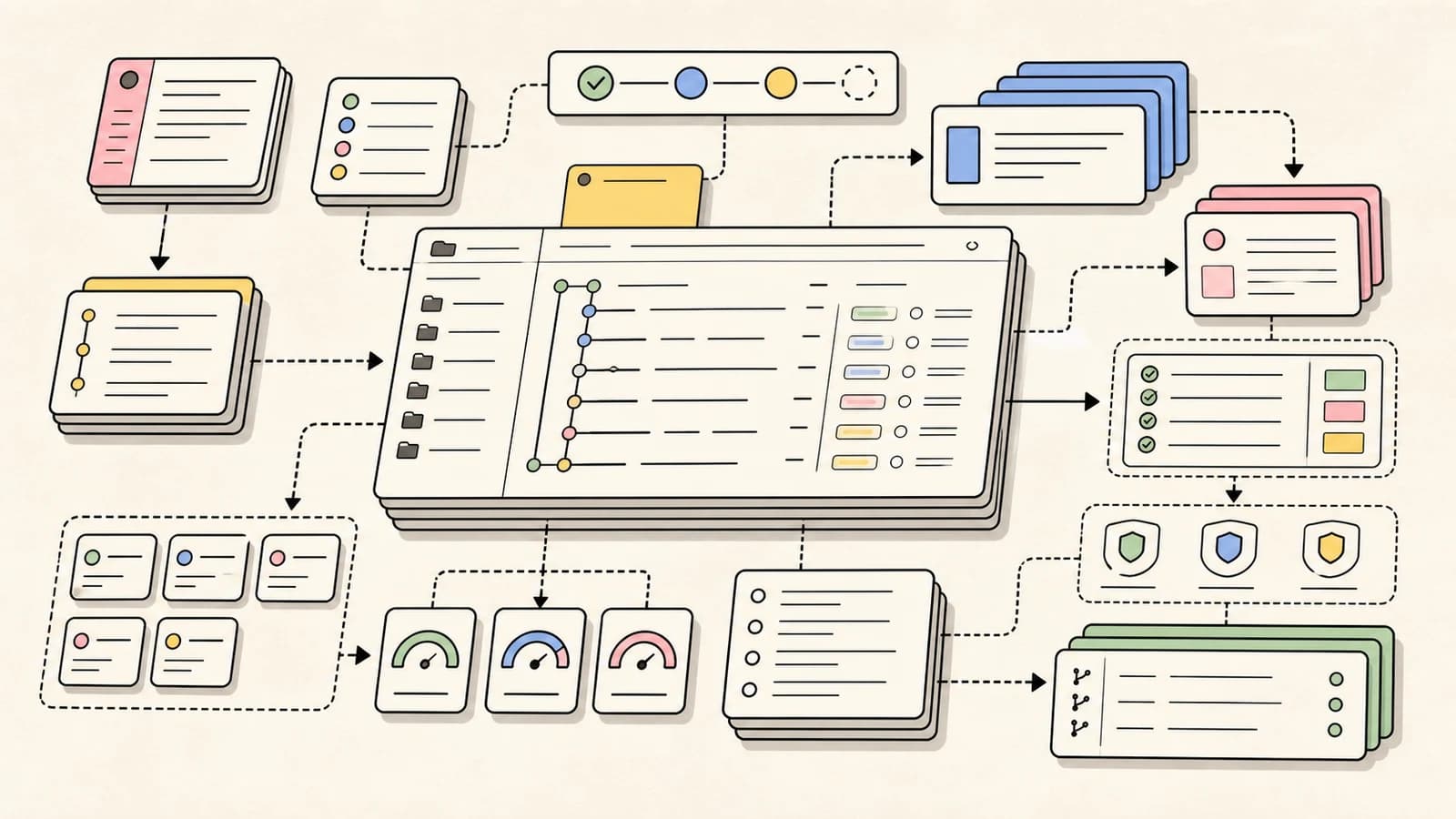
Codex-Maxxing: How to Run Long-Running Codex Workflows Without Losing the Plot
Codex-Maxxing done right is bounded autonomy: AGENTS.md, small worktrees, explicit stop conditions and review checkpoints for long-running Codex workflows.
8 min read
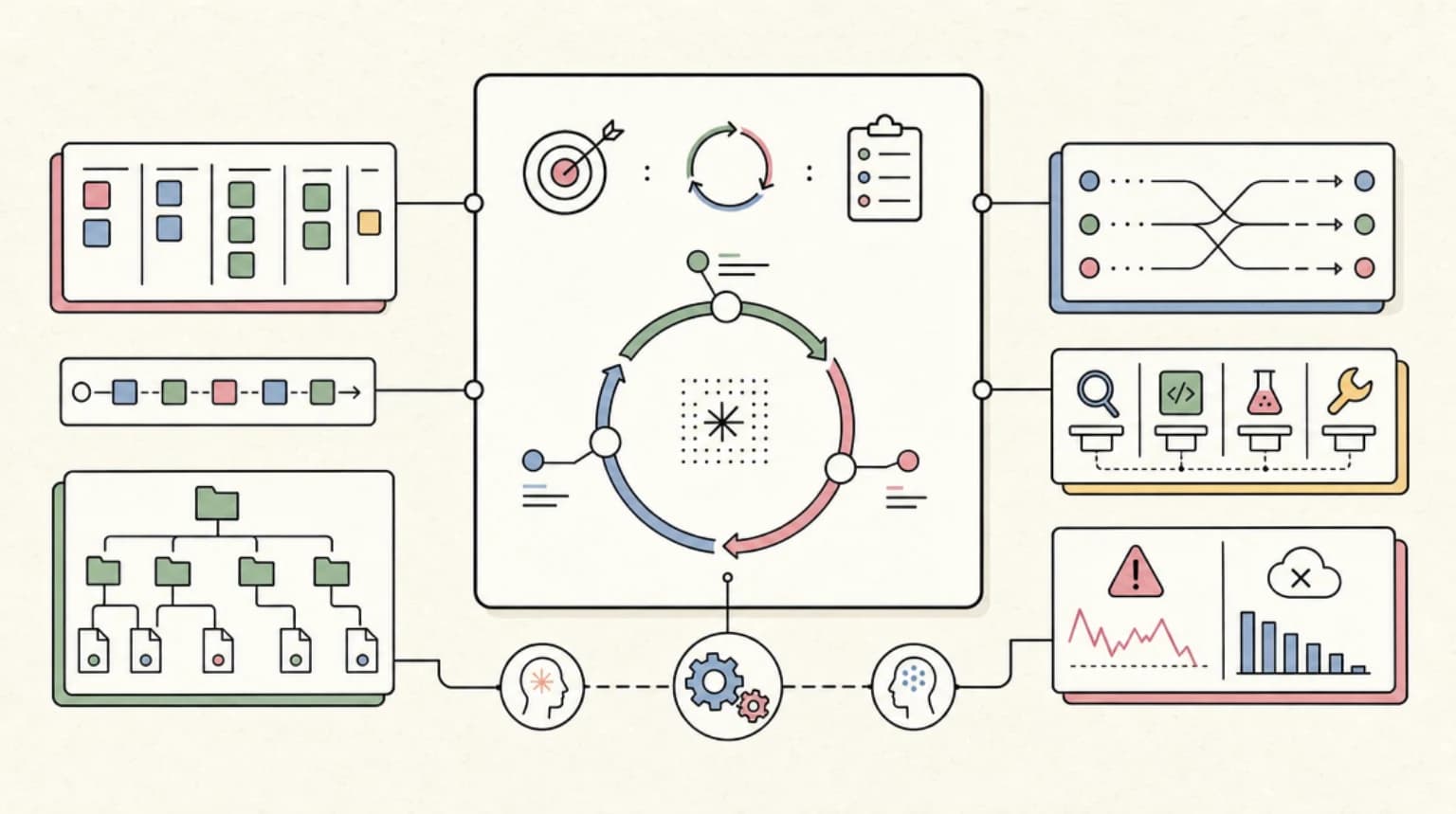
The Definitive Guide to Loop Engineering in Claude Code and Codex
Loop engineering in Claude Code and Codex - when to use a goal, loop or routine, the real commands, production patterns and two failure modes that burn money.
16 min read
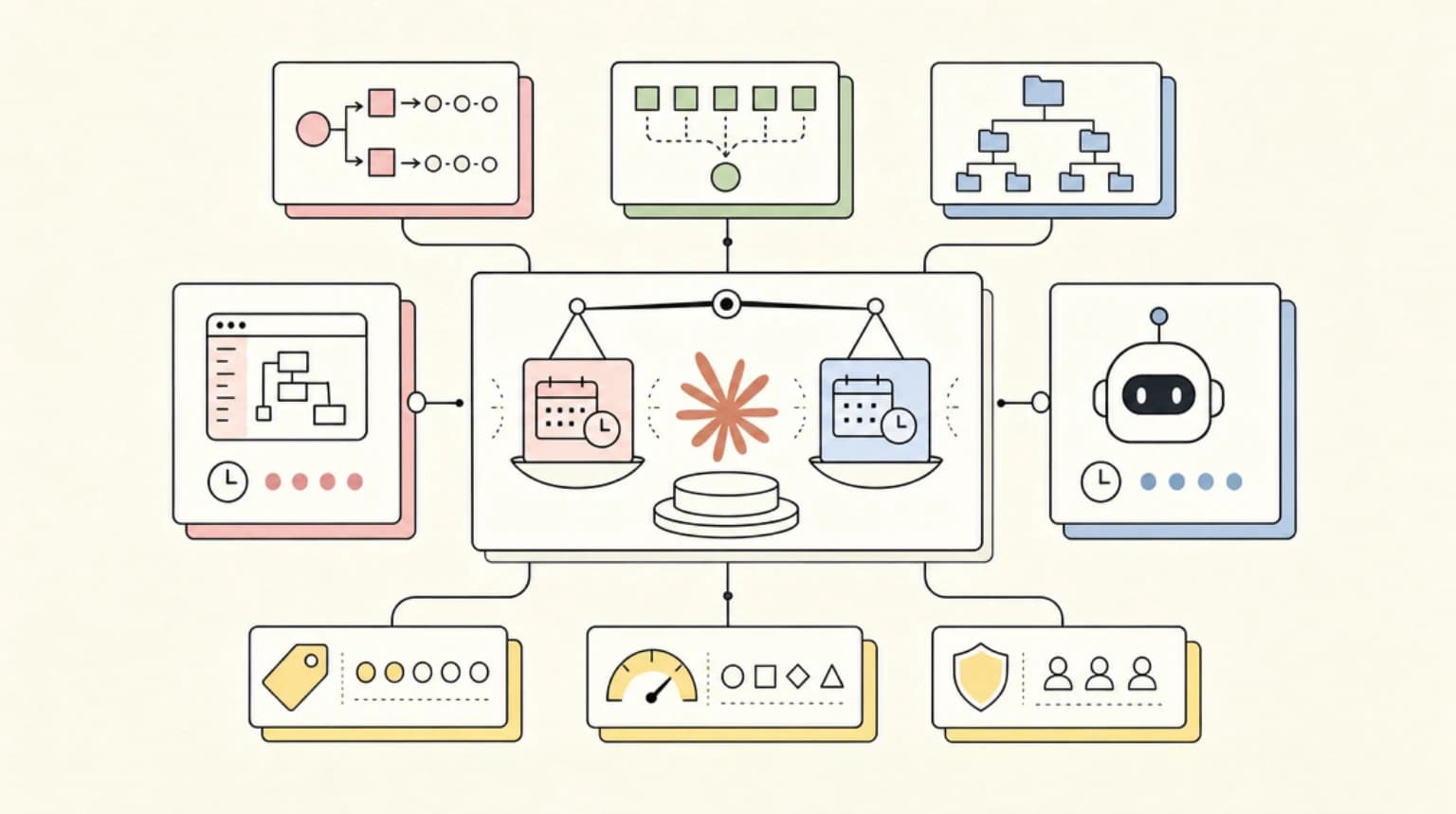
Claude Code Routines vs Managed Agents Schedules: Where Recurring Agent Work Should Live
Claude Code Routines vs Managed Agents scheduled deployments: how triggers, pricing and limits differ, and where your recurring agent work should run.
9 min read
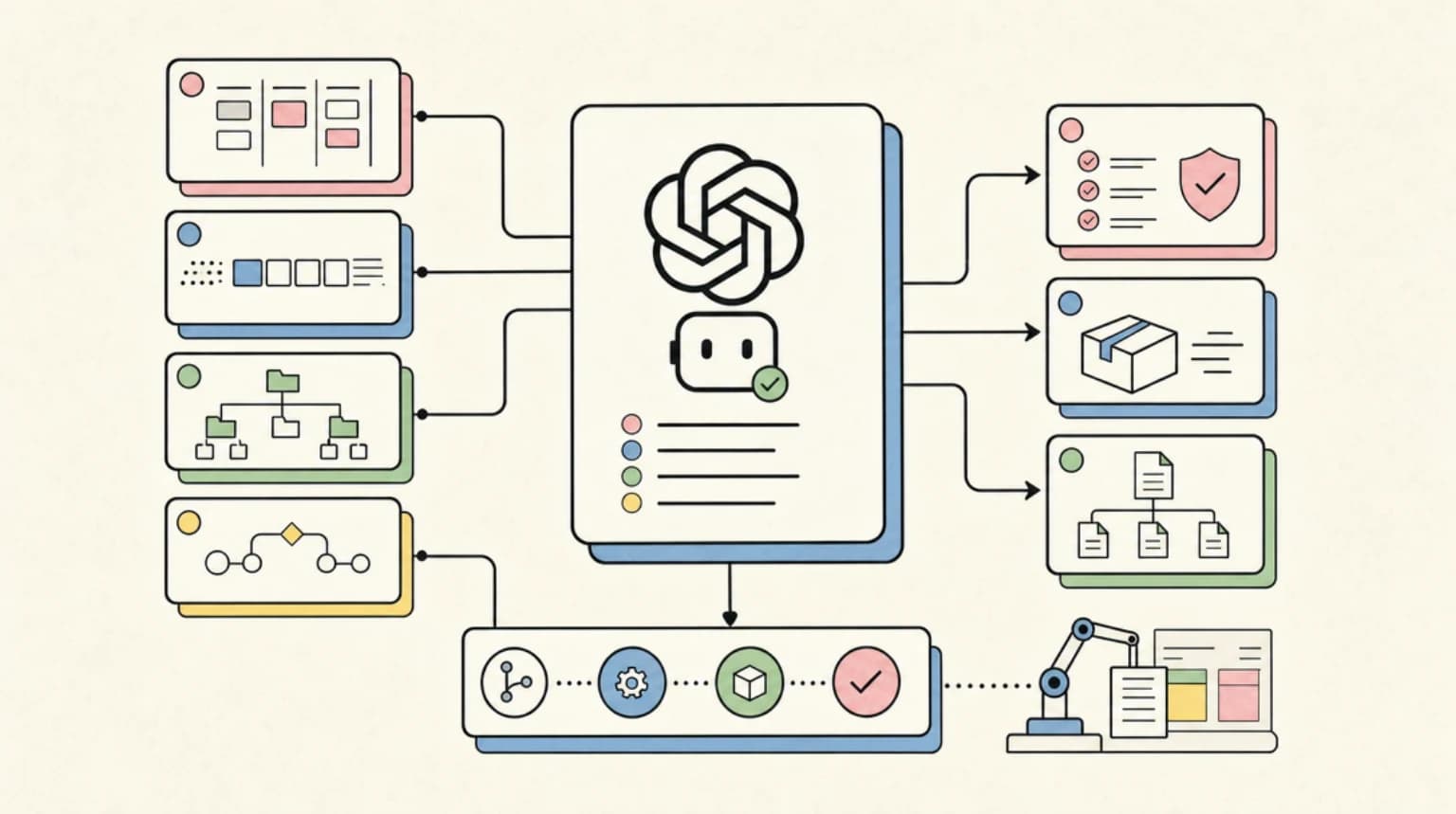
Codex Exec in CI: Practical Guide to Headless OpenAI Agents
codex exec is OpenAI's non-interactive mode to run Codex agents from scripts, CI and GitHub Actions. How to set it up safely with real flags and working YAML.
9 min read
Codex Automations: Where Scheduled AI Agents Actually Help
Codex automations are useful when recurring engineering work has clear inputs, reviewable outputs, and safe boundaries. Here is the practical playbook.
9 min read
Codex Is Becoming a General-Purpose AI Agent, Not Just a Coding Tool
OpenAI is turning Codex from a coding assistant into a broader agent workspace for files, apps, browser QA, images, automations, and repeatable knowledge work.
8 min read
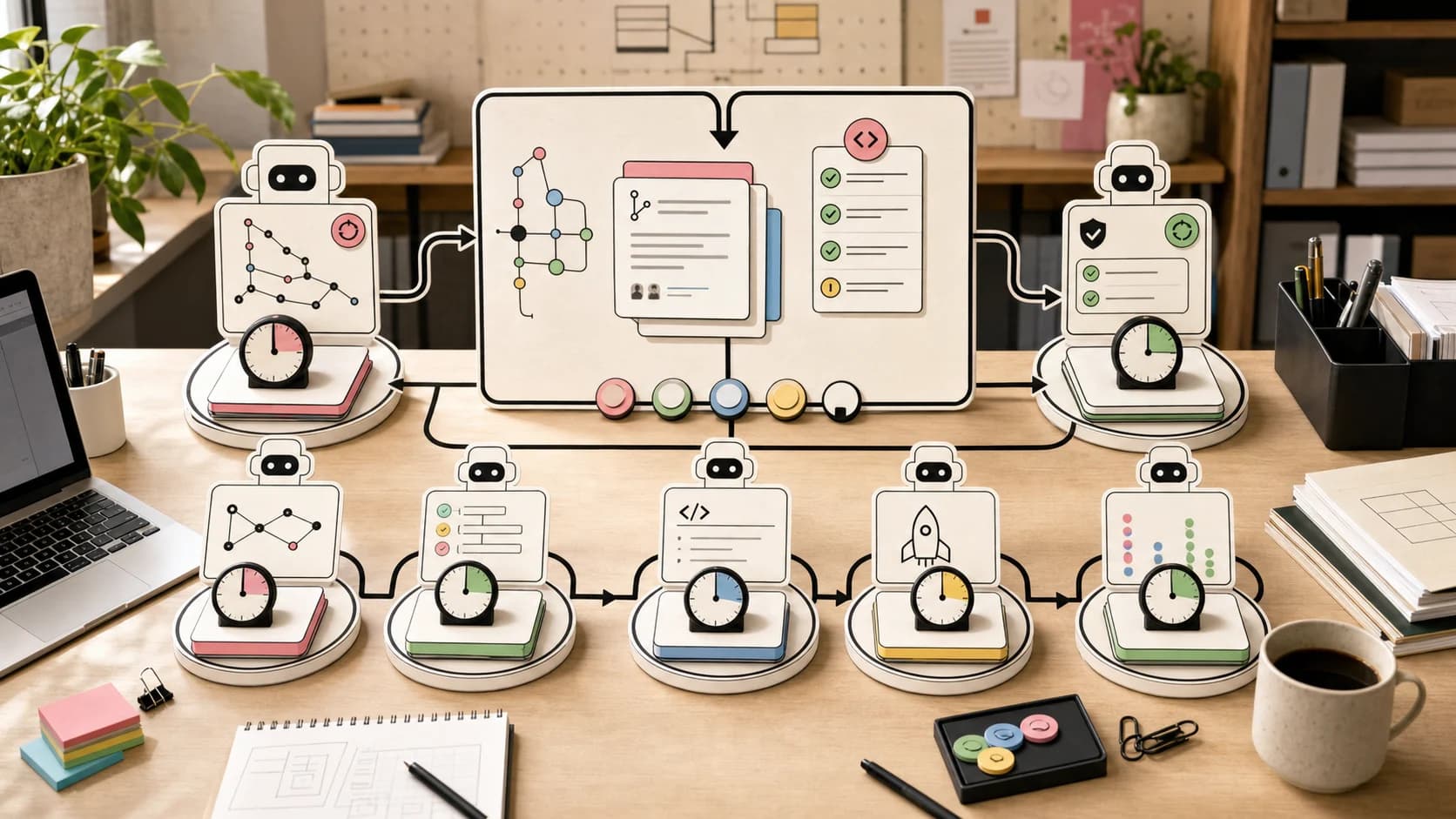
Codex Loops: What Boris Cherny Gets Right About Managing Agent Work
Boris Cherny's loop-heavy Claude Code workflow points at the next Codex content lane: recurring agents that babysit PRs, CI, deploys, and feedback streams.
8 min read
Claude Code Hooks Explained
Claude Code hooks run shell commands at exact lifecycle points. Set up auto-format, dangerous-command blocking, tests before stopping and desktop notifications.
12 min read
Claude Code Loops: Recurring Prompts That Actually Run
Claude Code /loop runs prompts on repeat in a session: fixed or self-paced intervals, seven-day expiry, jitter, and when Routines fit better.
6 min read

Claude Code: Remote Control, Auto Memory, Plugins & More
Claude Code updates: remote control from your phone, Cowork scheduled tasks, new plugin repos, auto memory and 4% of public GitHub commits now from Claude Code.
5 min read
The Ralph Loop: Running Claude Code For Hours Autonomously
The Ralph Loop uses Claude Code stop hooks to keep an agent working autonomously for hours. How stop hooks, completion promises and max iterations fit together.
10 min read
Related Tools
All tools →Playwright
Modern browser automation from Microsoft. Auto-wait, role-based selectors, cross-browser, fast in CI.
InfrastructureBrowser Harness
Self-healing browser automation harness that lets LLMs complete any browser task. 5,000+ stars in under a week.
Infrastructuren8n
Self-hostedWorkflow automation platform for technical teams, with native AI agent building. Visual editor plus JavaScript/Python code nodes, 500+ integrations, self-hostable under a fair-code license.
ProductivityKeep exploring
More on Automation
- - Playwright - recommended Automation tool from the Developers Digest directory
- - Glossary - dive deeper across the Developers Digest knowledge base
- - All Automation articles in the blog archive
- - Developers Digest on YouTube - video tutorials covering Automation and more
Get Smarter About AI Dev
New tutorials, open-source projects, and deep dives on coding agents - delivered weekly.
One email per weekReal code, not theoryFree forever
Explore 848 topics
Browse All Topics