Grok Bot's Core Primitive: Every Bot Gets a Computer
TL;DR
Every Grok Bot works on a persistent cloud computer with browser and terminal access, and that single primitive explains everything else about the product.
Last updated: August 23, 2026
Official Sources#
| Source | Link | What it documents |
|---|---|---|
| Introducing Grok Bot (Aug 11, 2026) | x.ai/news/introducing-grok-bot | Launch announcement: computer primitive, teammate UX, multi-Bot teams, routines |
| Grok Bot is now included with more plans (Aug 21, 2026) | x.ai/news/grok-bot-more-plans | Plan expansion, jobs Bots do today, enterprise waitlist |
| Grok Bot overview docs | docs.x.ai/grok-bot | Persistent cloud VM, shared-computer model |
| Use the computer and apps | docs.x.ai/grok-bot/computer-and-apps | Persistent sessions, /workspace, recovery and reset |
| Approvals, security, and privacy | docs.x.ai/grok-bot/approvals-security-and-privacy | Approval controls, credential handling, least privilege |
| Hacker News thread | news.ycombinator.com/item?id=49261514 | Community discussion at launch (350 points) |
When SpaceXAI launched Grok Bot in beta on August 11, 2026, the headline features were easy to list: message agents like teammates, run many at once, hand off real work. But the load-bearing decision sits one level down: "Bots share a computer of their own in the cloud, so jobs do not stall when you step away."
SpaceXAI developer Matt Palmer compressed the idea around launch even further: everything is computer, and so is Grok Bot. That sounds glib until you notice how much falls out of it. Routines exist because the machine keeps running between conversations. Chief-of-staff teams exist because Bots share files, sessions, and logins on one box. The always-on pitch exists because the computer never lived on your laptop. This piece takes that primitive apart: what it is, why it wins, and what it costs.
What the Primitive Actually Is#
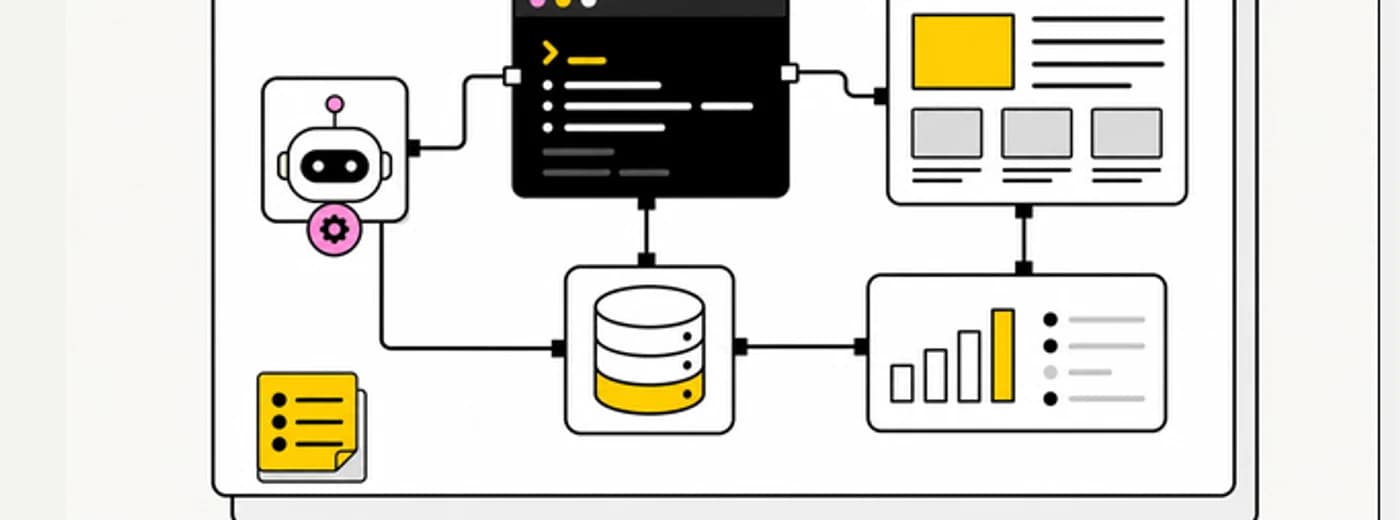
The documentation is more precise than the launch post. Each Bot, per the Grok Bot docs, "runs on a persistent cloud VM with a browser, filesystem, and terminal." Two clarifying details matter:
- It is one computer per account, shared by your Bots. Each Bot gets its own screen so several can work in parallel, but the docs are explicit that screens are separate work surfaces, not separate security boundaries. Files, browser cookies, and command-line credentials placed there are visible across your whole roster.
- It is independent of your hardware. Closing the Grok Bot app or your laptop does not stop cloud work. The VM stays up, the browser sessions stay signed in, and the job keeps running.
So "every Bot gets its own computer" is shorthand. Precisely: every account gets a persistent cloud computer, and every Bot you staff onto your team works there. Everything interesting about Grok Bot follows from those two properties plus one more launch-post sentence: Bots "can sign in and work across apps, tools, and websites, including platforms with no clean API or MCP."
Why Own-Computer Beats Chat-Draft Output#
The dominant agent pattern today ends in text: you prompt, the model drafts, you paste the result somewhere real. The paste step is where agents go to die - it is manual, it breaks flow, and it caps how much of a job you can delegate.
Roman, Product, at SpaceXAI, drew the line exactly:
There is a huge difference between 90% done and 100% done. Most AI gets you almost there. Grok Bot can finish the swing, because the work lands where a human would put it, in the actual tool.
That last-mile gap between drafted and finished is precisely the gap a computer closes. A chat assistant can write your listing copy; a Bot with a computer purchases the domain and deploys the site, which is listed among the jobs Bots do today, alongside redirect rules and plugin configuration. An assistant can summarize your service business; the office-manager Bot books jobs across Gmail, Slack, ServiceTitan, Quo, and client portals itself. A meeting summarizer needs you in the room; the meeting stand-in joins the call, tells the room you are there, and sends notes after.
In each case the deliverable is not a draft of the work but the work, sitting in the system where the work lives. That is what "finish the swing" means operationally, and no chat-pane agent can do it.
Why It Beats API-First Integration#
Most agent platforms integrate with software through APIs and structured protocols such as MCP. That approach is clean, auditable, and hits a wall immediately: the long tail of software has no API. Regional portals, legacy CRMs, government forms - none expose endpoints, and most never will.
A browser with your credentials has universal coverage by construction. Anything a human can reach by clicking, the Bot can reach, which is why the launch post calls out platforms with no clean API or MCP as a supported surface rather than an edge case. The more-plans announcement makes the same point from the other side: Bots handle "the browser work in those portals so a shop owner does not have to live in six tools."
The docs add one nuance: when a connector exists, prefer it, because structured access "is often more reliable than clicking through a website." The resulting architecture is connector-when-possible, browser-when-necessary - and the browser fallback is what keeps coverage universal instead of bounded by however many integrations SpaceXAI has shipped.
Why Persistent Beats Session-Scoped#
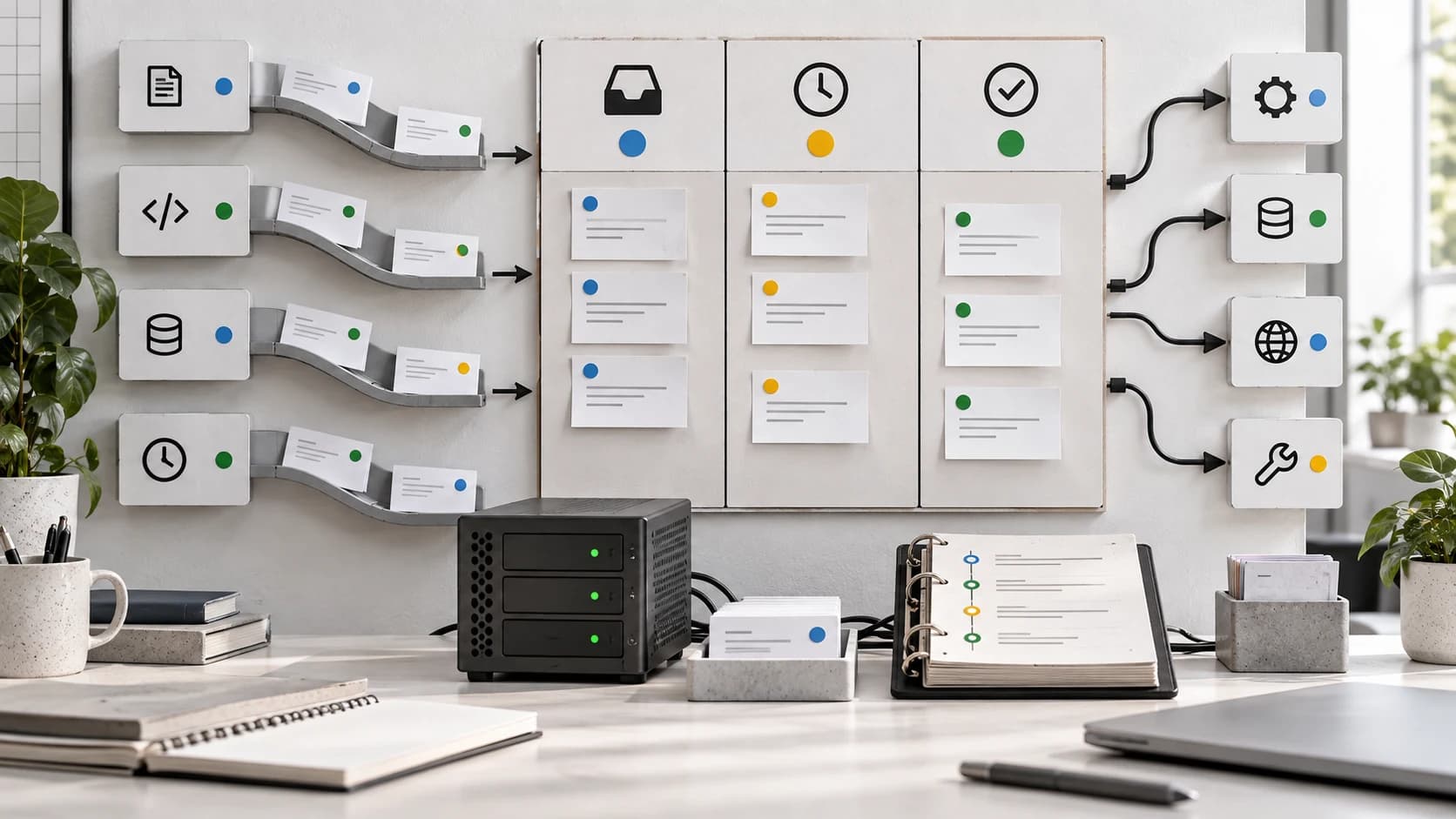
The third property is durability, the quietest of the three but arguably the most consequential. State survives: logins, files, browser sessions, and preferences persist across turns, days, and restarts. The docs describe durable files in a shared /workspace and browser sessions designed to survive normal computer updates.
Session-scoped agents start every run from zero: no memory of yesterday's sign-in, no half-finished task from last week, no standing appointment with your inbox. Persistence converts an agent from a demo into infrastructure:
- Routines become possible. Show a Bot a workflow once, it saves the path, and it re-runs on a schedule without re-explaining. That only makes sense if the environment it learned in still exists tomorrow.
- Overnight lanes become possible. The demo-readiness Bot checks the demo environment overnight, fixes broken seeds and stale data, and drops a ready checklist before sales calls. A digital declutterer audits email, Drive, and subscriptions around the clock.
- Compounding context becomes possible. Bots accumulate your voice, your edge cases, and when to ping versus keep going. A fresh-session agent resets that learning to nothing on every run.
This is also why Grok Bot can credibly promise 24/7 operation: always-on behavior is not a scheduling feature bolted onto an agent, it falls directly out of the computer never being turned off.
How It Compares to the Adjacent Lanes#
Three families of tools orbit the same idea; none occupies quite the same square.
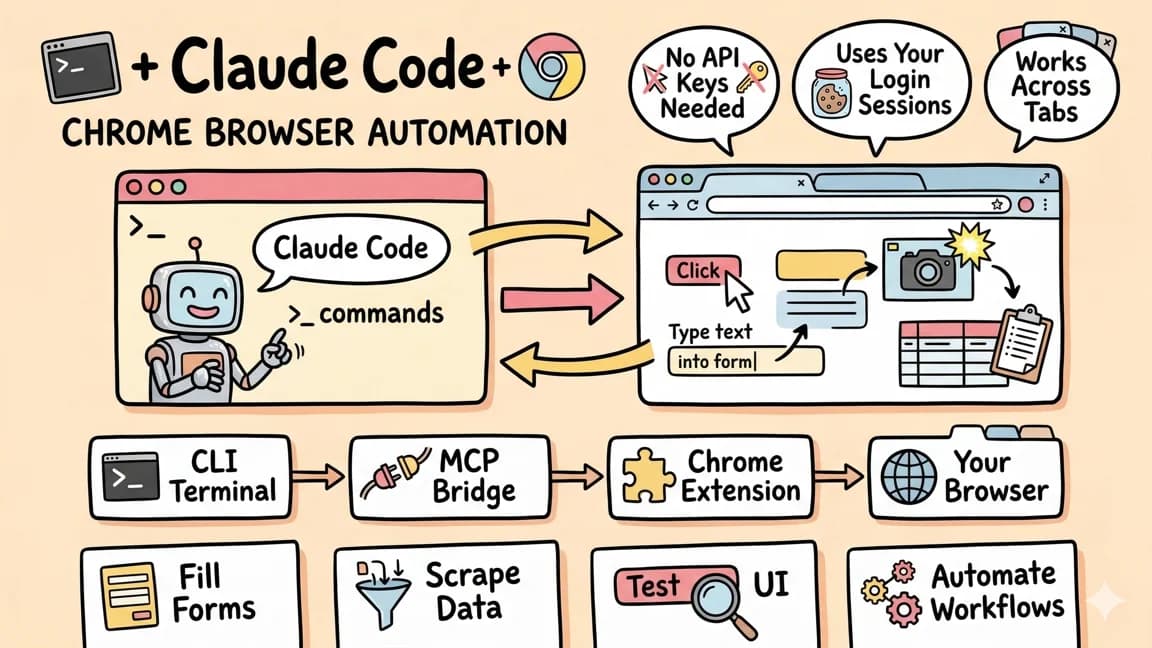
Terminal coding agents (Claude Code, Codex-style CLIs) are dev-scoped. They are superb inside a repository, but they run on your local machine, bound to your terminal session - close the laptop and the loop closes with them. We covered how Claude Code extended into the browser with authenticated Chrome sessions in our Claude Code + Chrome breakdown, and traced Grok's CLI story at the wire level in our grok CLI analysis.
Browser-use and computer-use research agents demonstrated this exact primitive early: give a model a browser and let it click. But most of that ecosystem remains session-scoped and demo-shaped - spin up a VM, perform the task, evaporate. Anthropic's consumer-facing push in the same direction is covered in our Anthropic Cowork piece; note how much value only unlocks once sessions stop evaporating.
Self-hosted always-on agents (OpenClaw-style setups, Hermes) want the same persistence and get it the hard way: you provision the box, manage the credentials, and own uptime, patches, and 3 a.m. failures. We looked at a managed slice of that world in our Hermes + Vercel AI Gateway sandbox walkthrough.
Grok Bot's position: managed, consumer-shaped, bundled. SpaceXAI runs the VM, keeps it patched and warm, and hands it to you inside plans many subscribers already pay for. You trade control (it is their box) for coverage (you never think about the box) - a trade that makes sense precisely for people who need an office manager, not another server.
The Trade-Offs, Stated Plainly#
The costs here are concrete rather than hypothetical.
Credential custody. Your logins live on their computer. The docs are direct about the blast radius: do not place a credential or file on the computer if another Bot should not reach it, and do not use separate Bots as a security boundary. Mitigations are real but partial - passwords, passkeys, 2FA codes, CAPTCHAs, and payment confirmations trigger a human take-over flow, and secret values in secure requests are masked and excluded from transcripts. Still, the default posture is that your account's working set lives on SpaceXAI-managed infrastructure.
Approval latency. Consequential actions stop and wait for you. Correct design, but delegation quality now depends on your response time, and the docs caution that an approval controls the proposed action without reversing work already completed. Auto Review rules reduce interruptions, though the docs flag Auto Review as model-based - a complement to explicit boundaries, not a replacement.
Beta maturity. The product ships with an early beta label, and the docs include recovery and reset procedures for exactly the failure modes a cloud computer has. Durable state survives normal updates; treat installed packages and temporary directories as disposable.
Plan gating. Access rides on subscription tiers - SuperGrok Plus and Heavy, Cursor Pro+ and Ultra, Cursor Teams Standard and Premium - with enterprise access behind a waitlist as of the August 21 expansion. There is no free lane; the always-on VM is what gets metered.
None of these are disqualifying. They are the going rate for handing a managed machine your working context, and every alternative lane charges the same bill in different currency - your ops time instead of your subscription.
FAQ#
Does every Grok Bot really get its own computer?#
Not individually. Every account gets one persistent cloud computer shared by all of your Bots, each with its own screen. The launch phrasing "a computer of their own" means your Bots collectively have a machine that belongs to them rather than to your laptop - not that five Bots mean five isolated machines.
What happens when I close my laptop?#
Nothing, which is the point. Cloud work continues independently of your device: jobs do not stall when you step away, and scheduled or long-running tasks finish on SpaceXAI's infrastructure while you are offline.
How does Grok Bot use apps that have no API?#
Through its browser, signed in with your credentials. Anything a person can reach by clicking, the Bot can reach, so coverage extends to portals and legacy tools that expose no endpoints. Where a structured connector exists, the docs recommend preferring it for reliability.
Where do my passwords live?#
Sensitive steps route around storage: the Bot hands you control of the computer for passwords, passkeys, two-factor codes, and payment confirmations, and masked secret requests exclude values from transcripts. Browser sessions do persist on the shared computer, so signed-in state functions as stored access - which is why the docs tell you to sign out of services you no longer want your Bots reaching.
Can multiple Bots use the same computer at once?#
Yes. Each Bot gets its own screen on the shared computer and several can work in parallel, one computer-use task per screen at a time. The screens are separate work surfaces, not security boundaries - files and sessions are visible across your roster by design.
What plans include Grok Bot?#
As of the August 21, 2026 expansion: SuperGrok Plus, SuperGrok Heavy, Cursor Pro+, Cursor Ultra, and Cursor Teams Standard and Premium. Enterprise users can join a waitlist while larger rollouts ramp.
How is this different from Claude Code or other coding agents?#
Scope and residence. Coding agents are development-scoped and run locally against your repos during your session. Grok Bot's computer is general-purpose, cloud-resident, and always on, so it handles non-dev lanes - inboxes, bookings, refunds, meetings - and keeps running after you log off.
Is Grok Bot available on mobile?#
Desktop and iOS apps are live today, sharing the same threads so you can pick up a conversation on either surface. Enterprise access is currently behind a waitlist as SpaceXAI ramps larger rollouts.
Where to Go From Here#
The computer primitive is the foundation; what you build on it is where the leverage shows up. Start with why these are the right primitives for consumers, then make the persistence pay for itself with routines and automations, and keep the delegation safe using meta-controls and agent oversight. Everything is computer - internalize that first and you will be handing off real jobs while everyone else is still pasting drafts.
Get the next deep dive like this in your inbox
One email a week on Grok Bot and the rest of the AI dev stack. Free.
Read next on AI coding tools
Grok Bot Has the Right Shape: Four Primitives, Nothing Else
Grok Bot ships four primitives that compose - a text thread, its own cloud computer, a chief of staff over specialist Bots, and show-it-once routines - and deliberately nothing else. That restraint is the product: you message a coworker instead of configuring an automation platform.
8 min readGrok Bot Routines: Automations Without Automation-Building
Grok Bot's routines flip the automation playbook: do the job once while a Bot follows along, correct it in plain language, then let the Bot own the schedule. Here is how the mechanic works, where it fits, and how approval gates keep it safe.
7 min readGrok Bot's Meta Controls: Oversight as a Product Primitive
Grok Bot ships controls over agents rather than controls by agents: approval gates, a chief-of-staff structure, and escalation learning stand in for a settings page. Here is how that oversight model works, and the control questions xAI has not answered publicly.
7 min readNew here? Start with
Technical content at the intersection of AI and development. Building with AI agents, Claude Code, and modern dev tools - then showing you exactly how it works.